In lane Electric Vehicles
AI Tools Expand Car Design Sketching, but Human Judgment Still Shapes the Final Car
Description
AI can speed early car design ideas, but engineering, business constraints and human judgment still shape what reaches production.
Artificial intelligence can turn a text prompt into an image, but the path from a striking car sketch to a production vehicle still depends on people. That distinction runs through Sajeev Mehta’s return to the College for Creative Studies (CCS): digital tools are widening who can explore automotive design, while the work of making an idea viable remains a human task.
From vellum to generated images
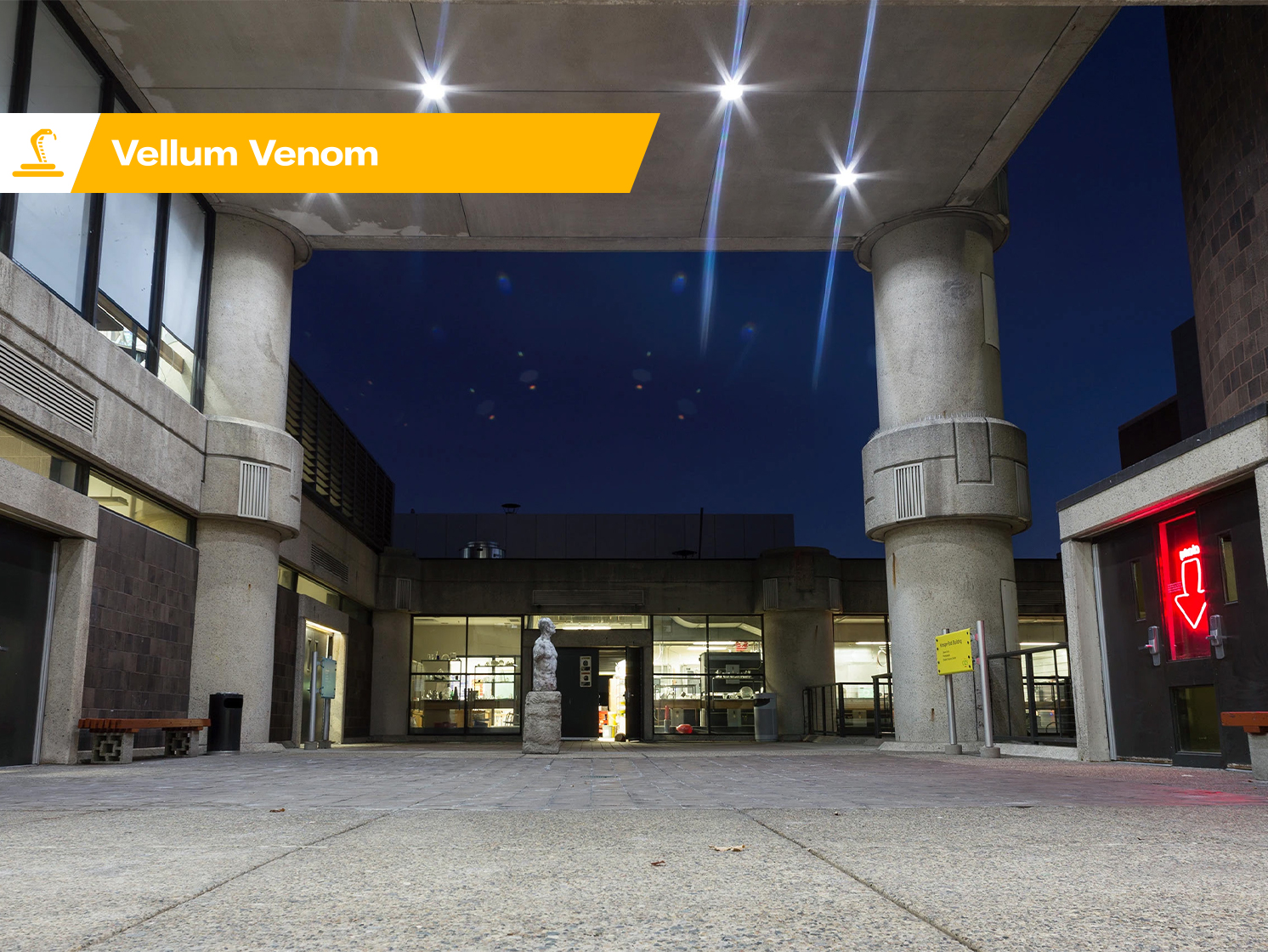
Mehta studied car design at CCS, now called the College for Creative Studies, more than two decades ago. The campus has since changed, including the addition of a building that combines design classrooms with student housing. His own classes took place in a stark, brick-and-concrete building, where he learned to sketch cars on vellum. Drawing wasn’t his strongest skill, he says; writing proved to be the more lasting talent.
That shift in tools raises a question for today’s design students. Image generators such as ChatGPT can produce visuals from written prompts, changing how designers develop and communicate early ideas. Mehta recently watched local artists use AI as a brainstorming aid. The distinction matters: the tool can help make an idea visible, but the creative direction still comes from the person using it.
Generative art has roots going back to the 1960s, long before current AI systems. Mehta’s concern is less about whether technology can make images than about how much technology people need. He appreciates what computing has enabled, while remaining uneasy about its growing reach. In design, though, the appeal is practical: concept sketches and vignettes can take time, and digital tools can help shorten the first stretch of exploration.
A Mustang concept made for the screen
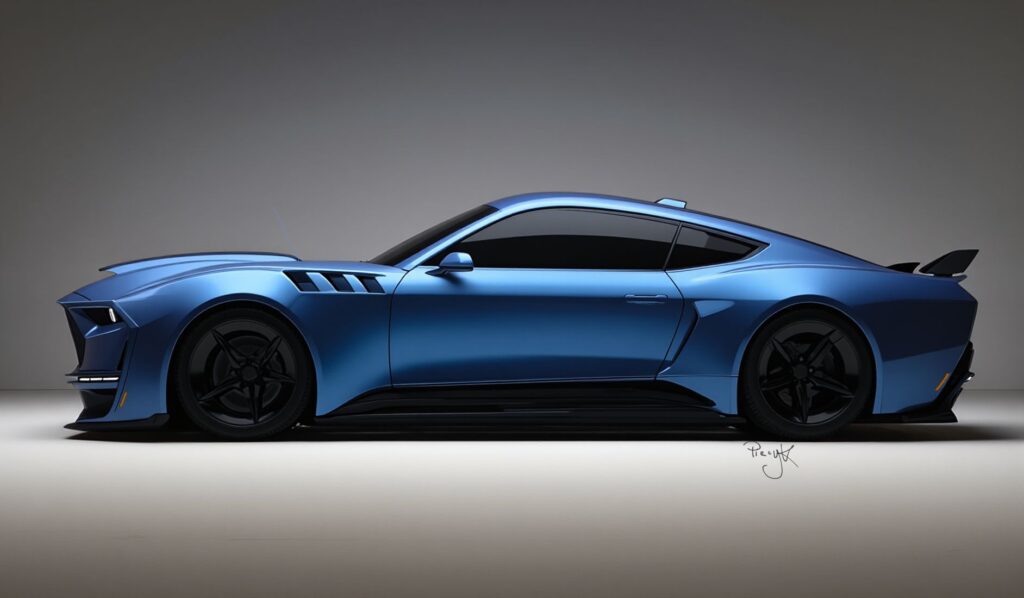
Maciej Piecyk’s Mustang-based drawings and digital renderings offer a concrete example. Piecyk, who lives in the Netherlands, shared his work with Hagerty Media after connecting with Mehta on LinkedIn. His images show how an enthusiast can develop and present a styling idea without following the traditional route through design school.
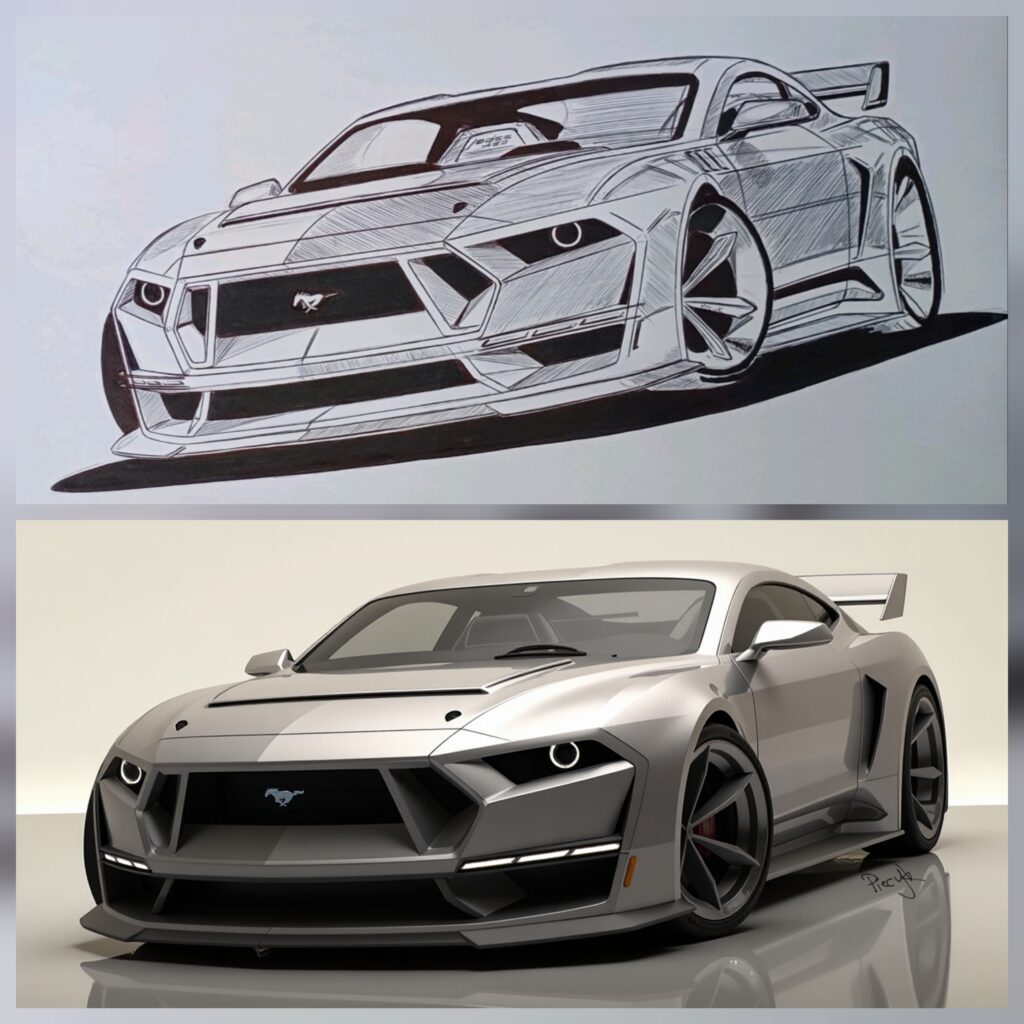
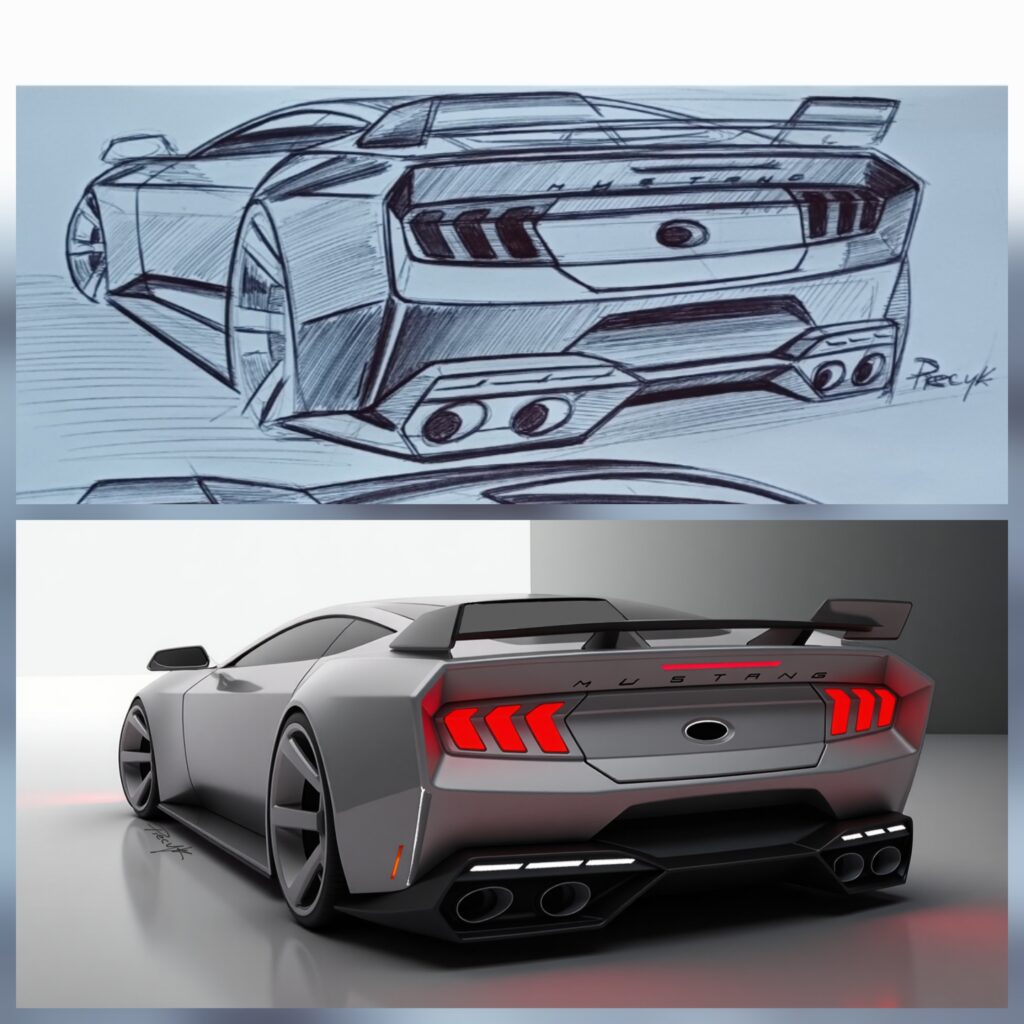
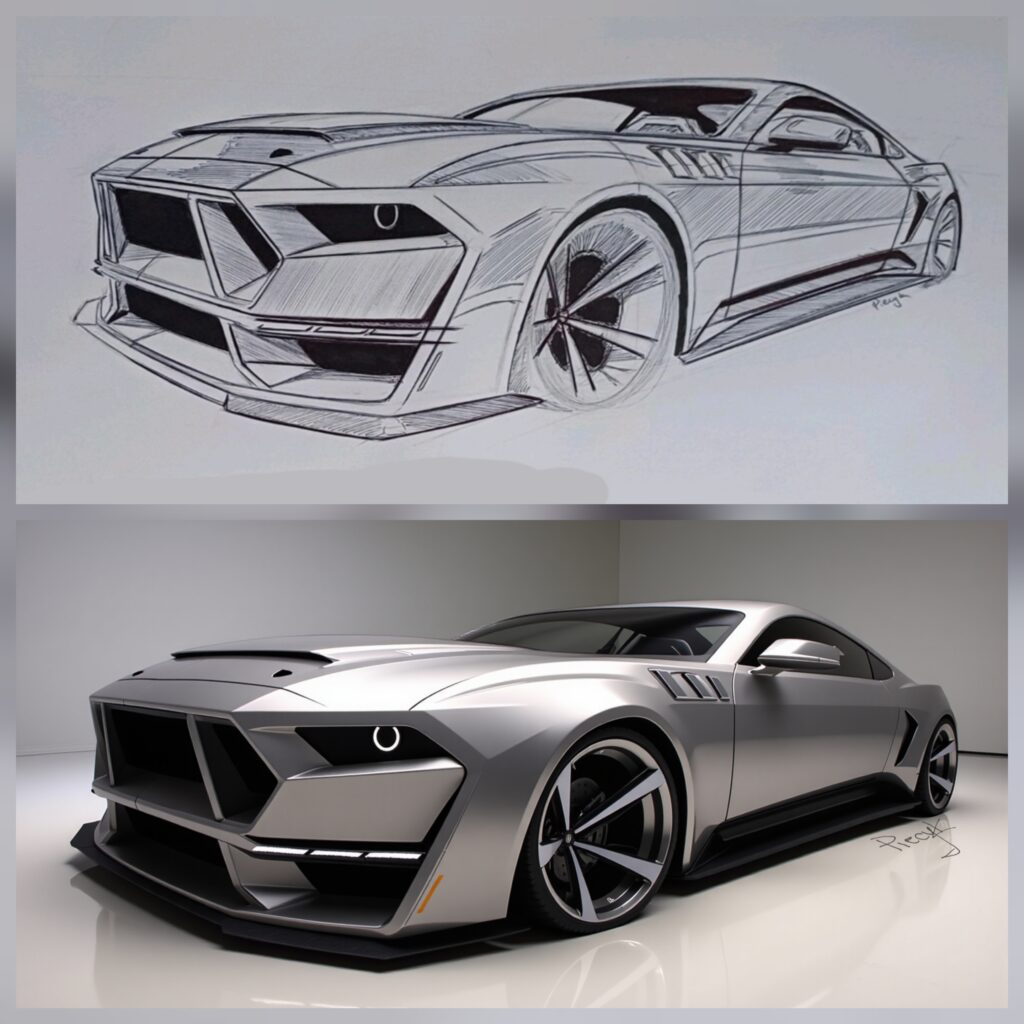
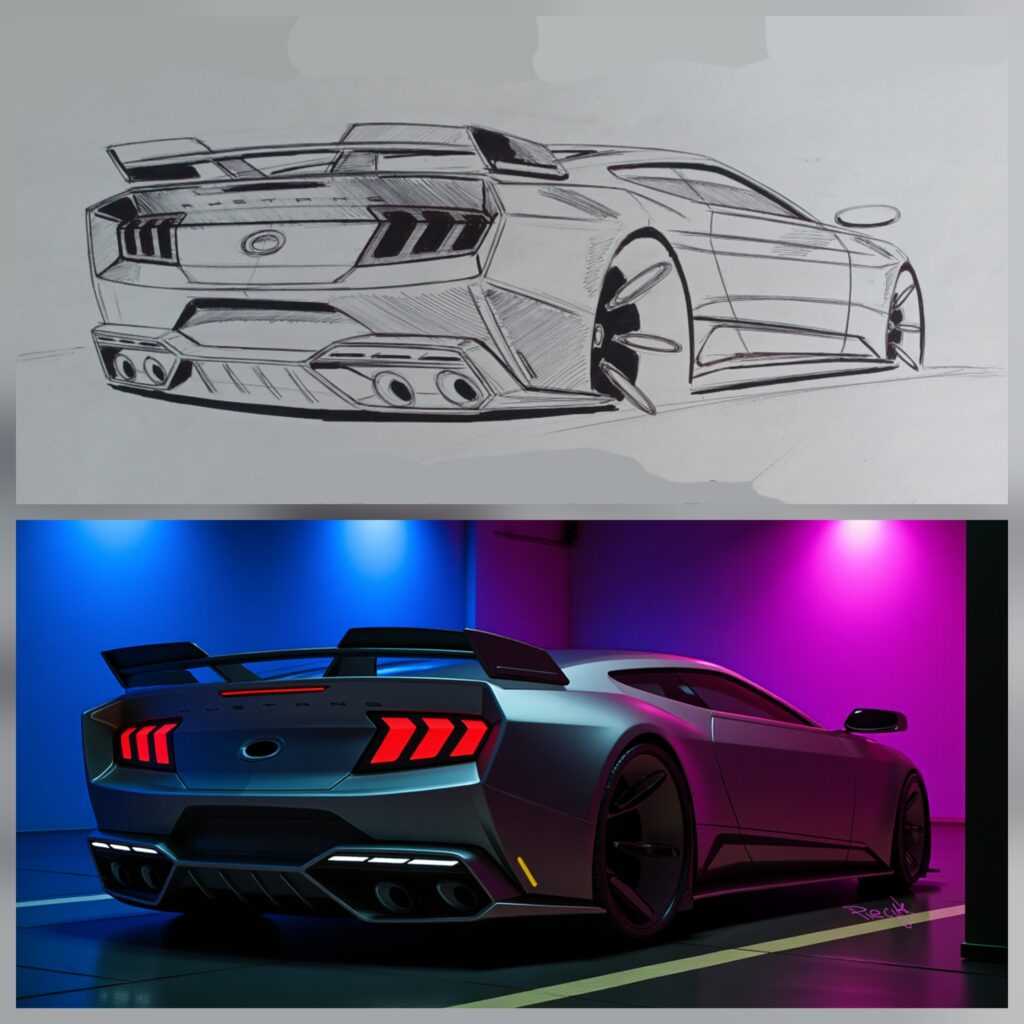
The process can start with a quick drawing on a napkin, move through a smartphone scan and desktop software, then become a polished digital image or video. Piecyk’s social media clip builds on his Mustang renderings, adding motion and music to present the design. Such work makes car styling easier to share and discuss, and it can help an artist test how an idea reads beyond a static sketch.
@buzzlightyeargt50 #mustang #fordmustang #mustanggt #shelby #gt350 #gt500 #gt500shelby #shelbycobra #fordperformance #musclecar #sportscar #mustang #ford #cars #carsoftiktok #fordmustang #musclecar #mustanggt #shelby #gt500 #mustangsoftiktok #mustangfanclub #stang #mustangsociety #cleartaillights #exhaustsound #americanmuscle #mustanglife #mustanglovers #mustangnation #viral #trending #fyp #mustang #fordmustang #mustanggt #musclecar #americanmuscle #mustangnation #mustanglife #mustangsoftiktok #carsoftiktok #fastcars #supercars #carvideos #carcommunity #sportscar #jdm #carculture #carporn #v8 #v8power #exhaustsound #modifiedcars #carsofinstagram #autotiktok #foryou #fyp #viral #trending #fordmotorcompany
♬ som original – Deltz Phonks
Where the design work gets difficult
Social media can show a concept, but production design has to satisfy a much longer list of needs. Engineers have to determine whether the proposal can be built. Accountants and marketing teams weigh cost and commercial appeal; customers have to want the result, and company stakeholders may press for a different direction. Those demands don’t disappear when image making gets faster.
That’s the boundary Mehta draws around AI’s role. It can help with visual exploration, yet it can’t resolve the discussions and tradeoffs that shape an industrial design. His view is that college instruction still matters because students need to learn how to carry a proposal through those constraints, alongside developing their creative skills. A compelling rendering is a starting point; turning it into a viable car takes collaboration and judgment.
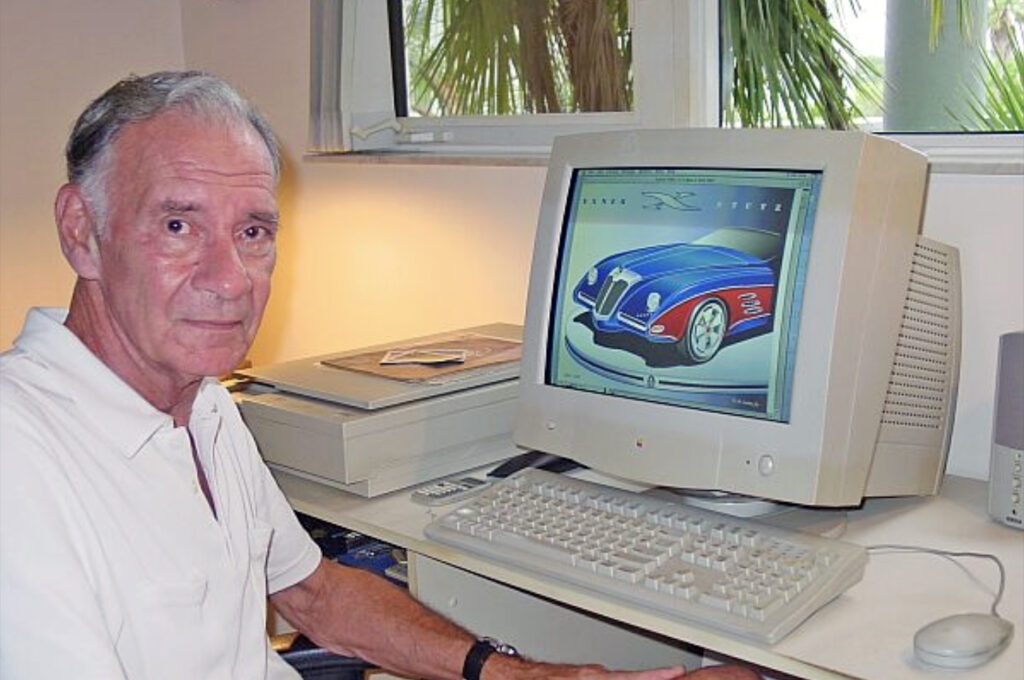
Mehta also sees a longer arc in the tools themselves. He points to Virgil Exner Jr., who worked at Ford as computer assisted design took hold and later described the shift toward computers as designers’ main tool. The underlying craft, Mehta argues, persists even as the software improves. He compares the change from 1980s CATIA to today’s Solidworks with the distance between a Chevrolet 350 with Tuned Port Injection and an LT4 V-8: the newer tools make more possible, but the creative impulse remains familiar.
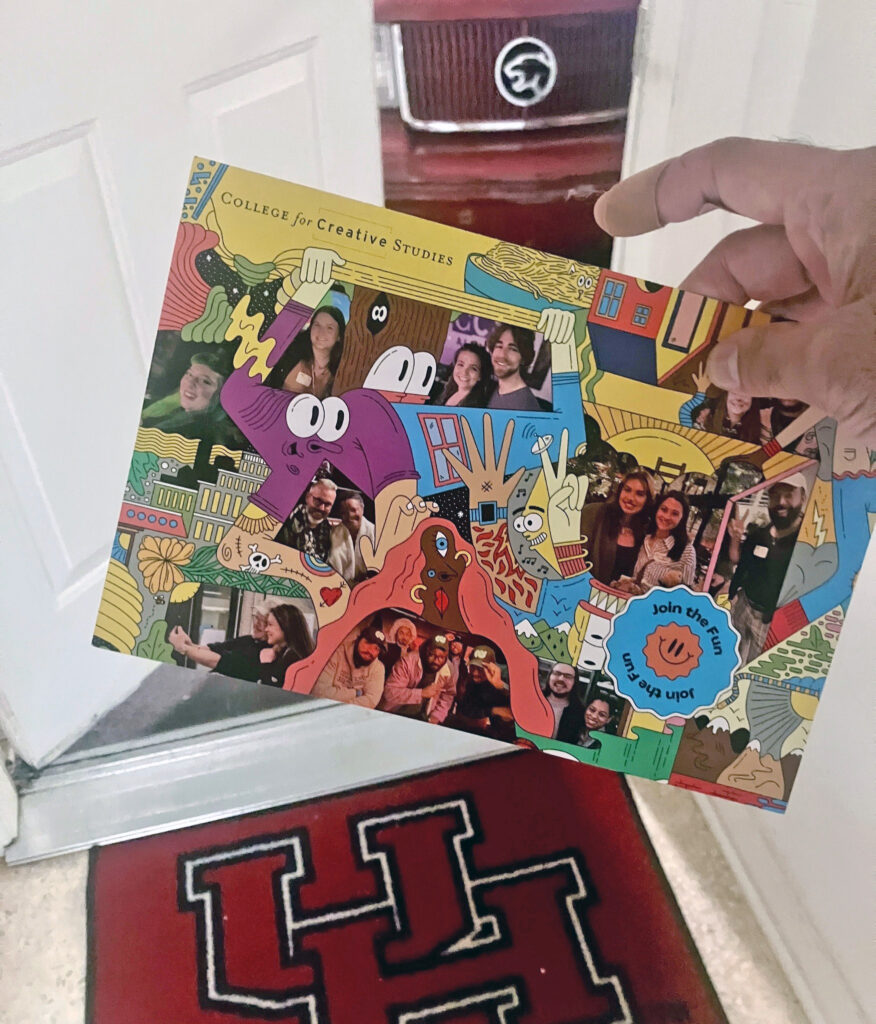
Mehta’s return to CCS is personal as well as professional. He left the program without graduating and went on to business studies and corporate work. More than 13 years ago, writing his Vellum Venom column drew him back toward car design. Then, after more than 20 years without hearing from the school, a postcard from its alumni organization arrived. The earlier correspondence he remembered had been a request for unpaid lab fees after he left, so this new mail stirred up old feelings along with affection for the college.
The postcard prompted him to donate and consider giving more in the future. It also brought the larger theme into focus: design traditions can survive each shift in tools, from vellum sketches to computer modeling and AI assisted imagery. More people can now develop and share automotive ideas, as Piecyk’s Mustang work demonstrates. The next step still asks for the education, collaboration and persistence needed to bring a concept into the real world.
Mehta’s use of “vignette” as a verb reflects how central these short visual studies are to his approach. He uses them in writing as well as design, including while interviewing people for stories. His column aims to give readers another way to look at car styling, and this encounter with Piecyk’s work connects that aim to a wider community of creators.