In lane Electric Vehicles
Why Car Design Takes More Than One Genius
Description
From modern studio teams to Italian design houses, great cars reflect a shared process guided by a clear creative vision.
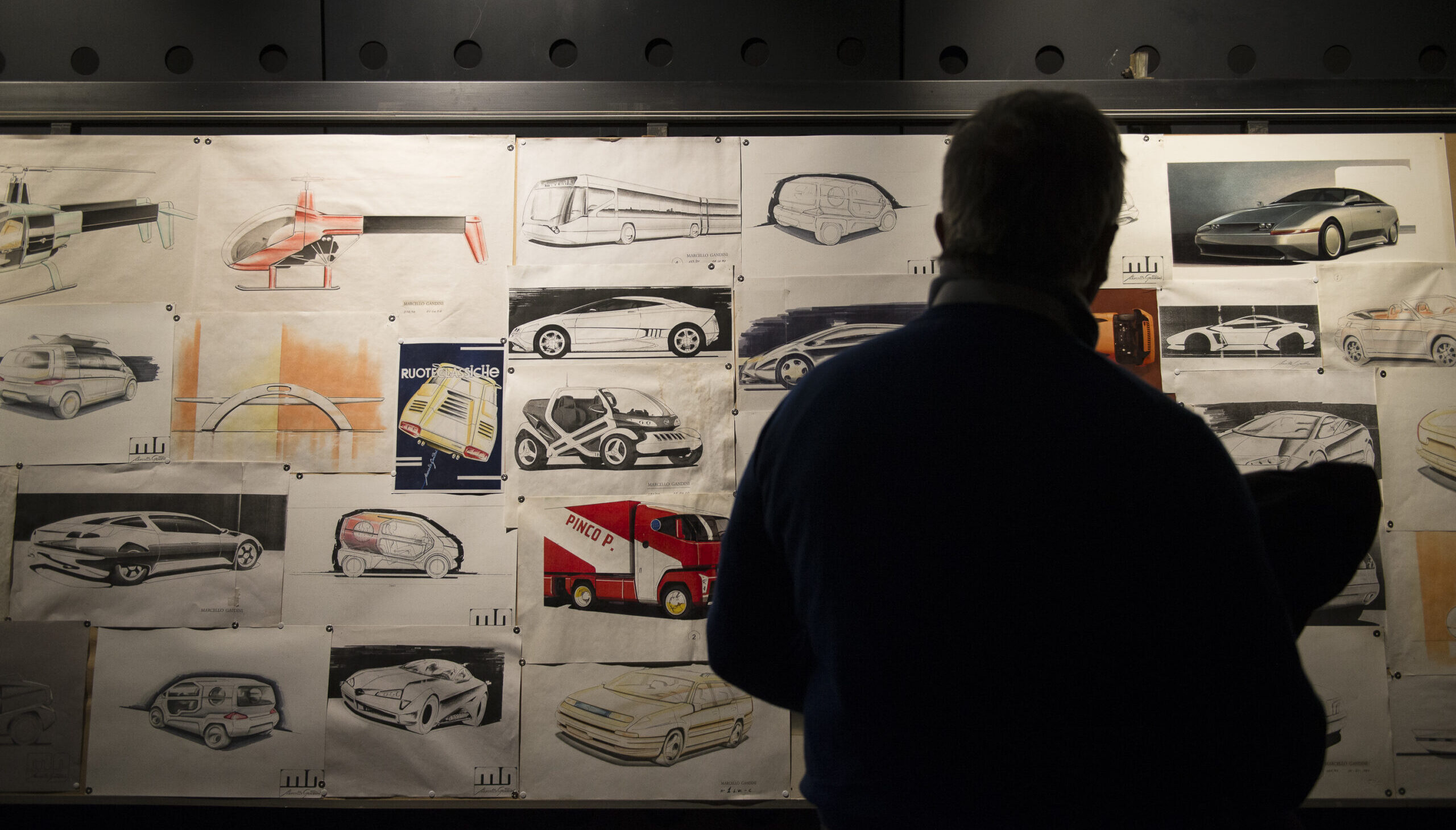
Great car design depends on individual talent, but no single designer creates a modern vehicle alone. The work comes from teams whose many contributions need a clear direction, a point that holds for today’s cars and for celebrated classics alike.
The lone genius makes a compelling story: one gifted person changes a company, an industry or an entire era through force of will. Car design has its own roster of celebrated names, and their achievements are real. But the story becomes misleading when it leaves out the people and process behind the finished car.
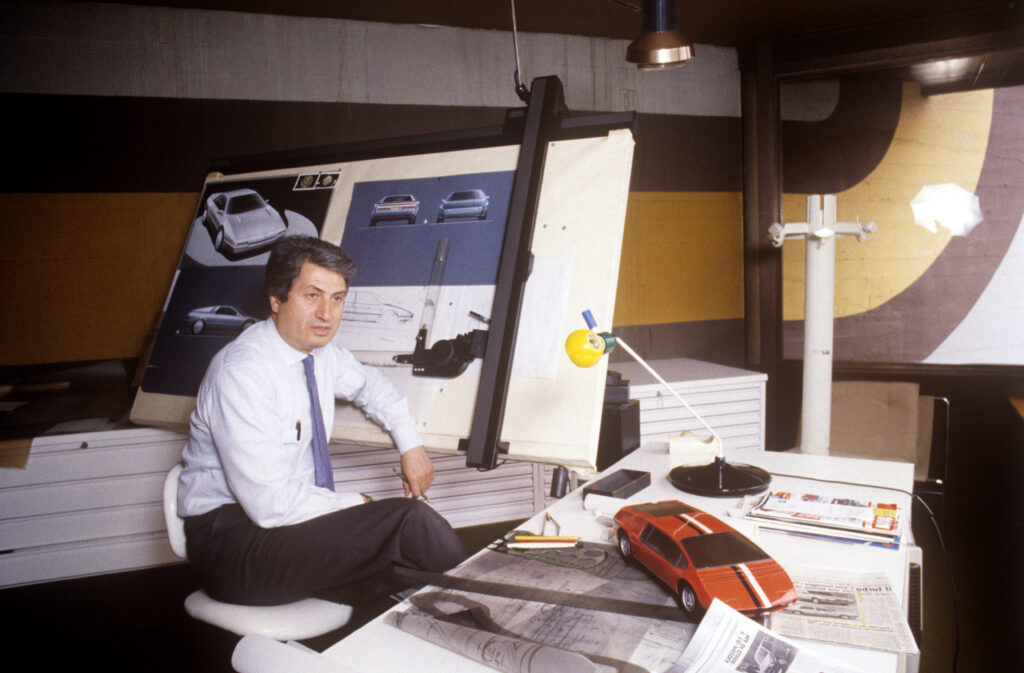
For someone dreaming of becoming a designer, names such as Giugiaro and Gandini can seem almost mythic: singular creators whose vision lifted entire companies. That impression is easy to get from the accounts available to the public. Car design remains a private business, and companies rarely explain how decisions are made inside their studios. Stories told years later by former staff can also give one person more credit than the work warrants.
The design director is often the person who speaks publicly, so audiences may hear that person credited for a car’s appearance. The role matters: a director sets a direction, helps create the conditions for good work and guides a studio toward a coherent result. But the job generally isn’t about sketching every part of the car. That work belongs to a much larger design staff.
A modern car is a team project
A vehicle brings together many design challenges, from its overall shape to the details drivers touch and see every day. On the exterior, a stylist might develop the main form and graphics, while other designers propose ideas that feed into the final direction. Specialists may work on features such as lighting, wheels and trim. Interior teams face similar demands, from the cabin’s shapes and materials to its individual components. The screens add another layer: their interfaces are a separate design undertaking within the vehicle.
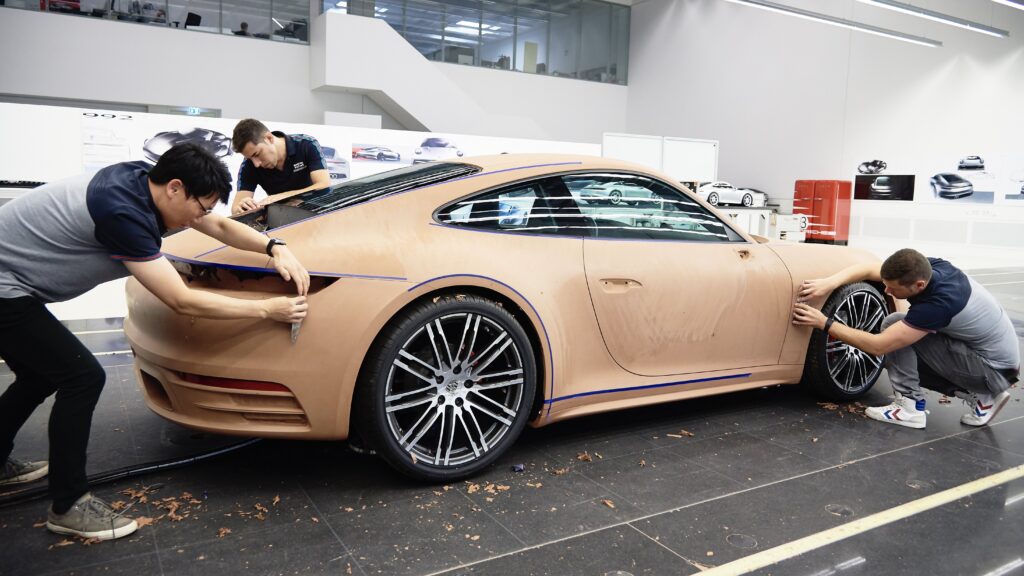
Not every contribution is equally visible. A finished car may carry the recognizable stamp of a strong creative direction, but that doesn’t mean one person personally resolved every detail. Large studios divide work because a modern car asks for different kinds of expertise at once. The result is a shared design, shaped by decisions made across the team.
Classic cars came through studios, too
There’s a persistent idea that this collective process belongs to the modern era, while earlier classics sprang directly from one designer’s hand. The history is less tidy. Many admired cars emerged from corporate studios using tools and methods different from those of today, but following a familiar pattern: multiple proposals, a chosen direction, then rounds of refinement.
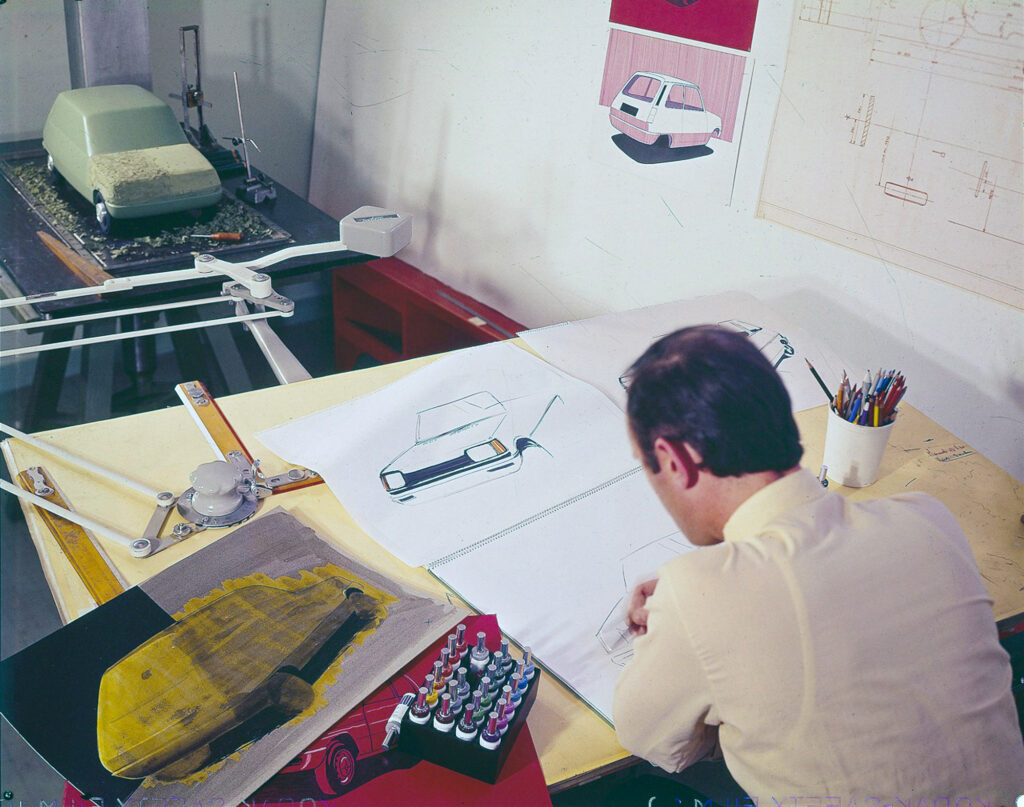
By the middle of the 20th century, most European automakers had in-house design teams. Their studios drew on a model established decades earlier by General Motors, which created Harley Earl’s “Art & Colour” section. In each case, a design leader could shape the final result without being the sole author of every line.
The original Ford Mustang makes the point neatly. No one needs to assign it to a single designer to appreciate its design. Shared authorship doesn’t make a car feel anonymous; what matters is whether the many decisions add up to a clear, memorable whole.
Mercedes-Benz shows the value of continuity
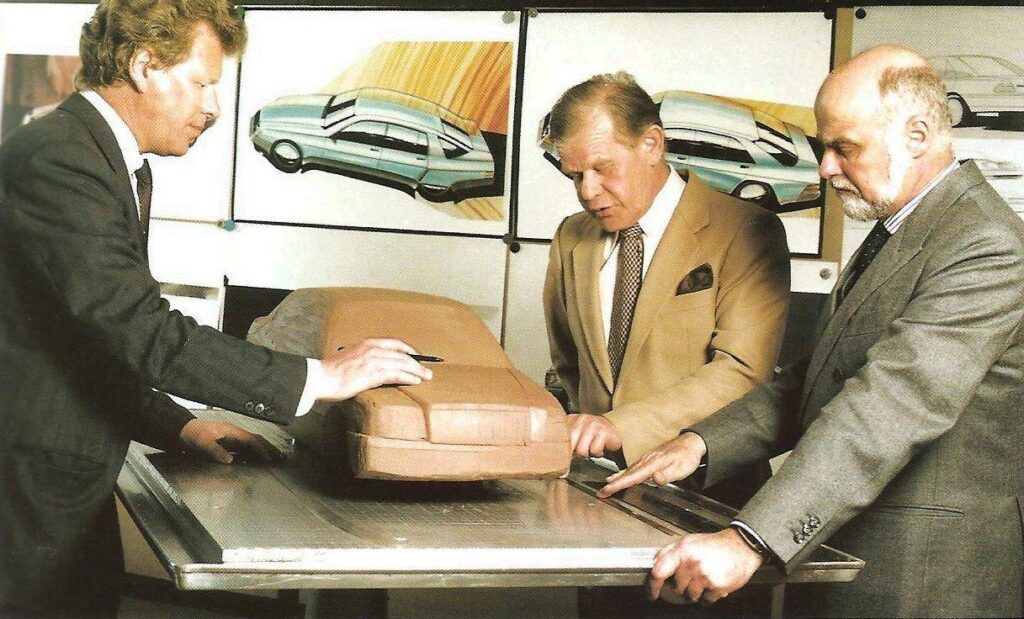
Mercedes-Benz under Bruno Sacco is a particularly clear example. He led the design organization from 1975 to 1999, a period when Daimler-Benz was highly profitable and its products often stayed on the market longer than average. That gave the team room to develop vehicles over years, using many full-size models to refine its choices.
It’s hard to credit the W201 or W124 sedans to one member of Sacco’s team when the process involved so much iteration and so many hands. Yet both can still be viewed as design classics. The point isn’t that individual skill disappears inside a studio; it’s that skill has its greatest effect when it serves a confident, consistent vision.
The Italian masters had teams behind them
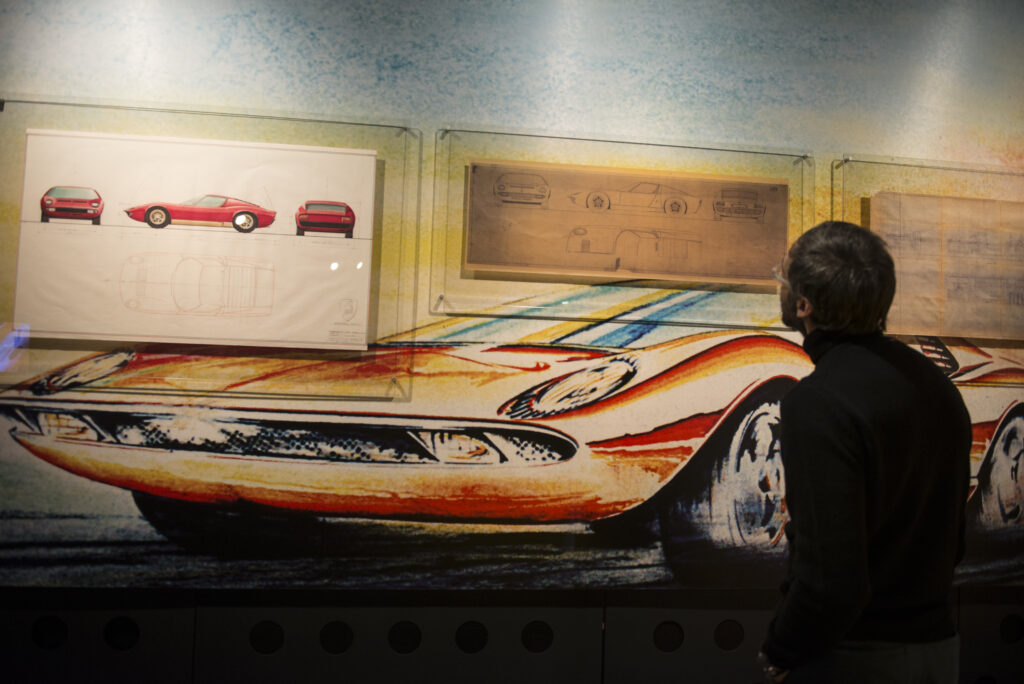
Giorgetto Giugiaro, Marcello Gandini and their peers deserve their reputations. Their influence, though, also reflected a particular moment in the industry. In the 1960s and ’70s, a small group of Italian coachbuilding firms based around Turin became sought-after styling consultants for automakers around the world. These family-run businesses could be small enough for a young designer to take on an unusually large assignment.
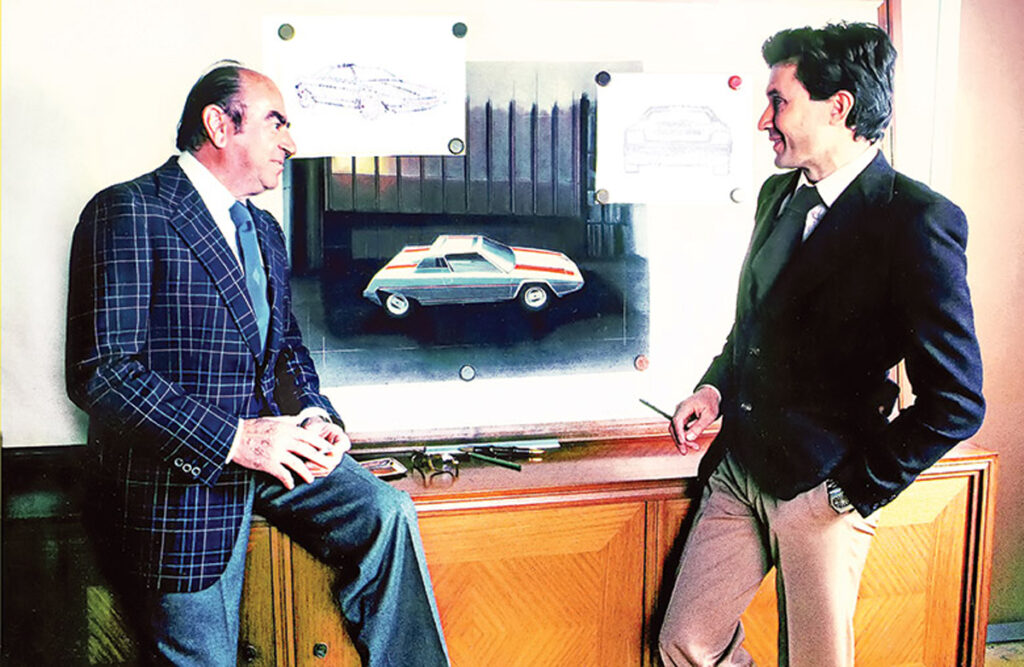
Gandini was 27 when Bertone gave him the assignment that became the Lamborghini Miura. That was a remarkable opportunity, but it wasn’t solitary work. He spent 14 years at Bertone, alongside assistants, modelers, technicians and other staff. Some of their names have faded from public accounts. Their absence from the story doesn’t mean they had no part in the work.
The scale of the business changed as well. By the time Giugiaro sold ItalDesign to the Volkswagen Group in 2010, the company employed around 1,500 people. Giugiaro’s approval remained part of the studio’s work, but a firm of that size could no longer depend on one person to handle all its projects personally.
Clear direction makes collaboration count
Good car design still needs gifted people, and the person leading a studio can have an enormous influence. But a successful model is more likely to come from a motivated team working under competent direction, alongside an active engineering department, with room to do its work. Getting those ingredients together is difficult enough that the result deserves recognition regardless of who receives the most attention.
The useful question, then, isn’t which one person drew the car. It’s how a studio brought its many decisions into focus. When the process works, the finished vehicle feels unified—and that shared achievement is part of what makes its design last.


