In lane Electric Vehicles
Tesla Roadster Design: Lamborghini Cues, Cybercab Links and Unfinished Details
Description
Tesla’s Roadster concept pairs a striking glass-led shape with possible Cybercab similarities, but its surfacing still looks unfinished.

Tesla’s latest Roadster concept is most interesting as a design argument: it borrows from classic Lamborghini, appears to share visual ideas with the Cybercab, and carries styling cues that have spread across Tesla’s range. Yet the concept’s surface treatment looks less resolved than its proportions. That mix makes it a revealing snapshot of how the company’s design language is changing, even while the car’s production status remains uncertain.
There’s also a naming question. A roadster traditionally means a two-seat vehicle without a roof, as defined in Hagerty’s Car Design Glossary. The original Tesla Roadster, sold from 2008 to 2012 and derived from the Lotus Elise, fit that description. The 2017 concept had a removable targa panel; the 2026 concept shown here appears to leave that open-air idea behind. Calling it a coupe would satisfy the traditionalist in me, though Tesla has never seemed especially bound by traditional labels.
The windshield sets the shape
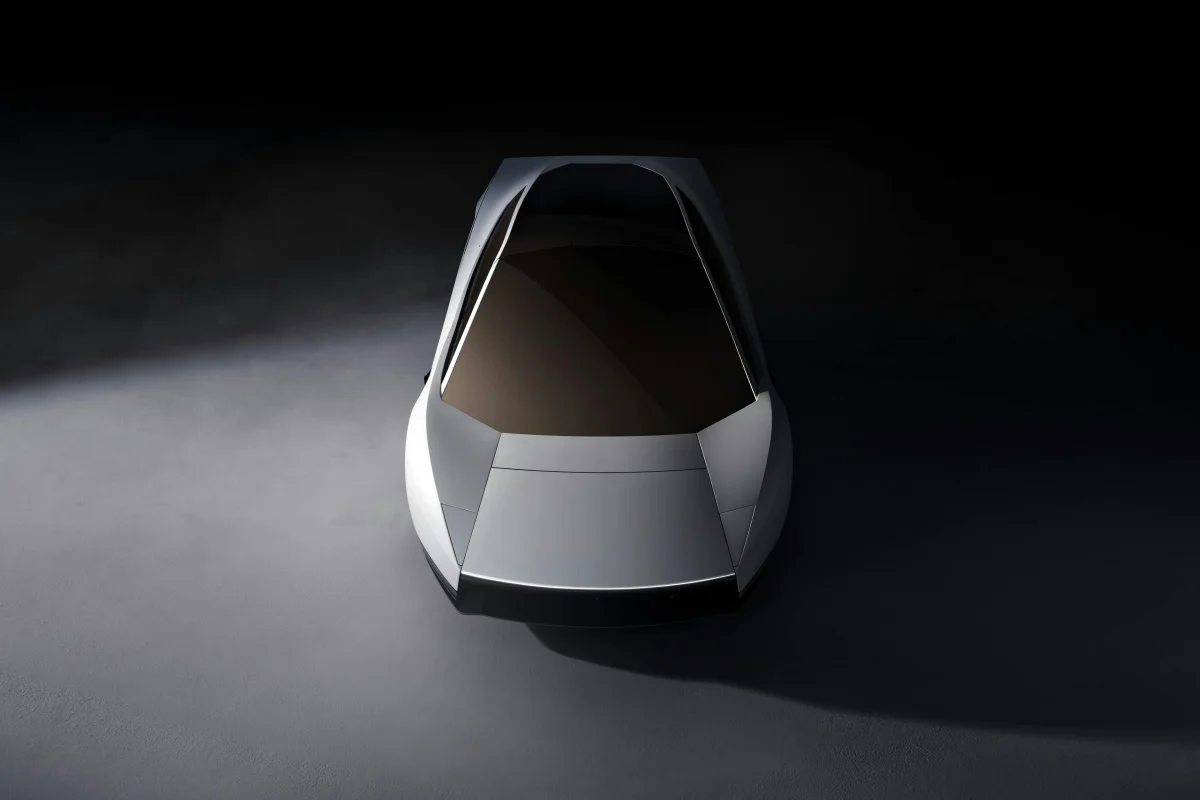
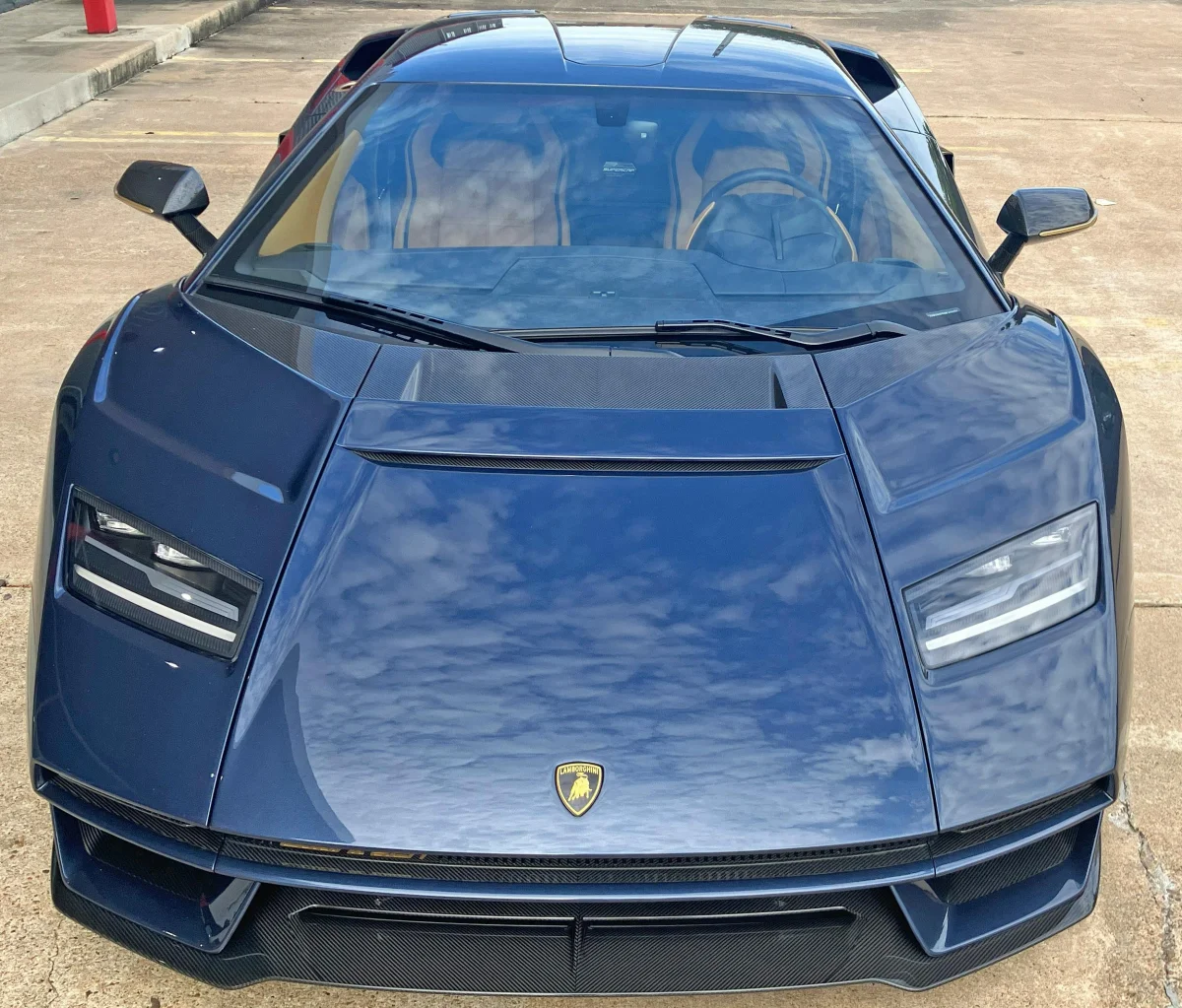
The glass is the Roadster’s strongest design move. Its broad, sharply tapered windshield gives the body a clear starting point, so the fenders can narrow toward the nose without making the front look like a pileup of unrelated forms. The result recalls Lamborghini’s wedge shaped cars from roughly 50 years ago, but the glass itself does more of the work than decorative trim would.
That distinction matters because recreating a famous design language can easily become surface decoration. In the 2022 Countach, Lamborghini used dark hood elements to echo the original car’s windshield. That nod makes the reference visible, but the Roadster’s windshield appears to build the reference into the car’s proportions. It gives the front a cleaner visual flow and makes the shape easier to read.
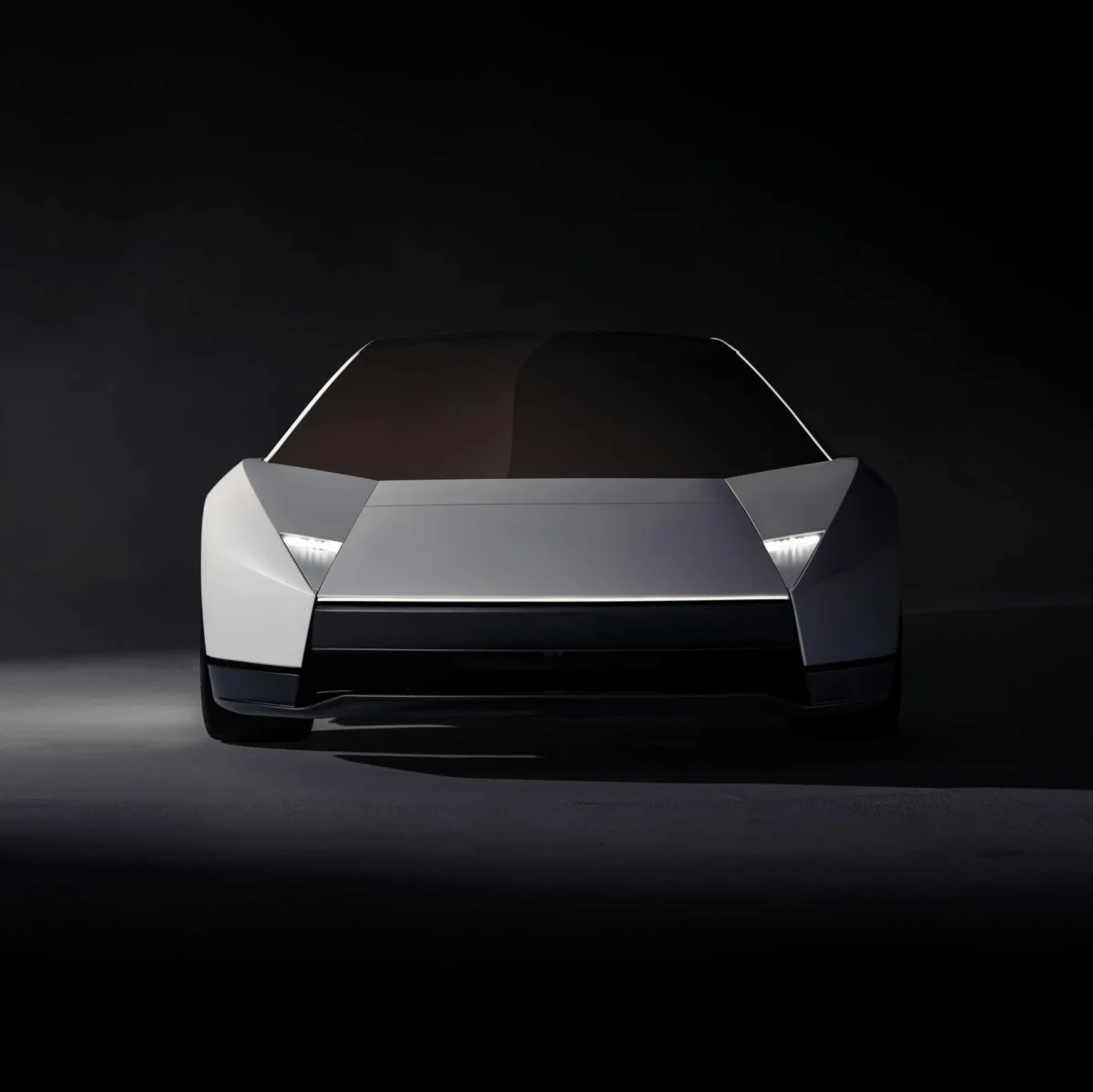
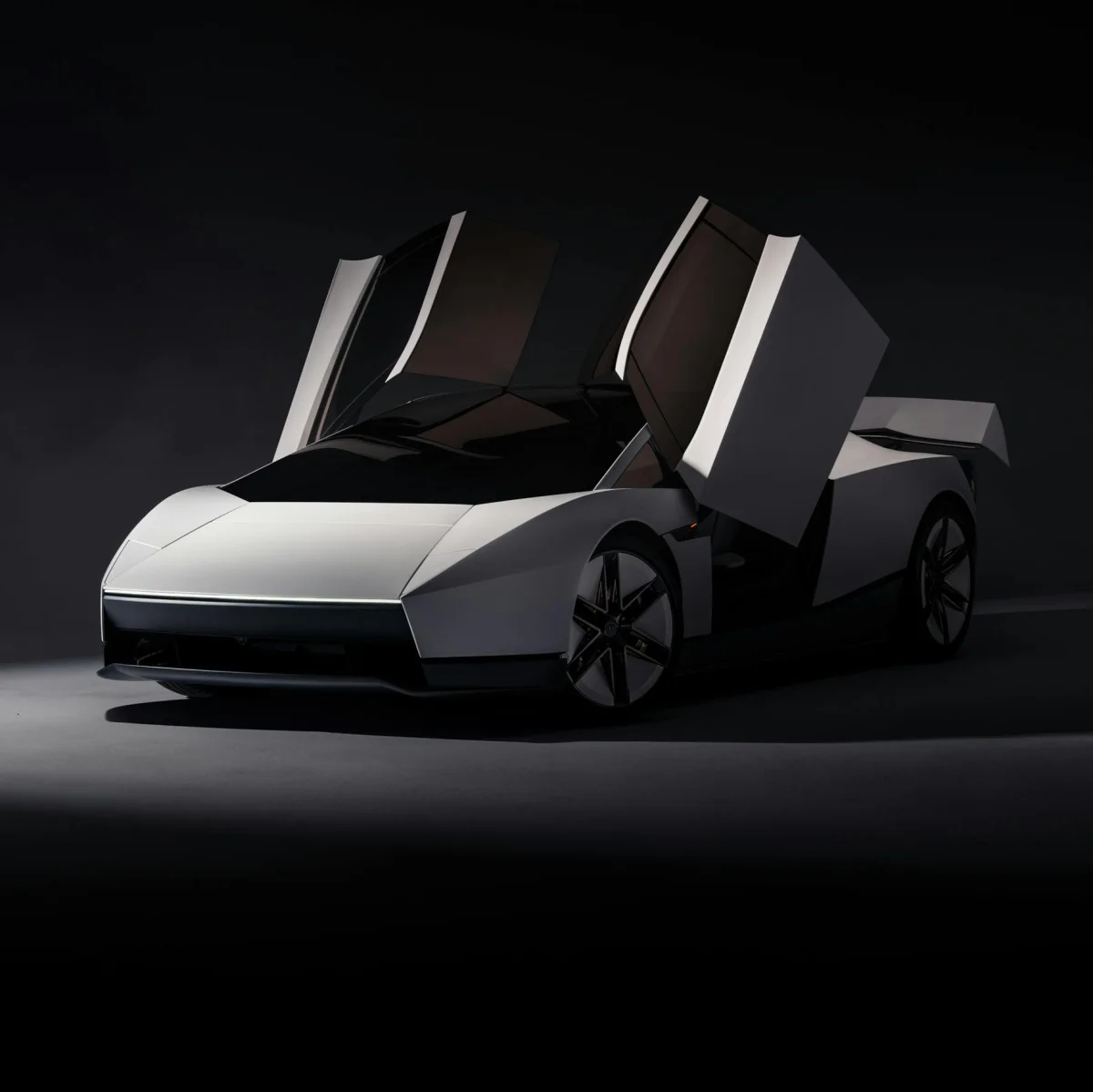
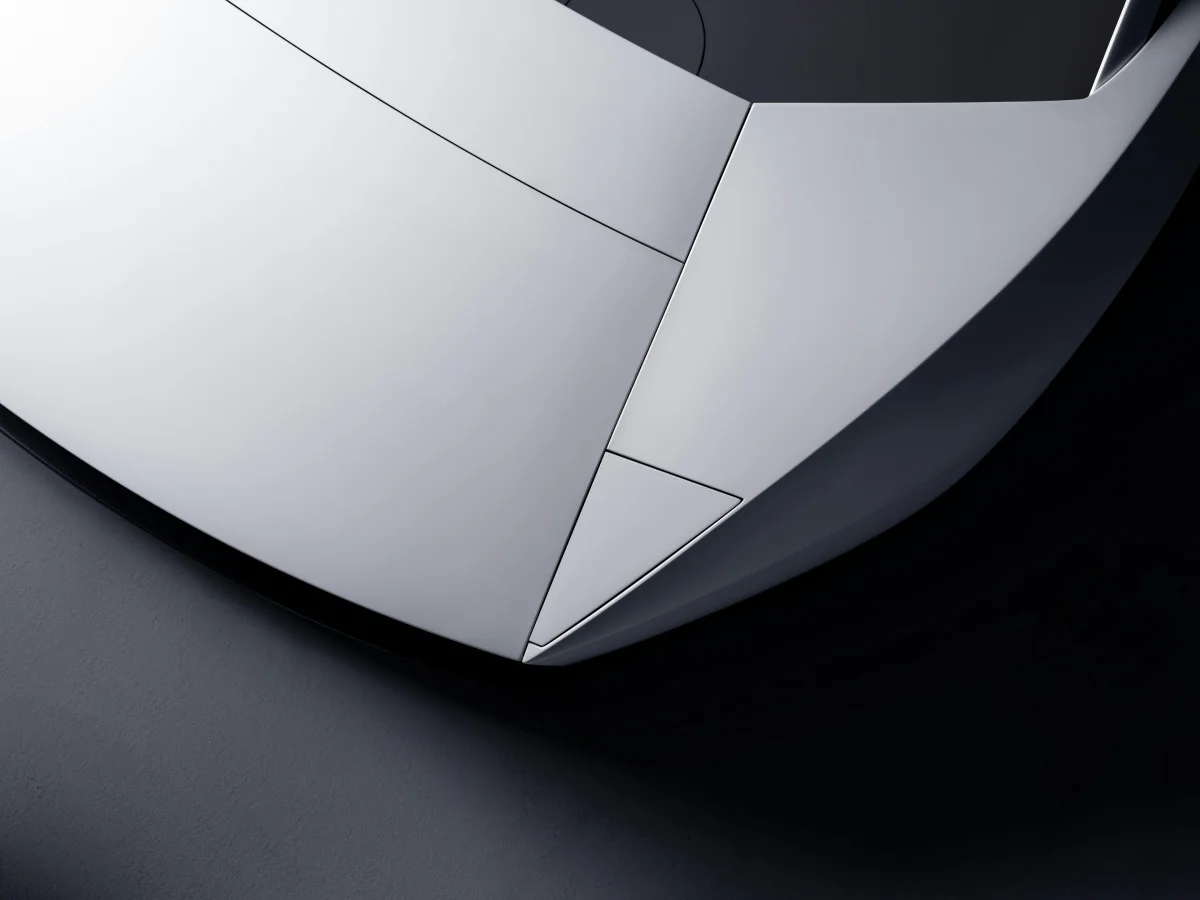
The scissor doors add theatre, but the glass and the cowl—the base of the windshield—are doing the more important design work. Get that central structure right and the rest of the body can look low and athletic; get it wrong and extra creases or dark inserts rarely rescue the overall shape. The Roadster’s front view is where this idea lands most convincingly.
Could the Cybercab connection explain the shape?
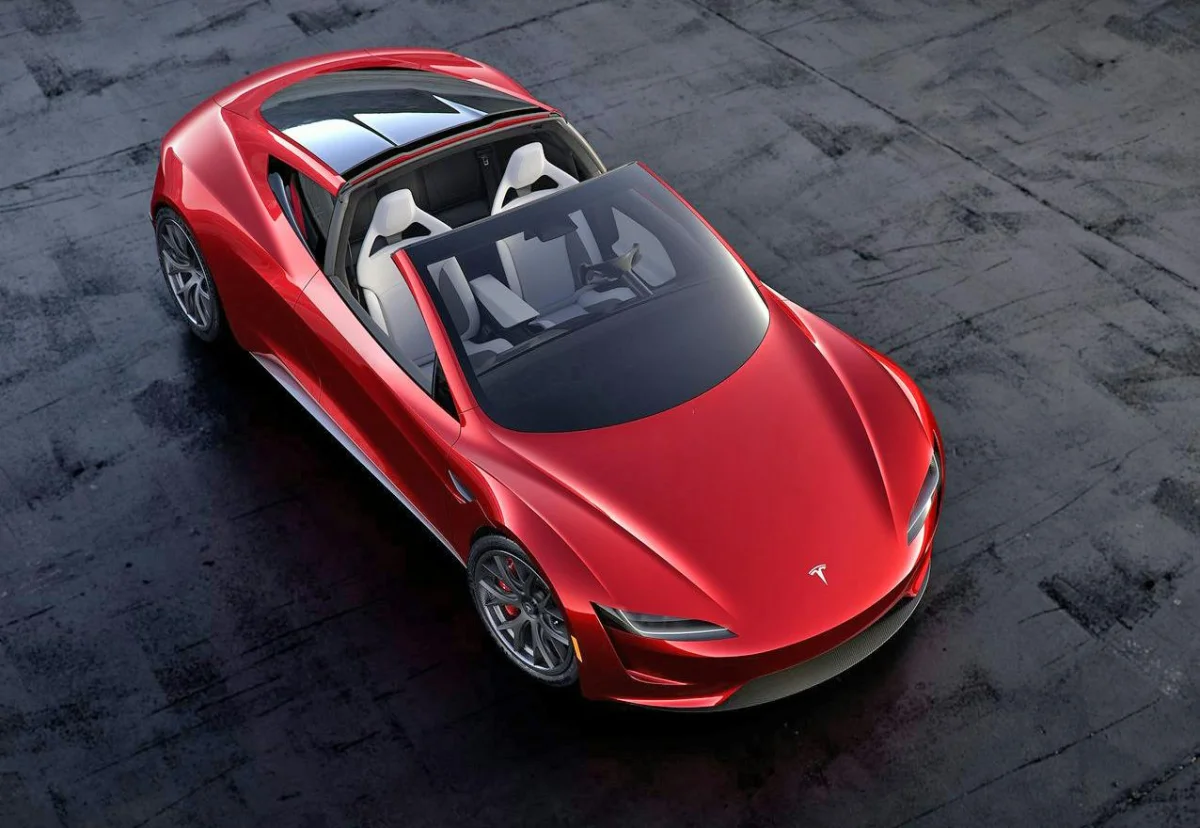
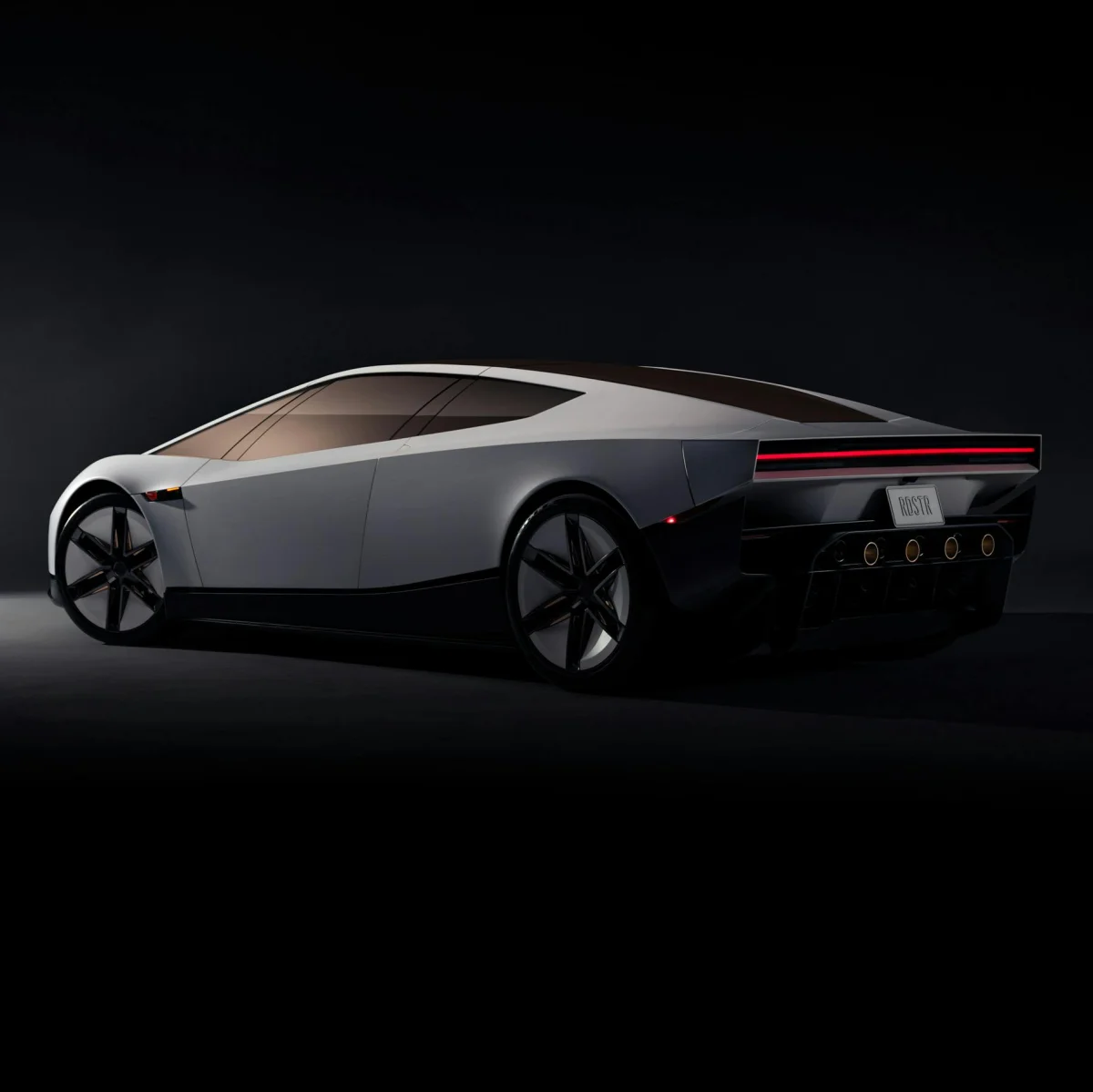
The Roadster has been anticipated since the 2017 concept, and the source article describes it as vaporware since then. That history makes any design reading provisional: a concept can suggest a direction without confirming what will reach production. Still, the latest car’s proportions invite a closer look at Tesla’s Cybercab.
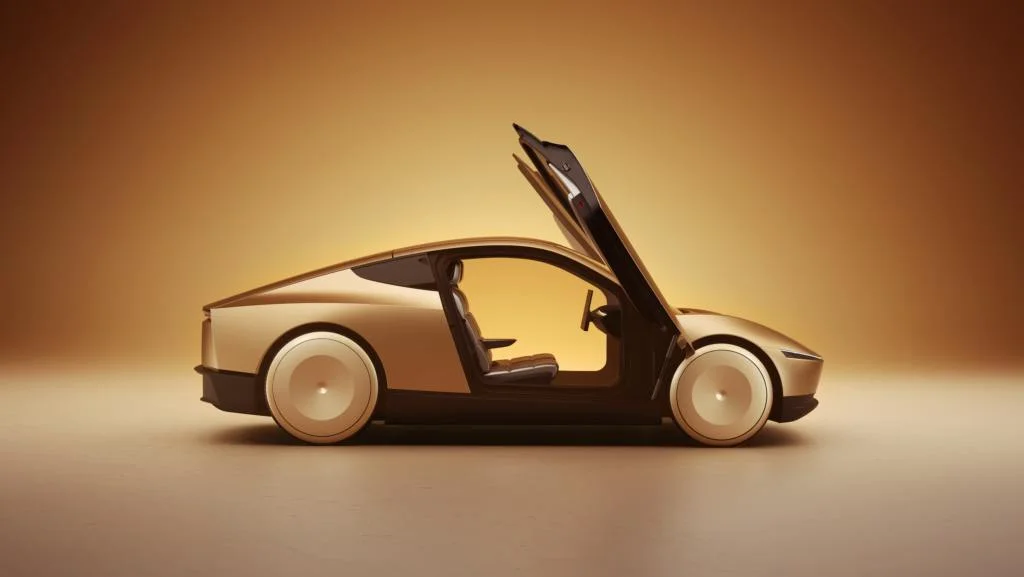
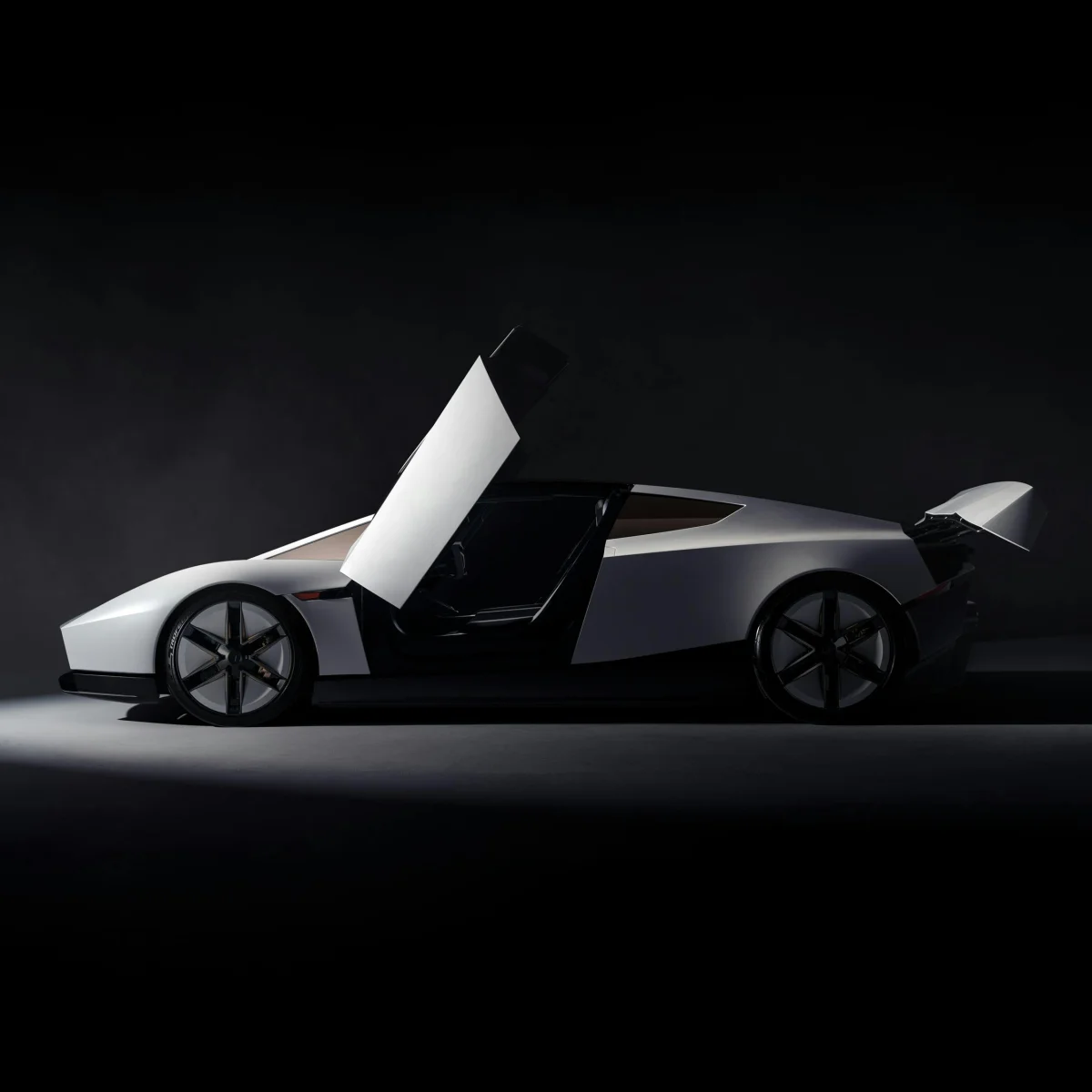
Viewed from the side, the two Teslas appear to share some proportions: the placement of the scissor doors, the distance from the doors to the rear wheels, and the painted areas around the quarter windows. Those similarities could point to common chassis ideas, though the images alone can’t establish shared hardware. The author’s theory is that Tesla may have delayed the Roadster to align it more closely with the Cybercab and its potential for mass production.
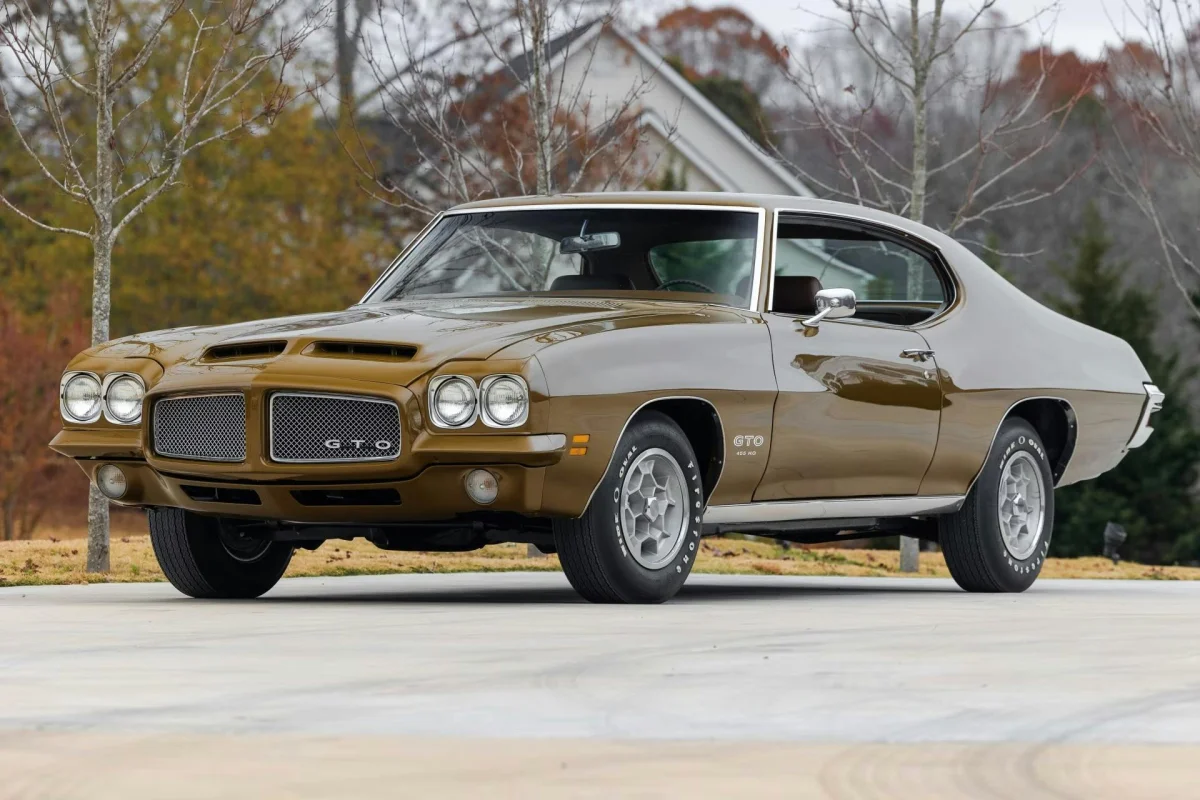
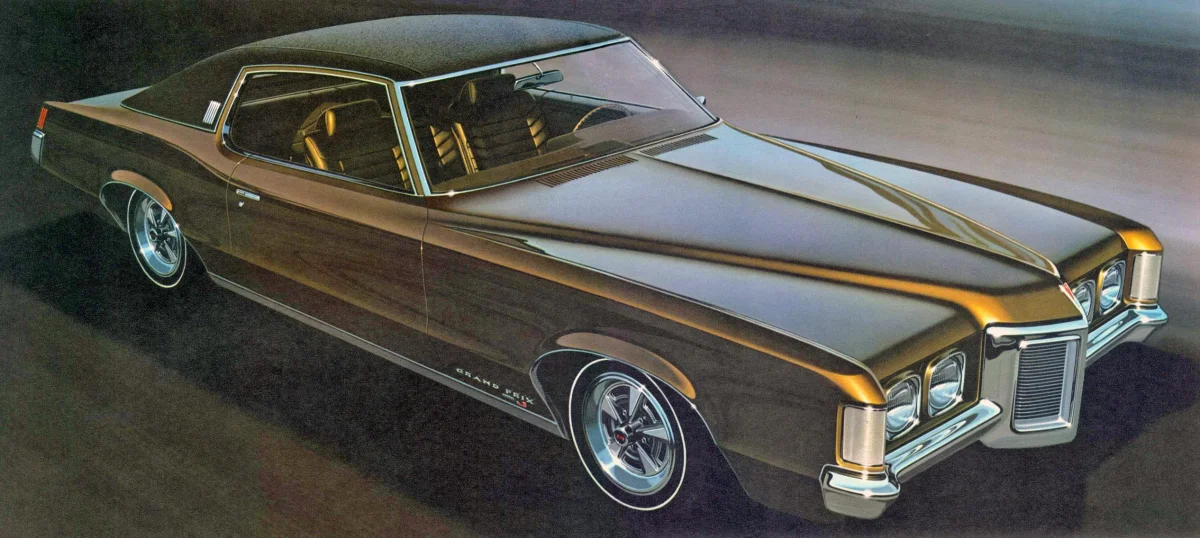
Platform sharing has a long history in carmaking. General Motors used its G-body under different models, including the Pontiac Grand Prix, giving that coupe a distinct character with changes to a shared foundation. The article draws a parallel with the Pontiac A-body LeMans and GTO, too. For Tesla, shared underpinnings could make sense if the smaller vehicles need to package substantial battery capacity. It remains an interpretation of the concepts, not a confirmed engineering detail.
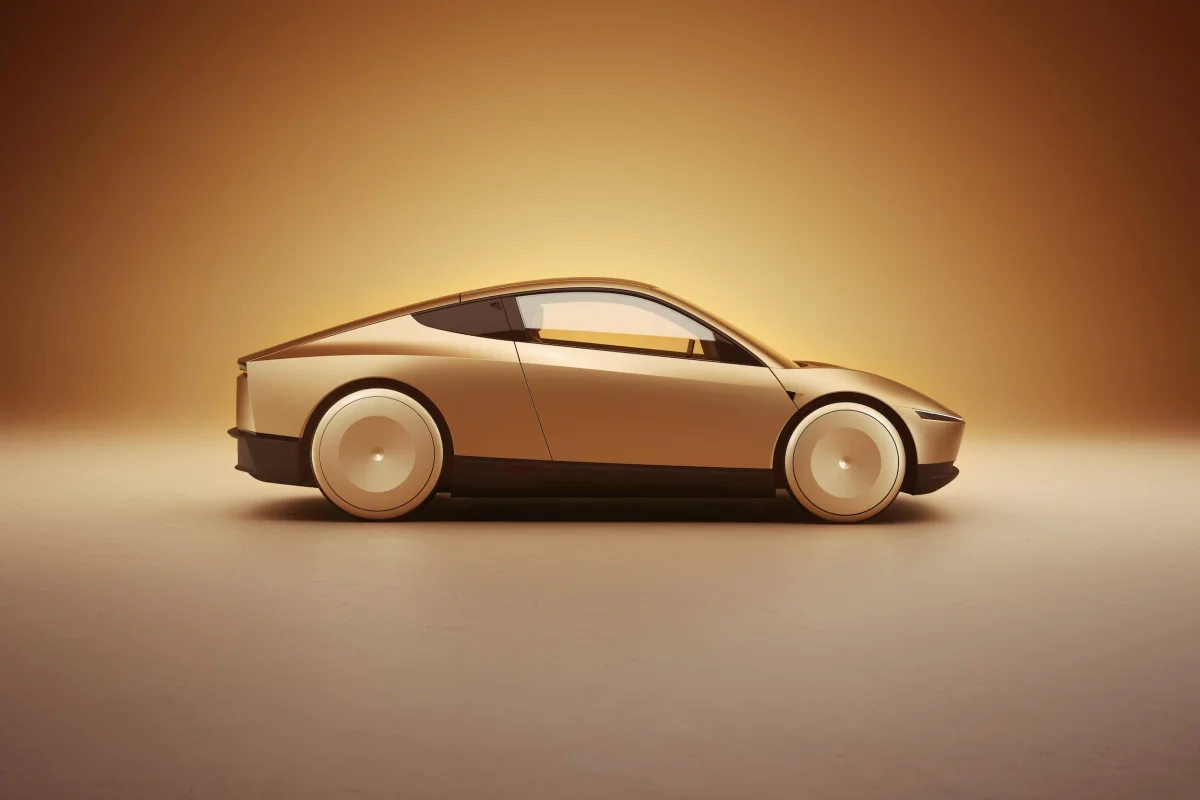
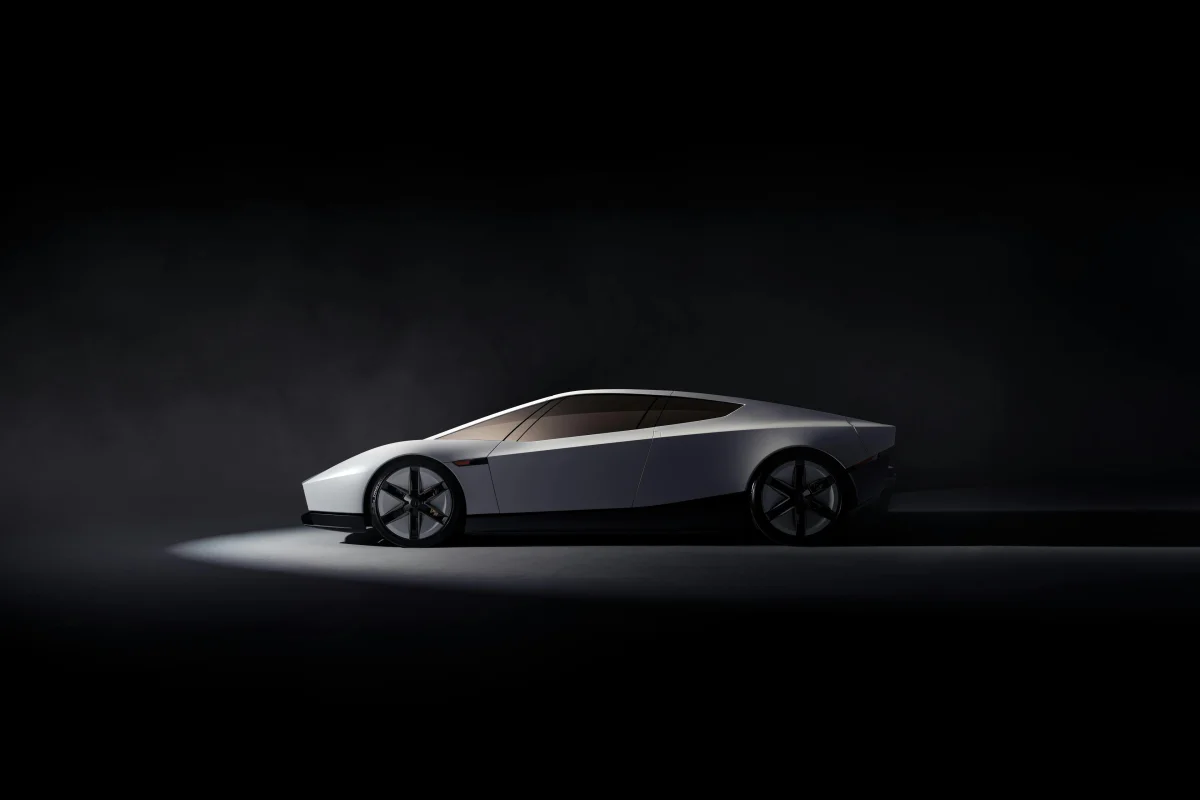
The Roadster also stretches the space between the front wheel and the windshield base. That longer dash-to-axle proportion can help create room for performance components, contribute to a lower looking roofline, and extend the visual lines flowing from the cowl. The source compares the effect to the long, low proportions associated with designer Harley Earl and the Buick Y-job. Even in a market dominated by SUVs, those classic proportions can still give a concept the presence of a flagship.
Cybertruck influence, and the need for more finish
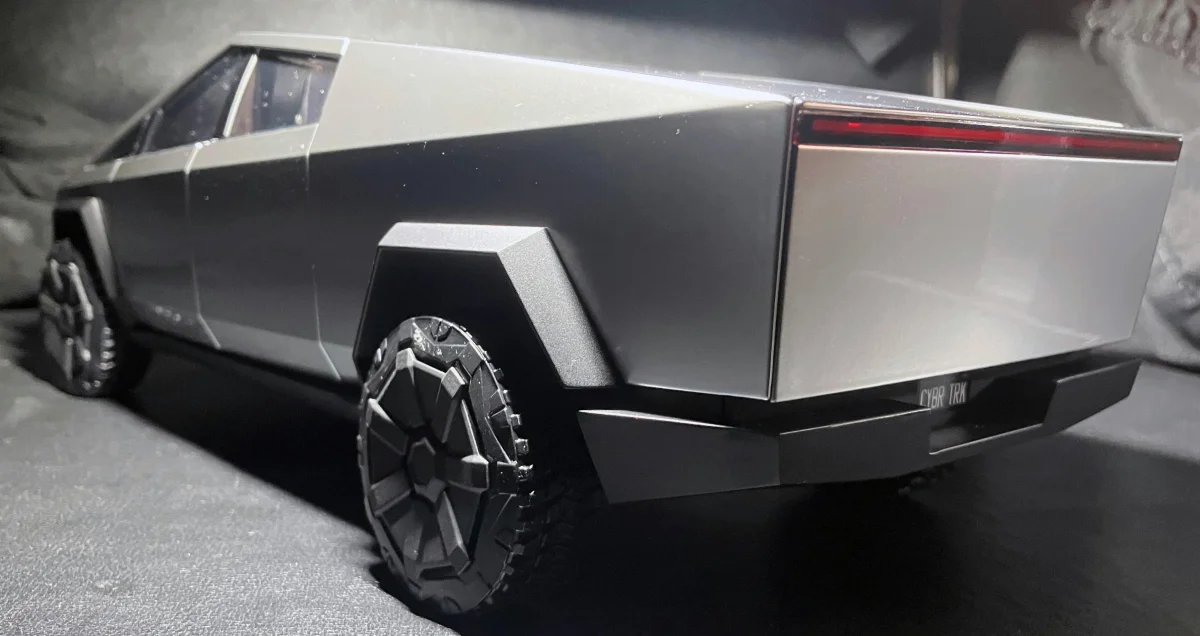
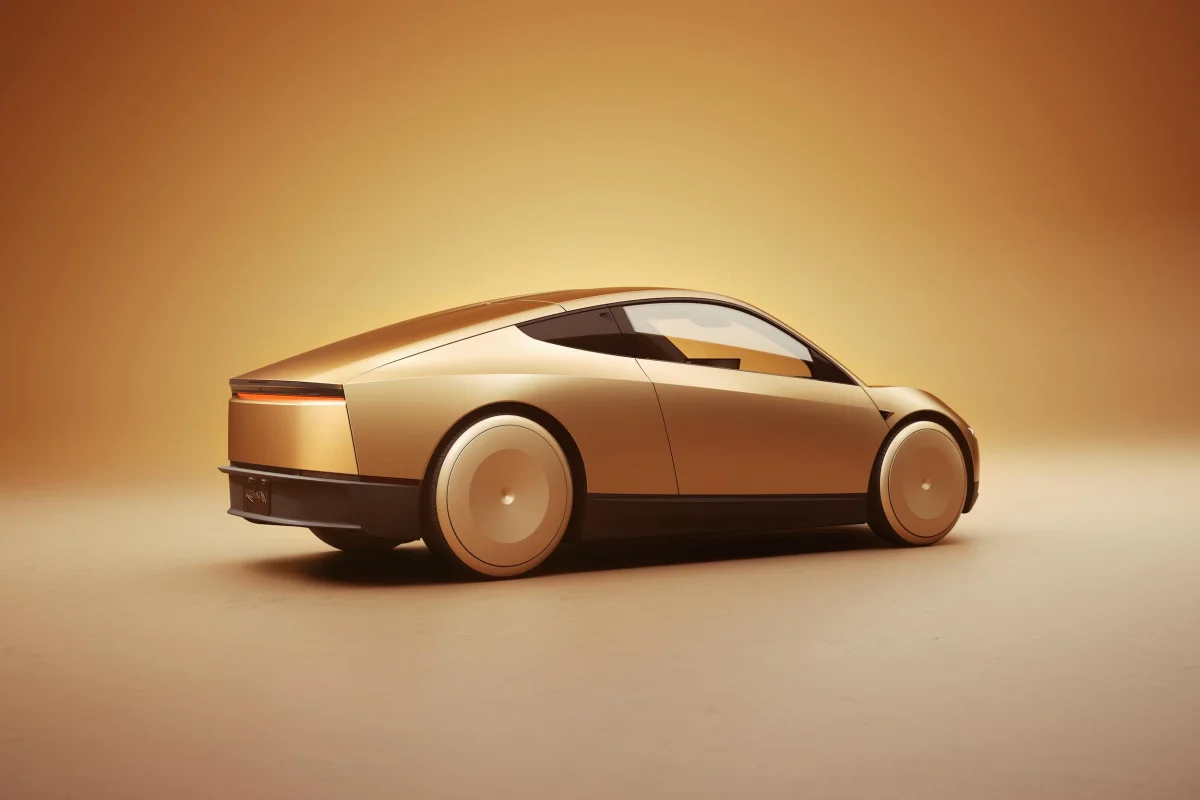
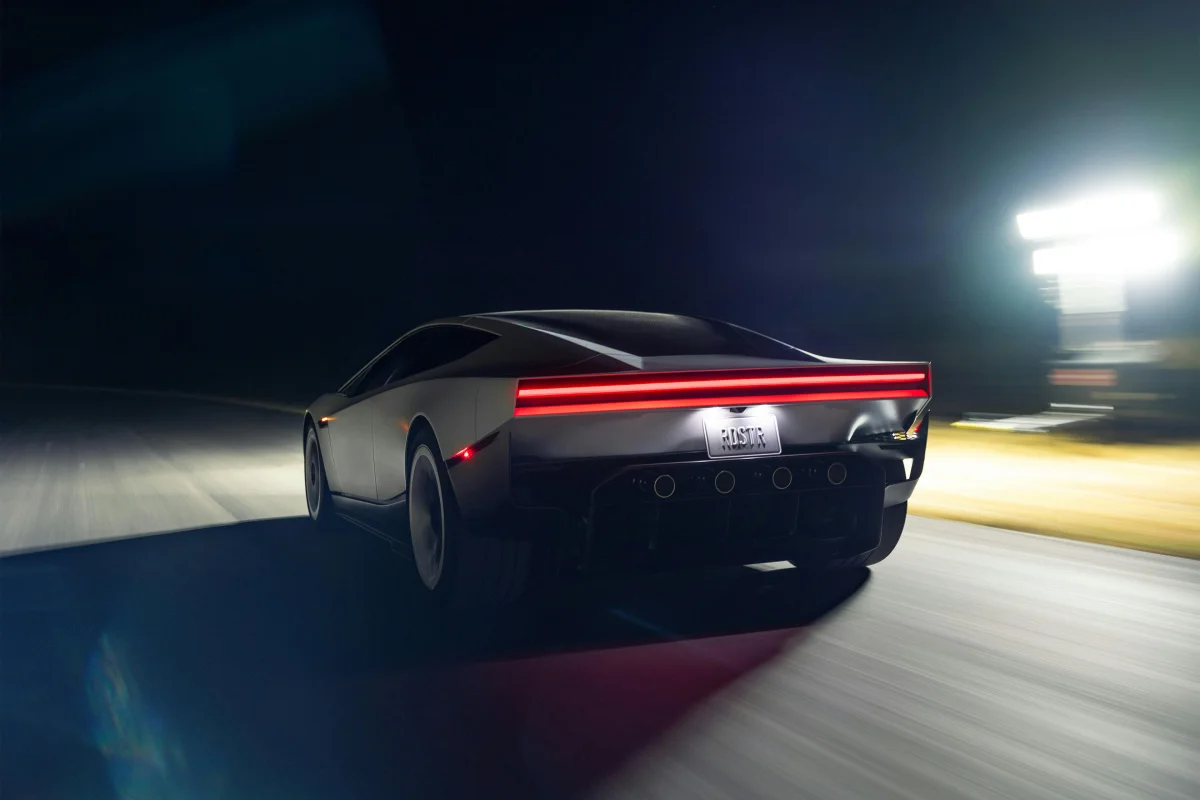
The Cybertruck’s sharp-edged look has had an outsized influence on Tesla’s newer designs. The source reports around 2 million pre-orders for the truck, and sees its angular front and rear treatments echoed on the Model Y Juniper, Cybercab, and Roadster. That spread suggests Tesla has found a recognizable family resemblance, even if the original idea remains divisive. The Cybertruck’s stylistic reach may prove more lasting than its reception alone would suggest.
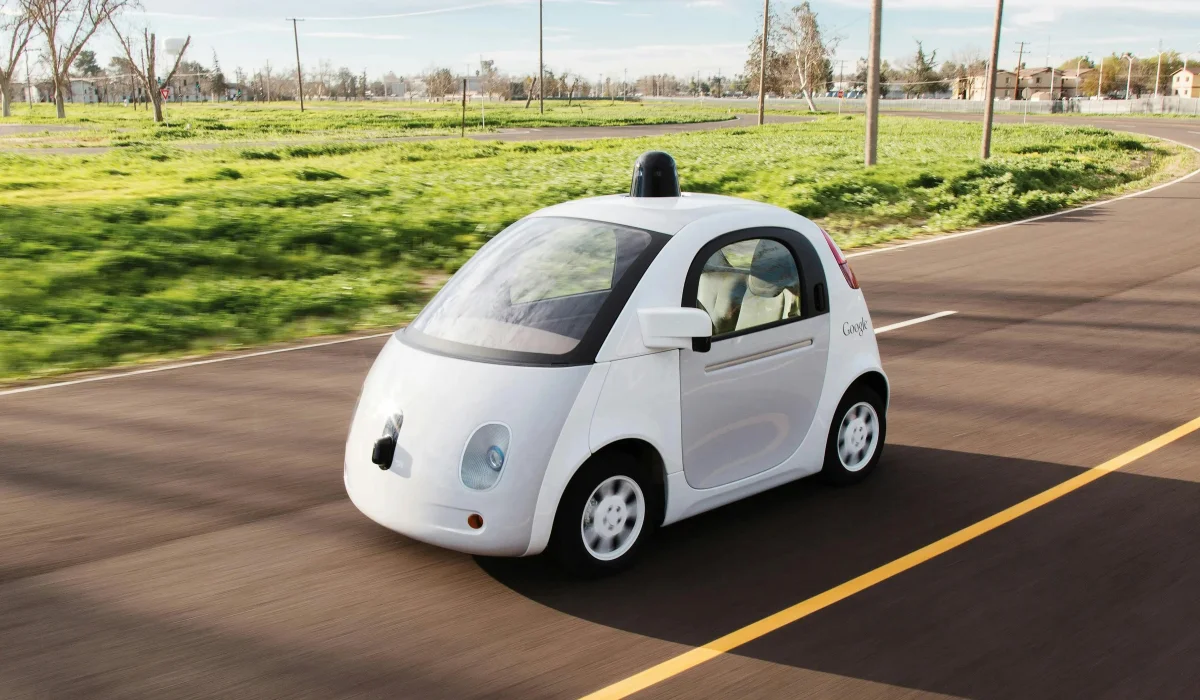

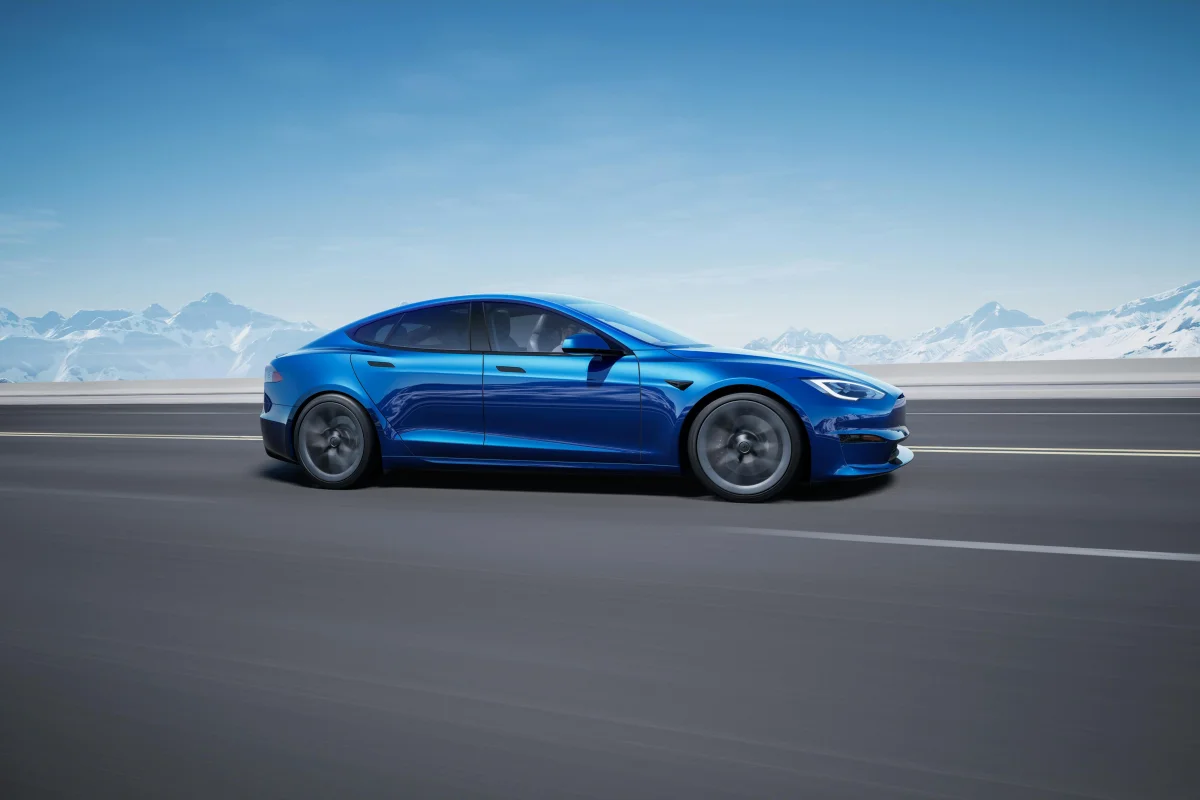
Other technology firms’ vehicle concepts show how strongly function can guide appearance. Google’s Koala/Firefly autonomous vehicle brought to mind a compact people’s car, while Zoox’s robotaxi resembles a single cabin pod from a Disney People Mover, prioritizing interior space. Tesla’s 2013 Model S took a different route: beyond its silhouette, which recalled the Mercedes-Benz CLS, its proportions and electric architecture gave it a distinct identity and helped make the hatchback format feel natural in a luxury car.
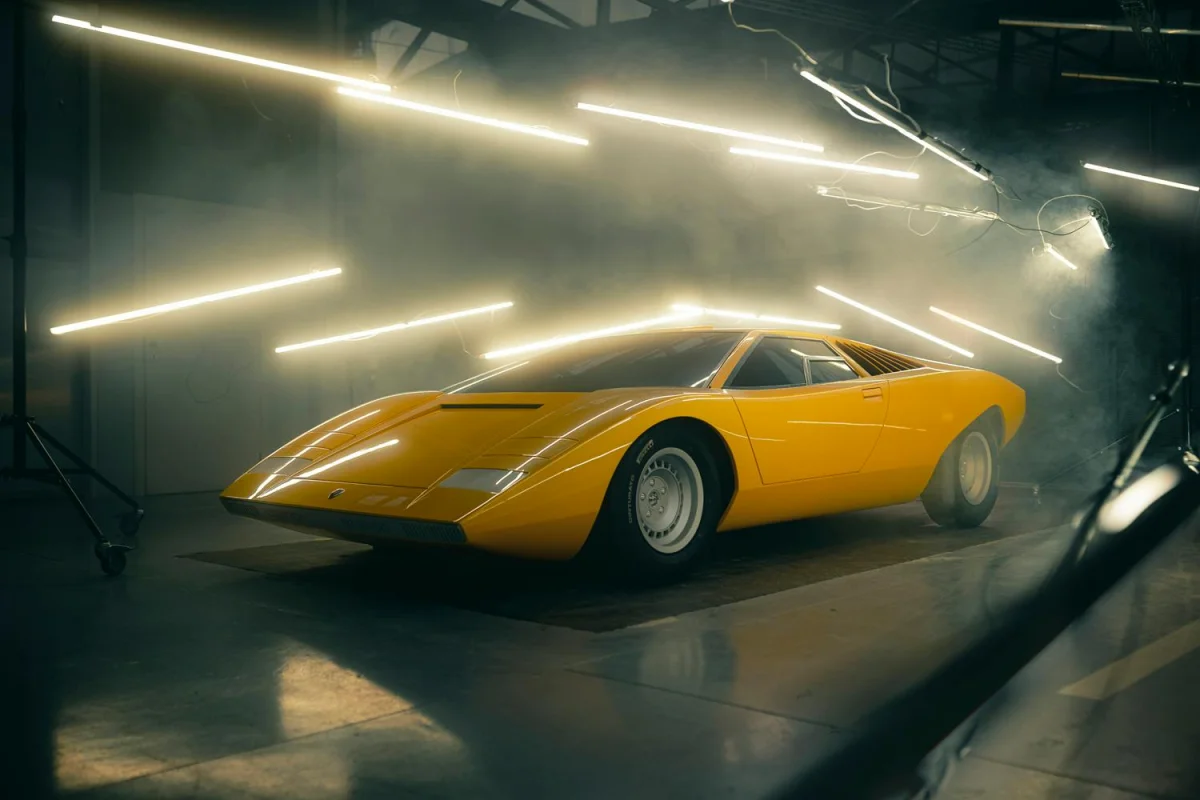
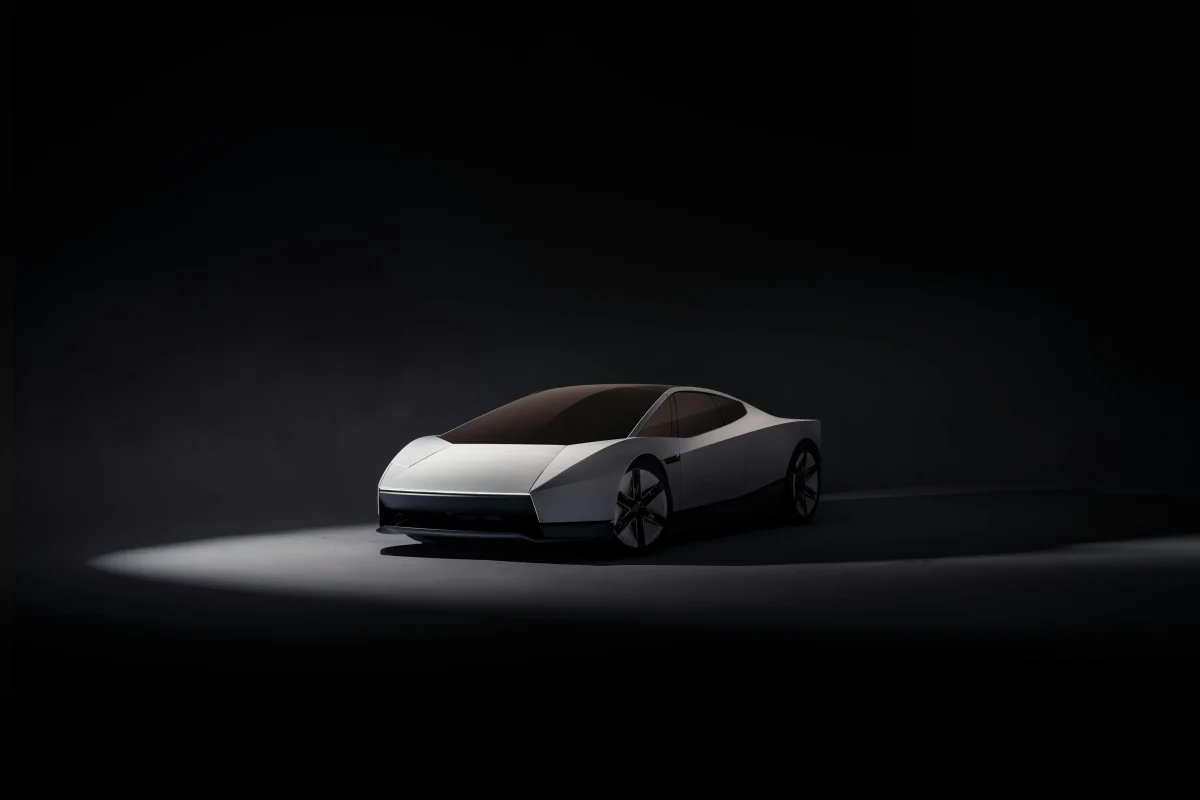
The 2026 Roadster aims for the kind of visual impact associated with the 1970s Countach, but its retro references are more explicit than the Model S’s. Design writer Matteo Licata describes the Roadster’s surfacing as “a tad underbaked,” and the comparison with the original Countach helps explain why. The older Lamborghini’s carefully worked surfaces give the car depth; the Roadster can look as if software shading has done more of the shaping than the body itself.
That’s the unresolved part of Tesla’s concept. The windshield, stance, and possible Cybercab relationship make for a strong design premise. The next thing to watch is whether Tesla gives the surfaces the same attention as the concept’s headline proportions—and whether the production car, if it arrives, keeps the open questions about its name and shared architecture in view.
The post Vellum Venom Vignette: The Definition of Disruption appeared first on Hagerty Media.