In lane Electric Vehicles
2027 Hero Xtreme 160R 4V Review: Price, Features and Ride
Description
The Xtreme 160R 4V adds a TFT display and sharper styling, but gearshift flaws and missing map mirroring complicate its case against Apache and Pulsar.
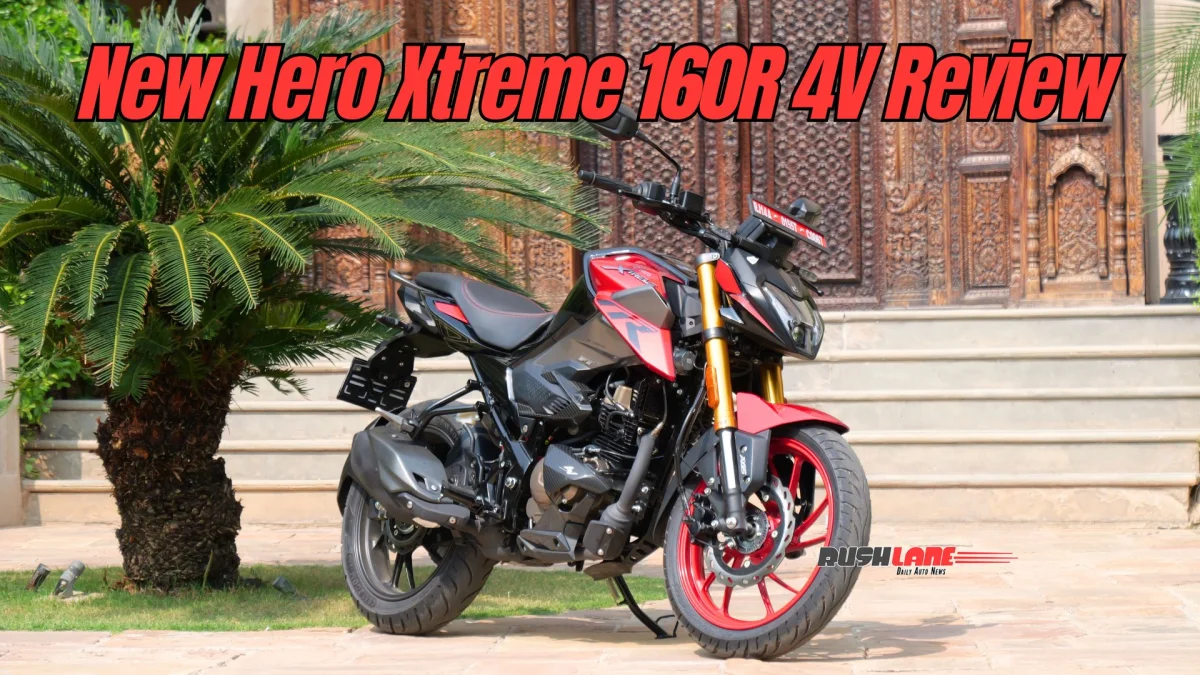
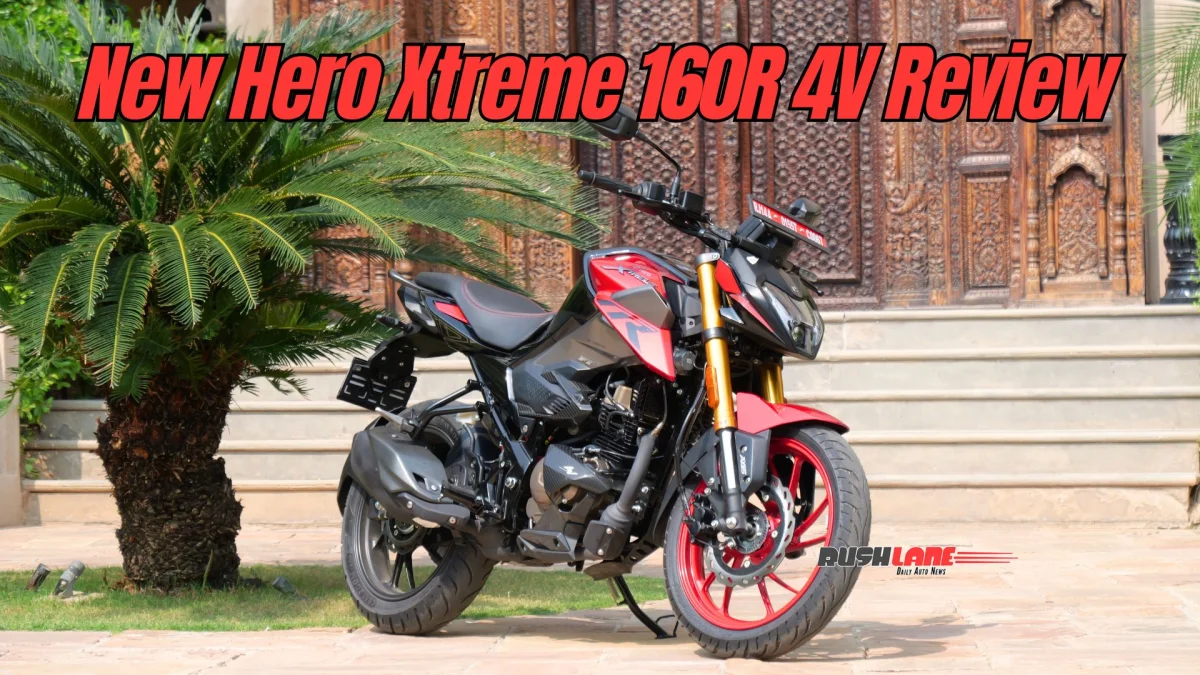
Hero’s updated Xtreme 160R 4V makes a stronger visual and equipment pitch in the sporty 160cc class, though its revised engine output is only slightly higher and some ride controls need work. Prices run from Rs 1.27 lakh to Rs 1.41 lakh ex-showroom, with the Carbon variant at the top of the range. I rode that version at Hero’s media event in Jaipur.

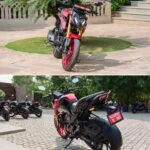
Sharper styling, with trim-specific details
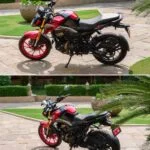
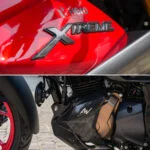
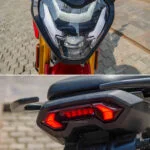
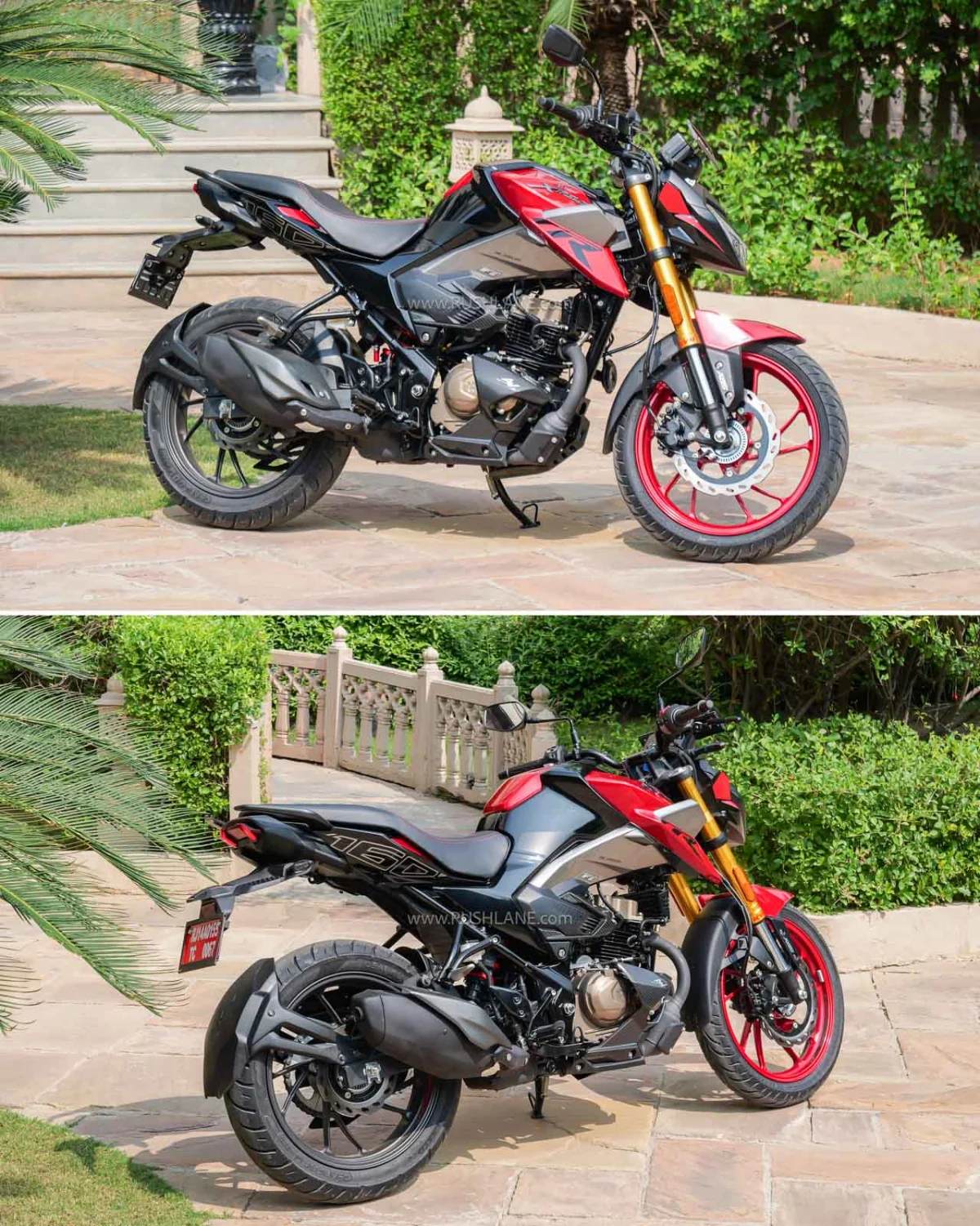
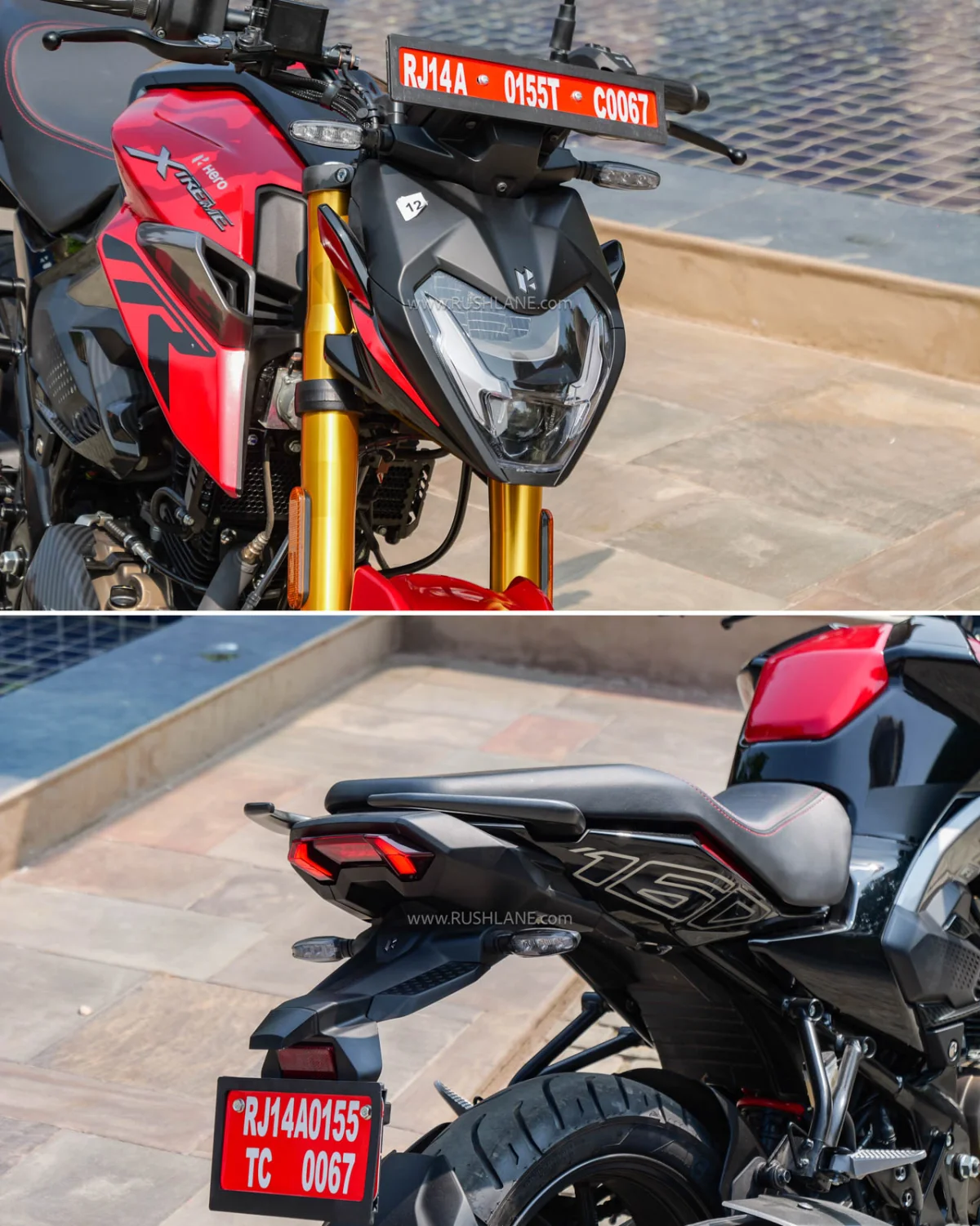
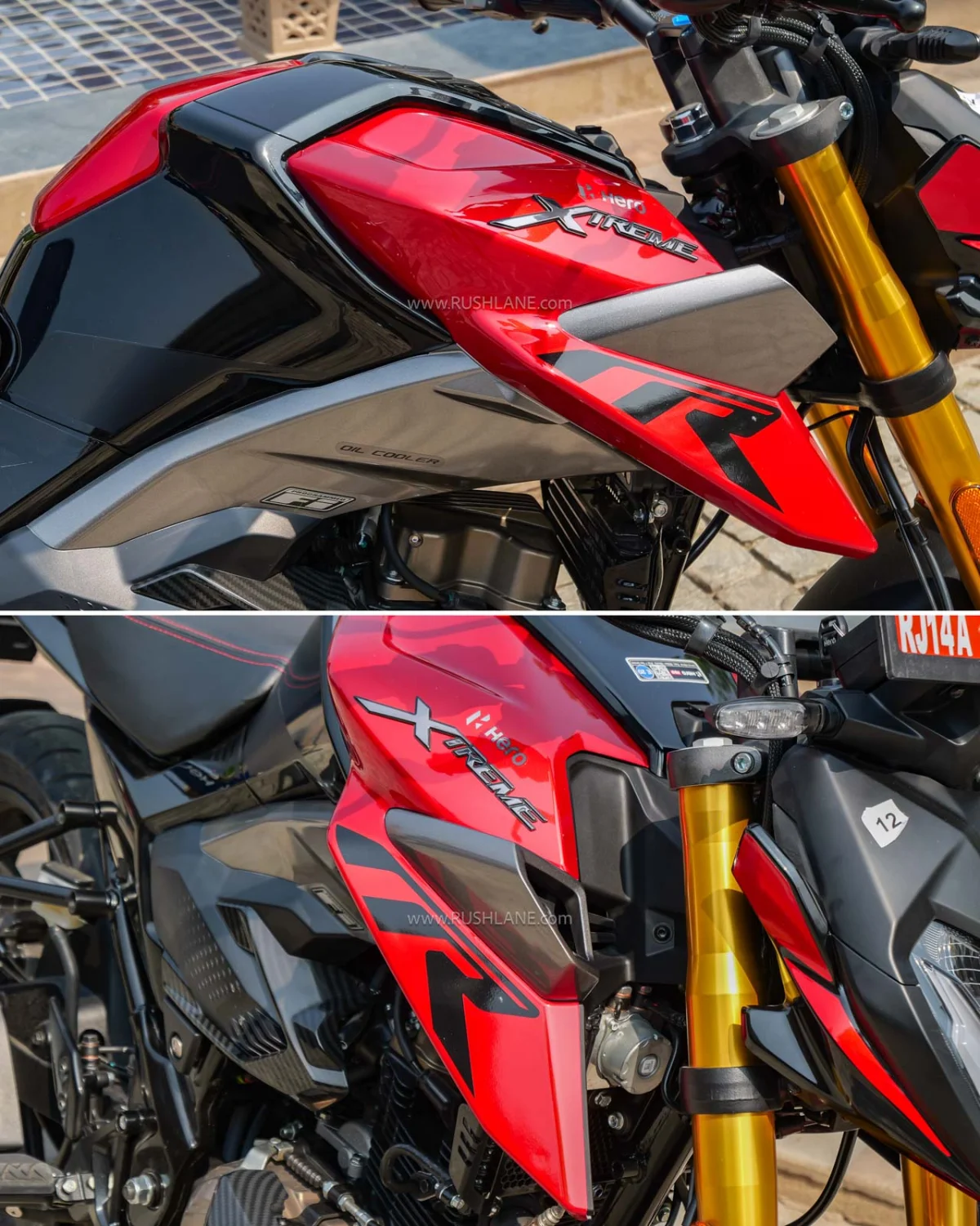
The redesign brings the 160R closer in appearance to the larger Xtreme 250R. Hero’s CyberSharp styling includes a new LED headlight and daytime running light signature, projector lamps with automatic brightness, LED indicators and revised LED tail lamps. The fuel tank is new, with layered surfaces, pronounced shrouds and three-dimensional XTREME lettering.
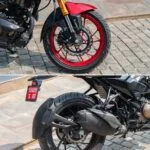
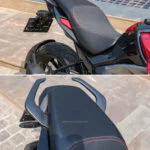
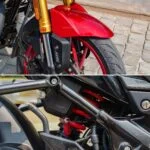
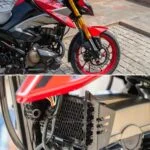
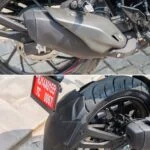
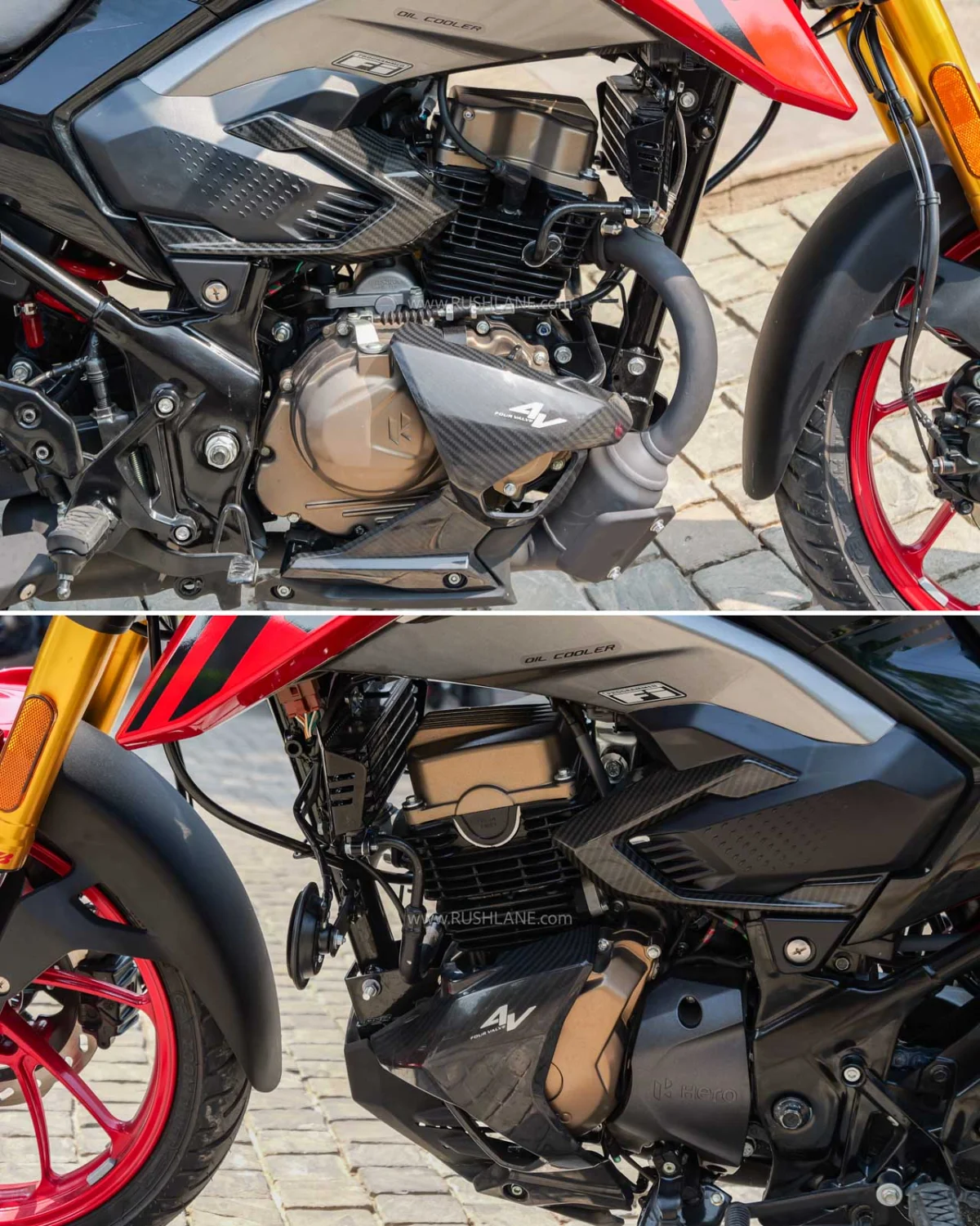
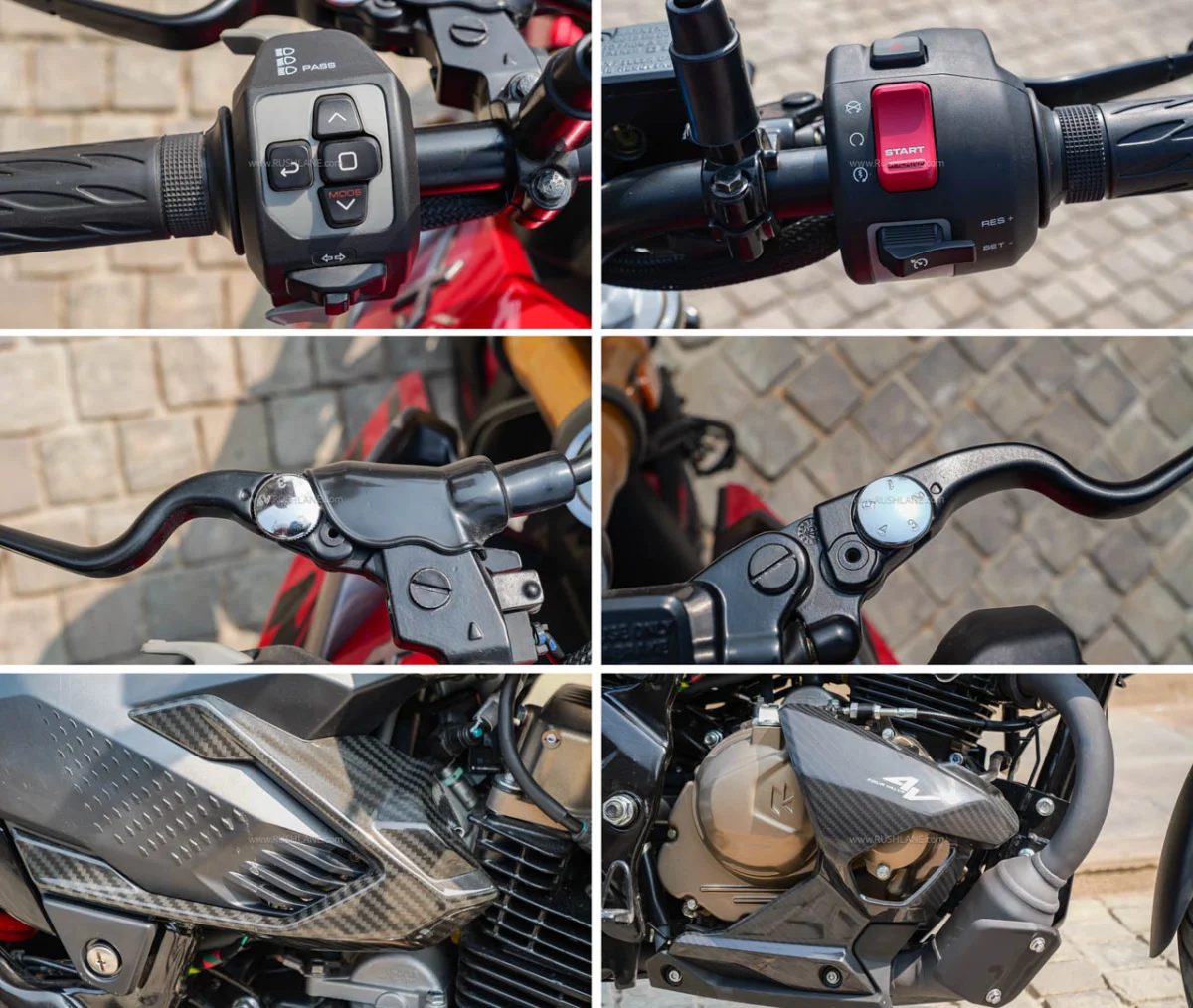
Carbon versions add carbon-fibre-look panels on the side bodywork and engine cowl. Red-painted front wheels are reserved for Carbon Red, Carbon Black and Carbon Grey; Abrax Orange gets a different finish. Rear-panel graphics, a tyre hugger and a reshaped seat complete the changes. The rider’s section is narrower, while the pillion area is wider. Optional aero fins can add a more aggressive look around the headlight.
A useful display, with a notable omission
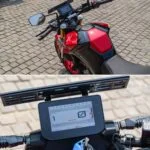
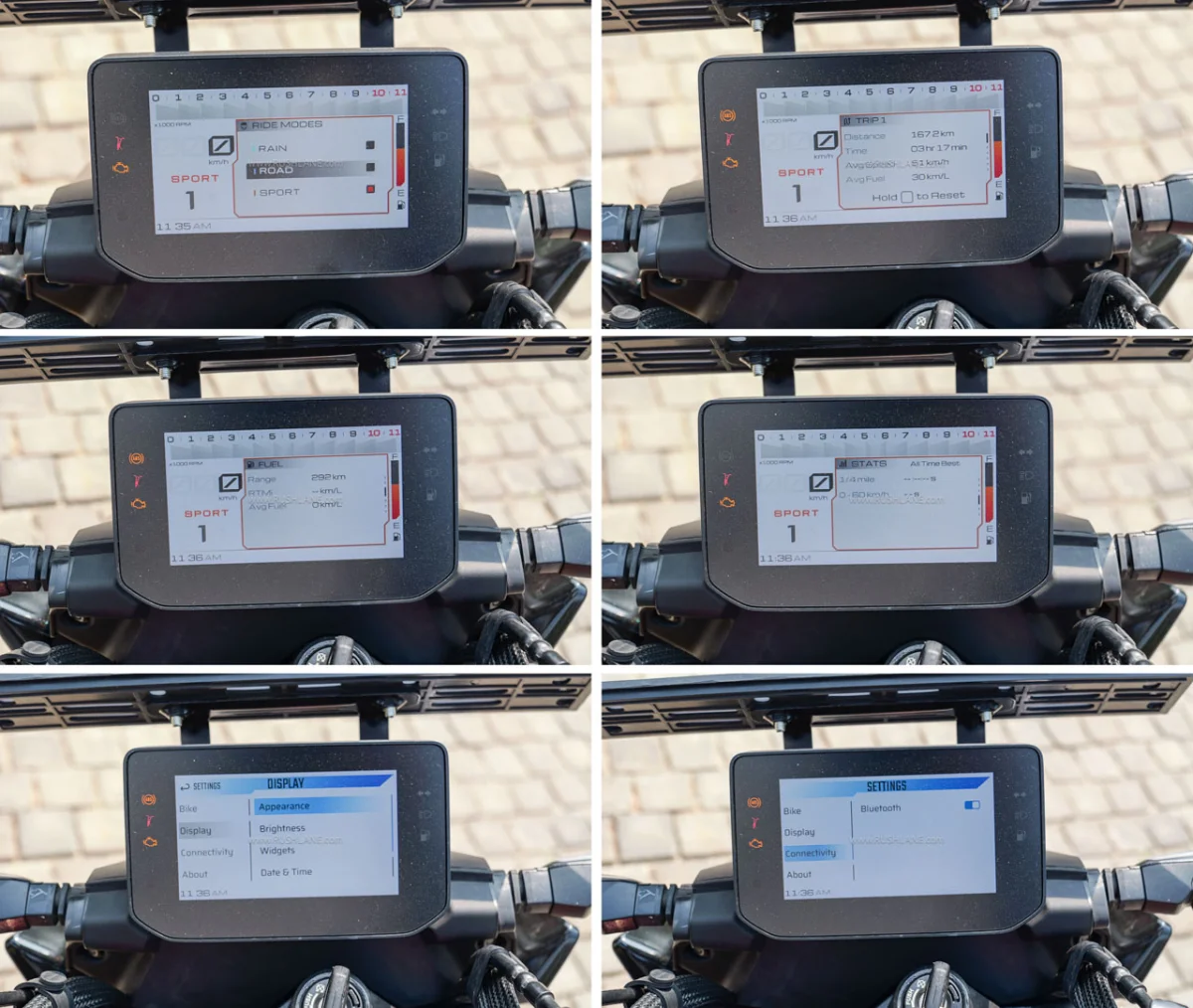
The most substantial equipment change is a 4.2-inch TFT instrument panel. It offers multiple trip readouts, a fuel-efficiency display, quarter-mile timing and a 0–60 km/h timer. The sample bike showed 39 km/l, but that figure wasn’t checked with a tank-to-tank test, so it shouldn’t be treated as a verified consumption result. There’s no document storage feature.
The screen switches between day and night themes automatically, adjusts its brightness and uses a matte coating to reduce glare. It remained readable in direct sunlight during the ride. Three ride modes—Rain, Road and Sport—each have a distinct display colour. The bike also adds a panic-braking alert that flashes the indicators.
Bluetooth connection enables music controls, call and message alerts, and a phone-battery readout. The cluster doesn’t mirror Google Maps, a feature the bike’s immediate rivals offer. There’s another limitation: only a phone number registered to the motorcycle in Hero’s server can receive the one-time password needed to connect. That restriction prevented me from trying the Bluetooth functions.

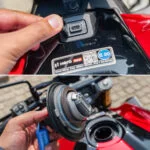
Smaller usability additions include adjustable clutch and brake levers, which should make it easier for riders with different hand sizes to find a comfortable reach. The illuminated switchgear is another practical touch, particularly when riding after dark.
Familiar engine, lively handling
Power comes from the existing 163.2cc, oil-cooled single-cylinder engine with a four-valve head. Output rises from 16.8 PS at 8,750 rpm to 17.1 PS; torque remains 14.6 Nm. An electronic throttle and five-speed gearbox carry over. The modest power increase is welcome, though it doesn’t change the basic character of the package.
The engine felt smooth away from the top of its rev range, and the light clutch and throttle response made everyday pace easy to manage. The gearbox was less convincing: shifts felt notchy, false neutrals cropped up several times, and the clutch’s bite point was hard to judge consistently. The gear-position display also gave imprecise readings at times. Those are the clearest weaknesses in an otherwise enjoyable ride.
Hero has kept the suspension softly sprung, a setup that suits imperfect road surfaces. The rider seat is now 805 mm high, and a revised rake angle shortens the wheelbase slightly to sharpen the bike’s sporty feel. The KYB inverted front forks held their line under load. Despite the softer rear suspension, the back end felt composed during the ride. I’m six feet tall and weigh about 90–95 kg, so comfort and suspension impressions may differ for smaller or lighter riders.
The Xtreme turned into corners readily and needed little effort to stand back up. Grippier tyres would have made the handling feel more involving. Braking was adequate, with dual-channel ABS and the new indicator-flashing alert included.
Where it fits against Apache and Pulsar
The Apache and Pulsar ranges remain prominent in the 150cc to 200cc class, while the Xtreme 160R has had a harder time matching their sales reach. The update gives Hero a more distinctive design and a fuller feature list, but the missing map mirroring stands out when rivals provide it.
Cruise control is another point in Hero’s favour: the source identifies the Xtreme 160R 4V as the only bike in its segment to offer it. How much that matters on a 160cc motorcycle will depend on a rider’s routes and habits. The update’s pricing also weakens Hero’s usual value argument. At Rs 1.27 lakh to Rs 1.41 lakh ex-showroom, it doesn’t undercut its rivals by a significant margin, despite the feature gap.
The revised 160R is a credible shortlist option for buyers after an aggressive-looking, entertaining 160cc bike. Its handling and display make a good impression, but the inconsistent clutch and gearbox deserve attention before purchase. Riders who expect phone-based map guidance should compare the rivals closely; those who can live without it may find the Hero’s styling and road manners compelling.