In lane Electric Vehicles
Brooks Stevens’ 1965 Studebaker GT Hawk Heads Toward a Limited Production Build
Description
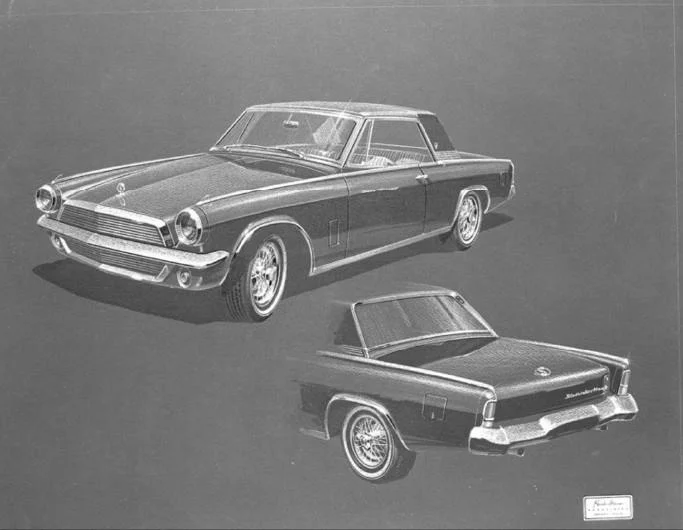
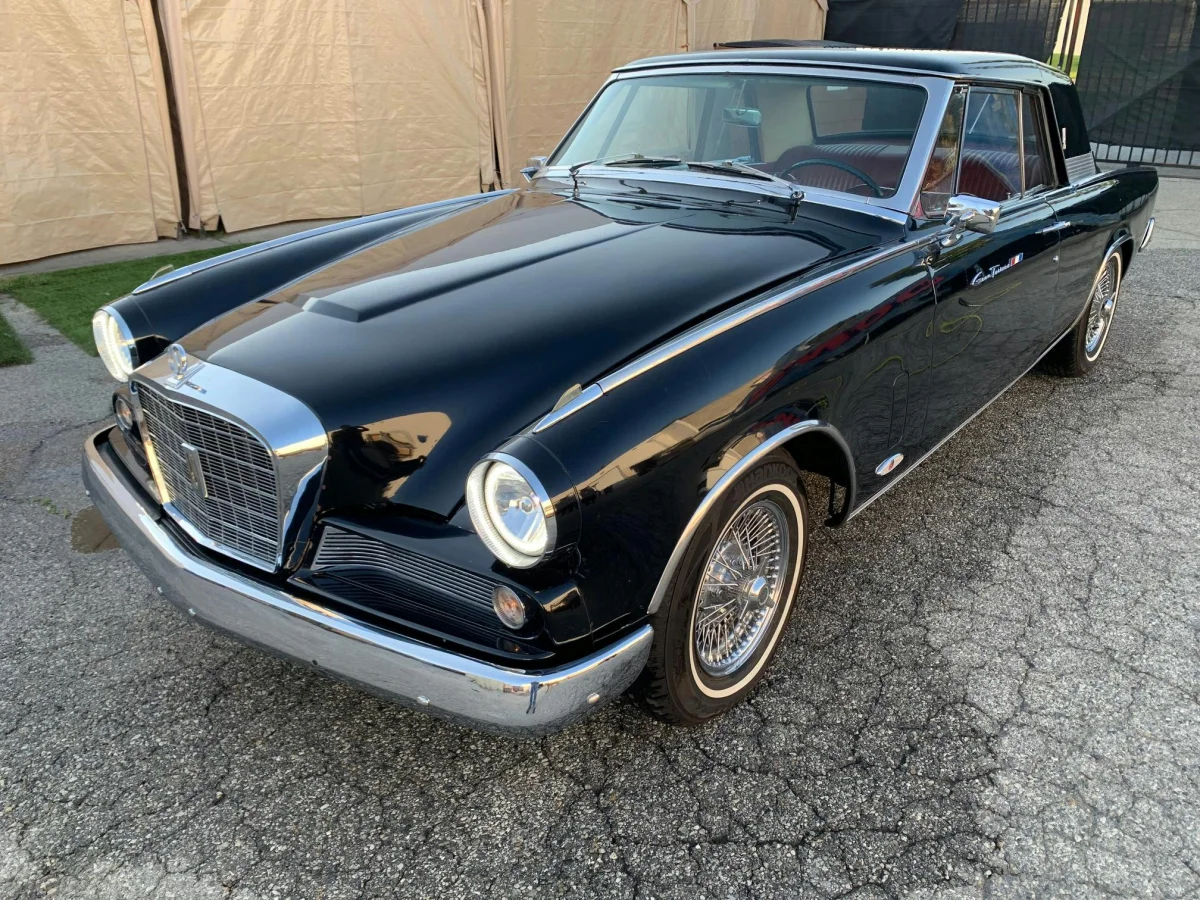
A California enthusiast and Brooks Stevens Design are developing a modern build of Stevens’ unproduced 1965 GT Hawk, using an R1 as the prototype.
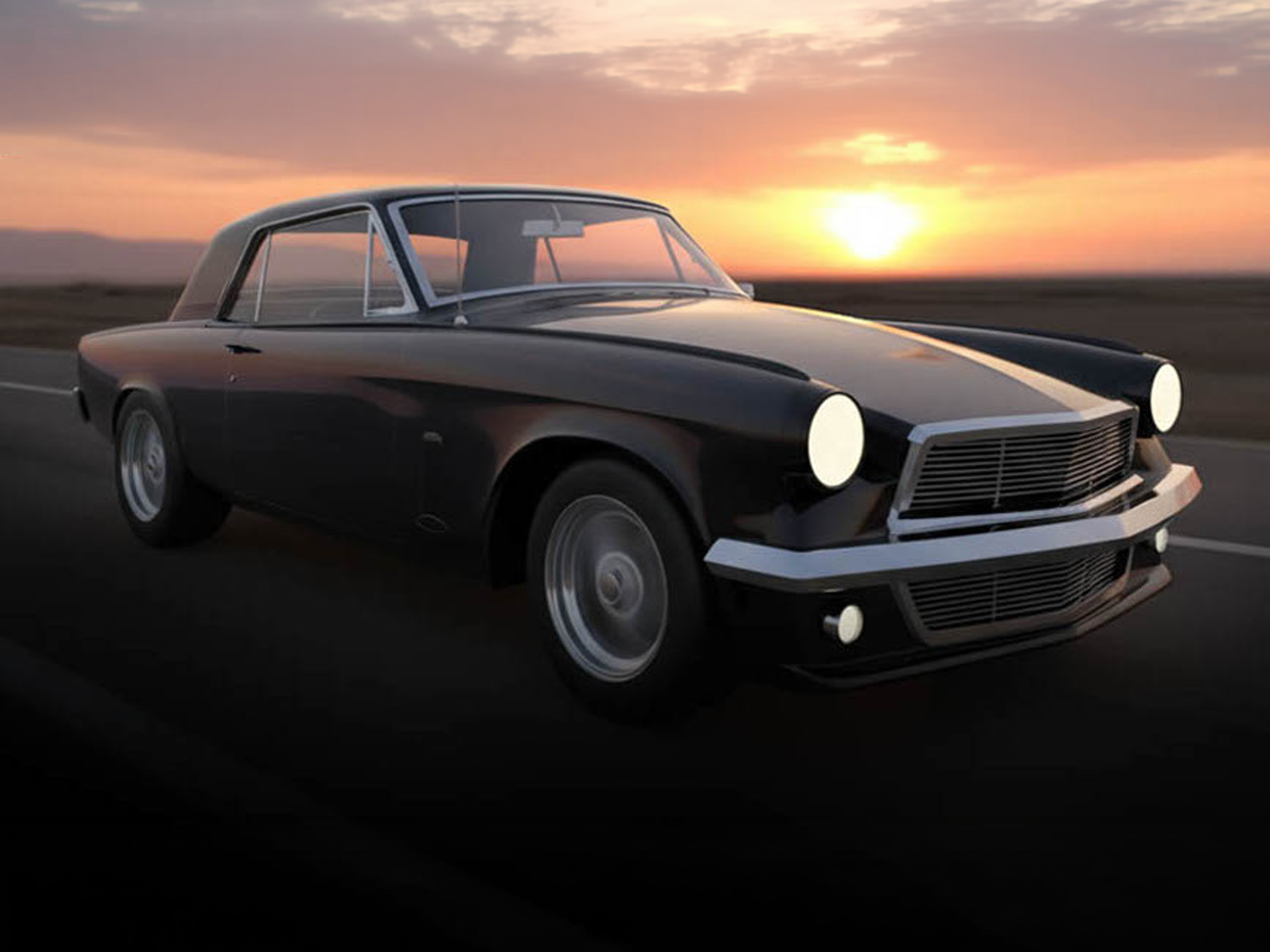
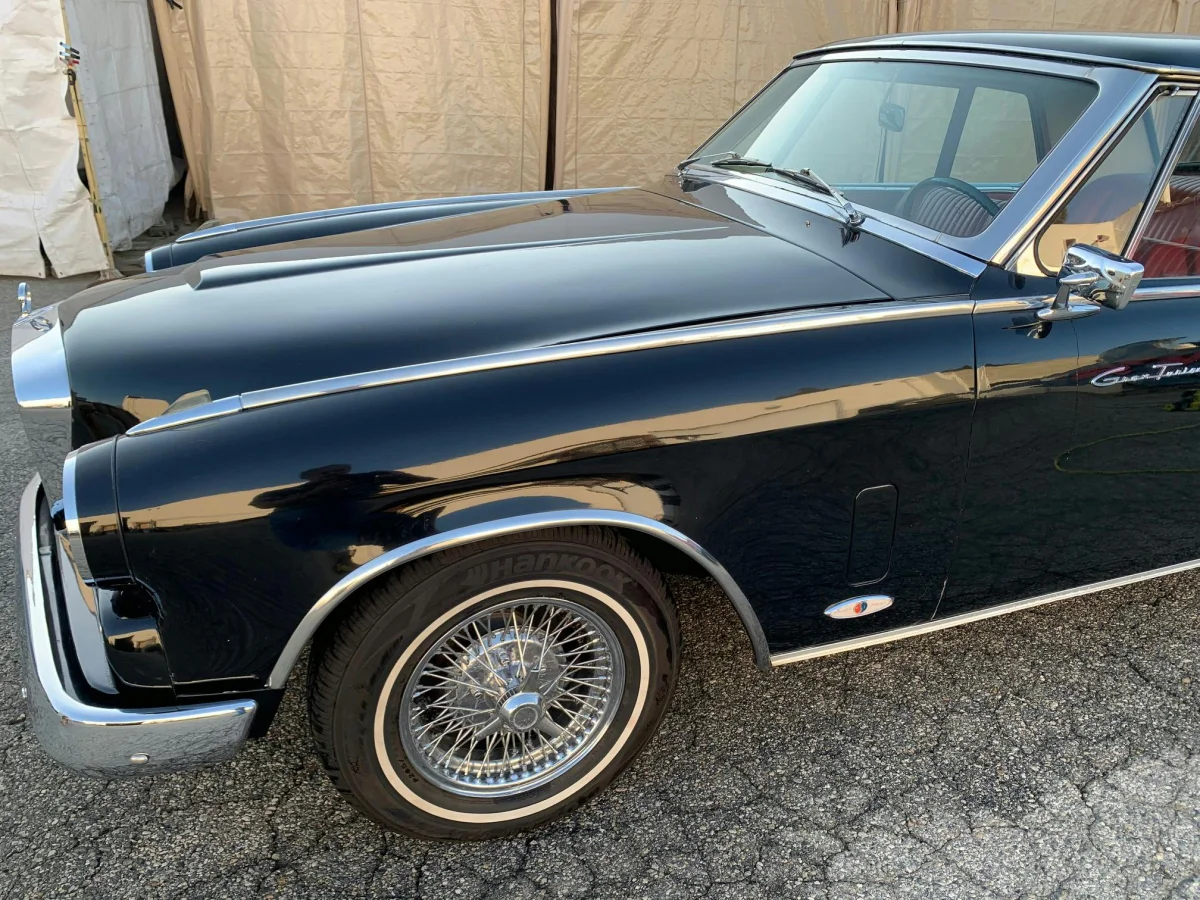
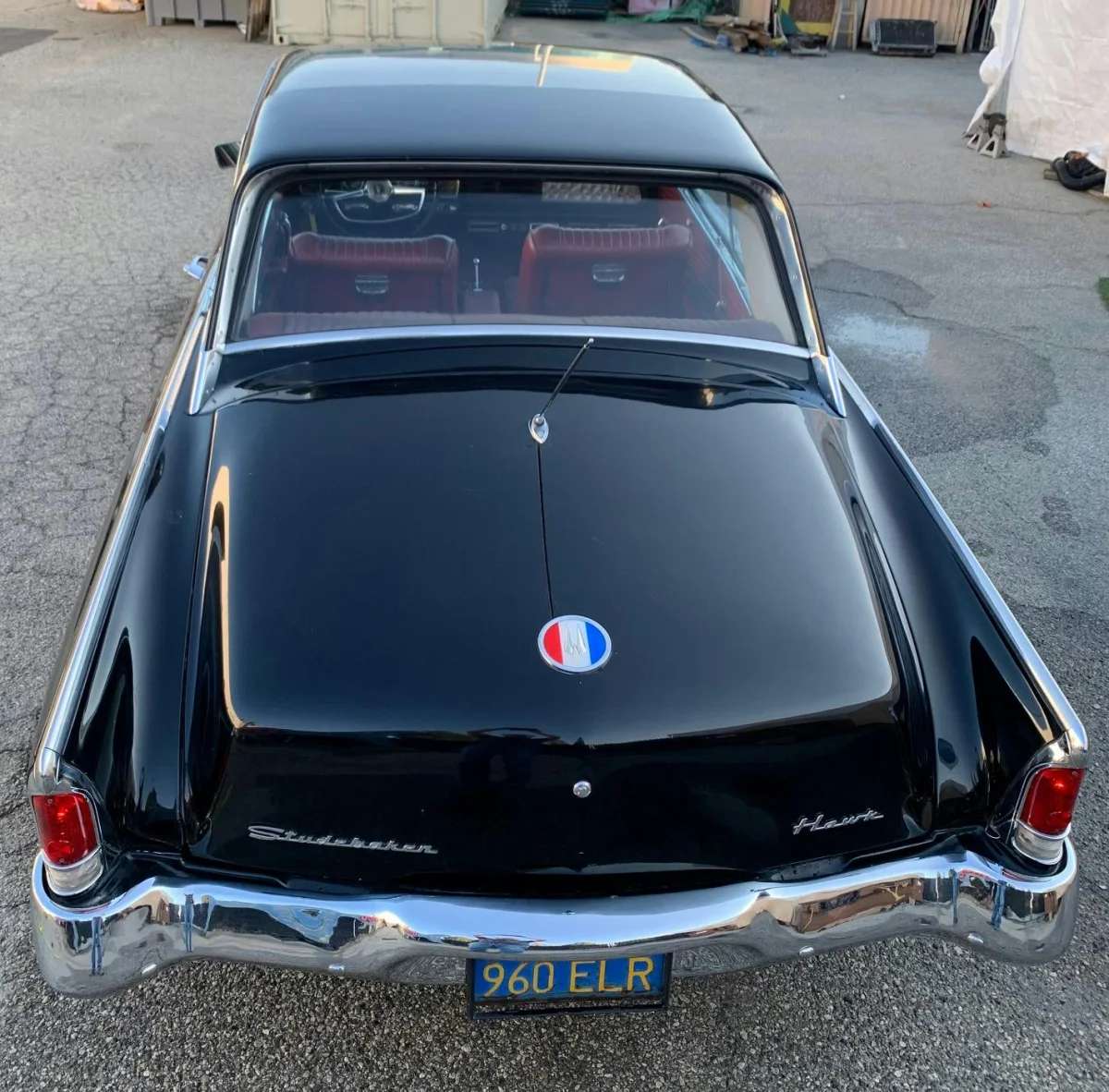
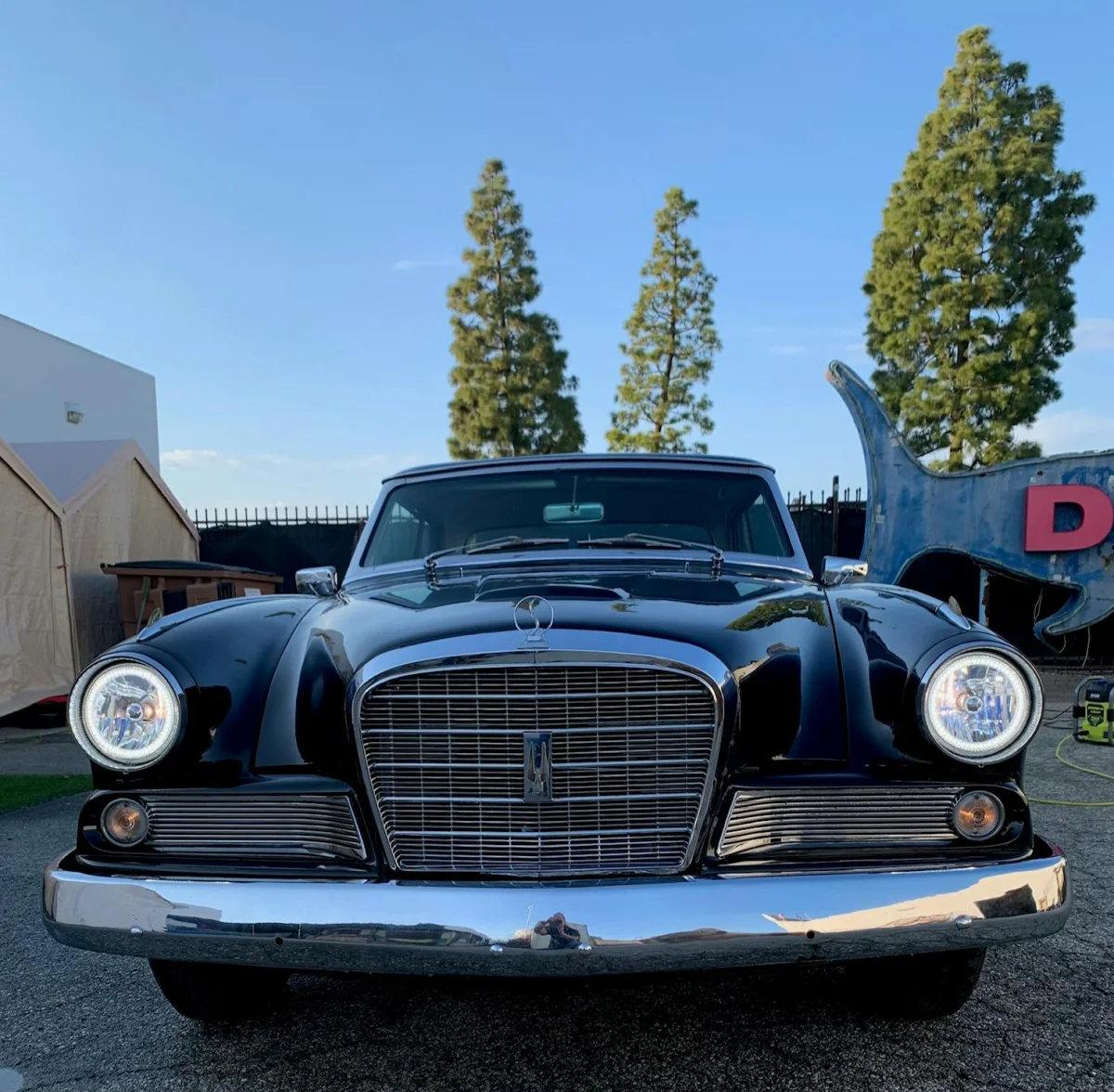
A Studebaker GT Hawk that existed only in Brooks Stevens’ sketches may soon become a limited run of custom cars. Don Lace Jr., a California enthusiast, is working with Brooks Stevens Design to build the designer’s proposed 1965 update around an existing R1 GT Hawk. The plan calls for modern mechanicals and comfort features, with the finished cars retaining their donor vehicles’ original identification numbers. Pricing is still undecided.
The project brings a design back from the edge of Studebaker’s final years. The company ended U.S. passenger car and light truck production in 1964 after years of financial strain. Its challenges included aging factories and platforms, high labor costs, quality problems, the expense of developing an in-house high-compression overhead-valve V-8, competition from larger automakers and a costly merger with Packard.
Studebaker had managed a brief lift with the Lark, a compact that found buyers before rivals such as the Ford Falcon, Chevrolet Corvair, Pontiac Tempest and Dodge Dart and Plymouth Valiant arrived. The company also launched the fiberglass-bodied Avanti, styled by Raymond Loewy’s studio and tuned by Andy Granatelli. Its speed records brought attention, but not enough sales to turn the company around.
A long-lived Hawk design
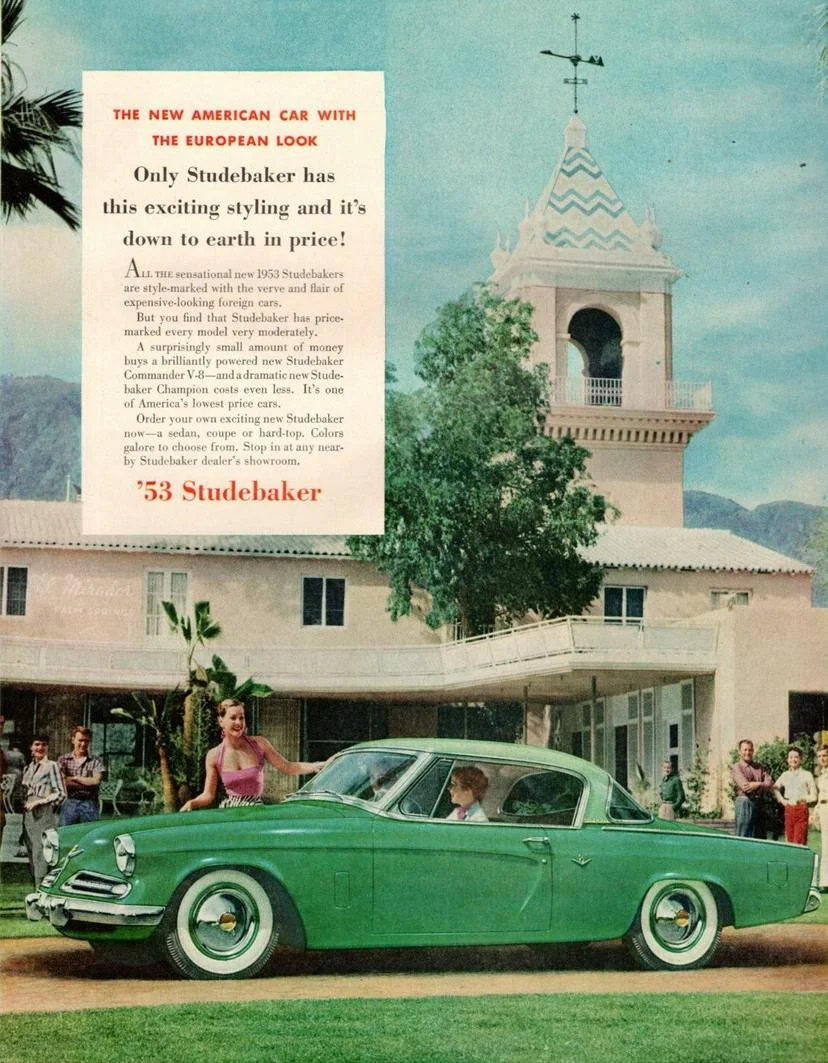
The Hawk’s roots lay in the 1953 Starliner coupe, drawn by Bob Bourke at Loewy’s studio. For 1956, Bourke adapted the Starliner’s body into the Hawk, Studebaker’s flagship luxury model. The early Hawks carried styling that suited their era, while later cars produced after the Packard merger earned a much less flattering reputation.
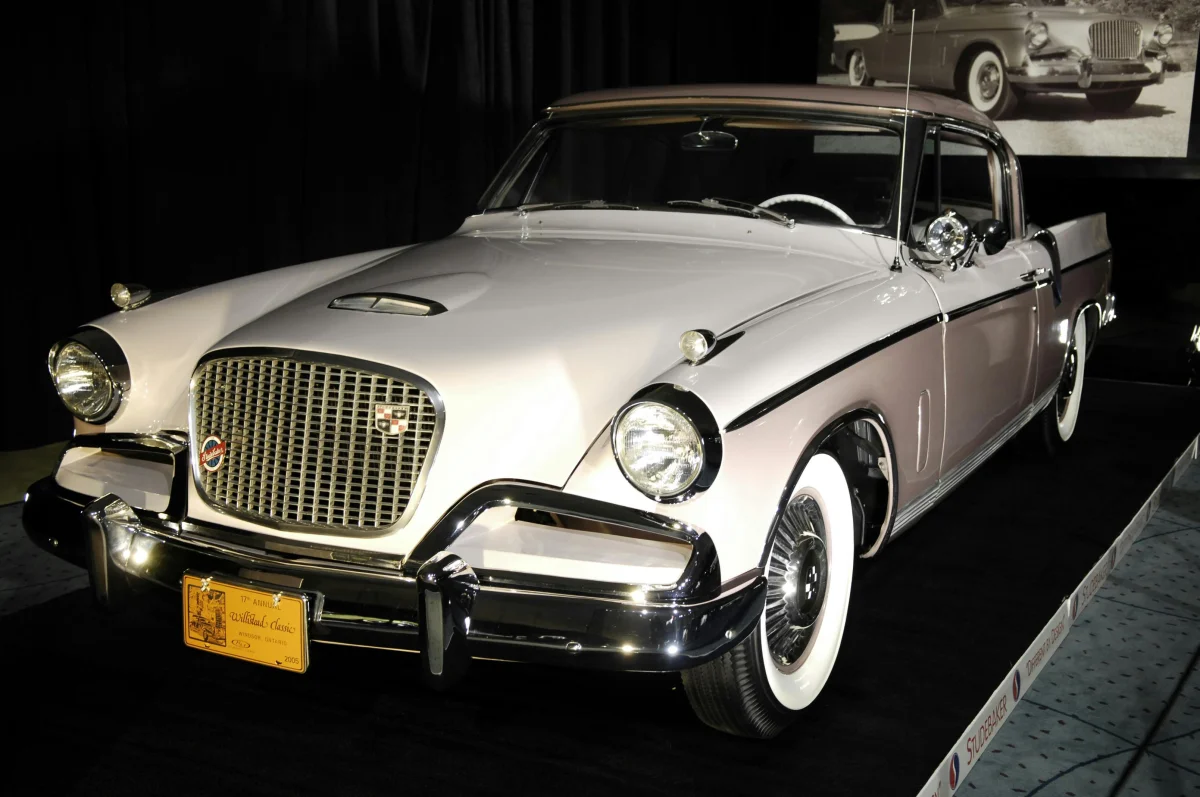
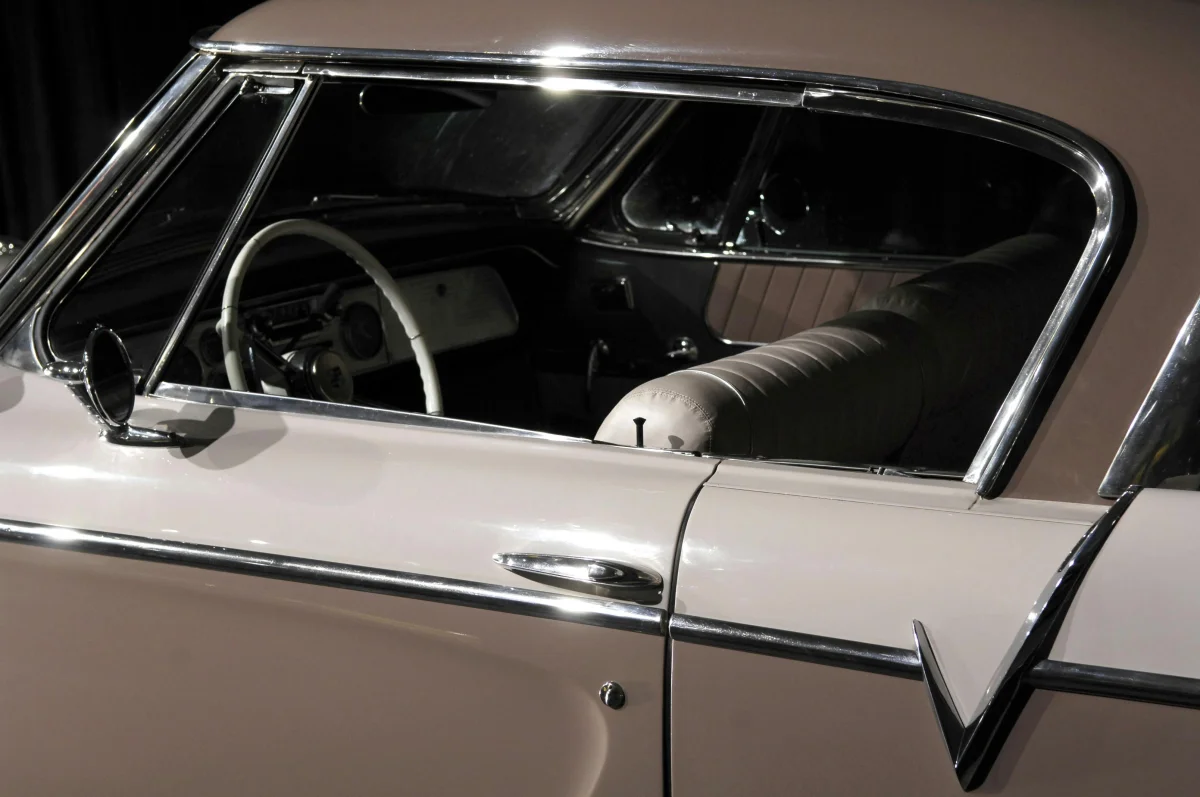
Bourke later said he had tried to keep those cars restrained, but that after he left, the styling acquired “wild fins, Mylar overlays, yards of chrome, and complete lack of restraint.” By the early 1960s, Studebaker turned to independent designer Brooks Stevens to bring the Hawk into step with newer Detroit design.
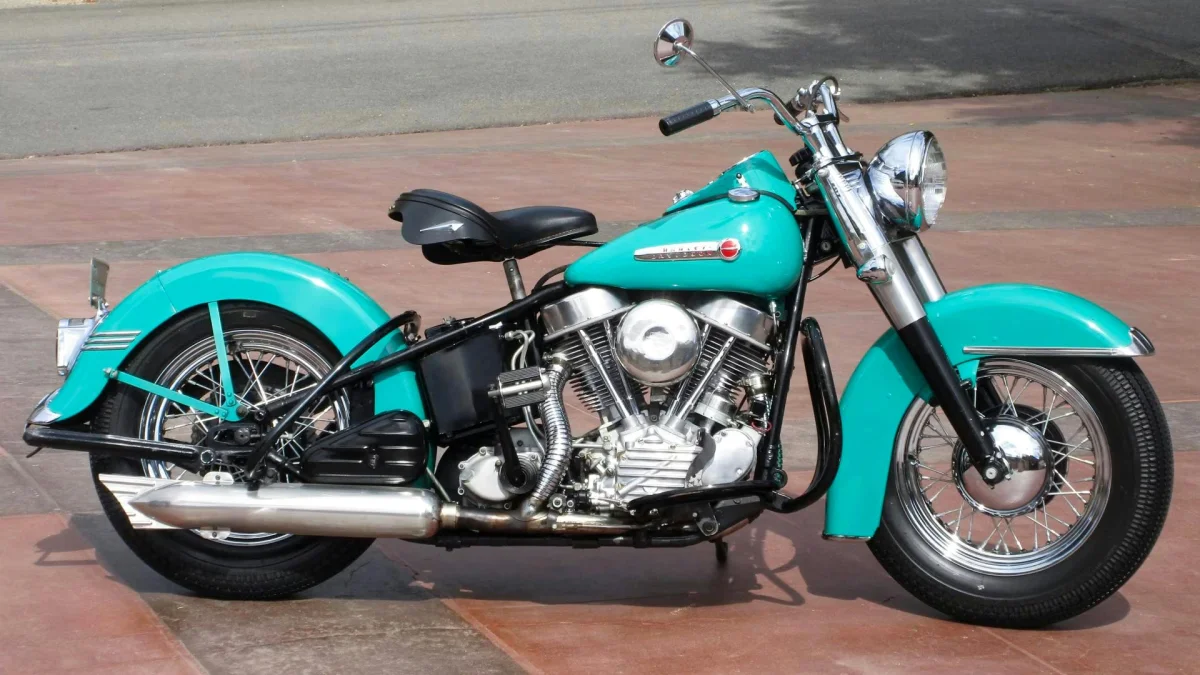
Stevens, whose studio handled more than 3,000 commissions across vehicles, appliances, packaging and graphics, had a broad design portfolio. His work included the 1949 Harley-Davidson Hydra-Glide and the 1948 Willys Jeepster, as well as products for Lawn-Boy, Briggs & Stratton and Evinrude/Johnson.

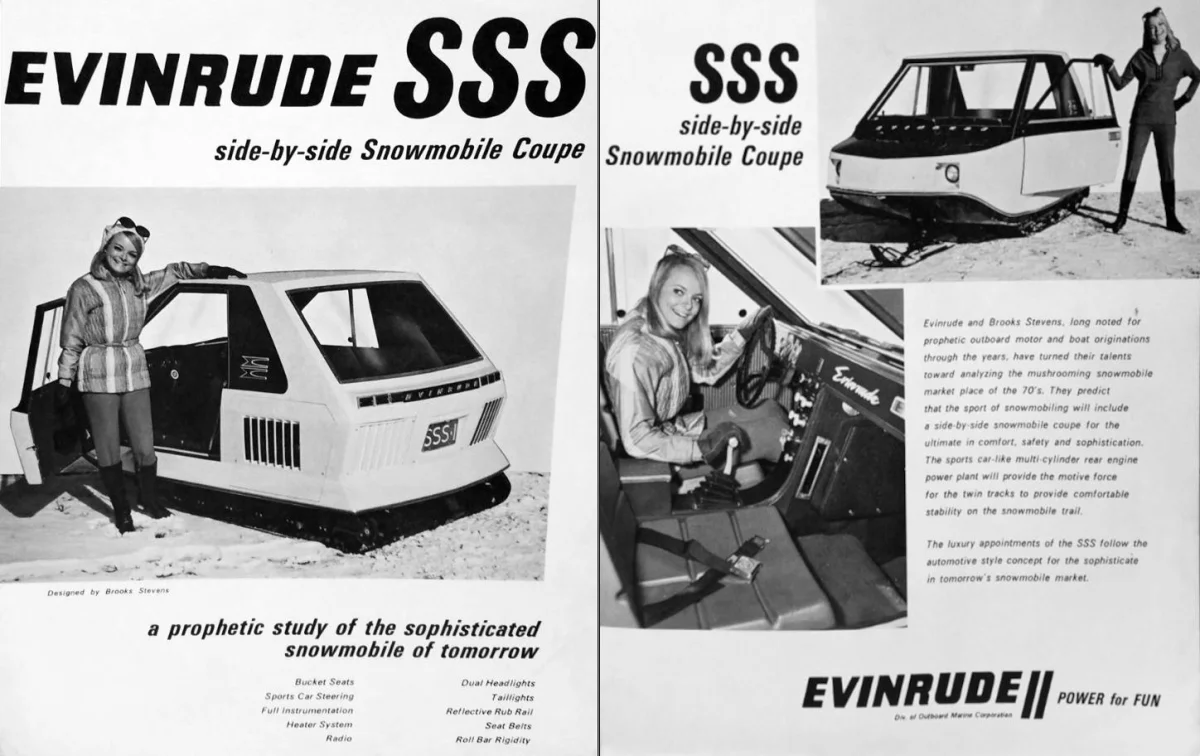
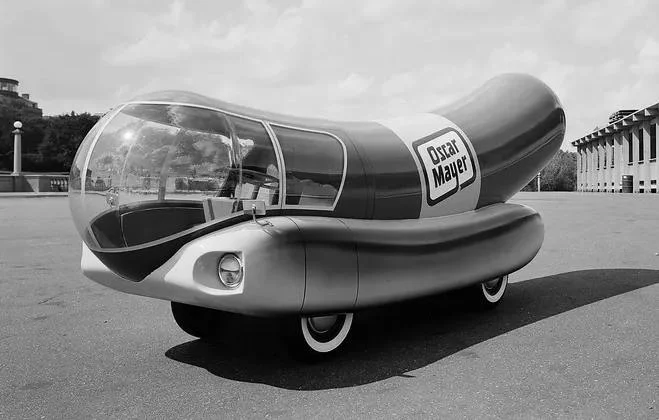
His studio also devised an Evinrude snowmobile concept with a coupe-like cabin, bucket seats and steering wheel, and is credited with designing an early motorhome. Outside transportation, Stevens’ projects included the Miller High Life logo and a 1958 Oscar Mayer Wienermobile.
Stevens’ motorhome work and a snowmobile “coupe” concept show how often his studio approached familiar products from a different angle.
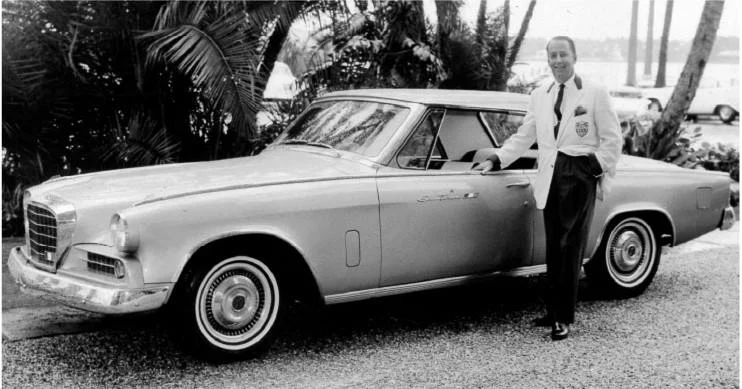
For the 1962 GT Hawk, Stevens removed the fins and excess trim, sharpened the fenders and reduced the broad side cove to a single character line. He also gave the car a more formal roof and squared-off styling suggestive of a targa top. The update made an old body shell look current beside cars such as the 1961 Lincoln Continental, despite the Hawk’s early-1950s origins.
Bourke approved of the cleanup. He later called the 1964 Hawk the best-looking version built after 1956, crediting Stevens’ work with making the design feel right again.
The proposal that never reached production
Stevens had a larger successor in mind. The Sceptre, a full-size grand-touring coupe displayed at the Studebaker National Museum in South Bend, was intended to replace the Hawk for 1966. The museum also holds proposals from Loewy’s studio for a notchback and a four-door Avanti.
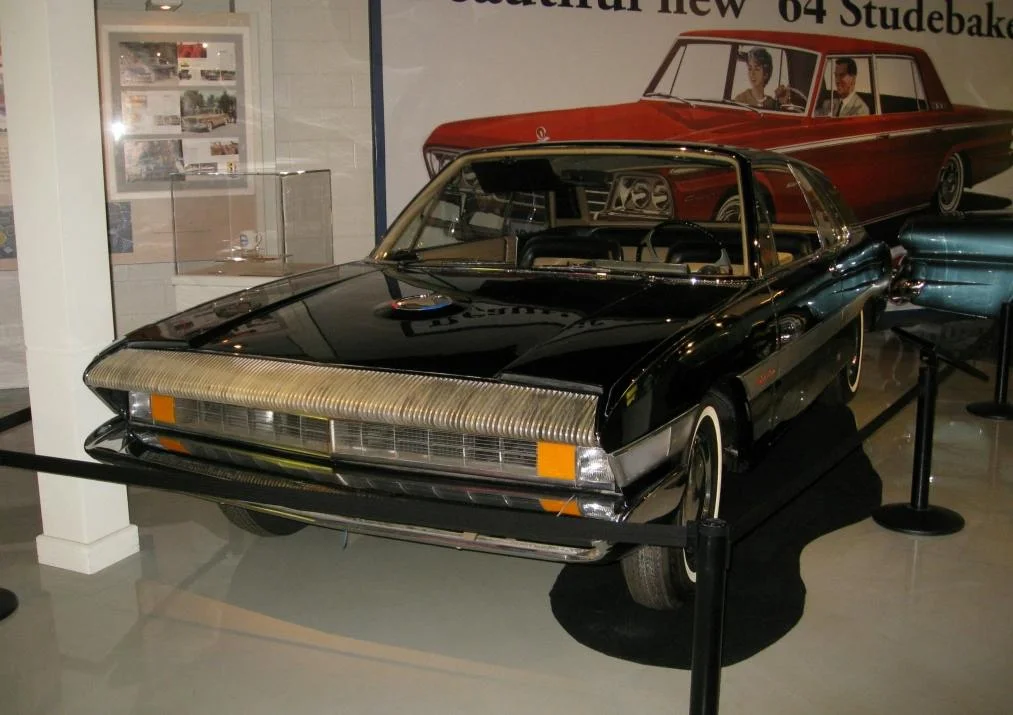
Less familiar is Stevens’ proposed 1965 GT Hawk. The design pushed the car further from its 1950s styling, with a revised grille and front end and a reshaped rear deck. Studebaker’s U.S. production had ended before the proposal could advance beyond the drawing board. Assembly continued in Canada and through complete knock-down kits in Israel and South America until 1966, but the planned Hawk did not join them.
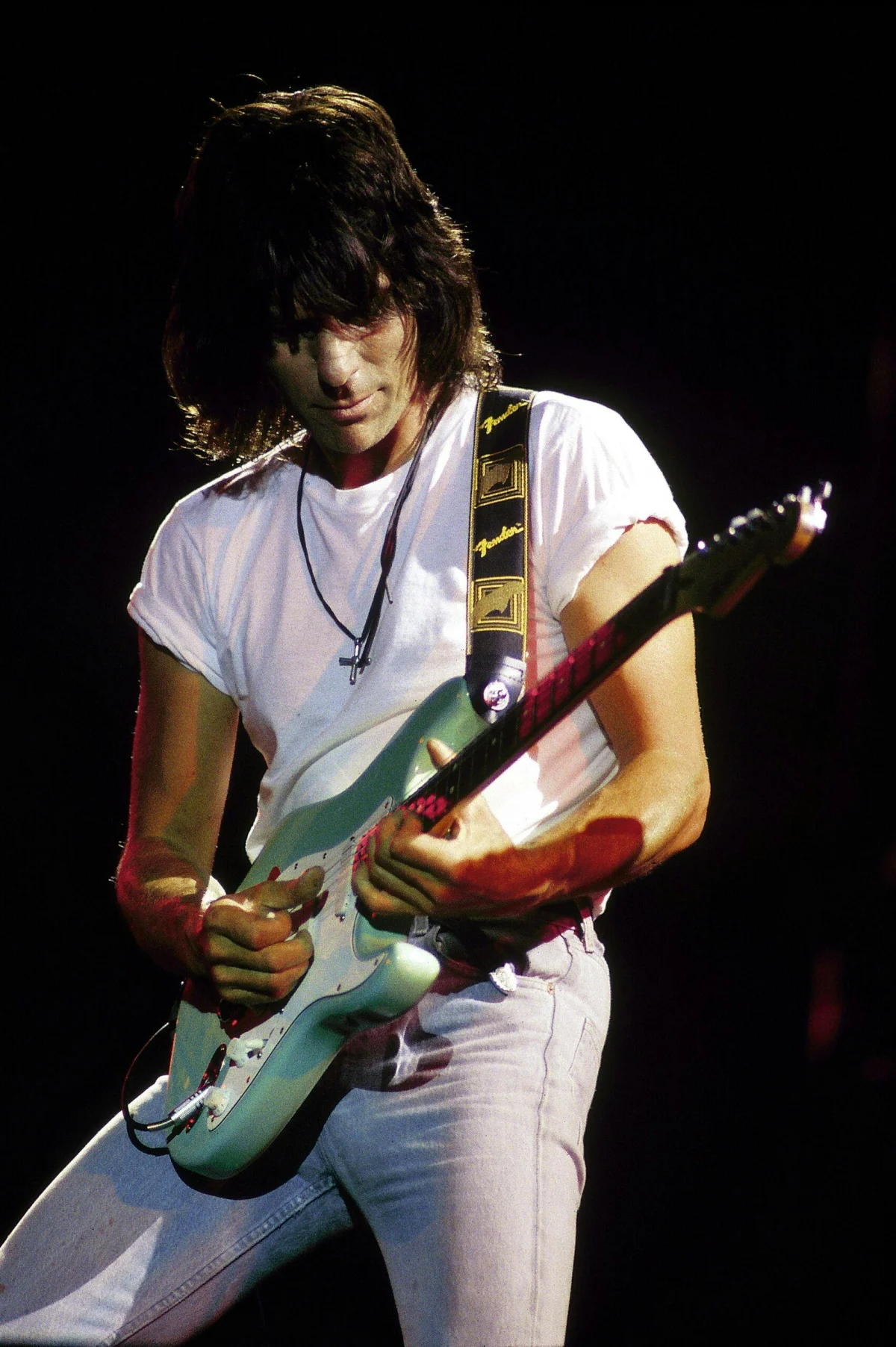
Lace’s connection to the car world runs through both family and music. He and his brother Jeff operate Lace Music Products, a Southern California maker of guitar pickups. Their father, Don Lace Sr., developed the Lace Sensor pickup after working with Don Randall, the former Fender Musical Instruments president and general manager who later founded Randall amplifiers. The pickups have been used by players including Eric Clapton, Jeff Beck, Buddy Guy, Pete Townshend, James Burton, Billy Corgan, Richie Blackmore and Jack White.
The company later patented its Alumitone pickups, which use 90 percent less copper in their coils than conventional pickups and have a wider, flatter frequency response. Disclosure: Lace Music helps make the custom Alumitone pickups for the Harmonicaster electric harmonica invented and developed by author Ronnie Schreiber.
Cars have long appeared in popular music, from “In My Merry Oldsmobile” to the collections of performers such as Al Jolson and Pink Floyd’s Nick Mason. The Lace brothers share their father’s interest in cars; he owned a supercharged 1937 Cord.
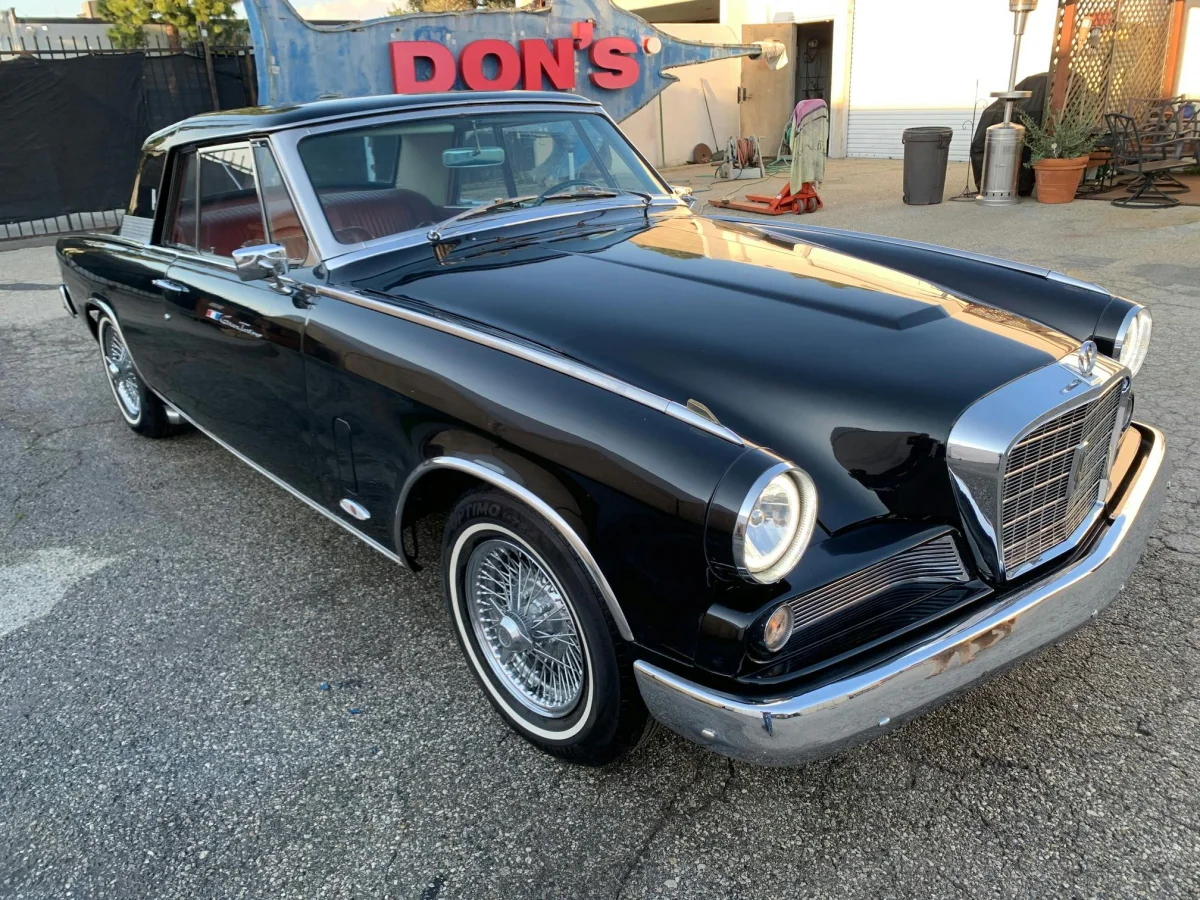
Jeff is restomodding a 1948 Packard, while Don Jr. has focused on Studebakers for decades. He says he has had a Hawk in his life for 50 years and has owned five GT Hawks, including an R1. His current car is a two-owner California example that has been fitted with a high-performance 283-cubic-inch Chevrolet small-block V-8.
From old sketches to a build plan
Lace found Stevens’ drawings for the 1965 car and wrote to the designer in the early 1990s, saying he wanted to build it. Stevens called him about a week later, and the two began a friendly correspondence. Stevens died in 1995, before the idea became a project.
After Stevens retired, his son Kipp ran the Milwaukee design firm. Ingenium Product Development bought it in 2007, and Mark McAllister and Michael Hopkins acquired Brooks Stevens Design in 2020. The current leadership has since put more emphasis on the studio’s design work and its connection to Stevens’ legacy.
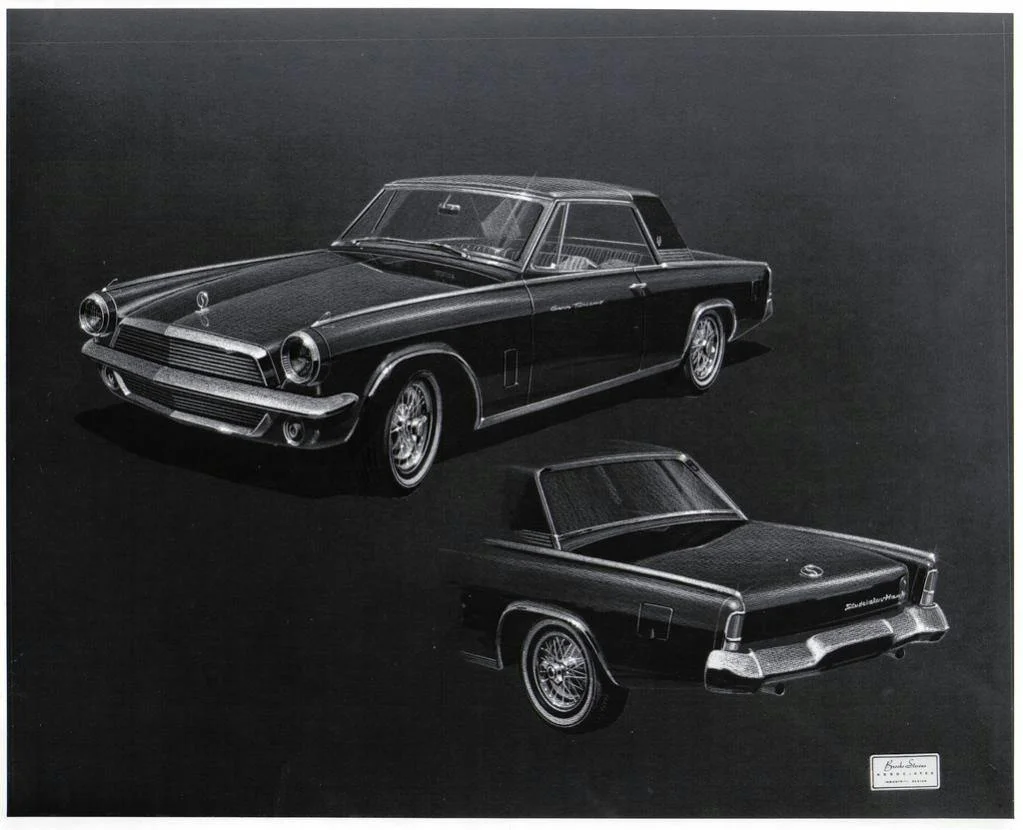
About five or six years ago, a call from someone at the studio prompted Lace to revisit his correspondence with Stevens. A carbon-fiber fabricator working on a guitar had contacted him with questions about pickups. Lace took the opportunity to propose a build of the 1965 Hawk using his R1 as the starting point. The studio’s new leadership saw the idea as a fit for its renewed interest in design.
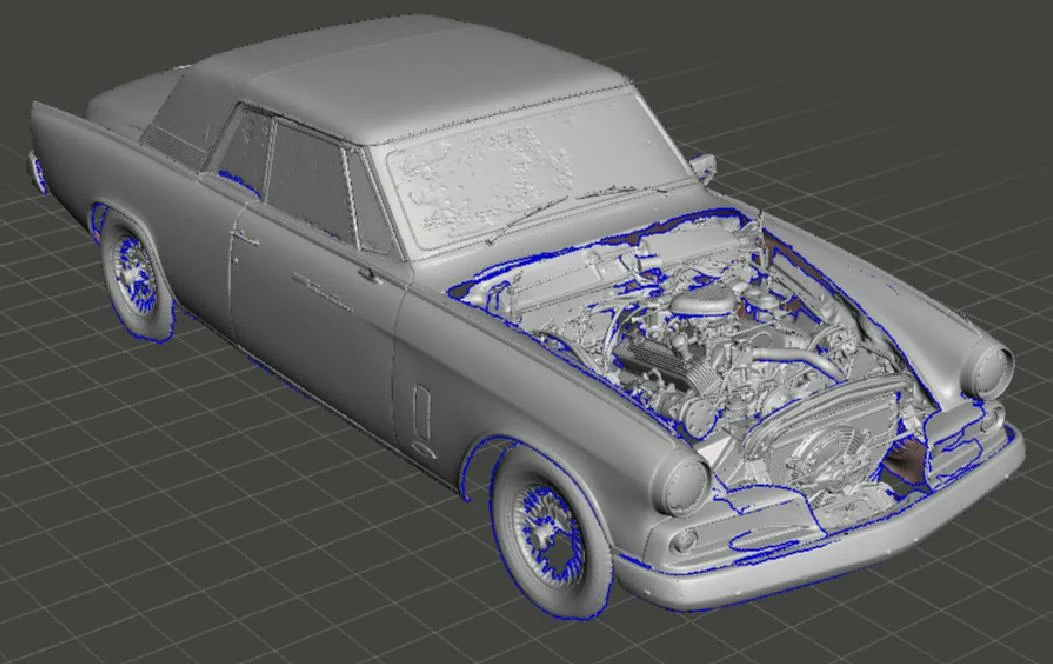
The R1 was sent to Milwaukee for a 3D scan. The studio then combined the scan with digital versions of Stevens’ revised panels and produced a small 3D-printed model for Lace to review. His approval moved the job into development.
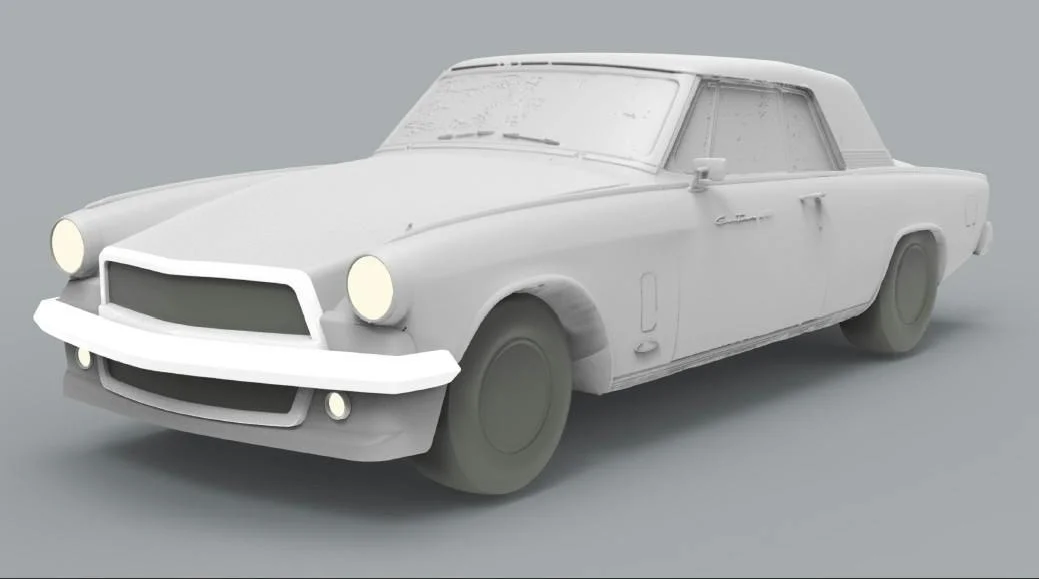
Ryan Hahn, design director at Brooks Stevens Design and a former styling chief at Buell motorcycles, said the team returned to Stevens’ journals for the original business plan. Those notes addressed Studebaker’s limited resources and changing customer tastes, and included possible convertible and removable-roof versions of the car.
The studio hopes to begin its first build sometime this year. The initial plan was to accept commissions for six cars; the project website now describes a run of 12. A targa version and a period-style race car are also under consideration.
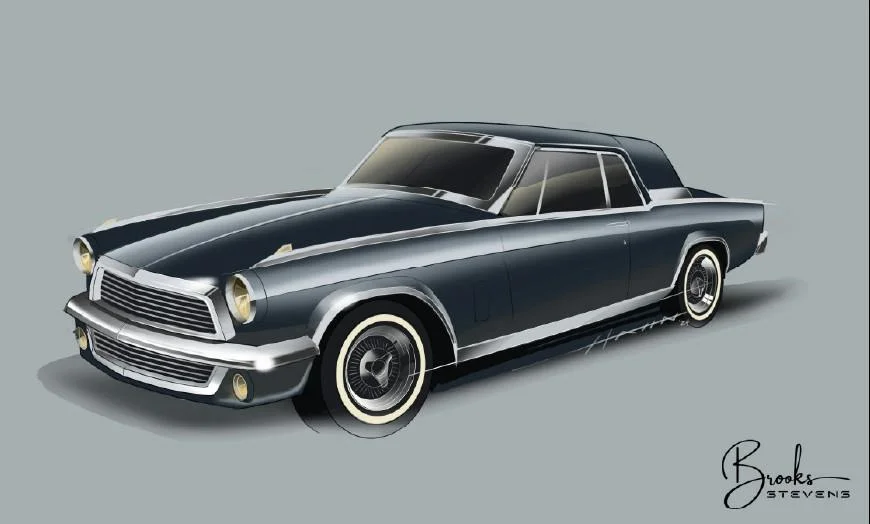
Each car is expected to use an existing GT Hawk as a donor, with Lace’s R1 serving as the prototype. The build will retain the donor’s original Studebaker VIN. New tooling will be needed for the hood, front fascia, decklid and grille, while CNC equipment and rapid prototyping will support work done in-house. Brooks Stevens Design plans to use outside suppliers for parts beyond its own design and engineering work.
Modern hardware, original design cues
The proposed package is closer to a high-end restomod than a restoration. Plans call for an upgraded, reinforced reproduction chassis, a GM LS-family V-8 and Wilwood brakes. The suspension is expected to use Mustang II components at the front and C4 Corvette hardware at the rear, though the final specification has not been confirmed.
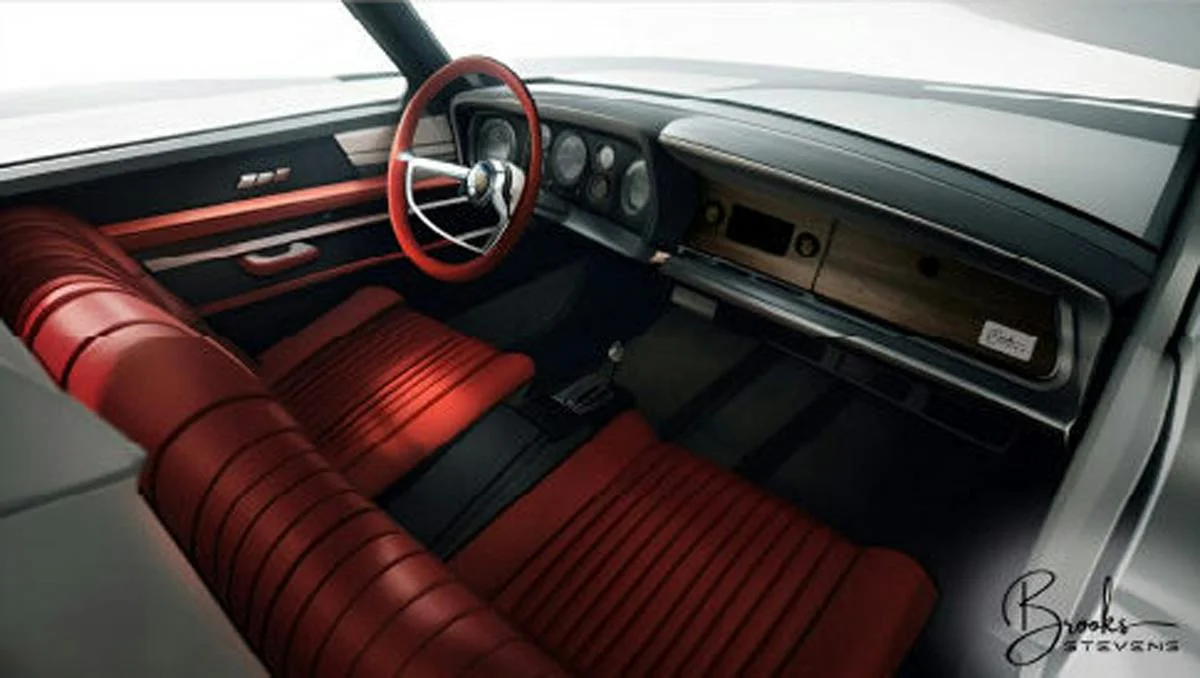
Inside, the design is meant to follow Stevens’ original concept, including a padded cowl around the instrument panel. Modern infotainment, comfort and technology features will be added, and commissioned cars can include bespoke details. Pricing has not been set.
The badge is still an open question. The Studebaker name’s trademark status is described as abandoned, while the museum and owners’ club retain rights to some logos. Hahn said the team had not registered a trademark; the project’s 65Hawk.com website may offer a clue to the eventual name.
For buyers, the key details to watch are the final price, the confirmed mechanical specification and how many of the proposed 12 commissions proceed. For Studebaker fans, the appeal is more immediate: a late design by Stevens is moving from archival sketches toward a road-going car, built around the proportions and character of the GT Hawk.