In lane Electric Vehicles
Tesla Roadster Design: A Futuristic Wedge With Countach Roots
Description
Tesla’s new Roadster pairs a classic supercar wedge with hidden headlights and dramatic hardware, though its surface design looks unfinished.
The new Tesla Roadster’s strongest design idea may be its familiarity. Its low wedge profile recalls the supercar language Marcello Gandini established with the Lamborghini Countach, while moving details and a pressurized nitrogen tank push the car toward science fiction. That mix makes the Roadster compelling as a vision, even if its styling looks less resolved than its technology promises.
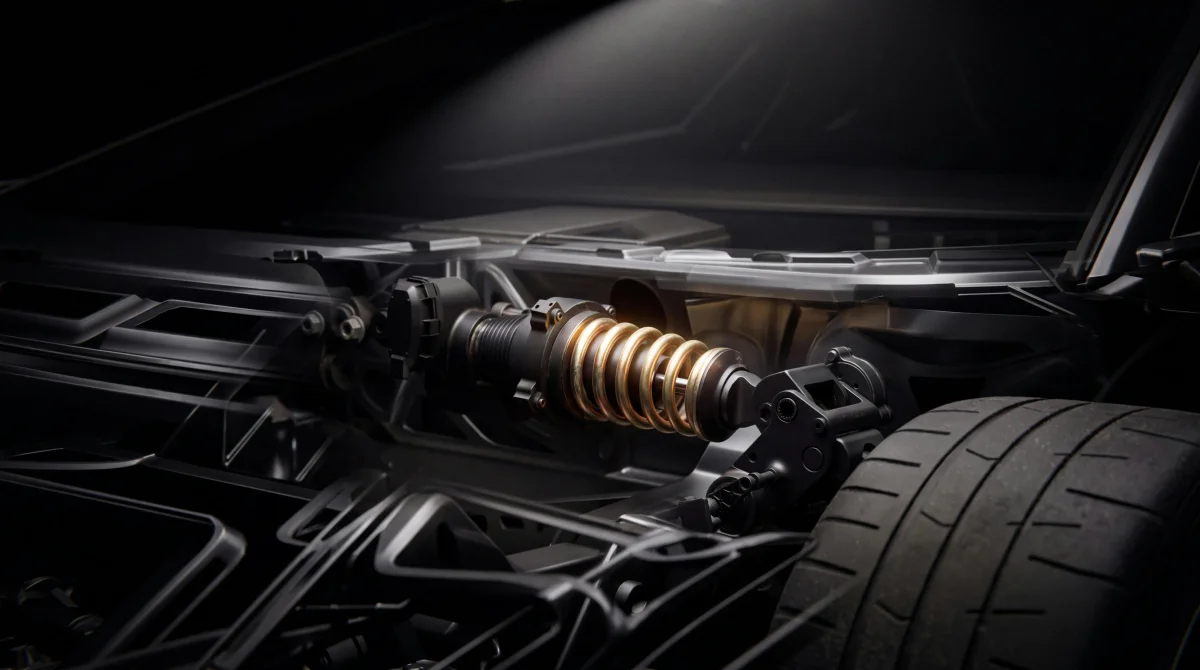
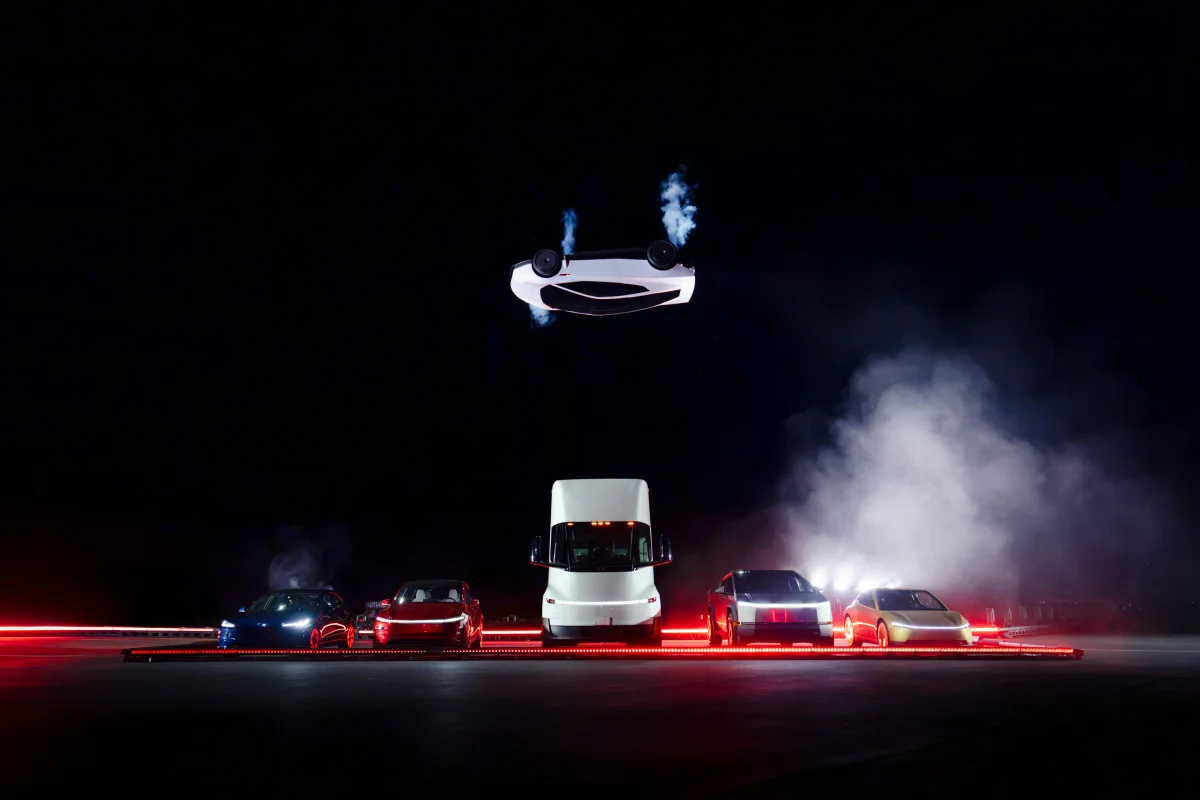
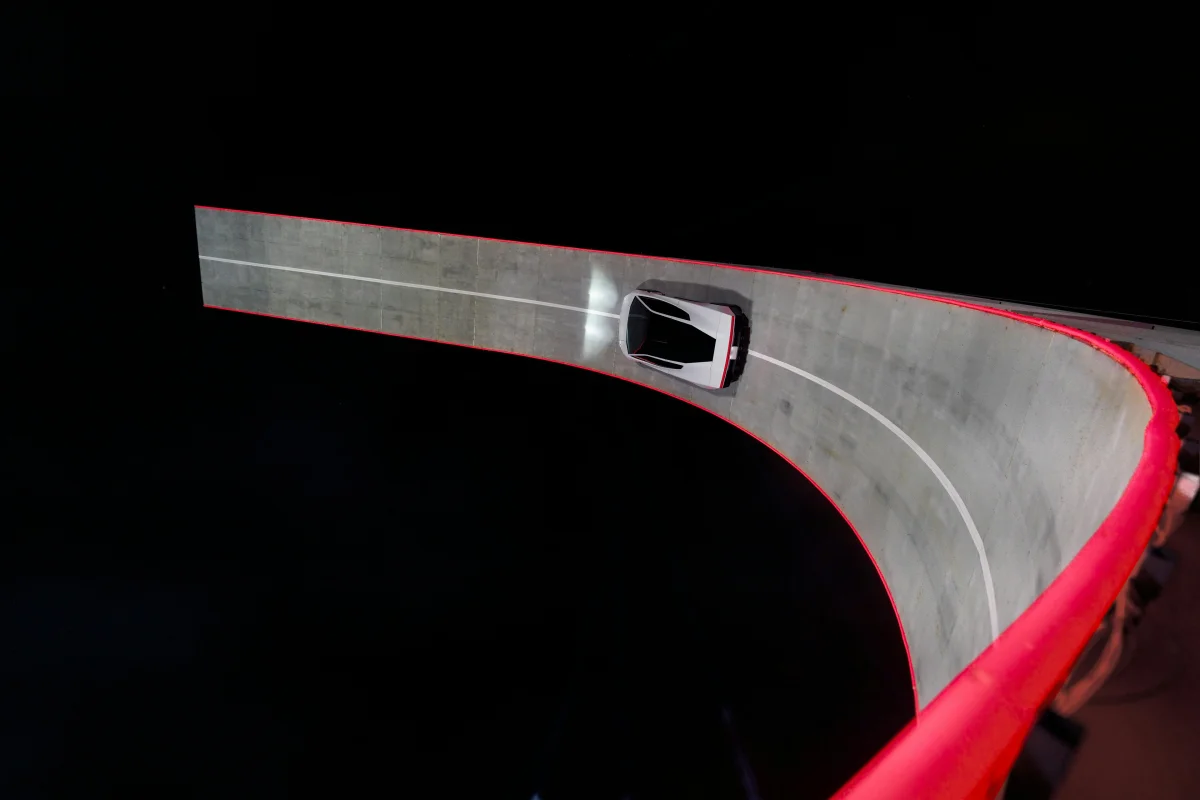
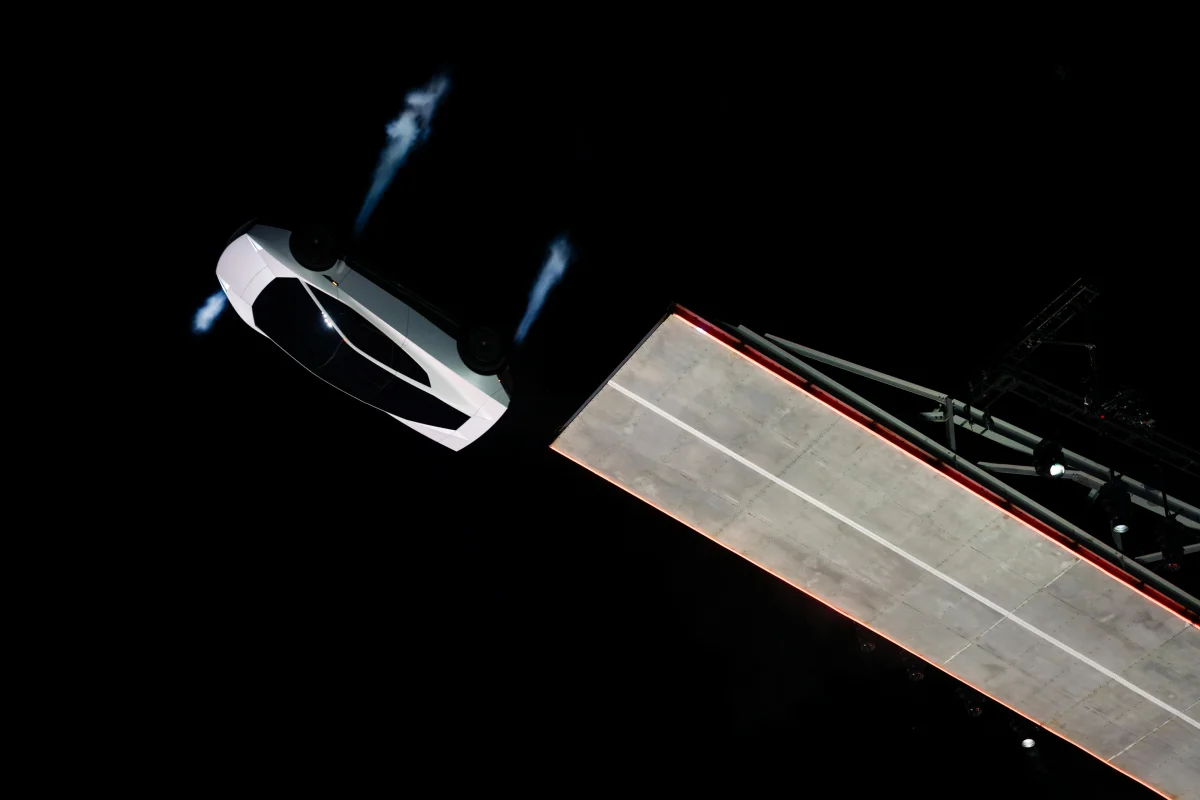
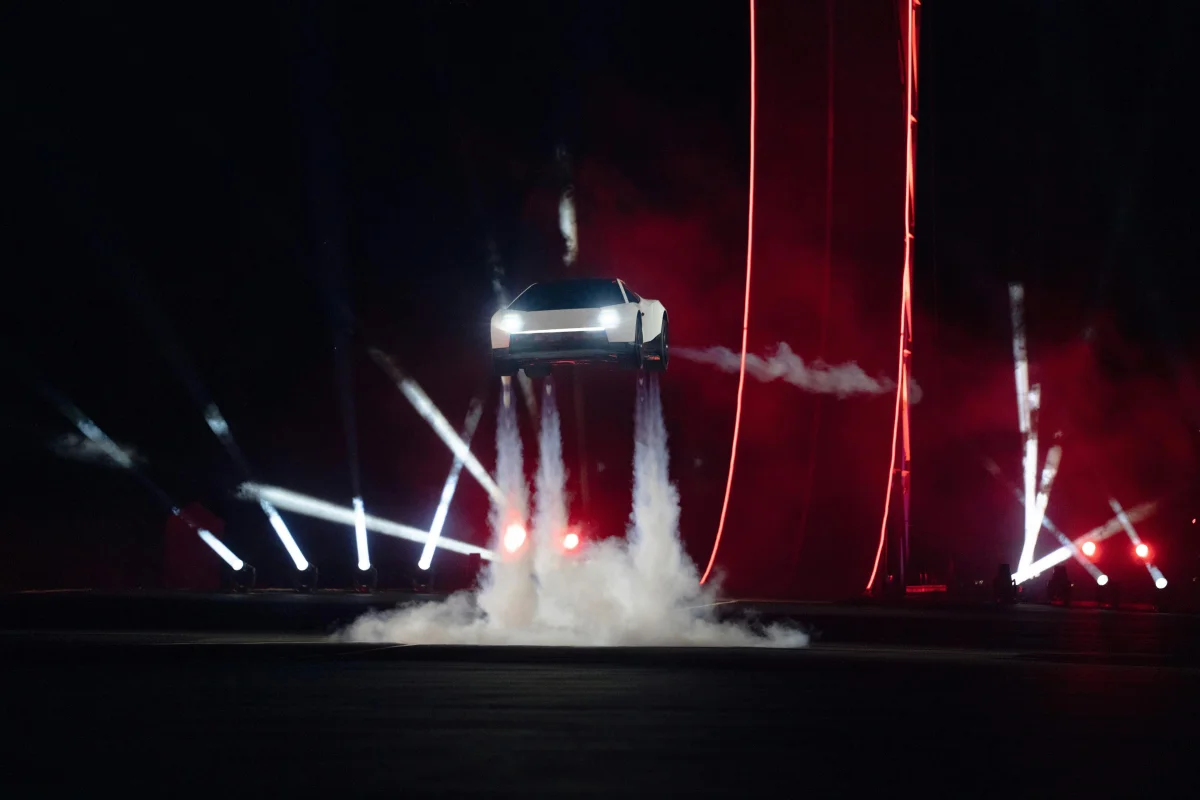
Tesla presented the Roadster last week as a machine capable of extraordinary theatrics, including flight-like behavior and rear thrusters for acceleration. Those features are part of the spectacle, but they also reinforce the company’s long-running effort to frame itself as a technology business as much as an automaker. Tesla ships well over a million cars a year, and its market value is stated at $1.4 trillion, far above any other automaker’s. The unveiling leaned into that identity: less conventional vehicle launch, more demonstration of what a car might do.
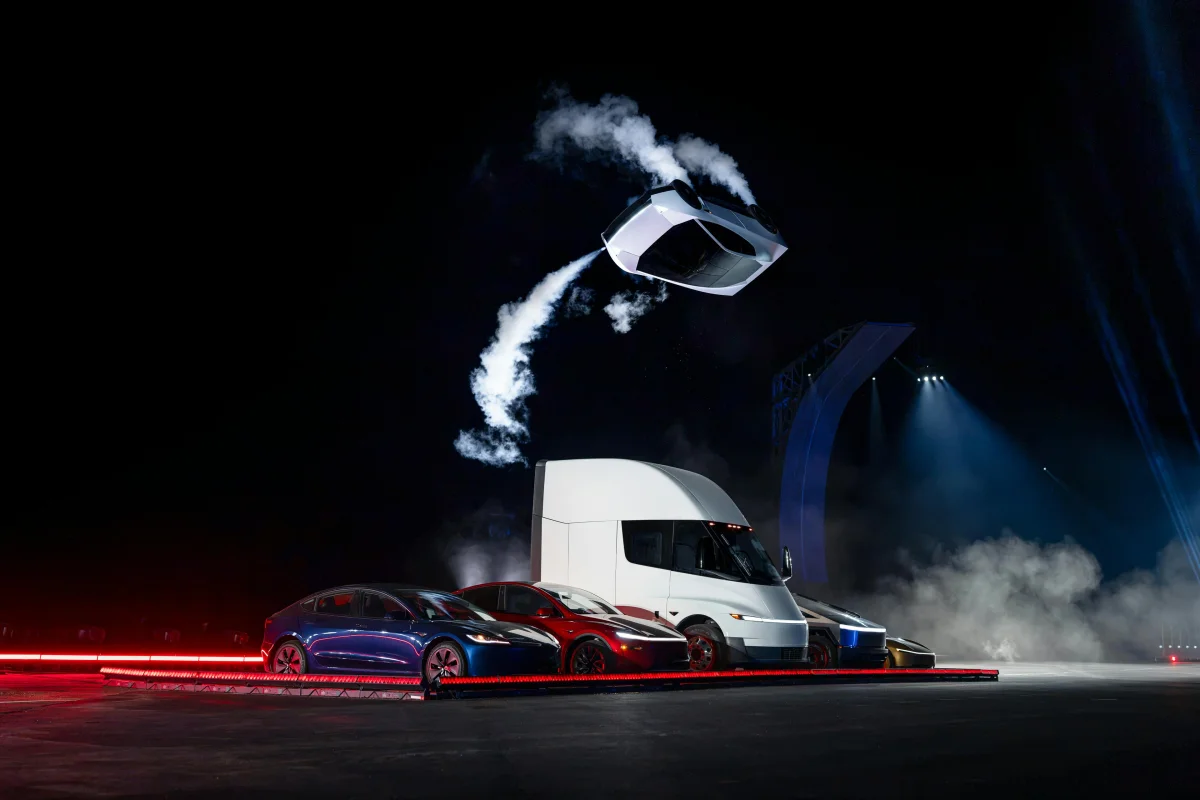
The production question remains open. Deliveries are not expected until 2028, if they happen at all, and some of the shown capabilities may be difficult to reconcile with ordinary road use. For now, the Roadster’s value is partly in the sense of possibility it projects. It makes the electric supercar feel like a place for theatrical engineering again, rather than simply a faster or more expensive version of a familiar formula.
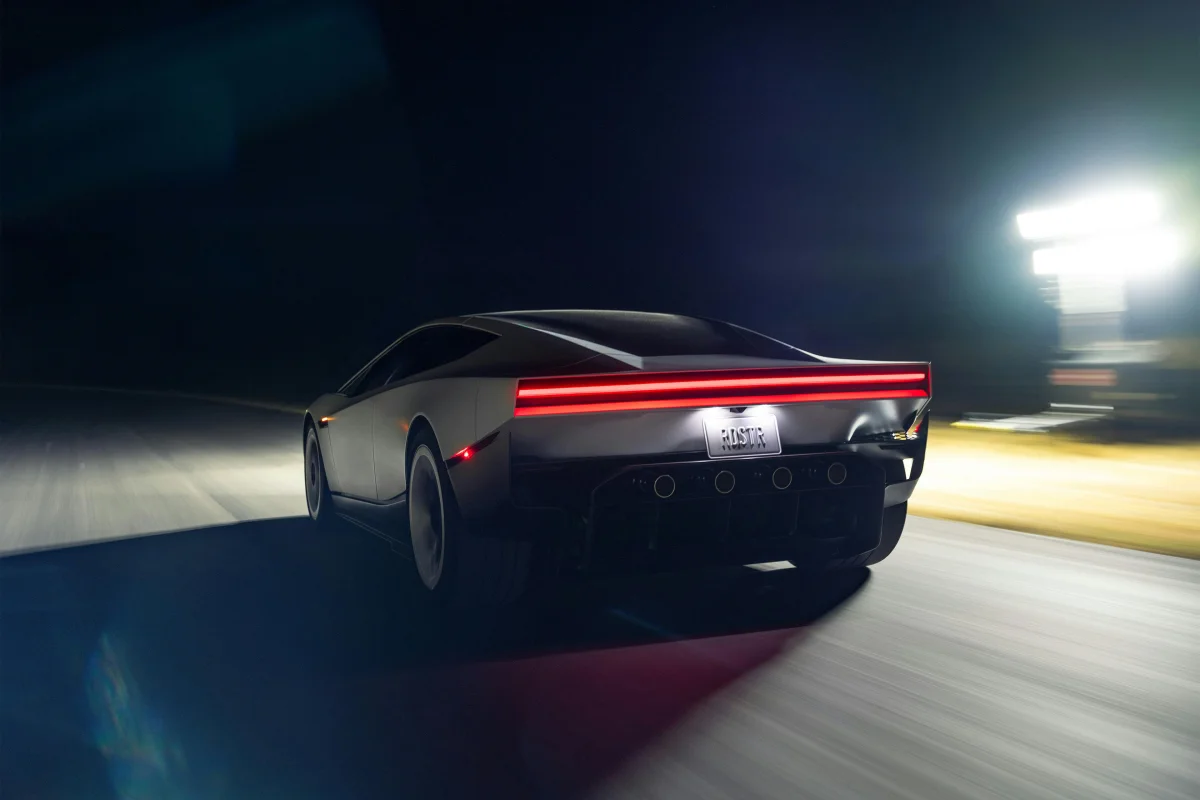
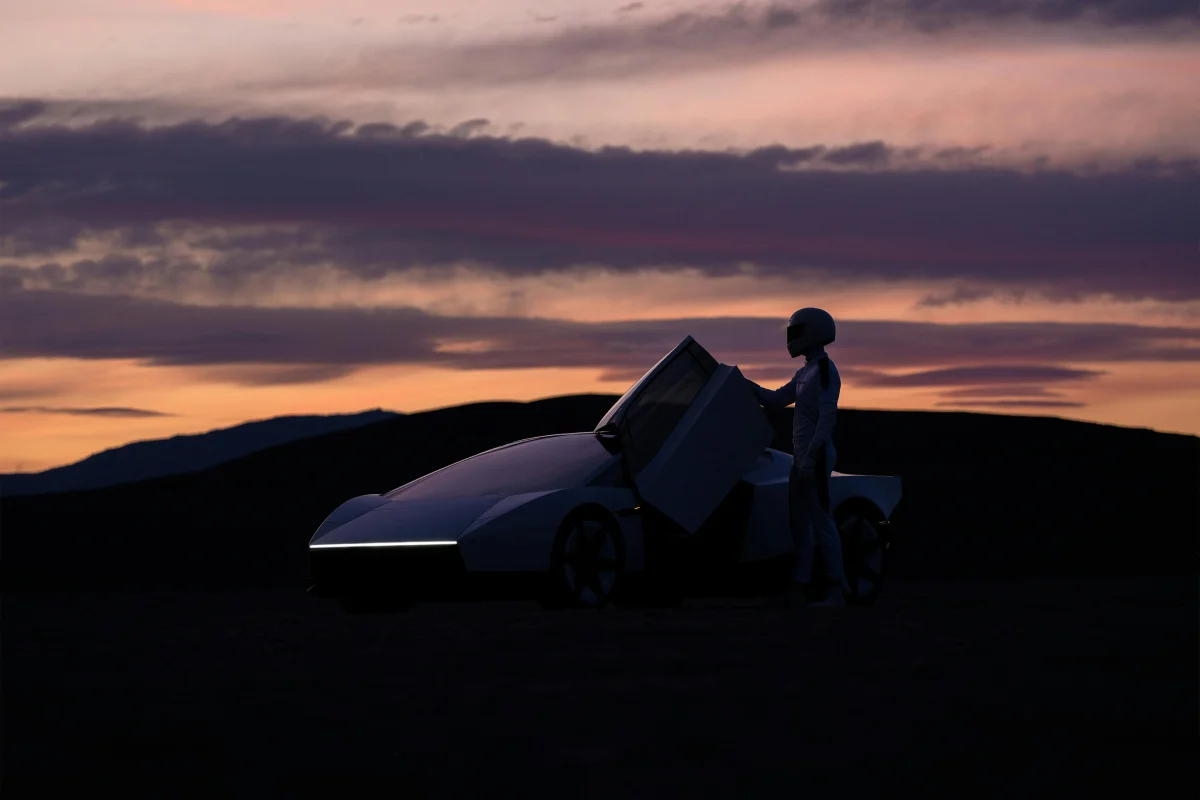
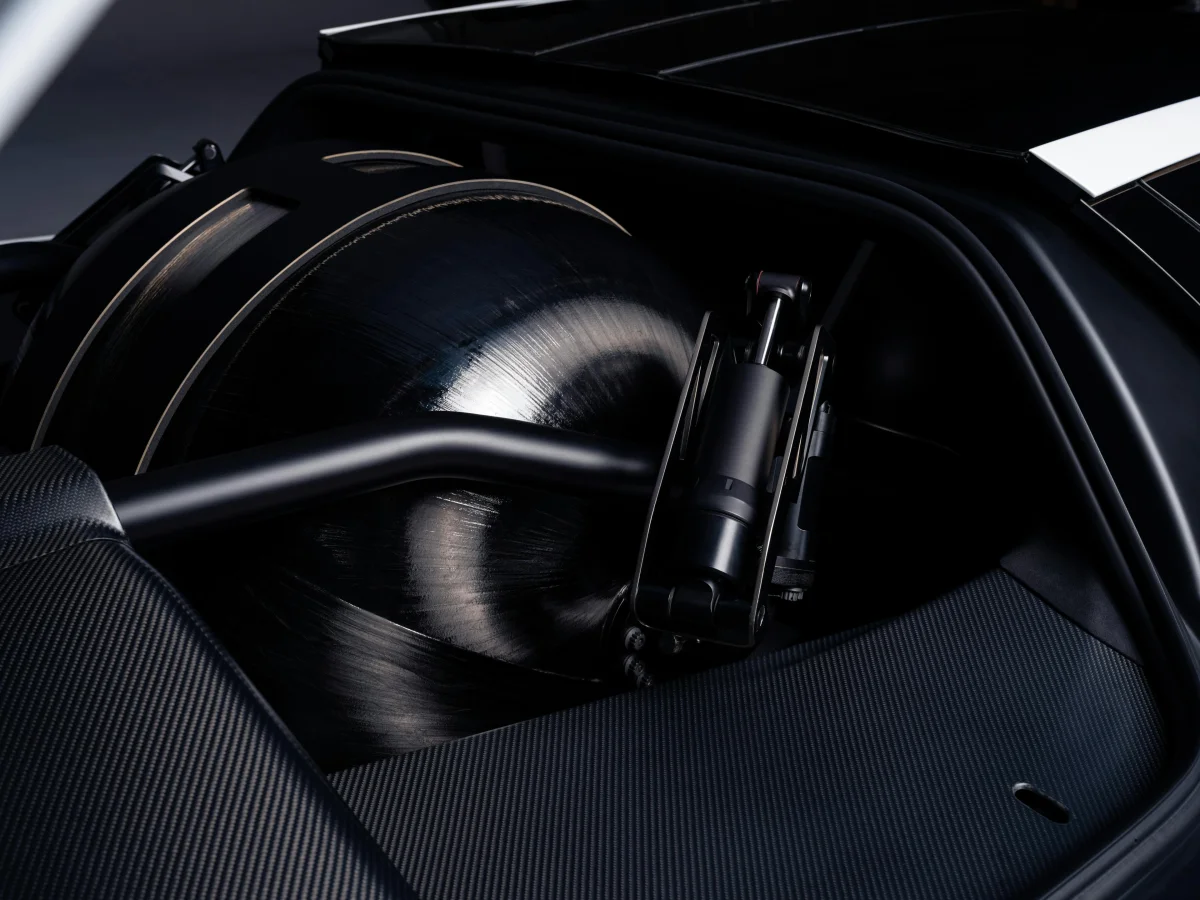
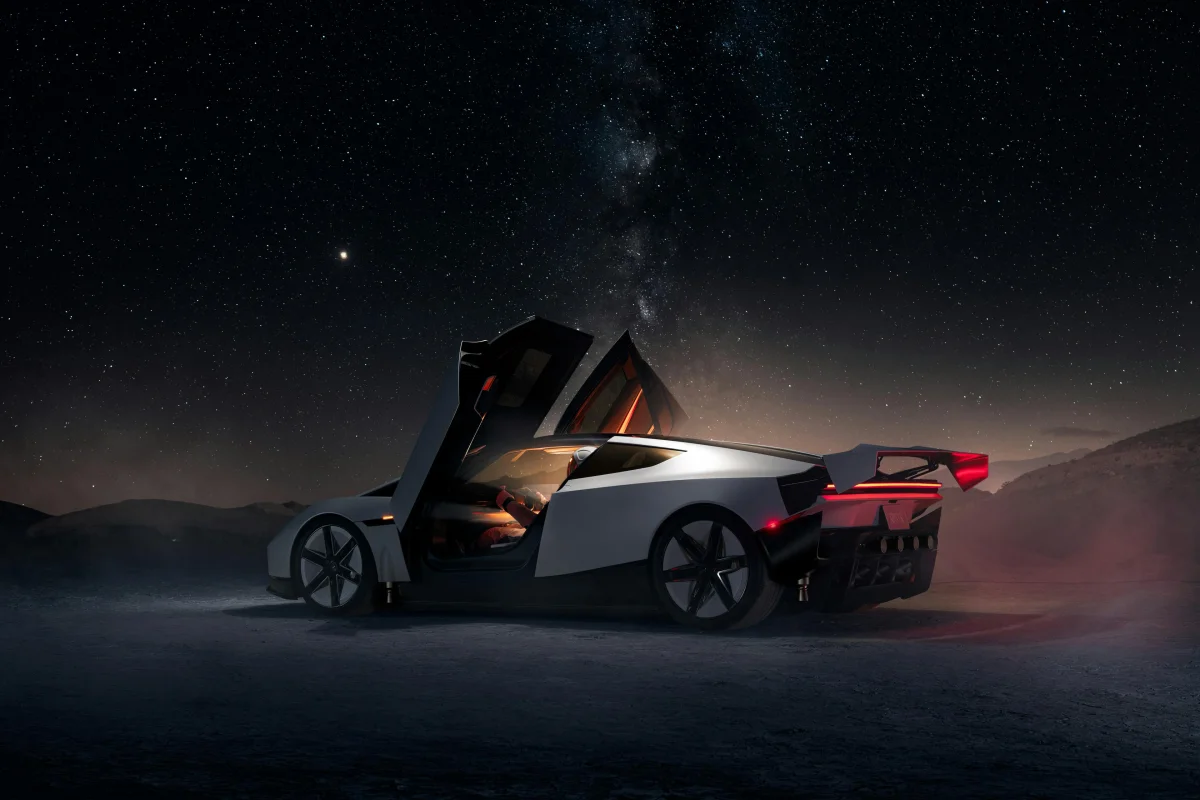
For a design read, the proportions are the clearest starting point. The nose sits low, the tail rises sharply, and the profile traces an almost uninterrupted wedge. The cabin is pushed forward, a familiar supercar arrangement seen on Lamborghinis. Here, the space behind that cabin is associated with a pressurized nitrogen tank rather than the traditional V-12 that helped define the layout’s earlier icons.
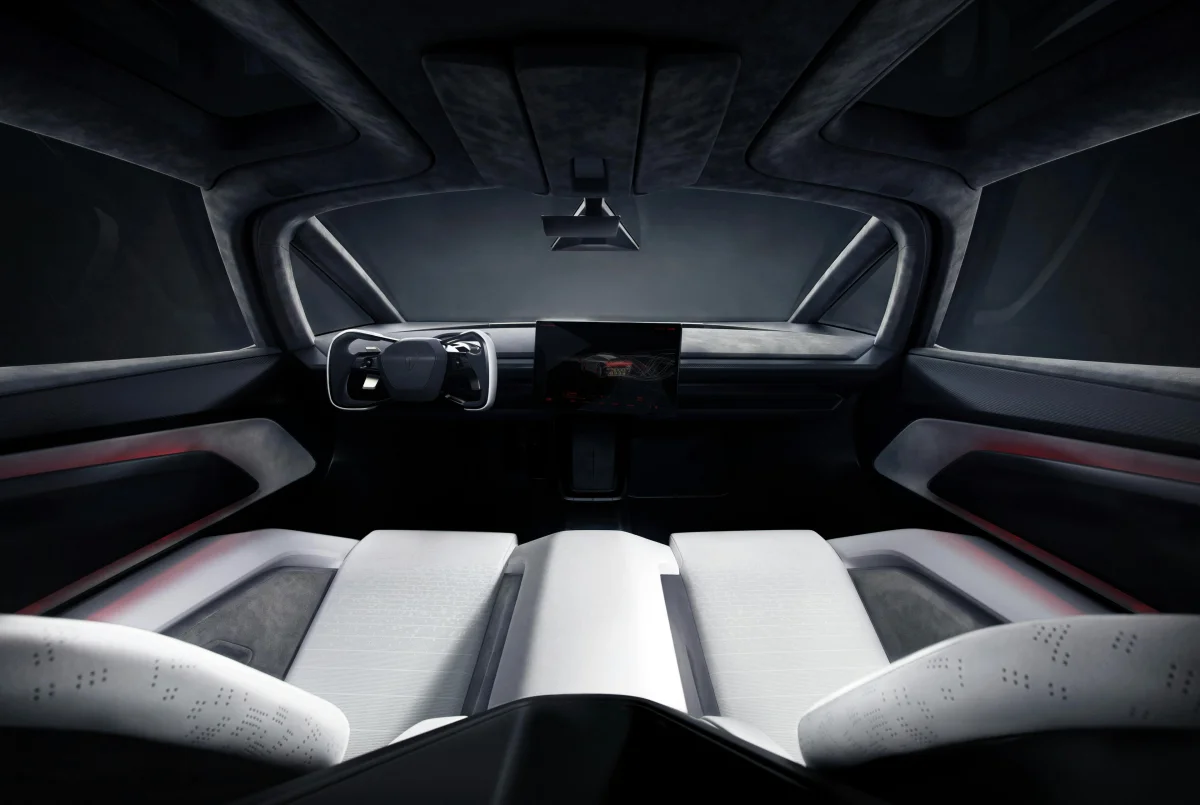
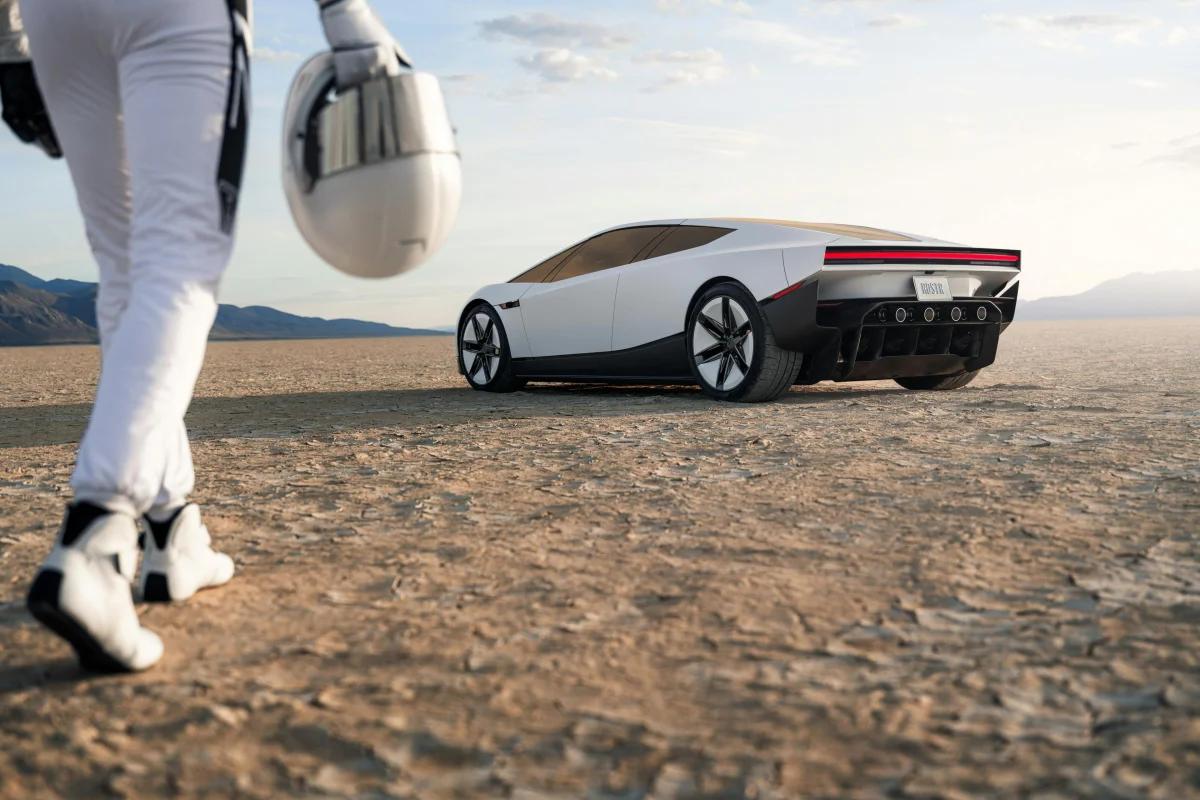
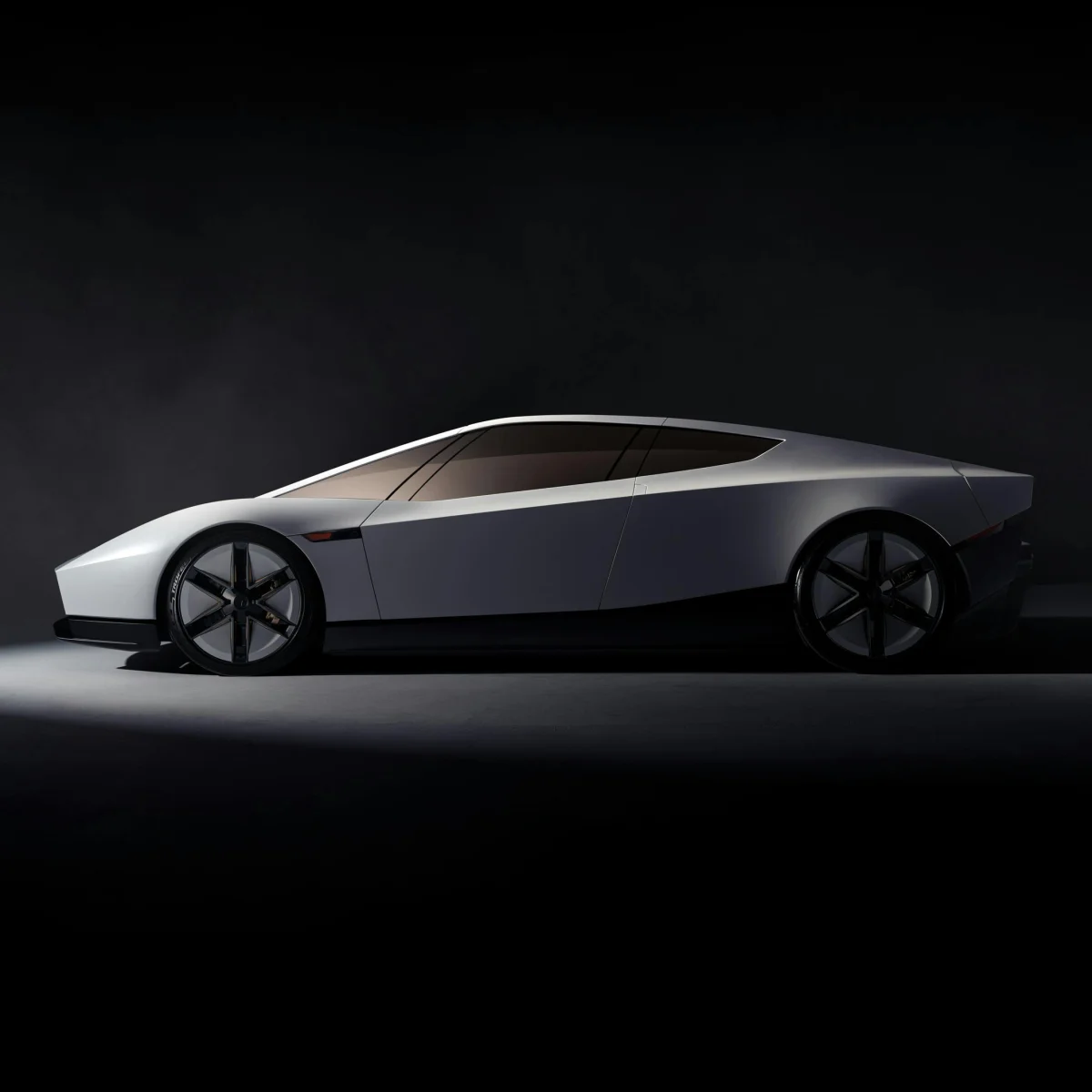
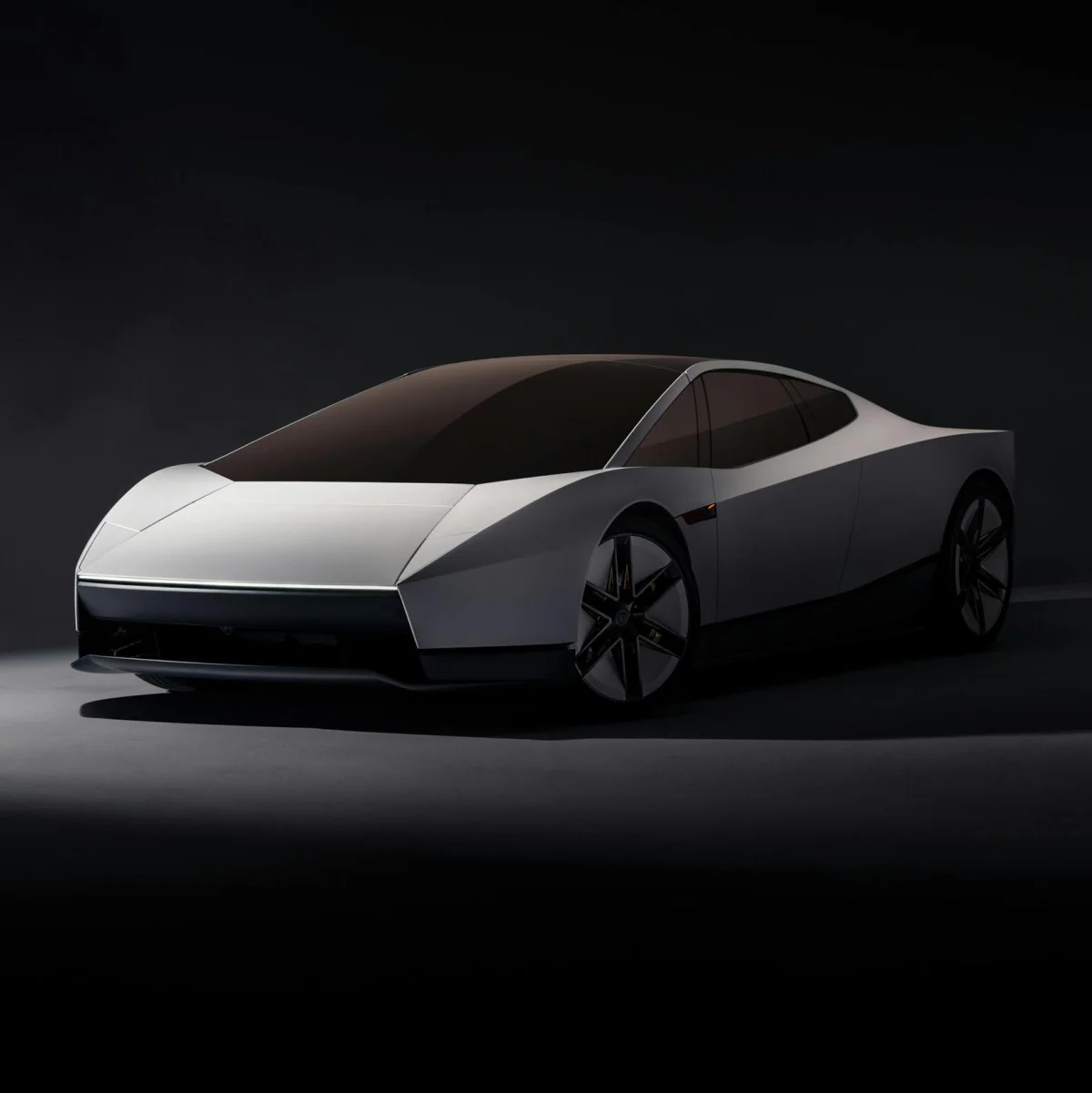
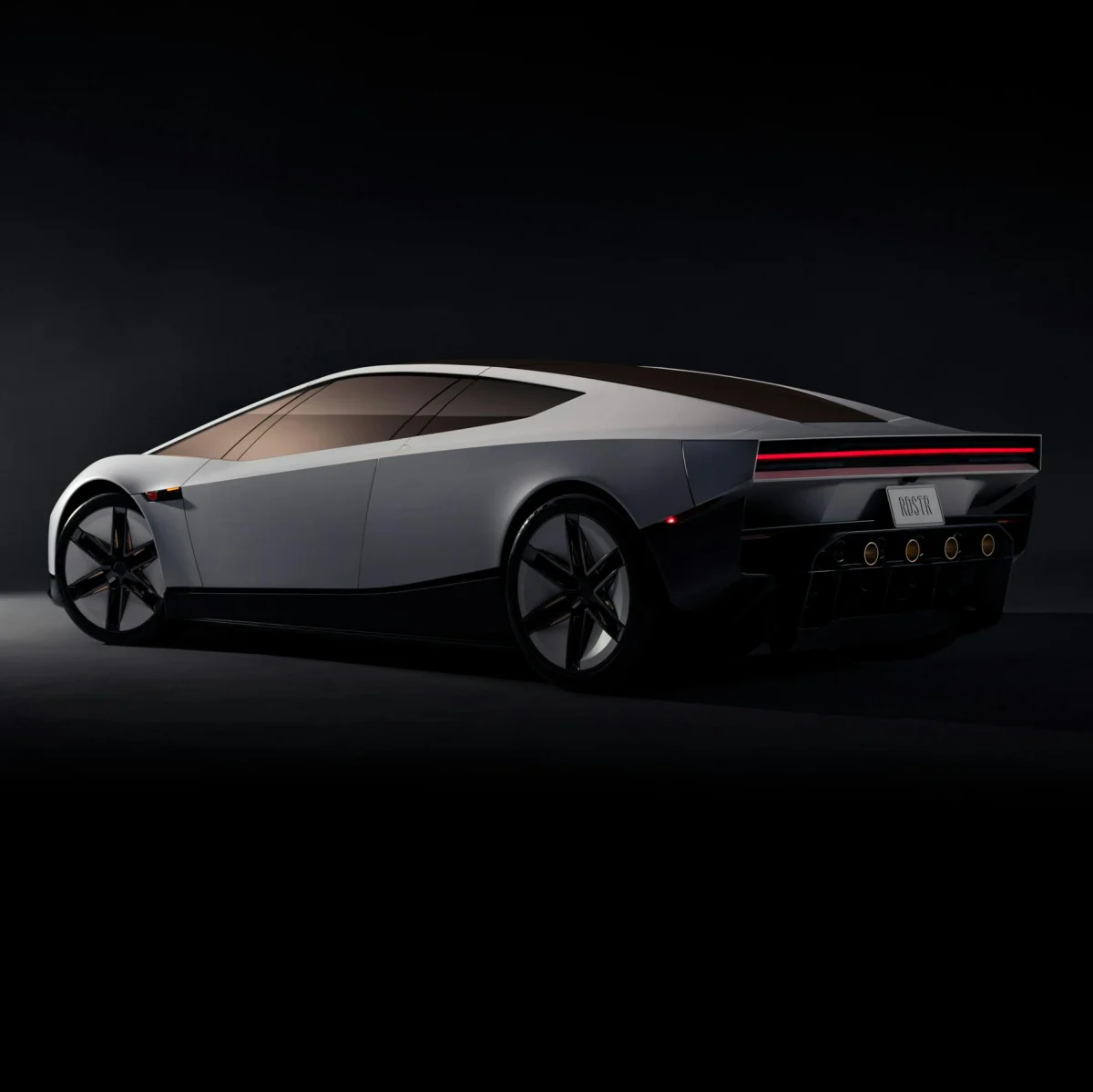
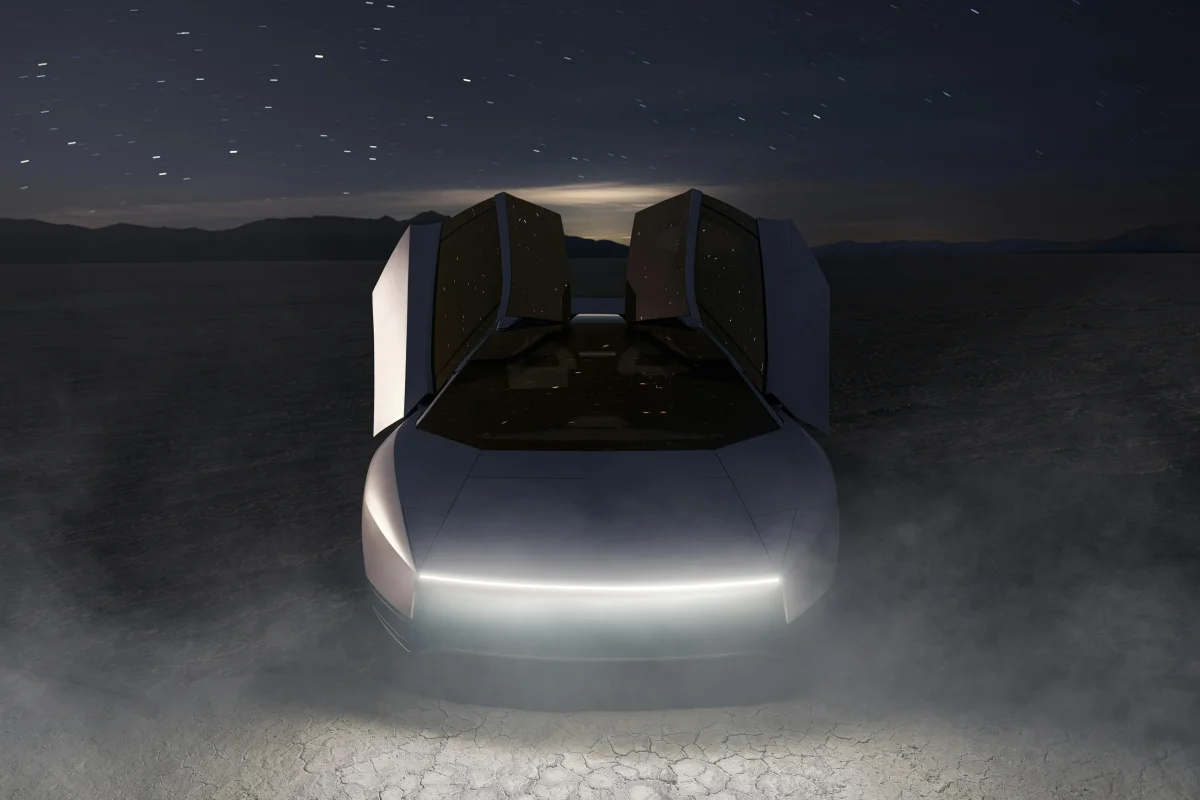
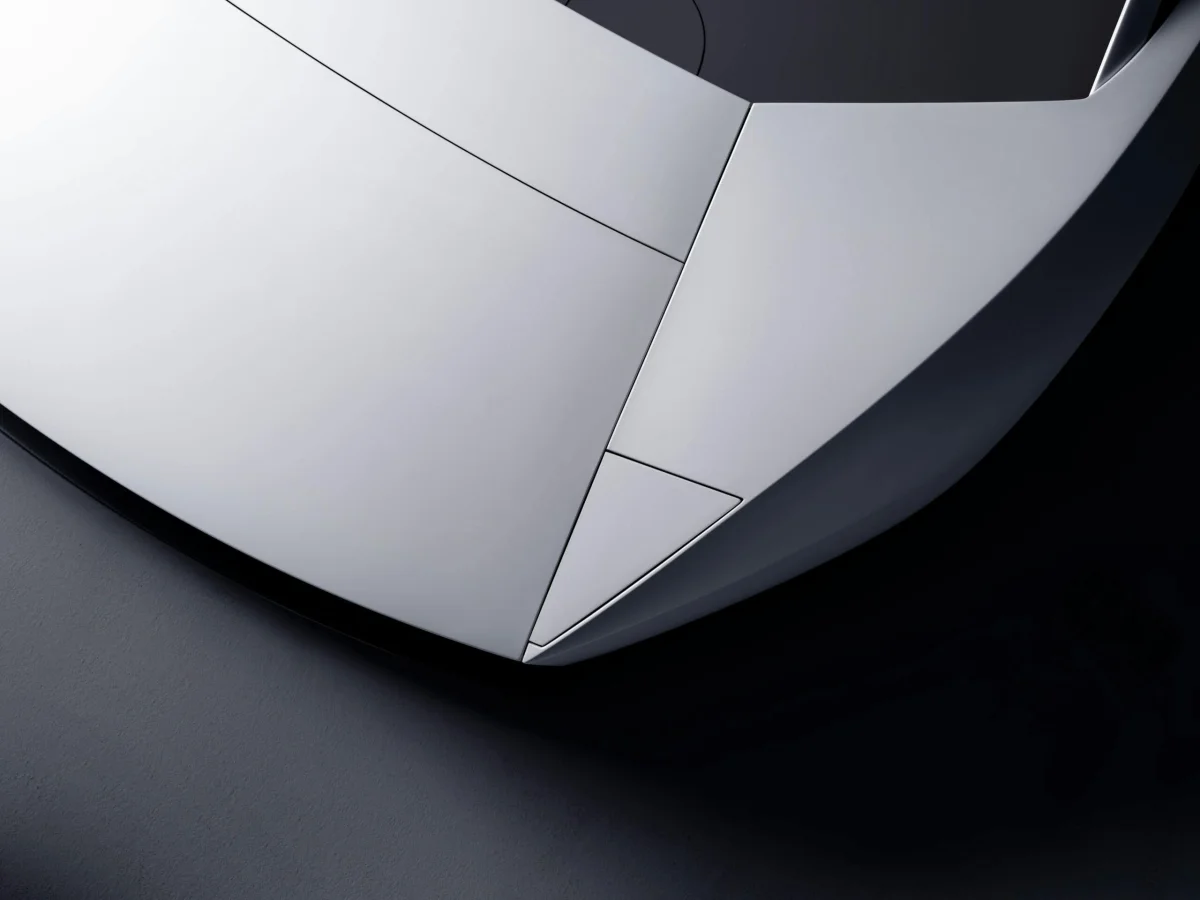
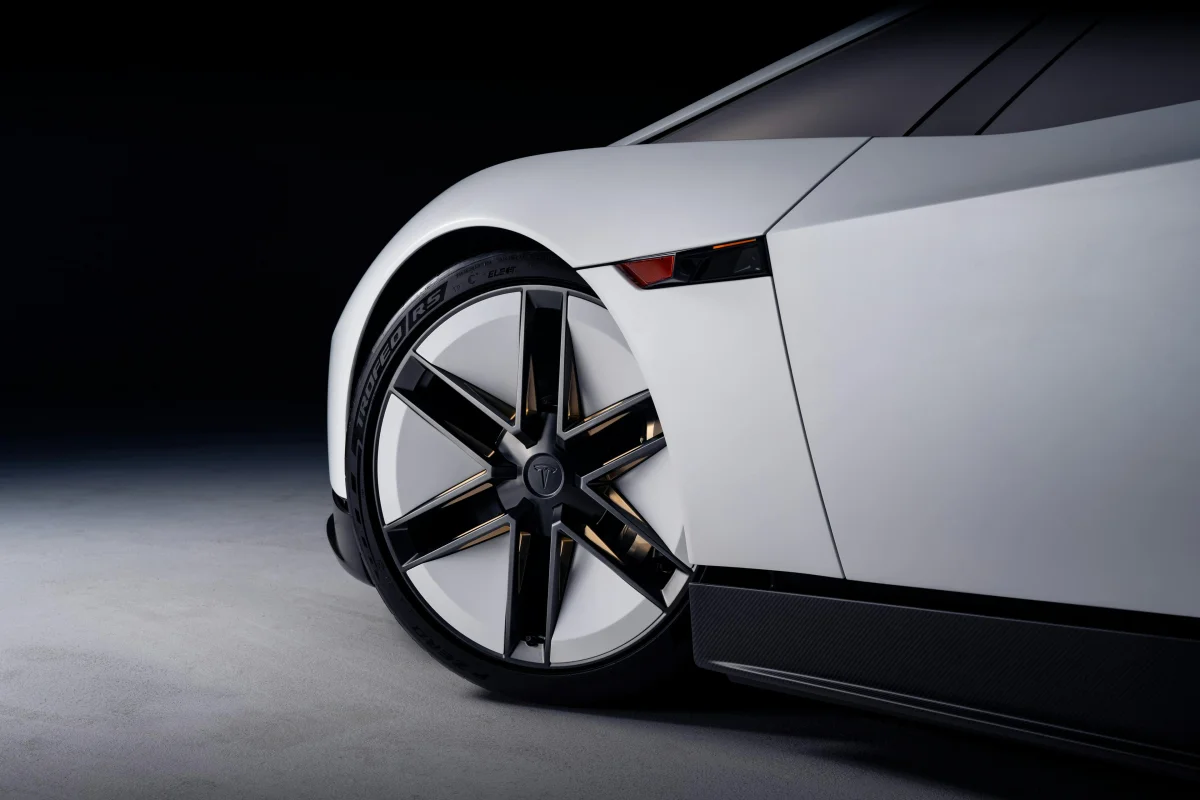
The bodywork makes the historical connection even clearer. Broad surfaces meet sharp creases and tight radii, bringing the Countach to mind, while the front treatment has echoes of later Lamborghinis such as the Murciélago and Huracán. The minimal, blade-like approach also fits the direction seen in recent Jaguar and Audi concept cars. Yet, from the images available, the Tesla doesn’t appear to have the same carefully tuned surface transitions that helped the Audi Nuvolari win over critics and the public.
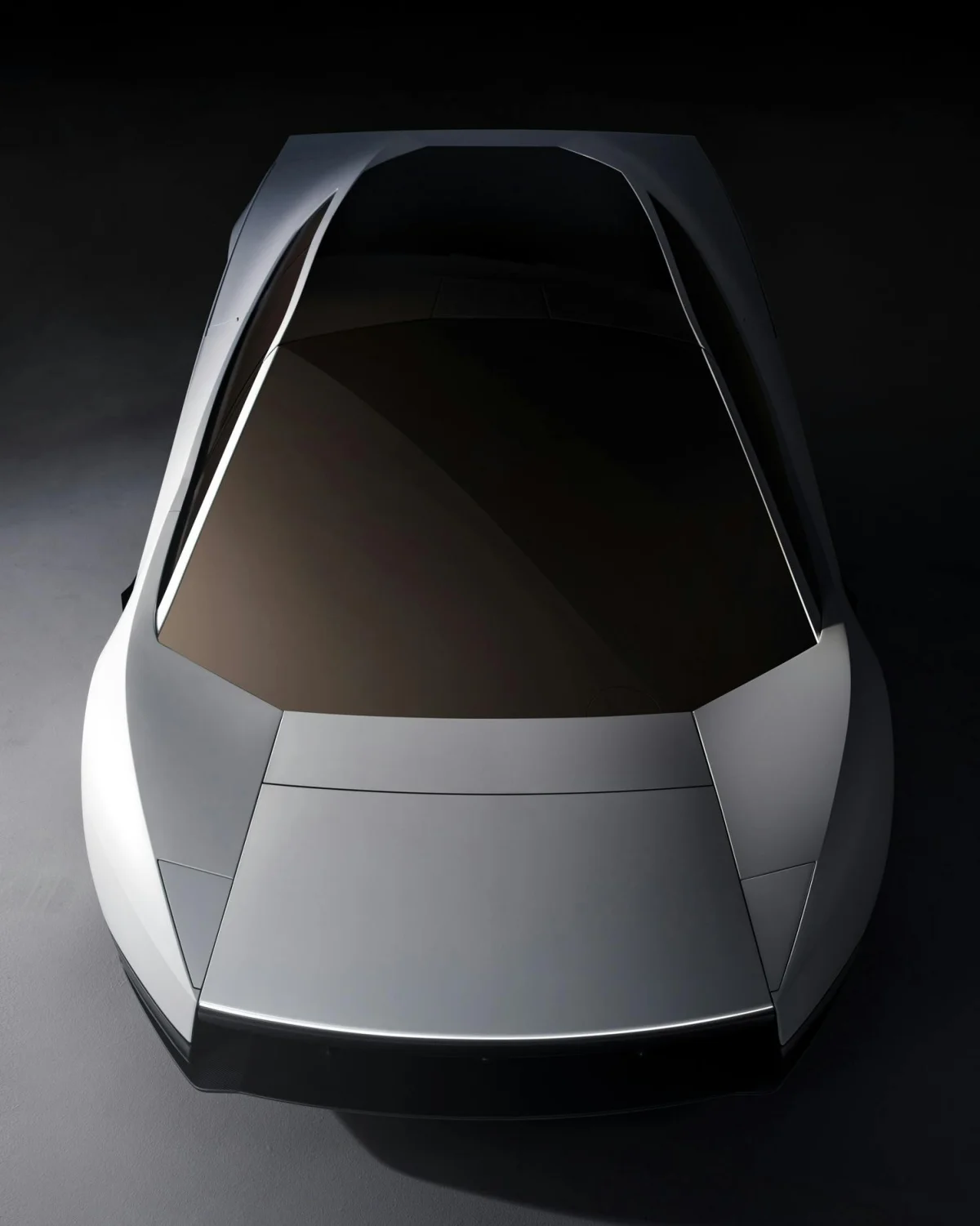
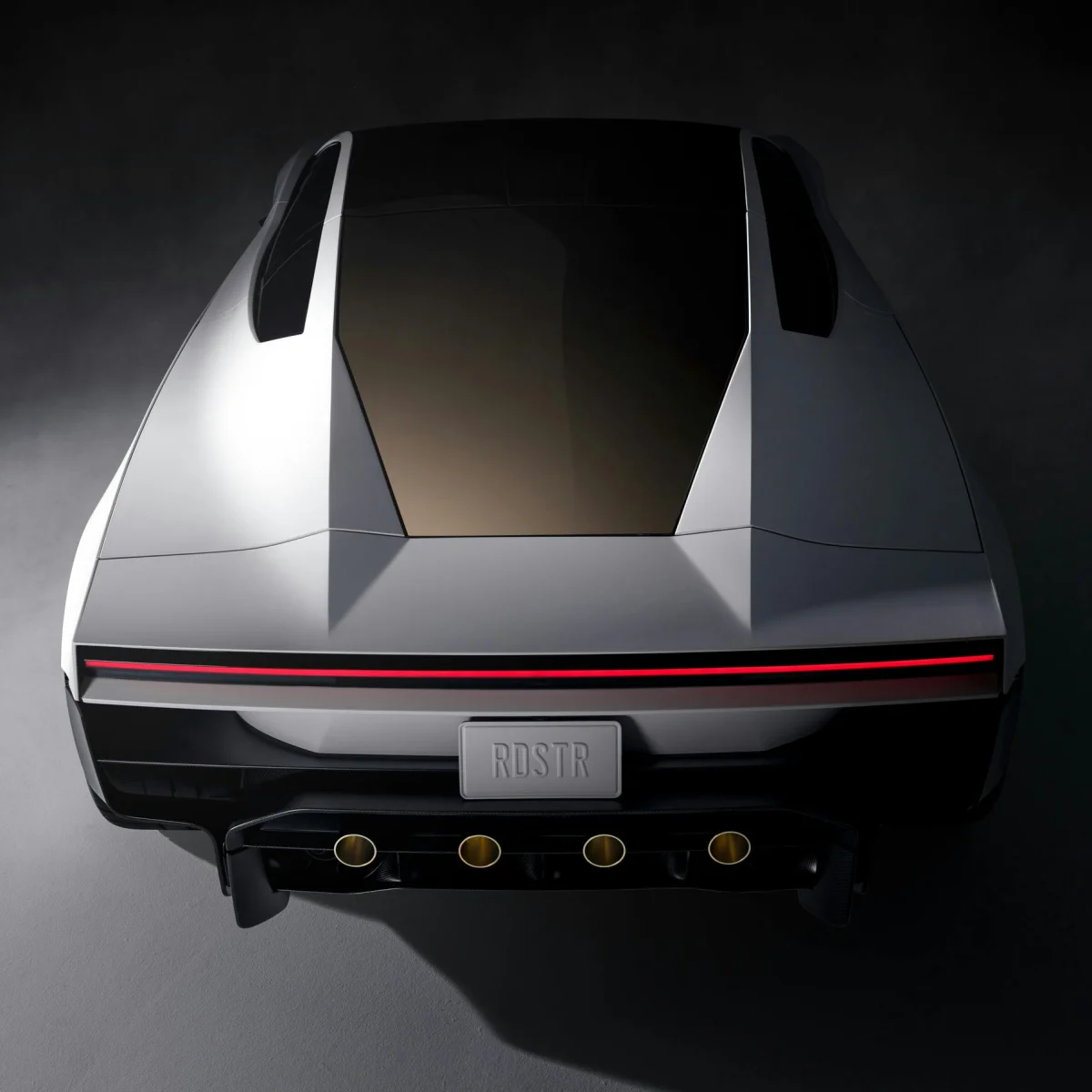
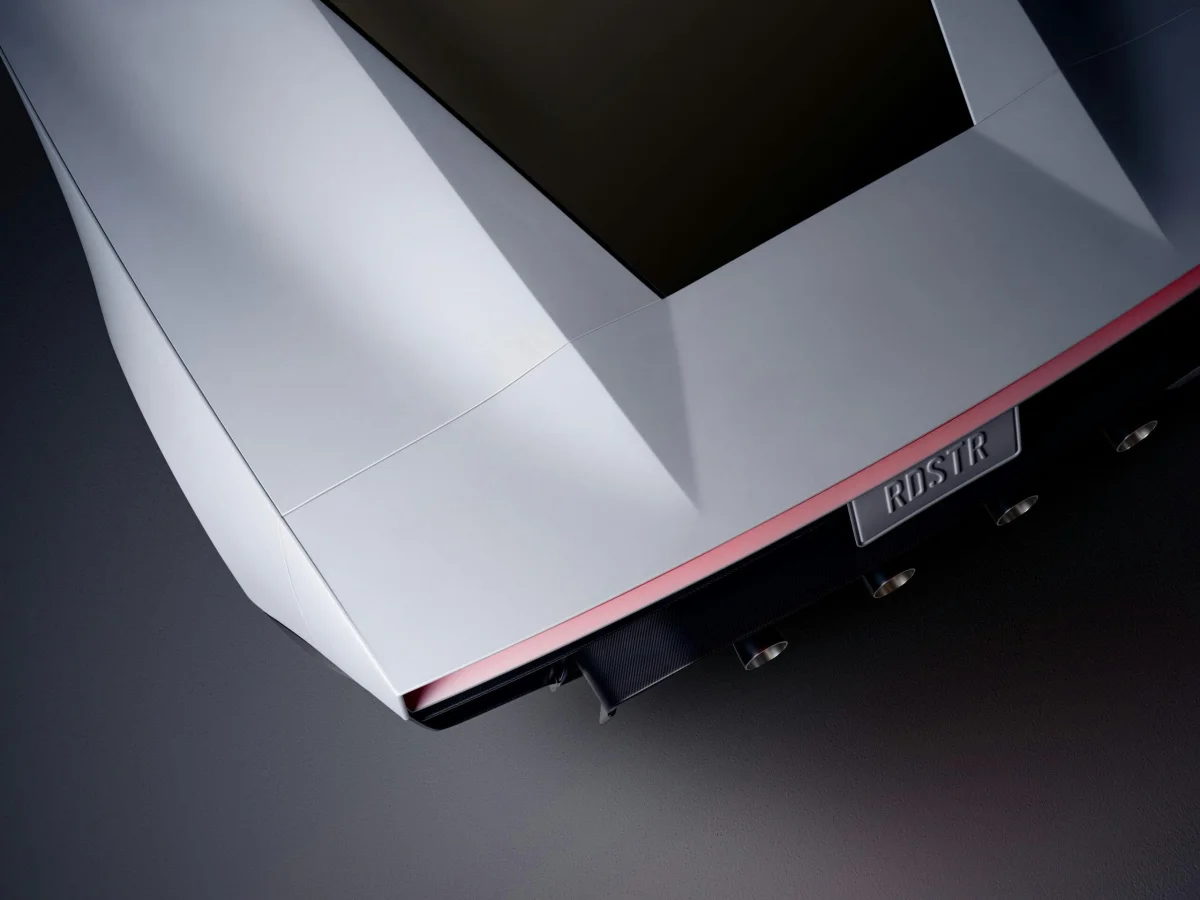
That’s most apparent along the flanks and around the rear. The panel shapes could better convey the impression of mass and solidity; instead, they look visually delicate. This is a judgment about appearance, not the panels’ actual strength. The design can feel as though it needed more time in the clay studio, a reaction that recalls the disappointment the designer felt with Tesla’s Robotaxi two years earlier.
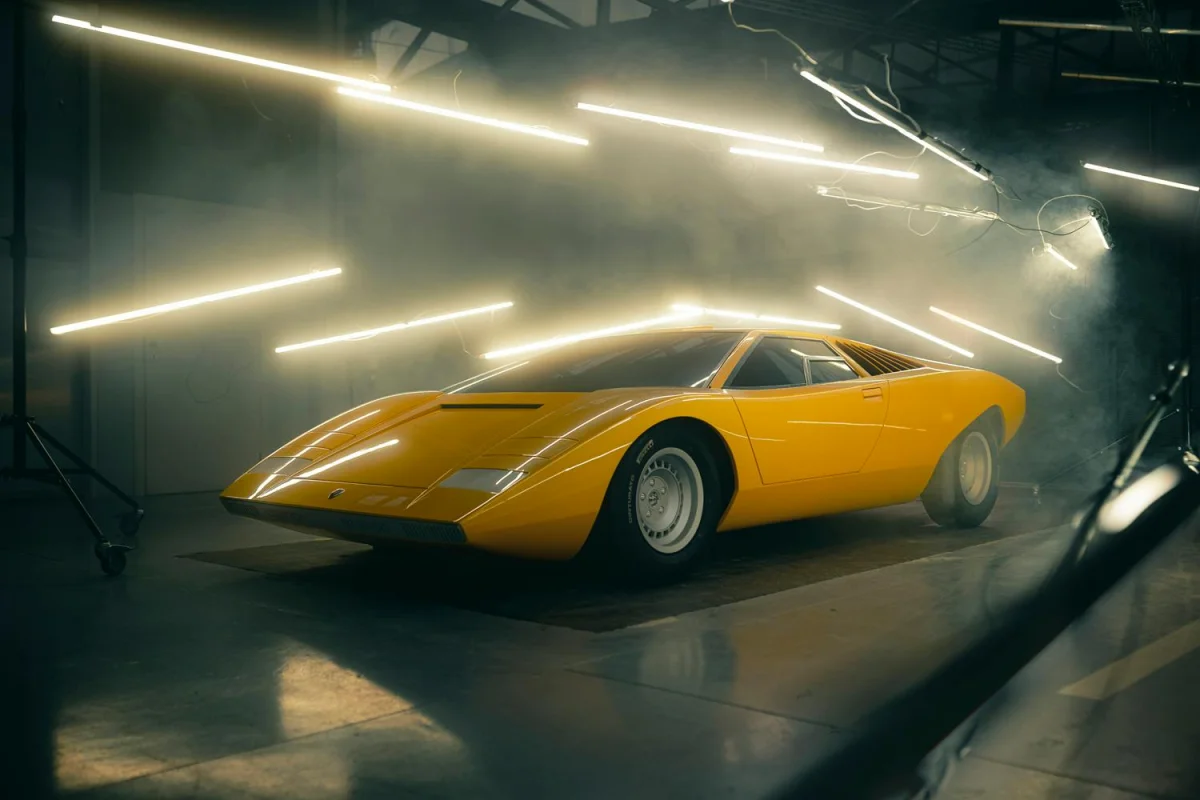
And yet, the Countach connection is more than a styling reference. Gandini’s 1971 prototype helped define an idea of the future that still shapes new cars today. The design professor behind this assessment teaches the history of Italian coachbuilding, or “Carrozzeria,” and sees designers such as Gandini alongside Renaissance artists whose work remains part of a shared visual inheritance. The era when firms such as Bertone set the taste for the whole industry may have passed, but their influence is still visible in the Roadster’s wedge and geometry.
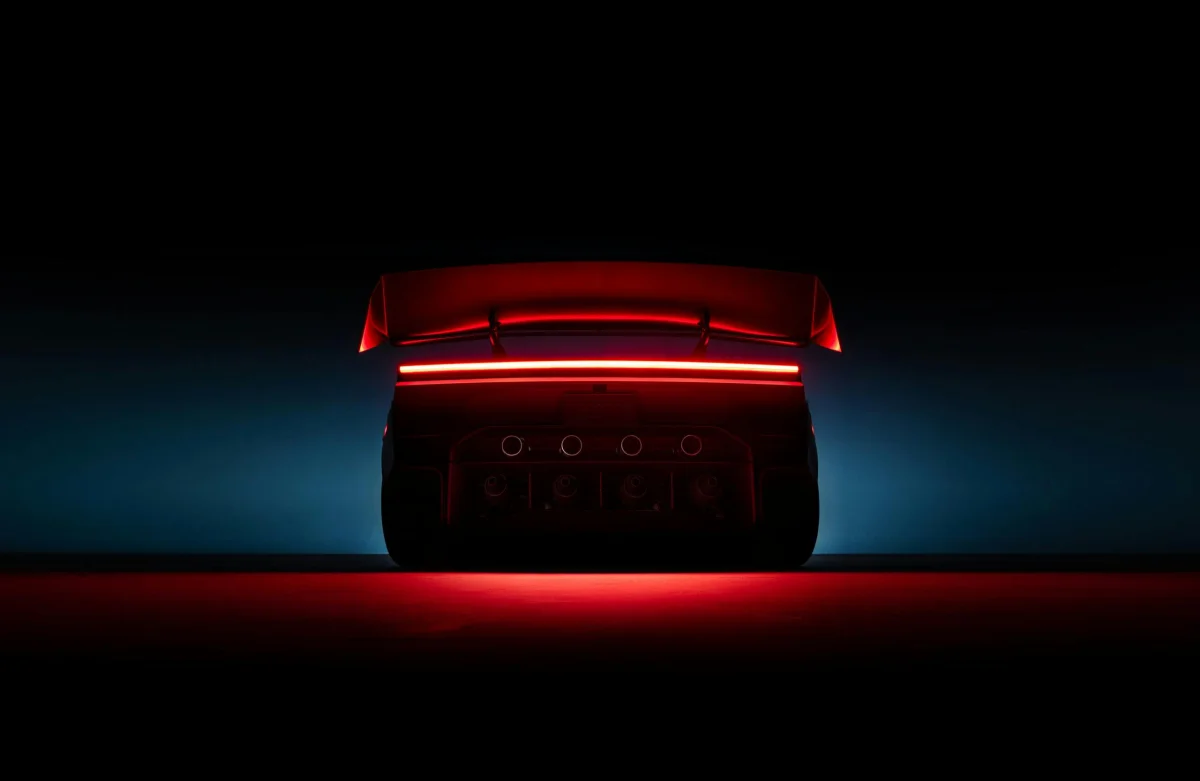
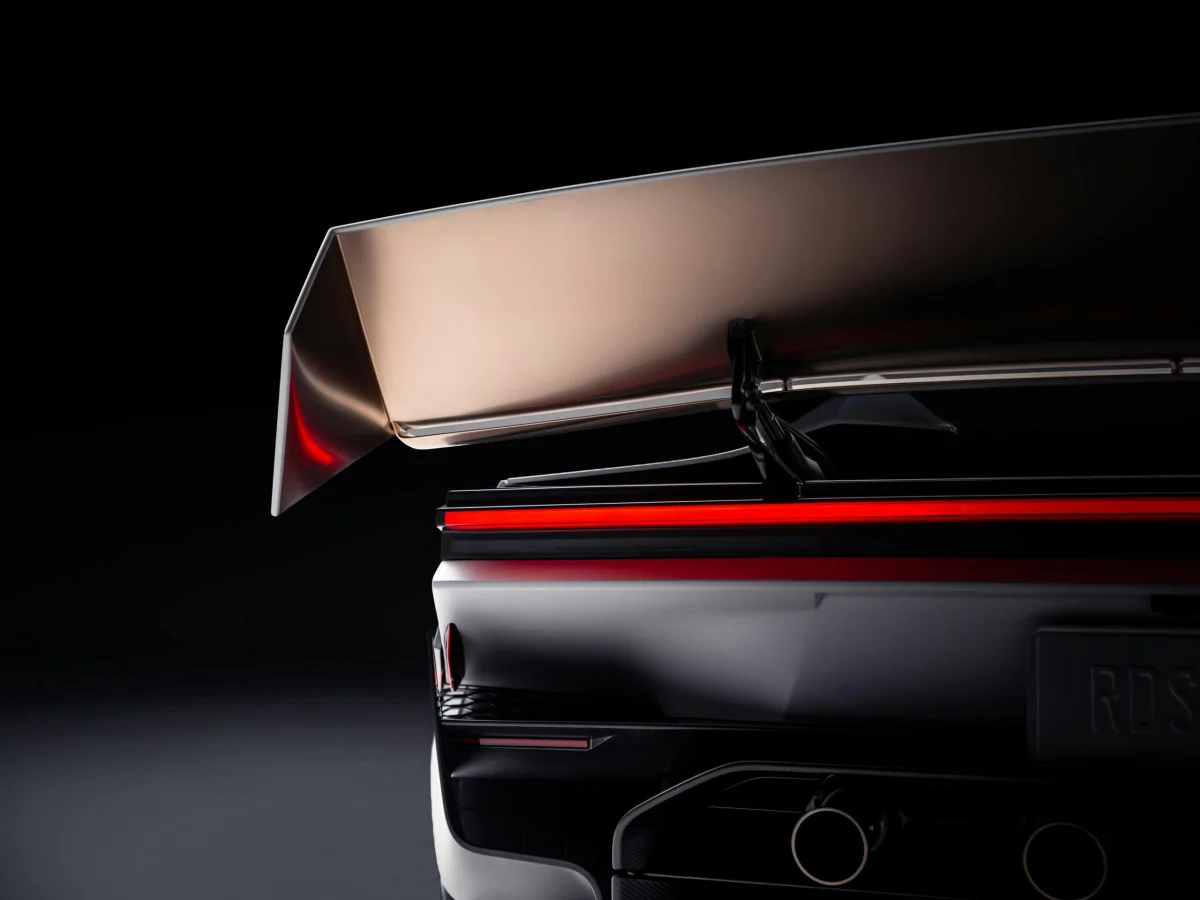
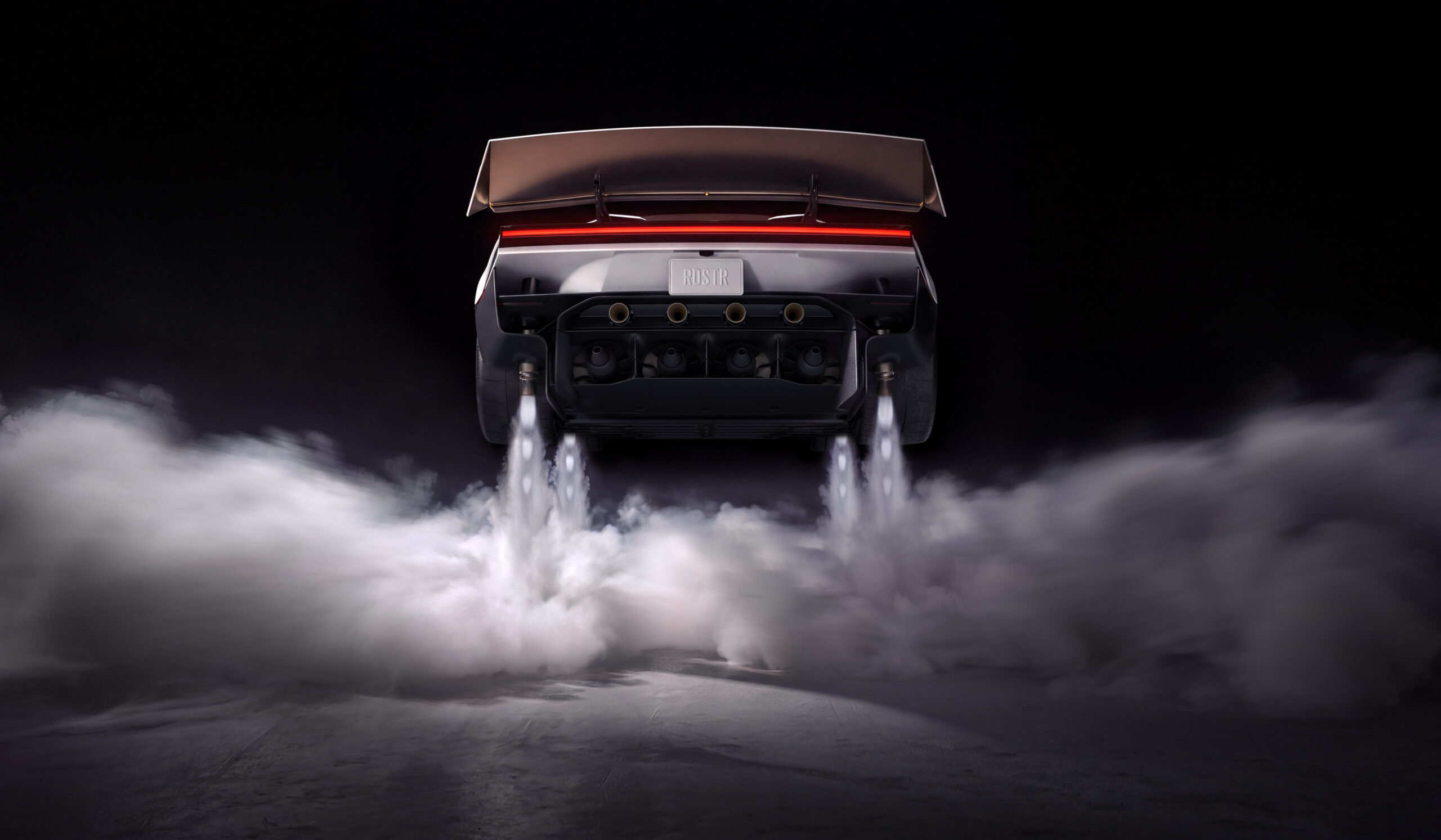
The details keep the car’s clean, technical theme intact. A narrow daytime running light strip spans the front, while the main headlights sit behind small covers. This reverse take on pop-up lamps is a neat period reference, adapted to a car that already relies on moving components for its showpiece effect. At the back, the diffuser and fan area appears tidier than the bulky arrangements common on many modern supercars. Its darker finish visually lightens the lower body, and the separate upper section seems to float above it, recalling the Countach and its successor, the Diablo.
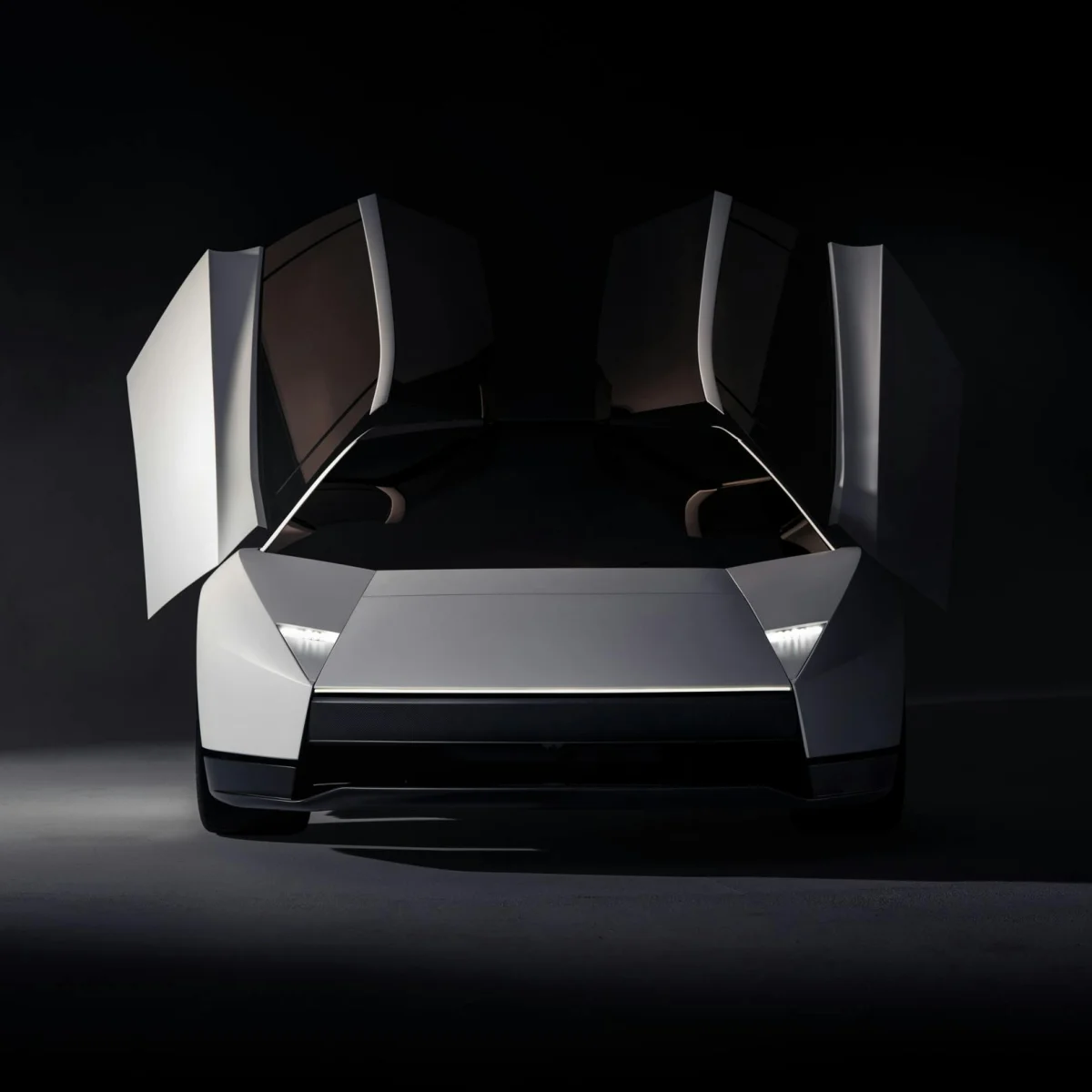
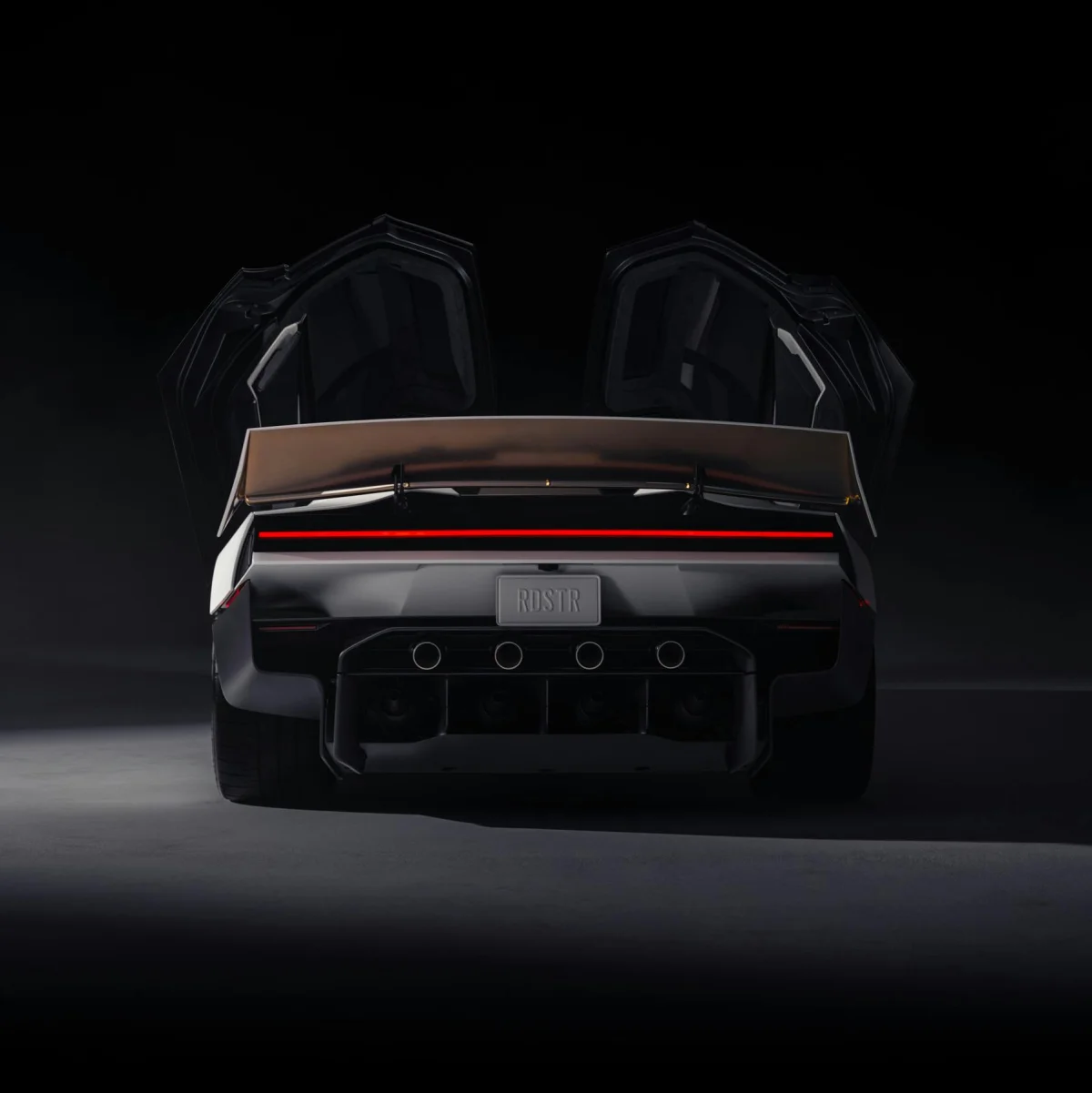
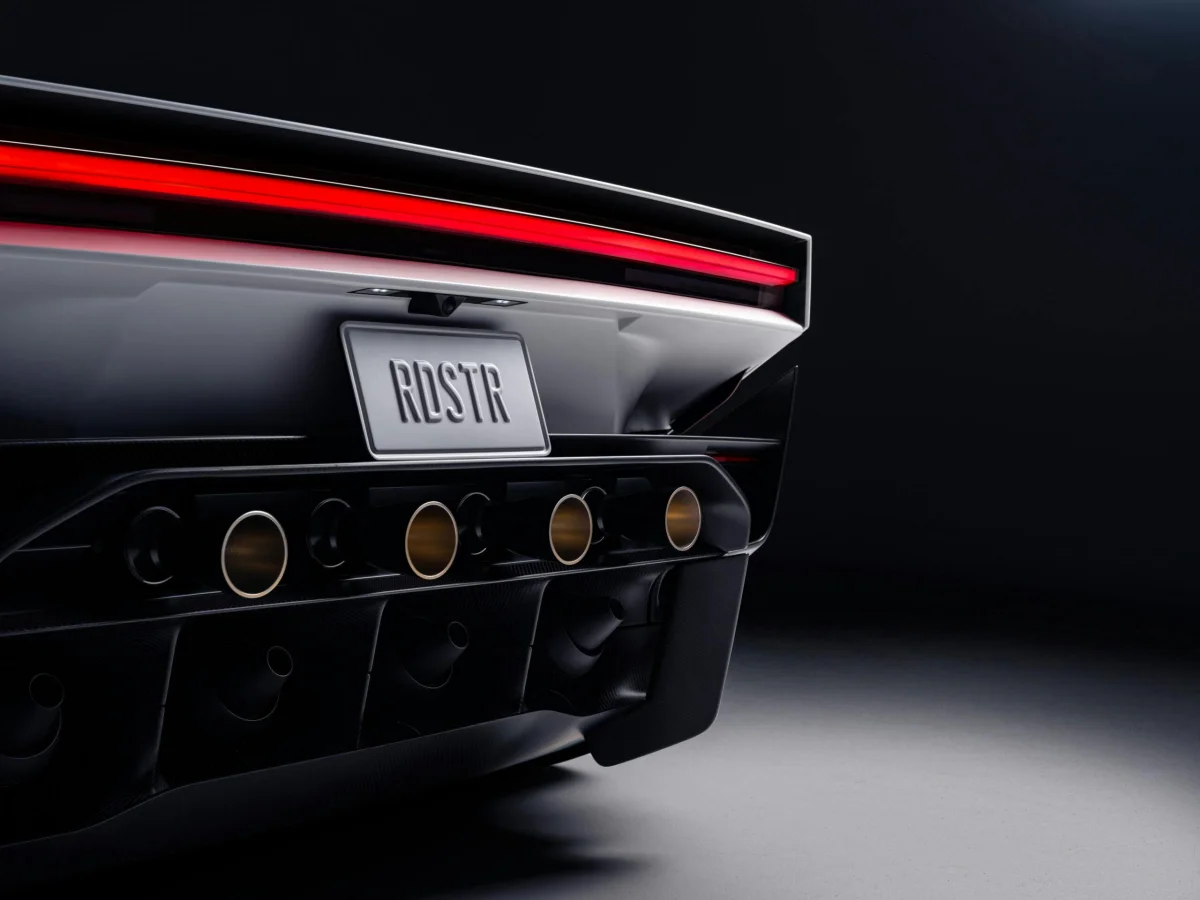
Whether the Roadster becomes a real production car capable of delivering on its dramatic claims is still unknown. As a styling exercise, it’s clean and recognizable, but also cautious and derivative, with some surfaces that look unfinished. The hardware and visual theater could give it a rare appeal among electric supercars if it reaches the road. Until then, the most convincing part of the Roadster may be its reminder that automotive design can still make the future feel exciting.