In lane Electric Vehicles
Alfa Romeo Cuorerosso Concept: Dramatic Proportions, a Polarizing Rear
Description
The Cuorerosso gives Alfa Romeo a vivid design showcase, with dramatic proportions and a restrained cabin—though its rear styling misses the mark.
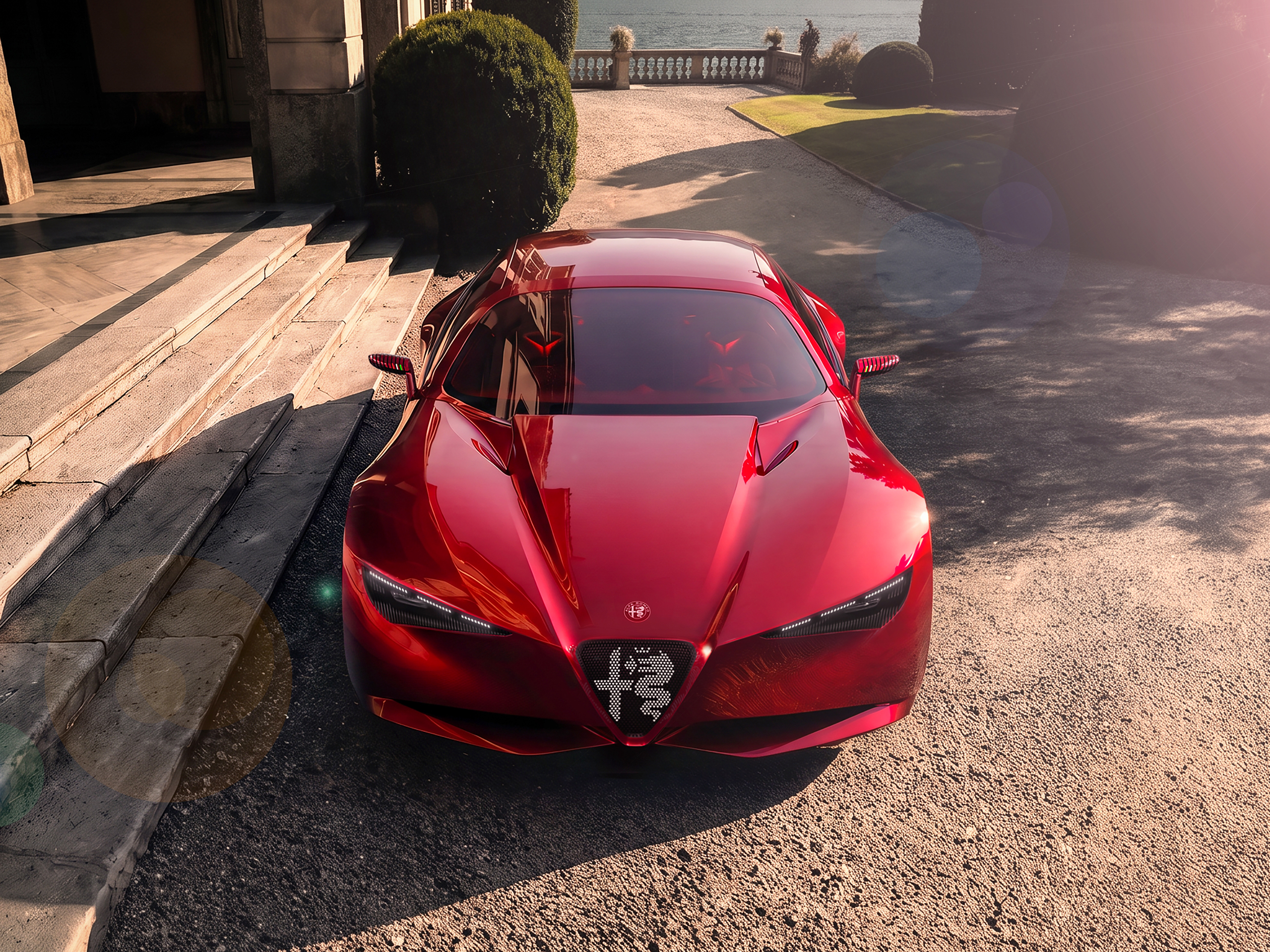
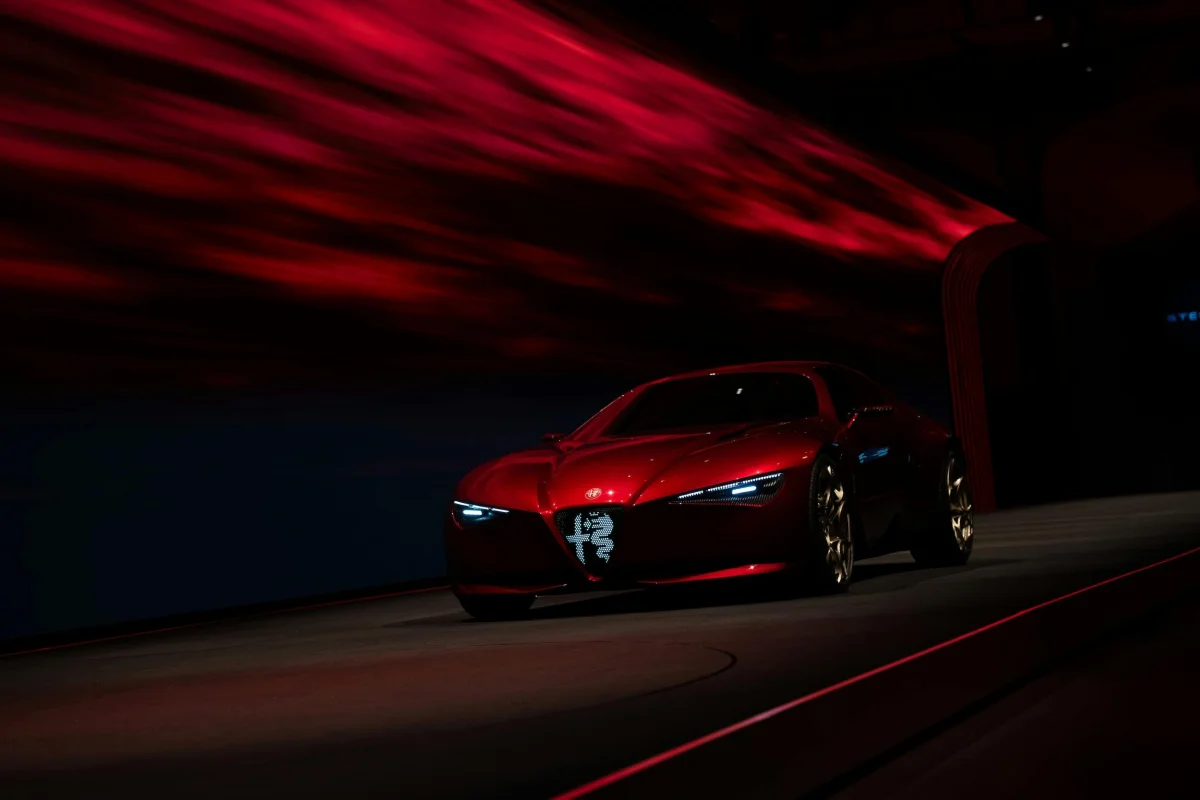
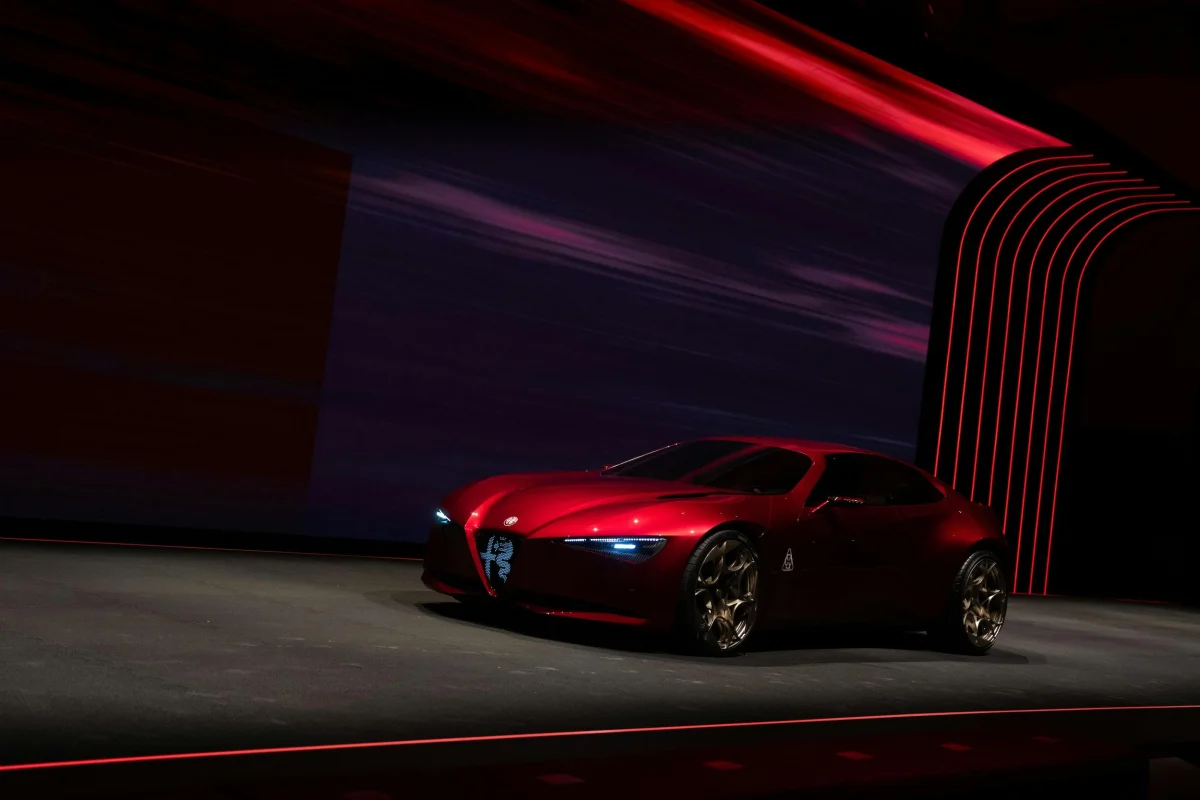
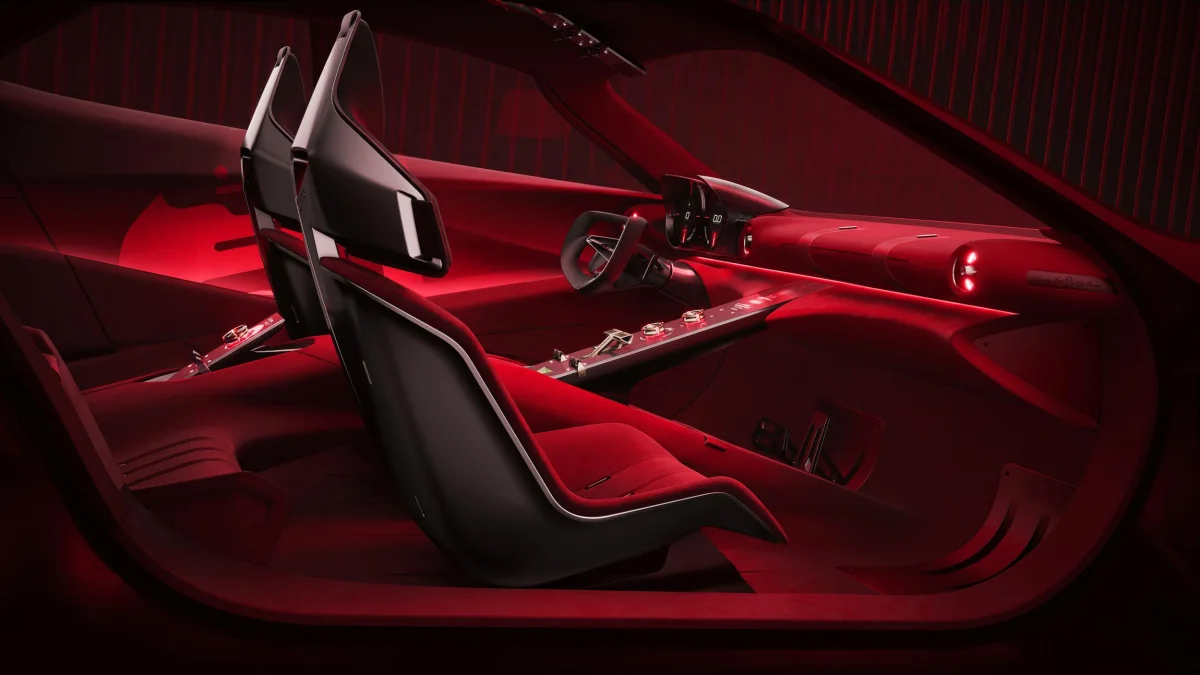
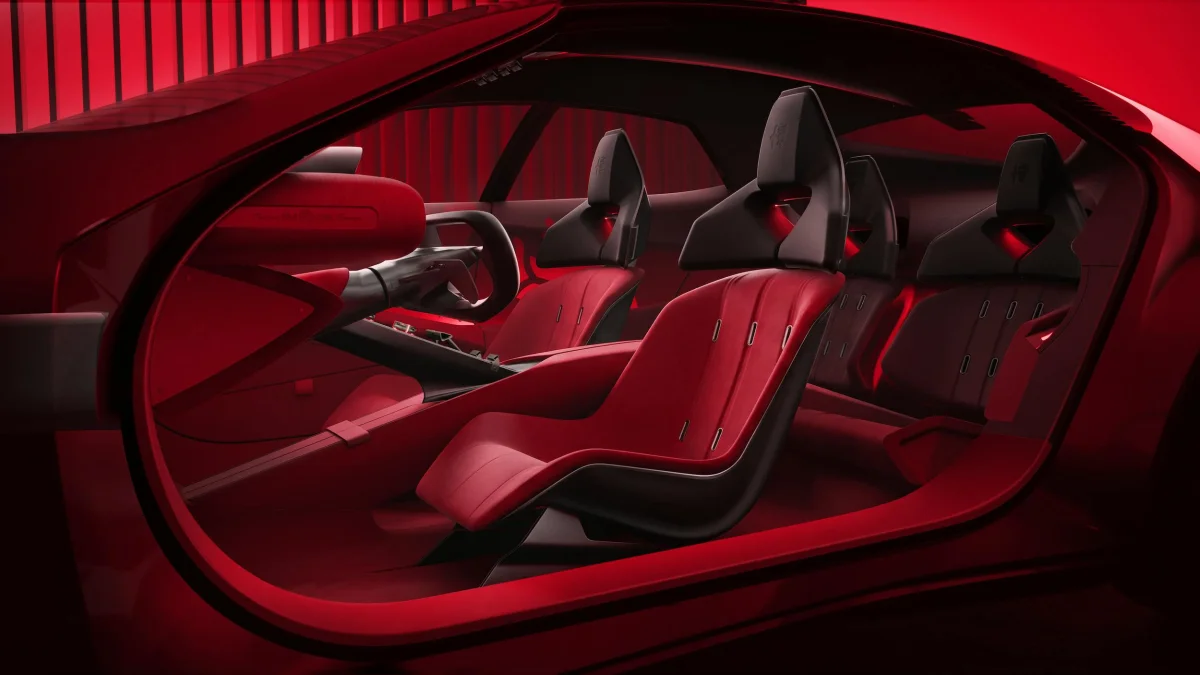
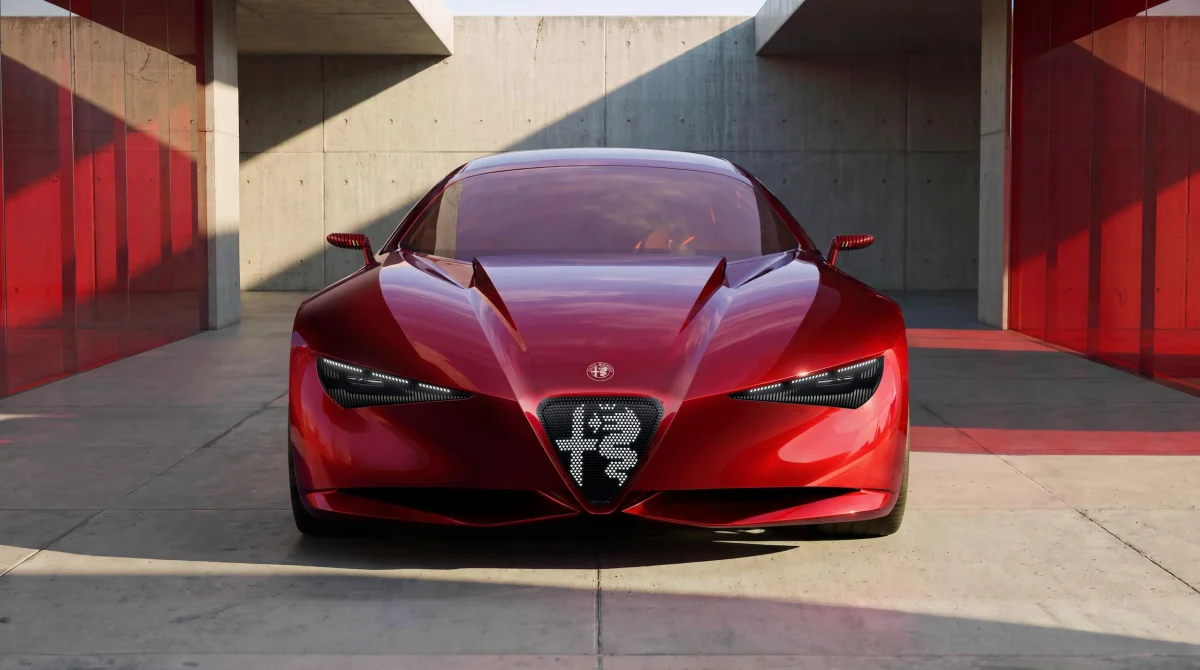
The Cuorerosso concept gives Alfa Romeo a vivid reminder of what its design team can do when it gets room to create. Unveiled at this year’s Paris Auto Show, it’s a bright red, low-slung coupe with dramatic proportions and a cabin that looks refreshingly focused on driving. It’s unlikely to reach production in this form, but the concept makes a persuasive case for giving Alfa Romeo more opportunities to draw on its own design history.
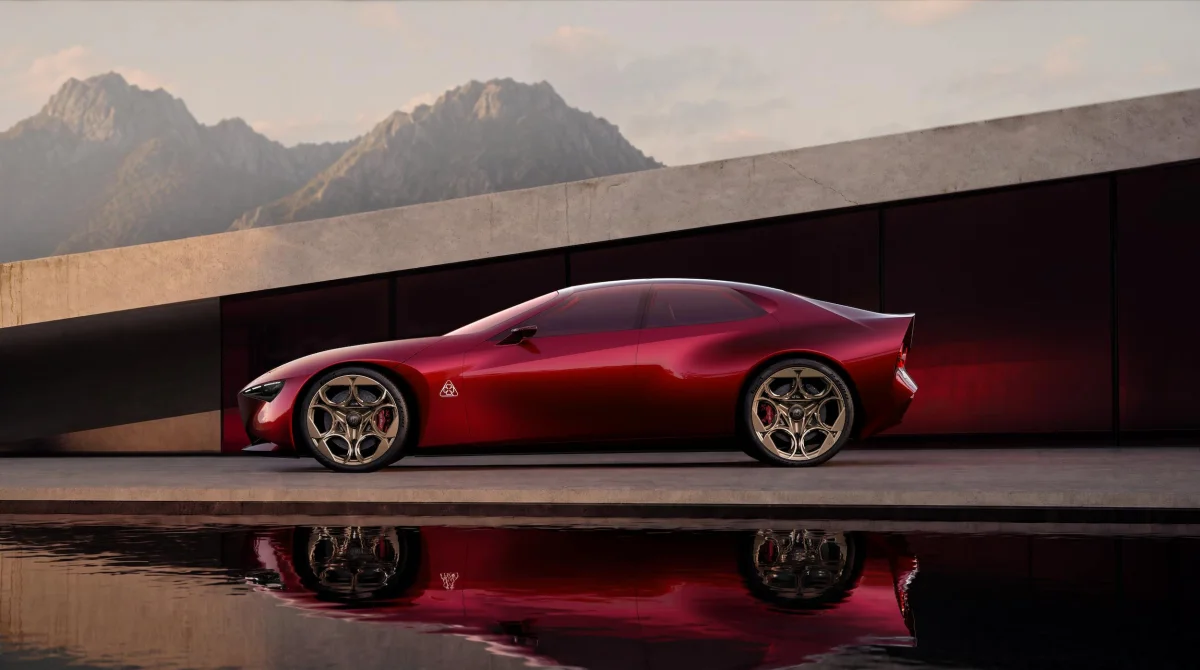
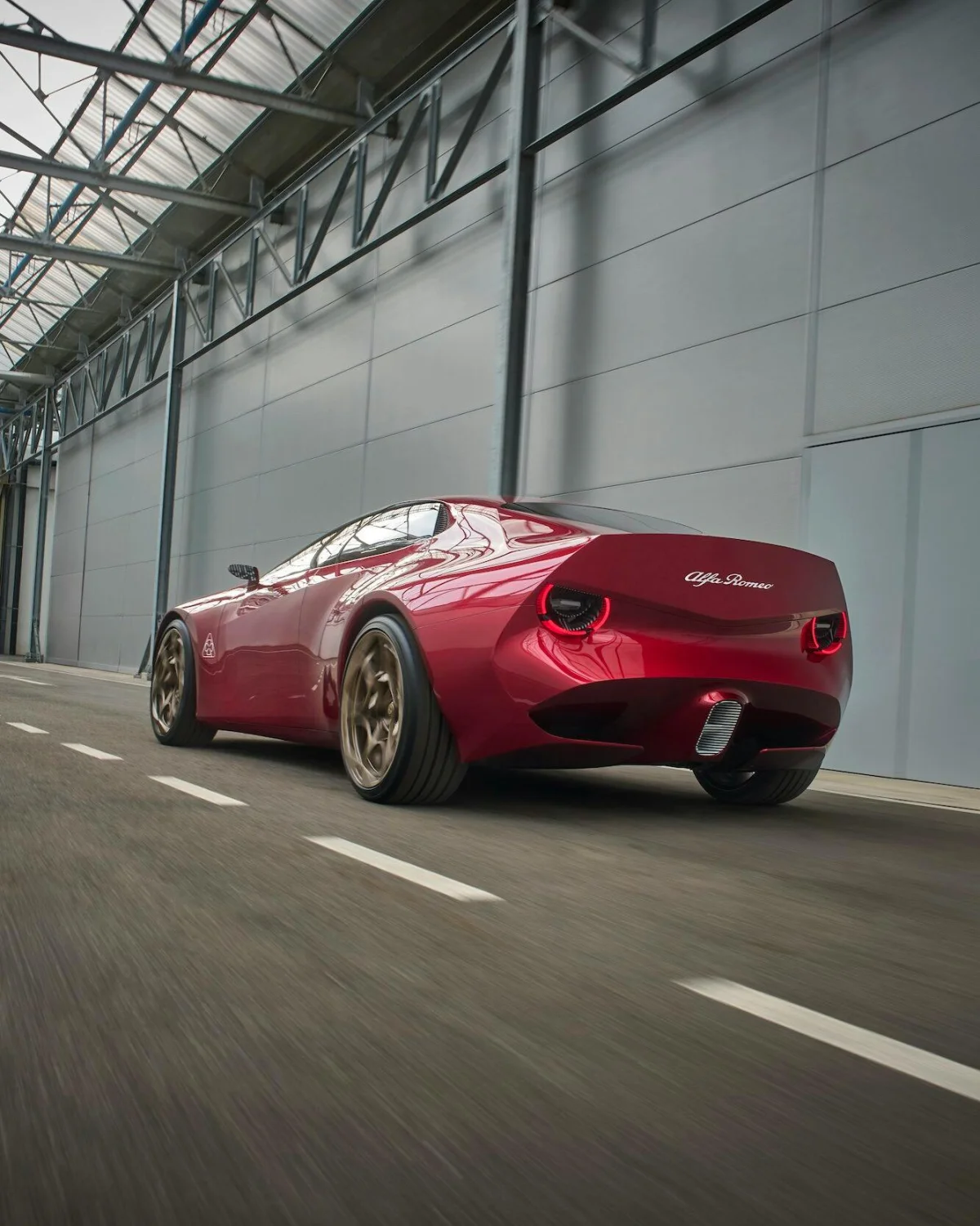
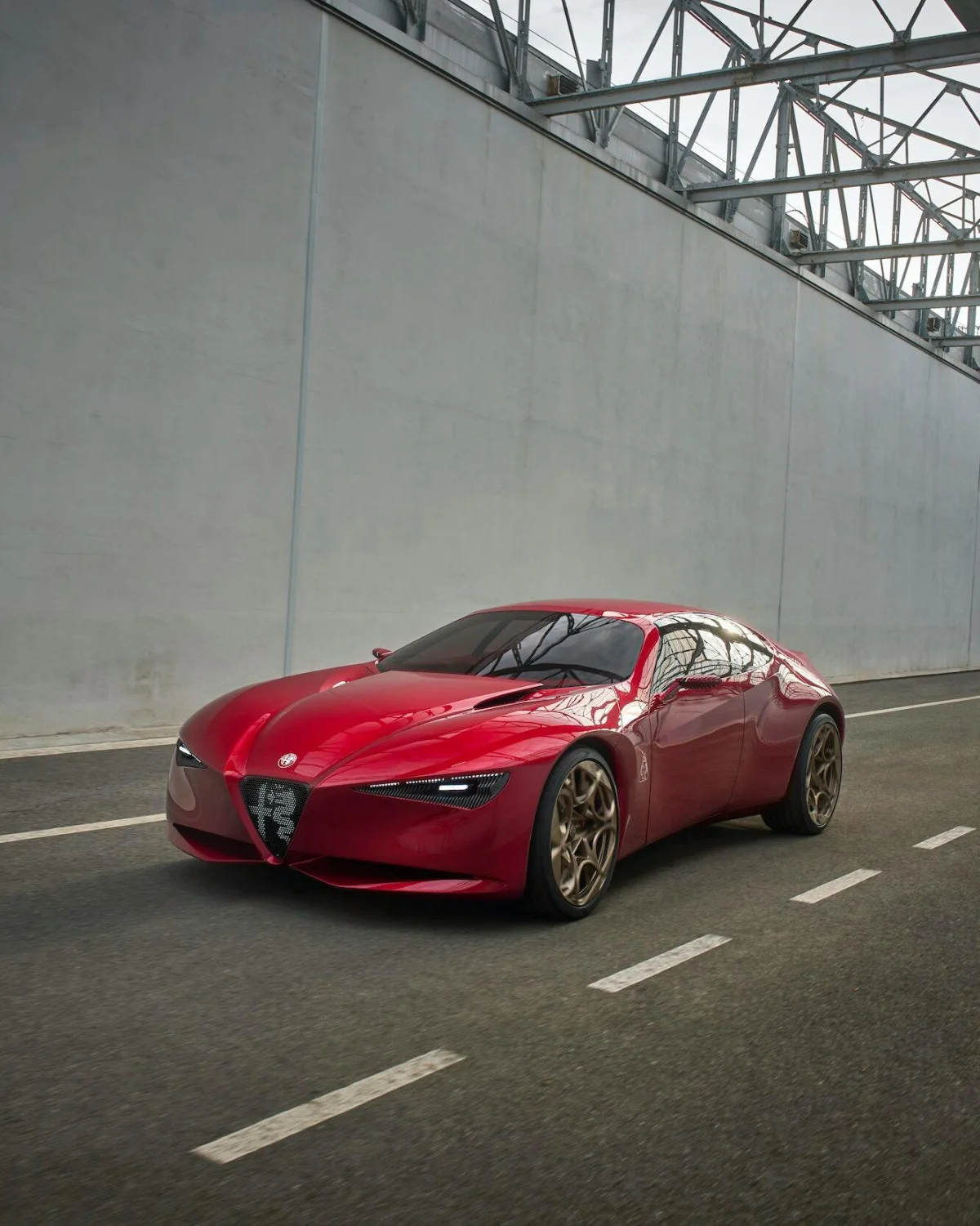
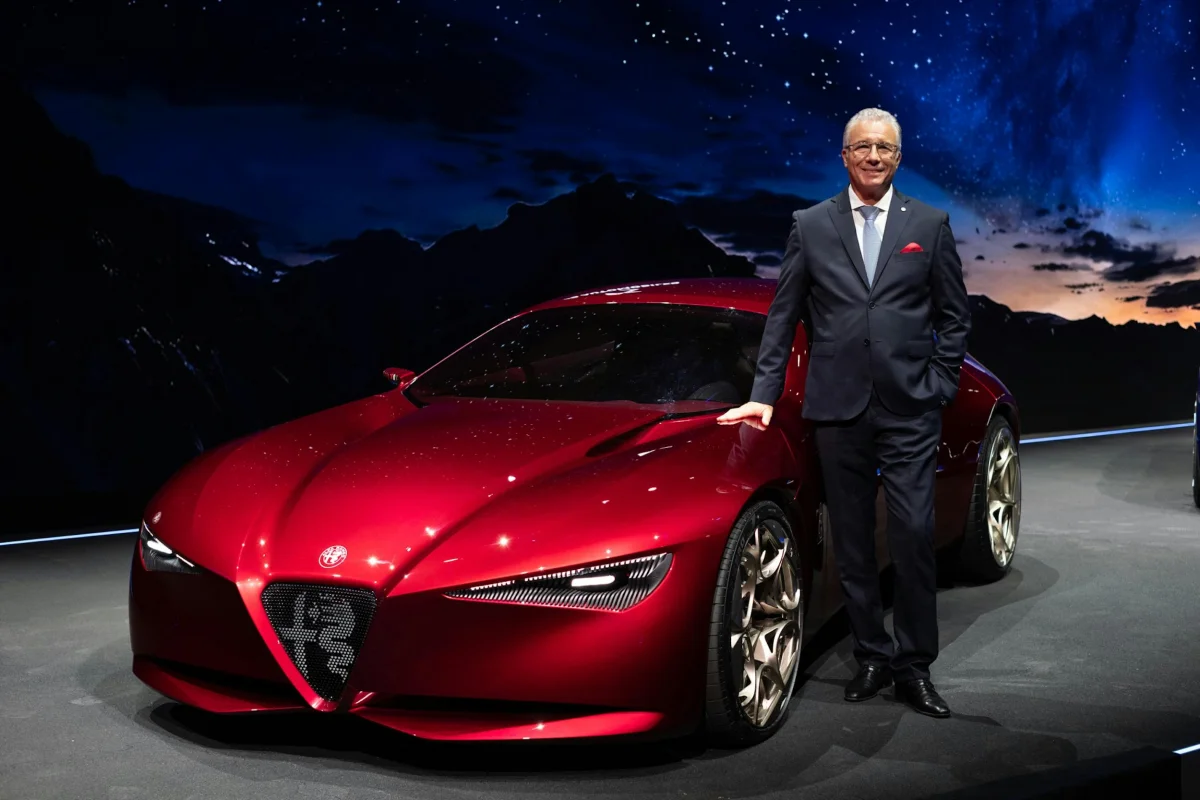
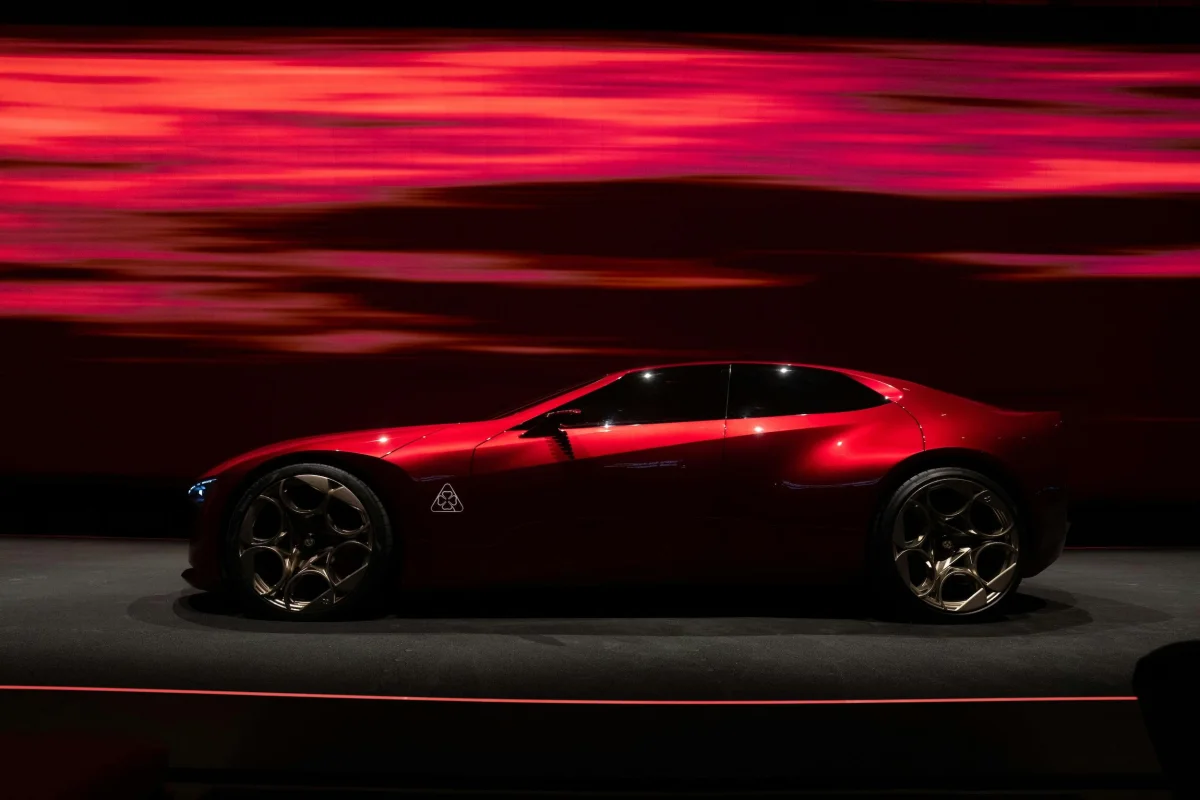
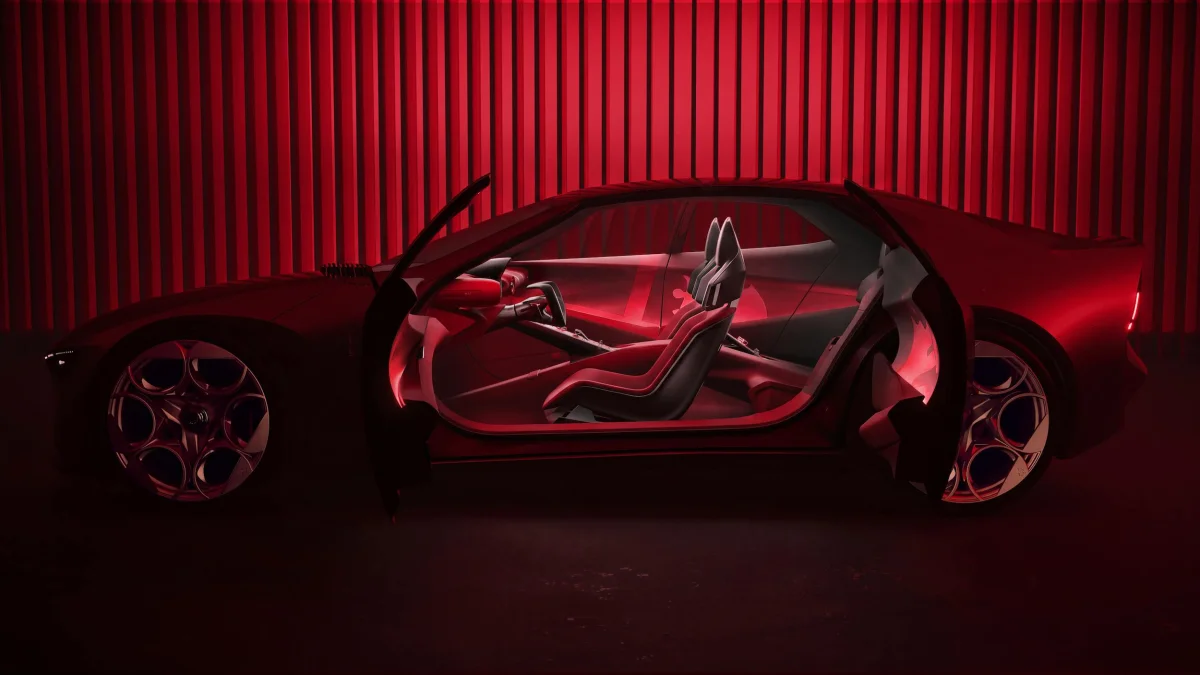
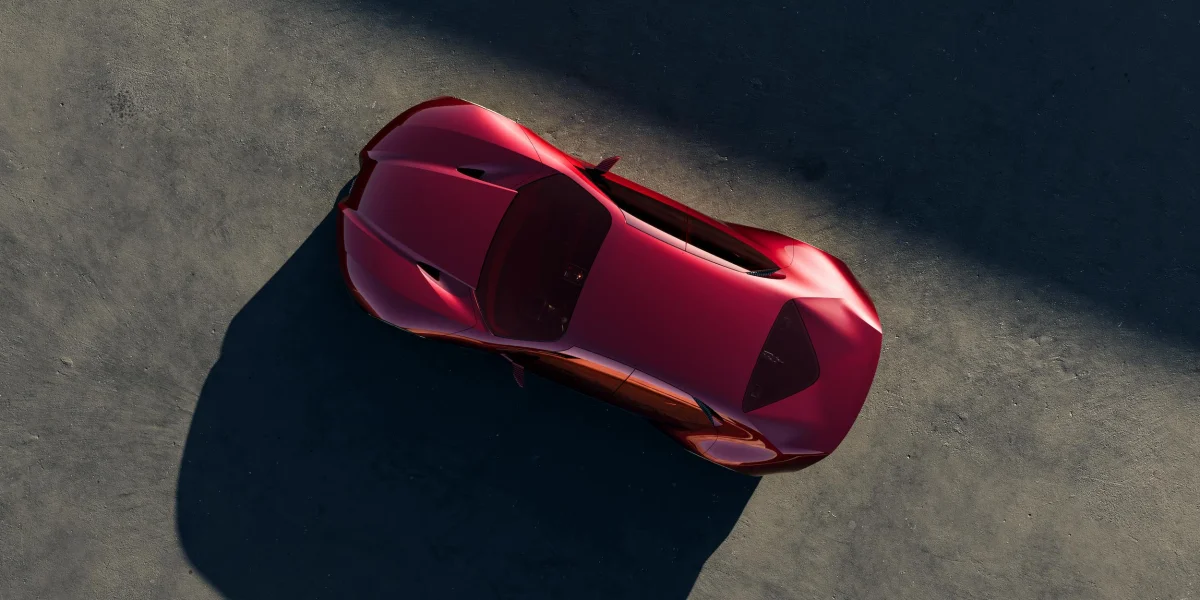
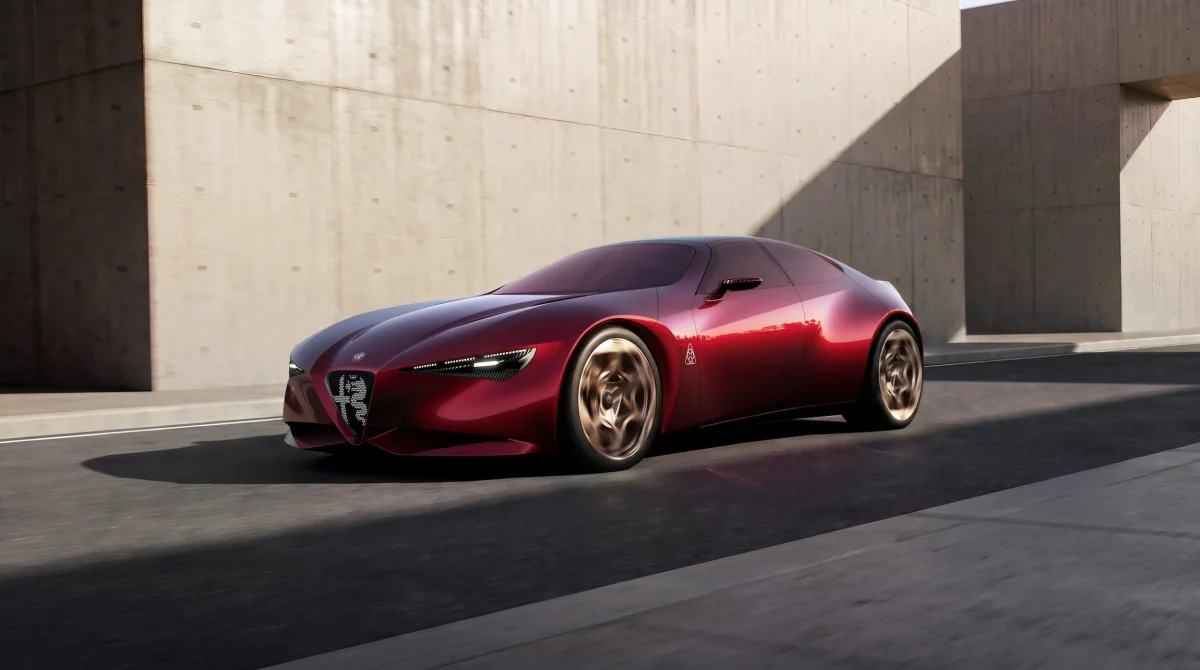
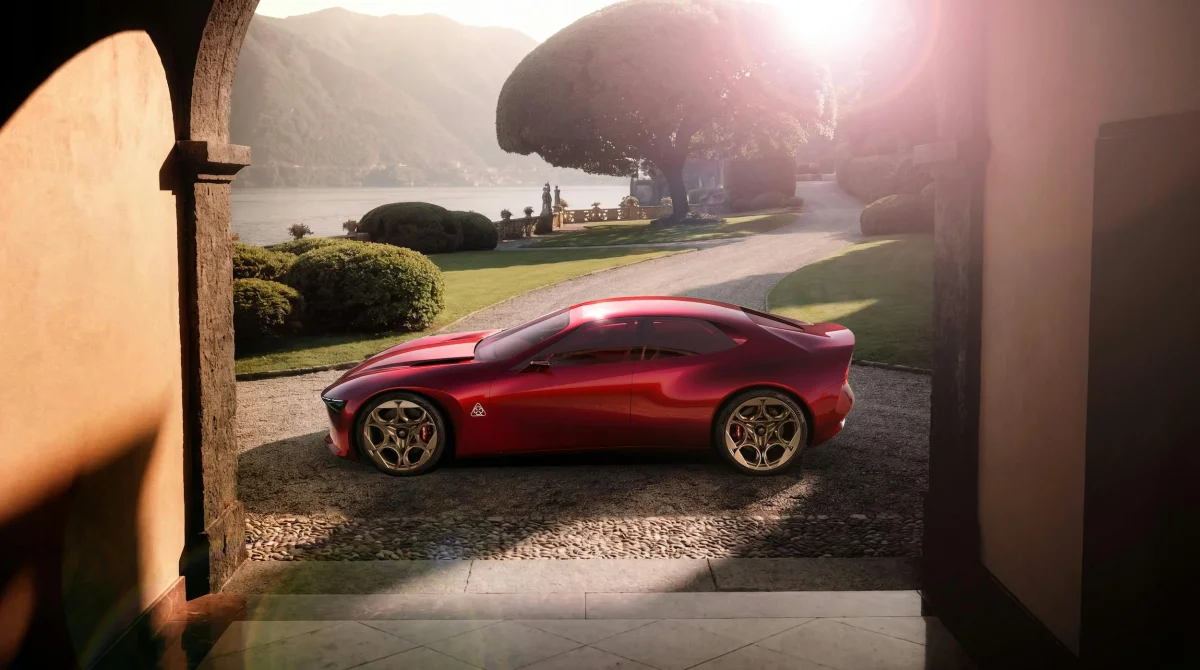
The car’s strongest argument is its stance. Alfa’s designers have fitted four 22-inch wheels beneath a roofline that rises only a little over four feet. At 15.5 feet long, the Cuorerosso is relatively compact, yet its wheelbase stretches nearly 10 feet. That puts the wheels close to the corners and leaves short overhangs, lending the car a planted look.
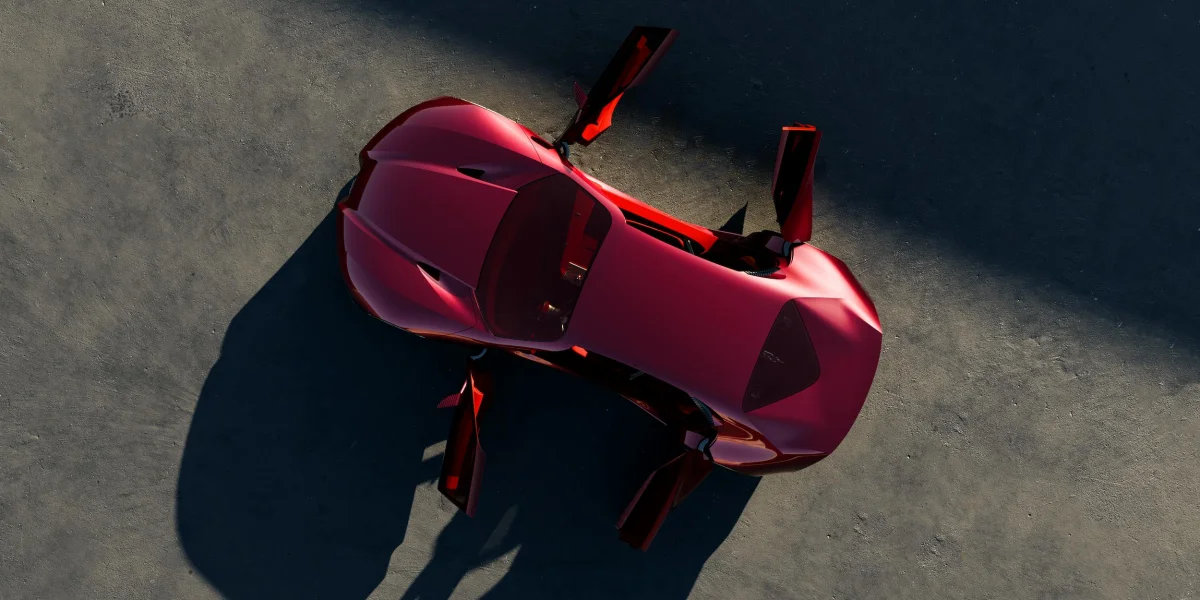
A low, sweeping hood flows into a steeply angled windshield, while a short, tall tail completes the wedge-shaped profile. The result looks fast even when the car is stationary. These proportions are deliberately exaggerated, but they give the concept a clear identity at a glance. For a brand with a long tradition of compact, expressive sports cars, that visual confidence matters more than a set of production specifications the concept doesn’t provide.
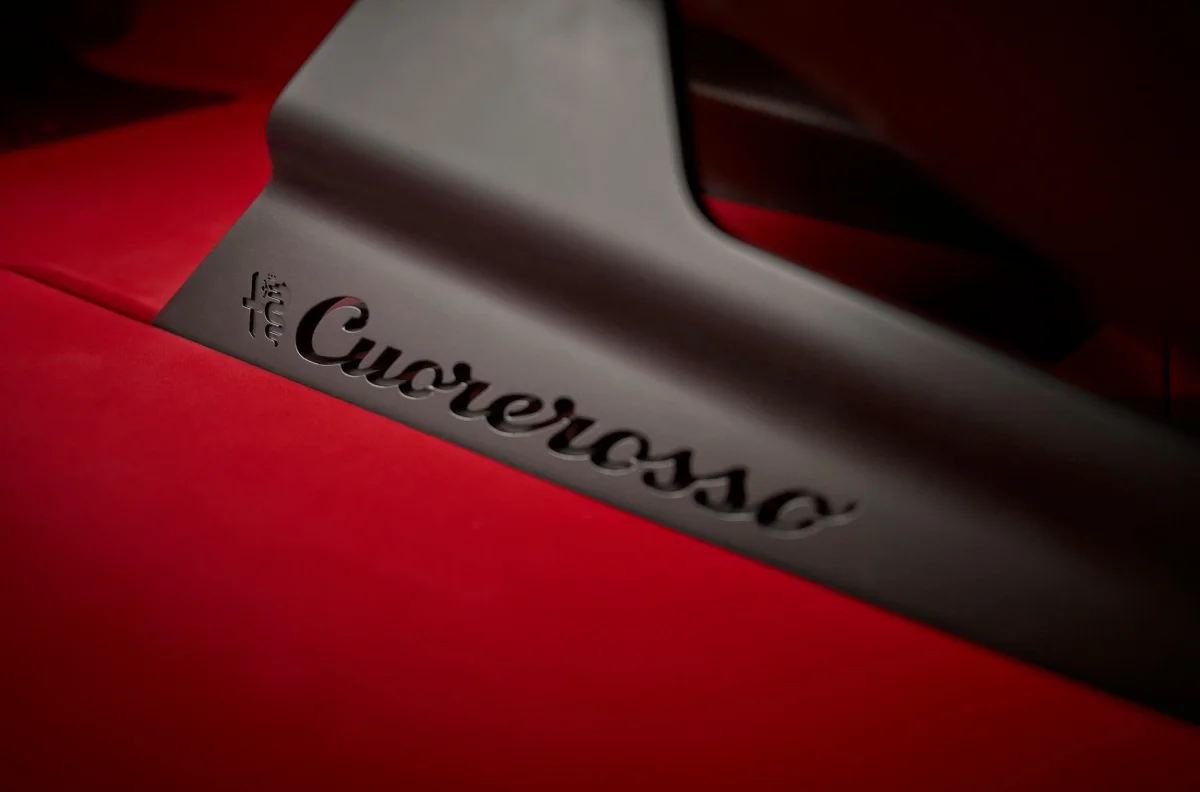
The bodywork largely lives up to the promise of the silhouette. Its rounded surfaces have a natural, almost muscular quality, with enough tension in the contours to keep the car from appearing soft. The design recalls some of Mazda’s recent concept work, particularly in the way smooth volumes suggest restrained power.
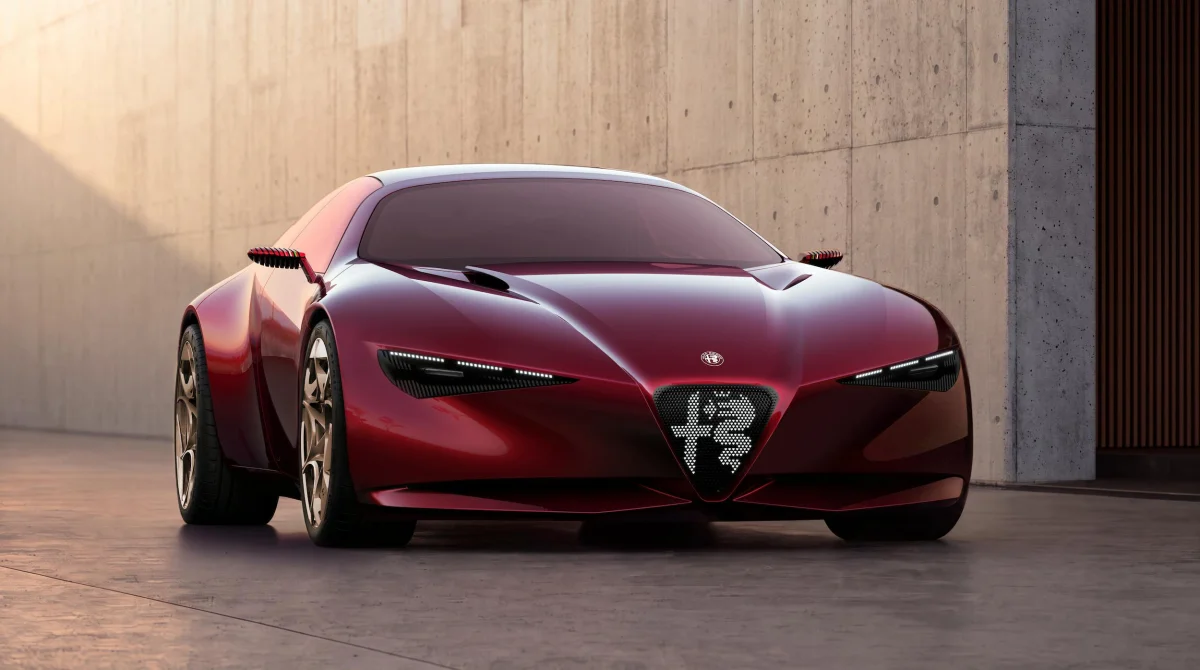
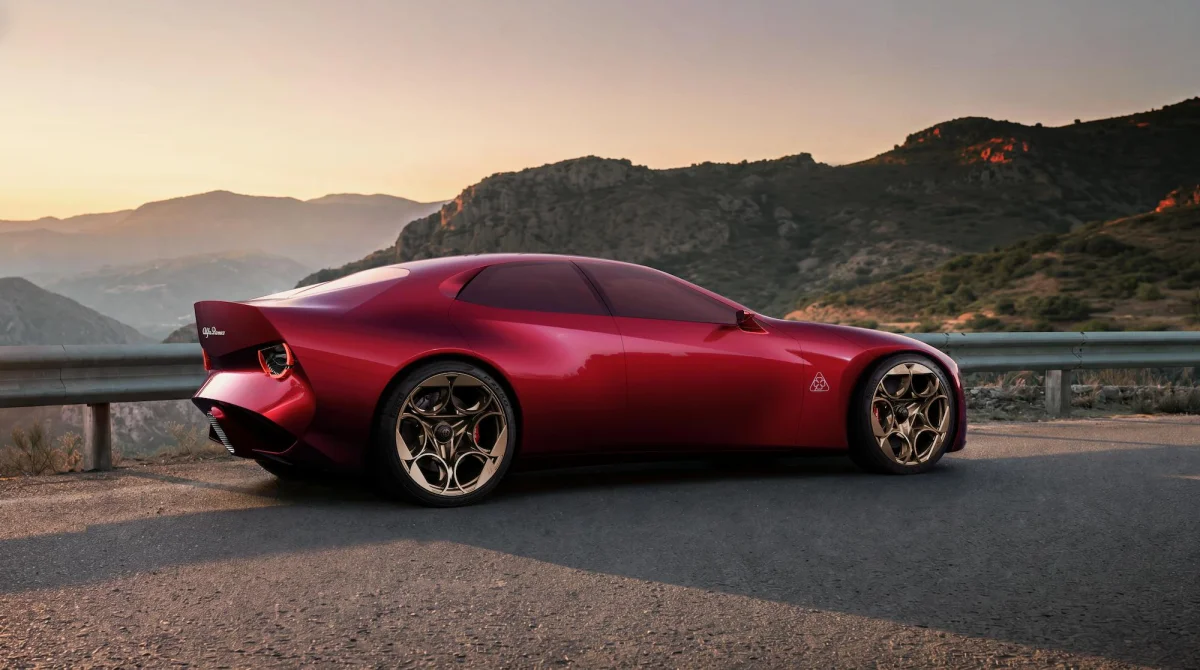
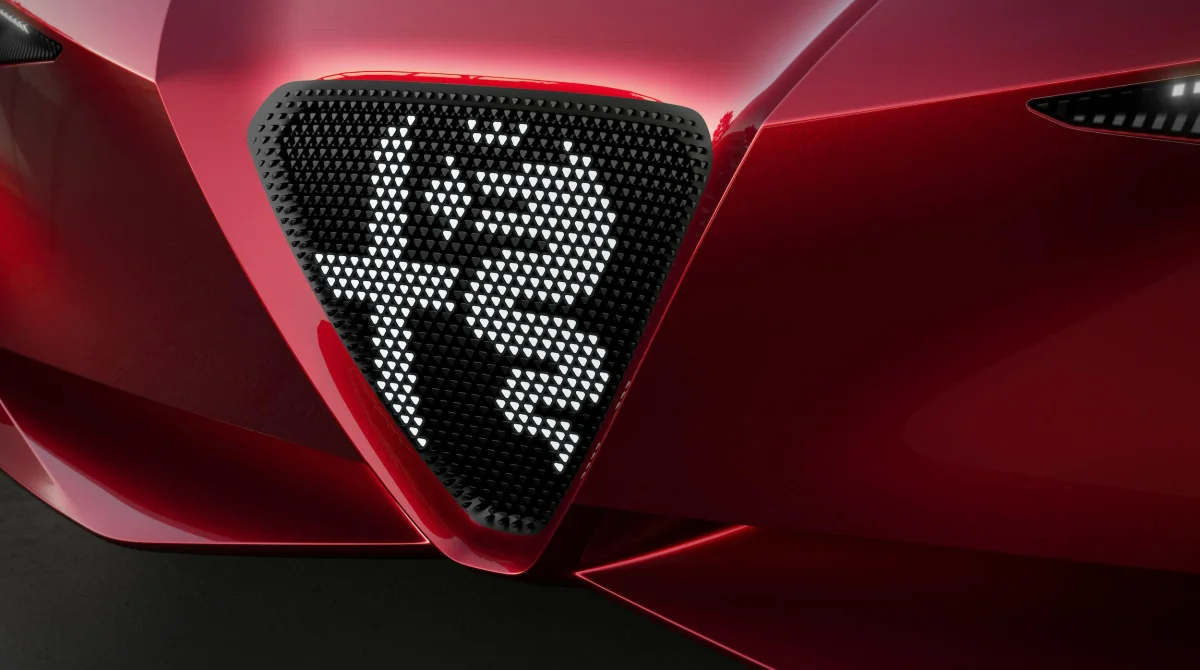
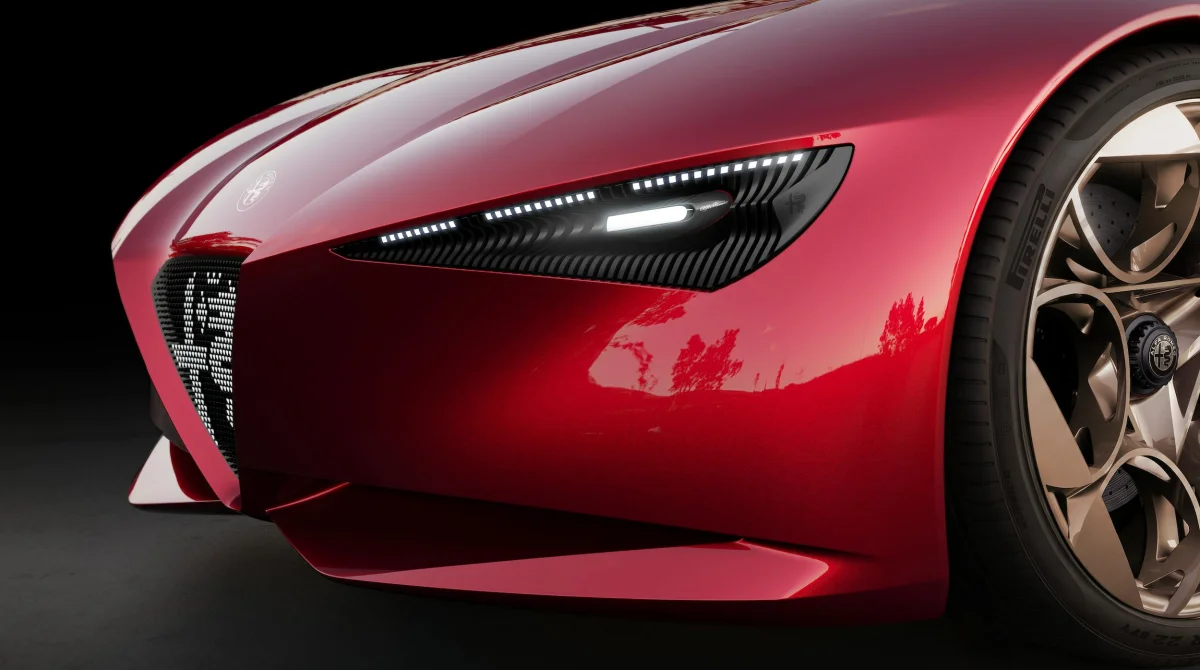
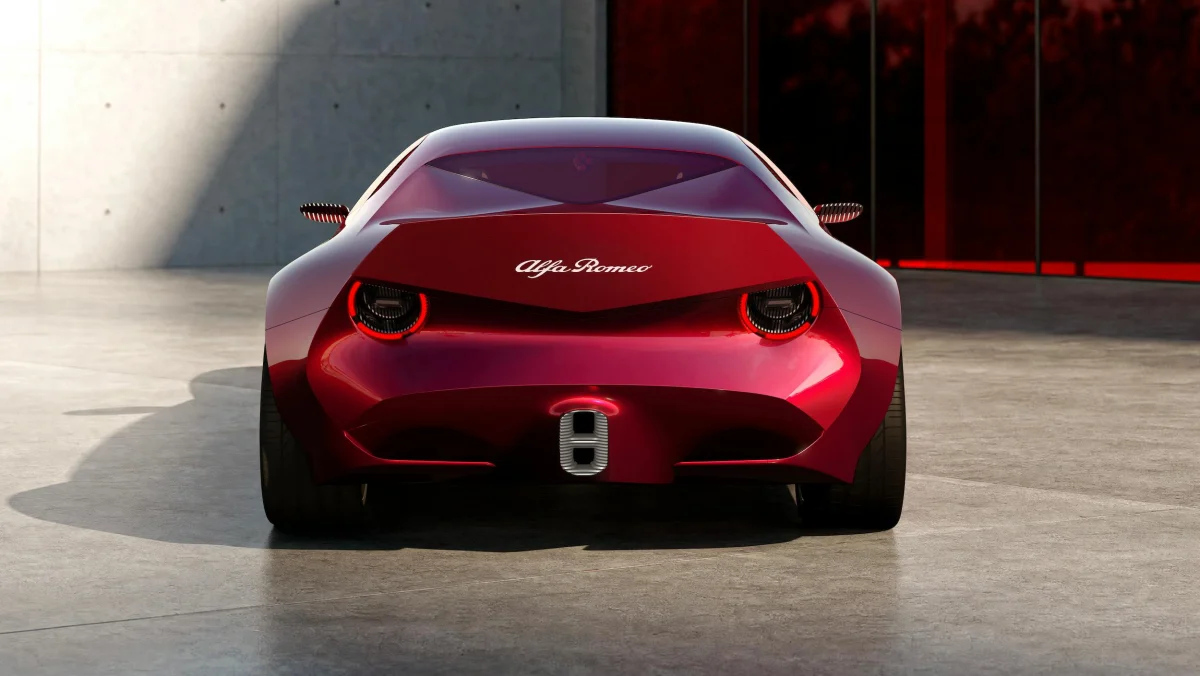
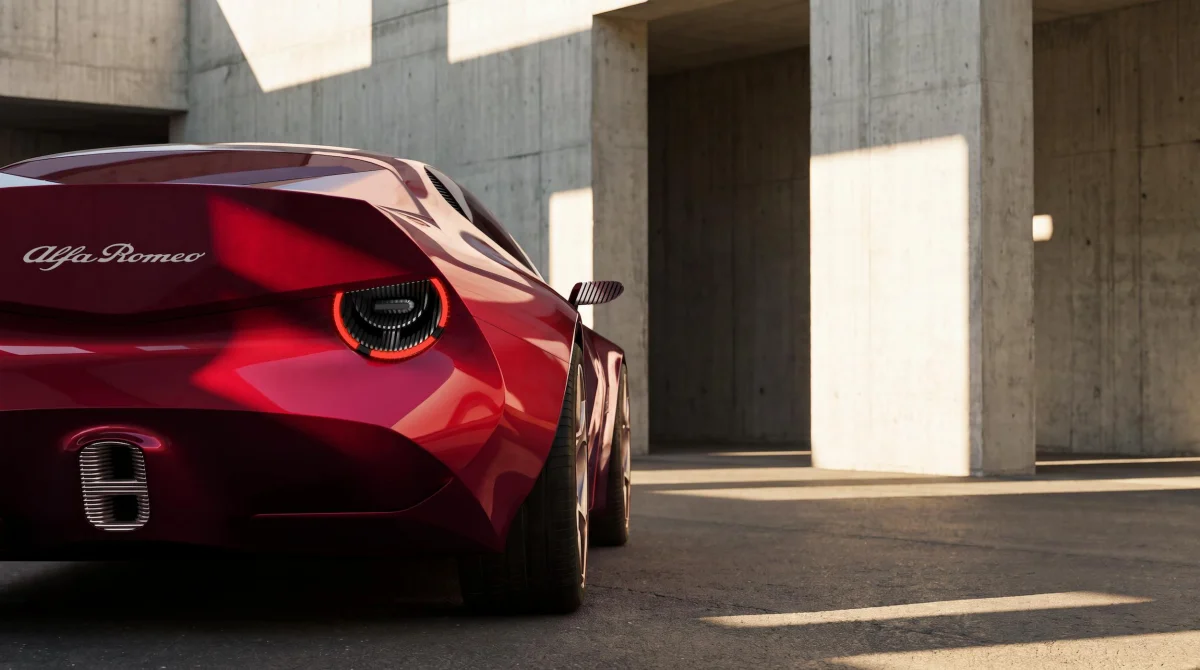
There are weaker moments. The lower rear has a projecting shape that reads like a beak, and the details around it draw more attention to the awkwardness. The traditional Alfa Romeo Trilobo treatment at the nose could also have been explored with more imagination. Neither issue overwhelms the design, but both are more noticeable because the rest of the car is so carefully resolved.
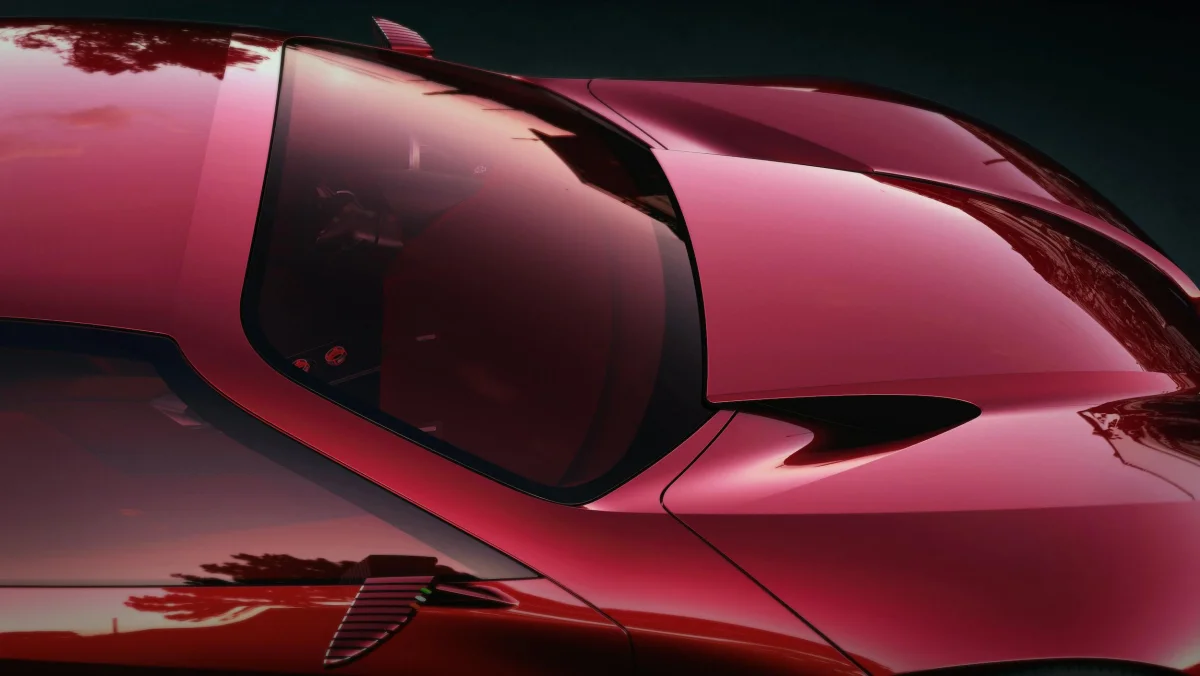
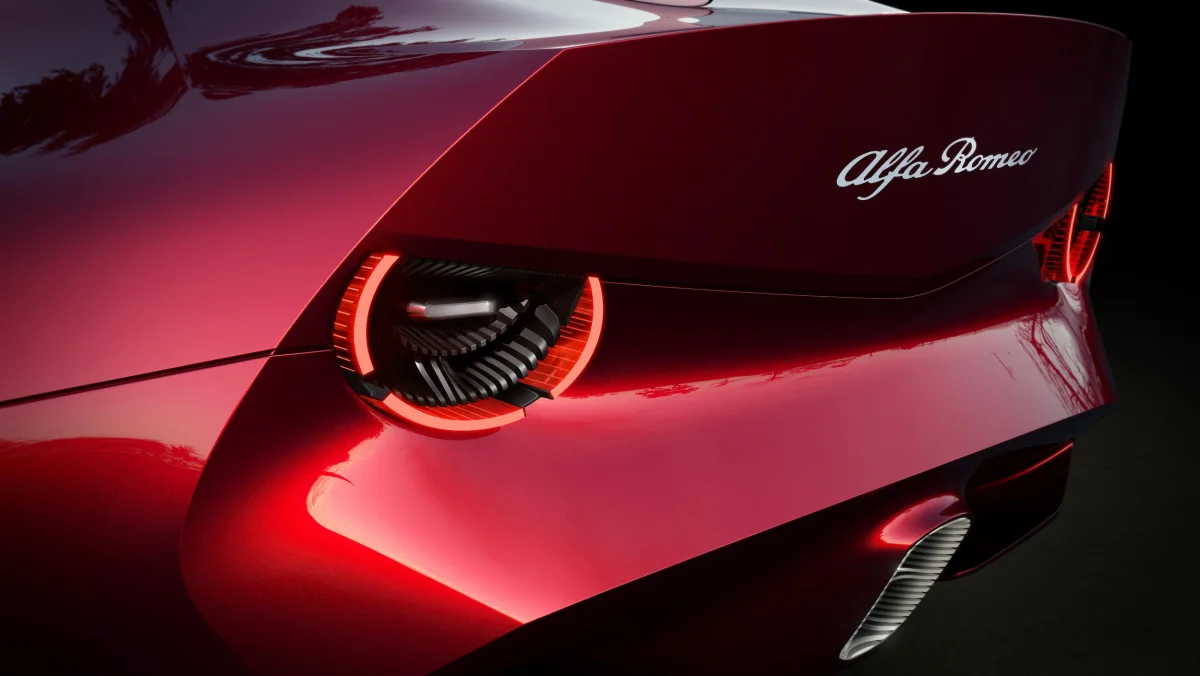
Much of the detail work is more successful. The windows cut into the roof in a way that recalls Zagato’s Panoramica bodies of the late 1940s, but here the effect is cleaner and easier on the eye. At the rear, the upright body surface and taillights inspired by the latest 33 Stradale both suit the car. The round lamps look expressive without feeling out of place. The problem is the composition below them: a wide opening, the protruding lower section and a large central exhaust combine to give the rear an angry, cartoonish expression.
That exhaust placement feels especially hard to reconcile with the rest of the concept. A single outlet in the center makes the lower rear the focal point, emphasizing the feature that least needs emphasis. The styling could be refined, but the issue shows how a few graphic decisions can shift the character of an otherwise cohesive design.
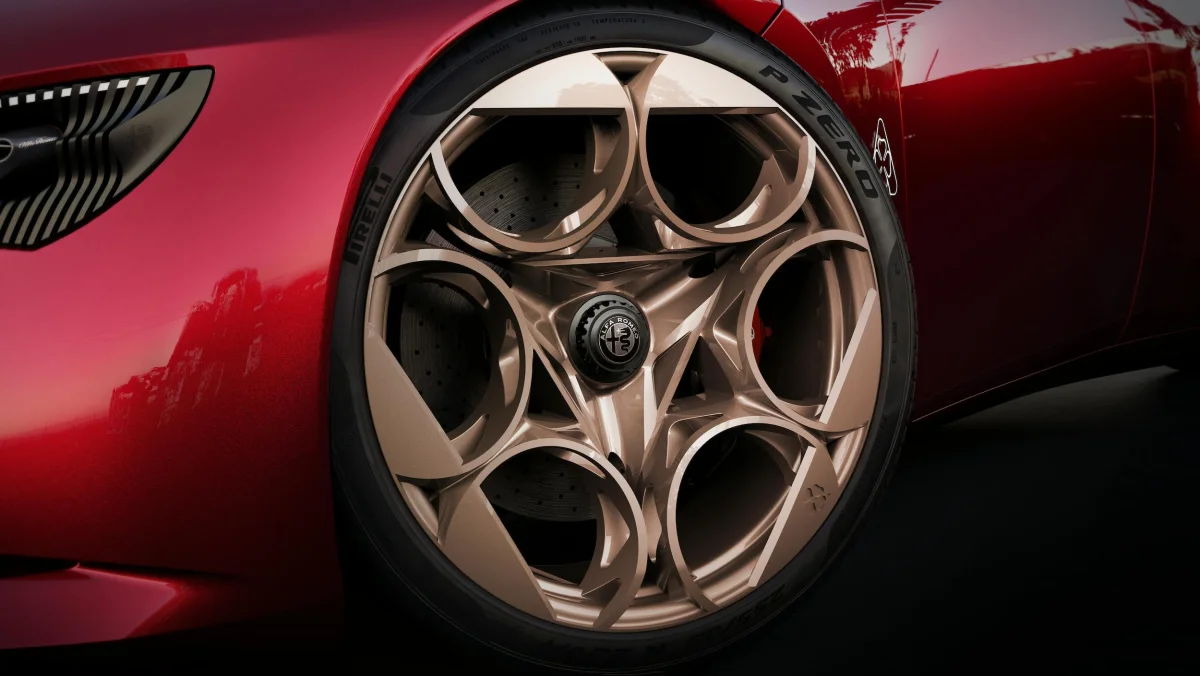
The wheels are a highlight. Their intricate forged-alloy design reworks Alfa’s familiar teledial pattern, giving a classic cue a more detailed, jewel-like finish. They look tailor-made for the concept’s oversized proportions, even if the complex surfaces might make brake-dust cleanup a chore.
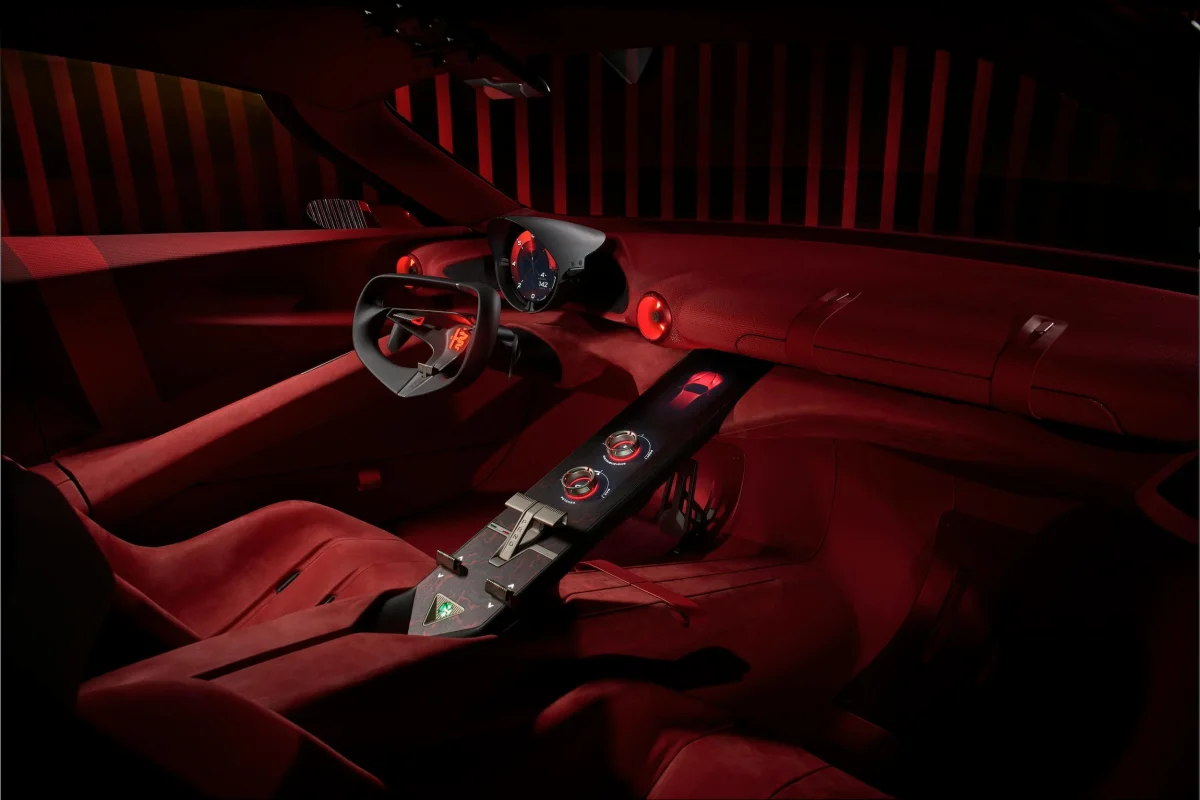
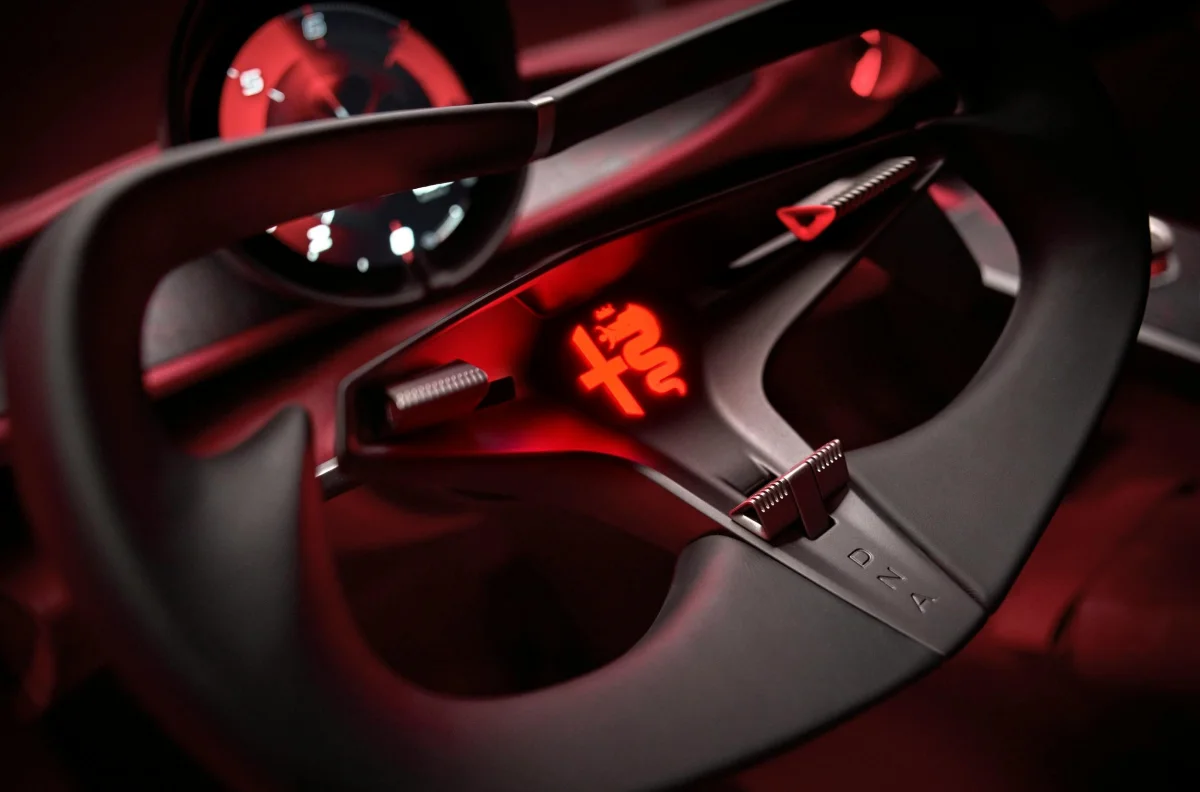
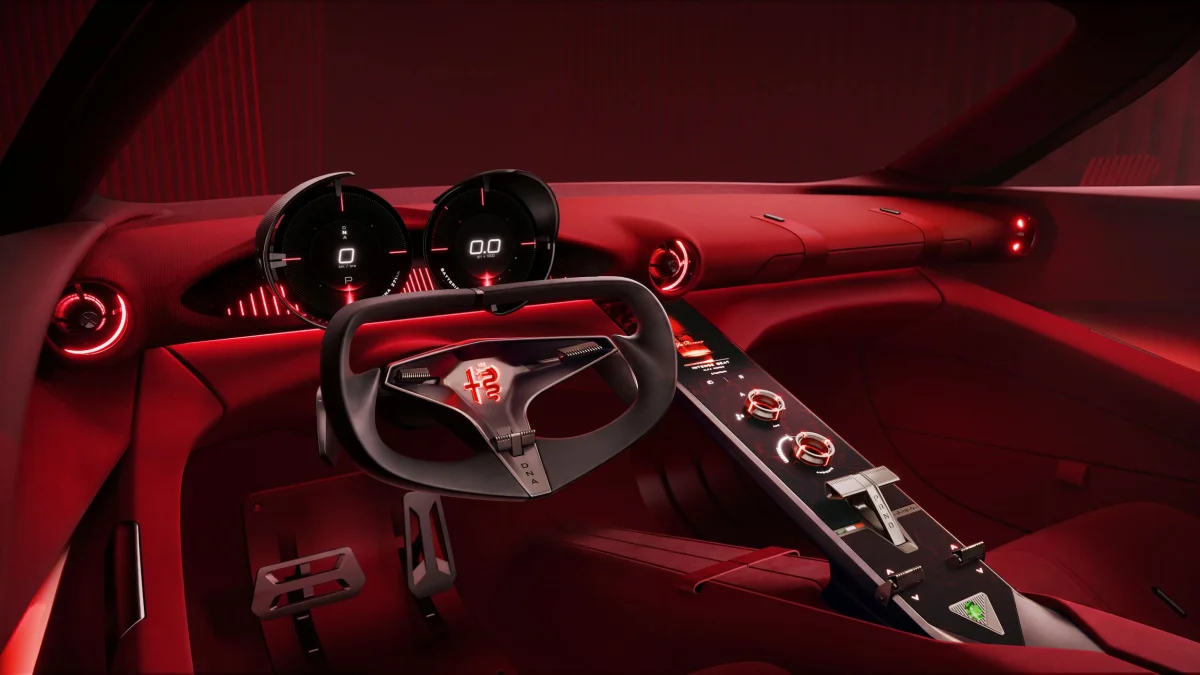
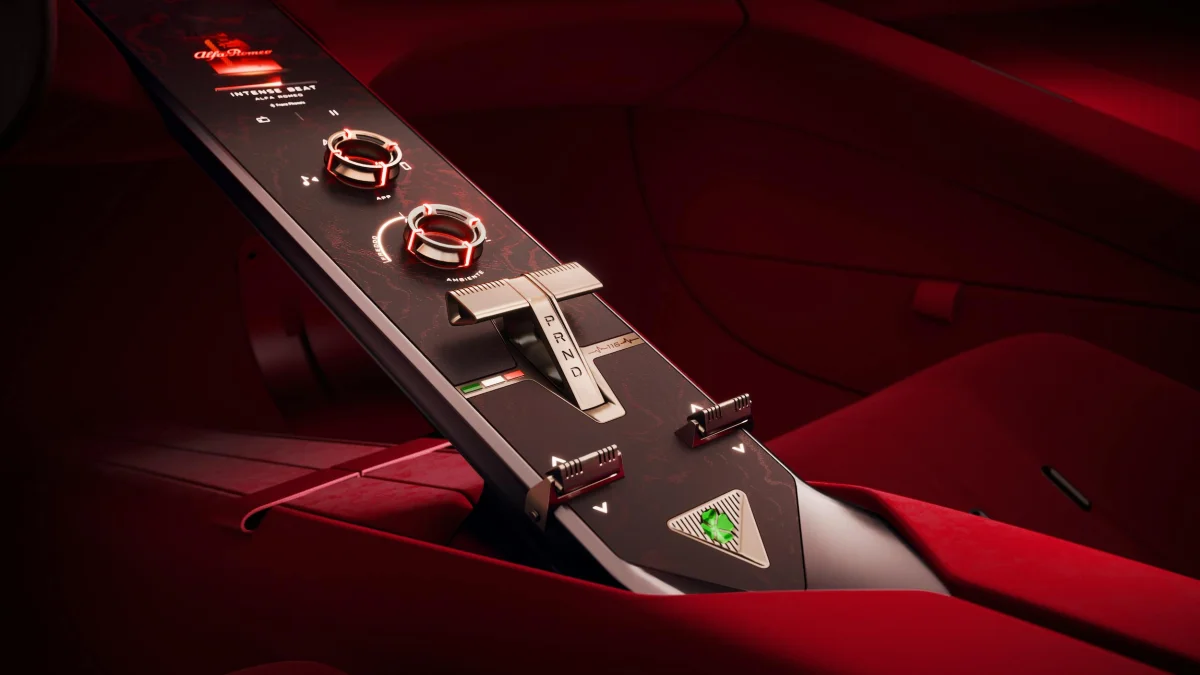
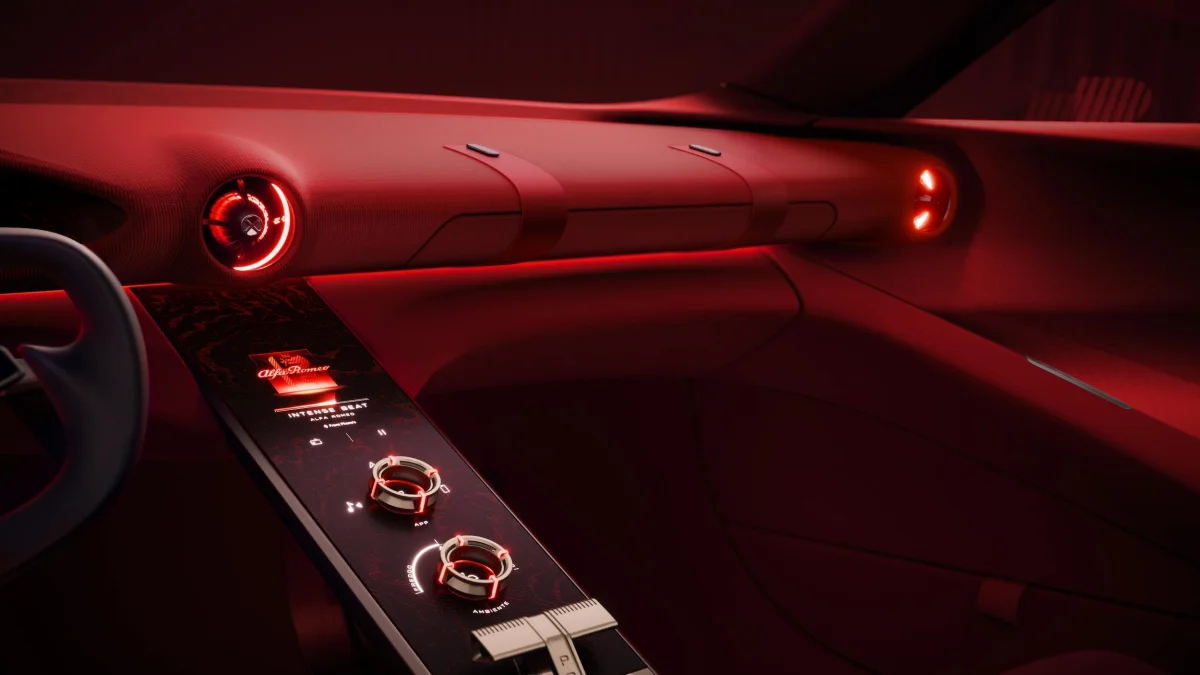
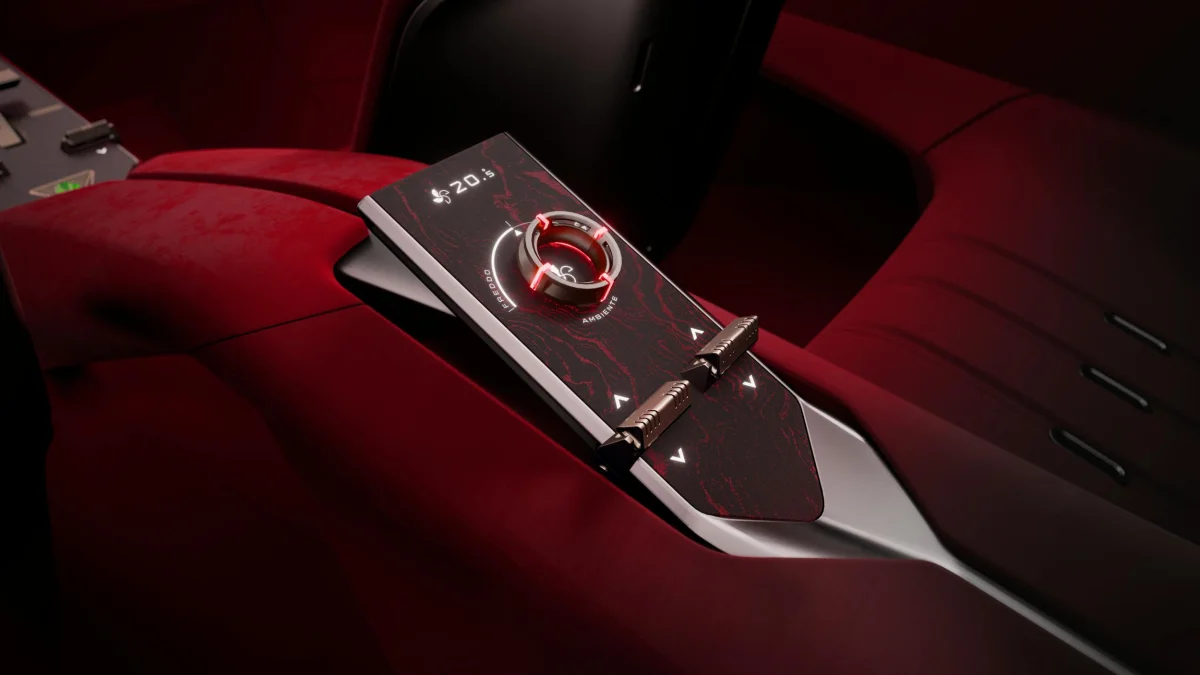
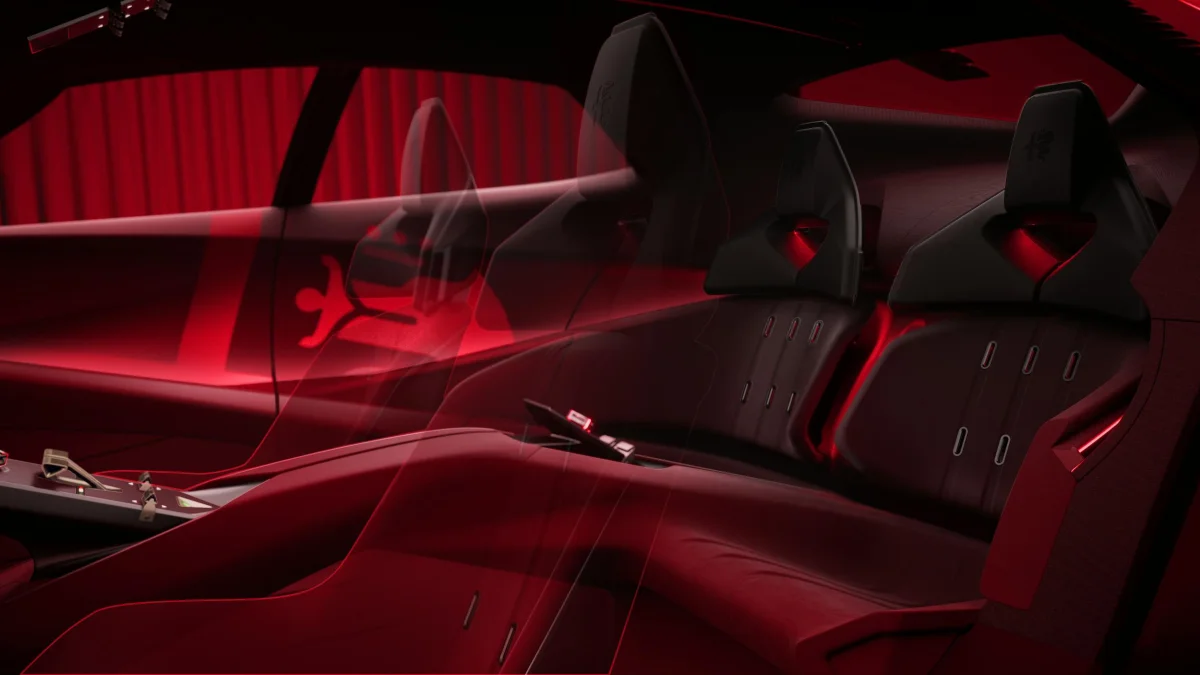
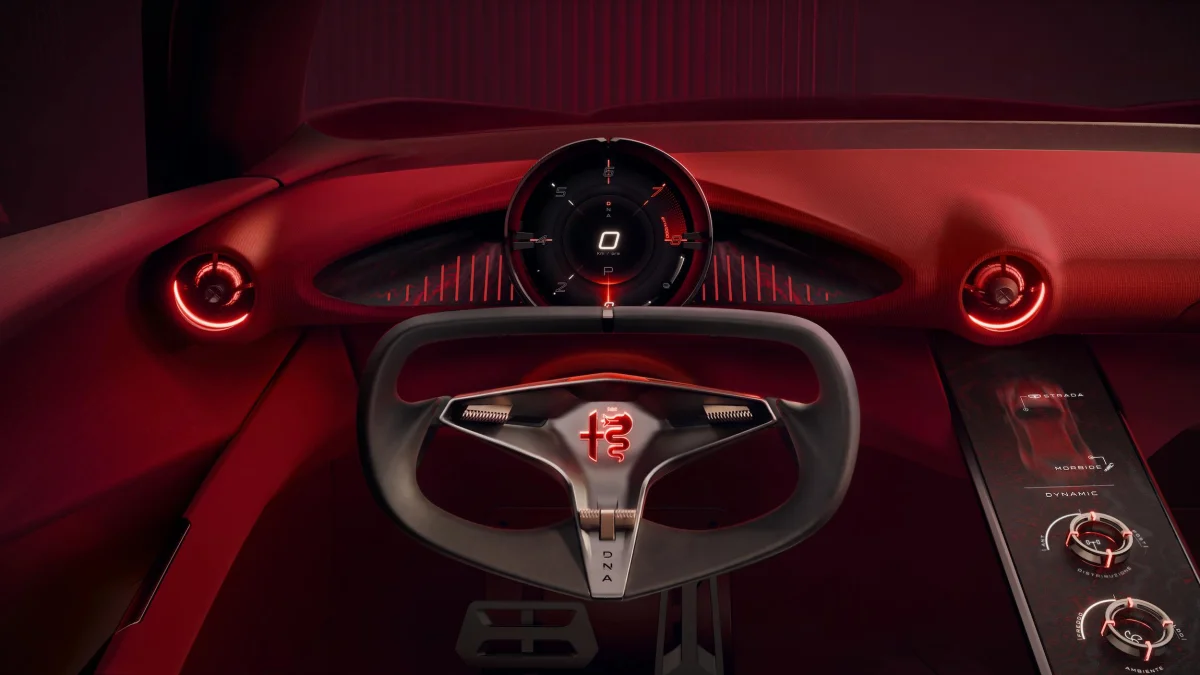
Inside, the Cuorerosso trades the usual concept-car screen display for a more driver-centered approach. Its four doors open wide, and the cabin has no center pillar, leaving an unobstructed view into the interior. The steering wheel is a particular success: its three-spoke form recalls 1960s Alfa models, including their horn buttons integrated into the spokes. Screens are limited to the instrument binnacle, whose layout updates a familiar Alfa design theme without overwhelming the cockpit.
That cabin is a design proposal, not a preview of confirmed production equipment. The same applies to the concept’s dimensions, wheels and exhaust: Alfa Romeo hasn’t supplied production plans or mechanical specifications here. Buyers looking for a new model to compare on price, range or availability won’t find those answers in the Cuorerosso. Its value is as a statement of intent, and as an opportunity to judge the brand’s design direction.
That statement carries weight for a marque whose recent products have often leaned on shared underpinnings and familiar crossover shapes. The Cuorerosso suggests that Alfa Romeo’s Turin studio still has the appetite—and the ability—to make a car that feels distinctively its own. The designers were led by Alejandro Mesonero-Romanos, and the work draws on the names and forms that have shaped the marque’s reputation, from the Trilobo nose to the teledial wheels.
Alfa Romeo joined Fiat Auto in November 1986, nearly 40 years before the concept’s unveiling. The brand has spent much of the time since promising a return to its former stature. A concept alone can’t show whether the company will sustain that momentum in production, but it does offer something more tangible than another promise: a carefully considered design with a strong point of view.
The Cuorerosso’s rear treatment needs another pass, and its striking proportions may be difficult to translate directly into a showroom car. Still, the overall design has enough character to make the concept feel like a welcome sign of life. The next measure will be whether future Alfa Romeo models carry its confidence into cars drivers can actually buy.

Mazda’s recent concept cars, Zagato’s “Panoramica” bodies, and 1960s Alfa models are useful reference points for the design cues discussed here.
⟪

