In lane Electric Vehicles
What Makes a Car a New Generation? The Monte Carlo Offers a Useful Test
Description
The Monte Carlo’s 1981 update shows where a refresh ends and a new generation begins, from body structure to proportions and packaging.
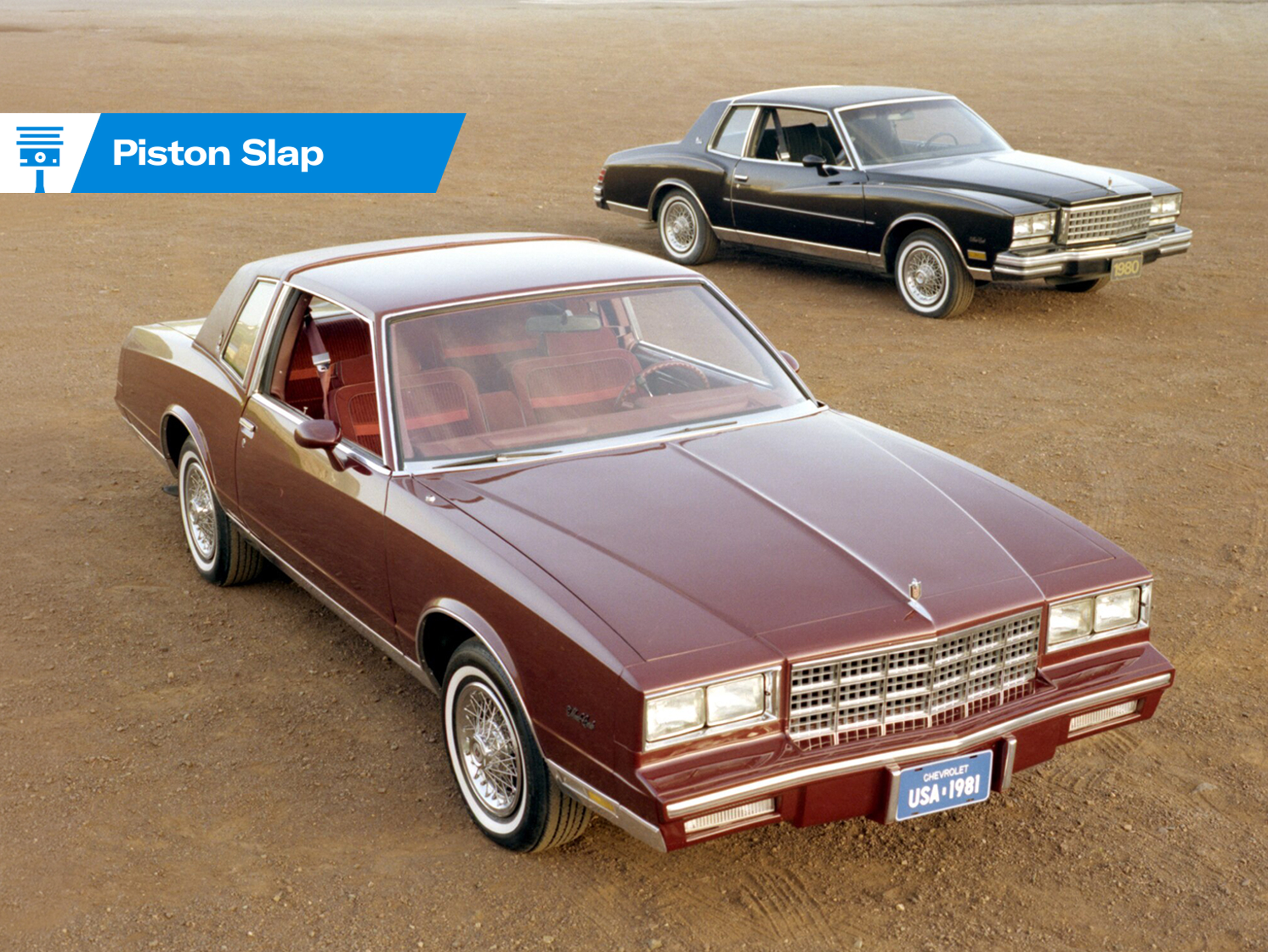
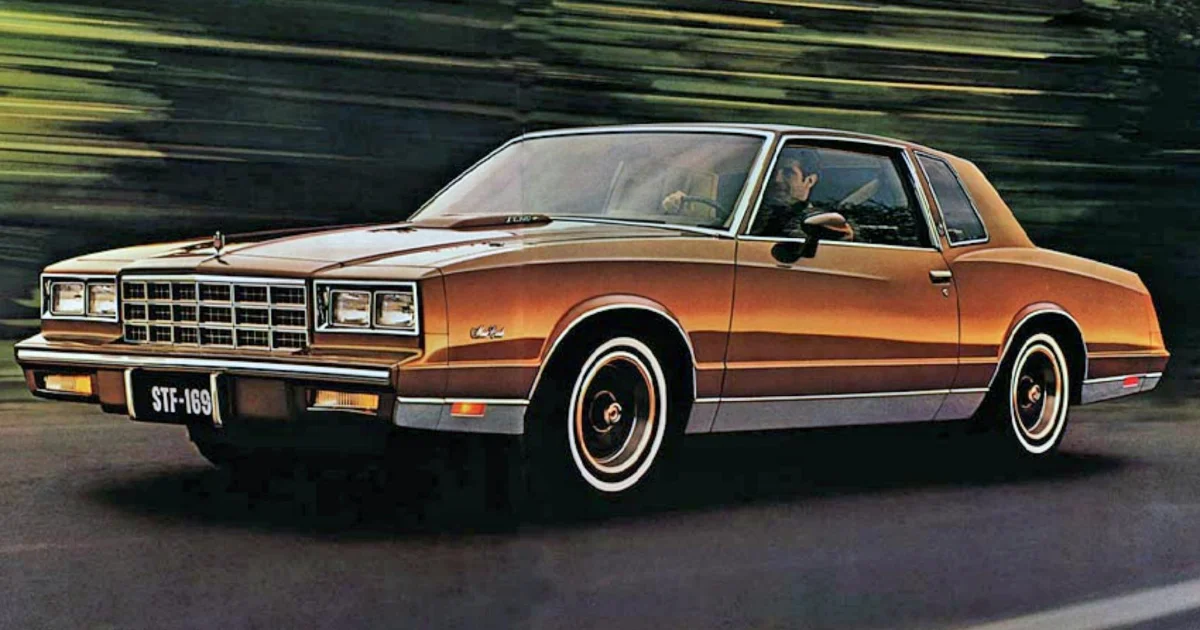
Whether a car counts as a new generation depends on more than a new name or a fresh grille. The Chevrolet Monte Carlo makes the distinction clear: its 1981 change from A-body to G-body brought meaningful updates, but the car remained a mid-cycle refresh. A clean-sheet redesign changes the vehicle’s underlying shape and proportions enough that it reads as a different car from the inside out.
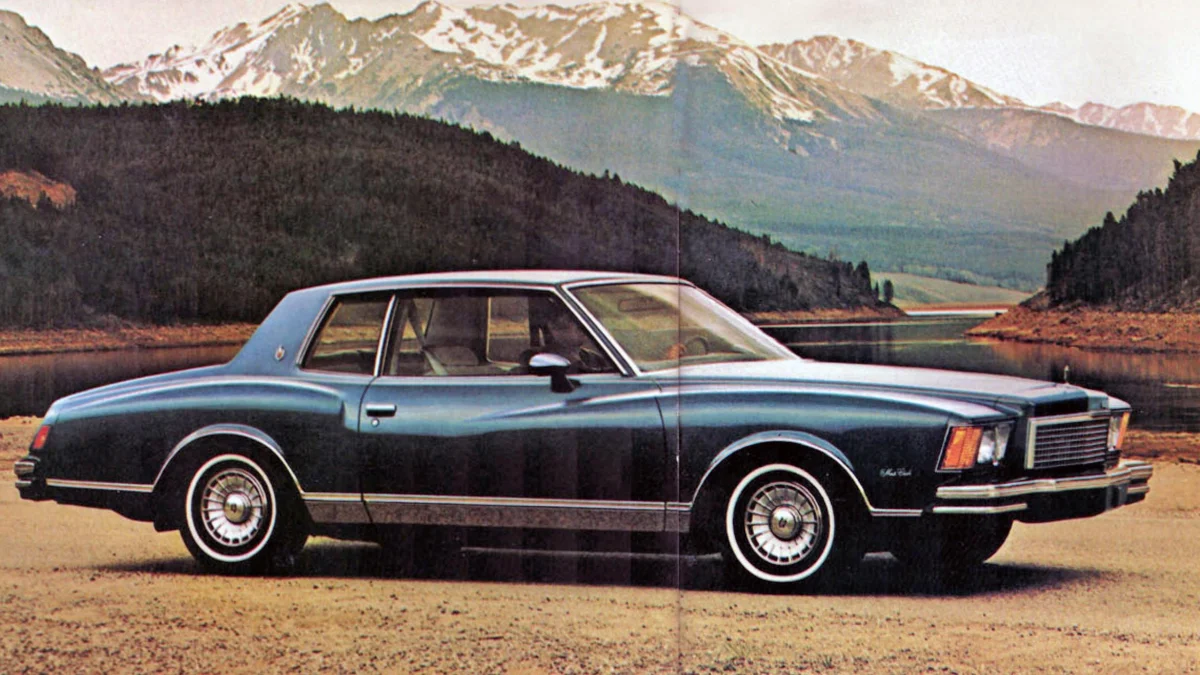
That distinction came up after a Hagerty reader questioned a description of the 1978–’80 Monte Carlo and the 1981–’89 models as entirely different cars. The reader argued that the 1981 update was a refresh, not a new generation, and compared it with the Chevrolet Caprice, which retained its basic identity from 1977 through 1990. The question is harder to settle for cars such as the Ford Panther platform models, which changed substantially between 1991 and 1992, or the Volkswagen Type 1, whose long production history spans cars that look and feel far removed from one another.
There’s no single industry-wide cutoff in this account. The useful distinction is between a mid-cycle refresh and a clean-sheet design. The first updates an existing vehicle; the second rebuilds its identity through substantially different design, packaging and engineering.
What a refresh can change
A mid-cycle refresh can involve more than new bumpers. Manufacturers may revise roof pillars, door trim, front and rear fascias, powertrains, chassis components, suspension, brakes or electronics. The aim is to keep a vehicle current while its basic design continues toward replacement.
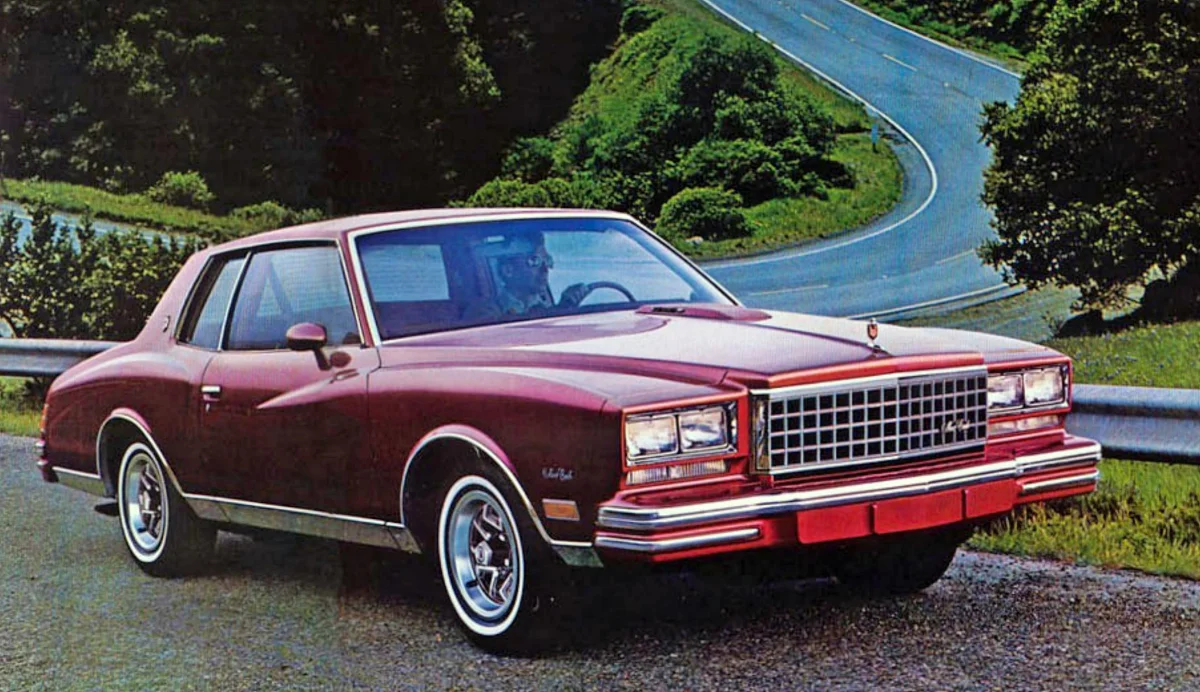
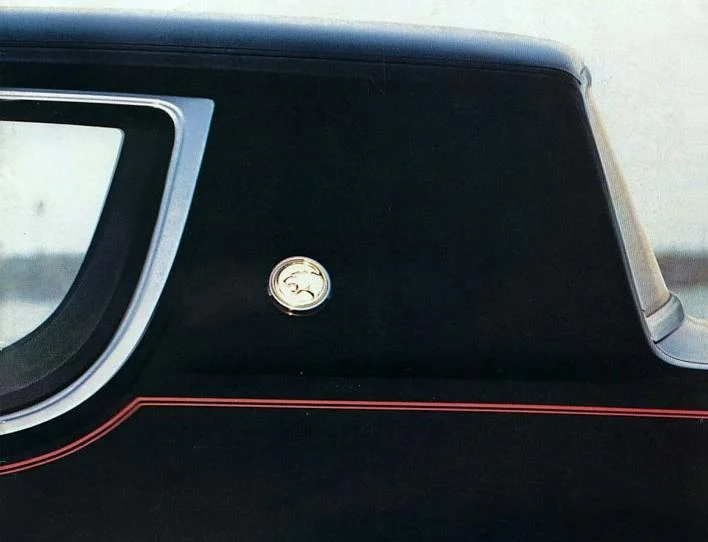
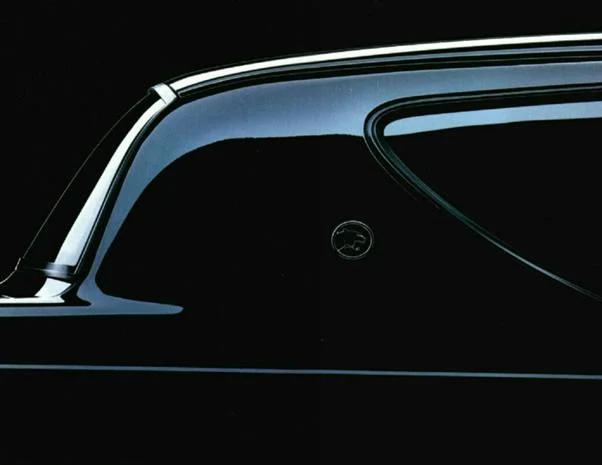
The Monte Carlo’s 1981 update fits that pattern. Its A-body designation gave way to G-body, and the car received a colonnade treatment, including a redesigned roof pillar. That’s a substantial visual change, but a revised body detail doesn’t by itself establish a new generation.
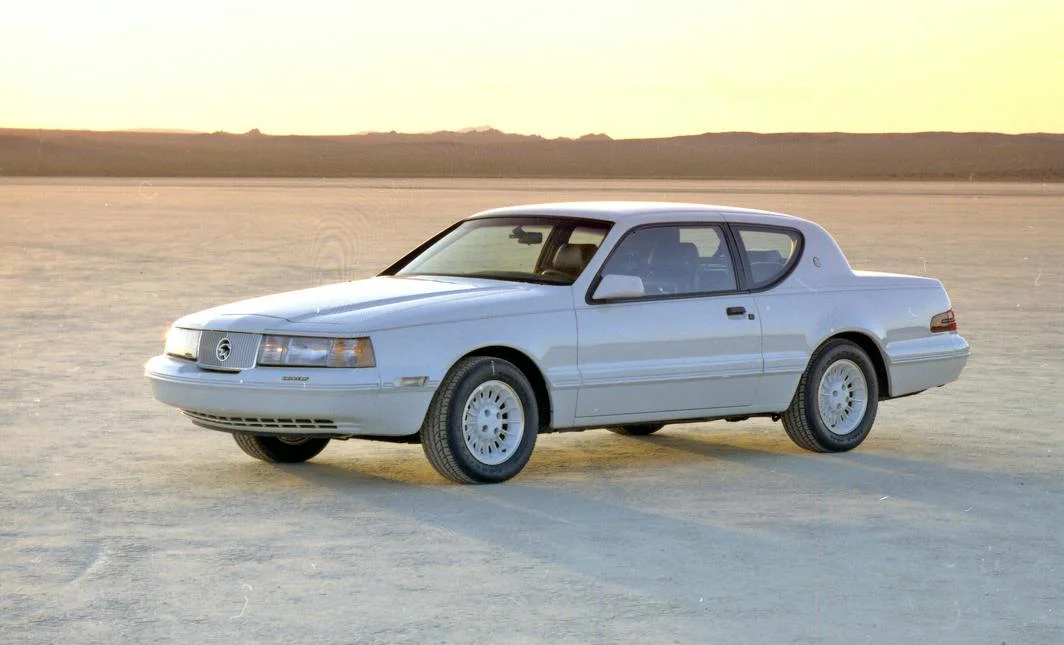
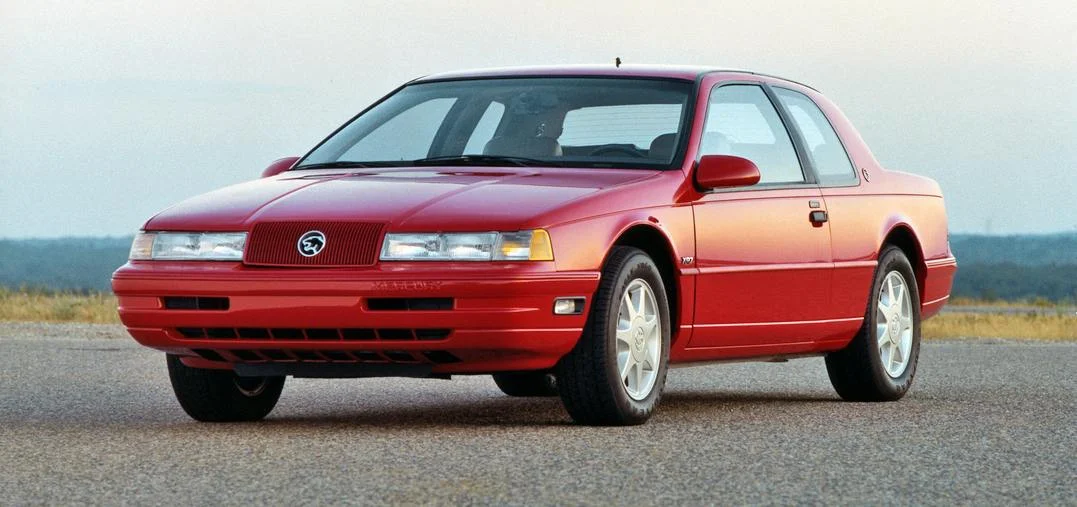
The Mercury Cougar offers a similar example. The 1986 and 1987 cars show how a refresh can go beyond surface trim: the later version had larger, flush-mounted side glass and convex rear glass. Those changes alter the car’s appearance and required more involved body work, yet they still belong to an update of the existing design.
For buyers comparing used cars, the distinction helps explain why a model can look noticeably different across a few years while keeping much of its original architecture. A refresh may bring useful equipment or mechanical changes, but the basic cabin and body proportions can remain familiar.
Signs of a clean-sheet redesign
A new generation should change the car’s overall volumes: the shape and proportions of the hood, passenger compartment and cargo area. Looking at the vehicle from several angles, inside and out, should reveal a new design rather than a collection of revised panels. A different roof is one clue, but the broader question is whether the body and packaging have been rethought.

The Volkswagen Type 1 is an unusually challenging case because the name covers a vast span of development, from an early Beetle to the late South American Fusca. The source’s argument is that the Type 1 comes close to the rare clean-sheet automobile: a design created from the ground up, rather than an evolution of an earlier production car. The 2013 Tesla Model S is another close comparison, although it used some smaller components shared with Daimler-Benz and Ford. A clean-sheet design doesn’t require every switch or pedal to be unique; it requires the vehicle as a whole to be new.
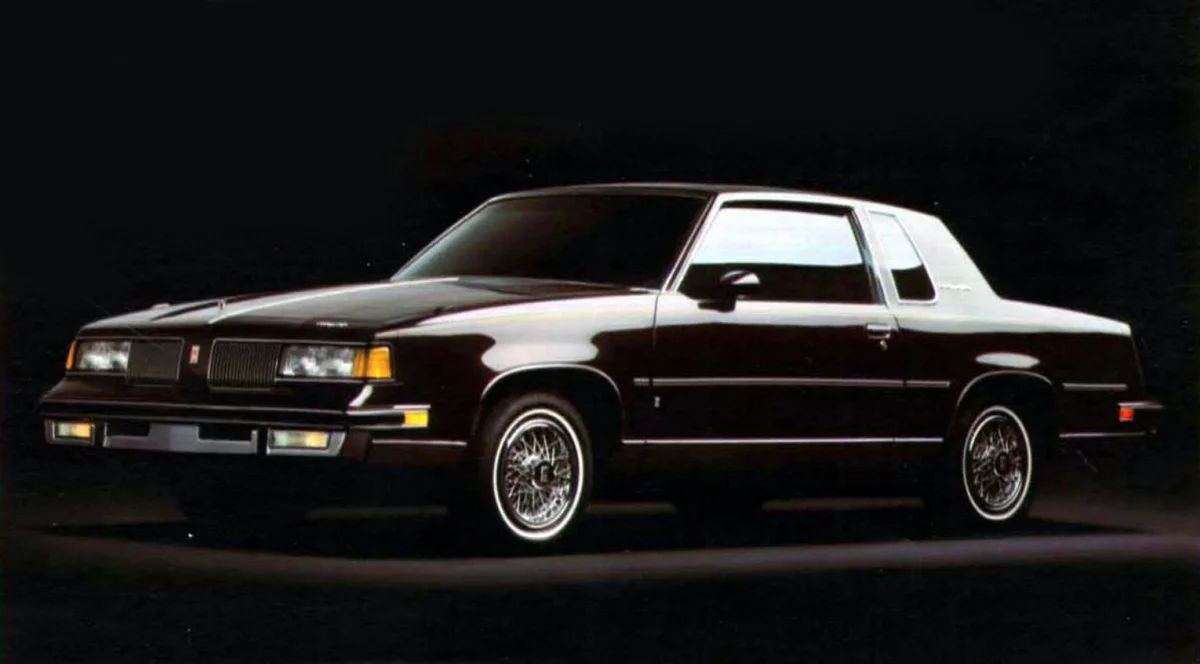
That makes nameplates a poor guide on their own. A familiar badge can continue through a major redesign, while a renamed car may share much of its predecessor’s structure. The change from the traditional G-body personal luxury coupes to GM’s GM-10, also known as the W-body, illustrates how dramatic a redesign can be while the nameplate carries on.
Why the GM-10 stands out
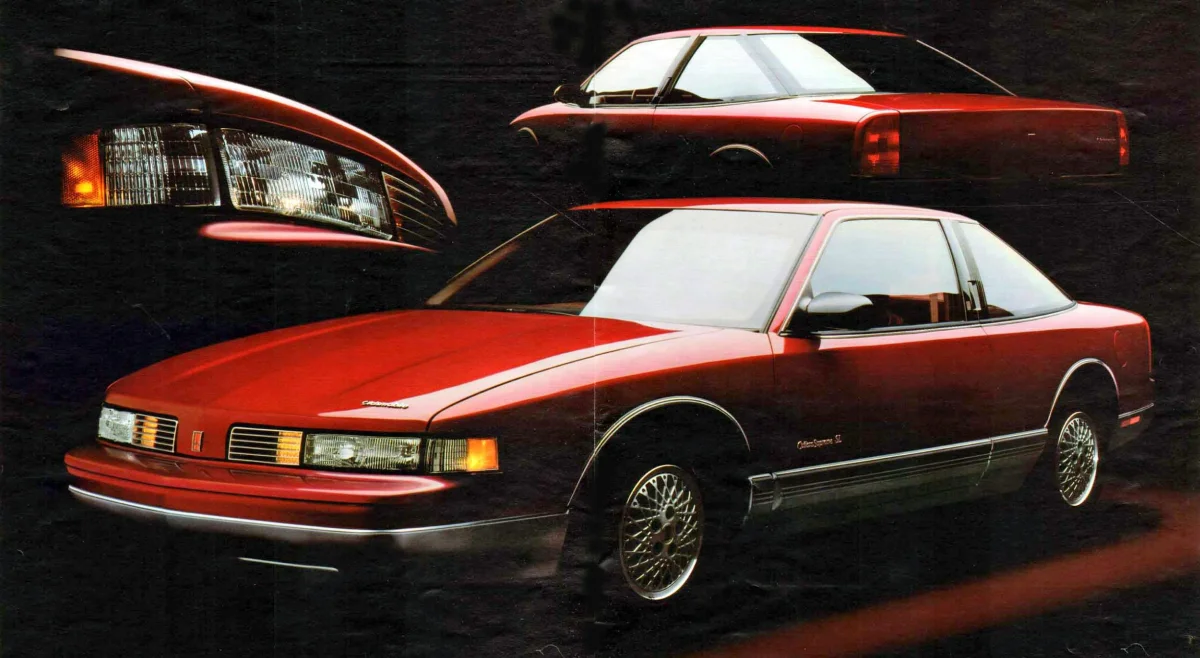
The GM-10 Cutlass Supreme and Buick Regal moved beyond the G-body’s styling and proportions. They used a different set of wheels, adopted a V-6 that was new to the platform, and presented a sharply different cabin and exterior. The packaging changed too: the engine bay became tighter while the passenger and cargo spaces felt more expansive.
That combination matters more than any single component. A new engine or chassis can appear in a substantial update, and an all-new body can retain some familiar mechanical pieces. But when the proportions, interior space, exterior shape and underlying layout all shift together, the case for a new generation becomes much stronger.
The 1949 Ford shows why mechanical carryover complicates the label. Its design represented a major change, but it retained the L-head six and flathead V-8 from earlier models. A clean-sheet redesign doesn’t have to replace every part; it has to create a convincingly different vehicle. In the GM-10’s case, the scale of the design and packaging change made the transition especially clear.
Ford’s MN-12 platform, used by the Thunderbird and Cougar, is another strong example. The redesign left little interchangeability with the preceding cars, yet Ford kept rear-wheel drive. That’s a useful reminder that a new generation needn’t discard a defining layout to qualify; continuity in one major attribute can coexist with a near-total redesign elsewhere.
For the Monte Carlo, then, the 1981 model is best understood as a thoroughly revised version of the existing car. The more useful test is whether a redesign changes the vehicle’s shape, space and underlying concept together. That leaves room for judgment, but it gives drivers and enthusiasts a clearer way to compare model years than relying on badges or platform names alone.


