In lane Electric Vehicles
Simpson Design Turns Mazda Miatas Into Italian-Inspired Coachbuilt Cars
Description
Jim Simpson pairs Miata mechanicals with hand-shaped, European-inspired bodies, creating distinctive cars built for everyday driving.
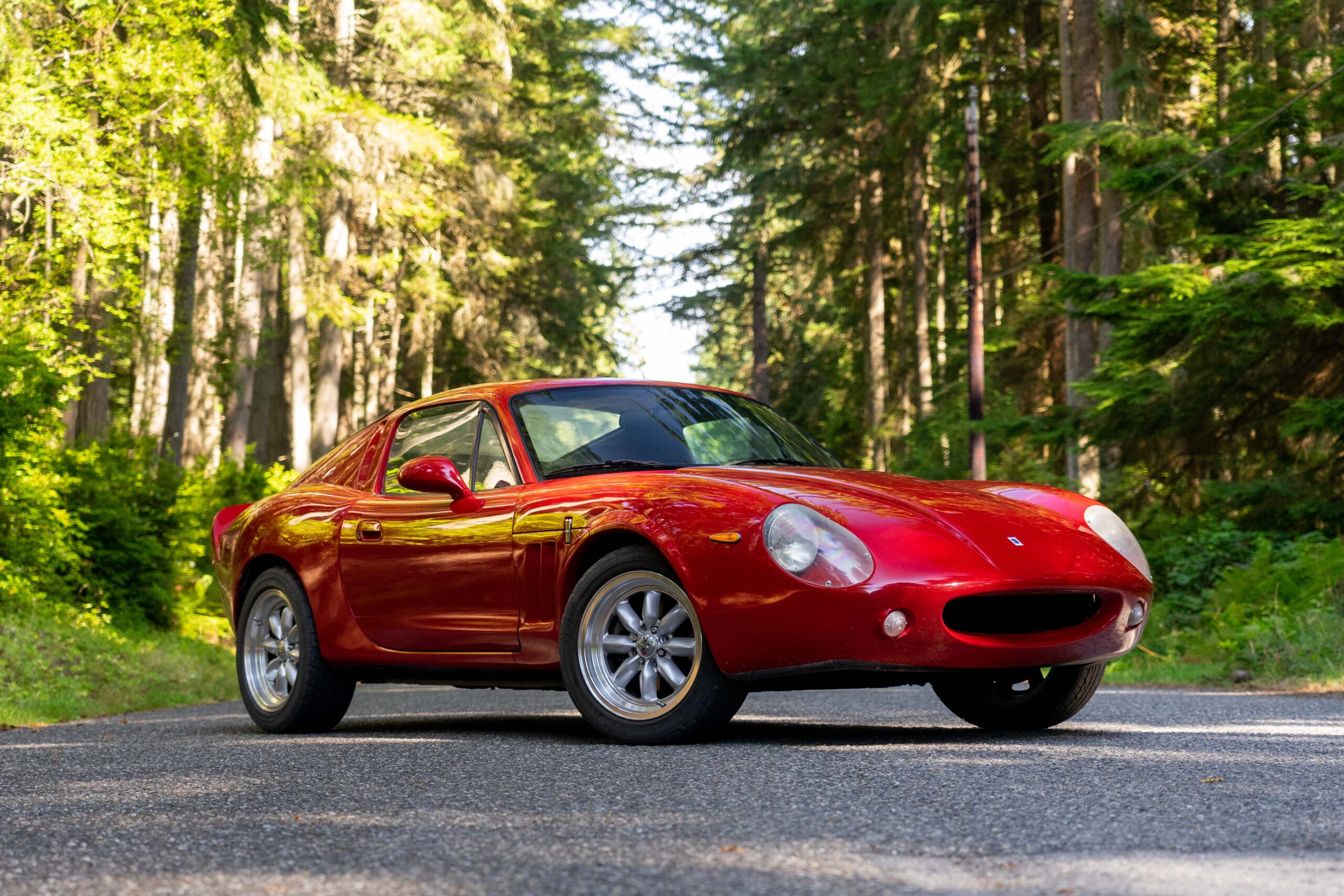
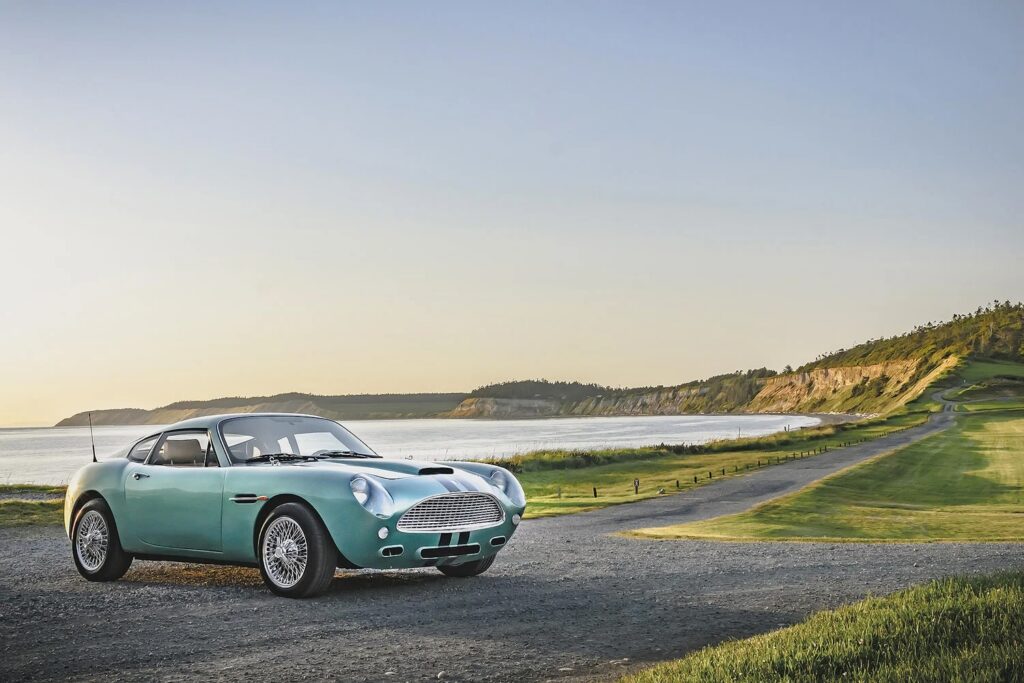
Jim Simpson’s cars make a persuasive case for the Mazda Miata as a modern base for coachbuilding: familiar, usable mechanics can underpin bodies with the character of small Italian sports cars. From his Whidbey Island shop west of Seattle, Simpson designs and builds these reinterpretations while also restoring vintage vehicles.
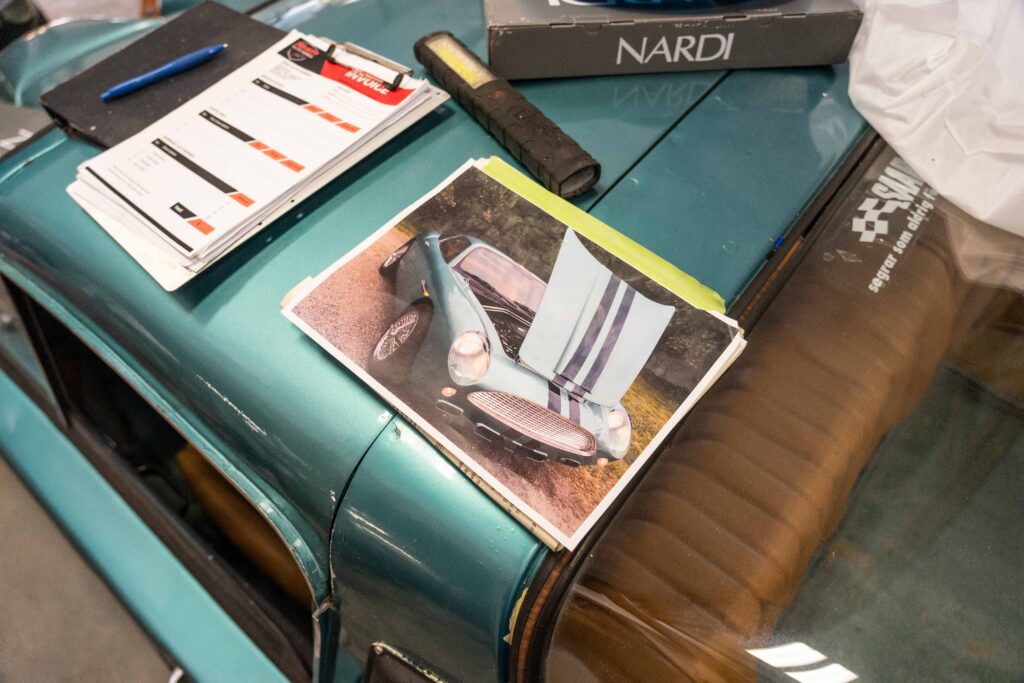
The idea has roots in a much less likely Mazda. Simpson once owned Blue Ray I and II, a pair of Lancia Aurelia-based cars commissioned by steering-wheel specialist Nardi and styled by Giovanni Michelotti, then built by Vignale. At Monterey Car Week, Blue Ray I received an award at Pebble Beach. The pair had appeared in Monterey more than 30 years earlier, alongside a third car: Blue Ray III, built on the chassis of a Mazda 929 sedan.
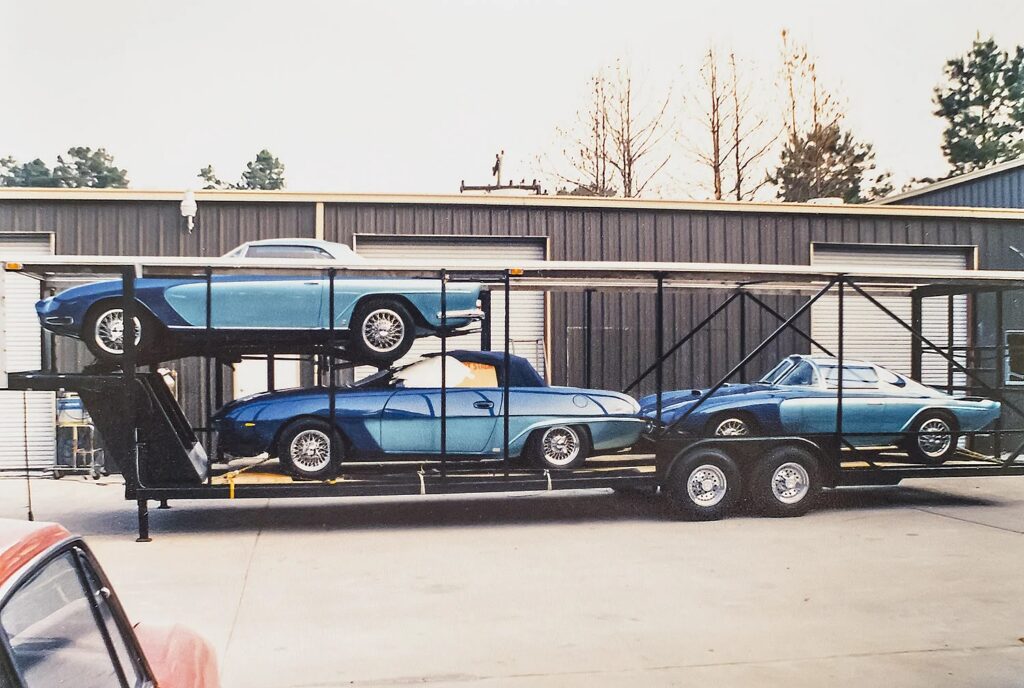
That Japanese-Italian mix became Simpson’s specialty. He had already spent years using Blue Ray II as a daily driver, and he continues to bring the same blend of design and mechanical practicality to his own projects. His shop has completed more than 200 cars, many of them based on Miatas.
Miata mechanics, coachbuilt character
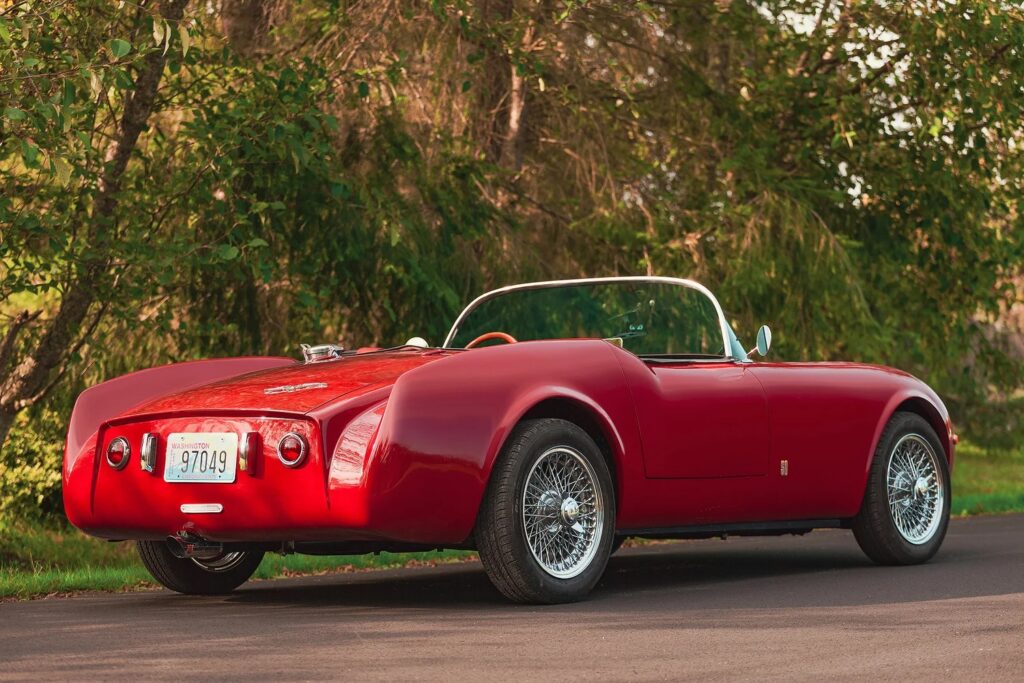
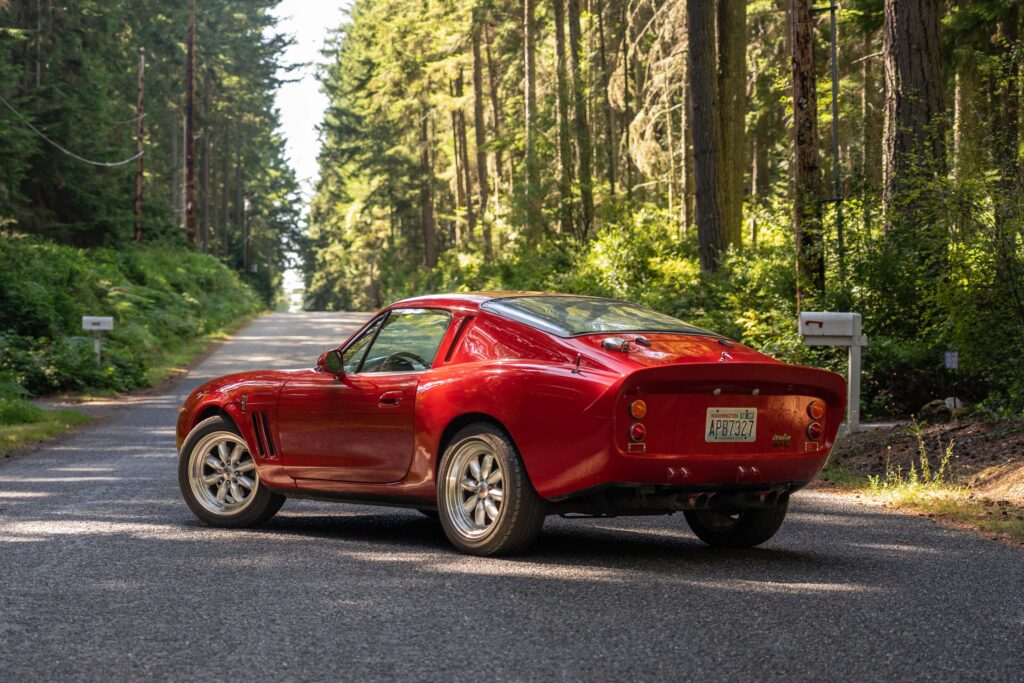
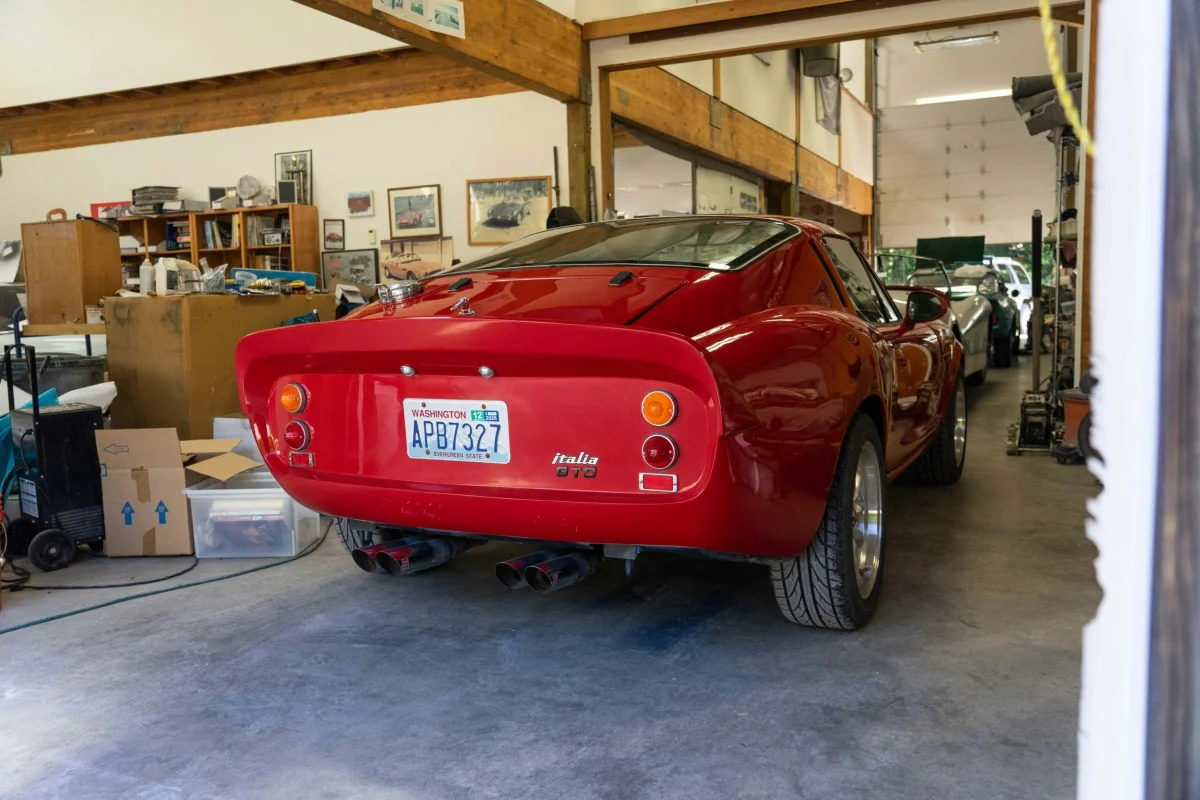
Simpson’s red Italia shows what the formula can deliver. Its styling draws on the Ferrari 250 GTO, while its compact foundation is an original, first-generation NA Miata. The car weighs about 60 pounds less than a stock MX-5 and has covered just over 160,000 miles. Simpson had driven it on errands the morning it was seen, a useful illustration of the road-going role behind the styling.
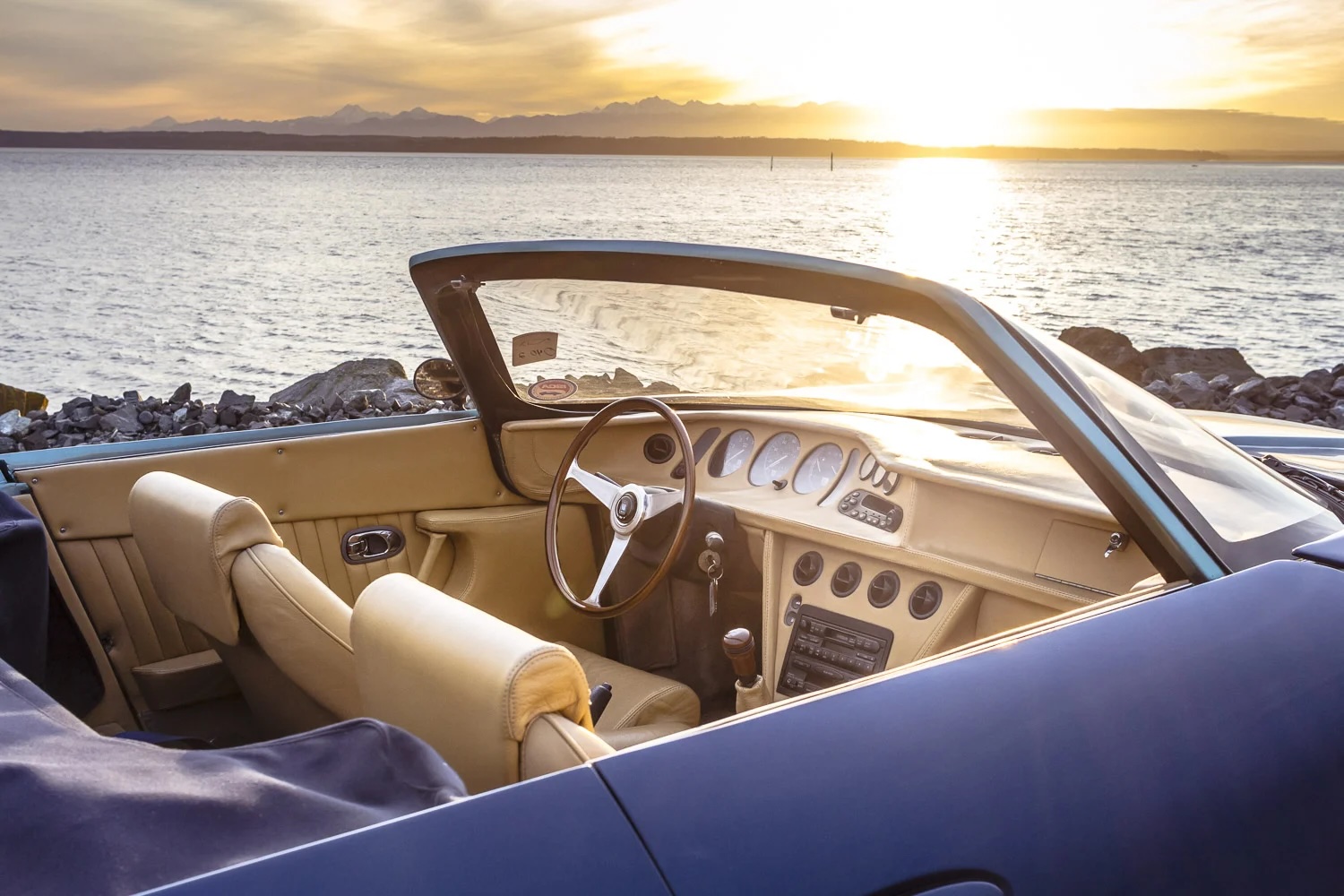
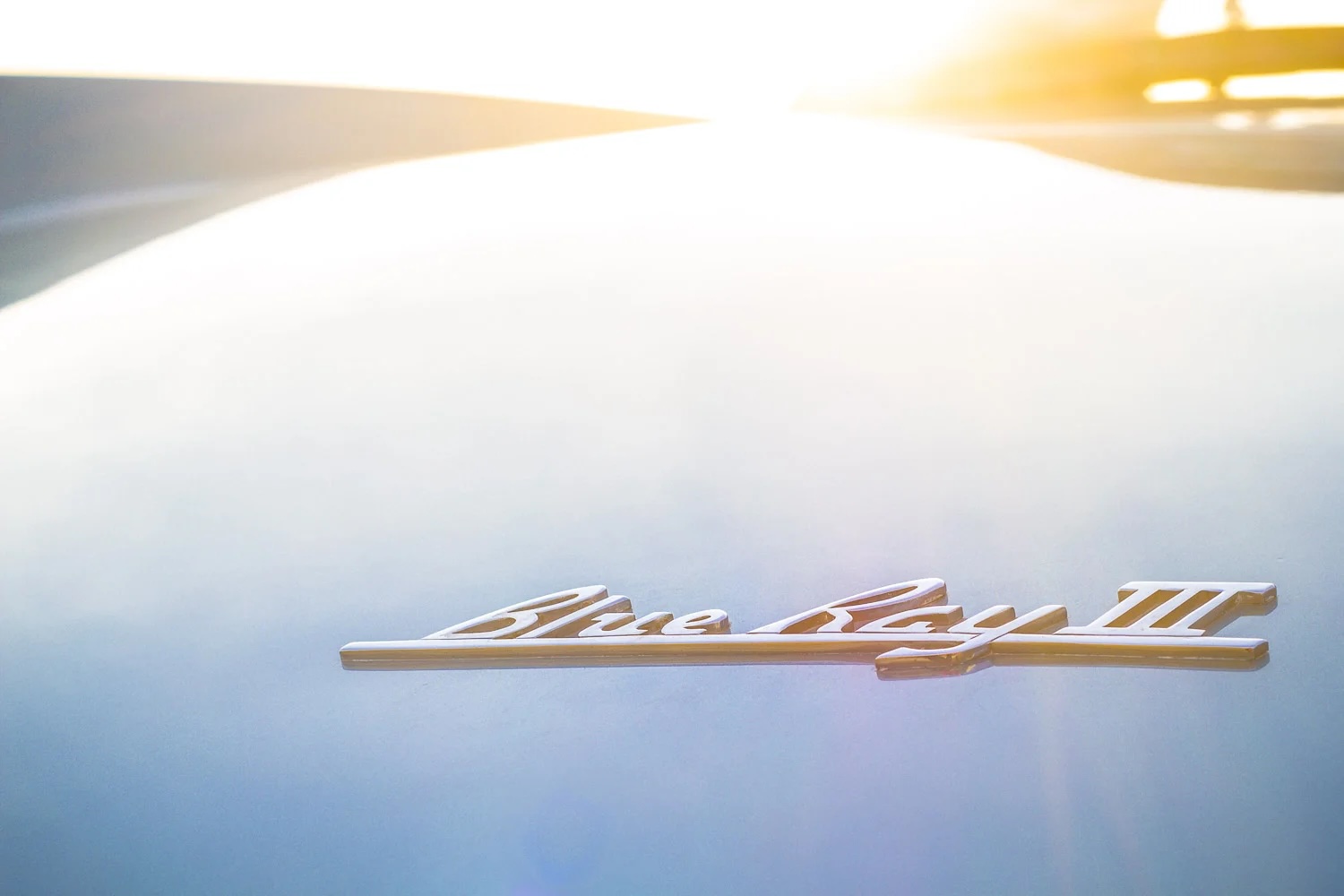
The appeal is more than a vintage look. Miata underpinnings give the Italia the familiar driving hardware and everyday usability associated with Mazda’s roadster, while the custom body makes it visually distinct. Simpson says the cars aren’t replicas of existing models or direct tributes. He draws from past design languages, then reshapes those influences into his own work.
That approach connects the cars to the old Italian tradition of etceterini: small, often rare sports cars shaped by specialist coachbuilders, commonly using Fiat engines and gearboxes. Firms such as Ghia, Pininfarina and Vignale helped define the era. Simpson’s cars bring a similar handmade spirit to a widely familiar Japanese roadster platform.
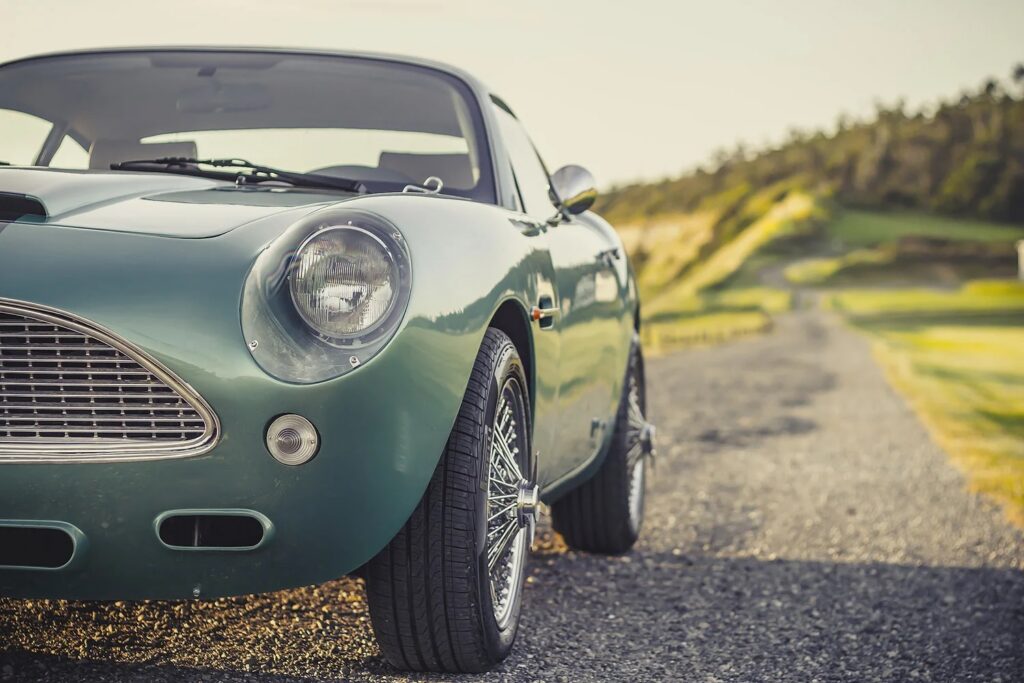
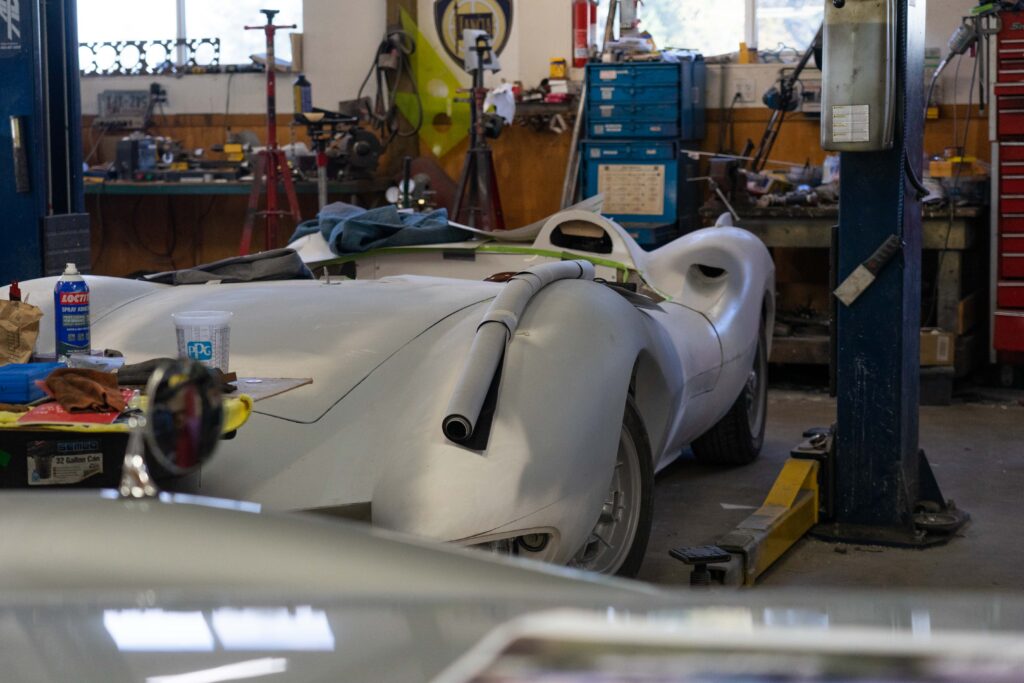
His process starts with sketches, followed by scale models that let him judge the design in three dimensions. He then shapes a body in steel and uses it to form molds for fiberglass. Italia variants take cues from different Italian design traditions, including Zagato bodies and Pininfarina Ferraris.
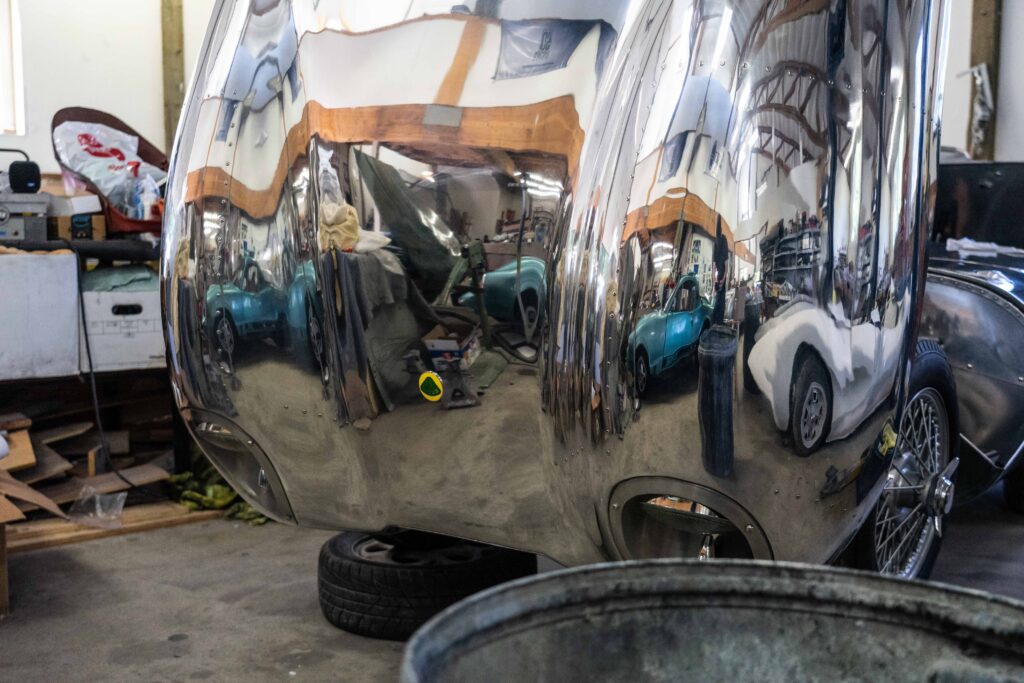
The Japanese maker Mitsuoka offers a point of comparison, using coachbuilding to give ordinary production cars unusual bodies. Simpson’s method is more rooted in traditional coachwork, with his own models and hand-shaped forms guiding the finished design.
From Blue Ray III to the Miami Roadster
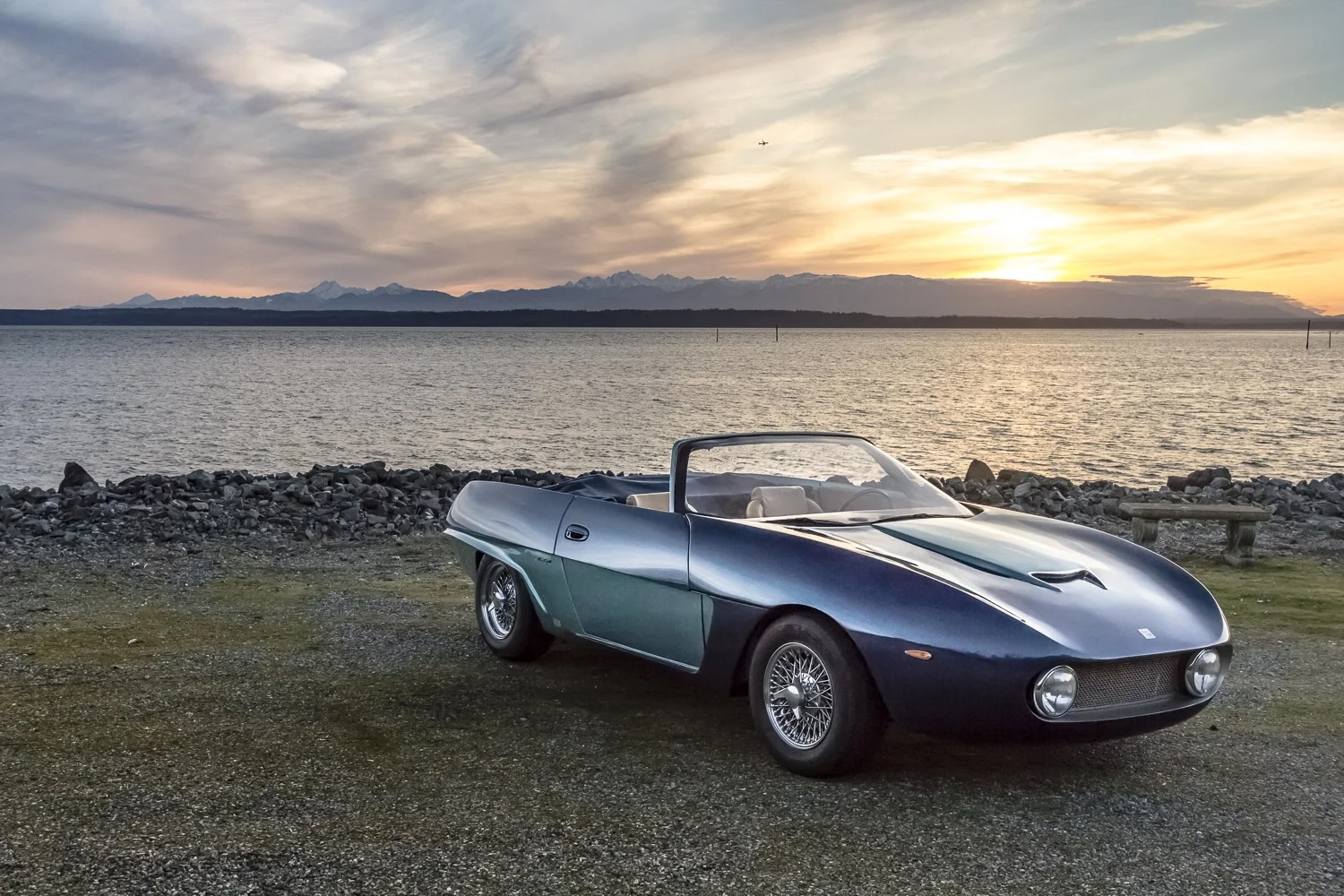
Blue Ray III helped open the door to Simpson’s Miata work. Mazda was impressed by the car he built on the shortened 929 chassis and sent him a then-new NA Miata with a simple brief: “Do something interesting.” Simpson chose the pointed profile of a Ferrari Daytona Spyder as inspiration, producing the Miami Roadster.
The design also nodded to the replica Daytona driven in Miami Vice, which used Corvette mechanicals. Simpson took his own car to Monterey and parked it beside a genuine Daytona Spyder. One attendee called it cute; the reaction captured his intent. The Miami Roadster wasn’t presented as a Ferrari copy, but as a small Mazda with an independent personality and a clear affection for classic sports-car shapes.
A restoration shop with room for oddballs
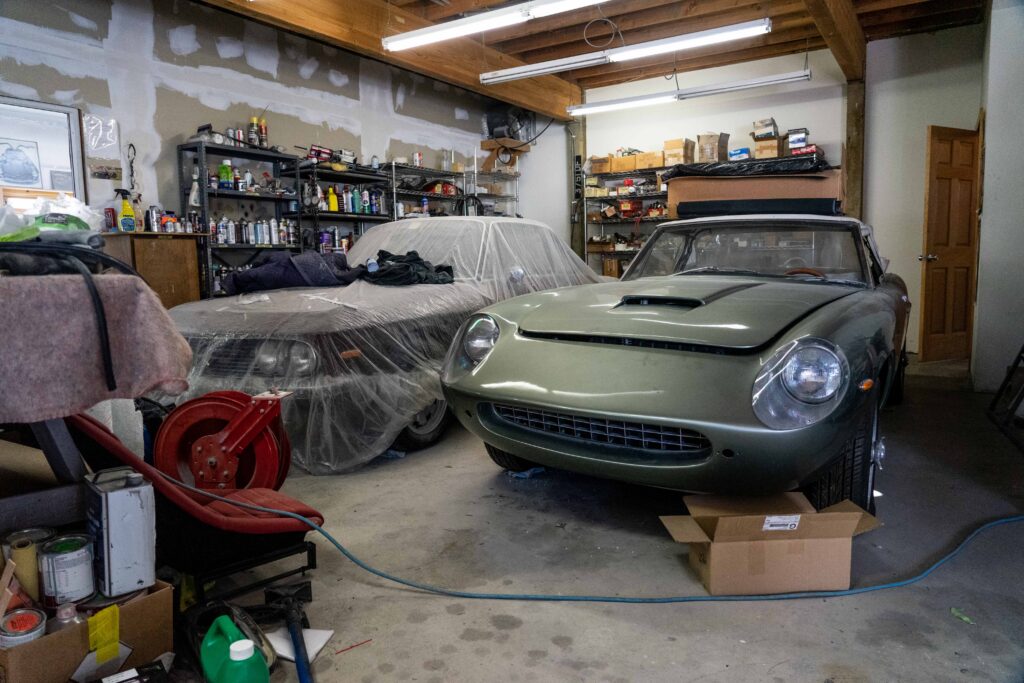
Custom coachwork is only one part of the business. Restoration is its main focus, and Simpson’s background as a mechanic informs the work. In Texas, he trained under Herman Krause and Hasso Schröeder, who demanded careful assembly; Simpson recalls having to start over if he missed even one washer while fitting an exhaust. He credits that strict apprenticeship with sharpening his skills, alongside an early fascination with European sports cars.
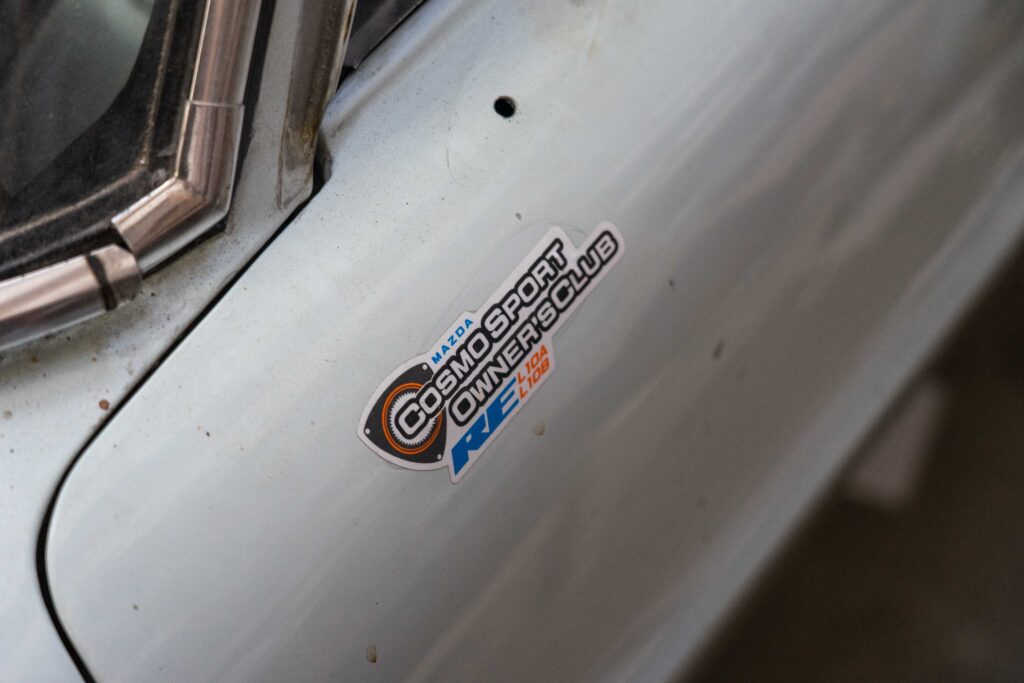
The shop and its outbuildings also hold a personal collection that ranges well beyond the Miata. Simpson’s cars include a Saab Sonett he bought in high school, a TVR, an Isuzu 117, a first-generation Nissan Silvia and a Mazda Cosmo.
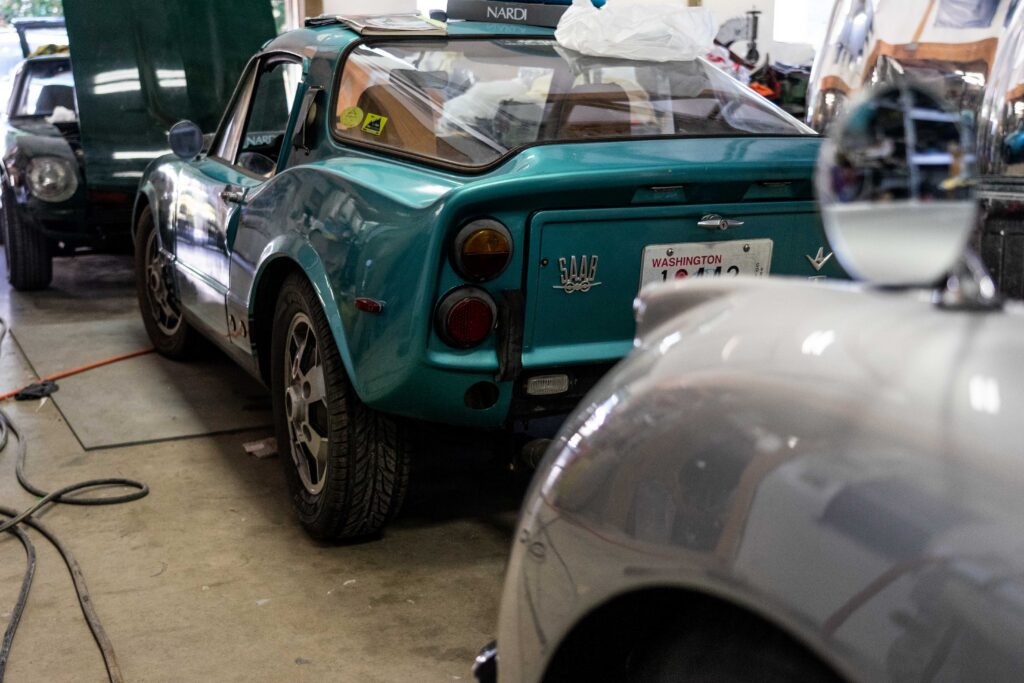
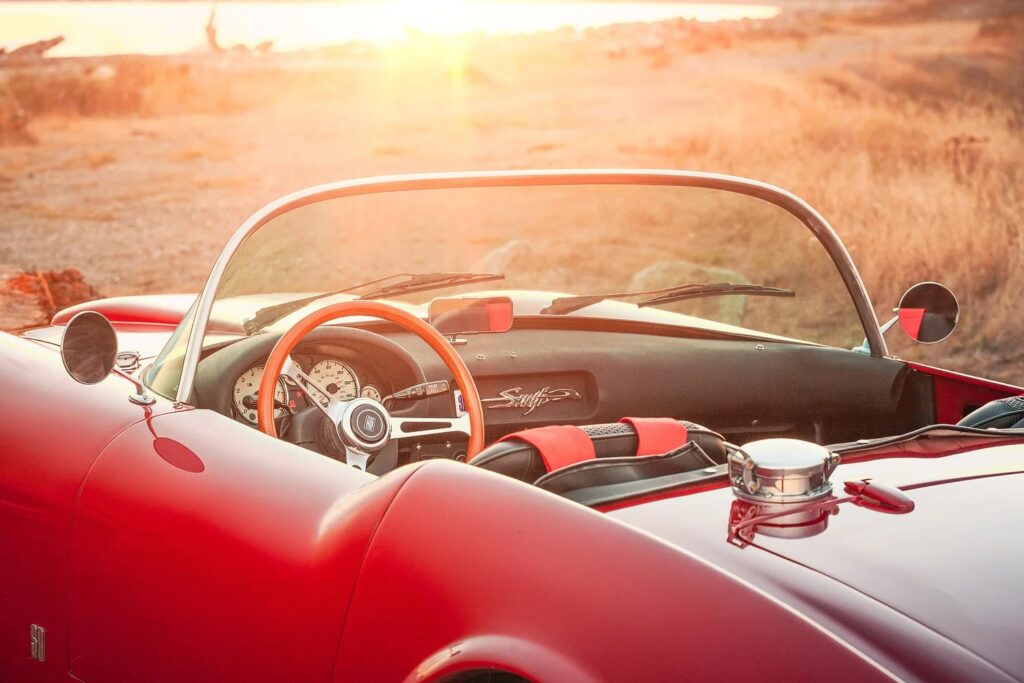
One of his more unusual creations is the Swift, which uses a bespoke tube-frame chassis and retains the Miata’s subframes and 1.8-liter powertrain. Its 140 horsepower moves a 1,400-pound car. Nearby is a Speed Racer Mach V build, a replica of a fictional car, with a twin-carburetor setup adapted to its Mazda-sourced four-cylinder engine. An Italia GTZ is also taking shape for a customer.
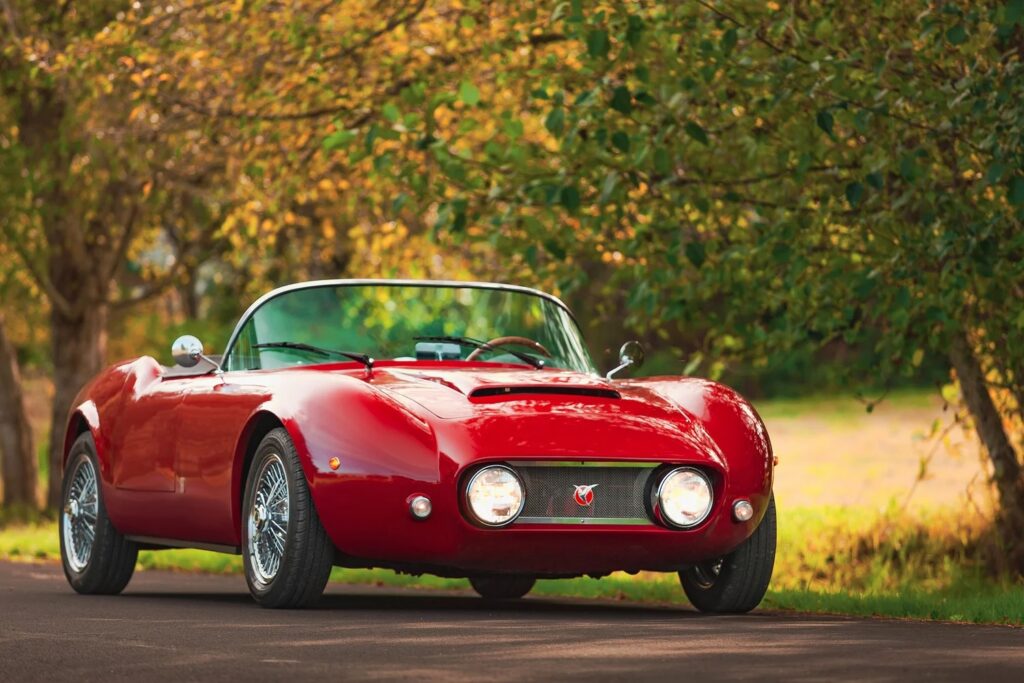
For buyers, the Italia’s strongest proposition is the combination of Miata-based practicality and one-off character. Simpson’s cars show how far familiar roadster hardware can go when the bodywork is designed and made by hand. The result keeps the approachable premise of a Miata while giving it the presence of a small coachbuilt special.