In lane Electric Vehicles
2026 Audi RS e-tron GT Review: Big Performance, Unsettled Design
Description
The $192,000 RS e-tron GT pairs more than 900 horsepower with striking details, but its styling often feels too close to the Porsche Taycan.
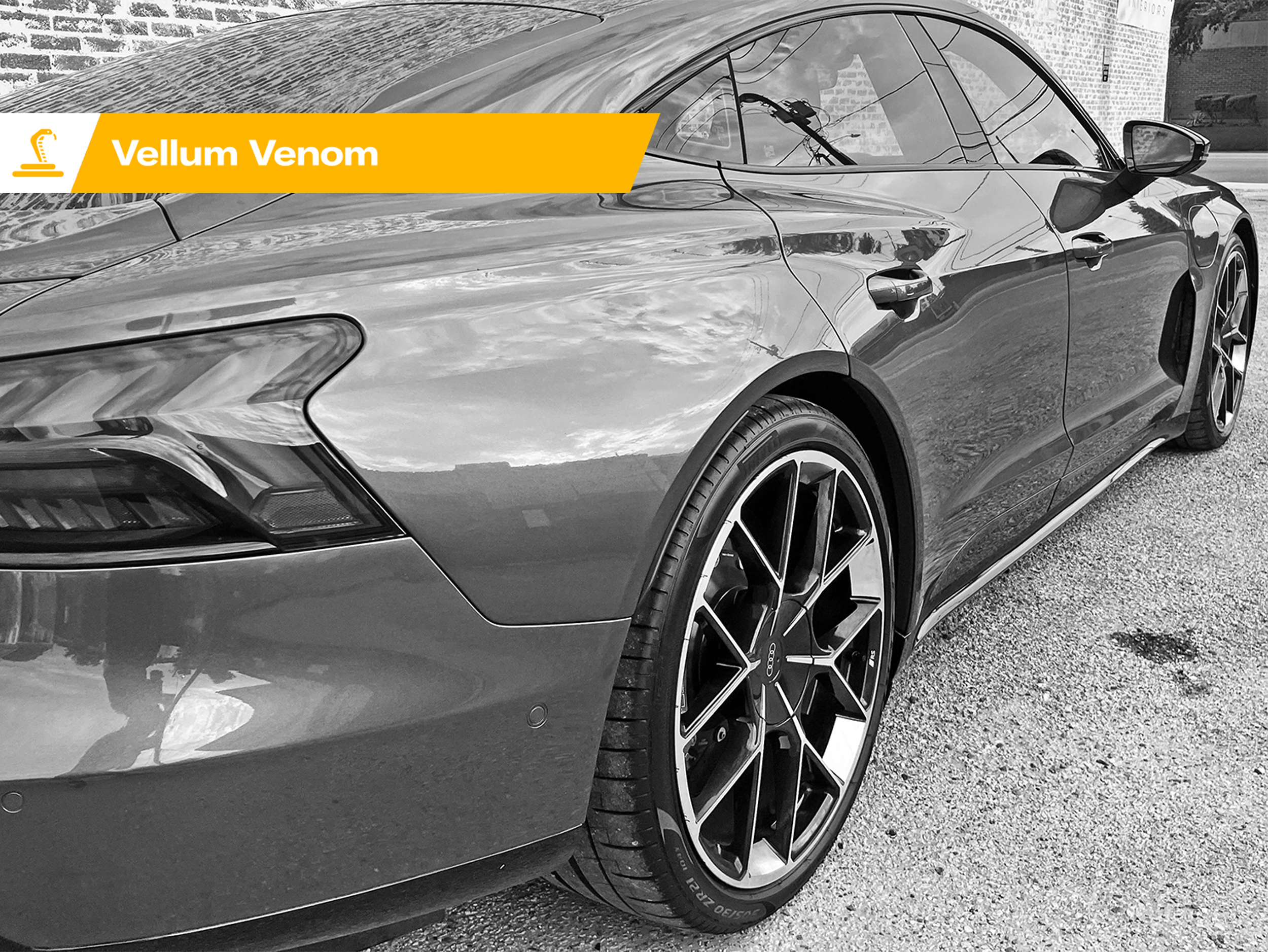
The 2026 Audi RS e-tron GT has the stance and power to make a strong first impression. Its low roof, wide tires and sharply worked body suggest a car built to turn heads, while more than 900 horsepower promises the pace to back up the show. At $192,000 for the example considered here, though, styling has to do more than look forceful. It needs to make the car feel unmistakably Audi.
That’s where this electric four-door gets complicated. Its proportions and several details are compelling, but the resemblance to the Porsche Taycan is hard to ignore. Audi has its own deep well of design and motorsport history to draw on; the RS e-tron GT often hints at that heritage without making it central to the car’s identity. The result looks expensive and fast, yet not quite distinctive enough for the price.
A bold shape with a familiar shadow
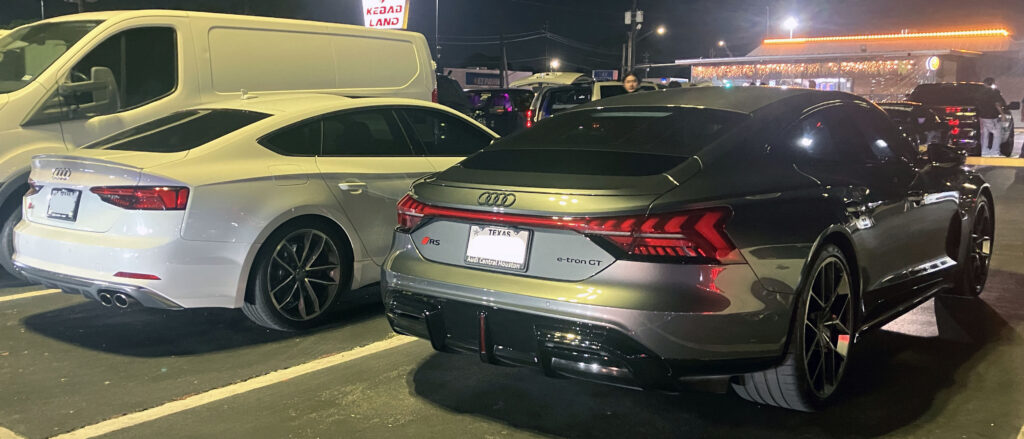
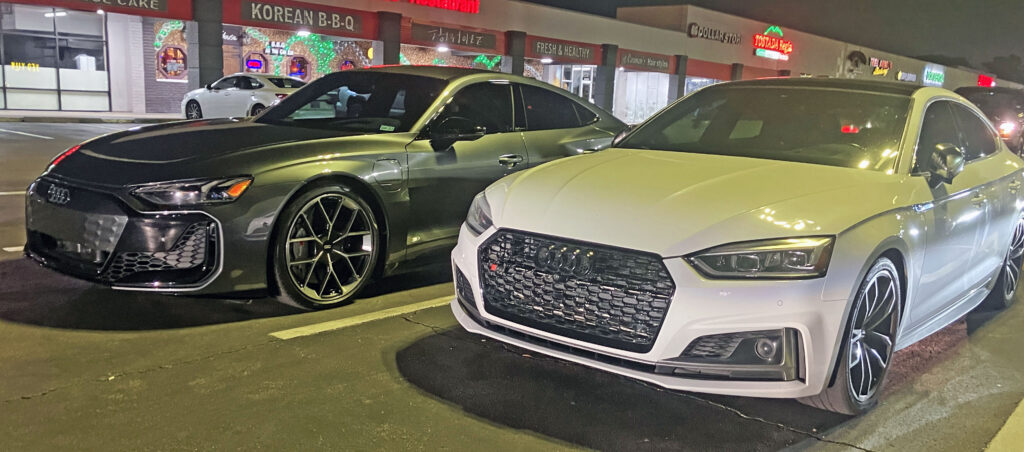
A comparison with a late-model Audi S4 at a local car gathering made the RS e-tron GT’s visual ambitions especially clear. The S4 looked like a sedan going about its business; the RS made a performance-car entrance. Its broad wheels, swollen arches and low cabin push Audi’s current design language toward an unusually dramatic extreme.
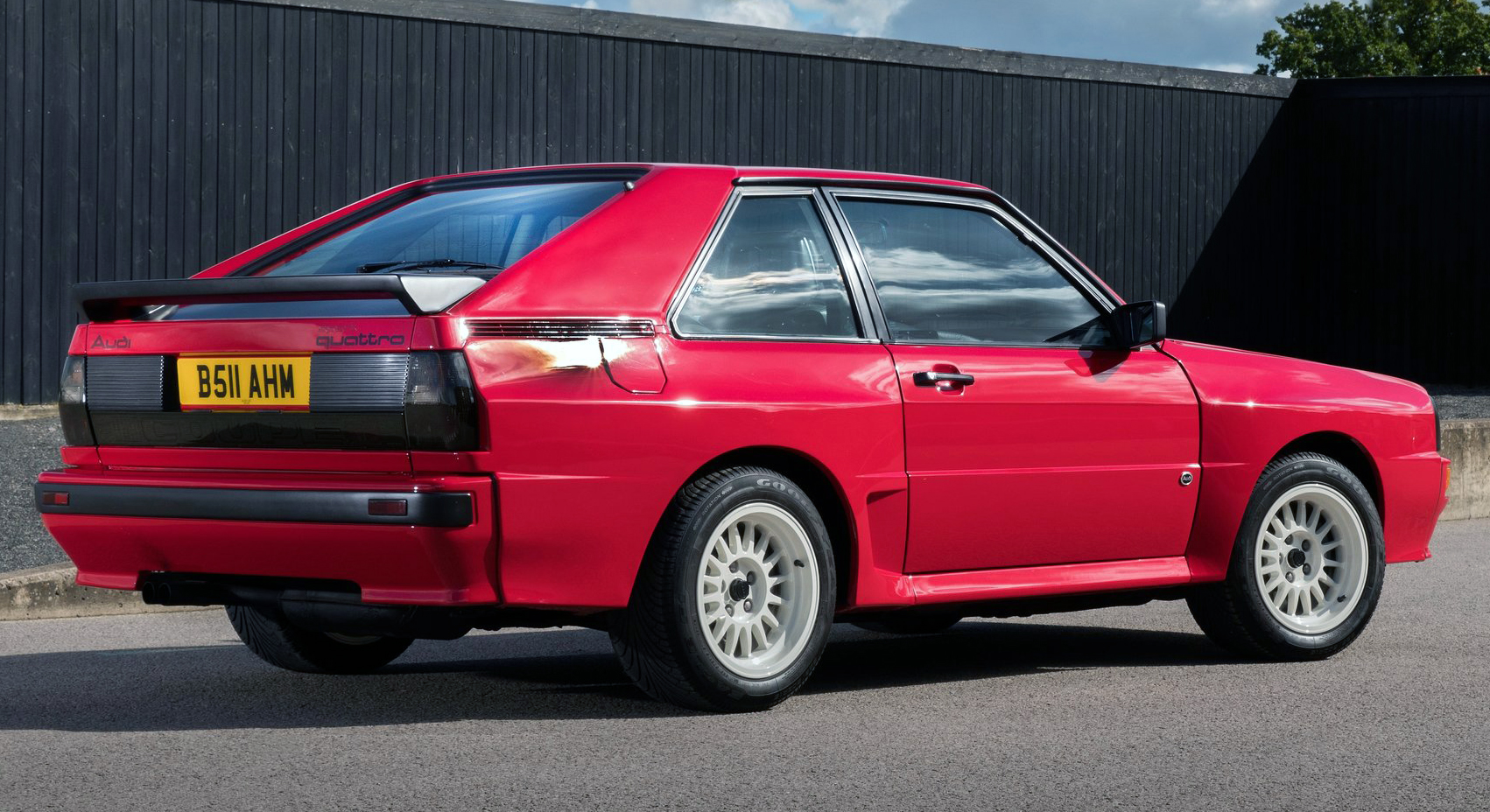
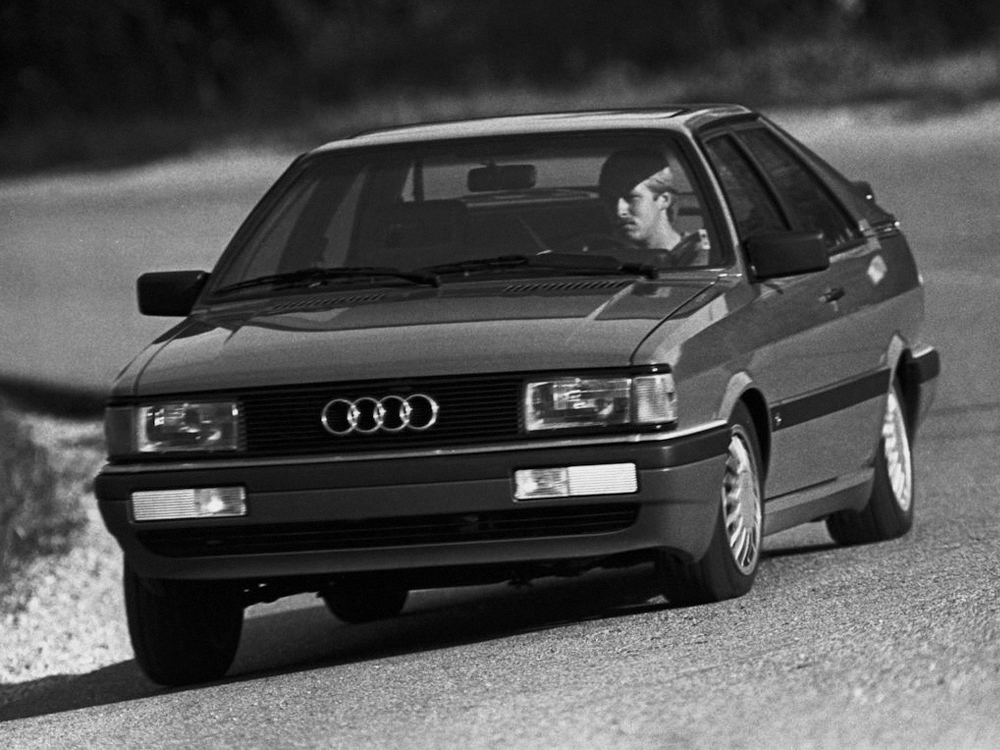
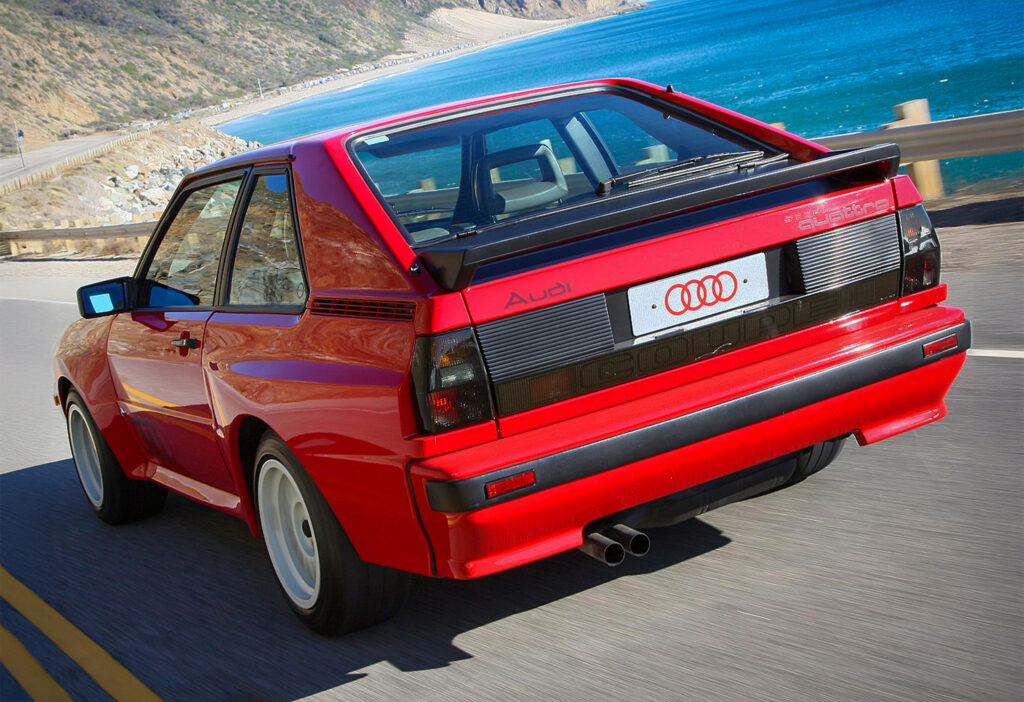
Audi has pulled off this kind of transformation before. The Sport Quattro took the Coupe GT’s basic shape and sharpened it with a shorter wheelbase and squared-off fenders. That heritage could have given the RS e-tron GT a more particular character. Instead, its basic design follows the same low, flowing formula as the Taycan, a car that was previously reviewed here in 2020. The Audi has its own details, but it doesn’t always use them to establish a clear visual distance from its Porsche counterpart.
The RS version starts at $170,500, while this example costs $192,000. The source describes the car’s output as more than 900 horsepower and its dynamics as flawless, but offers no range, charging, acceleration or efficiency figures. That leaves design carrying a substantial share of the case for choosing this Audi. At this price, buyers are paying for an emotional connection as much as a specification sheet.
Front-end detail, without enough calm
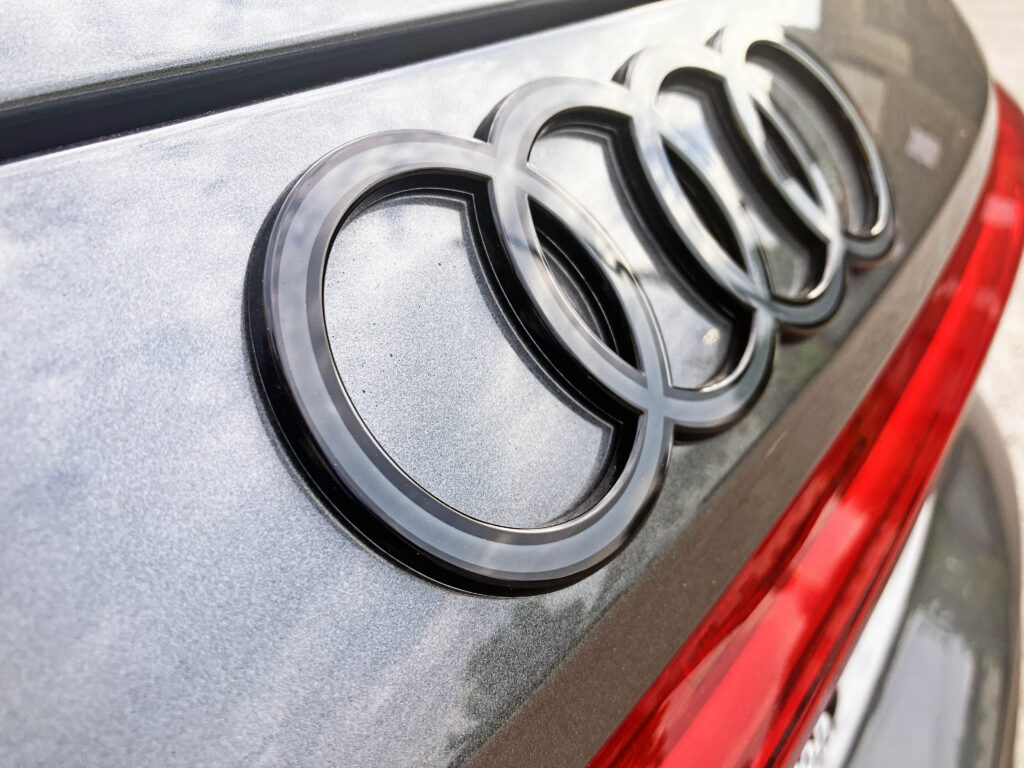
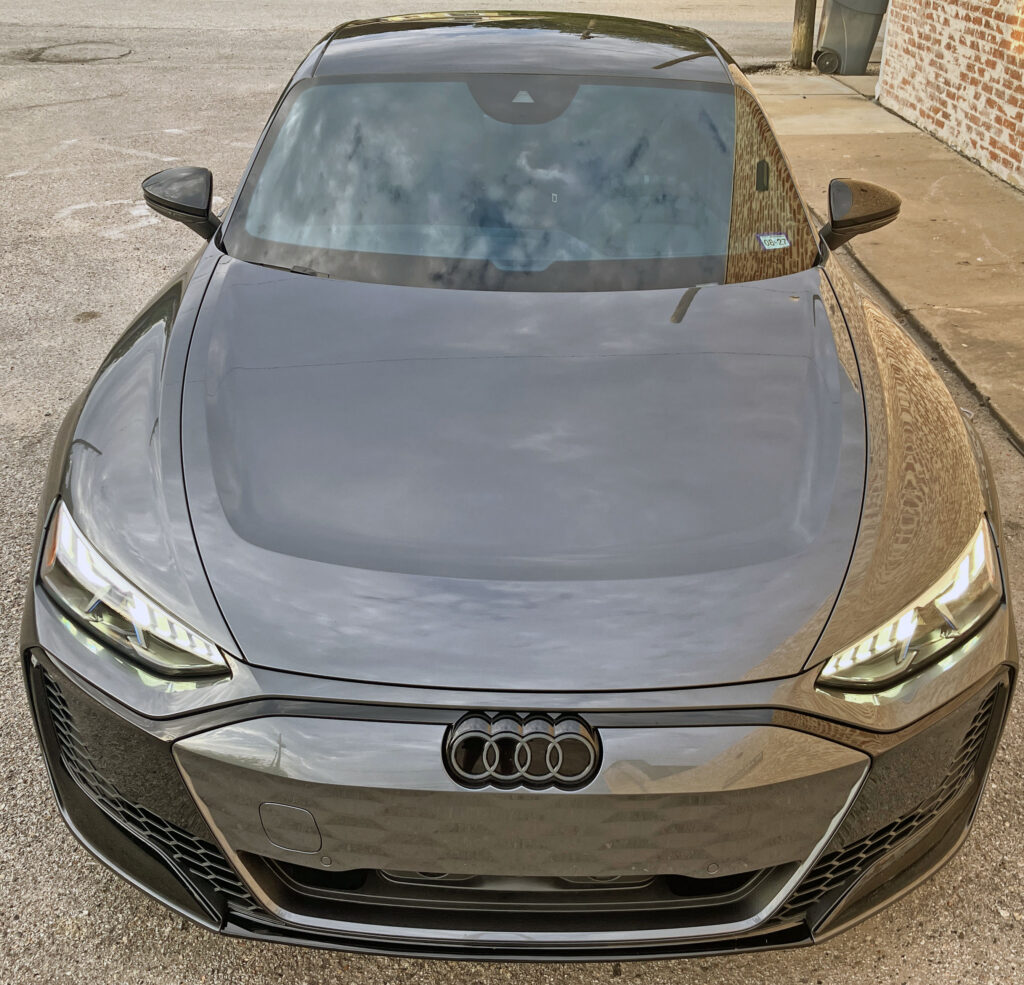
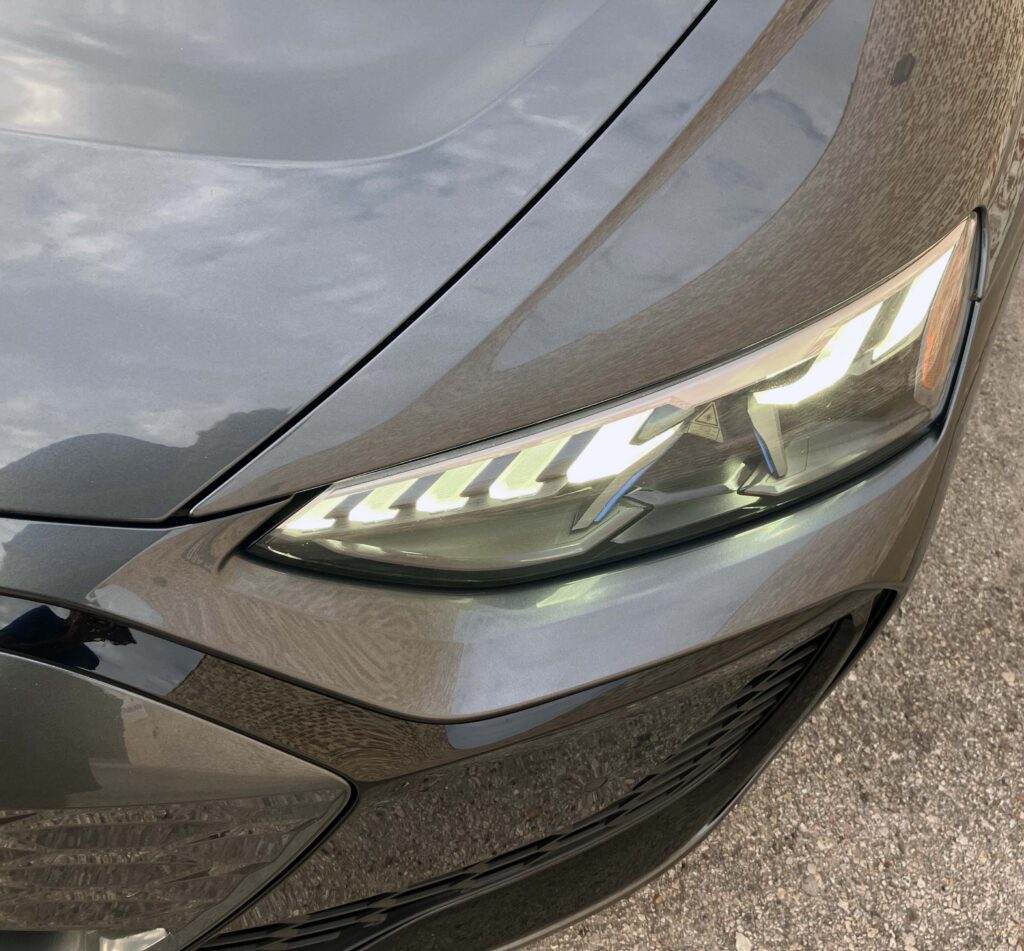
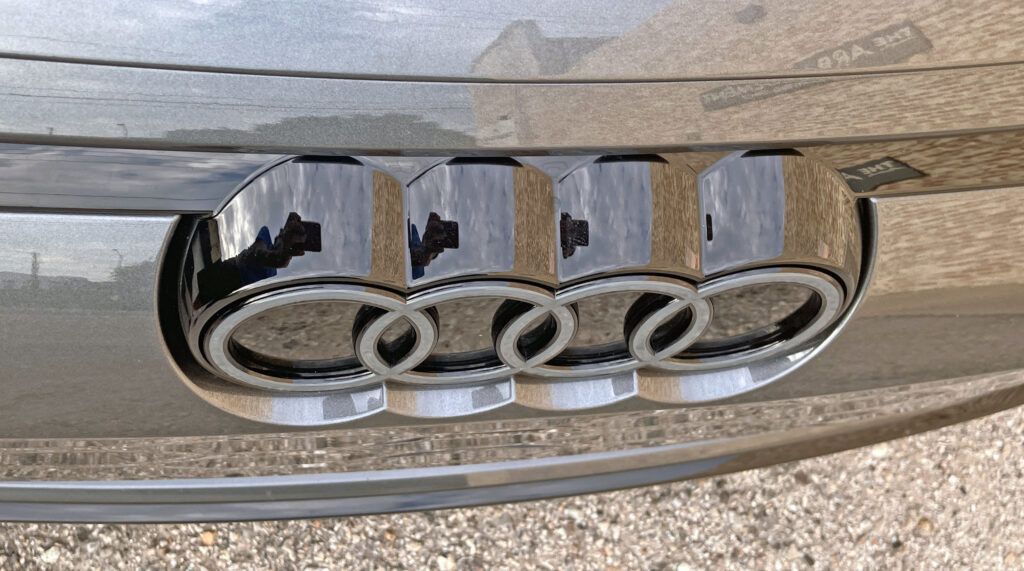
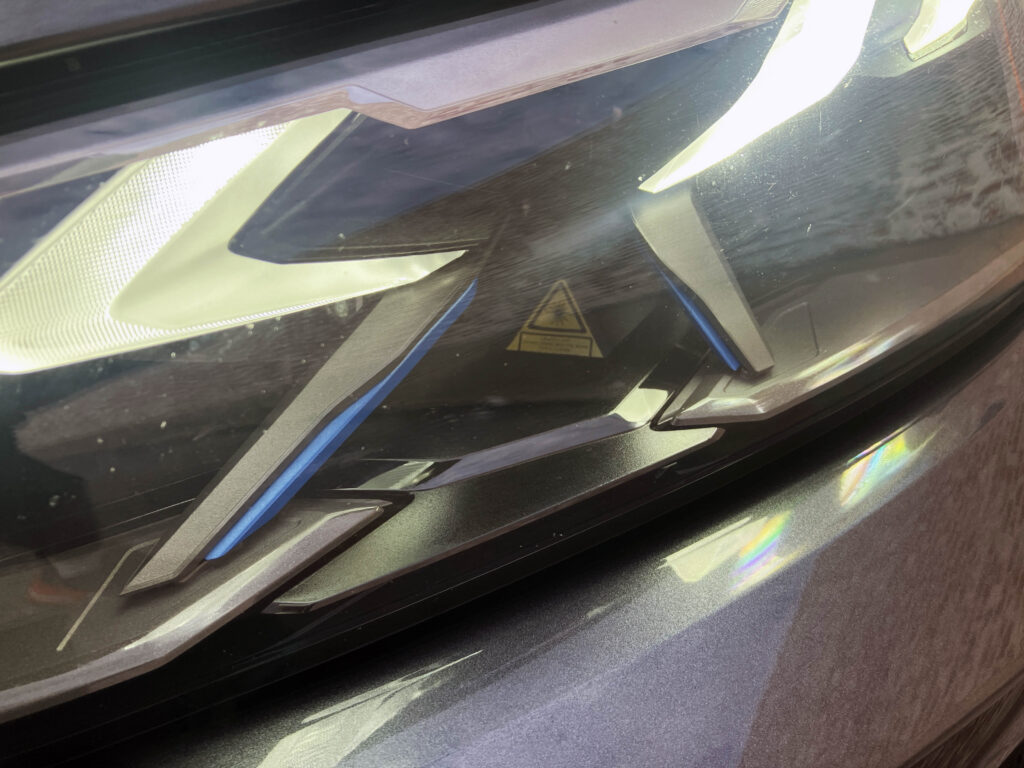
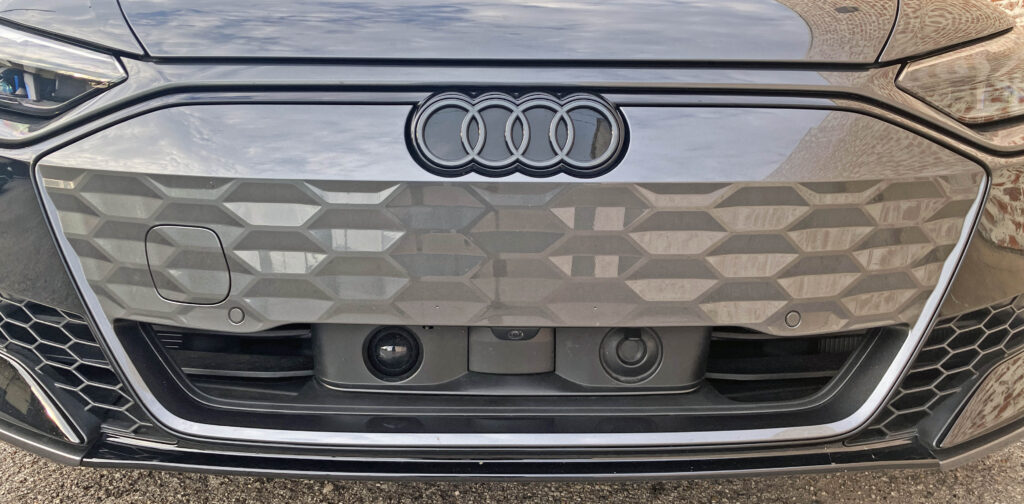
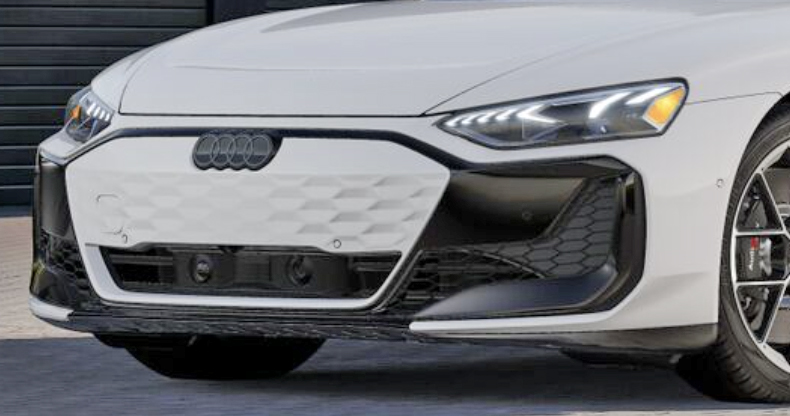
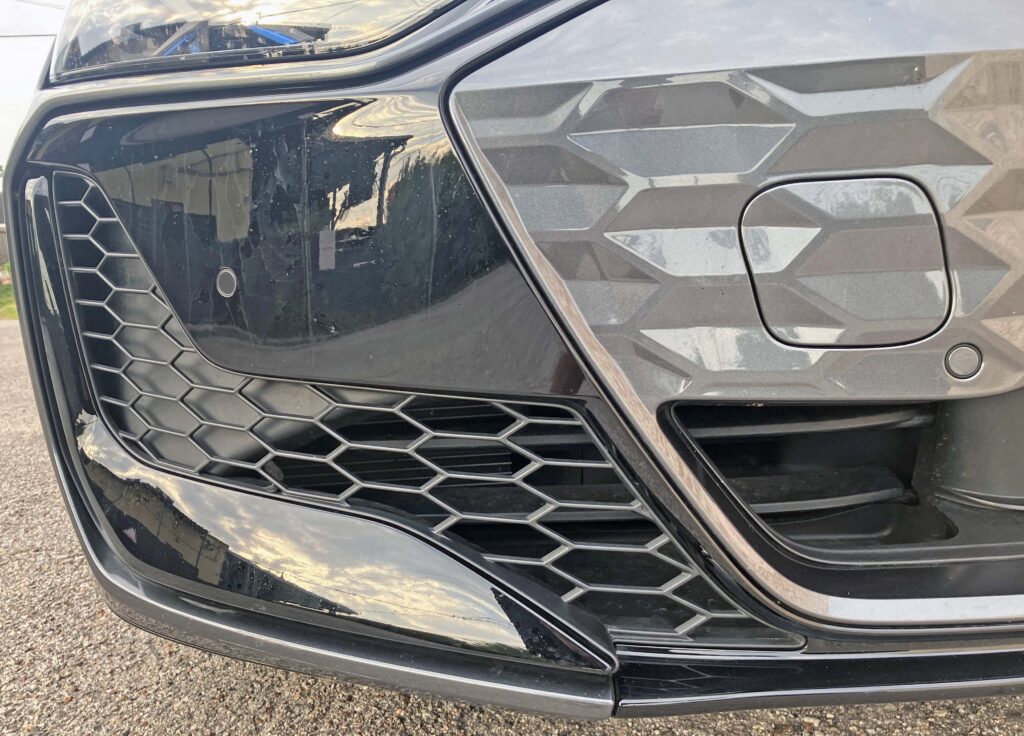
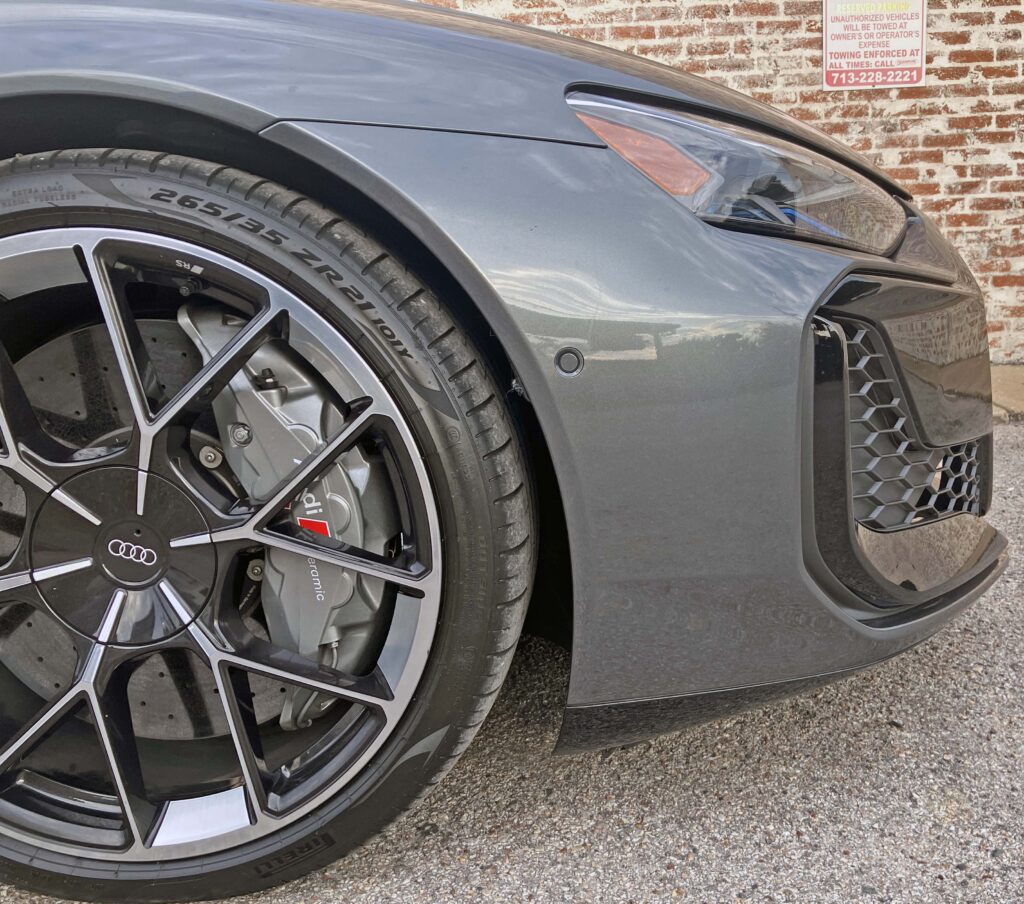
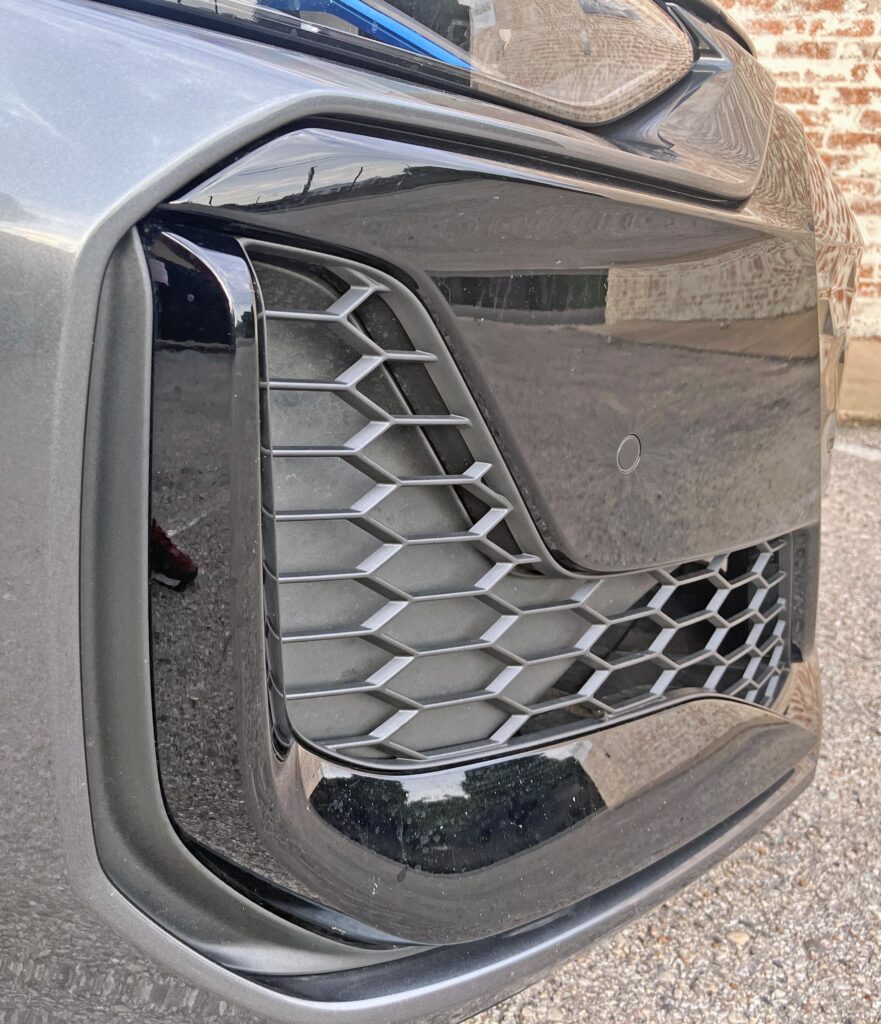
The nose has plenty to hold the eye: a long hood by current-car standards, narrow headlights with intricate internal elements, and angular forms that make the front look tense. The four-ring emblem is incorporated into the bumper, where its rounded shapes offer a welcome counterpoint to the surrounding hexagons and sharp creases.
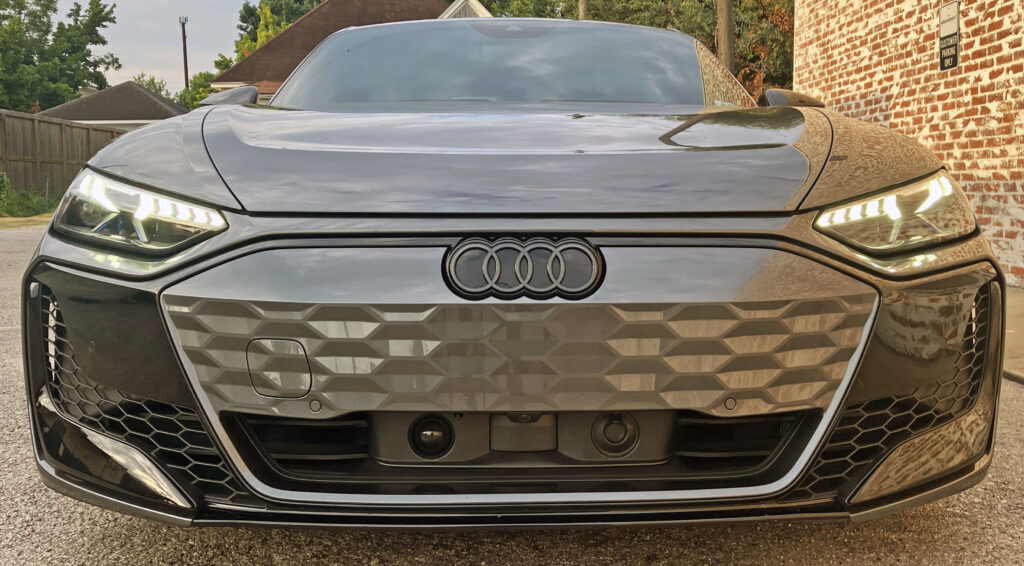
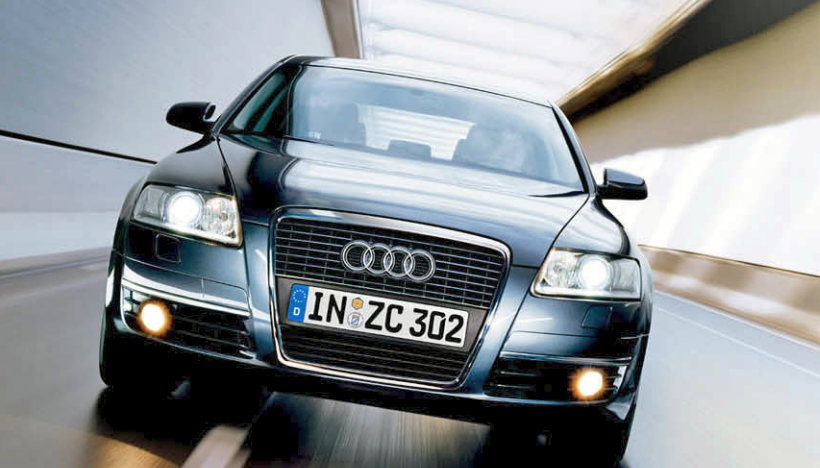
Audi’s design has moved far from the imposing grille treatment that defined some of its sedans in the 2000s. The grille now combines gray, matte black and gloss black surfaces, with textured shapes that also appear elsewhere on the car. Some of that trim houses sensors and other equipment, and the mixture of open and closed hexagons gives the nose a distinctive technical look. But there’s a lot happening at once. The closed shapes can visually compete with the open grille pattern, while the many finishes make the fascia harder to read from a distance.
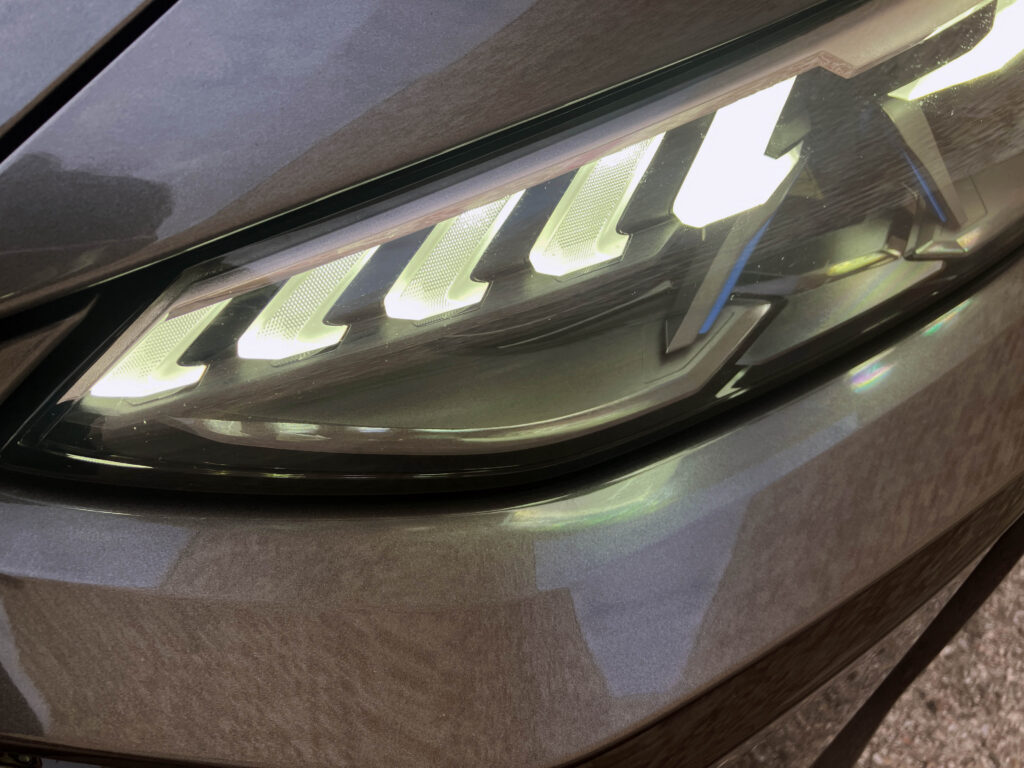
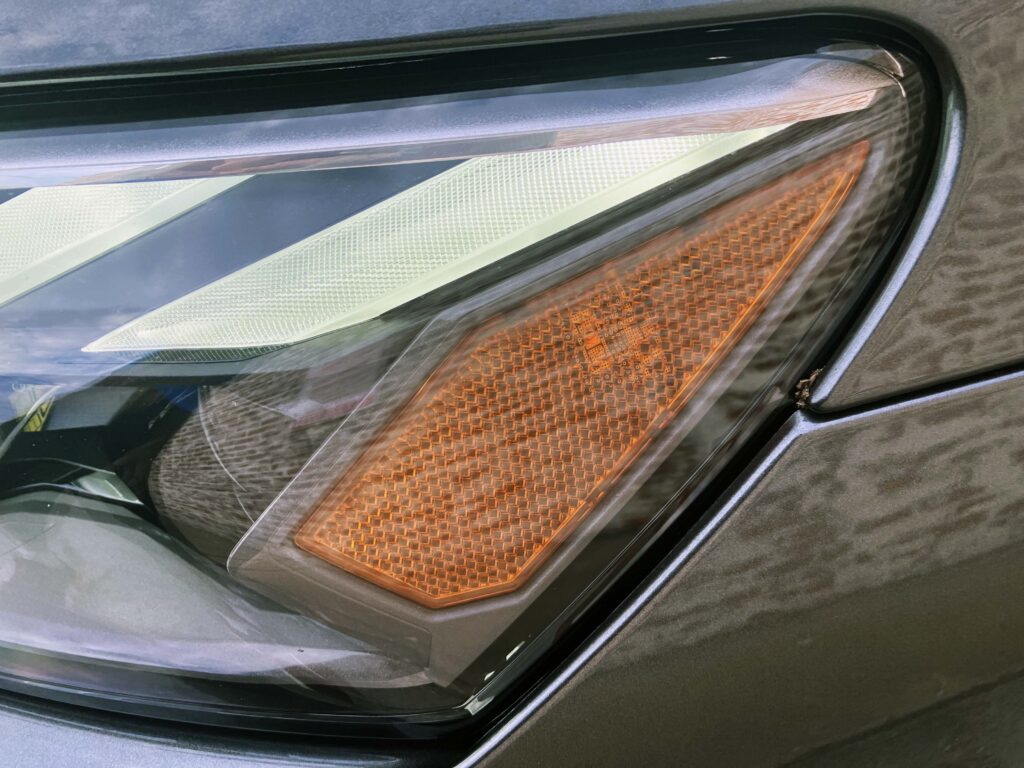
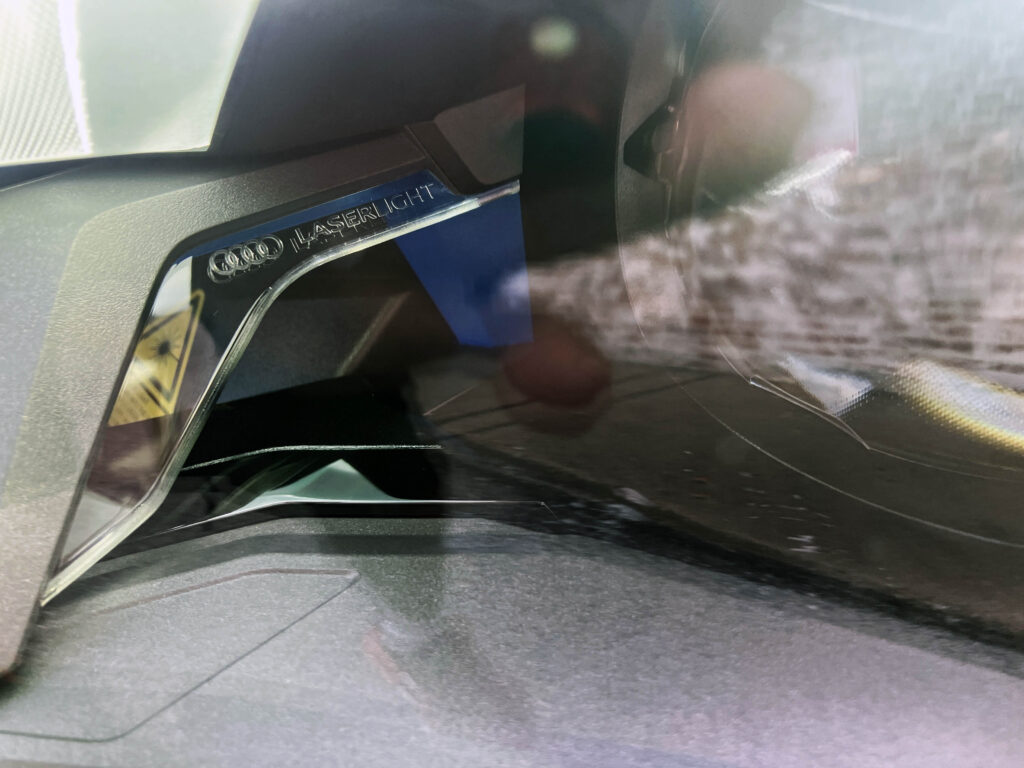
The headlamps are among the best details. Their layered structure has an almost miniature architectural quality, and it gives the front end a focal point beyond the grille. The amber corner reflector is a more ordinary note. Less successful are the joins around the lights: the hood-to-fender and fender-to-fascia cut lines interrupt what could otherwise be a coherent relationship between the lamp shape and bumper.
The front bumper would benefit from more depth. Its tall, relatively flat appearance doesn’t quite match the performance suggested by the car’s power and stance. A more pronounced lower edge or splitter could give the gloss-black center section a reason to extend forward, creating more dimension. The Taycan’s nose has greater visual depth in this area; the Audi could use that sense of purpose while expressing it in its own way.
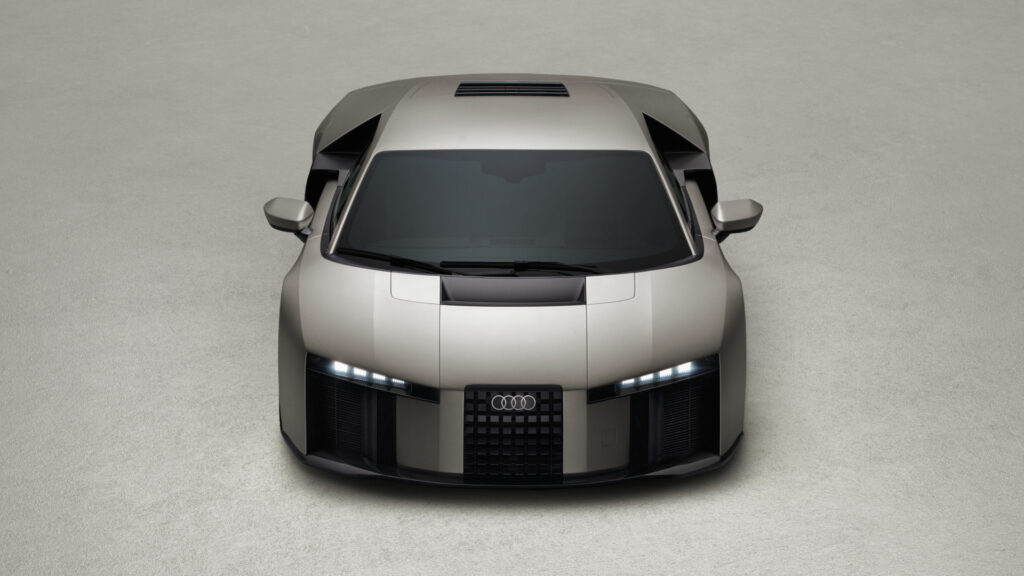
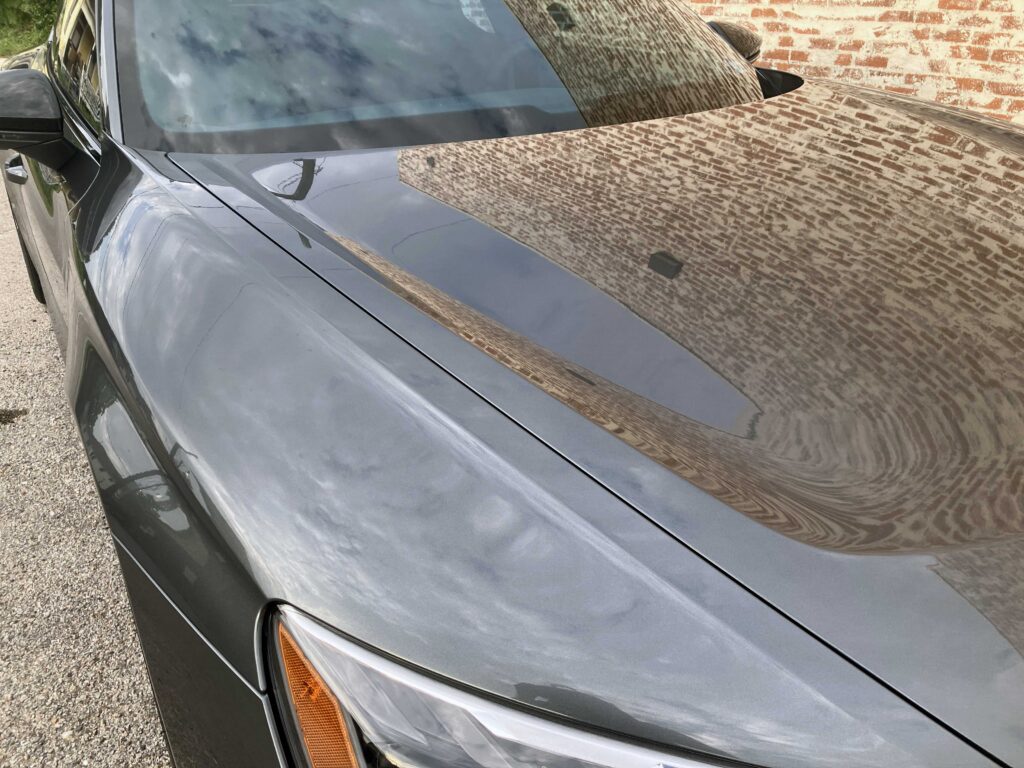
The hood and fenders have muscular creases, but they stop short of the boldness the car’s proportions invite. That’s not a complaint about every sharp line in modern design; it’s a question of balance. The RS e-tron GT is long, low and taut, and its body could make more use of those proportions instead of accumulating small creases and contrasting textures. Audi’s Nuvolari design reference suggests how cleaner surfaces might give a flagship more visual confidence.
The case for sharper Quattro cues
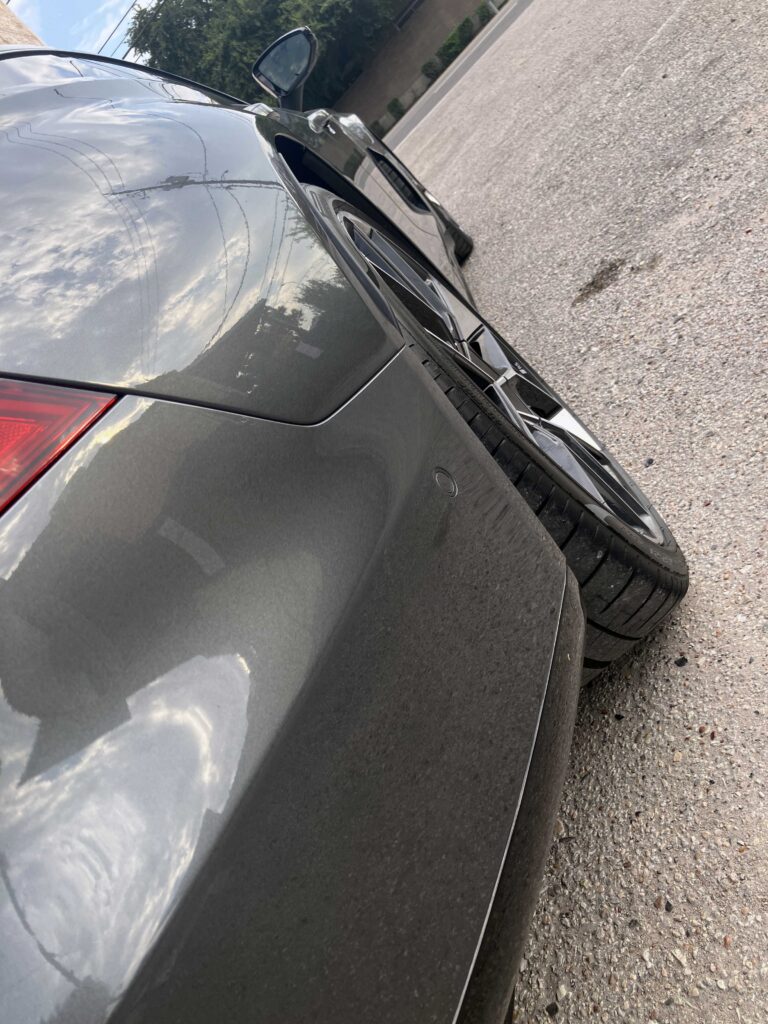
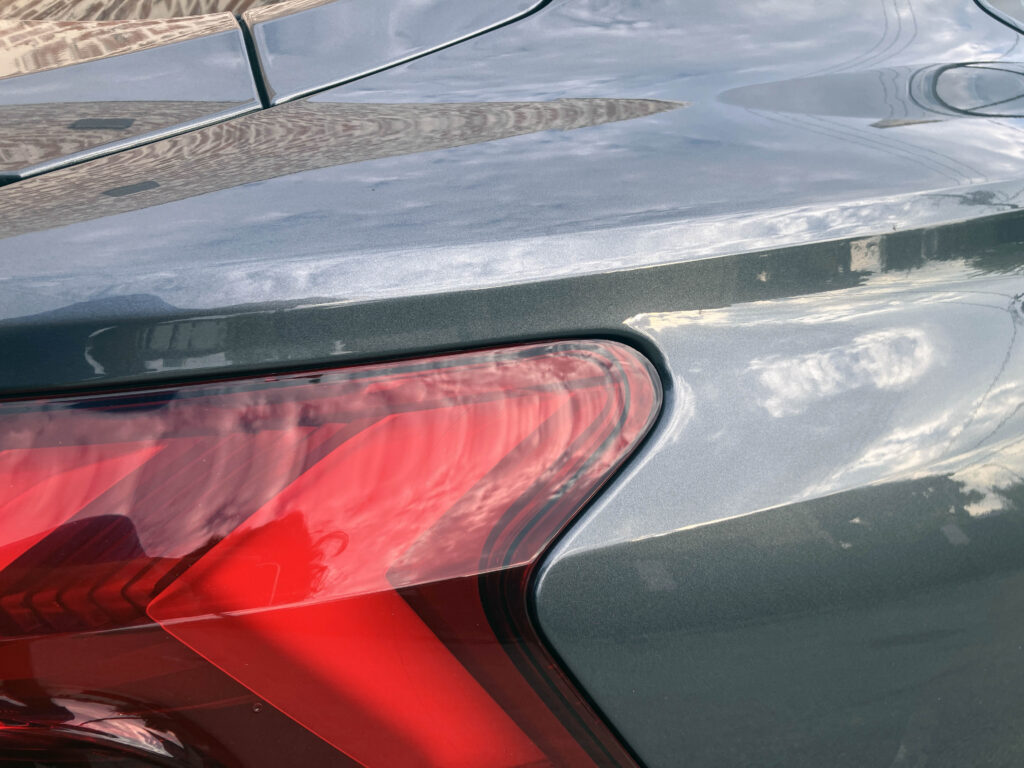
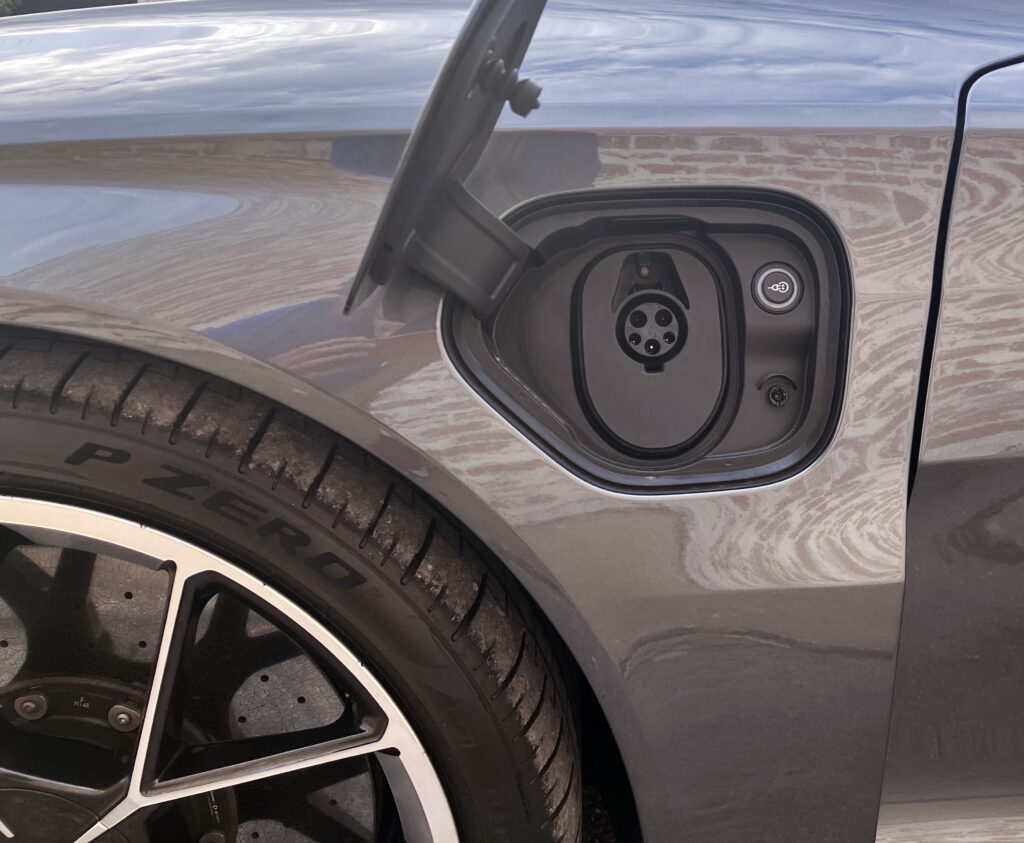
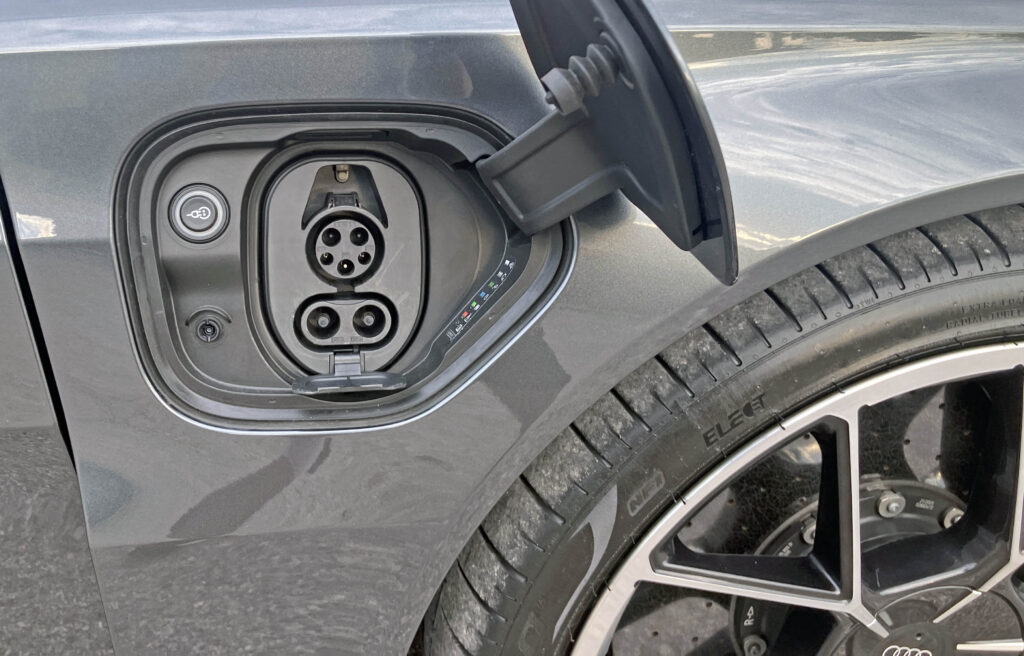
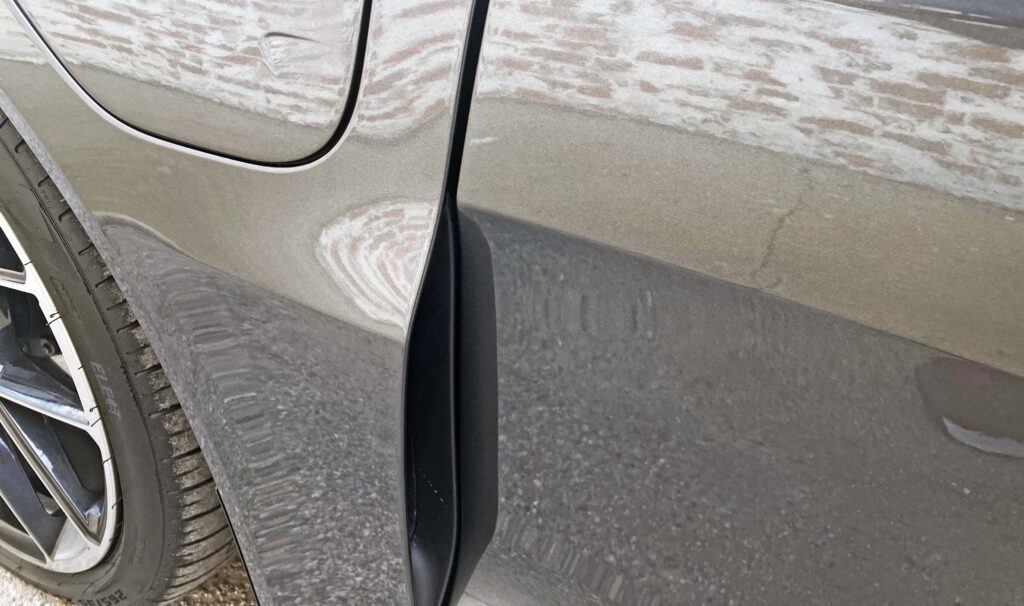
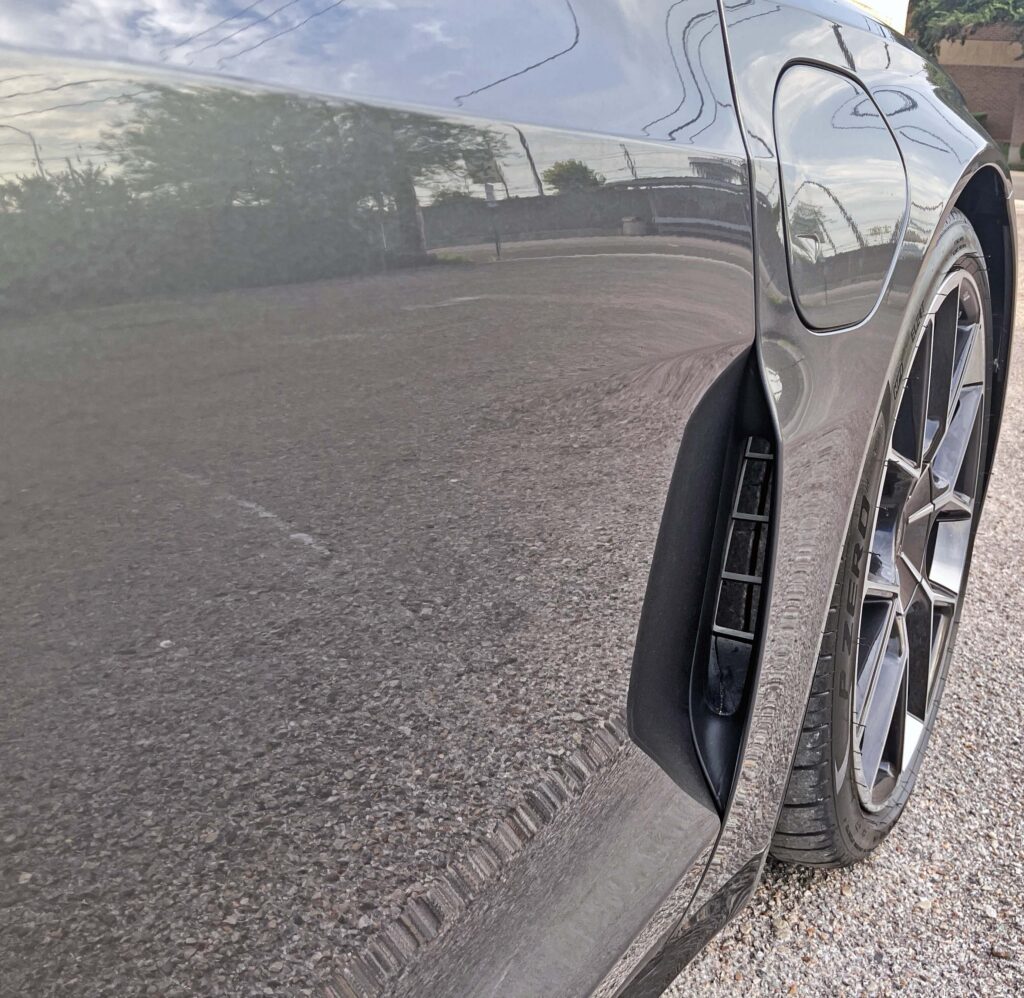
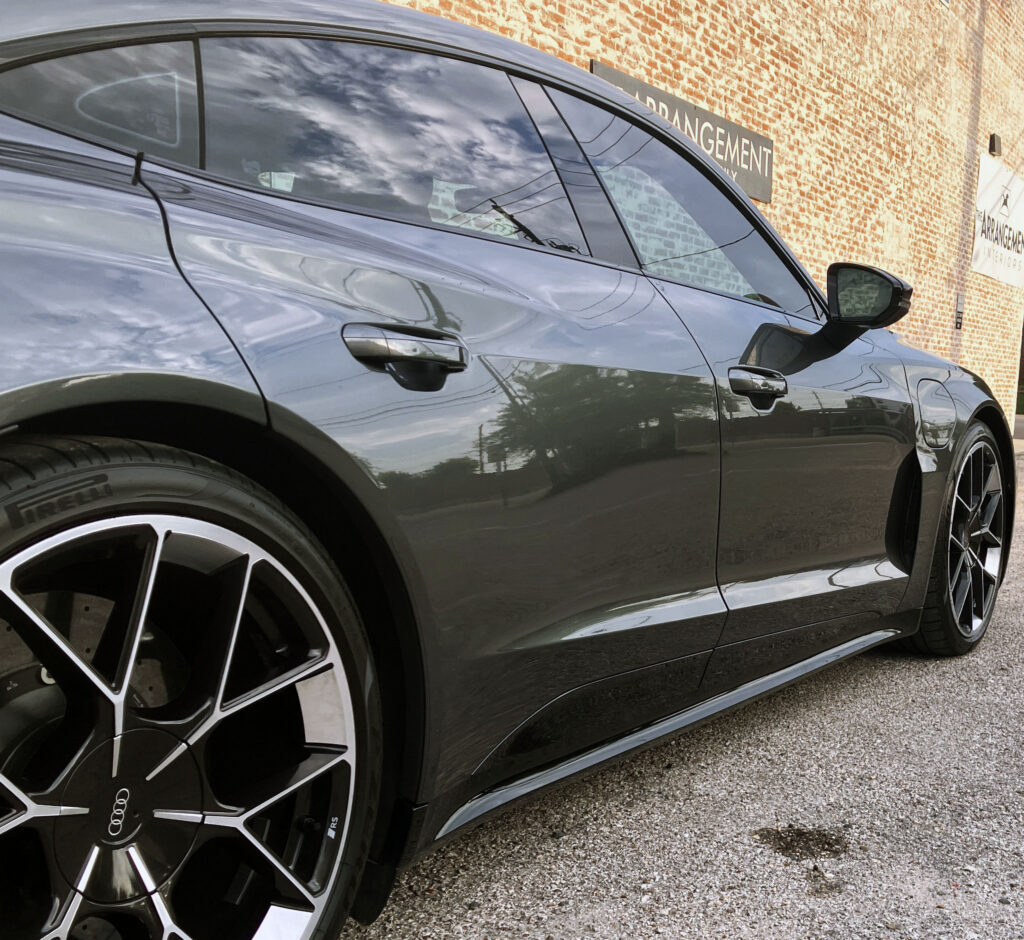
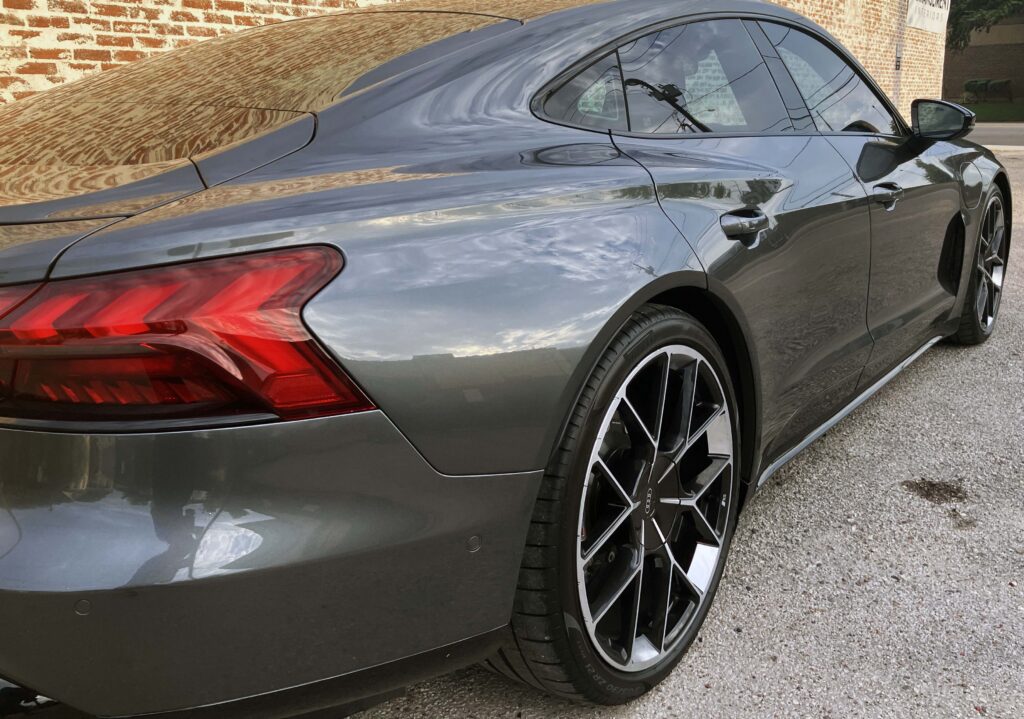
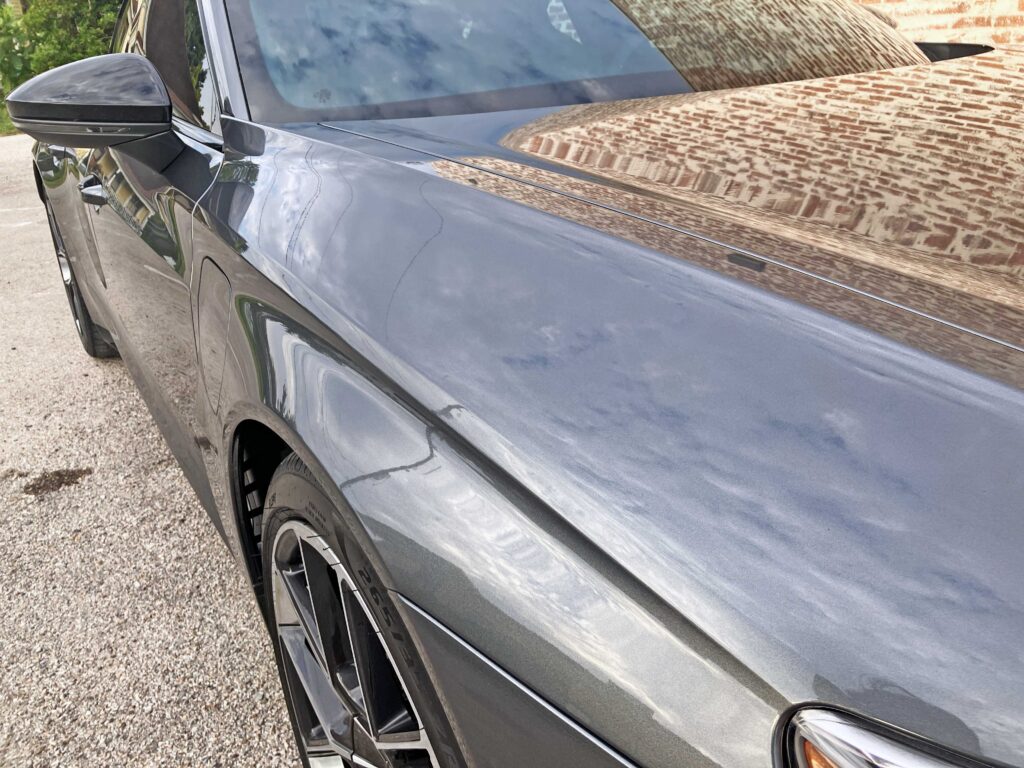
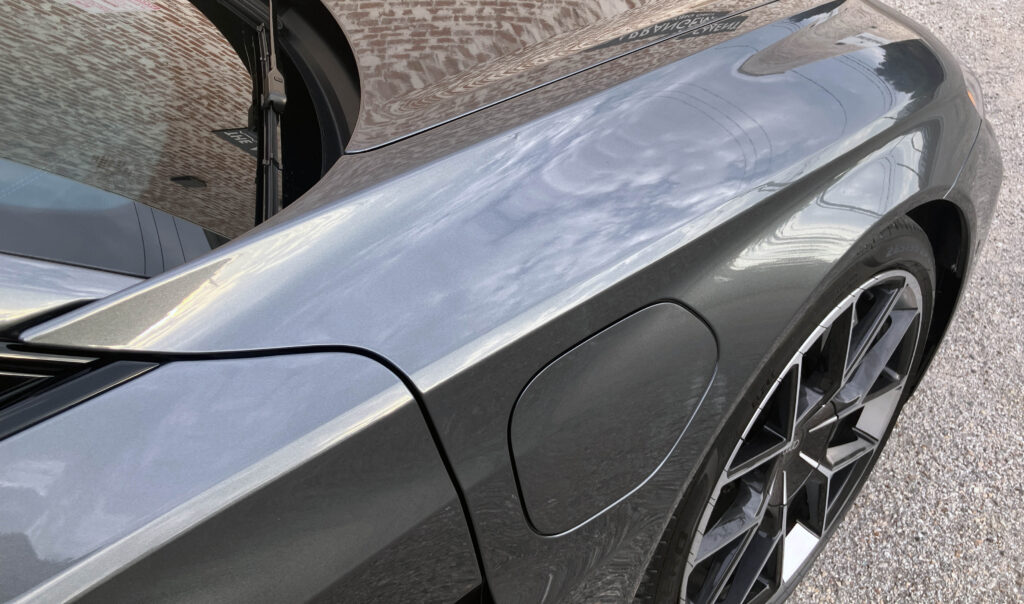
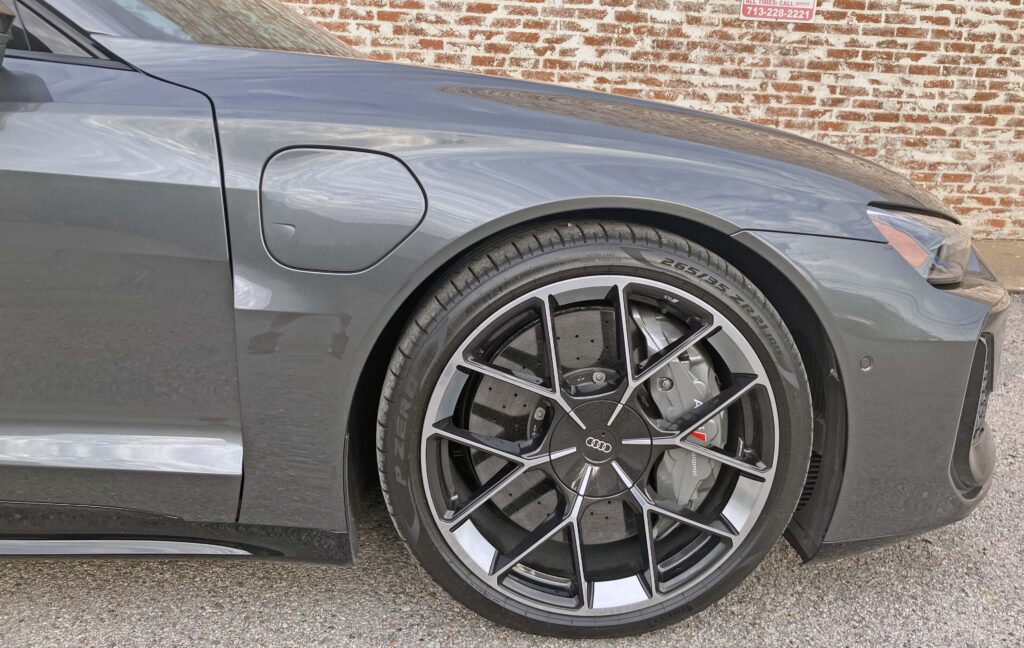
The side view is where the resemblance to the Taycan becomes most persistent. The front wheel opening incorporates an air curtain and a charging door, and the fenders are broad enough to accommodate the large wheel-and-tire package. Those elements are functional and visually assertive, but they don’t add much of Audi’s own motorsport character. The rear quarter panels, in particular, rely on soft, rounded transitions.
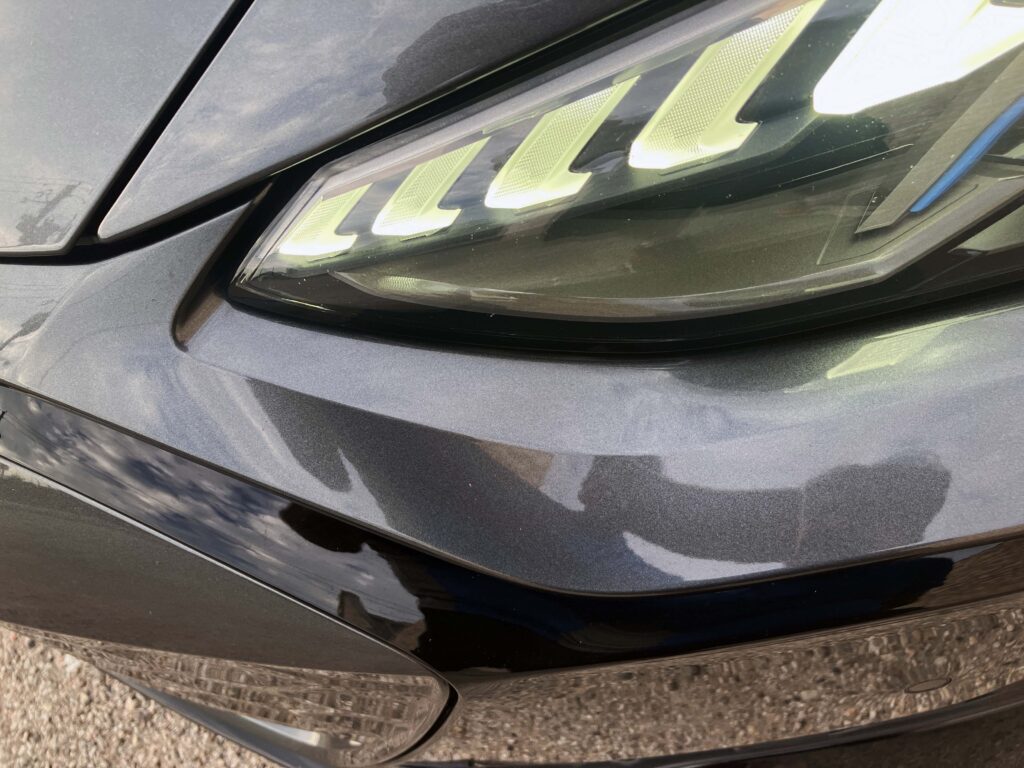
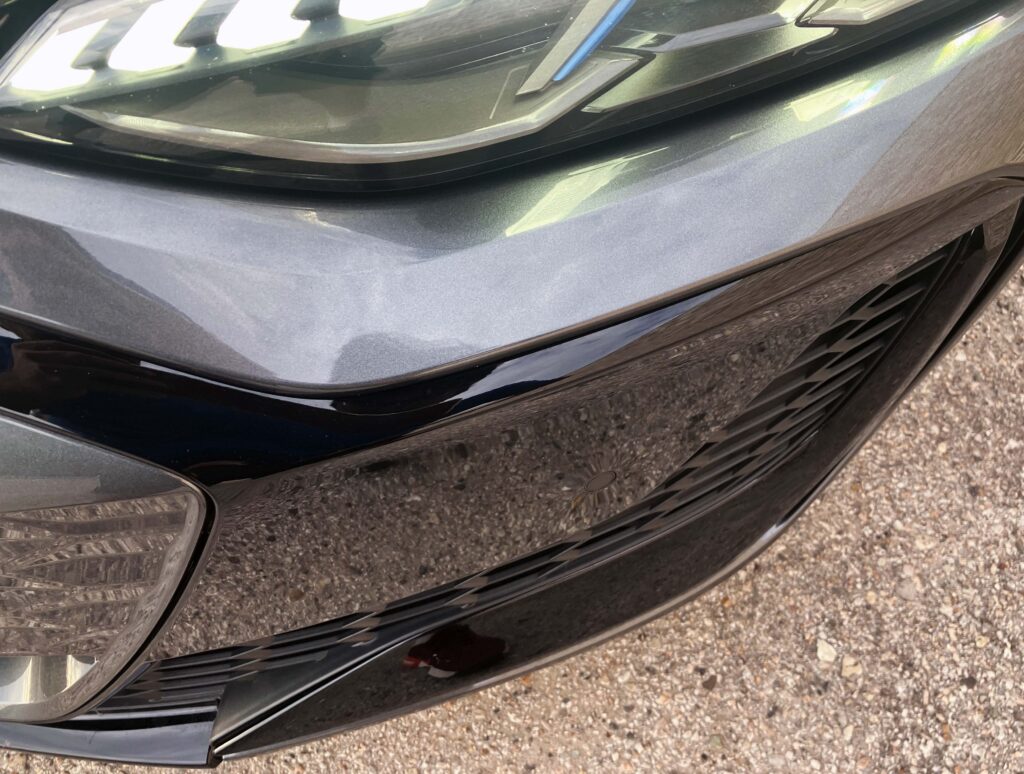
Boxed fender flares would have been an obvious way to connect this high-output EV to the Sport Quattro. They could make the charging-door placement feel integrated and give the wide arches a more distinctive silhouette. That needn’t mean copying a historic rally car piece by piece. Audi has enough sporting references to create a modern interpretation that feels familiar without turning the RS into a retro exercise.
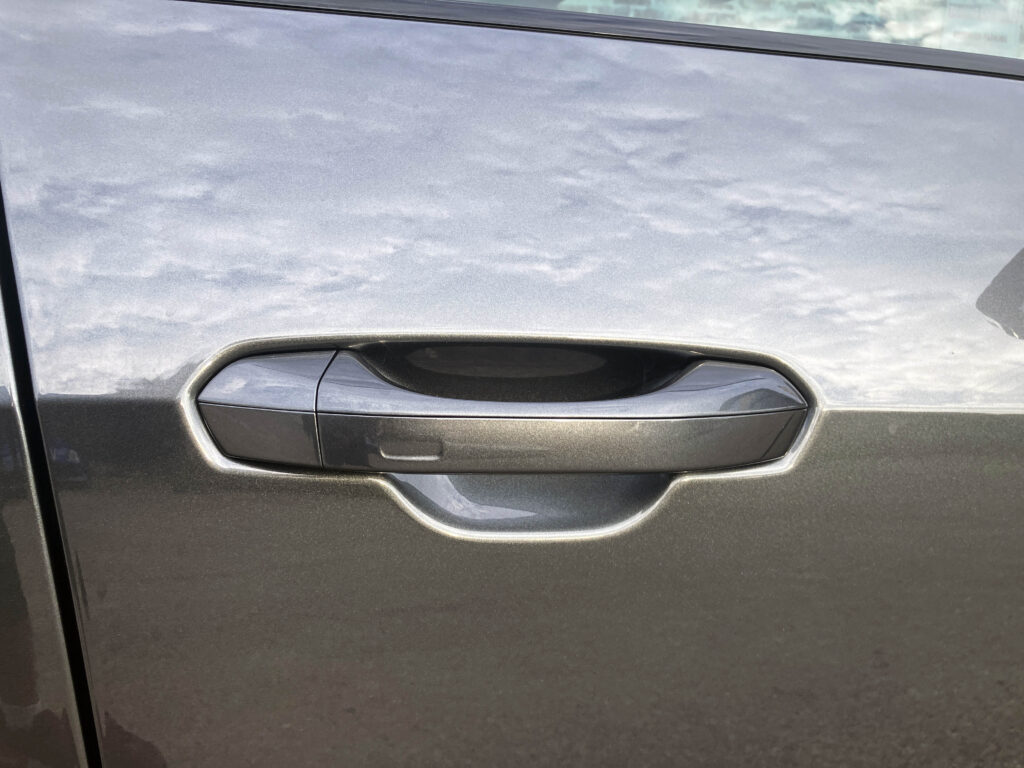
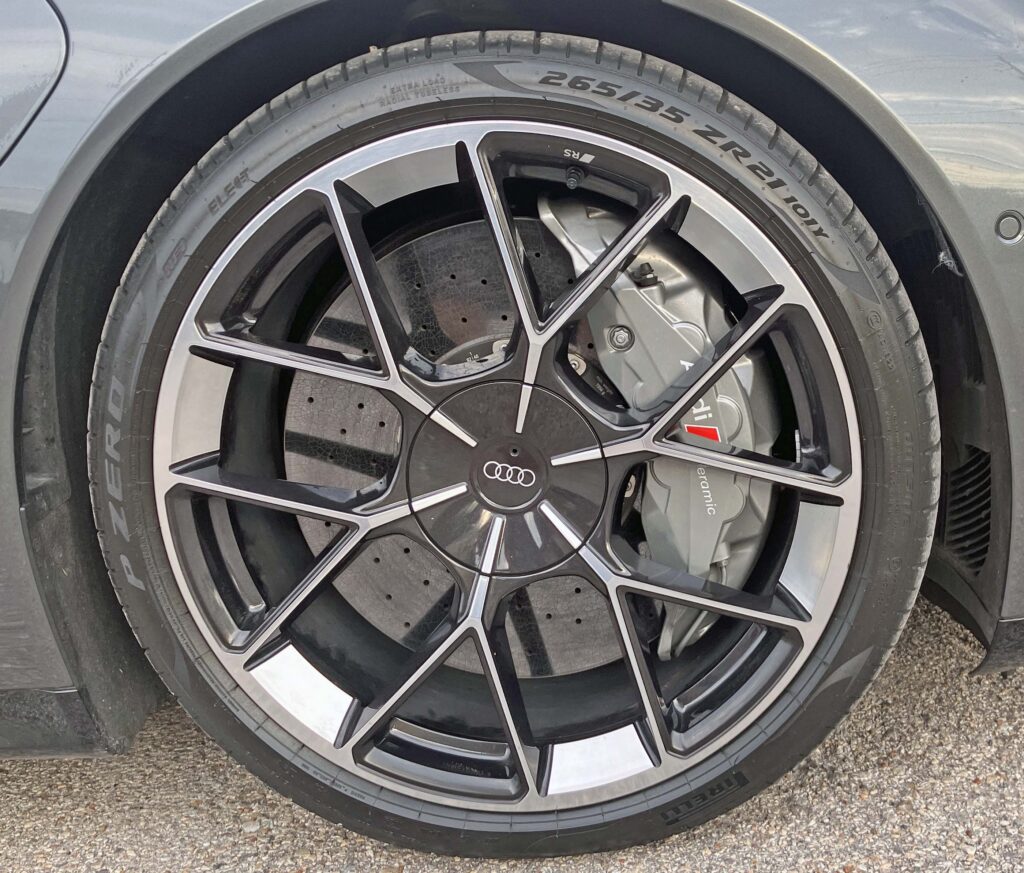
The wheels already do their part. Their scale and design suit an RS model, and the pronounced fenders make room for them. Yet the air curtain at the front edge of the arch can look like an add-on rather than part of a unified idea. A squared-off flare could potentially bring the wheel opening, charging port and aerodynamic treatment together. It would give the side a stronger identity while making the functional details feel more deliberate.
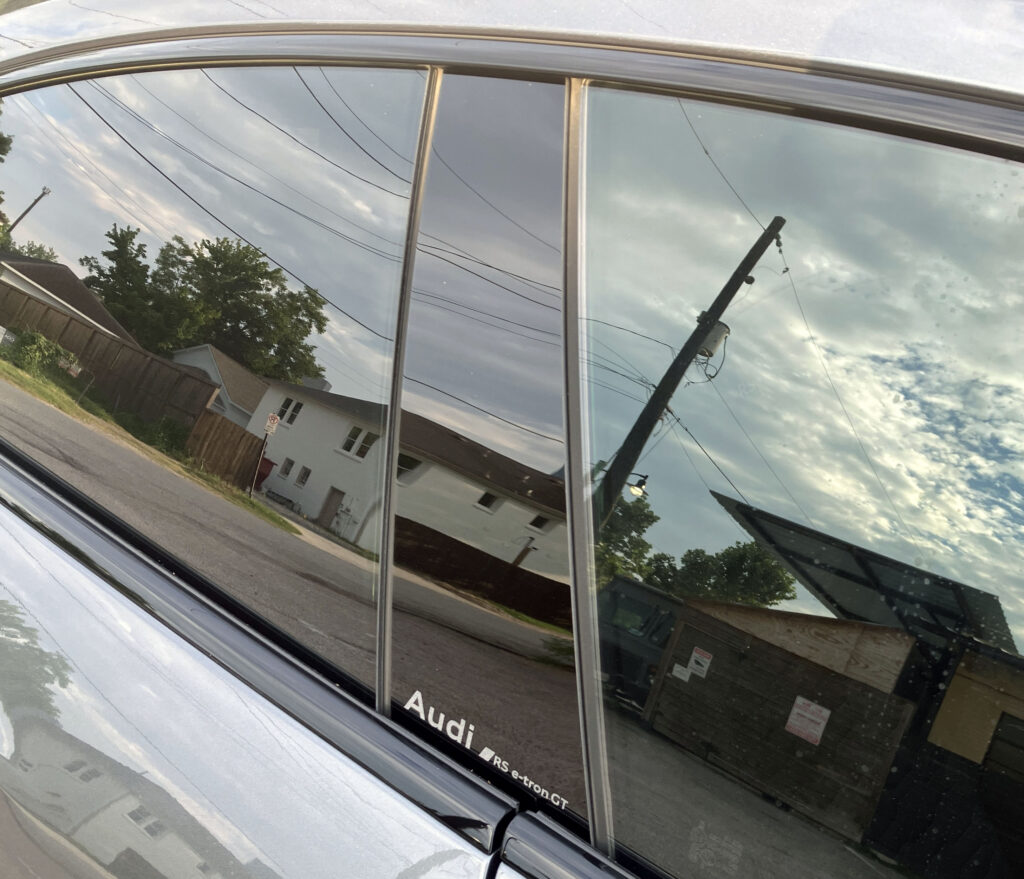
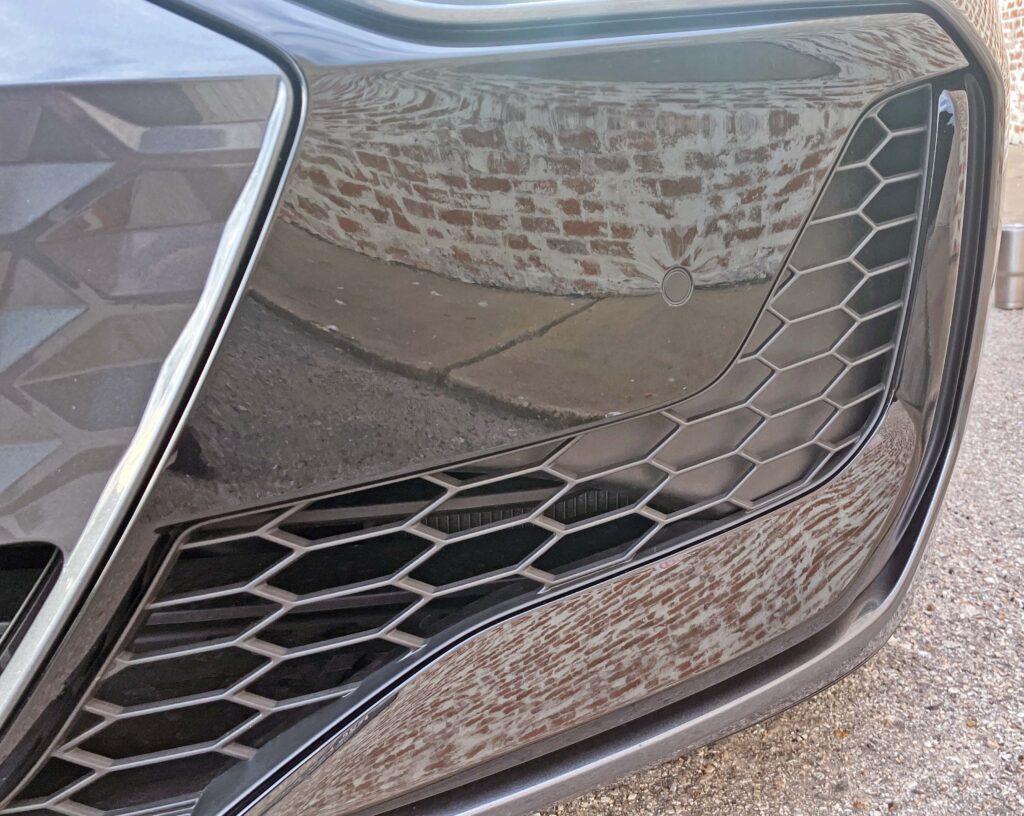
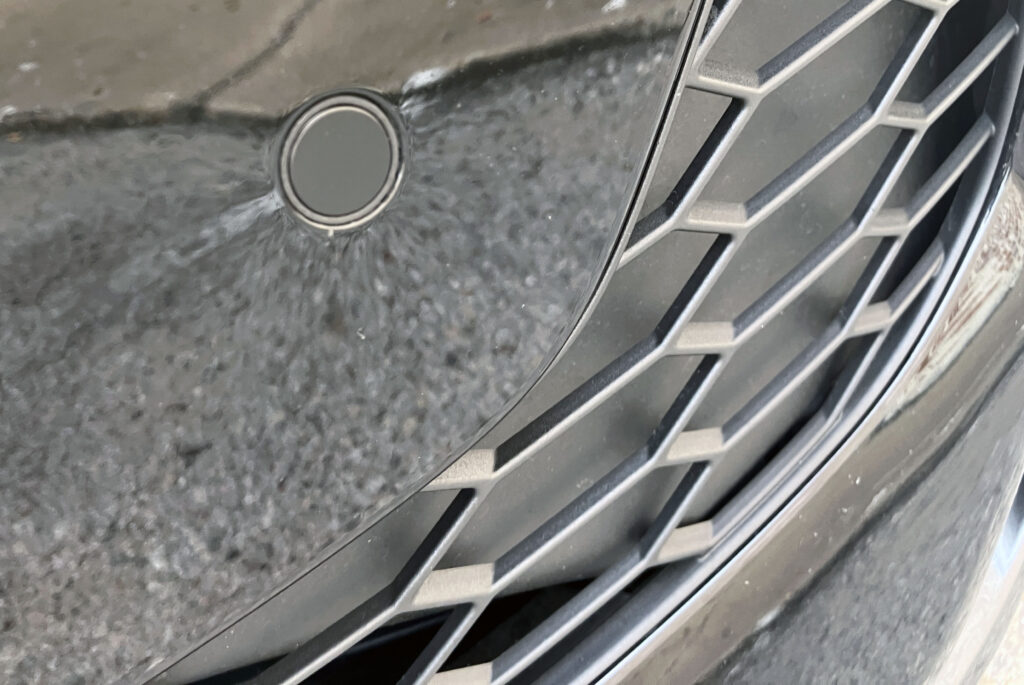
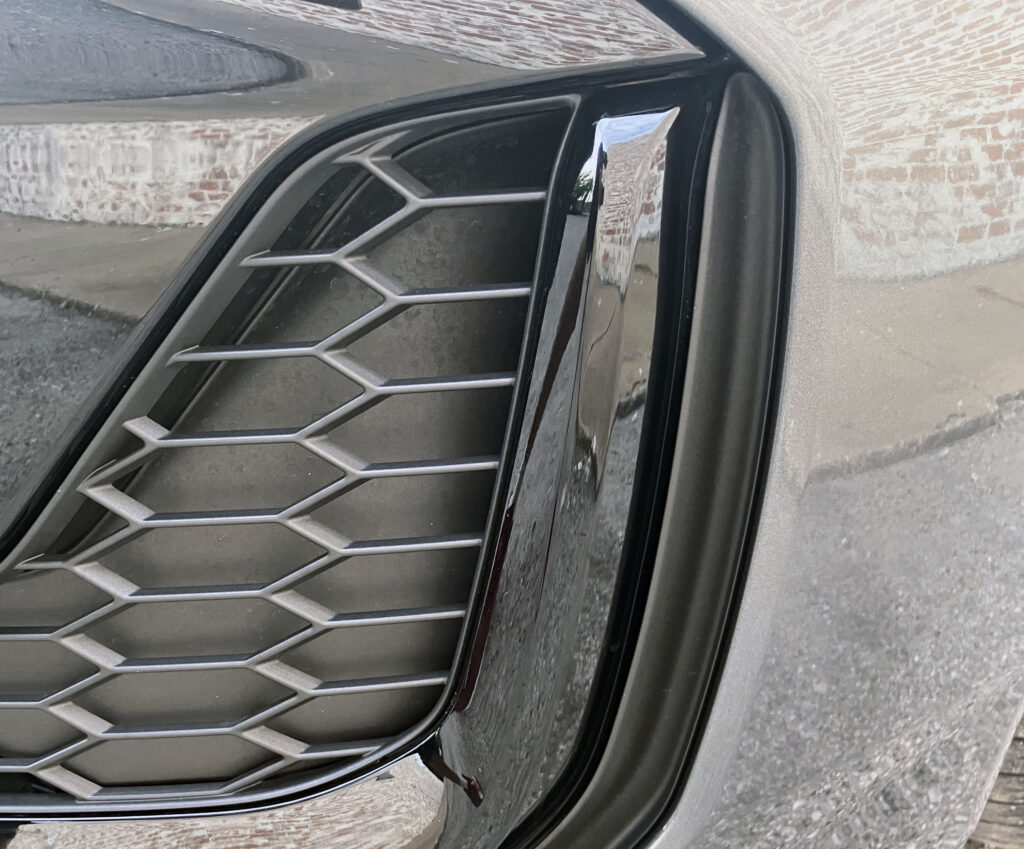
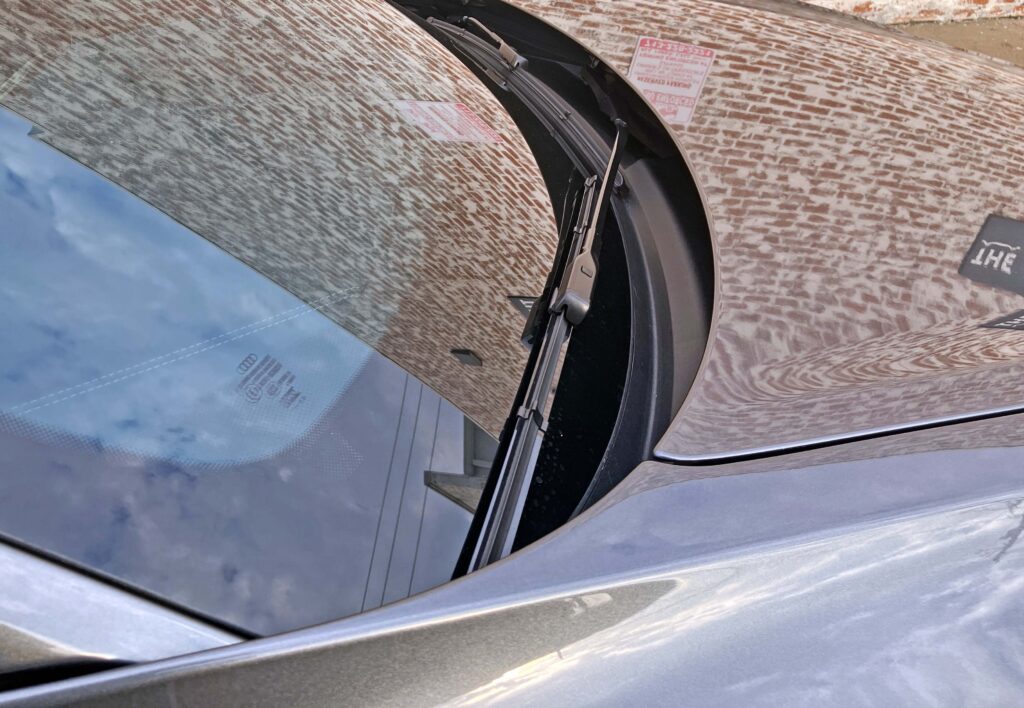
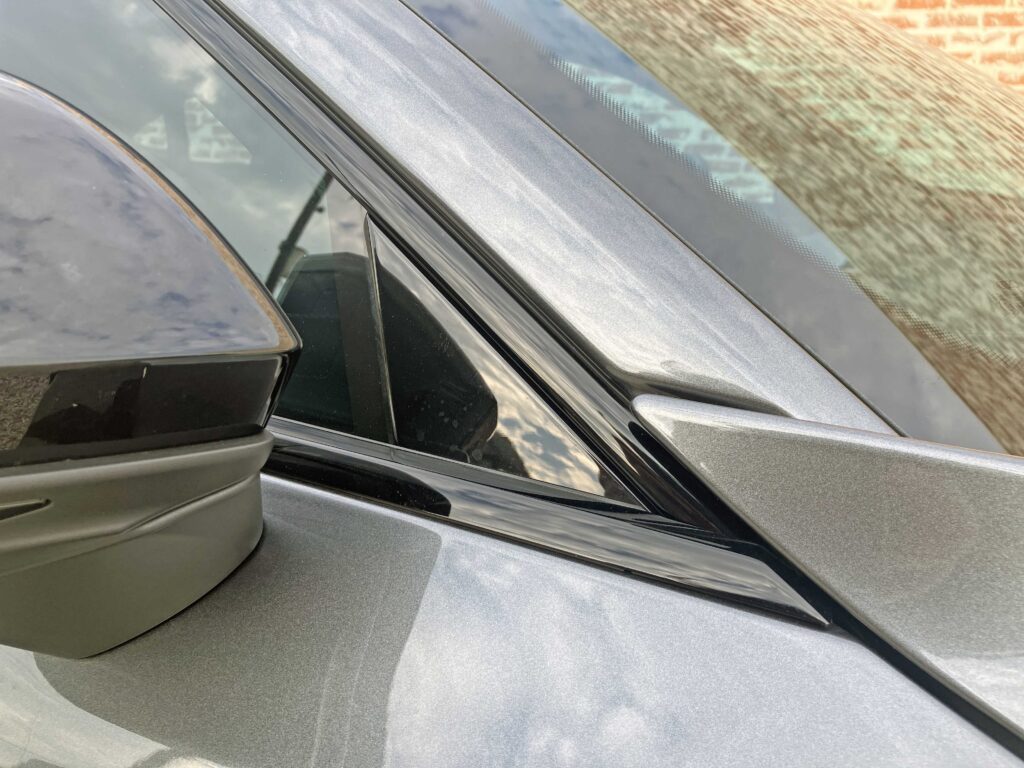
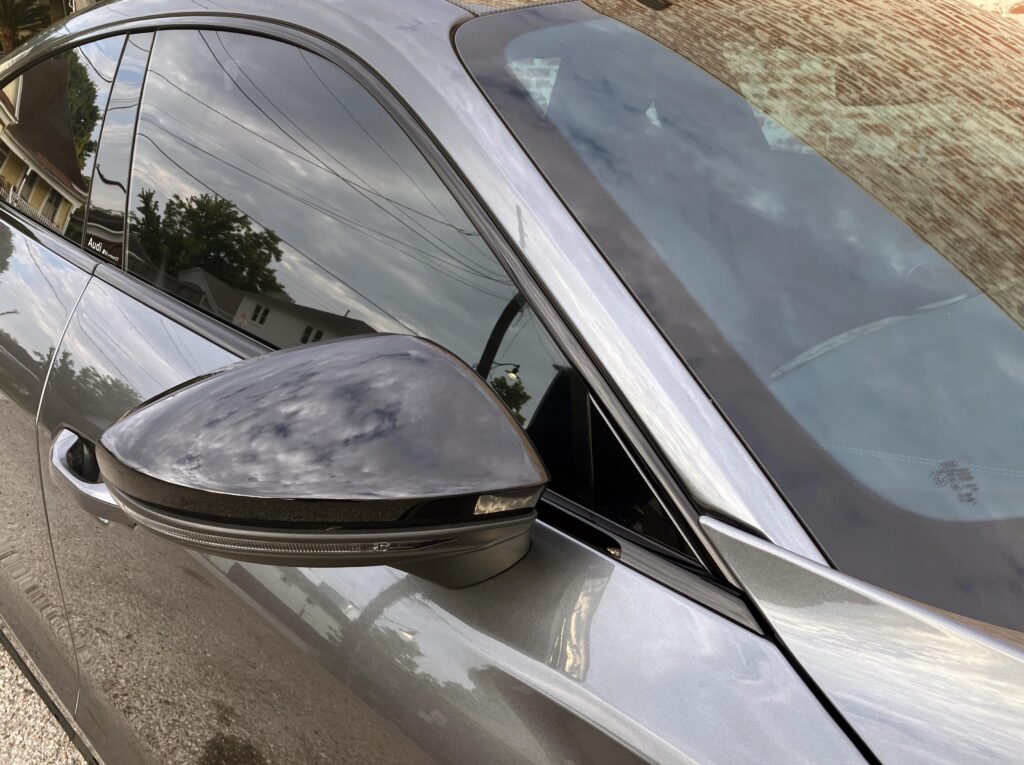
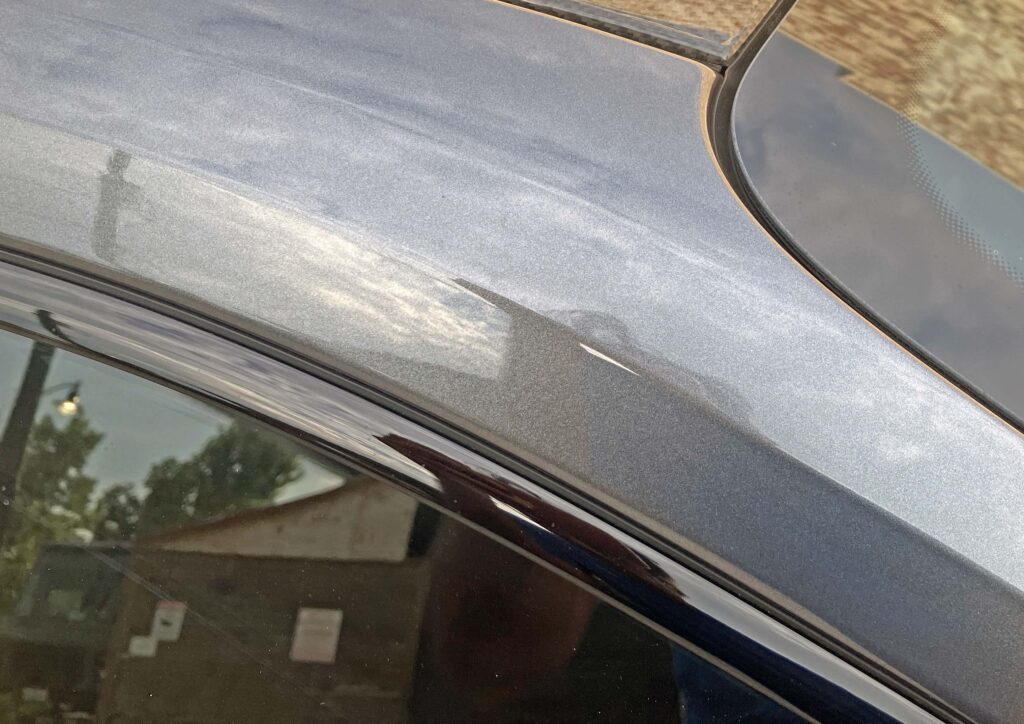
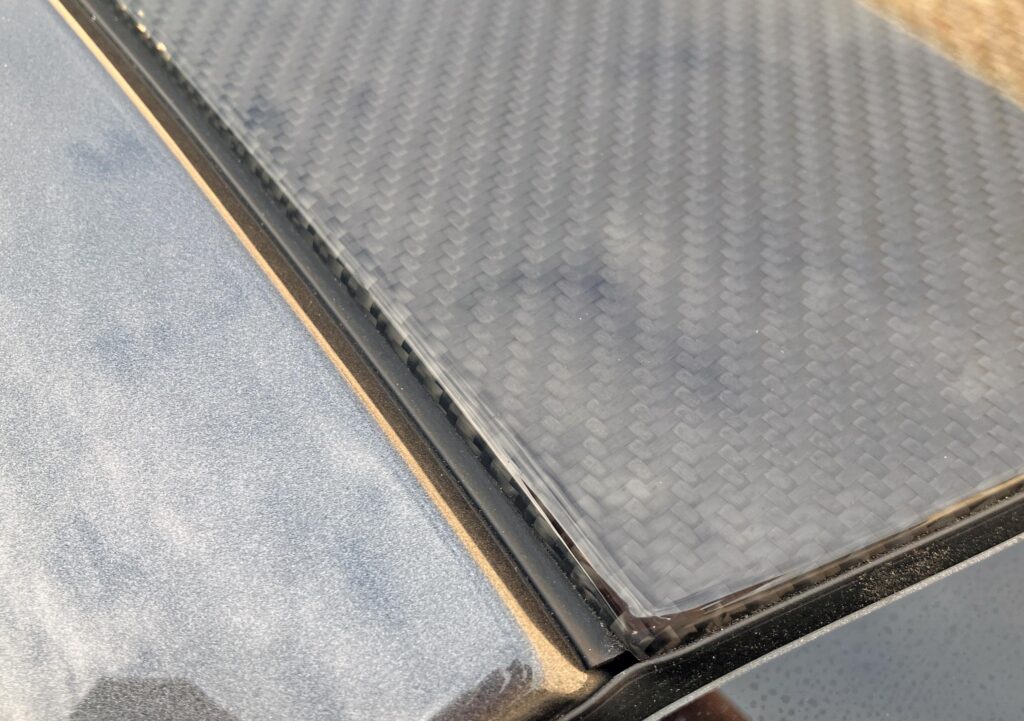
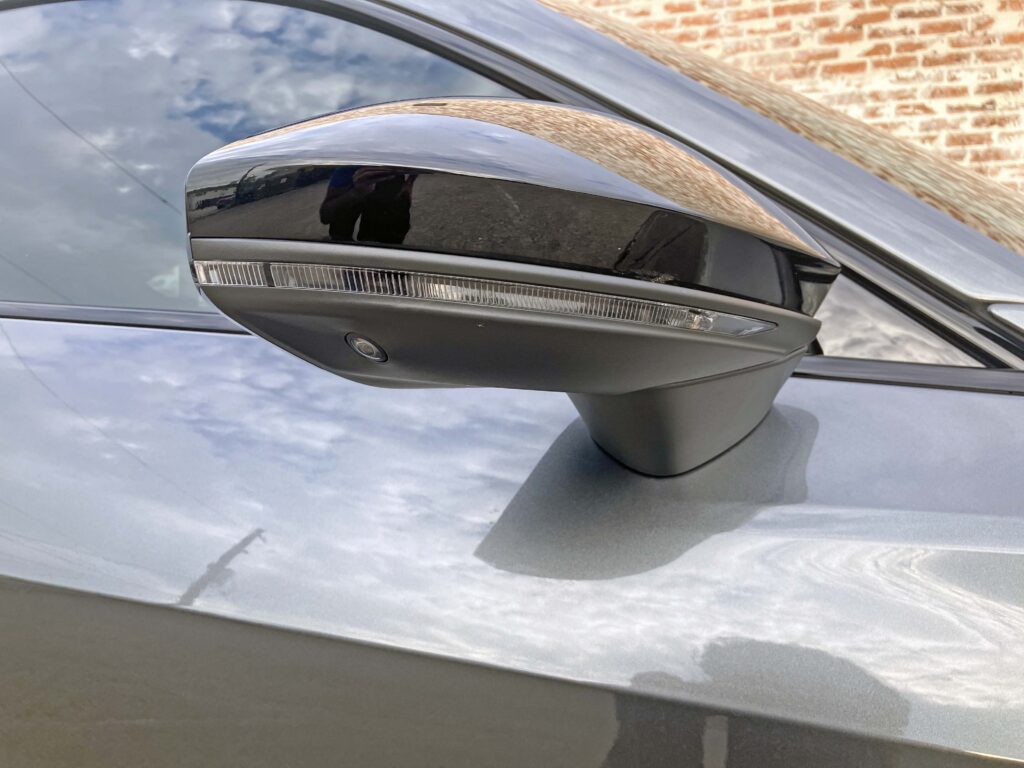
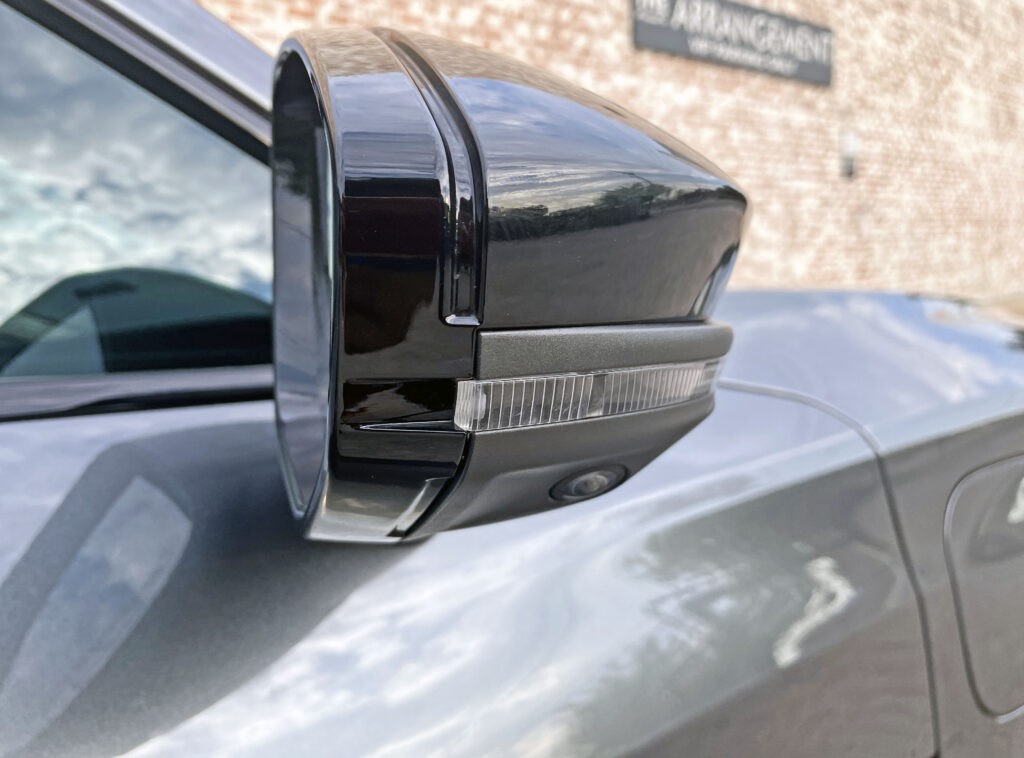
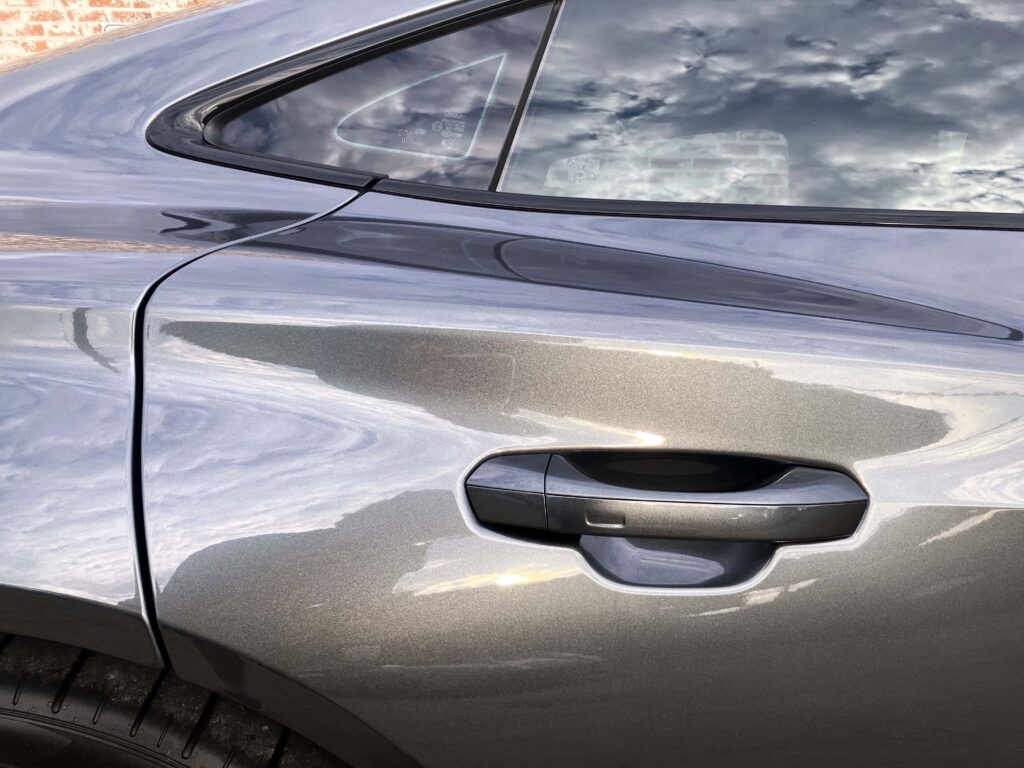
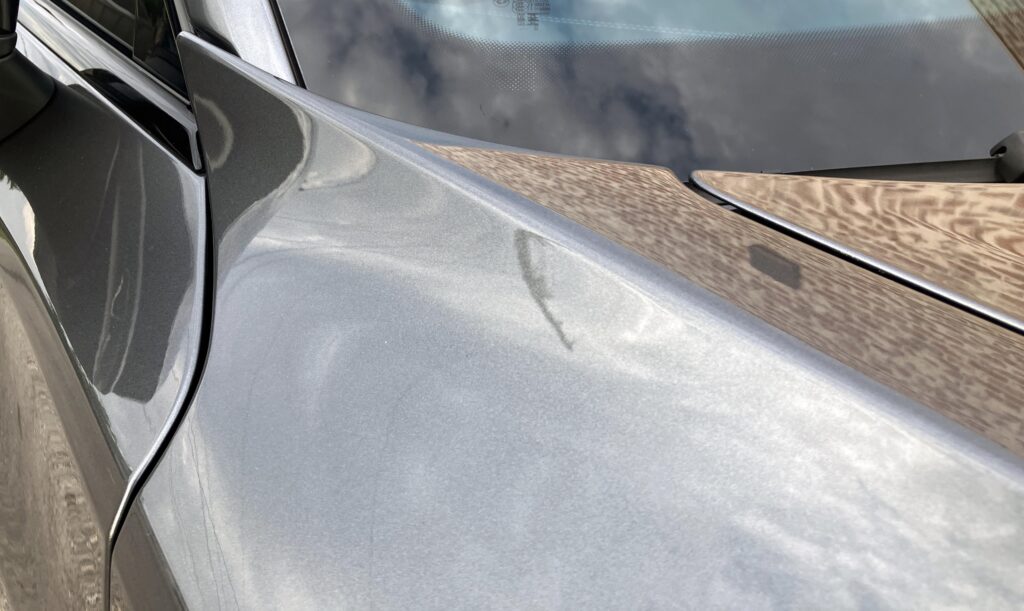
There are some welcome, practical choices in the details. The carbon-fiber roof looks purposeful and avoids the large glass panel that can make a cabin hot in summer. The black mirror caps add a discreet performance cue, while conventional door handles work without turning entry into a motorized flourish. The roofline itself suits the car’s low-slung mission, though the transition from the raised fenders into the A-pillars feels less resolved than on the Taycan. The deep-set cowl and nearby panel gaps draw attention to the packaging beneath the design.
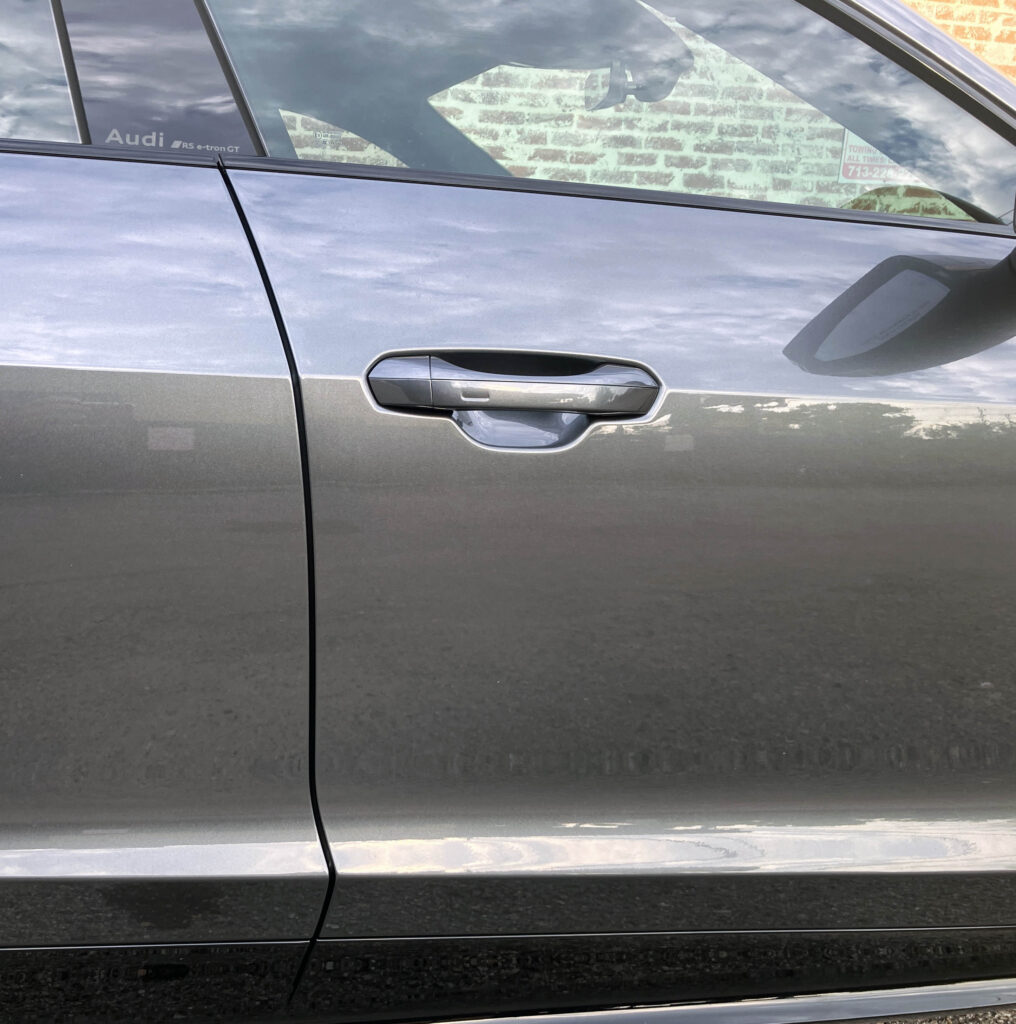
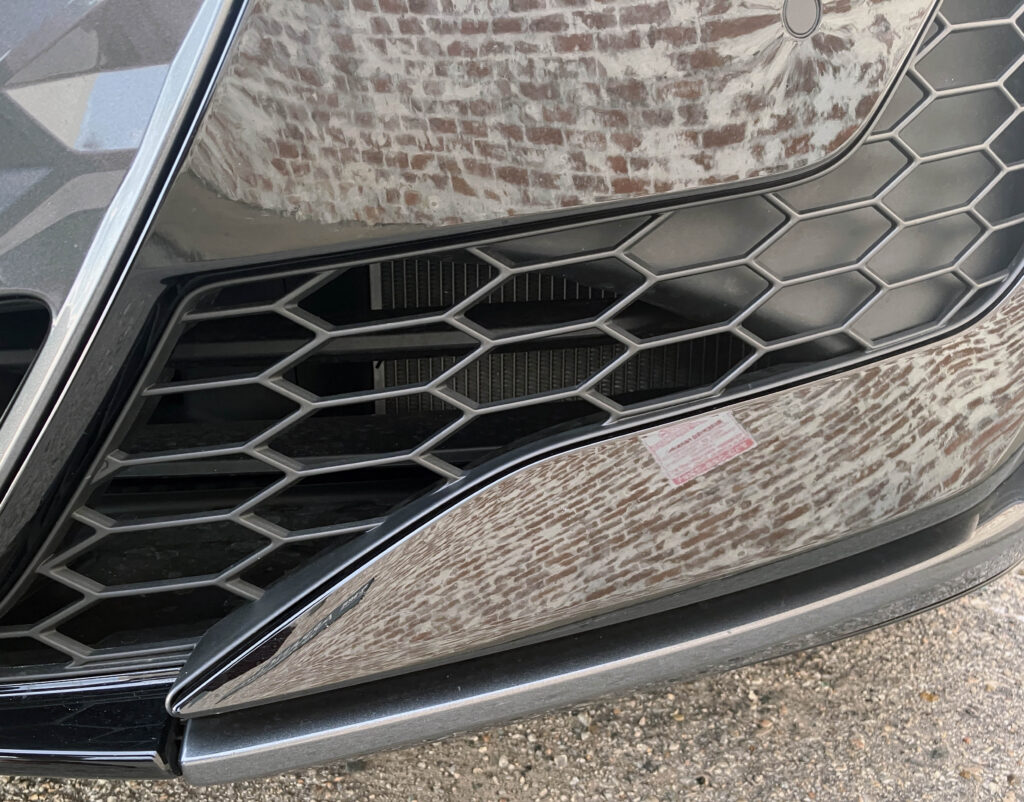
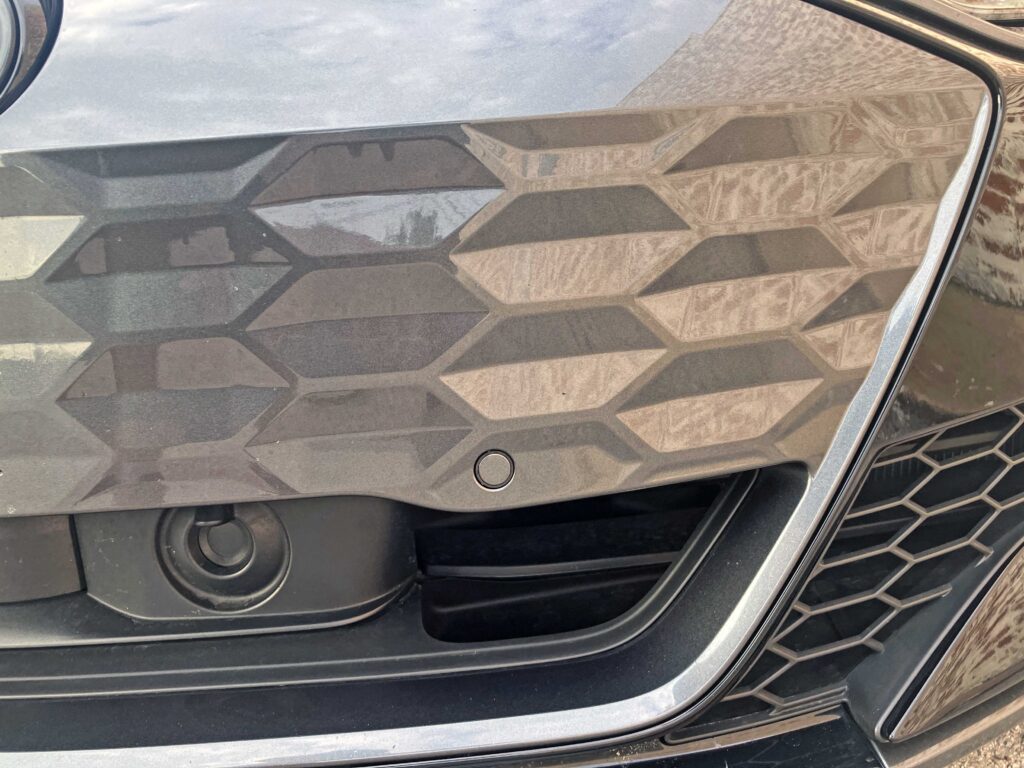
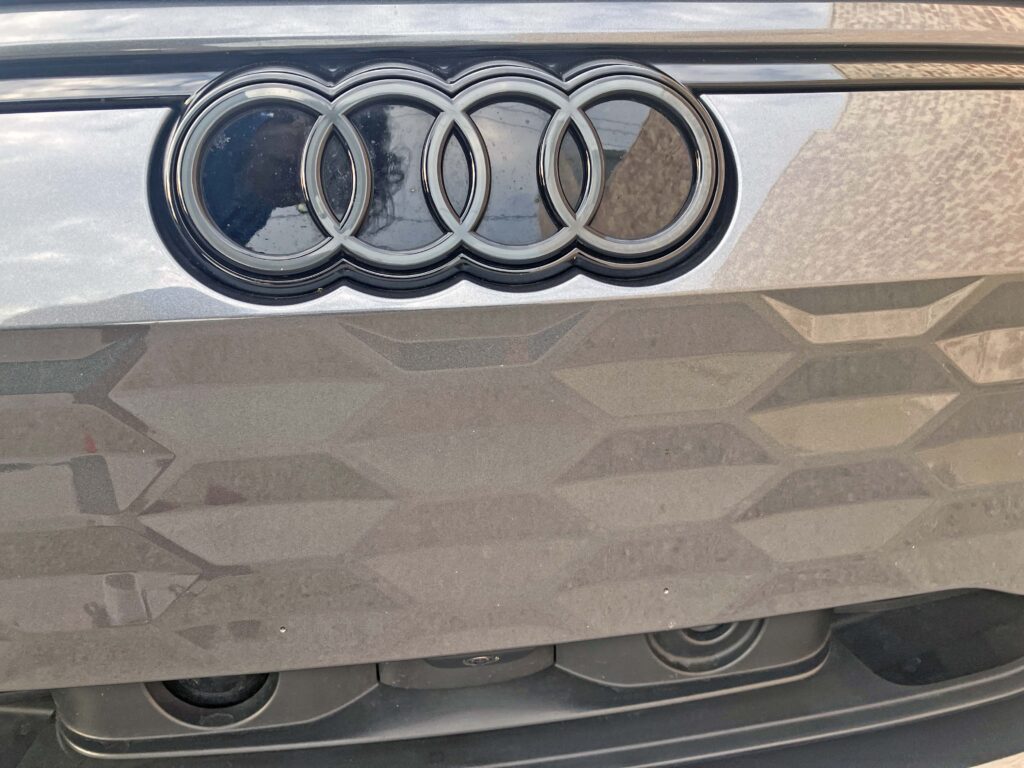
The roof pillars and door openings bring a sense of motion to the profile. The offset door cut lines seem to reinforce the forward sweep, even if the rear opening’s relationship to the glass is less convincing. Changing the rear door cut line could leave more room for the quarter panel to carry a more angular flare. As it stands, the C-pillar has the familiar softness of the Taycan, and the bodywork behind it doesn’t do enough to distinguish the Audi.
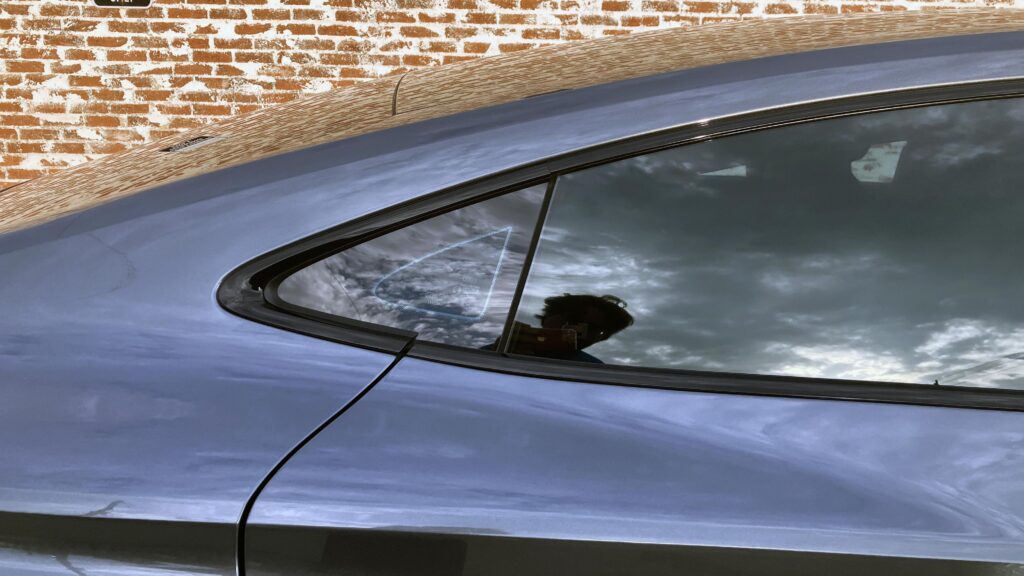
A rear end that needs a clearer idea
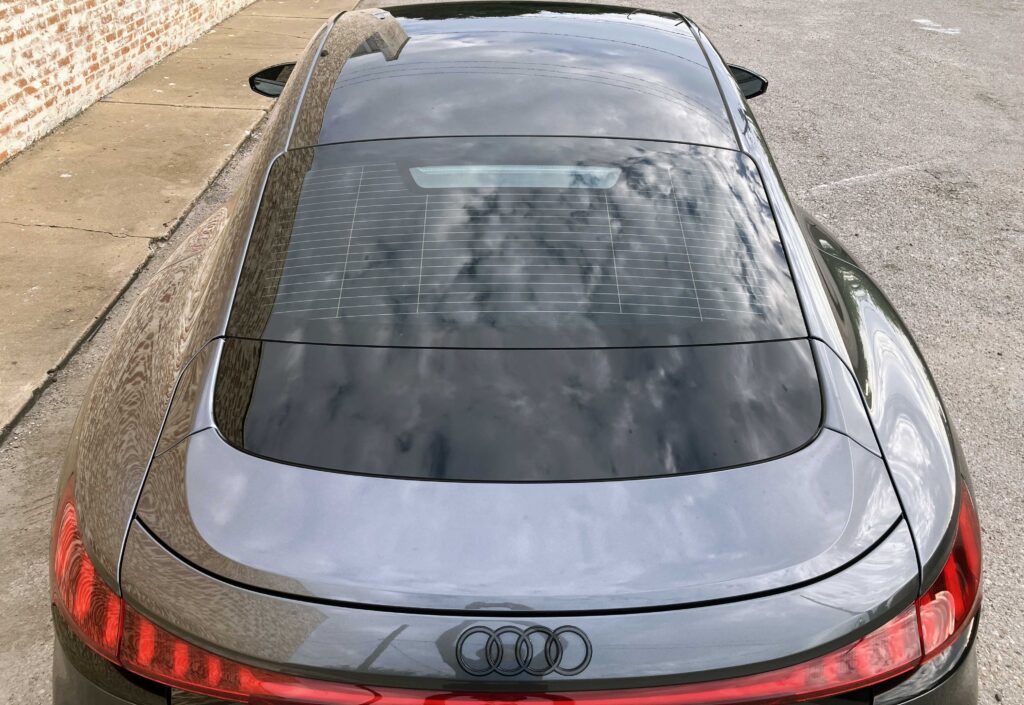
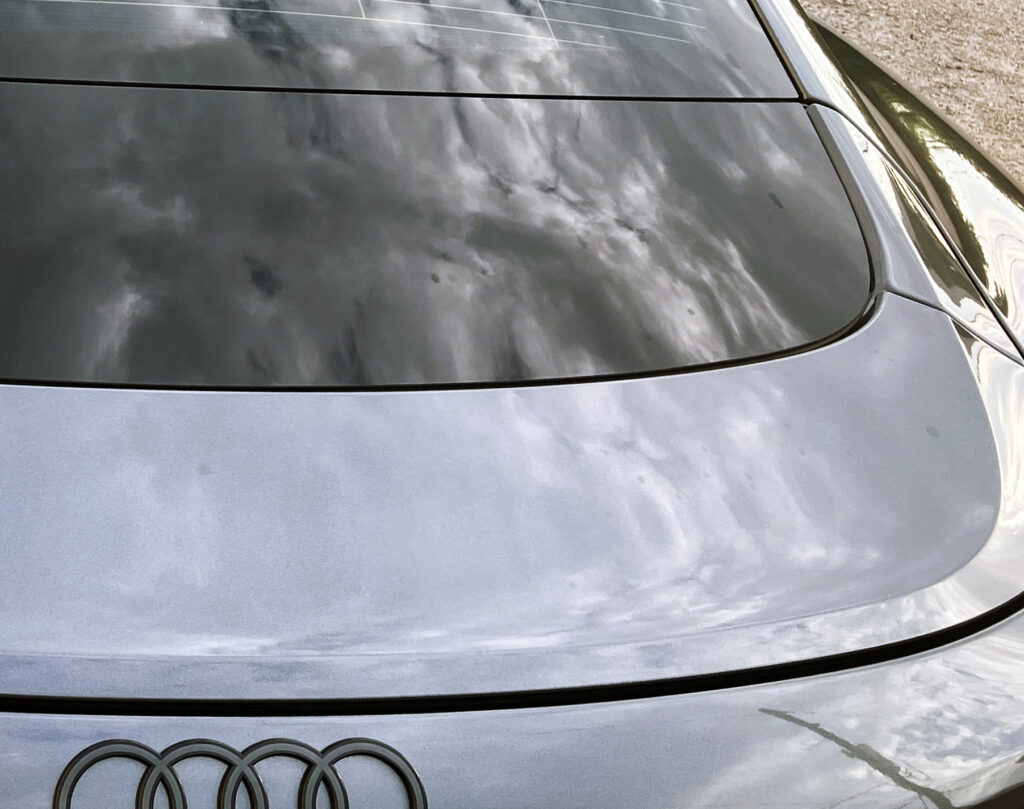
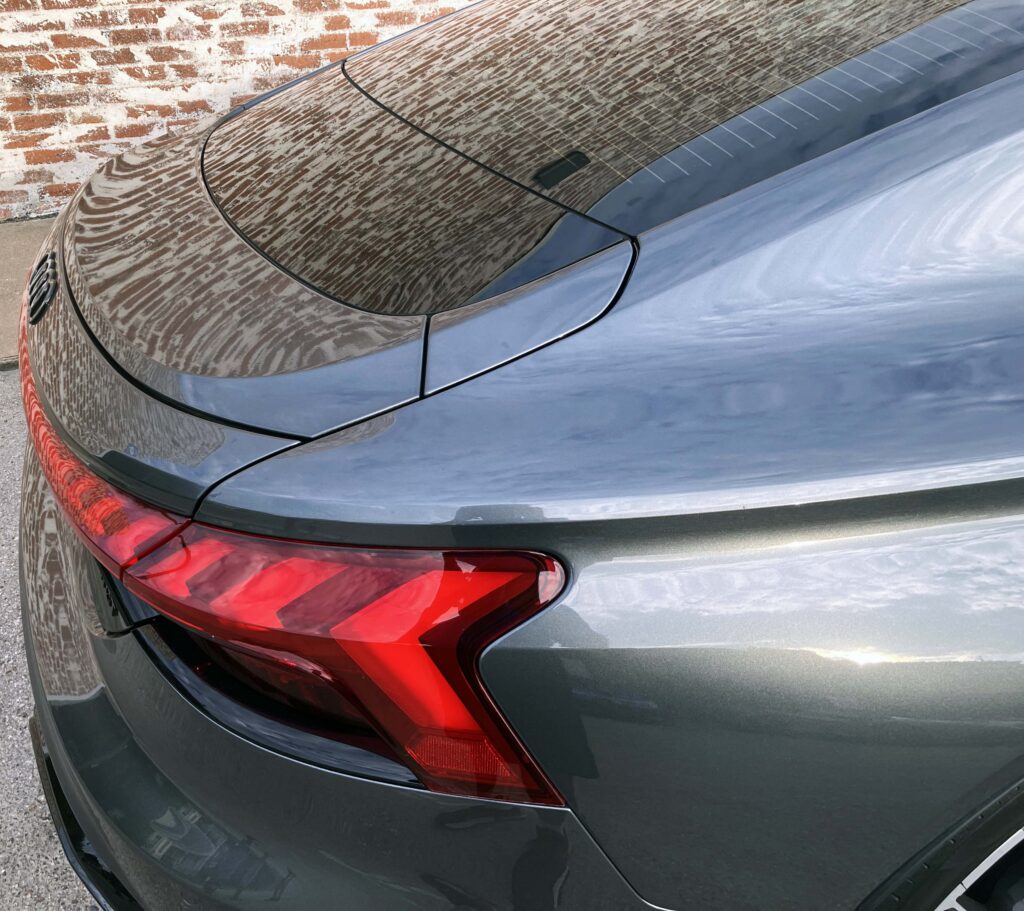
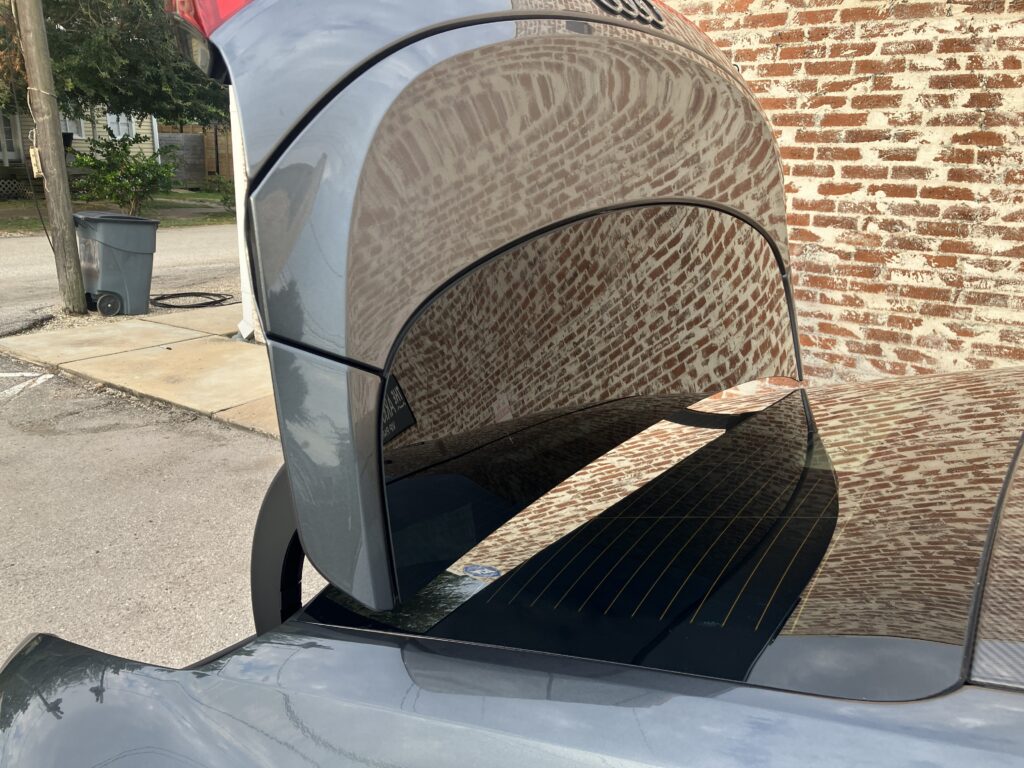
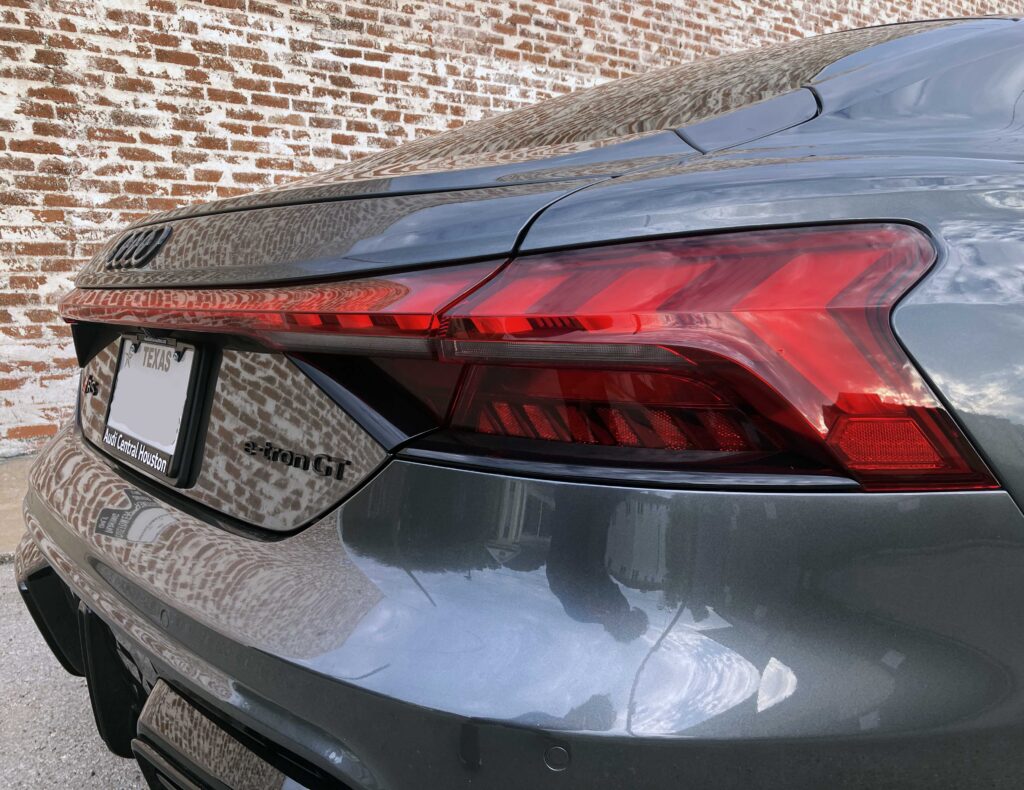
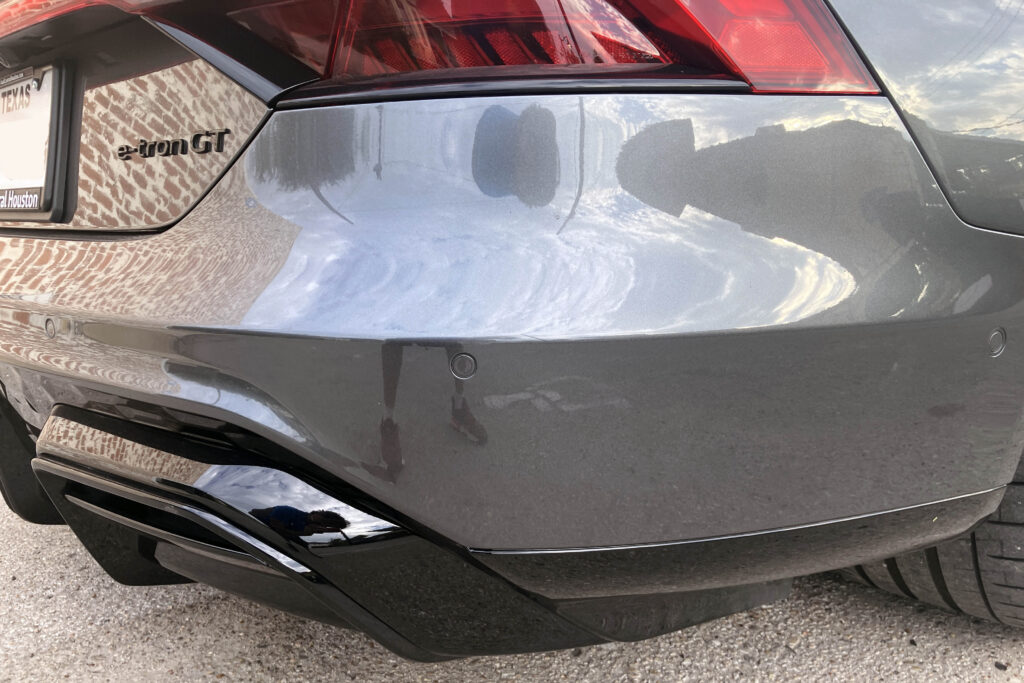
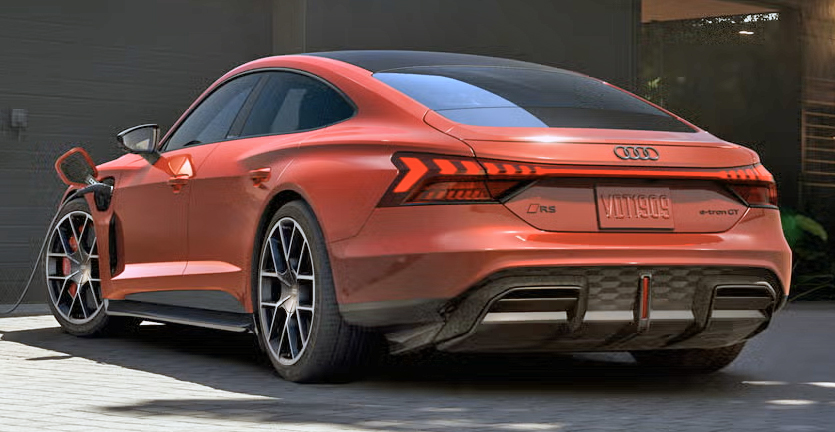
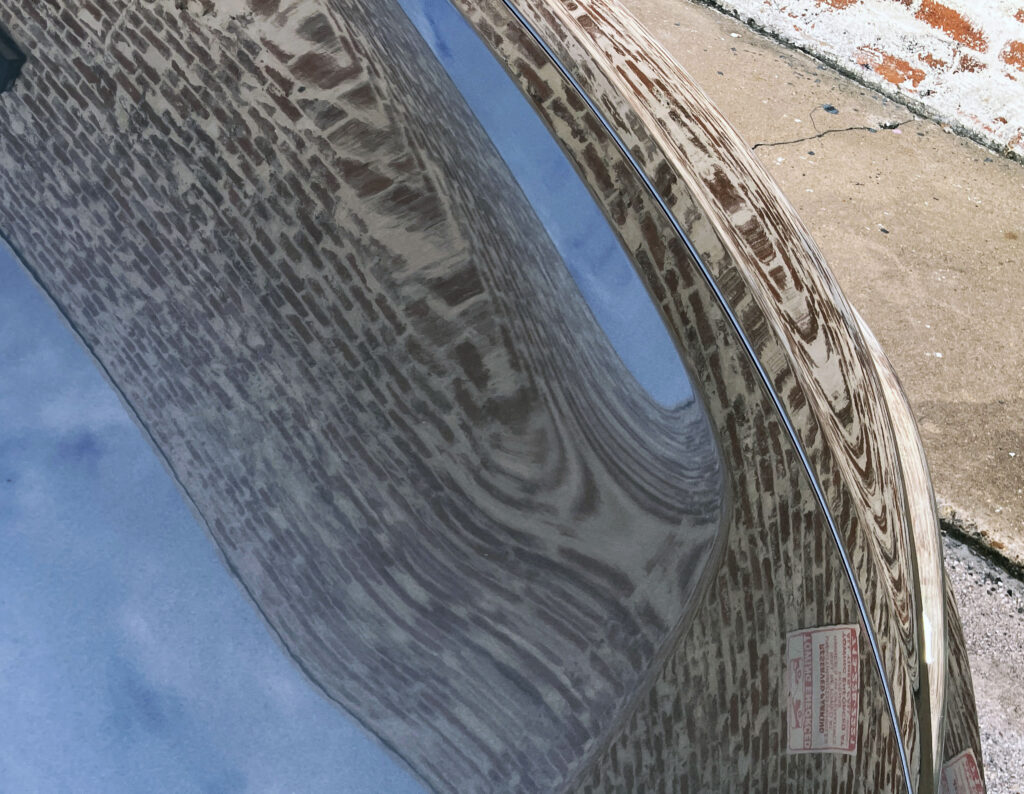
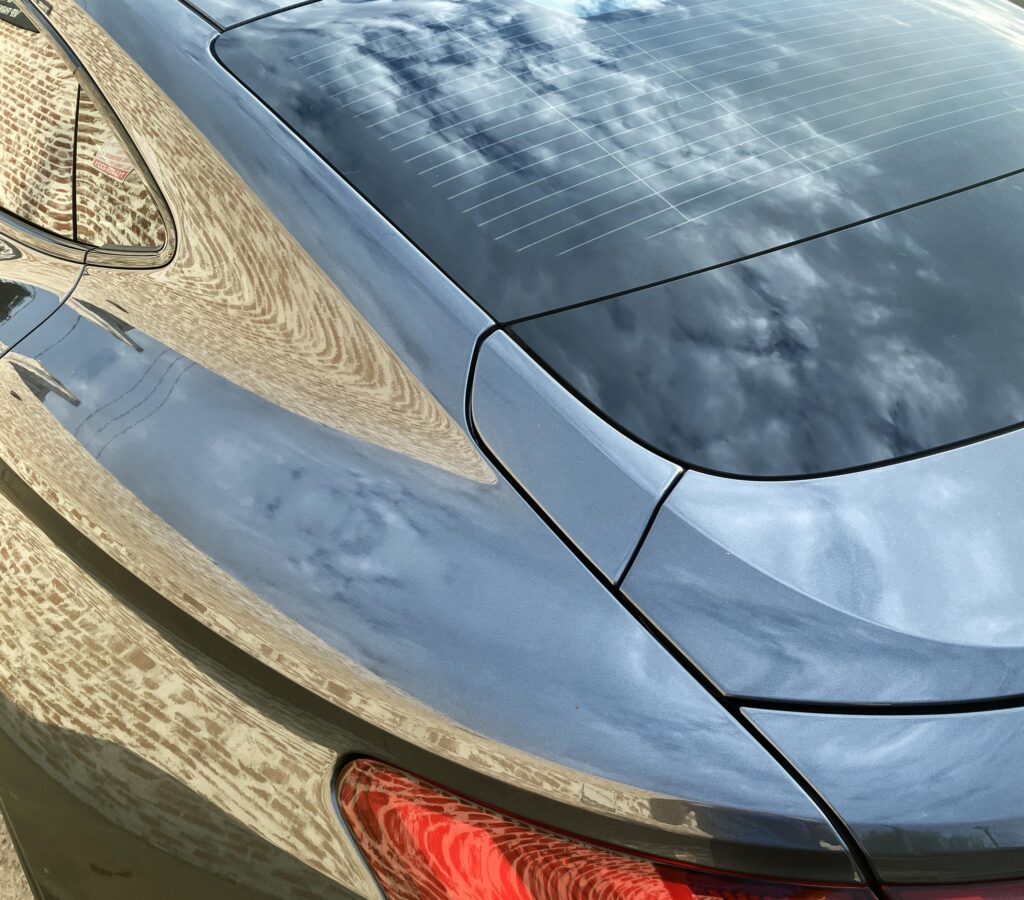
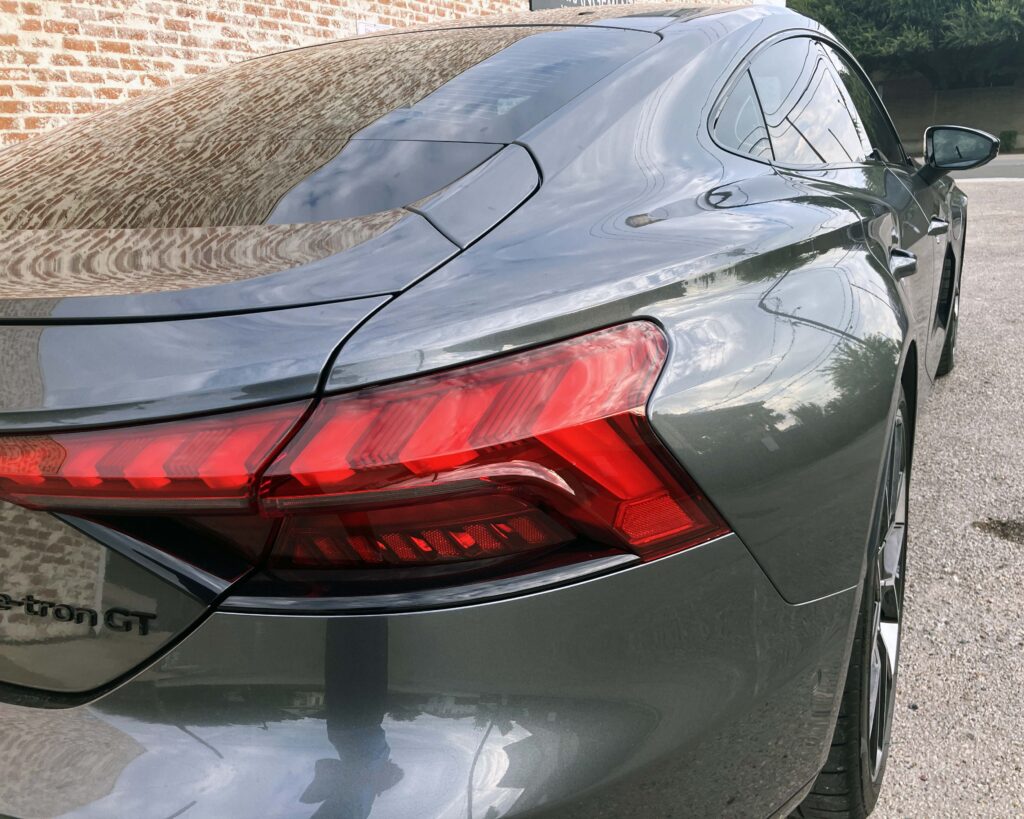
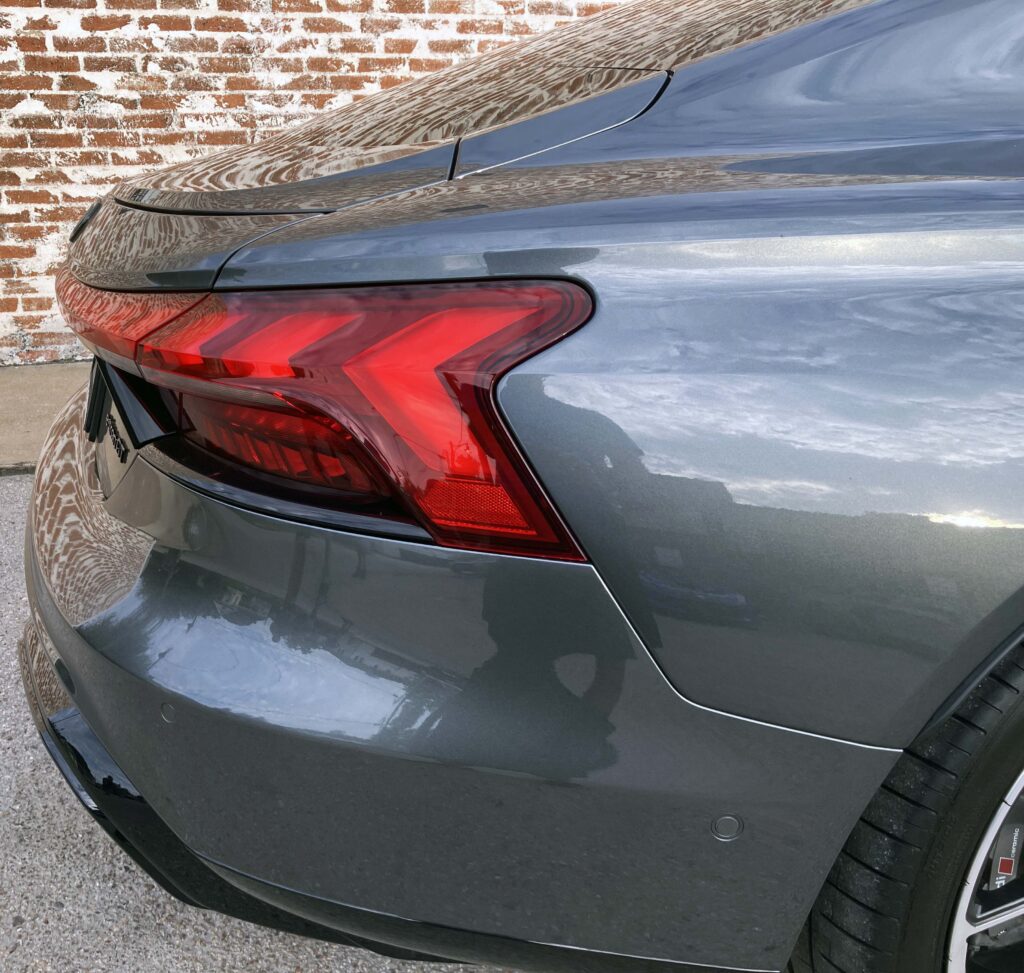
The tail gathers the car’s design tensions into one place. There’s a short deck, a pronounced surface break above the lamps, and an extended rear-glass treatment that meets the spoiler area. The glass can’t follow every contour the body designers might want, but the result adds another boundary to an already busy trunk. The long glass may recall the Tesla Model S, while on the Audi it sits against more complex surrounding surfaces.
A simpler decklid and a fixed wing could help. A subtle spoiler would echo the Coupe GT; a more conspicuous design could underline the RS model’s power. Either approach might give the rear a stronger horizontal structure and make the body feel less rounded. A fixed wing would also give up the active spoiler’s flexibility and the aerodynamic benefits associated with it, so this is a design trade-off, not a free improvement.
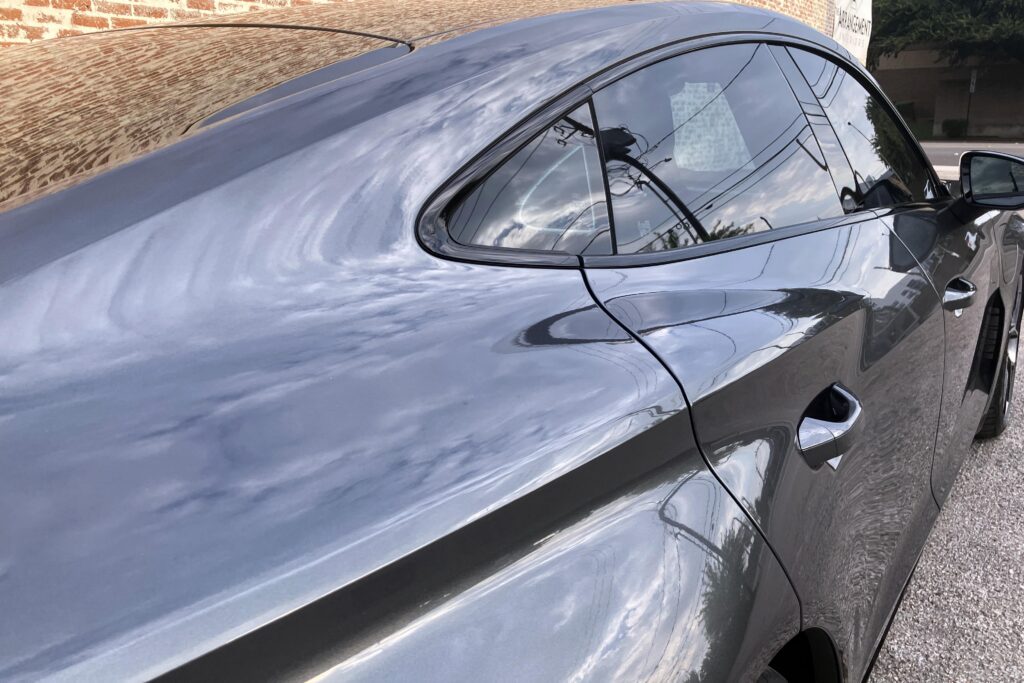
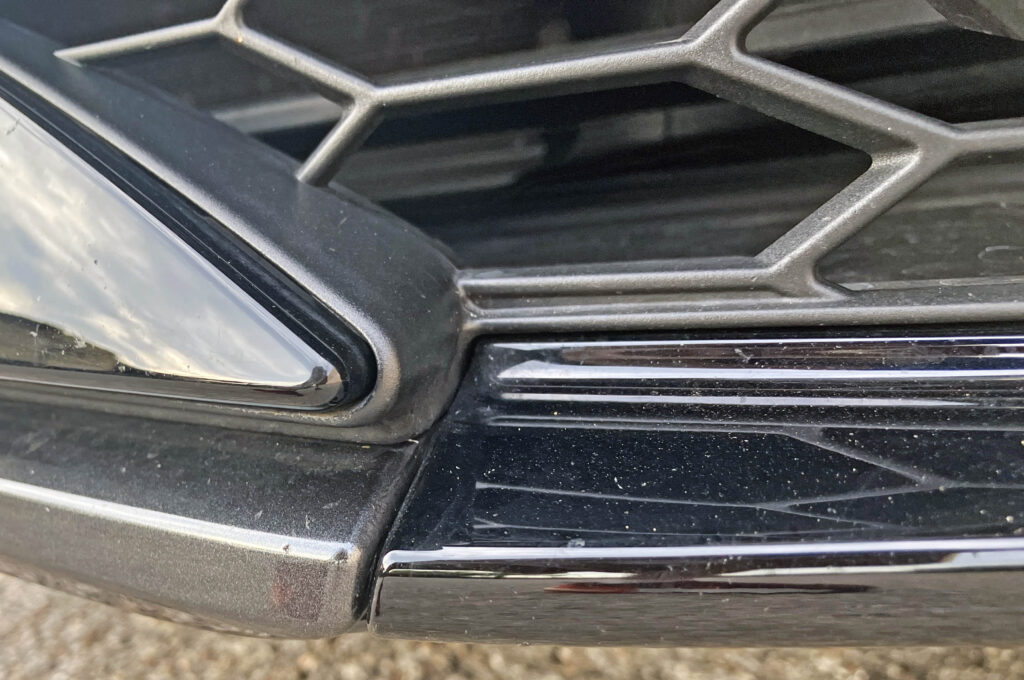
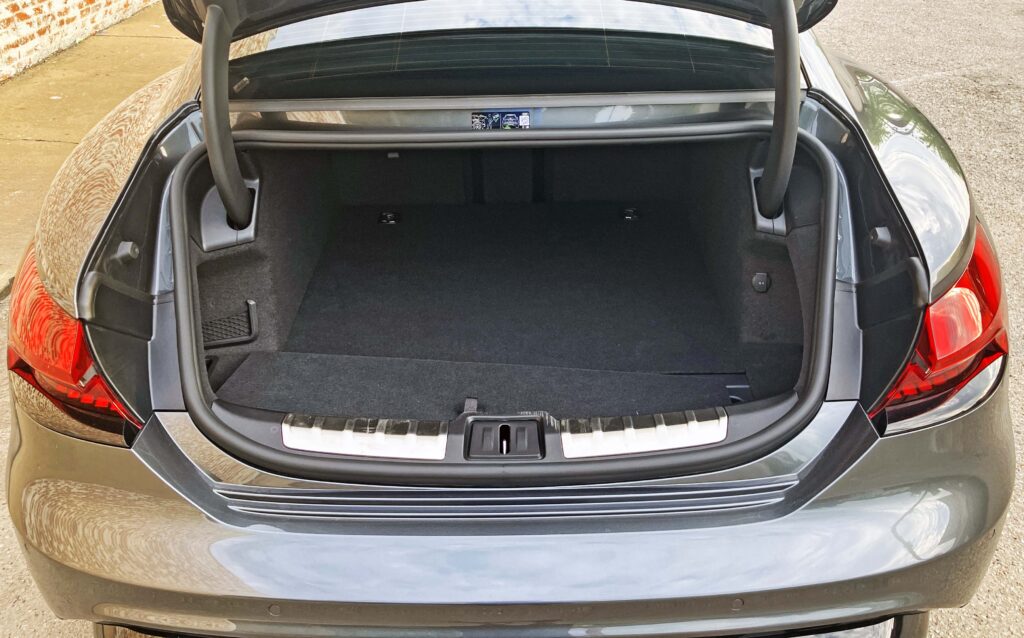
The trunk opening also looks modest for a car with such a large footprint. A hatchback layout could improve access to cargo, as the Taycan Cross Turismo shows, although the source offers no measured comparison of practicality or used-market values. The standard sedan’s short deck has a connection to the original Sport Quattro, but the current car’s curved surfaces don’t make much of that reference. It has the outline of a performance coupe with a trunk that doesn’t quite commit to the idea.
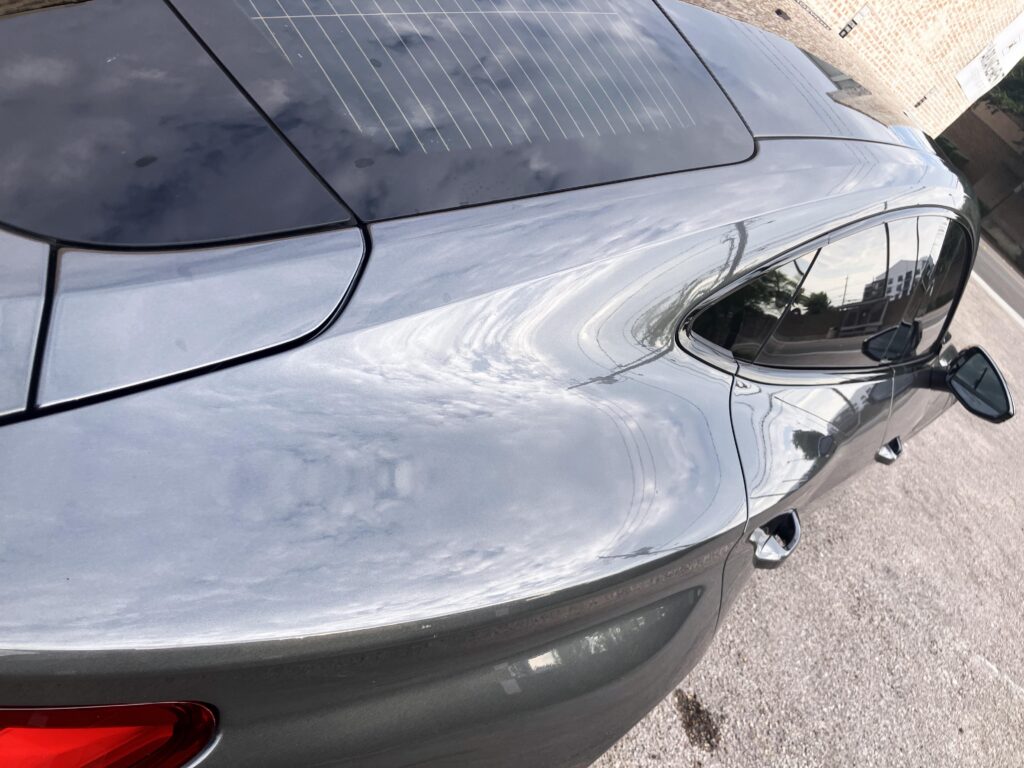
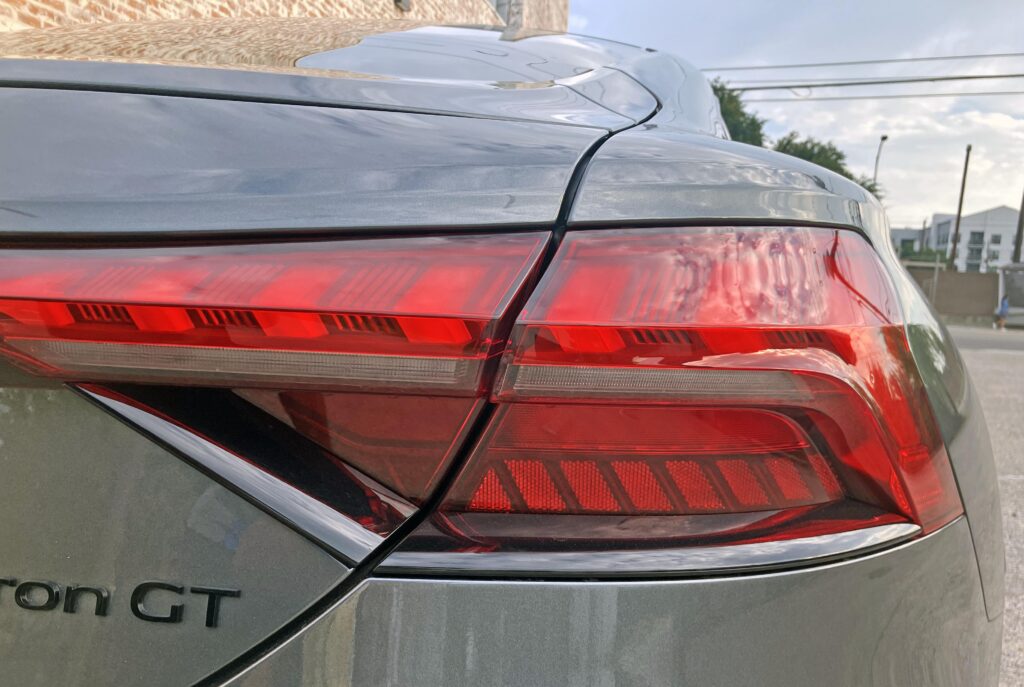
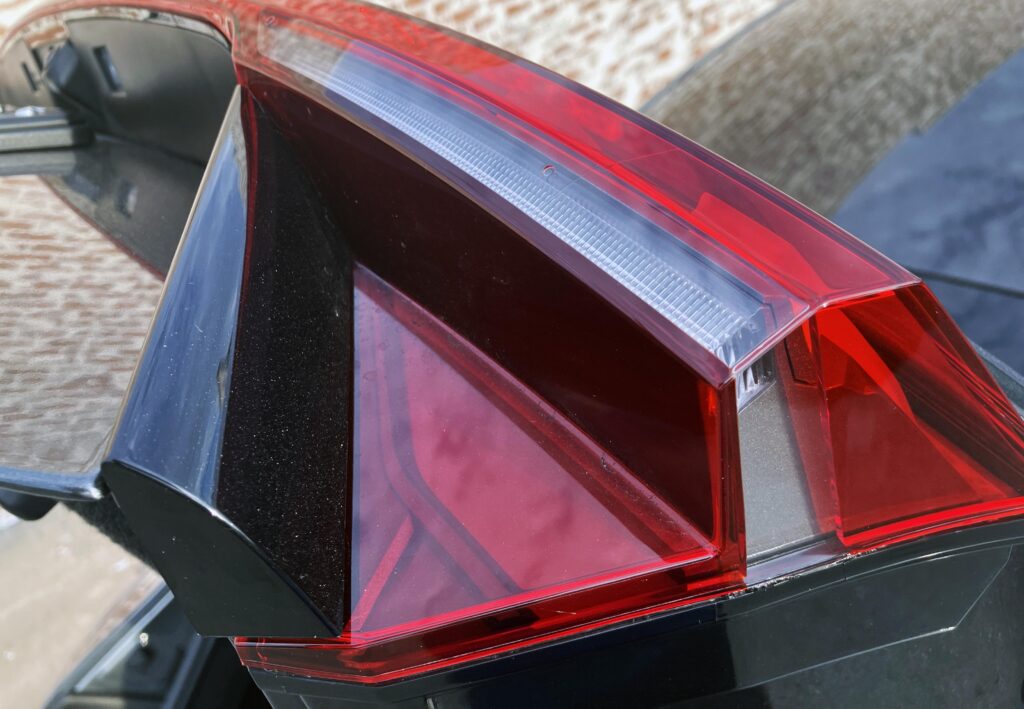
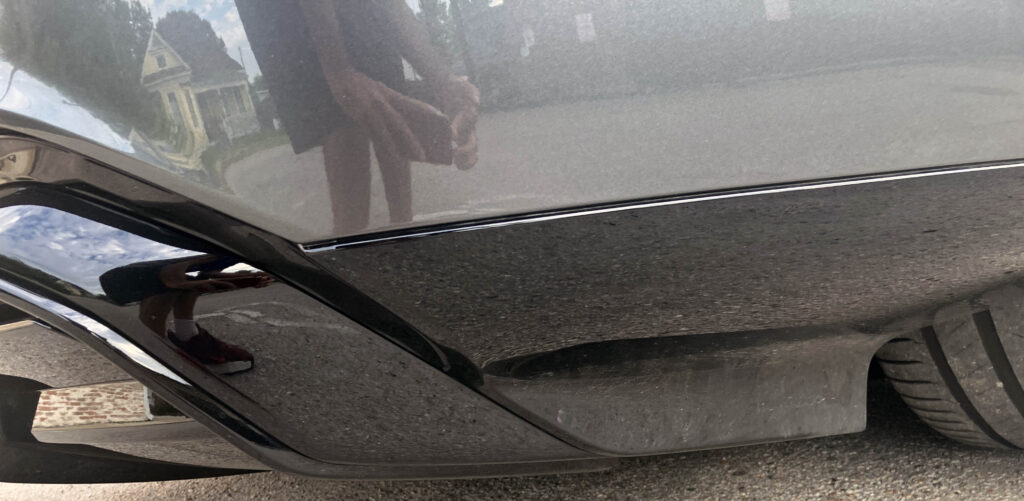
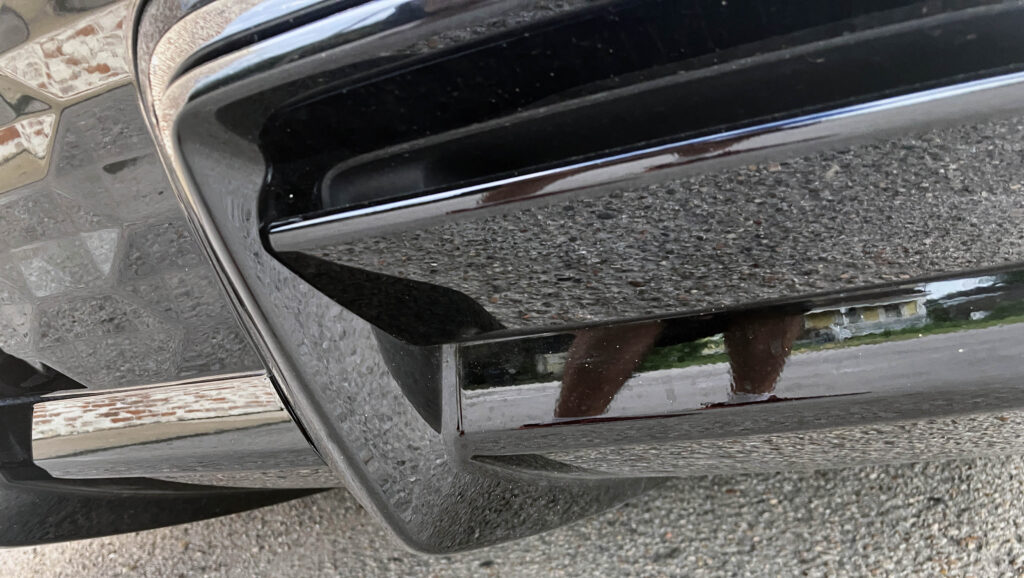
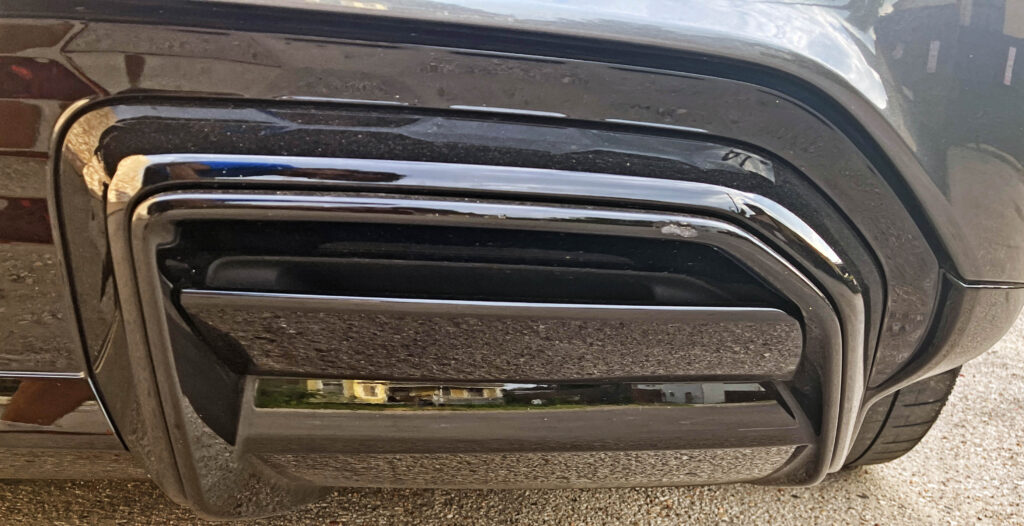
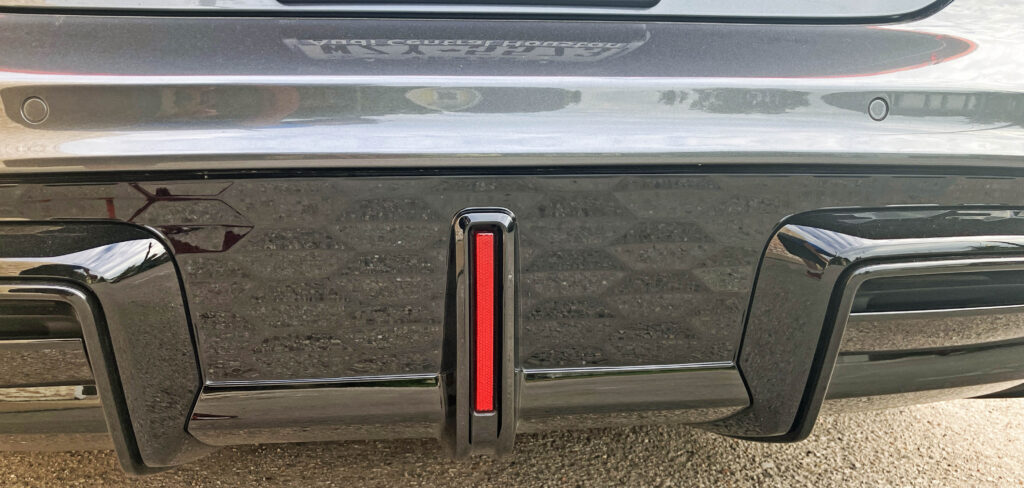
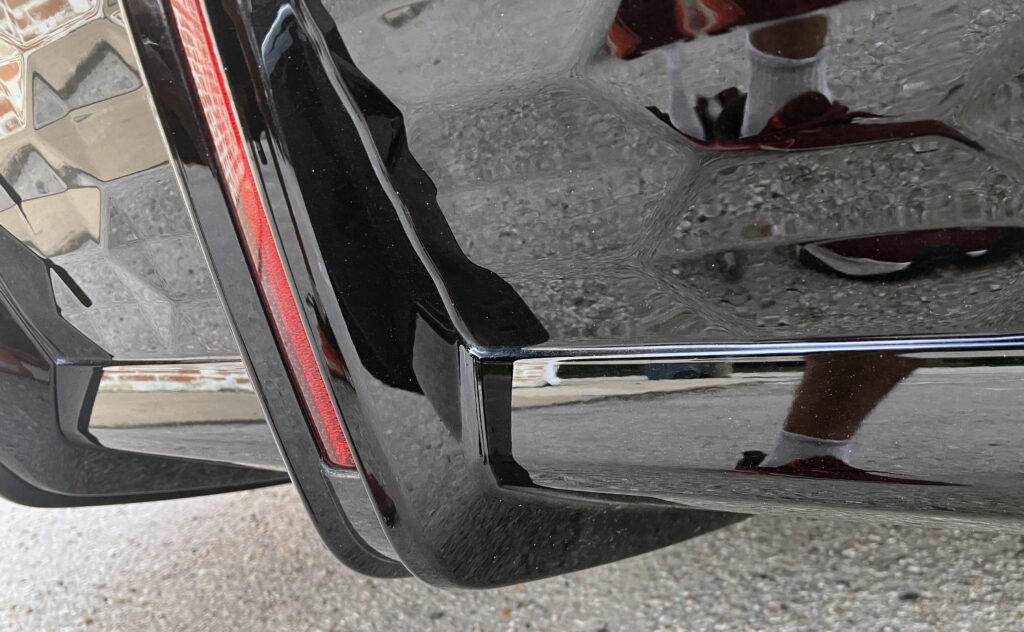
The taillights are a highlight. Their depth and layered structure match the front lamps, and the design has the technical precision that works well on a flagship. The trouble is the surrounding sheet metal: the center of the lamp graphic becomes thicker and droops toward the middle, while the body above it adds more creases. The rear bumper, by contrast, is angular and substantial. Its beveled gloss-black sections catch the light cleanly, and the central lamp and hexagonal motifs tie it back to the nose.
Identity matters at this price
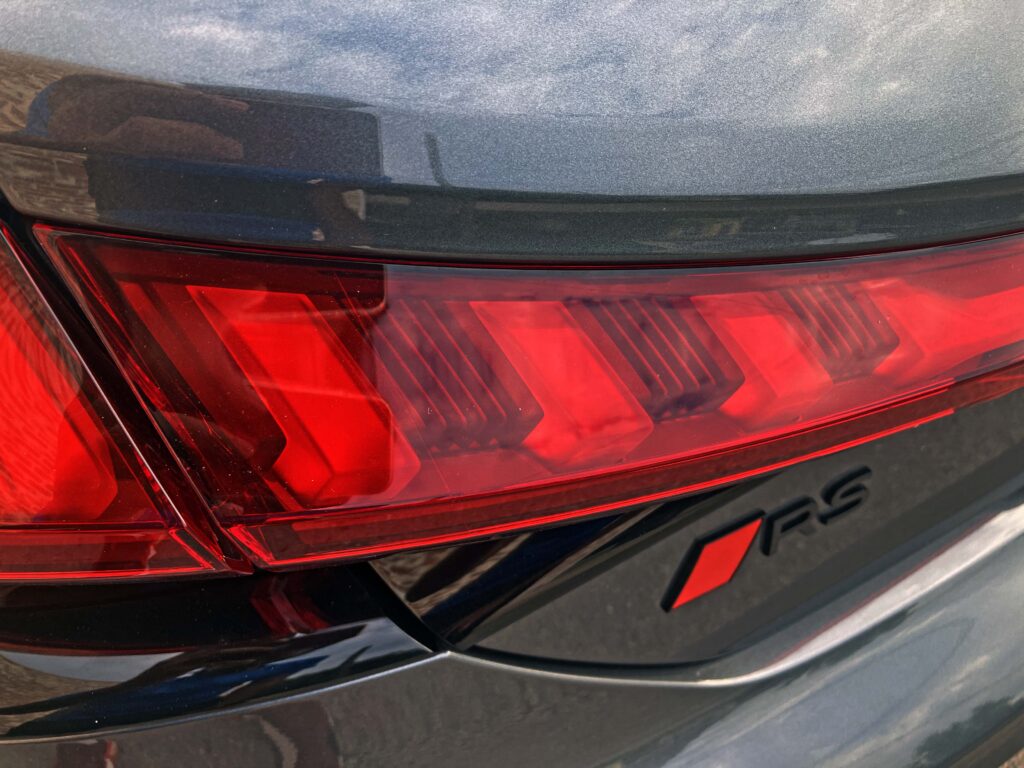
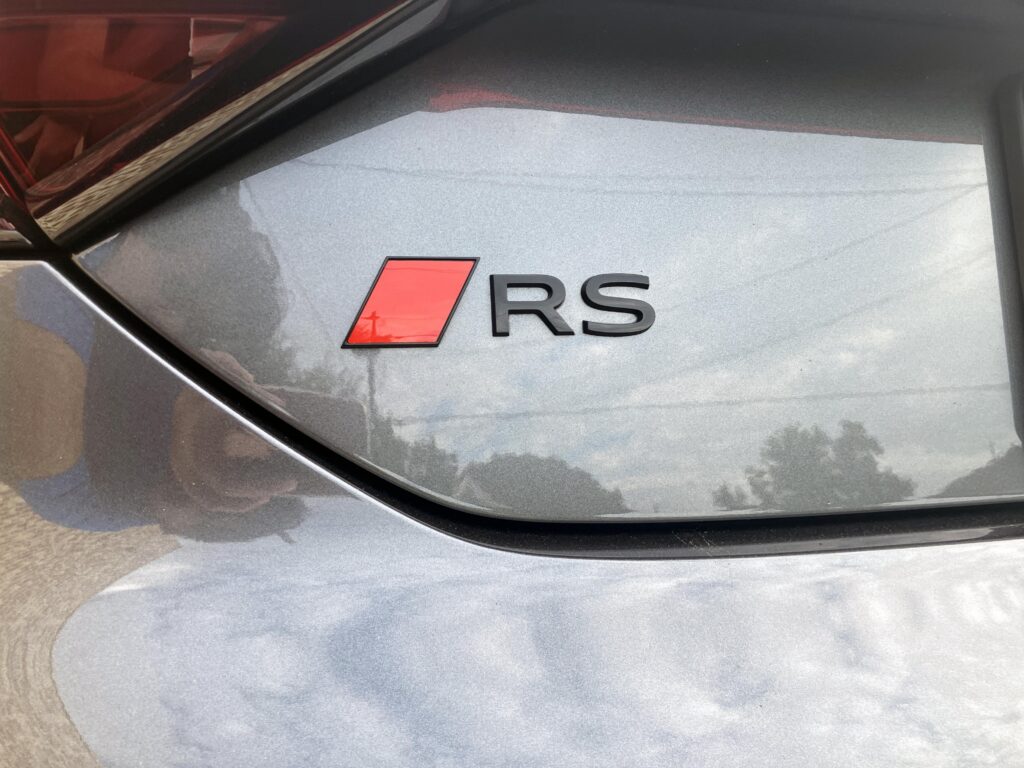
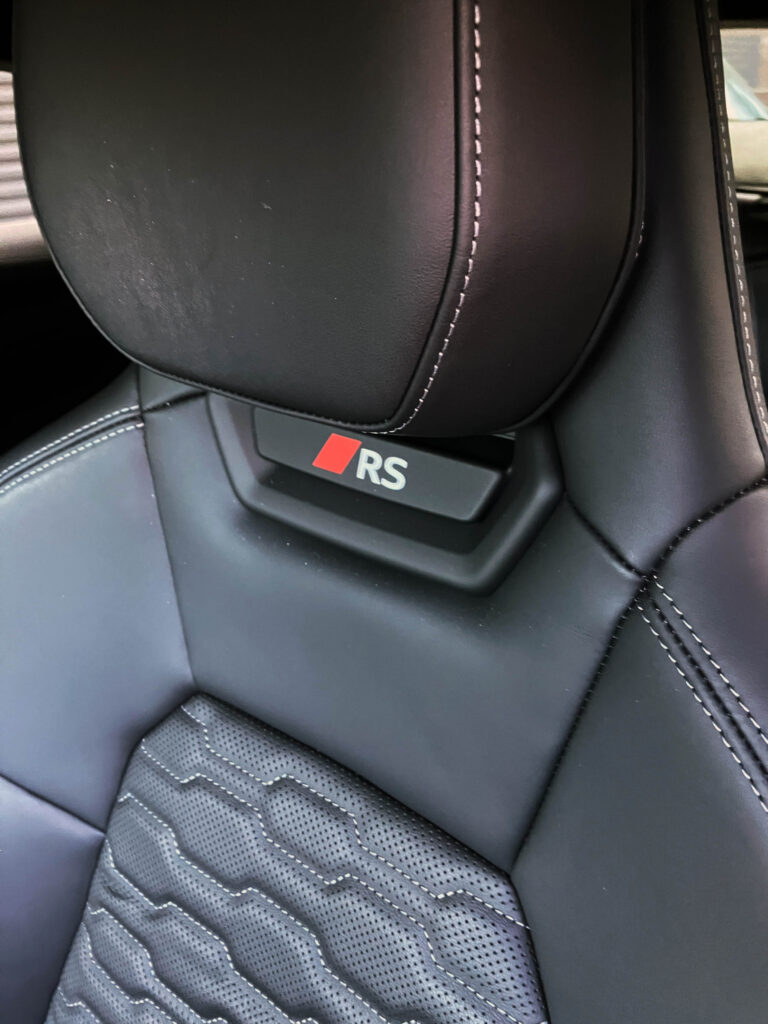
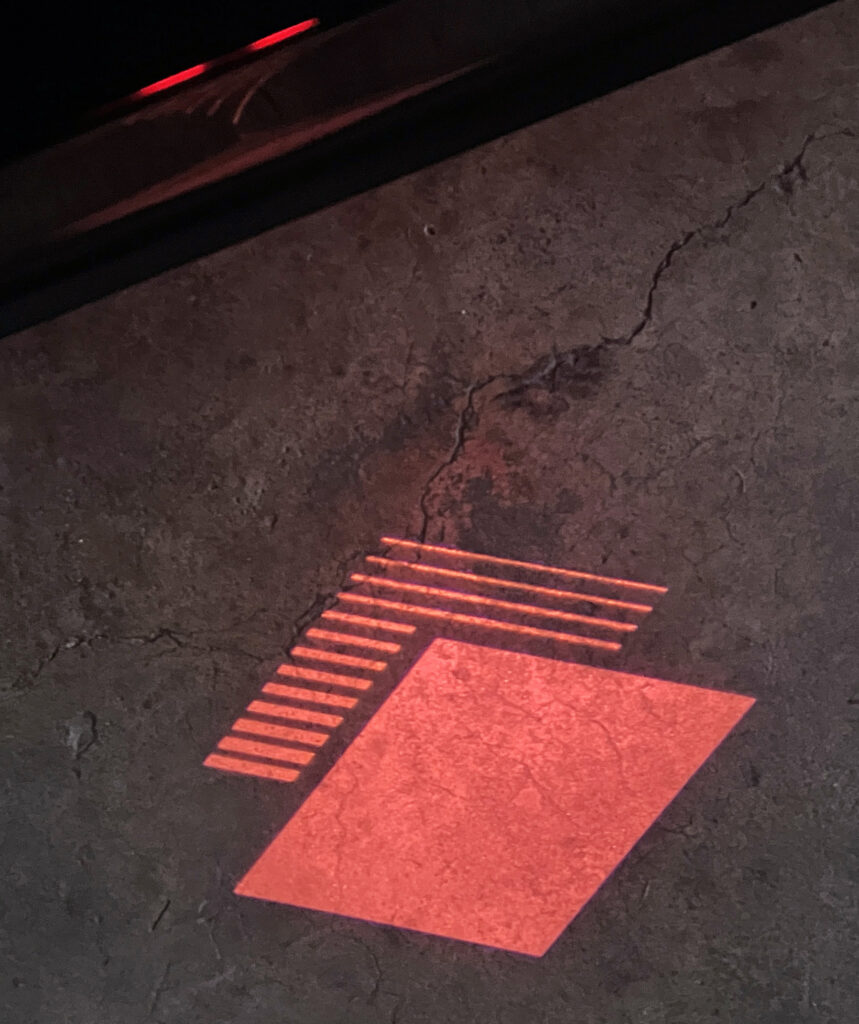
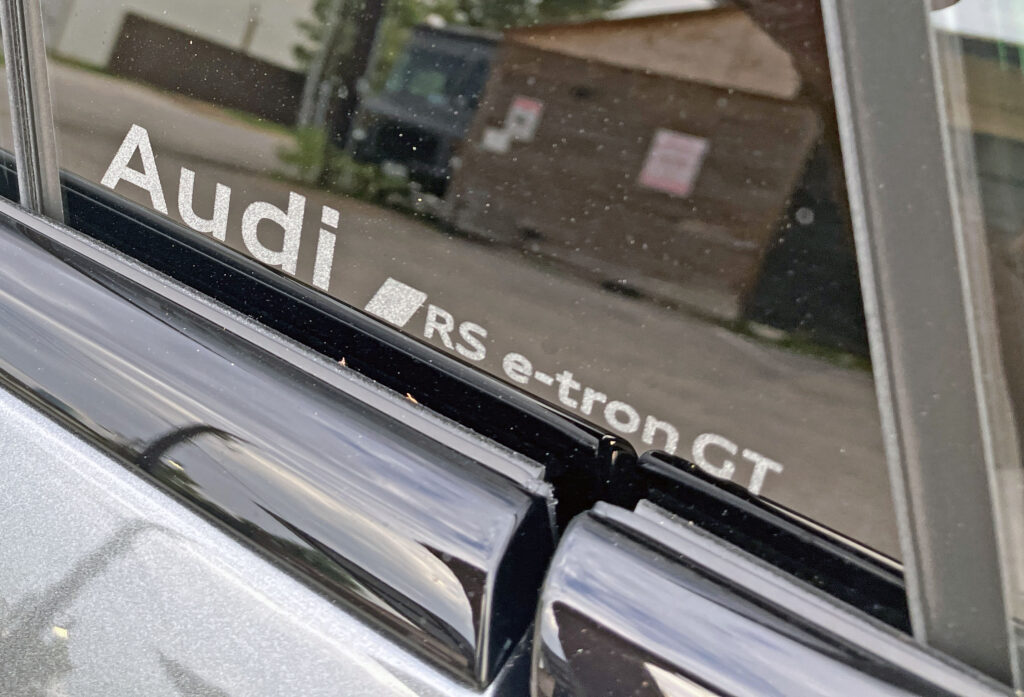
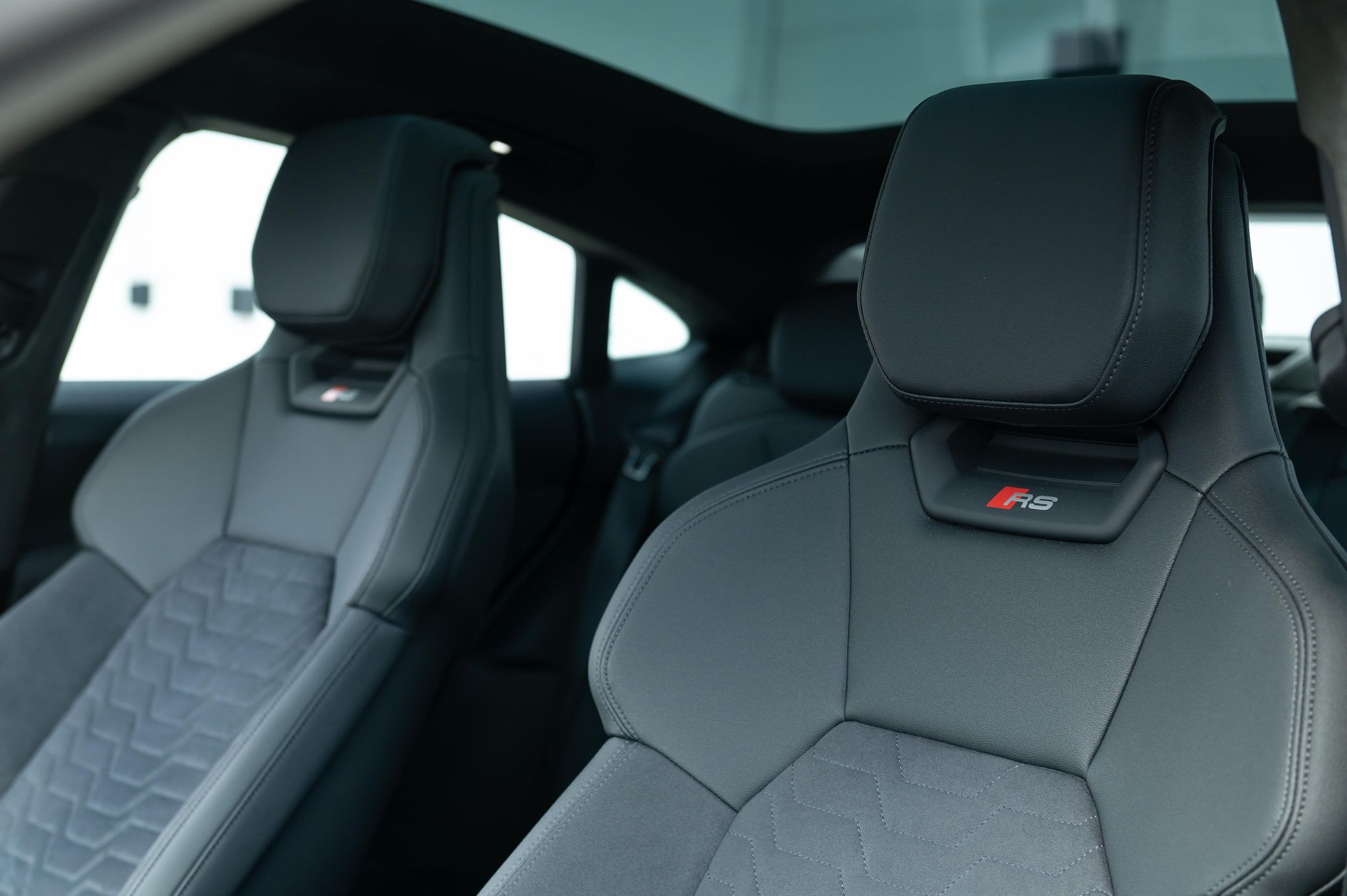
Some of the smallest branding choices also feel out of step with the car’s price. The RS lettering on the seats, puddle lights and B-pillar uses a treatment that looks less assured than Audi’s established performance identity. The freestanding red parallelogram and separate “R” don’t have the same clarity as the older seat graphic shown in a 2024 model reference. These are minor details in isolation, but details matter in a premium cabin and on a car whose design is meant to make an emotional case.
The larger issue is differentiation. The Taycan has typically sold in greater volume, and the source characterizes its sales as three to four times higher. That comparison doesn’t establish why buyers choose one car over the other, but it does underline the challenge for Audi: a close visual relative needs a clear reason to draw attention on its own. The RS e-tron GT’s power and grip sound compelling, yet its most recognizable styling cues don’t consistently connect to Audi’s own history.
The car doesn’t need to become a museum piece. Its strongest direction would be to take the wide stance, muscular wheels and angular front details already in place, then carry those ideas through the fenders and rear quarters. Charging doors could sit within more geometric arches; the tail could be simplified around a flatter deck and a more purposeful spoiler. Those changes would give the car a stronger link to Audi’s rally-era shapes without requiring a literal period copy.
As it stands, the RS e-tron GT is striking, and its lighting and wheels show what a distinctive electric Audi can look like. But its body sides and rear treatment leave too much of the design story to Porsche’s template. For a car priced from $170,500 and described as producing more than 900 horsepower, a stronger Audi identity would make the performance feel like part of a complete proposition. The next step is clear: keep the drama, sharpen the Quattro character, and make the silhouette unmistakably its own.
The verdict is less about whether the Audi looks aggressive—it plainly does—and more about whether that aggression belongs to Audi. The Sport Quattro offers a useful design vocabulary: squared arches, compact visual mass and a purposeful rear. The RS e-tron GT already has the size, stance and performance to support a bolder interpretation. Giving it that visual identity could help this very expensive EV stand apart from the Taycan and make its own case to enthusiasts.