In lane Electric Vehicles
How Commercial Vehicles Put Automotive Designers in the Public Eye
Description
From Michelotti’s buses to Pagani’s campers and Le Quément’s trucks, commercial vehicles show how design reaches far beyond car showrooms.
Some of the most widely seen work by car designers has spent its life on a bus route or a delivery run. That gives commercial vehicles a reach that even a celebrated sports car can’t match: they put a designer’s ideas in front of ordinary drivers and passengers, day after day.
Car designers were once familiar names to motoring enthusiasts, who could meet design teams at new model launches and hear how a car took shape. Today, few designers have the public profile of Jony Ive, whose reputation rests largely on Apple products. Ferrari’s decision to put Ive in the spotlight as it presents the design of its electric Luce is an unusual reminder that the people behind cars can attract attention in their own right.


Cars make a vivid canvas for design, reflecting their owners’ tastes and priorities. But the vehicles with the greatest presence in everyday life are often the ones built to carry passengers or goods. The work of Giovanni Michelotti makes that point especially well.
Michelotti’s design on the bus route
Michelotti became known for elegant sports cars and worked on Ferraris, Maseratis and Lancias. He also designed for Standard Triumph and later British Leyland. His Triumph work included cars such as the Herald and Dolomite, bringing his styling into suburban streets. The Triumph Stag was another of his designs.
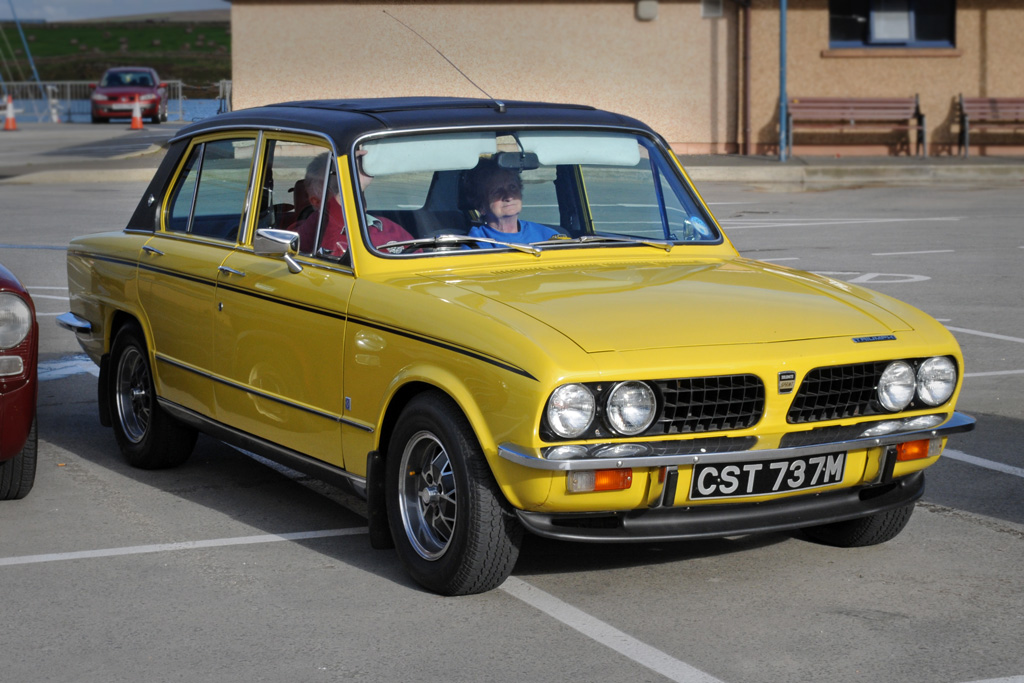
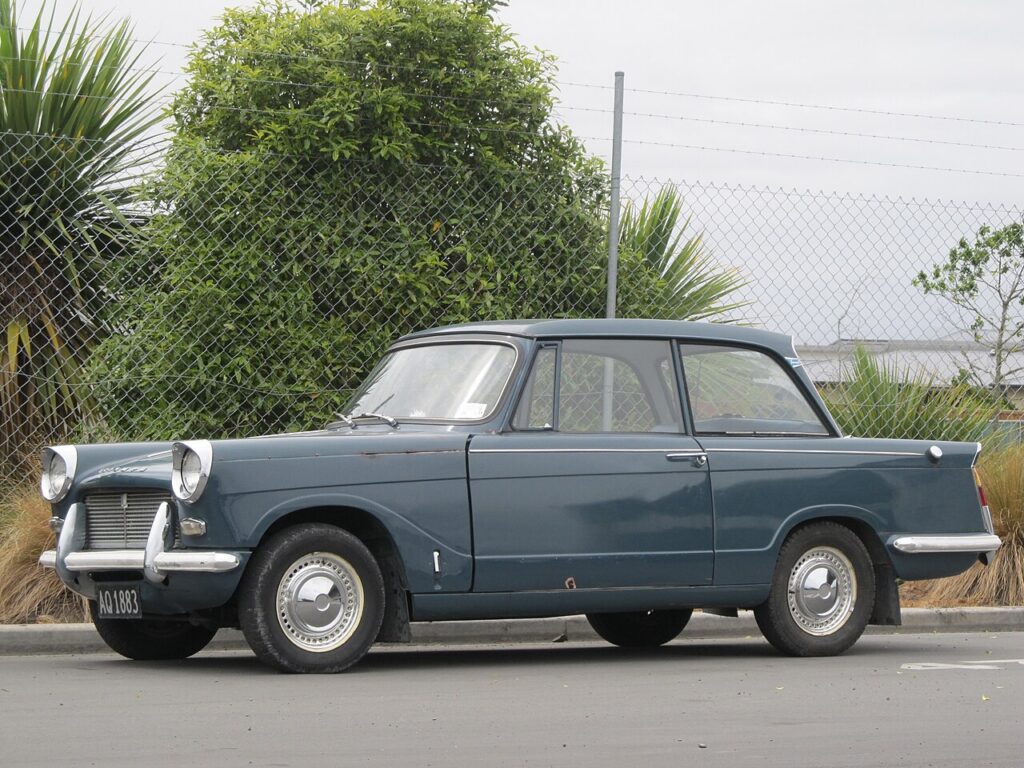
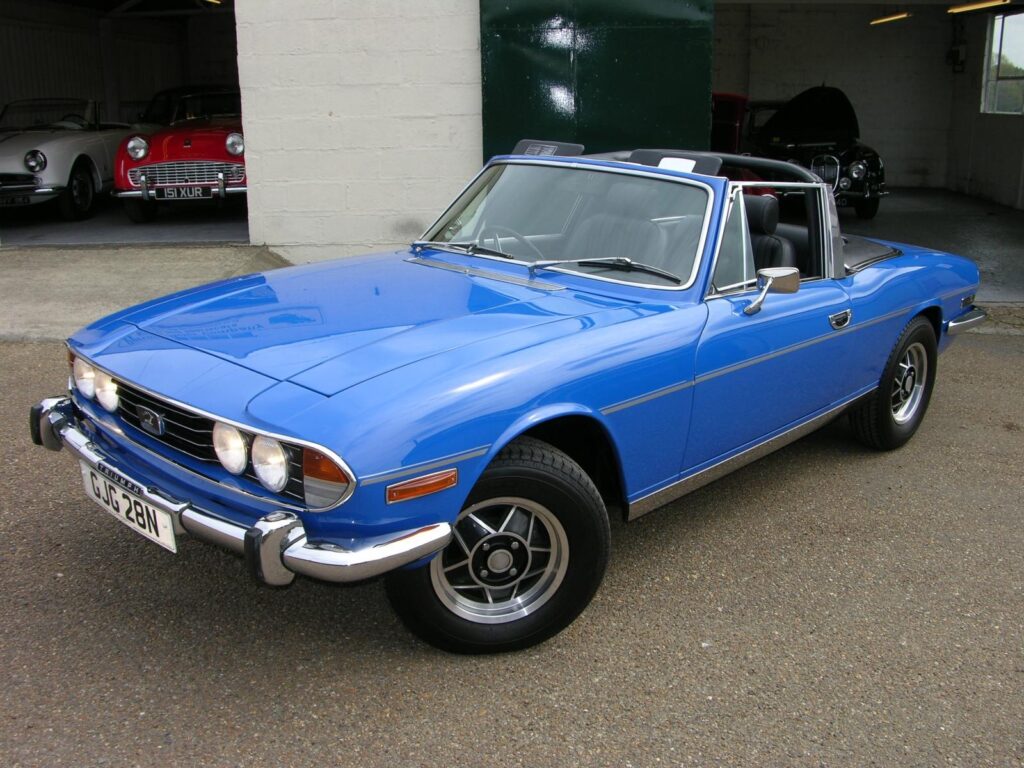
His reach extended well beyond private cars. The Leyland National, a single-deck bus, became a familiar sight across the U.K. for decades and carried millions of passengers. Its simple, upright form was built for daily service, but a closer look reveals echoes of the design language Michelotti used on Triumphs. His contribution to British roads may be most visible in this bus, rather than in the more glamorous cars that first made his name.

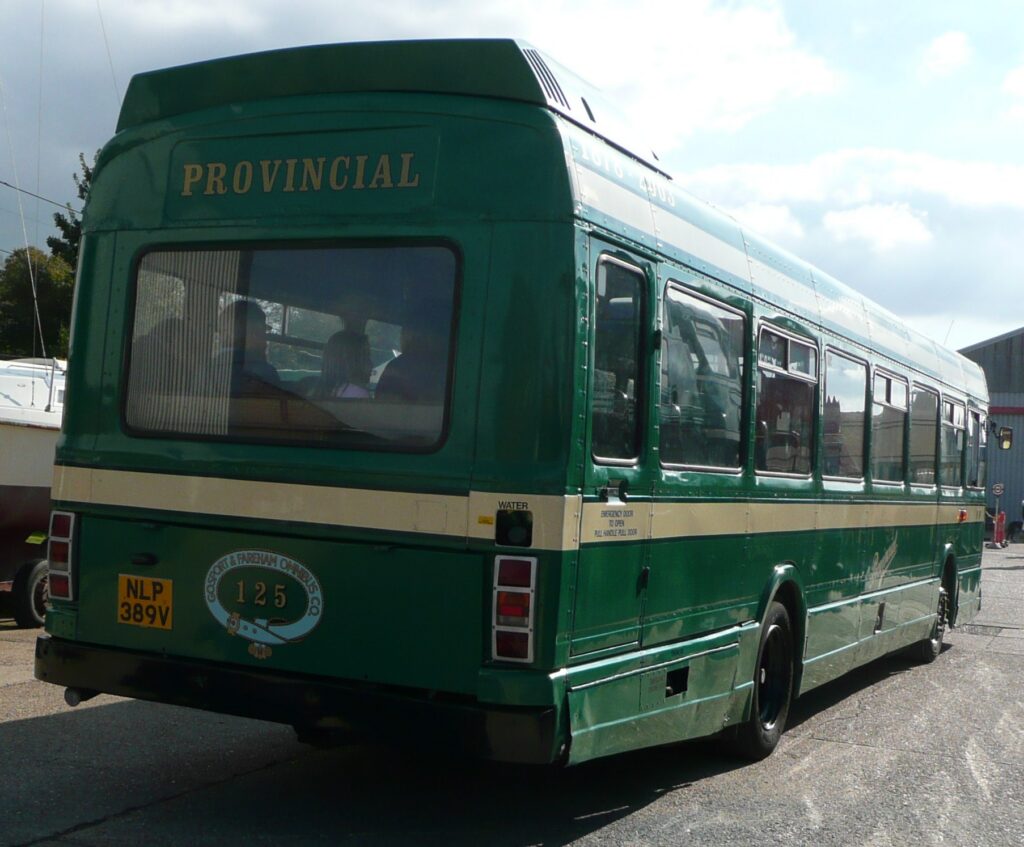
That’s the particular value of commercial design: it meets people where they live, work and travel. The National ran on streets and roads throughout the country well into the early 2000s. Few bespoke cars can claim comparable exposure.
Pagani’s early work with composites
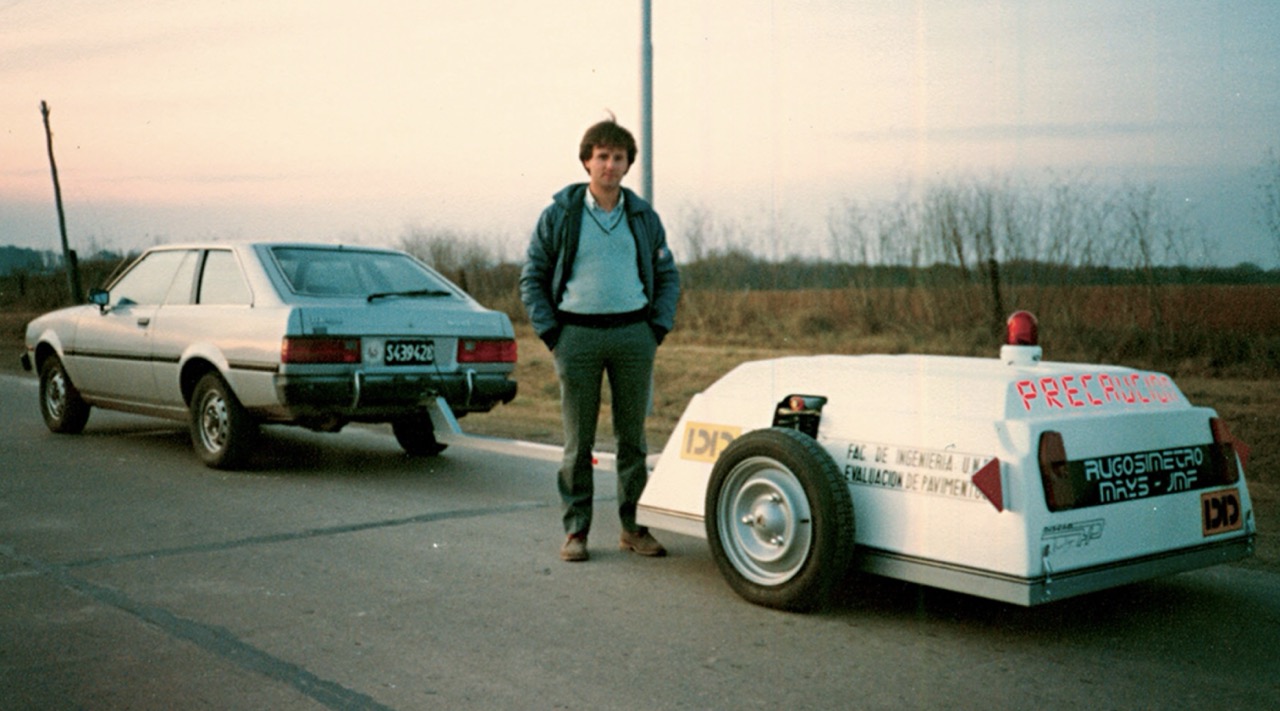
Horacio Pagani followed a very different route to car design. Before he became associated with Lamborghini and, later, his own hypercars, he worked in Argentina making commercial and leisure vehicles. In his early twenties, his factory produced campers, pickups and mobile studios, using glass-reinforced plastic (GRP) and other materials that were then relatively new to this kind of work.
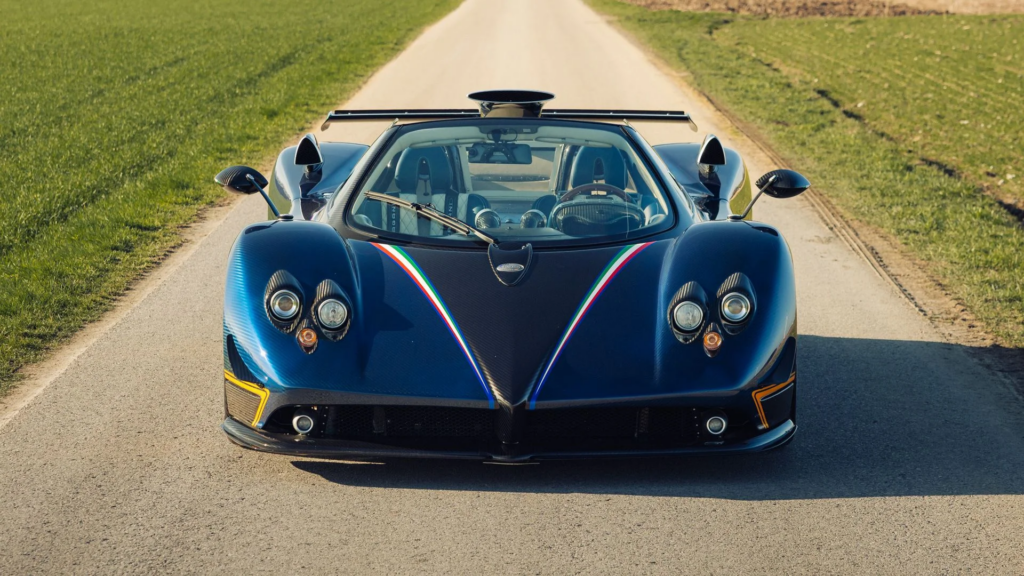
For Pagani, the projects were practical jobs for clients, but the work demanded skills that would matter later: shaping composite materials, building panels and attending to construction details. He carried that experience into his first racing car, a Formula 2 single-seater with body panels he made himself. The move from campers to a race car shows how knowledge built on utilitarian projects can transfer to far more specialized machines.
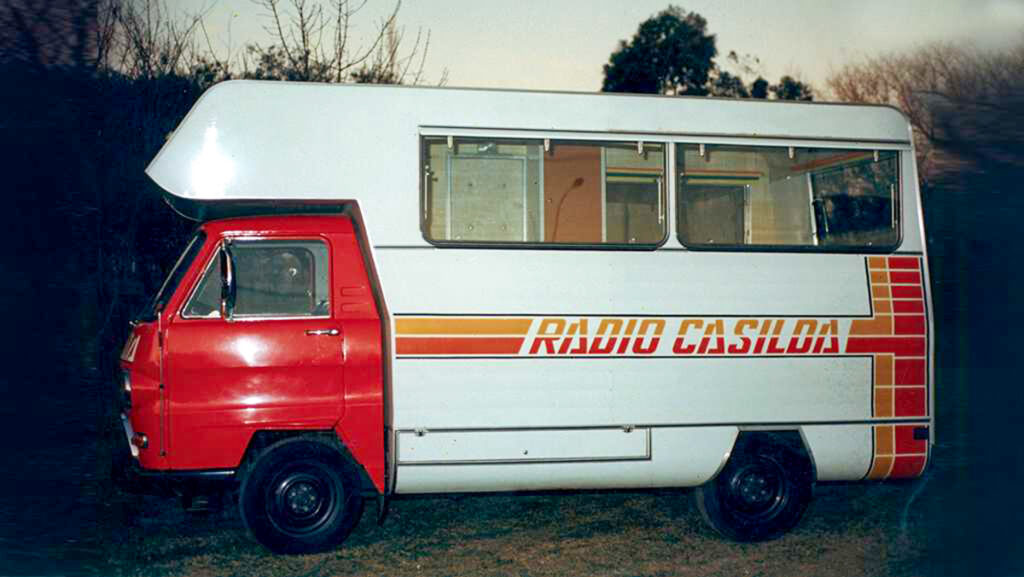
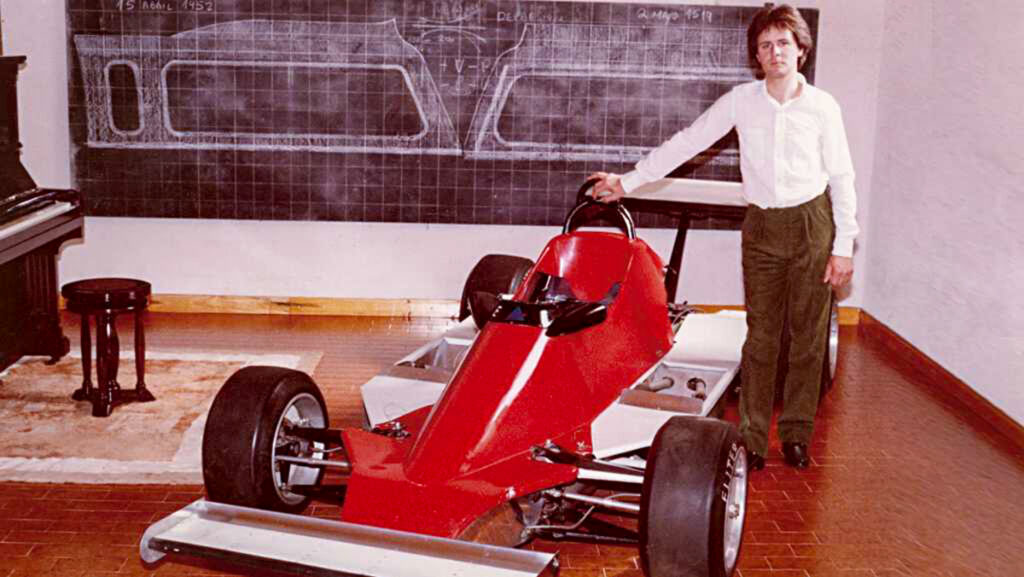
It’s unclear whether any of Pagani’s early leisure vehicles survive. Experimental materials left outdoors can be hard to preserve, and time takes a toll on working vehicles. If one does surface, it would be a striking link between his early manufacturing career and the cars he became known for.
Le Quément’s design cues on the road
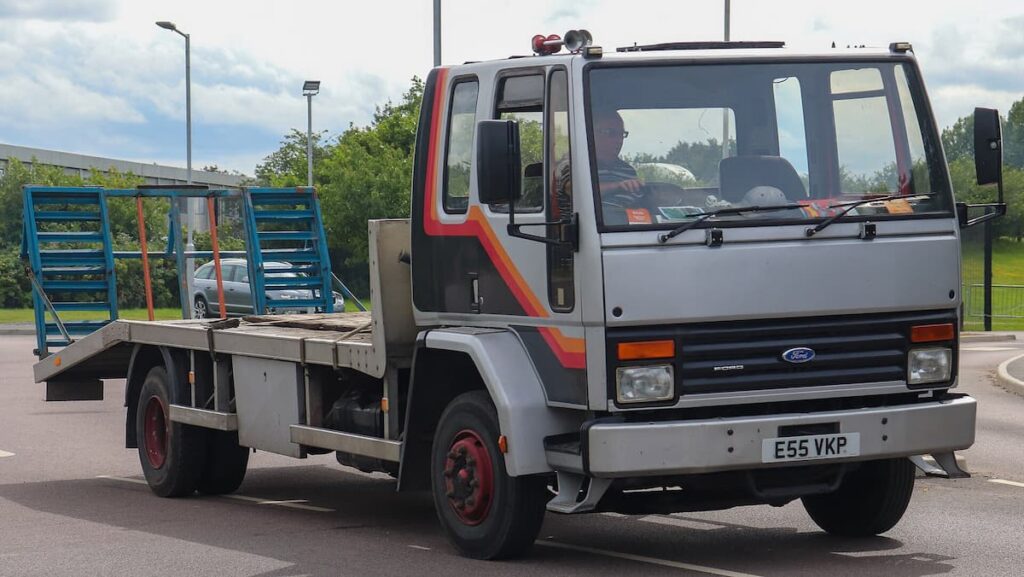
Patrick Le Quément’s work offers another example of a designer’s ideas travelling between vehicle types. He was responsible for the Ford Fiesta Mk1, the first-generation Renault Twingo and the Ford Cargo truck. The two small cars share a distinctive front-end arrangement: headlights sit above a horizontal indicator lens. The Cargo adapts that visual cue to its high, flat cab, with the arrangement reversed.
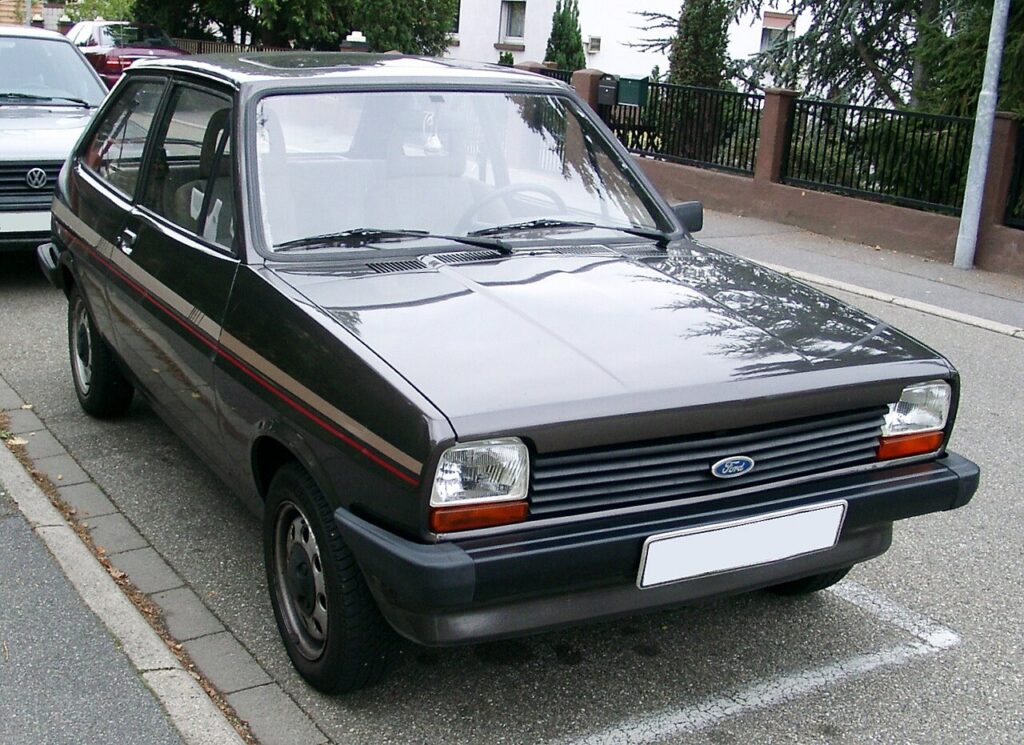
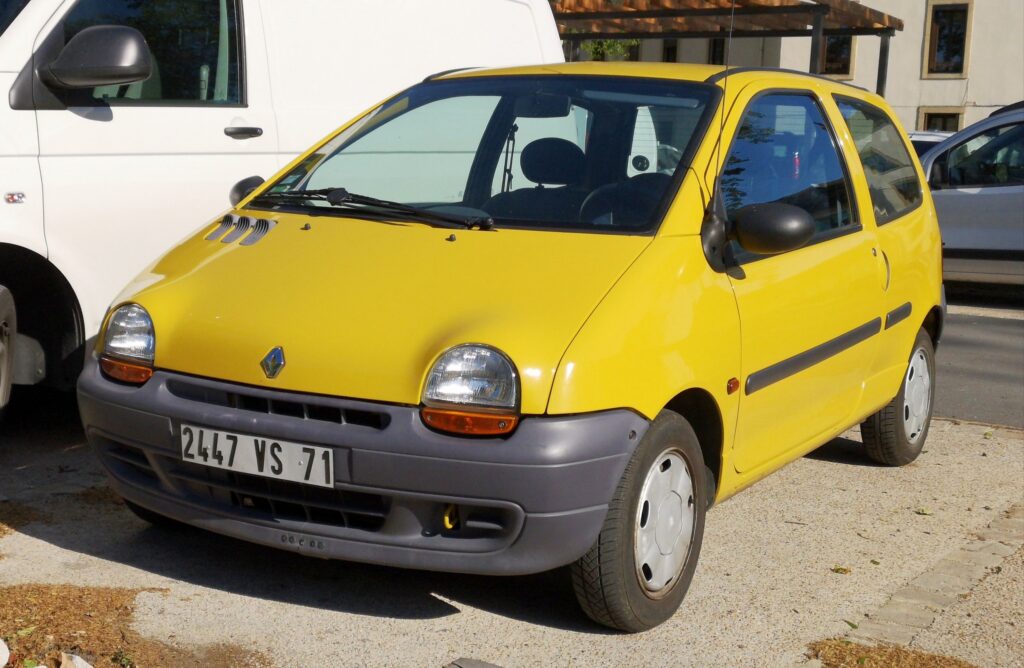

Le Quément also designed an earlier Ford Sierra and later led Renault design. His tenure included distinctive models such as the Series II Mégane, Avantime and Vel Satis, whose reception varied. The Cargo had a steadier commercial life: it sold in Europe and the Americas from 1981 through 1997. Later versions softened Le Quément’s original look to fit the brand’s changing design language.
Early Cargos spent years delivering goods, moving furniture and handling daily transport jobs. Their lasting presence makes the truck an accessible example of Le Quément’s design, perhaps easier to spot today than an early Fiesta or Twingo. From Michelotti’s buses to Pagani’s campers, commercial vehicles show that design’s influence isn’t measured only by showroom attention. It’s also measured by how often people encounter it on the street.
The post Automotive Design Takes a Commercial Break appeared first on Hagerty Media.


