In lane Electric Vehicles
2001 Ford Explorer Sportsman Concept Put Fly Fishing Ahead of Off-Roading
Description
Ford’s 2001 Explorer concept paired practical fishing gear storage with a 30-gallon live tank, hinting at a broader shift in what SUV buyers wanted.
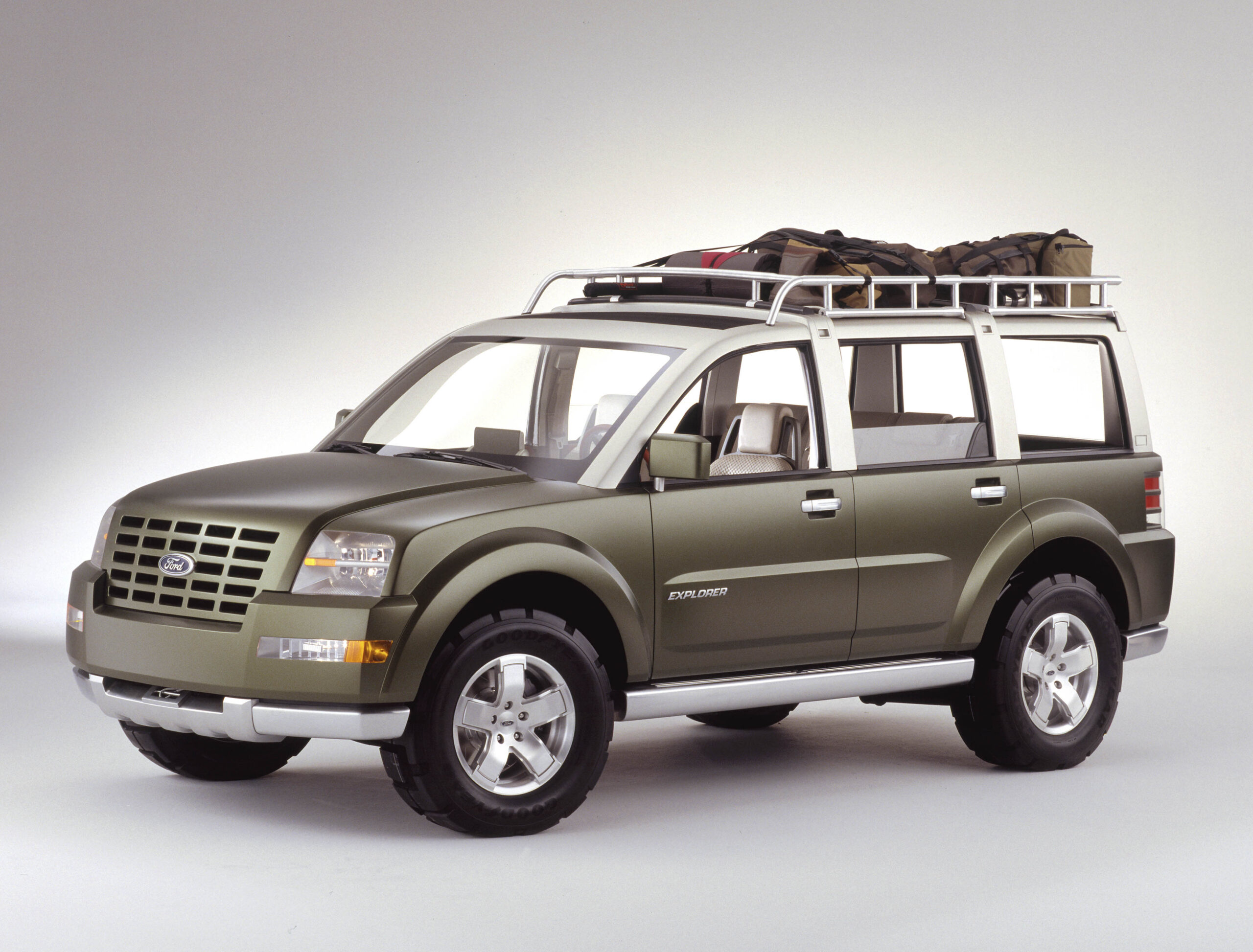
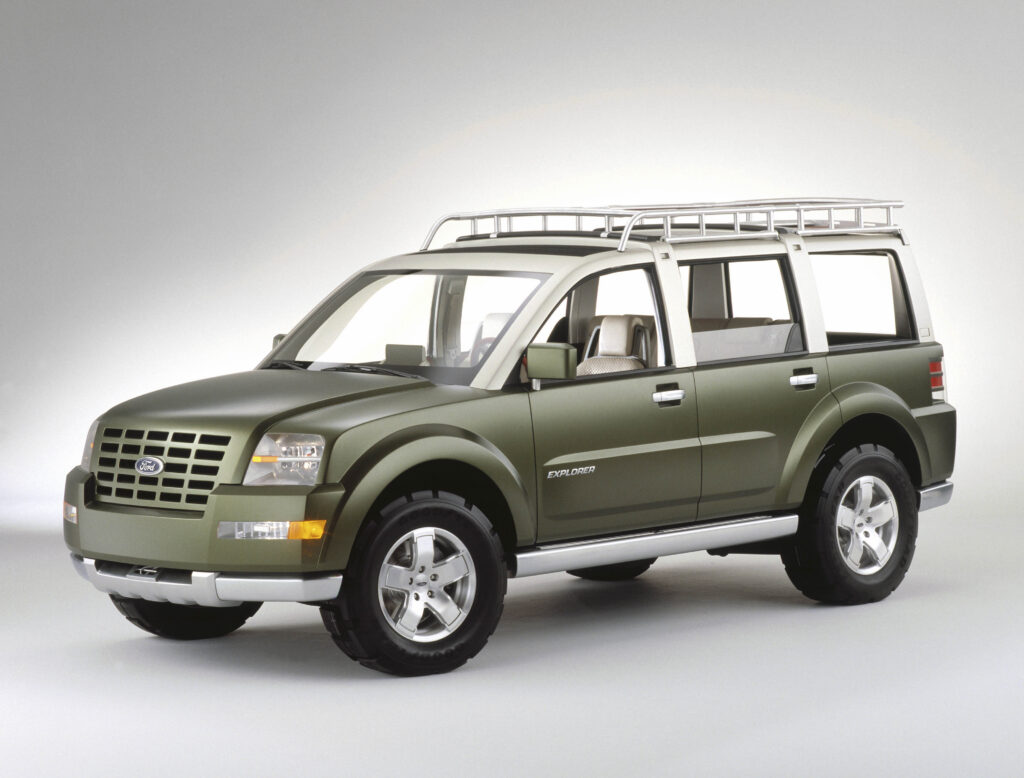
The 2001 Ford Explorer Sportsman Concept made a useful point about SUVs: owners didn’t necessarily need rock-crawling hardware to get more from one. Ford built this show vehicle around fly fishing, turning the Explorer into a gear carrier and mobile workspace. Its clever details make it an unusually focused concept, while its timing offers a glimpse of the shift toward SUVs designed for everyday utility.
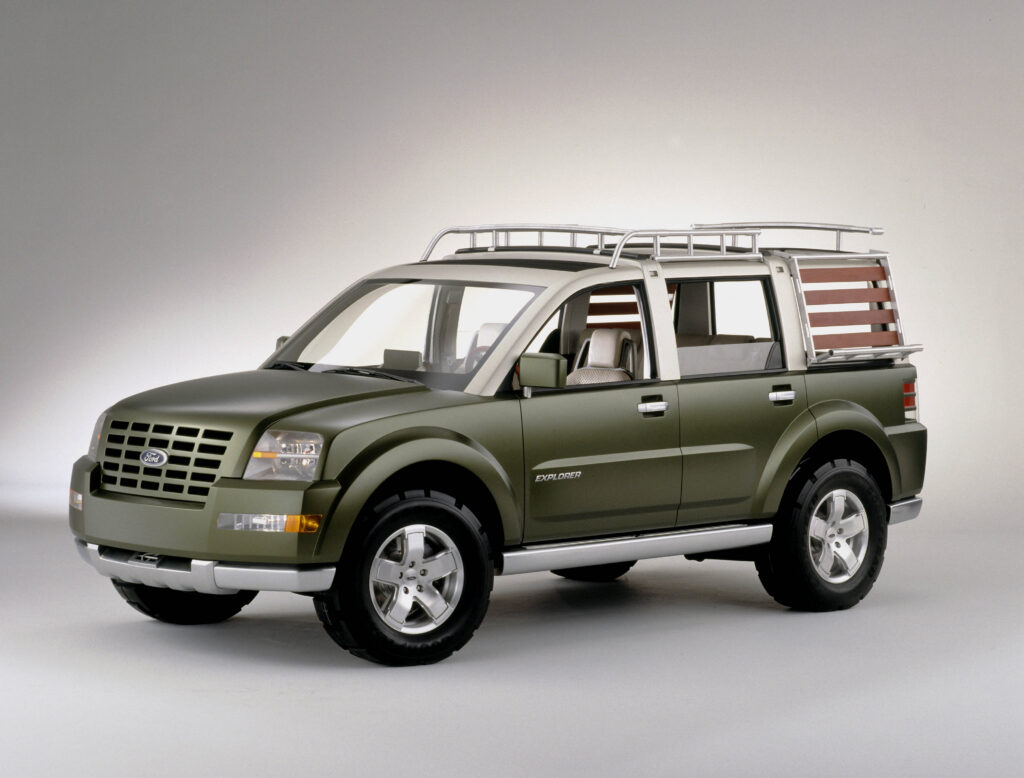
Ford introduced the Sportsman at the 2001 North American International Auto Show, alongside the arrival of the third-generation Explorer SUV. The company described the concept as a vehicle for anglers seeking “the calm and unspoiled waters of the perfect wilderness fishing location.” The emphasis was on getting to the water and handling fishing equipment, rather than maximizing capability over difficult terrain.
That choice stood apart from the SUV marketing of the period, which often leaned heavily on ruggedness and off-road imagery. Patrick Schiavone, the concept’s chief designer and a designer of other Ford trucks and SUVs, recalled that the company’s research found a disconnect between what buyers meant by “off-road” and what Ford thought the term meant. Some respondents used it for ordinary situations such as driving into a driveway or parking lot. The finding prompted the team to consider other ways to make an SUV relevant.
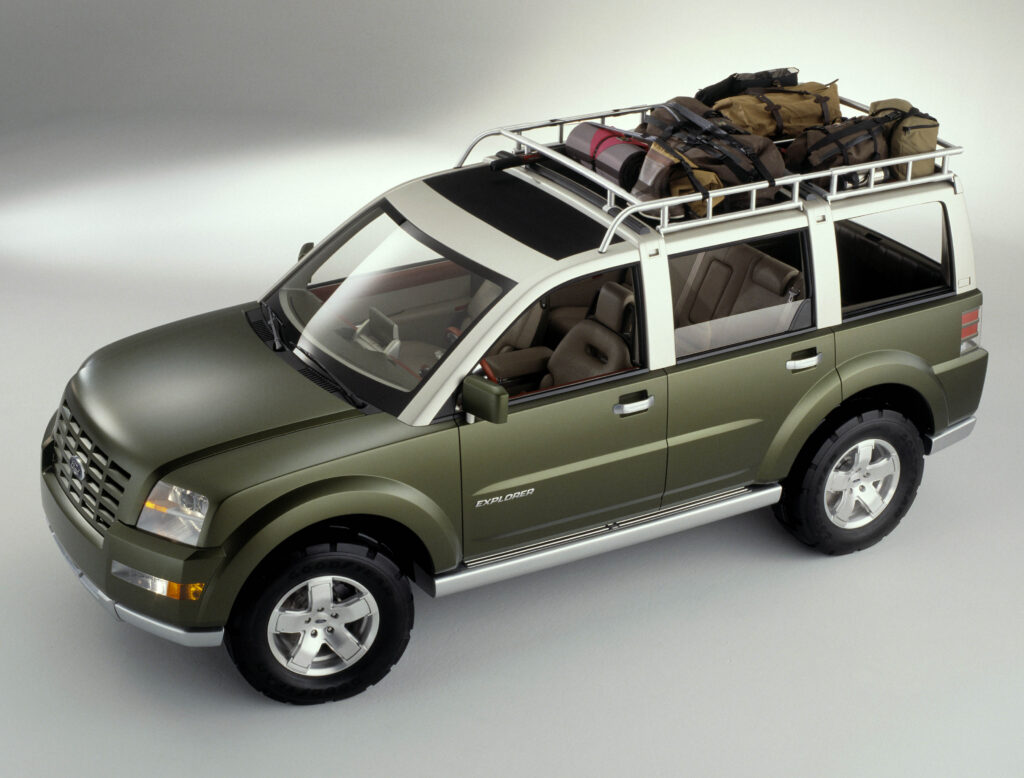
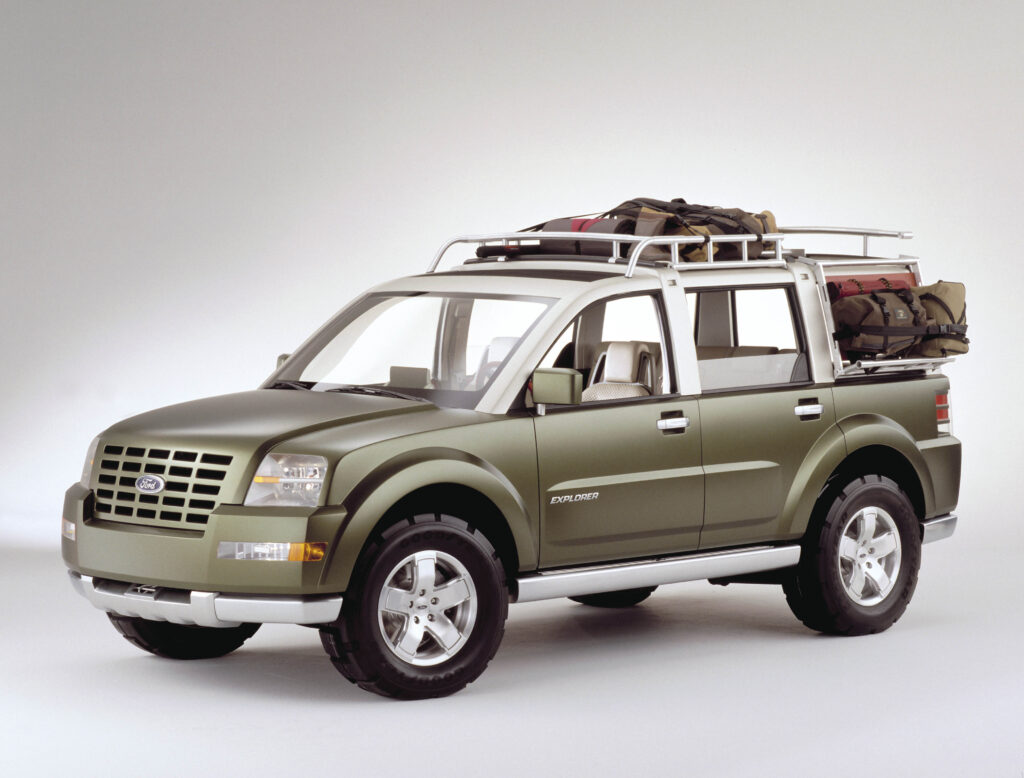
The Sportsman still had ample ground clearance and chunky tires, but Ford’s designers gave more attention to carrying equipment than to conquering a rock garden. Fly fishing offered a clear brief: its rods, nets, packs and other kit create specific storage needs, and the activity’s traditional tools gave the designers a strong visual theme. Schiavone said fly fishing had a particular appeal and offered a chance to make a concept that looked distinctive while communicating its purpose.
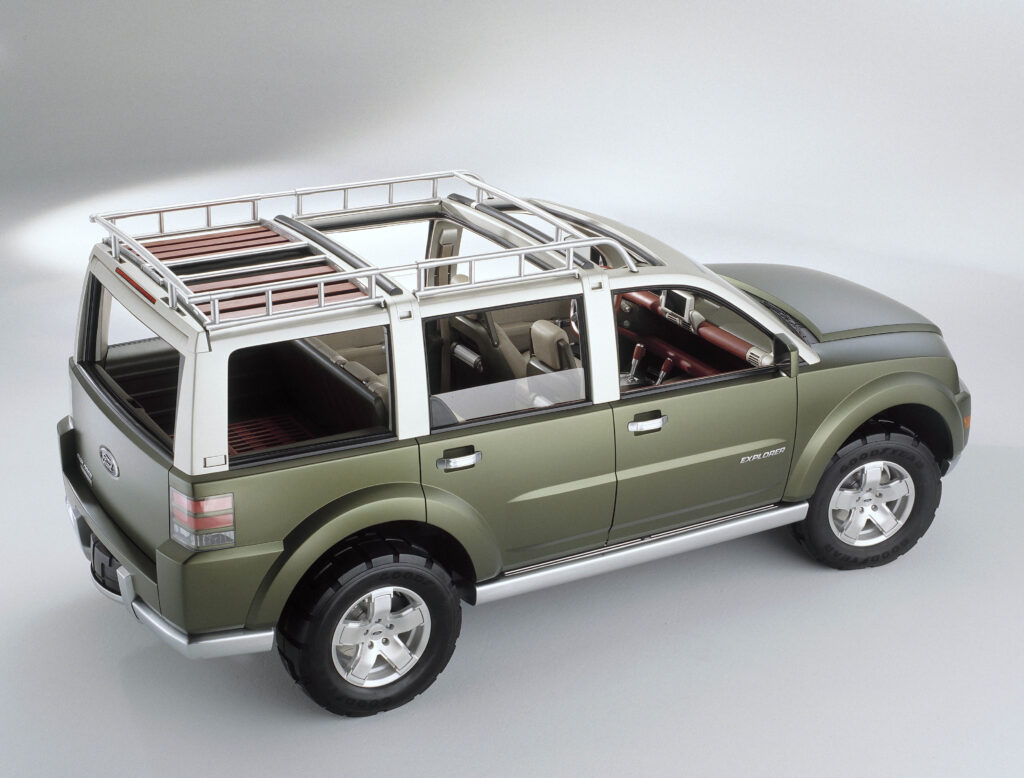
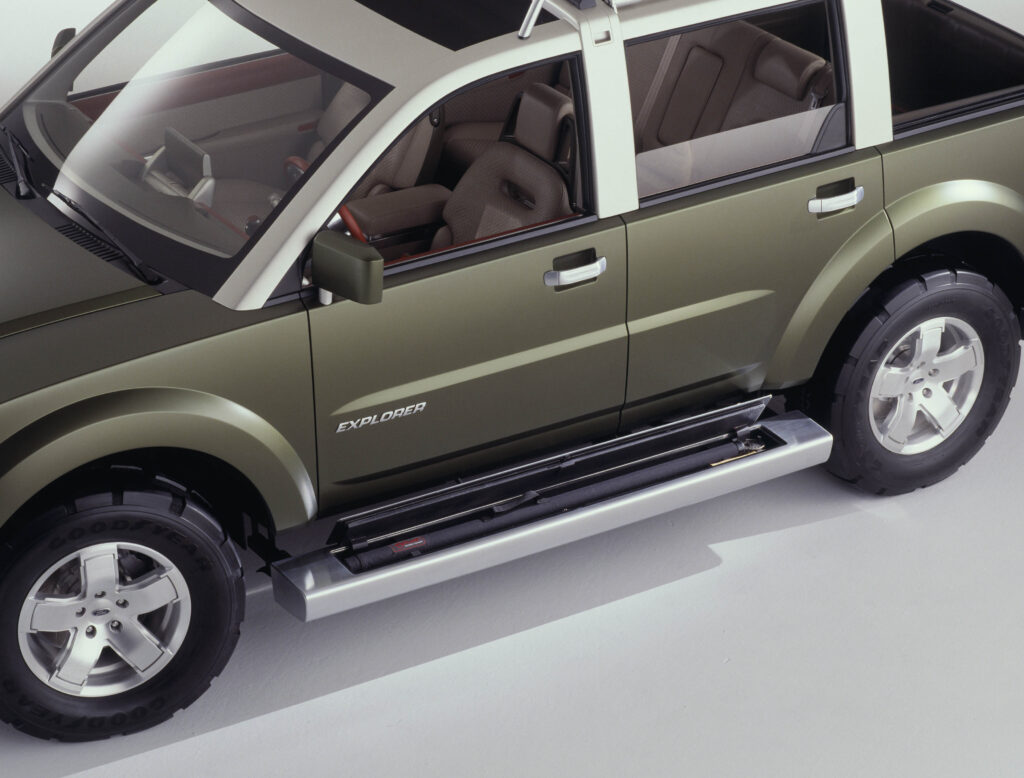
The most practical touches are built into the vehicle’s exterior. Power running boards extend to help occupants get in and out, then open to store additional fly rods. A section of the roof rack slides out to the side and folds down, lowering the loading position for bags and other gear. It’s a simple answer to an awkward task: lifting bulky equipment onto a tall vehicle. The arrangement recalls a side-mounted rack, but the concept’s rack wasn’t designed to stay lowered.
For Schiavone, the movable rack also mattered as a piece of teamwork. Concept vehicles give designers room to test ideas, but he said they can also draw engineers into the process. The rack became a shared design challenge, encouraging the engineering team to help develop a feature that would be difficult to achieve in a conventional production program. That exchange is part of what makes the concept interesting beyond its fishing theme: the feature was both a functional idea and a way to test how far the team could take it.
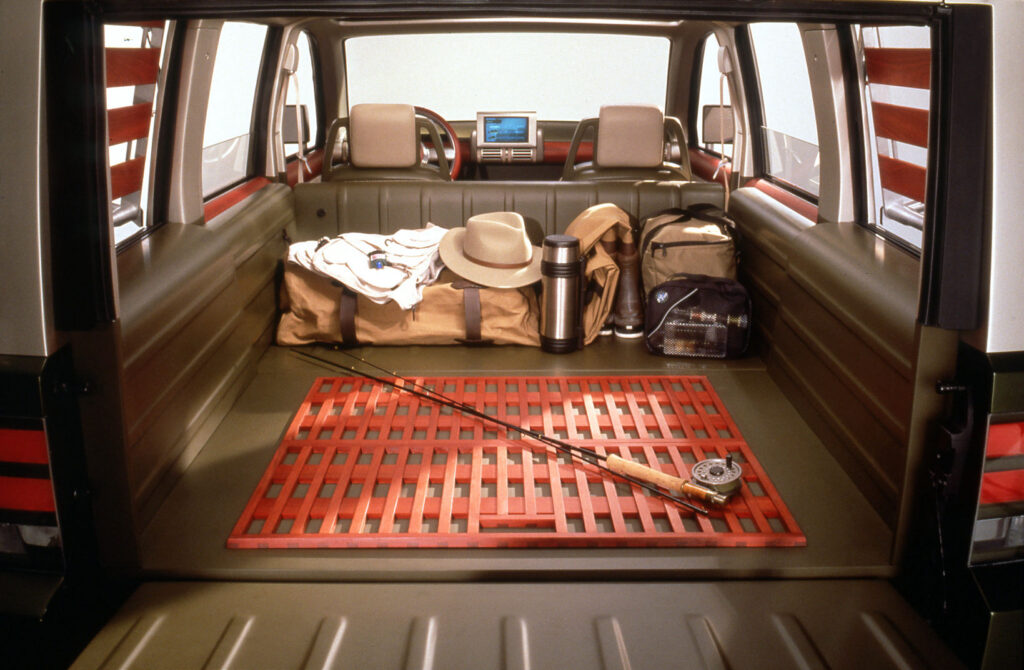
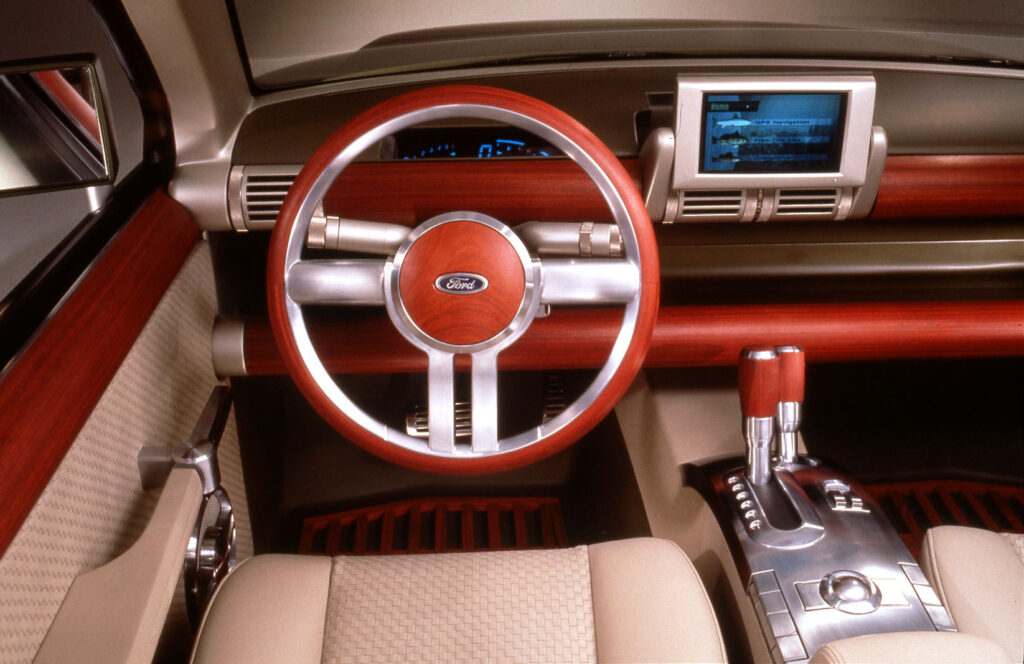
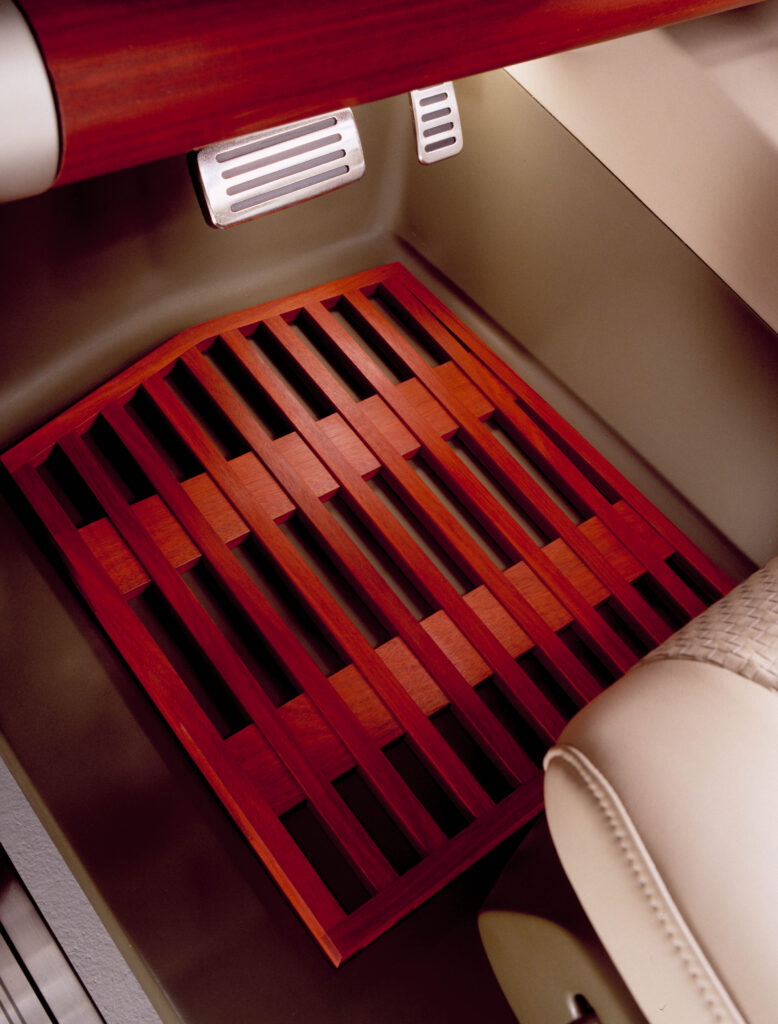
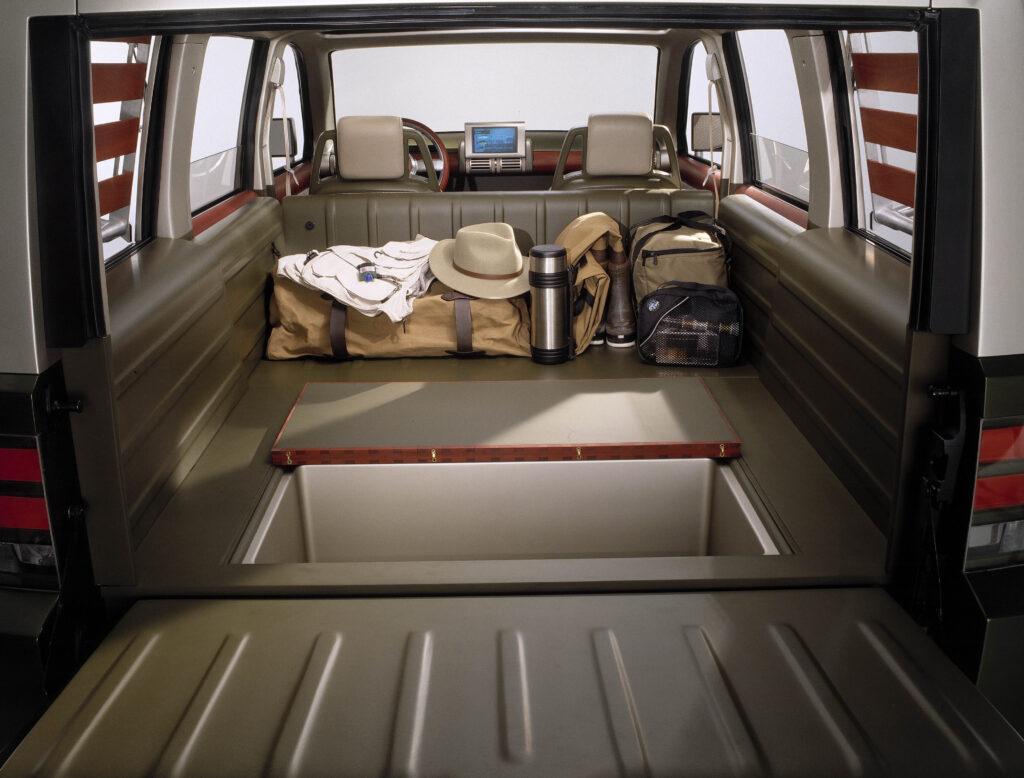
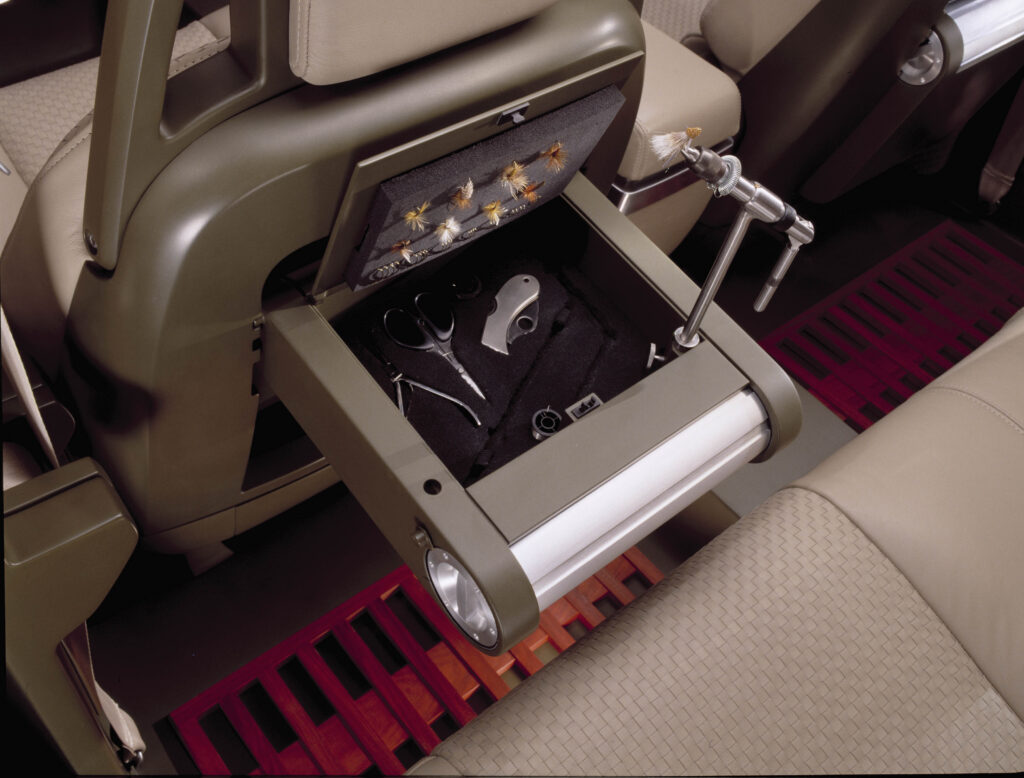
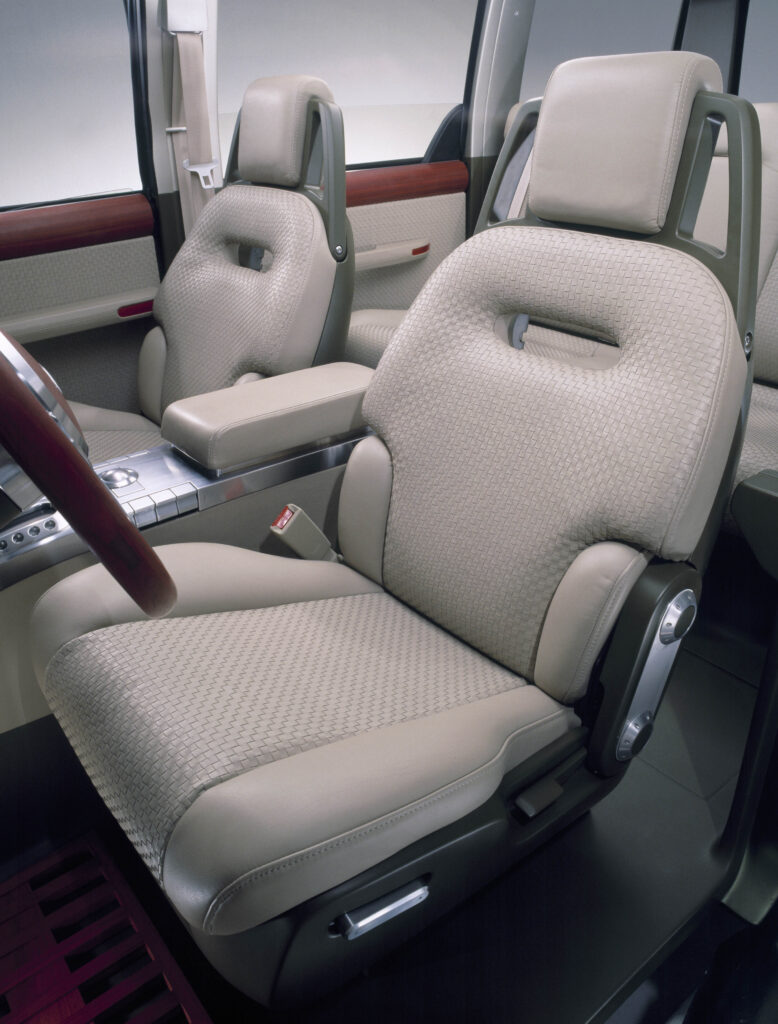
Inside, vivid red Bloodwood trim contrasts with the concept’s muted green exterior. Ford used the hardwood across the dashboard and other interior pieces, and even made floor mats from it. The rear compartment held a 30-gallon live fish tank, aimed at anglers who planned to keep their catch. For those who prefer catch and release, a more useful feature sat behind the front seats: compact seatback packs that folded down or detached to become fly-tying benches. Each included a vise for holding hooks while tying artificial flies.
The Sportsman didn’t remain hidden in a design studio. It appeared on Bring a Trailer in May and drew a top bid of $24,888, below its reserve. The listing said the concept had a 2.5-liter Mazda inline-four and a four-speed automatic transmission. Although it could theoretically move under its own power, it isn’t certified by the Department of Transportation or the Environmental Protection Agency, so it can’t be registered or titled in the United States.
Its lasting interest lies less in road use than in the thinking behind it. The same year Ford showed the Sportsman, it launched the Escape, a smaller crossover based on a front-wheel-drive platform. The Escape focused on a raised seating position, a roomier cabin and a different shape from the sedans that then dominated roads. It made little pretense of being an off-road vehicle.
The Explorer Sportsman didn’t create Ford’s later SUV-heavy lineup on its own. Still, it captured a change in the company’s approach: a vehicle could serve an outdoor pursuit without treating extreme off-road ability as the main attraction. A quarter-century later, the concept reads as an early exploration of the varied uses that helped make crossovers and SUVs so popular. Its best ideas remain straightforward: carry the gear people bring, make it easier to load, and tailor the cabin to what they plan to do.