In lane Electric Vehicles
Custom Graphics Turn a 2011 Ford Ranger Into a Personal Project
Description
A 1993 Ranger XL Sport inspired a custom livery for a 2011 Ranger, showing how thoughtful design can make a familiar truck feel personal.
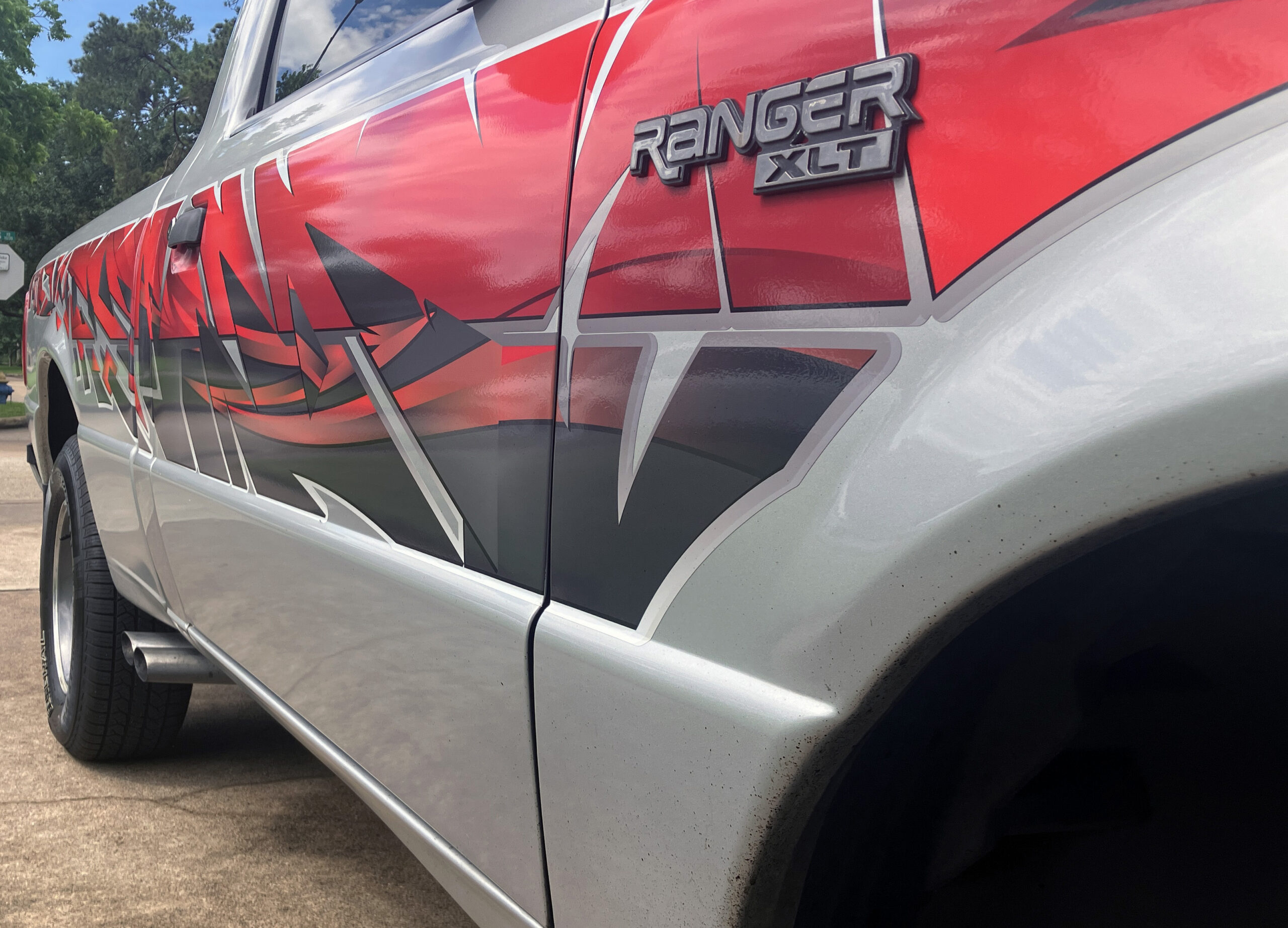
A custom graphic package gave one 2011 Ford Ranger XLT the sense of occasion its owner had been looking for. The truck remains the same reliable, enjoyable compact pickup, but a design inspired by a 1993 Ranger XL Sport has made it feel newly personal. The project also shows why the creative process can matter as much as the finished accessory: this wasn’t a quick purchase, but a collaboration shaped by research, color tests and a full day of installation.
The owner had considered the usual high-profile ways to indulge a car enthusiast’s midlife itch: a red Corvette, an air-cooled Porsche or a lifted four-wheel-drive. Instead, he commissioned artist Rico, known online as Mr. Culmination, to design graphics for the Ranger he already owned. The truck’s character didn’t need replacing. It needed a new detail that connected its owner’s taste to the vehicle.
That distinction matters. A mass-produced vehicle can be a useful starting point for a personal project, especially when its factory design offers a period-correct reference. The Ranger’s new appearance draws on Ford’s own past while taking the original graphics in a direction that suits a later truck. It’s a modest change in mechanical terms, but a substantial one in how the owner sees and presents the pickup.
A factory design from the right decade
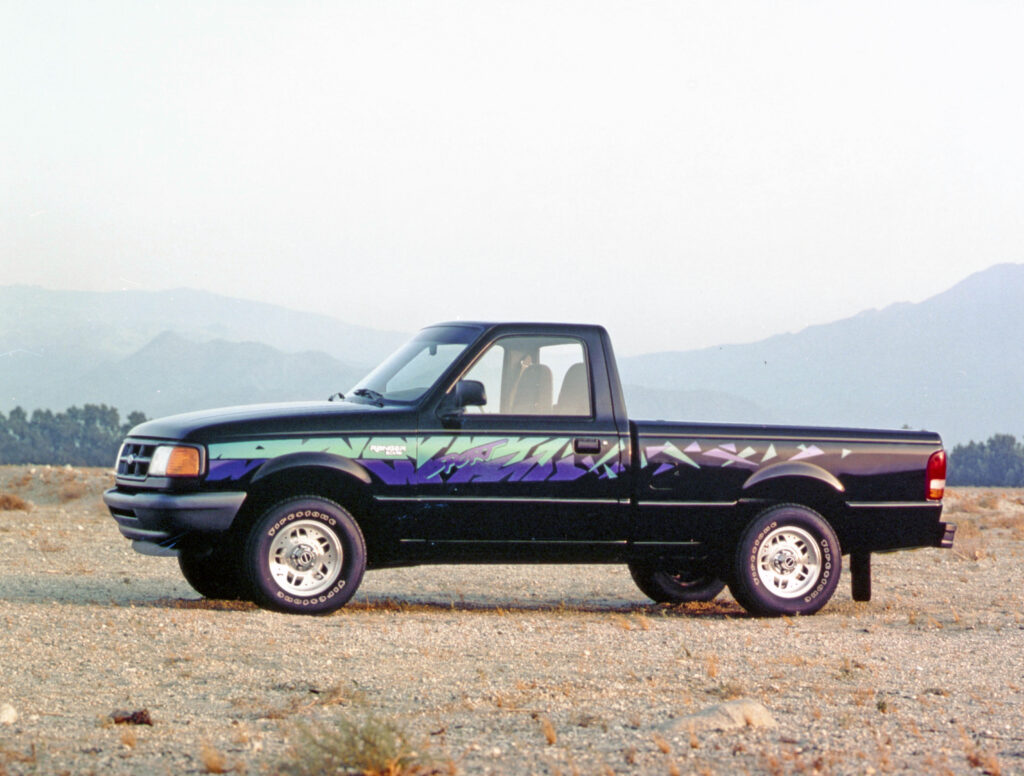
The search began with a photograph from a 1993 Ford Ranger brochure. The second-generation Ranger, sold from 1993 through 1997, and the third-generation truck, which ran from 1998 through 2011, don’t have the same current collector profile as some full-size American pickups or Toyota four-wheel drives. Reproduction graphics are available for factory versions such as the Ranger Splash and STX, but the owner wanted a less familiar reference.
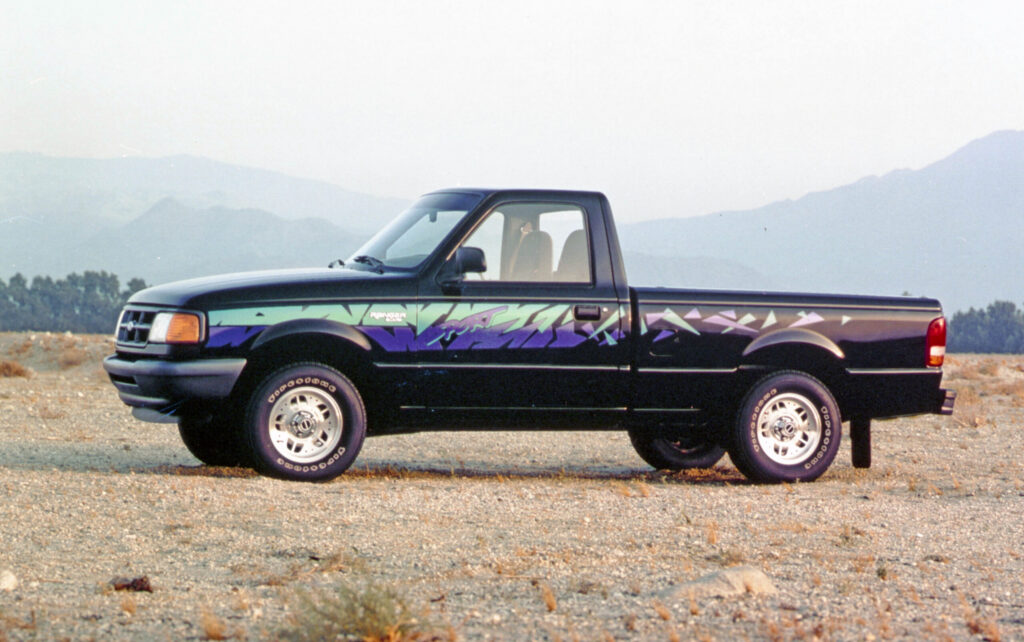
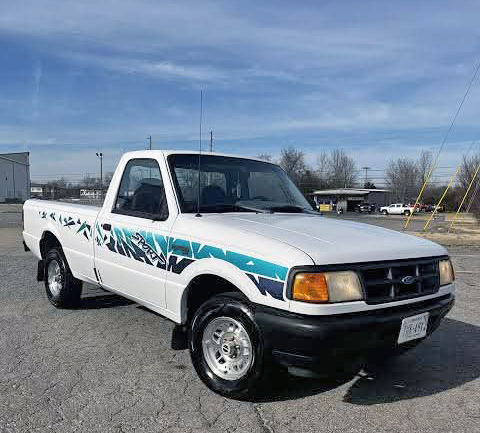
He first considered the Free Wheeling look associated with 1970s trucks and newer Broncos. That scheme didn’t sit comfortably on the Ranger’s 1990s body, and no ready-made kit matched what he had in mind. The brochure offered a better fit: the 1993 Ranger XL Sport wore geometric side graphics in a palette that recalled the Jazz disposable cup and the bold interiors of 1990s Taco Bell restaurants.
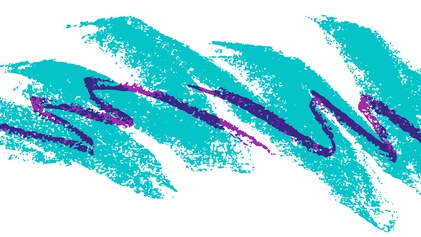
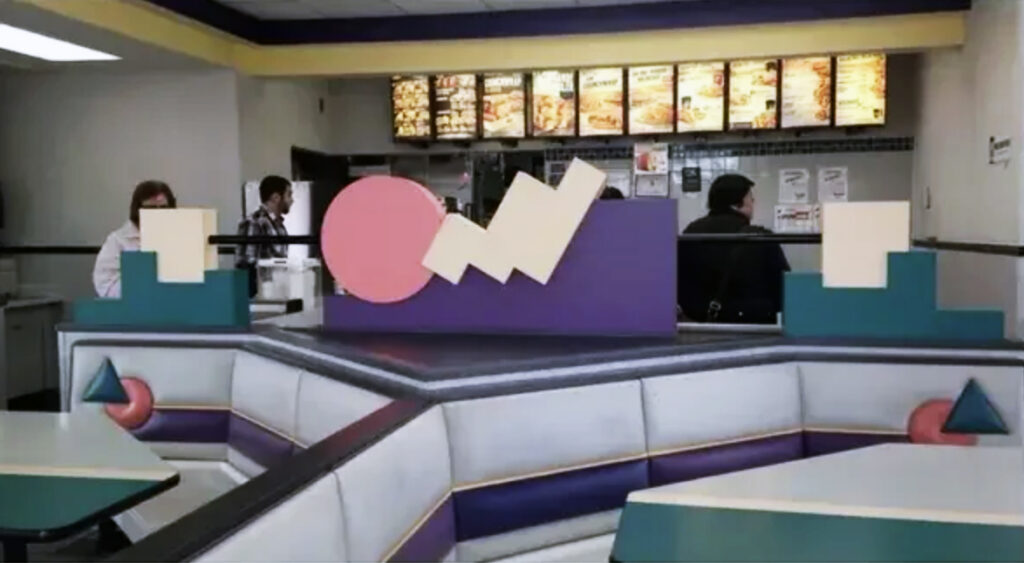
That reference gave the project a clear starting point without dictating the final result. The original look belonged to a short-lived moment in truck styling; today, its shapes and colors carry a distinct 1990s feel. The owner saw a natural match between that era’s compact pickup and his 2011 Ranger, a truck from the end of the same model line.
His approach also follows a familiar path for owners who prefer factory-informed changes. Rather than add an unrelated design, he began with work Ford’s designers had already done and asked an artist to reinterpret it. The result could feel rooted in the truck’s history while using color transitions and details that weren’t part of the original package.
From a rough idea to a finished design
Rico’s professional work involves industrial signs and commercial designs for office spaces. He also uses his custom Scion FR-S as a rolling example of his art. The two had met through mutual friends, and after seeing the Ranger, Rico was keen to take on the assignment.
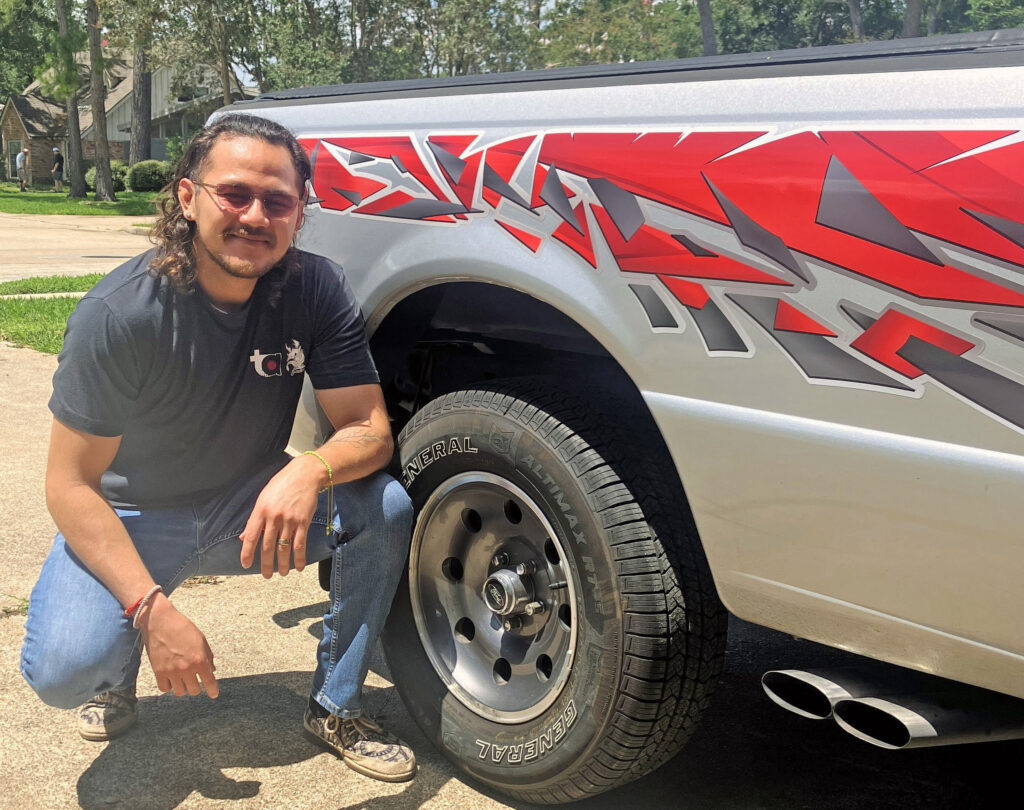
His interest in cars began with a Ferrari Enzo poster he bought at an elementary school book fair on March 10, 2004. He had planned to buy a science book, but came up $5 short, so he chose the poster with the money his mother had given him. He has joked that the small difference helped set him on a path toward becoming a car enthusiast instead of a scientist.
“Being in the car scene inspired me to design, as I wanted to create cool art for my vehicles. I’ve always loved seeing ‘modernized’ designs on retro builds. When the Ranger was presented to me, it was an easy ‘Yes, let’s do it.’ It became a very exciting part of my work that challenged me to create something beautiful to look at.”
The owner sent Rico a photograph of the 1993 XL Sport to establish the direction, then hoped he would develop it in his own style. An initial attempt went astray because the owner also shared an AI-generated version of the truck. He had used the tool to explore colors, but hadn’t made clear that the image was meant as a palette reference, not a template. The misunderstanding cost time, and the owner wanted to compensate Rico for the extra work.
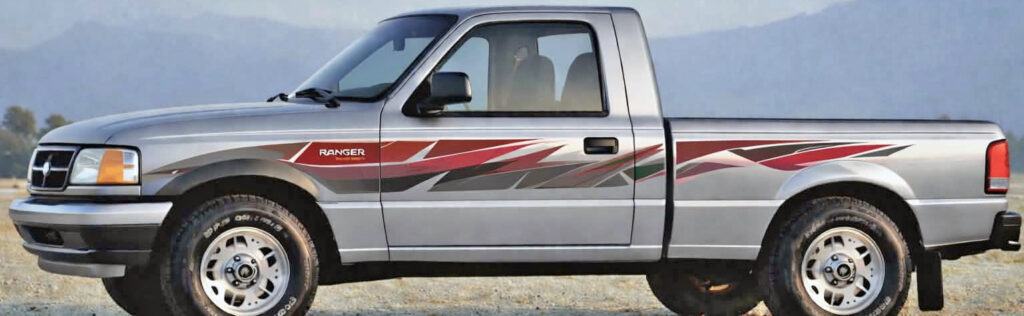
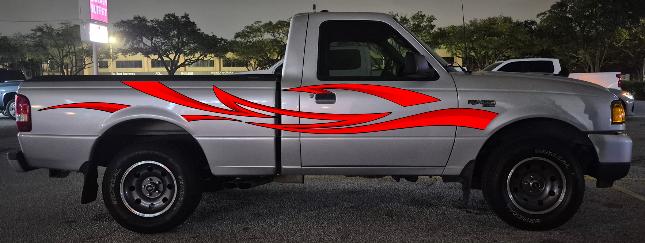
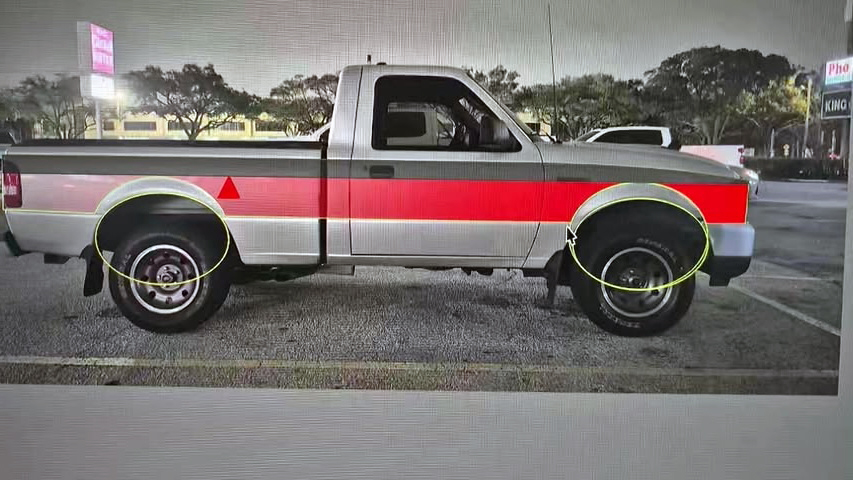
AI image generation helped the owner test how different colors might work on the Ranger, although it distorted both the truck and the graphics. Its useful role here was limited: it could suggest a color direction, but it couldn’t deliver the accurate, body-specific artwork the project required. Clear communication about that distinction would have saved effort.
The complete job cost around $900. The owner stresses that Rico was generous with his time and that the price shouldn’t be treated as a standard rate for commissioned work. A custom project depends on the artist’s time, the design’s complexity and the work needed to prepare and install it; commissioning an artist means paying for that expertise.
There was another detail to resolve at the rear. More than a decade earlier, the owner had bought a Ford tailgate decal cheaply on eBay. After a parking-lot hit-and-run led him to repaint and remove the large factory emblem, the tailgate looked bare, and the old decal seemed like a fitting finishing touch.
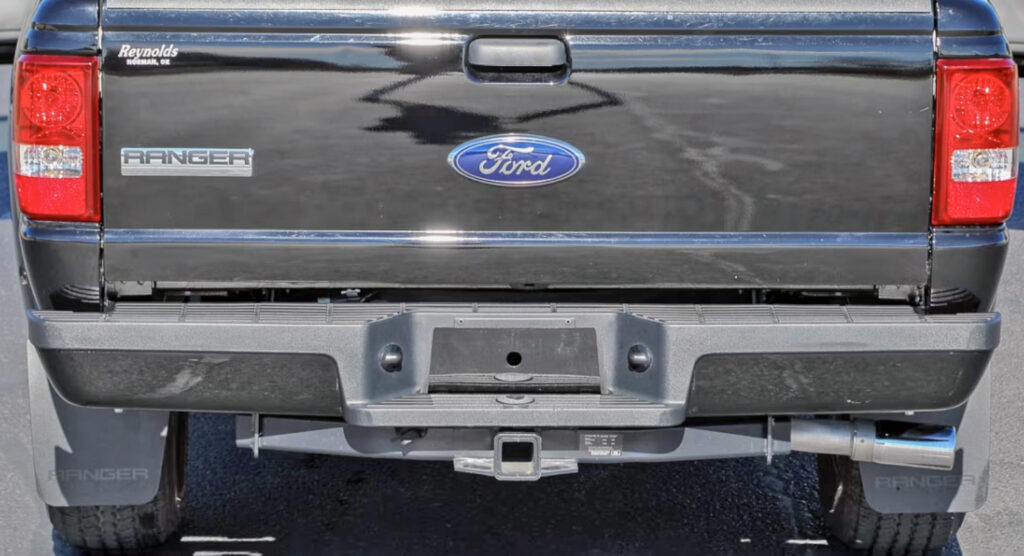
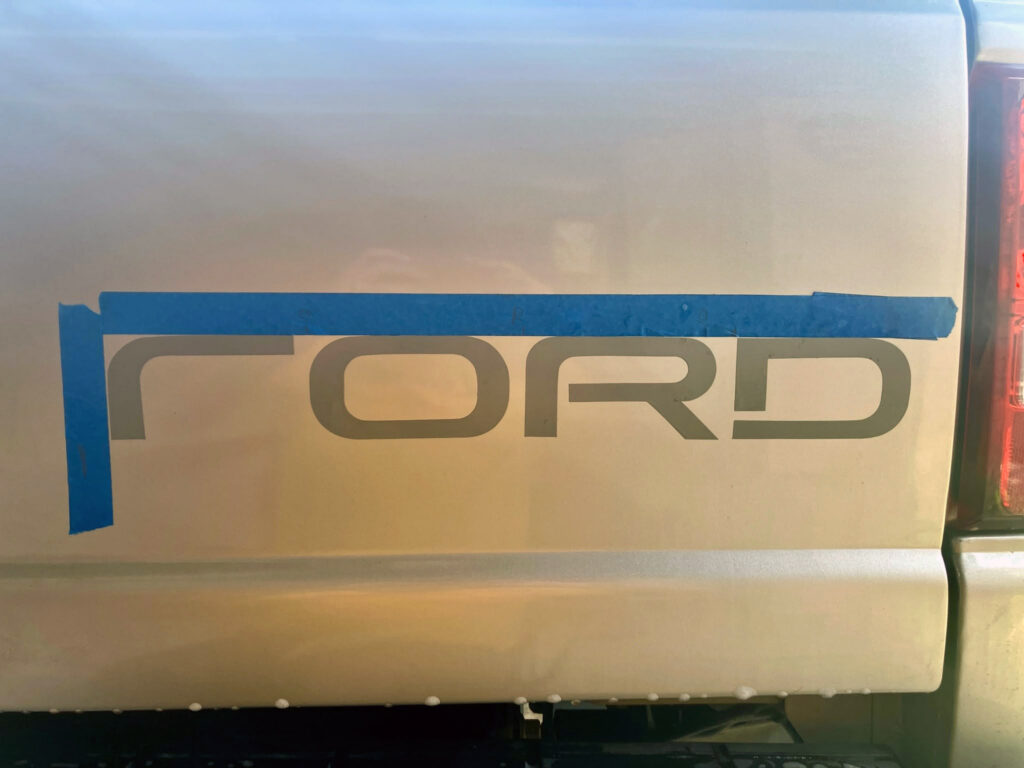
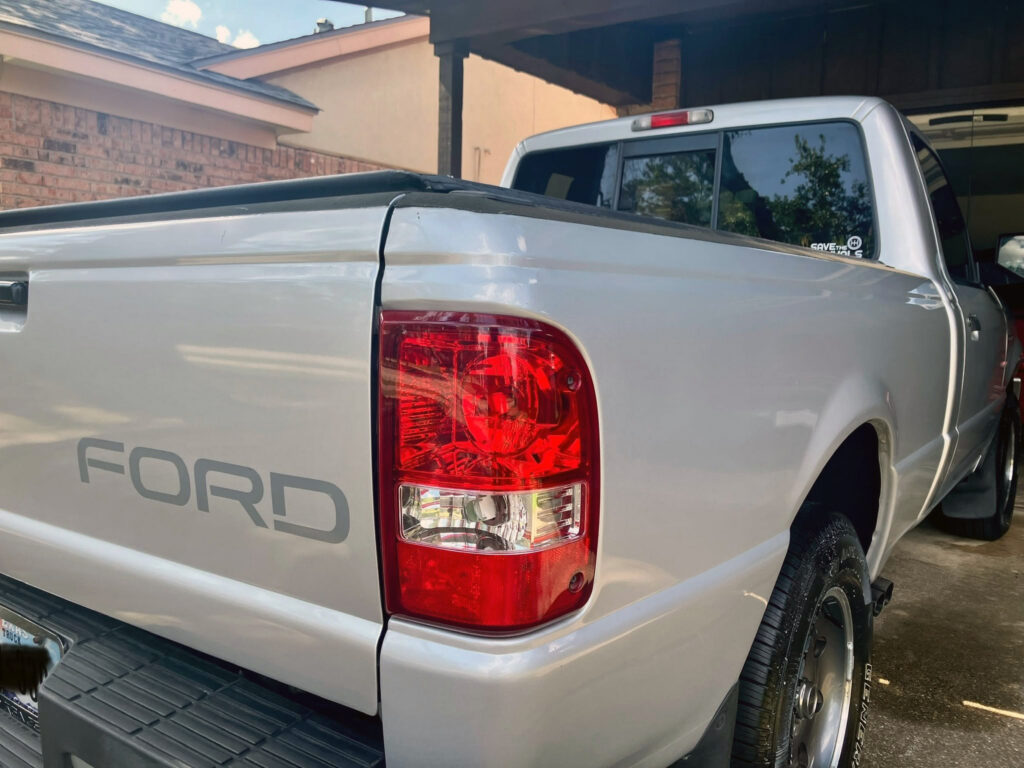
He later found that the decal was intended for 1993–94 Rangers, the same years as the XL Sport graphics that had inspired the side design. That discovery reinforced the project’s period connection. The door text reading “Sport,” however, didn’t belong on the owner’s truck, so the new artwork would need to adapt the old shapes rather than simply reproduce them.
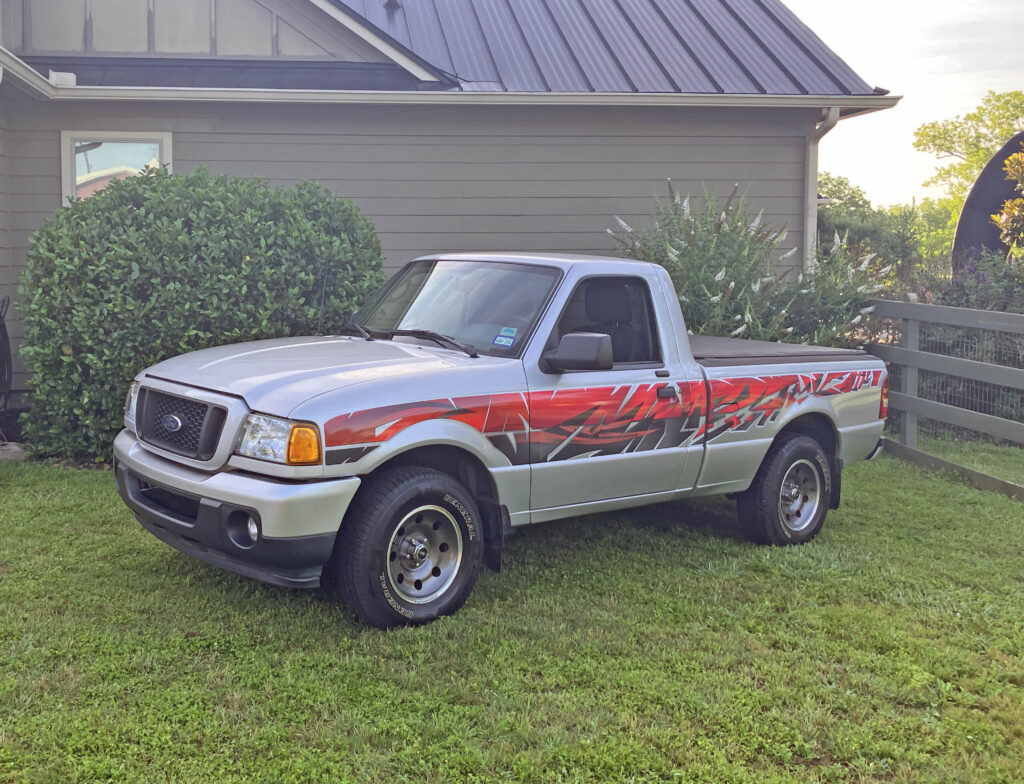
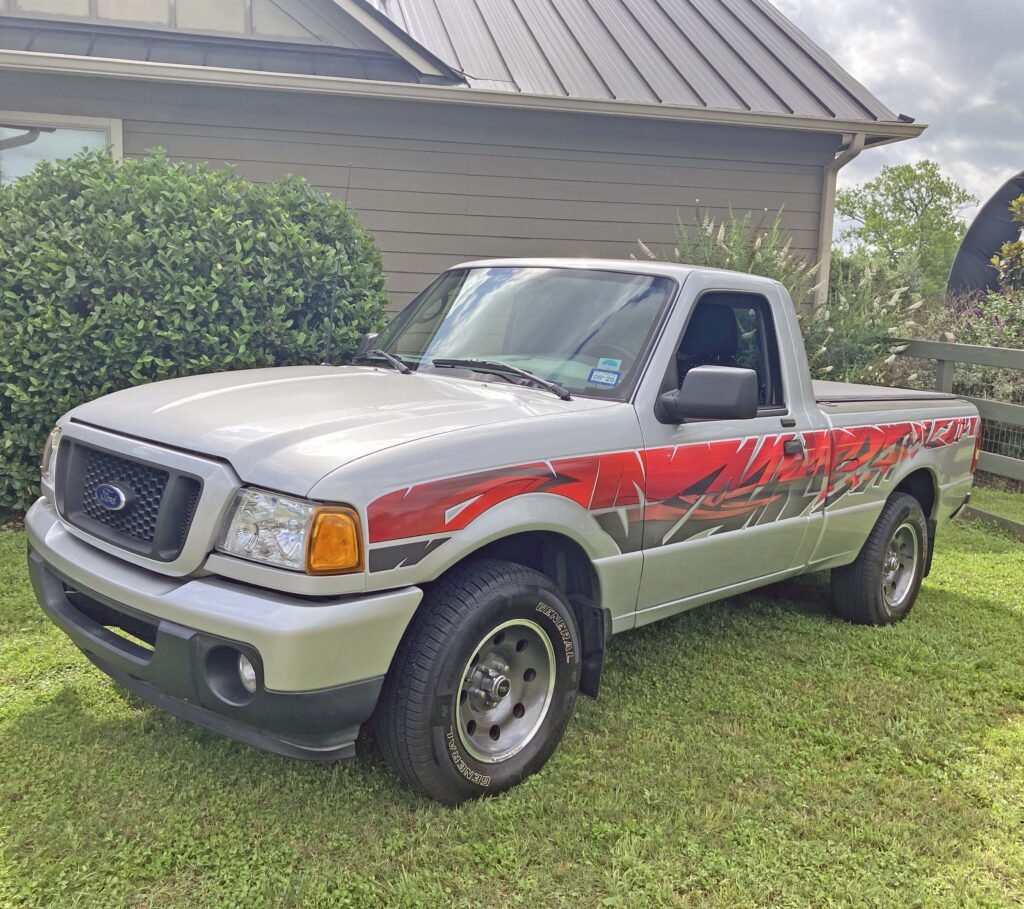
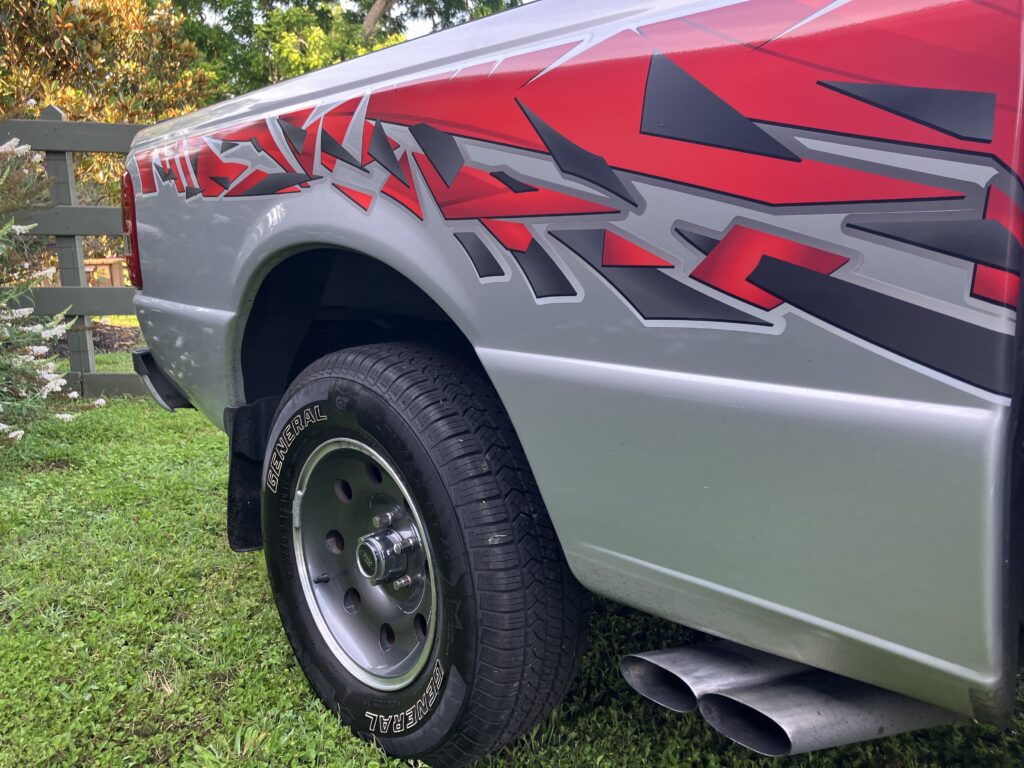
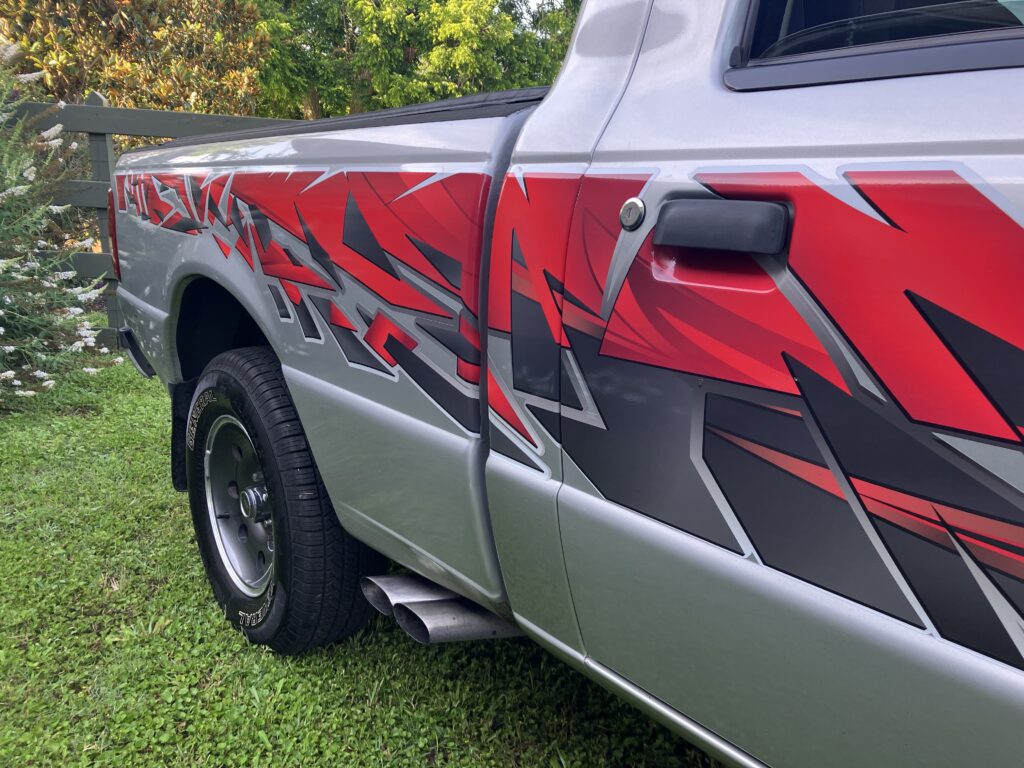
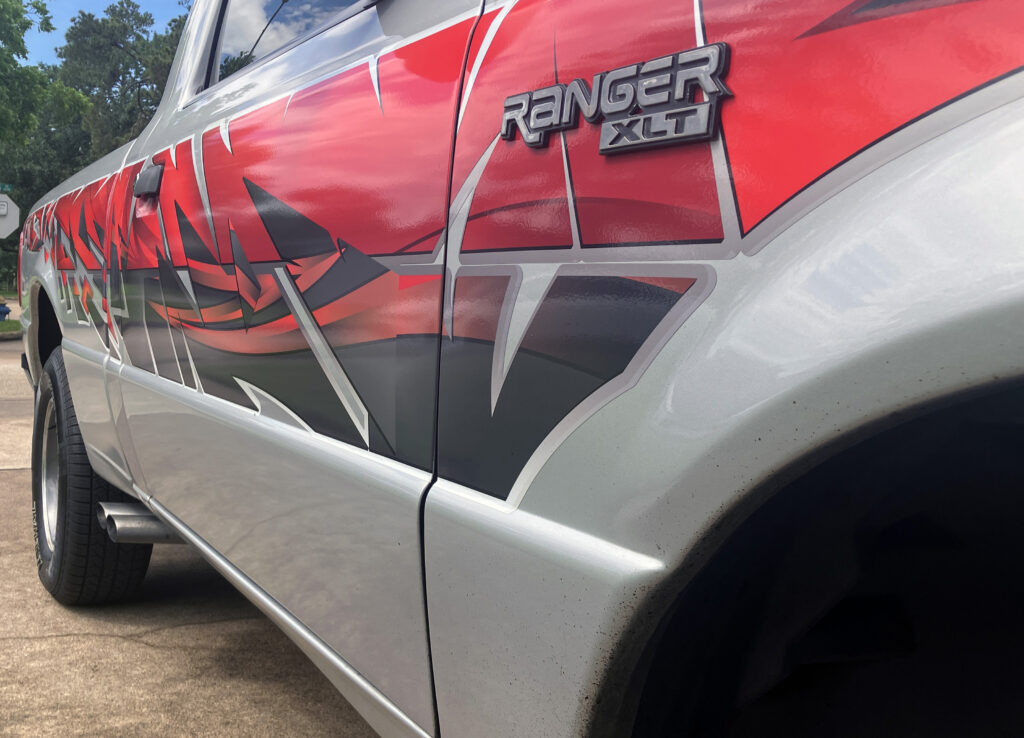
Rico’s design kept the 1993–94 graphics as its foundation, removed “Sport” from the doors and shifted the palette to gray and red. He extended the pattern farther down the bed and shaped it to meet the contours around the taillights. Color gradients and white outlines gave the design added depth and contrast against the Ranger’s silver paint.
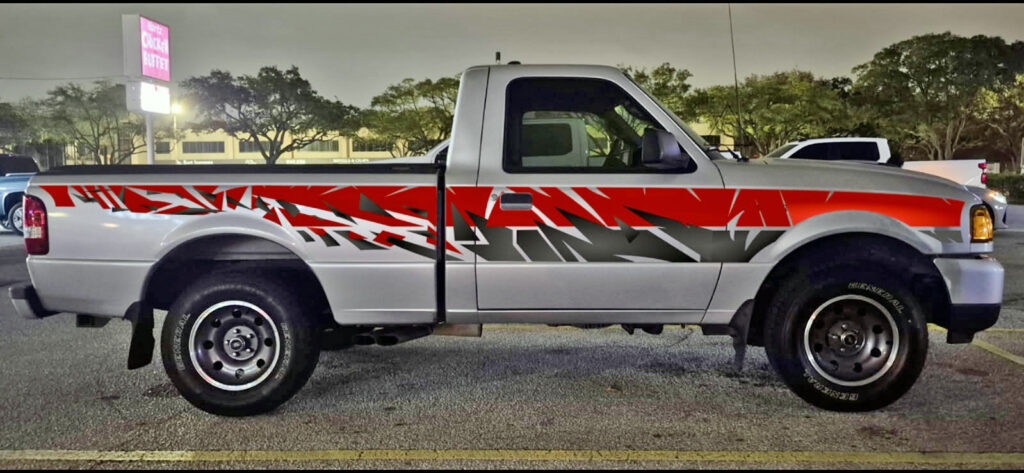
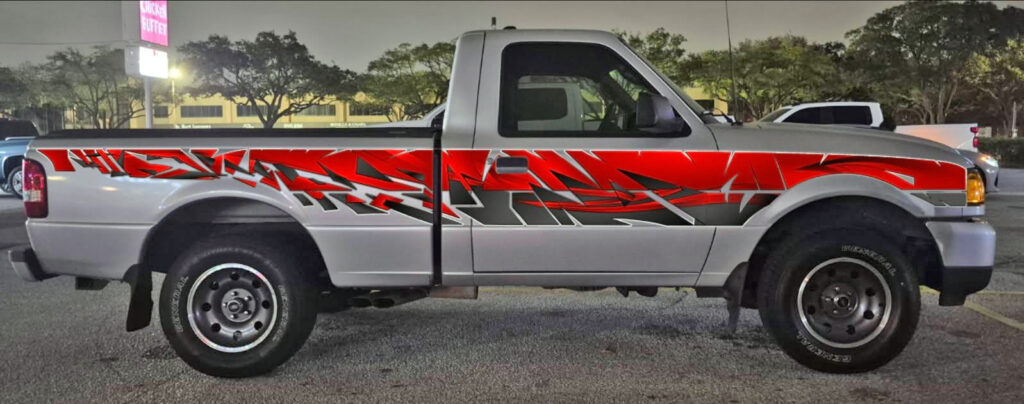
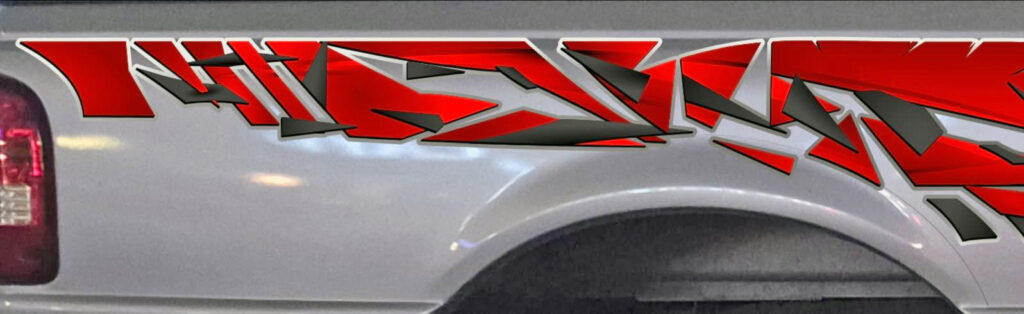
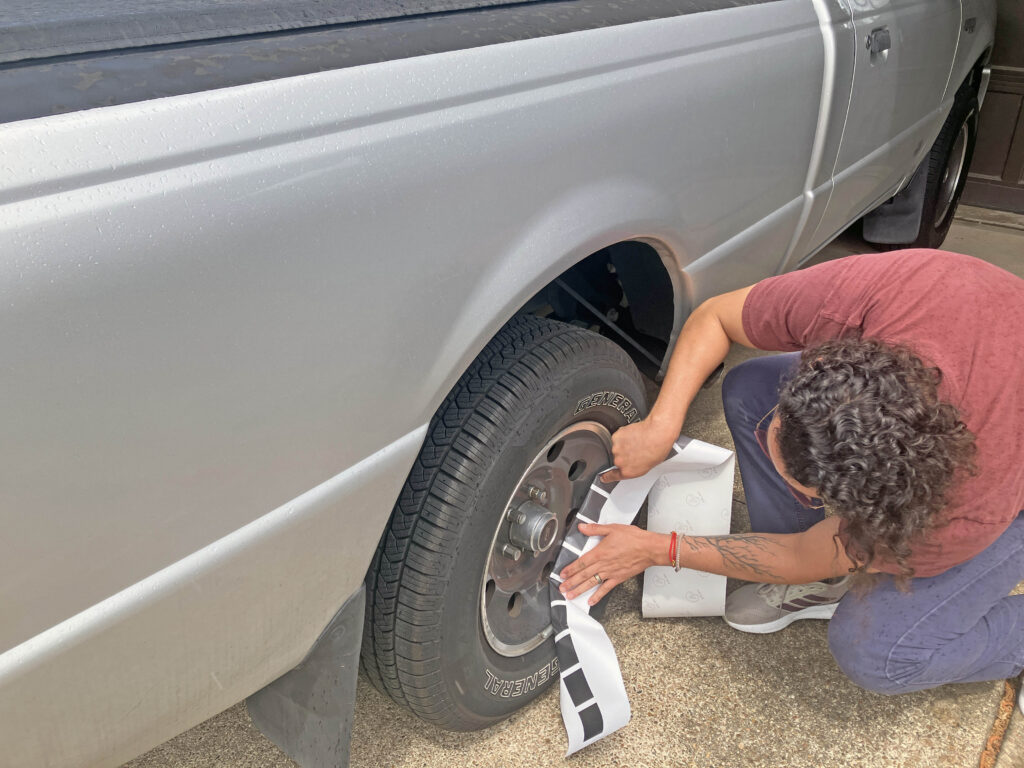
The final color choices came together through test prints and swatches viewed at the owner’s home. He wanted the red to begin bright, in part as a nod to the University of Houston, where he studied. White accents lifted the red from the silver body, while black gave the design definition. He asked Rico to keep the darker gray close to the charcoal finish of the truck’s OEM Plus Alcoa wheels, rather than letting black dominate.
Looking at the samples in direct sunlight helped settle the palette. That hands-on check is a practical part of designing a large vehicle graphic: colors on a screen don’t show exactly how a vinyl pattern will read across silver paint, body contours and changing light. Once both artist and owner were satisfied, the artwork went to the printer and Rico booked a day to fit it.
A precise, full-day installation
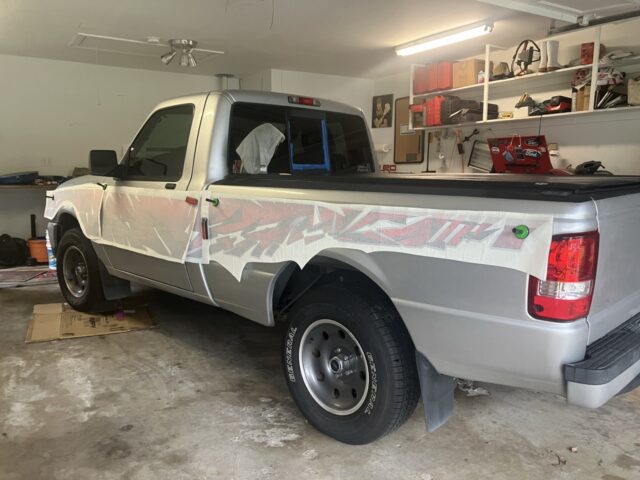
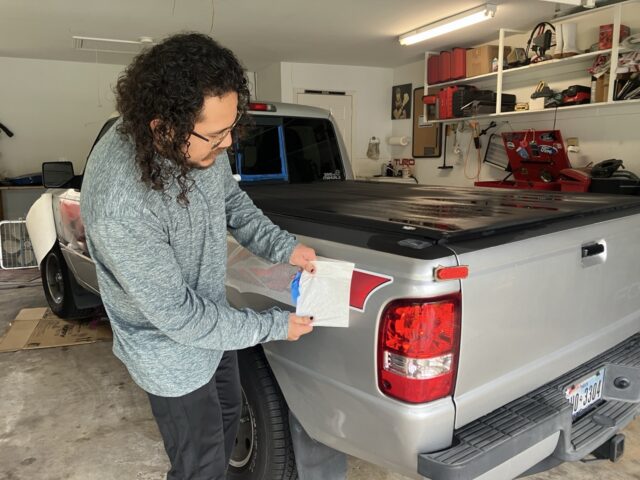
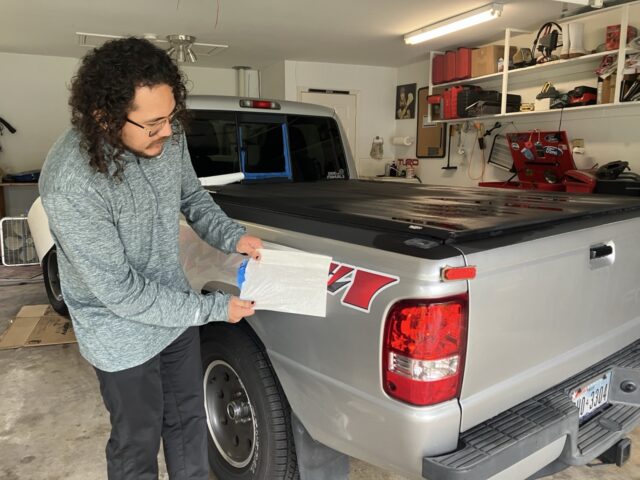
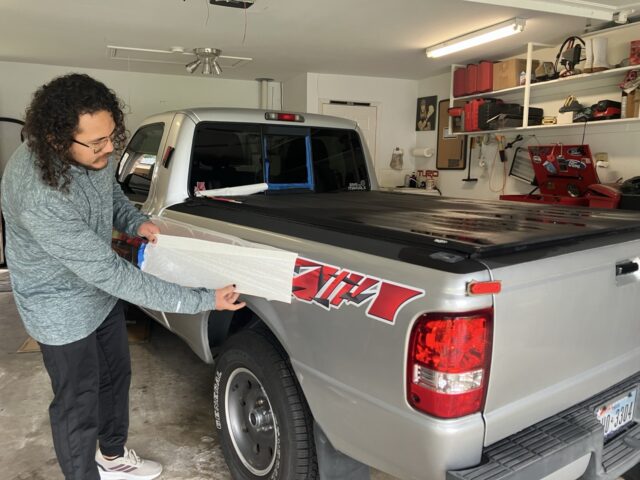
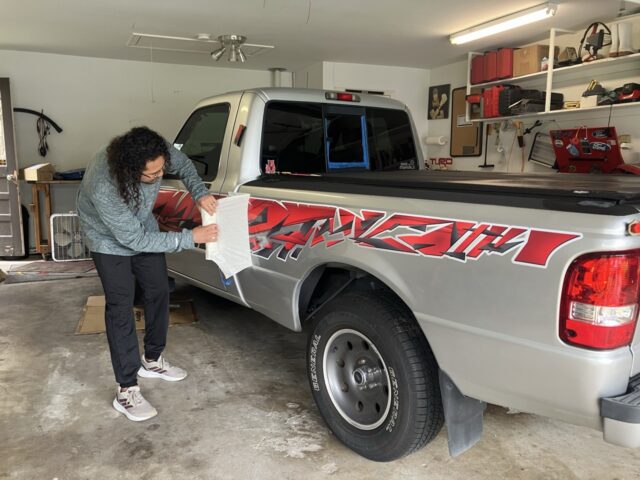
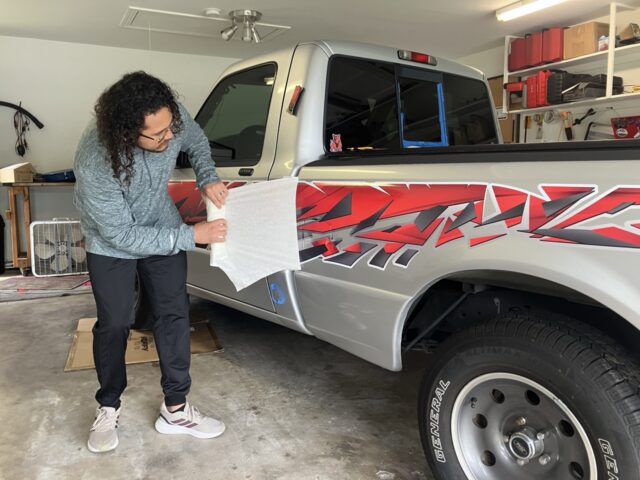
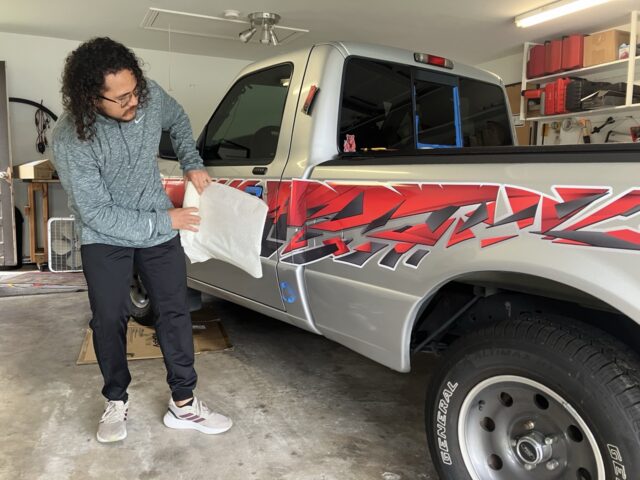
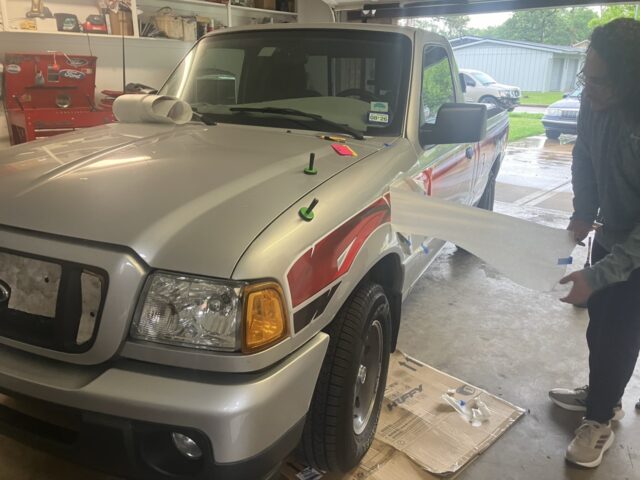
Rico installed the graphics in the owner’s garage, working through a humid day that made the job harder. The artwork runs continuously from one body section to another, so its placement had to stay aligned across panels. Rico estimated that a quarter-inch error at the front could force a stop or require the work to be redone. A simpler factory layout might have broken the design at the cab and bed to make installation easier; Rico chose a continuous flow instead.
That decision made the fitting process more demanding, but it also helped the finished pattern read as a single design. The artist described his goal as staying faithful to the 1993–94 graphics while giving their shapes more depth and direction, with each curve and gradient working with the Ranger’s body. The finished effect, he said, should be energetic without overwhelming the truck.
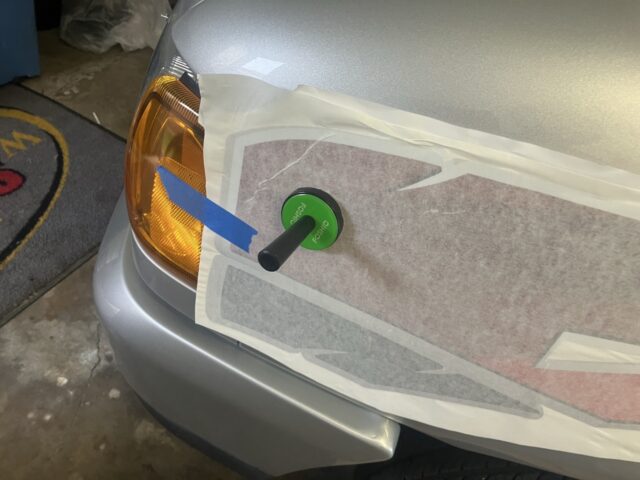
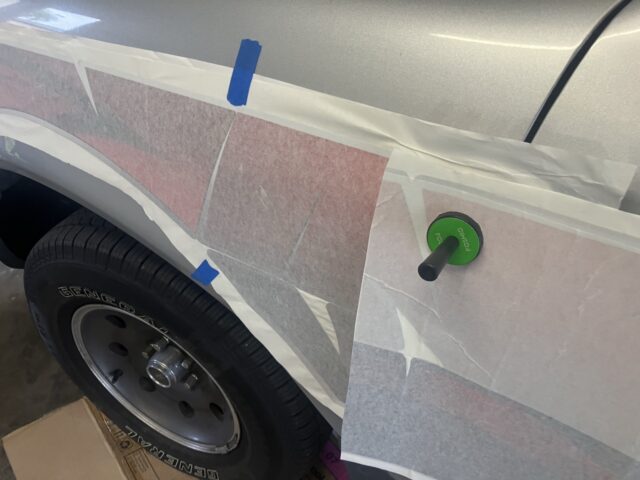
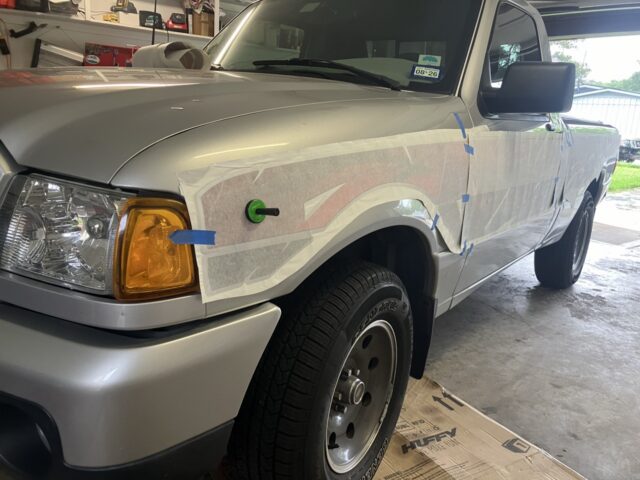
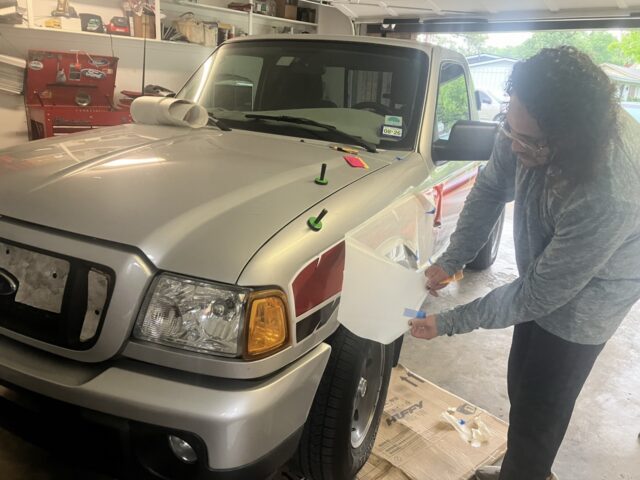
As each section went onto the truck, the Ranger’s appearance changed. Removing the masking paper revealed how the vinyl followed the body’s curves, a view that was more persuasive than the digital mockups. Rico said that even with a clear idea of the final look, seeing the graphics on the actual pickup brought an unexpected sense of movement.
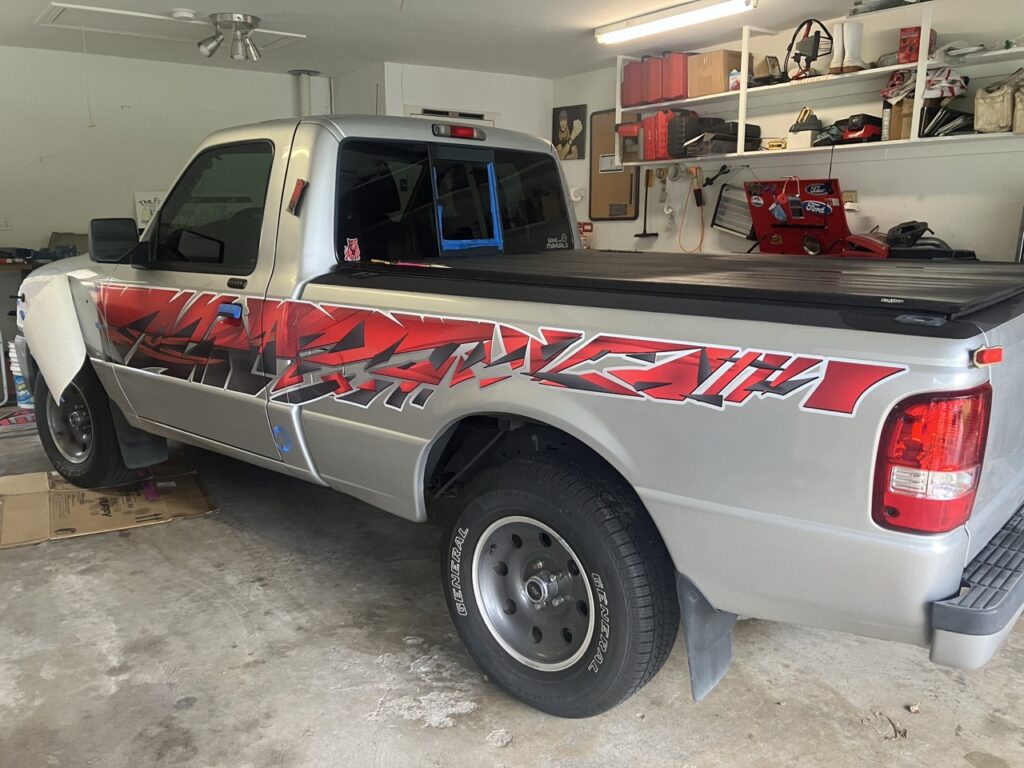
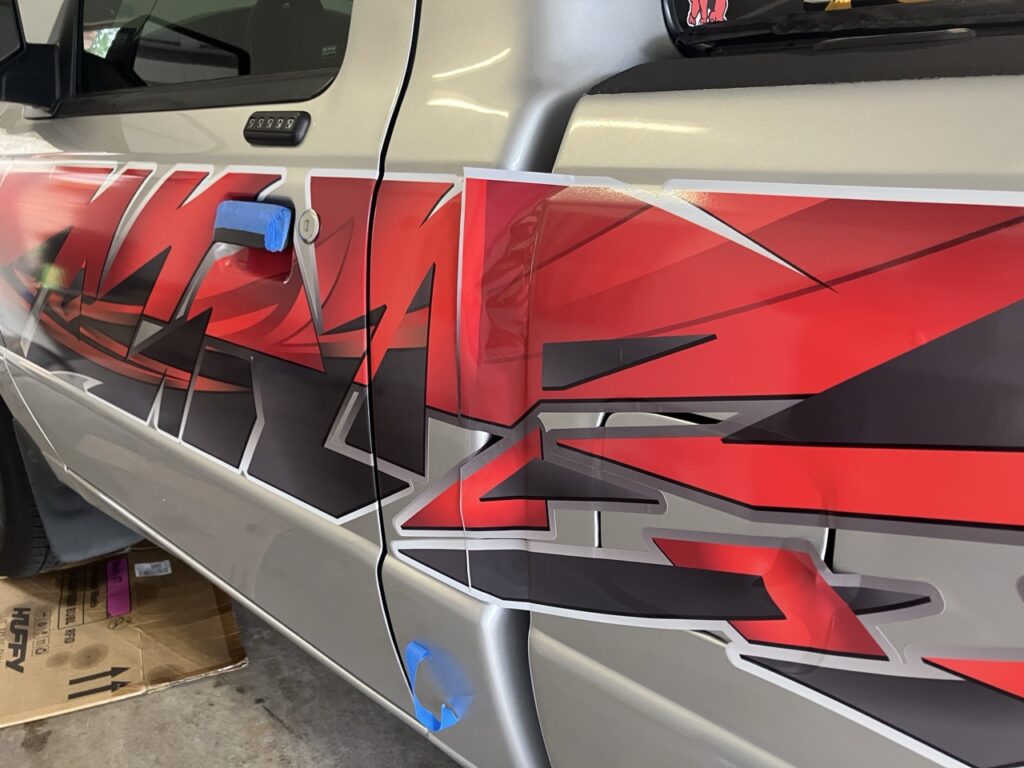
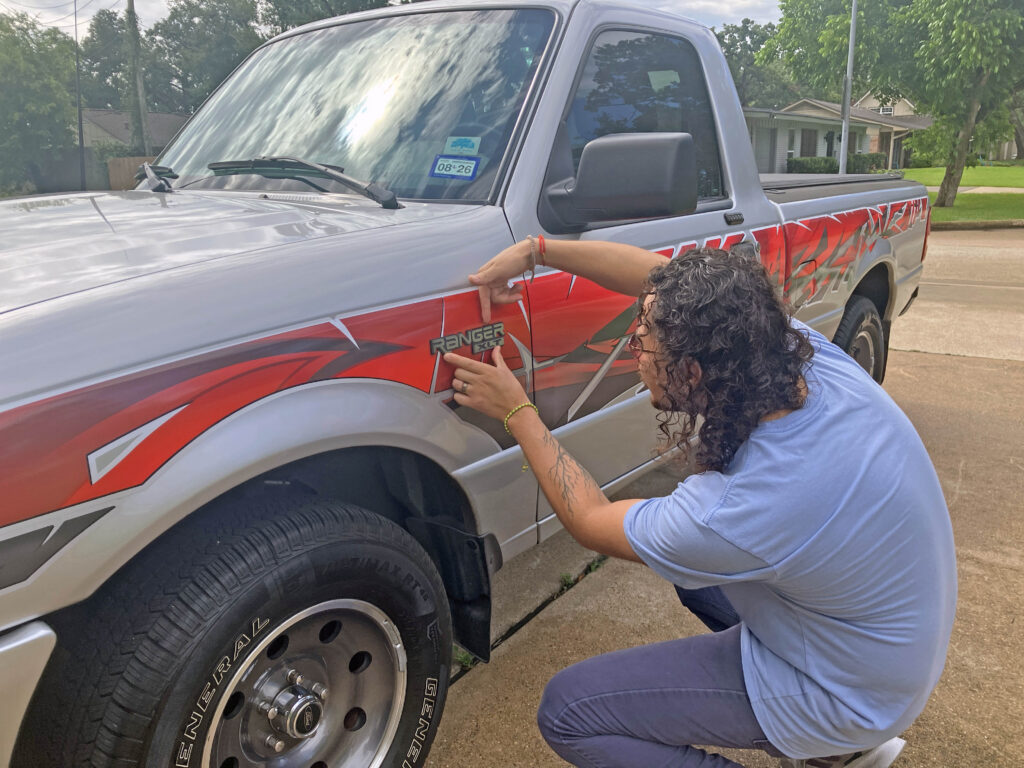
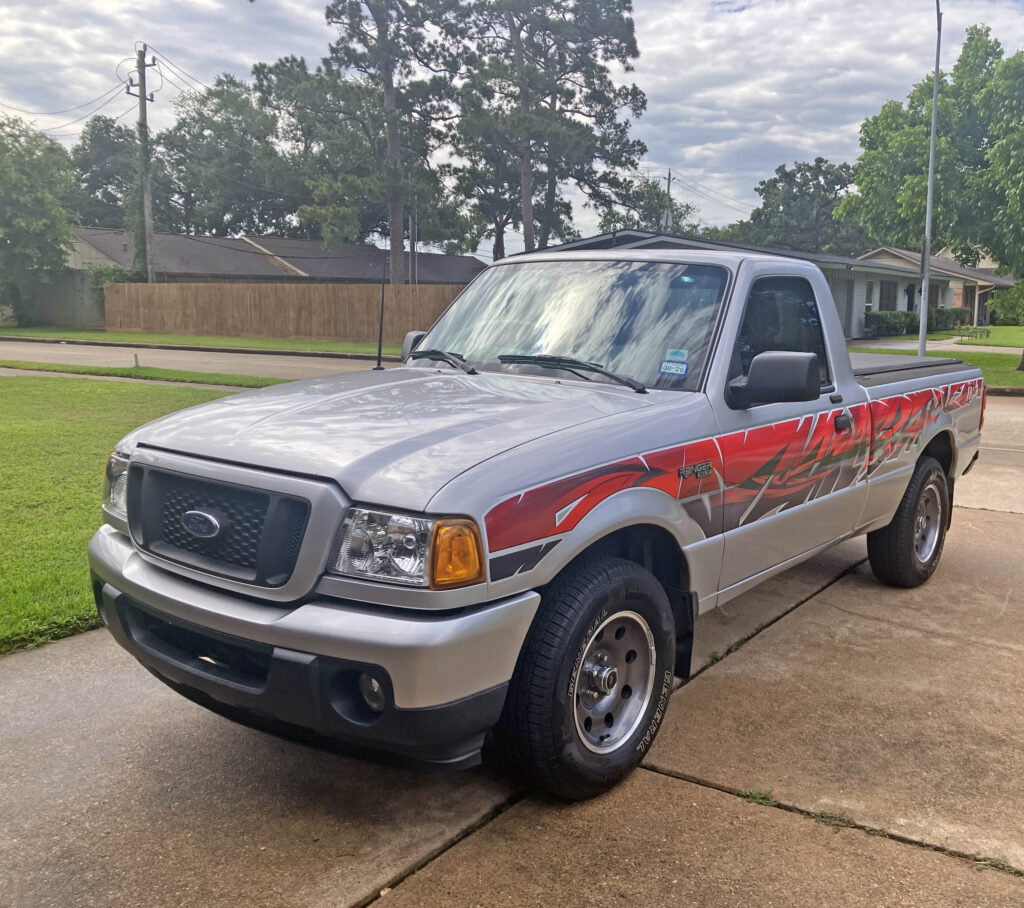
The owner was pleased with the balance: bright red supplies the energy, while grays temper it and tie the design back to the truck. The result has presence without concealing the Ranger underneath. That was the point of hiring an artist. The owner supplied the history, broad direction and preferences; Rico translated those into a design with its own visual logic.
The truck becomes a conversation starter
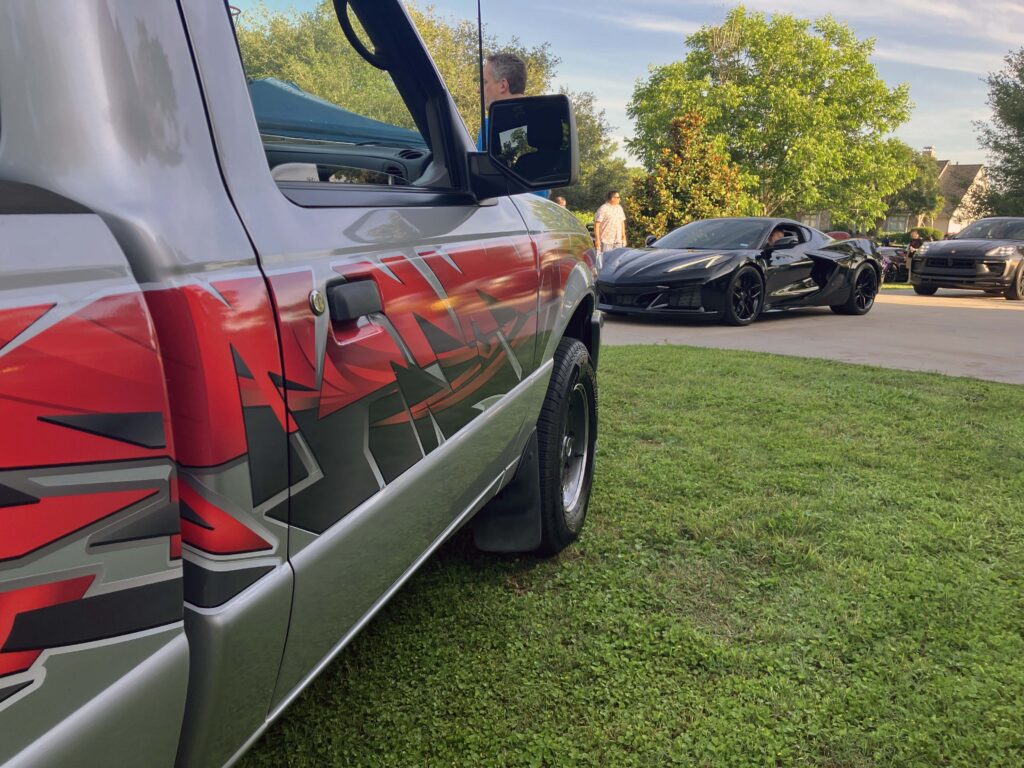
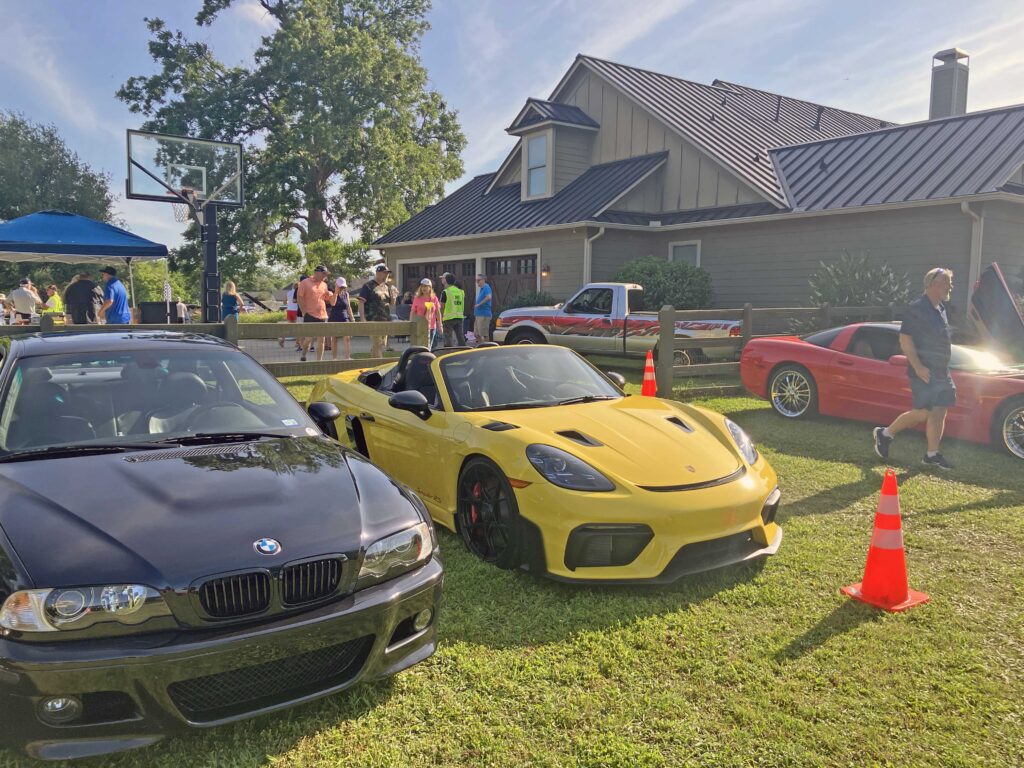
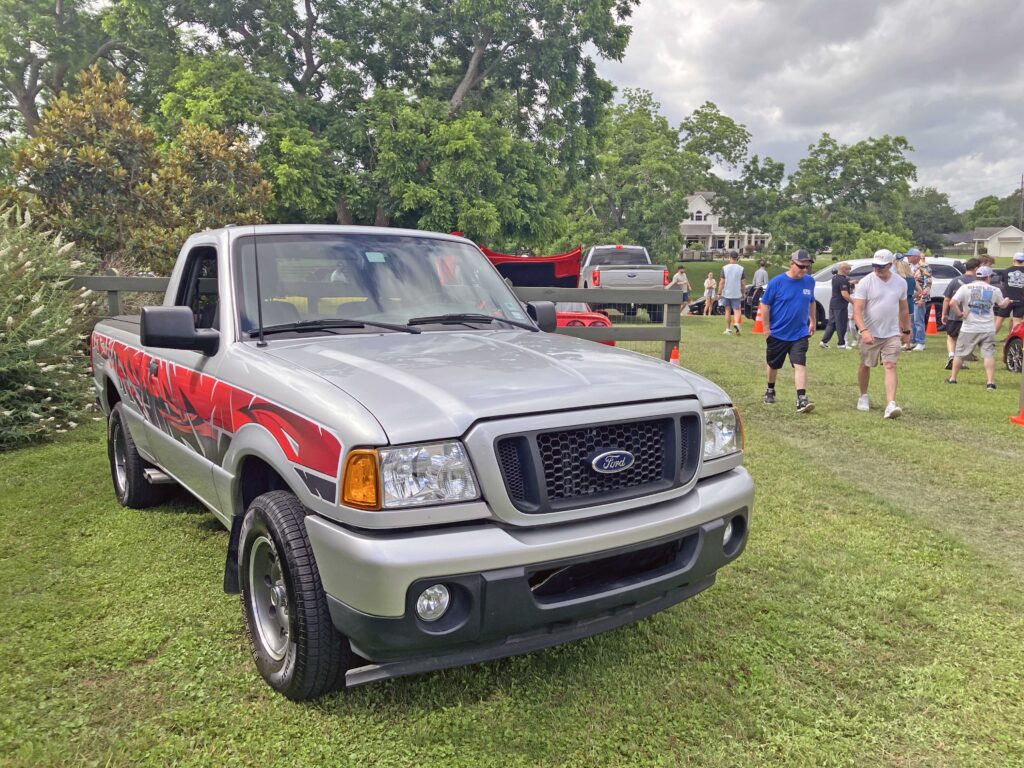
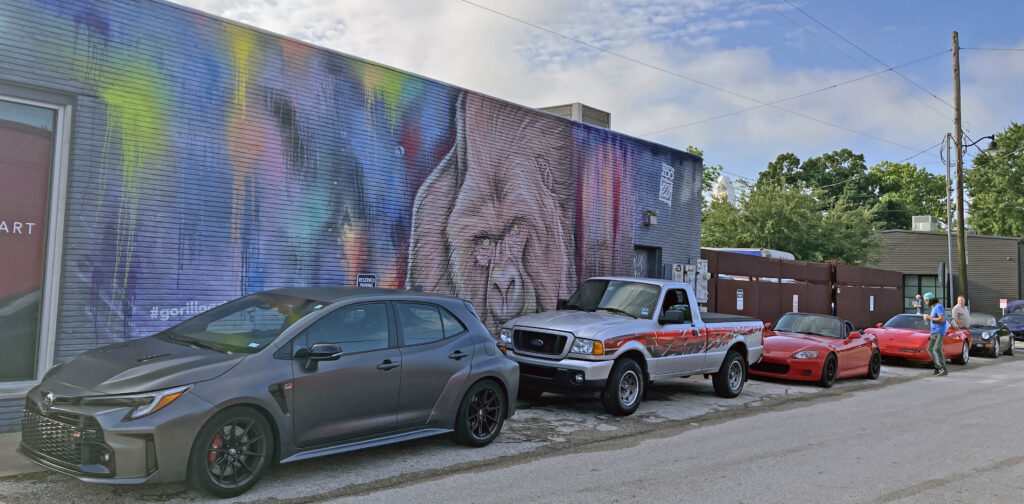
The first reaction came from the owner’s father, who saw the Ranger and asked whether he had bought a new truck. For the owner, that surprise made the effort worthwhile. He then brought the pickup to an event run by his friend Denny, whose Ultimate 1980s Garage gathers Houston’s Rad Era community around older cars and trucks.
Denny recognized the original XL Sport graphics from when they were new and wondered whether Ford had offered a red version. He liked the finished truck, and the owner was given a prominent place at the event. Parked among notable 1980s and 1990s cars and newer enthusiast vehicles, the Ranger no longer seemed out of place. People walked around it to take in the pattern from different angles.
The feedback was positive across a broad mix of ages and automotive tastes. Rico’s stated aim had been to make the livery a conversation starter and create an opening to discuss the Ranger’s less obvious OEM Plus modifications. By that measure, the design worked: it drew attention, then invited a closer look at the truck itself.
His brother, a fellow car enthusiast and a demanding judge, initially offered little response. When asked directly how much he disliked the graphics, he replied that they worked well for the owner. Then he borrowed the Ranger while the owner drove his brother’s sports car back from the event. Within a minute, a showgoer and his son complimented the truck, apparently assuming it belonged to the brother.
That compliment landed harder than expected. The owner had waited since 2011 to hear a stranger praise the Ranger, and his brother got the moment almost immediately. The borrowed sports car key in his pocket felt like a poor consolation as the truck drove away with its new admirer.
That small twist suits the project. The graphics didn’t change the Ranger’s age, equipment or day-to-day character; they changed its relationship with its owner and gave other people a reason to notice it. For drivers who already like the vehicle in their garage, a design with a real connection to its history can offer the sense of a fresh start without starting over. This one began with a 1993 brochure and ended with a 2011 Ranger that feels unmistakably its owner’s.