In lane Electric Vehicles
Audi Nuvolari Returns as a 1,001-hp Limited-Run Sports Car
Description
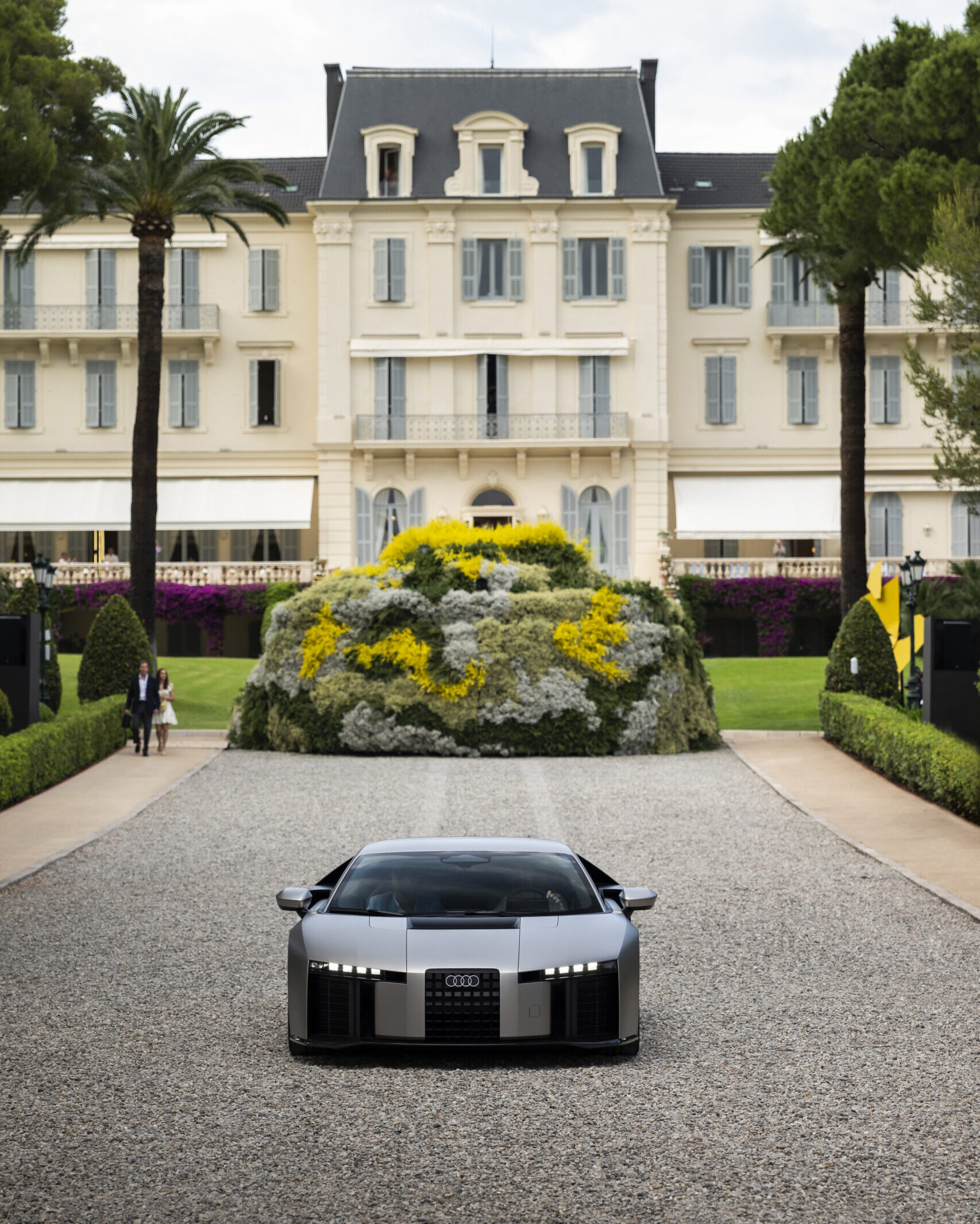
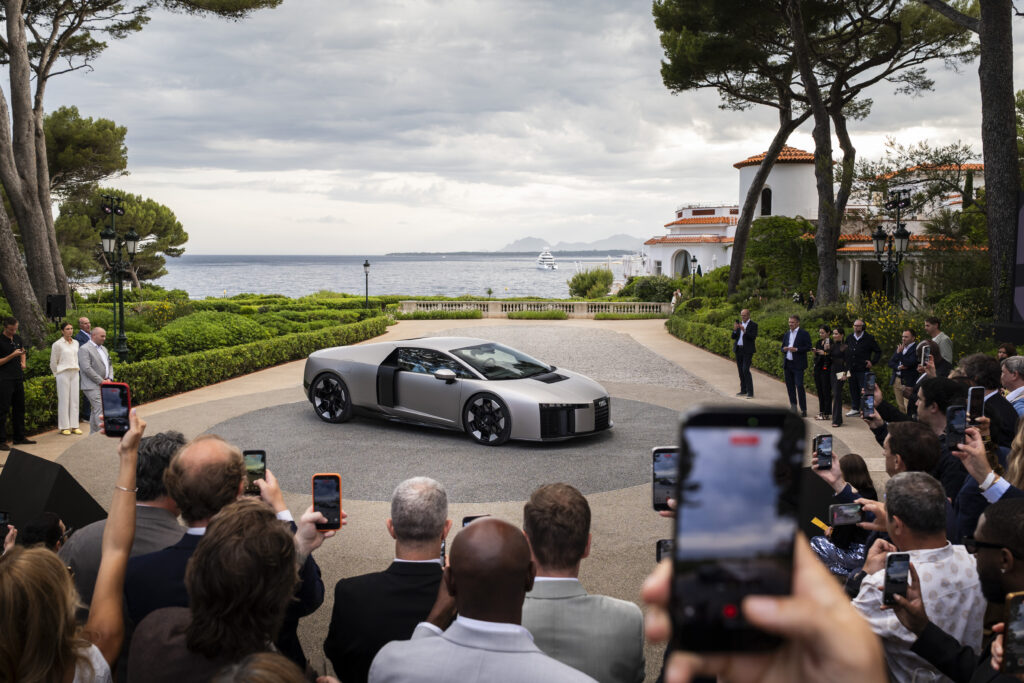
Audi’s Nuvolari is set for a 499-car run from 2027, drawing on Lamborghini’s Temerario and a long history of Audi concepts that never reached showrooms.
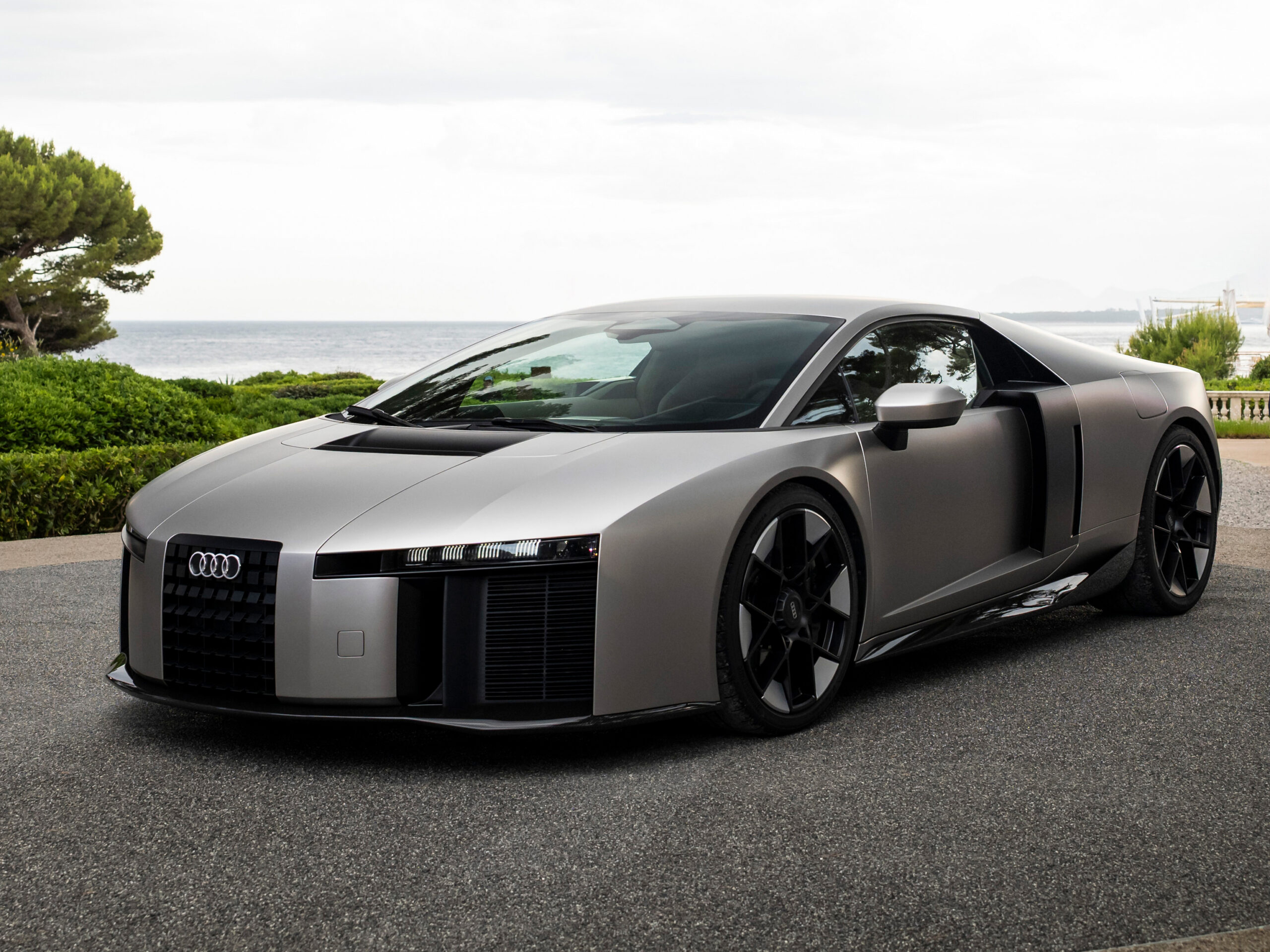
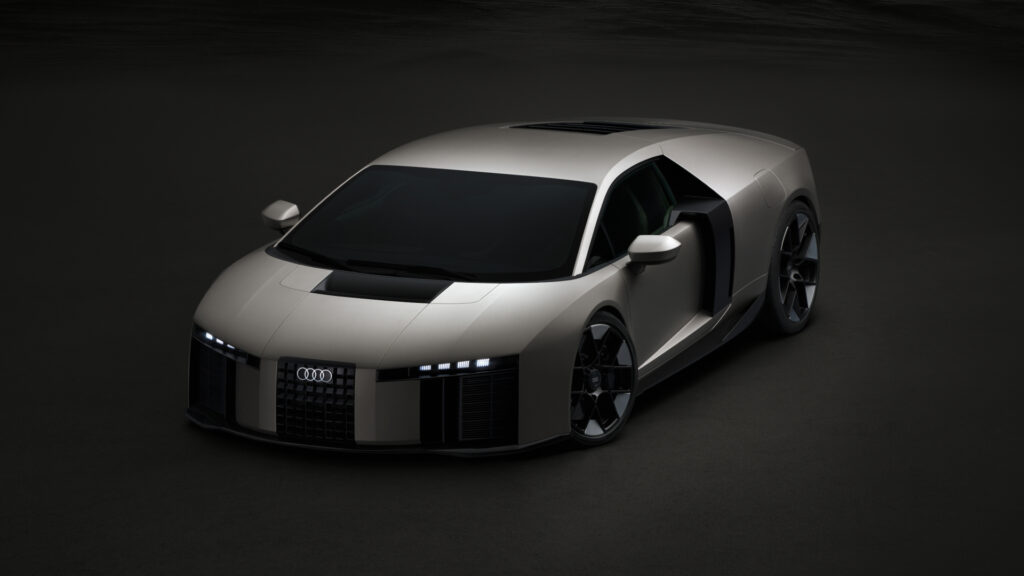
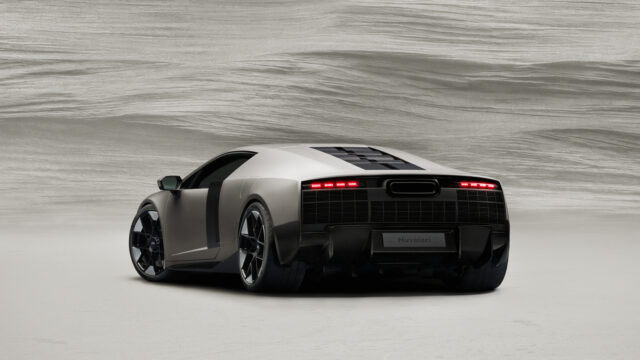
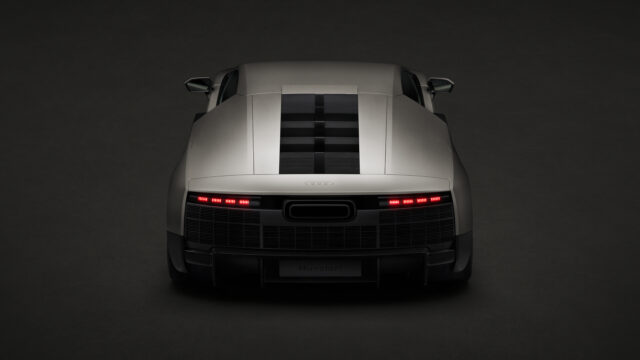
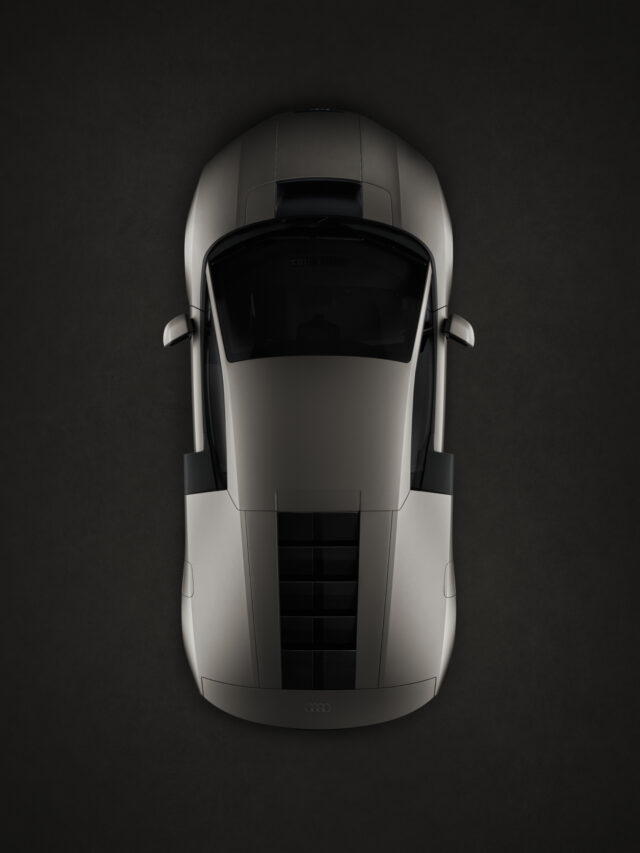
Audi’s latest halo car turns one of the brand’s familiar stories on its head: the Nuvolari name has returned, and this time the car is scheduled for production. The mid-engined sports car is limited to 499 examples, priced from €600,000 ($692,000) before options, with sales planned in Europe, the U.S., Japan and Korea in the first quarter of 2027. Production is due to finish in mid-2028.
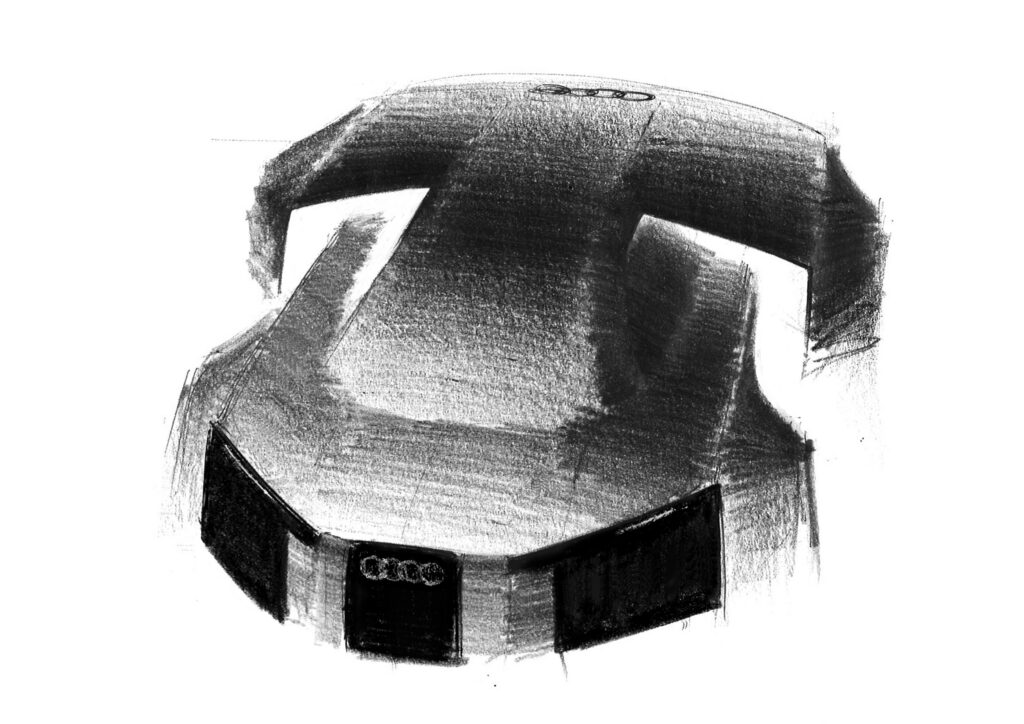
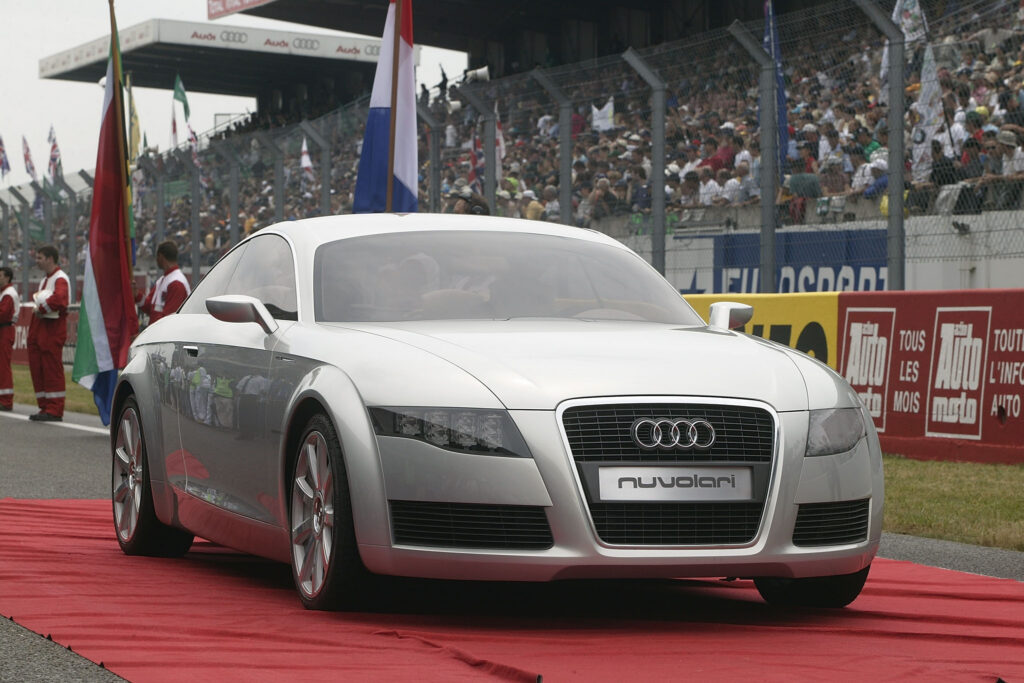
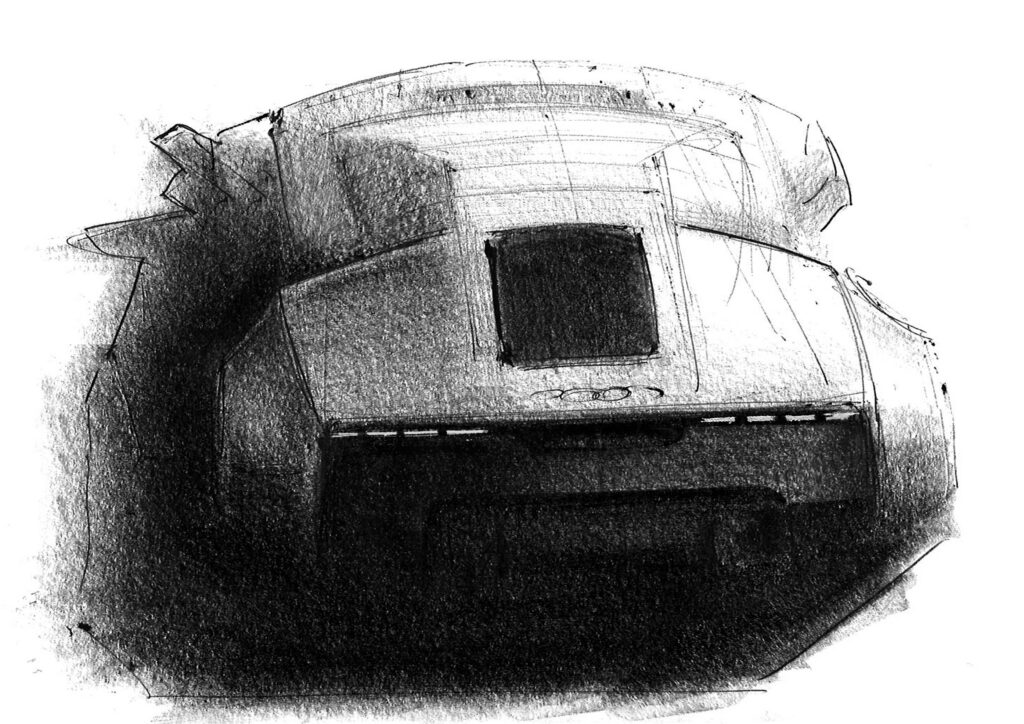
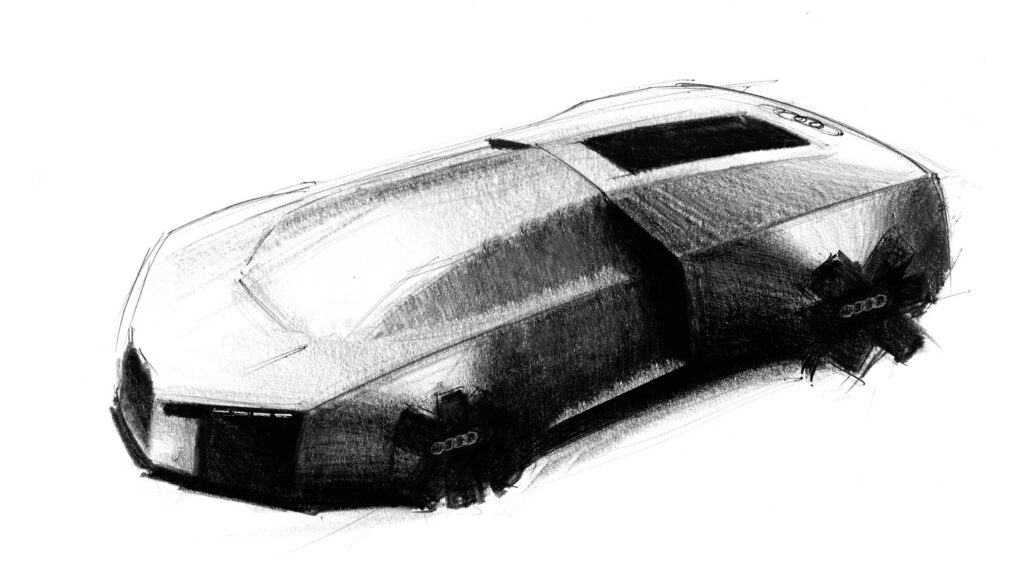
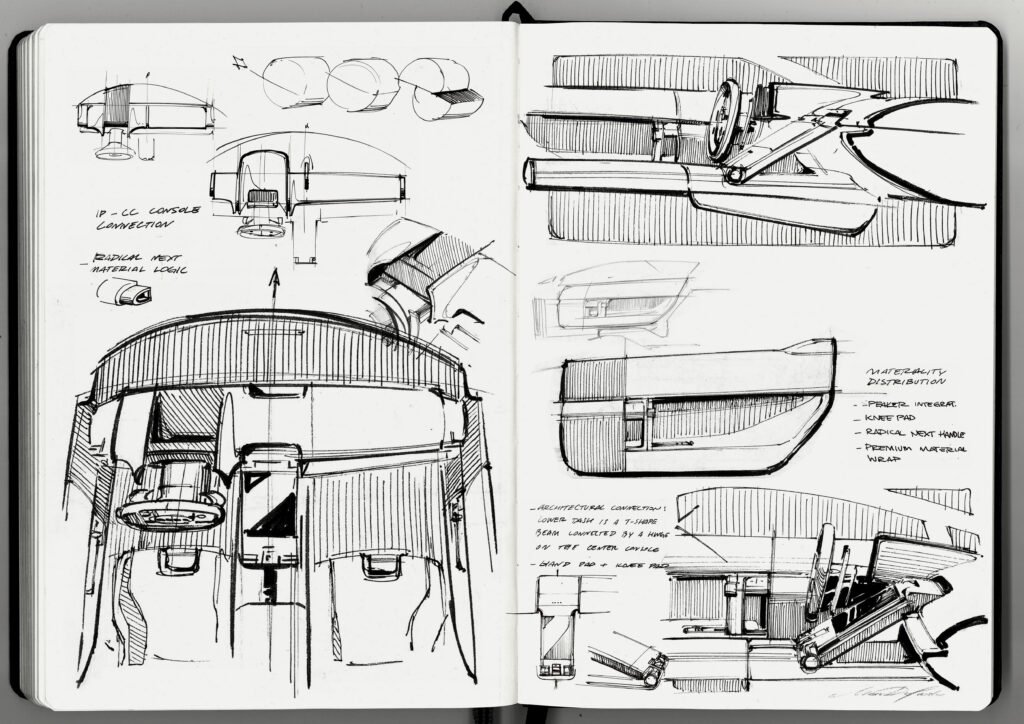
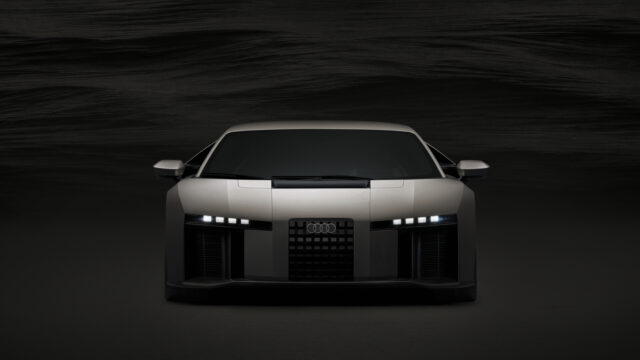
That puts the new Nuvolari in a very different position from the 2003 show car that first carried the name. That earlier front-engined 2+2 was roughly an A6-sized interpretation of the TT coupe; the new model takes cues from the upcoming electric Concept C and Audi’s Radical Next design philosophy, led by chief designer Massimo Frascella. Audi says the new car moved from first sketch to prototype in just 13 months, a brisk development schedule for a marque whose concept coupes have rarely reached showrooms.
Audi’s concepts rarely made the jump
From 1974 to 2023, Audi showed 25 coupe design studies, and only three became showroom models. That history makes the Nuvolari’s production status striking. The company has repeatedly explored high-performance coupes, electric sports cars and new interpretations of its quattro heritage, but cost, demand and product-line priorities have often kept those ideas on the show stand.
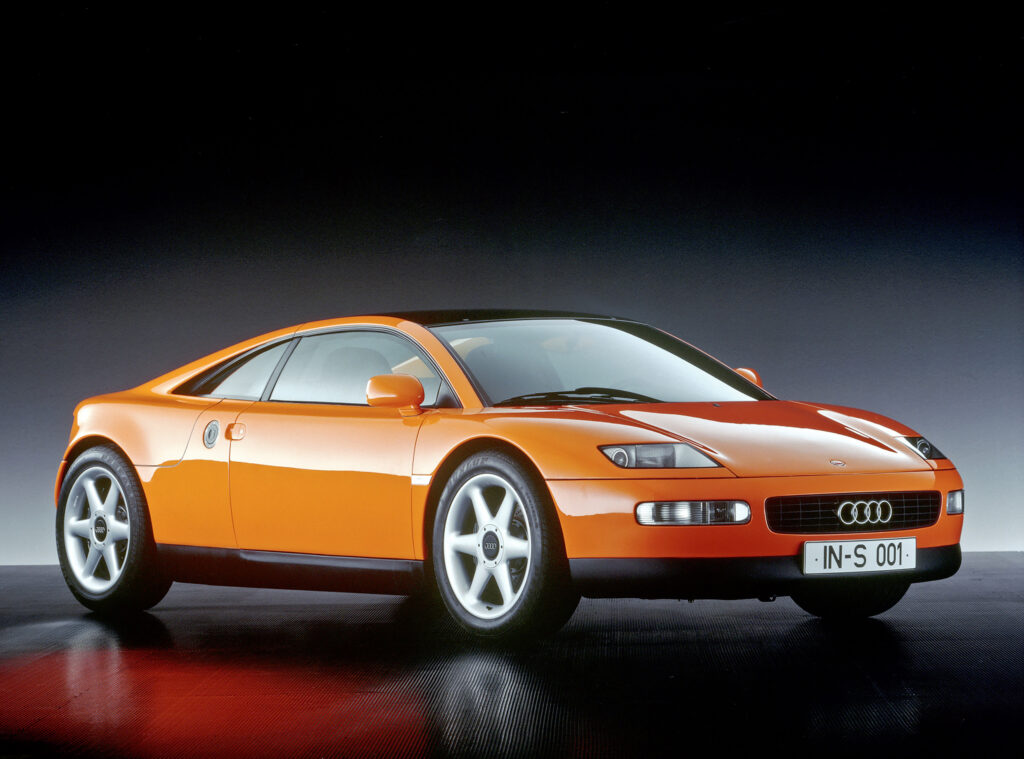
The 1991 Quattro Spyder came close. Designed by Stefan Sielaff, it paired a mid-mounted 2.8-liter V-6 with all-wheel drive and Audi Spaceframe construction, the lightweight structure later used for the second-generation A8. Audi planned to build it in the U.K. with design firm IAD, and had several thousand firm orders, yet canceled the project shortly before production. The company cited cost and softening sports-car demand.
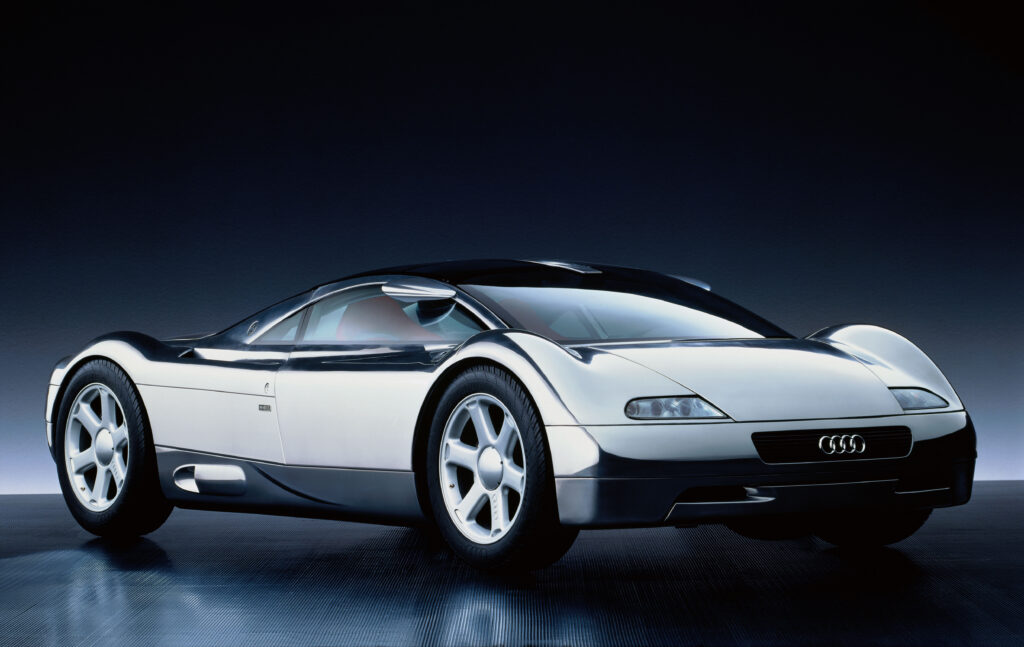
The 1991 Avus made a different kind of statement. Its W-12 engine was represented by a wooden sculpture because the functional 6.0-liter unit, assembled from two narrow-angle VR6 engines, wasn’t ready for the Tokyo show. The cab-forward design and unusual powertrain were part of Ferdinand Piëch’s effort to give Audi a more dramatic answer to sports cars from BMW and Mercedes.
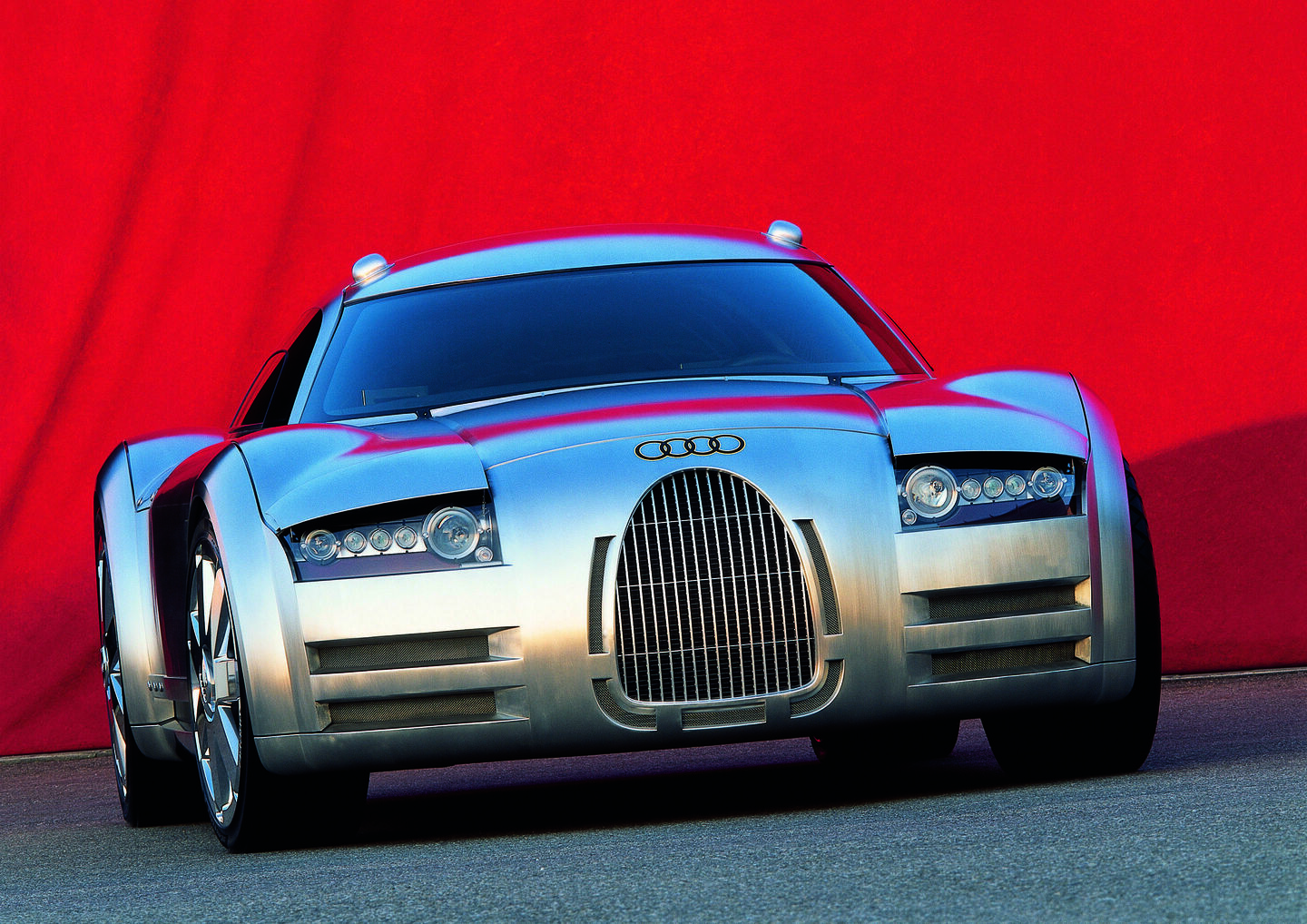
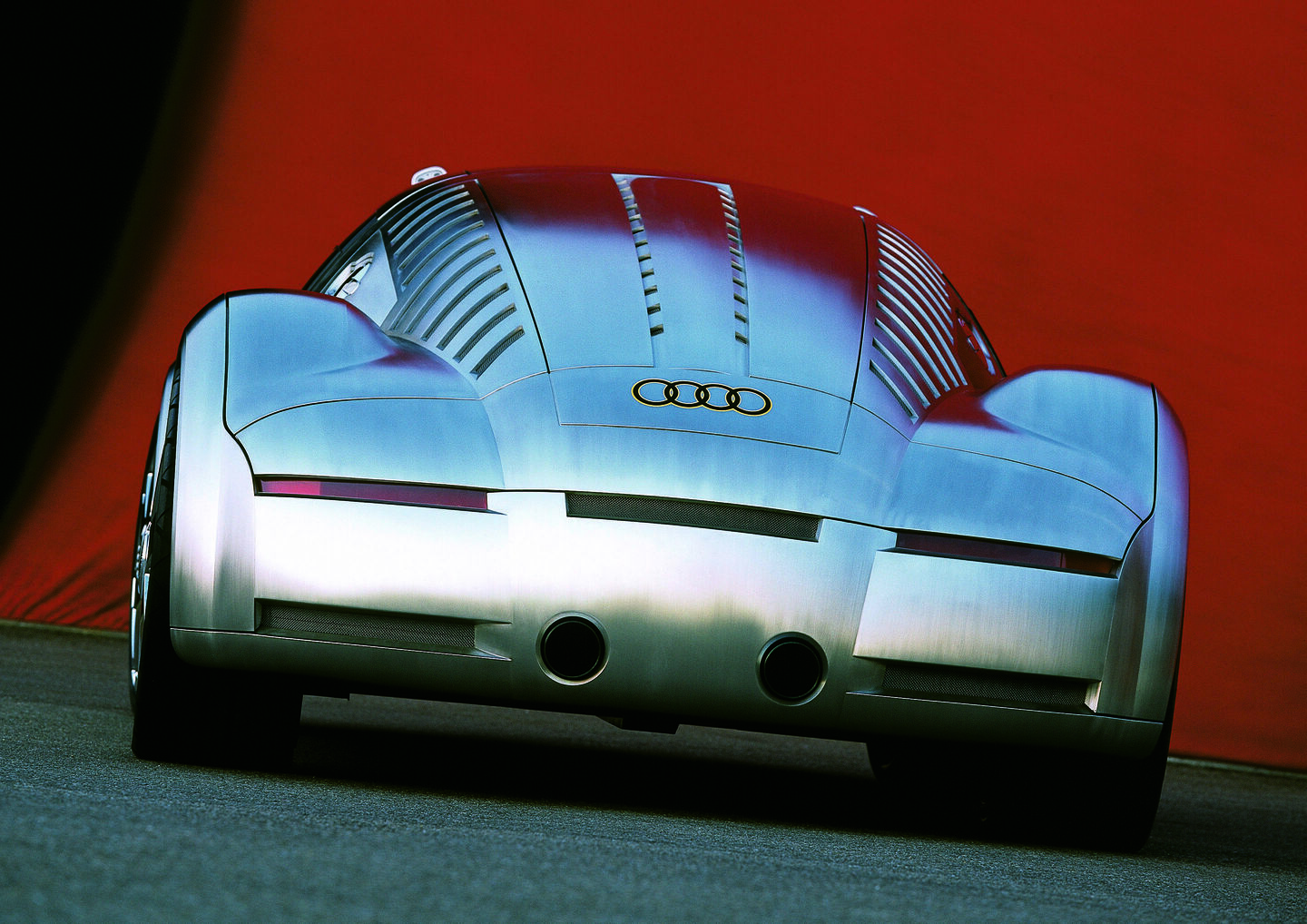
Audi revisited the idea of a spectacular, mid-engined flagship with the 2000 Rosemeyer. Its 8.0-liter W-16 combined the architecture of two 4.0-liter W-8 engines developed for the short-lived top Passat. Sielaff’s design drew on Auto Union Silver Arrows, including the Type 32. The Avus and Rosemeyer were never production proposals, but their upright grille treatments and bold proportions fed Audi’s claim to design leadership; the vertical frame has echoes in the Nuvolari and Concept C.
Diesel and electric R8 experiments
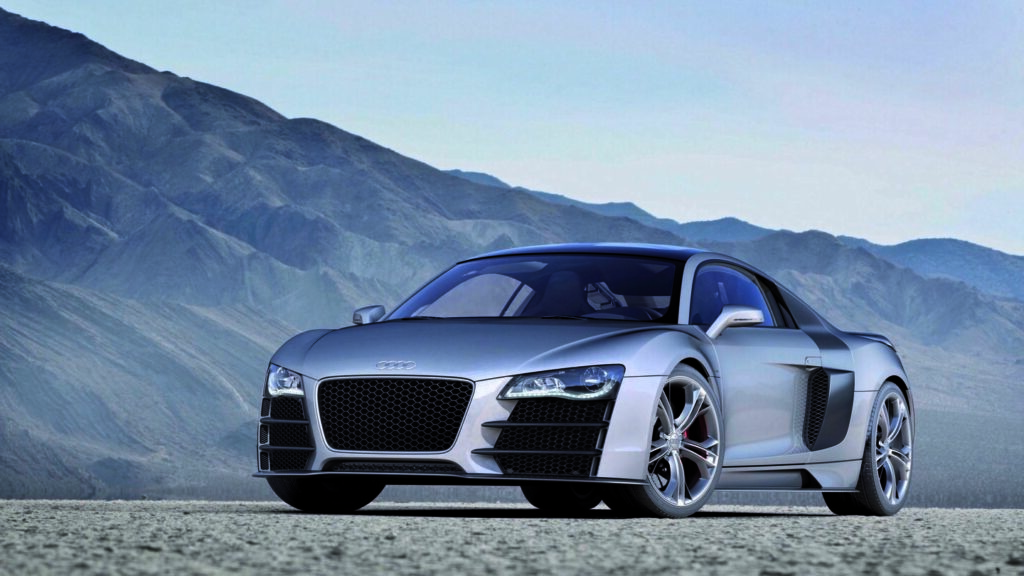
The R8 spawned some of Audi’s more technically ambitious studies. In 2008, the R8 V-12 TDI concept used a 6.0-liter diesel producing 500 horsepower and 738 lb-ft of torque in road trim. A lighter competition version developed by Audi Sport made 646 hp. The concept paired the engine with a six-speed manual and an exposed shift gate. It impressed on the road, but Audi’s gasoline V-10 offered a more broadly appealing route for the production car.
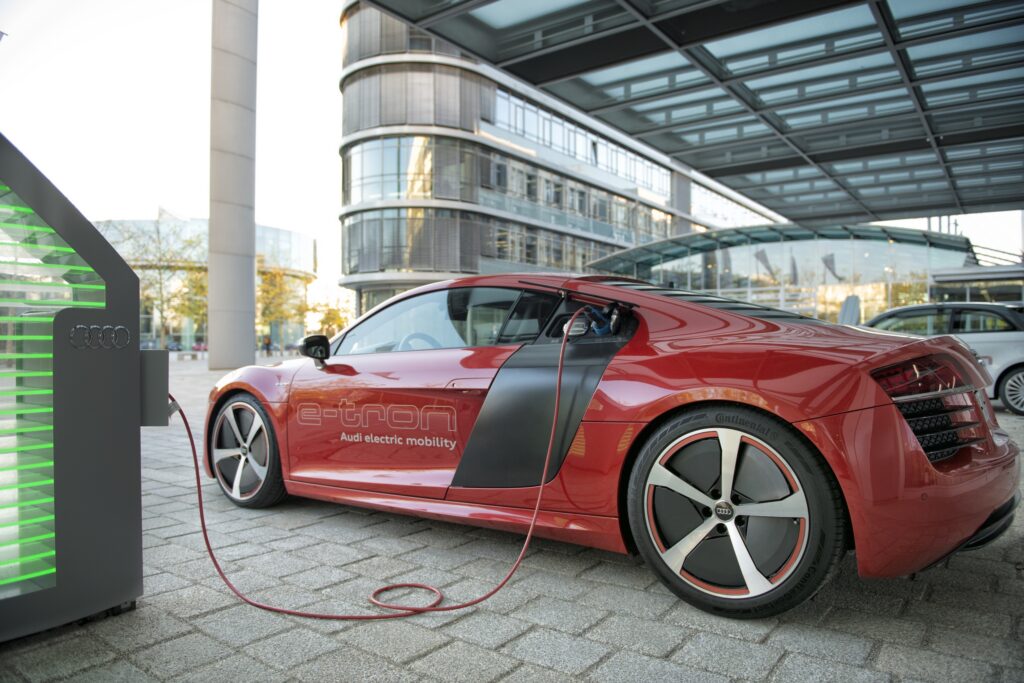
The R8 e-tron followed in 2009 with two rear electric motors rated at 462 hp combined and a T-shaped 92-kWh battery pack. Audi initially advertised the car at €1 million. After the program was stopped in 2012 for lack of demand, it returned under a new technical chief in 2014 at €170,000. Fewer than 100 were completed, with the last leaving the Böllinger Höfe factory in 2016. The story shows how price and customer appetite can be as decisive as engineering in a low-volume electric sports car.
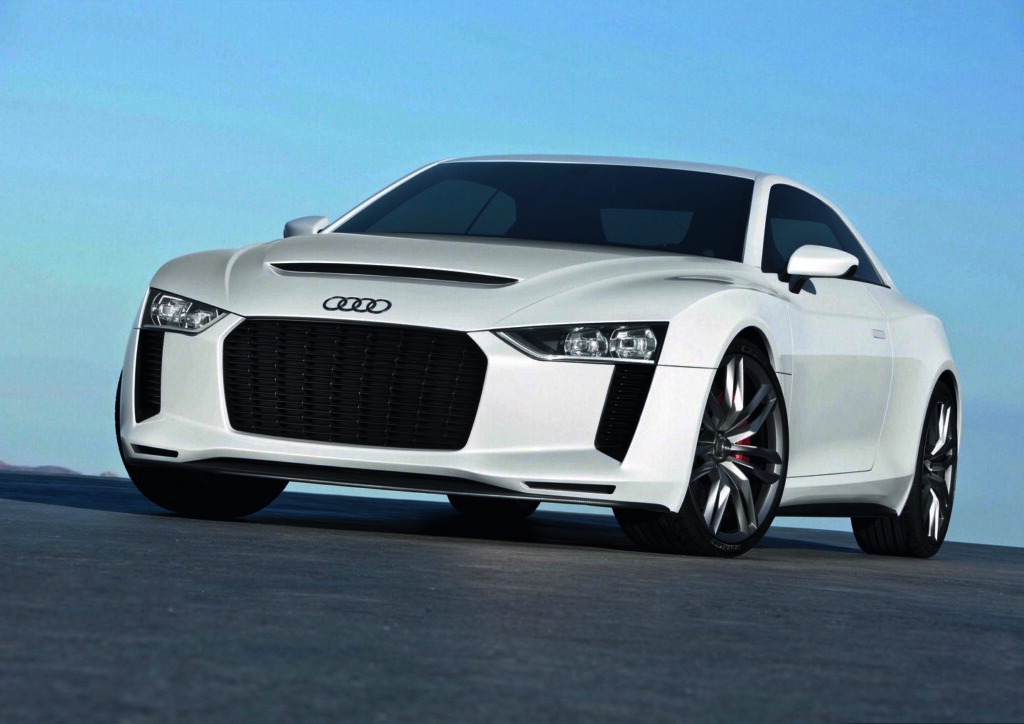
Audi also kept searching for a modern successor to the original quattro. The 2010 Quattro Concept, based on the RS5, came close to approval, while other studies explored hybrid and electric layouts. One e-tron coupe placed an electric motor at each wheel, with an aluminum space frame and carbon-fiber body. A later, more compact revision brought the idea closer to the character and proportions of the original car.
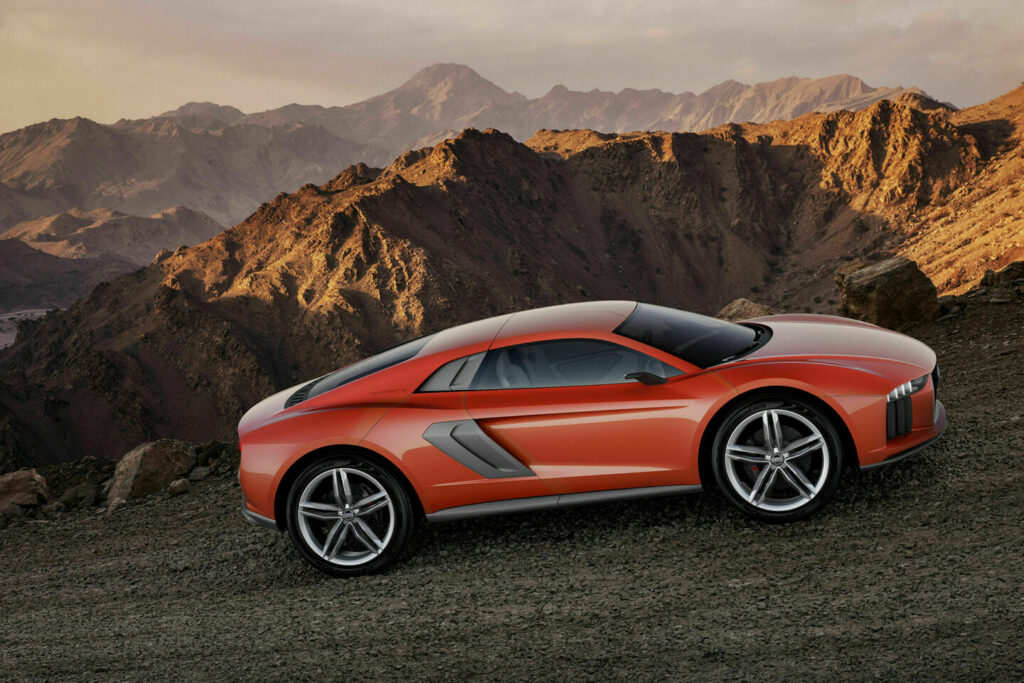
The 2013 Nanuk quattro took the sports-car formula in another direction, blending a low two-seat body with crossover-like capability. Designed by Italdesign Giugiaro in Turin, it had a longitudinally mounted 540-hp, 5.0-liter V-10 TDI. Rear-wheel steering, height-adjustable air suspension, scissor doors and an early Virtual Cockpit previewed features that later became more familiar across performance and luxury models.
Design studies set the stage
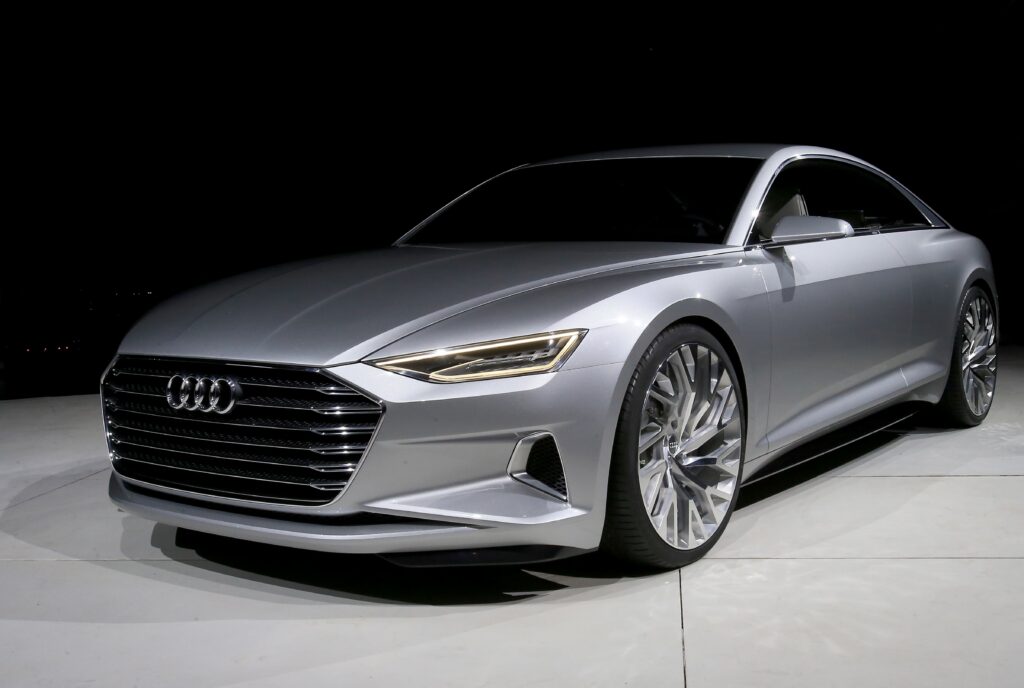
Marc Lichte’s 2014 Prologue proposal explored a large coupe, an Avant wagon and an allroad crossover. Its design language influenced the A8 introduced in 2017, but high costs and limited demand ended plans for the two-door. Audi’s 2021 Skysphere electric two-seater, alongside the Landyacht sedan and Landjet crossover coupe, also imagined a new flagship direction that didn’t reach production.
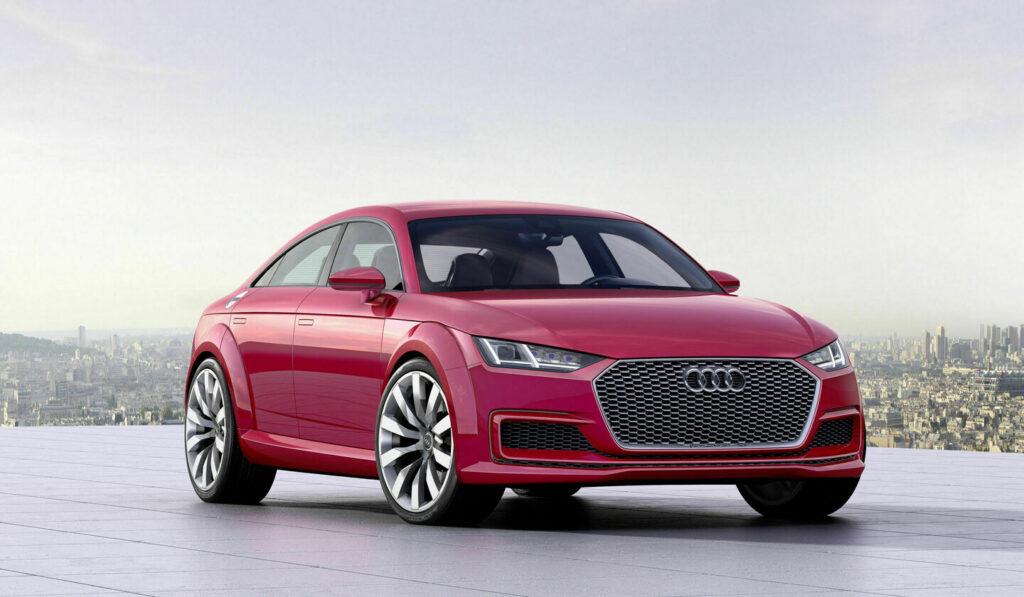
That same year, Audi presented three TT family studies: the Detroit Shooting Brake, the Beijing TT offroad and the Paris TT Sportback. They proposed a wider range of premium models using a 450-hp 2.5-liter five-cylinder. The plan was later shelved, with Audi focusing higher in its lineup on the A5 and Sportback instead.
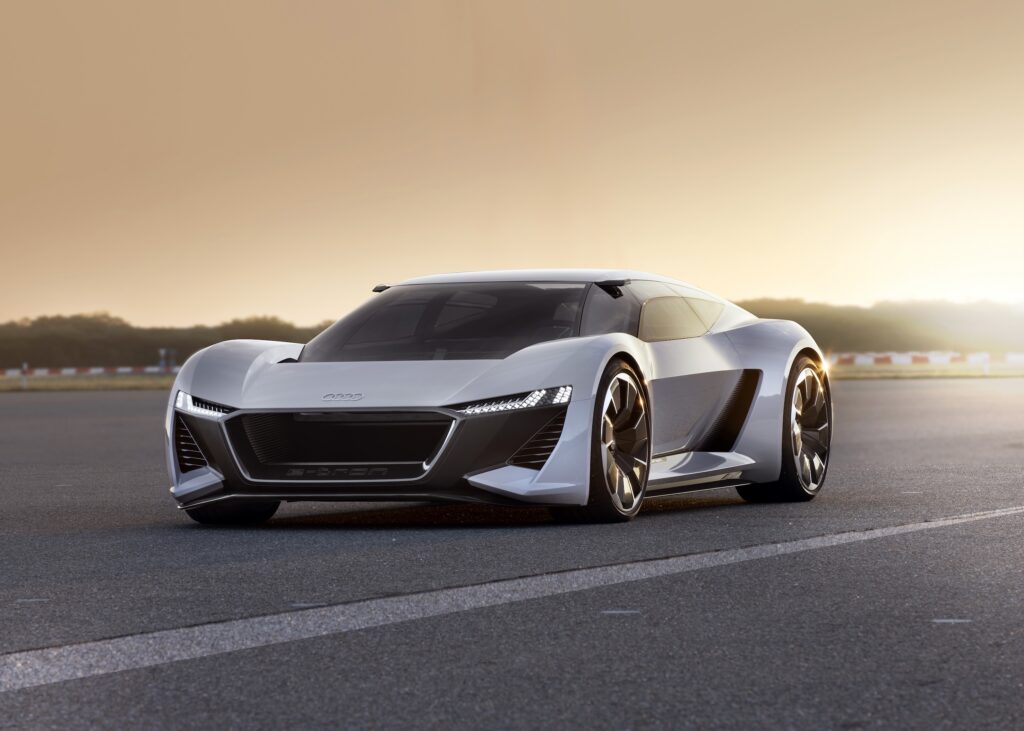
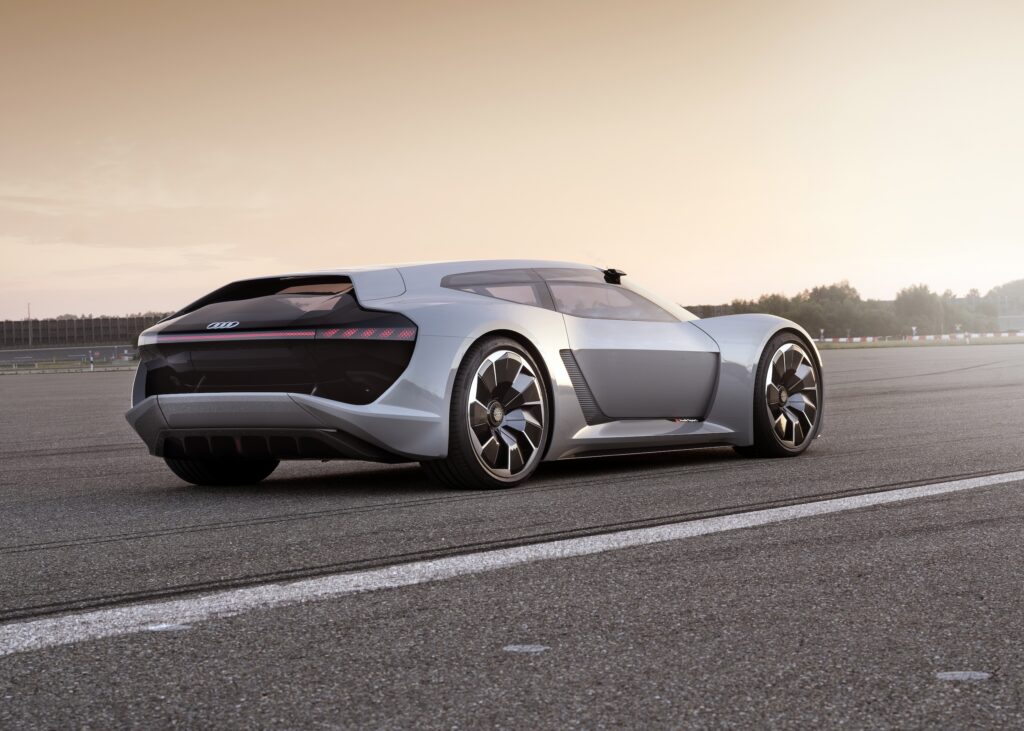
The 2018 PB18 e-tron was a more focused electric supercar proposal. Designed by Gael Buzyn at Audi’s California studio, it drew on the LMP1 race car and was conceived as a lightweight road-going performance EV. Its three-seat cabin had a steering wheel and pedal box that could slide laterally. Audi also specified solid-state batteries, wireless charging, an 800-volt system and three motors producing 775 hp in full boost mode. Those features made the PB18 an ambitious technical package, though the market had yet to show strong demand for an electric Audi supercar.
Lamborghini hardware, Audi design
The Nuvolari’s development is closely tied to Lamborghini. Audi’s mid-engined collaboration with the Italian marque began with the Gallardo and helped lead to the R8, which arrived in 2006. The Gallardo’s V-10 lineage continued in the Huracán and second-generation R8, but Lamborghini developed a new powertrain for the Temerario, which replaced the Huracán in 2024.
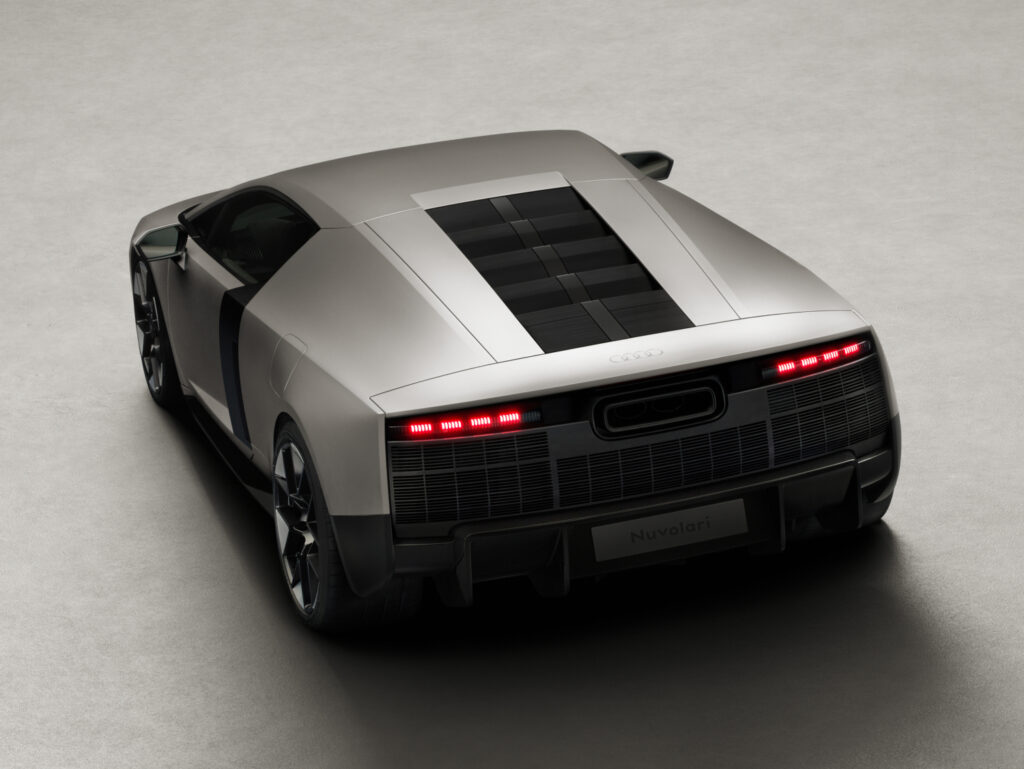
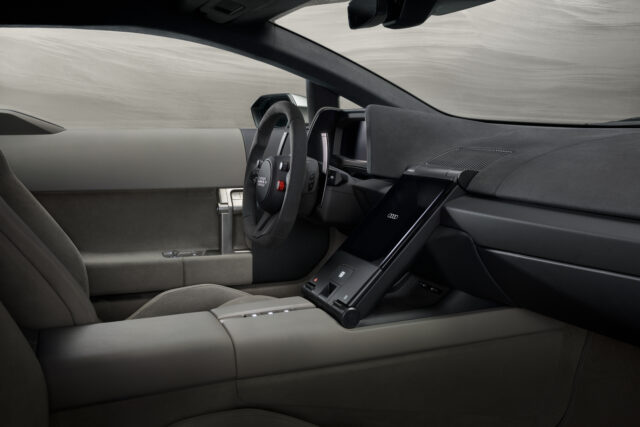
That 4.0-liter V-8 works with three electric motors for up to 920 hp in the Temerario. Audi’s Nuvolari development adds power to reach 1,001 hp, just 14 hp below the V-12 Revuelto. Rouven Mohr, Audi’s recently appointed chief technical officer and a former Lamborghini counterpart, led the project. The Temerario served as its engineering blueprint, while the Nuvolari received new bodywork and a redesigned cabin.
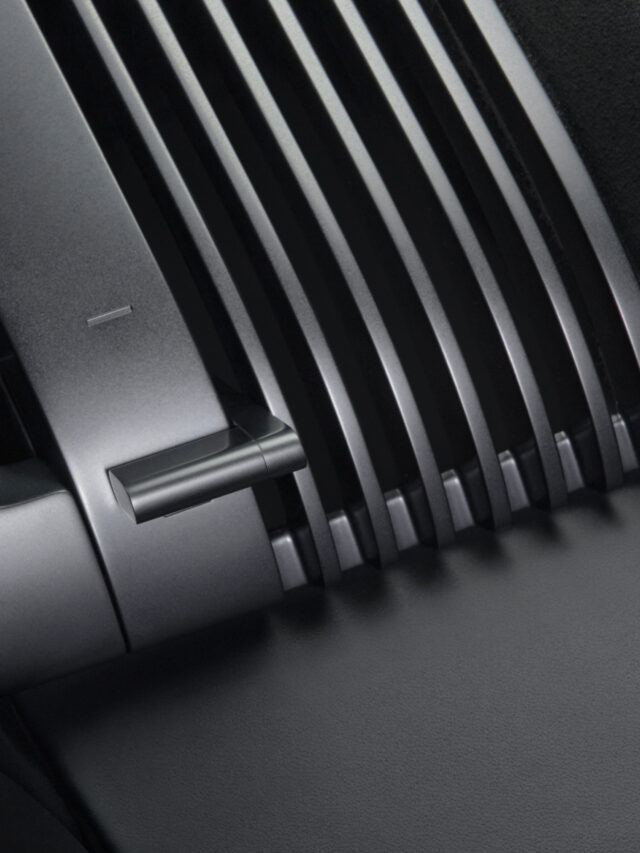
Audi lists a predictive, multi-mode quattro ride system, active aerodynamics and XXL Ceramic Pro brakes among the car’s features. The interior is described as a “digital detox” design, although Audi has not provided more detail here about its controls or equipment. The source also gives no range, fuel economy or performance figures beyond power, so the practical ownership picture will depend on specifications still to come.
Mohr says Audi considered three paths: reworking the R8, developing an electric supercar, or creating a less expensive, higher-volume sports car. The company chose existing engineering developed with Lamborghini to move faster, then applied a new design language intended for future Audis. The body shell will come from Germany and travel to Sant’Agata, Potenza and Modena for carbon-fiber bodywork and mechanical installation before returning to Ingolstadt or Heilbronn for final assembly.
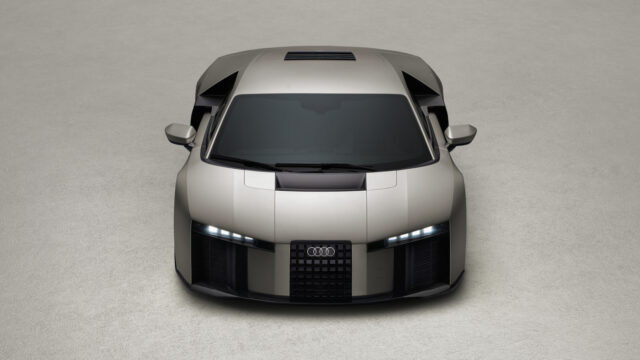
At a planned rate of three cars per day, Audi expects the 499-unit run to wrap in mid-2028. The Nuvolari’s price and limited allocation put it far beyond the brand’s regular sports-car role, while its shared engineering gives Audi a quicker route to a new flagship. After decades of striking studies that remained design statements, the key test is now whether this one reaches buyers on schedule—and whether its road character justifies its rarefied price.