In lane Electric Vehicles
Audi Concept C Signals a Cleaner Design Direction for the Brand
Description
The Concept C revives Audi’s pared-back design roots, pairing a distinctive new front end with a cabin built around physical controls.
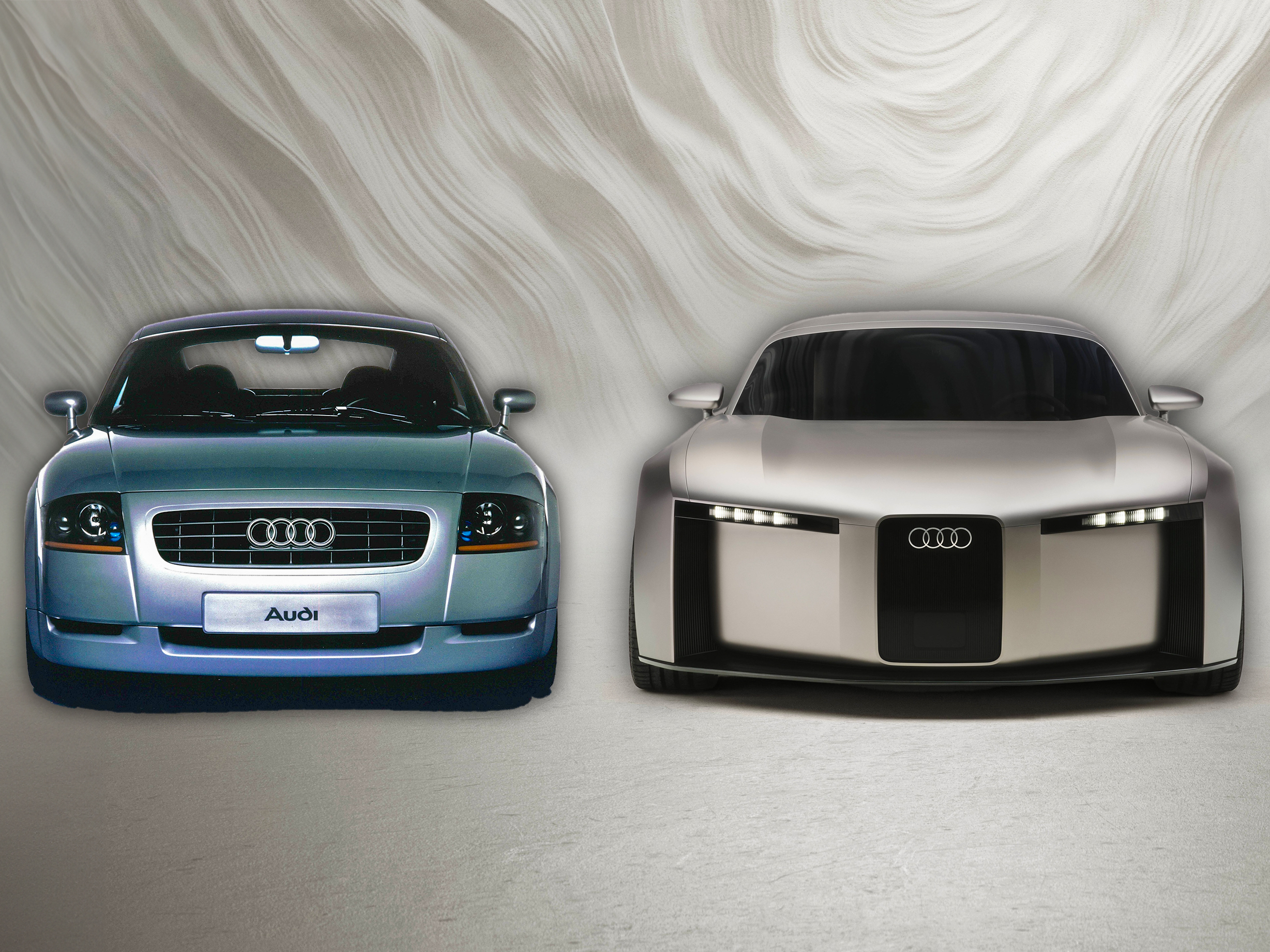
Audi’s Concept C suggests the brand is ready to simplify its design after years of adding visual detail. The electric concept brings back the clear surfaces and carefully linked features that once defined Audi, while giving that approach a new, more sculptural shape. Its proportions and stark bodywork may divide opinion, but the cabin and overall execution point to a more coherent direction.
Audi’s design cycles
Audi’s mid-1990s cars developed the brand’s smooth, aerodynamic look into clean, direct forms. The original TT, shown as a concept at the 1995 Frankfurt Motor Show, began a distinct new phase. Its design drew inspiration from the 1994 Renault Argos concept, combining simple intersecting volumes with a lightly retro character.
The TT’s appeal came from more than its outline. Shutlines and other graphic details served several purposes at once, making the car feel precise and unified. That clarity carried into the B6-generation A4 and C5-generation A6, a period often labeled Audi’s “Bauhaus” era. The name may be imprecise, but the cars’ disciplined design is easy to recognize.
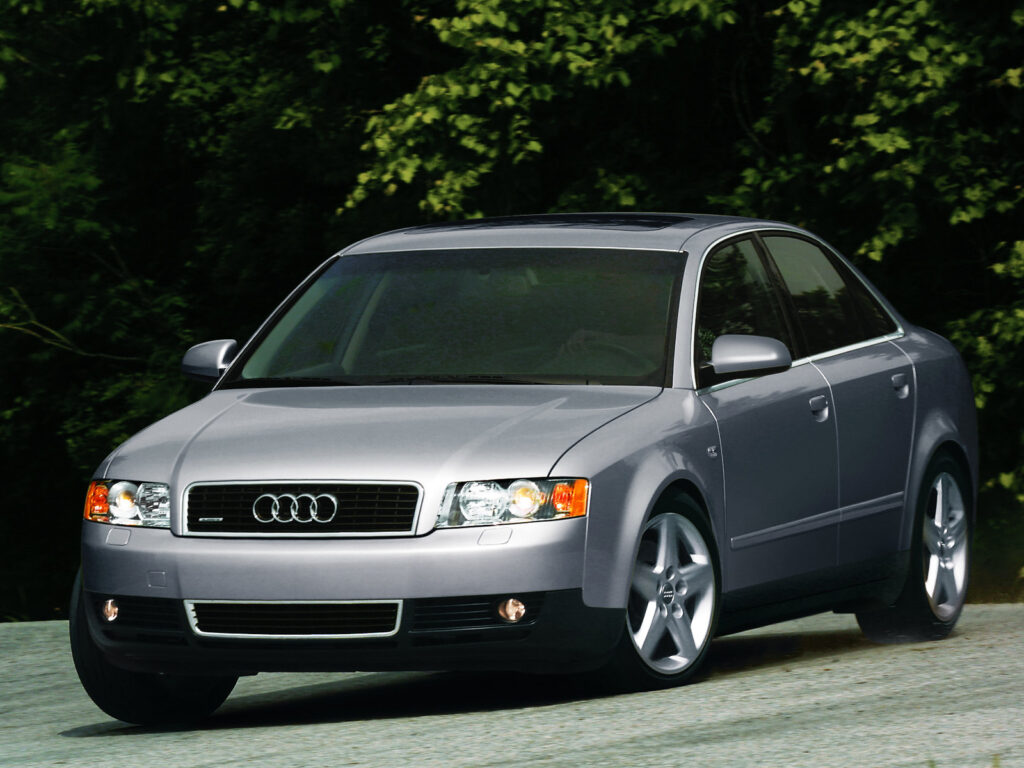
Walter De Silva joined the Volkswagen Group in 1999 and became head of Audi design in 2002. His influence brought the single-frame grille and a softer, more athletic character, seen clearly in the first-generation A7 and A5. The A5 is reportedly his favorite, and it remains one of Audi’s strongest designs.
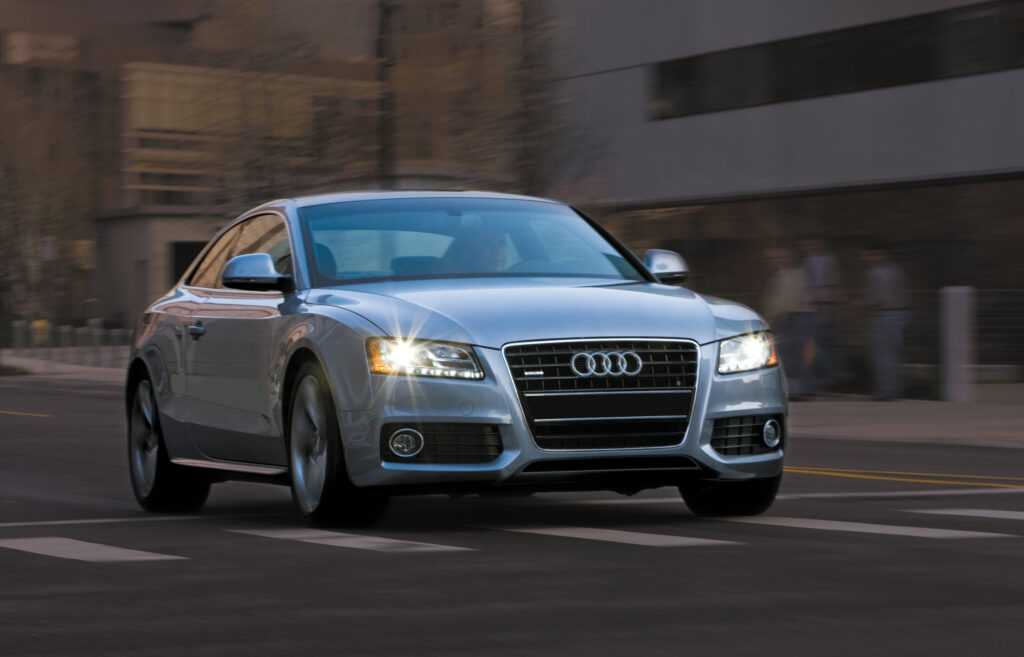
But model cycles put pressure on even successful designs. When a fresh direction is unclear, companies can pile on creases, bulges, larger grilles and more elaborate lights in an effort to make each update look new. Audi’s recent showroom designs, in the author’s view, show how that process can leave a car visually overworked. The Concept C reads as an attempt to reset the language.
A crisp shape with a heavy feel
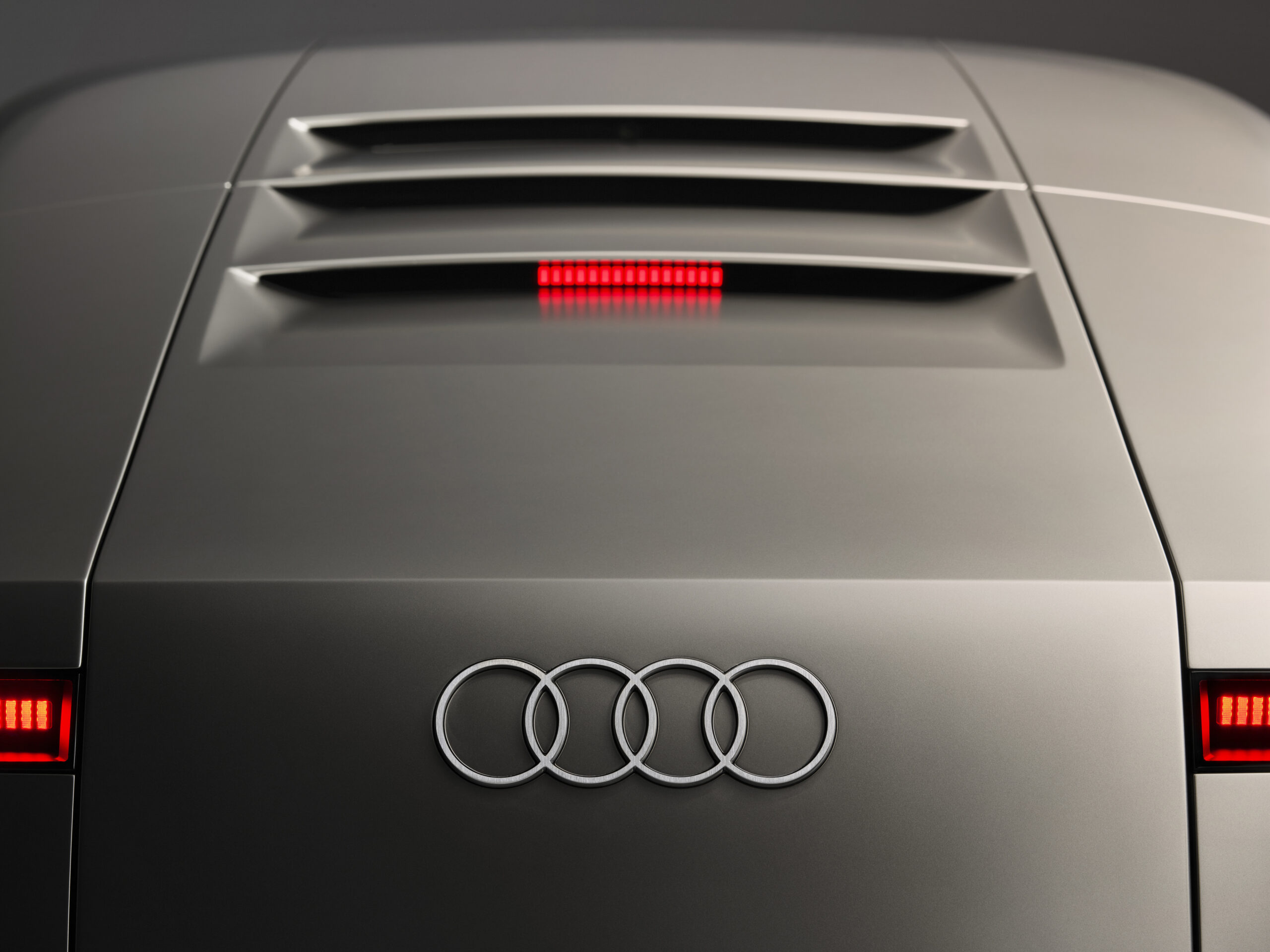
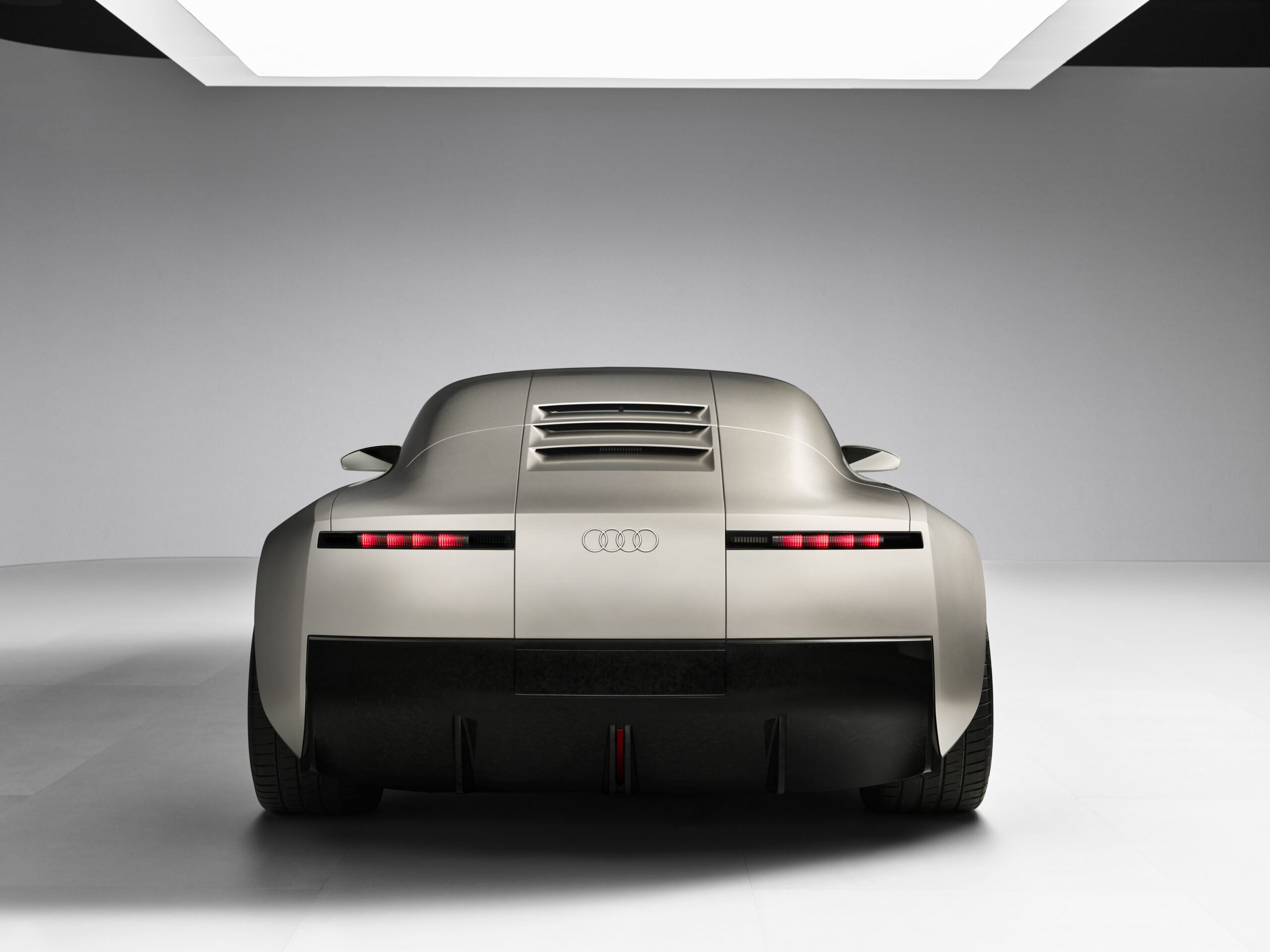
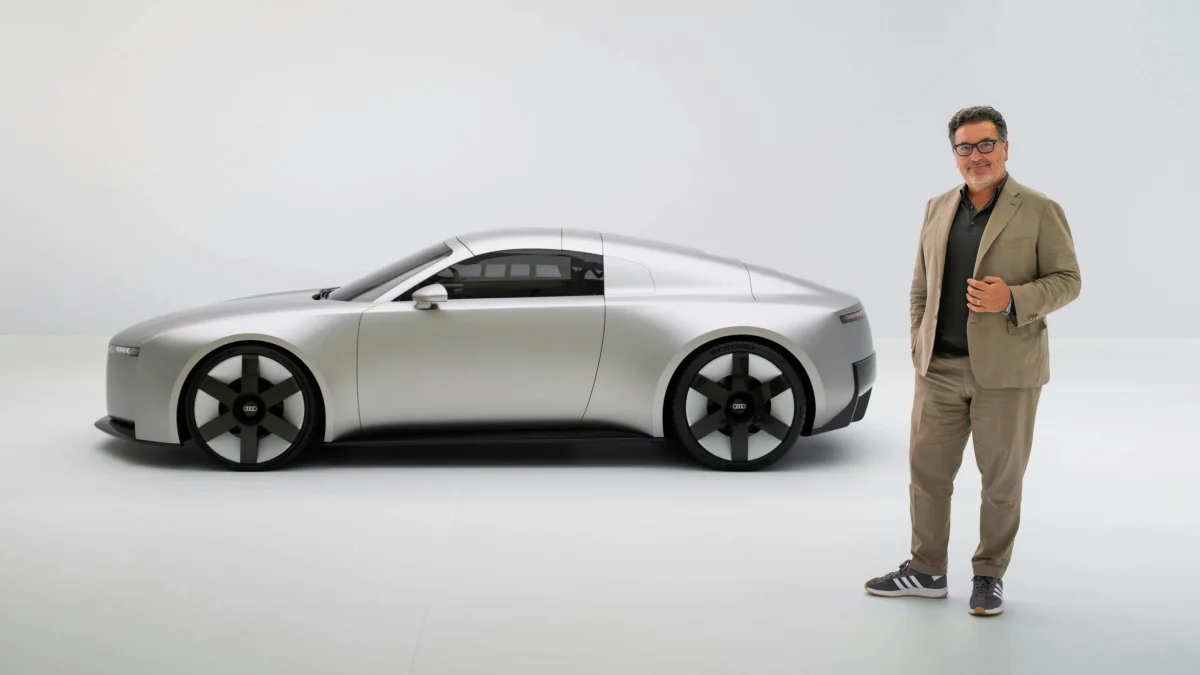
The Concept C is a fastback coupé with its cabin set slightly forward. That layout may reflect the battery’s position, though the result is less balanced than the author would prefer. Its sloping tail recalls the TT, while a gently rising beltline gives the newer car a positive wedge. The front and rear overhangs look long for an electric vehicle, but tapering bodywork at both ends helps disguise their length.
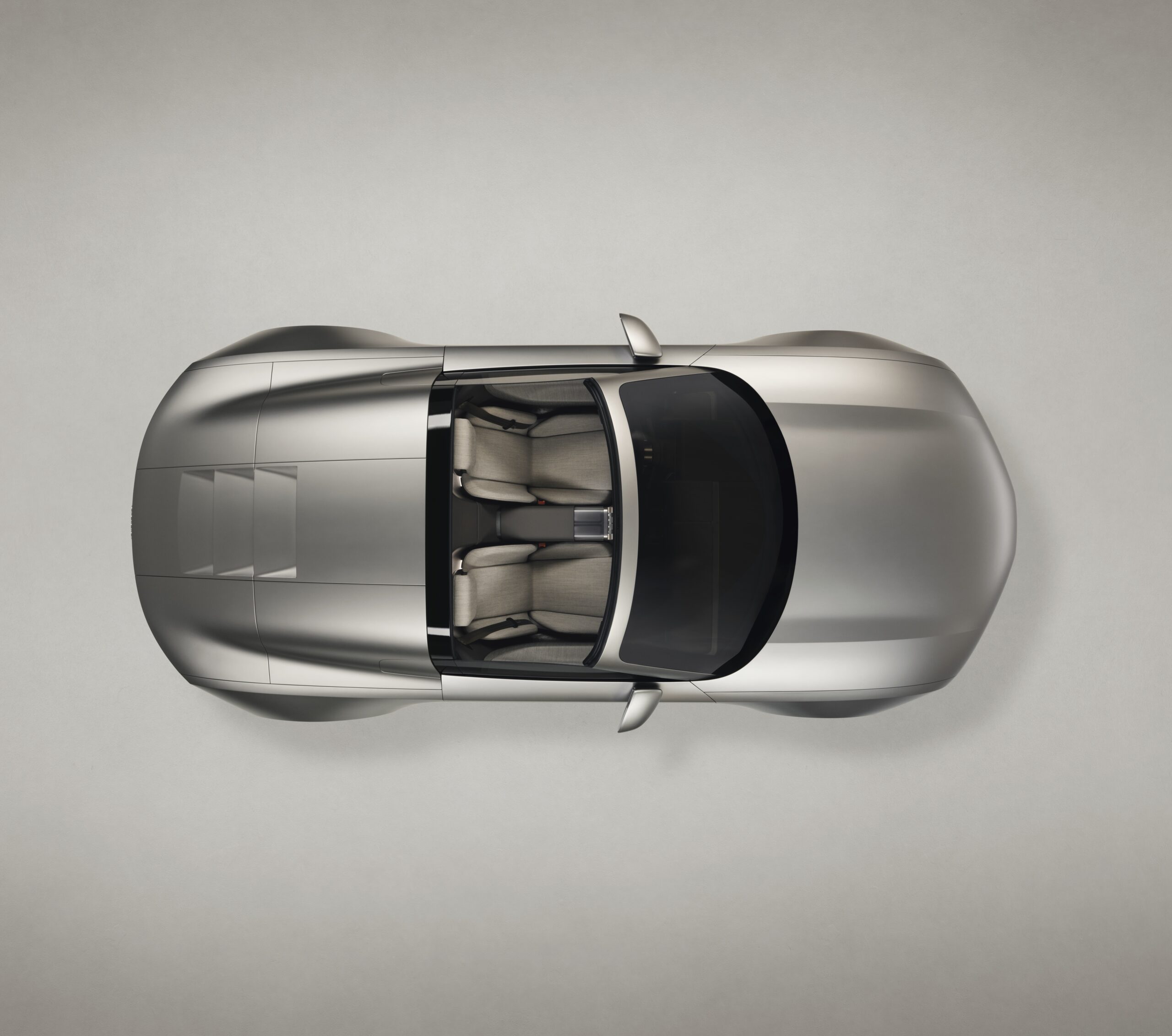
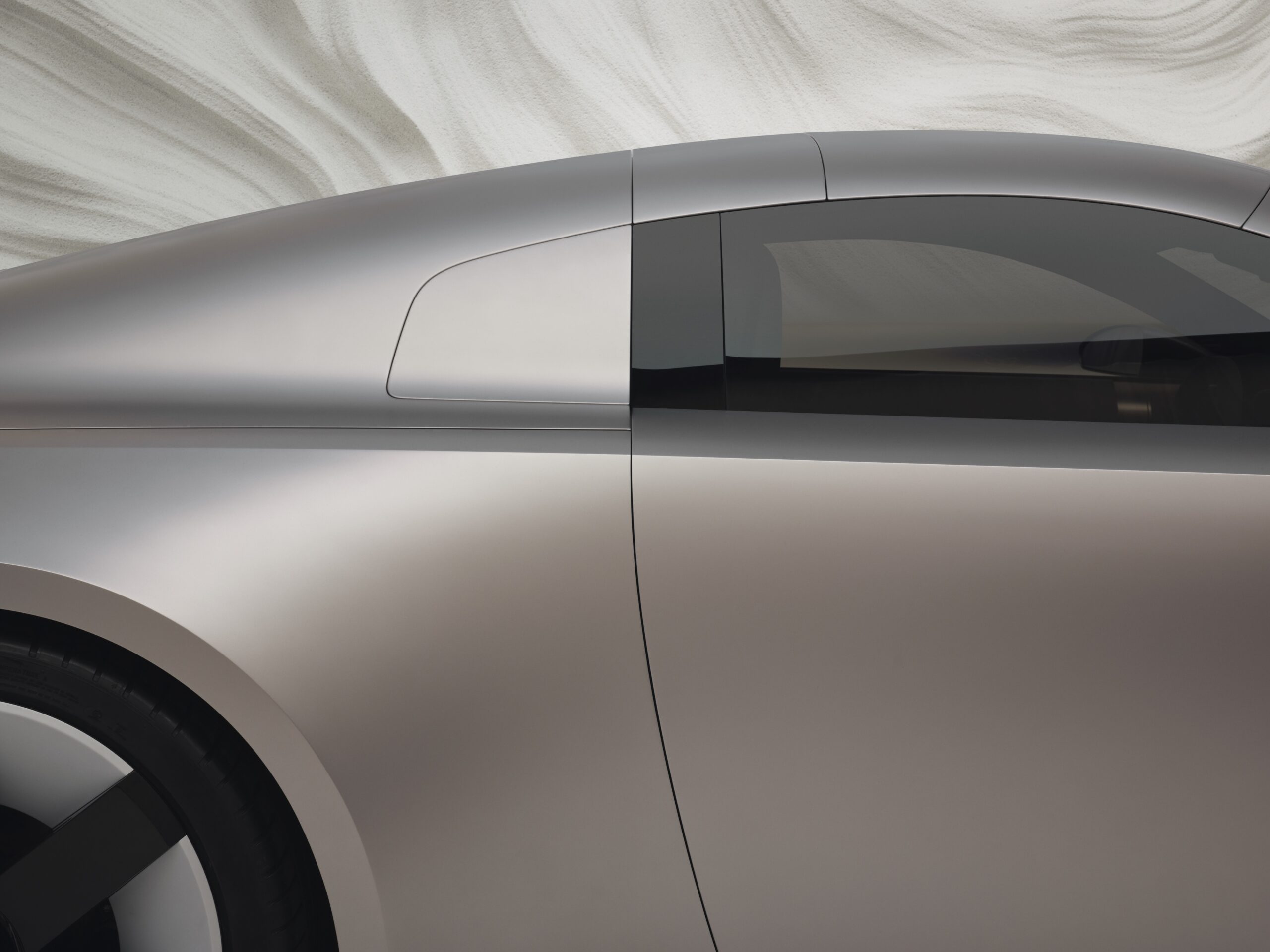
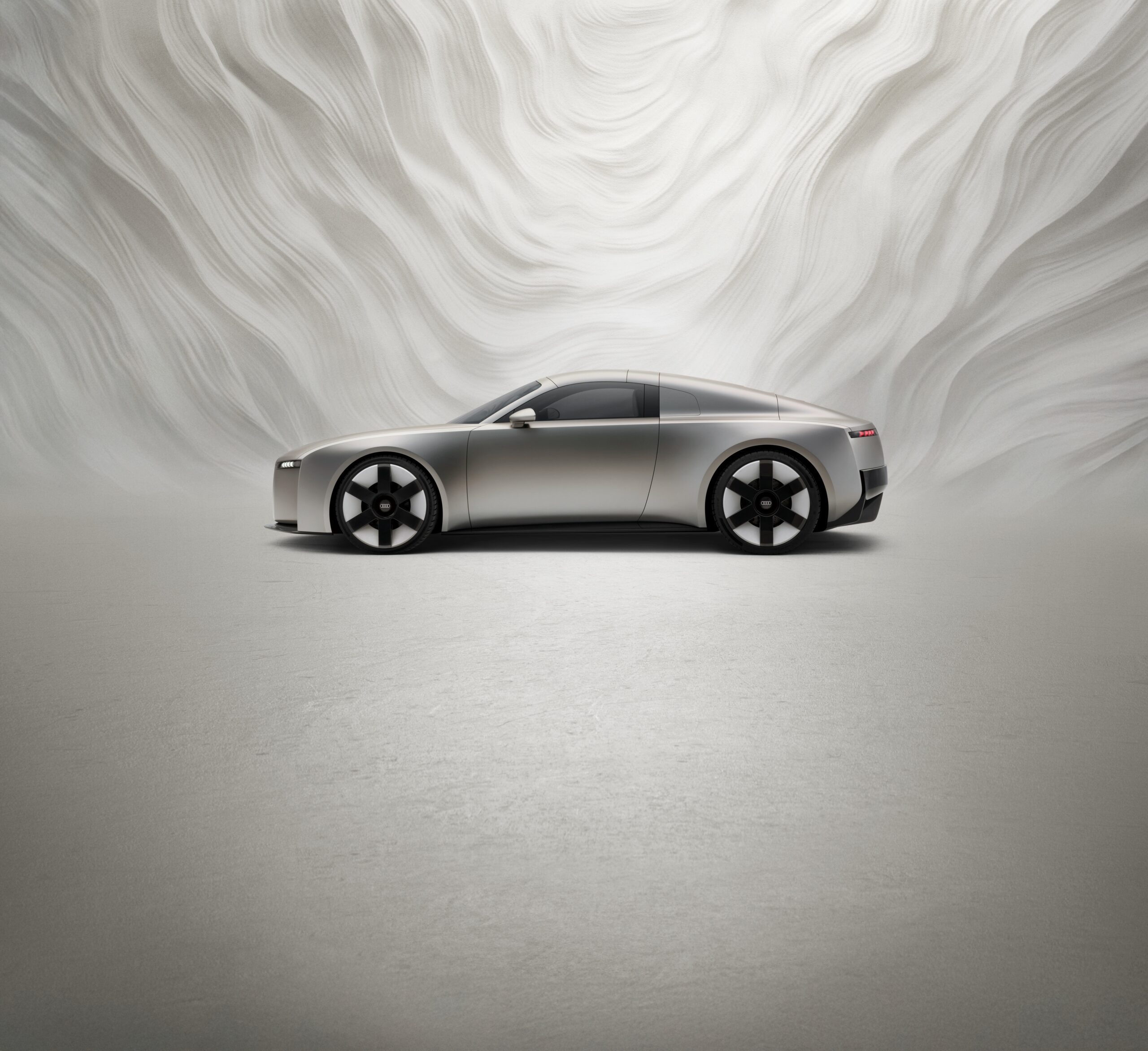
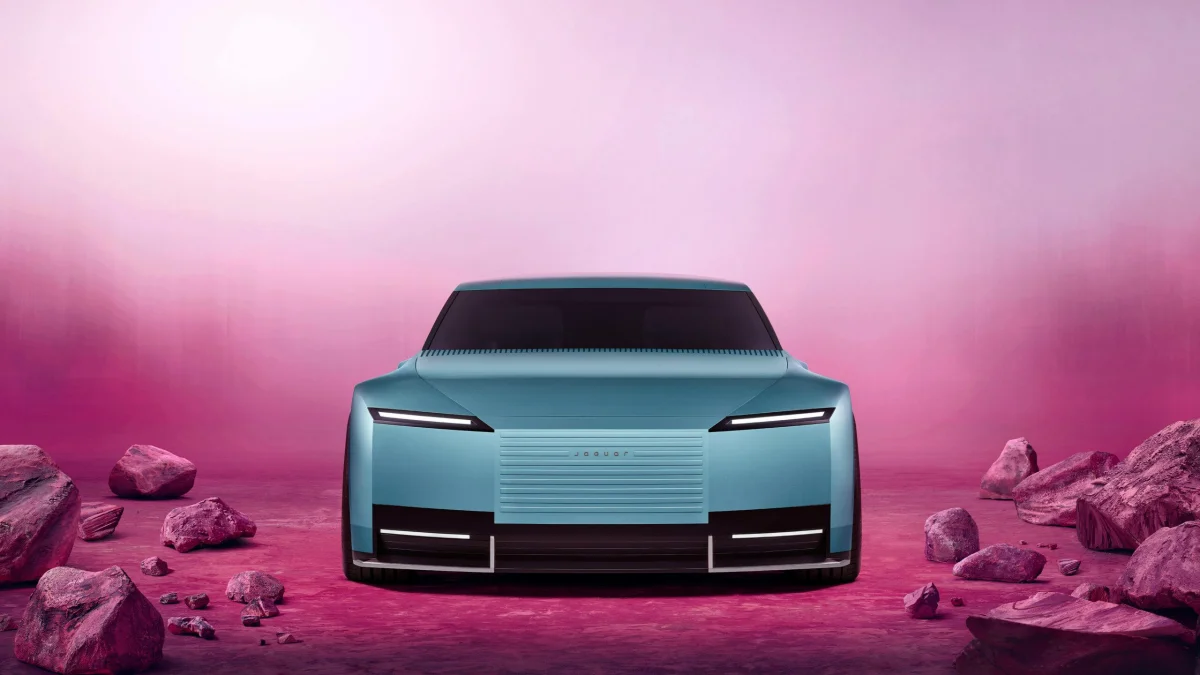
The surfaces are likely to be the most divisive part. Tall, uninterrupted sides and sharp edges make the car seem weighty, even on large wheels. The sparse detailing has prompted comparisons with Jaguar’s Type 00 concept. Both cars lean into stark minimalism, but the Audi’s surfaces appear more carefully resolved. Its solid, almost machined look fits the brand’s character; the Type 00, by comparison, strikes the author as less finished.
A new face, and a thoughtful cabin
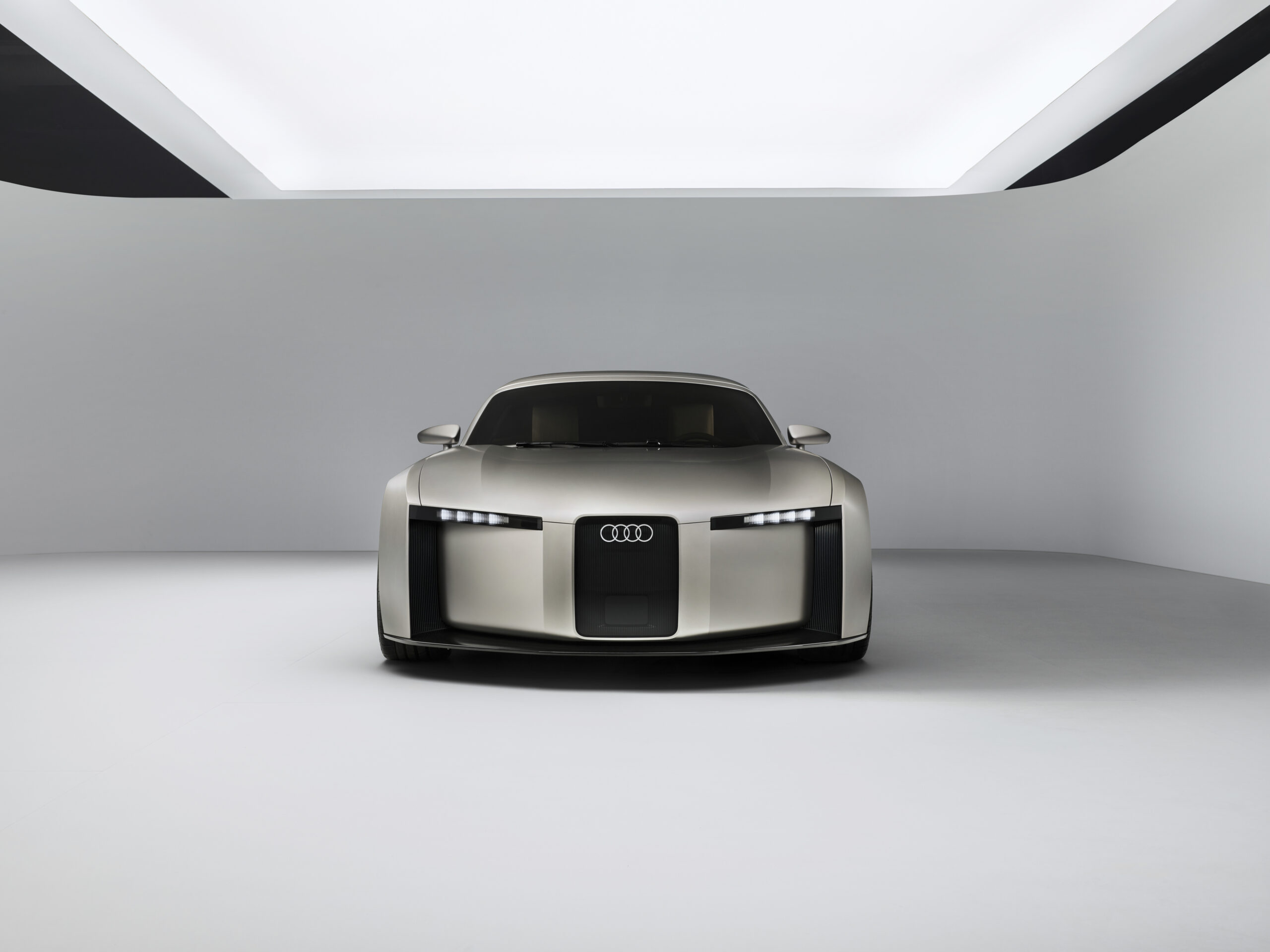
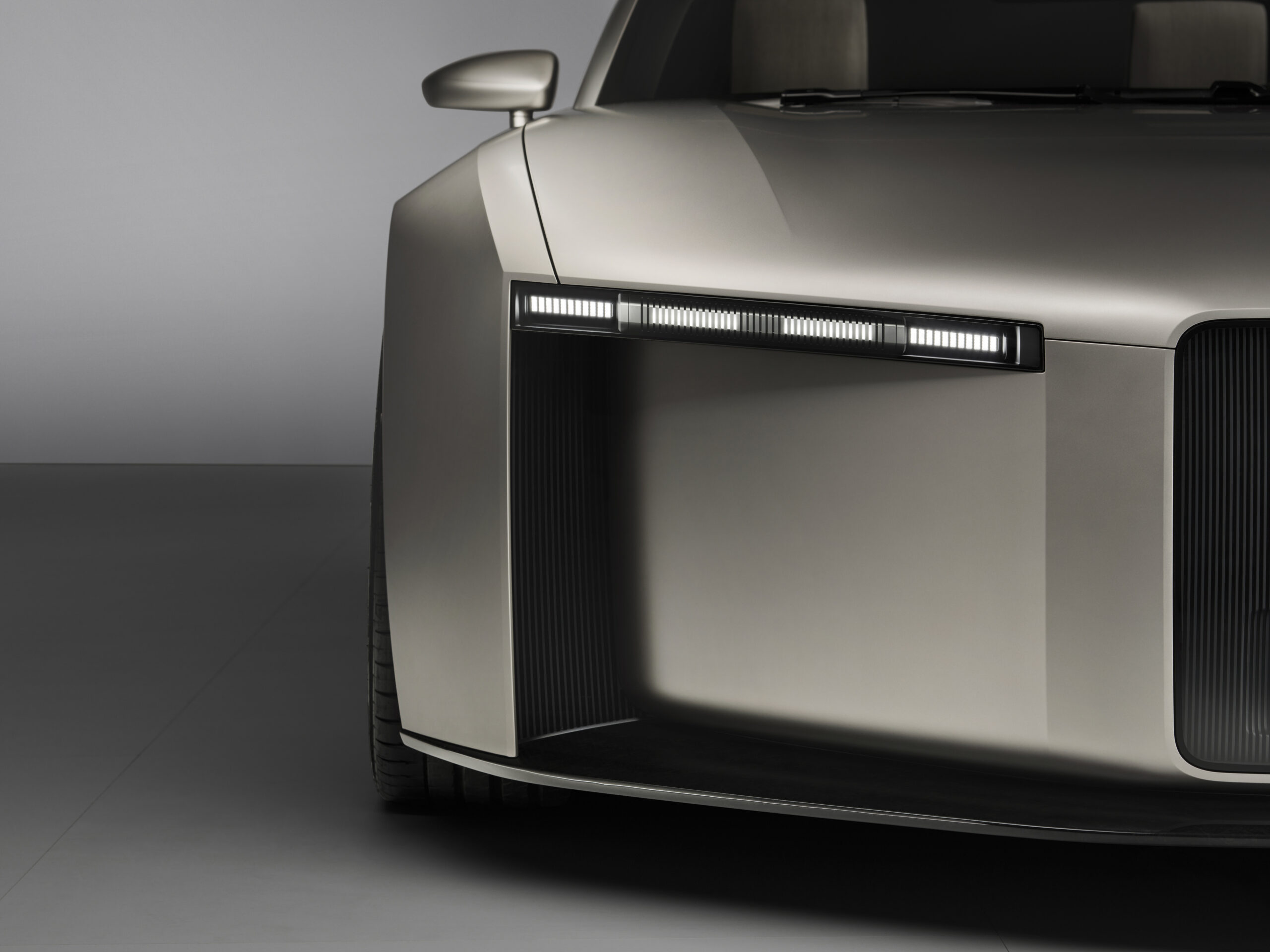
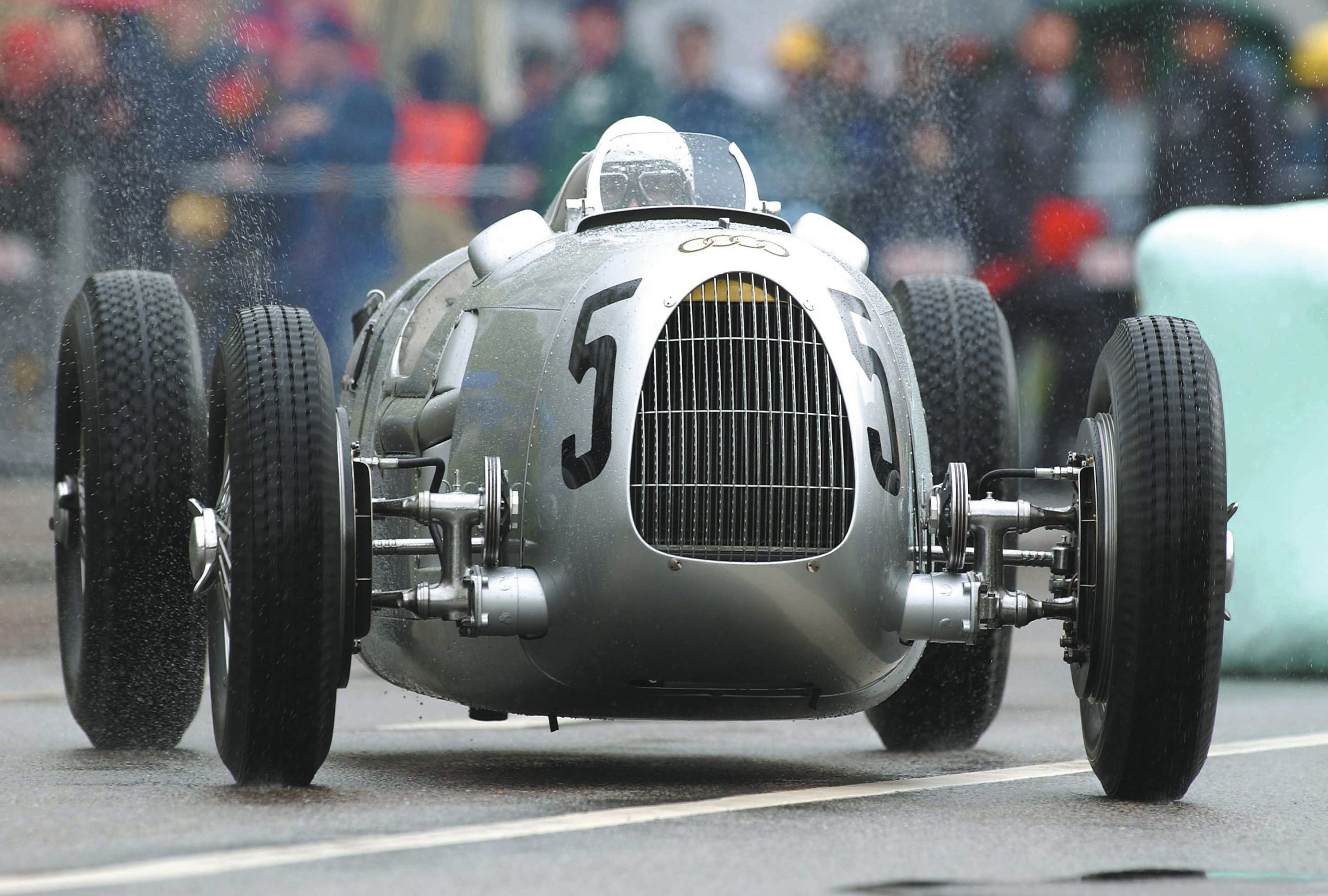
The front end establishes the Concept C’s identity. A narrow central faux grille sits between large vertical intakes, creating a face that’s distinctive even if it won’t suit every taste. The grille takes inspiration from Auto Union racing cars of the late 1930s. It may also provide a natural home for driver assistance hardware such as cameras, radar and sensors.
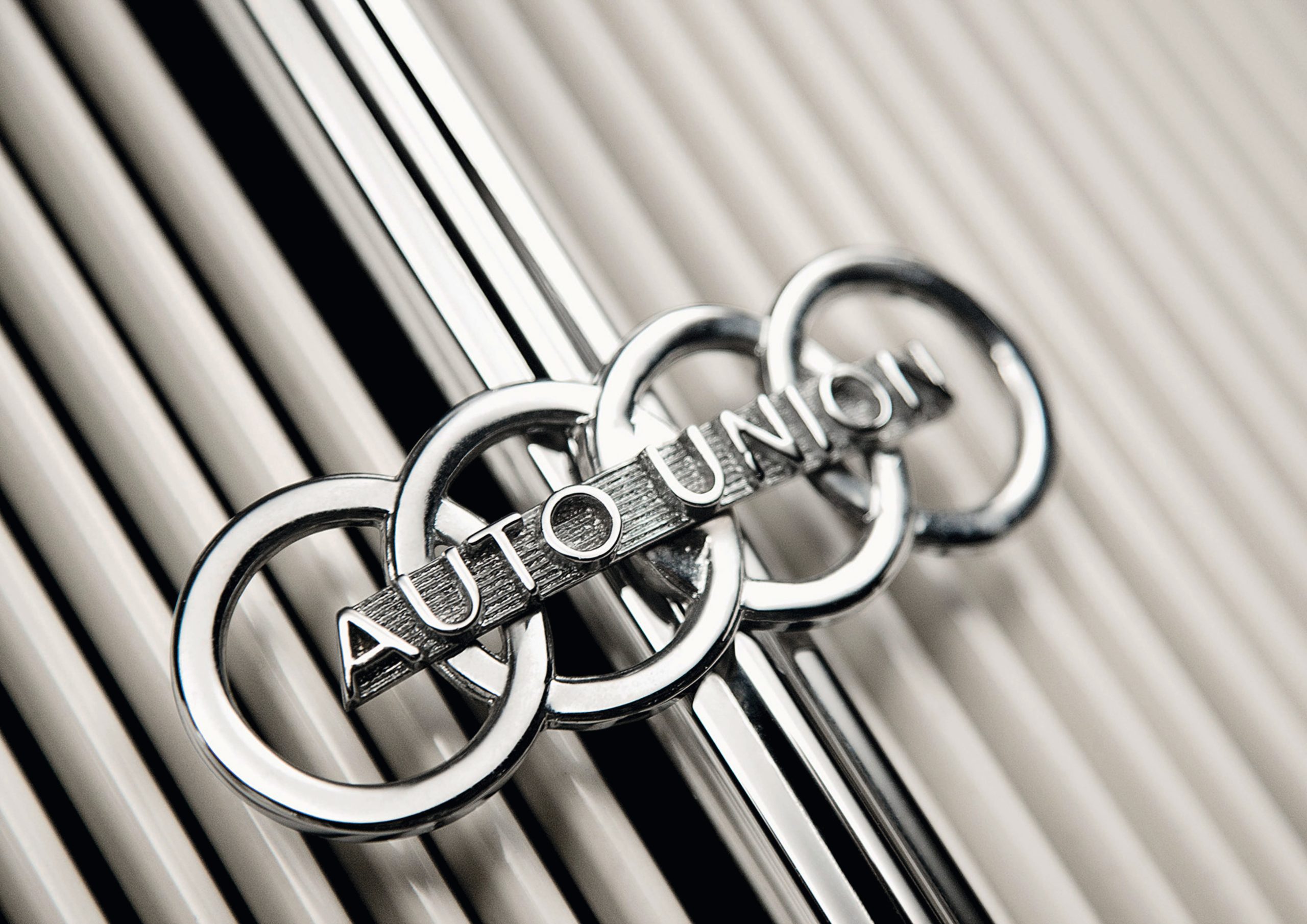
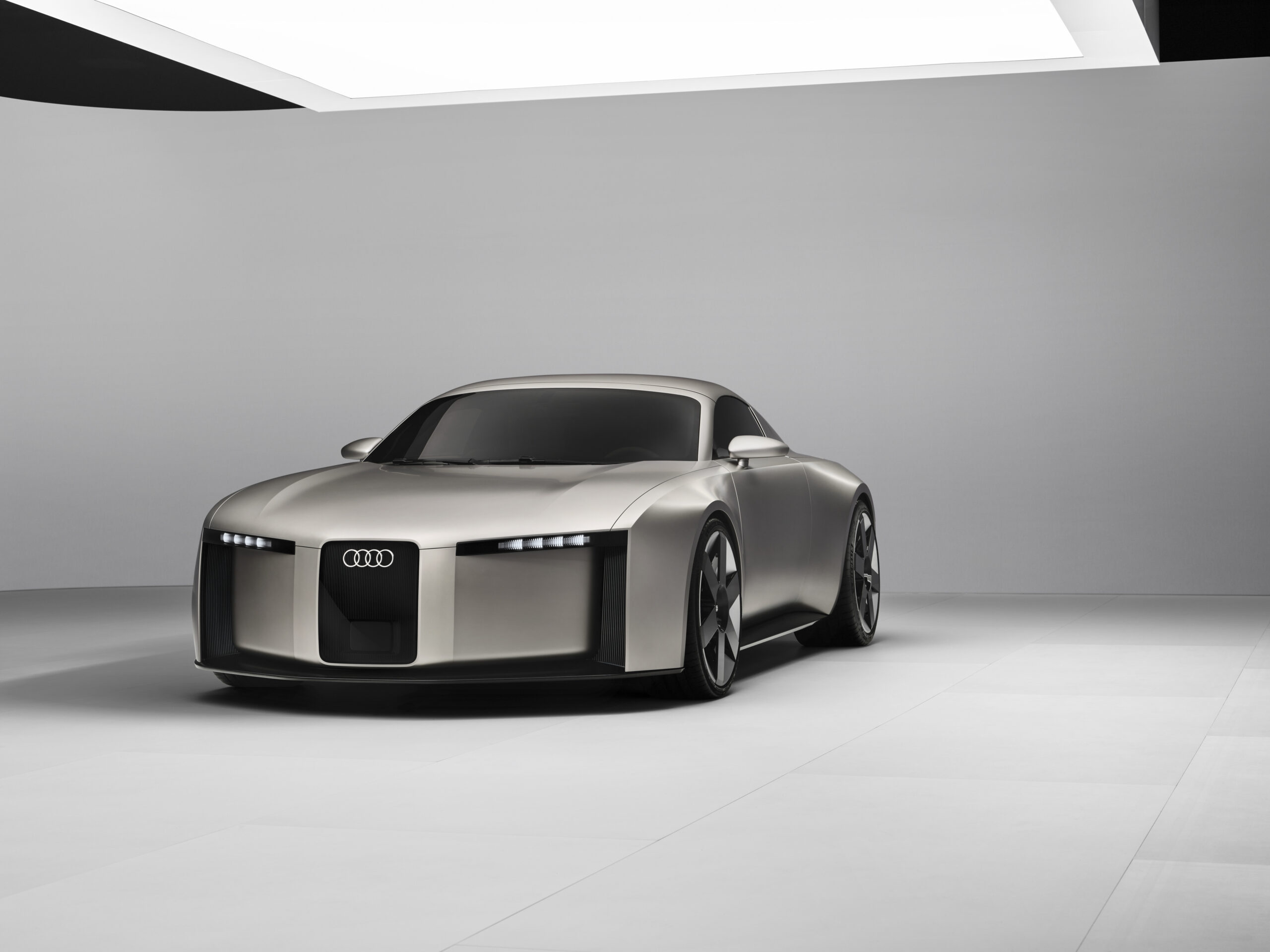
Vertical intakes have become a familiar way to emphasize a car’s width and planted stance. They work well on this concept, though their effect may change on production cars if the openings are shallower or the headlights thicker. That’s one of the design details worth watching as Audi translates the show car into its next generation of road cars.
The cabin is the Concept C’s clearest success. Its layout and dashboard recall the original TT, but the finish feels contemporary and uncluttered. Door grab handles shaped like polished fixtures add an unexpected detail. More significant for daily use, Audi has given physical controls a prominent role. Rotary switches on the steering wheel and centre console look precise and tactile, offering a welcome counterpoint to the assumption that every function belongs on a touchscreen.
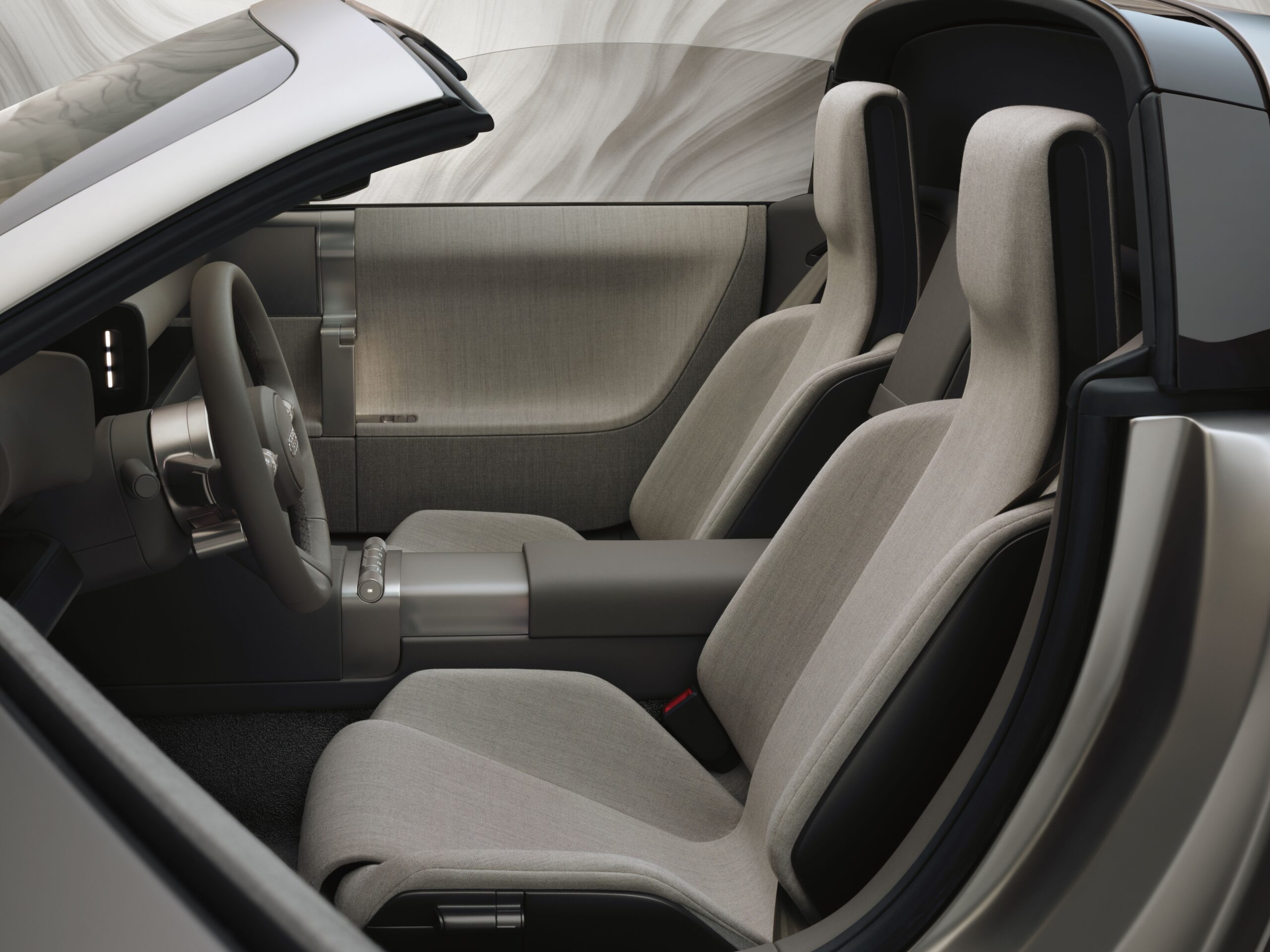
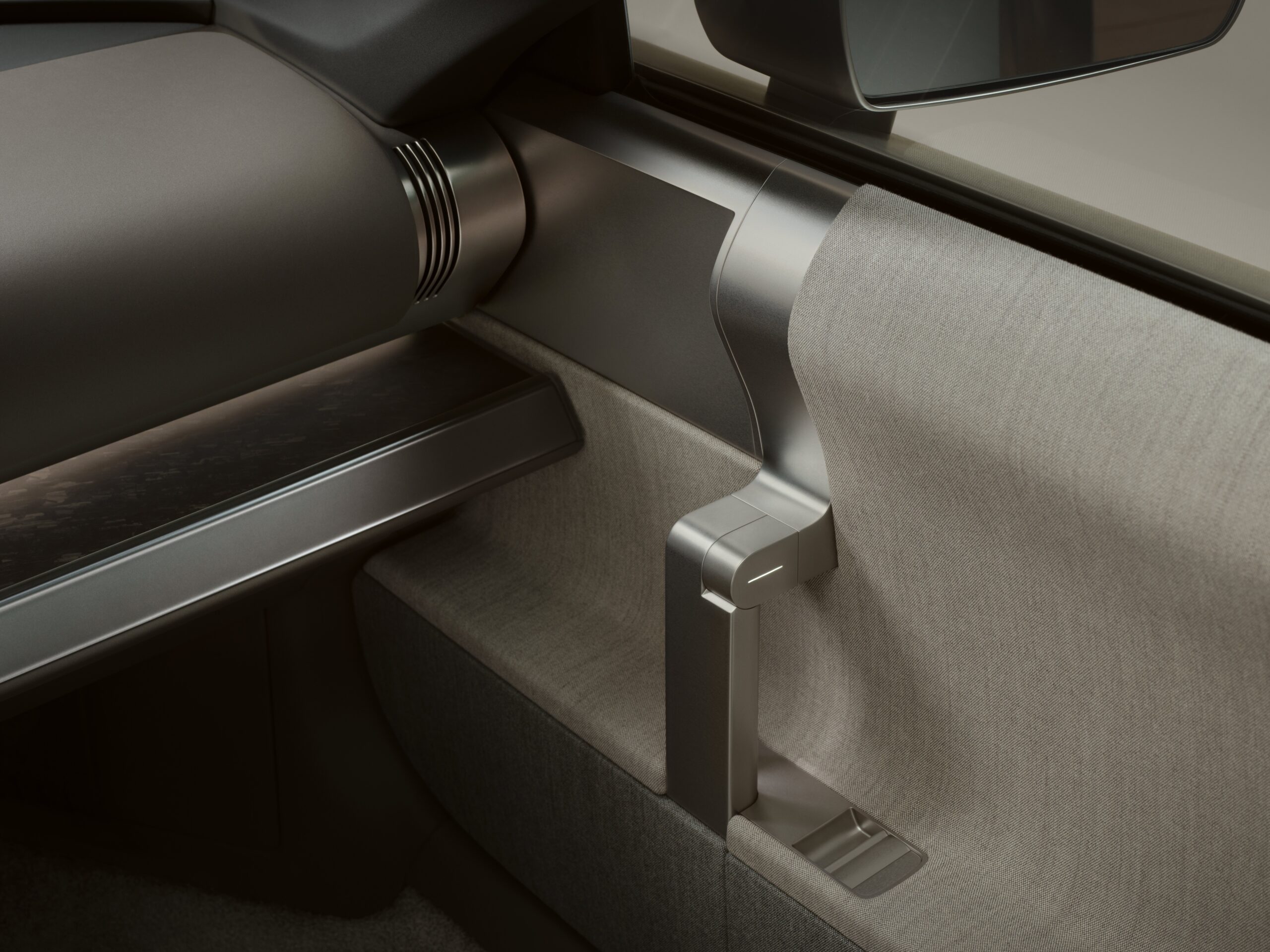
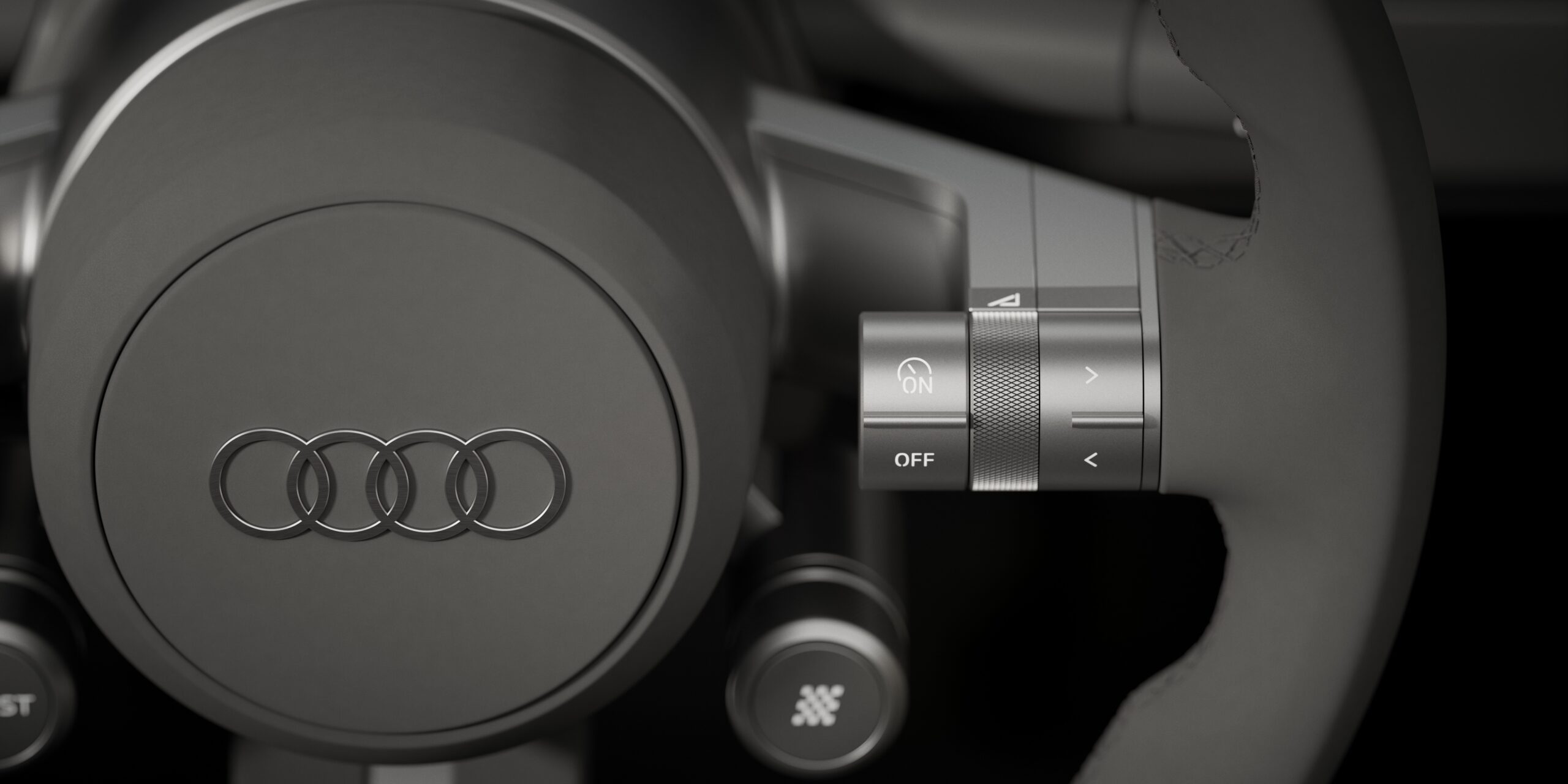
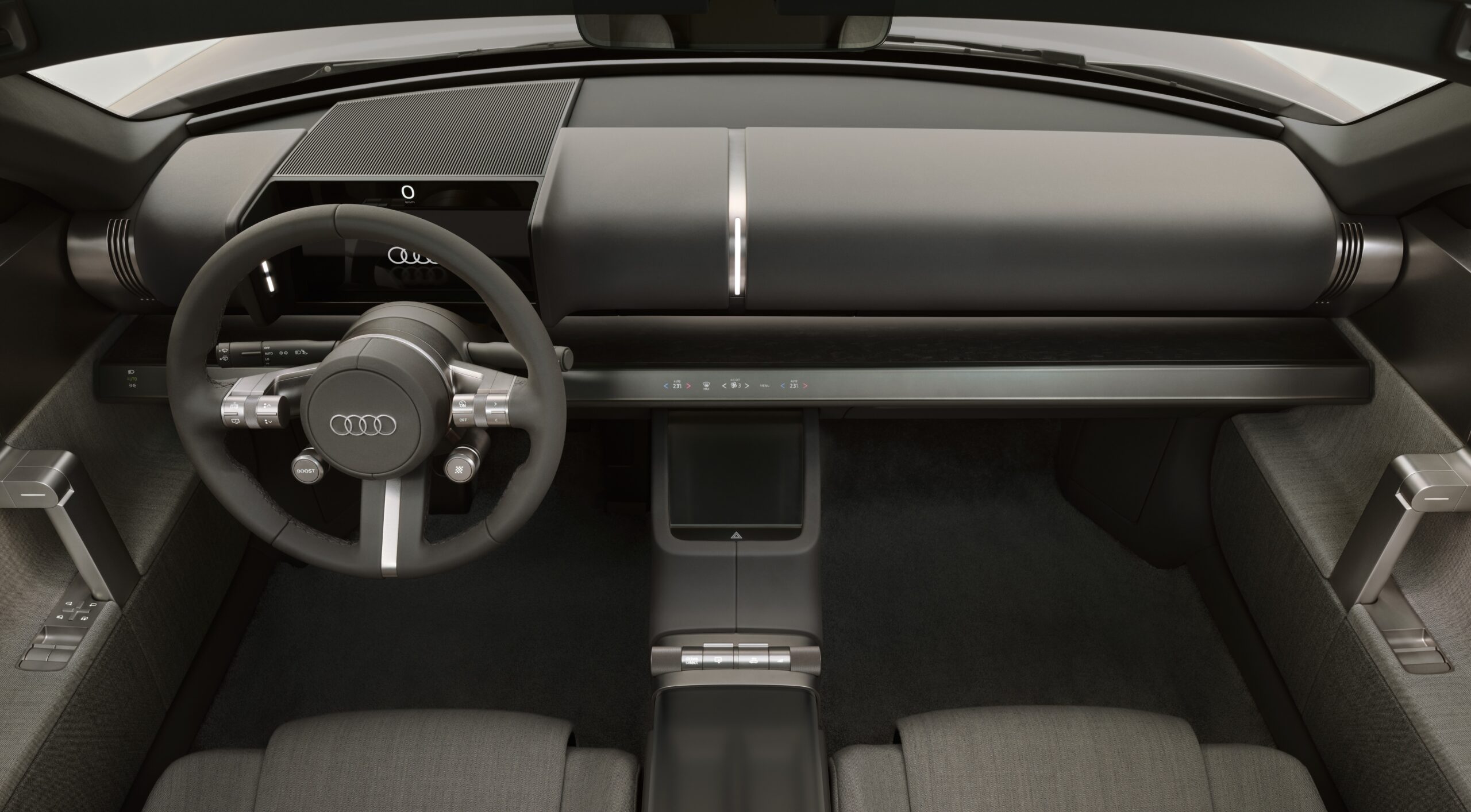
The Concept C may not become an all-time design landmark, but it looks like a welcome return to restraint after a run of more contrived forms. Massimo Frascella took charge of Audi design early last year, and the concept offers an encouraging indication of the direction being developed under his leadership. The production details will determine how much of this clarity survives, especially at the front end; the cabin already makes a persuasive case for keeping tactile controls in the mix.
The post Audi Concept C: A Return to Form appeared first on Hagerty Media.


