In lane Electric Vehicles
2022 Lamborghini Countach LPI 800-4: A Modern Supercar in Classic Wedge Form
Description
The Countach LPI 800-4 balances 1970s wedge cues with Aventador-based engineering, though its fixed glass and modern hardware show where the tribute compromises.
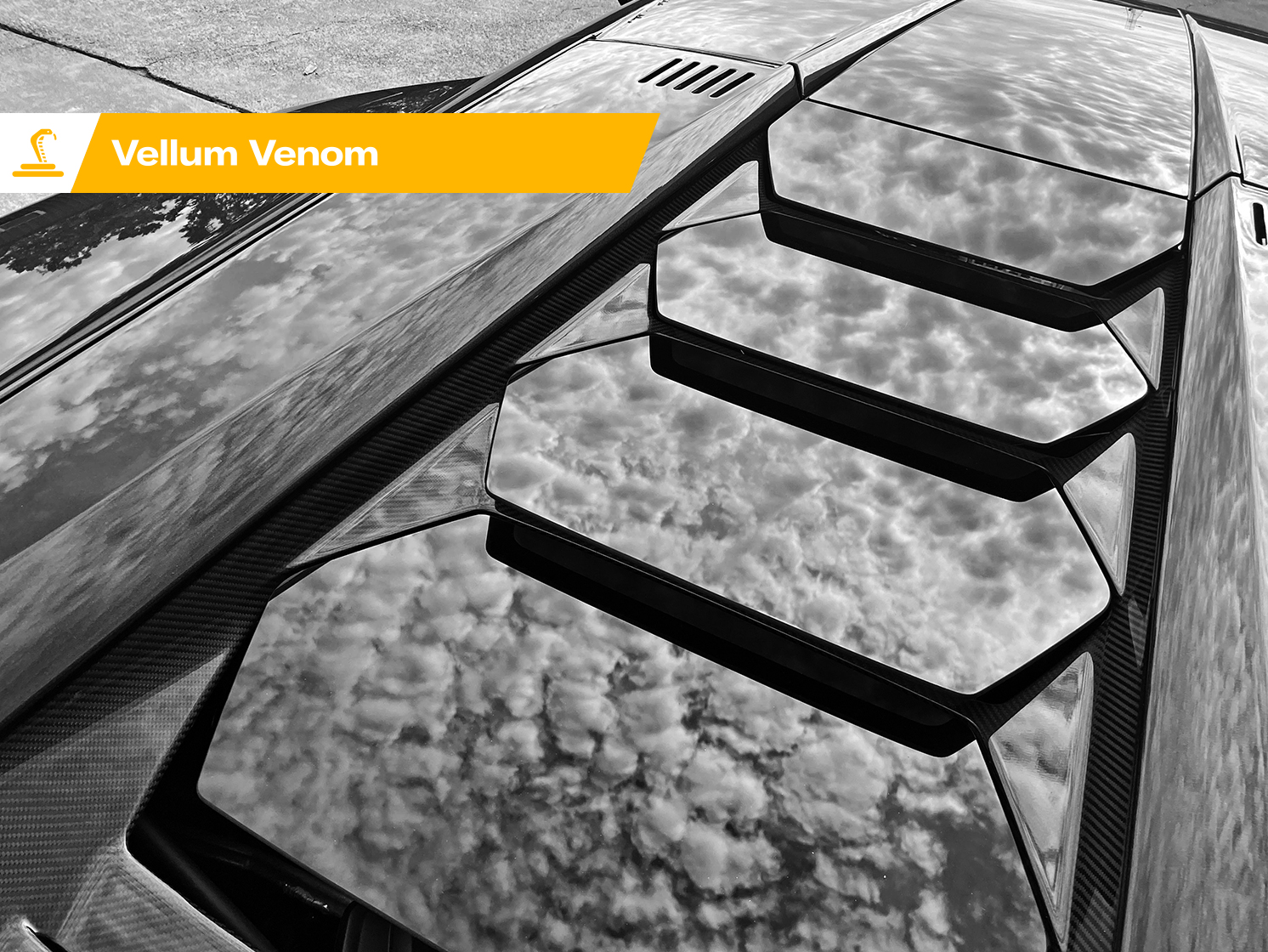
The 2022 Lamborghini Countach LPI 800-4 works best when its design is judged in person. Photographs flatten the surfaces and disguise the way the body’s sharp edges, sculpted panels and carbon-fiber details interact. Seen close up, this Blu Acapulco example makes a persuasive case for rebuilding a classic shape around modern supercar hardware—even if a few compromises remain visible.
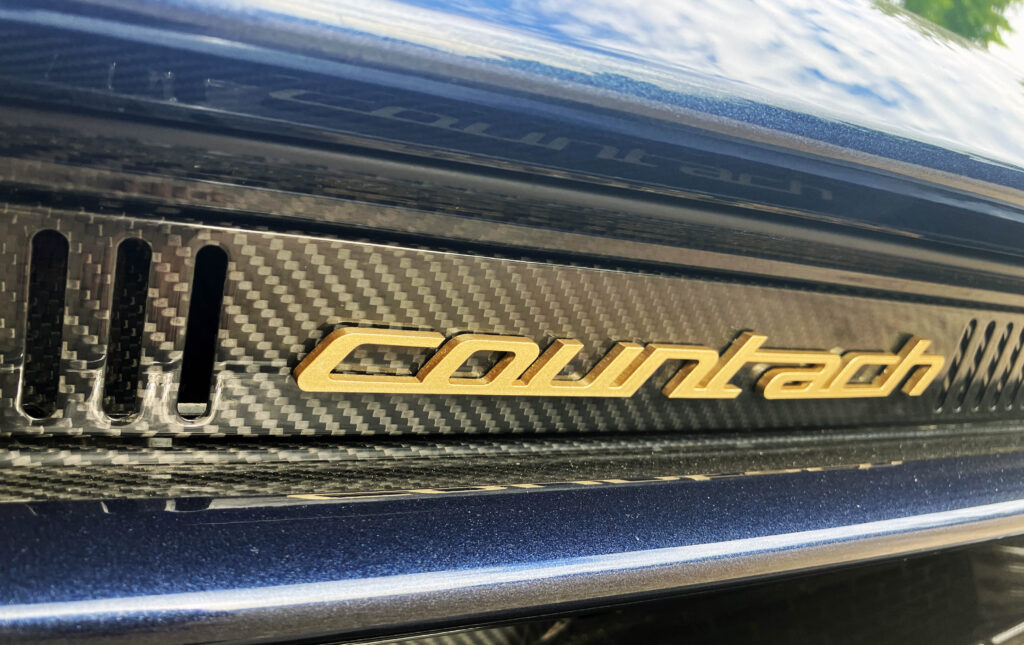
The LPI 800-4 is based on the Aventador, with a hybridized powertrain derived from the Sián. That gives Lamborghini a modern platform to work with, but it also means the designers had to reshape an existing car rather than recreate the original Countach from a clean sheet. The result is less a time machine than a carefully detailed reinterpretation: recognizable in outline, and substantially adapted to accommodate present-day components and aerodynamic needs.

Some of the original’s most distinctive ideas survive in transformed form. The roof’s periscopio, once a window intended to help the driver see behind the car, becomes a glass feature with adjustable opacity. The low wedge nose, trapezoidal forms and angular wheel arches carry familiar Countach cues, while the broad cooling apertures and complex aero surfaces serve the needs of the modern car beneath them.
That blend is the central achievement here. The new car doesn’t reproduce every detail faithfully, and some changes will bother purists. Yet Lamborghini has made its Aventador base look like a Countach from several angles, rather than simply dressing it in a new front end. The difference becomes clearest when each area is considered on its own.

A wedge nose with modern cooling
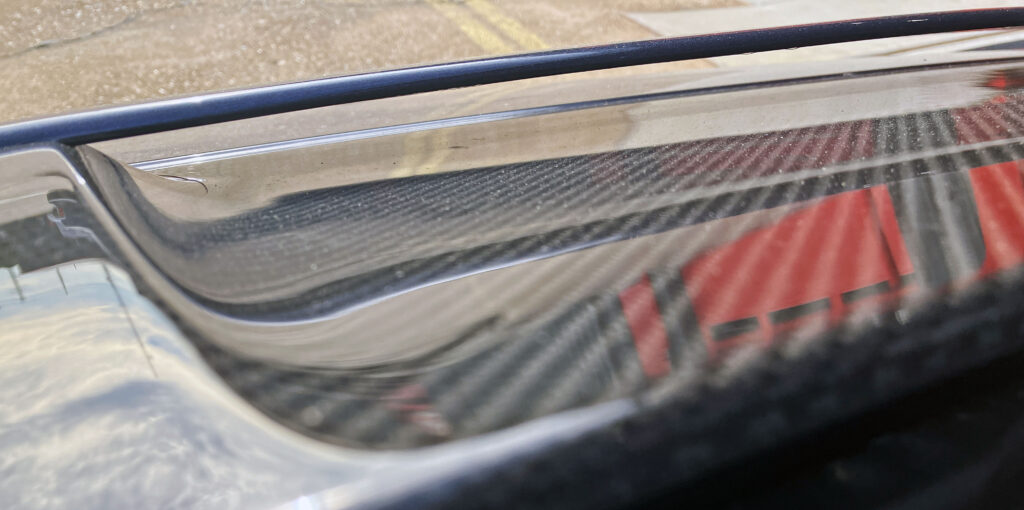
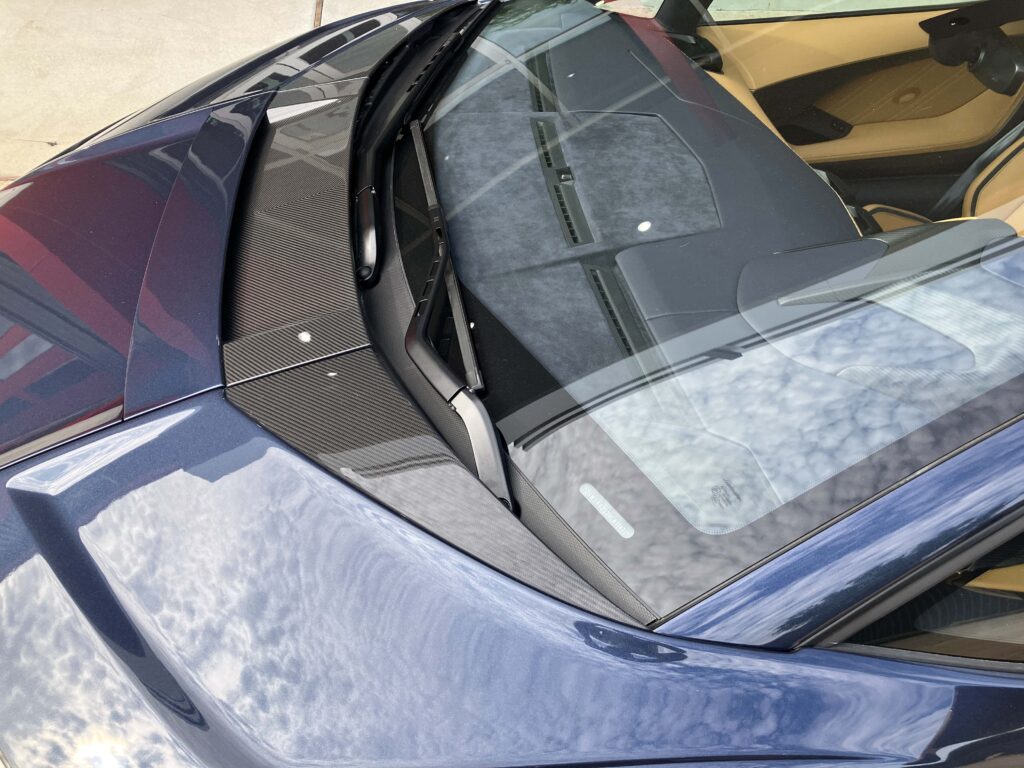
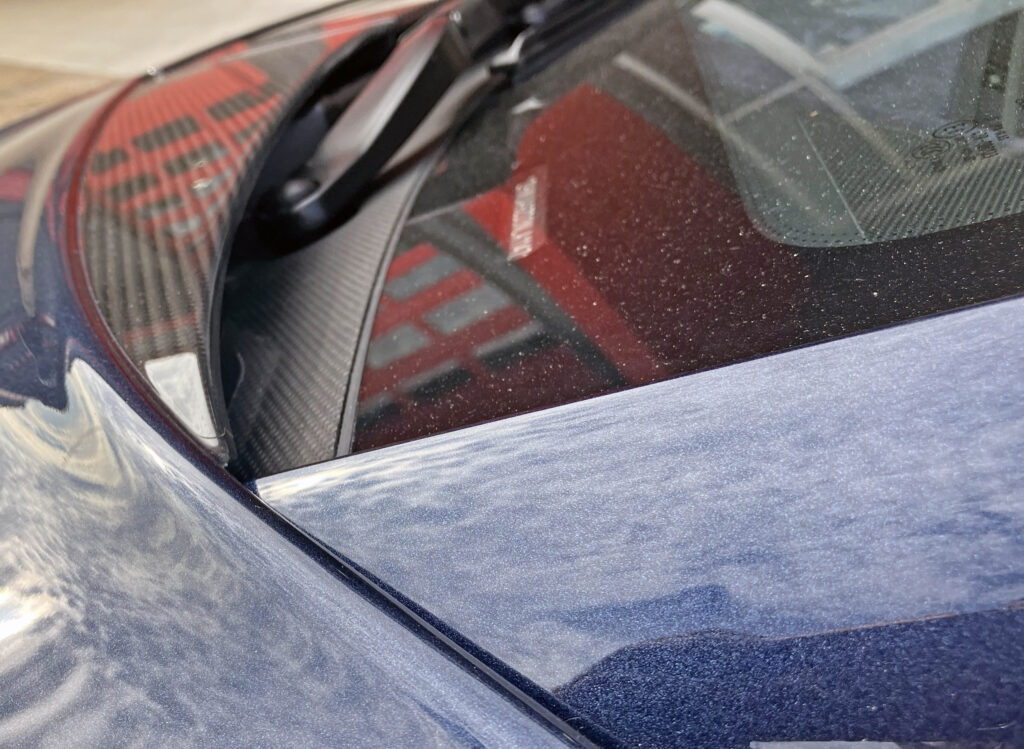
The front end makes the platform’s constraints plain. The original Countach’s trapezoidal cowl is a defining part of its shape, but the LPI 800-4’s structure remains Aventador-derived. Instead of a traditional cowl, a carbon-fiber panel sits beneath the windshield wipers, blending into the painted fenders. It’s an inventive solution, even if it can’t quite deliver the original’s construction or proportions.

The fenders are more sharply defined than the original’s rounded forms near the cowl. Their contours flow forward from the headlights, while the trapezoidal hood makes the car’s lineage clear. The nose drops close to the ground, recalling the thin wedge of the LP400 at a time when large grilles and gaping front openings have become common on performance cars.
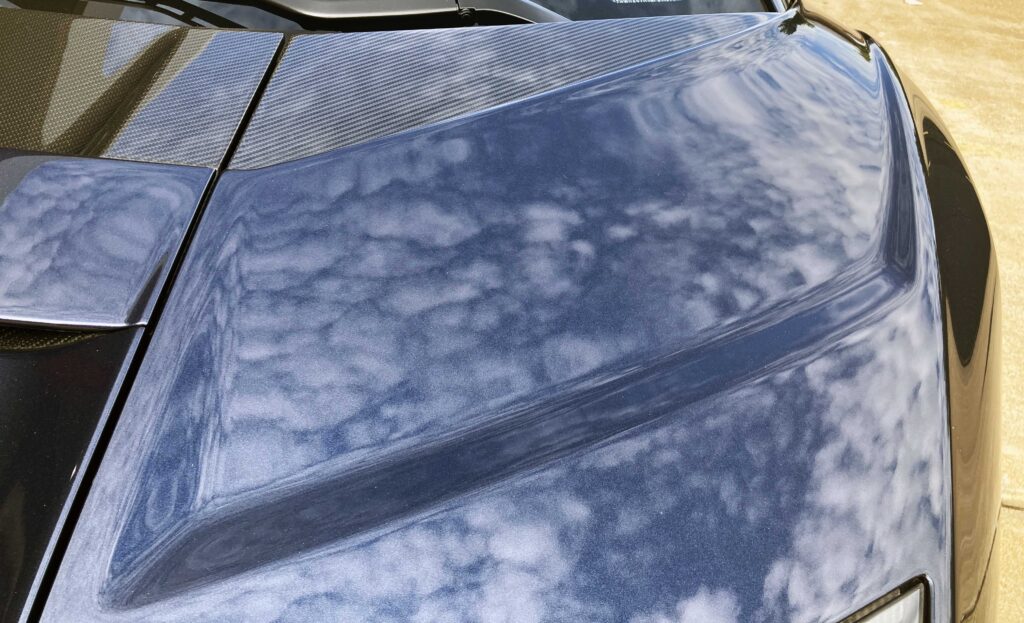
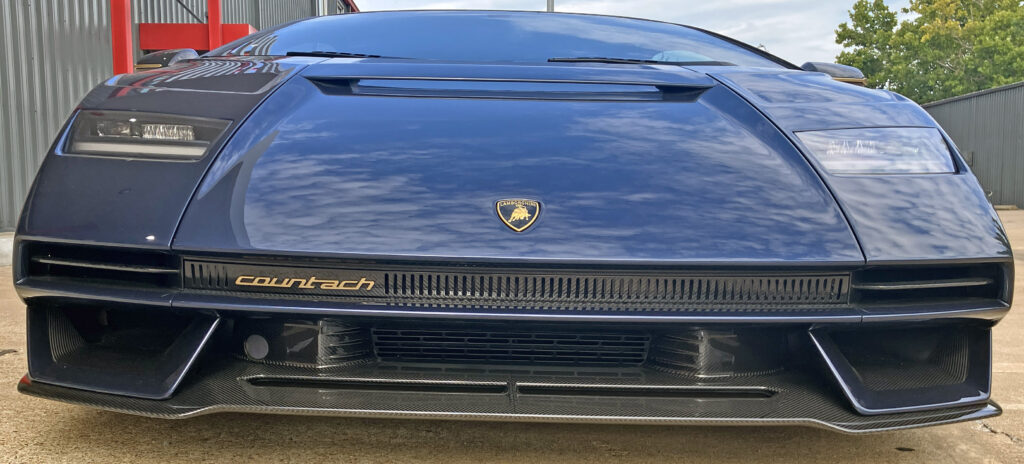
The original LP400 was not designed around the aerodynamic demands of a modern supercar. The LPI 800-4’s lower front section therefore has to do more than evoke an old shape. The central grille, added openings and other details help manage airflow for cooling and stability. They’re arranged in long horizontal lines, with black carbon fiber creating visual space around them instead of letting the functional elements dominate the face.
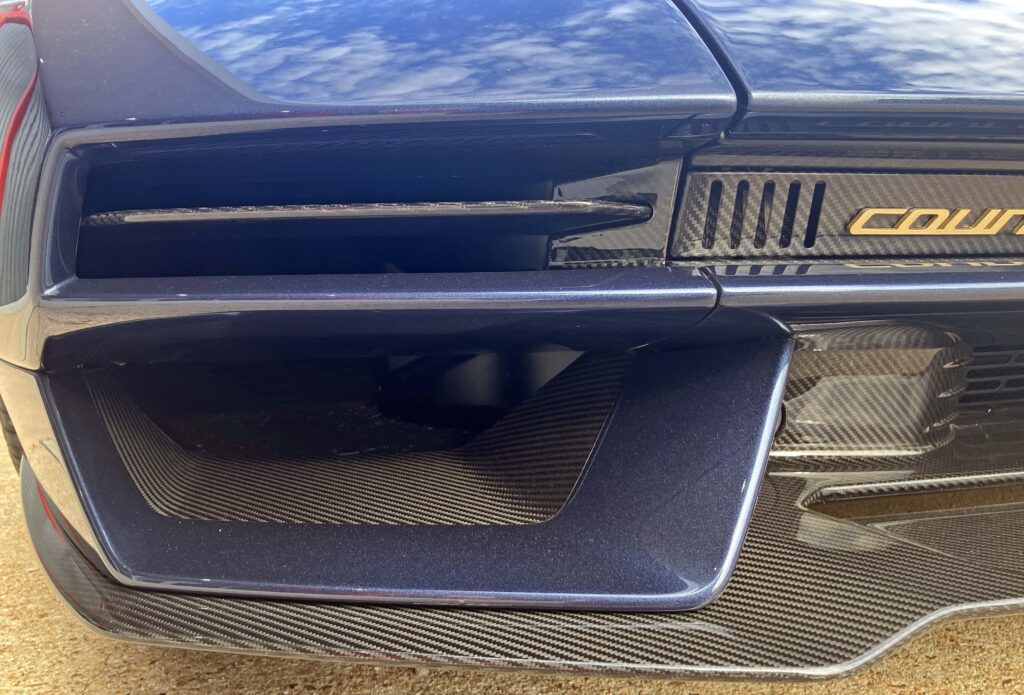
The lower scoop brings in Lamborghini’s modern hexagonal design language. On the Countach, that motif reads as a link to the brand’s broader styling history, and the vertical cutouts offer another nod to the LP400. A gold emblem makes the reference explicit. The front would have more character with the original’s centrally mounted square Carello driving lights: those gave the early car a distinctive pair of visual “fangs.”
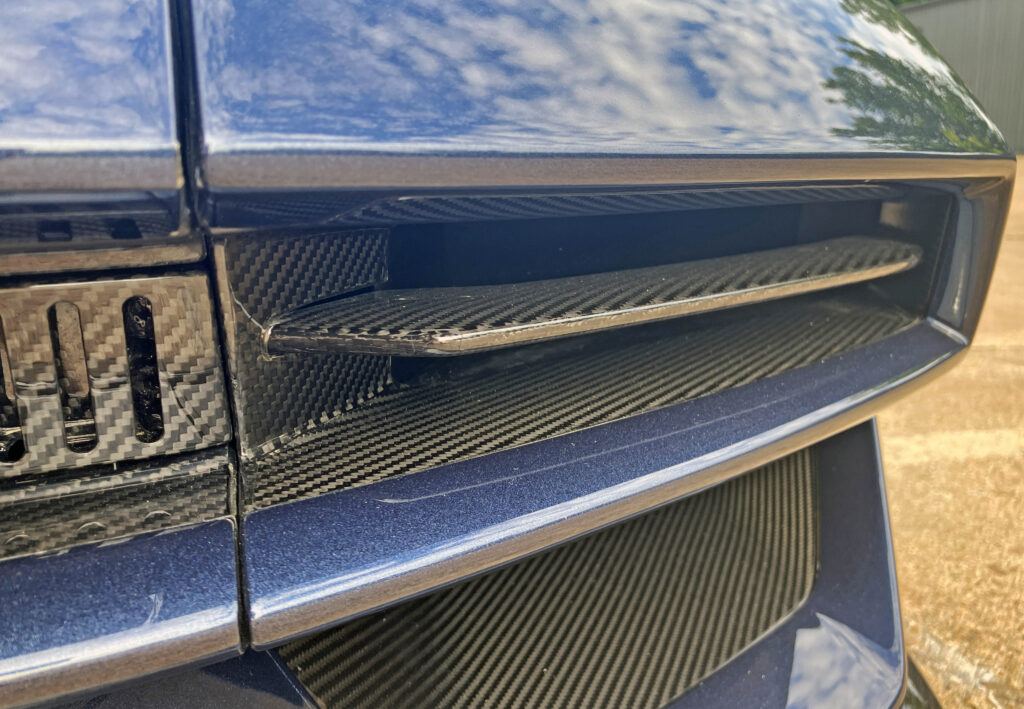
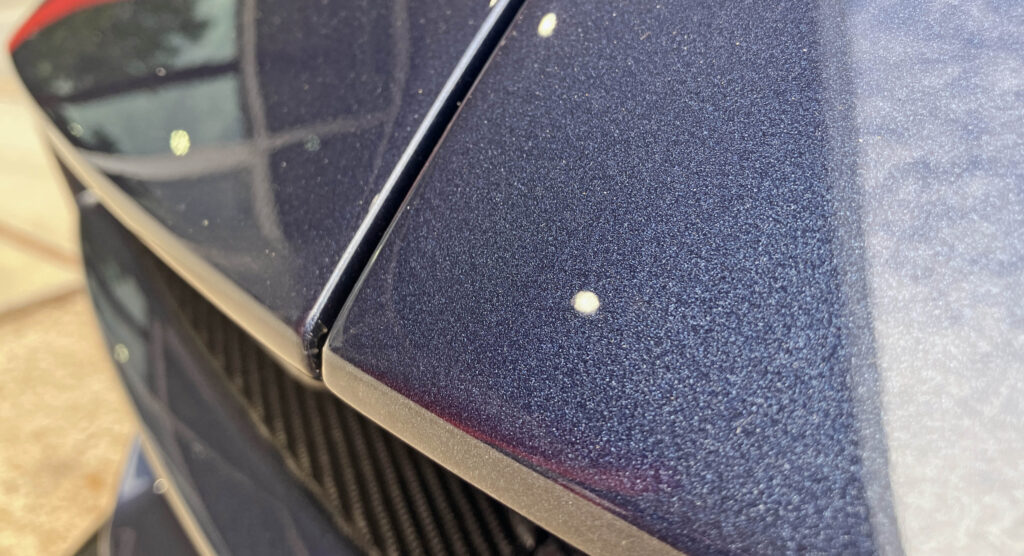
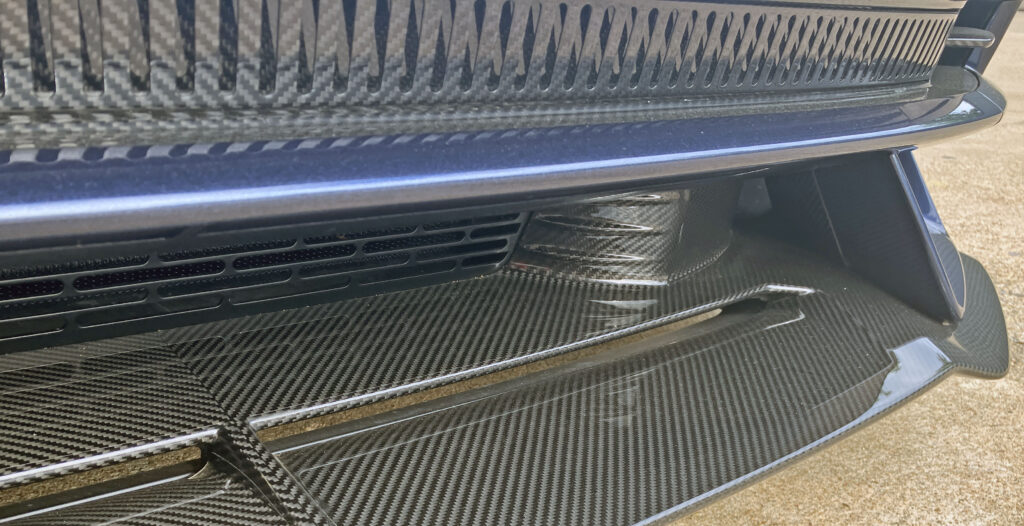
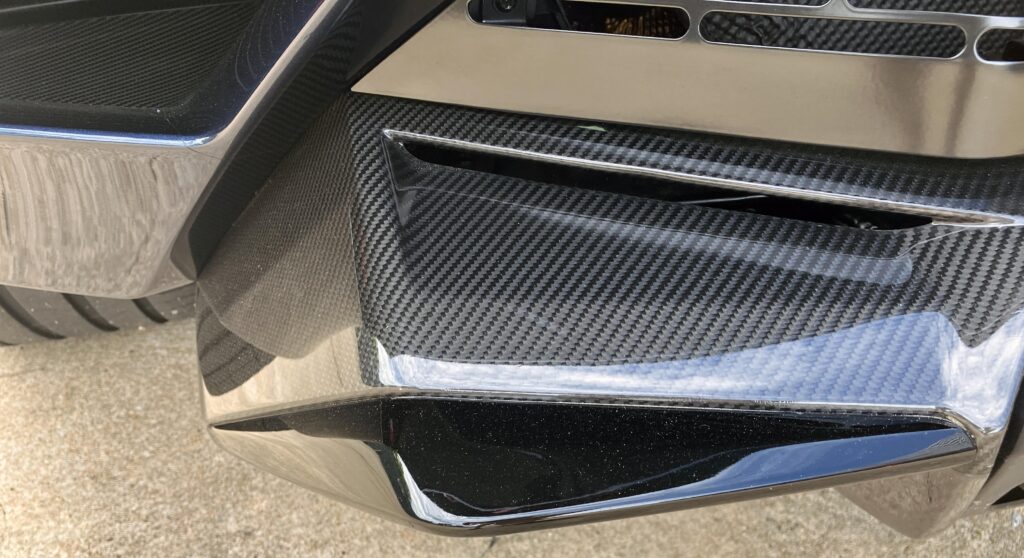
The lower front styling is convincing in its own right. Carbon fiber and carefully shaped openings let the functional pieces contribute to the visual design instead of looking like add-ons. The small central slot is nearly lost among the larger surfaces, and the body-color corner scoops are the details that stand out most. Their hexagonal outlines feel distinctly Lamborghini, while the surrounding carbon texture keeps them from seeming too heavy.
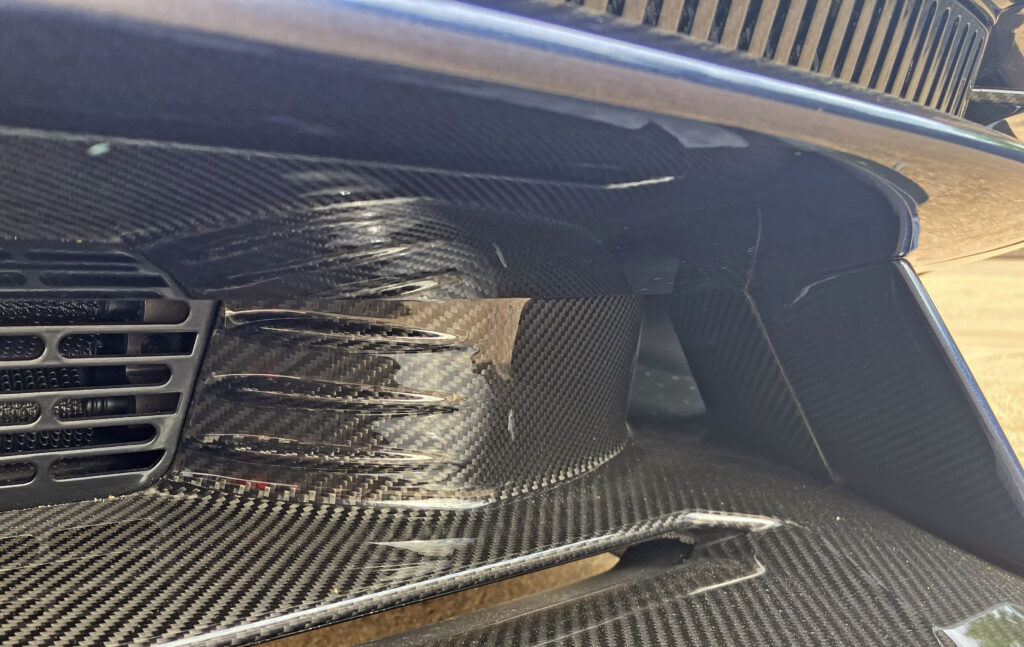
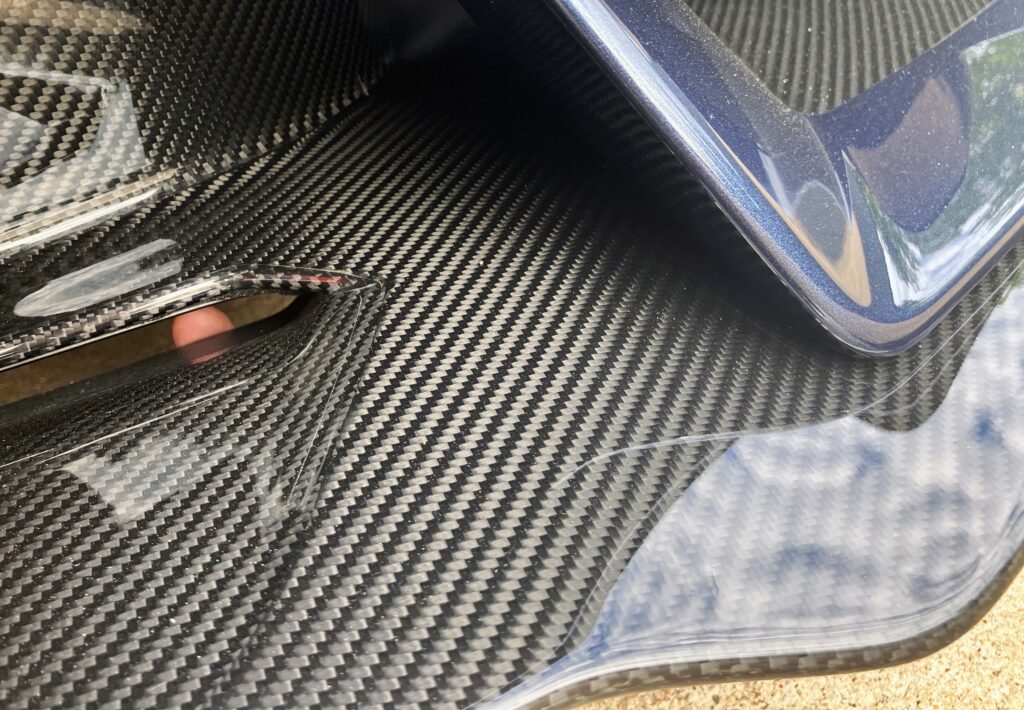
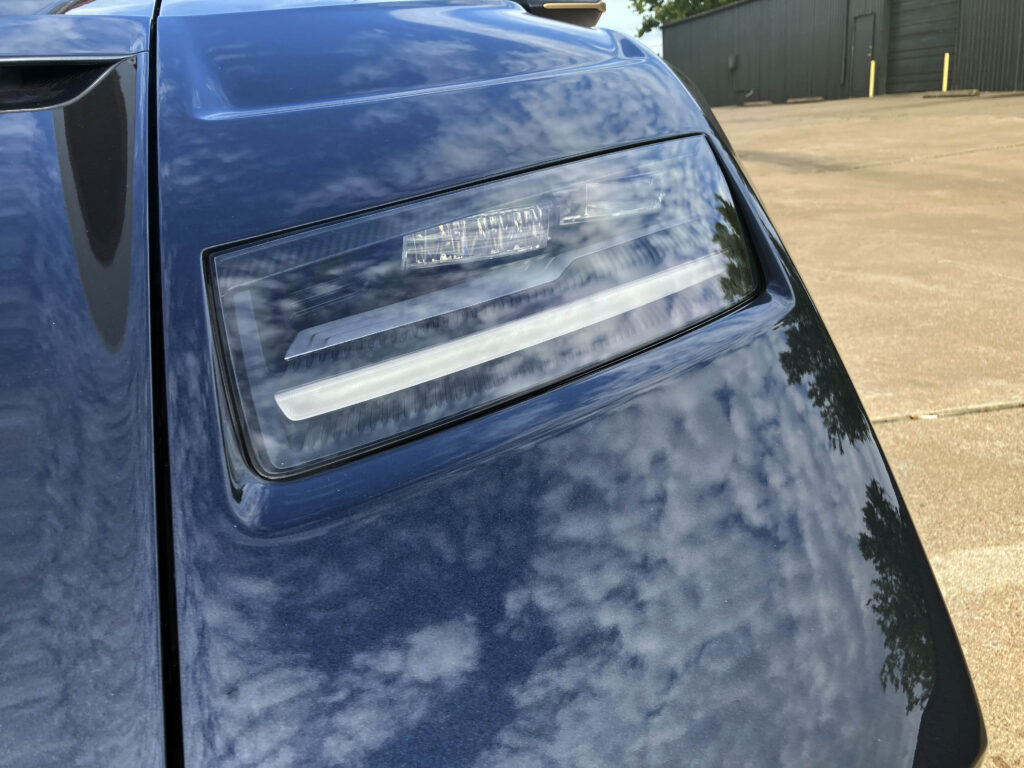
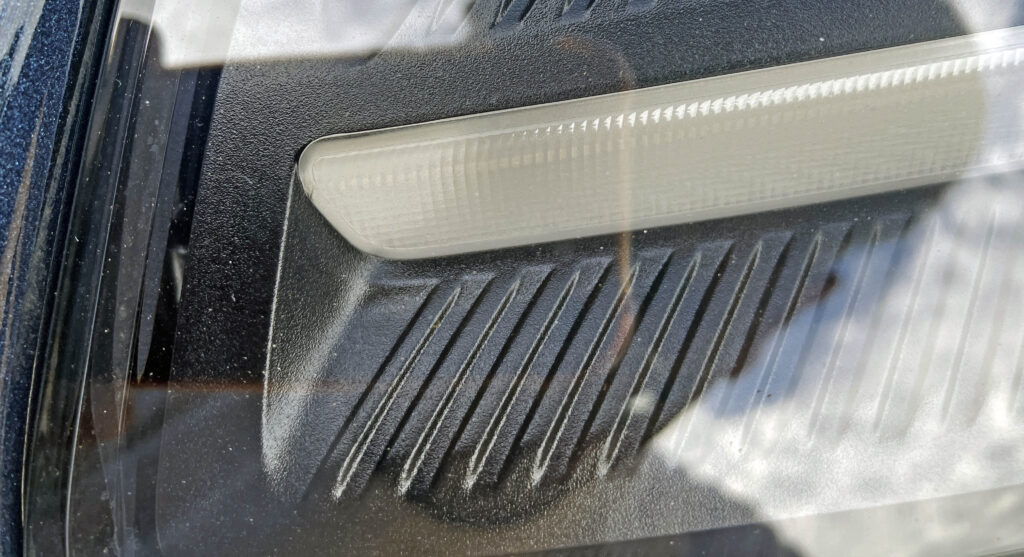
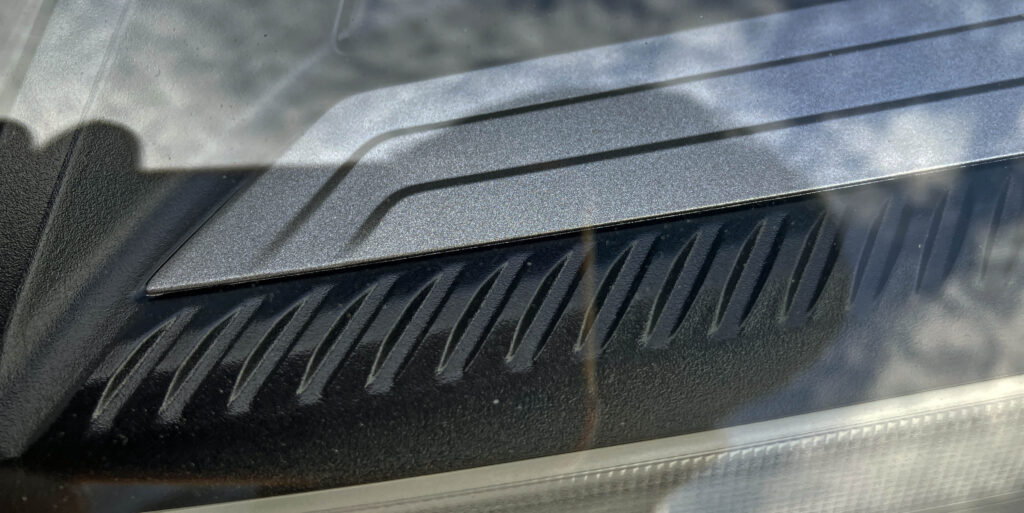
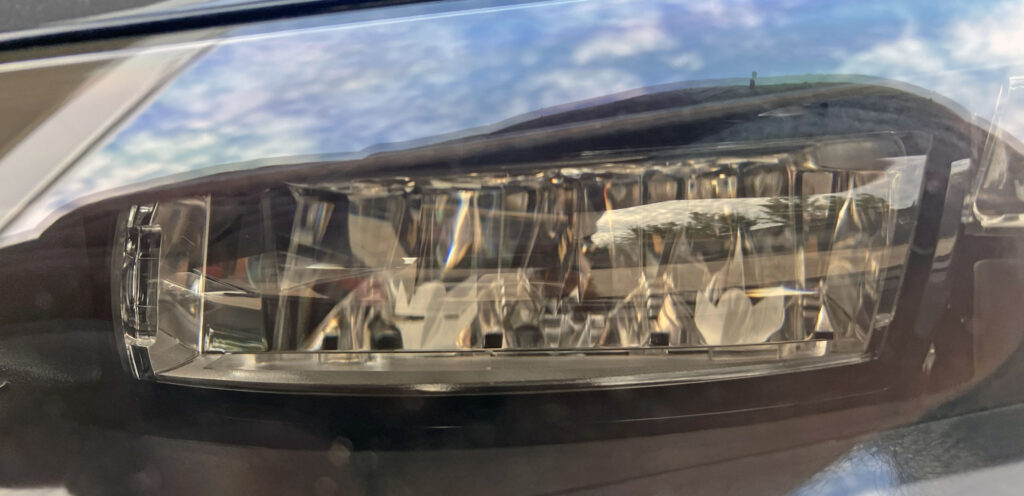
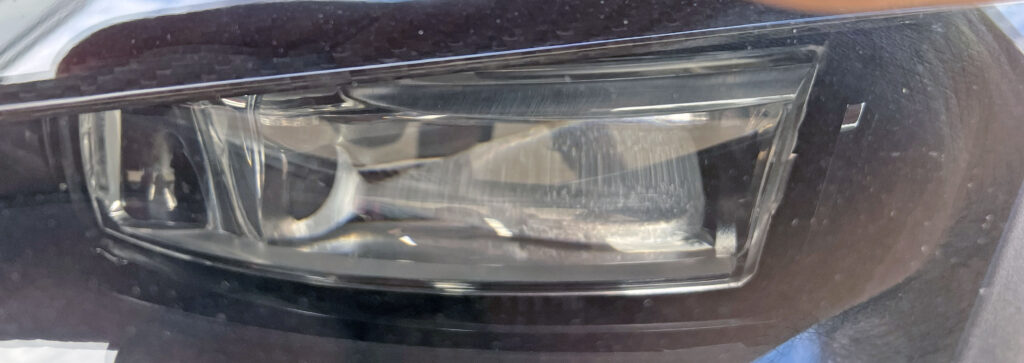
The headlights draw on the original’s turn-signal assembly, but package several modern lighting elements in one pod. Starting from the bottom, there’s a frosted lens for the indicators and possibly daytime running lights, followed by layered textures and a sculpted relief. Higher up, small rectangular lamps sit beside an organic filler panel that makes them fit the housing.
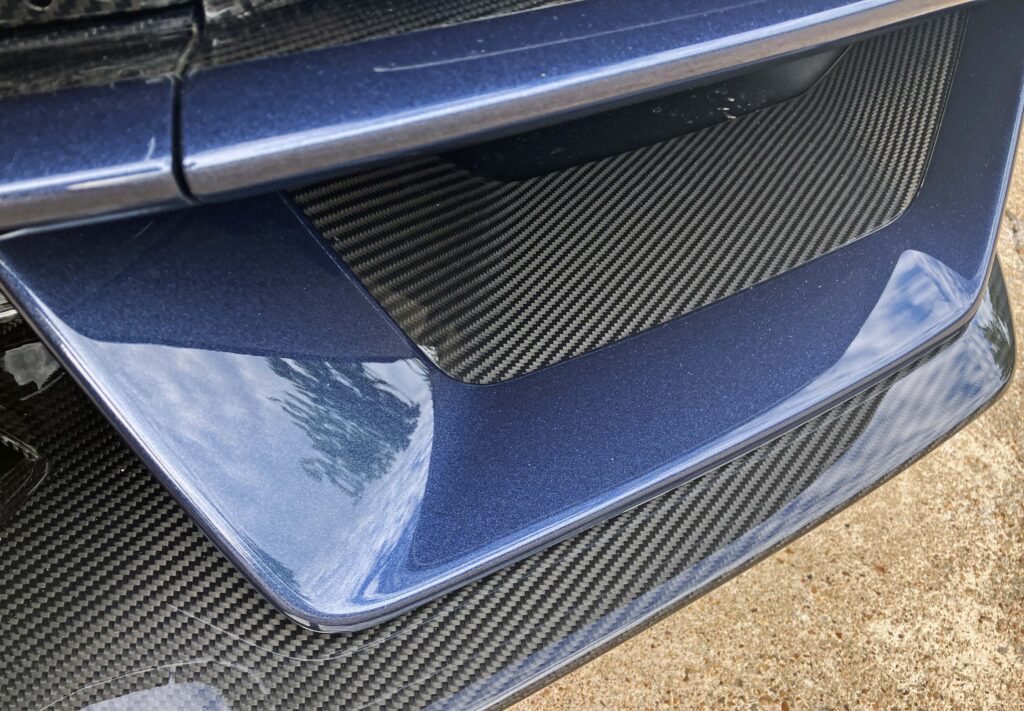
The assembly is detailed and carefully made, a step beyond the simple, almost improvised construction of the original’s lights. But the single pod leaves unused space below it, and the square lamps invite comparison with the pop-up headlights that defined earlier Countaches. Separate pop-up units would suit the long hood beautifully. The modern car’s integrated lighting is more practical for its design and function; the missing pop-ups remain a noticeable piece of the old car’s character.
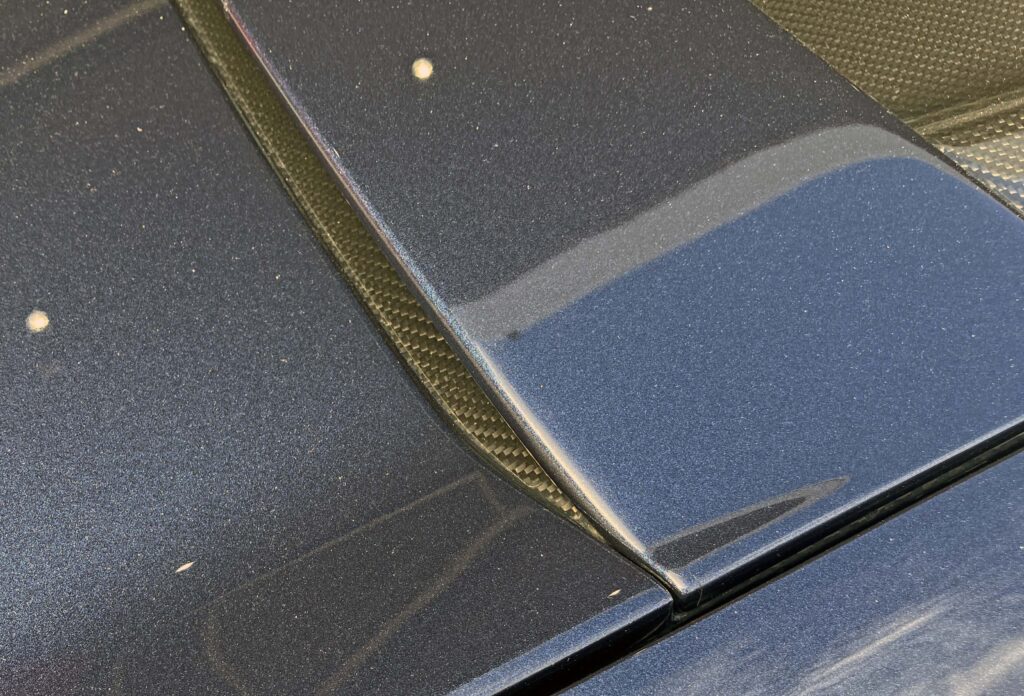
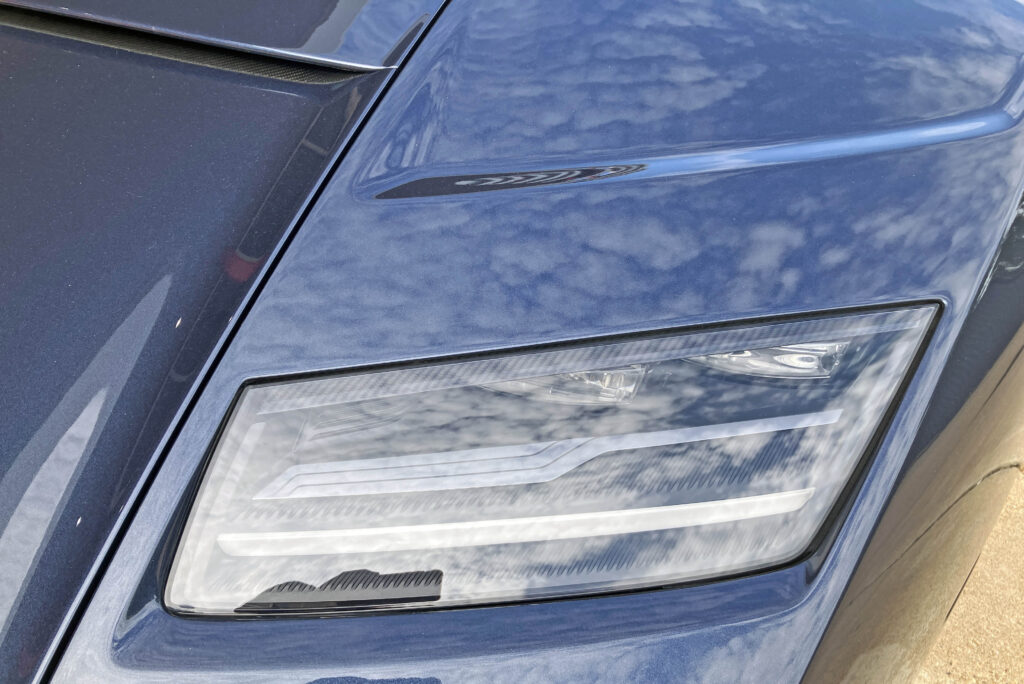
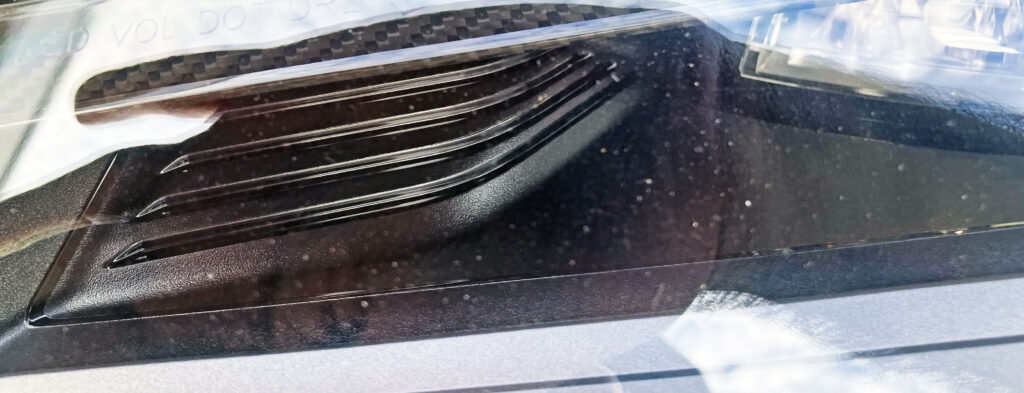
From the front, the added bodywork around the long hood and short windshield is hard to miss. A scallop sits above the headlights; a carbon-fiber trapezoid fills the area below the windshield; and a recessed shape above the hood adds a contemporary edge. These changes help the Aventador platform take on Countach proportions, but they also show how difficult a more literal conversion would be.
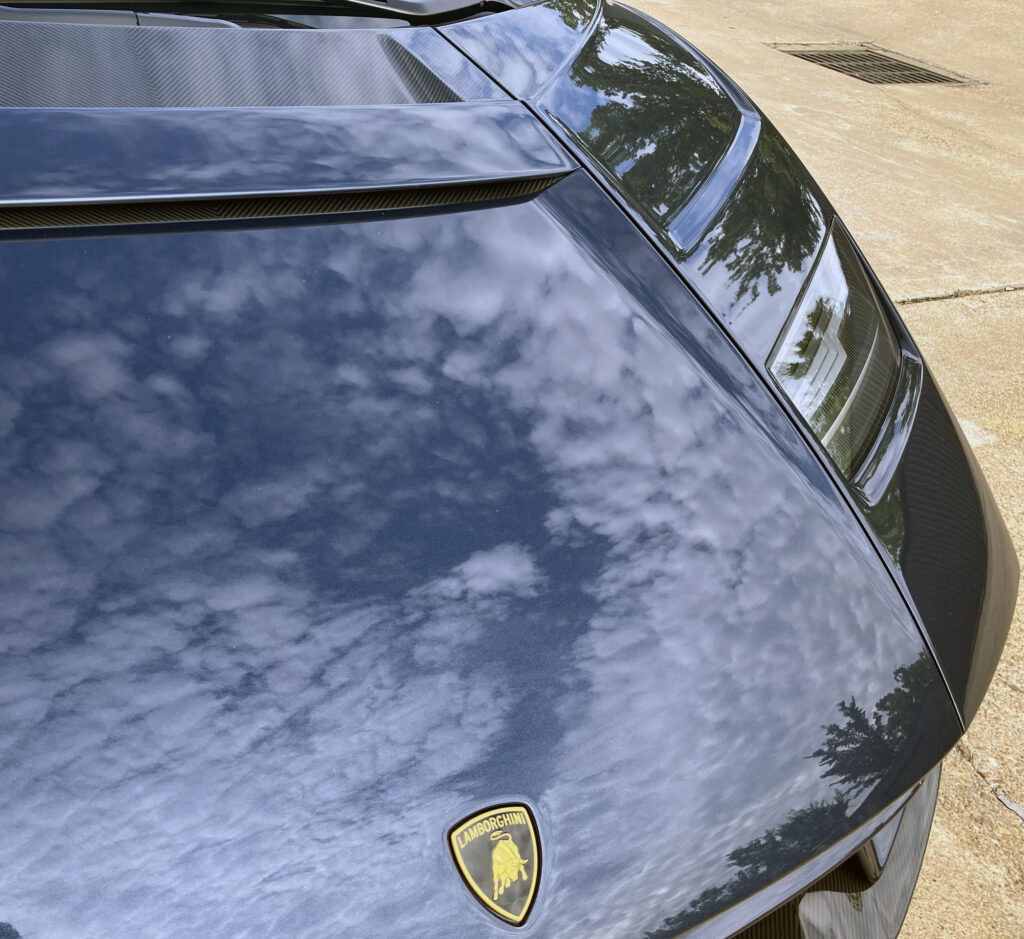

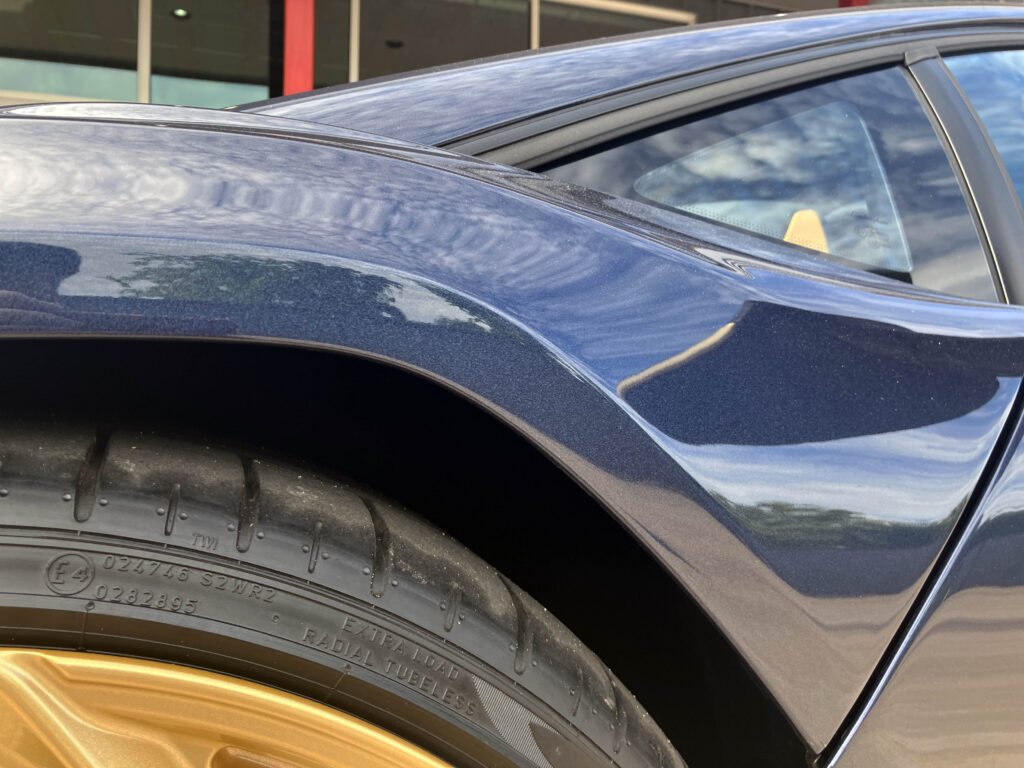
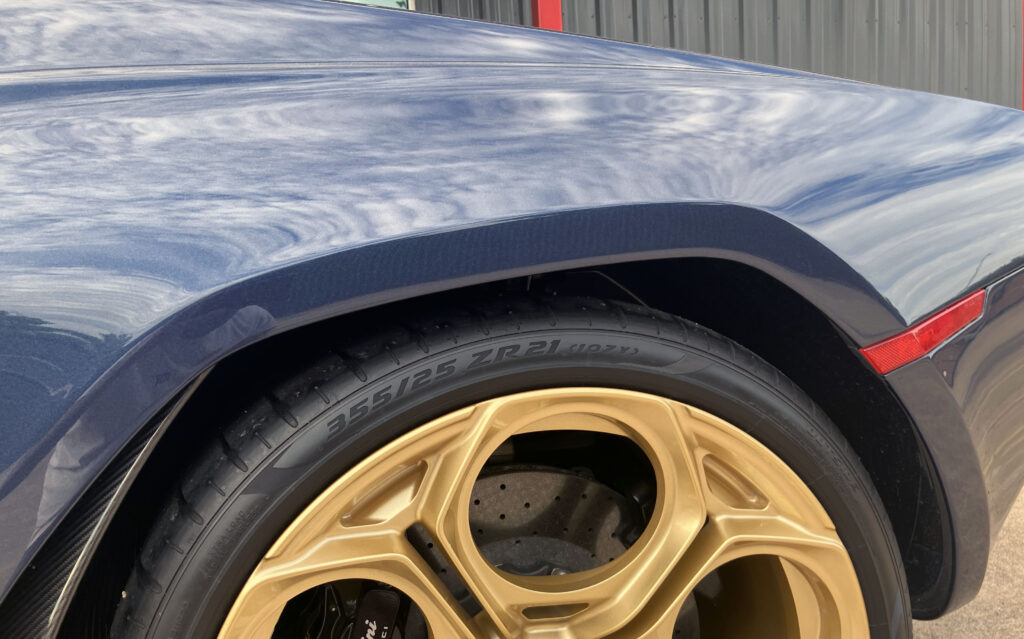
Viewed from the side, the front overhang gives the wedge a clean, low profile. The angular wheel arches recall the LP400 S and later versions of the original, while also accommodating modern aerodynamic and cooling requirements. Some details look constructed when examined closely; from a few feet away, the result reads clearly as a Countach.
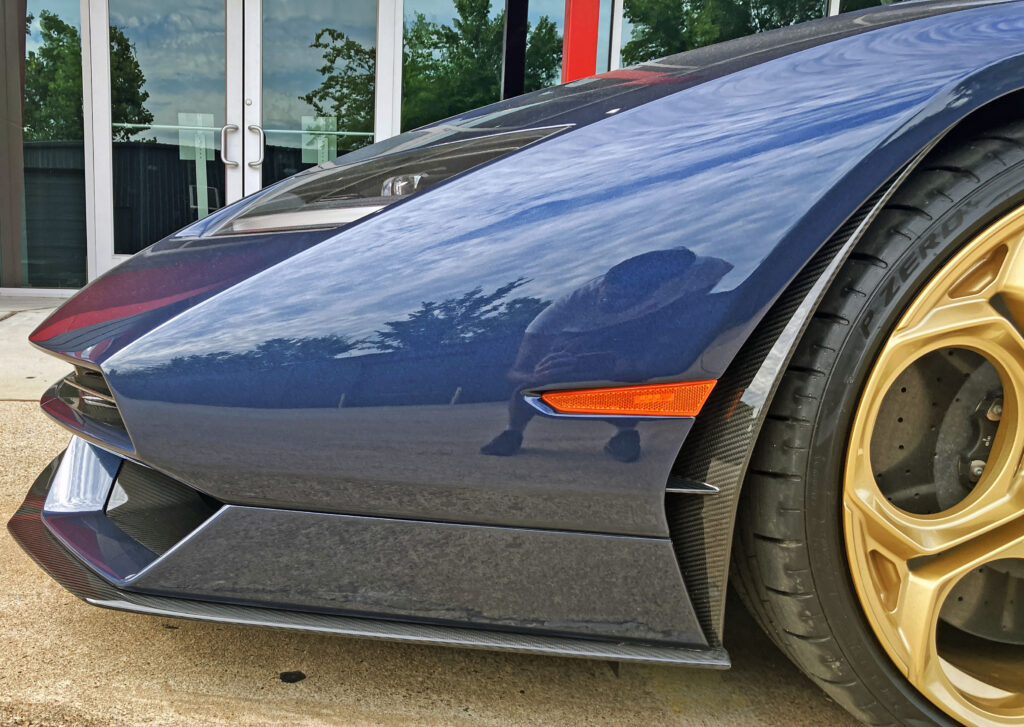
The front marker light is framed in carbon fiber, with a support bar that hides some of the lamp’s depth and wiring. A small Lamborghini “L” molded into the nearby tire is an unexpected detail. The wheels themselves make a more obvious compromise between old and new. Their design hints at the original’s five-hole alloys, but the modern car’s 803-horsepower output and carbon-ceramic brakes call for larger wheels with space to clear and show off the braking hardware.
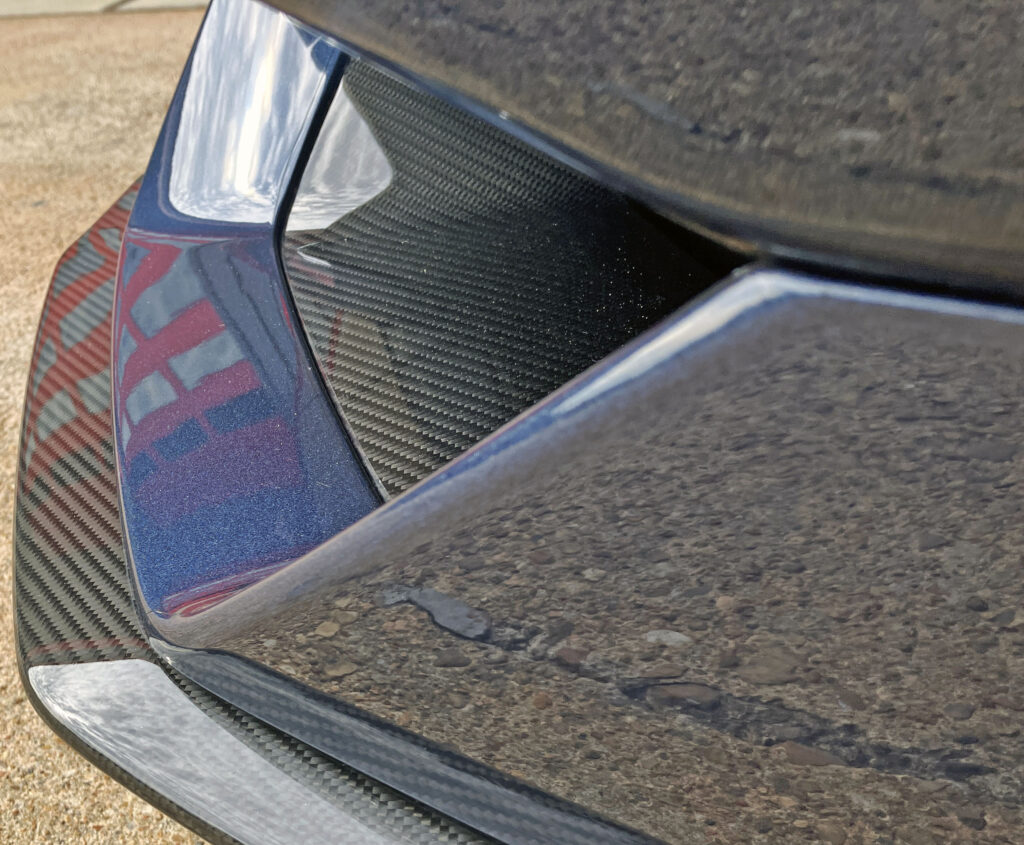
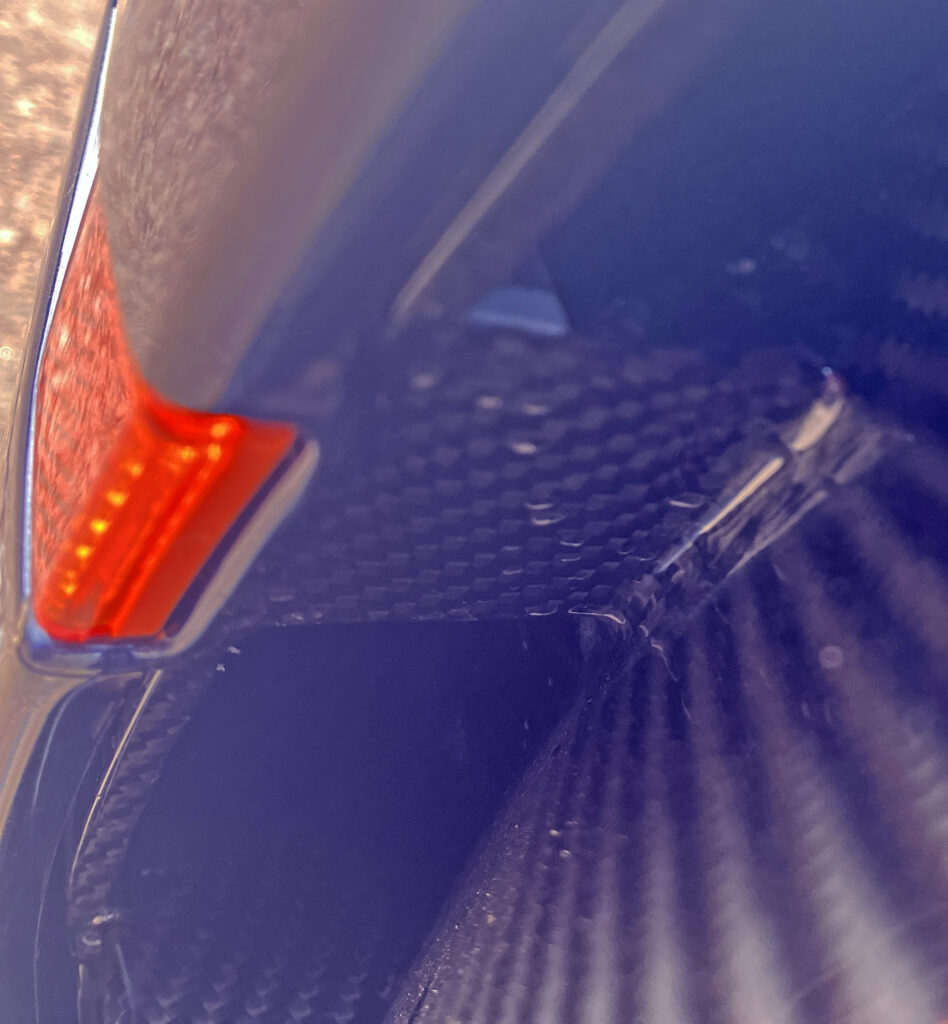

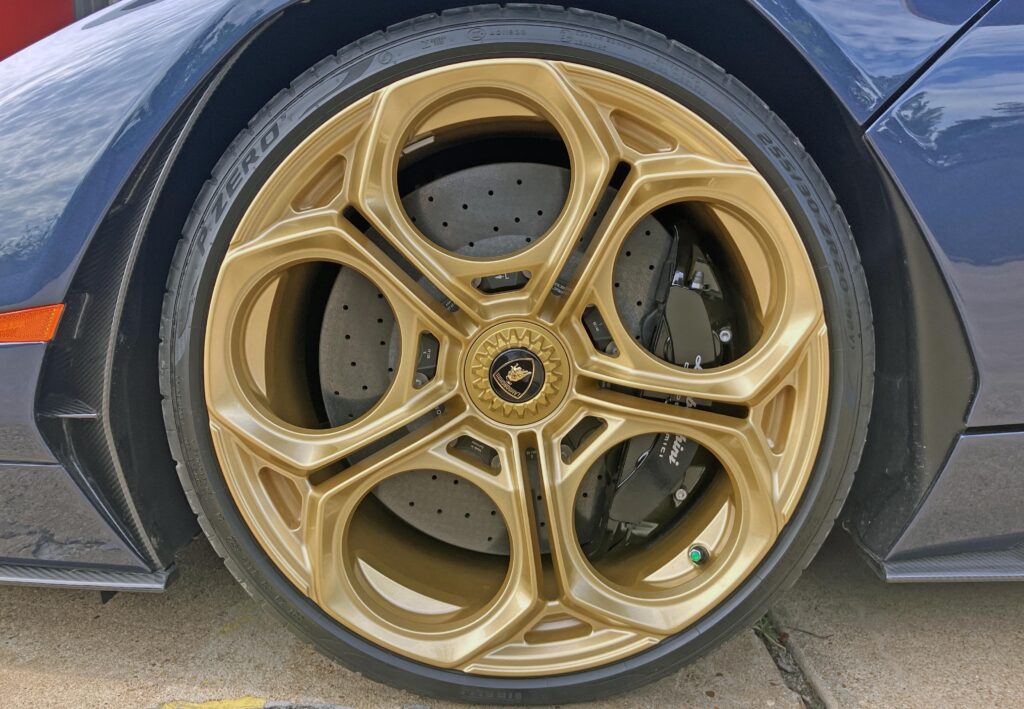
The sculpted spokes expose the brakes, but the wheel design lacks the deep, tucked-in centers of the old car. Behind the front wheel, a black panel sits below the blue bodywork to mask the underlying platform. It’s a small but telling example of the work Lamborghini put into reshaping the Aventador: the angular treatment seems less natural at the rear of the front arch than it does at the front, yet it helps the profile hold together.
Cabin glass and the periscopio
The biggest visual tension along the side is the fixed front window. The original Countach’s cabin was cramped and awkward to enter, but its small glazing and distinctive door shape made the body look taut. The modern car has a more conventional window area, which gives the cabin a more open feel but makes the door look compressed beneath the broad fender. The upright joint between the glass and door also interrupts the car’s sharp geometry.
The fixed glass becomes more apparent when the scissor door opens. On the original, much of the area around the cowl moved with the door, preserving a continuous visual plane. Here, the window stays in place, and the unusual door cutline reveals how the Aventador architecture shapes the Countach’s body. It’s a small detail with a large effect on the car’s character.
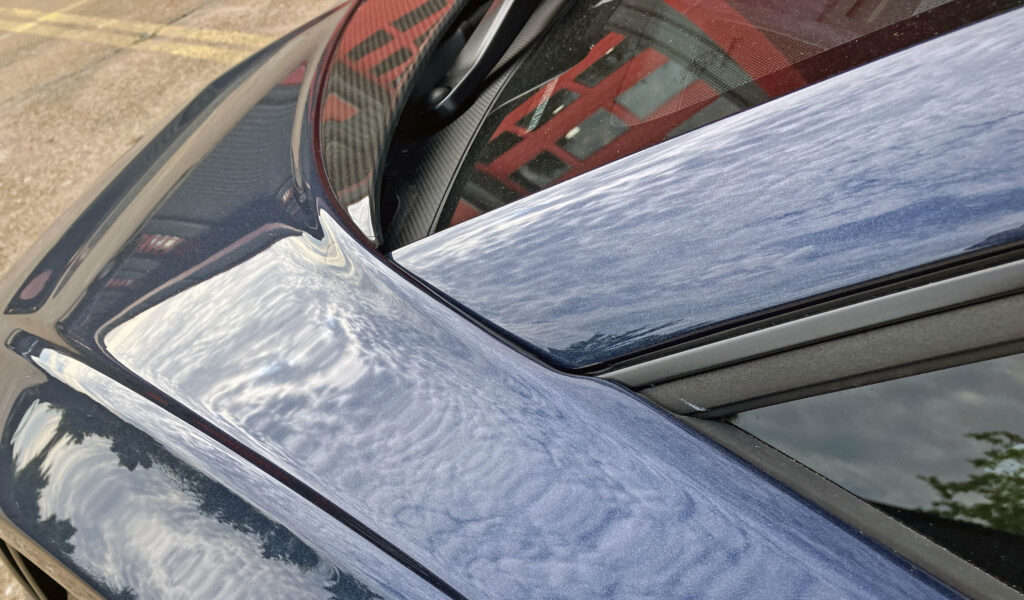
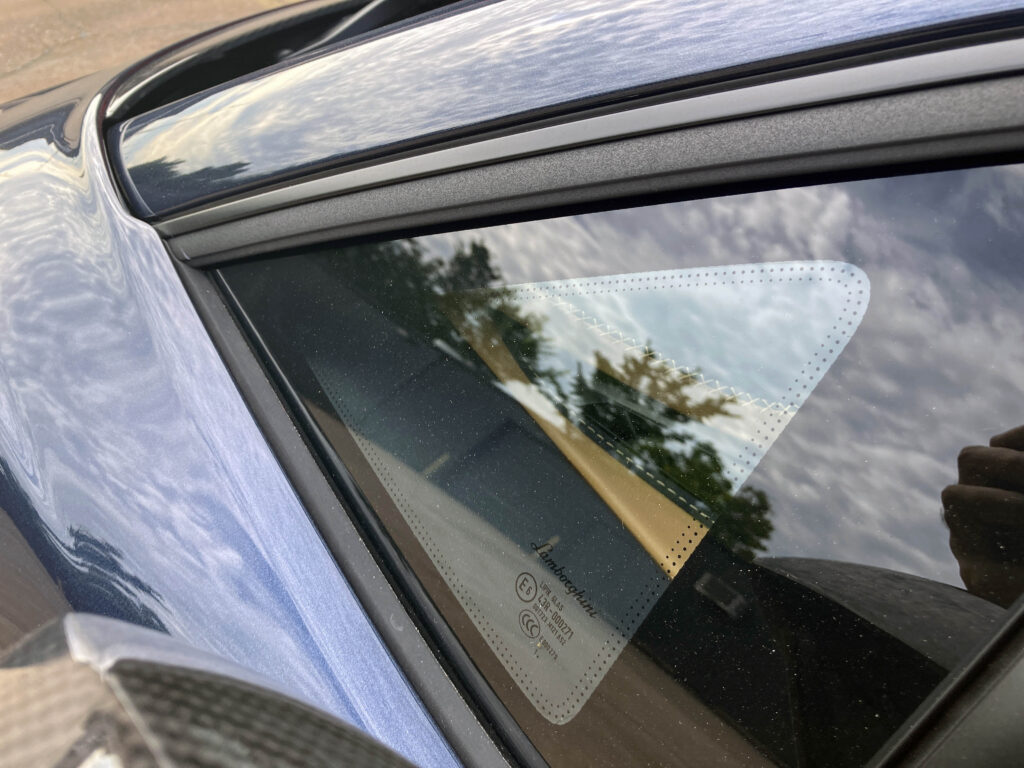
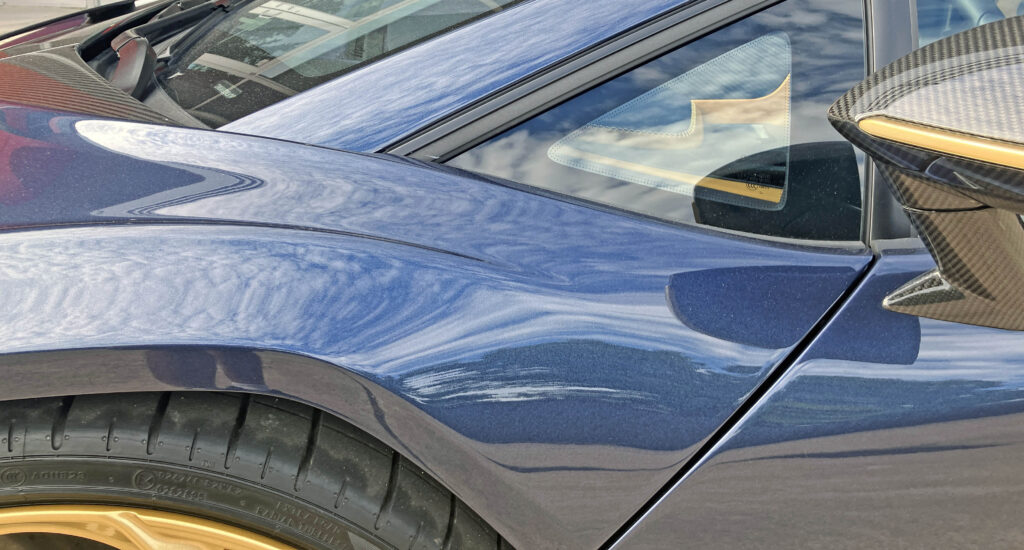
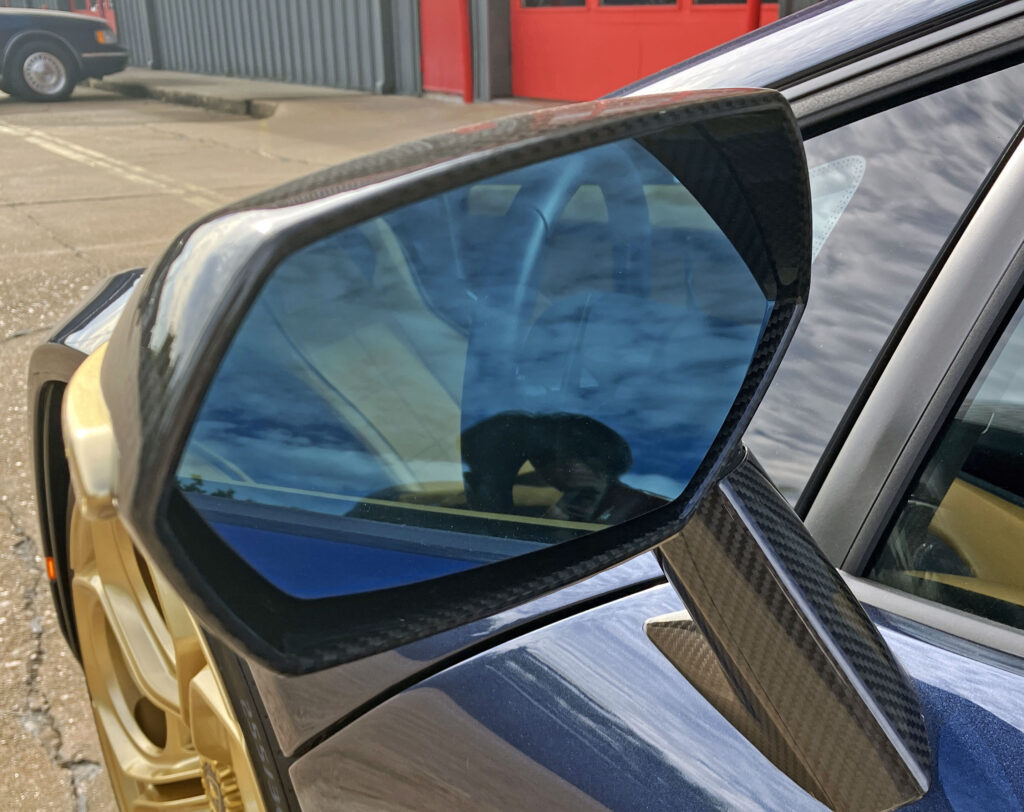
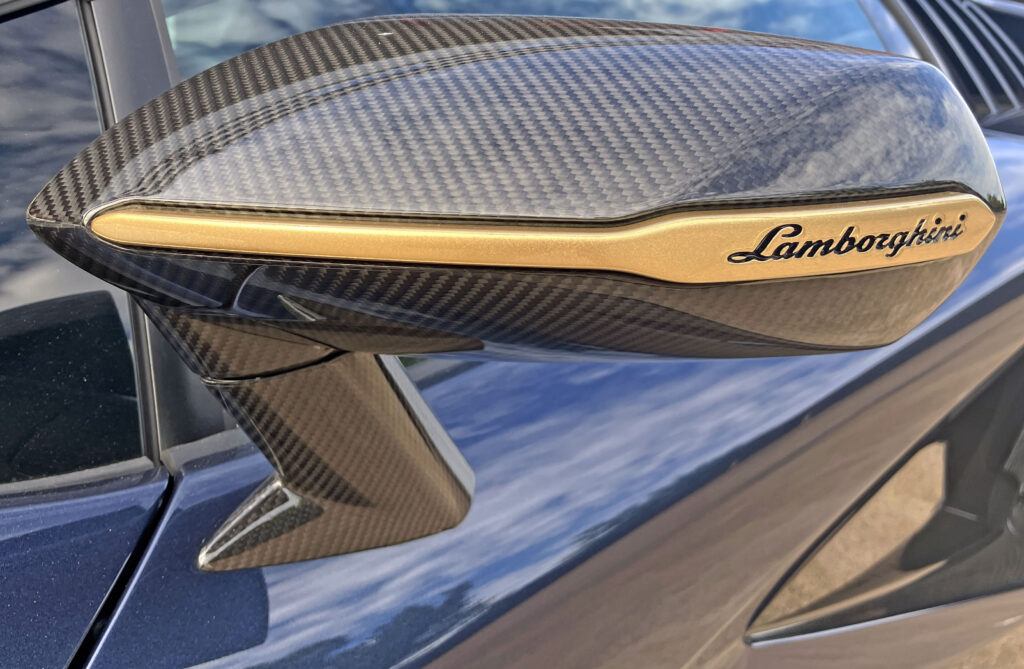
There are welcome details nearby. The mirror remains mounted to the door, with hexagonal forms and a gold insert that matches the wheels. The Lamborghini script feels unnecessary on a car that announces its identity through its shape. Farther back, the large NACA-style door duct brings a defining Countach feature into the modern body.
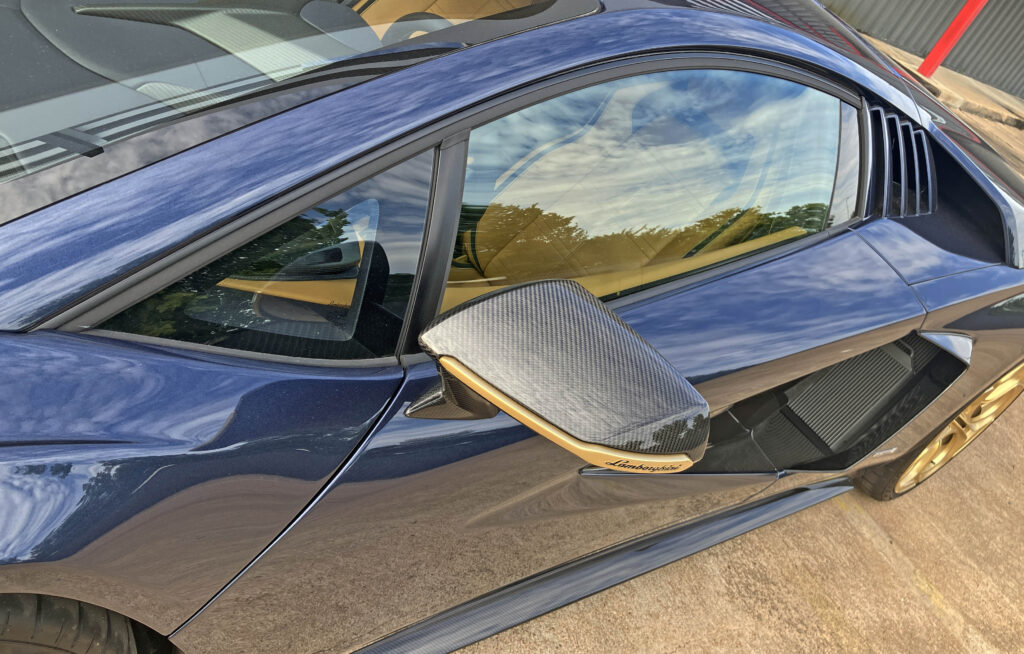
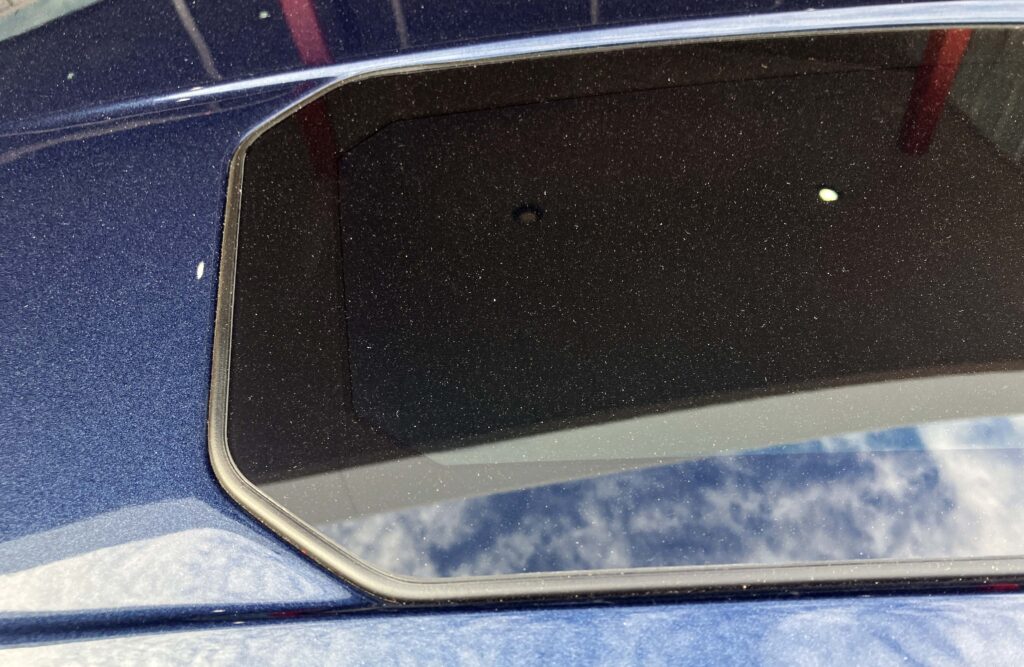
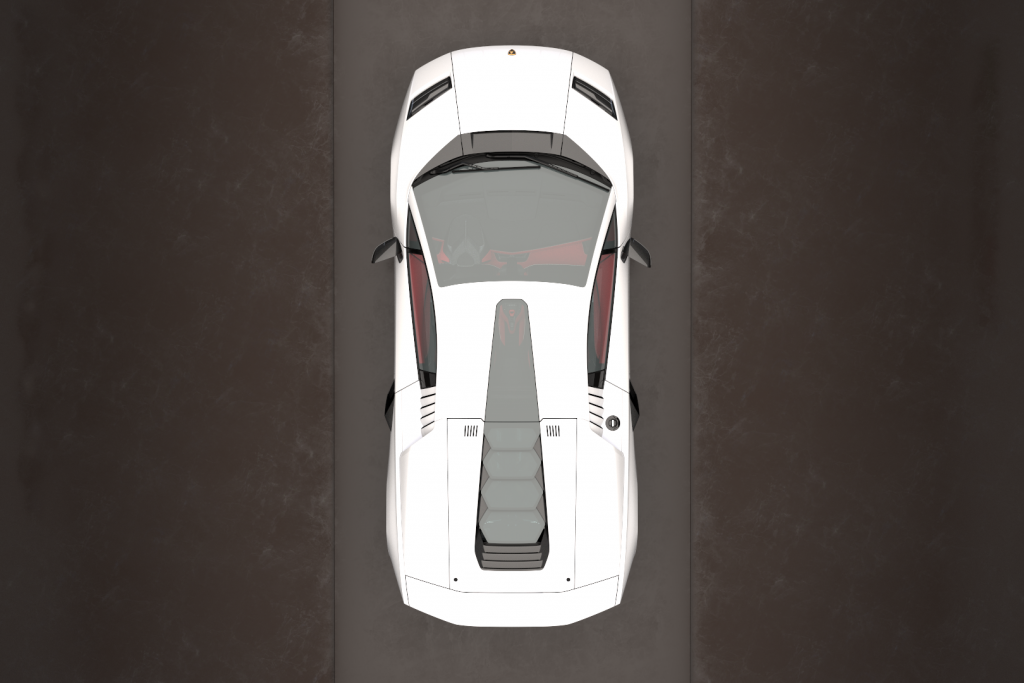
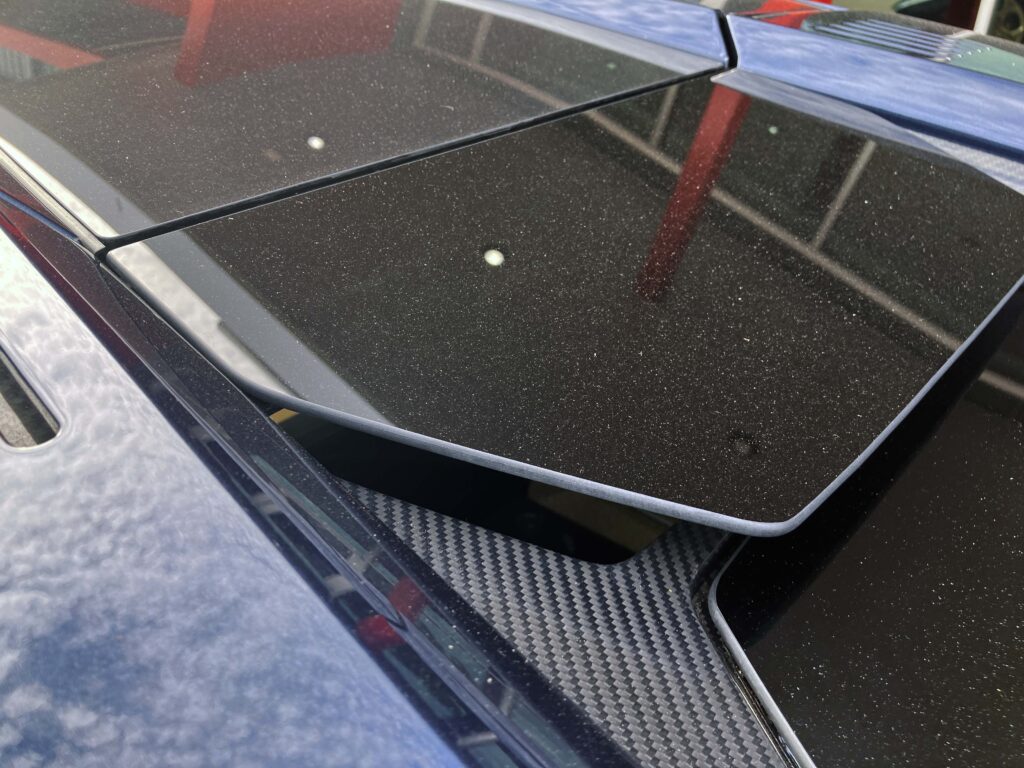
The roof feature is more than a decorative strip of glass. Early Countaches used a periscopio, a roof window and surrounding recess intended to improve rearward visibility. Backup cameras and dashboard screens have made that arrangement unnecessary, so Lamborghini translated the idea into a glass roof that can change opacity at the touch of a switch on the distinctive dashboard. It’s a functional flourish with a clear historical reference, even if it no longer serves the original purpose.
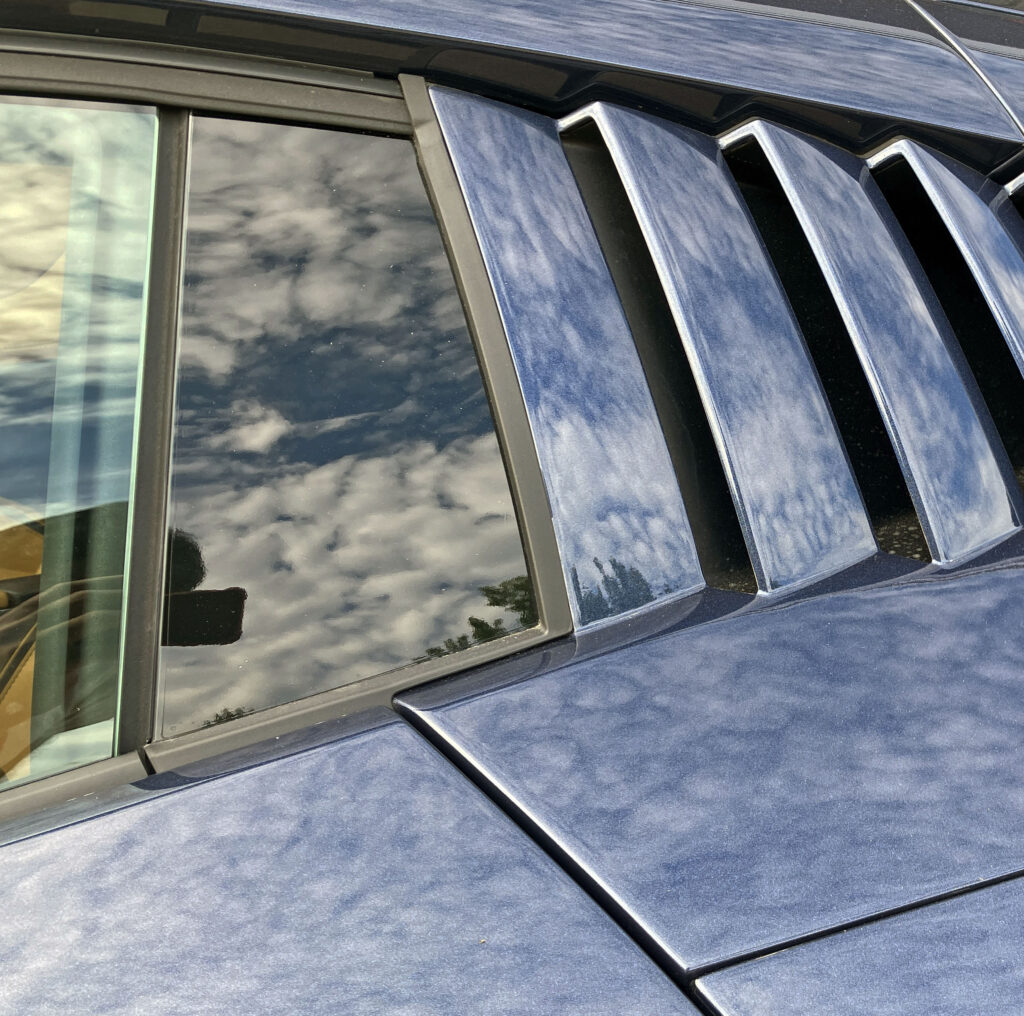
Another side-window compromise sits at the B-pillar. The Aventador and Sián have functional glass in that area, while the Countach uses a structural pillar that reads visually like a window. Given the amount of bespoke bodywork elsewhere, a painted panel might have been a cleaner solution. It would also echo the LP500 prototype, whose scoops extended into the pillar area, and the Countach’s production-era painted trim.
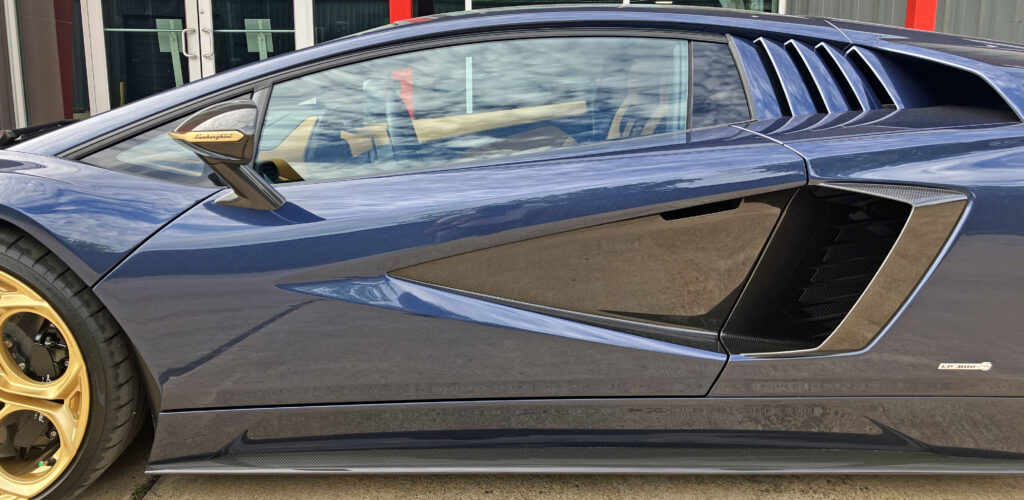
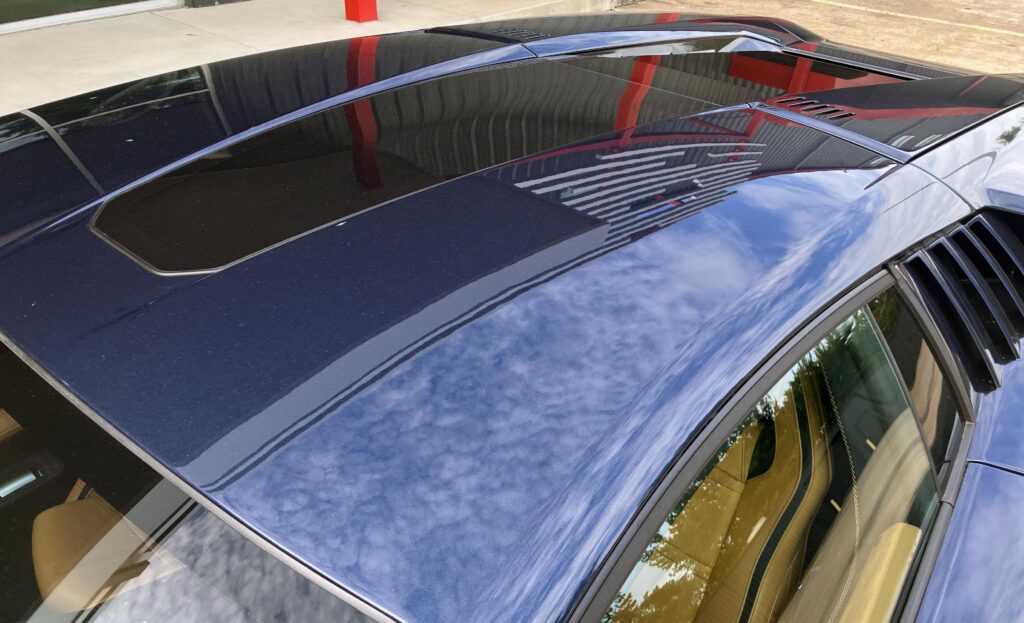
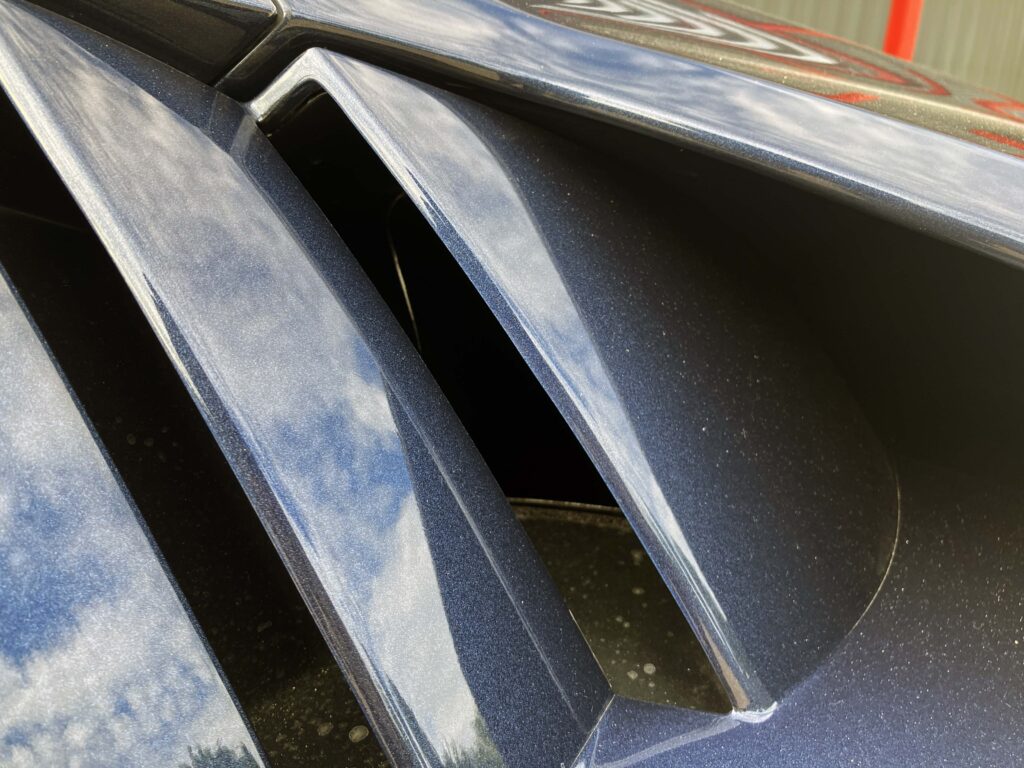
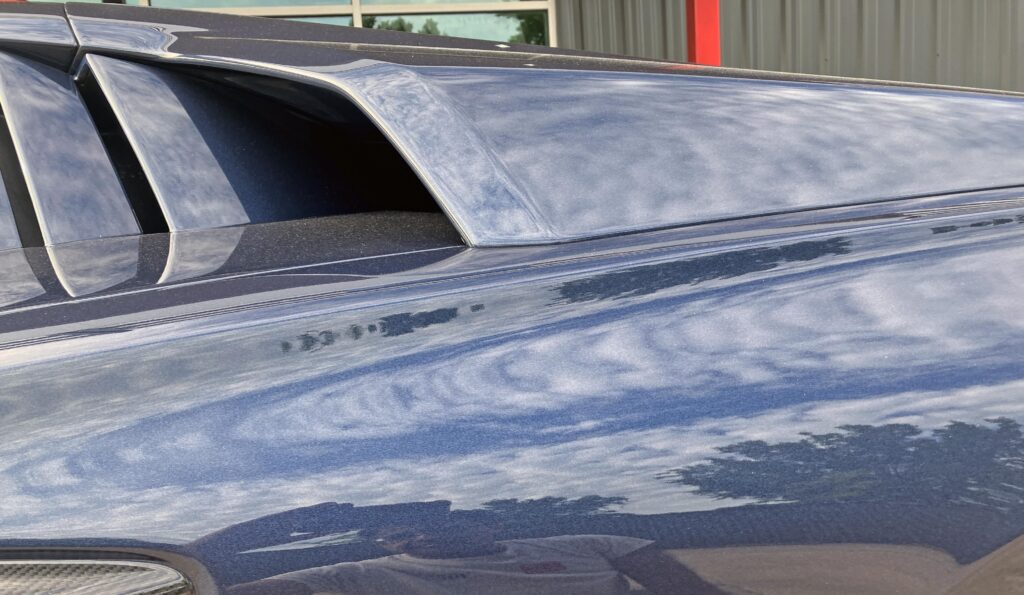
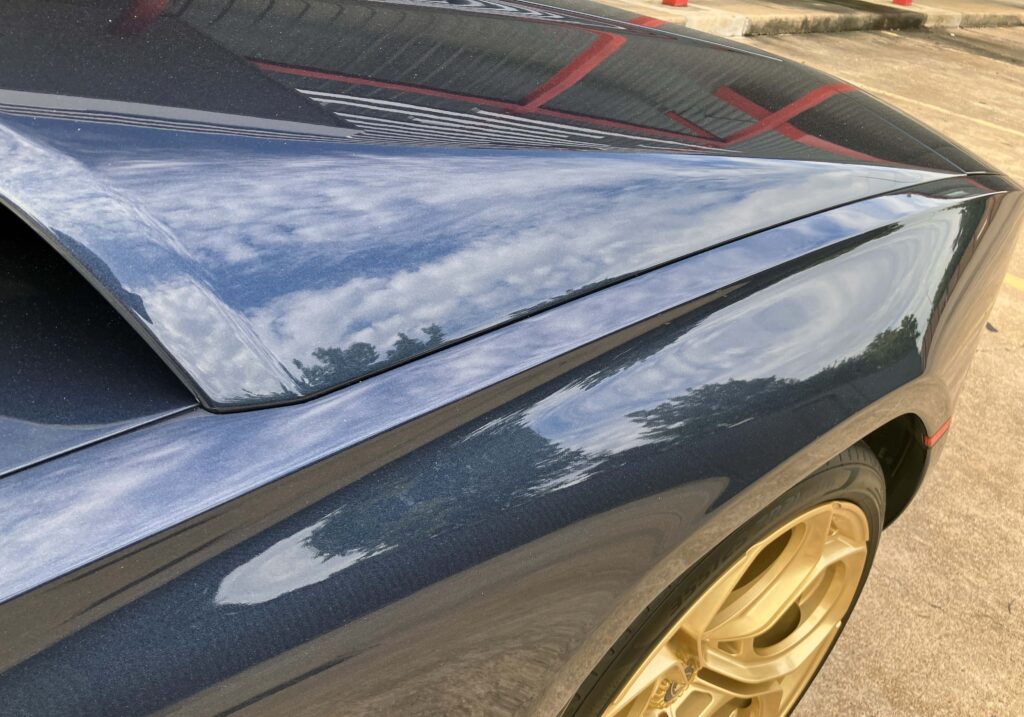
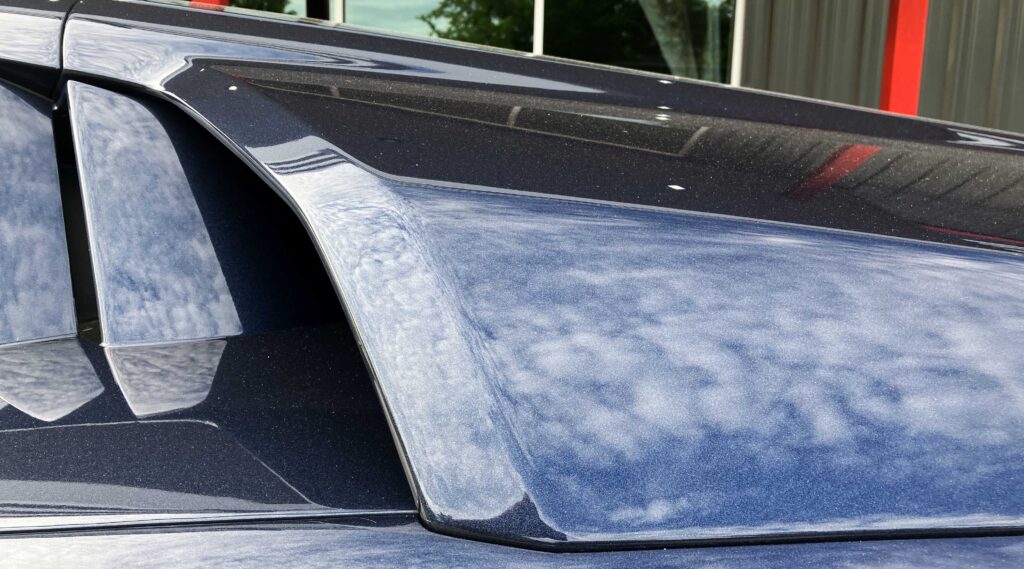
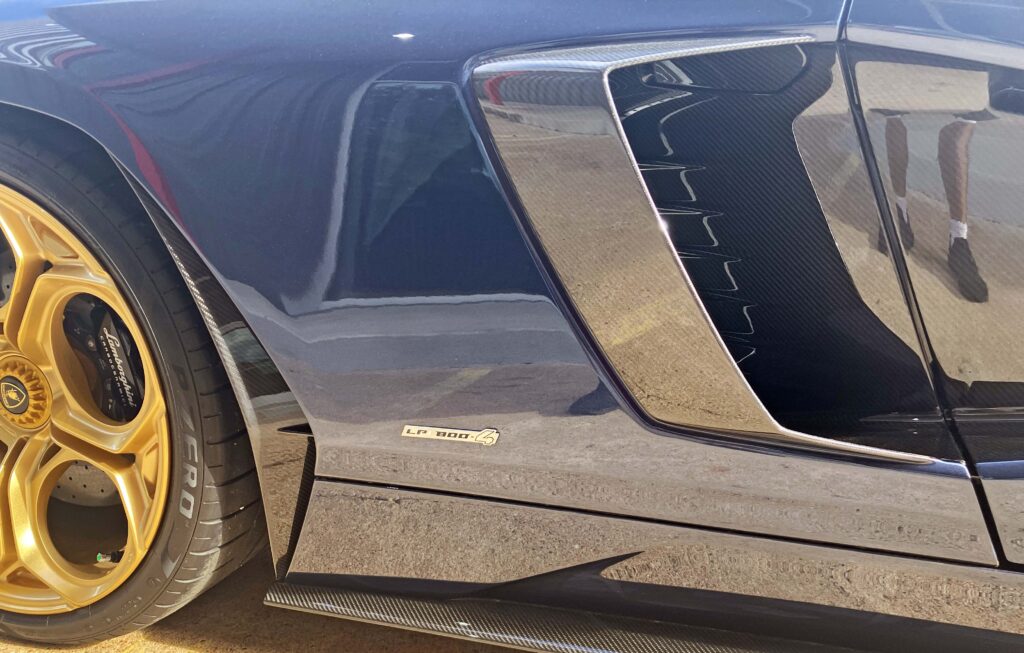
The scoops themselves are among the strongest retro details. They project farther than the recessed intakes on production Countaches, but their bevels and body-color finish look intentional. A broad shoulder line runs beneath them, giving the car room for a fuel door finished to match the wheels. The repeated hexagonal shapes tie the details together without making the body feel like a collection of unrelated references.
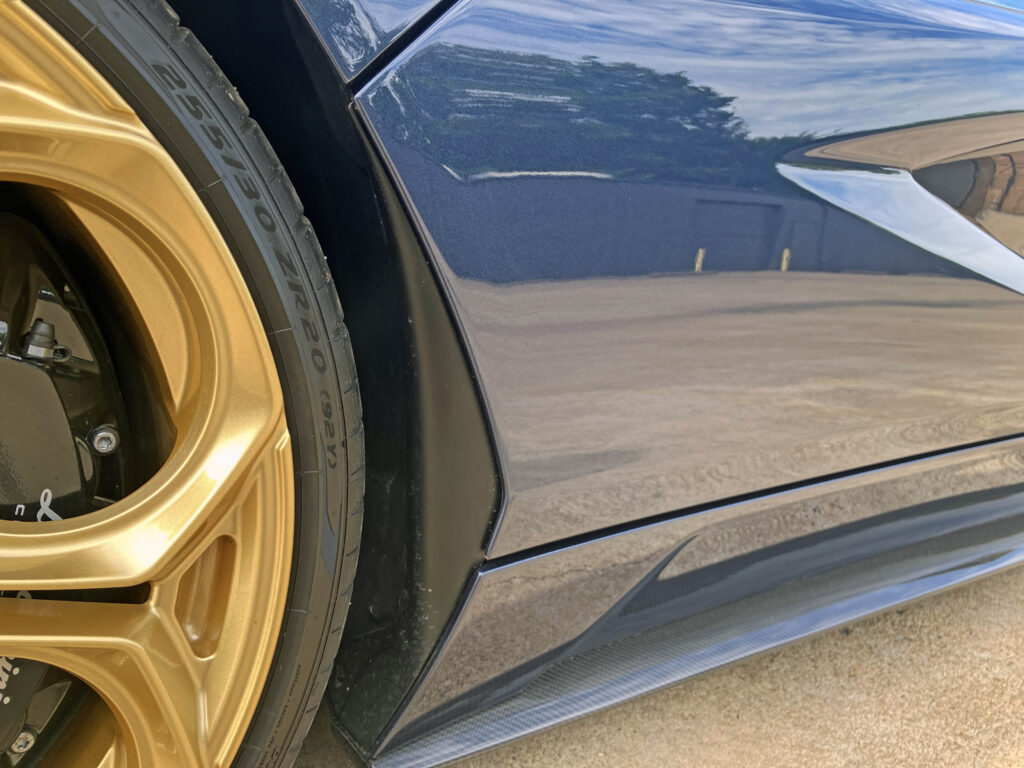

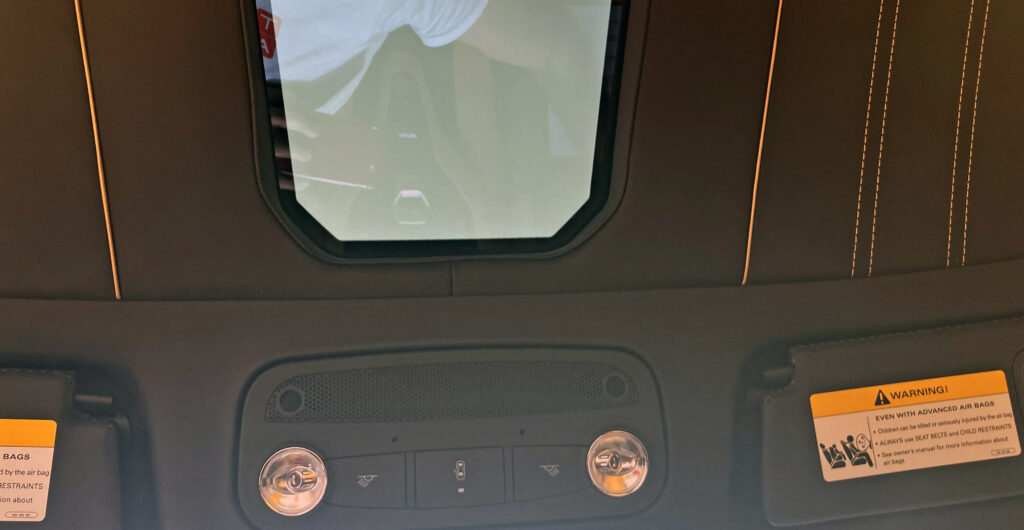
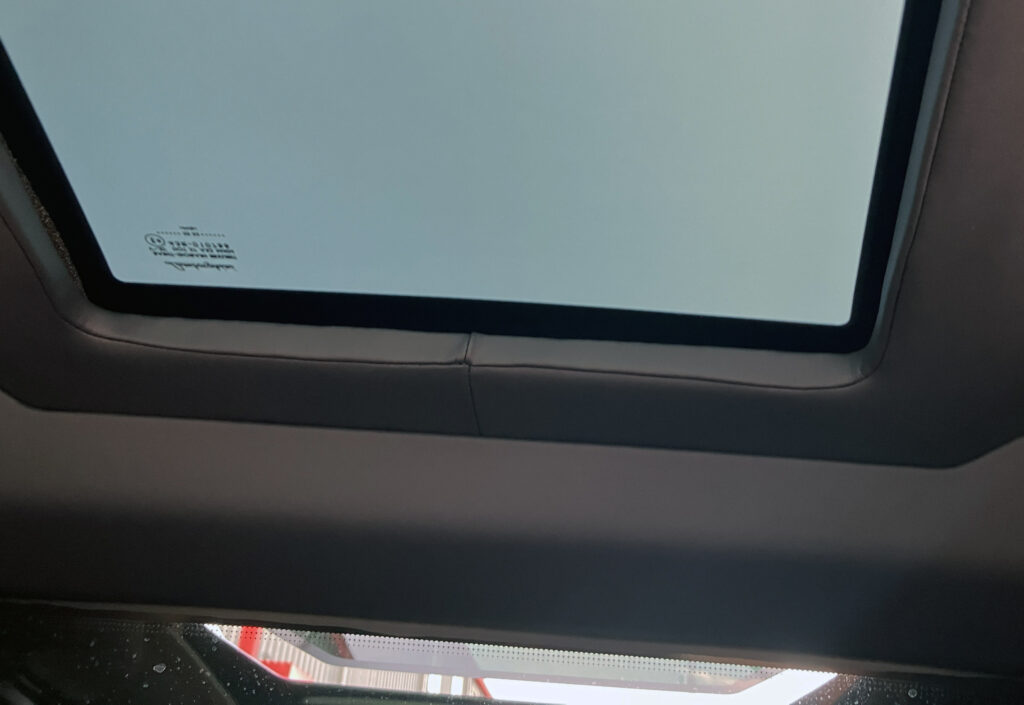
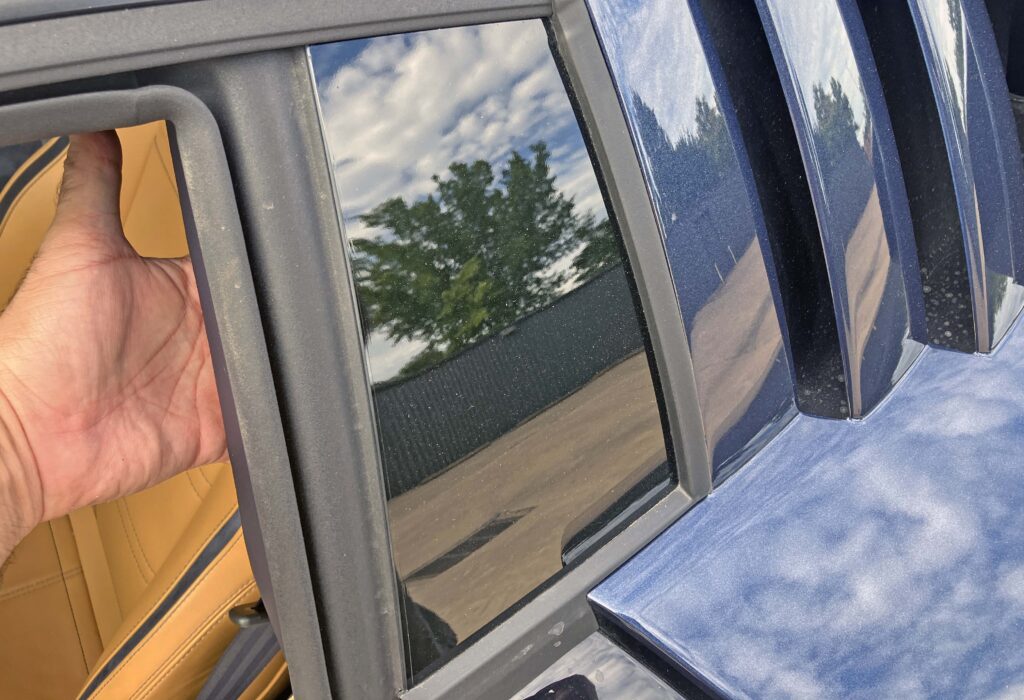
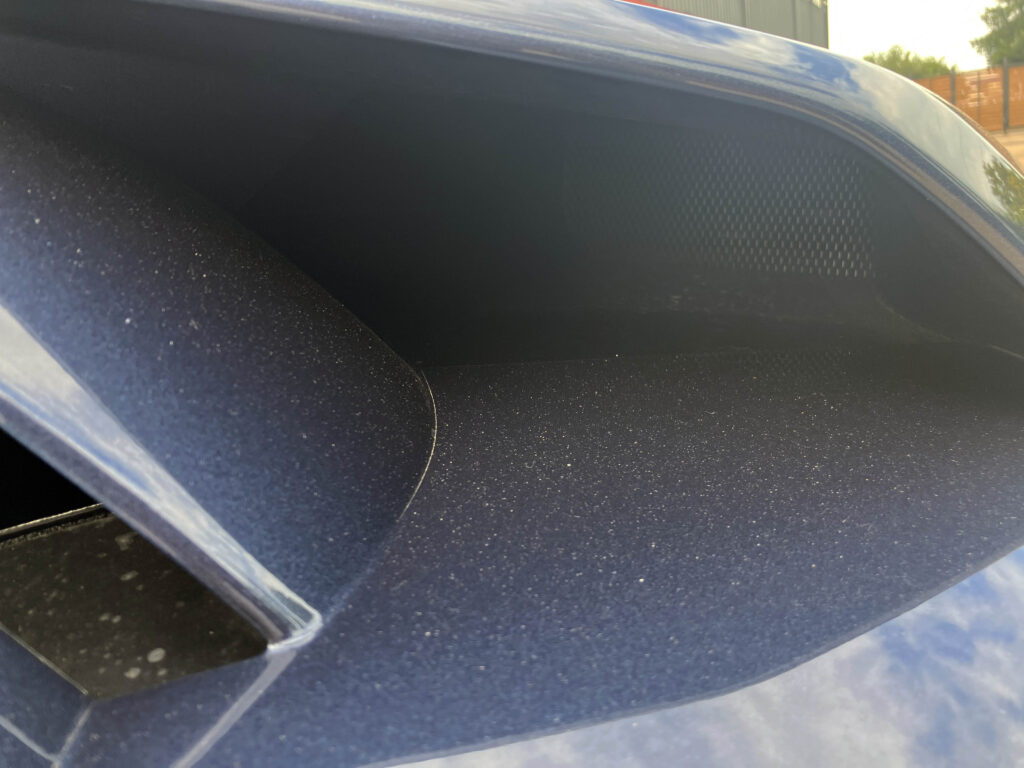
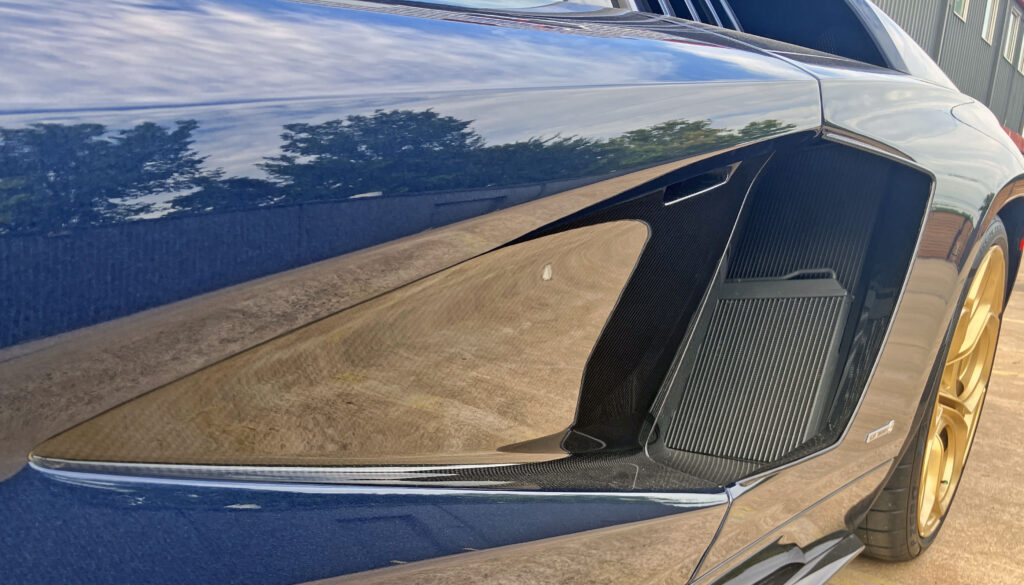
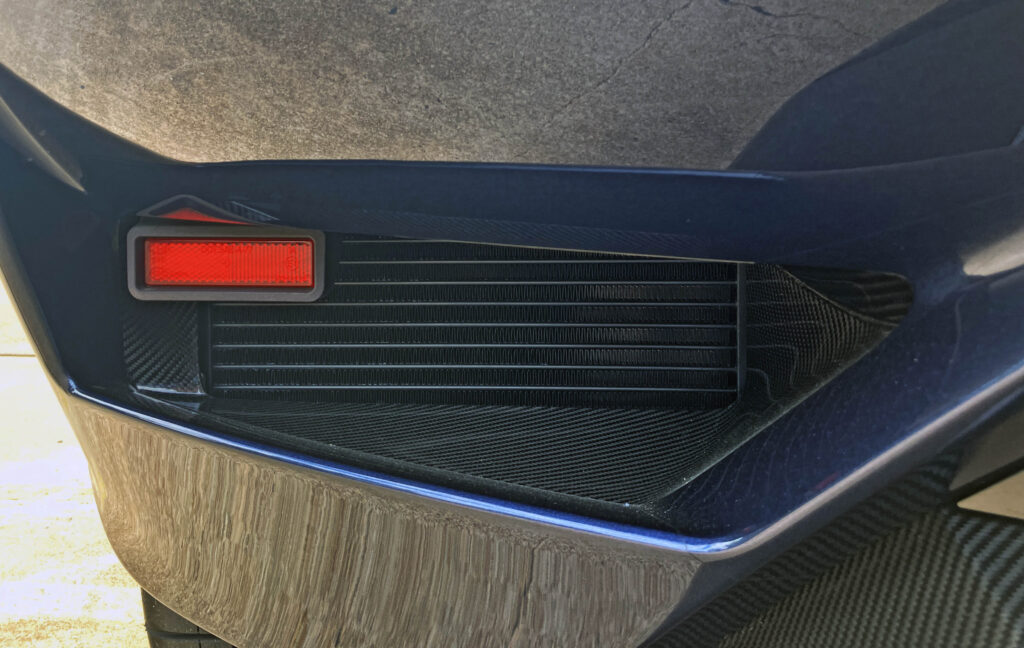
The NACA duct is a direct descendant of the original’s small intake, enlarged to help feed the cooling system for the hybrid powertrain. Exposed carbon fiber outlines the opening, which is integrated with additional scoops on the pillar and body. This is where the LPI 800-4 most clearly shows the realities of its modern underpinnings: the cooling demands are larger, and the resulting openings have to be accommodated without losing the original’s wedge-shaped profile.
Rear haunches and cooling architecture
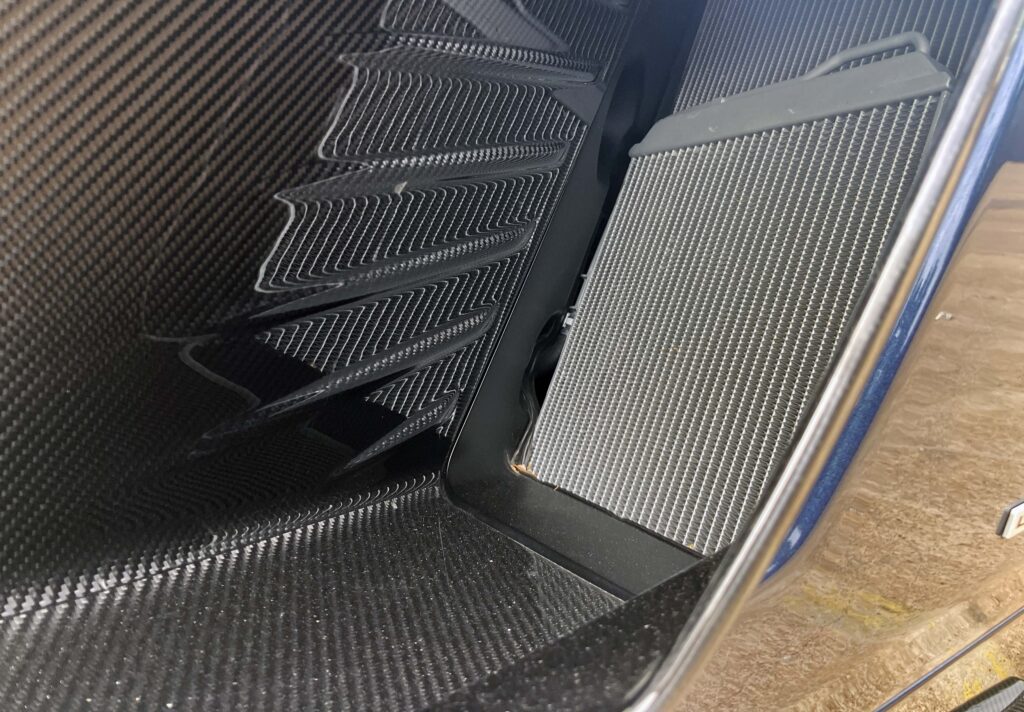
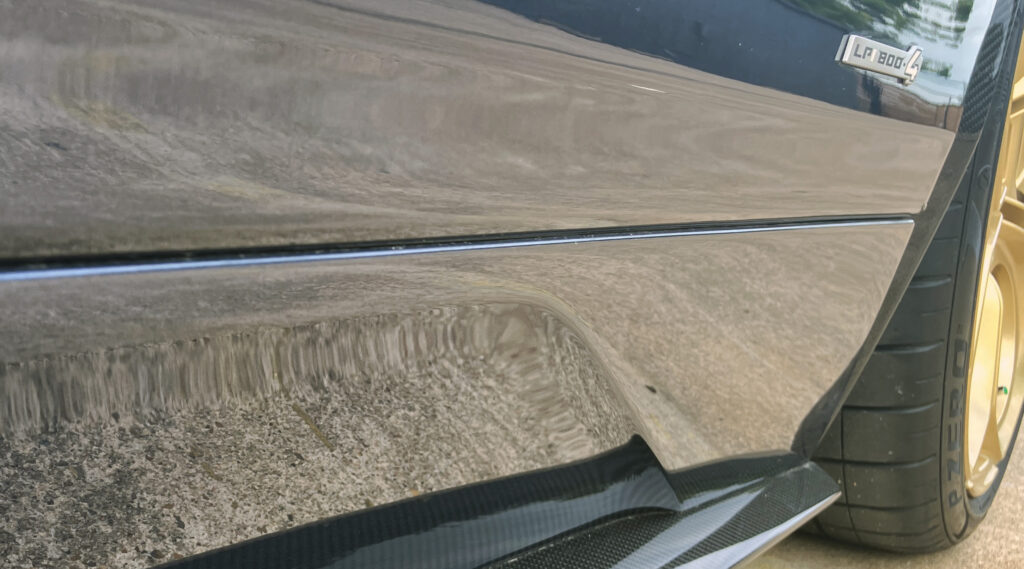
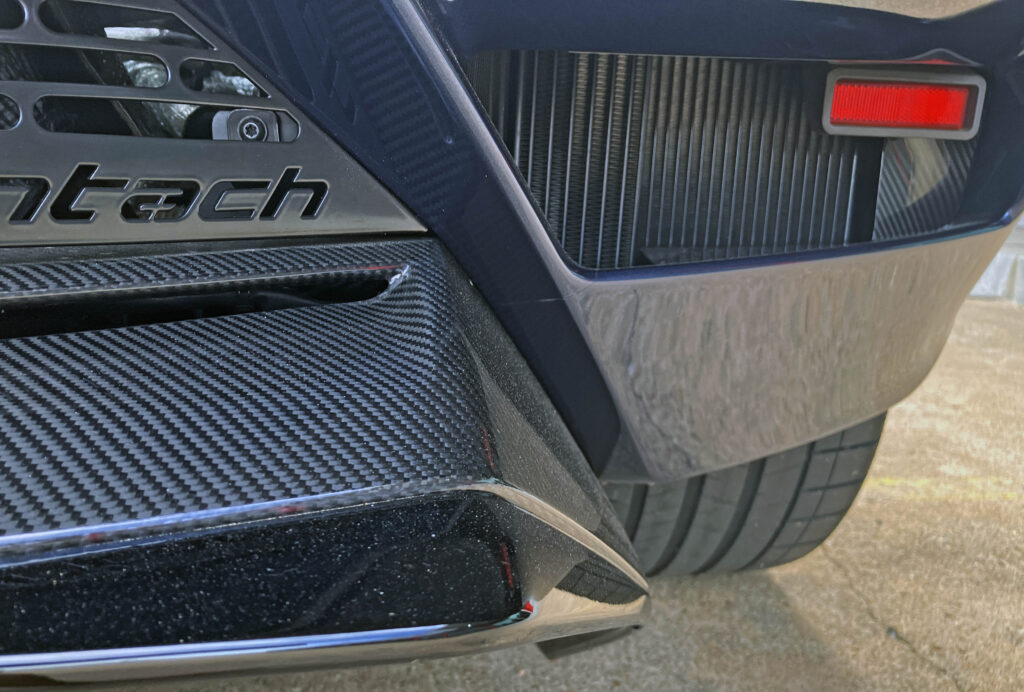
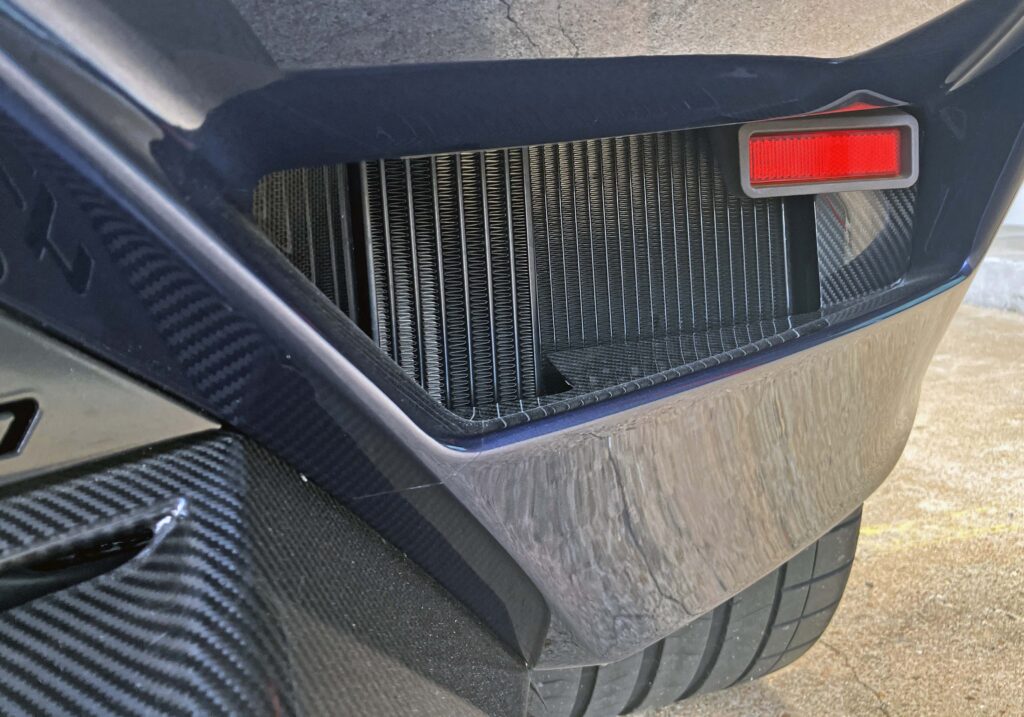
The rear half has more surface complexity than the original, partly because it has to manage more airflow and cooling. Behind the B-pillar, the body becomes longer and fuller than the early Countach’s. A scalloped lower panel, carbon-fiber rocker extension and large frame around the intake give the side a layered appearance. The original’s simpler inward sweep at the rocker has given way to a set of shapes that lead into the rear cooling area.
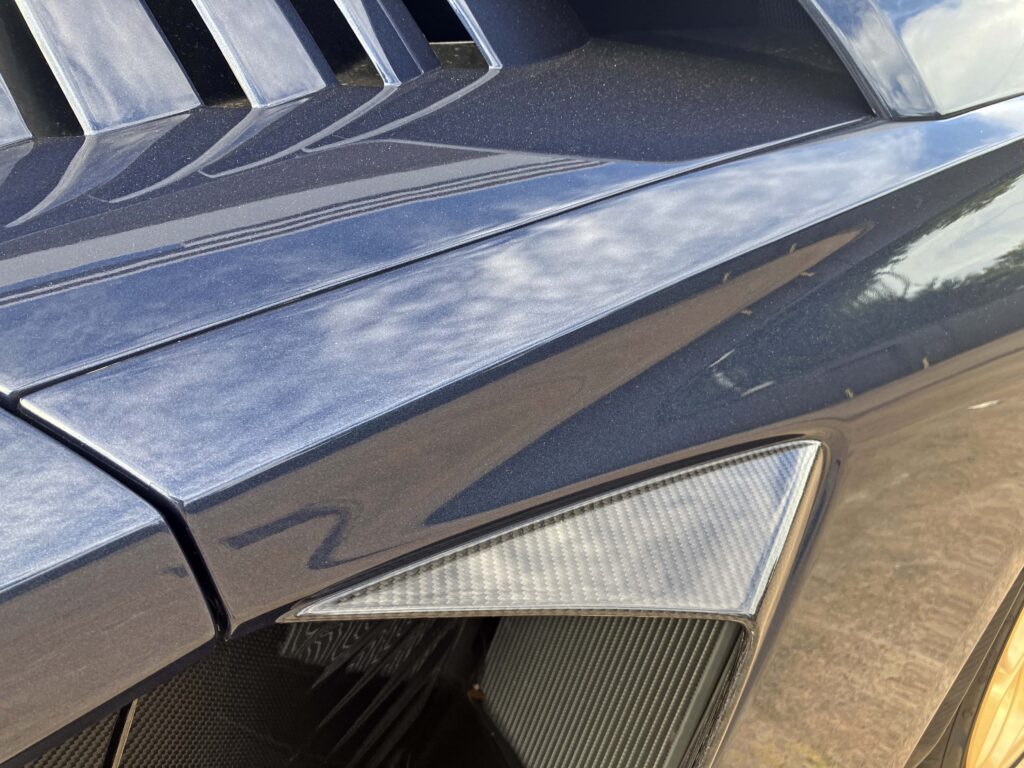

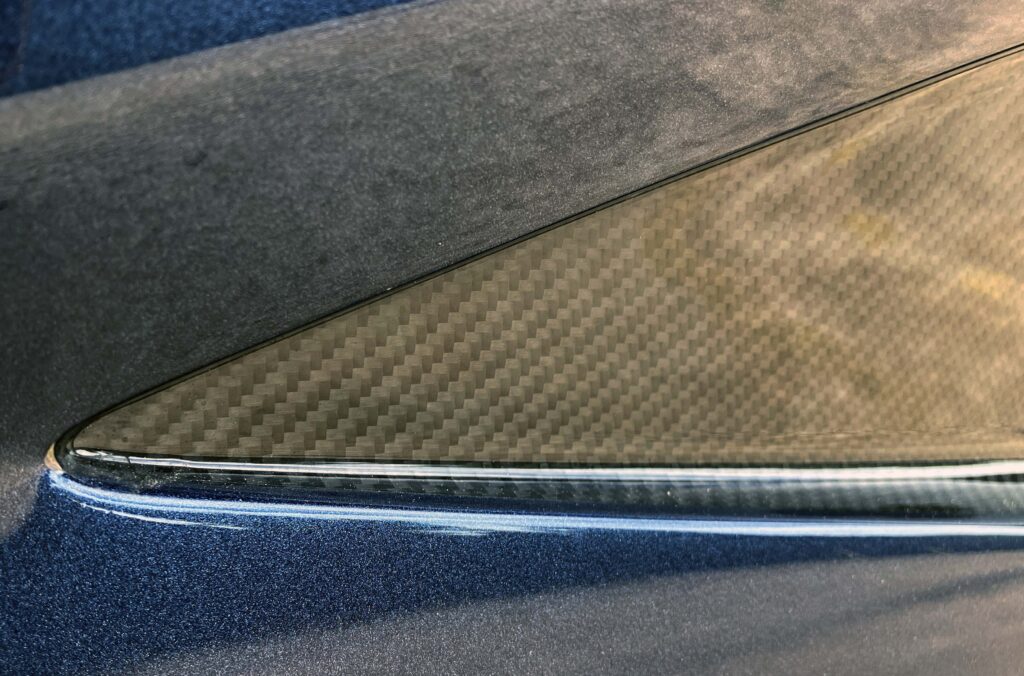
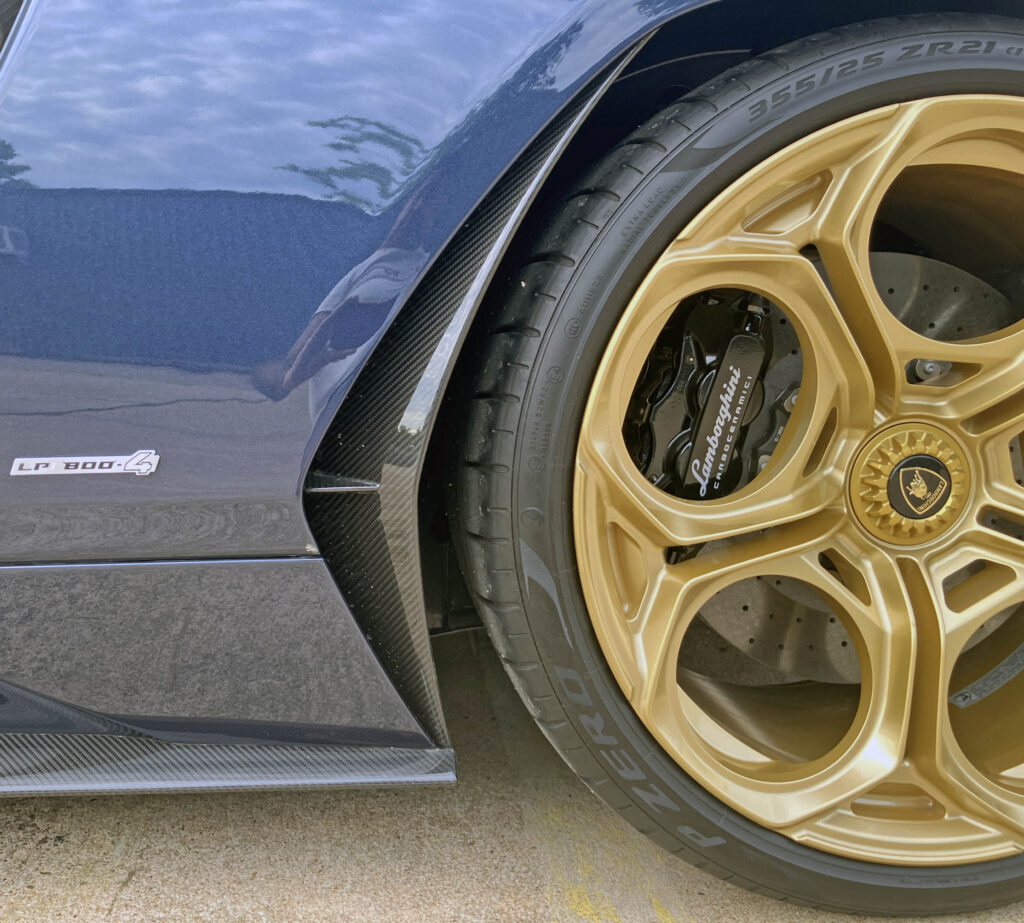
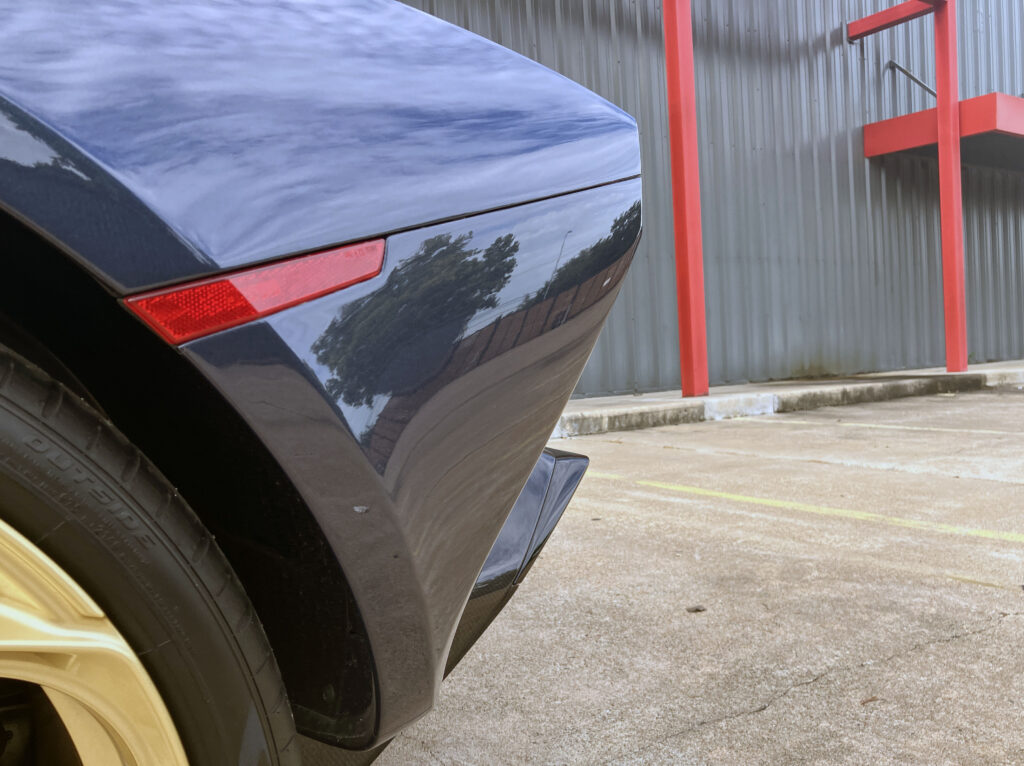
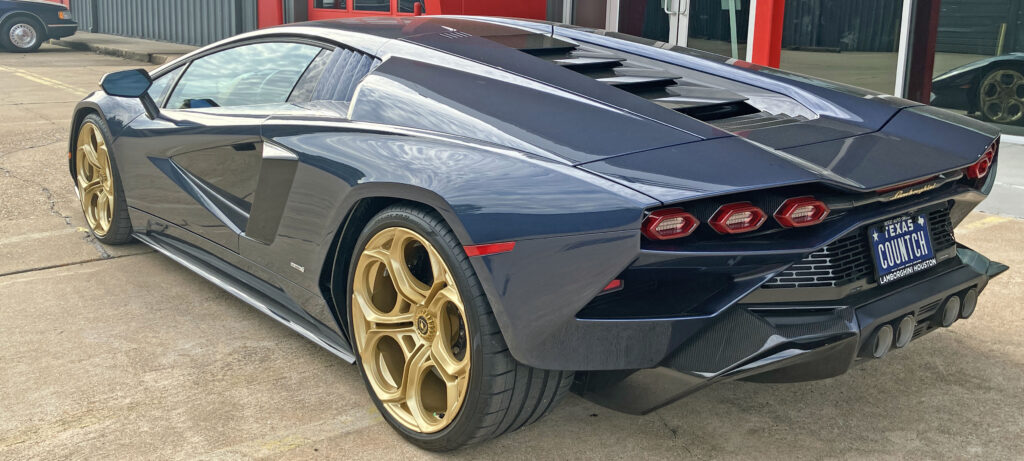
The rear wheel arch uses a carbon-fiber insert with aerodynamic shaping, likely tied to cooling for the large radiator fed by the intake just ahead. Its trapezoidal outline is one of the clearest expressions of the Countach’s influence on later Lamborghini styling. The front and rear overhangs are not perfectly balanced—the front seems long, while the rear is particularly short—but the rising rear shoulder and tapered outline preserve the original’s sense of forward motion.
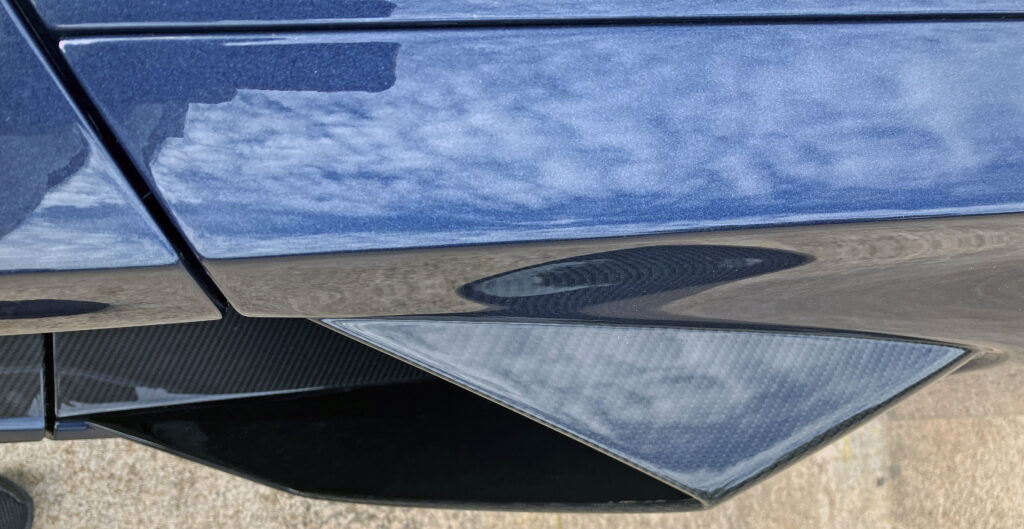
From the rear three-quarter angle, the body narrows from the cooling duct toward the tail. A large cutout in the upper quarter panel emphasizes that taper, while the rear fascia angles inward at its edges rather than ending in the original’s flat face. These details add depth and make the modern car’s body look more sculpted, though they depart from the early car’s simpler surfaces.


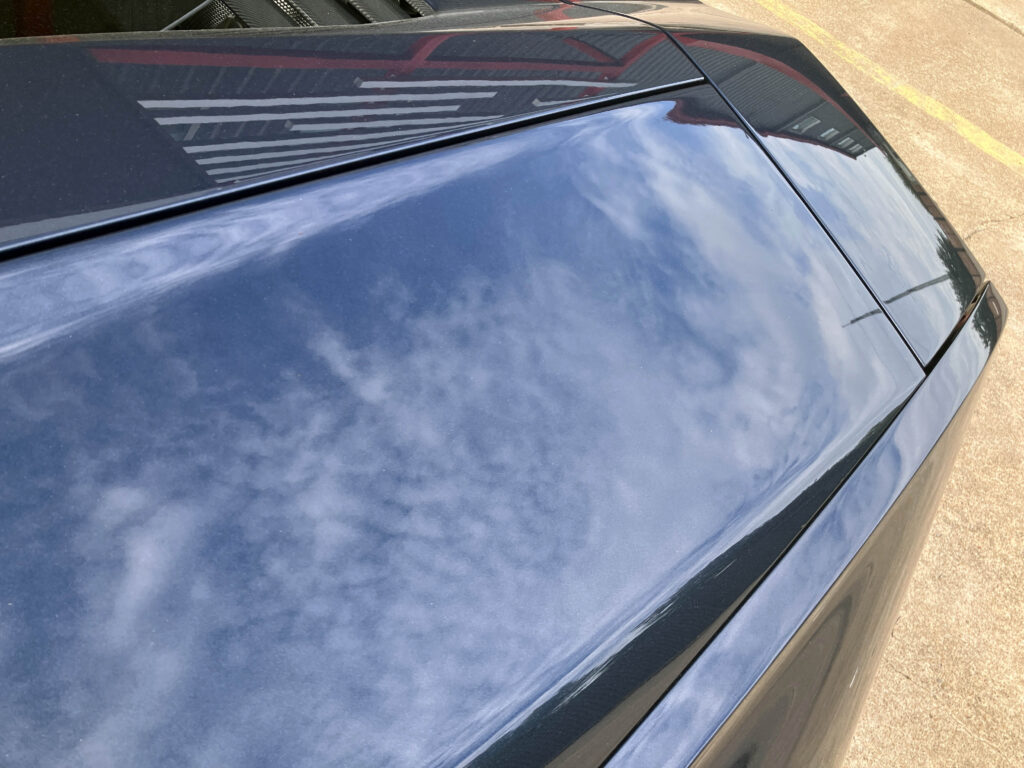
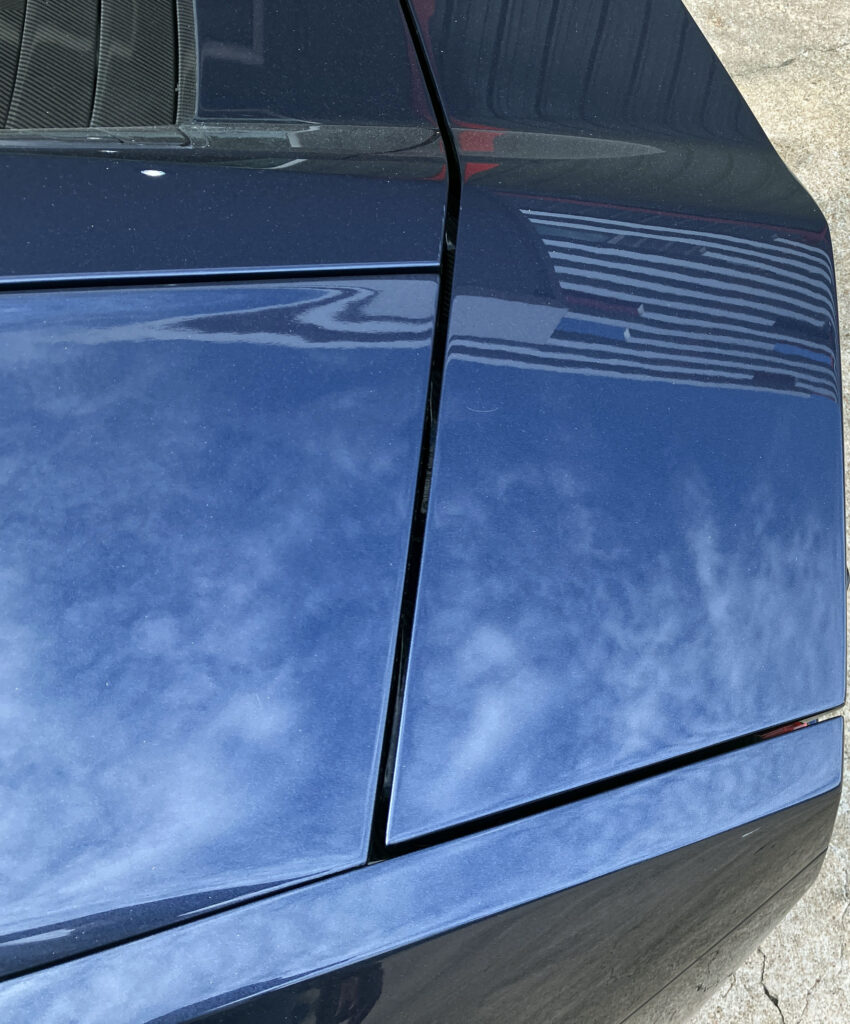
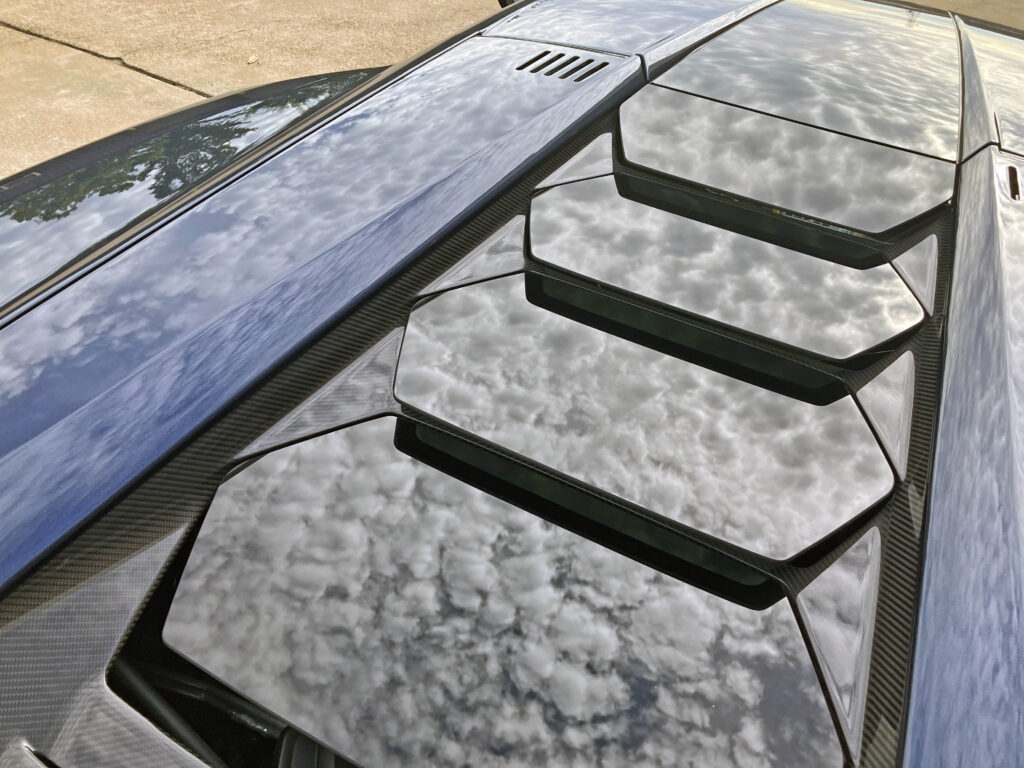
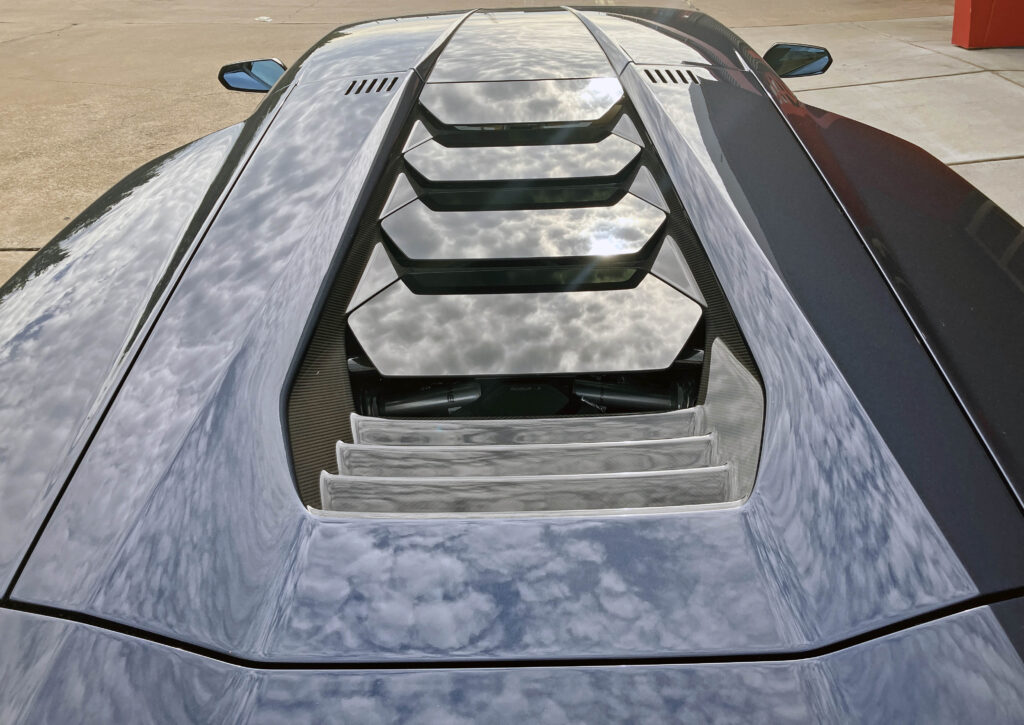
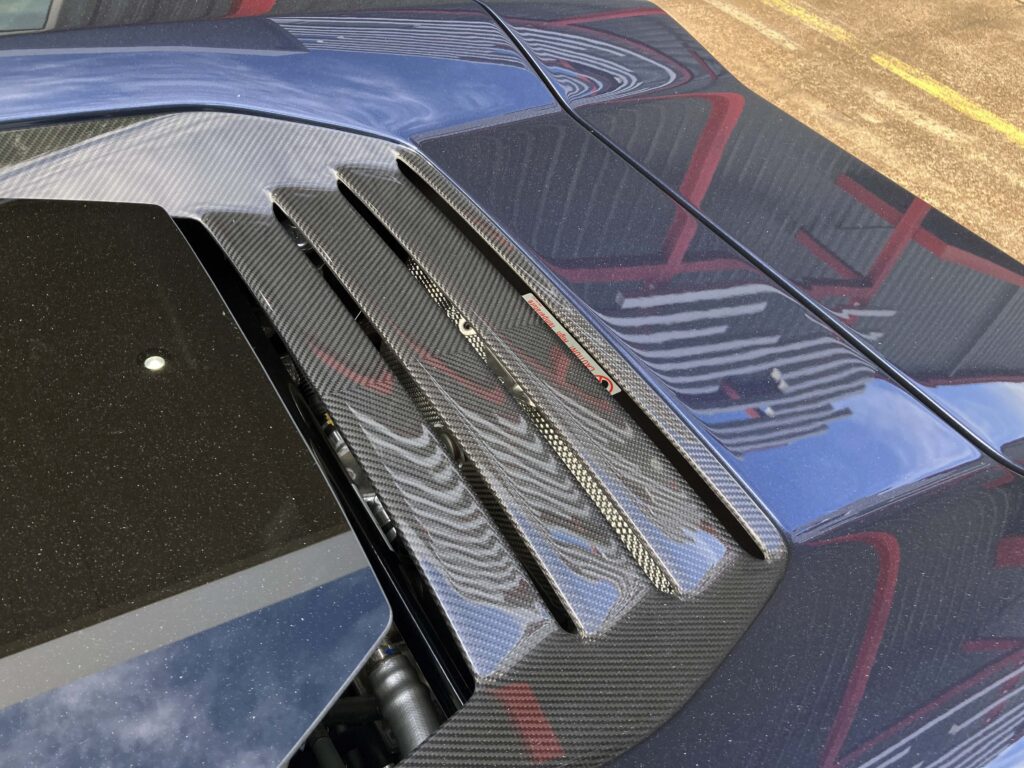
The roof and rear deck bring the periscopio idea back into focus. On the original, the area had a more stark, architectural quality, with cooling openings cut into the rear hatch. The new Countach turns those functional areas into a more ordered, louver-like arrangement. Hexagonal forms and carbon-fiber framing create a layered cooling assembly that looks integrated with the body rather than simply added on.

From above, the roof feature sits naturally within the car’s shape. The surrounding components seem to float within their carbon frame, while the openings provide a path for heat to escape from the powertrain below. The combination is one of the design’s clearest wins: a reference to an old visibility aid has been adapted into a detail that belongs to the modern car’s cooling architecture.

A rear end that earns its own identity
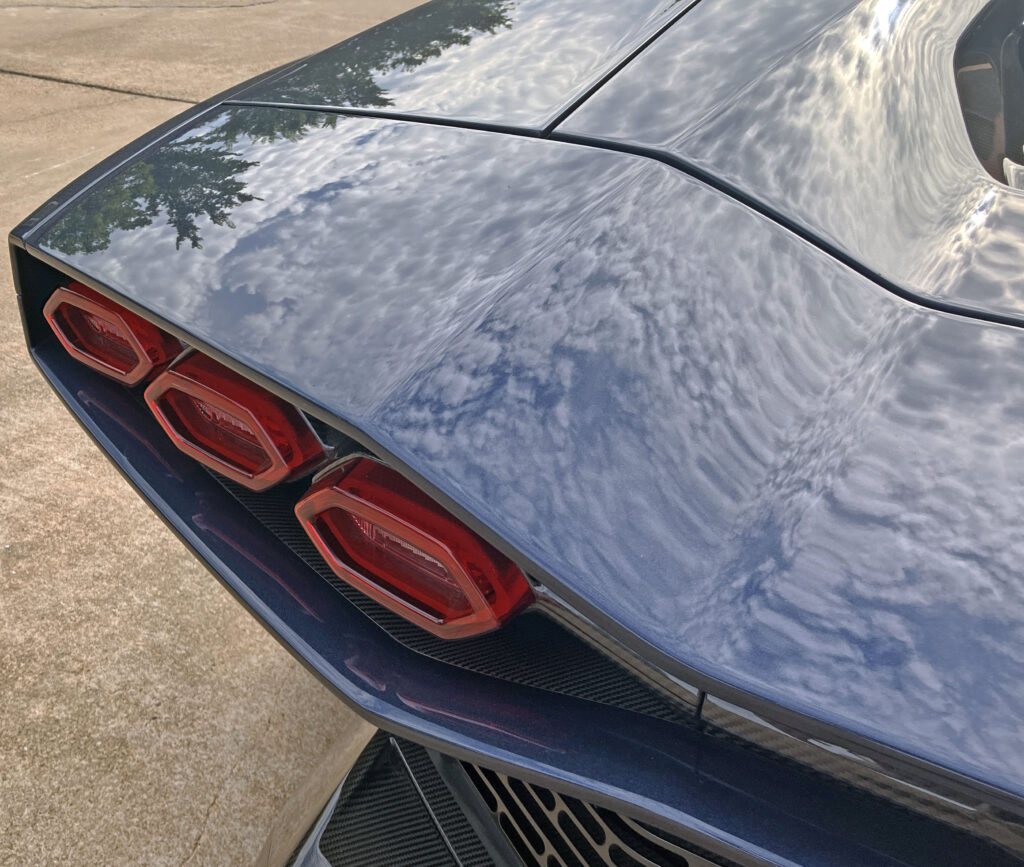
The rear is arguably the LPI 800-4’s strongest angle. The original’s blocky forms could look abrupt, while the new car carries its lines into a shaped fascia with more gradual transitions. The body is still narrow through the middle, but the surfaces meet more like ramps than cliffs. Panel fit is also markedly more precise than on the handmade original, a practical improvement that doesn’t dilute the design’s drama.
The rear lights repeat the hexagonal theme. Instead of placing reflectors and conventional lamps on a flat vertical panel, Lamborghini cuts the panel back and suspends three hexagonal elements within a carbon-fiber support. Their open appearance gives the rear more depth, and the frame’s strong bevel leads the eye toward the centerline.
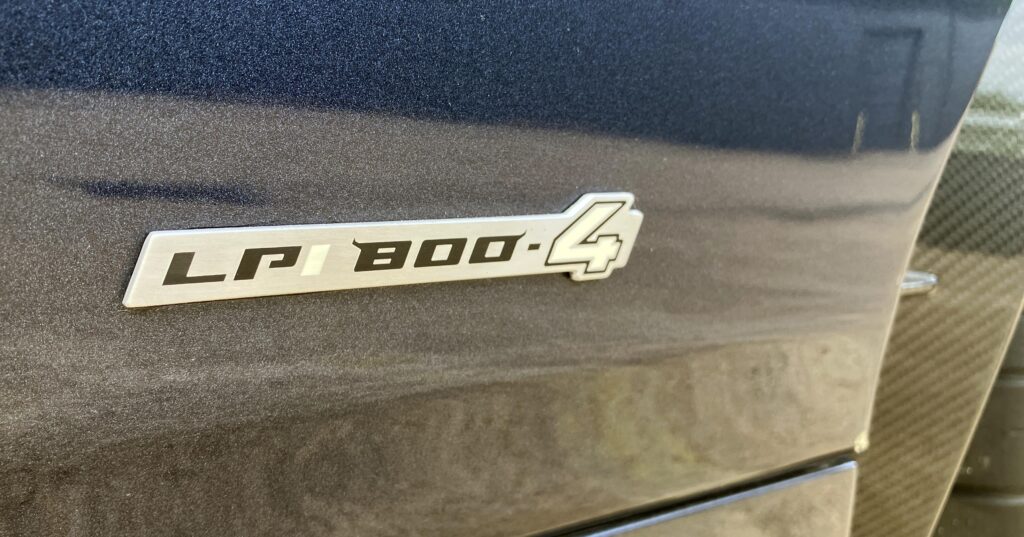
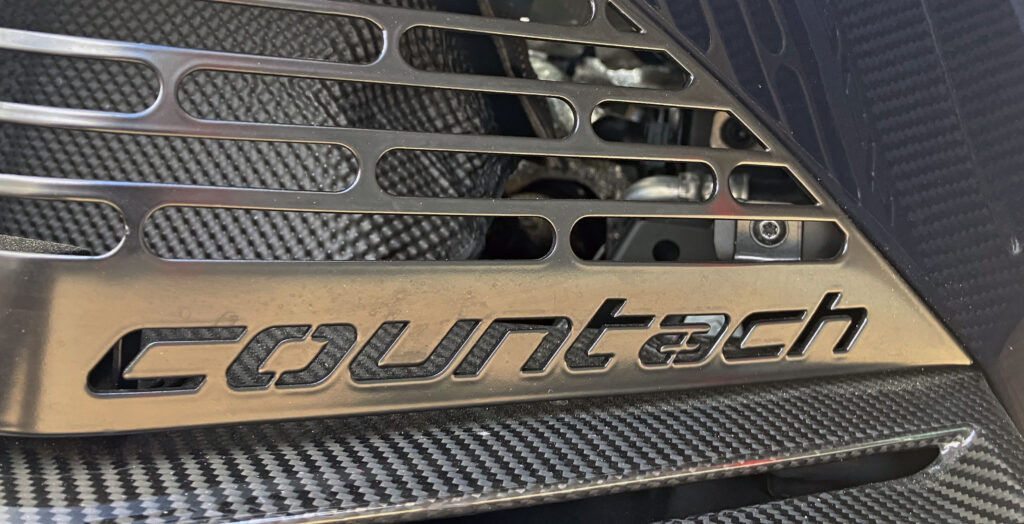
The central badge placement differs from the original, but the model name still appears as a raised detail on the rear grille. That grille angles outward to meet the exhaust housing, while the reverse light sits on a surface facing traffic behind the car. Function shapes the arrangement, and the final result gives the Countach name a subtle place in the design instead of making it the central feature.
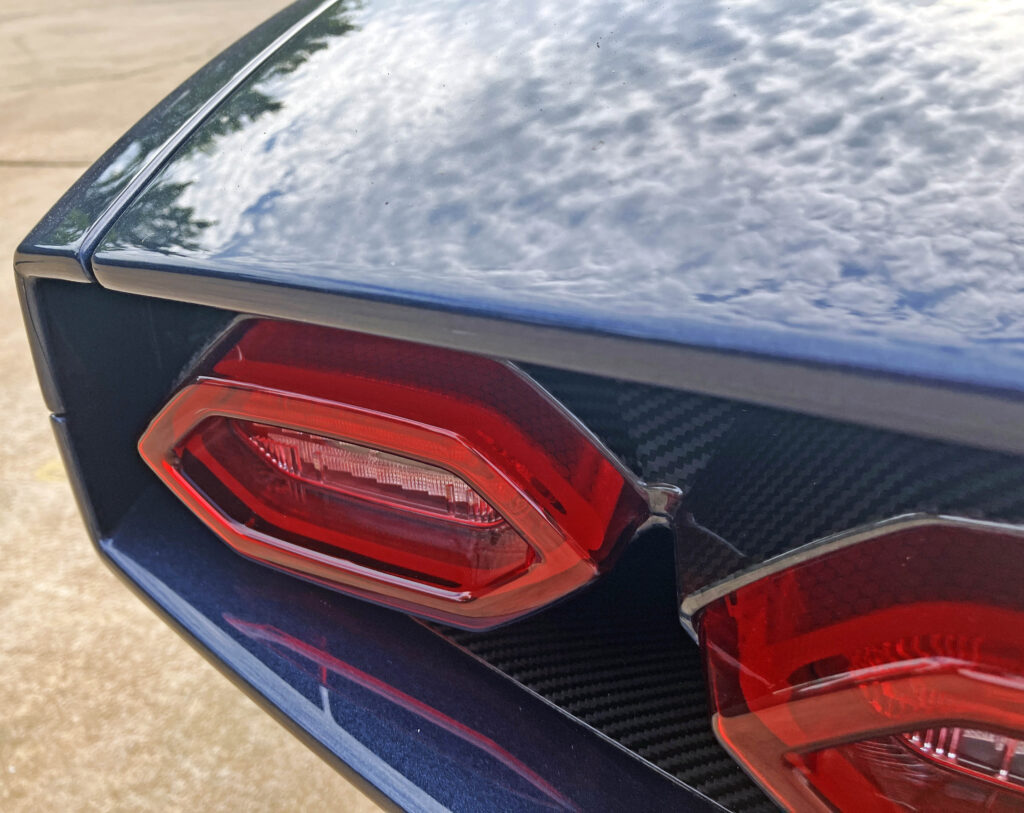
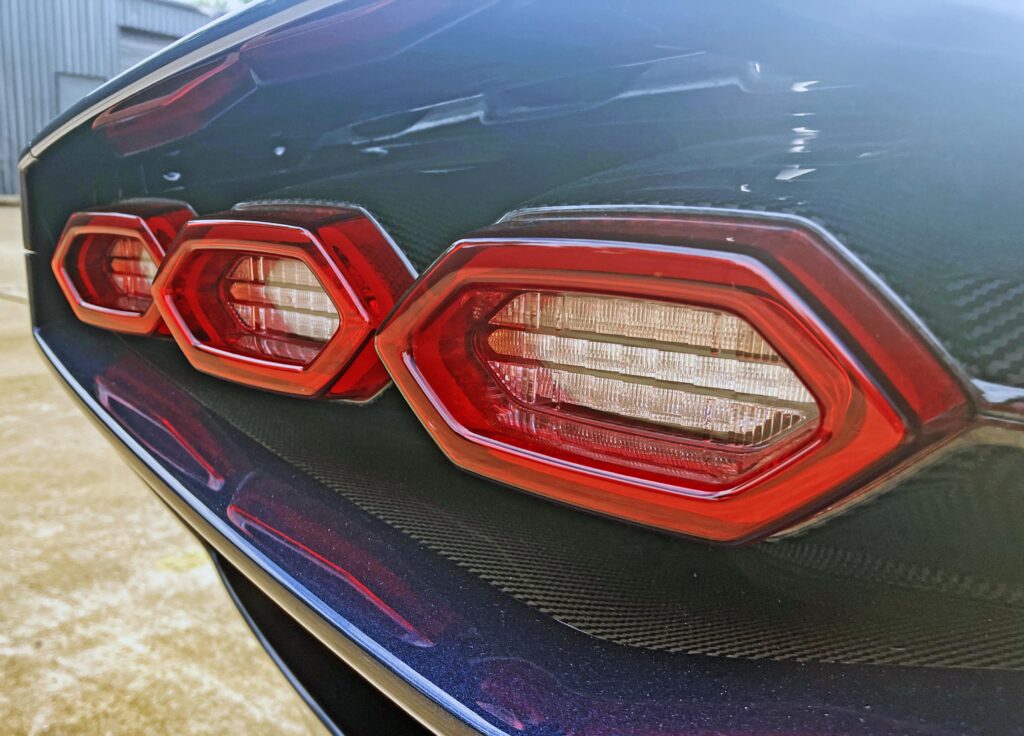
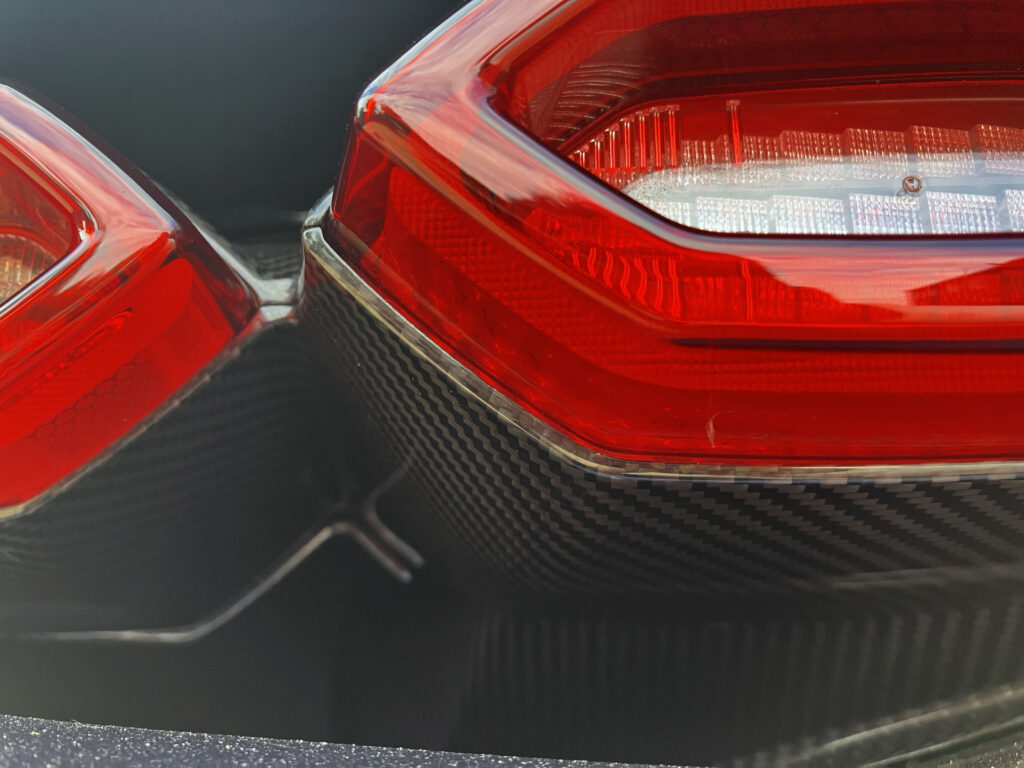
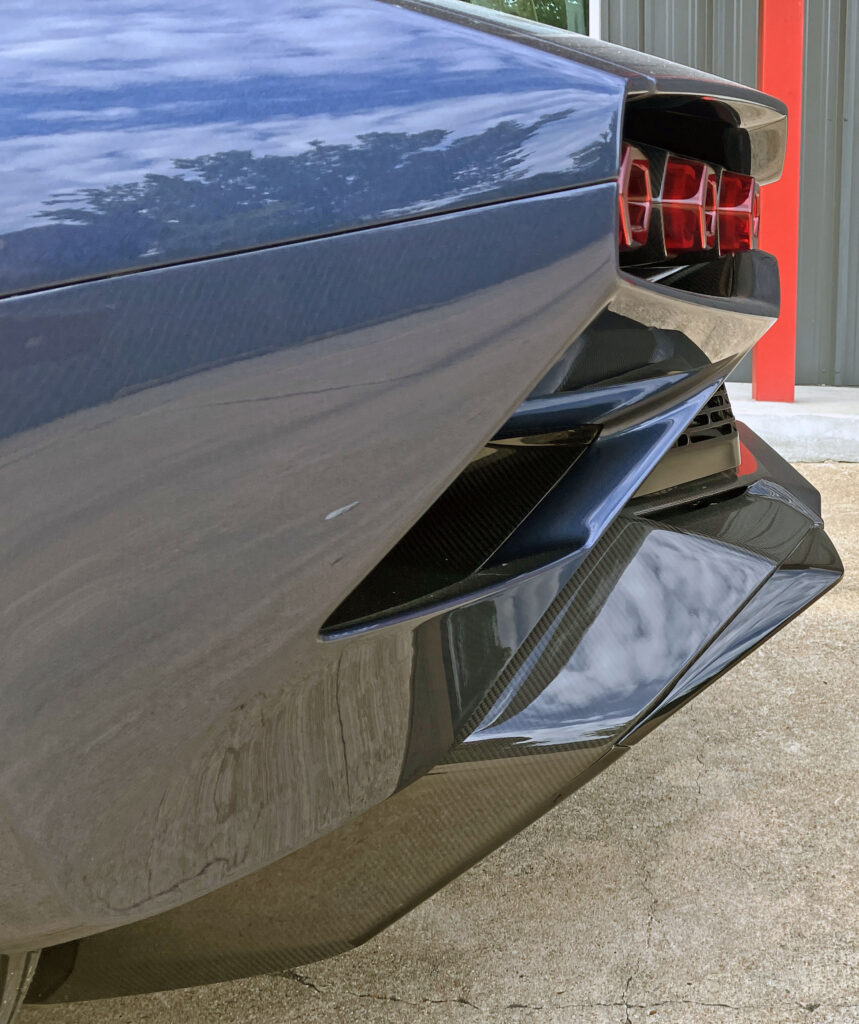
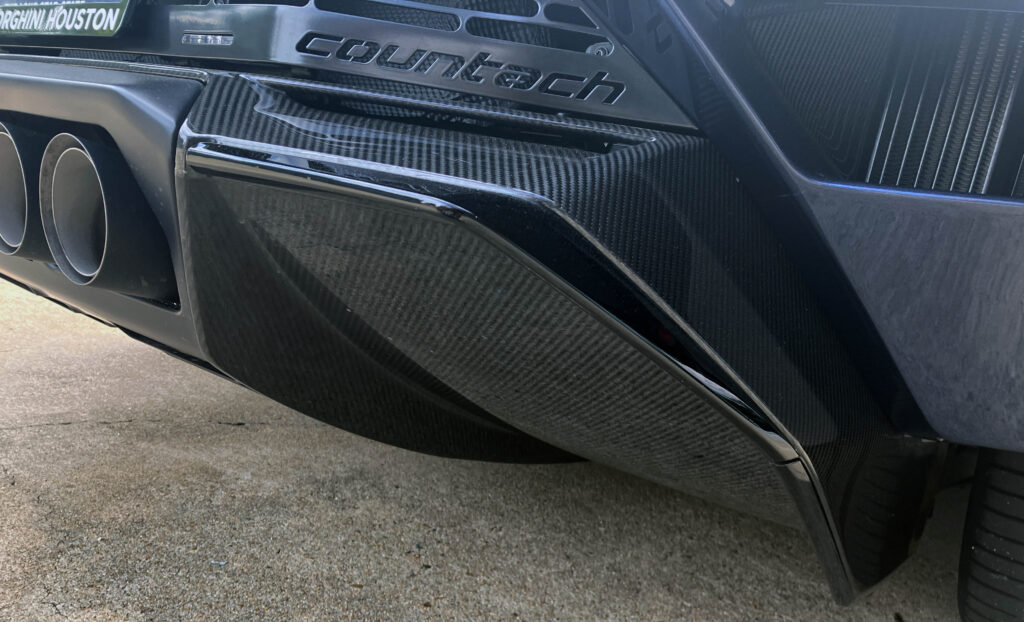
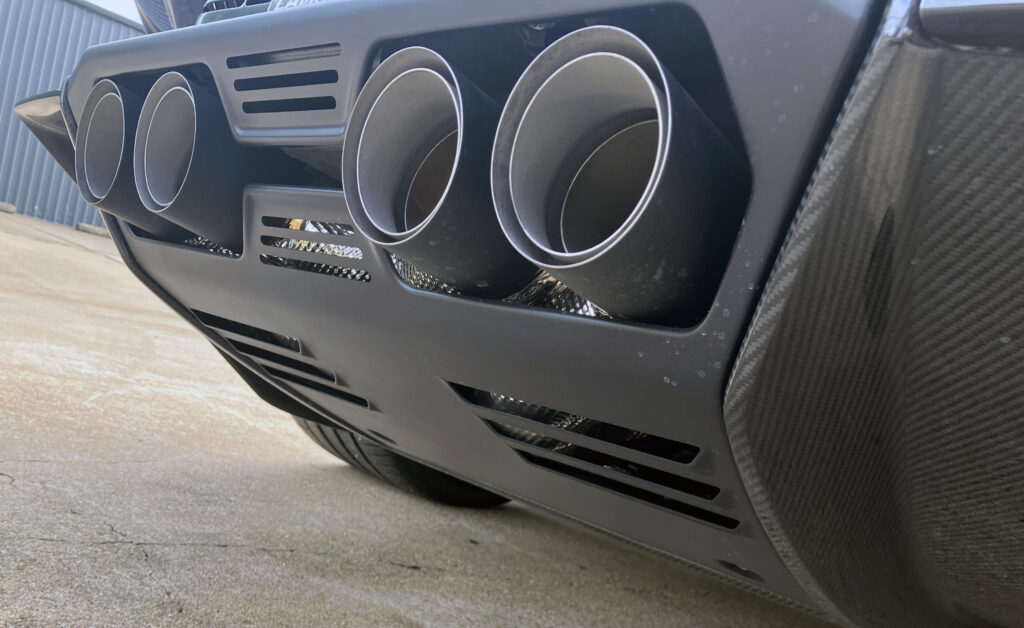
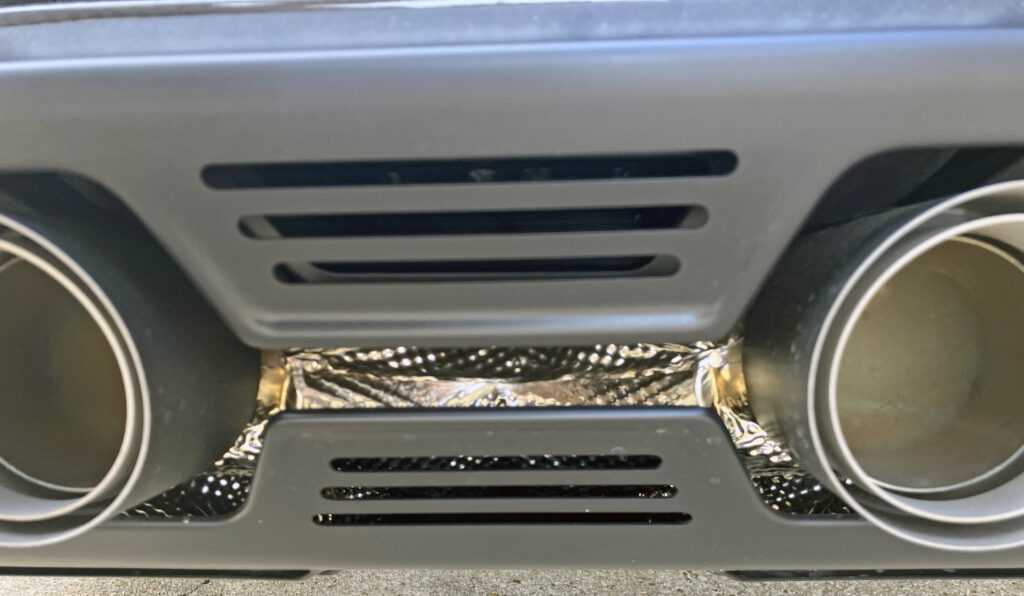
The bumper shows the price of adapting an Aventador platform to the old outline. Lamborghini has cut away much of the visual bulk, but a substantial protrusion remains below the tail where the original had four exhaust pipes and a large muffler. The exact contents of the modern housing aren’t visible; it may package exhaust, emissions, hybrid or heat-management components. A shaped metal panel with horizontal reliefs conceals the plumbing, while carbon fiber and cooling slots frame the assembly.
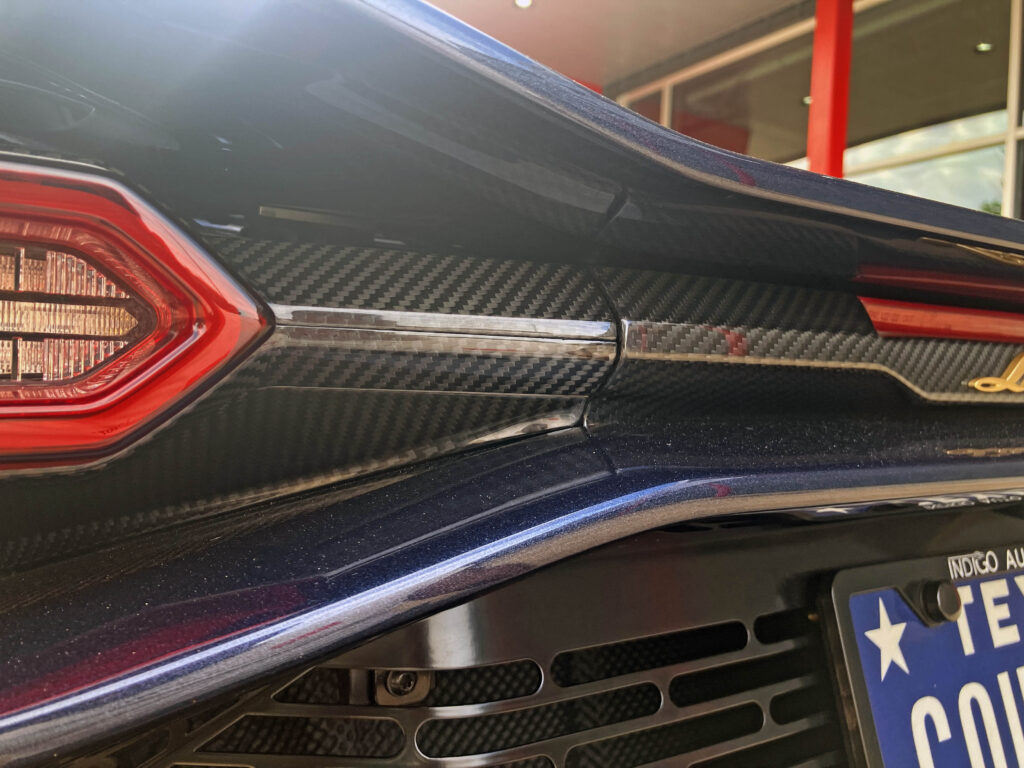

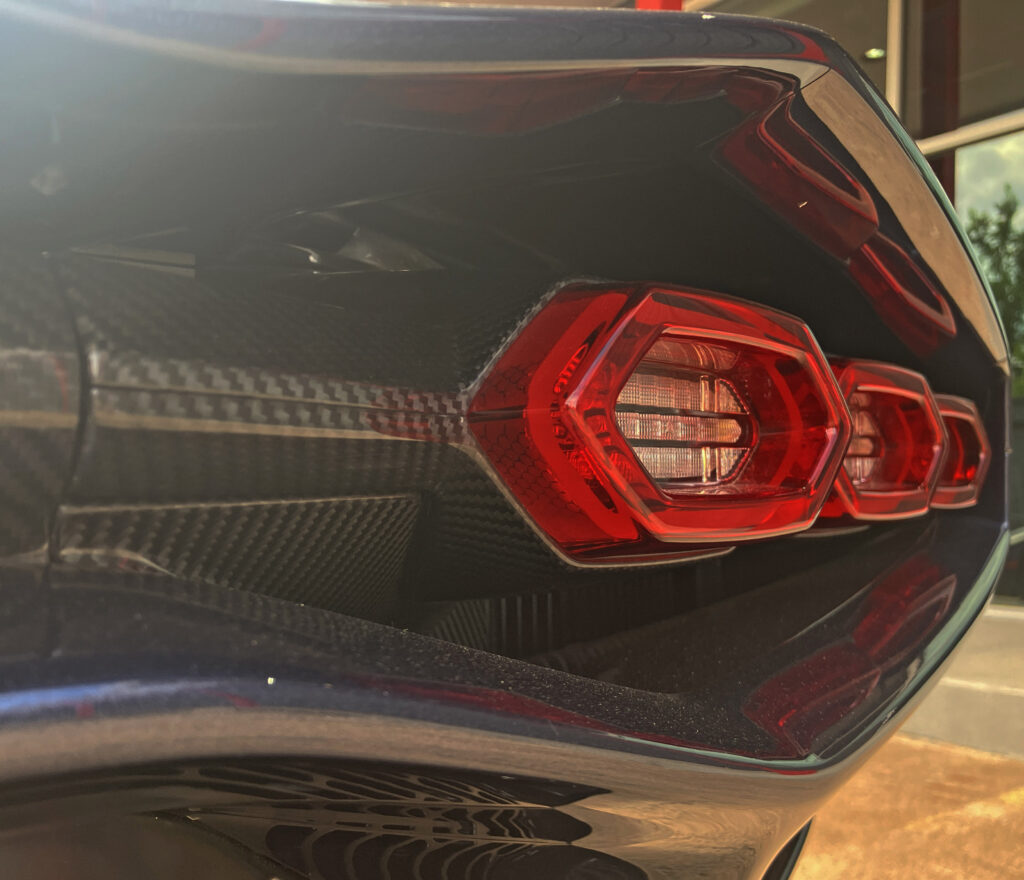
That lower structure looks like an appendage from a spacecraft, jutting beyond the rear body. It’s visually bold, but the layered surfaces keep it from resembling a simple bumper extension. The rear fascia itself stays clean and deliberate, balancing the louvered central spine, hollowed panel and floating lights. The overall design takes inspiration from the past while giving modern functional pieces a place in the composition.
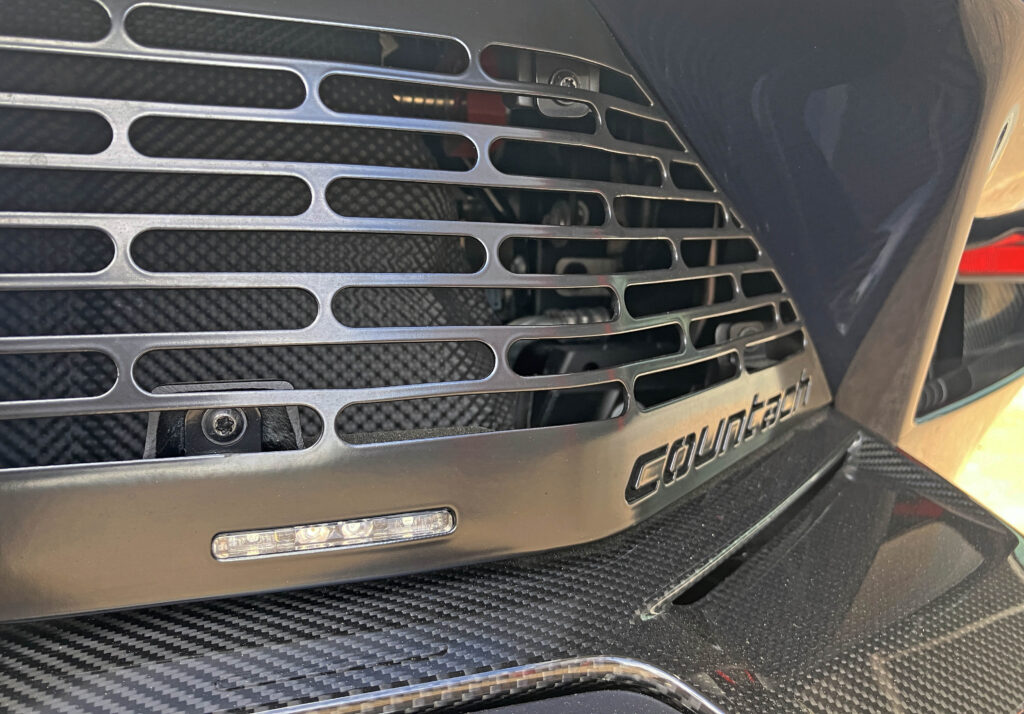



The car’s hybridized hardware and 803 horsepower inevitably change the design. The front and rear have more openings, the wheels are larger, and the rear housing is more involved than the original’s exhaust arrangement. Yet the LPI 800-4’s defining achievement is that these additions don’t erase the wedge. The low front, angular arches, rising rear and roof treatment still read as Countach, even when the modern equipment is plainly visible.
This example takes its color inspiration from a Blu Acapulco LP 5000 S once owned by Walter Payton. The two cars are said to be set to meet again, a prospect that would make a compelling comparison: the original’s compact, hand-built simplicity beside a modern supercar that has translated many of its cues through carbon fiber, hybrid hardware and contemporary cooling needs.
Some purists will prefer the original’s cleaner surfaces and pop-up lights. That’s fair. The LPI 800-4 carries compromises in its fixed glass, its adapted cowl and its extra bodywork. But the overall design is more than a nostalgic costume. It understands which elements made the Countach distinctive, then gives those ideas a new form that suits the machinery underneath. Up close, that balance is what makes the modern car convincing.


