In lane Electric Vehicles
1969 Toyota Corona Kustom Gets a Japanese Sampuru Carhop Tray
Description
A California customizer turned a 1969 Toyota Corona into a showstopper. Its latest detail pairs American carhop style with Japanese food replicas.
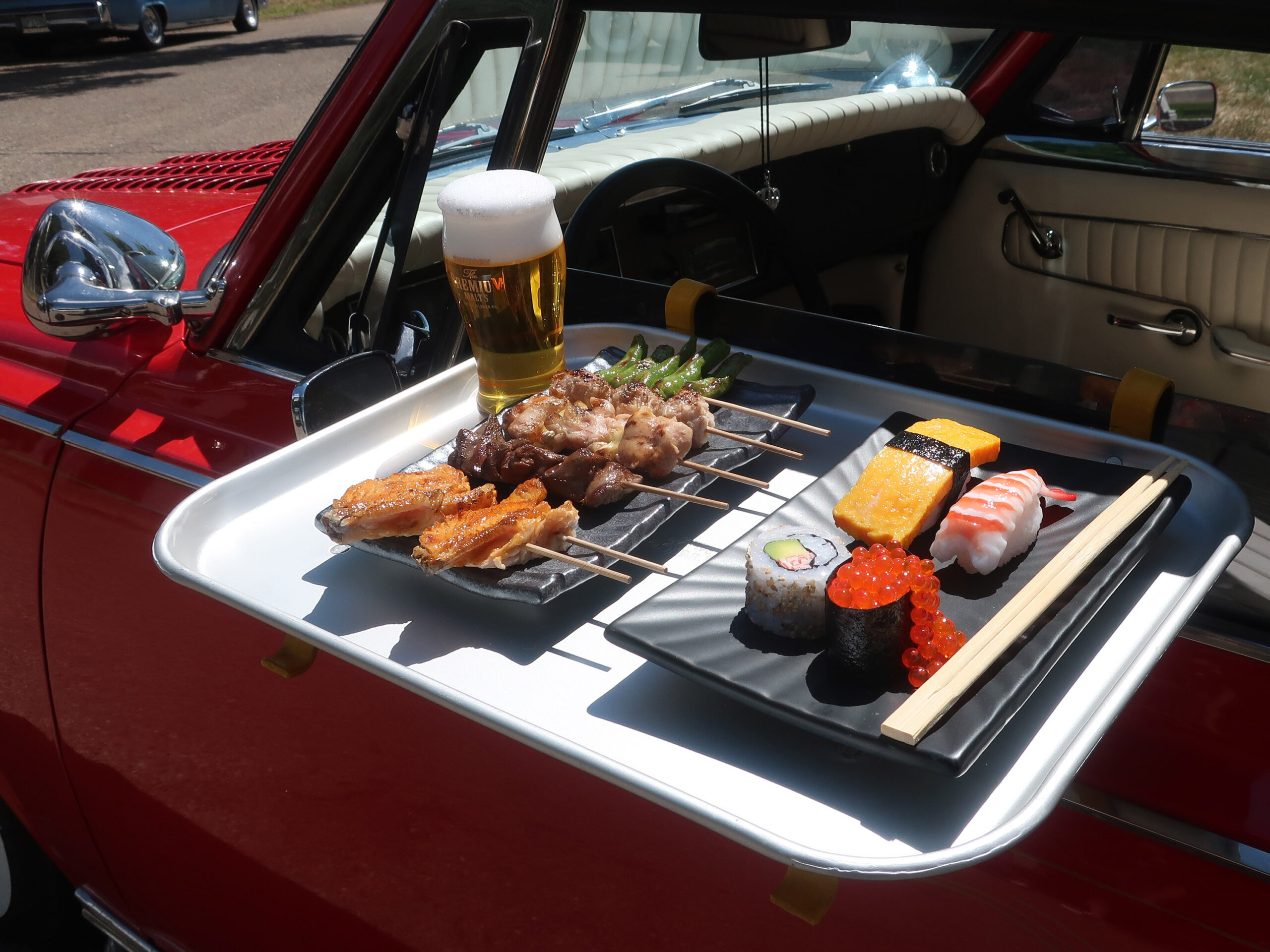
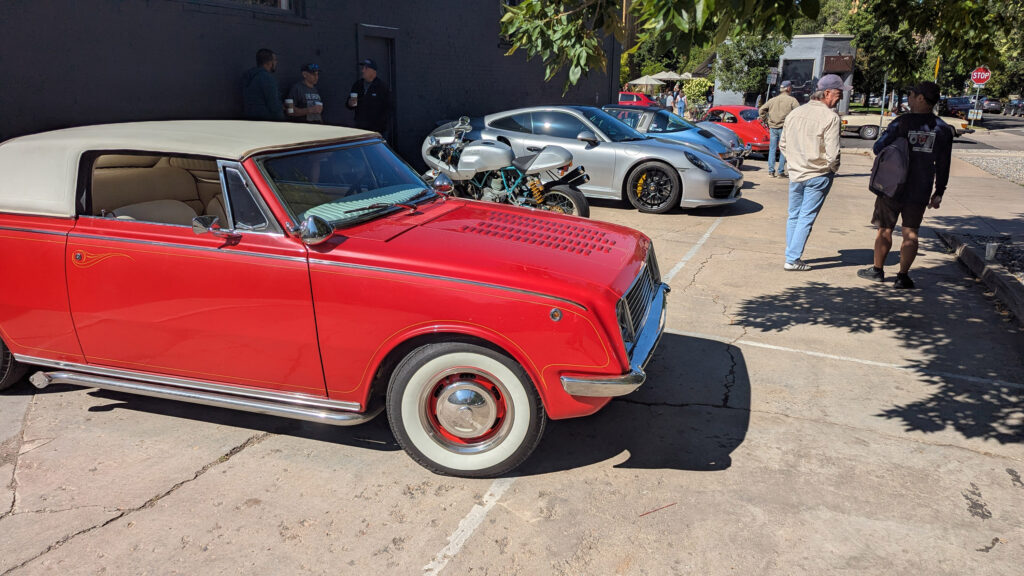
A 1969 Toyota Corona wearing classic Southern California custom touches already makes an unlikely show car. Add a vintage American carhop tray loaded with Japanese food replicas and it becomes a conversation piece about two customizing traditions meeting in one small coupe. That’s the idea behind the Sampuru Carhop Tray, the latest detail on the Kustom Korona.
A Japanese compact with California roots
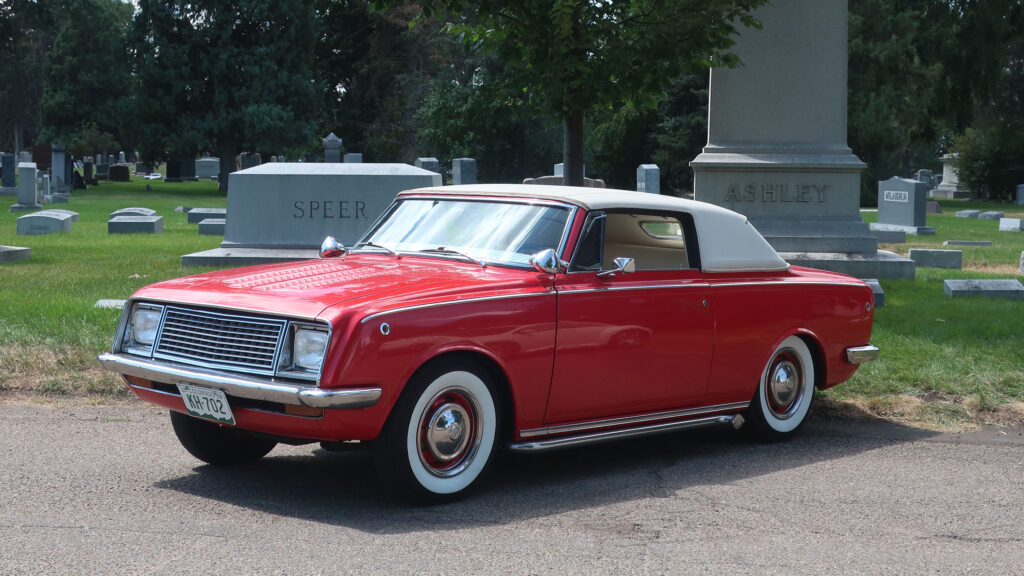
The car is a Toyota Corona RT53 hardtop coupe, built in Aichi Prefecture and sold new by Toyota Motor Sales in Southern California. Its chopped roof, shaved bodywork, louvers, dummy spotlights, tuck-and-roll upholstery, lakes pipes, Carson top and whitewall tires make it look like a product of the American custom scene. The badge on the nose tells a different story.

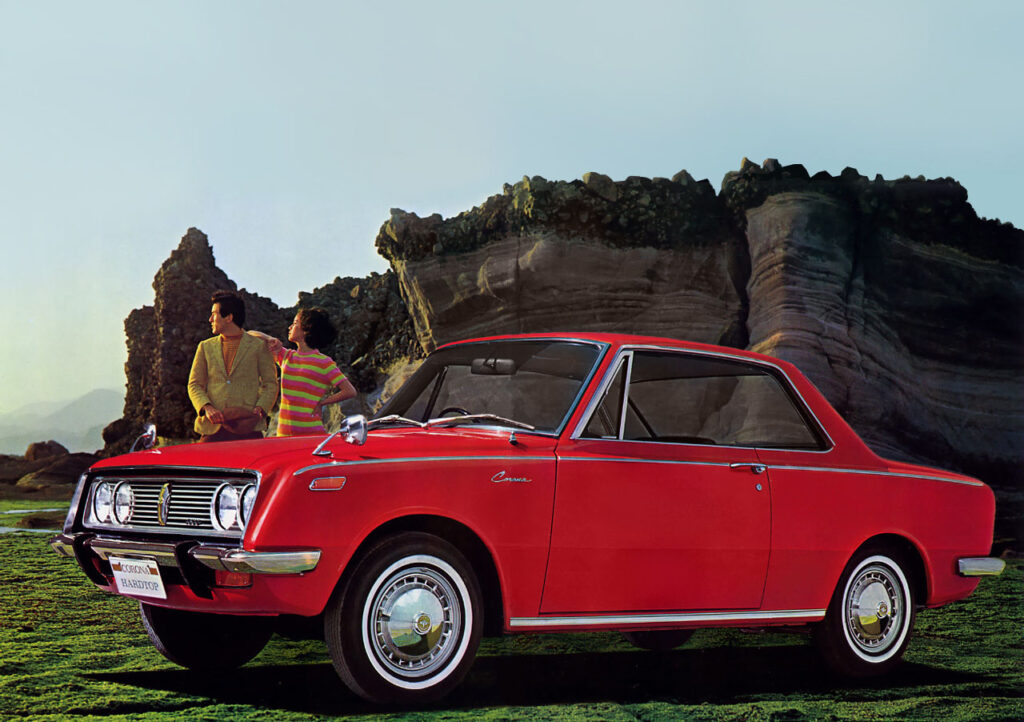
The third-generation Corona, known as the T40 and T50 series, arrived in Japan in 1964 and reached American showrooms for the 1966 model year. Toyota had started selling the Toyopet Crown in Los Angeles in 1958, while other Japanese makers had also introduced a handful of models. The Corona was the first Japanese car to make a substantial sales impression in the United States, giving small-car buyers an alternative that Detroit’s entry-level offerings couldn’t easily dismiss.
Price and equipment helped explain its appeal. In 1967, a Corona sedan was listed at $1,790, equivalent to about $17,576 in 2025 dollars. The coupe cost $1,995, or roughly $19,659 in today’s money. The Toyota paired a stylish compact body with a 90-horsepower engine, making it a serious proposition for buyers weighing basic American compacts against imported alternatives.
The 1967 competition shows how tightly those prices were grouped. A Volkswagen Beetle, with a smaller body and 53-horsepower engine, listed at $1,639. A Fiat 124 sedan with 65 horsepower was $1,798, while an Austin Mini Cooper cost $1,845. The least expensive 1967 Chevrolet II, a two-door sedan, started at $2,090 and used a four-cylinder engine that also made 90 horsepower.
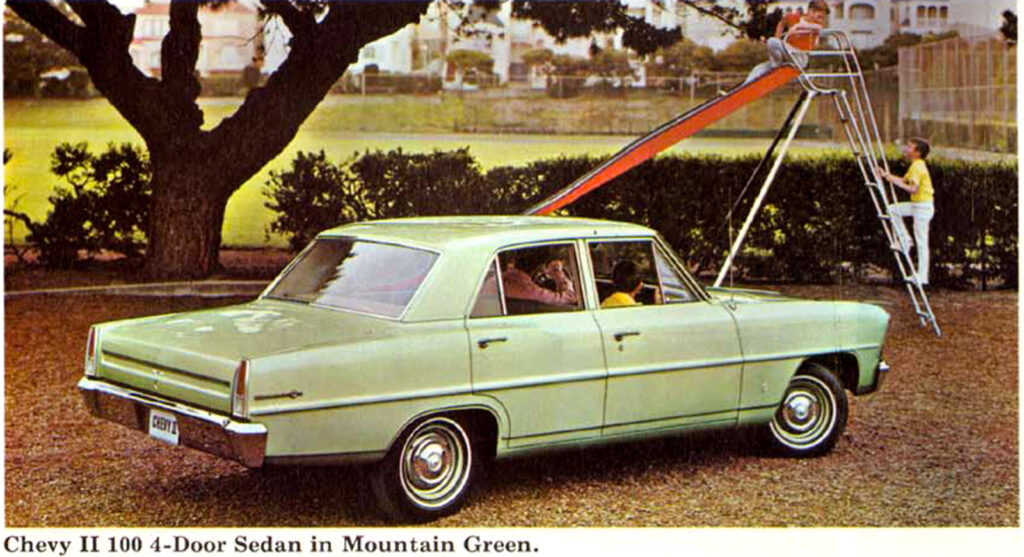
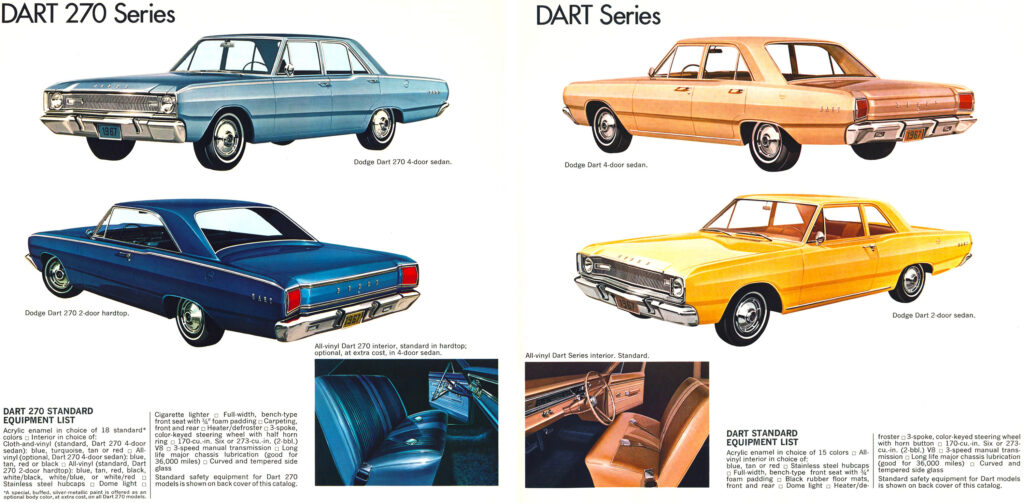
That combination of price, appearance and power gave the Corona a different kind of presence from smaller imports. It put the American compact makers’ value claims under pressure in a way that the earlier trickle of imported models hadn’t. For a buyer looking at a modest family car, the Toyota offered a clear case for considering a Japanese brand.
From first car to long-held ambition
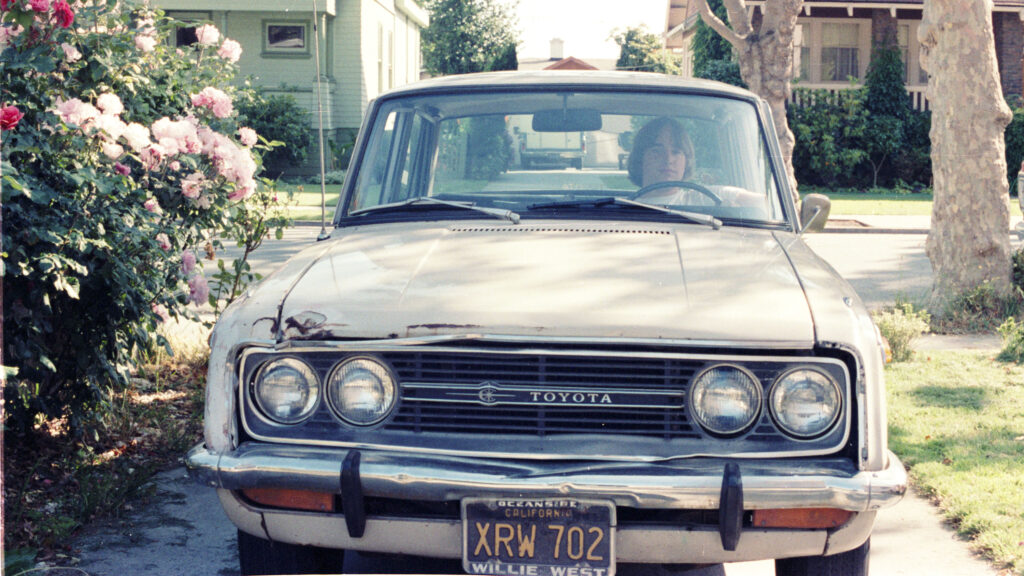
That broader history wasn’t on the owner’s mind at 14. In 1980, a customer had abandoned a 1969 RT43 Corona sedan at a San Francisco Bay Area service station after having a $50 repair done. The car and a stack of lien-sale paperwork were available to anyone willing to pay the bill. An 11-year-old Toyota for fifty dollars looked like a bargain, even for a teenager still two years from a driver’s license.
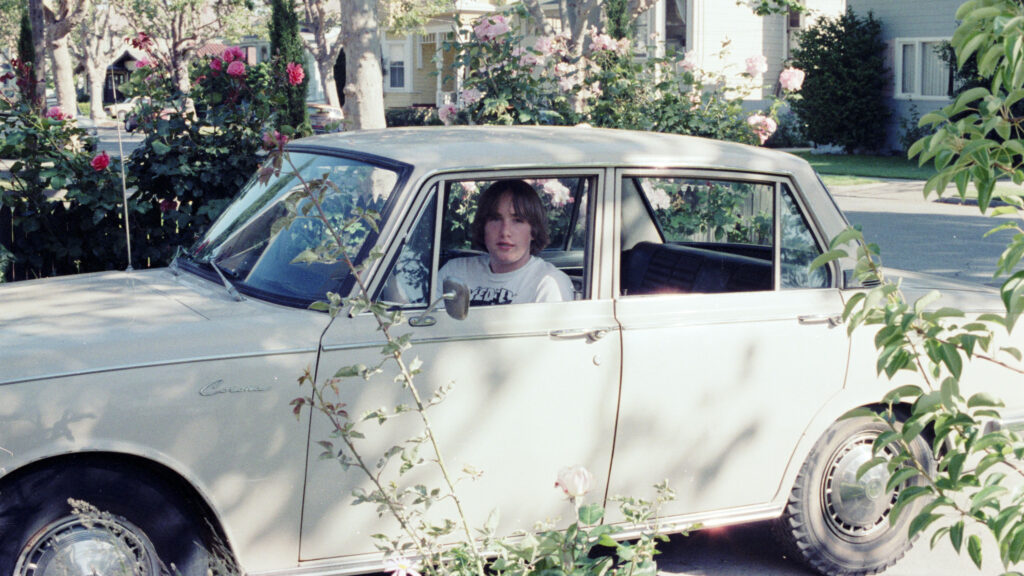
The Corona became a practical introduction to driving and repairs. Its owner learned clutch control on his parents’ driveway, then picked up mechanical skills from his father. He also learned where to find inexpensive replacement parts, including Oakland’s U-Pull-It and Phelps Auto Wrecking in Hayward.
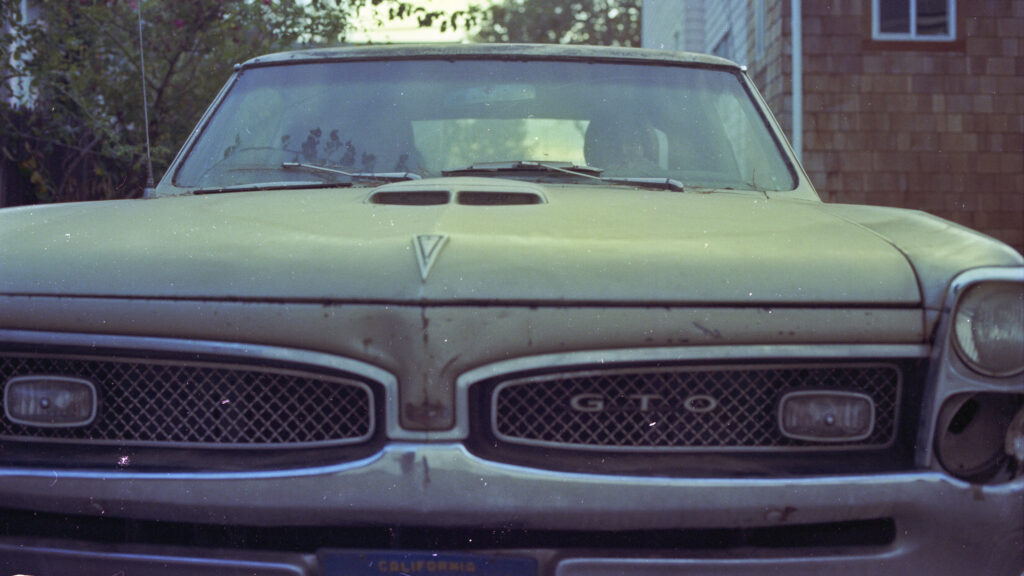
There was a catch: a beige Corona sedan didn’t have much appeal among gearhead teenagers in the East Bay’s cruising and street-racing scene. The owner later had a 1967 Pontiac GTO and a modified 1958 Volkswagen Beetle, but the teasing about his first car stayed with him. Someday, he decided, he’d own a Corona that nobody could call uncool.
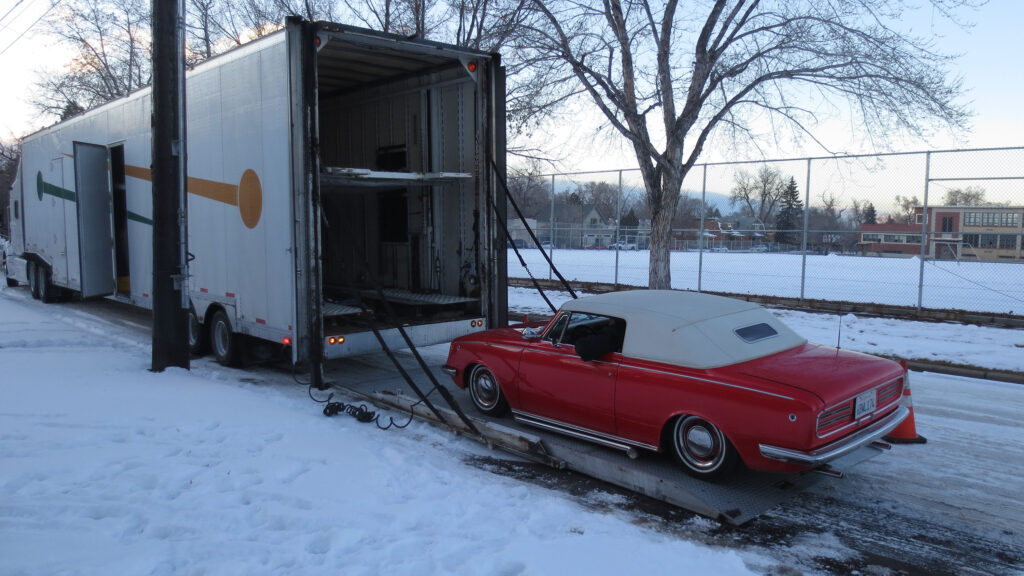
More than 40 years later, the Kustom Korona arrived at his home in Denver. Ohio collector Myron Vernis had come across the car in Japan, where it had spent time, and knew of the owner’s long-running search for a customized Corona. He asked if he wanted to buy it. The answer was yes.
The RT53 is an unusual custom, but the owner’s favorite unmodified Corona may be the Japanese-market 1982 T140-series 1800GT Twin Cam Turbo. American buyers received more restrained Coronas during the 1980s; Toyota replaced the model with the Camry here for 1983. The Japanese-market car’s tire noise and turbo sounds make for a lively contrast with those export models.
How the Kustom Korona took shape
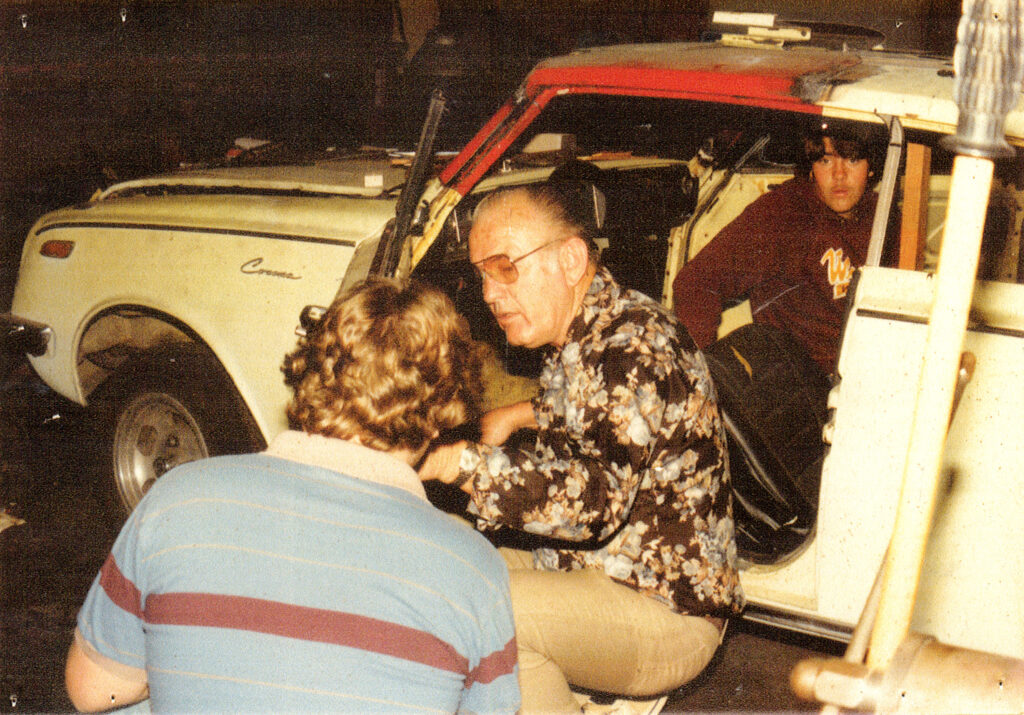
The car’s custom history began in the early 1980s, when it was donated to the auto shop class at Glen A. Wilson High School in Hacienda Heights, California. The class was led by Bob Vandenbrink, a traditional Southern California customizer. He taught students the methods used to build the familiar customs of the era, applying them to an unexpected base: a Toyota coupe.
There’s a possible glimpse of the car before its transformation in a film shot in San Clemente in the summer of 1972. It shows a Toyota Corona hardtop with side markers that point to a 1968–70 model. Its yellow-on-black California plate was likely issued in 1969, before the state changed to yellow-on-blue plates in 1970. The car could be the future Kustom Korona, though that identification remains a possibility rather than a certainty.
The finished custom was ready for public viewing by 1993 and soon became part of the Southern California show circuit. At a 1994 show, Jim Wangers and Boyd Coddington awarded it a “Coolest Car in L.A.” trophy. Wangers mistook the taillights for Rolls-Royce parts, a fair guess given how thoroughly the Toyota had been altered.
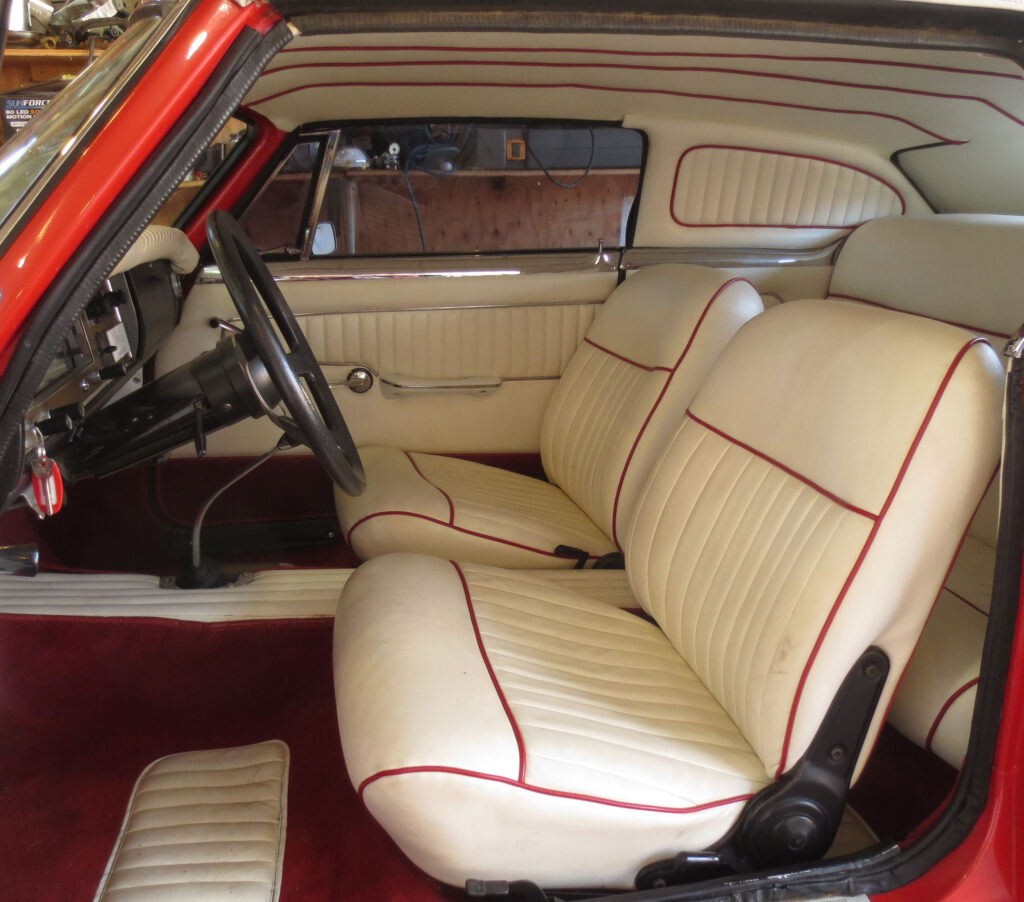
The current owner has more to say about the car’s features and the work needed to make it usable on the road. Some intervening owners didn’t keep it in regular running condition. For now, the key point is that the Korona is back out in public, with its owner putting miles and show visits on a car that spent too much time as a project.
A custom with real-world quirks
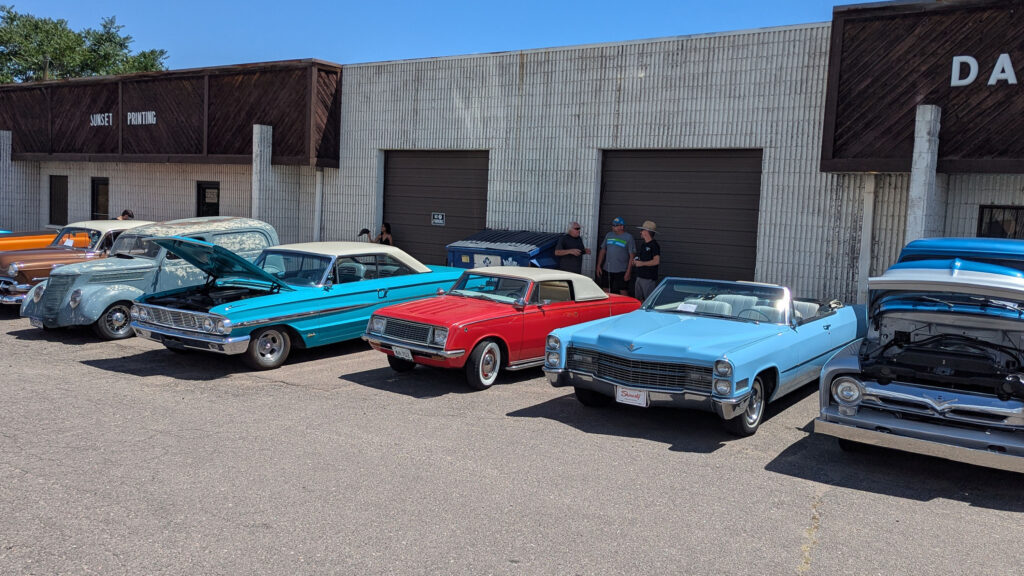
This year, the owner set out to drive the Korona more often. It made several Denver-area shows and cruises over the summer, and it joined a friend’s Willys wagon at the Golden Super Cruise. The car’s condition has limits: forward visibility from the driver’s seat is poor, and exhaust still finds its way into the passenger compartment. On the plus side, its lights work, it starts, stops and turns, and it stayed cool in 100-degree weather.
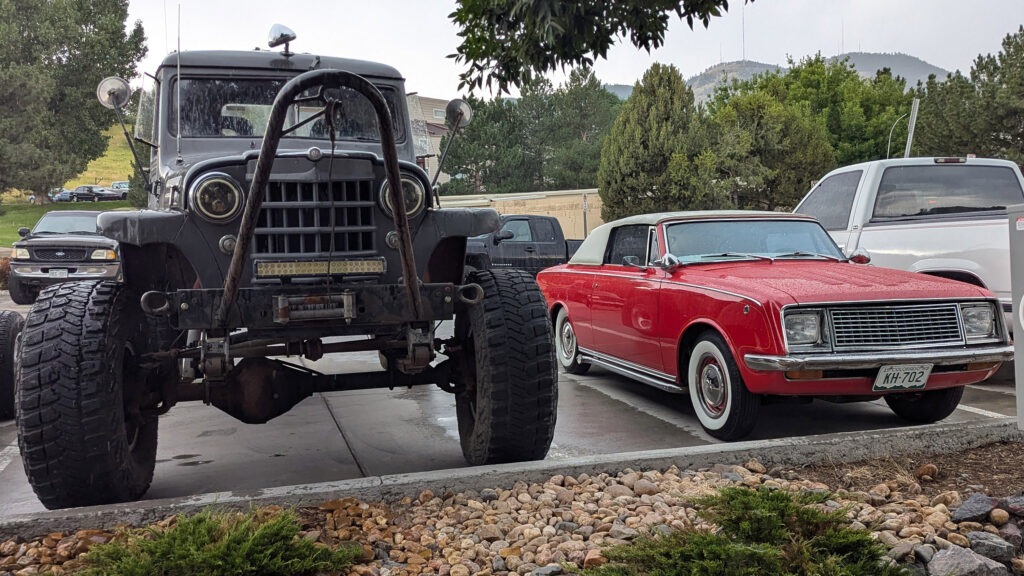
It also came through its first rainstorm under the current owner without the expected amount of leaking. The louvered hood offers little protection from water, so a plastic bag went over the distributor. That’s the sort of workaround that comes with driving a distinctive custom: the car’s visual choices can shape the routine of using it.
Recognizable parts, mysterious car
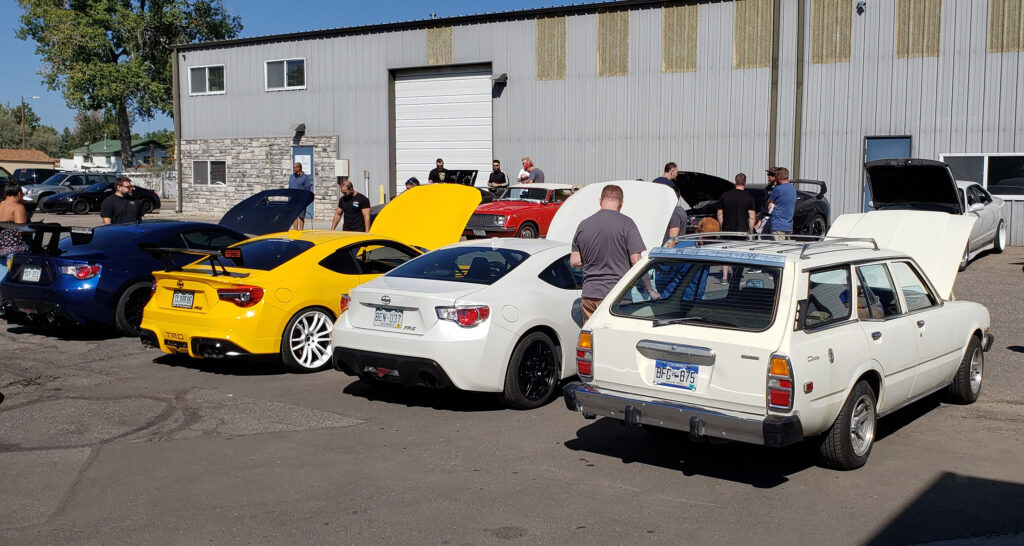
At shows, the Korona reliably draws a crowd, but few visitors identify its make. The 1967 Pontiac Firebird taillights and narrowed Chevrolet Chevette grille have a lot to do with the confusion. Even at a Toyota-only gathering, nobody recognized it as a Corona.
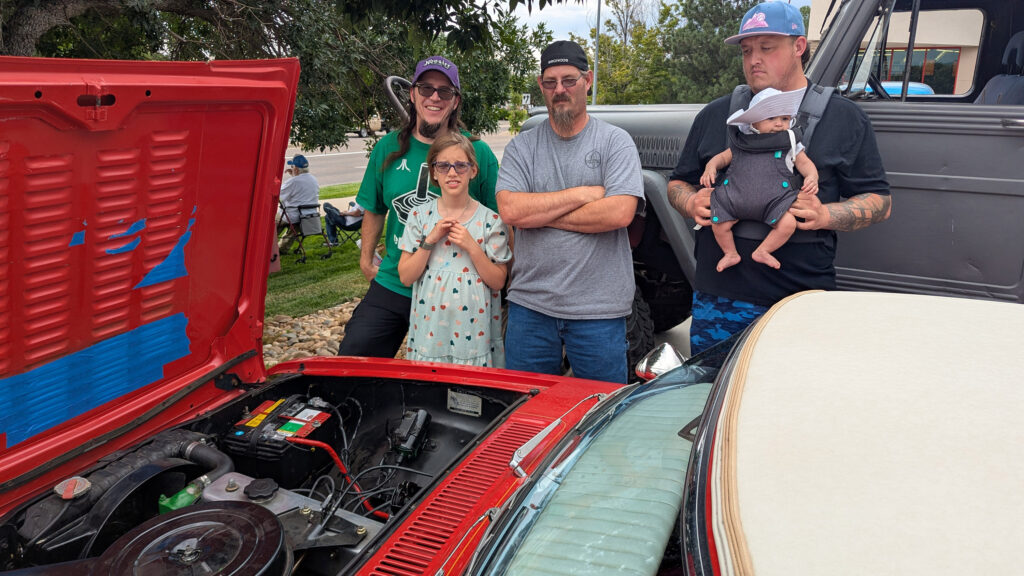
The owner likes to ask visitors where they think the car was built. Looking at the engine isn’t much help: the Toyota 3R-C is an early member of the R engine family, but its pushrod four-cylinder layout looks broadly familiar for the period. The Toyota lettering on the oil-filler cap and hubcaps is a clue that often goes unnoticed. Guesses have included a Ford Cortina, Peugeot 404 or an odd-looking Nash.
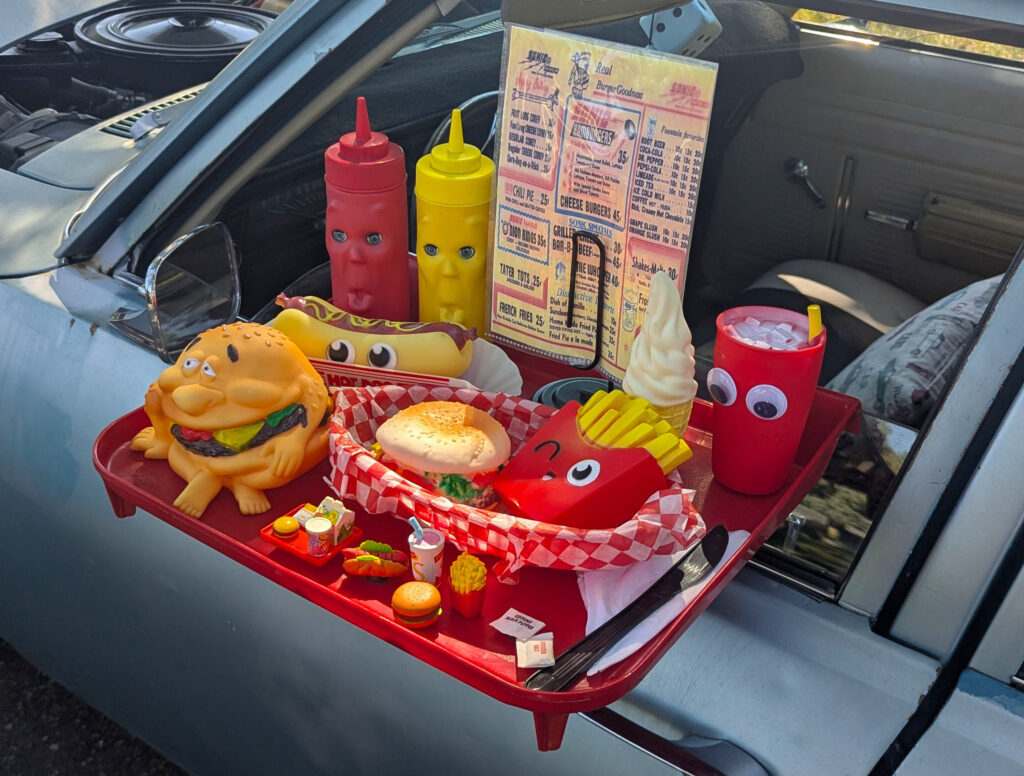
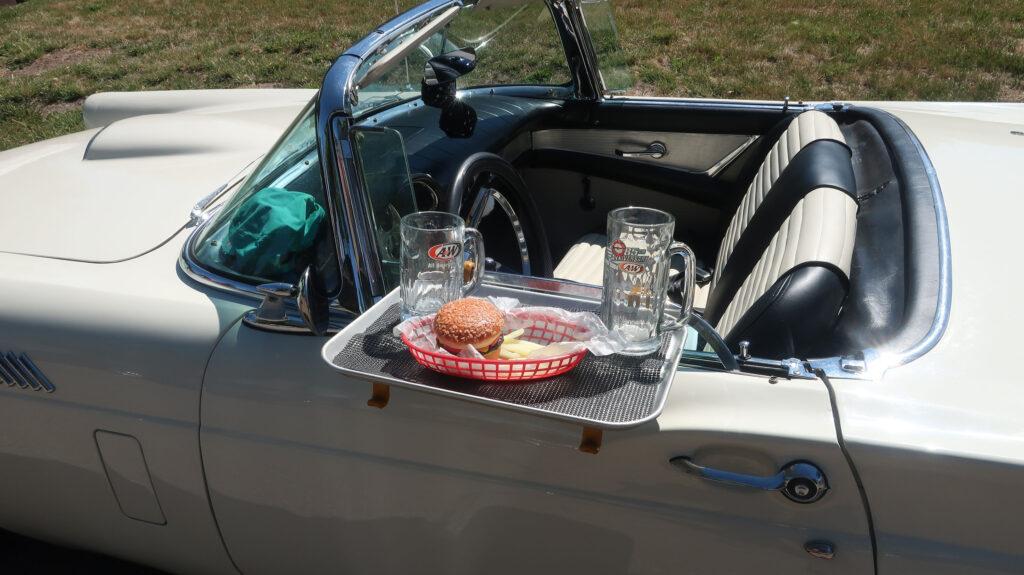
The owner wanted a new detail that would acknowledge the car’s Japanese origins while keeping the guessing game alive. An American carhop tray seemed right: it references the drive-in culture often represented at American shows by trays loaded with plastic burgers, fries and root beer. But for a Japanese-built Toyota, the food could take the idea in a different direction.
Shopping in Japan for the right display
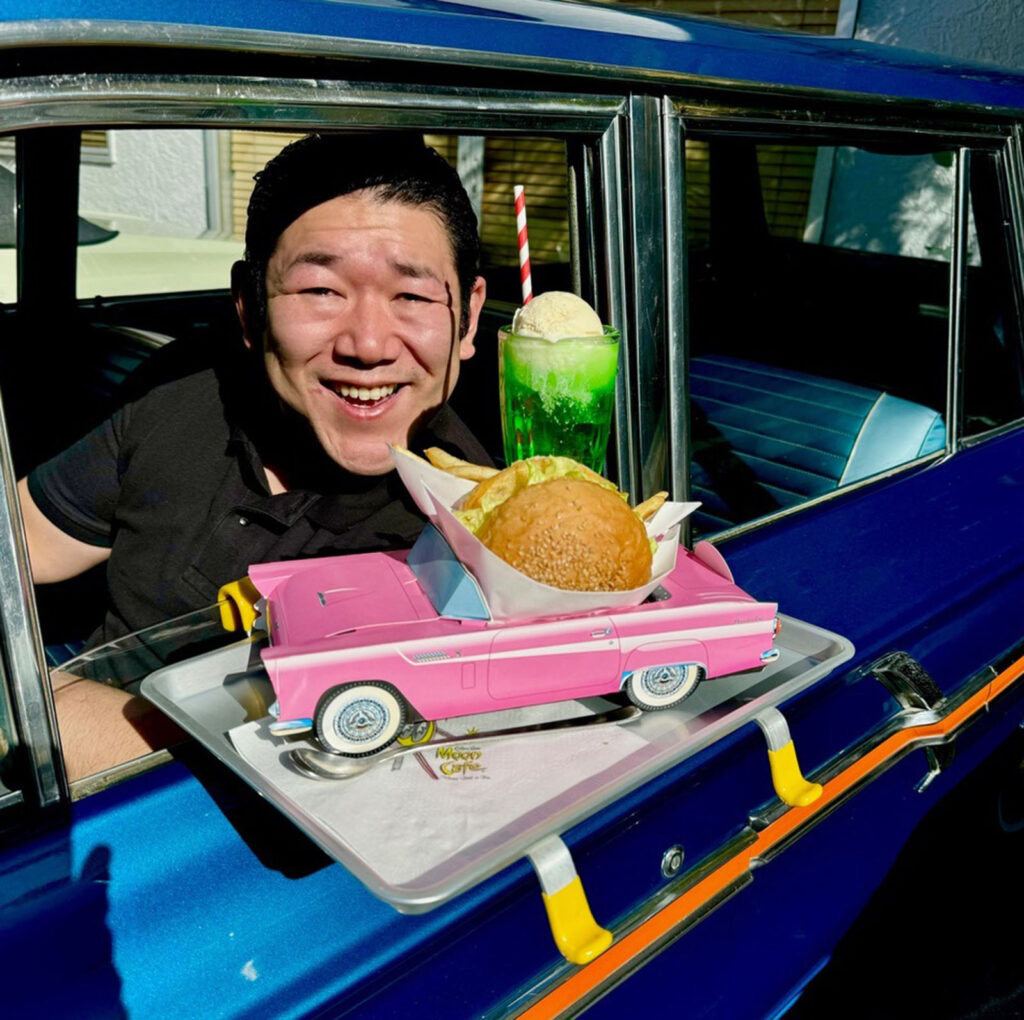
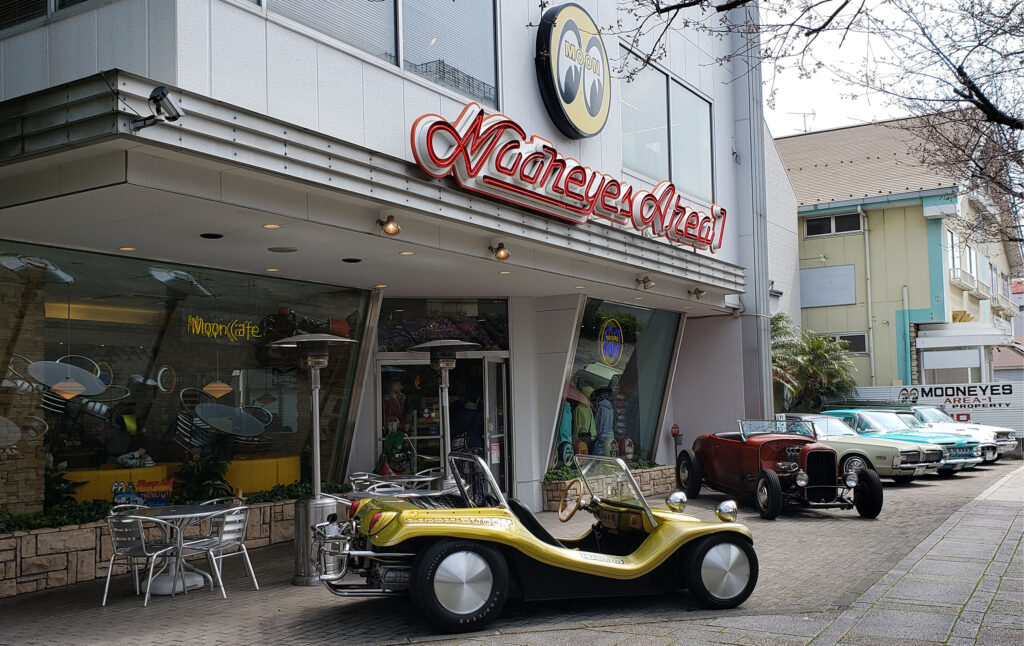
The idea wasn’t entirely one-sided. Japanese enthusiasts also fit carhop trays to American classics. Mooneyes Area 1 in Yokohama sells one for ¥6,800, or $46. Its diner serves American drive-in food, too, and has become a familiar stop for American Nissan employees nearby who want a taste of home.
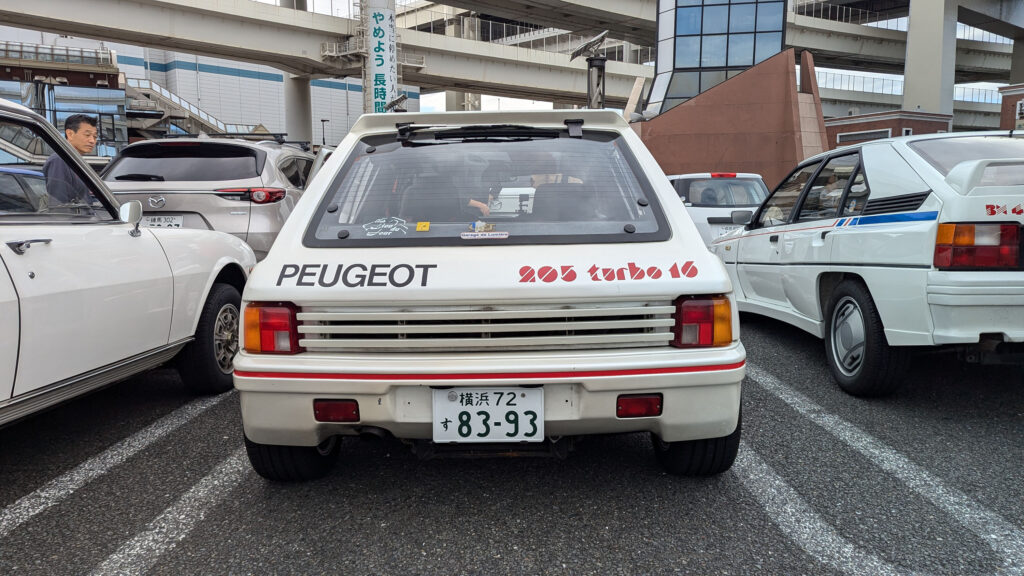
The owner visited Yokohama’s Daikoku Parking Area on the same trip and found a devoted group of French-car enthusiasts there, including owners associated with the Group B Club. Tokyo offered another automotive detour in Akihabara, where the selection of scale models was tempting enough to make passing up a 1/32-scale Bandai kit of the “Ippiki Momojiro” dekotora truck feel like a small achievement. The truck appears in the 1970s Torakku Yarō film series, but a build that would take months had to wait behind full-size car projects.
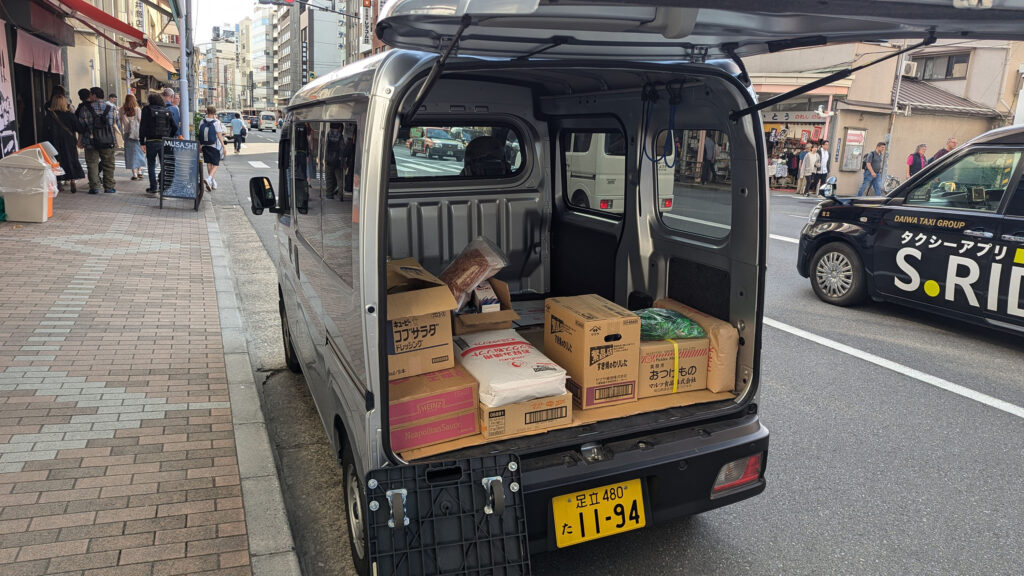
For the tray’s food, the destination was Kappabashi Kitchen Town, Tokyo’s restaurant-supply district. Chefs and restaurant owners shop there for equipment, and the neighborhood is also a good place to see kei trucks at work. The owner, who has a 1996 Subaru Sambar, was happy to find those little workhorses going about their business.
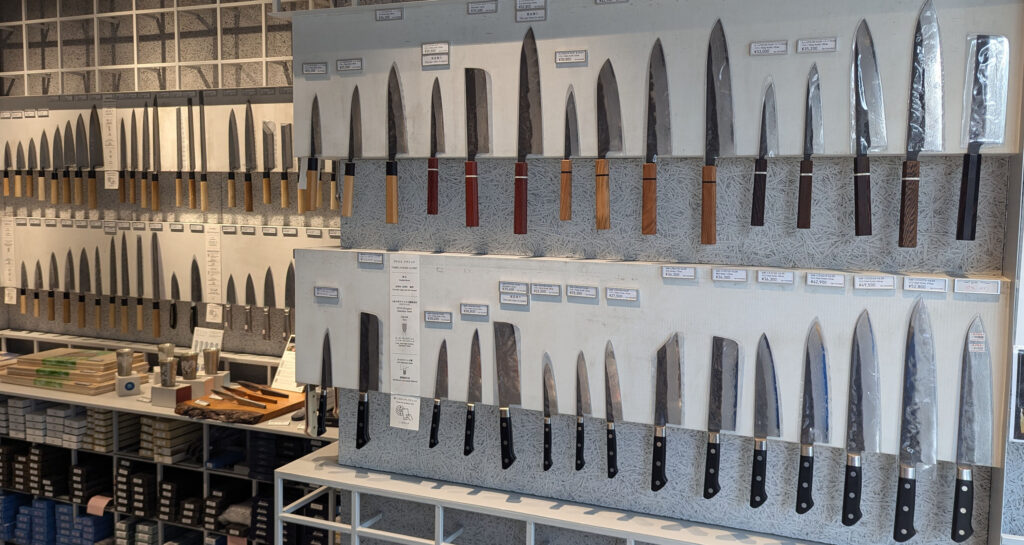
Kappabashi is best known for restaurant gear, but its shop windows also display sampuru: highly realistic plastic models of menu items, often arranged on the same kinds of plates used to serve the real dishes. These replicas help diners see what a restaurant offers, and making them has become a respected craft in Japan.
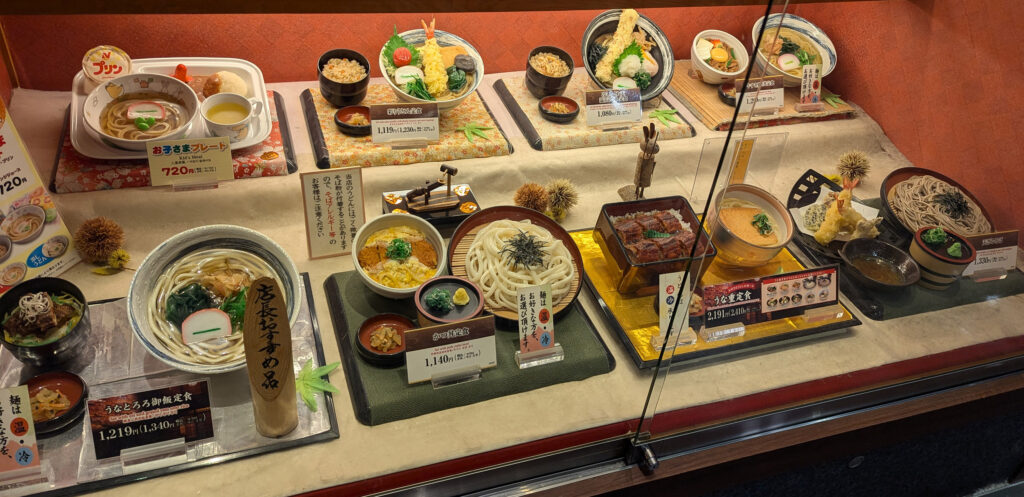
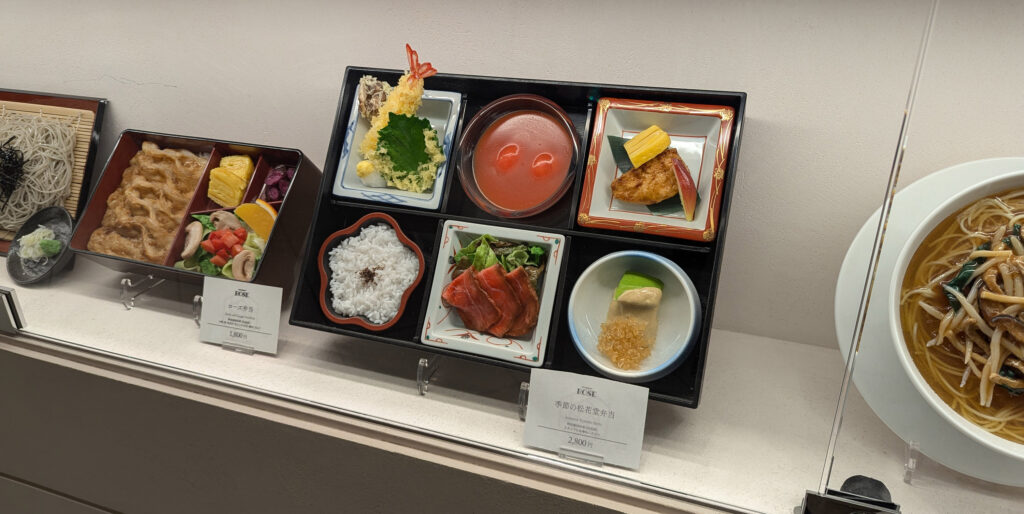
There are familiar replicas of hamburgers, fries and pizza, but those weren’t what the owner wanted. He was after a hearty Japanese meal that would suit someone driving a Corona in 1966 Tokyo—or a Korona in 2025 Denver. He lives near Japanese restaurants he visits often, so the display had to meet a high bar.
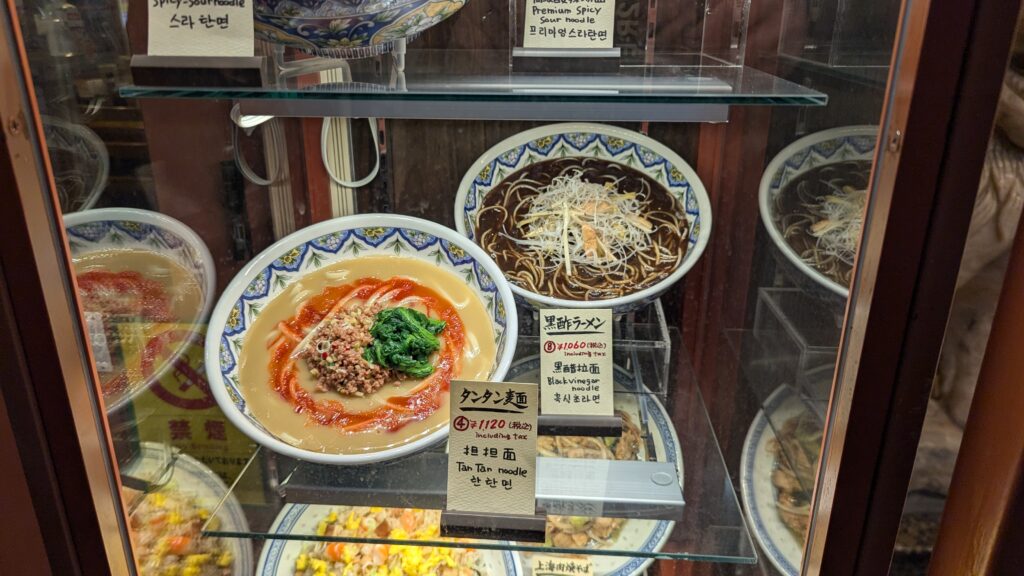
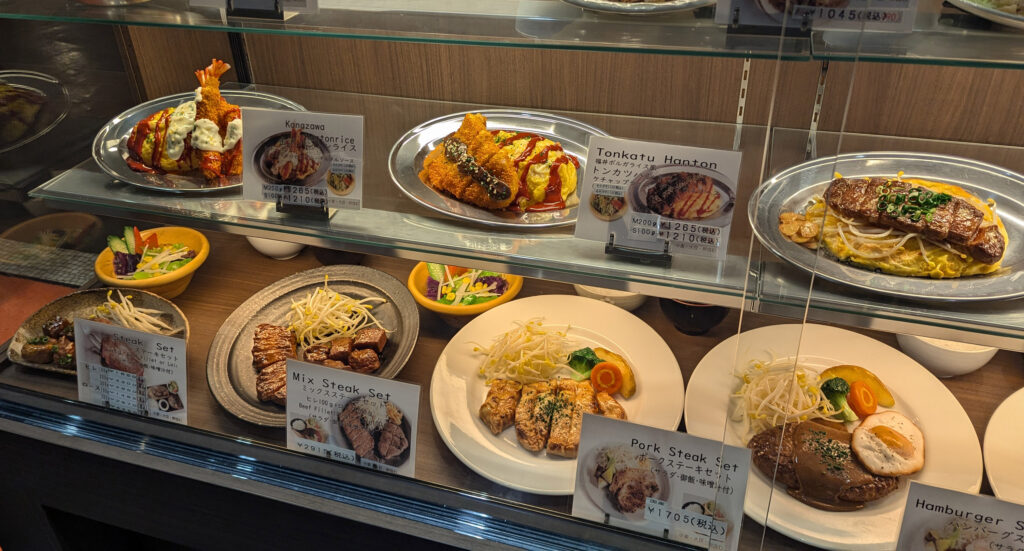
Upscale restaurants can commission custom sampuru from specialist makers, but that takes more money and time than a trip allows. Kappabashi shops also carry professional-quality pieces ready to buy, alongside cheaper souvenir items such as sushi-shaped refrigerator magnets. The owner skipped the tourist trinkets and spent hours looking through the serious displays.
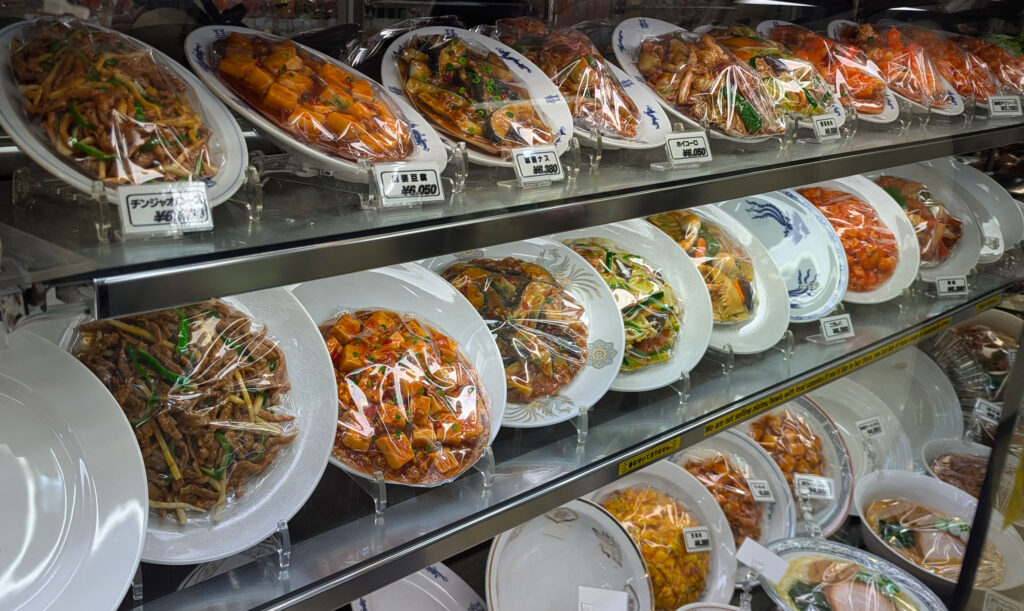
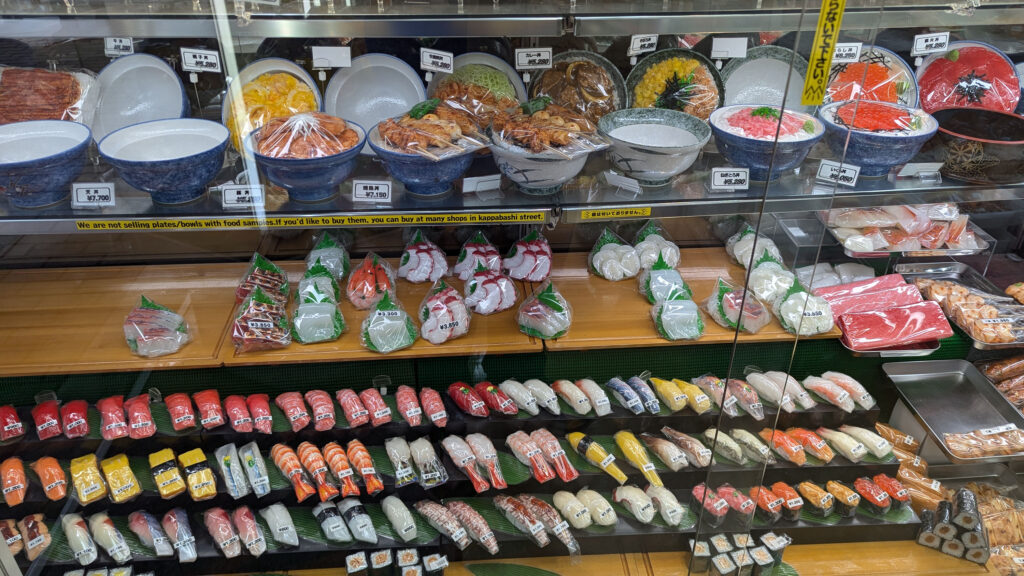
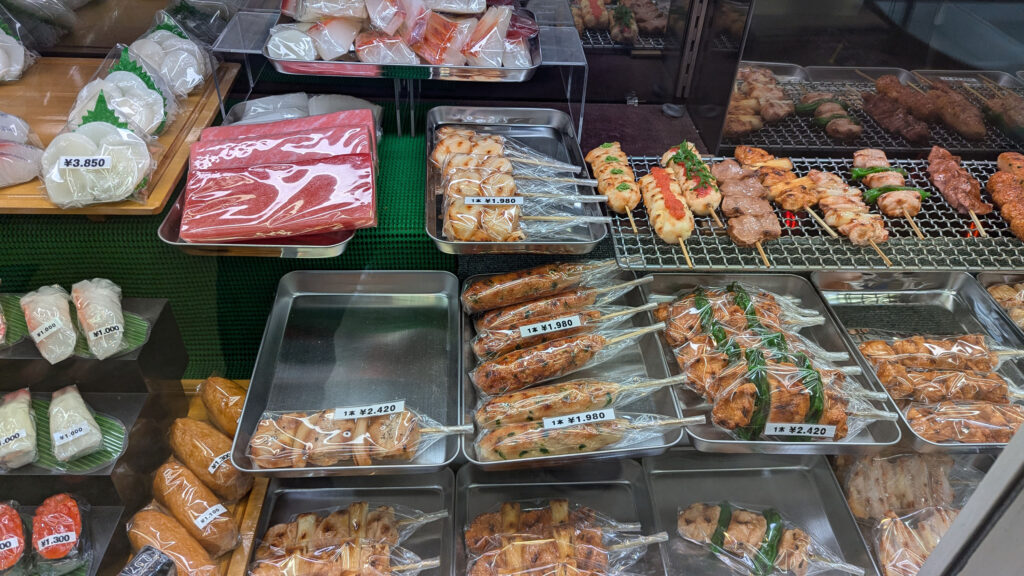
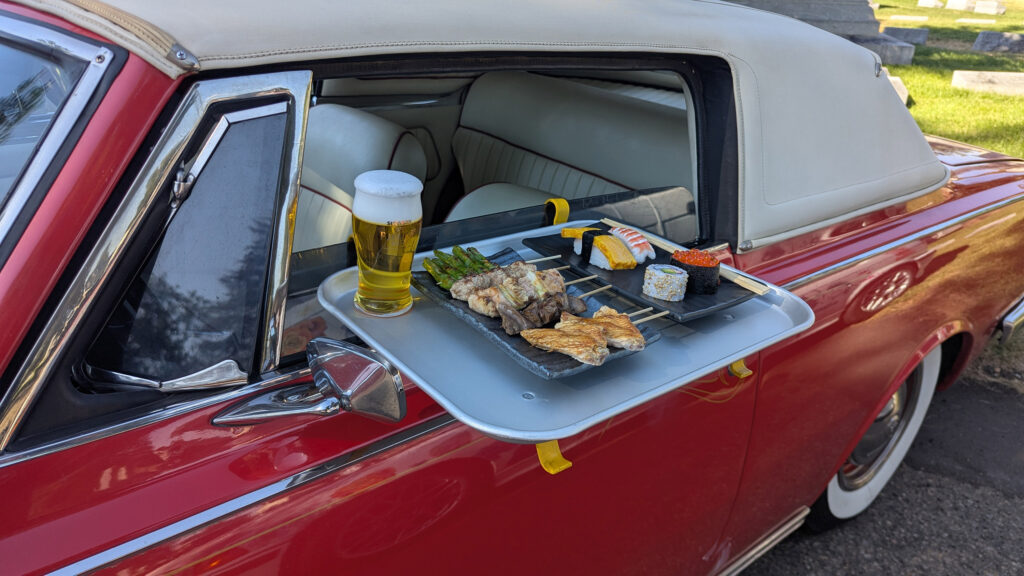
The final selection included grilled meat and vegetable skewers, which cost close to $150 and came with a ceramic serving plate, plus an assortment of sushi. A foamy replica glass of Suntory The Premium Malt’s completed the display. The beer looks cold enough for a Denver summer afternoon, though it’s a model rather than a drink.
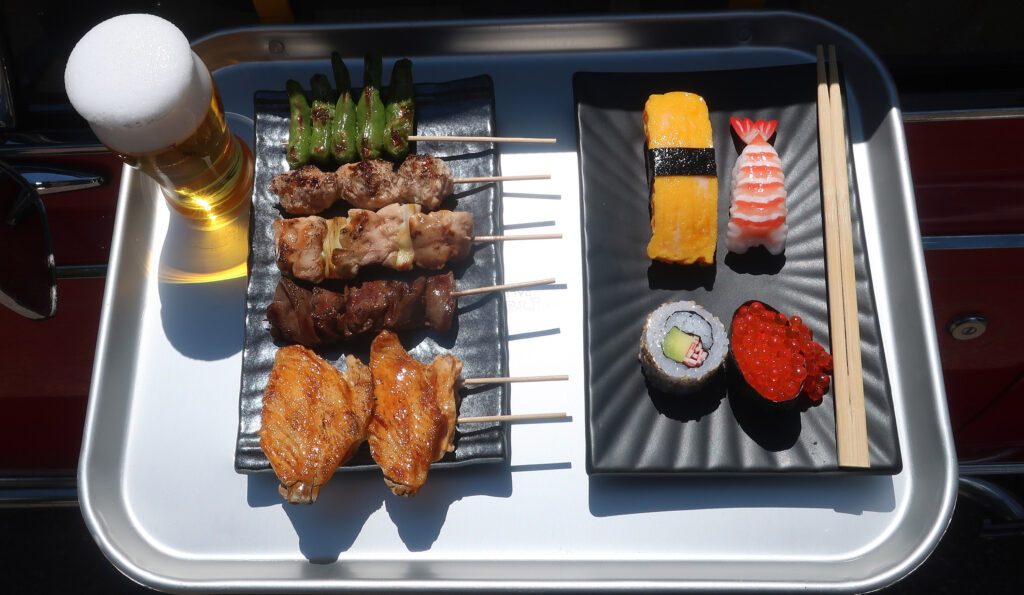
The tray itself is a vintage Traco unit bought through eBay. Loaded with the display, it put enough pressure on the Korona’s Plexiglas driver’s door window to make the panel flex. Nothing broke, but it’s a reminder that show accessories can interact with the car in unexpected ways.
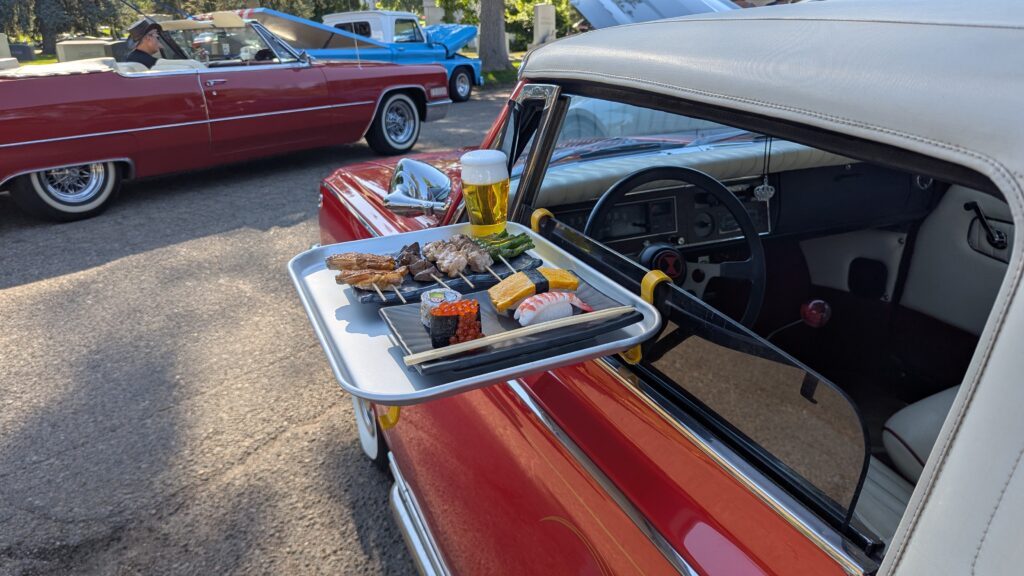
The tray’s debut in Denver
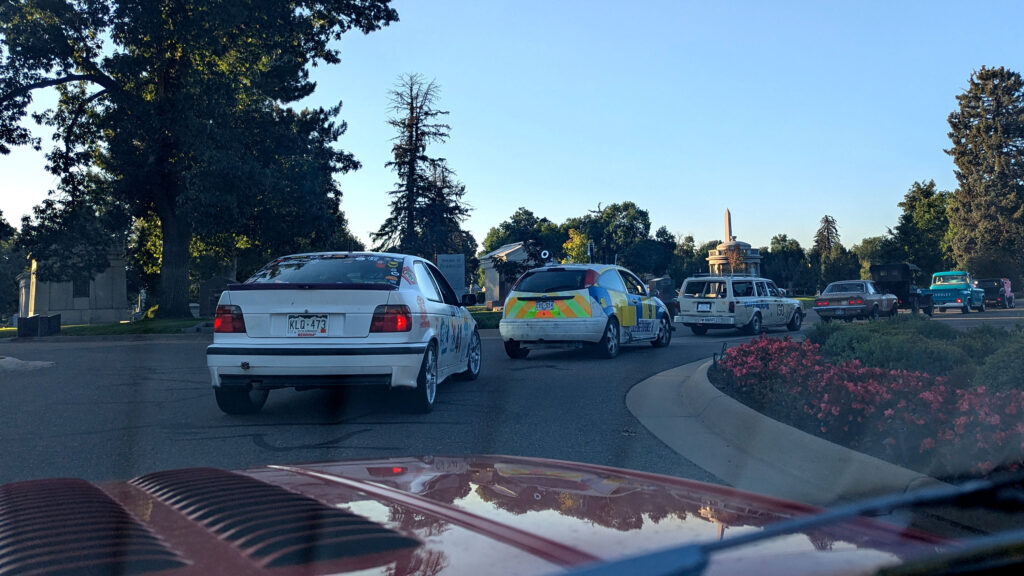
The Korona’s planned tray debut came at Denver’s annual August car show at Fairmount Cemetery. Getting a place in the Millionaire’s Row section meant arriving around 6 a.m., so the owner met up early with friends from the 24 Hours of Lemons racing scene and drove in with them.
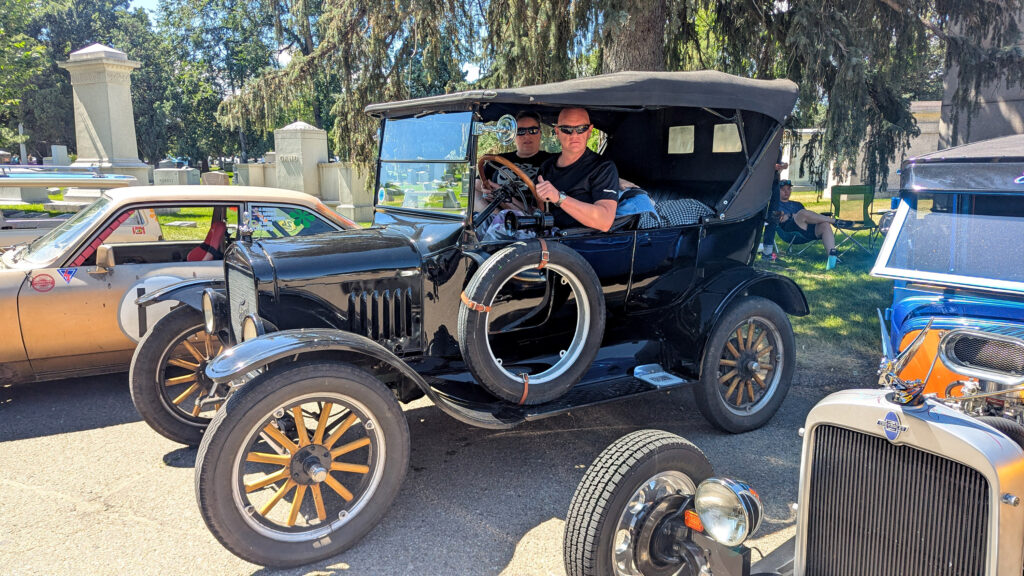
A 1923 Ford Model T led the group, with the Korona bringing up the rear. Between them were a Chevrolet Vega, Volvo 245, twin-engine Ford Focus and race-winning BMW E36, all street-legal Lemons cars. Their unusual mix suited a show that ranges across eras and countries.
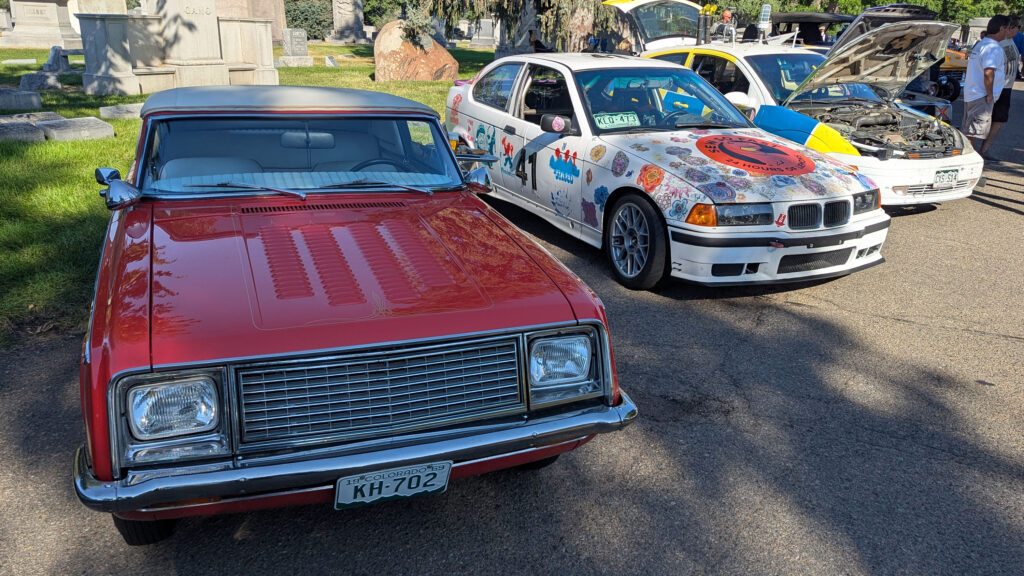
The group found shade and watched other arrivals pass. Nearby, a club displayed restored Packards, Pierce-Arrows and Cadillacs from the 1920s and 1930s. British cars shared the grounds with New Mexico-style Impala lowriders, giving the event a broad range of styles and histories.
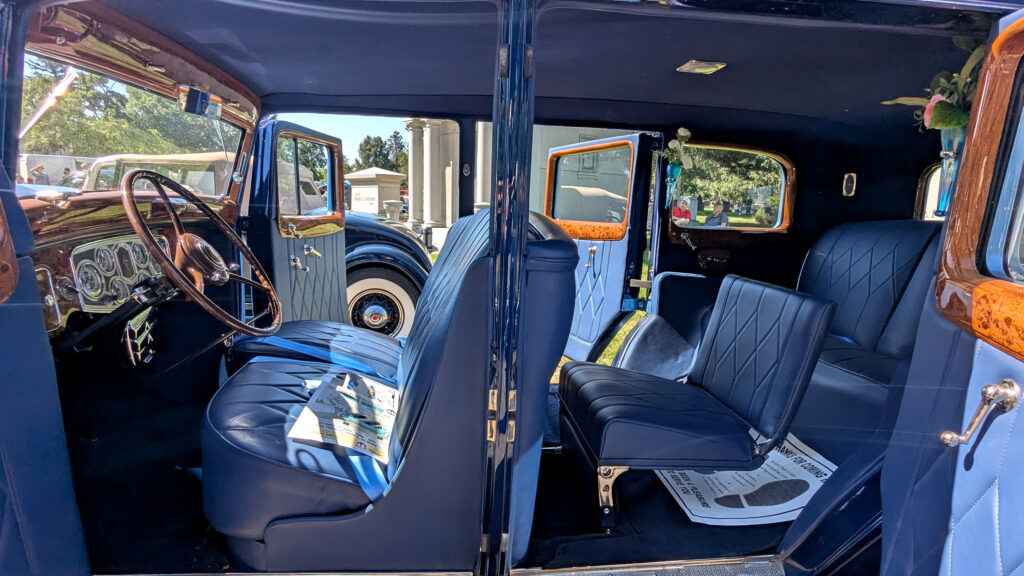
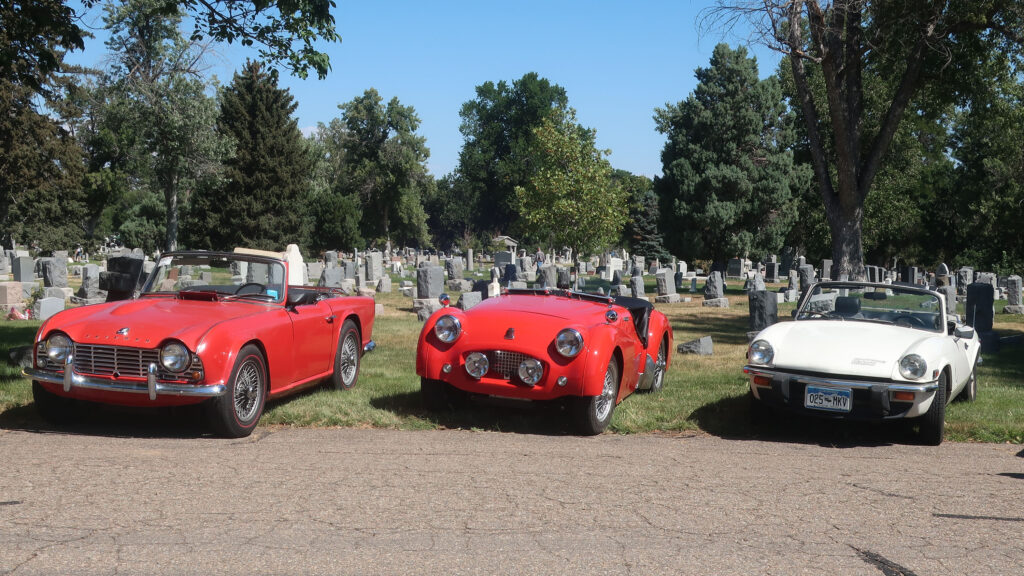
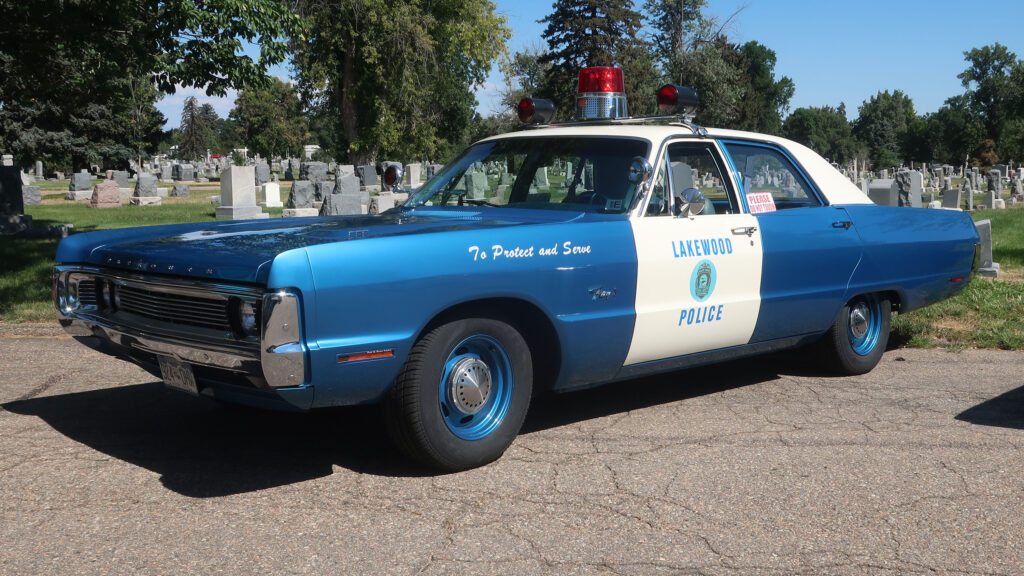
Once the group was settled, the owner set out the tray, wearing a Toyota shirt and a Yokohama BayStars cap to offer visitors a few more hints. In retrospect, he thought a Toyota Red Cruisers cap would have been a better match. The display itself needed no introduction: it was the show’s standout carhop tray.
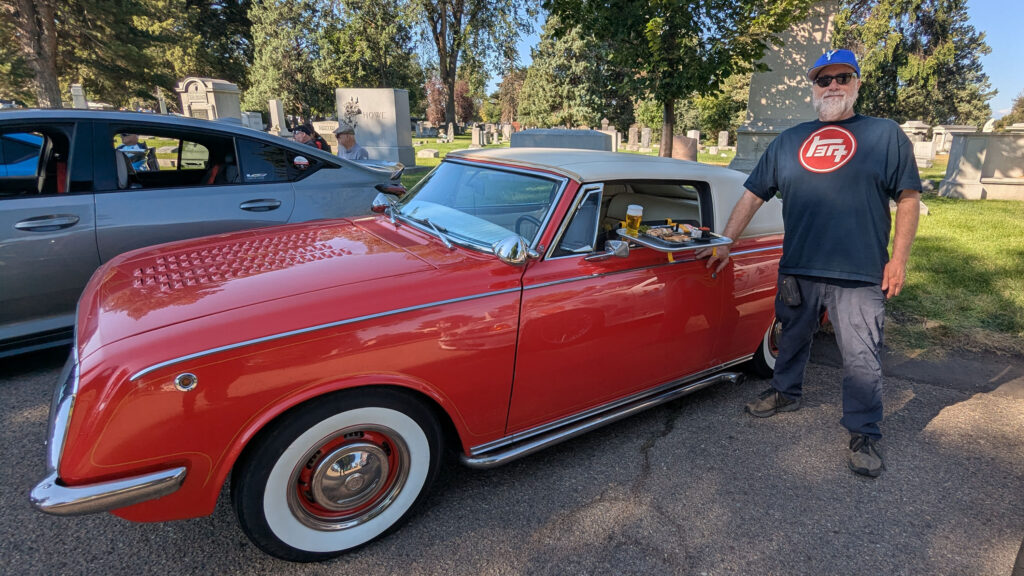
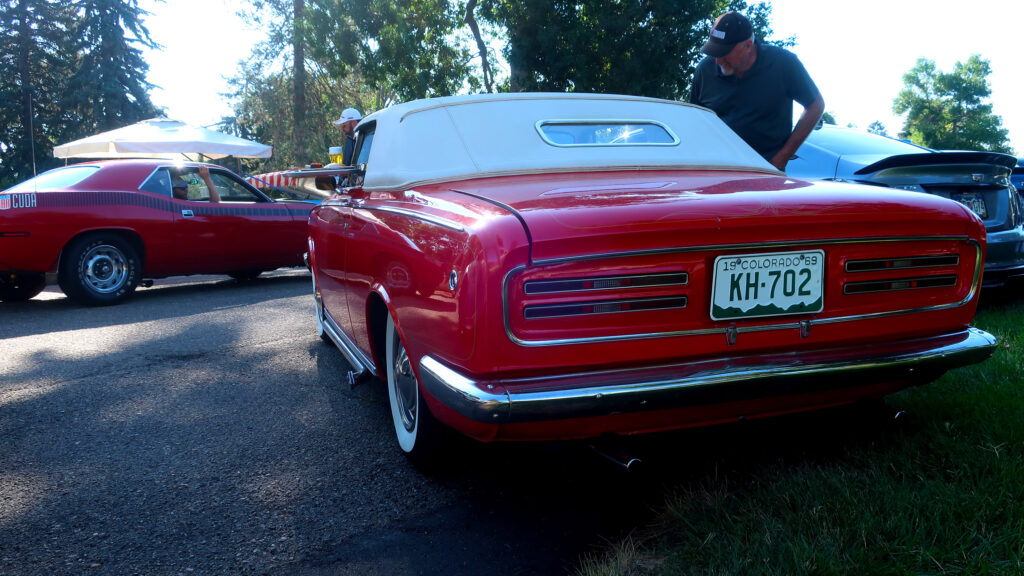
Thousands of visitors stopped to look at the car. Two identified it as a Toyota, and one got the Corona right. Many more recognized the Firebird taillights or the circular side markers associated with late-1960s Chryslers. The Colorado year-of-manufacture plates made the model year visible, but didn’t solve the identity puzzle.
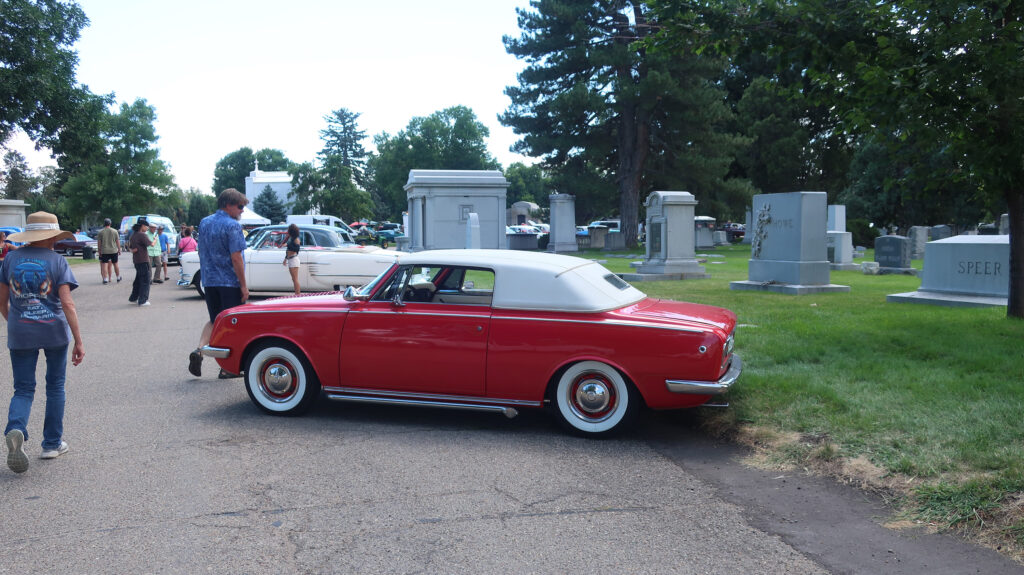
The Japanese food prompted some visitors to guess that the car was a heavily modified Datsun 410 or 411 Bluebird, or an Isuzu Bellett. Those who understood the cross-cultural joke were delighted. That’s a successful result for a detail designed to celebrate both the Korona’s Japanese origin and its American custom style.
For the next outing, the owner plans to add Japanese doo-wop and late-1960s psychedelic rock to the car’s presentation, played on a vintage Sony reel-to-reel. The Spiders will make the tape. The Korona’s recipe is already clear: a Japanese compact, American custom craft and just enough sampuru to keep the crowd guessing.


