In lane Electric Vehicles
Mercedes-Benz Vision Iconic: Retro Styling Leaves Its EV Design Ambition Unclear
Description
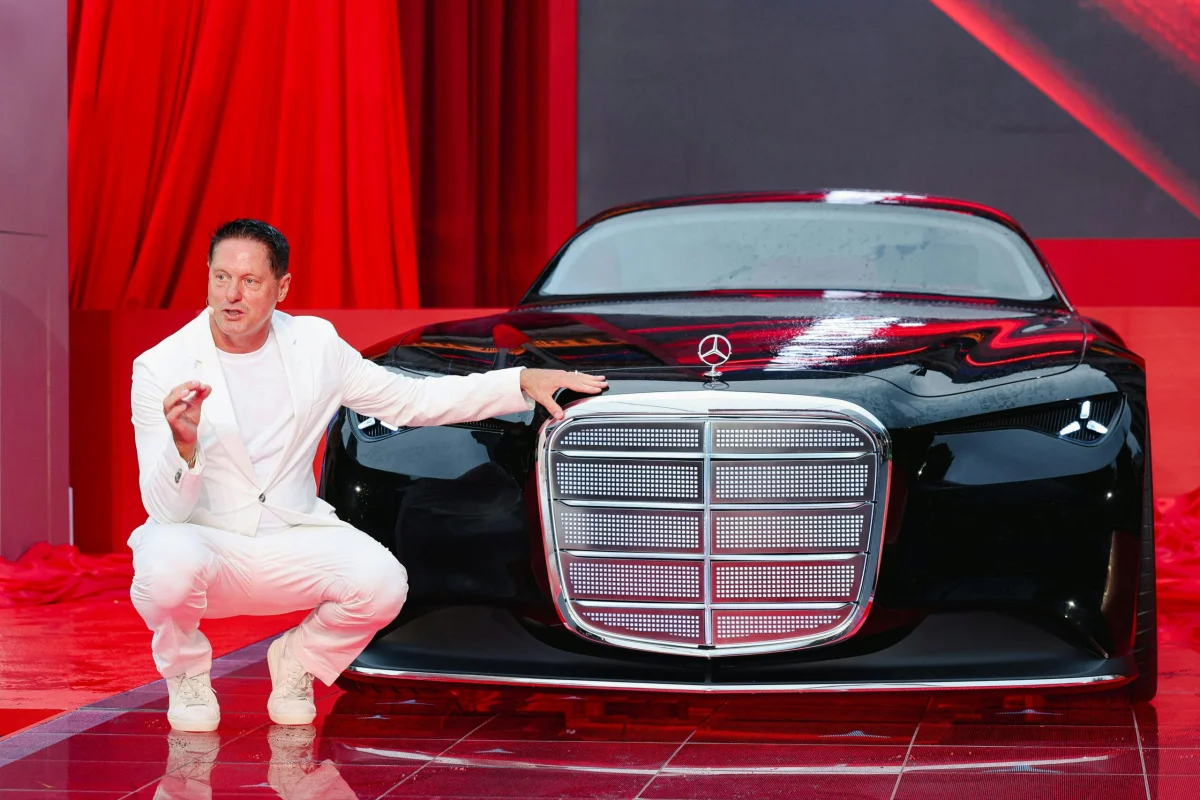
The Vision Iconic pairs a dramatic, oversized nose with a retro grille treatment. Its sculpted body and lounge-like cabin have appeal, but the concept offers few fresh design ideas.
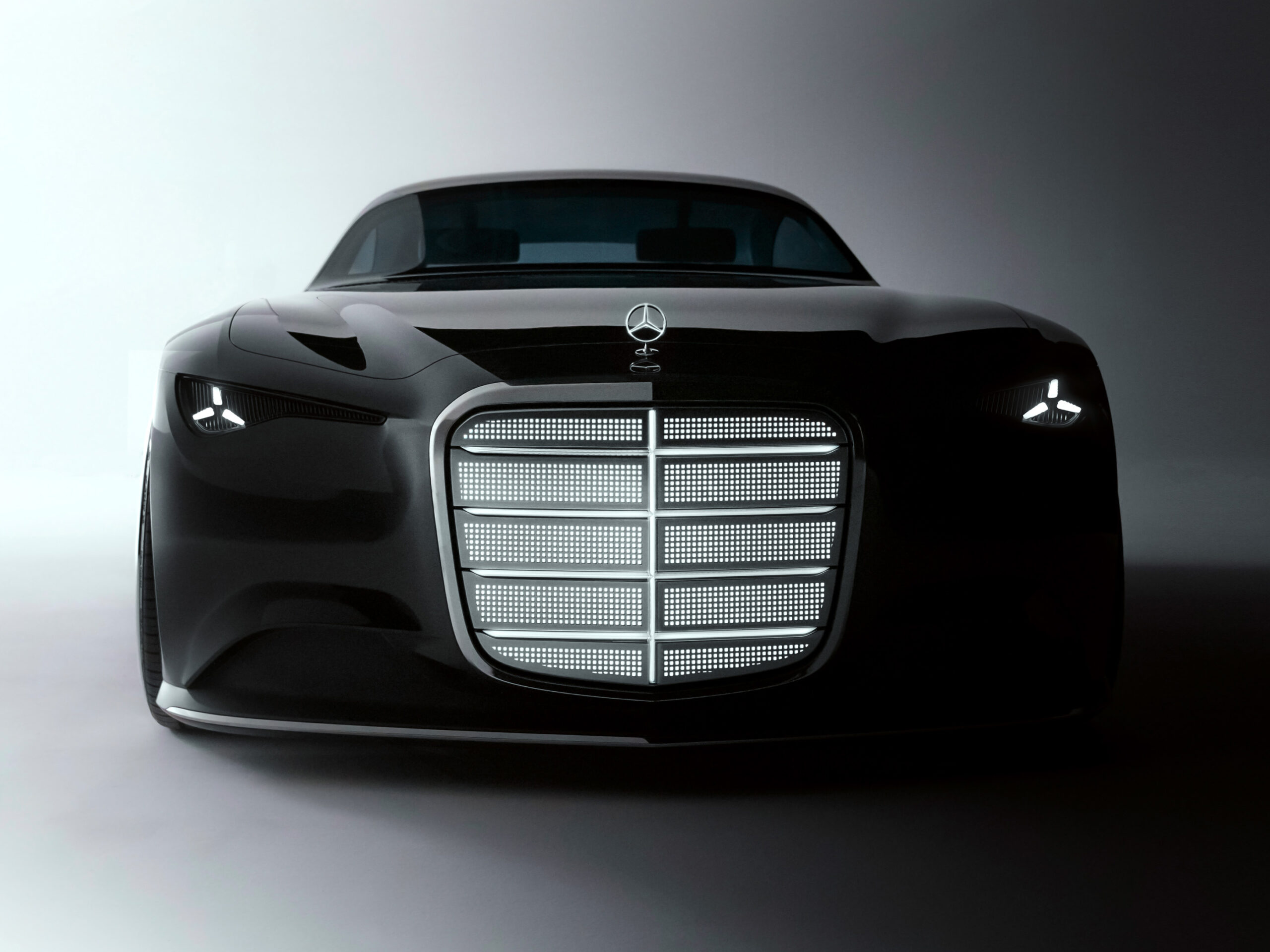
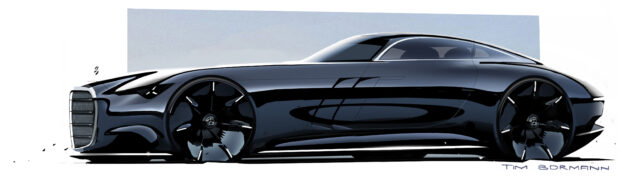
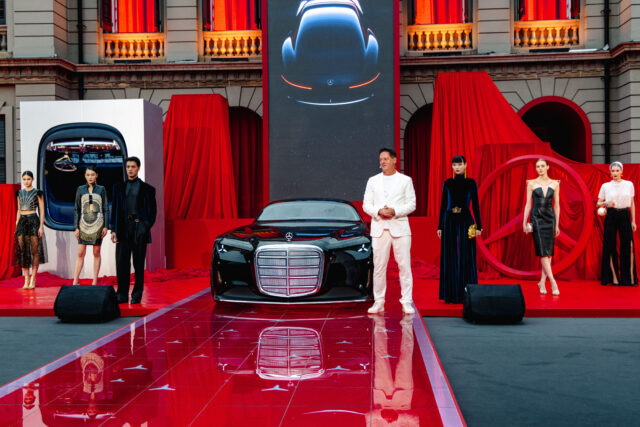
Mercedes-Benz’s Vision Iconic makes its strongest impression through scale and nostalgia. The long hood and illuminated grille give this electric concept a commanding presence, while its clean bodywork and retro-futurist cabin show real design skill. But the car’s central tension is hard to miss: its styling borrows visual cues from combustion-era prestige even as its electric powertrain makes those cues less necessary.
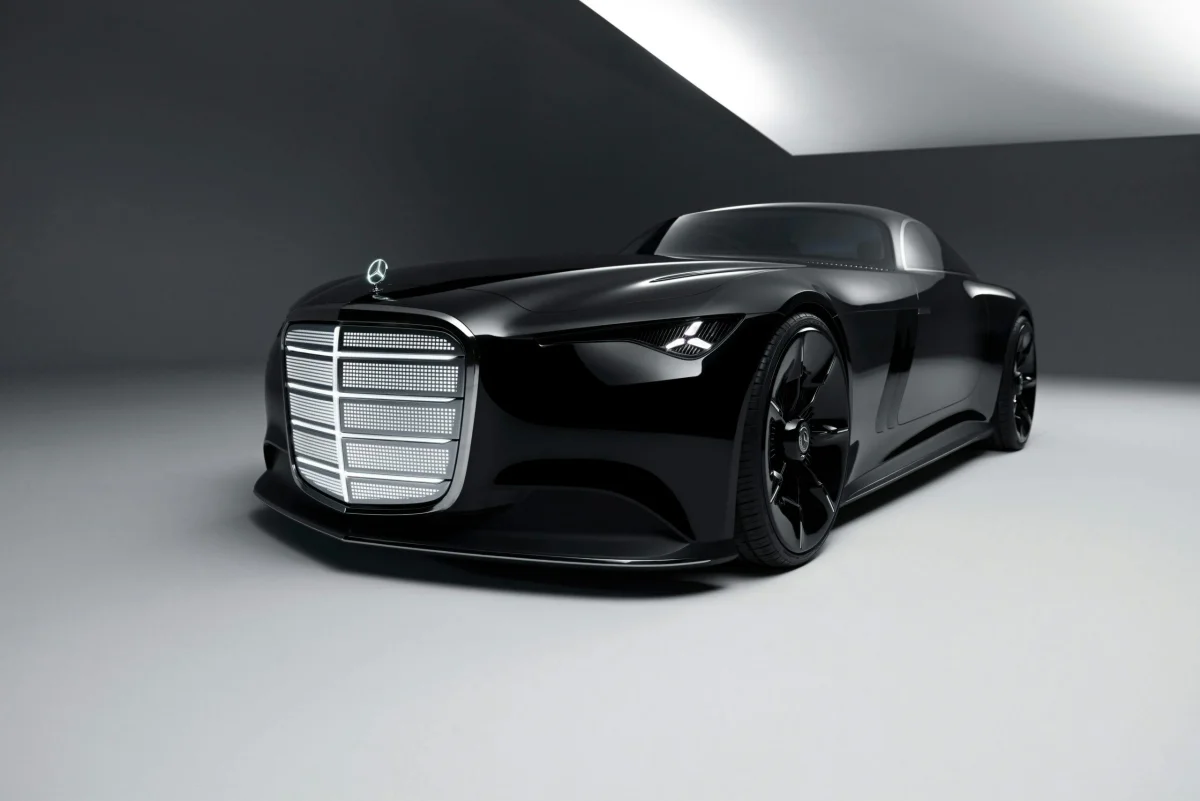
A long hood on an electric concept
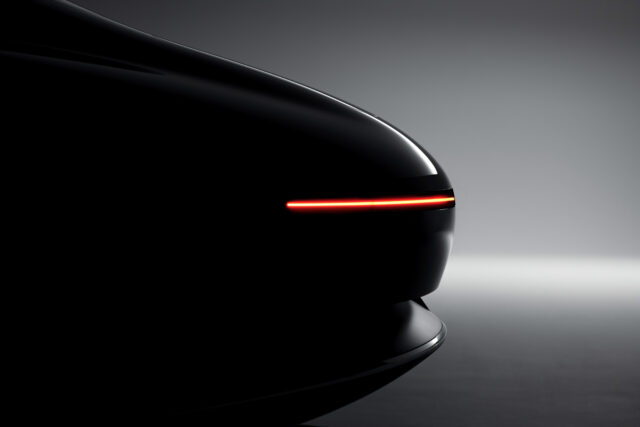
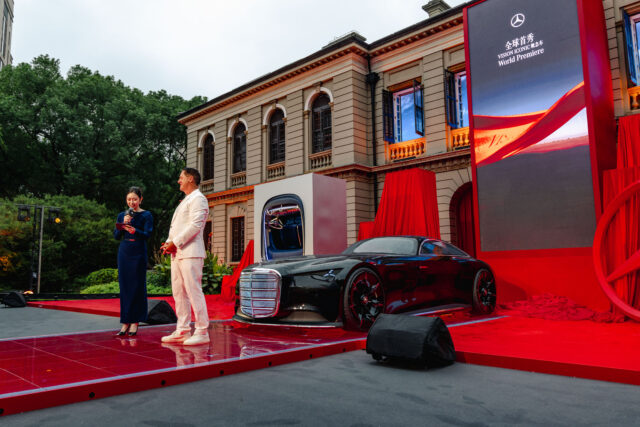
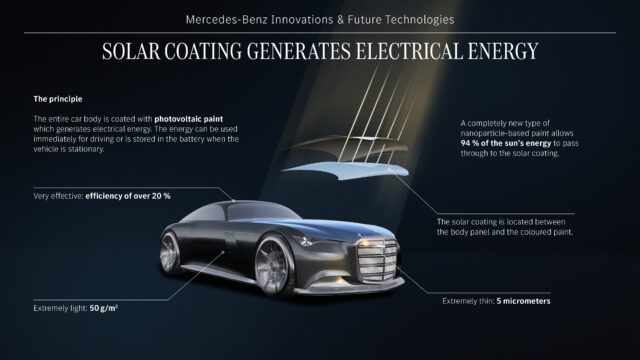
The Vision Iconic’s proportions set up the biggest question. Its elongated front end suggests a large engine beneath the bonnet, yet Mercedes presents the car as an EV. The hood may offer more surface area for the concept’s solar coating, but the source gives no figures for how much energy that coating could provide. Visually, the more obvious purpose is to project prestige and power.
That approach has plenty of precedent in luxury-car design. A long hood can signal status even when the mechanical package no longer requires one. Here, though, the visual shorthand feels out of step with the technology. The concept’s shape recalls an era when a large engine defined a premium car; its electric configuration opens room to explore a different balance of proportions.
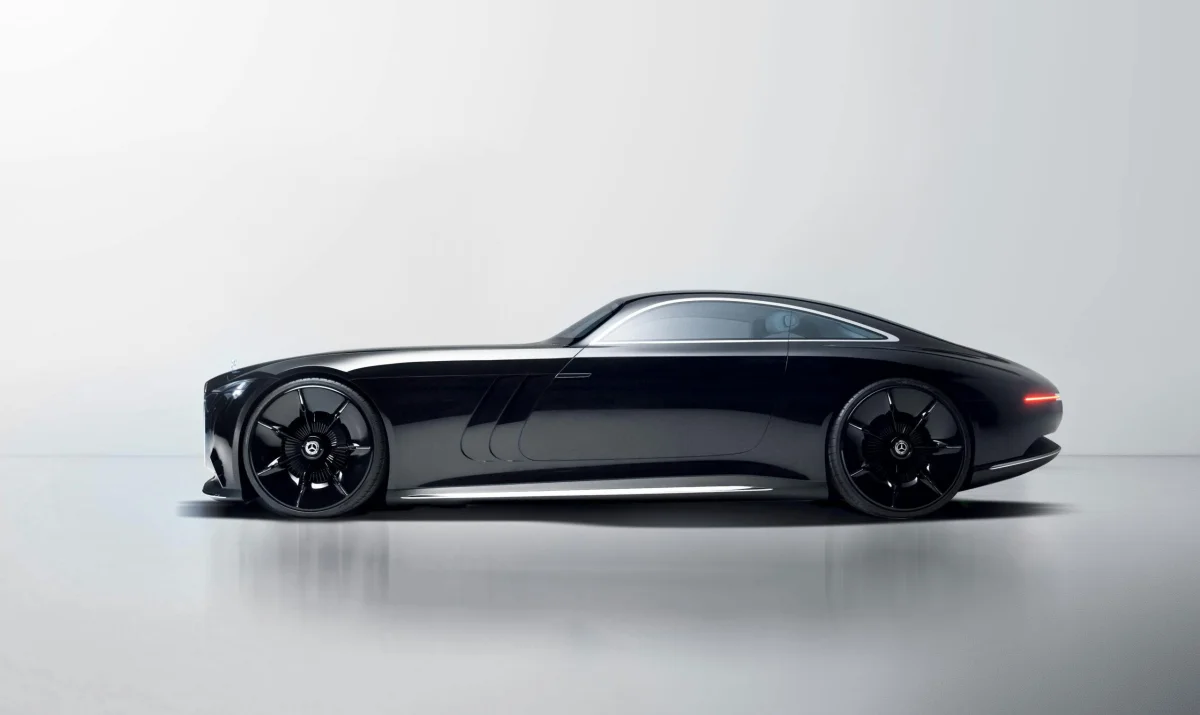
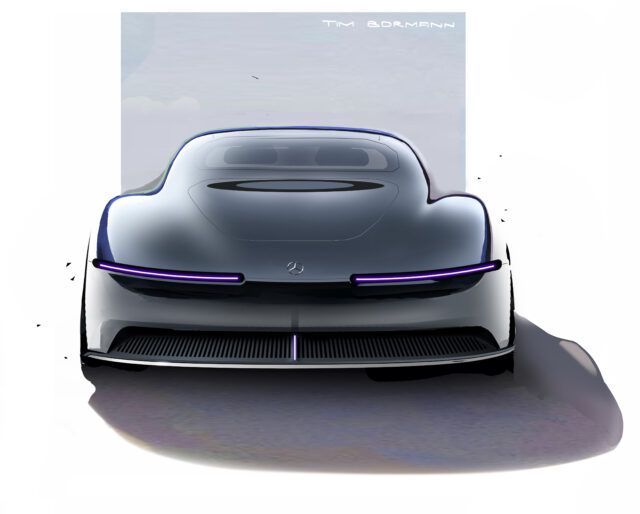
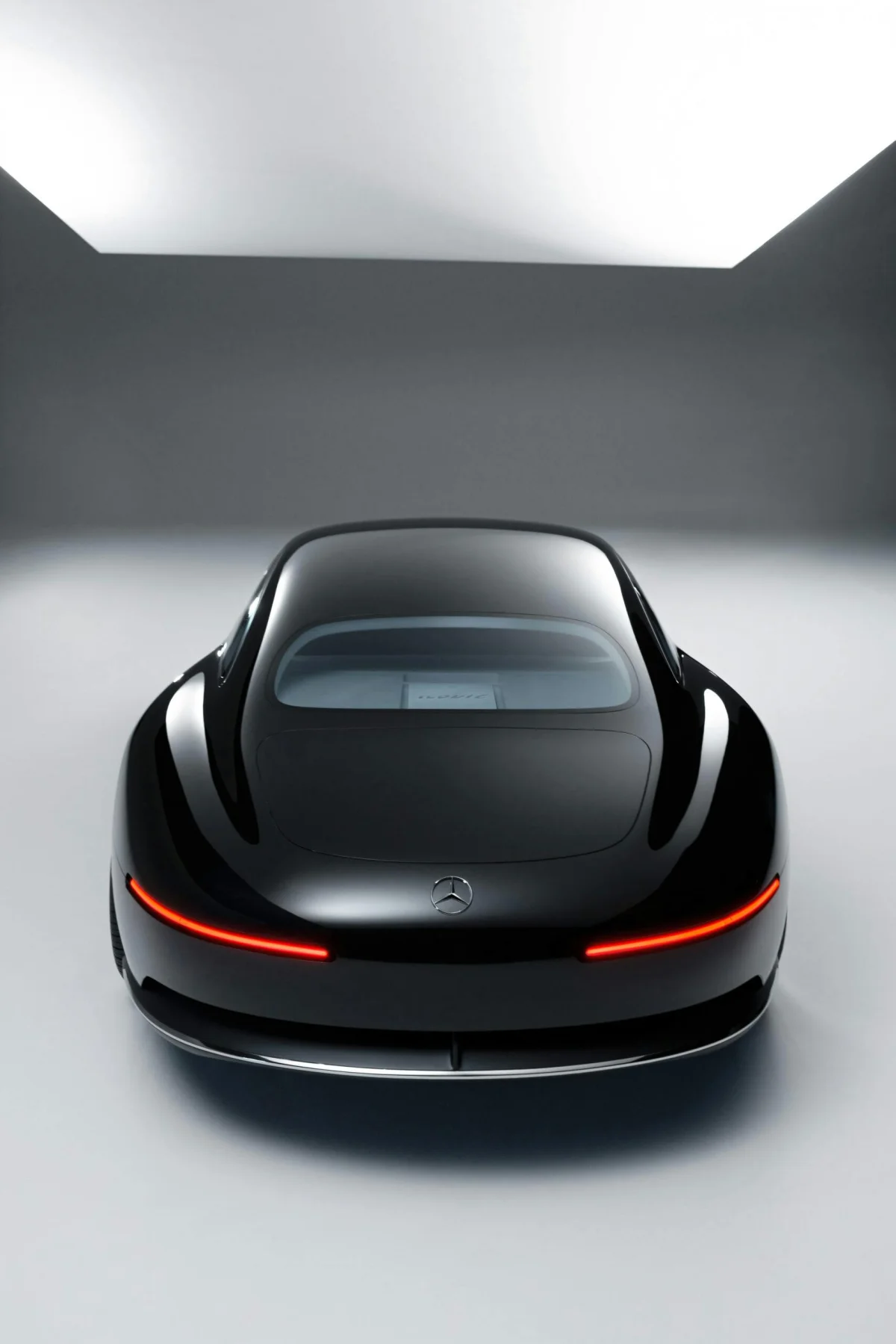
That doesn’t make the car unattractive. Its body has a smooth, carefully controlled flow, and the rear’s sculpted haunches give the minimalist tail some visual weight. The gently descending beltline and broad, unbroken surfaces continue a design language Mercedes has used for years. The result is polished, but it doesn’t make a strong case for the company’s claim that the concept ushers in a new design era.
The grille’s identity problem
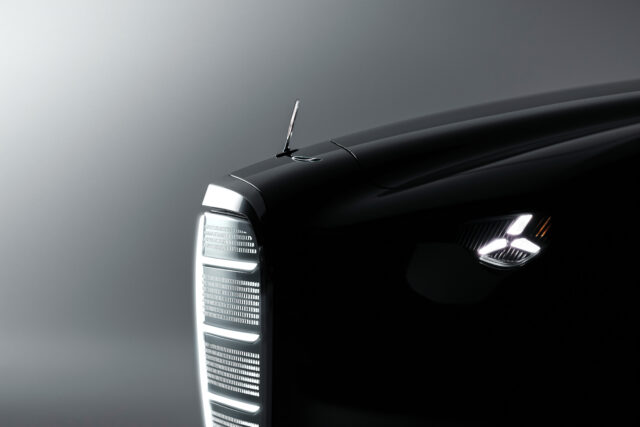
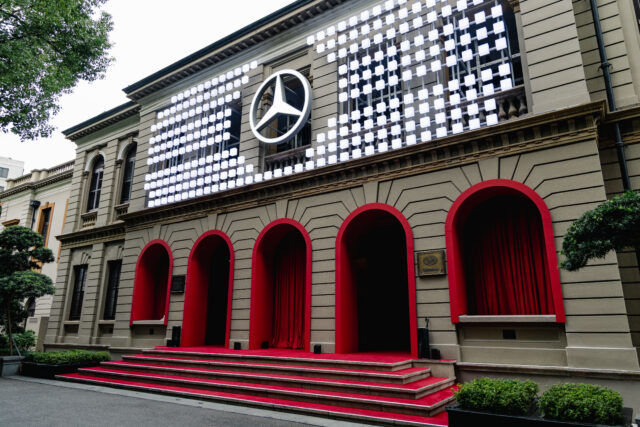
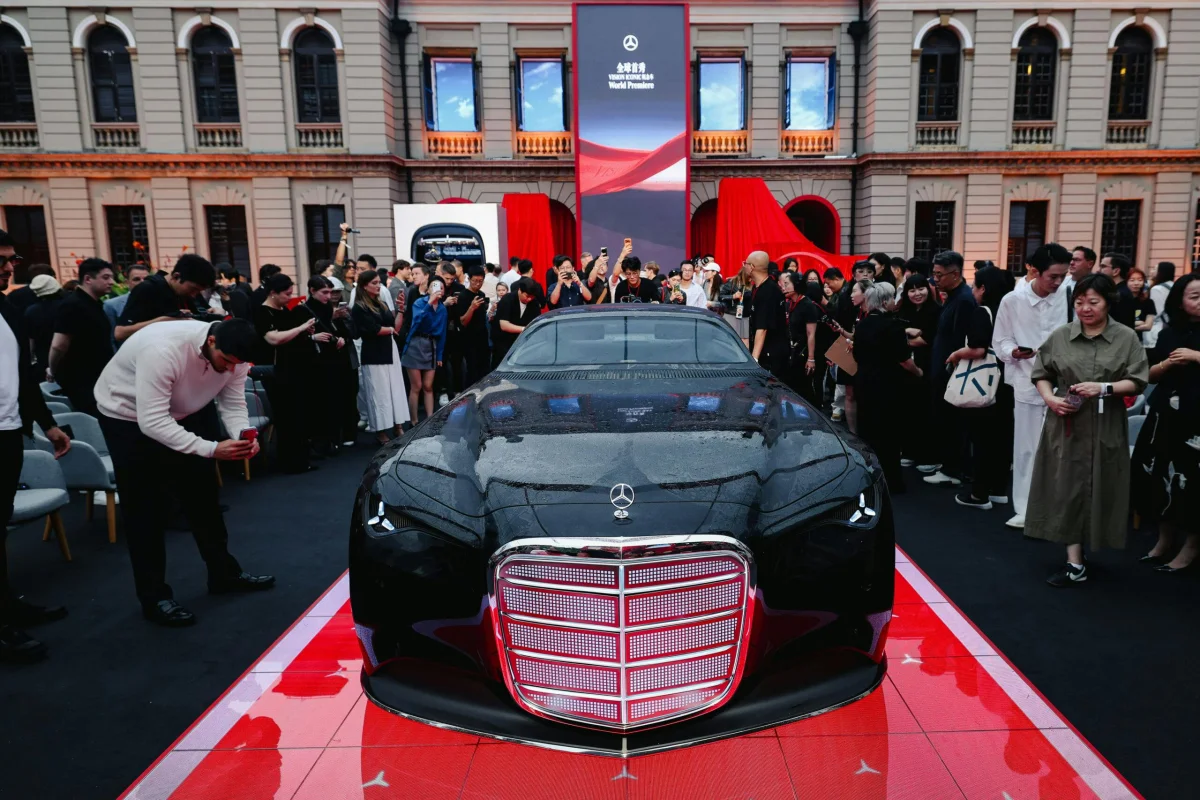
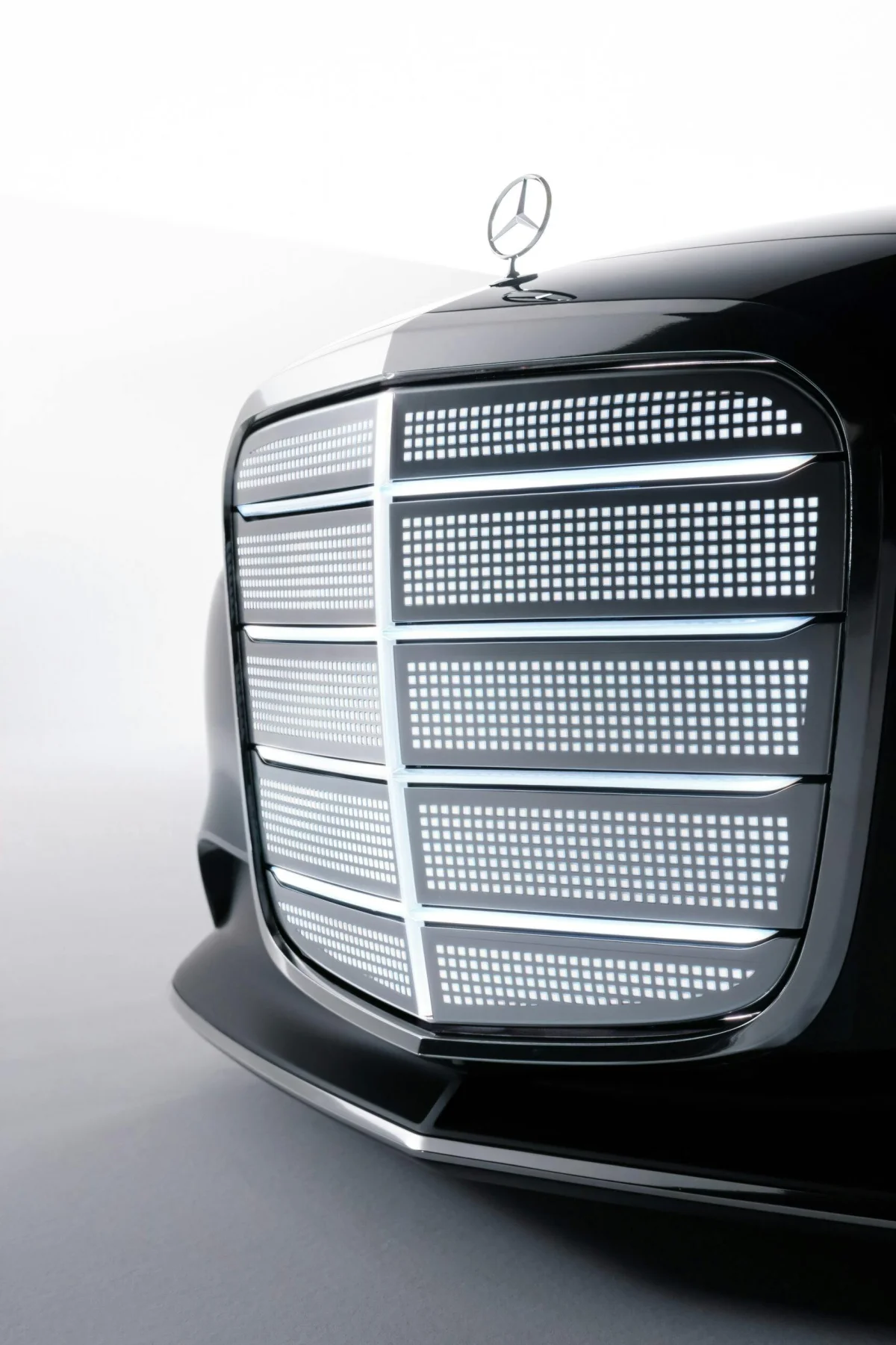
The front treatment carries more symbolic weight than the rest of the body. Mercedes has revived a broad, retro-inspired grille shape, then turned it into a light feature. The company says the grille is intended to express “emotion and intelligence,” but the effect described here is closer to a luminous reference to a part whose original job has faded.
A radiator grille once had a practical role: air needed to reach the engine’s cooling system. On many modern cars, grilles are mostly decorative, though the engine behind them still gives the form a physical rationale. An electric car doesn’t need the same opening for a combustion engine. That leaves designers with a harder task: finding a front-end identity that feels connected to the brand without simply imitating old hardware.
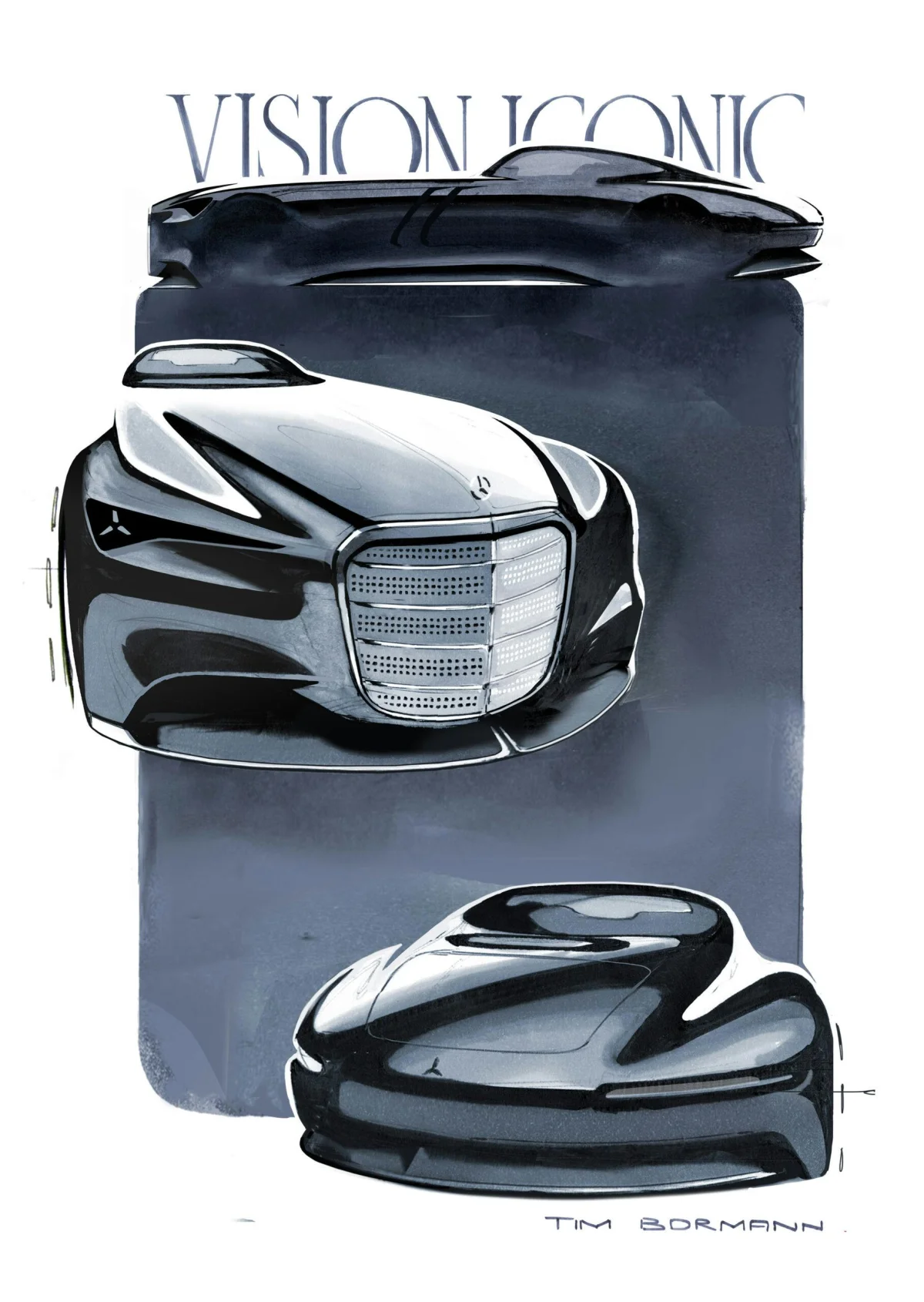
Mercedes has a particular challenge because its grille has been one of its most recognizable visual signatures. The Vision Iconic acknowledges that heritage, but the light-based interpretation doesn’t resolve the question of what the signature should mean on an EV. It preserves the outline while changing its function, an understandable choice for a concept that needs to read as a Mercedes at a glance. Yet that familiarity also limits the sense of discovery.
Other EVs are also working to establish a distinctive front end. The source points to the Lucid Air as a particularly coherent example, while acknowledging that Mercedes has a deeper heritage to express. That heritage can help a new design feel grounded, but it can also pull designers toward familiar forms. The Vision Iconic leans heavily on recognition; a more persuasive answer would make the brand legible while showing why an electric Mercedes needs a different face.
Where the concept works
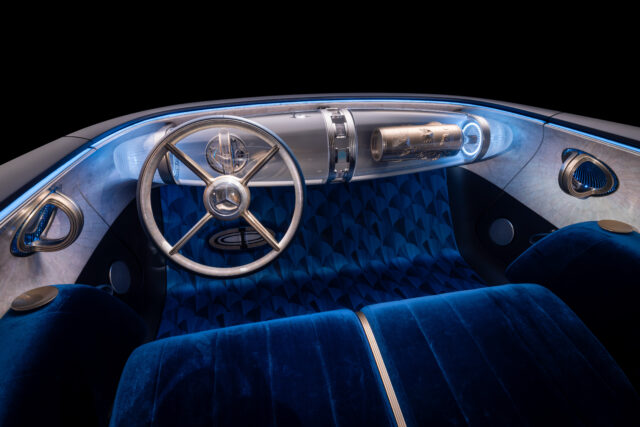
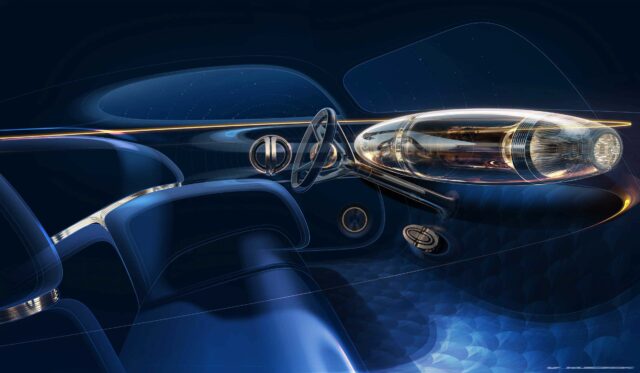
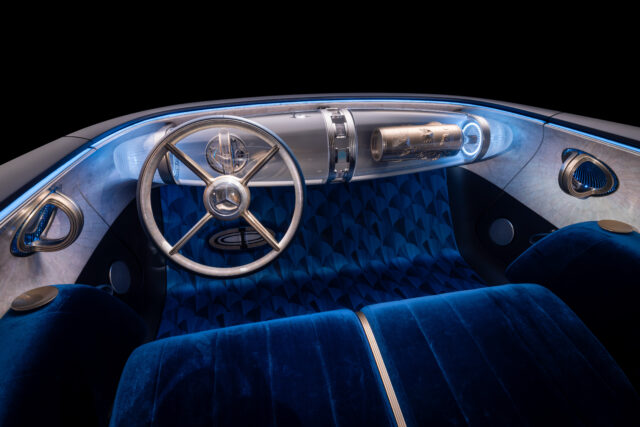
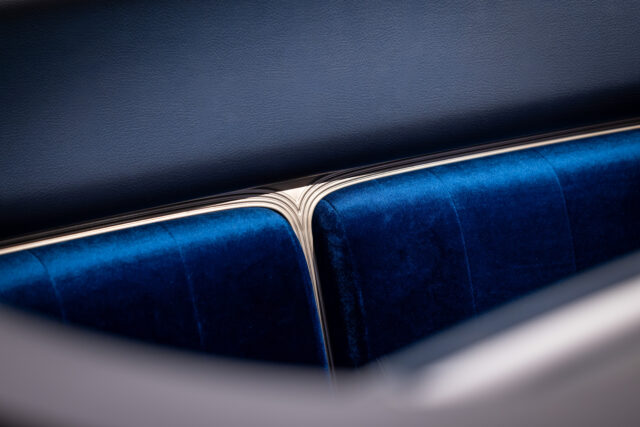
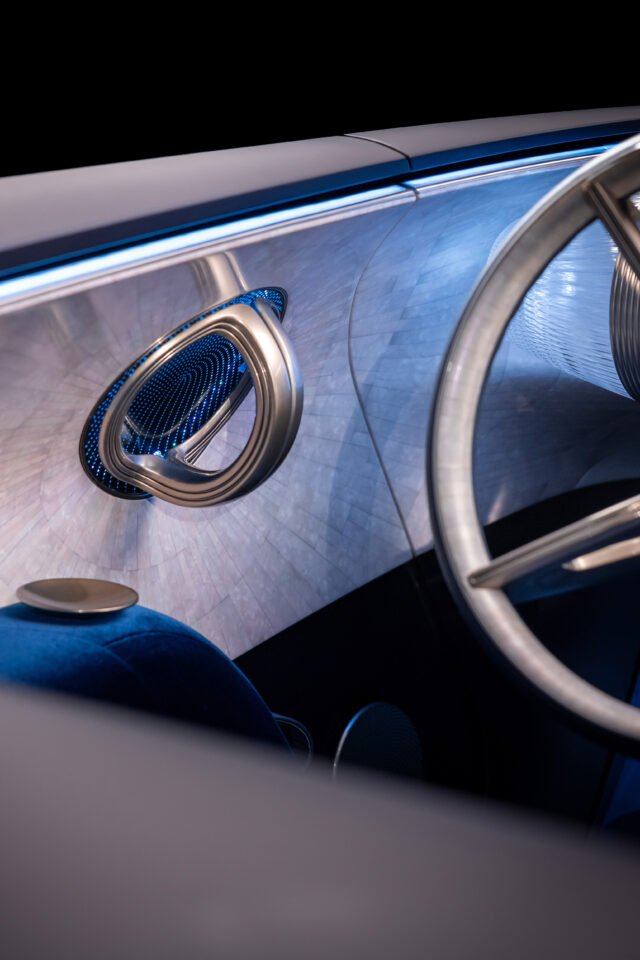
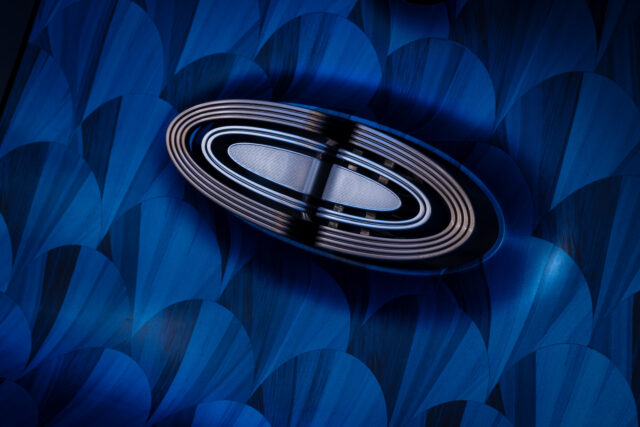
The cabin offers a more appealing kind of retrospection. Its lounge-like presentation and retro-futurist mood suggest an interior designed as a distinct space, rather than a conventional dashboard dressed up with nostalgic references. That’s the concept’s clearest point of separation from its exterior: the body revisits established prestige cues, while the cabin appears to imagine a different atmosphere for occupants.
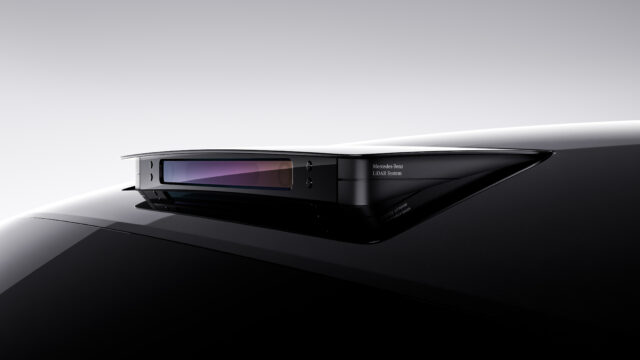
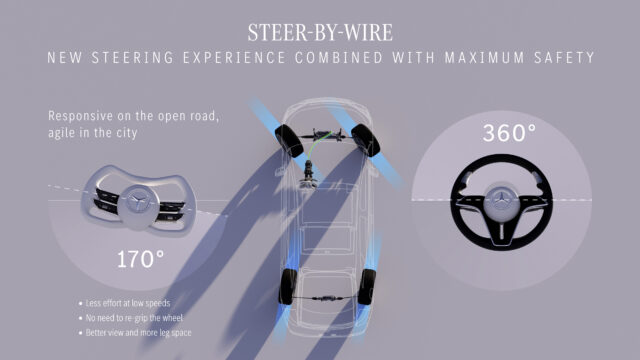
The concept also includes references to technologies such as lidar and steer-by-wire, visible in the accompanying material. The source doesn’t provide specifications or explain how these systems would work in a production vehicle, so they’re best read as part of the design study rather than as a preview of confirmed equipment. There are no stated range, charging, output or availability details to weigh against rivals.
That distinction matters for buyers. A concept can hint at future priorities, but it can’t answer the practical questions that shape an EV purchase: how far it travels between charges, how quickly it replenishes its battery, how much cabin and cargo space it offers, or what it will cost. Mercedes has not supplied those details here. The Vision Iconic is a statement about appearance and atmosphere, not a model comparison buyers can use to plan ownership.
A handsome study with an open question
As a piece of sculpture, the Vision Iconic has plenty going for it. Its proportions are dramatic, its surfaces are restrained, and the rear design makes a cleaner impression than the front. The cabin adds a welcome change of mood. Those strengths make the concept easy to look at, even if its oversized nose and illuminated grille invite more skepticism than excitement.
The harder test is whether the design points somewhere new. The exterior’s long hood and revived grille draw on familiar signals of luxury, while the underlying electric layout offers a chance to rethink both. Mercedes has shown that it can make those old cues feel elegant; the more interesting question is whether it can create a new visual identity that feels equally unmistakable without relying on them.
For now, the Vision Iconic is a striking design exercise with a polished form and a more thoughtful cabin than its front end suggests. Its value as a signpost will depend on what Mercedes carries into future vehicles: the concept’s sculptural restraint, or its reliance on heritage motifs. That’s where the real test of its design ambition lies.