In lane Electric Vehicles
Mercedes Vision Iconic Revives Long-Nosed Luxury for a Global Elite
Description
The Vision Iconic’s retro proportions make a case for heritage-led design as Mercedes courts wealthy buyers in China and faces a new rival.
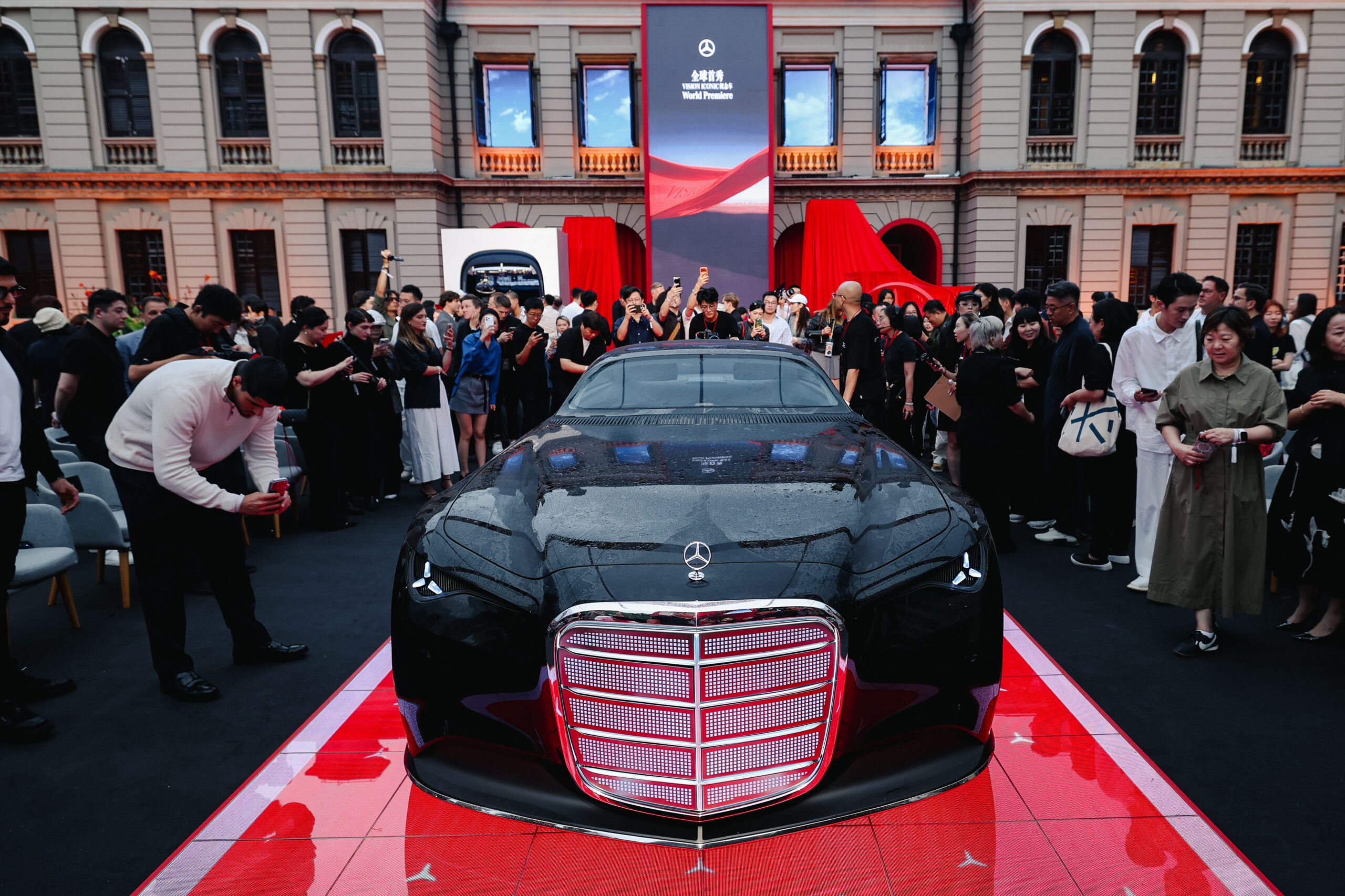
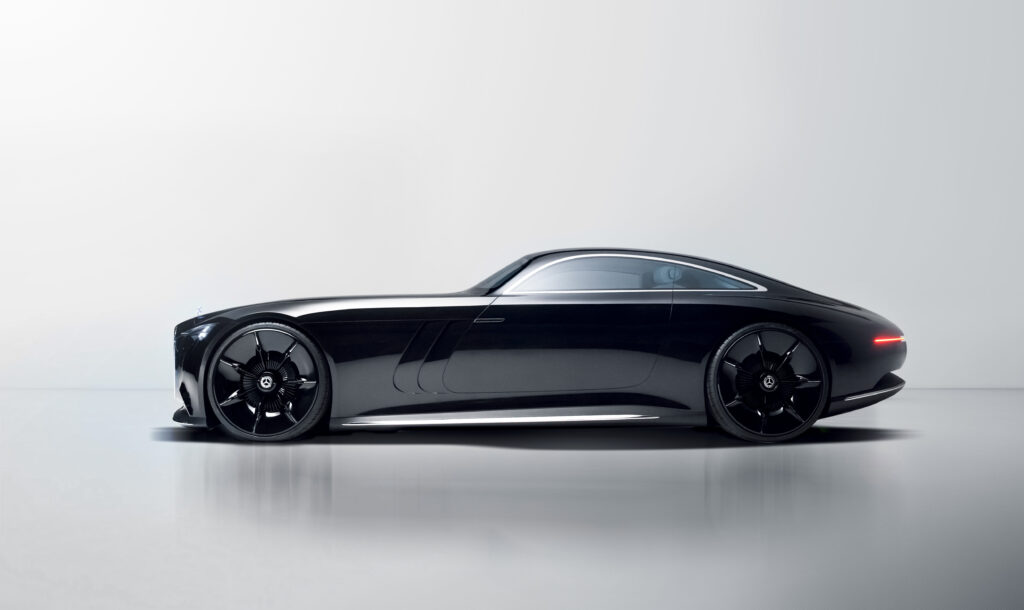
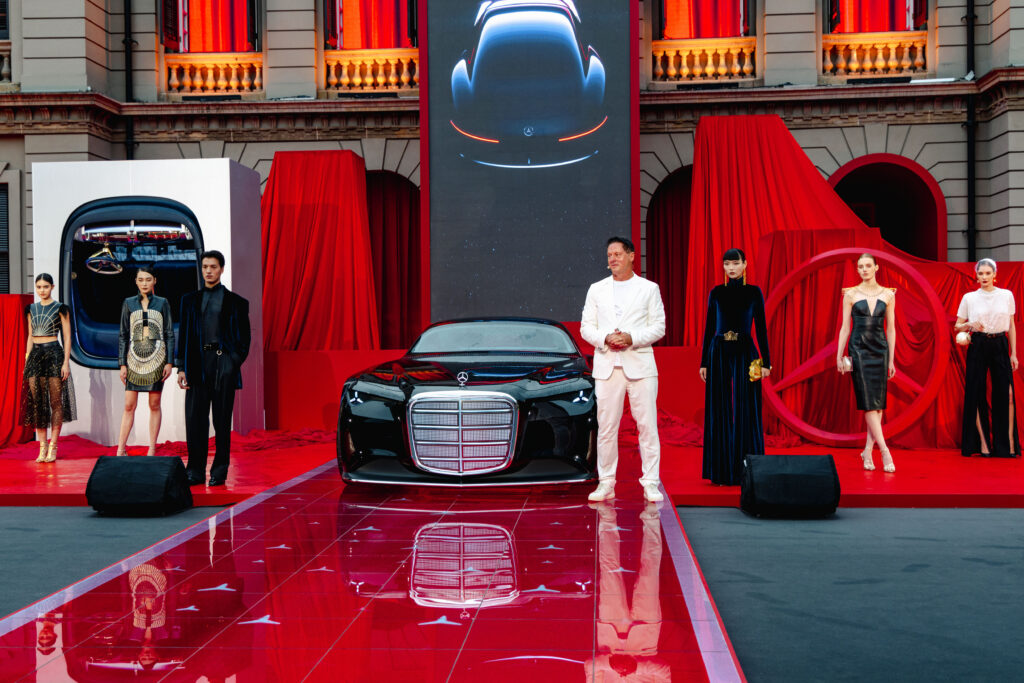
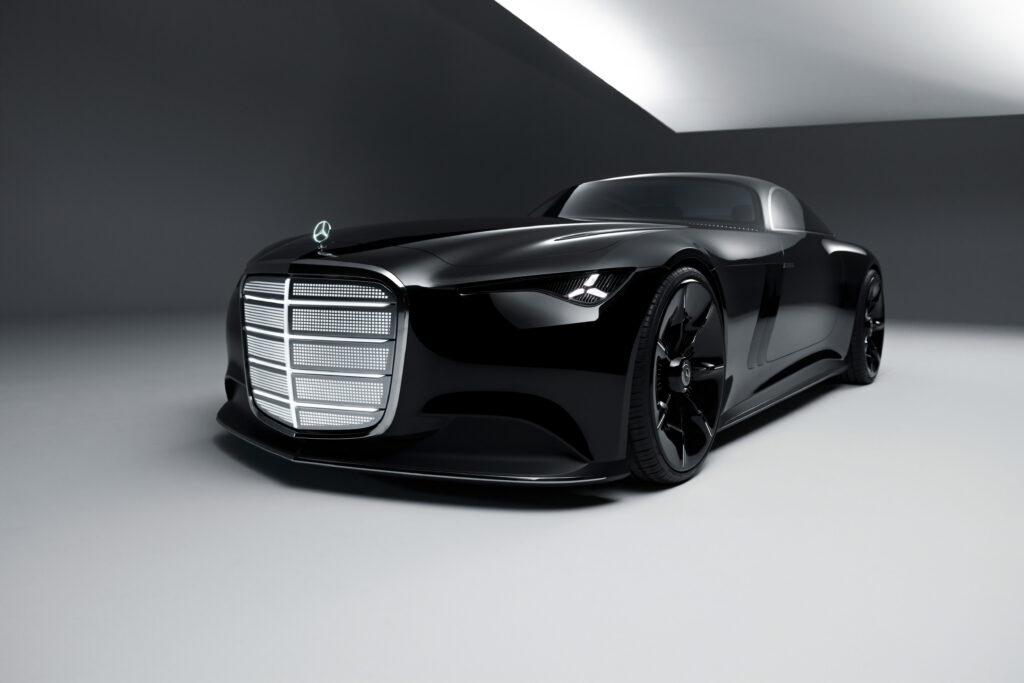
Mercedes-Benz’s Vision Iconic concept makes a pointed argument: for buyers at the very top of the market, familiar prestige may matter more than radical new styling. Its long hood, prominent grille and upright three-pointed-star ornament look back to the marque’s past, but the concept’s Shanghai debut suggests a present-day audience for that visual language.
The concept arrived against a backdrop the author describes as a new Gilded Age. The Dow Jones stood at 47,706.37 at the time of writing, while automakers continued to test how much buyers would pay for increasingly expensive vehicles. The comparison is less about a specific economic forecast than about the visibility of wealth—and the cars designed to embody it.
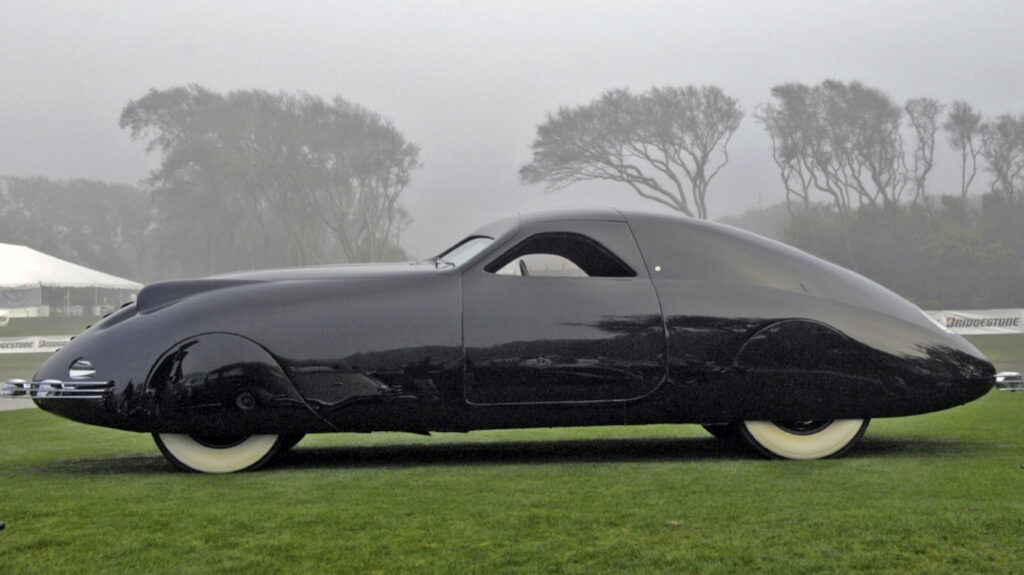
There’s a long automotive history of building conspicuous flagships around existing mechanical foundations. The 1938 Phantom Corsair, designed by a member of the Heinz family and based on Cord 810 underpinnings, offers one American reference point. The Vision Iconic takes a different route: it comes from a global automaker and, in the author’s view, pushes AMG-GT architecture toward an extreme expression of luxury coupe proportions.
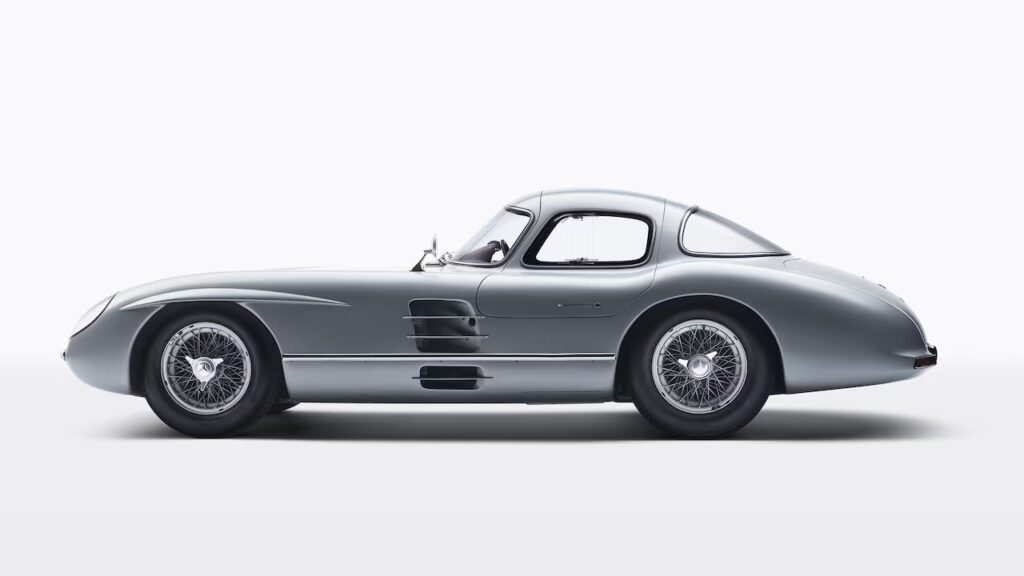
Mercedes has returned to this formula in production cars, too. The 300 SLR “Uhlenhaut Coupé,” Maybach Exelero, SLR McLaren and SLS AMG all pair pronounced dash-to-axle proportions with limited production. Beyond their individual roles, such cars can act as halo models, lending some of their character to the wider range. In that sense, the Vision Iconic extends a recognisable Mercedes tradition rather than inventing one.
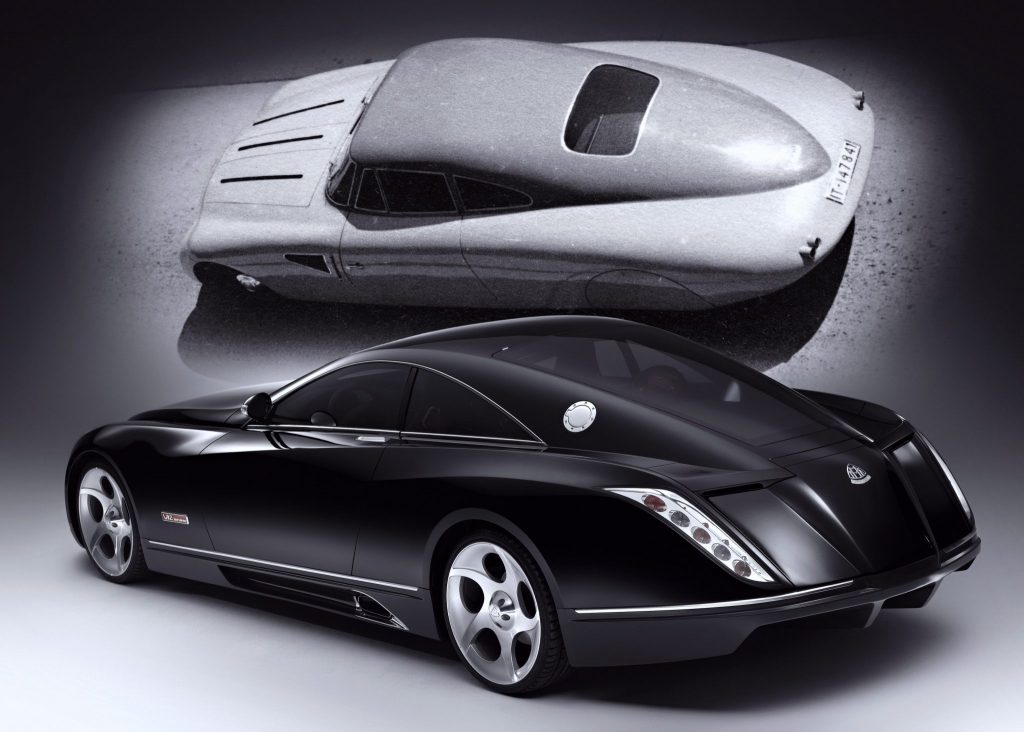
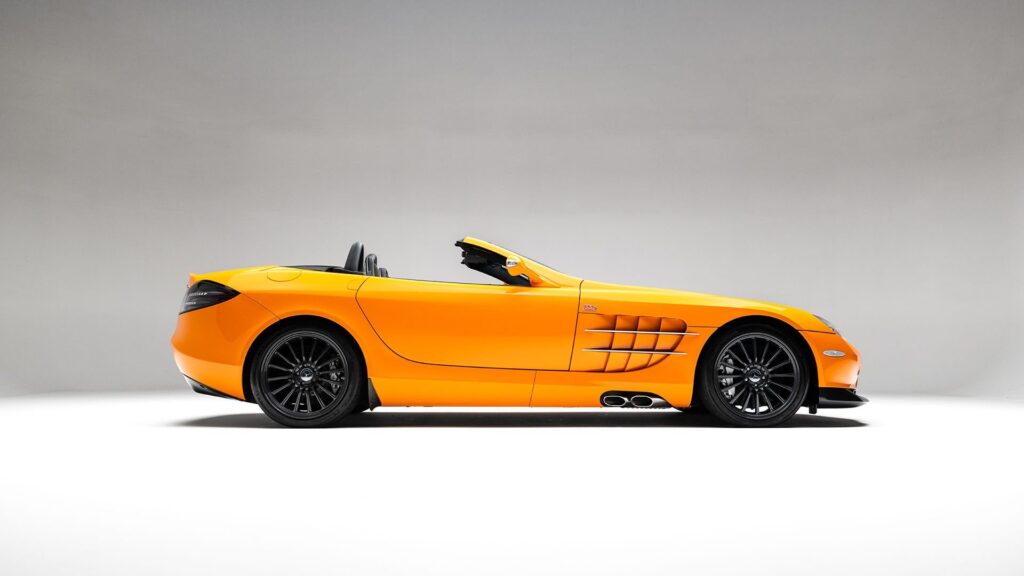
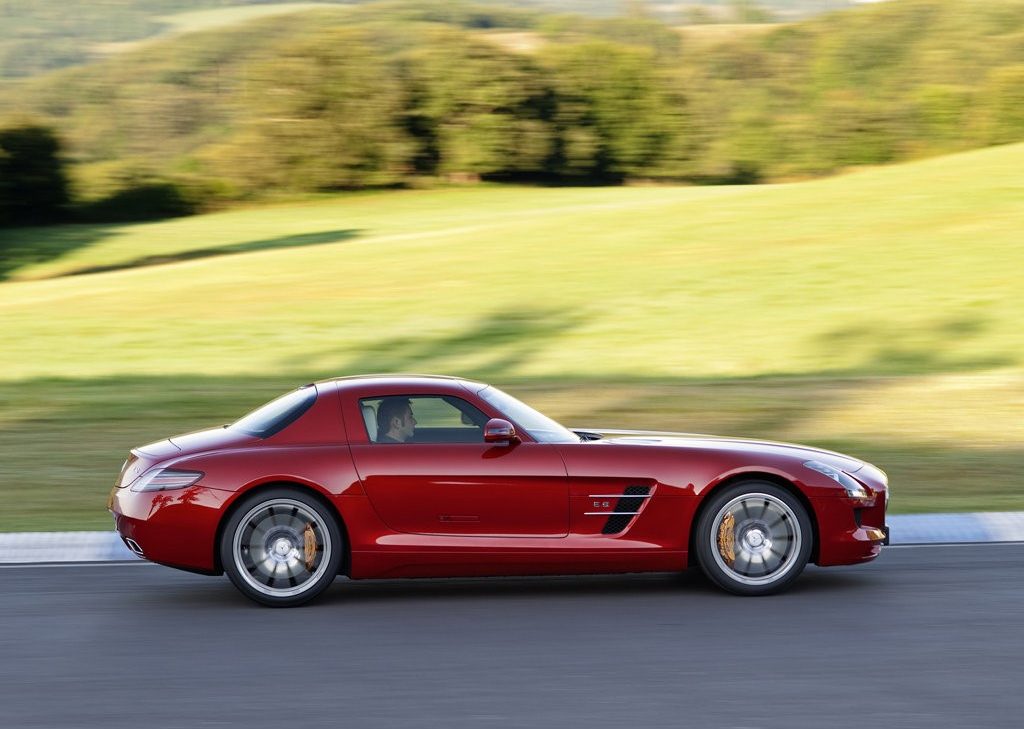
Why the Shanghai debut matters
Mercedes chose Shanghai Fashion Week for the reveal, rather than a conventional motor show. That setting puts the concept’s styling and status message front and centre. It also reflects the importance of Chinese buyers to the brand: Mercedes-Benz sold more than 100,000 vehicles a year in China for over a decade, and 683,600 there last year—roughly twice its U.S. sales.
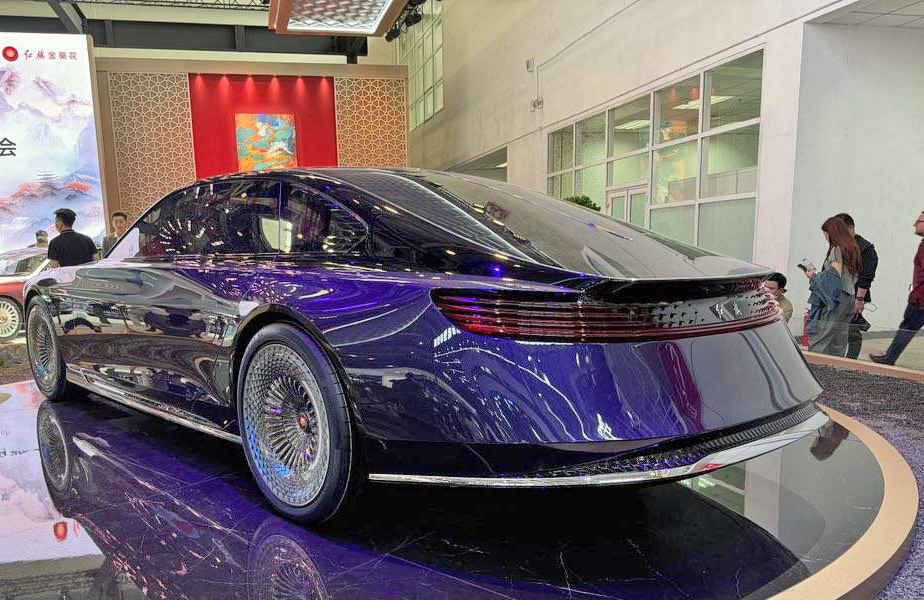
The concept also has a direct design comparison in China’s own luxury market. Hongqi’s 2024 Golden Sunflower coupe concept arrived at the Beijing auto show and made an impression with its scale and formal proportions. It is a scissor-door coupe, described as a foot longer than a 1959 Cadillac Coupe DeVille. Its two-tone cabin uses a heaven-and-earth theme, while the rear compartment is arranged to evoke first-class airline seating.
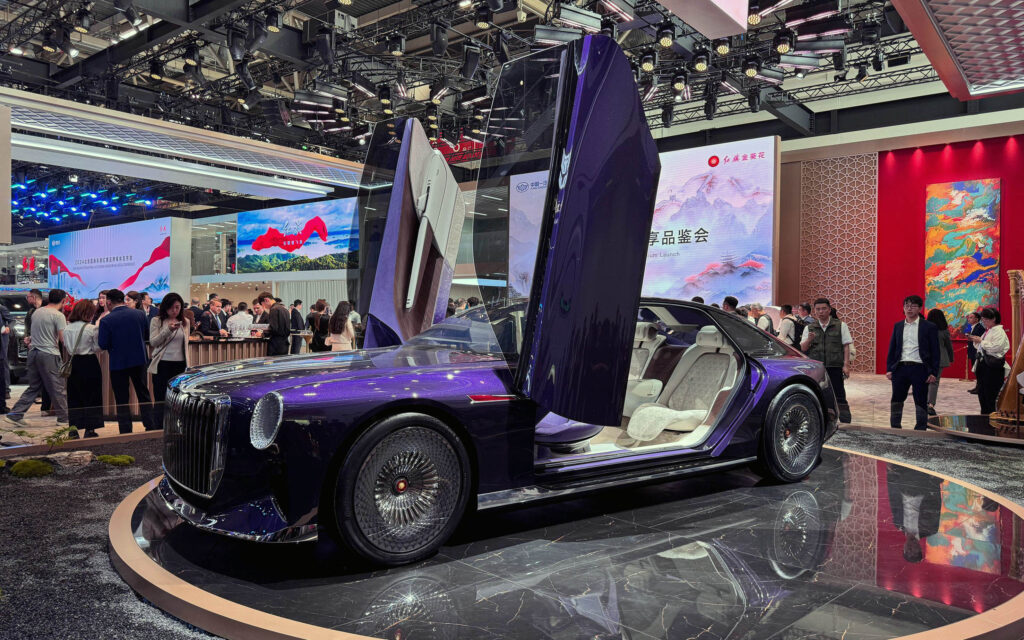
Hongqi has not disclosed what powers the concept. The author suggests it could use the twin-turbocharged V-8 found in other flagship Hongqi models, but that remains speculation. Golden Sunflower models generally carry seven-figure prices, and prospective buyers face an application screening process. Access, then, is part of the exclusivity these vehicles are designed to signal.
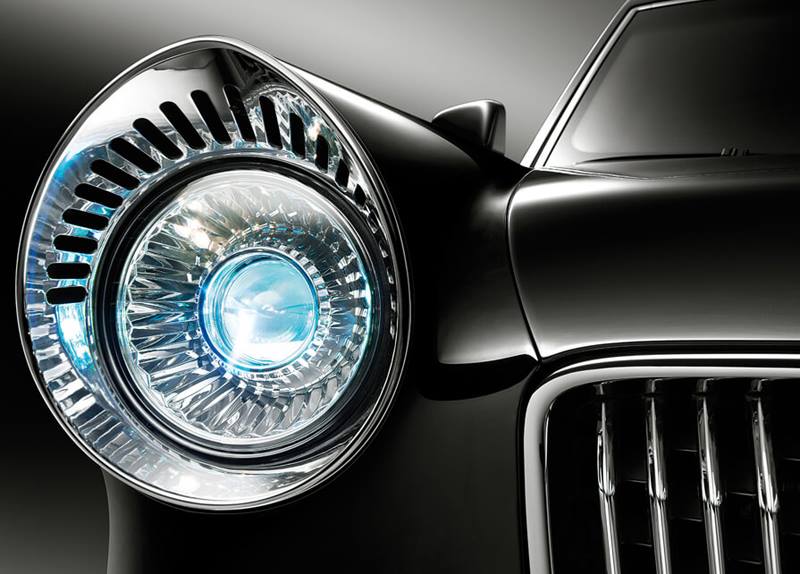
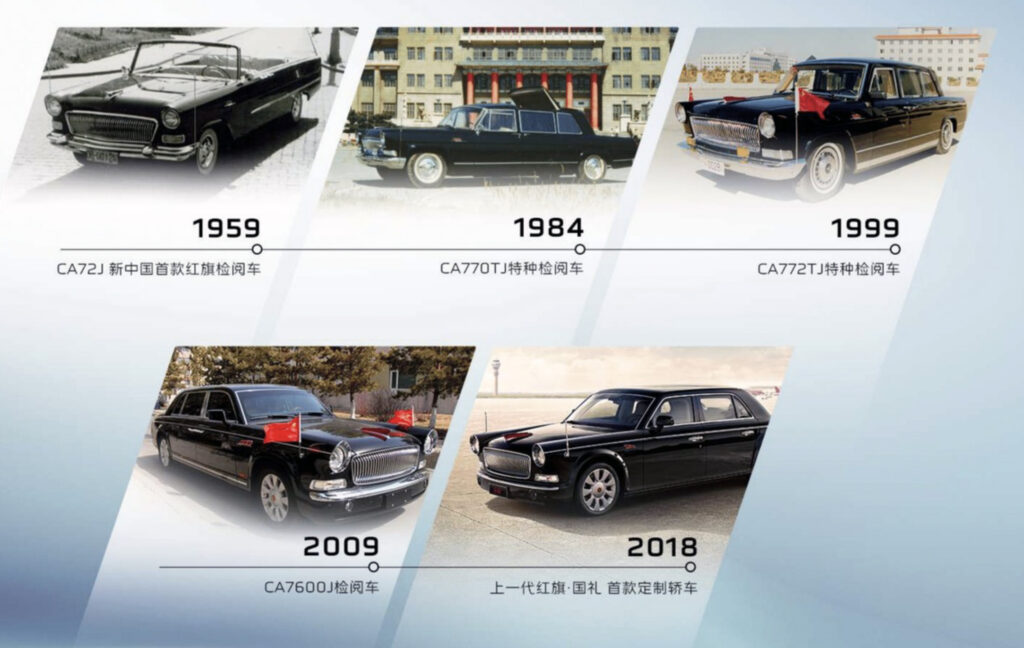
Hongqi has historically been associated with China’s senior social classes, though the source stresses that it has never dominated the country’s car market. Many buyers have chosen Mercedes-Benz and Audi for their performance. Still, Hongqi’s flagship designs could challenge Mercedes’ standing among wealthy customers, particularly as the German brand looks further upmarket.
Heritage or a lack of new ideas?
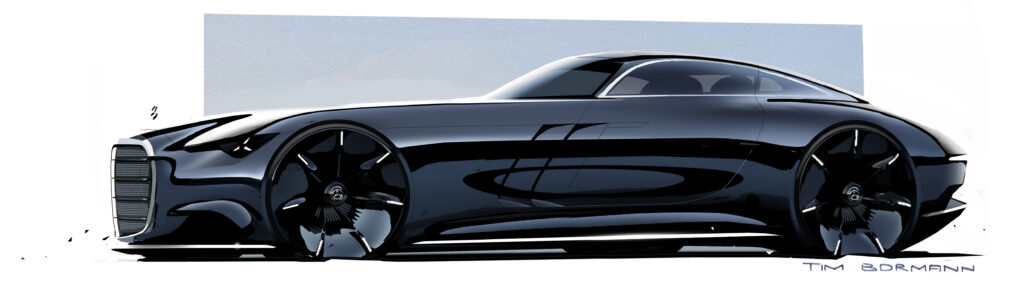
That question frames the author’s disagreement with Hagerty contributor Matteo Licata, who calls the Vision Iconic “neither visionary nor iconic.” Licata acknowledges its attractive proportions and controlled surfacing, but questions whether it works as a Mercedes design. He argues that the concept leans on a polished version of the past instead of offering a compelling new direction.
“So, is the Vision Iconic a good design? It undoubtedly looks nice: It’s got the proportions of a supermodel and an expertly sculpted volume largely devoid of superfluous decoration. But does it live up to its billing, and, perhaps more importantly, is it a good Mercedes-Benz design?”
The author accepts that the car is a throwback, but sees that as a deliberate choice for an ultra-wealthy audience. In this market, retro-futurist cues can communicate pedigree and expense more clearly than unfamiliar shapes. The Vision Iconic recalls the prewar Mercedes 500K and brings back a grille texture last seen on the marque in 2007. The hood ornament earns an emphatic “Huzzah!!!”
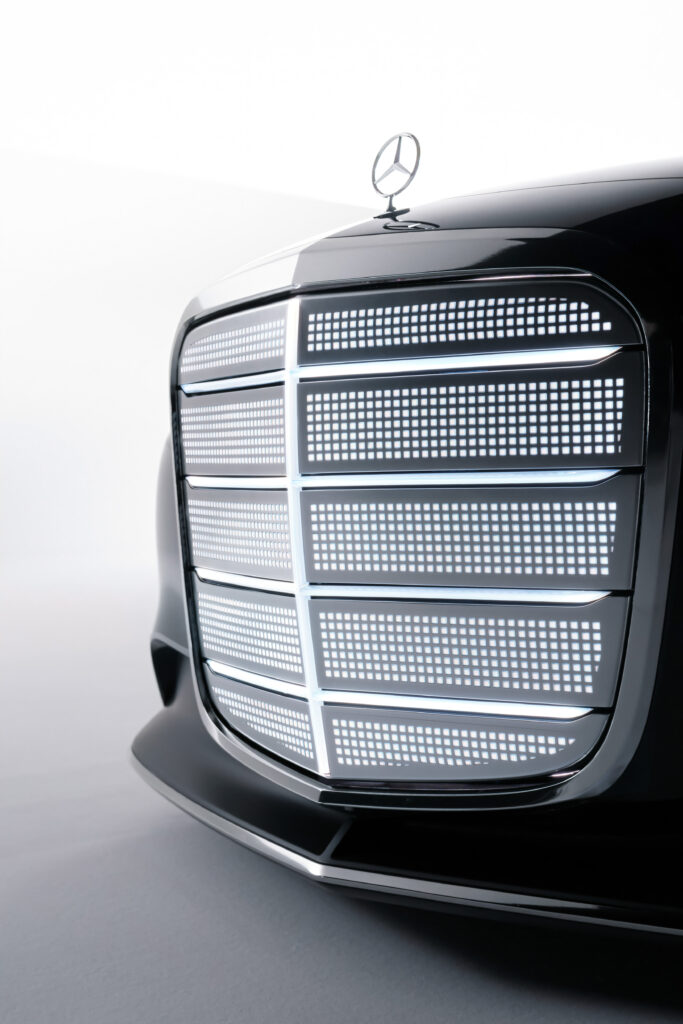
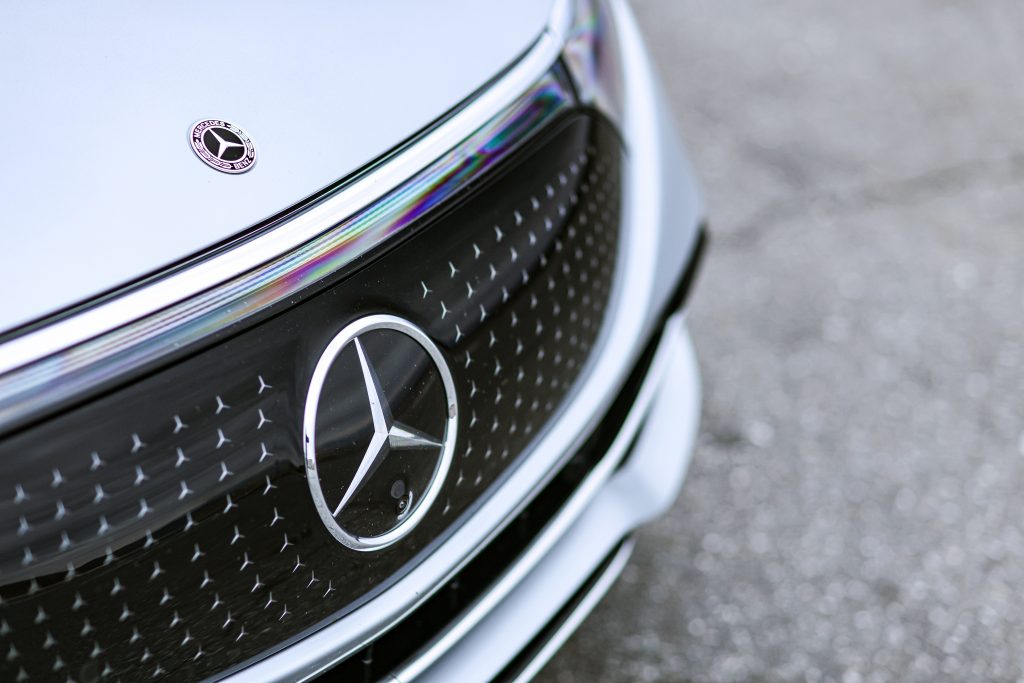
The 2022 Mercedes EQS sedan supplies the counterexample. Its sloping windscreen and short hood offered a sharper break with traditional Mercedes styling, but the source says it sold poorly worldwide and attributes part of that result to its radical appearance. For the author, that outcome is a warning that abandoning familiar design cues can alienate luxury buyers. Licata’s description of the Vision Iconic’s large nose as a “visual signifier of power and prestige” may be exactly the point.
There may be room for both readings. The Vision Iconic’s proportions are deliberately excessive, and its coffin-nosed surfacing makes its retro references plain. Yet the concept’s mission appears practical within the luxury context: make a Mercedes that speaks immediately to status-conscious buyers, especially in a market where local prestige brands are building formidable flagships.
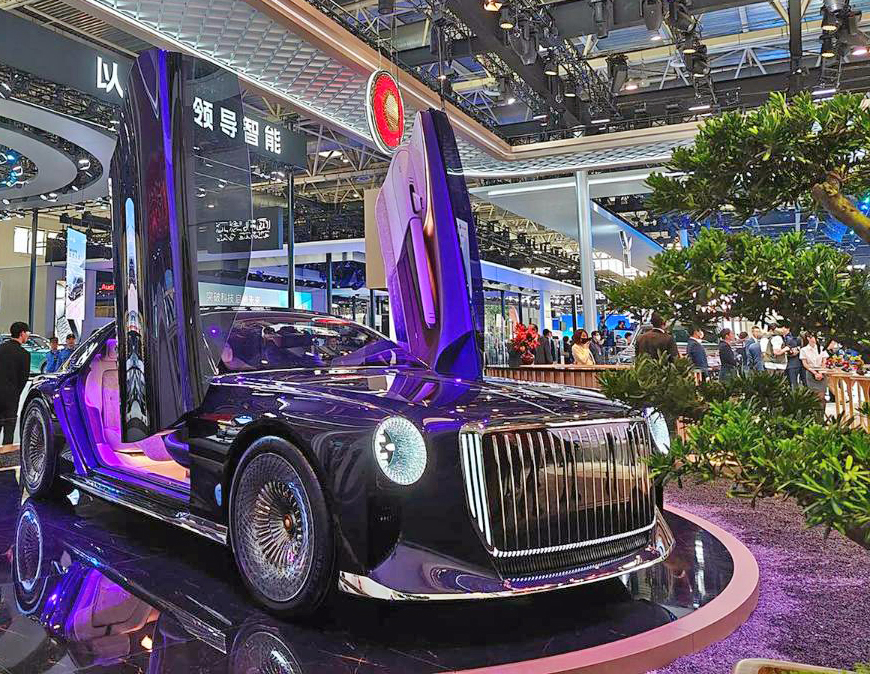
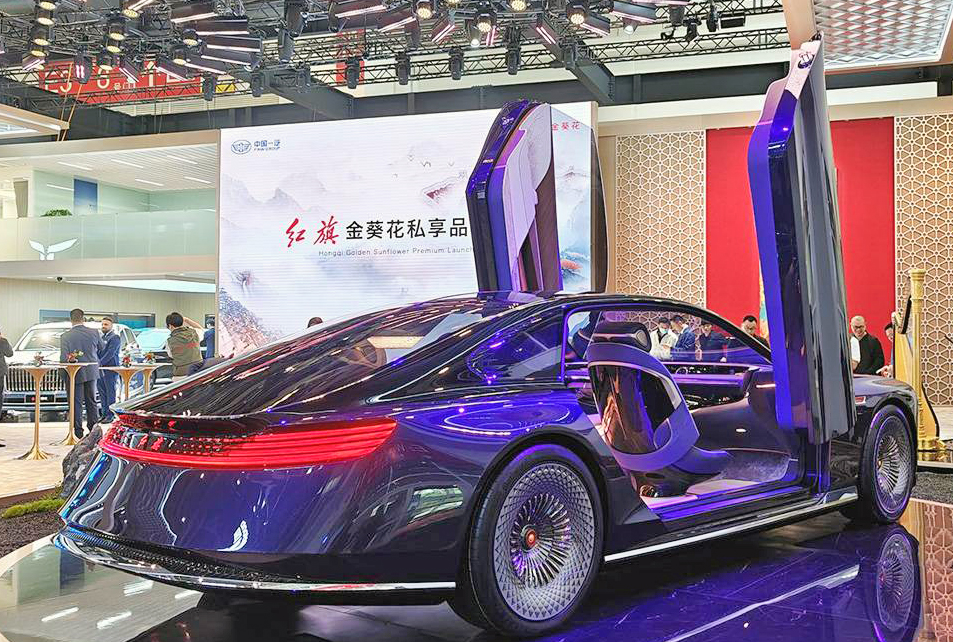
The Golden Sunflower may be the more adventurous design, while retaining the traditional layout of a personal luxury coupe. Whether it could attract the same buyers depends partly on access: the concept belongs to a brand whose top models are tightly restricted. Mercedes, by contrast, can use a concept such as Vision Iconic to reinforce a familiar luxury identity for a global clientele. The test will be whether that identity still carries enough weight as Chinese marques claim more of the high-end conversation.
Mercedes has yet to show whether the Vision Iconic will influence a production car. For now, its value lies in what it reveals about the brand’s priorities: heritage, scale and prestige remain persuasive tools when the target buyer can afford rarity as part of the purchase.


