In lane Electric Vehicles
Chris Bangle’s Five Most Distinctive Car Designs, From the Opel Junior to BMW’s Z4
Description
From the practical Opel Junior concept to the divisive E65 7 Series, these five designs show how Bangle challenged familiar car shapes.
Chris Bangle’s best-known designs share a willingness to make a car look unlike its predecessor. That instinct produced shapes that could be difficult to accept at first glance, but it also gave several Fiat, Alfa Romeo and BMW models a lasting identity. Five projects, spanning a 1983 concept and production cars through the 2000s, show both sides of his approach: careful packaging and aerodynamic thinking at one end, sharply debated styling at the other.
Born in Wisconsin in 1956, Bangle trained his attention on car design rather than becoming a Methodist minister. He moved to Europe in 1981 and joined Opel as a junior designer. In 1985 he moved to Fiat’s design team, then became BMW’s design chief in late 1992. He left the car industry in 2009 to work in other areas of product design, most recently consumer electronics.
He did not lead the design operation at every manufacturer associated with his career. Still, some cars reached showrooms or motor show stands close to his original vision. His work at Fiat and Alfa Romeo found an early audience, while his later BMW designs sparked lasting arguments about how far a familiar brand could change its visual language.
Opel Junior: a small car built around its footprint
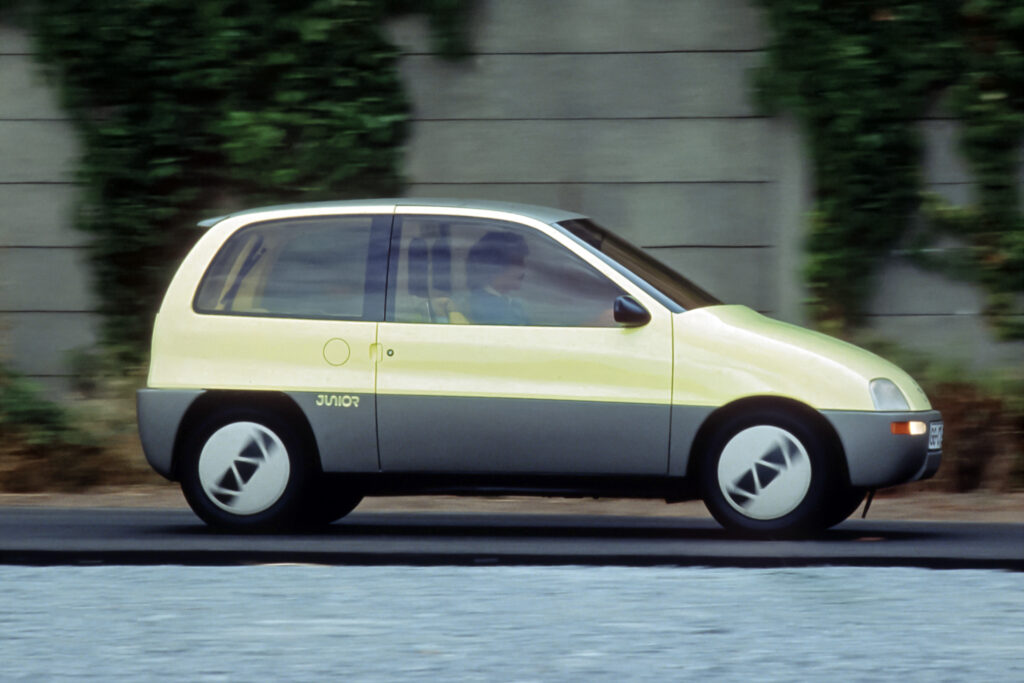
The Opel Junior never entered production, but it may be the clearest expression of Bangle’s ability to tie appearance to practical needs. Unveiled at the 1983 Frankfurt Motor Show, the concept was conceived as a city car for four people, with the compact footprint of the original Austin-Morris Mini as a reference point.
Fitting four occupants into such a small package called for a tall body. The challenge was keeping that upright shape efficient with a modest 1.2-liter engine. Bangle’s answer included flush glazing and lamp units, helping the Junior reach a drag coefficient of 0.31. That figure was striking for a car of this height and size, even though the concept itself remained a design study.
Practicality extended to the cabin. Its dashboard and controls were arranged to make left-hand-drive and right-hand-drive versions easier to build, with many key controls grouped centrally. The Junior’s rounded surfaces also pointed toward the softer forms that would appear on the 1993 Opel Corsa B. It was a concept with a clear purpose: make a small city car work for four without treating aerodynamics or manufacturing as afterthoughts.
Alfa Romeo 145: an unconventional profile with staying power
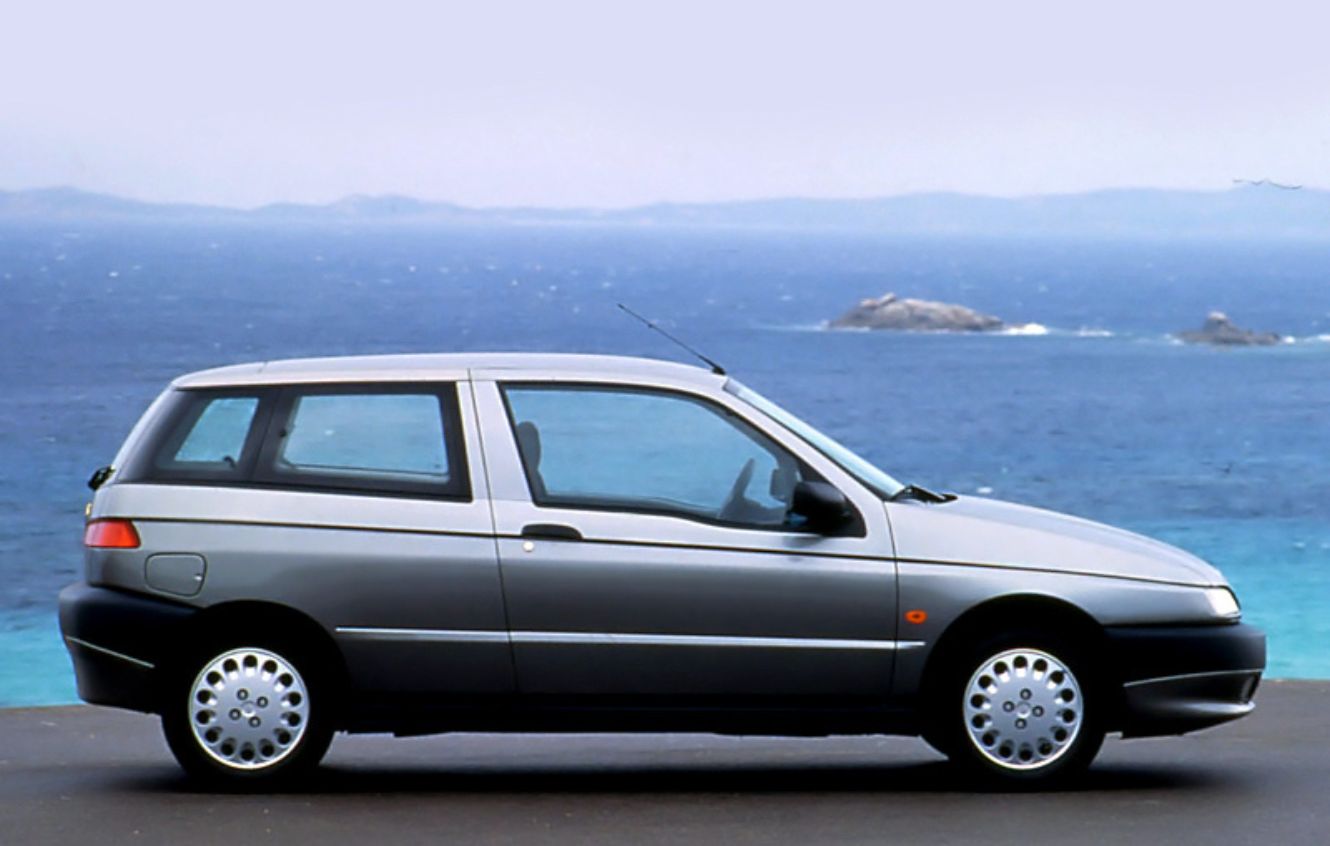
The Alfa Romeo 145 arrived in 1995, more than two years after Bangle had left Fiat Group, but the car remained very much his creation. Its tall, blunt-sided “bread van” profile stood apart from the mid-size hatchbacks around it. A wraparound rear glass area made the car’s side view especially unusual, while a beaked nose helped establish a look that carried into a generation of Alfas.
That shape divided opinion when new. With time, its proportions seem less confrontational, and the 145’s distinctiveness reads as a strength. Its design also shows that Bangle’s work wasn’t limited to the sculpted surfaces later associated with BMW: here, the defining choice was the overall silhouette and the way the glass and body were composed.
Fiat Coupé: sharp details and a considered cabin
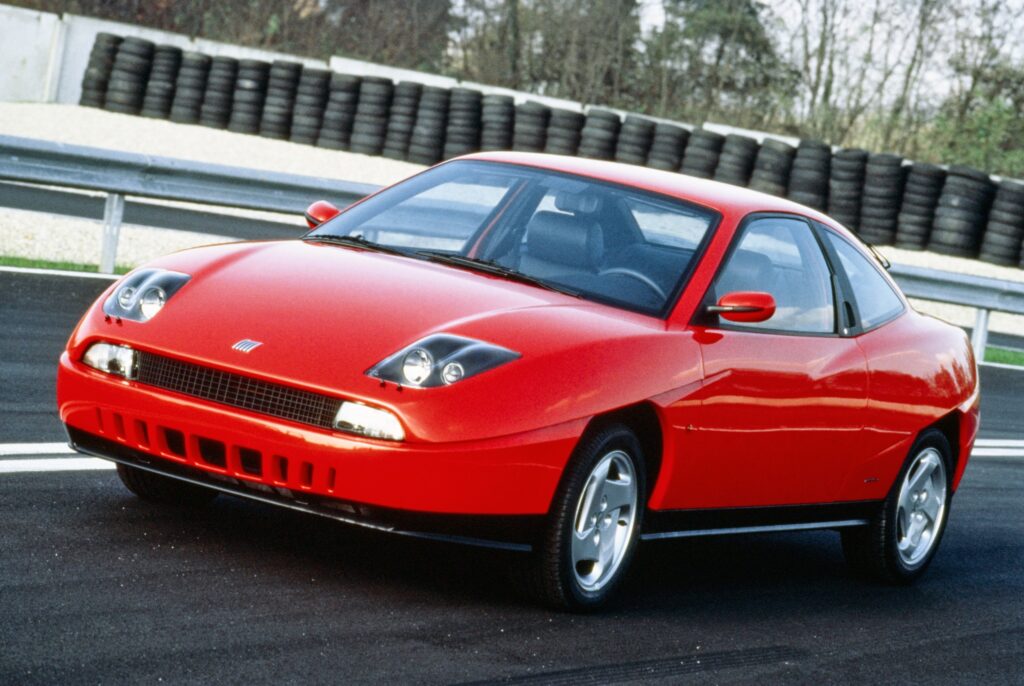
Revealed at the 1993 Bologna Motor Show shortly after Bangle moved to BMW, the two-door Coupé Fiat paired an assertive exterior with an interior designed by Pininfarina. Its side strakes gave the body a distinctive cut, an early sign of Bangle’s interest in making a car’s side view as memorable as its front.
The Coupé Fiat shared several components with the Alfa Romeo GTV, which was sold alongside it, yet the two cars made different visual cases. The Fiat’s combination of strong lines and distinctive details helped it stand apart in a class where a coupe’s appeal often depended on more than its basic proportions. The Pininfarina cabin added another layer to the design, rather than leaving the exterior to carry the whole impression.
BMW 7 Series: a difficult change for a conservative class
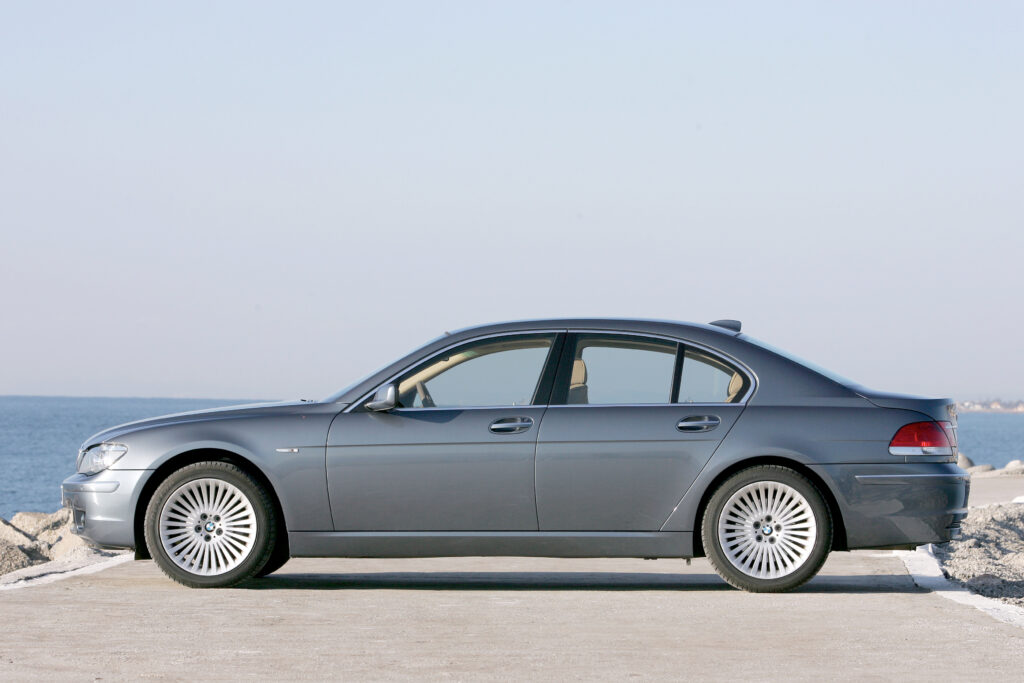
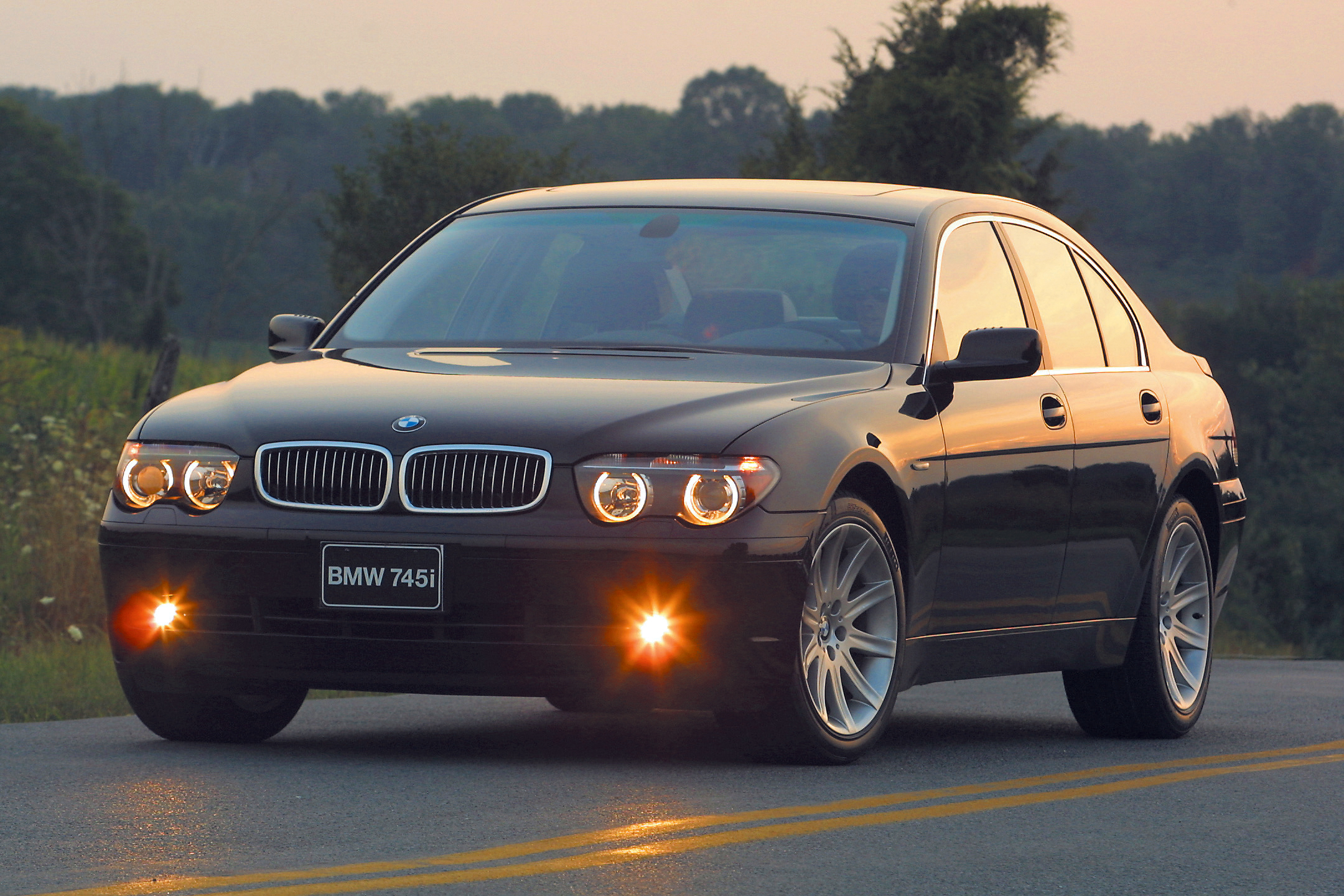
The E65-generation BMW 7 Series, sold from 2001 to 2008, remains the most contentious design in this group. It replaced the E38, a car widely admired for its handsome proportions, in a segment where buyers were accustomed to a more restrained look. The new model’s styling made a clean break, and its reception never fully settled.
The rear received the mocking “Bangle Butt” nickname, while the unusual grille and headlamps—with indicators positioned above the lamp lenses—added to the debate. The flame-sided bodywork drew the strongest criticism. Some observers felt the surfaces lacked harmony, and a more rounded facelift arrived in late 2006 without ending the discussion.
The 7 Series also introduced iDrive, giving buyers a new control system to learn alongside the unfamiliar exterior. The design and the cabin interface were distinct changes, but together they made this BMW a particularly visible departure from the model it replaced. Seen today among newer cars, the E65 can look more at home than it did on its 2001 arrival. BMW later toned down the flame-sided treatment on its sedans, while the original car remains a clear marker of how far the company was willing to push its styling.
BMW Z4: flame surfacing in a more natural setting
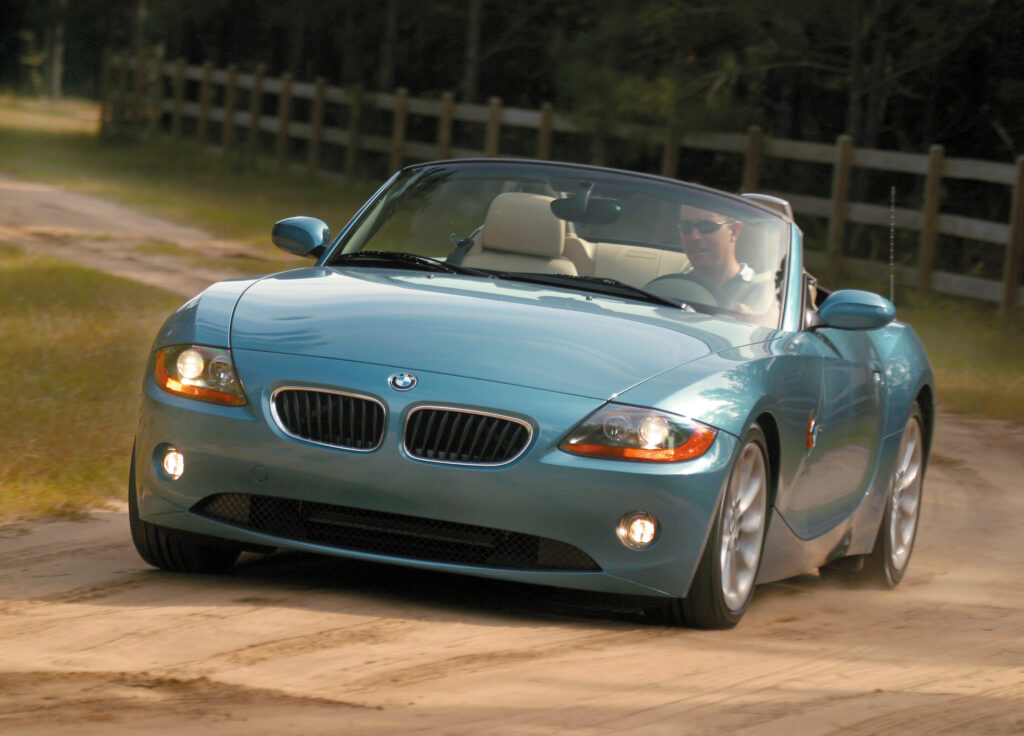
The 2003–08 BMW Z4 carried Bangle’s sculpted surfaces into a sports car, following the Z3, which had already challenged expectations when it appeared in 1995. The Z4 echoed the E65 with a similar headlamp arrangement, a broad curved hood and pronounced side strakes. In this smaller, sportier form, those elements seemed to fit the car’s character more readily than they had on the executive sedan.
Put the Z4 beside the 7 Series and the family resemblance is obvious. Yet the roadster’s proportions give the same design ideas a different balance. More than two decades after its debut, the original Z4 still looks modern. That contrast captures Bangle’s body of work: a bold shape could prompt resistance, but the right setting could turn the same visual ambition into an enduring part of a car’s appeal.
The post Are These Chris Bangle’s Greatest Hits? appeared first on Hagerty Media.


