In lane Electric Vehicles
Italdesign’s UST Deal Could Bring More Polish to Outsourced Car Design
Description
UST’s majority stake gives Italdesign a new route to automotive projects, with AI and digital services potentially helping ideas reach production faster.
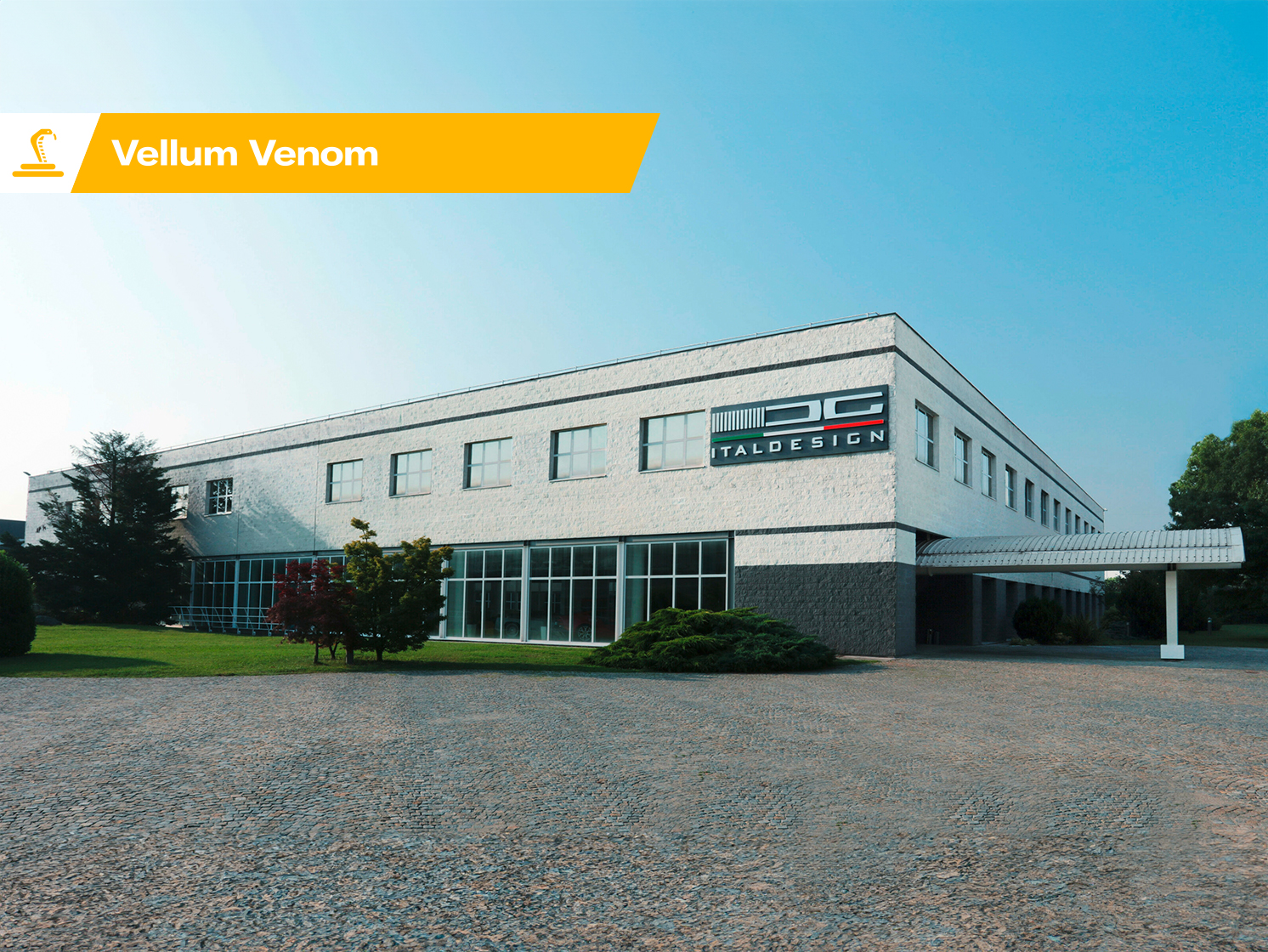
Italdesign’s new majority owner, UST, could give the storied Italian studio a stronger route into modern vehicle development. The deal also puts a practical question in focus: can a technology and consulting company help carmakers turn design concepts into better integrated products, or will the styling expertise get lost inside a broader services business?
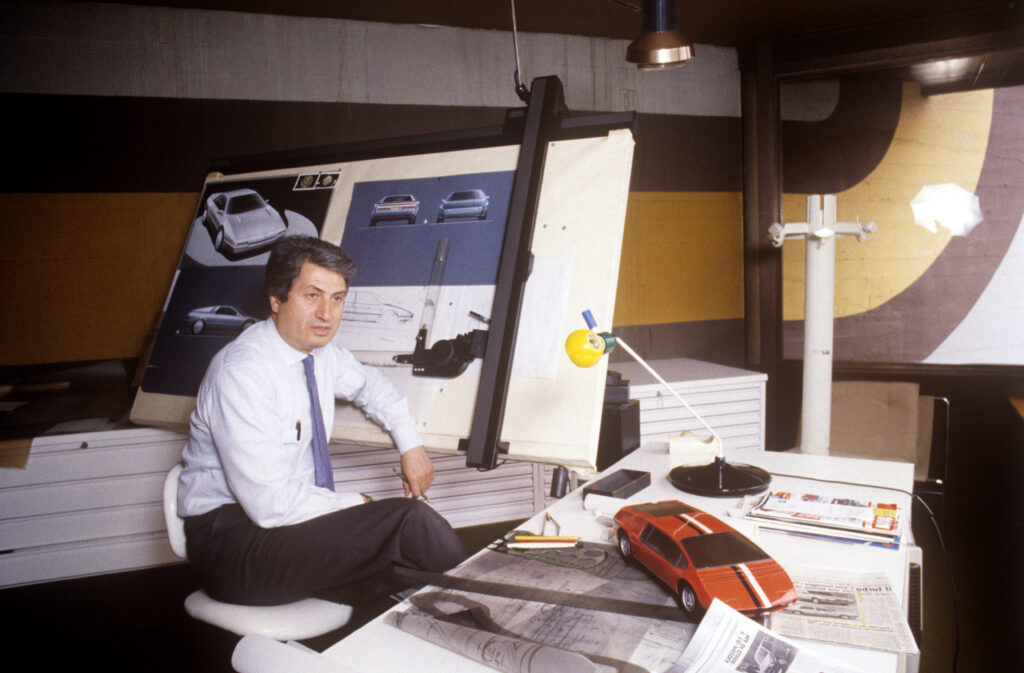
UST describes its work as helping large companies develop digital products and adopt artificial intelligence. The company says its services can “support the development of fully modern, digitally enabled vehicles.” Bringing Italdesign into that work gives UST access to a respected automotive design name, while the studio gains a larger services infrastructure and AI capabilities. The arrangement could connect concept development, engineering and digital systems more closely than a design consultancy working on its own.
UST’s own pitch puts AI near the center of its offer. Its website describes an AI framework for helping businesses plan adoption and build prototypes. That may draw attention from clients, but the more consequential part of this deal could be the less flashy work: coordinating the people, software and vehicle components needed to move a project along.
“Our AI transformation framework and AI adoption roadmap help enterprises master the business, ethical, and technical dimensions of AI, then fast-track adoption through real-world prototyping.”
Automotive design depends on that coordination. A studio can produce an appealing exterior, but the finished vehicle also has to make sense inside, use available components well and satisfy the needs of the company commissioning it. A mismatch between those pieces can leave a concept looking awkward or poorly resolved, even when the underlying brief or parts supply limits what designers can do.
A cautionary Buick prototype
The source article points to an obscure Buick prototype from the mid-2000s as a warning about what can happen when outside expertise and vehicle integration fall short. The vehicle appears to have been intended for China’s expanding auto market. Its generic crossover body and Audi A2-like headlamps strike the writer as an uneasy combination, while the cabin offers further signs that the elements weren’t brought together with much finesse.
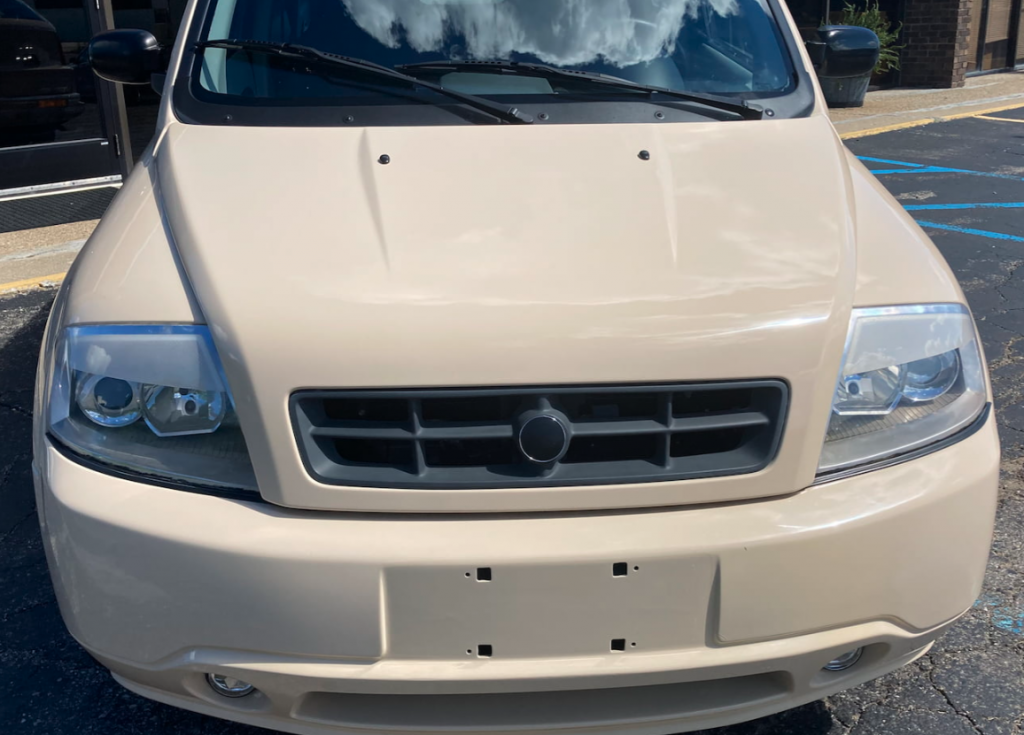
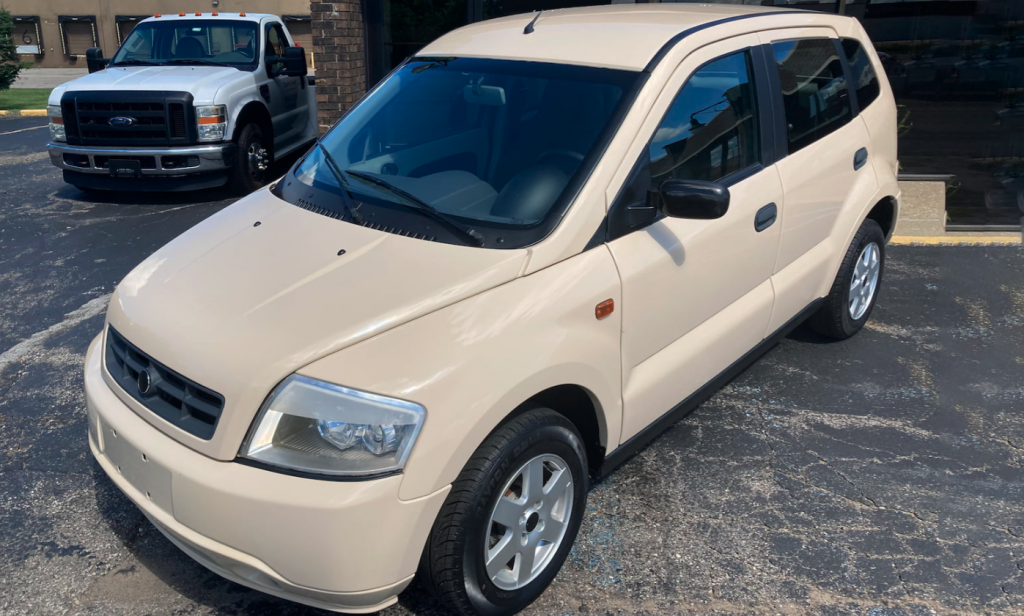
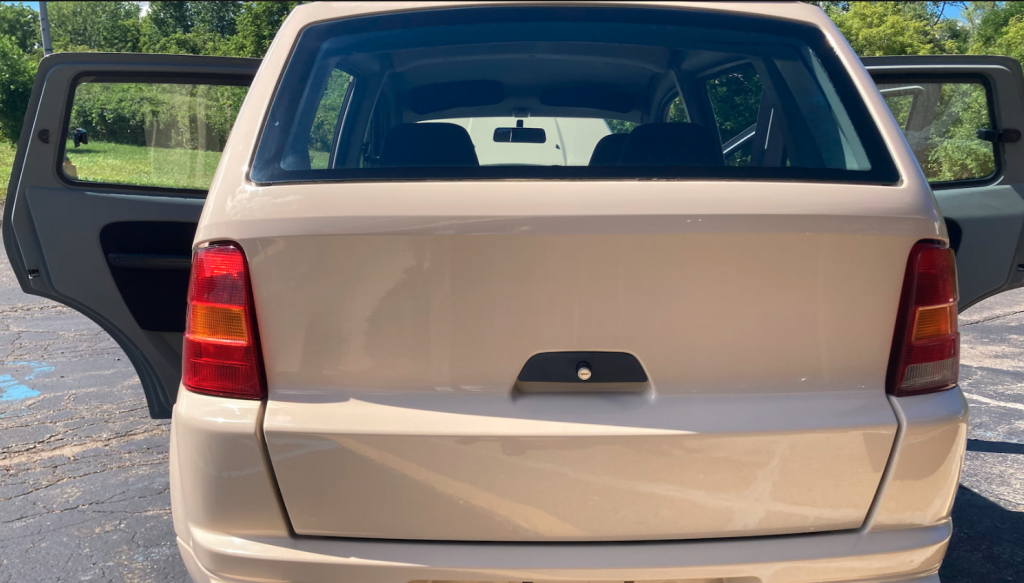
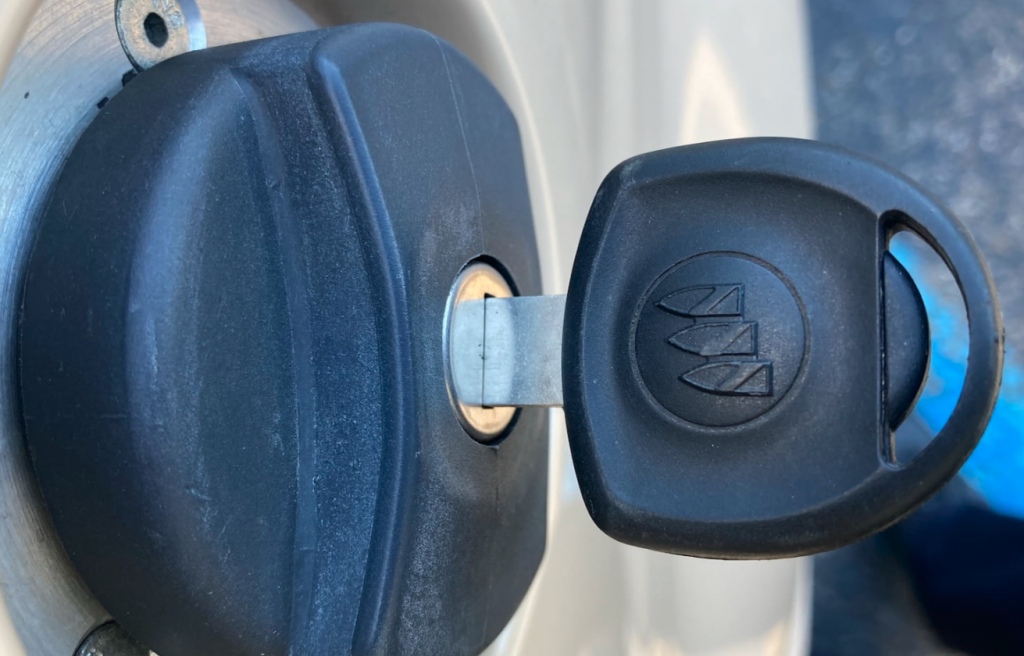
That verdict is an interpretation, not a confirmed account of who designed the car or how the project was managed. The article suggests a third party may have been involved and notes that the team could have been working with parts already available within General Motors, including components from its Fiat-related parts supply. Either way, the prototype illustrates the risk of treating design as a surface exercise instead of shaping the whole vehicle around its constraints.
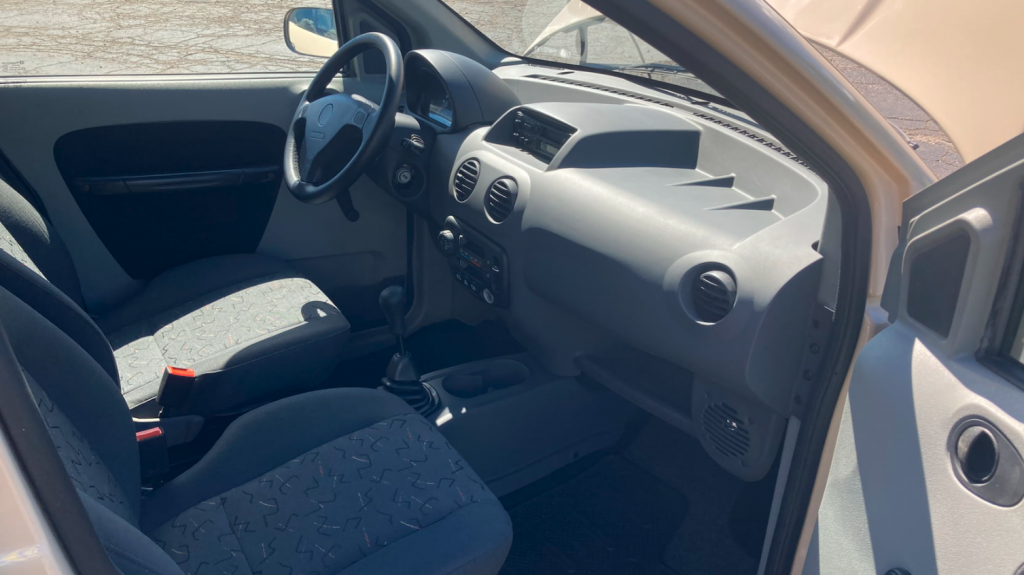
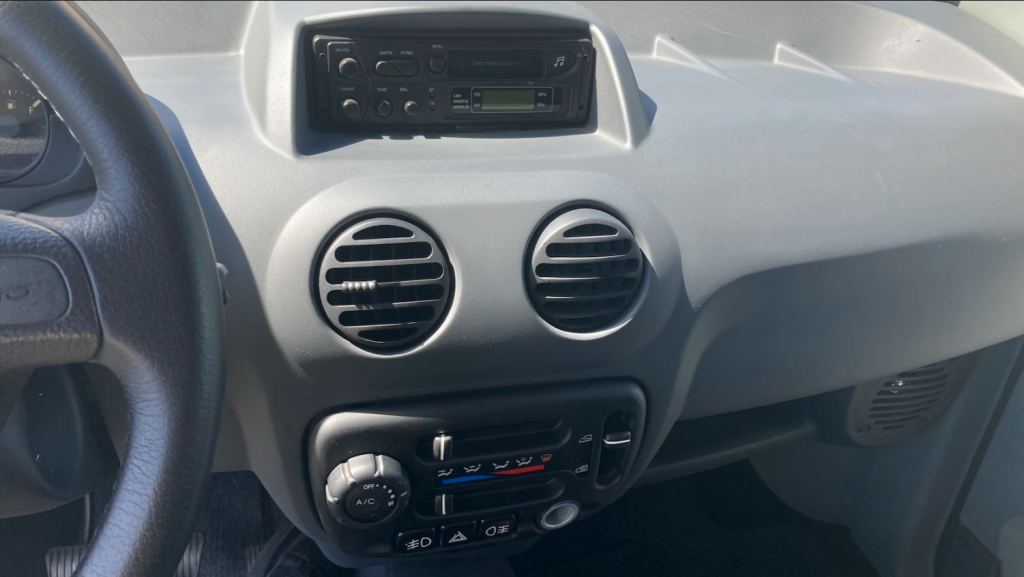
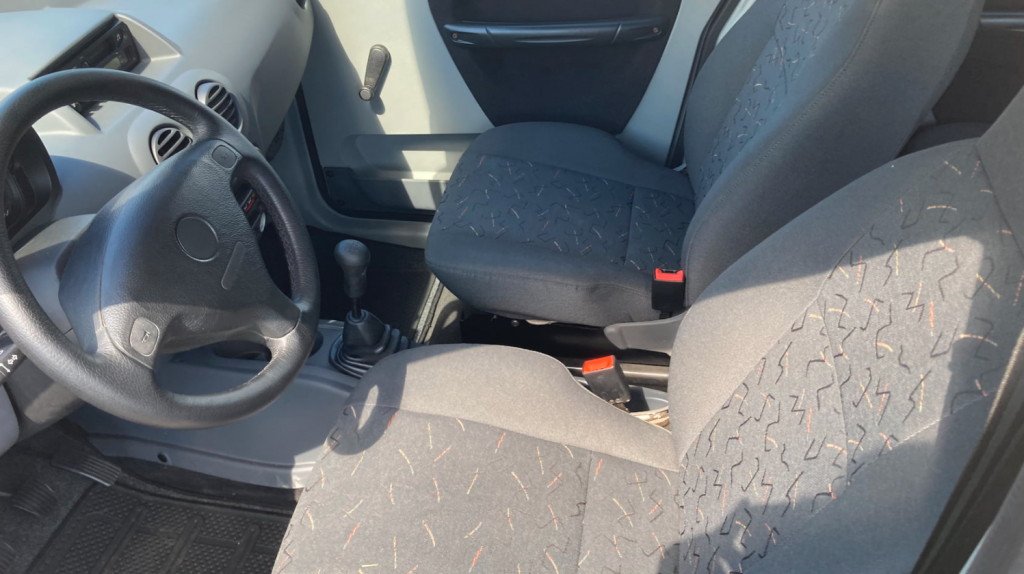

Italdesign has spent 57 years building a reputation in vehicle design, though its history has had difficult periods. Founded by Giorgetto Giugiaro, the studio now faces a very different competitive environment: automakers have their own design teams, and technology consultancies are expanding into vehicle work. For an independent studio, access to clients, digital tools and project delivery capacity can matter as much as a celebrated name.
Work beyond the classic car
The studio’s ongoing assignments also show why its future can’t rest on iconic sports cars alone. Italdesign recently worked with Panasonic on luxury shuttle interiors intended to emphasize comfort and exclusivity. The project brings automotive styling together with consumer electronics, giving Panasonic a vehicle setting to showcase its hardware.
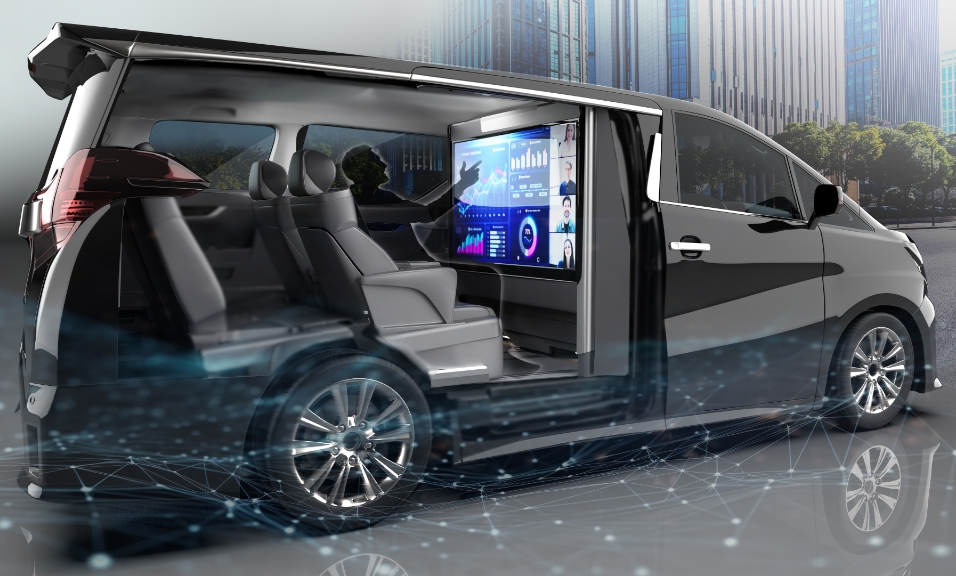
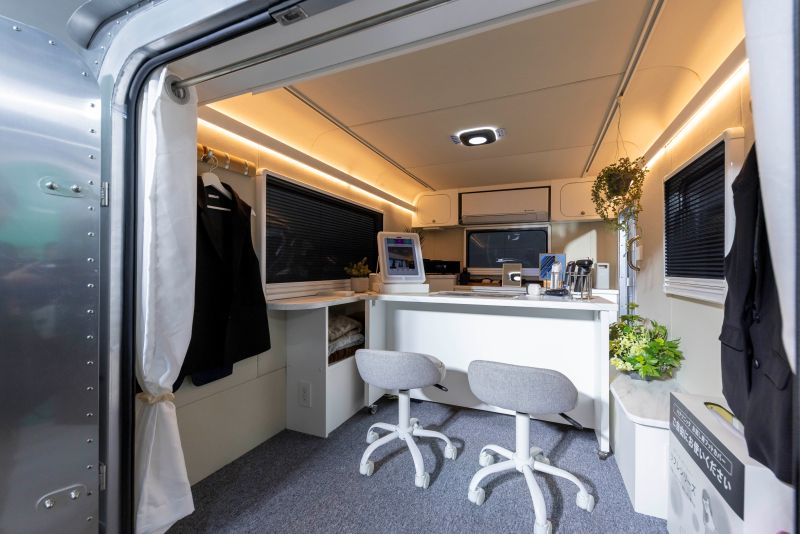
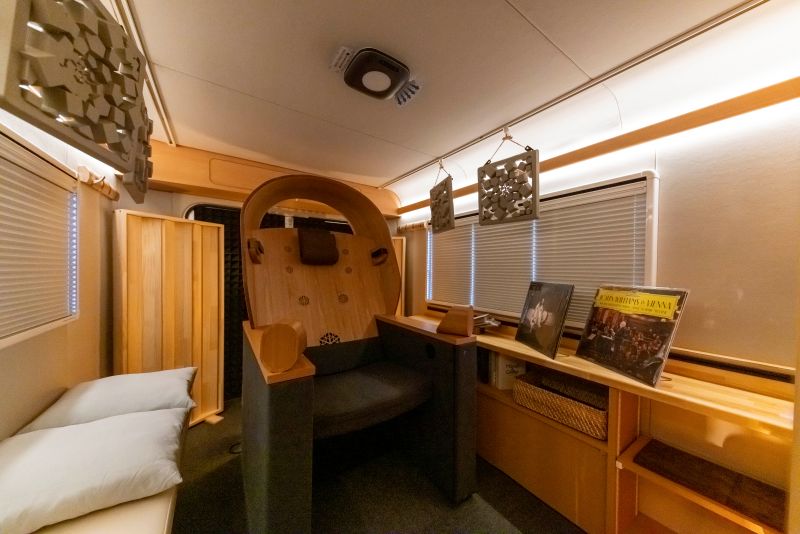
The Toyota-based van may not carry the same historical weight as Italdesign’s 1978 BMW M1, but projects like this can keep a design business active between headline-grabbing sports cars. They also point to a wider market for vehicle concepts commissioned by companies outside the traditional automaker group. If UST helps Italdesign deliver this work faster and at lower cost, more consumer-facing brands may see a reason to explore automotive design.
There may also be opportunities closer to home. Lamborghini and its parent, Audi, retain stakes in Italdesign, according to the source. A closer link between the studio’s design skills and UST’s digital services could make it easier to develop new variants from existing vehicle platforms. The 2024 Lamborghini Huracán Sterrato is one example of how familiar components can be reworked for a different audience.
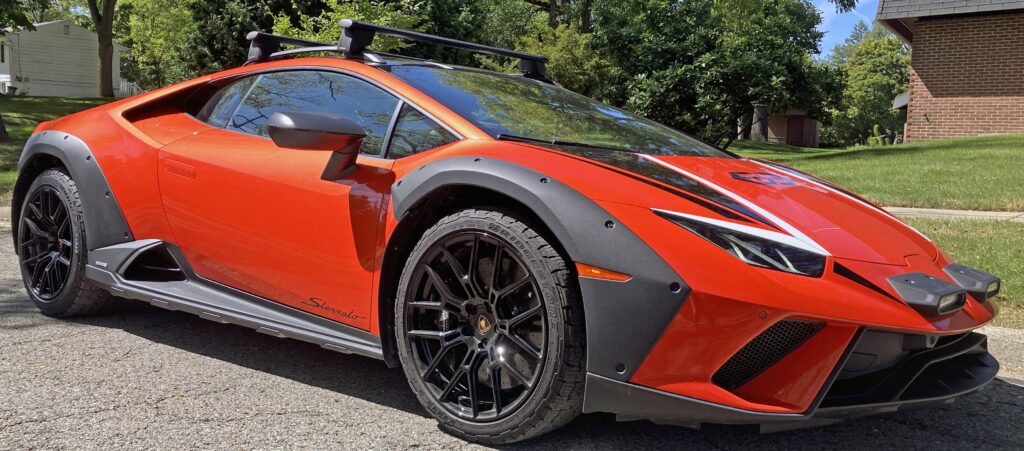
The Sterrato and the Buick prototype both draw on existing parts for a new purpose, but the former comes across as a more considered package. That distinction is where design experience still counts. AI and consulting capacity may help teams explore ideas and coordinate complicated projects; Italdesign’s value will depend on turning those tools into vehicles that feel coherent from cabin to bodywork. Its work with UST will show whether the combination can produce more thoughtful projects at a pace and cost that clients can support.
The post Vellum Venom Vignette: Italdesign, AI, and Professional Servicing appeared first on Hagerty Media.
===DONE===

