In lane Electric Vehicles
Jaguar’s 1,000-HP Electric GT: First Ride in the New Luxury Flagship
Description
Jaguar’s upcoming electric GT pairs 1,000 hp with a calm, refined ride. It’s due in early 2027, with a target price around £120,000.
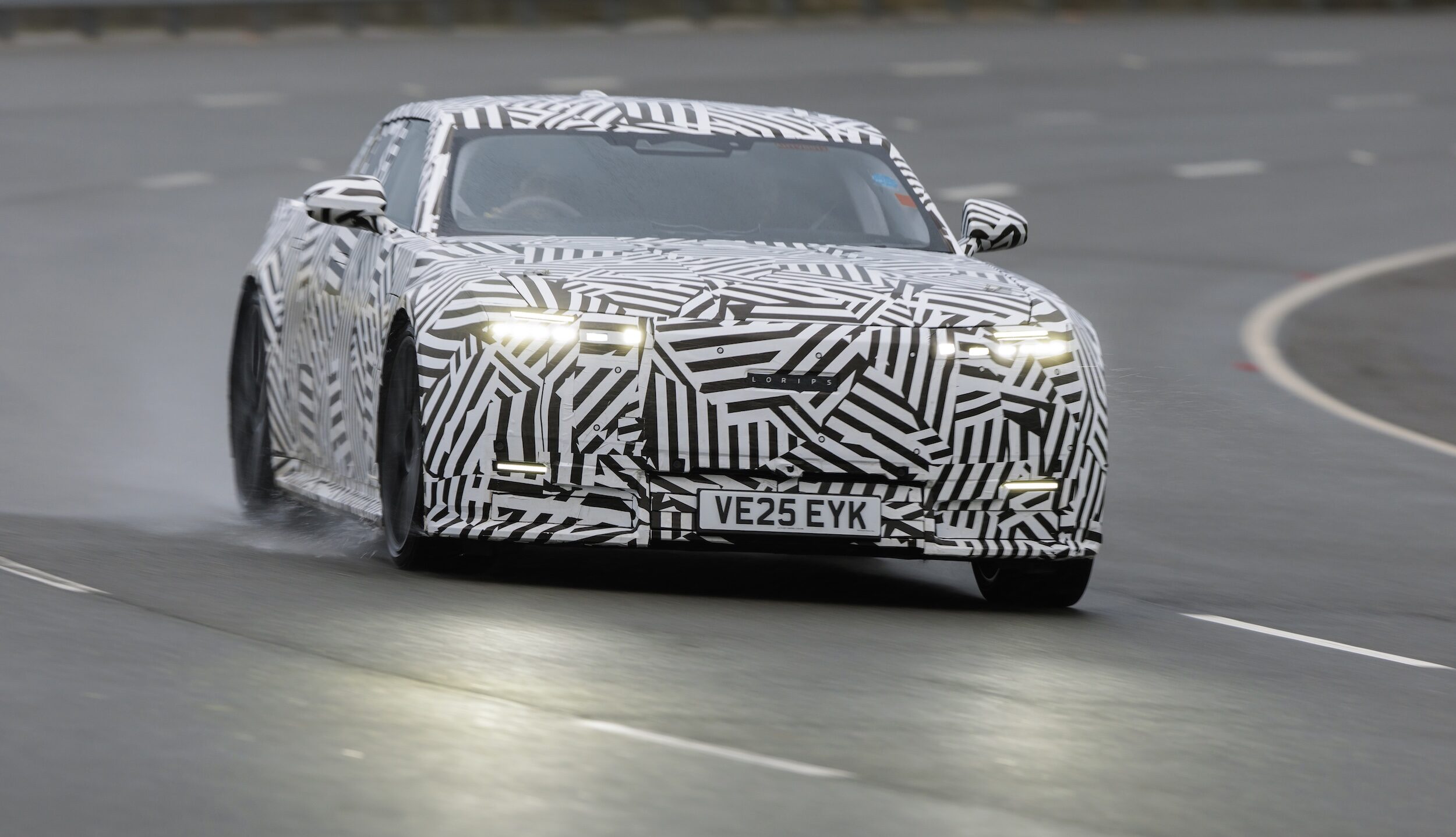
Jaguar’s electric relaunch will be judged on more than its striking design. The first car in the new three-model range is a four-door grand tourer, and a passenger ride in a development prototype suggests the engineering team is aiming to give its 1,000-hp EV the composed character of a traditional Jaguar sports saloon.
The GT’s name has yet to be announced. Jaguar says it will be shown without camouflage next summer, when orders are due to open. First deliveries are targeted for early 2027, at a price of around £120,000 or $160,000. The schedule has slipped by at least a year, but the car now appears to be approaching production.
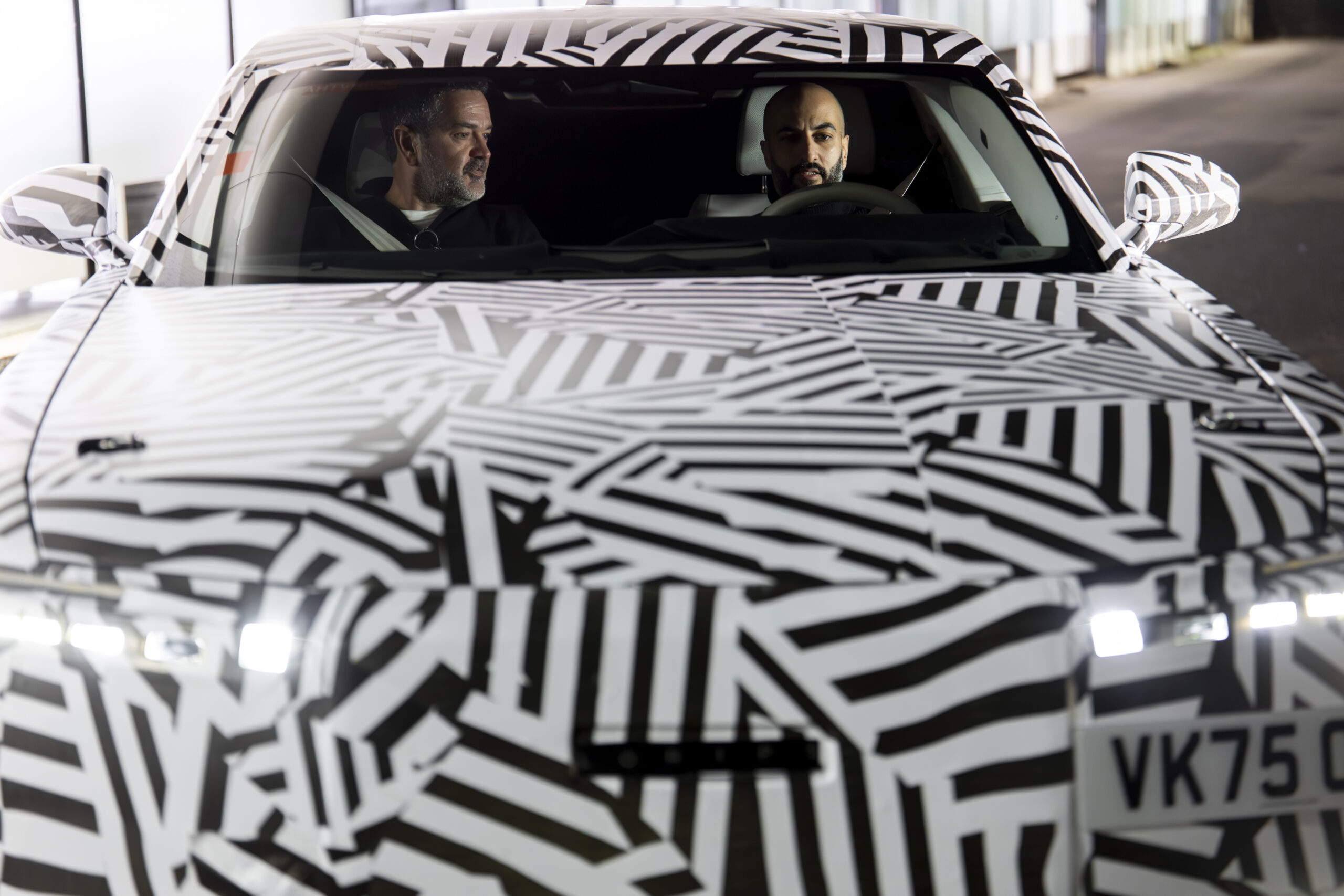
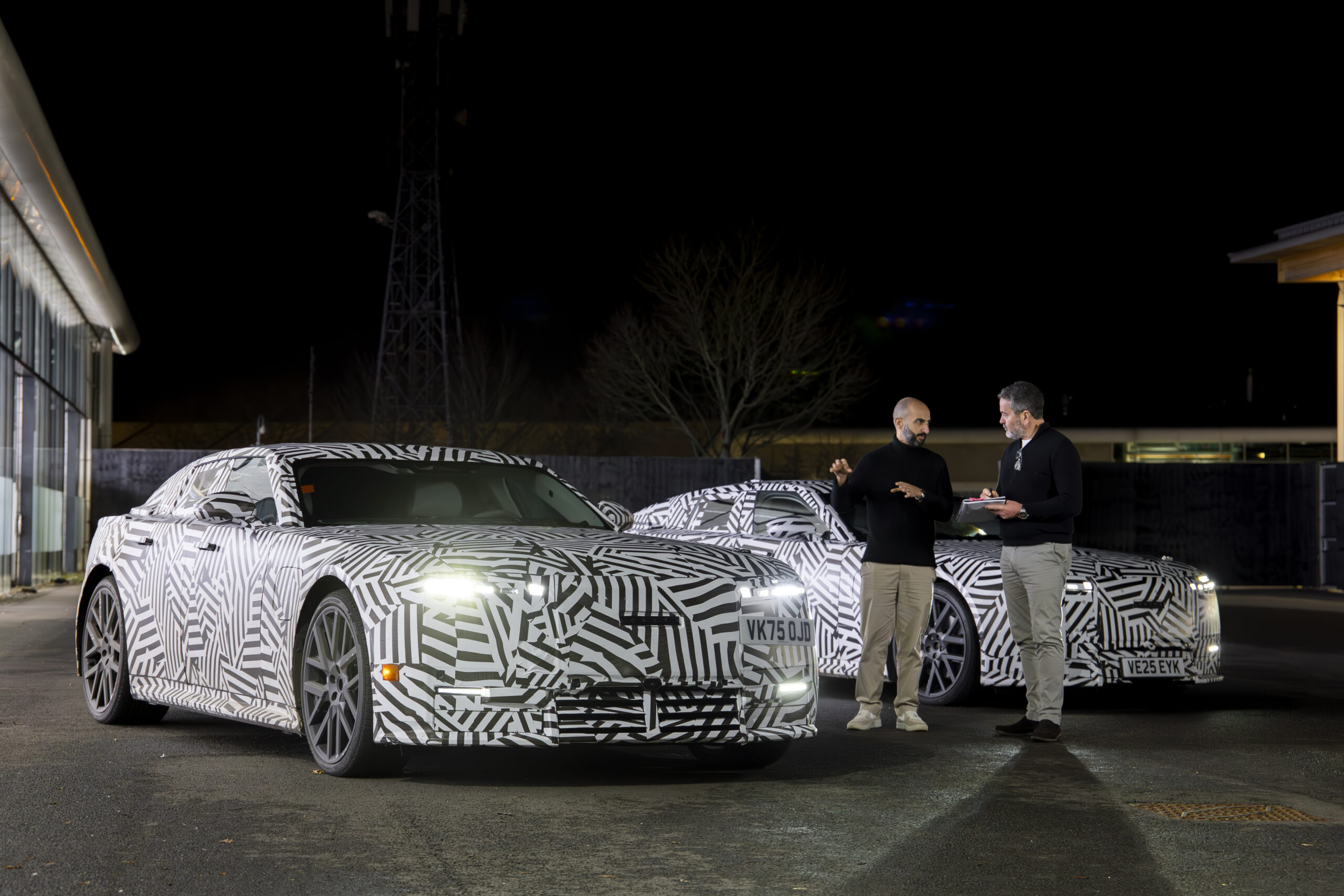
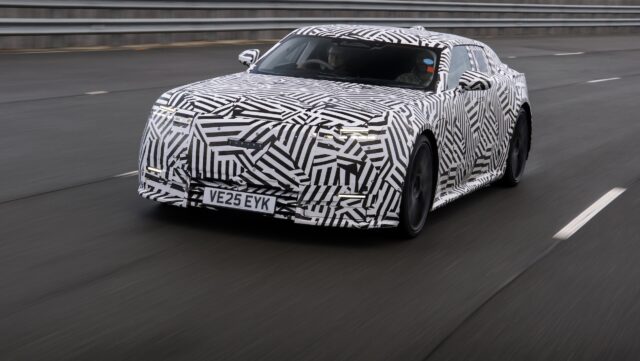
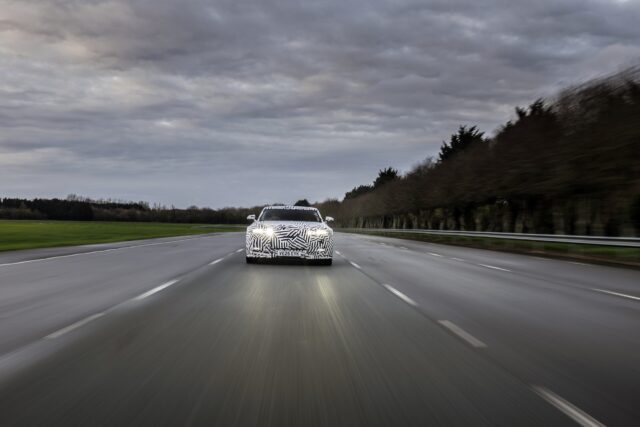
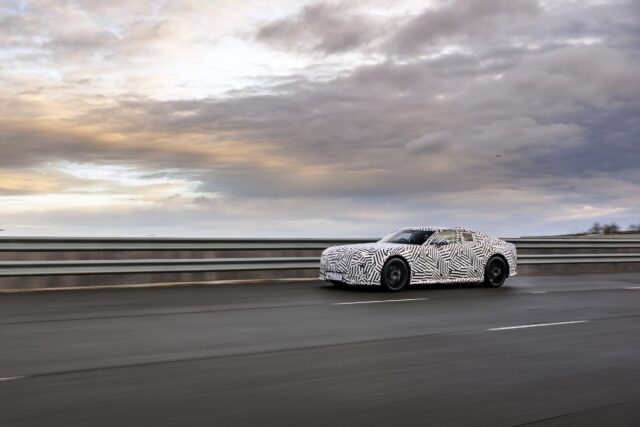
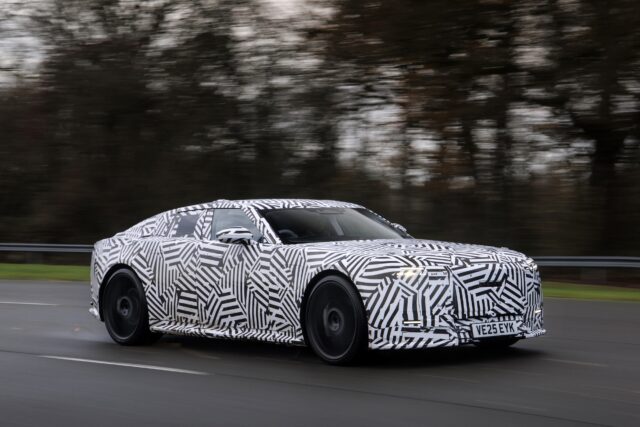
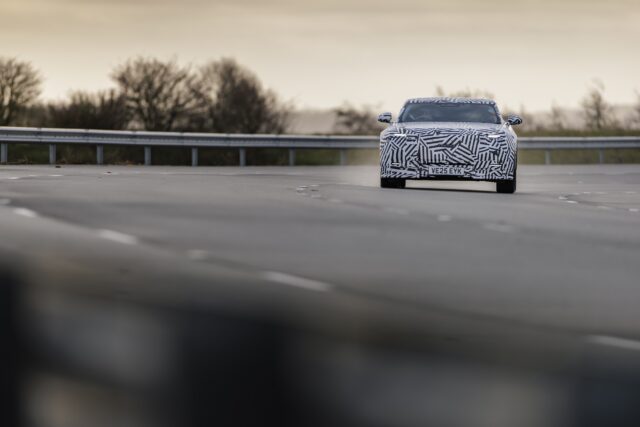
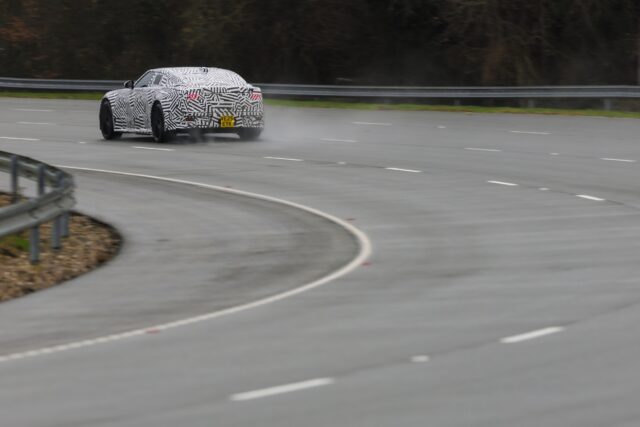
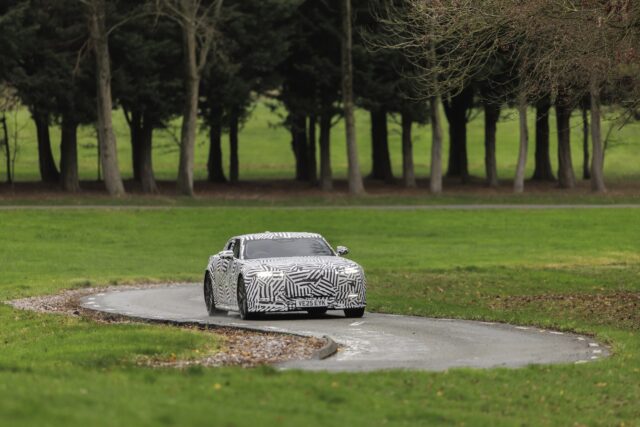
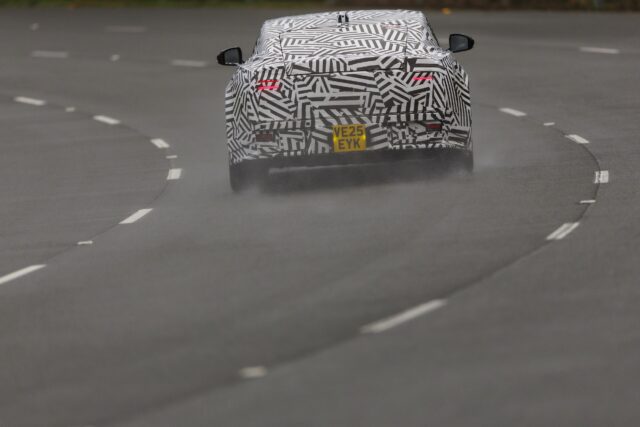
Two of the 150 prototypes built so far were at Jaguar’s Gaydon test track in the British Midlands. These are Attribute Development Vehicles, the most advanced prototypes in the program, with the latest hardware and software. Vehicle engineering manager Navid Shamshiri drove during the visit. He said suspension work is still underway, including adjustments to pedal feel and damping control, while the car’s development team considers its overall behavior close enough to assess.
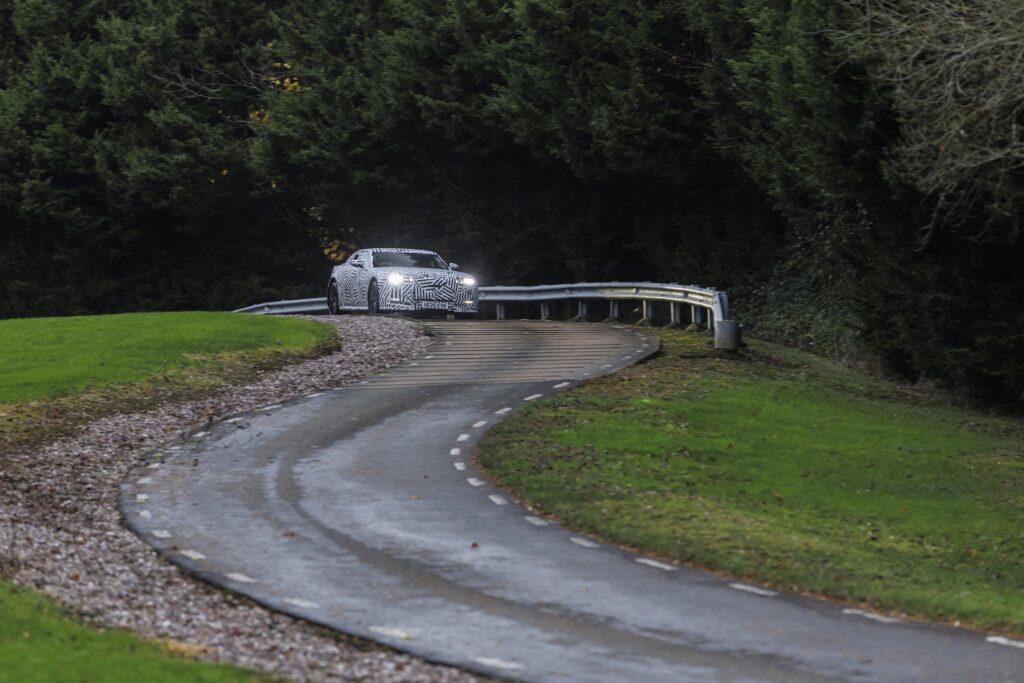
Concept proportions, with a cocooned cabin
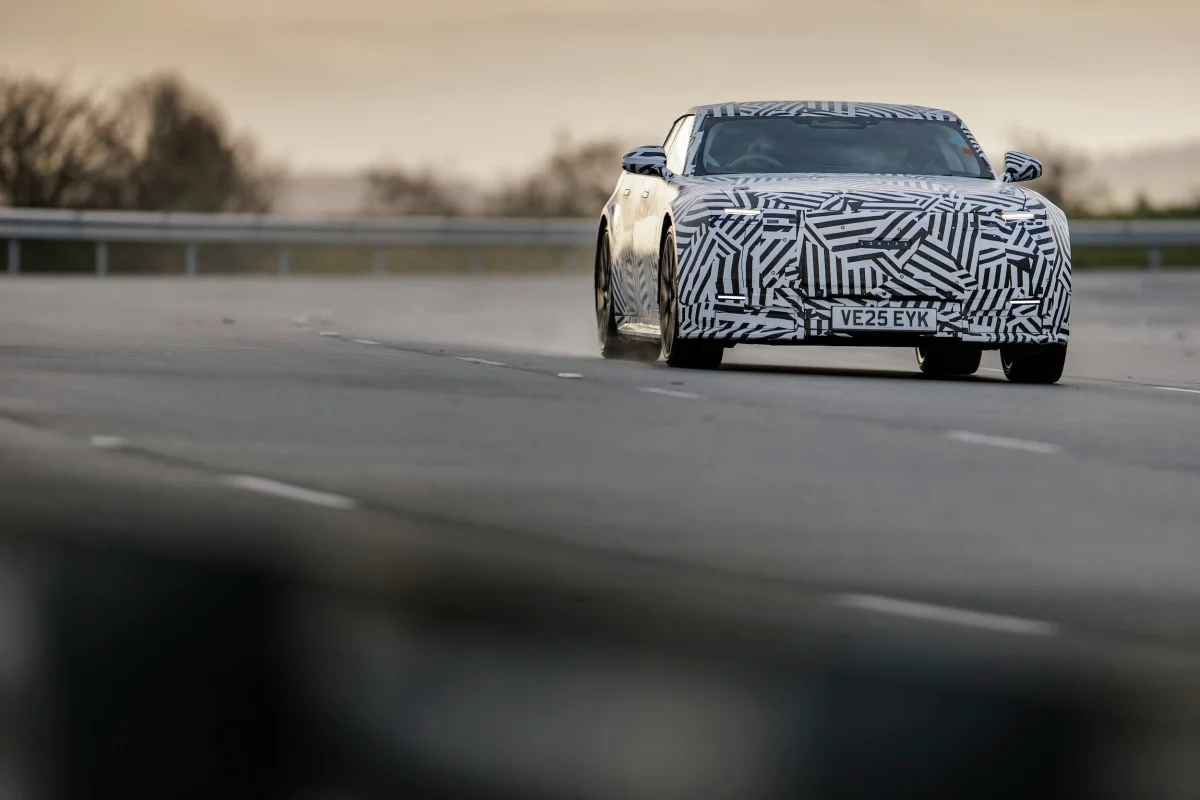
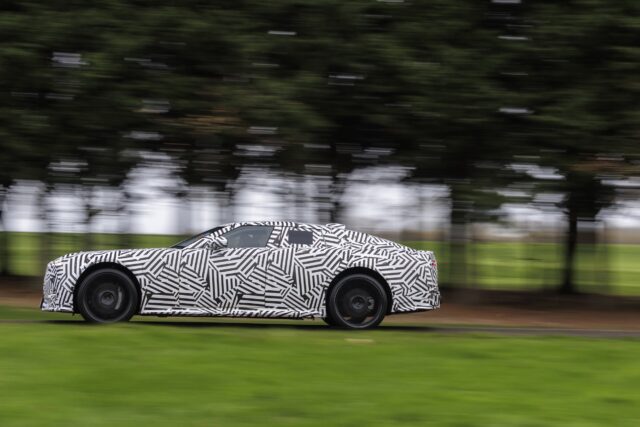
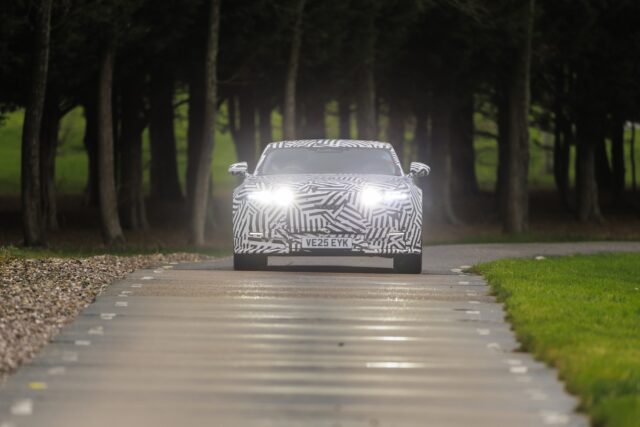
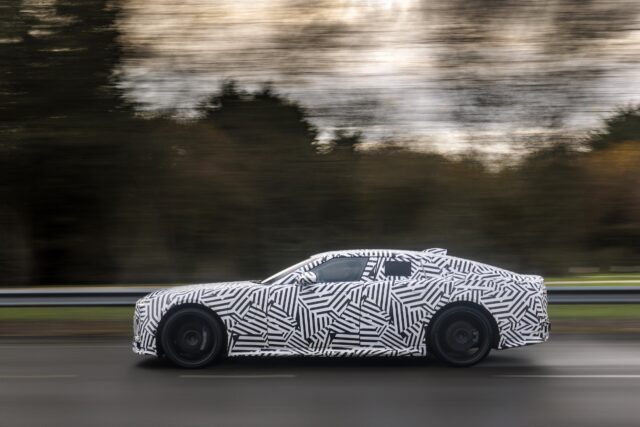
Even beneath disruptive camouflage, the prototype’s proportions closely echo the two-door Type 00 concept. The broad, flat hood and low stance stand out, while 23-inch wheels add visual scale. The production design was settled before the concept was completed, Jaguar says, so the GT should retain a close family resemblance when it appears.
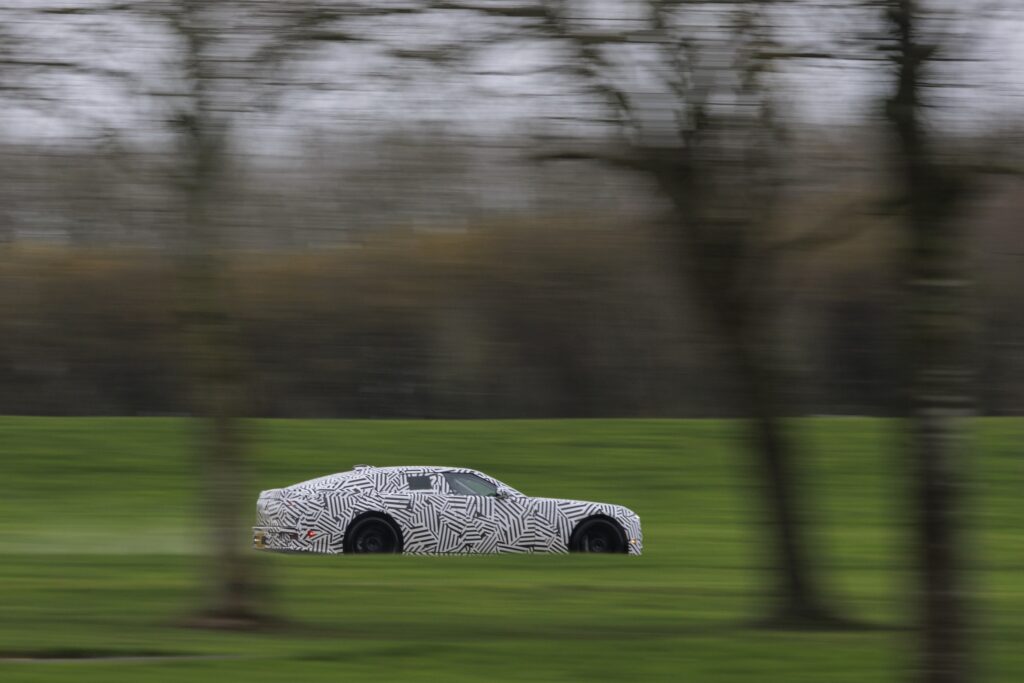
The cabin was still heavily covered during the ride, but its basic layout was apparent. The driver sits low behind a high central console, which creates a sheltered feel without making the space seem confining. The windshield is relatively narrow in height, framing a dramatic view across the long hood. The prototype’s exterior disguise also included added body pieces to mask its lines and visible B-pillars between the doors.
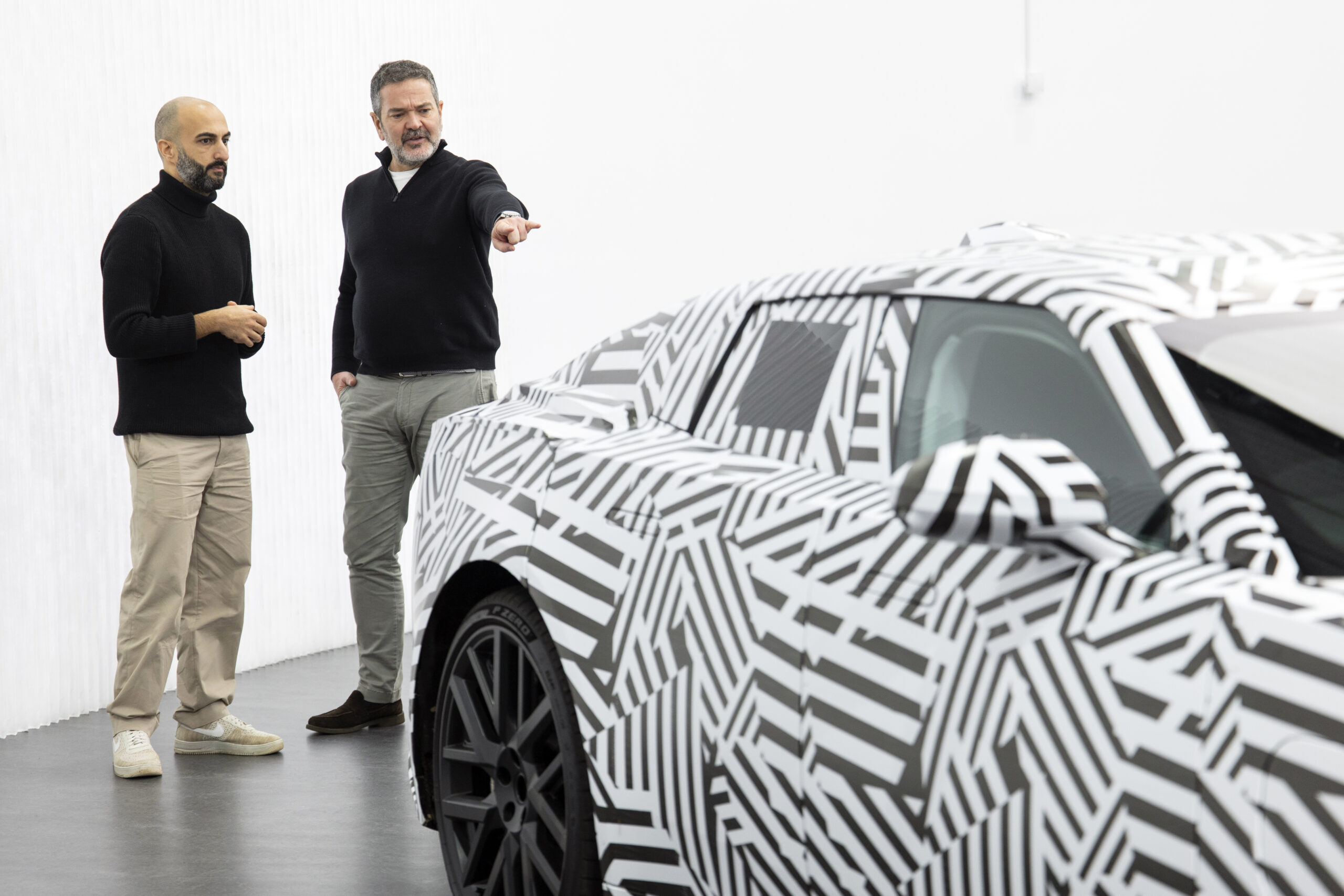
Refinement is part of the performance brief
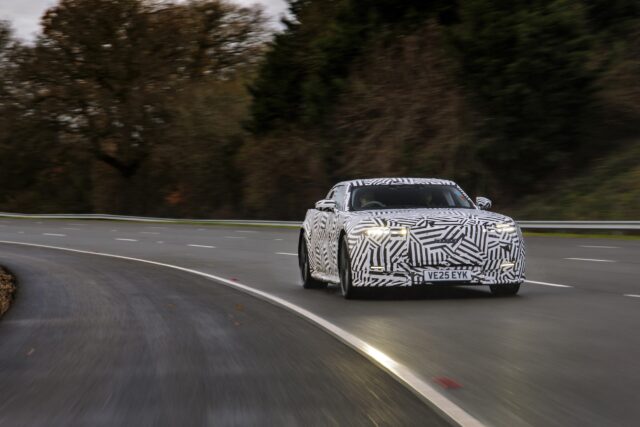
Shamshiri described the target as neither limousine nor sports car, but a Jaguar that recalls the marque’s sporting saloons. That distinction came through in the ride. At low speeds, the air suspension dealt quietly and softly with rough surfaces. On track, the car remained composed as the driver pushed it harder, with little noise or vibration even above 130 mph.
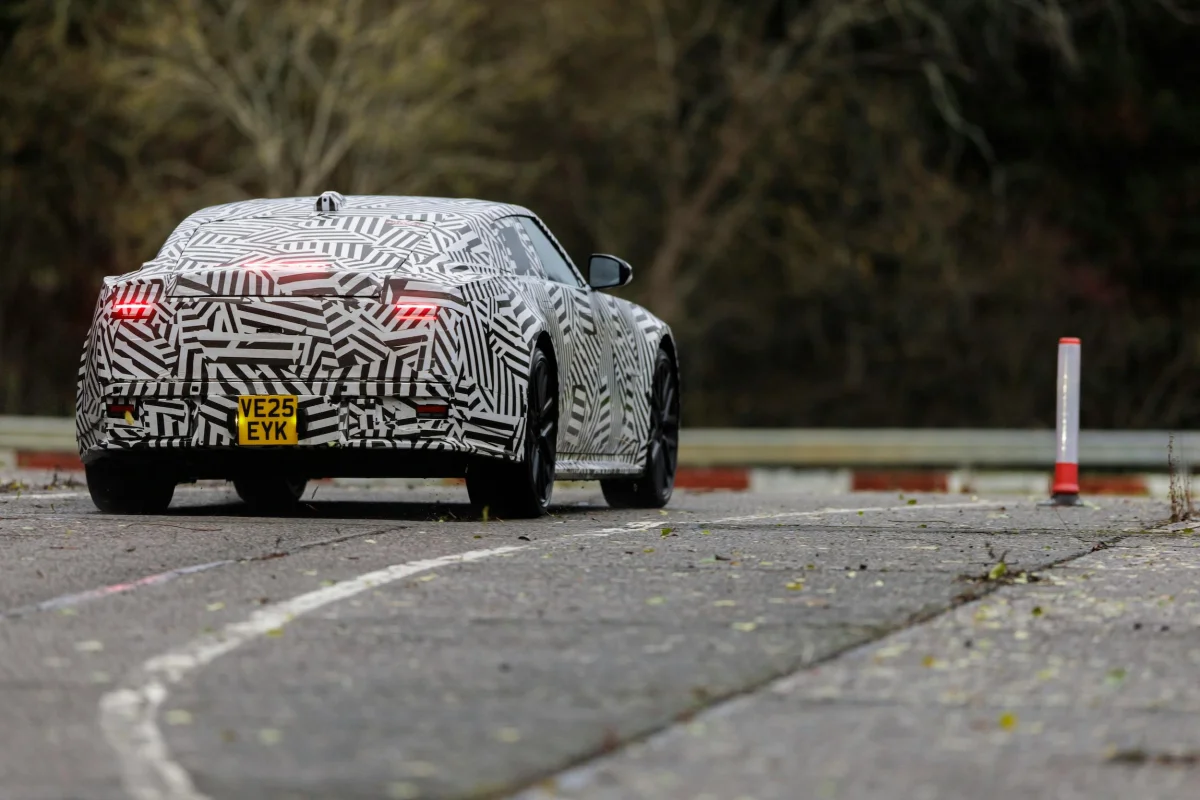
There is some controlled body movement through corners, but the body settles in a single, well-damped motion over bumps. The prototype felt substantial without becoming harsh. That balance will matter in a car more than five metres long, where comfort and a sense of control need to coexist.
Jaguar has tuned the steering to respond calmly rather than dart from input to input. Rear-wheel steering and the placement of the car’s major masses within its long wheelbase help it change direction with an agility that seems surprising for its size. The three-motor layout adds another dimension: twin rear motors enable torque vectoring, helping the GT drive out of corners and accelerate along the straight with force.
Shamshiri said throttle response has been calibrated to deliver that speed without the abruptness associated with some high-powered GTs. The result, from the passenger seat, was immense acceleration paired with an unusually quiet, smooth cabin. Jaguar’s approach brings to mind the Rolls-Royce Spectre, where electric power suits a luxury car through the way it combines strong performance and refinement. A driver’s seat evaluation will be needed to judge the final balance for themselves.
A new identity still draws on Jaguar’s past
The Type 00 concept and Jaguar’s rebranding drew intense attention, sometimes pushing the underlying car out of view. The production GT now gives the company a chance to show how its visual reset translates into something buyers can drive. It will lead a three-car range, with two SUVs expected to follow and likely to account for most sales.
Managing director Rawdon Glover said Jaguar has returned to its historic models to understand what made them engaging to drive. He also described heritage as a necessary part of luxury, shaping both the product and the price a brand can command. In his view, the EV layout gives the team design freedom and lets it deliver 1,000 hp alongside a 50:50 weight distribution and a low centre of gravity.
Glover’s measure of Jaguar’s past success is the ability to offer performance, visual distinction or luxury associated with much more expensive cars. That ambition is familiar, even if the GT’s shape and powertrain mark a sharp departure. The prototype ride suggests the team has made real progress on its driving character; the next test is whether the finished car can make that character, its unconventional design and its target price add up for buyers.
The post We Go for a Ride in the Controversial Next Jaguar appeared first on Hagerty Media.


