In lane Electric Vehicles
China’s 2005 Buick Regal Turned a Shared Platform Into a More Upscale Sedan
Description
A mid-cycle redesign gave China’s Buick Regal richer styling, upgraded cabin details and technology aimed at a fast-changing market.
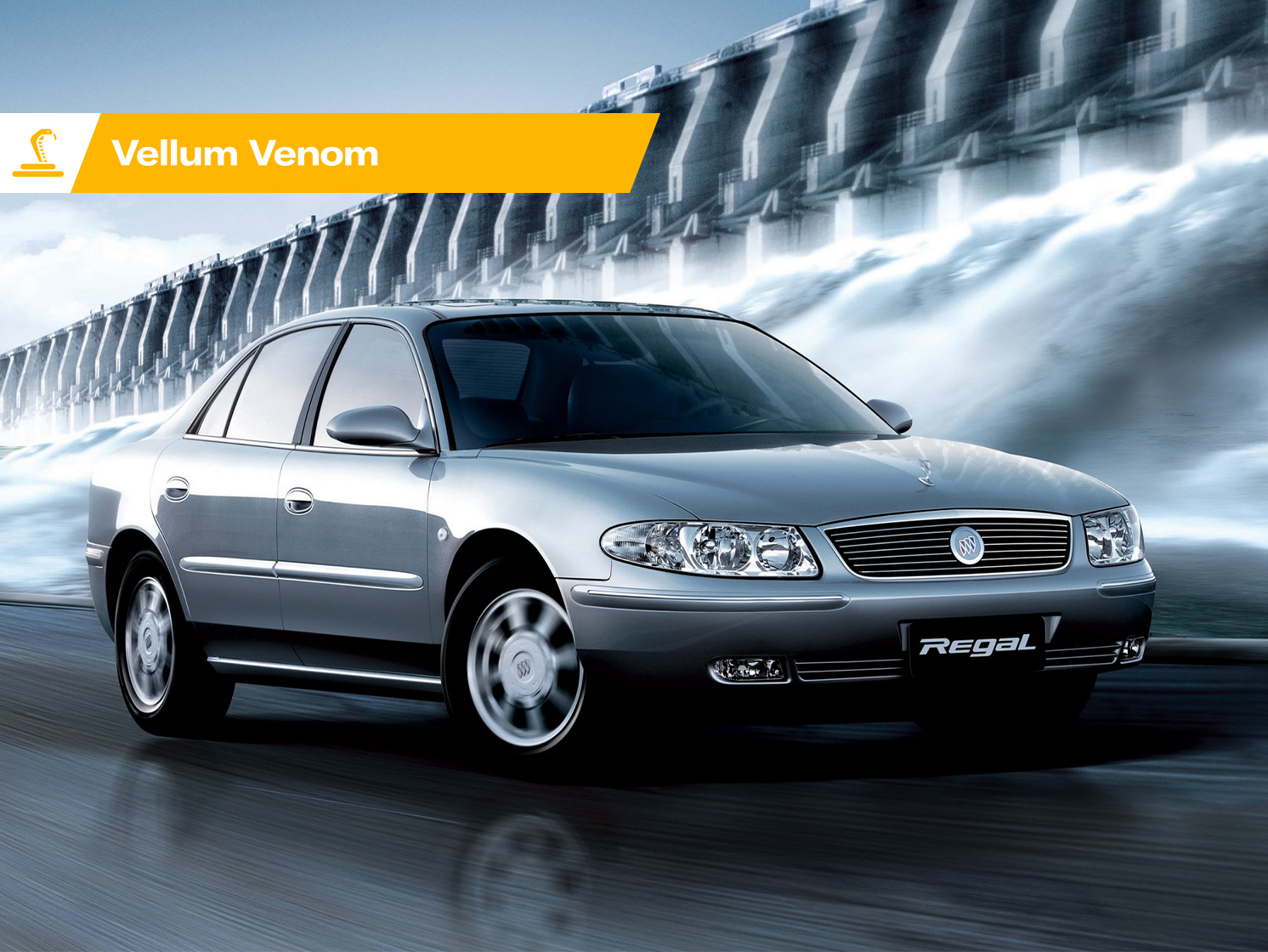
The 2005 Buick Regal sold in China shows how much a market-specific redesign can change the character of a familiar sedan. Its foundations remained closely related to the American car, but SAIC-GM added distinctive exterior details, richer cabin trim and technology that made the Regal better suited to buyers facing competition from a locally built Volkswagen Passat.
Buick stopped selling the Regal in the United States in 2020, while the nameplate continued in China. The article reports that the name may be reassigned to a crossover utility sometime this year. For Chinese buyers, though, Buick’s history stretches well beyond this model: the brand’s modern relationship with the market began in 1999 and grew into a broad range of vehicles. Buick sales there reached more than 1.2 million in 2016, a striking measure of the brand’s scale.
Two SAIC partnerships, one competitive market
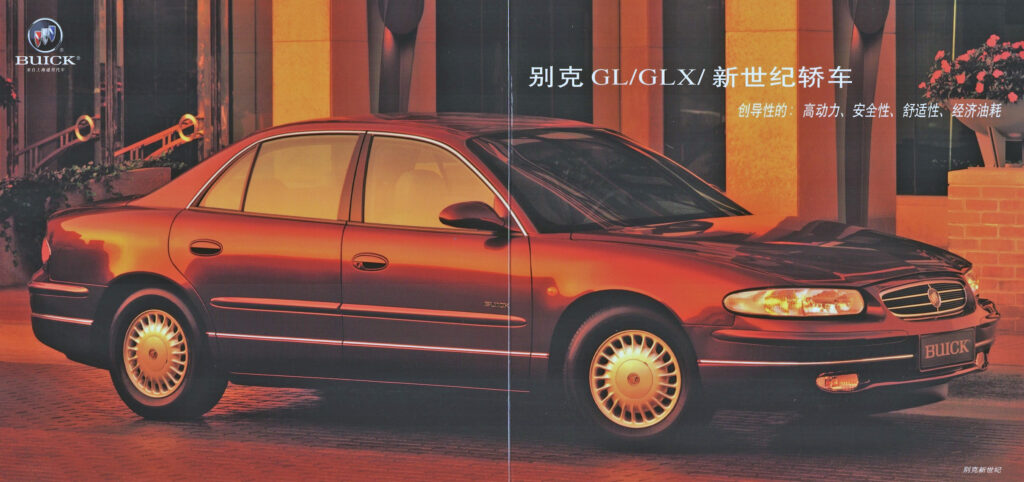
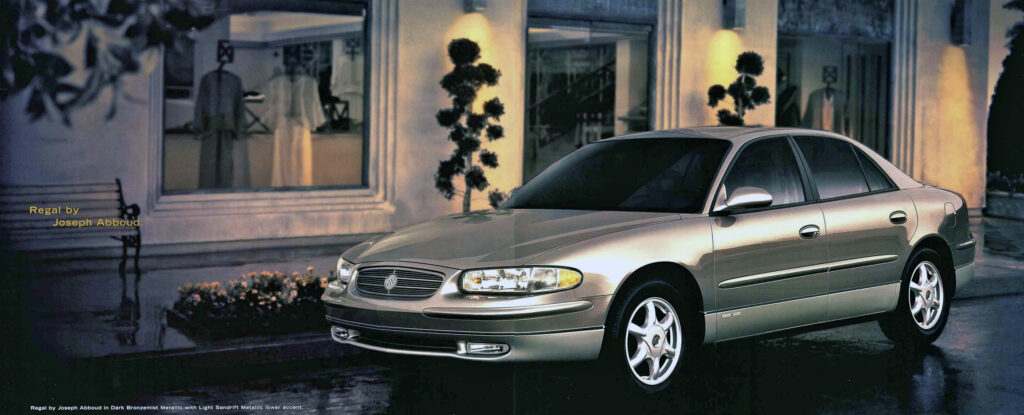
Buick had an established history in China before the Regal arrived. The source says China’s last Emperor, Pu Yi, reportedly bought a Buick in 1924, and by 1930 the marque represented one of every six cars on Chinese roads. That legacy helped, but it didn’t remove the need to keep the product appealing as the market changed.
SAIC-GM had a powerful rival within its own industrial orbit. SAIC had been working with Volkswagen since 1984, and that relationship brought the Passat Lingyu to Chinese buyers. Based on the B5 Passat, it offered German-tuned underpinnings, sharper styling and an interior dressed in soft plastics, vinyl-coated trim and considered color combinations. Its more angular look and extra chrome also gave it a distinct presence beside the Buick.
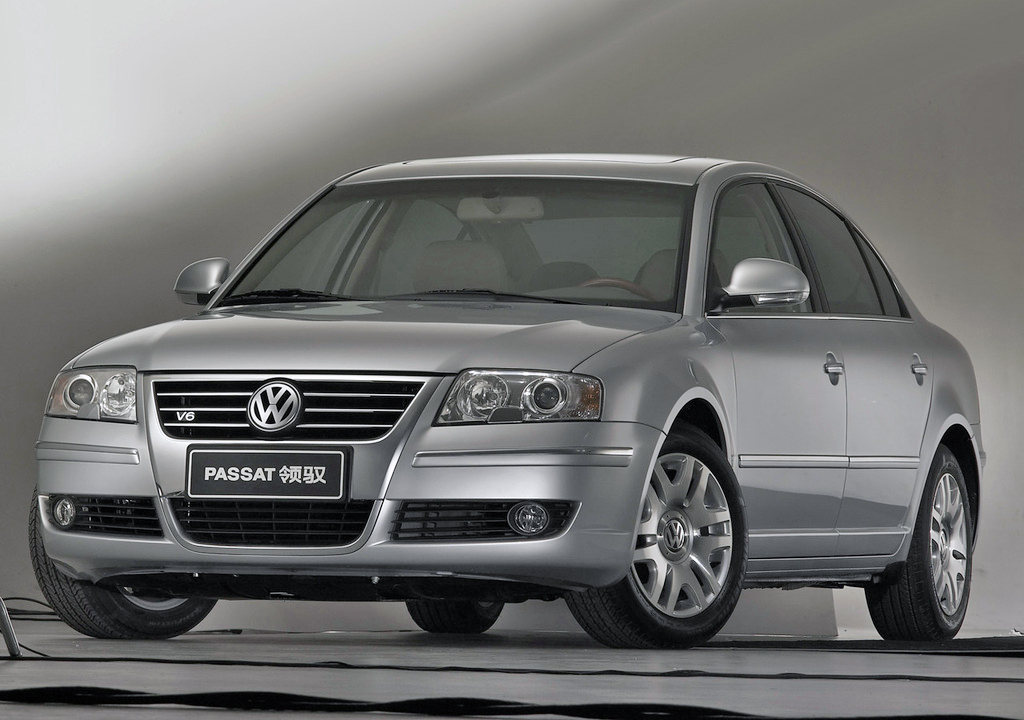
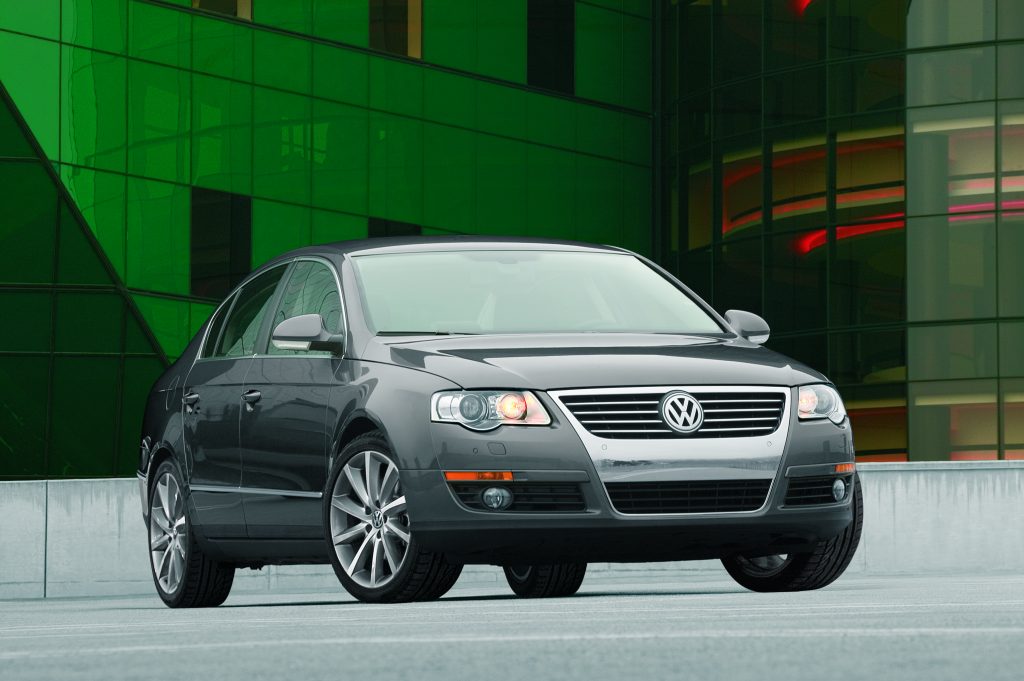
SAIC-VW’s general manager described the new Passat as a way to “renew our market position against fierce competition.” The Regal was a likely target. Buick carried more status in China than a commonplace Volkswagen, but the Passat’s cabin made a persuasive case of its own.
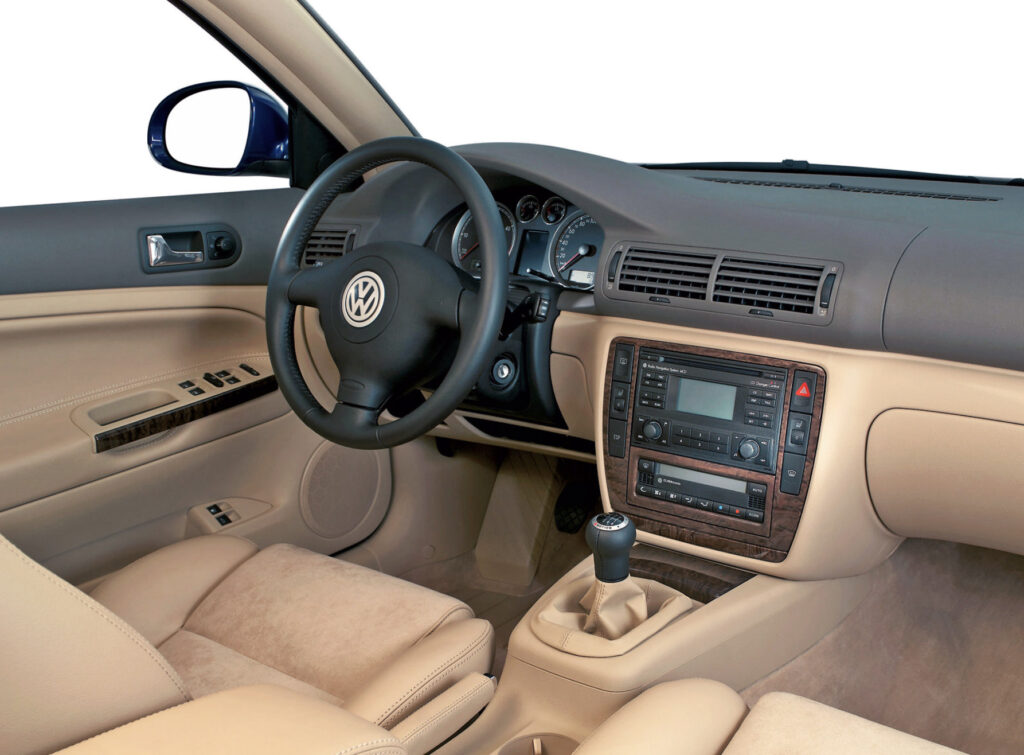
Both companies responded with traditional styling cues that suited local tastes, while Buick took the opportunity to move its interior upmarket. The result wasn’t a wholly new car so much as a familiar Regal carefully adjusted to defend its position.
A more formal face, with familiar foundations
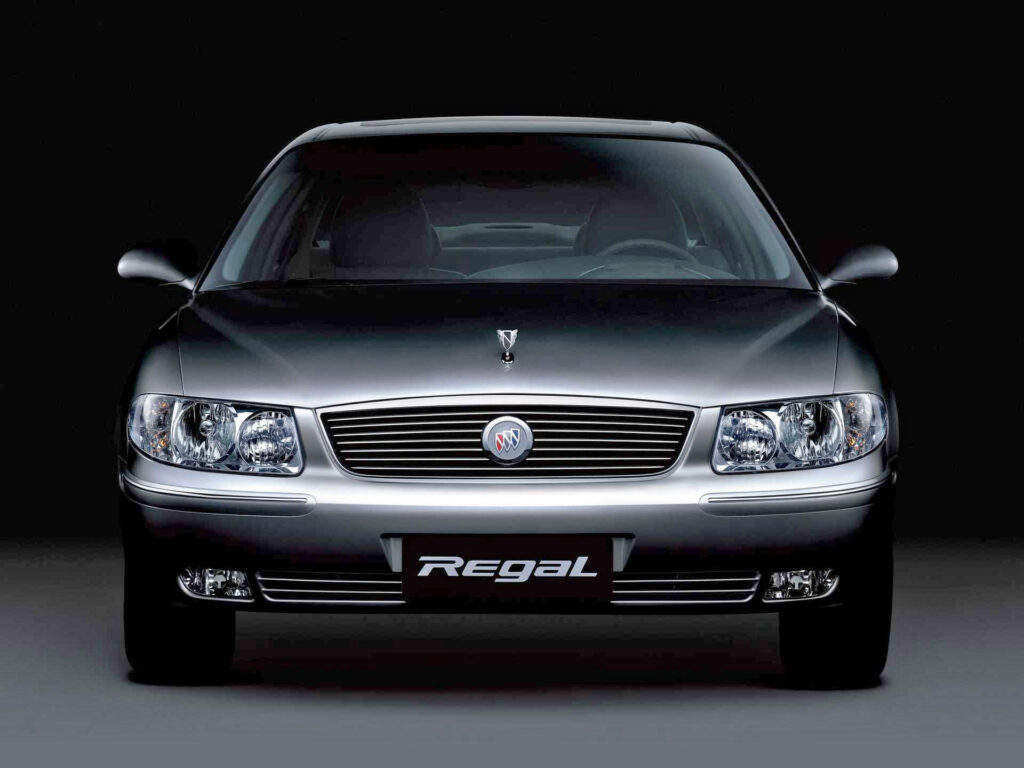
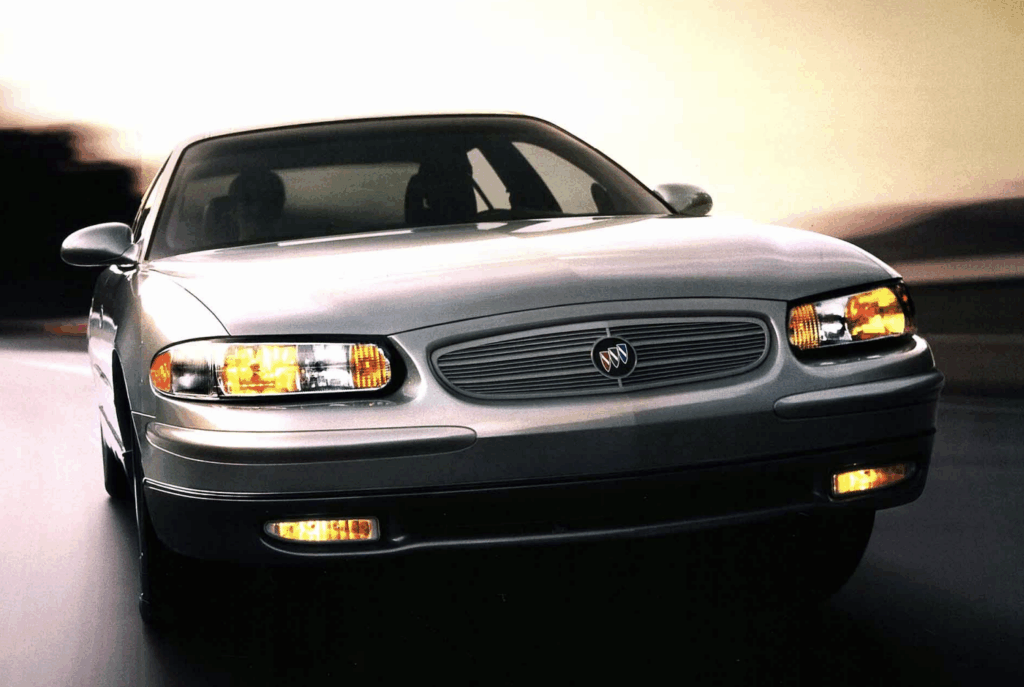
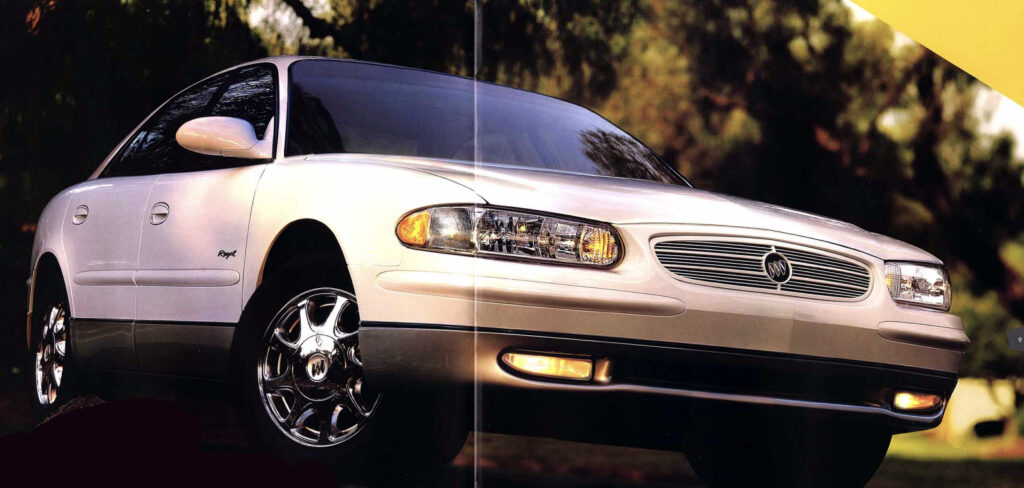
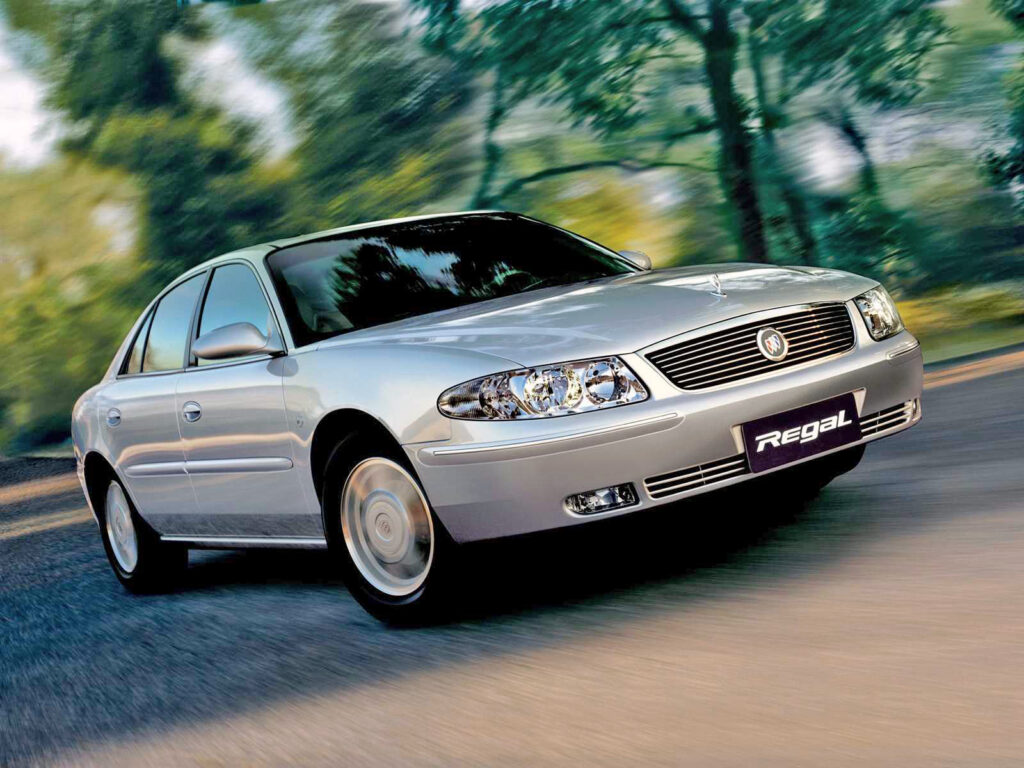
The Chinese car’s most apparent changes are at the front. Its hood runs into the grille rather than ending above a separate-looking plastic fascia. A broad chrome strip crowns a simpler grille, and the Buick emblem sits prominently above it. Larger headlamps, substantial fog lights and, on some versions, a winged hood ornament give the sedan a more formal, luxury-oriented expression.
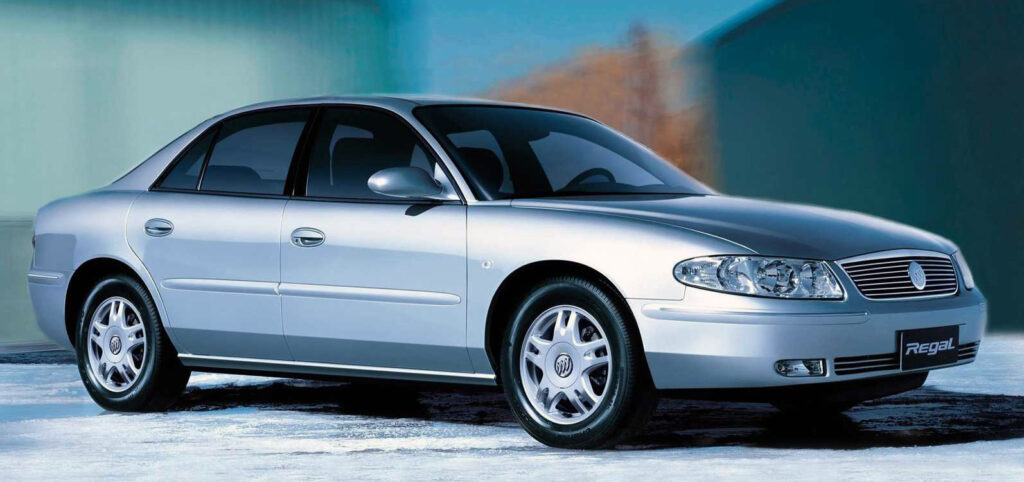
Those details do much of the work without disguising the Regal’s shared structure. From the front three-quarter view, the 2005 model reads as a mid-cycle refresh: its structural pillars match the American counterpart. Even so, the headlamps sweep upward toward the sides, easing the visual weight of the front overhang. The rocker panels also have cleaner, more European-looking forms than the plastic-heavy styling common on some American cars of the period. A hard crease near the lower body is echoed in the front bumper, a relatively focused change that gives the sides a more finished appearance.
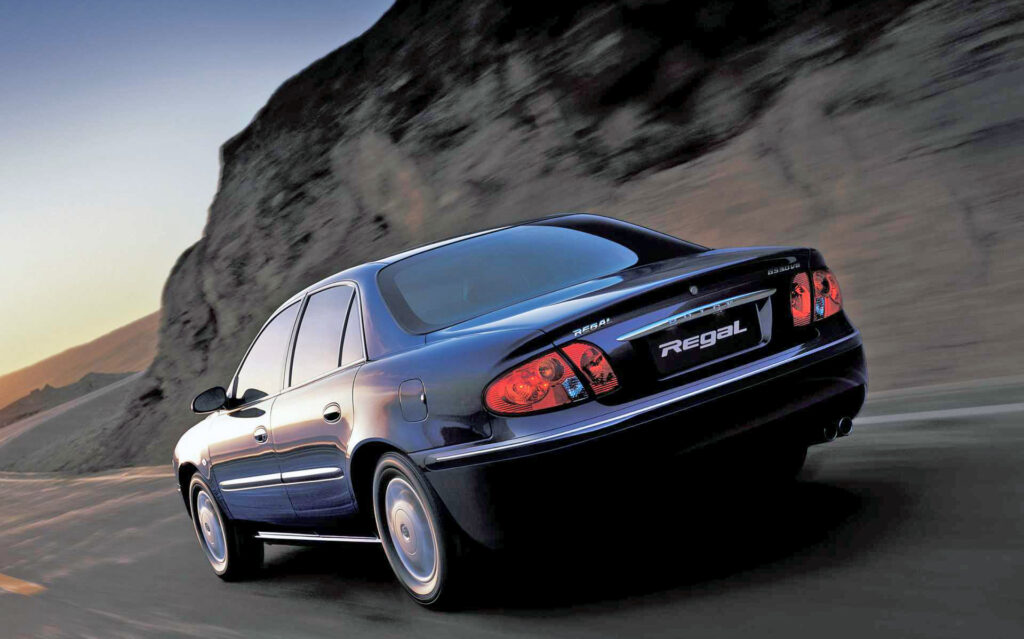
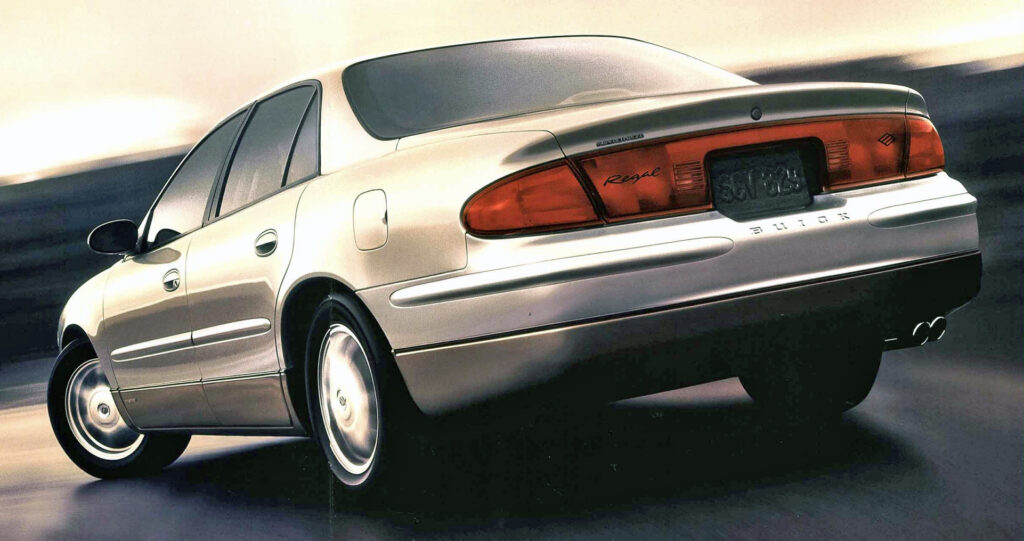
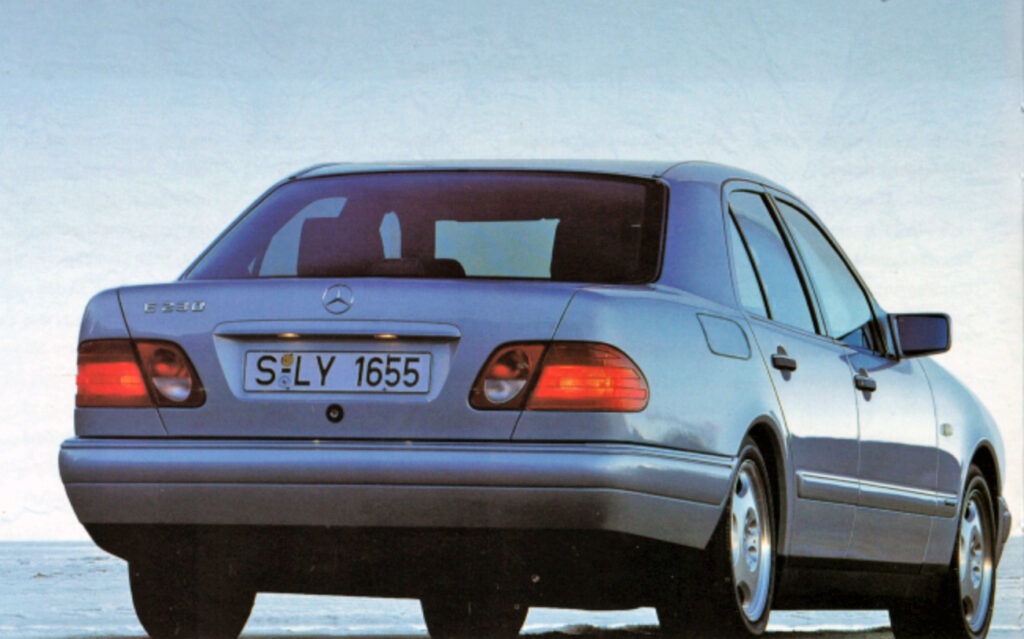
At the back, Buick went in a different direction from the American car’s full-width taillight treatment. The Chinese Regal instead uses separate oval lamp units, a look reminiscent of the Mercedes-Benz W210 E-Class. A long panel frames the China-specific license-plate area, while a slim chrome strip crosses the bumper. The shapes are softer than the Mercedes’ and follow the Buick’s body contours, but the added brightwork helps the car project the premium image the market demanded.
The cabin made the stronger case
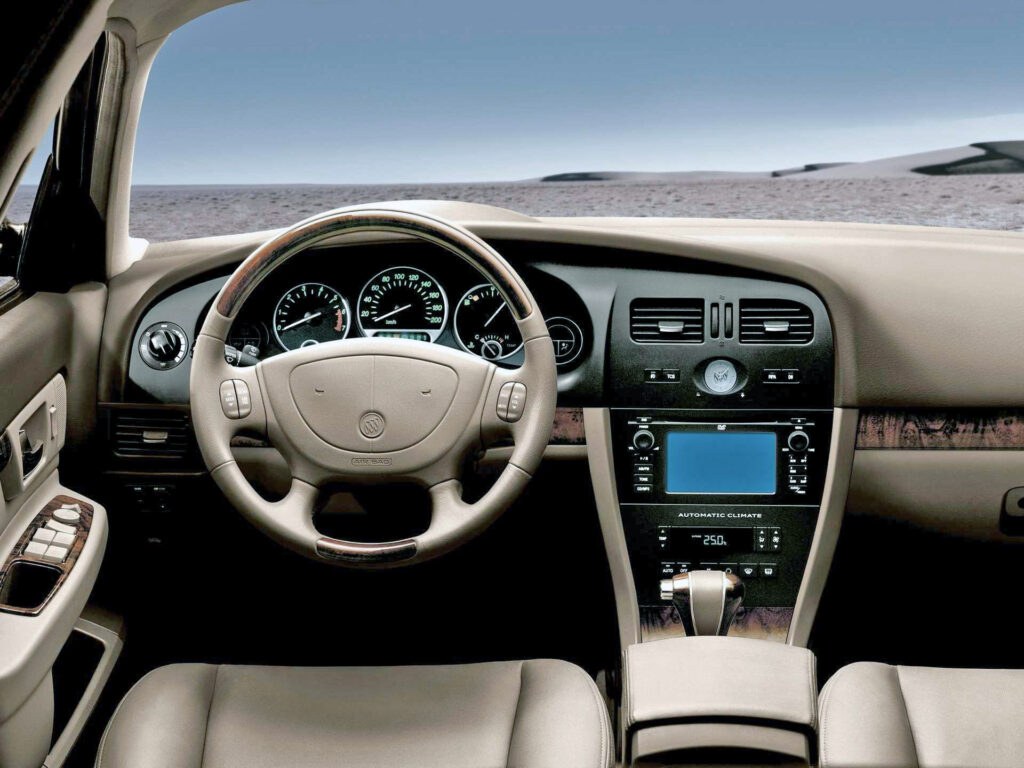
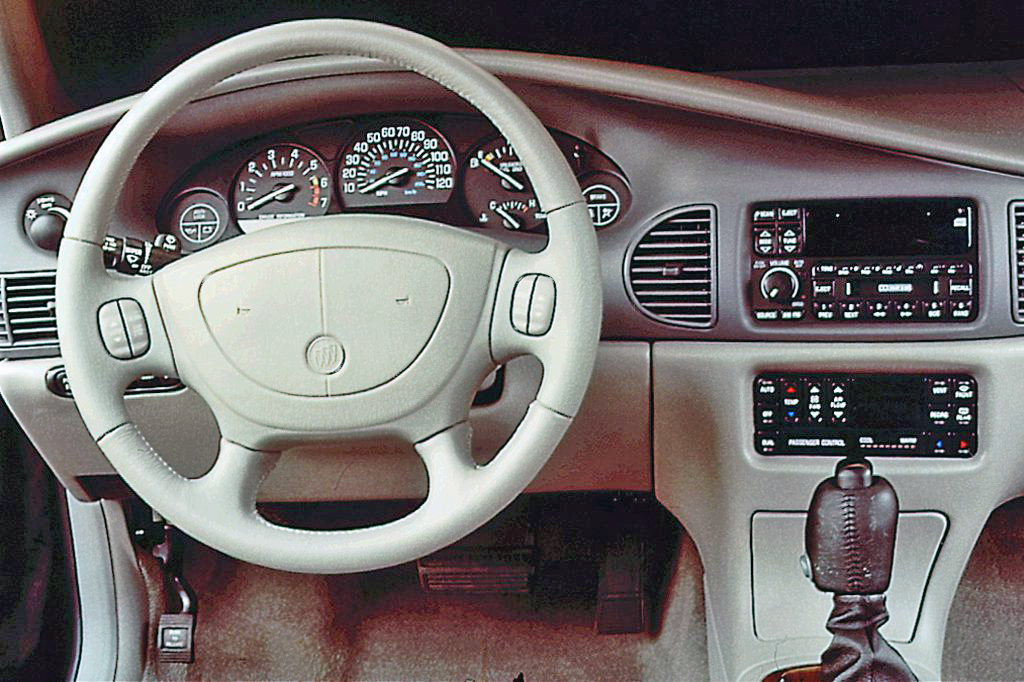
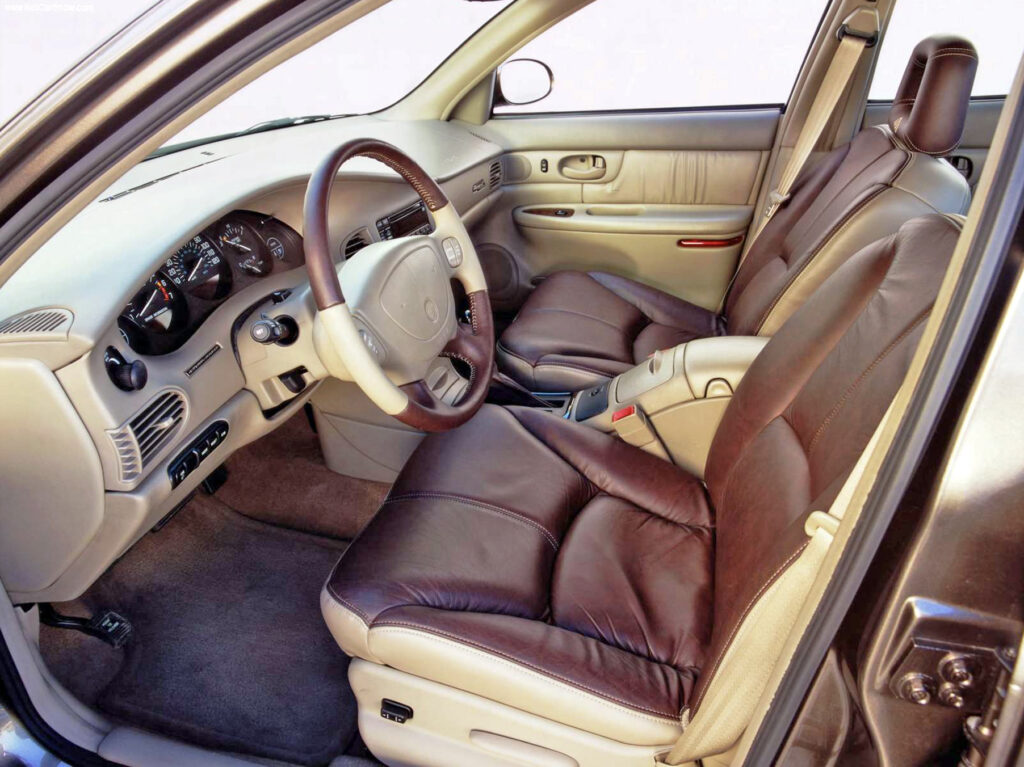
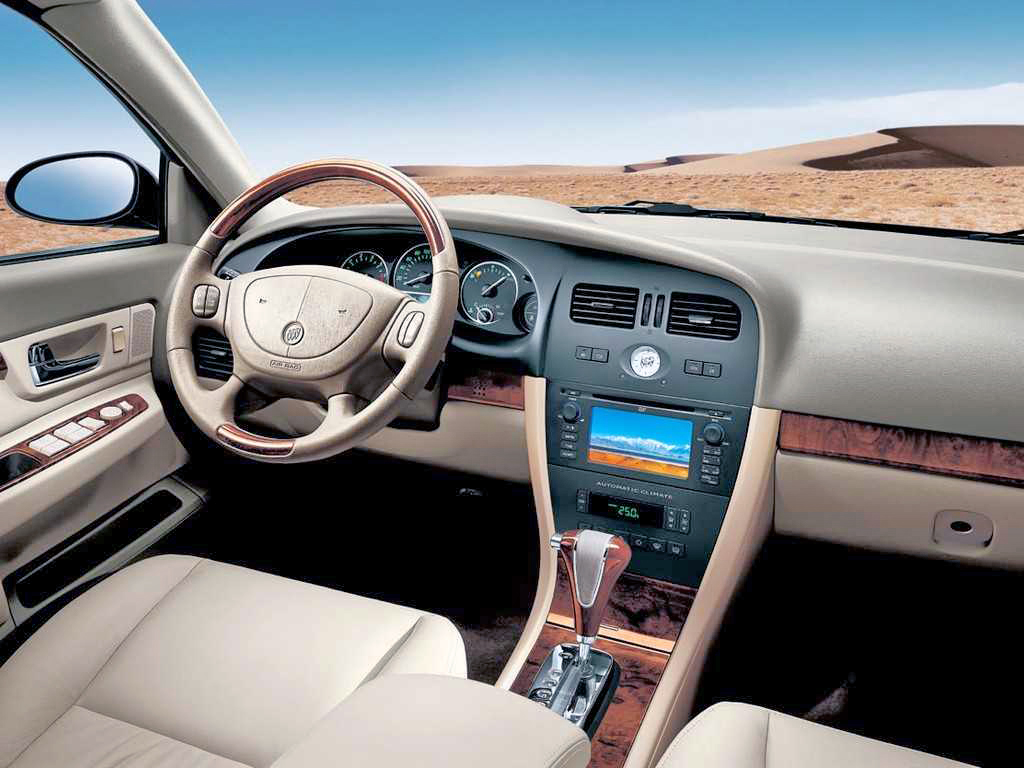
Inside, the changes go further. The Chinese Regal added flat black dashboard panels to build contrast into the two-tone cabin, then paired them with long bands of wood trim. That treatment was a marked departure from Buick’s gradual retreat from imitation wood in models other than the LeSabre and Park Avenue.
Equipment also gave the cabin a more upmarket feel. An optional navigation display occupied the storage space used in the American version, and an optional heads-up display was integrated into the dashboard. The steering wheel received wood inserts at the top and bottom, while a round analog clock and chrome-ringed instruments brought to mind more expensive European cars. Buick also replaced the American Regal’s plain shifter button with a leather-and-chrome selector that looked more considered.
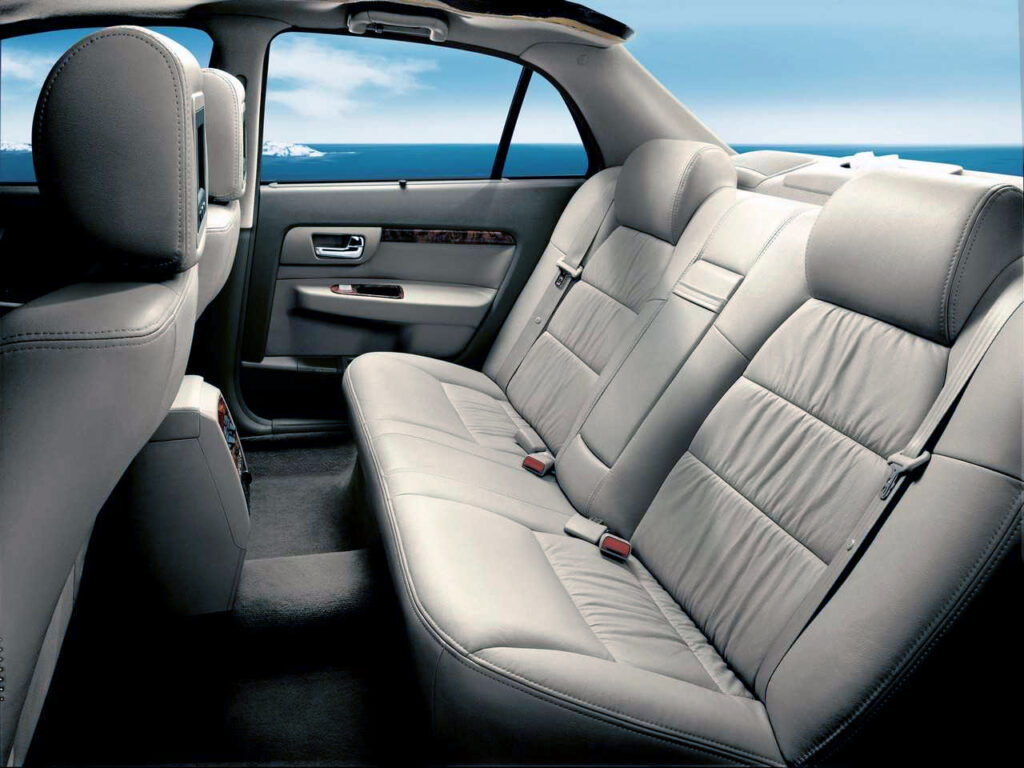
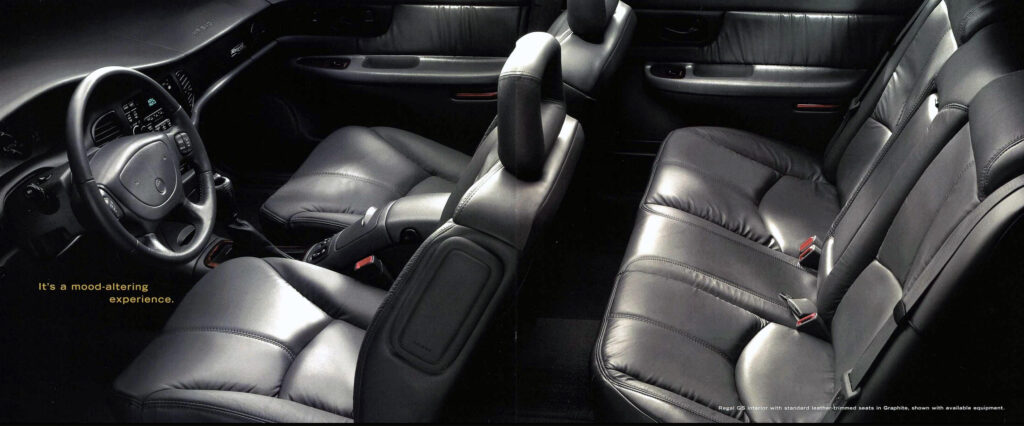
Door panels continued the wood-trim theme, and the leather seats used straight seams with a gathered texture. The more notable rear-seat detail was built into the front headrests: each carried an integrated screen for rear passengers. That was a tidier, more tailored arrangement than the single roof-mounted television box described in the source for the Cadillac Escalade of the era.
There’s limited information about this early Chinese Regal, and the available interior images of its Passat rival are grainy. Still, the visible choices make Buick’s priorities clear: add material richness, bring technology into the cabin and make the sedan feel tailored to buyers who valued visible refinement. The 2005 car didn’t discard its American roots; it used them as a starting point for a more distinctly local product.
That approach appears to have helped Buick sustain its appeal, though the sales figure cited for 2016 covers the whole brand rather than the Regal alone. The more useful takeaway is the design strategy: shared hardware didn’t prevent SAIC-GM from making the car feel different where buyers saw and touched it. Long before touchscreens and EV powertrains became defining features of new cars, this Regal showed how carefully chosen details could give a familiar sedan a stronger identity.
The post Venom Vellum Vignette: China’s Buick Regal Was Badge-Engineered Perfection appeared first on Hagerty Media.


