In lane Electric Vehicles
From Saab Shapes to Pagani Craft: Cameras Designed by Car Stylists
Description
Car designers left their mark on cameras from affordable Nikons to a $110,000 Pagani by Gibellini, blending distinctive looks with practical details.
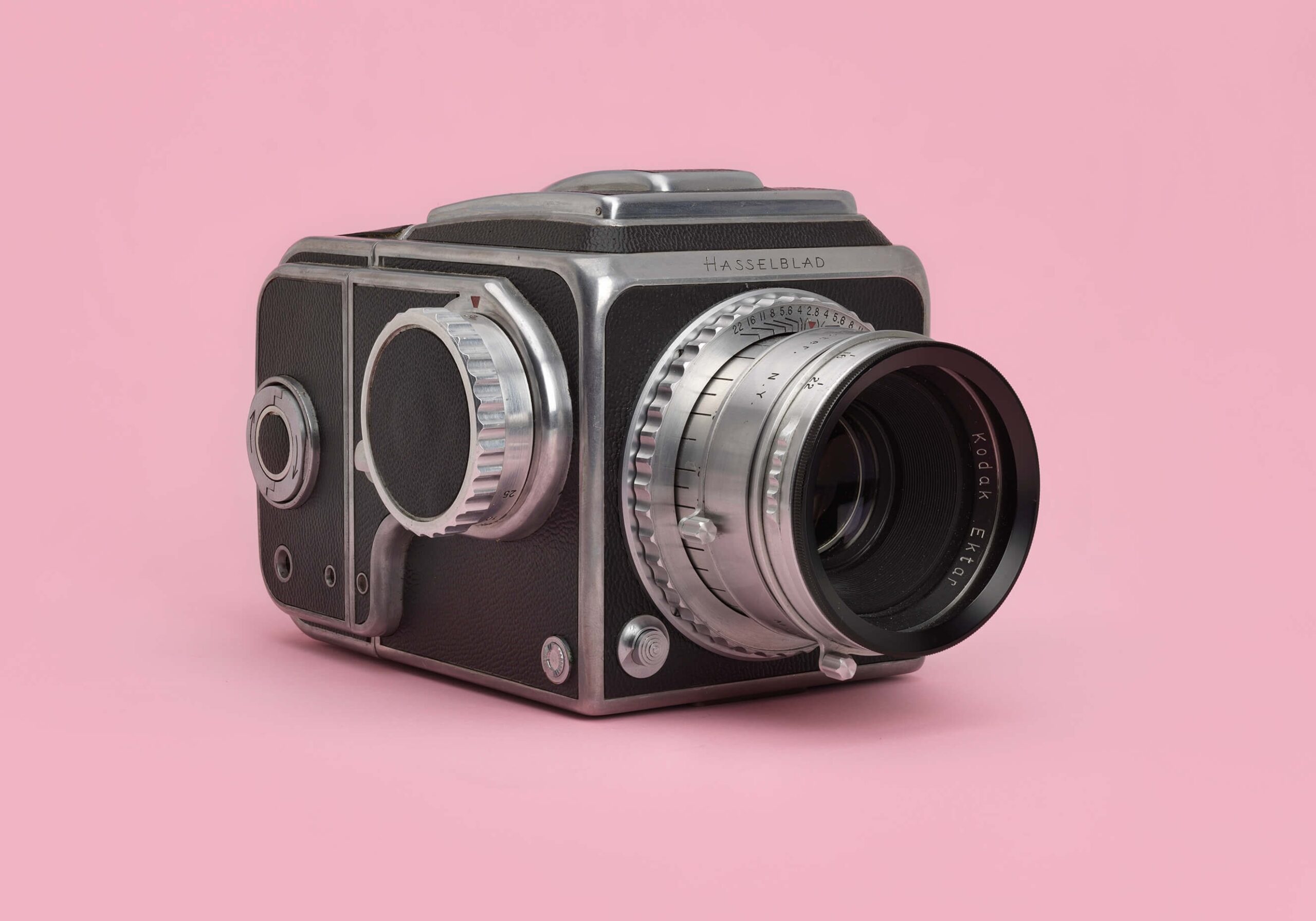
Car designers have shaped cameras as well as cars, bringing familiar ideas about form, grip and materials to objects built for a different kind of precision. The results range from affordable film compacts with a designer’s signature detail to a bespoke large format camera priced around $110,000. For collectors, the appeal is often visual; for photographers, the more useful question is whether the design makes a camera pleasant to handle and use.
Giorgetto Giugiaro is perhaps the best-known example of a stylist working across both fields. His work for Nikon helped establish the look of cameras across generations. But an earlier crossover came from Swedish industrial designer Sixten Sason, whose automotive work included the Saab 92, the original Sonett sports car, the 93 and the 99. He also designed the Hasselblad 1600F, introduced at the end of 1948.
Sason’s modular Hasselblad
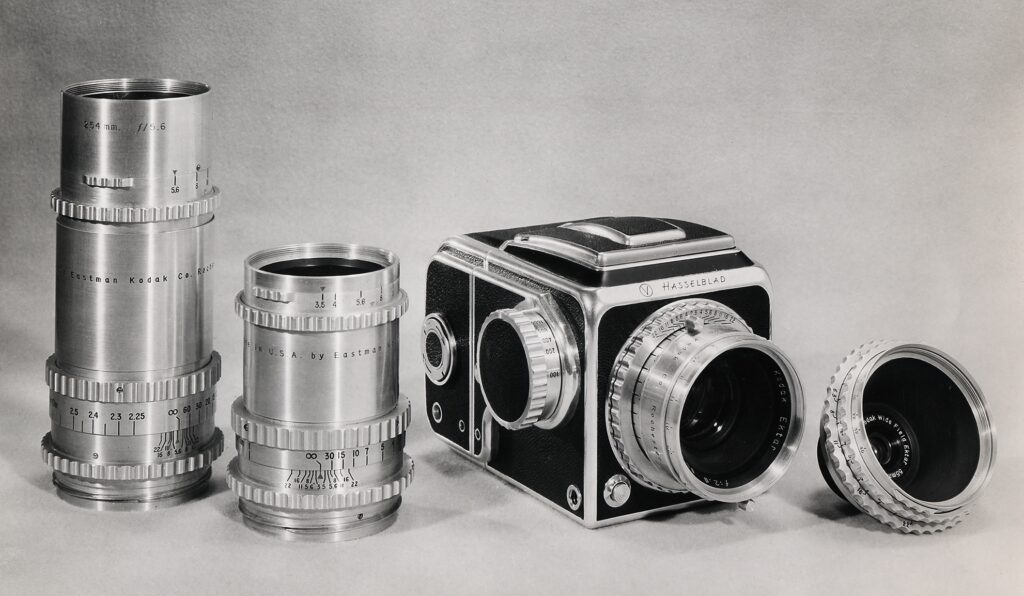
The 1600F was the world’s first single-lens reflex medium format camera. Its influence lasted well beyond its launch, and its design still reads as a close match for Sason’s pared-back Swedish cars: compact, considered and built around function. The camera’s interchangeable lenses were only part of the modular idea. Photographers could also swap film magazines and attach a viewfinder. A Fresnel lens helped produce a larger, brighter image for focusing.
That adaptable body has an unusual afterlife. Hasselblad notes that a digital sensor can be fitted where the film plane would normally sit, giving the old camera a way to work with newer image technology. The 1600F remains a collectible, but current prices in the low four figures make it more attainable than some of Sason’s automotive designs.
Giugiaro’s Nikon details
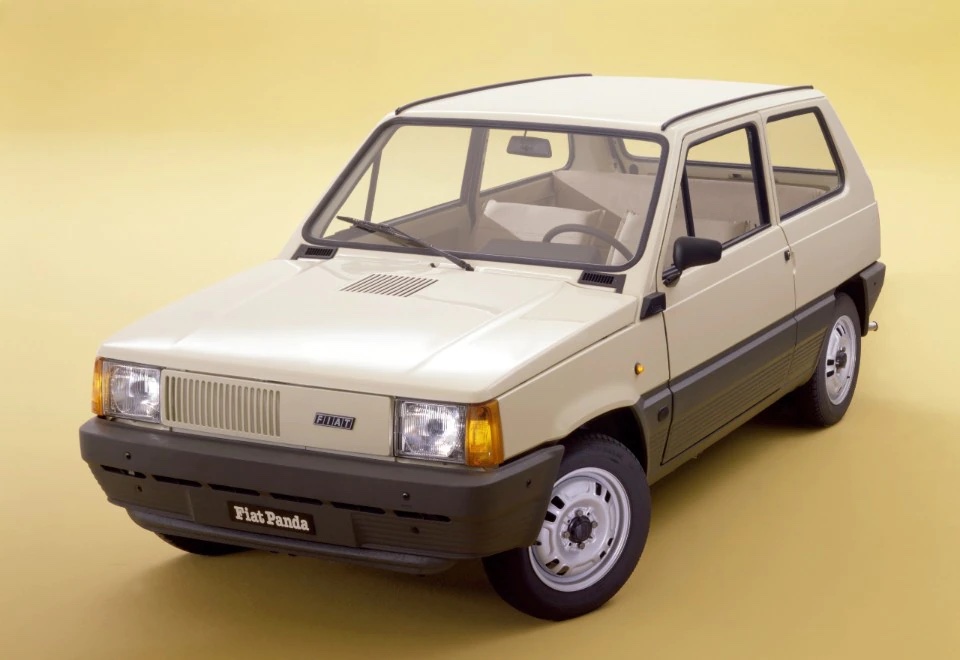
Giugiaro’s Nikon cameras bring to mind straightforward cars such as the Fiat Panda or first-generation Volkswagen Golf: crisp lines, practical proportions and little ornament. His first Nikon camera was the affordable EM, released in 1979. The F3 followed in 1980 and became the more influential design. Its red stripe on the right-hand grip became a recurring Nikon signature, carried into later SLR and digital SLR models.
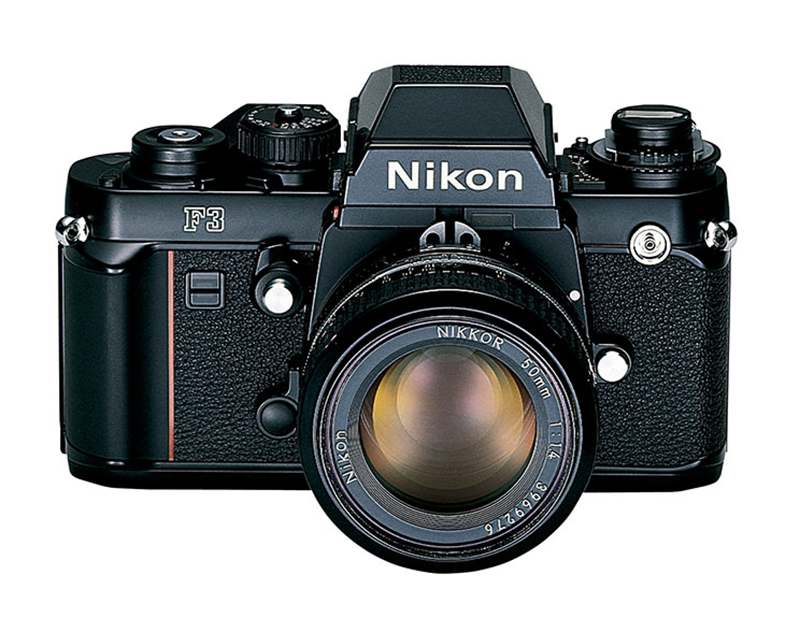
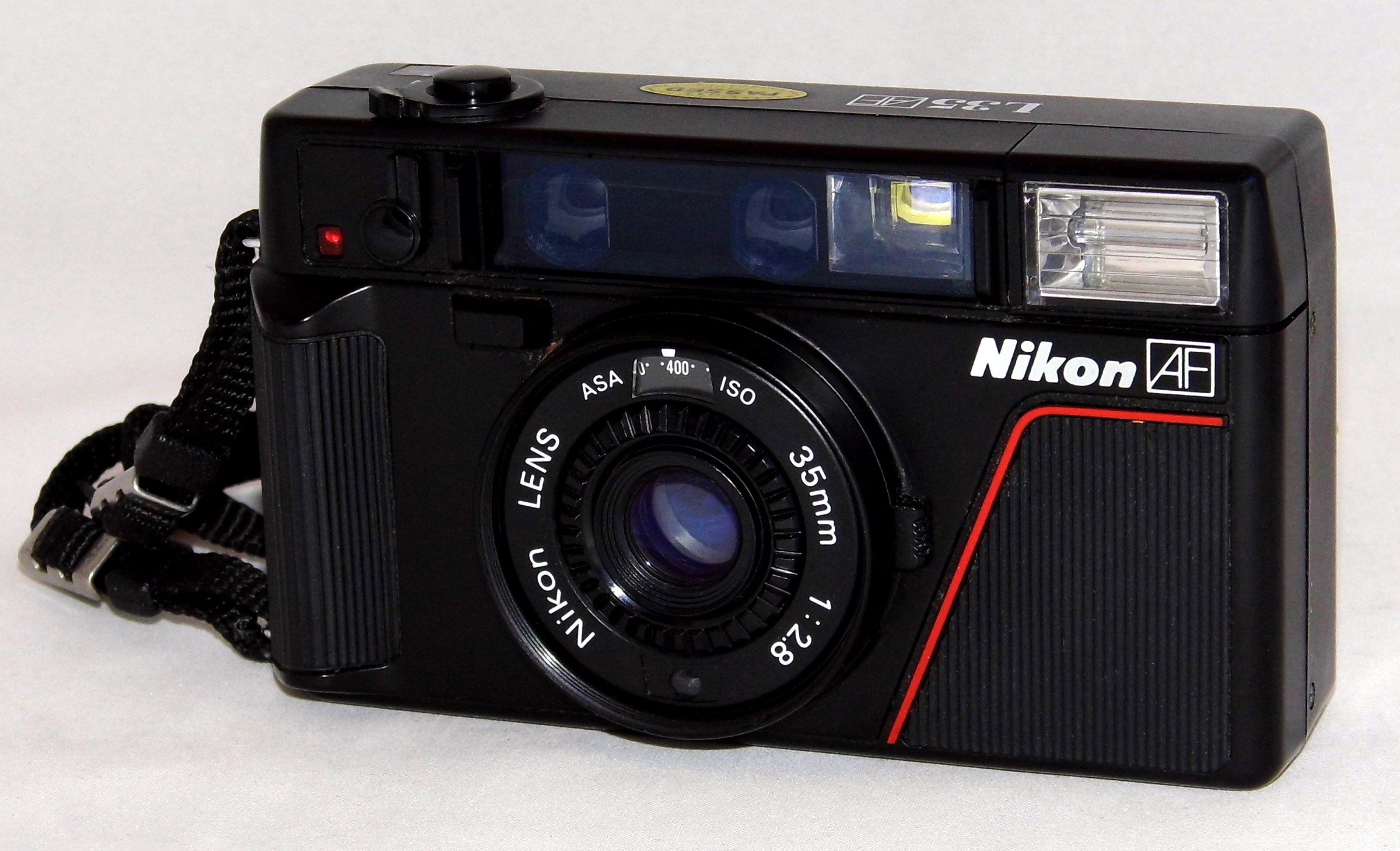
The professional line continued through later generations, with the D800 arriving in 2012 and the film-inspired Df following in 2013. Buyers looking for a less expensive Giugiaro design can consider the L35AF, his only compact camera for Nikon. Known in Japan as “pikaichi,” or “top notch,” it carries the red stripe and a grip whose ridges suggest the functional styling of Giugiaro’s cars. The 1983 camera now sells for about $150 in working condition, and modern reviews continue to rate it highly.
Porsche Design: from SLR to digital
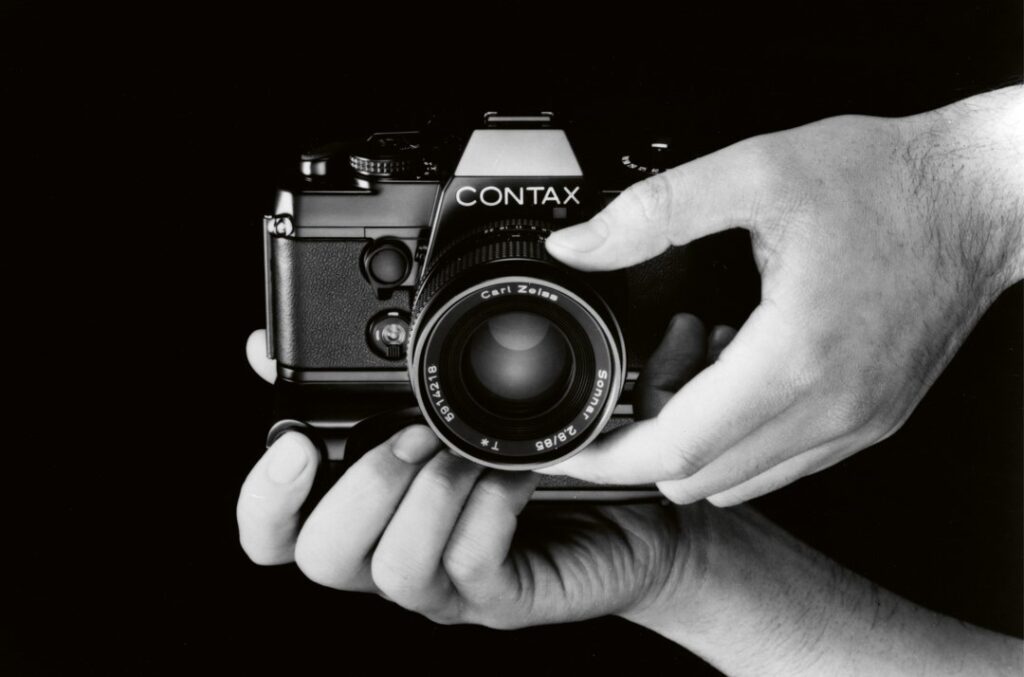
Porsche Design has a close connection to the automaker, though its camera work came from the studio’s design practice rather than a car model. Its first camera project, the Contax RTS 1, arrived in 1974. Developed with Japan’s Yashica and lens maker Carl Zeiss, the 35mm SLR has no Porsche badge. The studio’s brief was to arrange the necessary controls and features in an uncluttered, ergonomic form. Used bodies currently sell for around $100 to $200.
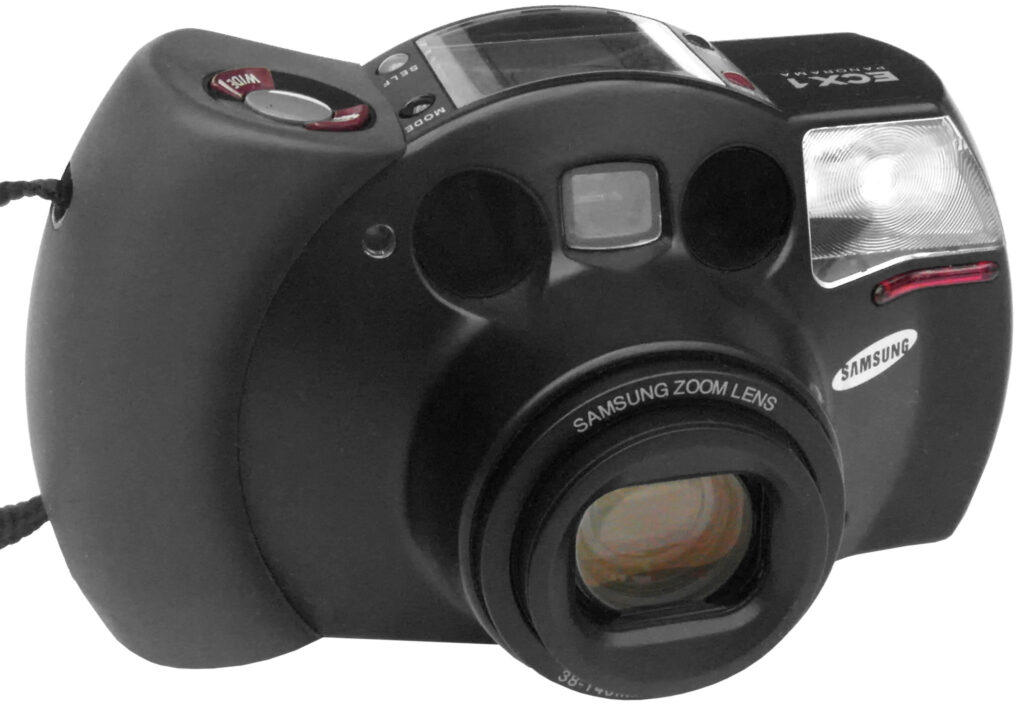
Later projects took different approaches. The 1994 Samsung ECX1 packed a 38–140mm zoom, autofocus, flash and multifunction LCD into a plastic-bodied compact. Its styling looks firmly of its decade, but prices below $50 make it an inexpensive 35mm camera to keep in a car. It also won an award when new.
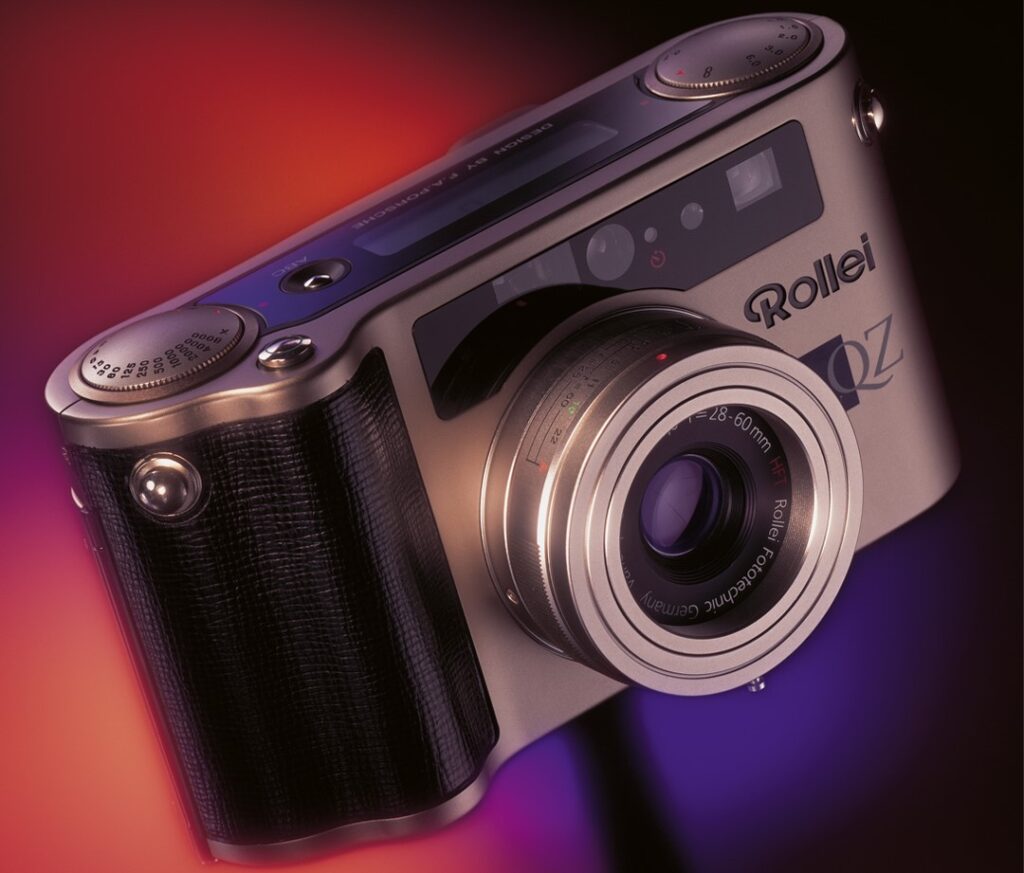
The Rollei QZ, released in 1997, sat at the opposite end of the compact market. Its titanium case, leather grip and separate flash gave it a more upmarket feel, while tactile controls let users adjust aperture and shutter speed despite the camera’s largely automatic operation. A nearly new example can cost just under $1,000.
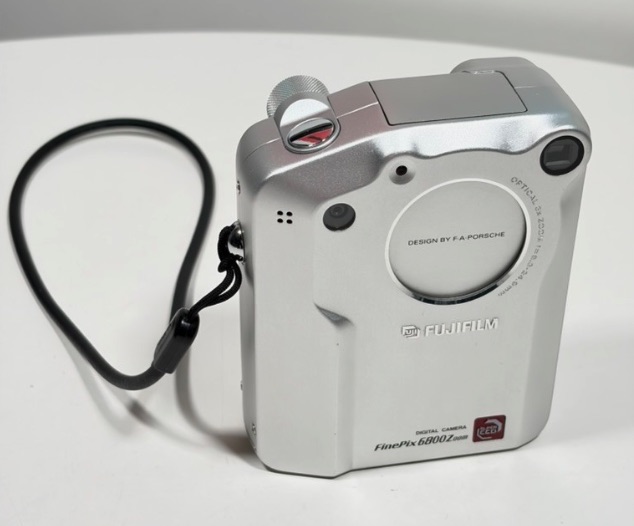
Porsche Design also worked with Fujifilm on the FinePix 4800 and 6800 in the early 2000s. Both put the “Design by F.A. Porsche” mark on their lens covers and stood out with an upright shape. The 6800 offered six megapixels, then an impressive resolution for a compact, and cost less than $1,000. Bright images suited printing, while Fujifilm supplied the camera technology. The combination shows how a distinctive exterior can help an established set of camera features feel more appealing.
Colani and Sakai take different paths
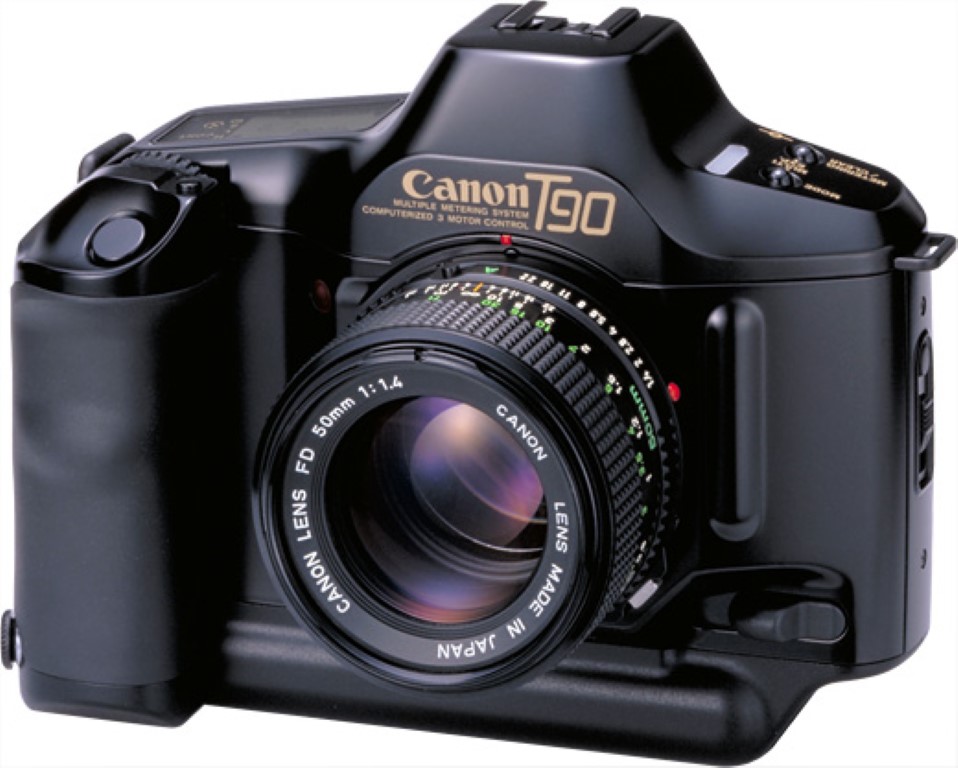
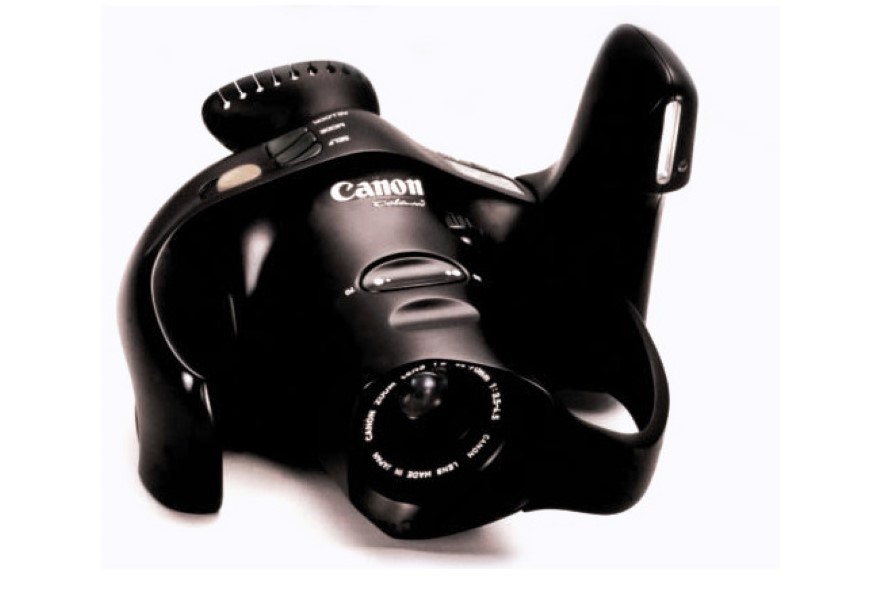
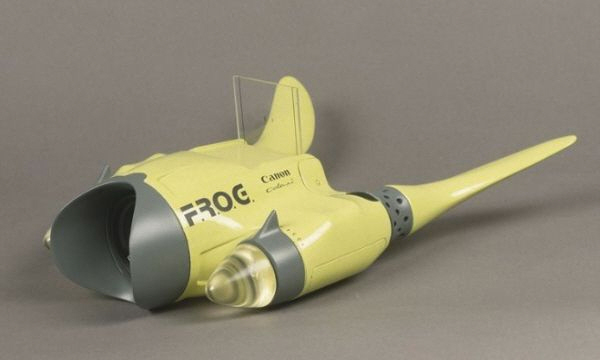
German designer Luigi Colani was known for unusually organic forms, including heavy vehicles with helicopter-style spinning wipers and bodywork shaped by what he called “biodynamic design.” His Canon T90 SLR, released in 1986, looks comparatively restrained. The more radical ideas stayed in prototypes: the C.Bio integrated a zoom lens into its body, while the Hy-Pro used an LCD viewfinder. The 1982 FROG was designed for underwater use and is now displayed at the Pompidou Centre in Paris. A working T90 is easier to find, with bodies listed for under $100.
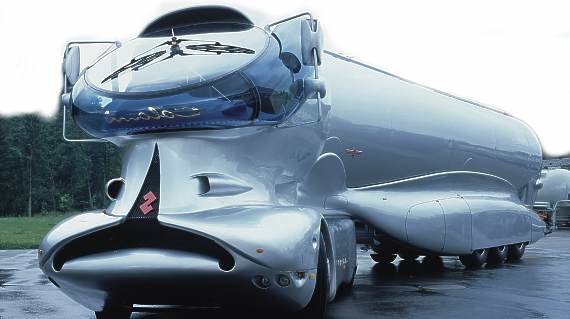
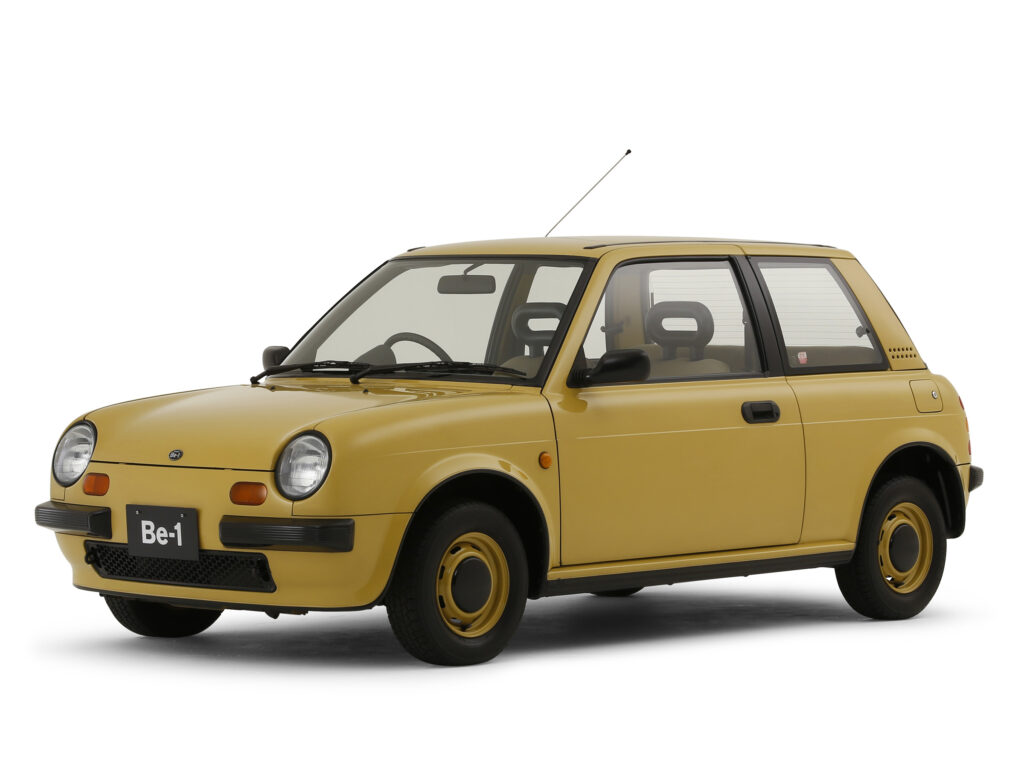
Japanese designer Naoki Sakai, known for Nissan’s Be-1 and Pao, the Rasheen family car and Suzuki’s SW-1 motorcycle, made one of the most distinctive cameras in this group. His Olympus O-Product is a small 35mm point-and-shoot with an aluminum body. Its lens, viewfinder and other front details sit within a circular face, while the optional flash repeats that shape in plastic.
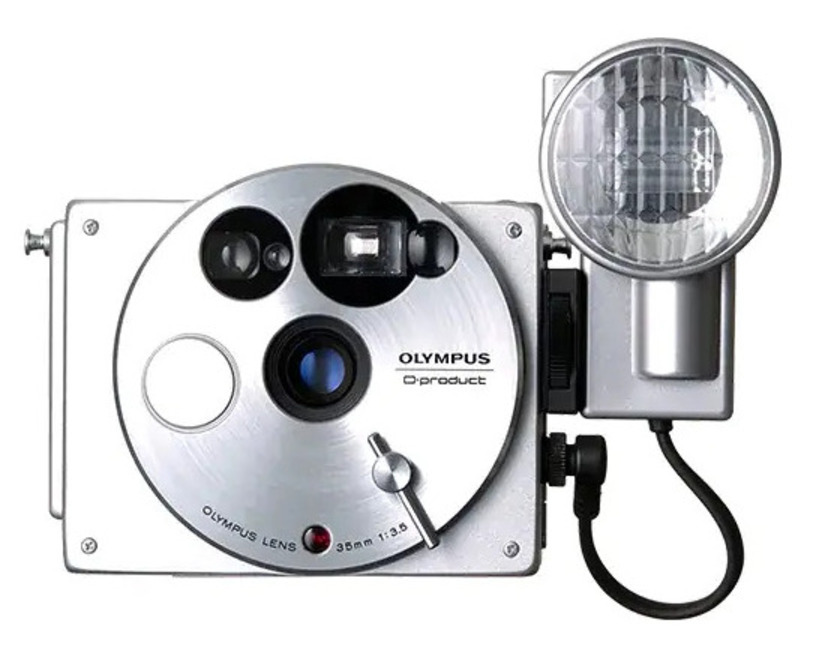
Despite its futuristic appearance, the O-Product launched in 1988, before digital cameras became common. Olympus made 20,000, and the design has since entered the collection of the Museum of Modern Art in San Francisco. Prices online are generally at least $400, even though the camera’s internals came from the much cheaper Olympus Infinity Junior. The premium buys a memorable body and limited-run appeal as much as photographic capability.
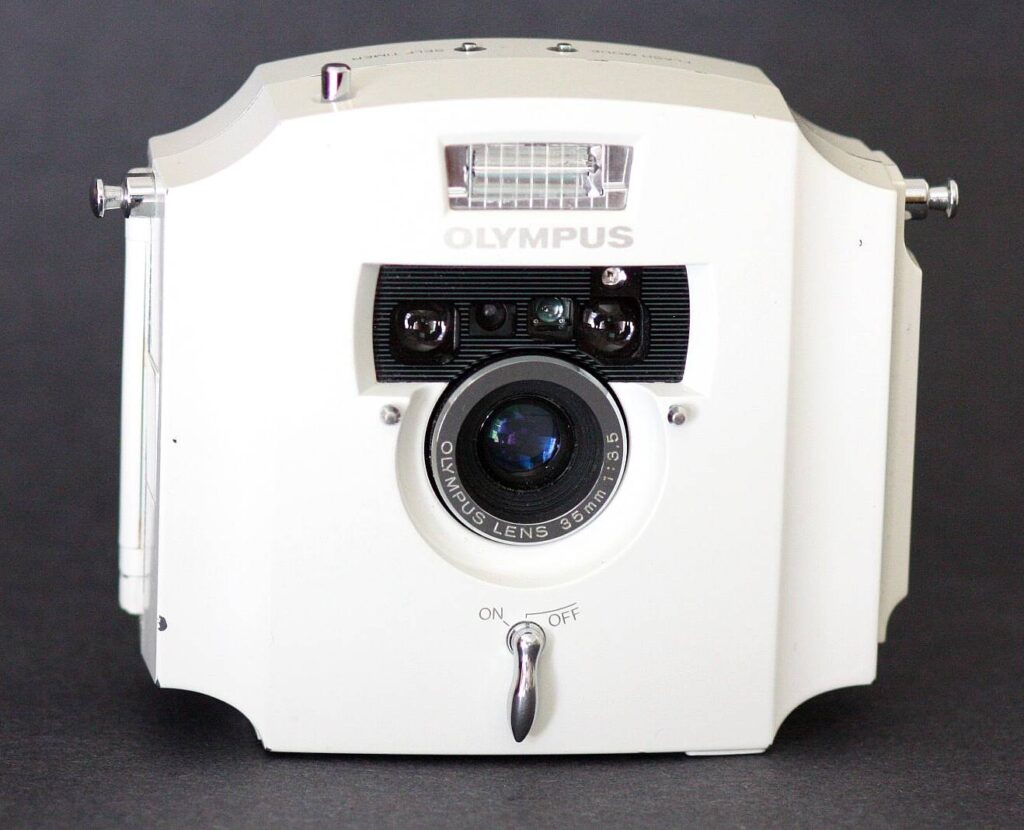
Sakai also designed the Olympus Écru, another 20,000-unit release. Its off-white Art Deco styling and polished lens cover make it an easy visual match for a Nissan Figaro, though he did not design that car. Working examples usually cost around $200 and are mainly found in Japan. His more conventional Camedia C-21, a 2.1-megapixel digital camera from 1999, sells for well under $100.
A camera built on Pagani terms
The Pagani by Gibellini GP810HP operates at a different scale of price and purpose. Released in 2022, it weighs more than 10 pounds, takes 8×10-inch plate film and costs roughly $110,000. Horatio Pagani, a photography enthusiast, worked with the Modena-based camera maker on a design intended to be as satisfying to use as it is to look at. Its large format gives photographers room for creative control, though its size makes it a specialist tool rather than a travel camera.
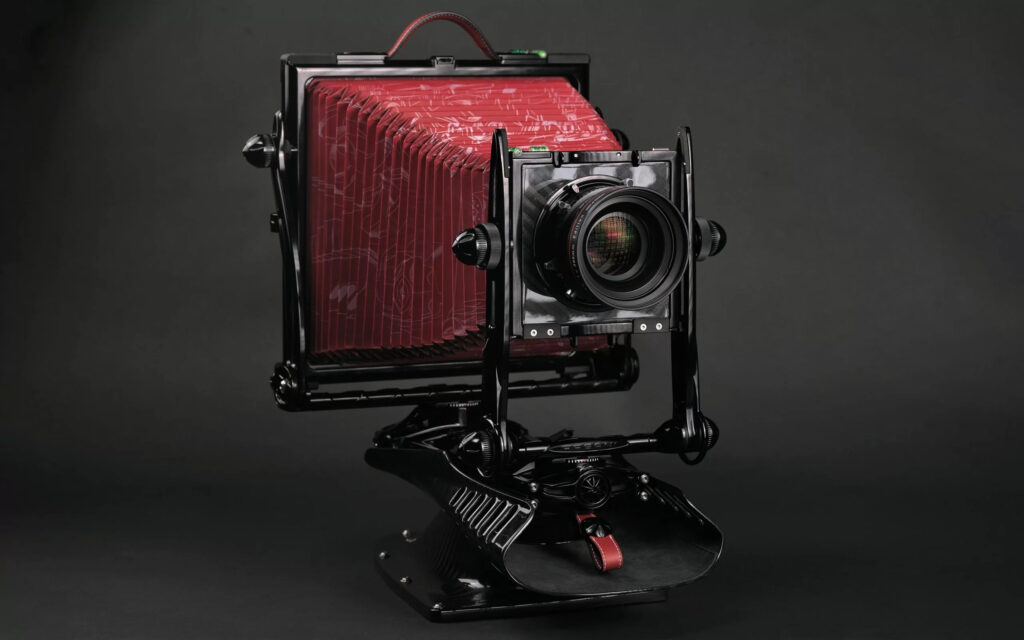
Gibellini planned a run of just 30 cameras, built with billet aluminum, carbon fiber and Alcantara. Each came with a leather-covered carbon fiber tripod and could be customized to match its owner’s Pagani. The first intended buyers were existing Pagani owners, keeping the camera firmly in the realm of bespoke collecting.
For photographers who want a camera to use as well as display, Giugiaro’s Nikon L35AF makes a more practical entry point: it’s compact, distinctive and around $150. The O-Product offers stronger sculptural appeal at a higher price, while the GP810HP turns photography into a rarefied piece of design. Each shows a different way car design thinking can shape an object that fits in the hand.
The post In Focus: Cameras by the Designers Who Created Cars appeared first on Hagerty Media.


