In lane Electric Vehicles
SCRS Quick Tip Examines Customer Authorization for Collision Repairs
Description
Sean Preston says customer authorization may allow work to begin before insurer approval, with clear communication and repair documentation central to the process.
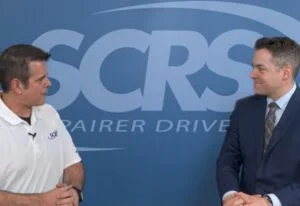
A signed repair agreement can put a collision shop in a position to start work before an insurer has approved the repair, according to Sean Preston, managing attorney at Coverall Law. In the first video in a new Society of Collision Repair Specialists (SCRS) Quick Tip series, Preston says the vehicle owner is the person authorizing the work. His answer comes with an important qualification: shops need to consider requirements that apply where they operate.
The distinction matters when a customer has approved repairs but the insurer’s review is still underway. Waiting may affect the customer’s plans and costs, while starting work can raise practical questions about communication, reimbursement and how the repair is documented. Preston’s advice puts the customer’s decision at the center, while recognizing that an effective process also depends on keeping the customer informed and working constructively with the insurer.
Customer approval and insurer approval
The video features Barry Dorn of Dorn’s Body and Paint asking Preston about a hypothetical case: a shop has a signed repair contract with its customer. Must it wait for the insurance carrier to authorize the work before proceeding? Preston’s short answer is, “Not necessarily.”
He explains that the insurer is not the party authorizing the repair; the consumer or vehicle owner is. The vehicle, meanwhile, determines what repairs need to be completed. If a customer has said to proceed, Preston says he does not see a reason to wait, unless a requirement in the shop’s state applies.
That answer is not a universal instruction for every shop or every repair. Preston specifically points shops toward the rules that apply in their own state. The video’s practical point is narrower: insurer approval and customer authorization are different parts of the process, and shops should understand which one they are waiting for before delaying work.
Why a delay can affect the customer
Waiting for an insurer’s approval can have consequences beyond the repair schedule. Preston gives rental costs as an example: if a customer’s rental period runs out during a delay, the customer may face additional expense and frustration. The video doesn’t quantify those costs or describe a standard rental arrangement, so the impact will depend on the customer’s circumstances.
For a shop, the tradeoff is clear. Moving ahead may help avoid unnecessary delay for a customer who has already authorized the repair, but it doesn’t remove the need to explain the work, keep records and address the insurer’s review. Preston’s emphasis on cooperation recognizes that the shop and insurer still need to communicate, even when the customer has made the decision to proceed.
Supplements make communication central
Dorn also asks whether a shop can continue when a repair involves multiple supplements. Preston’s response focuses on communication with the customer. A supplement can change the information the shop needs to convey as work progresses, so the customer should understand what the shop plans to do and how it is recording the repair for the insurer.
Preston says shops should explain that they intend to complete a safe and proper repair and describe how they are documenting the work. He also stresses that the customer should be kept informed. That conversation helps the customer understand the shop’s approach while the insurer considers the repair information. The video does not set out a particular supplement process, timeline or reimbursement outcome.
“We do want the customer to be reimbursed,” Preston says. “But the customer is in the driver’s seat.” That framing captures the balance he describes: reimbursement matters, and coordination with the insurer matters, but the customer’s authorization remains central to the decision to repair.
Records and local requirements
Preston advises documenting every step of the repair process. In a case where work begins before the insurer has approved it, a clear record can show what the customer authorized, what work the shop completed and how it communicated the repair information. The video doesn’t prescribe a recordkeeping system or list specific documents, leaving those details to each shop’s process and applicable requirements.
The video is informational and says it should not be relied upon as advice for a specific situation. It also notes that requirements and individual circumstances vary, and recommends consulting a qualified attorney in the shop’s area for advice tailored to a particular case. For repairers, Preston’s core message is practical: check local requirements, keep the customer informed and document the work as the repair develops.
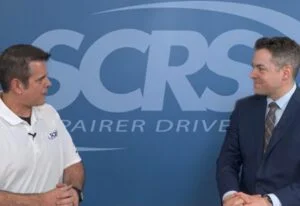
YouTube screenshot of Barry Dorn and Sean Preston.


