In lane Electric Vehicles
Repair Shop Transparency Helps Driver Navigate a Disputed Collision Claim
Description
A customer says clear repair guidance and frequent updates eased a difficult claim, even as an OEM parts dispute left her with $3,500 in costs.
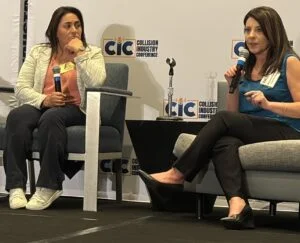
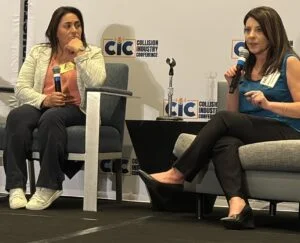
For Roxanne Raffaelli, the most valuable part of a collision repair experience was knowing what would happen next. After she hit a deer earlier this year, Rolling Meadows, Illinois, shop Body Builders Automotive explained the repair and claim process, shared its communications with her, and checked in every other day. The insurer’s handling of the claim left her surprised and frustrated.
Raffaelli described the experience during an Estimating and Repair Planning Committee panel at a Collision Industry Conference meeting in Chicago on July 22, 2026. She said she had not filed a vehicle claim in 18 years and was unfamiliar with how repair decisions could involve original equipment manufacturer (OEM) and aftermarket parts.
“I have a master’s degree and did not understand OEM parts versus aftermarket parts,” she said. “I didn’t know that was something that was going to be a part of my life when I bought this vehicle.”
Explaining the process before repairs begin
Maria Quintero, Body Builders’ co-owner, said the shop starts each customer relationship with a virtual consultation. The conversation covers the repair process and what may happen if the insurer denies part of a proposed repair or pays less than the shop believes is needed.
Customers leave that first discussion with resources, rather than an estimate, Quintero said. The goal is to explain the path ahead before work begins, so a later conversation about a denial or short payment doesn’t come as a surprise.
That preparation includes documentation supporting a repair plan based on the vehicle manufacturer’s requirements. Quintero said the shop can provide additional documents once it knows which items the insurer has rejected. Those records help customers discuss the repair with their insurer and understand the basis for the shop’s position.
Andrew Plischke, director of client insurance reconciliation at Gold Coast Auto Body, described a similar approach: advocate for the customer, explain the process and give them the tools to make informed decisions. “This is not our claim. It is their claim,” he said. The shop is responsible for repairing the vehicle, while the customer is the person who entrusted it to them.
Quintero said customers can take an active role or leave much of the process to the shop. Either way, they have materials to use if they want to get involved. If a customer decides against the repair the shop considers appropriate, she said, the shop can provide resources for finding another repairer.
The financial impact of a parts dispute
Raffaelli said her claim was ultimately denied after she filed a complaint with the Department of Insurance, because her policy did not include an OEM parts rider. She paid her $500 deductible and another $3,000 out of pocket.
She wished her insurer had explained that the rider was available for an additional cost. Raffaelli said she would have purchased it if it had been offered clearly, and argued that this coverage should be standard. The experience left her questioning how the claim had been handled and the level of support she received from her insurer.
Her account shows how parts language that may be unfamiliar to a driver can carry direct financial consequences. Raffaelli said she expected more from her insurer, while Body Builders delivered more than she had anticipated. She credited the shop’s front office staff with pushing for her and said the co-owner delivered on what he had promised.
For Plischke, the customer’s understanding of who controls the claim’s funds can affect how they approach a dispute. “The most powerful piece of equipment or tool that you have inside your shop, it is the customer,” he said. When customers recognize that the money at stake is theirs, they may choose to take a more active role. He said most customers with first-party claims who leave his shop now invoke their right to an appraisal.
Parts decisions and customer understanding
The panel’s discussion also raised the range of parts available. Stacy Bartnik, Intertek’s industry relations manager, cautioned against treating OEM and aftermarket parts as two simple, uniform categories. She said each can include different options, such as new or used OEM parts, and urged the group to account for those distinctions when discussing customer choice.
Michael Bradshaw, Collision Partners’ executive vice president of collision operations, agreed that choices matter. He said the customer should decide which parts go on their vehicle, rather than having that decision imposed by outside interests.
Quintero’s focus, she said, is to repair the vehicle properly and equip the customer to navigate the claim. That can mean gathering documentation, explaining what the insurer has declined to cover, or helping someone pursue a different shop. The point is to make the repair plan and its costs understandable before the customer has to decide how involved to be.
A difficult day calls for clear communication
Raffaelli said the crash itself was upsetting and that contacting Body Builders brought immediate relief. She emphasized that people filing claims don’t handle this process every day; they may be dealing with a stressful event while trying to understand unfamiliar repair terms and costs.
She said the shop kept her informed every other day and was transparent about the process. Raffaelli is now looking for a new insurer. She also said the vehicle saved her life, but she won’t buy that brand again.
Her account offers repairers and insurers a practical reminder: explain the process early, keep customers updated and make the basis for repair decisions clear. When a claim involves unfamiliar parts choices and personal expense, communication can shape how much control a driver feels they have over the outcome.
Image
Maria Quintero, co-owner of Body Builders, and customer Roxanne Raffaelli speak during CIC on July 22, 2026.


