In lane Electric Vehicles
1967 Alfa Romeo Giulia “Red Submarine” Low Drag Racer Listed for Sale
Description
This one-off Giulia pairs alloy Kamm-tail coachwork with a claimed 180 bhp and UK road registration, blending track focus with road use.
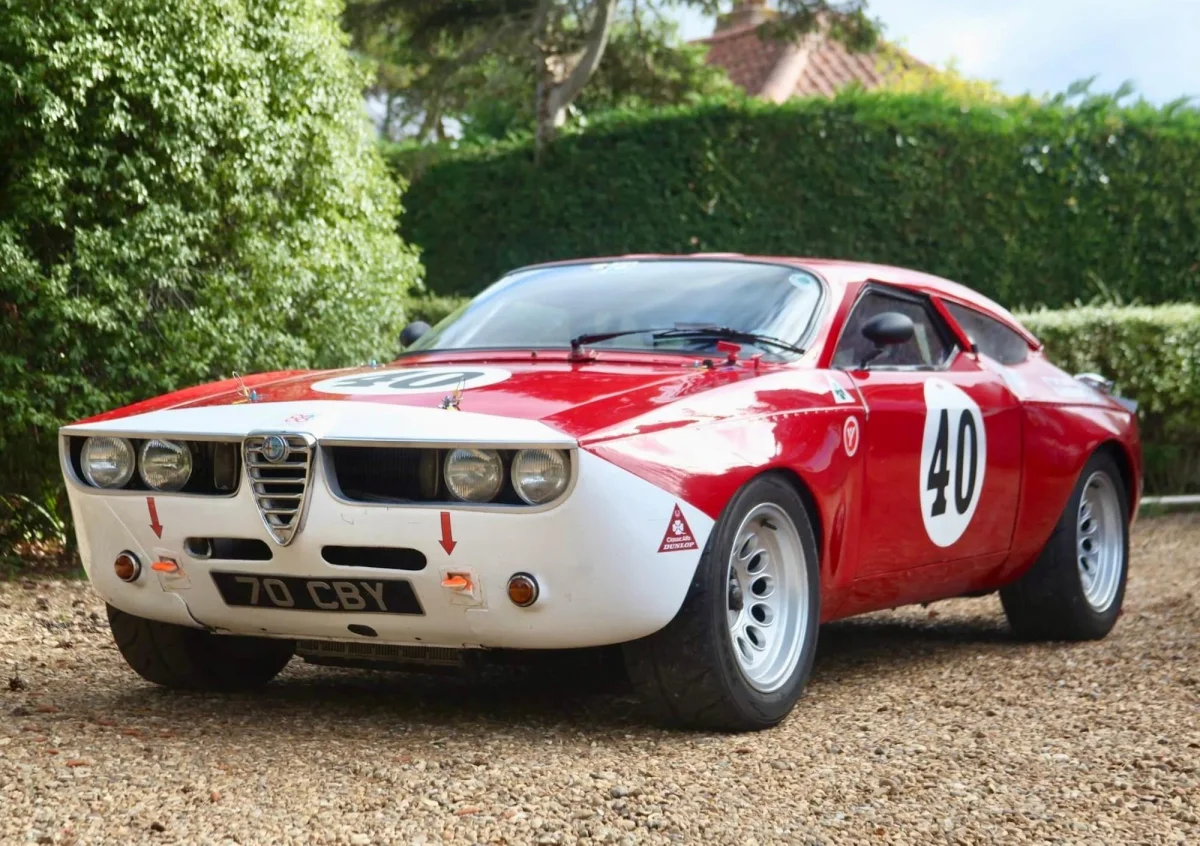
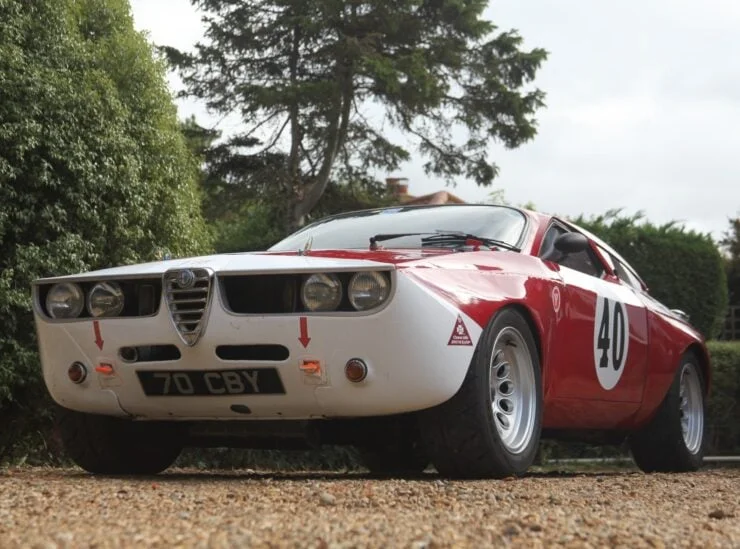
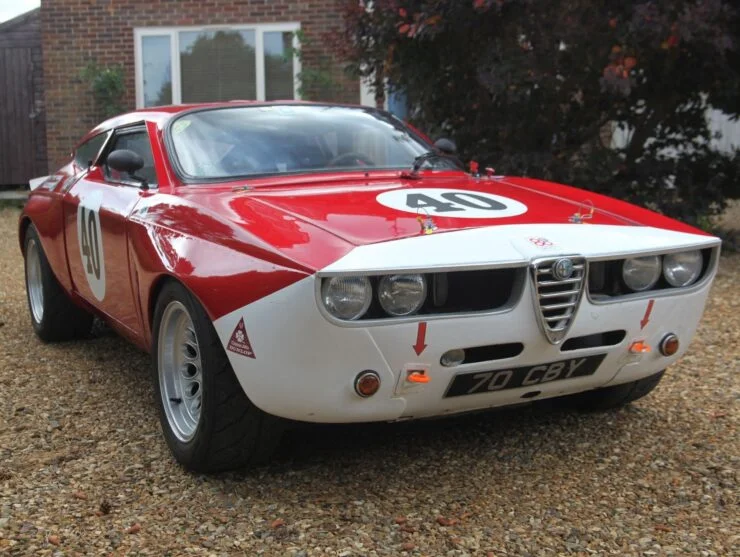
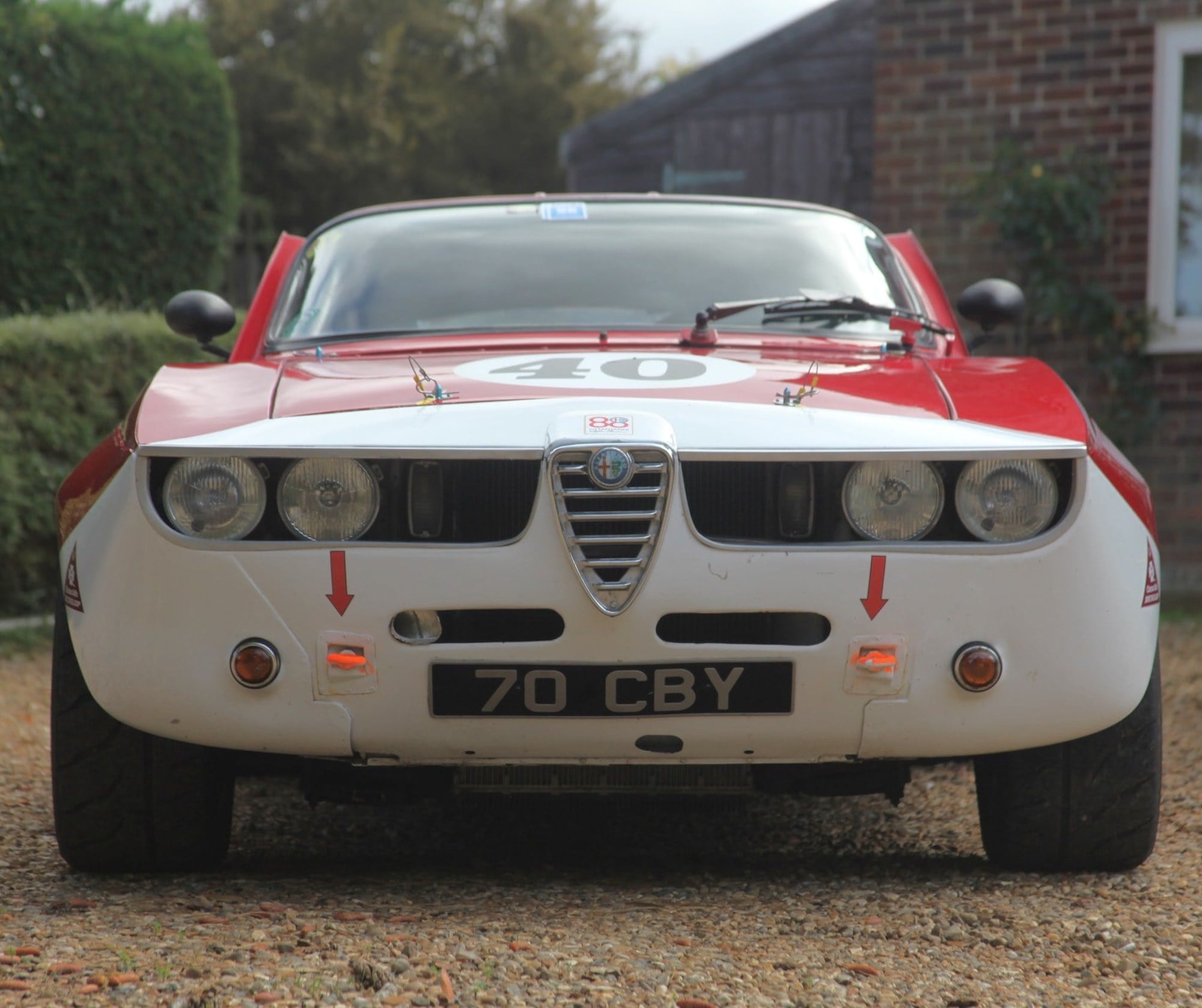
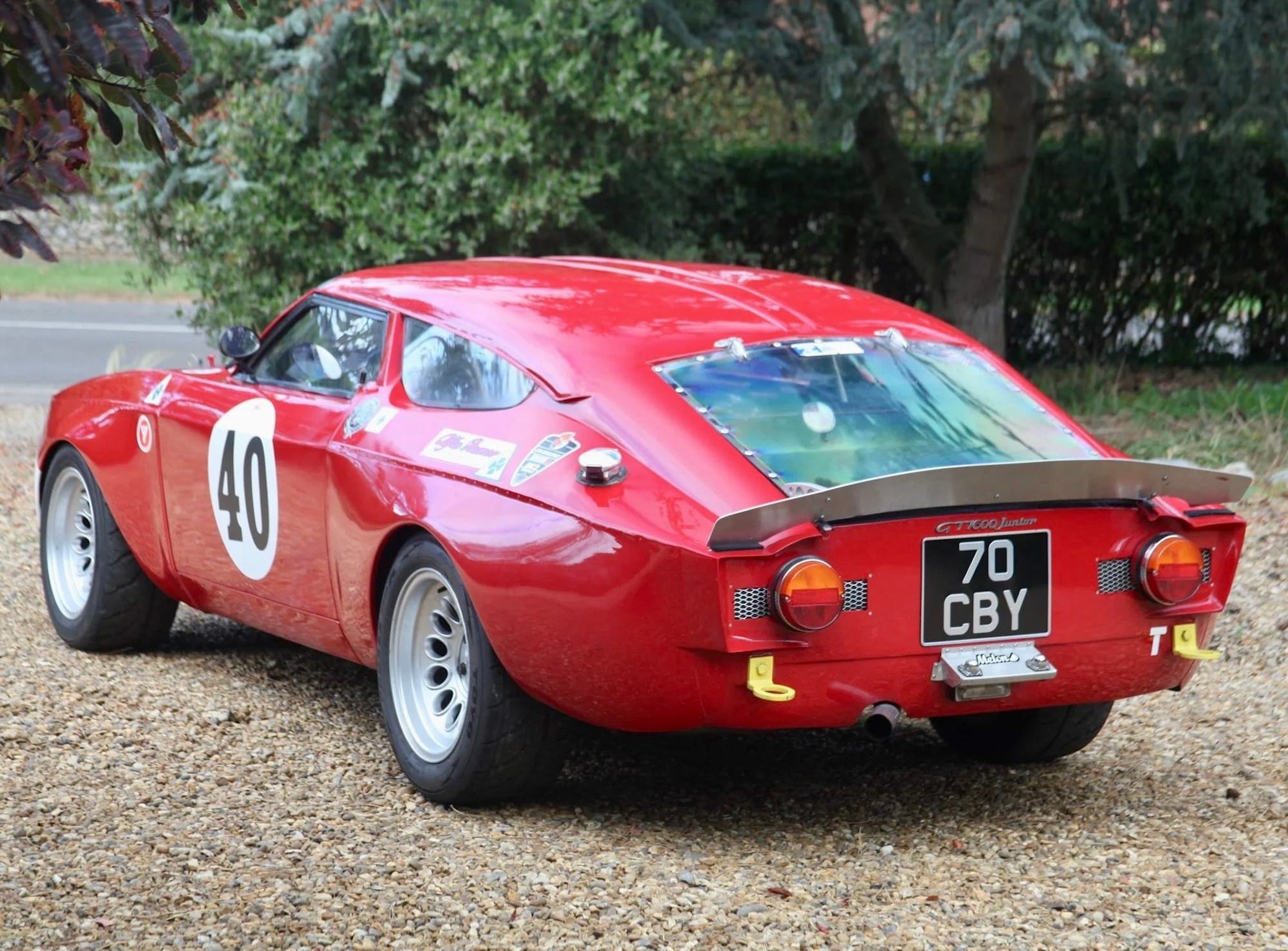
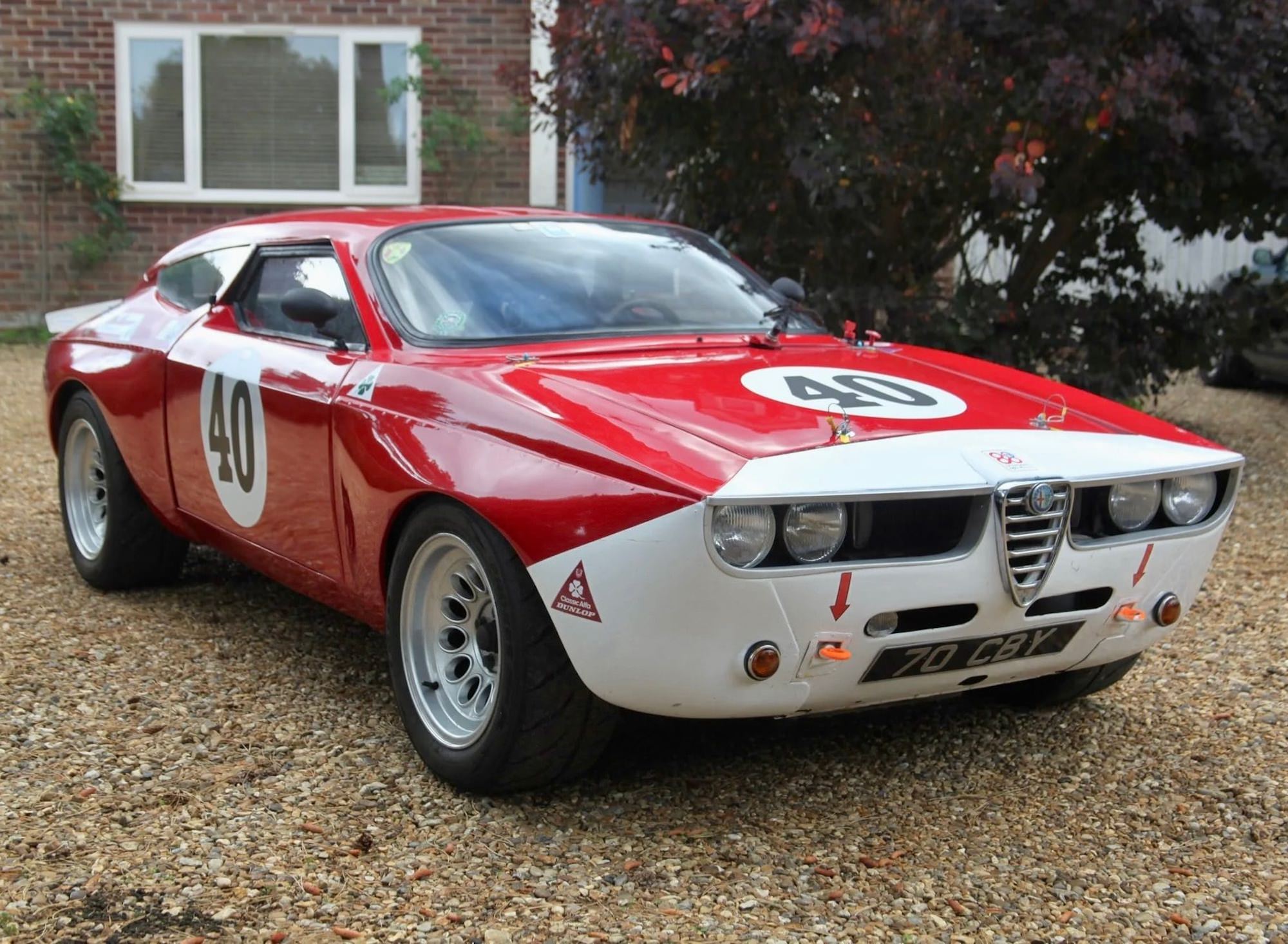
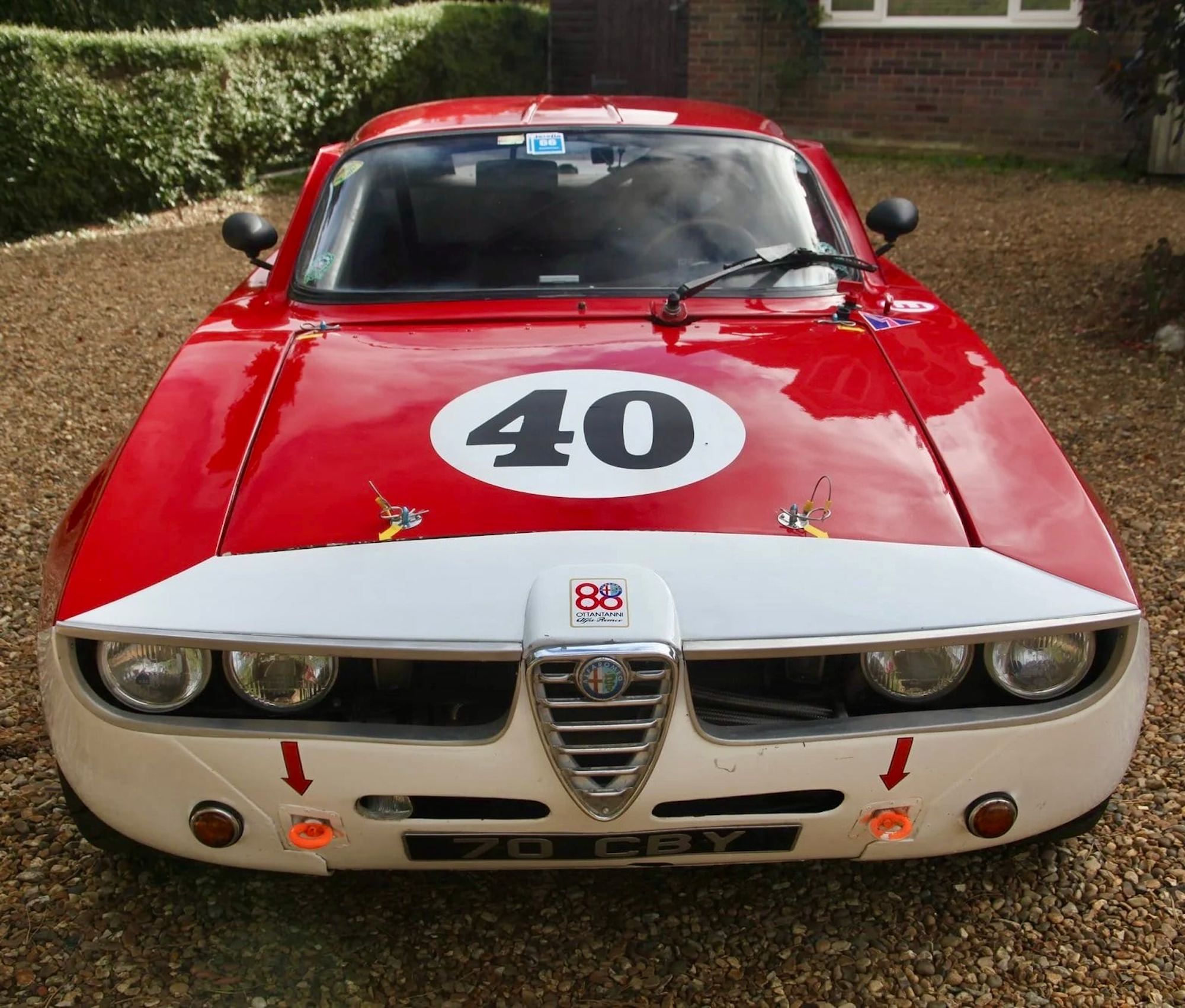
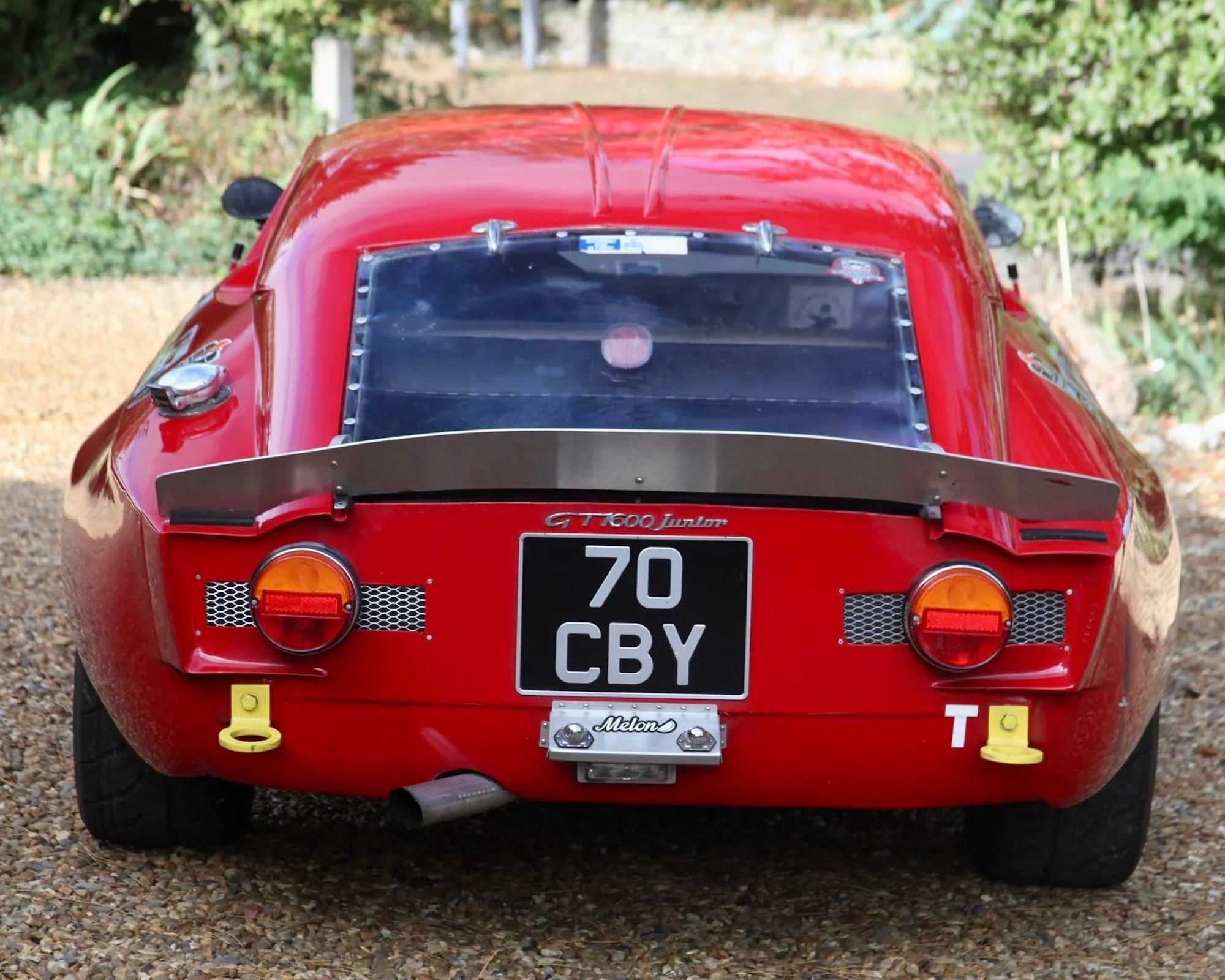
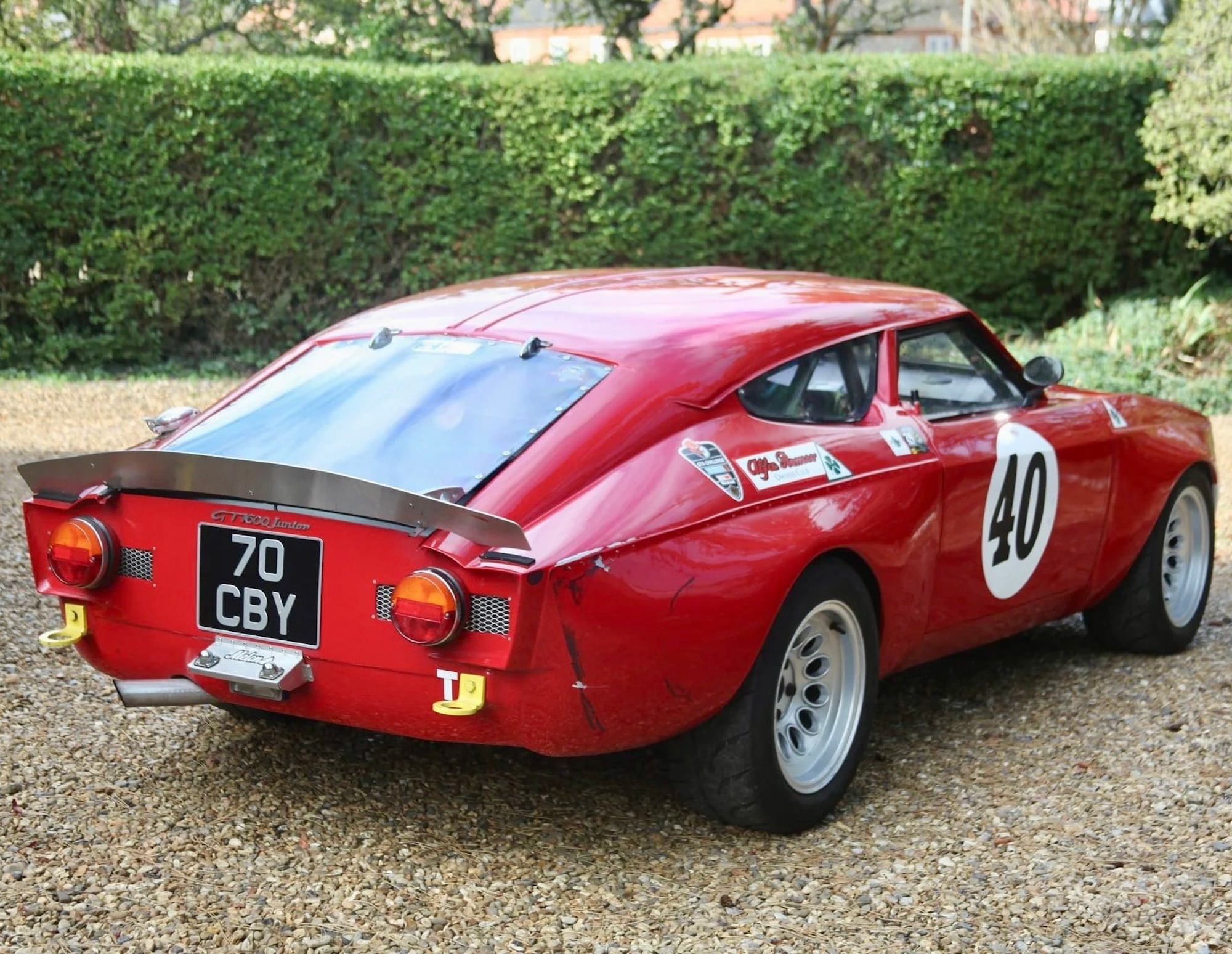
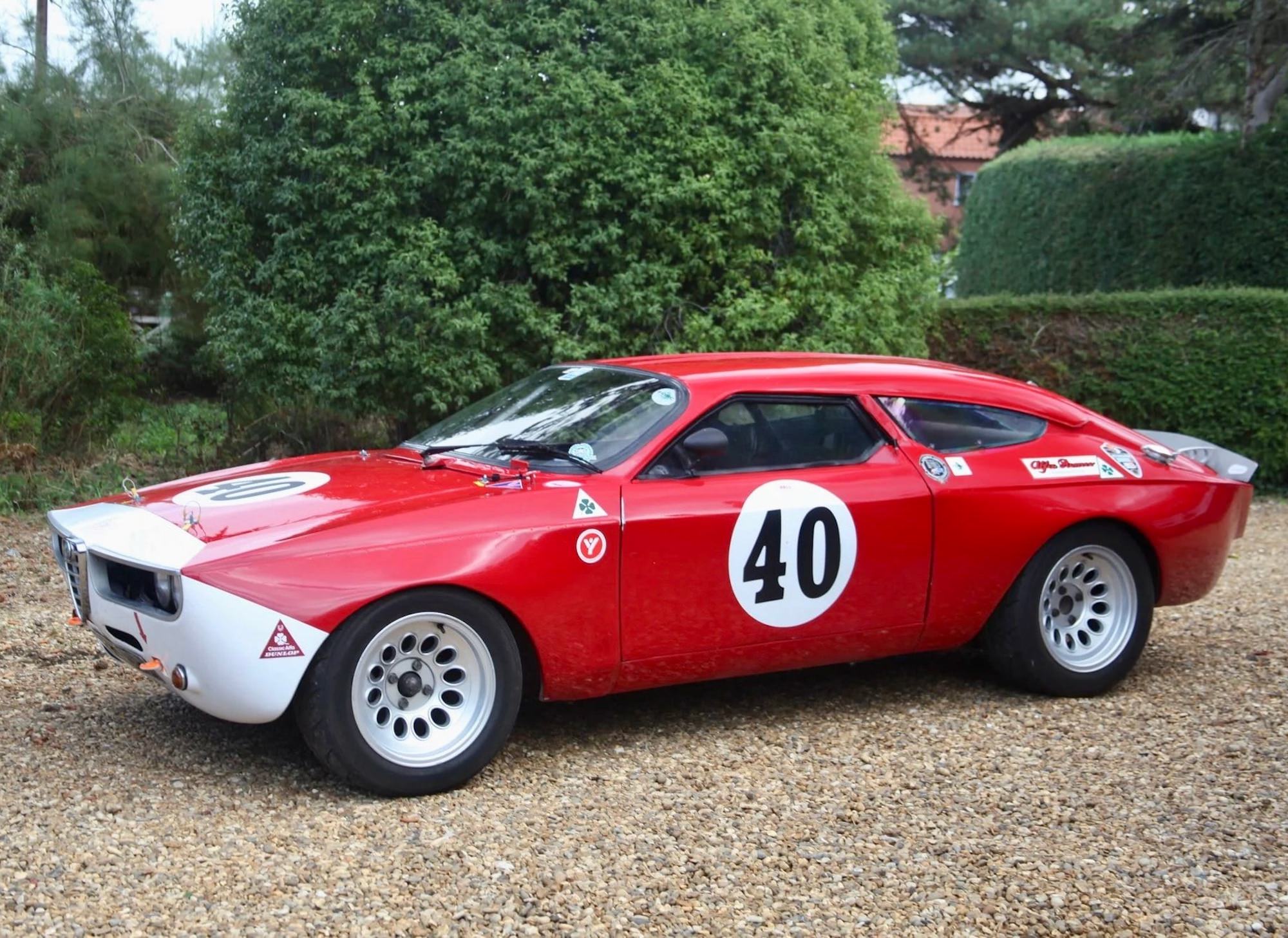
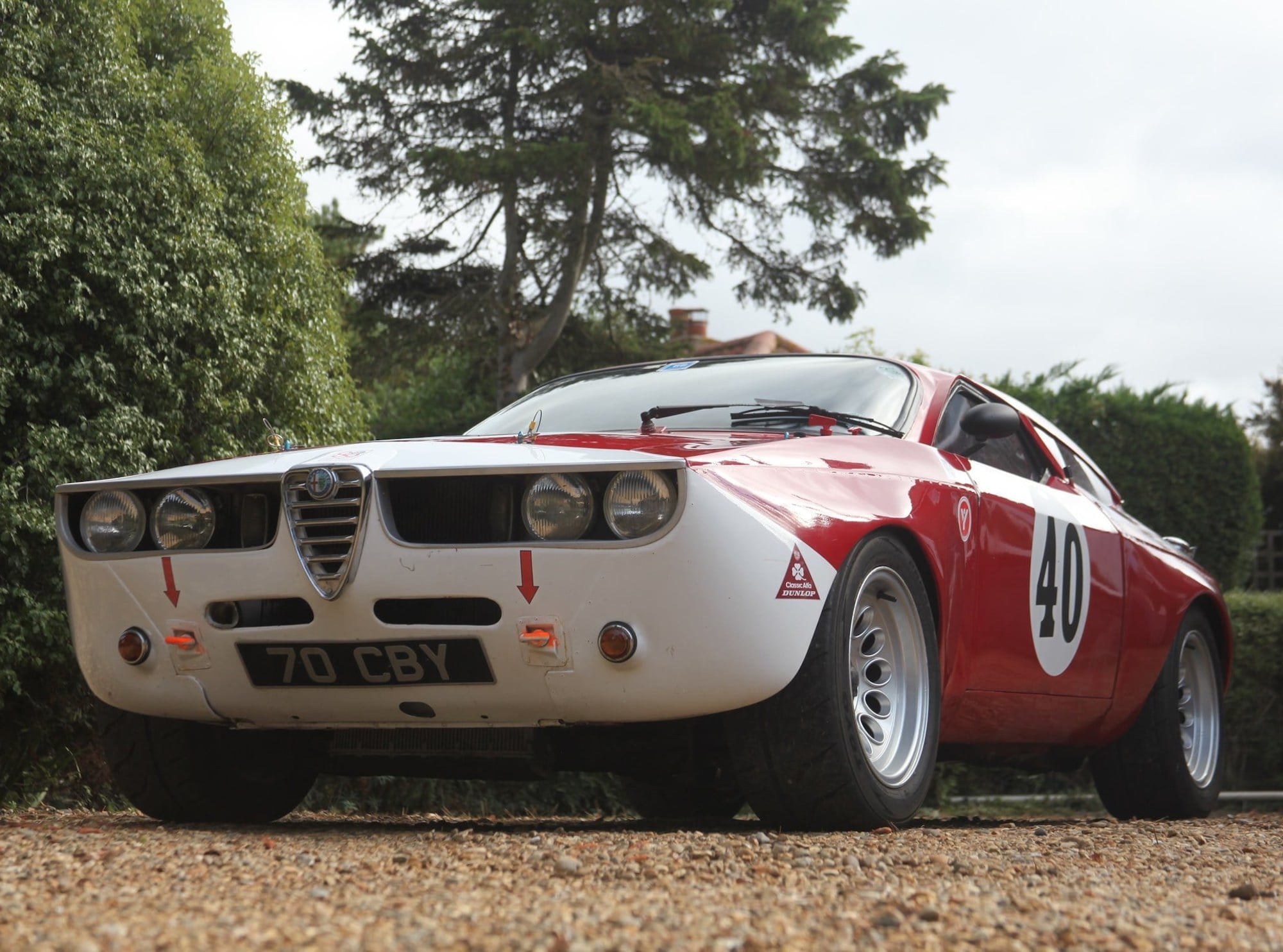
The “Red Submarine” is an unusual proposition even among historic Alfa Romeos: a one-off, low-drag racer that can legally travel on UK roads. Built from a 1967 Giulia 1300 GT and reshaped in lightweight aluminum after early accident damage, it now combines a distinctive fastback body with a modified 2.0-liter engine claimed to produce 180 bhp. It’s being offered for sale with UK registration documents.
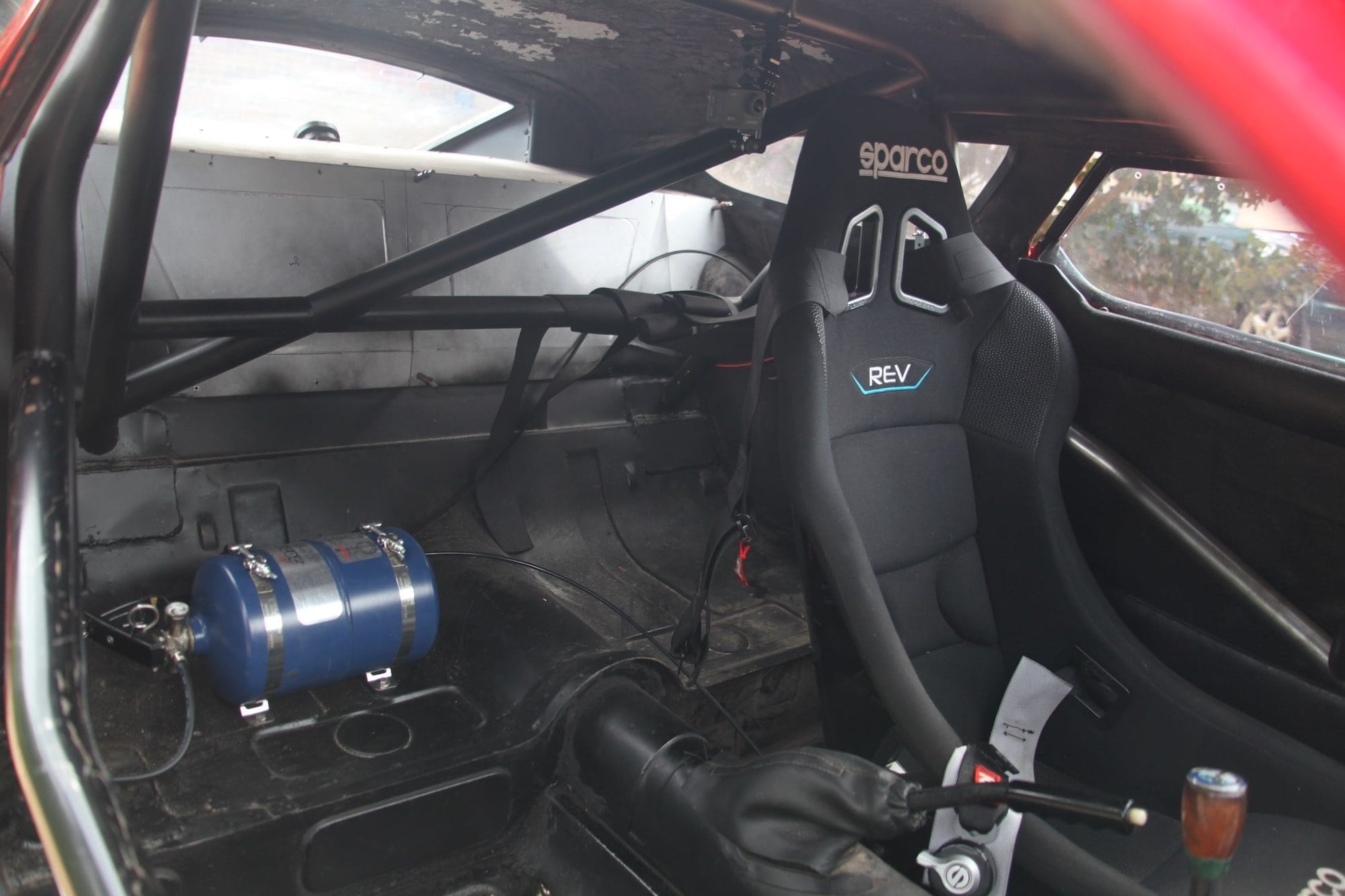
That dual purpose is the car’s clearest appeal. Its roll cage, stripped racing cabin and competition-focused development suggest a track car, while its current registration means the owner can drive it on public roads. The seller says it is quick and stable on circuit, and suitable for road use. Those are seller claims; the available information doesn’t include independent performance testing.

A Giulia shaped by competition
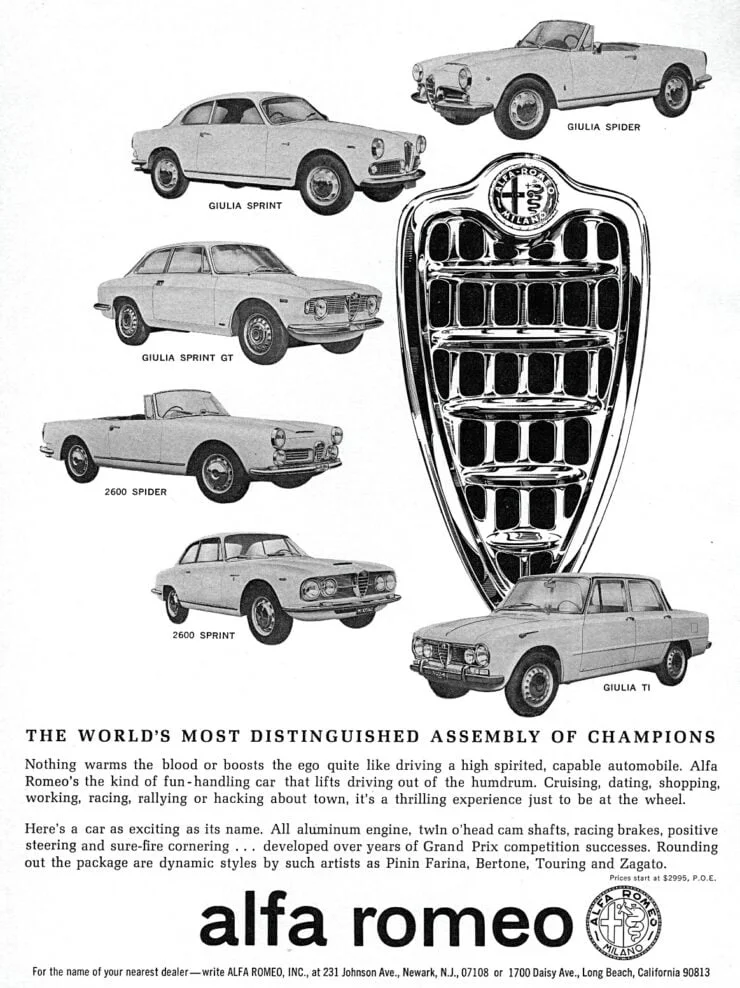
The car’s origins sit within one of Alfa Romeo’s most successful model families. The Giulia arrived in 1962 as the successor to the Giulietta, first appearing before the press at Monza on June 27. The initial Giulia TI was a four-door sedan with a column-mounted gearshift and bench seats front and rear, configured to carry up to six people.
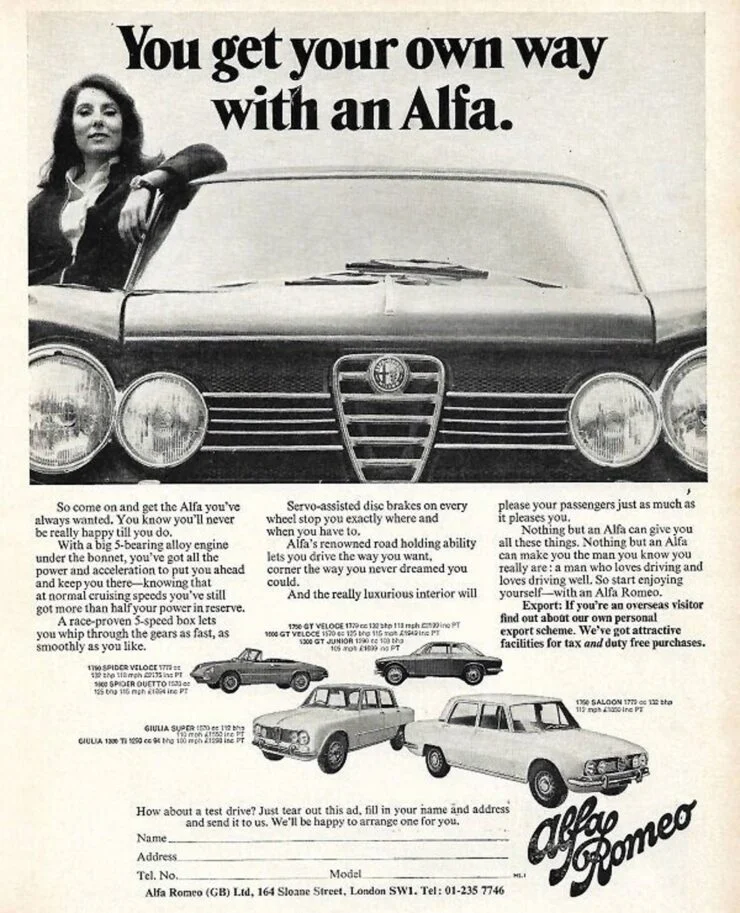
Its engineering was more ambitious than that layout might suggest. The TI used an aluminum, twin-cam, cross-flow four-cylinder engine, a five-speed manual gearbox and wind-tunnel-developed bodywork. Alfa promoted the shape as “designed by the wind,” citing a drag coefficient of 0.34. A raked windscreen, creased flanks and sharply cut Kamm tail helped define the square-edged body.
Orazio Satta Puliga led the engineering group, with Giuseppe Busso, Ivo Colucci and Giuseppe Scarnati among its members. An earlier prototype, developed by 1959, wore fins inspired by contemporary American styling. Alfa set that design aside after seeing similar forms on rival cars at the London Motor Show; its engine was carried into the later Giulia design.
The production car used a steel unibody with a reinforced passenger cell and front and rear sections designed to absorb crash energy. Alfa intended to build it at a new plant in Arese, north of Milan, but delays meant the first examples were assembled at the older Portello works. The Giulia remained in production until 1978, and its platform supported a broad range of coupes, spiders and competition models.
From road sedan to racer
The original TI’s 1,570cc inline four had an aluminum block and head, two overhead camshafts driven by a duplex chain, and two valves per cylinder. A twin-choke Solex carburetor fed the TI version, which produced 91 bhp and sent power to the rear wheels through a five-speed manual transmission.
Suspension and braking also evolved during the model’s run. The front used independent wishbone suspension with coil springs and an anti-roll bar. At the rear, a live axle was located by trailing arms and a T-shaped upper reaction member, while early sedans used Burman recirculating-ball steering. Initial cars had drum brakes, including three-shoe front drums. Four-wheel discs became available from September 1963, first as an option and later as standard equipment across the range.
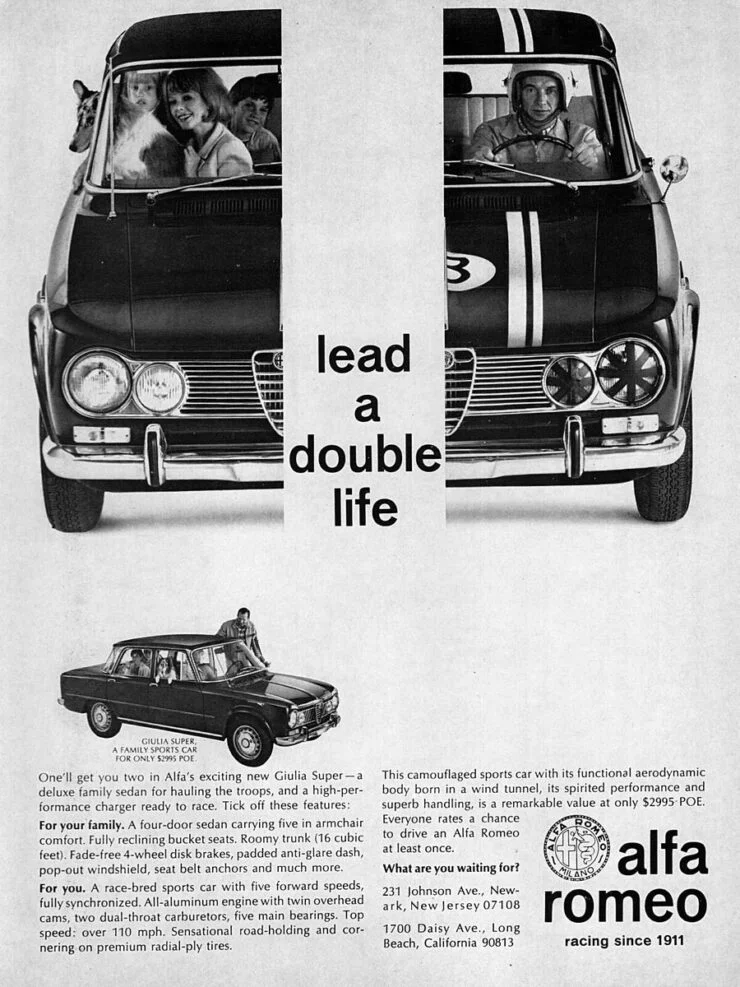
Alfa expanded the line with versions aimed at different drivers. The 1963 Giulia TI Super was a homologation special with two Weber 45 DCOE carburetors and 111 bhp. It also had a floor-mounted shifter, bucket seats, magnesium-alloy wheels and plexiglass rear windows; it weighed about 100 kilograms less than the TI. The more affordable 1.3-liter Giulia 1300 followed in 1964 with single headlights and a four-speed gearbox. In 1965, the Giulia Super arrived with twin Weber 40 carburetors and 97 bhp.
The range continued to change through the 1970s. The 1974 Nuova Super adopted a flatter trunk lid, removing the central crease used since 1962. A Perkins diesel joined the lineup in 1976, offering an economy-focused alternative during a period of fuel uncertainty.

The wider family and its racing record
Alfa used the Giulia’s engine and running gear across several distinct cars. The Giulia Sprint and Spider appeared in 1962, followed by the Sprint Speciale in 1963; each paired Giulietta bodies with the newer 1.6-liter engine. The first 105-series coupe, the Sprint GT, was styled by Giorgetto Giugiaro at Bertone and shown in 1963.
The 1965 GTA took weight reduction further. Its name’s final letter stood for alleggerita, or lightened. Aluminum replaced several steel panels, the side and rear windows were plexiglass, and a twin-plug cylinder head with two Weber 45 carburetors gave the road car 113 bhp. Dry weight dropped from more than 900 kilograms for the GT to 745 kilograms. Alfa says 500 GTAs were built between 1965 and 1969, with almost all going to Autodelta or private race preparers.
The TZ followed a different route, placing Giulia mechanicals in a tubular steel spaceframe built by SAI Ambrosini and clothed in an aluminum Zagato body. It added independent rear suspension and inboard rear disc brakes. Delta, founded in Udine by Carlo Chiti and Lodovico Chizzola in 1963 and renamed Autodelta in 1964, assembled the cars. Production reached about 112 examples.
Competition results established the family’s reputation. Fernand Masoero and Jean Maurin took a Giulia TI Super to fifth overall in the 1963 Tour de France Automobile. At Monza later that year, TZs claimed the first four places in their class. In 1964, TZs won their classes at Sebring, the Nürburgring 1000 km and Le Mans; Roberto Bussinello and Nino Todaro also finished third overall at the Targa Florio, behind two Porsche 904s.
The GTA became Alfa’s main competition weapon from 1965. Works and private entrants recorded more than 200 GTA victories during the 1966 season alone, and Andrea de Adamich won the European Touring Car Championship’s Division 2 in a GTA in both 1966 and 1967. That record helps explain why a road-going Giulia with serious track preparation carries particular appeal to Alfa enthusiasts.
The Low Drag’s specification and sale
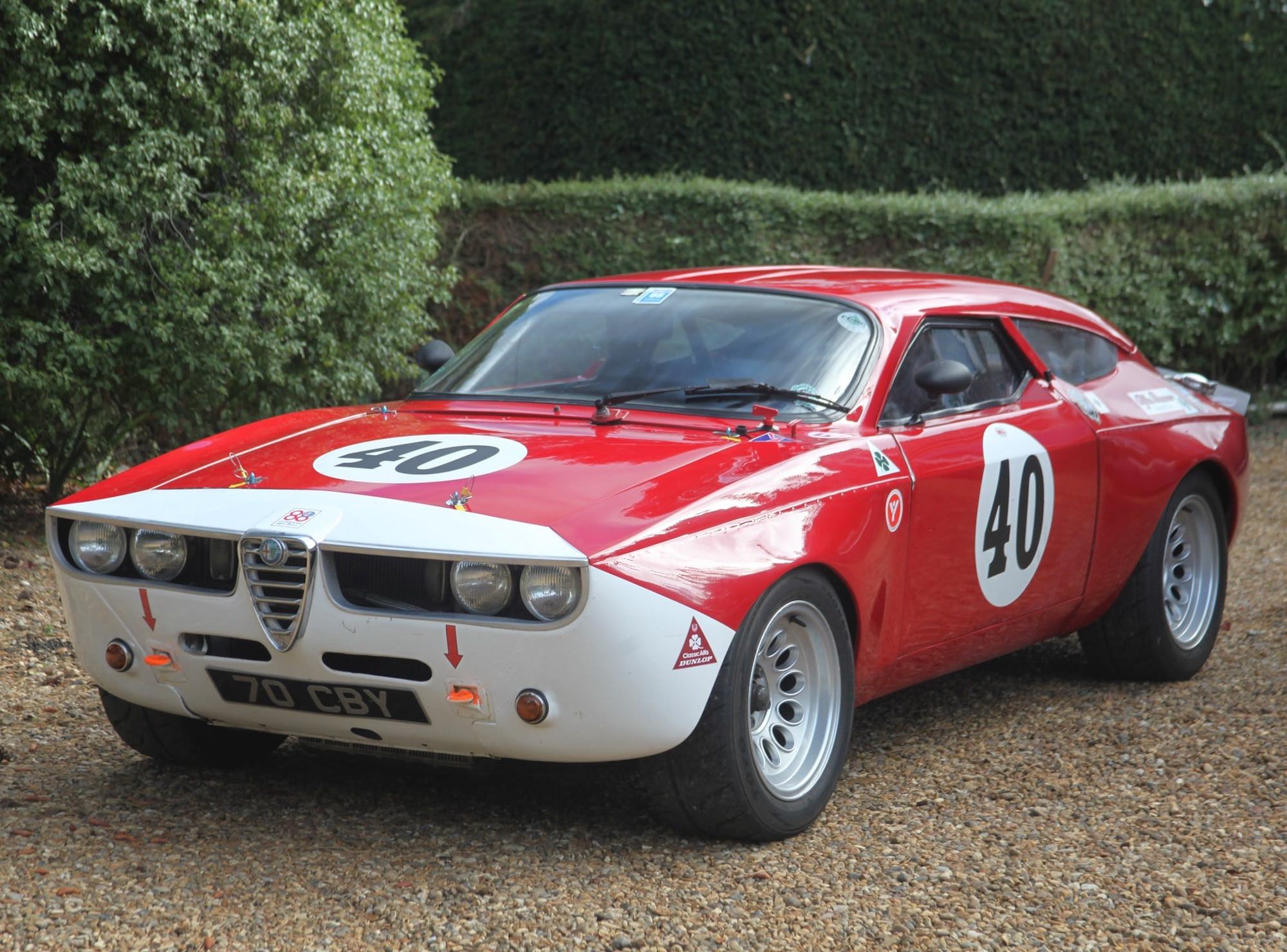
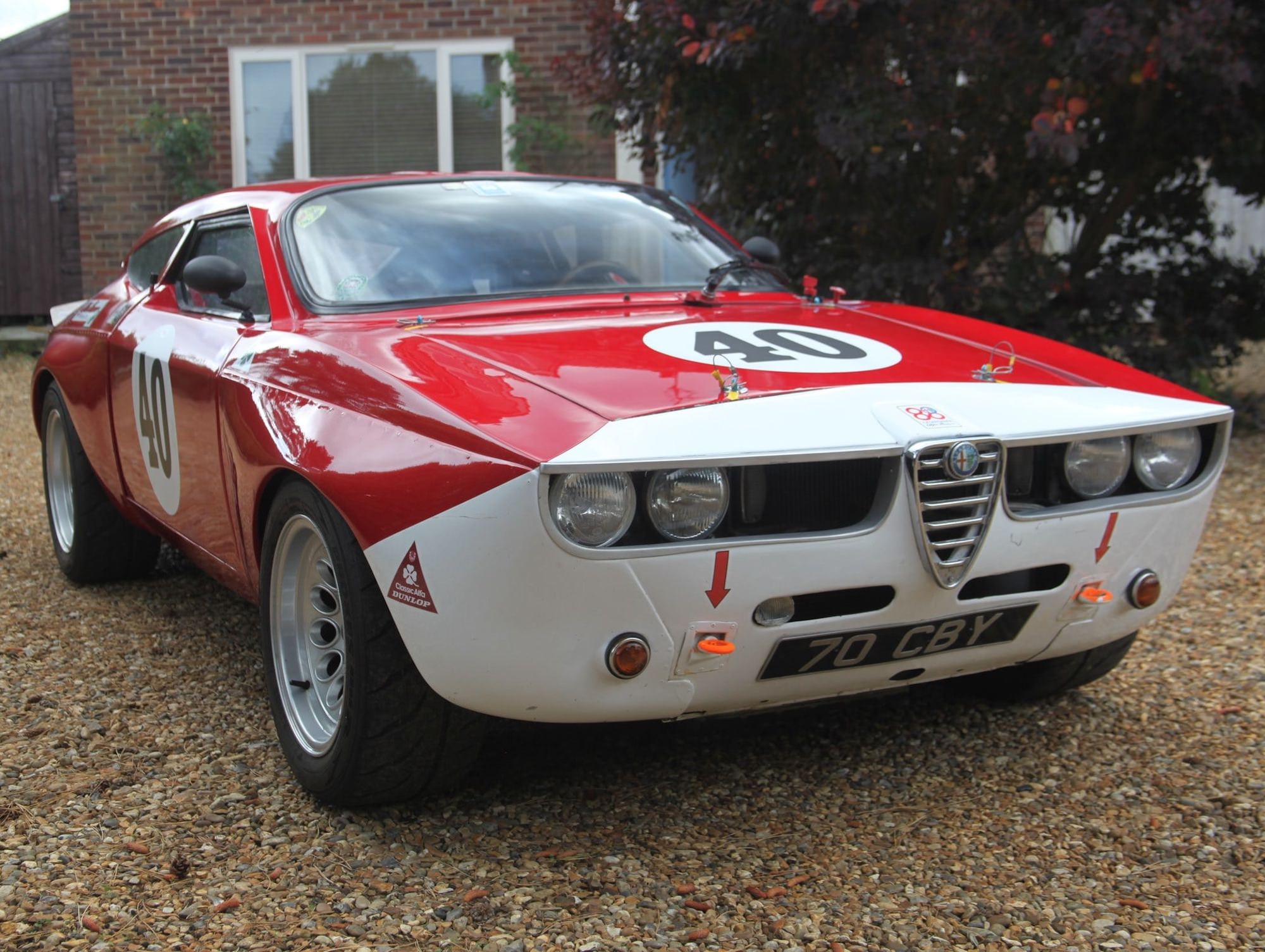
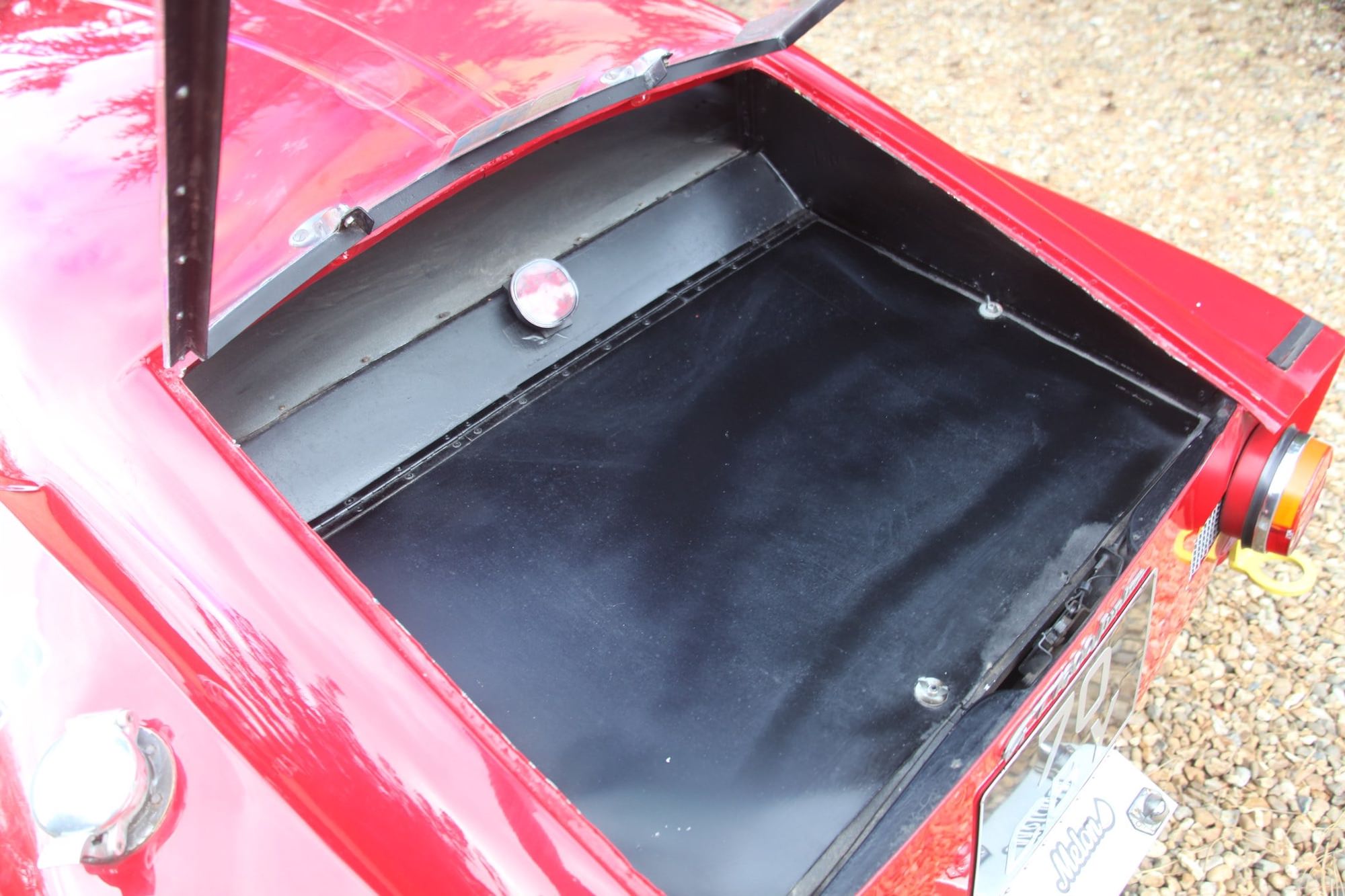
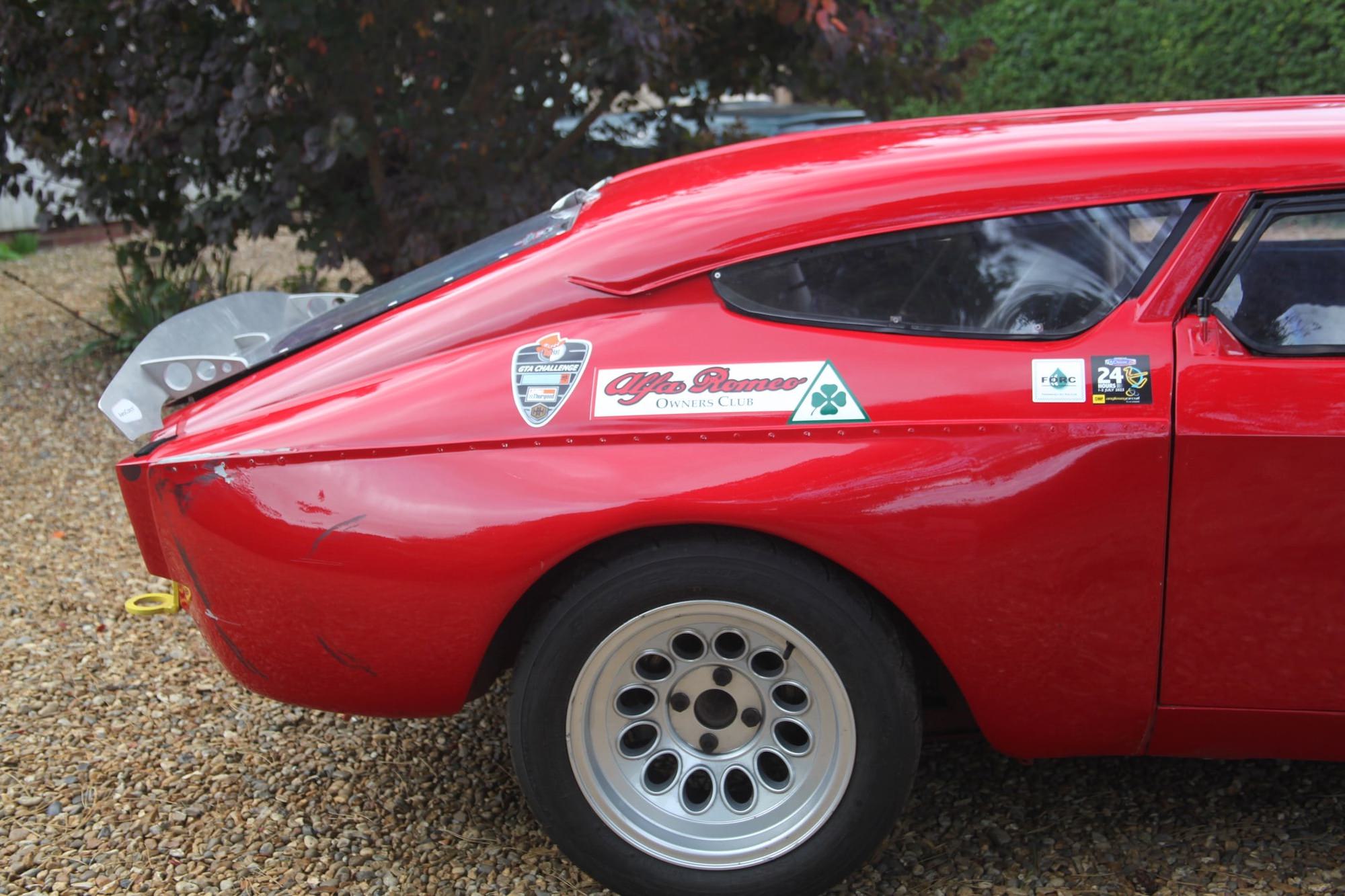
This 1967 car began as a Giulia 1300 GT. Following accident damage early in its life, it received lightweight aluminum coachwork with a low-drag fastback profile and Kamm-style tail. The “Red Submarine” has since appeared in Auto Italia and Classic Cars magazines. Its body is the defining feature: a singular shape that sets it apart from factory Giulia coupes and the better-known GTA and TZ competition models.
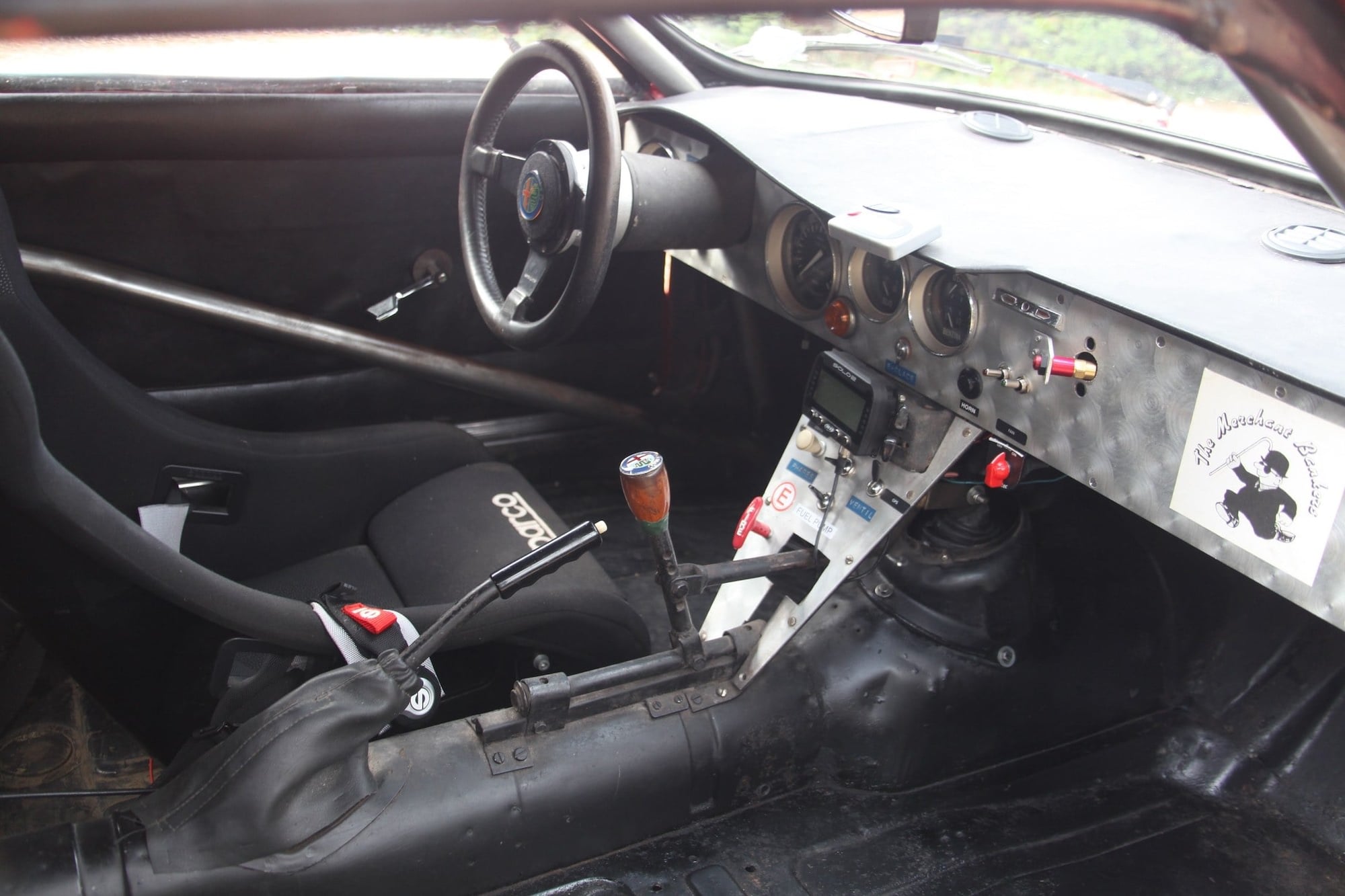
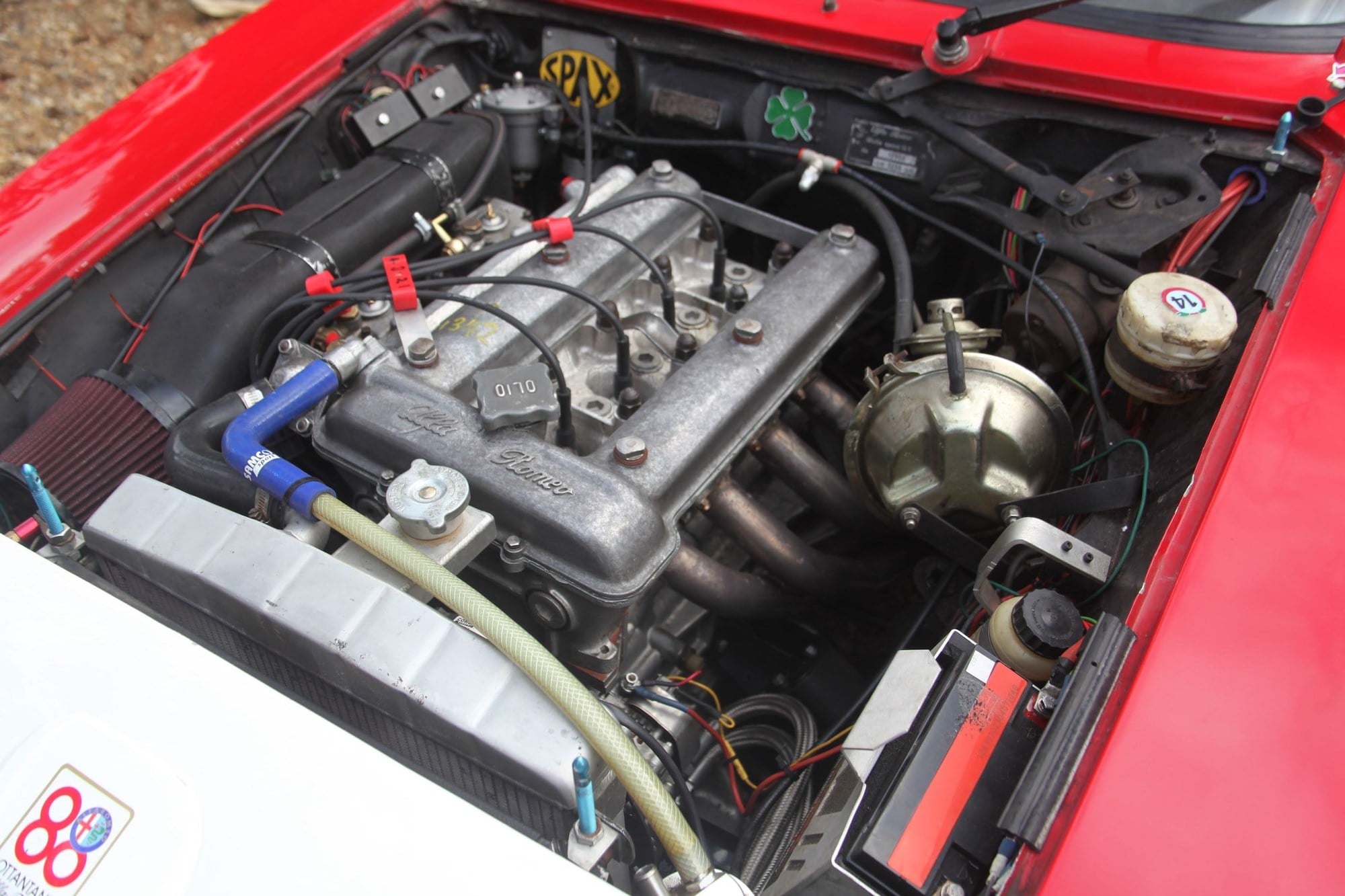
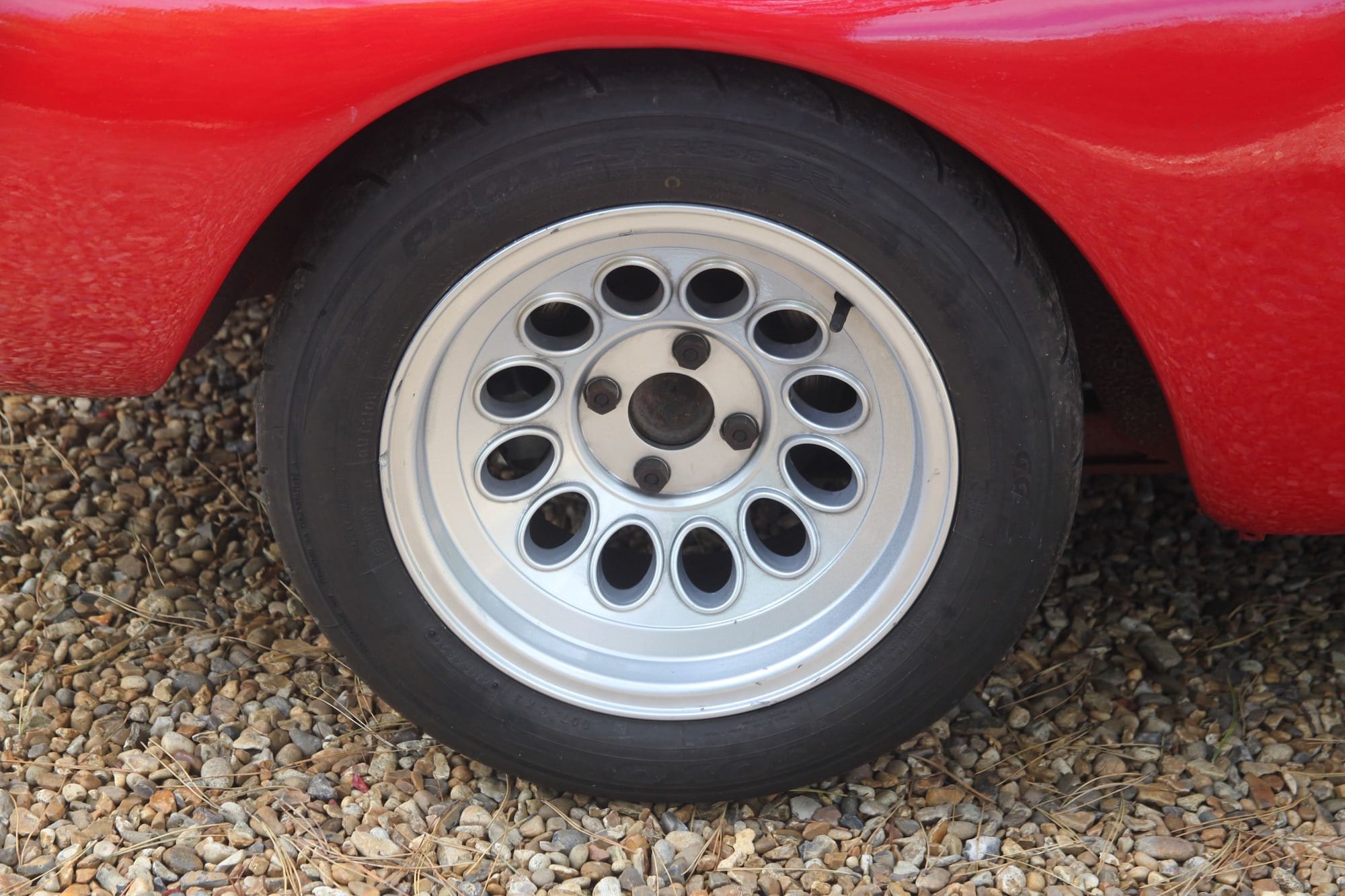
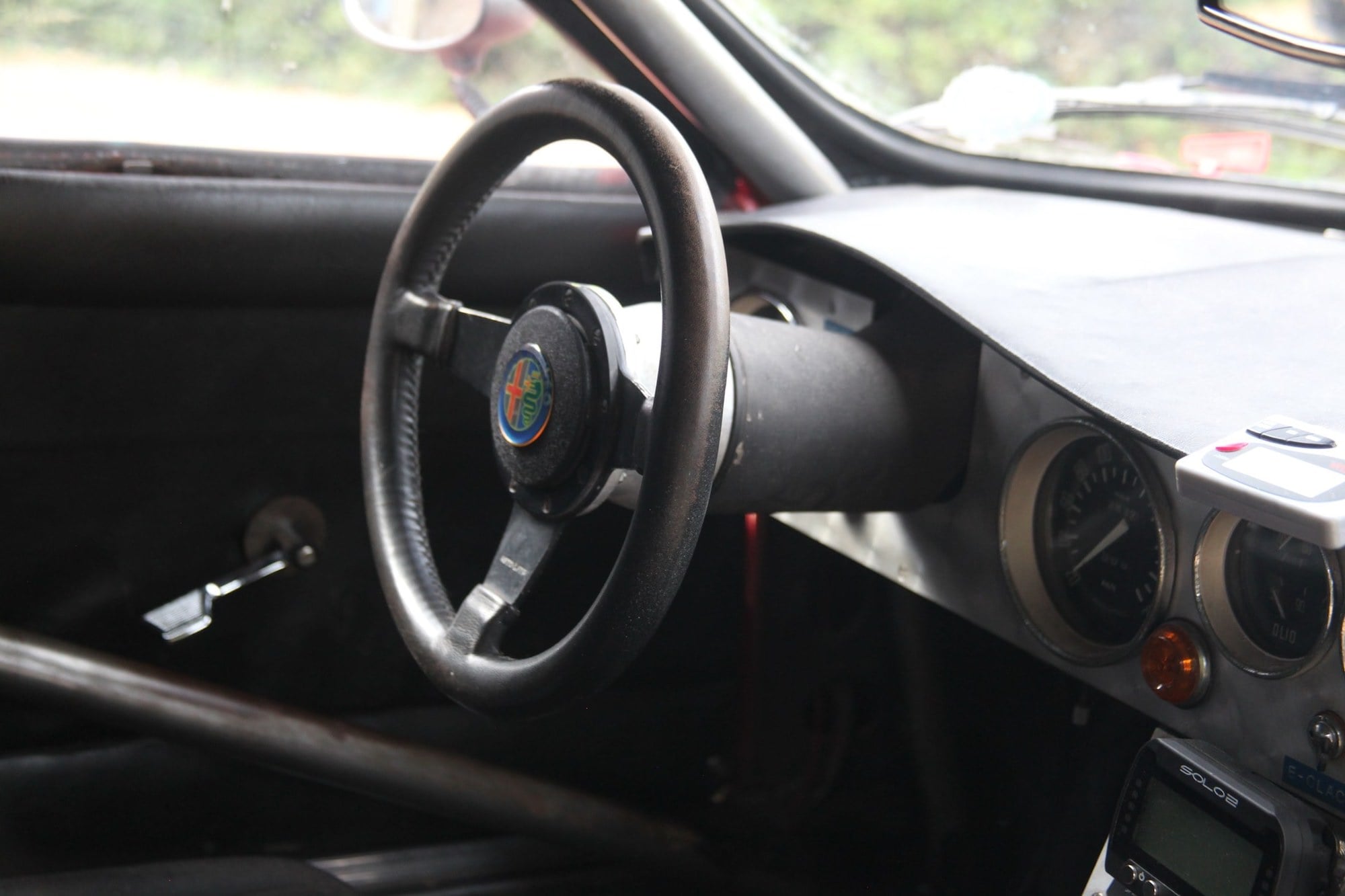
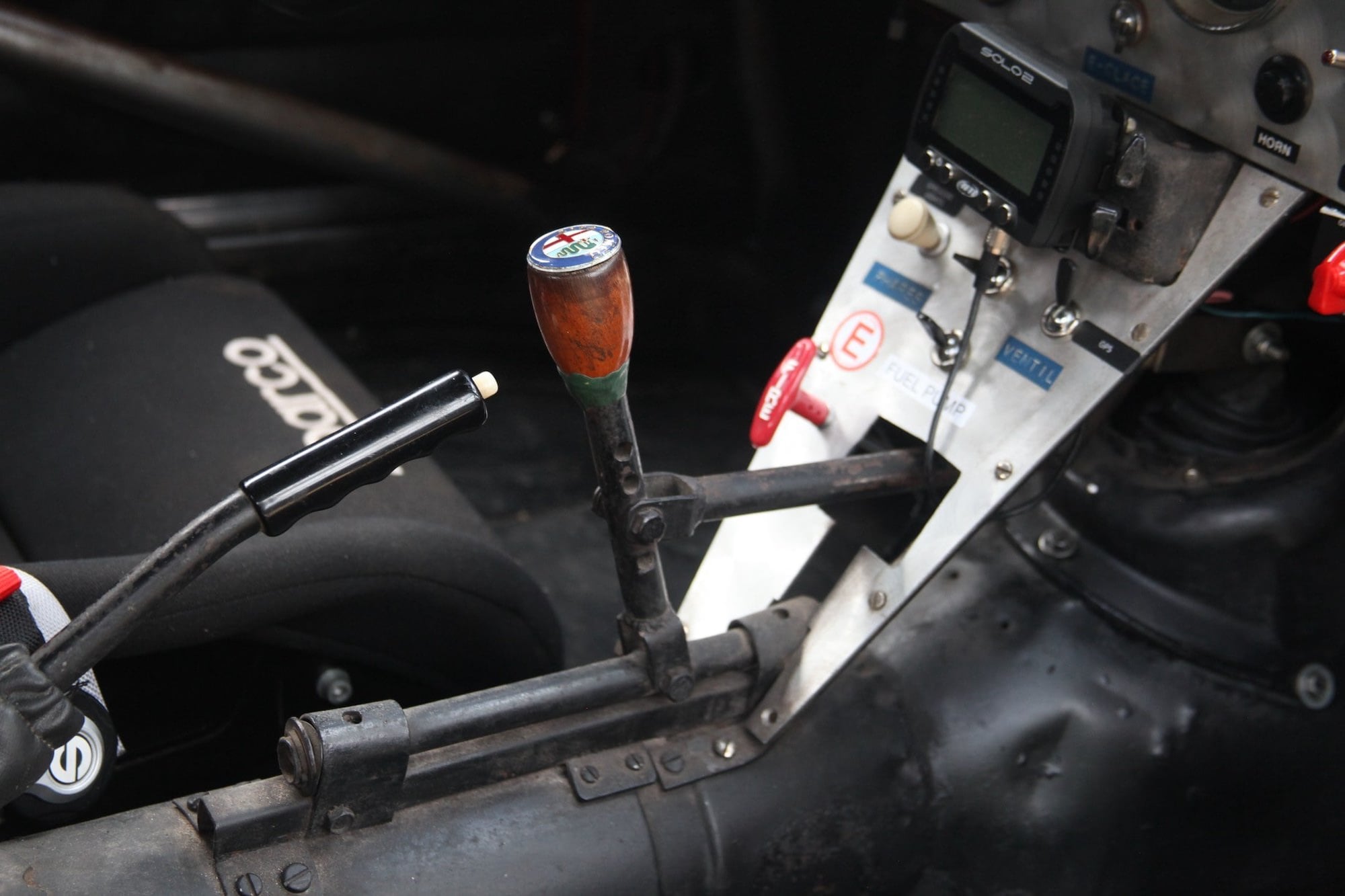
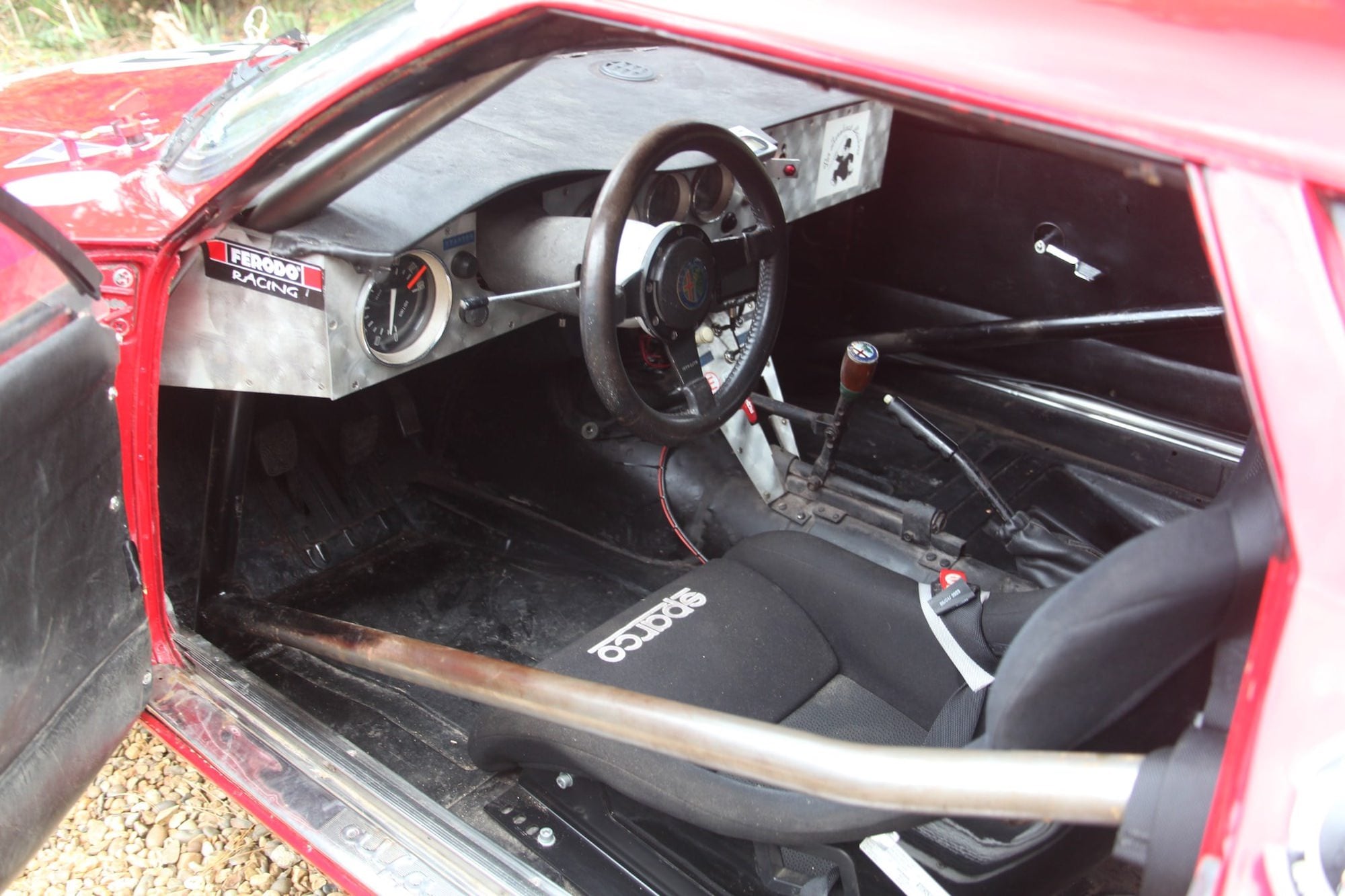
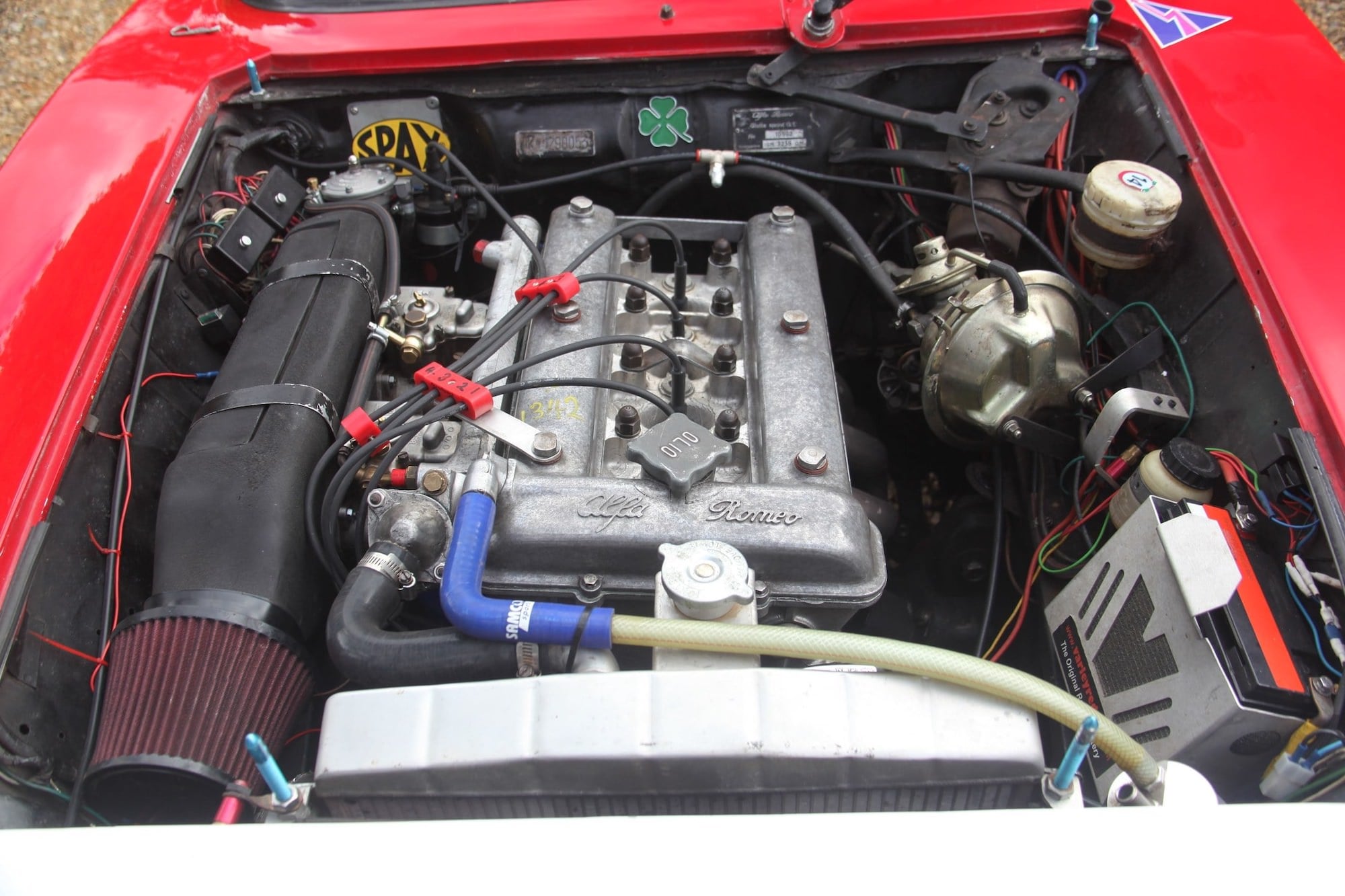
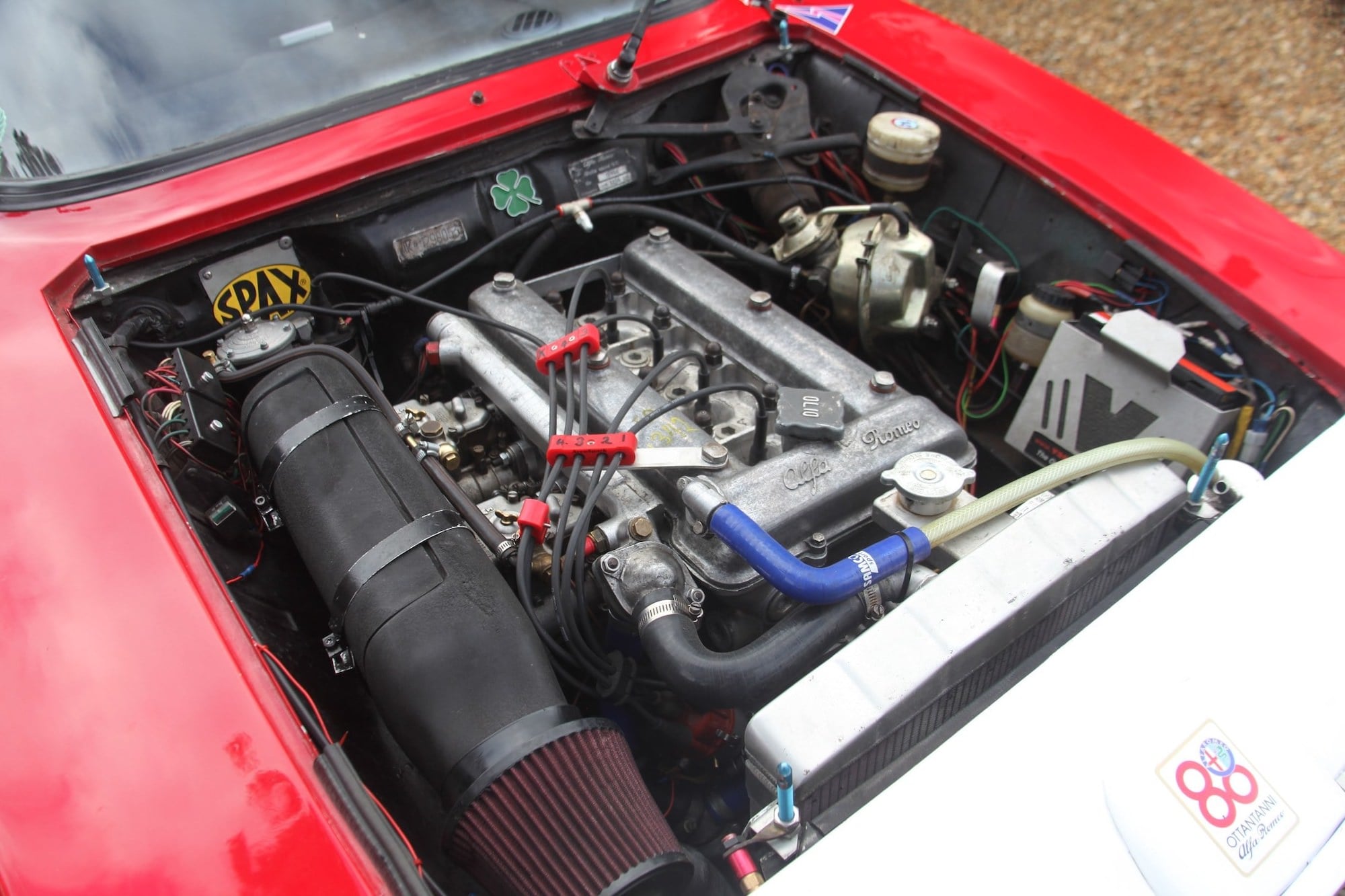
Power now comes from a modified 1,962cc Nord twin-cam four-cylinder engine, with output claimed at 180 bhp. A five-speed manual gearbox handles transmission duties. Deep-dish alloy wheels, a bespoke roll cage and a stripped racing interior with period-style instruments complete the specification. The source describes this as the only example of the Low Drag, built in period from a 1967 car.
The current owner bought it in Belgium ten years ago and has spent the intervening period developing its bodywork and mechanical components for competition use, rather than carrying out a conventional cosmetic restoration. The odometer shows 28,320 kilometers, or 17,597 miles, though the actual distance traveled is believed to be higher.
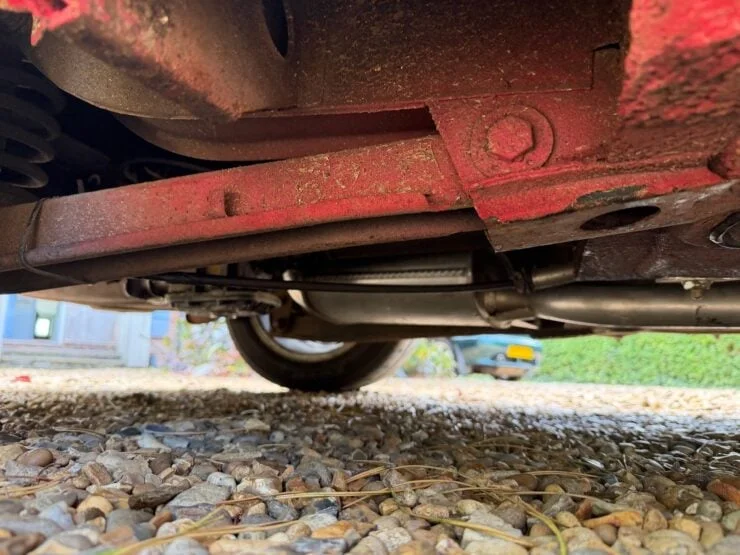
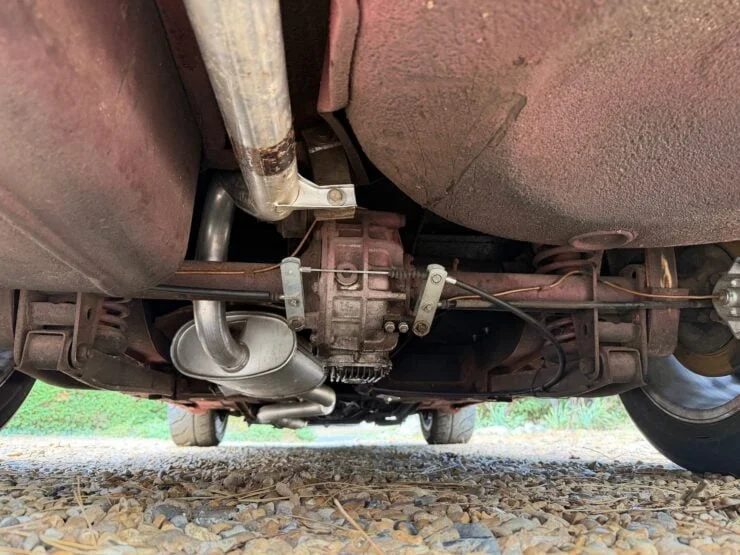
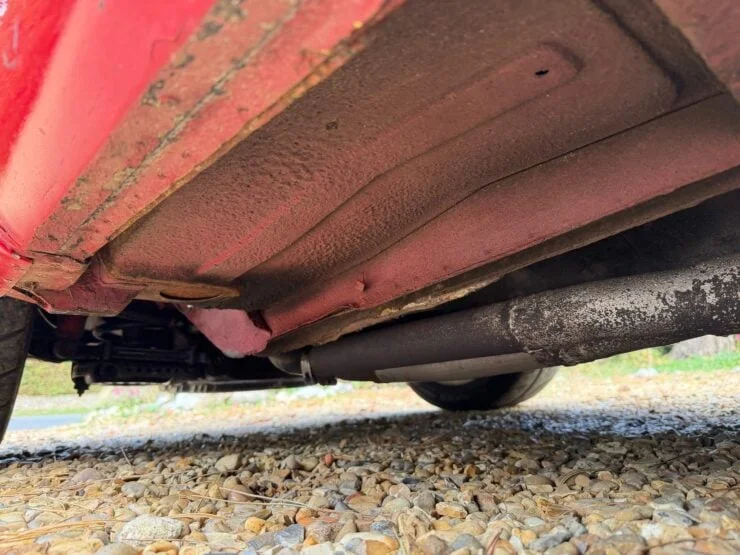
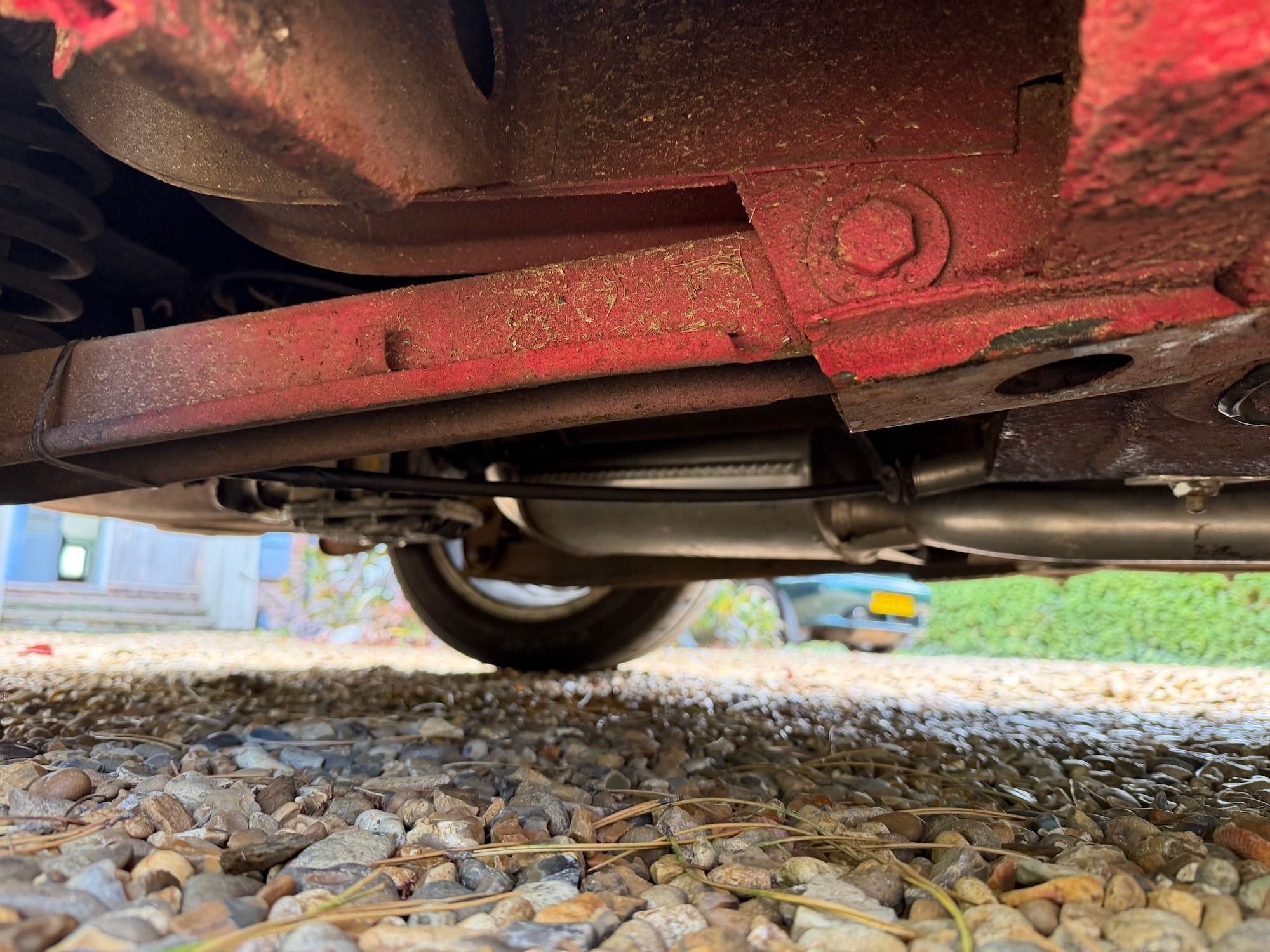
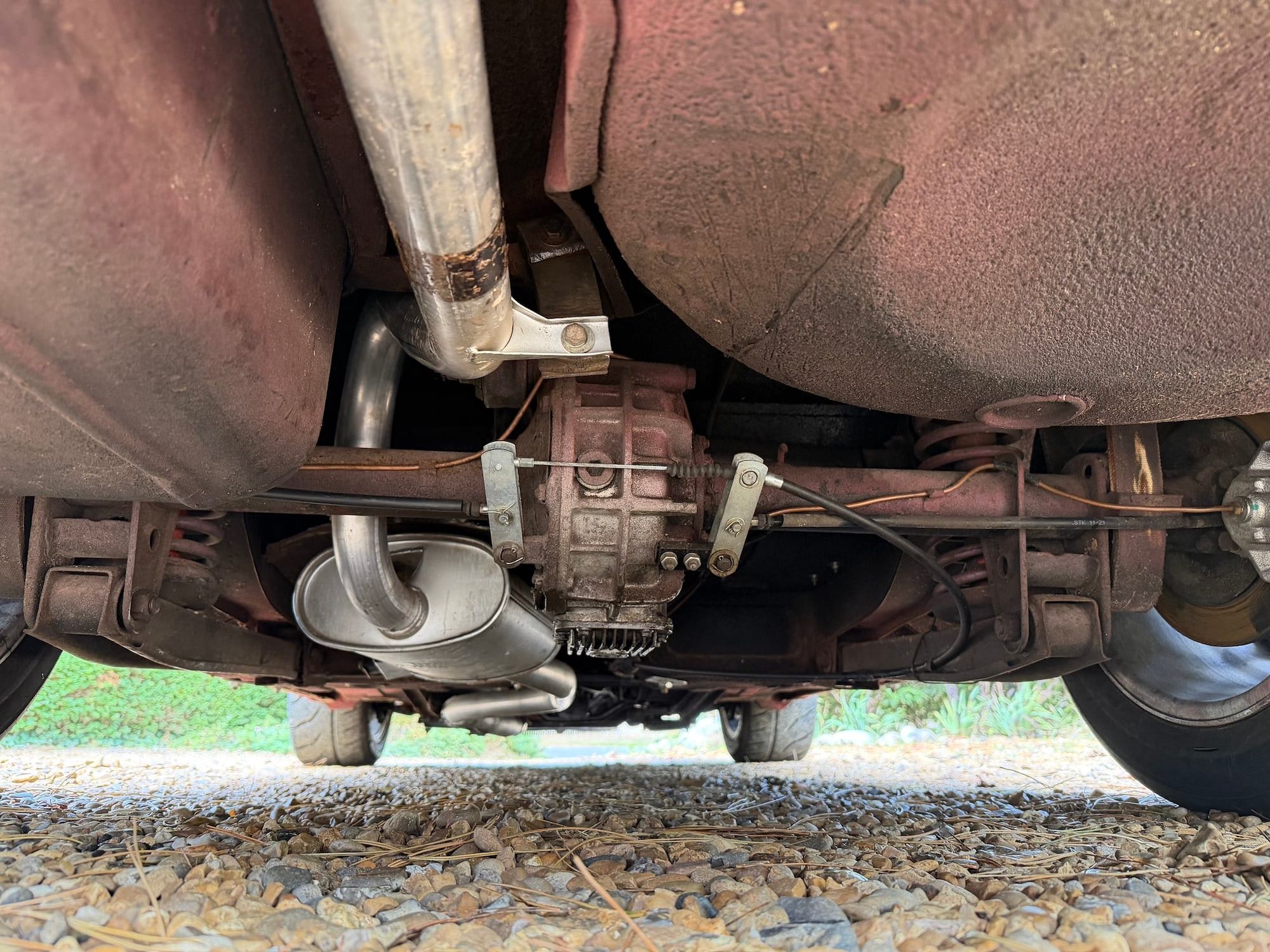
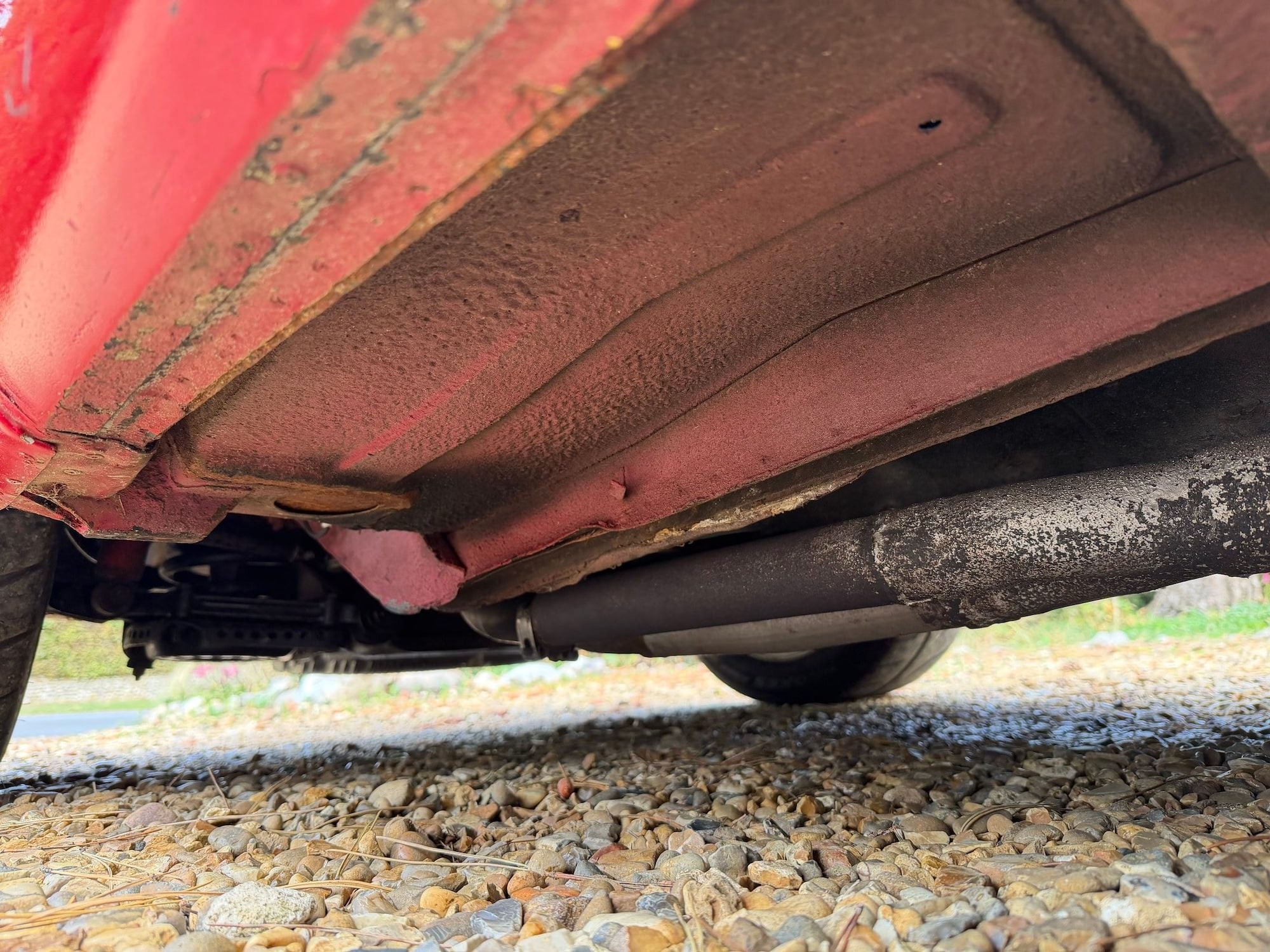
The seller reports that the floorpan, underbody and structure are free from rust, and that the electrical systems work. The car is offered with UK V5C registration documents and is listed as exempt from MOT testing and road tax. No sale price is stated in the source. For a buyer, the key distinction is that this is a highly modified, competition-oriented car with claimed road usability, rather than a standard 1300 GT restored to original specification.
The auction listing is available through Car & Classic.
Images courtesy of Car & Classic.


