In lane Electric Vehicles
IAA Transportation 2026: Electric Trucks, Tesla Semi and New Electric Vans
Description
Hannover’s IAA show puts electric tractors, vans and the Tesla Semi in focus, with range, charging and payload shaping the buyer story.

Electric commercial vehicles are moving into more of Europe’s fleet choices, and IAA Transportation 2026 will show how quickly the product range is expanding. More than 700 exhibitors are due in Hannover from September 15, with heavy tractors, medium-duty work trucks and business vans all represented. For fleet operators, the useful question is no longer just which manufacturers have electric models: it’s how range, payload, charging and operating costs fit the work.
The contrast with the United States is sharp. The source describes a quieter market for electric medium- and heavy-duty trucks there, even as diesel rose above $6.00 per gallon the previous week. In Europe, electric commercial vehicles are receiving a much larger public showcase. The lineup spans established truckmakers, newer Chinese brands and van manufacturers with products aimed at different business needs.
Heavy tractors bring familiar names and new entrants
Daimler, MAN, Volvo and Renault will display their latest electric tractor units. Ford Otosan, Ford’s heavy commercial vehicle brand based in Turkey, is set to bring its first electric 19- and 26-tonne vehicles to the show. The F-Line E was presented in Lyon in November 2025; Hannover gives visitors a closer look at the electric models.

At a pre-show conference, Hildegard Müller, president of the German Association of the Automotive Industry, described commercial vehicles and logistics as central to the country’s day-to-day operations. She said the show would highlight the industry’s technical development and called for support to help alternative-power vehicles scale. That framing matters: electric trucks need production capacity and practical operating conditions as well as compelling specifications.
Chinese manufacturers add breadth to the heavy-truck display. Sany eTrucks is showing the e263 electric tractor, which is scheduled to go on sale in Germany next June. The company is also listing three- and four-axle electric trucks for European buyers. Sinotruk and SuperPanther have already begun making electric trucks at Steyr Automotive in Austria. Skyworth Auto plans to present the heavy-duty Skyworth Z9, equipped with Level 4 autonomous-driving technology.

Other Chinese brands named for the show include FAW Trucks, Dongfeng, Foton, Farizon, Wisdom Motor and DeepWay. Battery supplier CATL will present developments for commercial vehicles. The variety points to a competitive market where buyers will need to compare the full operating package, including local support and charging access, alongside a truck’s headline range.

Tesla Semi’s European specification puts payload in focus
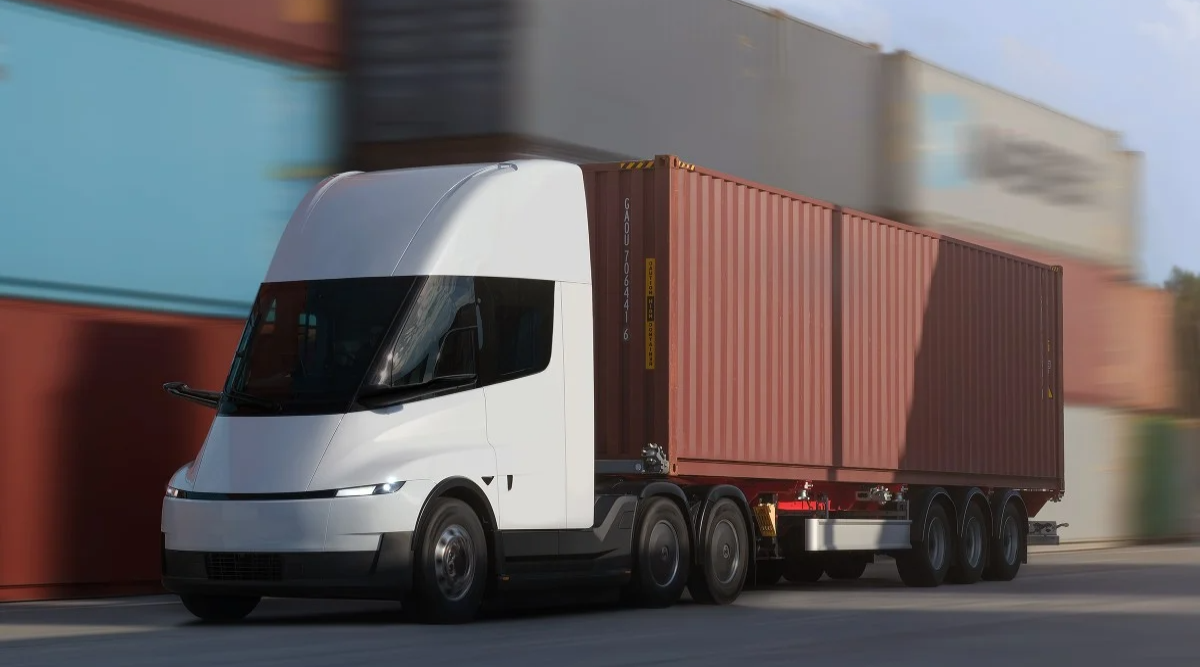
Tesla’s promised Semi display is likely to draw the most attention, though the company has shared limited European specifications. The model is expected to be close to the US Standard Range version, with adjustments for European vehicle-rating systems. Tesla has said the European truck will offer an estimated 550 kilometres of range, compared with 523 kilometres for the US version.
The reported powertrain uses three motors across the two rear axles, with combined output of up to 800 kW. The truck uses an 800-volt electrical system and is said to support charging at up to 800 kW. Its expected 548 kWh battery uses NCMA cells made by Tesla. These figures are the reported specification, rather than confirmation of how the truck will perform across different routes and trailer setups.
Tesla Germany lists energy use at 1.0 kWh per kilometre; the US figure is 1.1 kWh per kilometre. The source links the difference to vehicle weight limits and operating speeds. In the US, the Semi is a Class 8 truck with a maximum gross vehicle weight of 36.3 metric tonnes, or 80,000 pounds, and an allowed operating speed range of 88 to 128 km/h. The European version has a gross vehicle weight rating of 40 tonnes and typically travels on highways with limits of 80 or 90 km/h.
Trailer dimensions and weights also affect the comparison. Tesla says tyre choice, roof fairing and trailer configuration can have a significant effect on projected consumption. The company gives the European Semi a curb weight of 9.1 tonnes and an electric power take-off rated at up to 25 kW.
Payload may be the more revealing detail for European operators. Electrive reports that Tesla’s initial European configuration appears to pair a smaller battery with more payload capacity, accepting some range reduction. That’s a practical trade: a truck’s usable load can matter more to daily freight economics than the highest possible range figure. Operators will want real route and payload data to judge the balance.

Tesla says the Semi is designed to recharge a substantial amount of energy during a short stop at a Tesla Megacharger station. The company describes its planned network as a way to get trucks back on the road sooner. Network coverage will be a key part of the ownership case: high peak charging power only helps if a suitable charger is available on the route and can fit the fleet’s schedule.
Tesla also points to remote diagnostics, software updates delivered over the air and reduced maintenance needs as potential time savers. Those are manufacturer claims, and their value for an operator will depend on reliability, service arrangements and the work each truck performs. The Semi’s European availability and charging support remain central questions for fleet buyers.
Electric vans target varied business needs
Ford Pro will introduce the battery-electric Transit City, which the company calls a cost-efficient option. Its smallest configuration starts at €35,990 net. It joins Ford’s E-Transit Courier, E-Transit Connect, E-Transit Custom and large E-Transit, giving the brand an electric van for several size classes.
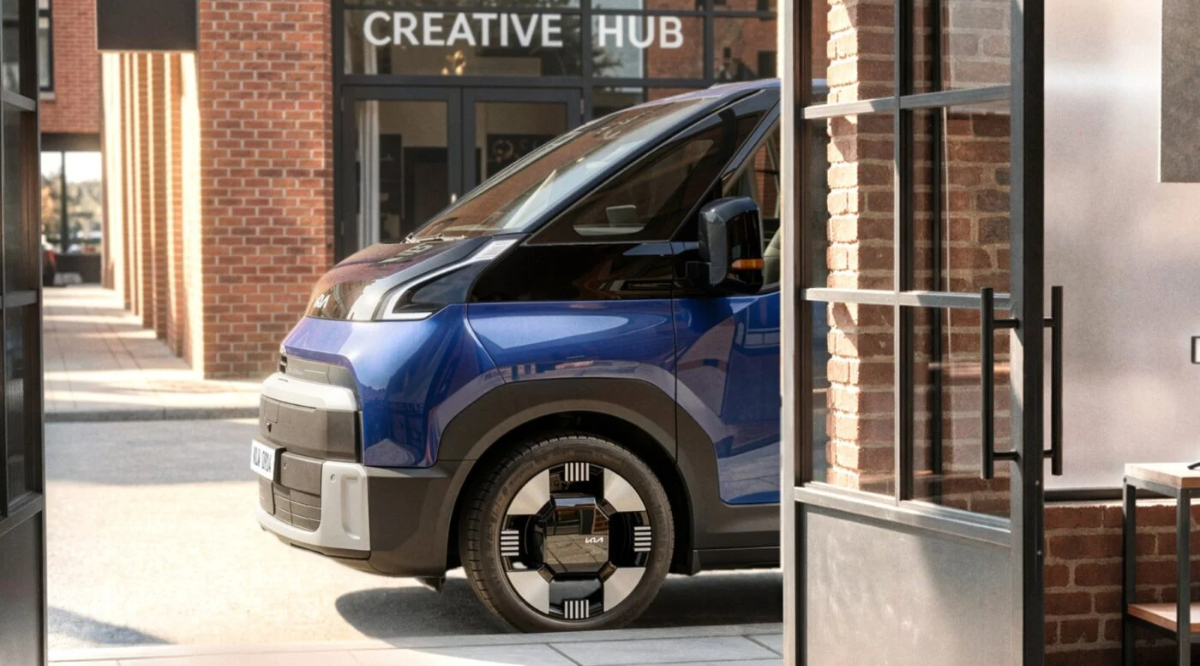
Kia will show the PV7, a larger sibling to the PV5 introduced last year. The company says the new van is intended to offer more space and a wider range of uses for commercial and lifestyle customers. Hannover marks its first public appearance in physical form. Stellantis will also present its Smart Compact Van, described as the company’s lowest-priced electric van to date.
Volkswagen Commercial Vehicles is showing an ID. Buzz with Level 4 autonomous-driving capability. The company says it could eventually deliver goods without a driver at the wheel, although someone would still need to unload the cargo. That distinction keeps the display grounded in the practical limits of automated delivery: moving a van is only one part of the job.
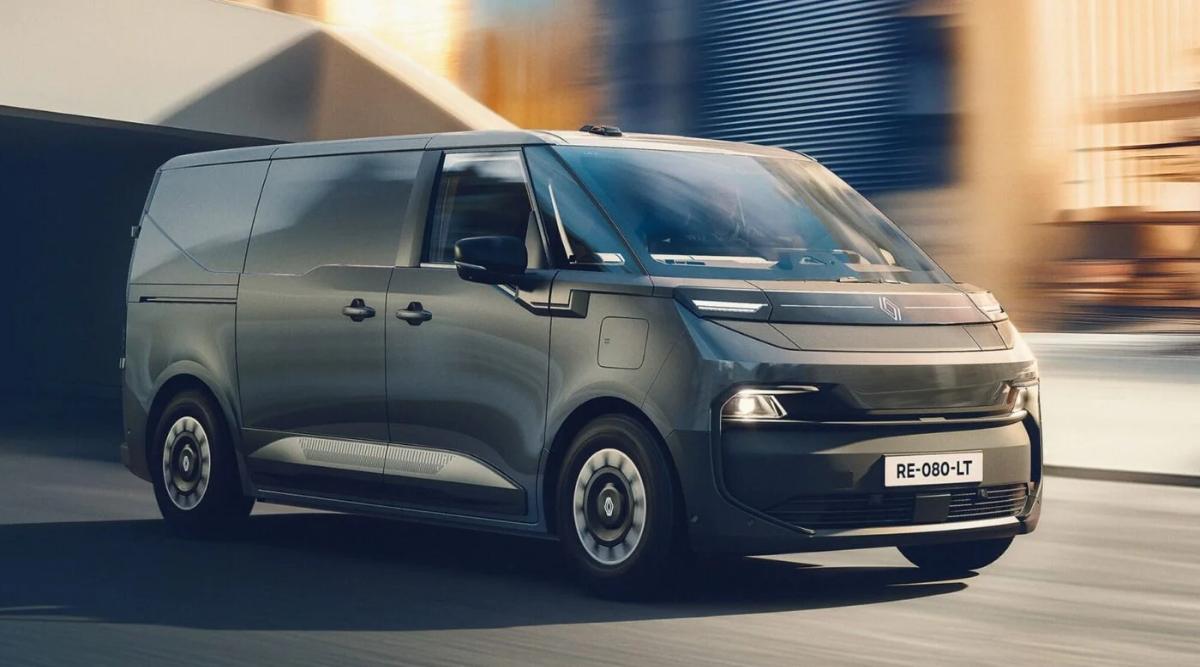
Renault’s latest Trafic E-Tech uses an 800-volt platform. Renault says a DC fast charger can take the battery from 15 to 80 percent in under 20 minutes, while range reaches up to 450 kilometres depending on the battery selected. Those details make charging time and battery choice central to assessing the van for work with frequent stops or longer daily routes.
Maxus, owned by China’s SAIC, says its electric van supports vehicle-to-load, vehicle-to-home and vehicle-to-grid functions. At the show, it plans to demonstrate the van’s battery powering tools for field technicians and helping reduce peak demand at customer buildings. Other Chinese makers will also display vans.
What fleet buyers should watch
IAA’s clearest message is the breadth of electric commercial vehicles now being offered in Europe. Diesel costs above $6.00 per gallon in the US add context to the economics discussion, but fleet calculations depend on more than fuel prices. Energy use, payload, charging access, maintenance and vehicle availability all affect cost per kilometre.
The Tesla Semi could become a significant contender if it reaches European operators with the promised charging network and a configuration that suits their loads. Its expected range and charging rate will attract attention; the payload trade-off may determine where it fits in actual logistics work. Across the show, the useful takeaway for buyers is to compare vehicles against their routes and cargo. The next measure of progress will be how these models perform in regular fleet service.


