In lane Electric Vehicles
Could the United States Fall Behind in Electric Vehicle Adoption?
Description
With BEV share at 5.9% in the first half of 2026, the United States trails markets where electric models are gaining ground quickly.

The United States risks losing ground in electric vehicle adoption as buyers in other markets gain access to a wider range of competitive battery electric vehicles (BEVs). The gap is already visible in recent market figures: BEVs accounted for 5.9% of US sales in the first half of 2026, compared with 26% in Europe in July and 45% in China in August. Uruguay reached a 50% BEV share, while Brazil’s share has nearly caught up with the US figure.
Those figures cover different periods and markets, so they aren’t a like-for-like ranking. They do, though, show how quickly adoption is advancing beyond the largest auto economies. If current patterns persist, the US could slip behind a much broader group of countries than the usual comparisons with China and Europe suggest.
Adoption is spreading beyond the usual leaders
China’s lead is clear, while Europe remains well ahead of the US despite trailing China. The more striking shift is the pace of growth in places such as Brazil and Uruguay, alongside rising interest in electric cars across Asia, Australia and South America. The source also points to potential growth in Africa, where some countries are looking to reduce reliance on oil and support local economies.
For buyers, the mix of models matters as much as the headline share. Chinese brands are bringing electric cars that, according to the source, are becoming competitive with petrol and diesel vehicles on cost, capability and consumer appeal. When electric models meet more needs at attractive prices, adoption can move beyond early adopters. That creates pressure on established brands to offer choices that can compete on everyday value, not just specifications.

The speed of change will vary by market. Vehicle prices, model availability and the options drivers have for charging all shape whether a BEV fits into daily use. The article doesn’t provide comparable figures on those factors, but its account of rising adoption in several regions suggests that electric models are finding customers across a wider range of local markets and buying conditions.
A narrower choice in the US
The source argues that restrictions on Chinese automakers and other foreign companies keep some of the most competitive electric models out of the US market. That limits the choices available to buyers and leaves domestic brands with less direct competition from those vehicles. Even if interest grows, a limited selection can make it harder for shoppers to find an electric car that suits their budget and practical needs.
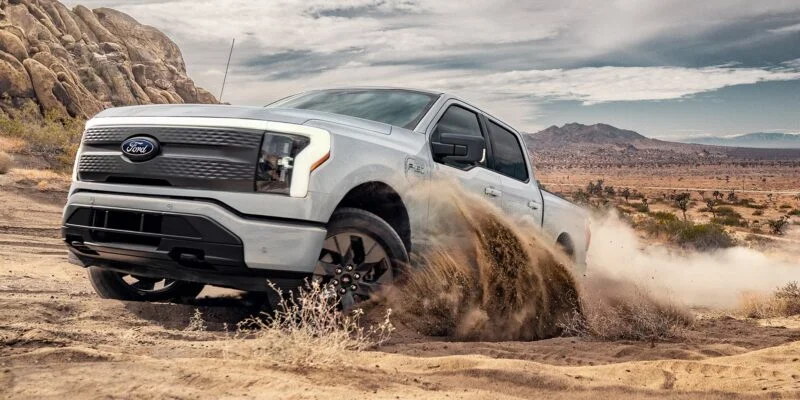
At the same time, US automakers have scaled back parts of their electric vehicle plans. The article points to canceled projects and a retreat from the segment, which can leave fewer new models on the way just as other markets add choices. The Ford F-150 Lightning is presented in the source as having been pulled from the US auto market, a notable example for a country where pickups hold a prominent place in the vehicle mix.

That matters because adoption depends on what drivers can actually buy. A strong electric lineup needs options across vehicle types, and it needs new models to arrive consistently. If brands slow product development while rival markets broaden their offerings, the gap can persist even if interest among US drivers remains.
Former leadership offers little protection
The US has played a major role in the history of electric cars. Tesla began there, and the country also saw early launches such as the GM EV1, Chevrolet Volt and Chevrolet Bolt. California has been a particularly influential market. But past leadership doesn’t guarantee a durable advantage: models, prices and buyer priorities change, and the markets that respond fastest can set the pace.
Canada’s decision to open its market to Chinese electric vehicle imports is one sign that neighboring markets may take a different approach to model availability. The source also notes that Russia is reportedly adopting competitive Chinese BEVs. Together, these examples suggest that Chinese vehicles are finding openings in places where buyers and local markets see a case for them.
The comparison with Brazil and Uruguay raises a broader question: can the US maintain a meaningful role in the shift to electric vehicles if adoption accelerates elsewhere and its model choices contract? The article’s warning that the country could eventually rank last in light vehicle electrification is a forecast, not a conclusion established by the figures provided. The data cited offer a snapshot, and adoption rates can change.
Still, the direction of travel is worth watching. More accessible models and wider choice could help other markets sustain their momentum, while a thinner US lineup may make it harder to catch up. For drivers, the practical test will be whether automakers bring back a range of appealing electric options and keep them available. The next sign to track is whether US BEV share rises as other markets continue expanding their selections.


