In lane Electric Vehicles
Australian Plug-In Sales Reach 33% as BYD, Geely and Zeekr Gain Ground
Description
Plug-in vehicles made up about a third of September deliveries, led by the Tesla Model Y and fast-growing Chinese brands.

Plug-in vehicles accounted for about one in three new vehicles delivered in Australia in September 2026, as sales continued to shift toward battery electric models and Chinese brands. The month’s results put the market at 33% plug-in penetration, though reaching 40% by year end will depend in part on vehicle shipping schedules.
Australia recorded 108,778 new vehicle deliveries. About 36,000 had a plug: roughly 26,000 battery electric vehicles (BEVs), or 24% of the market, and 10,072 plug-in hybrids (PHEVs), or 9%. The figures are approximate. CarExpert reported that electric vehicle sales rose about 120% year on year, while petrol sales fell 36% and diesel sales dropped 18%. That direction has held over recent months.
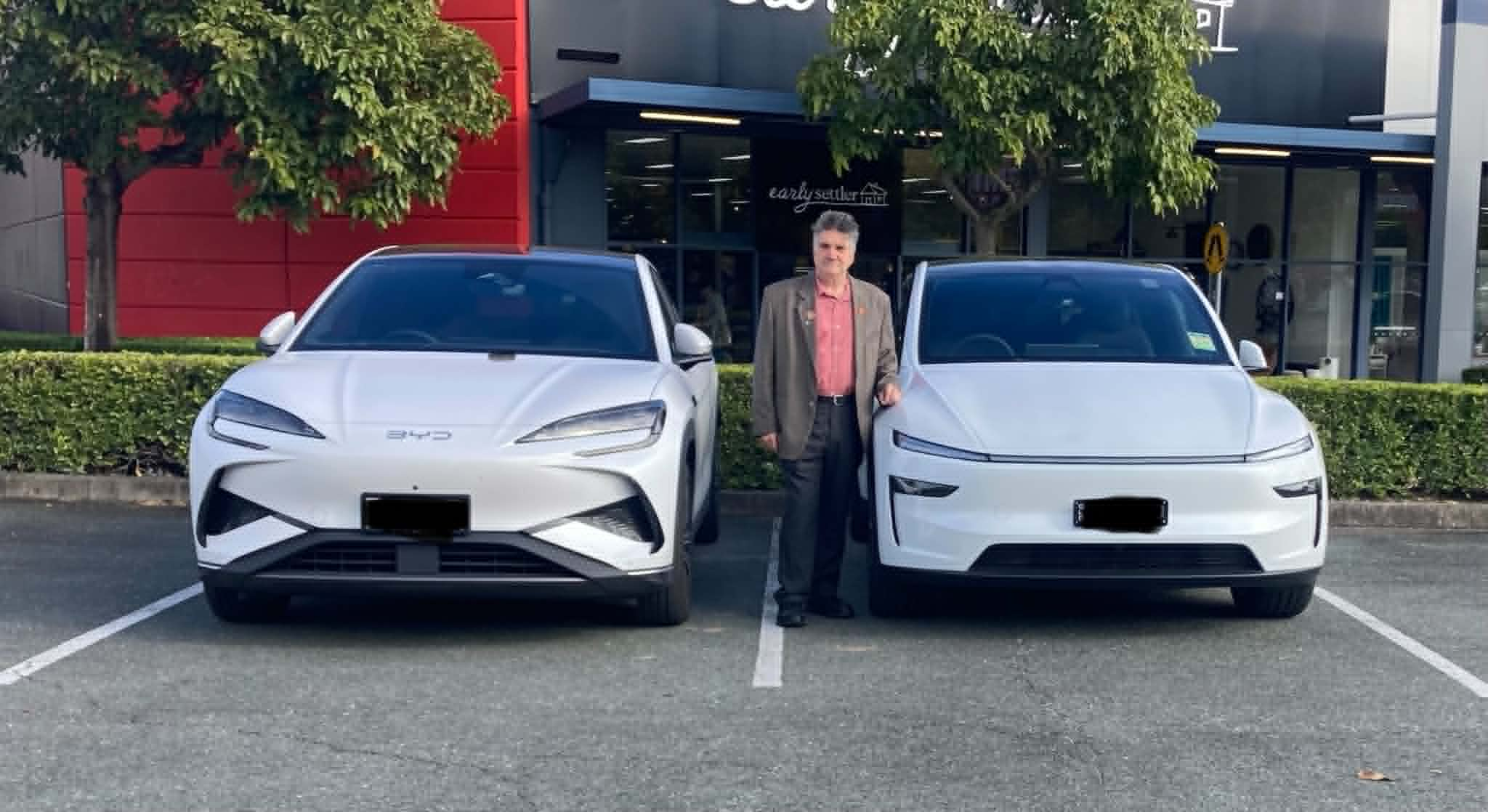
The Model Y leads, while Chinese models fill the chart
The Tesla Model Y remained September’s top-selling BEV, with 4,476 deliveries, although its monthly tally was down about 30% from August. BYD’s Sealion 7 took second place at 2,687, followed by the Geely EX5 with 2,008. Chinese-made models took all of the top eight places, according to a reader comment cited in the source; the full top ten shows the breadth of the shift:
- Tesla Model Y: 4,476 in September; 35,930 year to date
- BYD Sealion 7: 2,687; 19,964 year to date
- Geely EX5: 2,008; 12,745 year to date
- Jaecoo J5: 1,754; 10,664 year to date
- Zeekr 7X: 1,628; 10,800 year to date
- Geely EX2: 1,211; 2,964 year to date
- Tesla Model 3: 1,178; 5,775 year to date
- BYD Atto 2: 936; 8,673 year to date
- MG4 Urban: 735; 2,907 year to date
- BYD Atto 1: 633; 4,471 year to date
The mix still leans toward SUVs, but smaller models such as the Geely EX2 and BYD Atto 1 broaden the choice. The MG4 Urban and Atto 1 entered the top ten as Kia models slipped out: the EV3 recorded 564 deliveries and the EV5 had 509. Toyota’s bZ4X fell from 15th to 17th place. The relaunched Great Wall ORA compact SUV narrowly missed the list, with 609 deliveries.

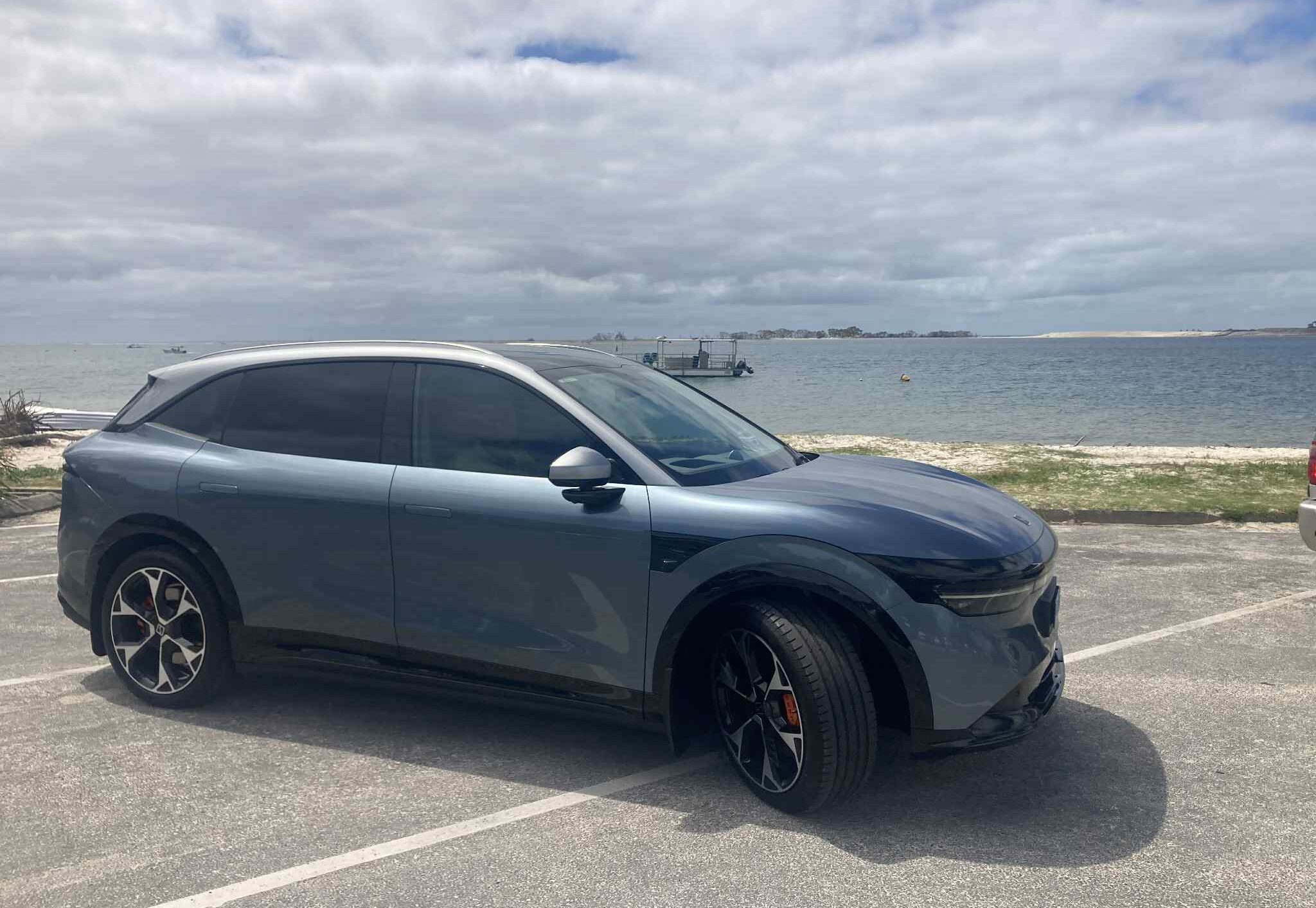
In the full vehicle market, the Model Y ranked third, behind the Ford Ranger and Toyota RAV4. The Sealion 7 placed fifth and the Geely EX5 eighth. Four of the ten best-selling vehicles were utes, making MG’s newly launched battery electric MU9 one to watch. It recorded 119 deliveries, which the source suggests were likely dealer vehicles for test drives; it’s too early to know whether it can gain traction in a segment dominated by utes.
Chinese brands expand, PHEVs accelerate
China has overtaken Japan as Australia’s largest source of imported cars, with buyers purchasing twice as many vehicles from China as from Japan. Toyota still leads by brand, but BYD is now second and is using discounts and new models to reach price parity. Year-on-year sales gains cited in the source were 61% for BYD, 870% for Geely and 1,608% for Zeekr. Korean brands are holding up better than European and Japanese makes, which are among those losing ground.
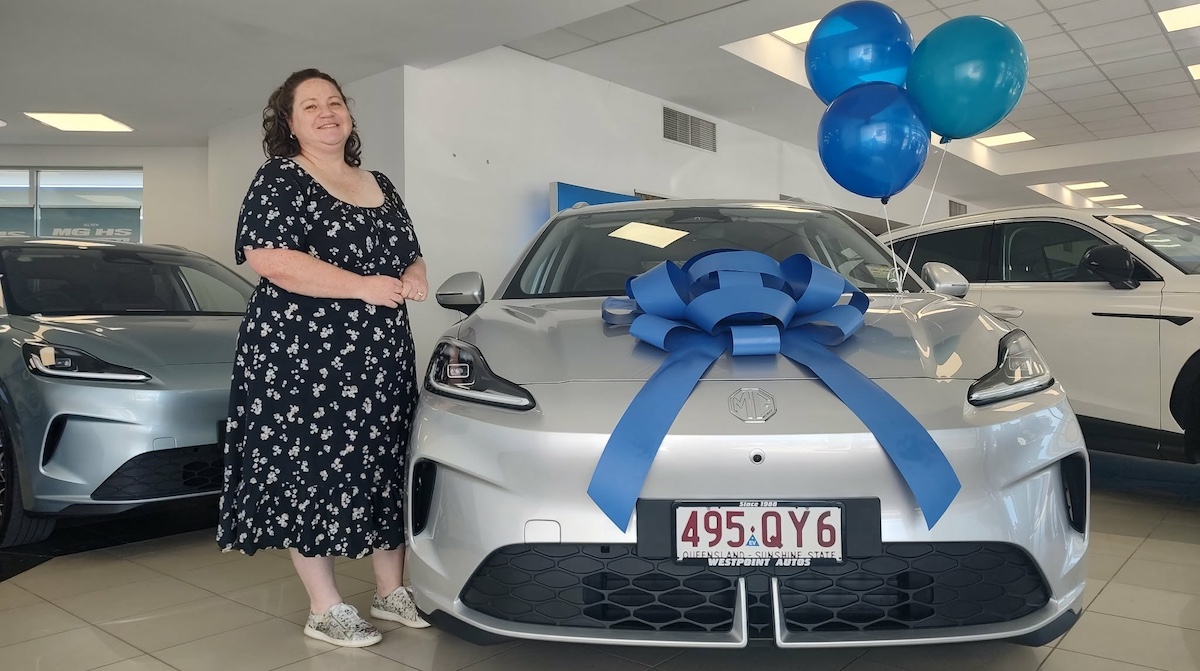
PHEVs are growing quickly too: September sales climbed 122.7% from a year earlier, compared with a 20.7% rise for conventional hybrids. BYD sold about 3,000 PHEVs, mostly the Shark 6, while the Mitsubishi Outlander and Ford PHEV also contributed. Toyota’s newly introduced RAV4 GR Sport PHEV appears to be positioned as a premium niche model, and its September sales remained in the double digits or close to zero, according to CarExpert.

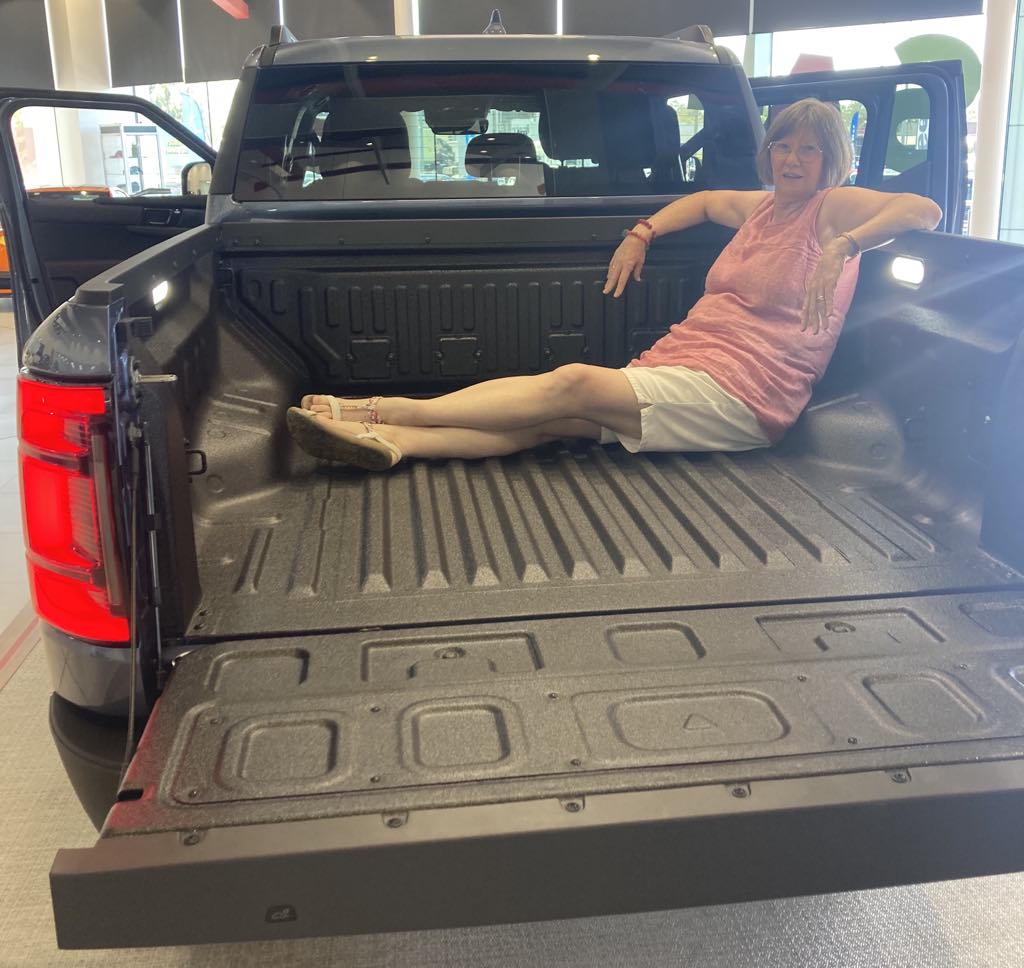
Chery also introduced the “Stockman,” a diesel plug-in hybrid ute, at an event in Melbourne. Its appeal will depend on how the diesel engine performs when a driver’s regular use of the vehicle relies heavily on electric power; the source raises the question but offers no operating data to answer it.
Tesla and BYD are close in September brand sales, separated by only a few hundred vehicles, and by a few thousand year to date. BYD has sold more plug-in vehicles than Tesla in Australia so far this year. Geely remains a distant third. The figures suggest the contest is now less about whether plug-ins can find buyers and more about which brands can supply the models Australians want.
Visibility is catching up with sales
Coverage of electric vehicles has become more prominent, with reports on the ABC and SBS. A CarsGuide journalist observed that the shift had happened faster than expected and that electric car sales had, for the first time, overtaken petrol cars. Public discussion still includes familiar questions about data privacy, repair expertise and end-of-life batteries. The sales figures show those concerns haven’t prevented a rapid rise in deliveries.
The growing presence is visible beyond monthly rankings. Australia has about 500,000 EVs on the road, equal to roughly 3% of registered vehicles. The source’s informal count at one supermarket car park found seven electric models among 50 cars, including Teslas, BYDs, a Peugeot and an IONIQ 5. It’s a small sample, but it illustrates how quickly these vehicles are becoming part of everyday traffic.
For buyers, the useful markers to watch are availability, price and whether the expanding range covers different vehicle sizes and uses. For the industry, September adds another month of rapid EV growth, a rising PHEV market and a reshuffling of supplier rankings. Whether plug-ins reach 40% of new deliveries by December will turn on how many vehicles arrive; the current trajectory makes that a live question.


