In lane Electric Vehicles
2026 Renault Symbioz Prices, Hybrid Specs and Features for Australia
Description
Renault’s new small SUV starts at $36,990, with mild and full hybrids, up to 1668L of cargo space and a claimed 4.7L/100km for the full hybrid.
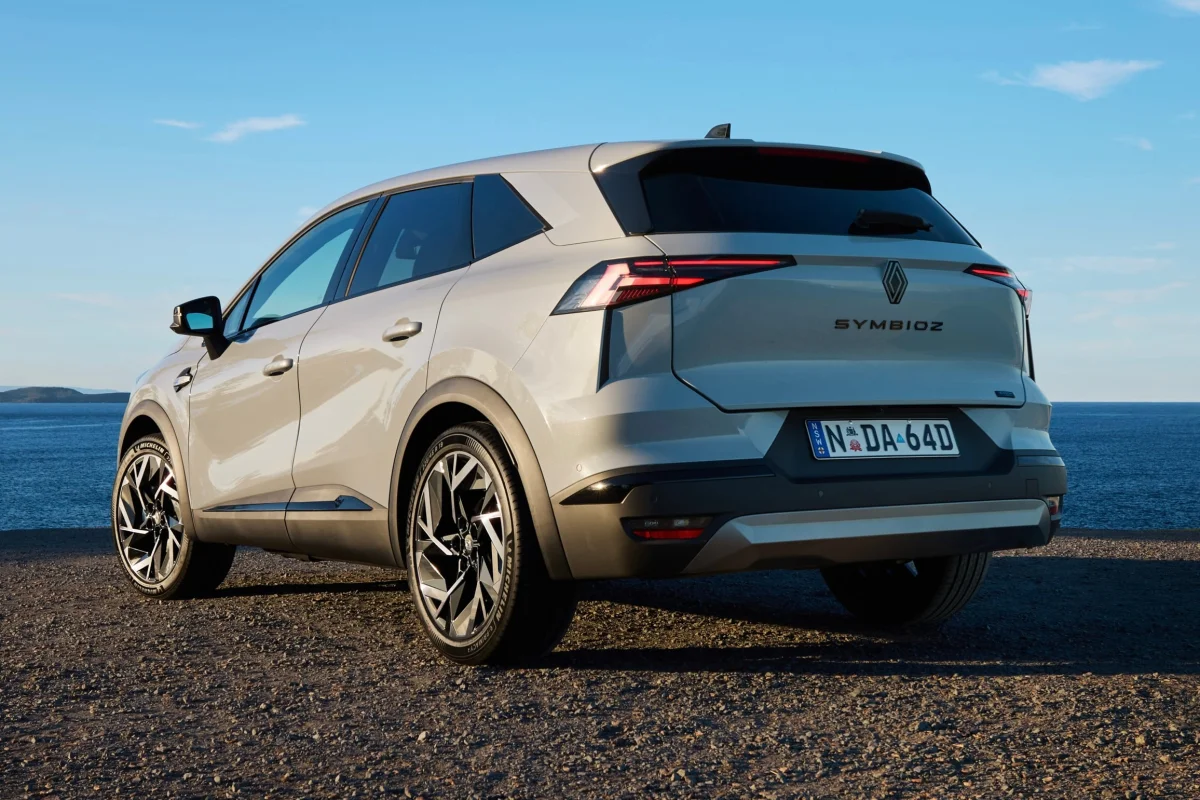
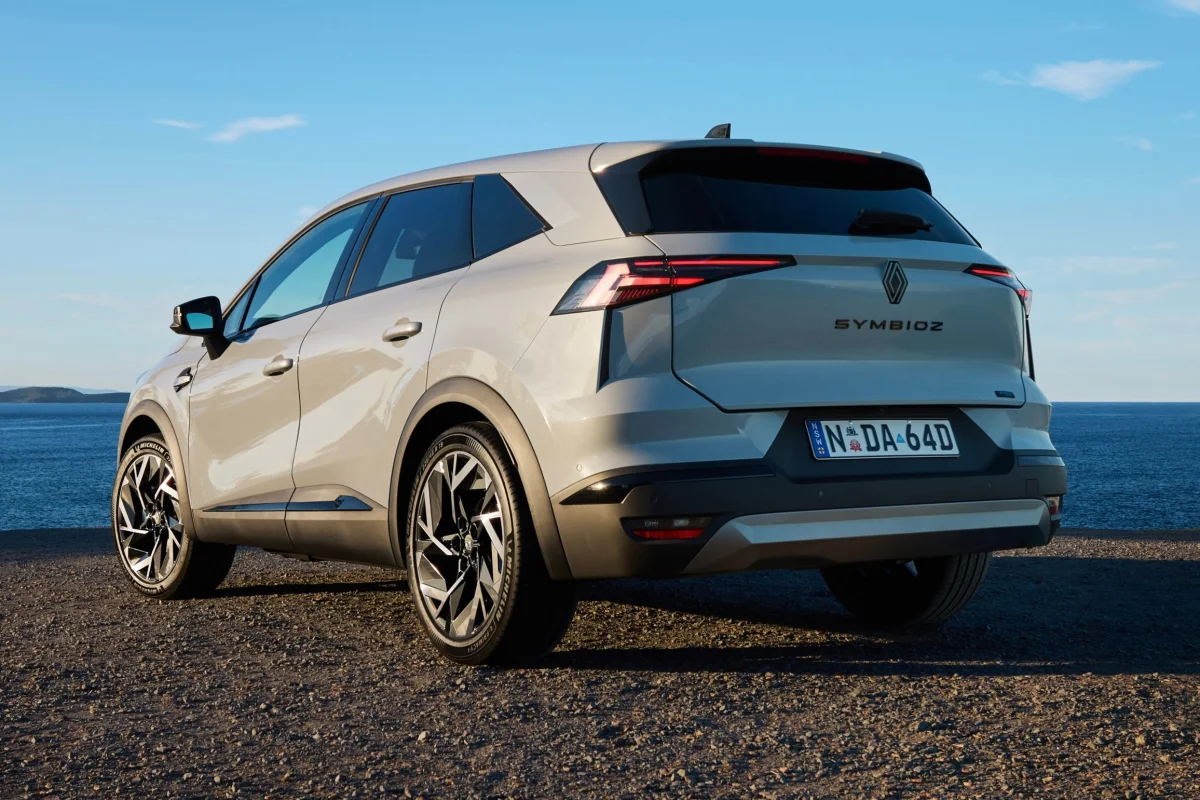
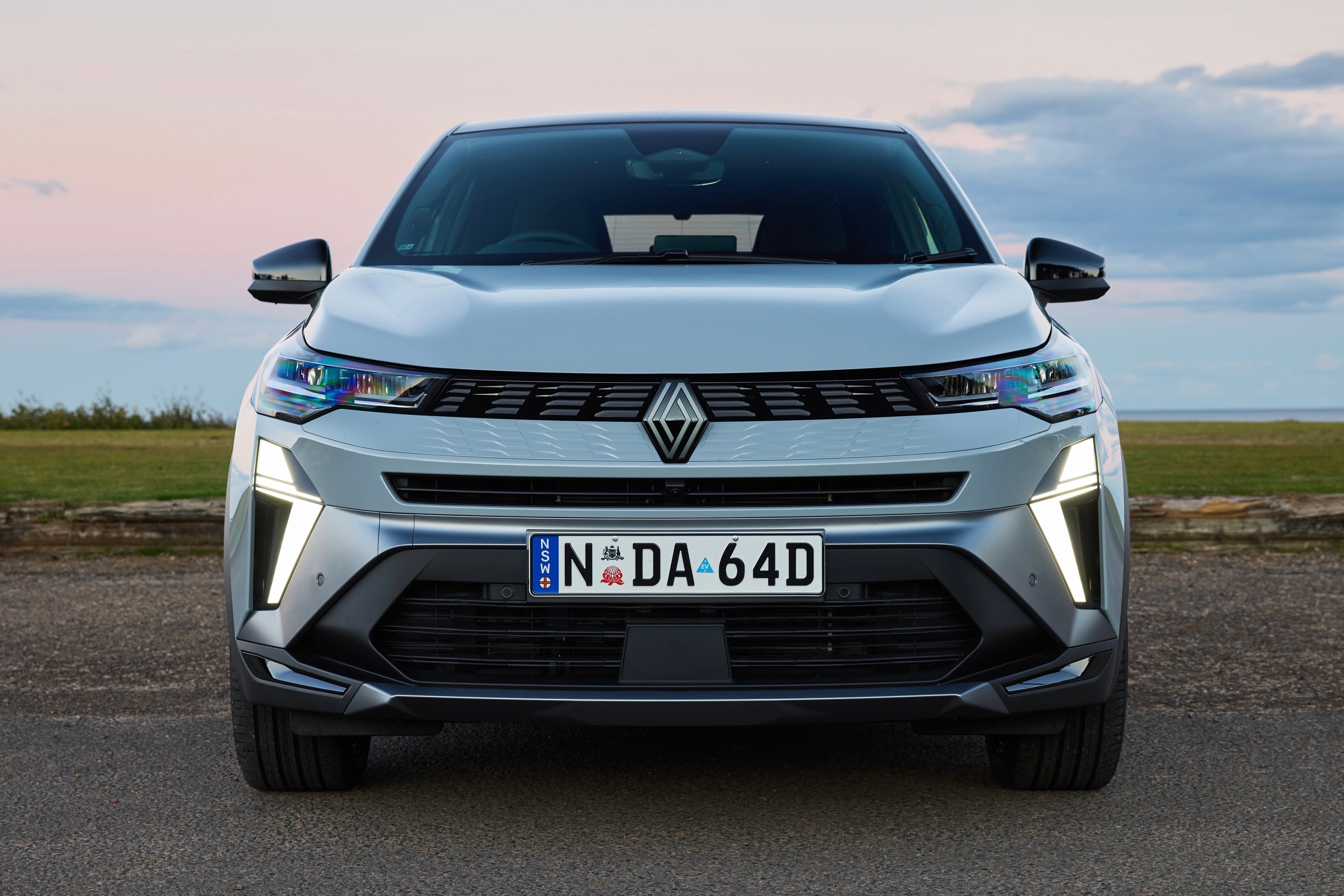
The 2026 Renault Symbioz brings the brand’s first full-hybrid powertrain to Australia, pairing a claimed 4.7L/100km fuel use with a small-SUV format. Prices start at $36,990 before on-road costs, and buyers can choose between mild- and full-hybrid versions of the Techno. The $45,990 Esprit Alpine is full-hybrid only.
The Symbioz takes over from the Renault Captur at the entry point of the brand’s Australian lineup. It’s slightly larger than the Captur, which continues locally as the Mitsubishi ASX, and its dimensions place it in the same broad small-SUV territory as the Toyota Corolla Cross. Renault hasn’t supplied a direct comparison of cabin space or fuel costs, so the published figures give buyers a starting point for weighing the versions.
Three versions, two hybrid systems
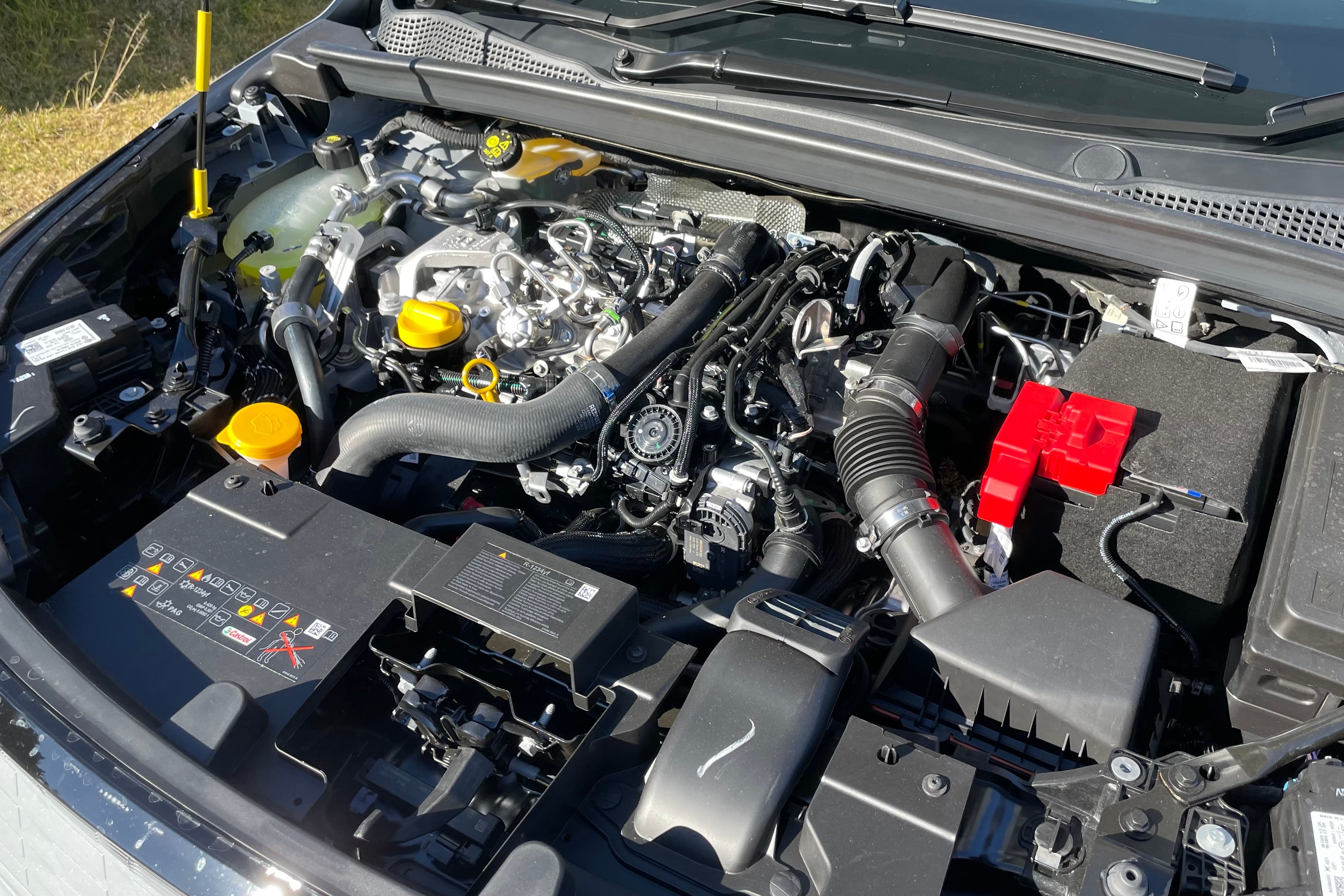
The range begins with the Techno Mild Hybrid at $36,990. Its 1.3-litre turbocharged four-cylinder makes 104kW and 245Nm, with a 12-volt system supporting the petrol engine. A seven-speed dual-clutch automatic sends power to the front wheels. The claimed 0–100km/h time is 9.4 seconds, fuel use is 6.4L/100km, and CO2 emissions are listed at 144g/km.
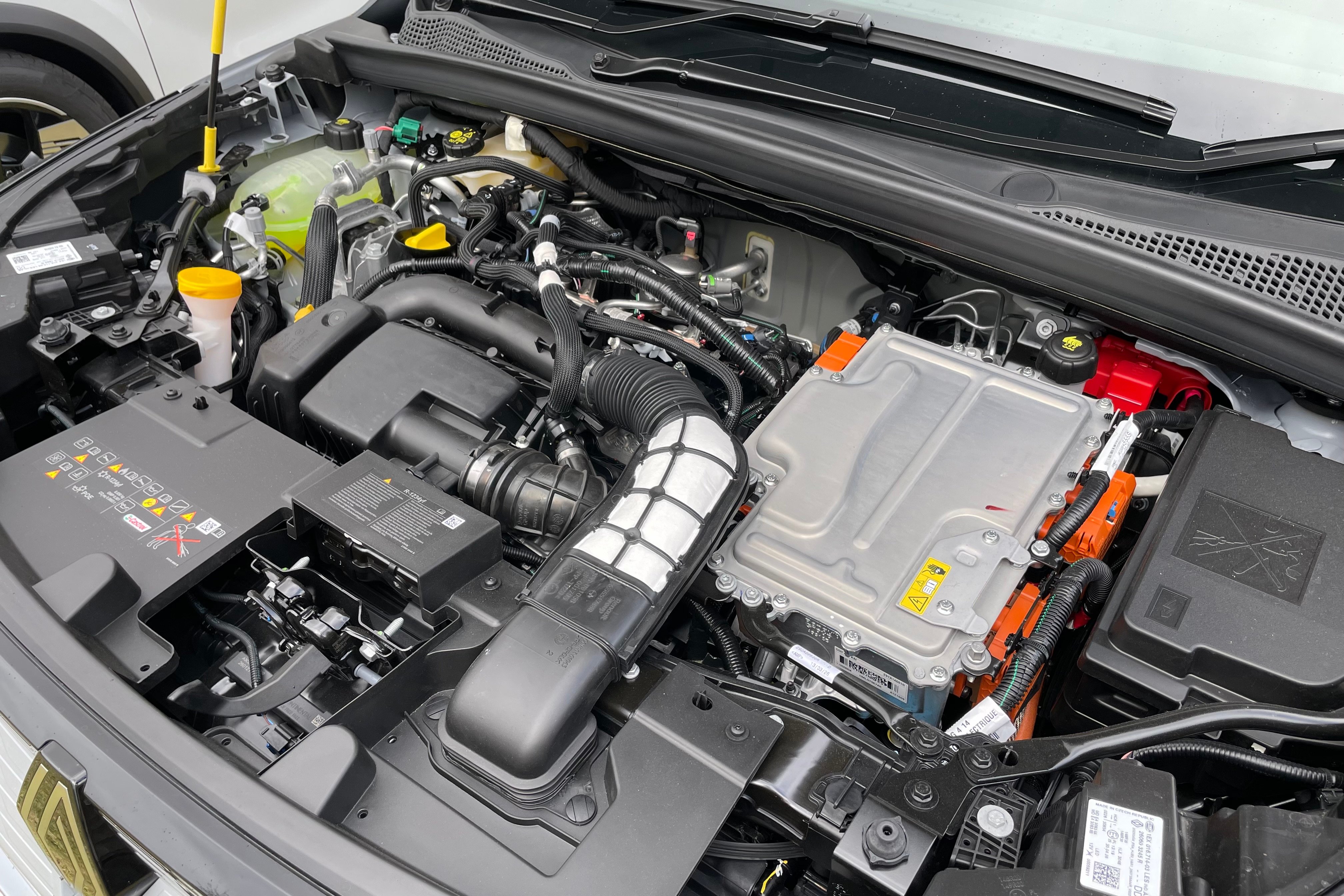
For $42,990, the Techno Full Hybrid combines a 1.8-litre petrol four-cylinder with a 1.4kWh lithium-ion battery and electric motor. The engine produces 80kW and 170Nm; the motor adds 36kW and 205Nm. Renault quotes combined system outputs of 116kW and 265Nm. It remains front-wheel drive, with a claimed 9.1-second 0–100km/h time, fuel use of 4.7L/100km and CO2 emissions of 107g/km.
Both powertrains require 95-octane premium unleaded and have a 48L fuel tank. The mild hybrid has a listed kerb weight of 1312kg and a braked tow capacity of 1500kg. The full hybrid weighs 1397kg and is rated to tow 1000kg. Both meet Euro 6 emissions standards. These are manufacturer claims and specifications; the source provides no real-world consumption results.
The full hybrid’s transmission is the more unusual part of the lineup. Renault describes a system with two electric-motor ratios and four mechanical gears operated by a dog clutch. The company says those elements allow up to 15 operating combinations, and that the powertrain can run on petrol, electric power, or both together. The mild hybrid can’t drive on electric power alone. That distinction matters to buyers comparing the $6,000 price gap between the two Techno versions: the full hybrid’s lower claimed fuel use comes with a higher purchase price, and its towing rating is lower.
Cabin, cargo and equipment
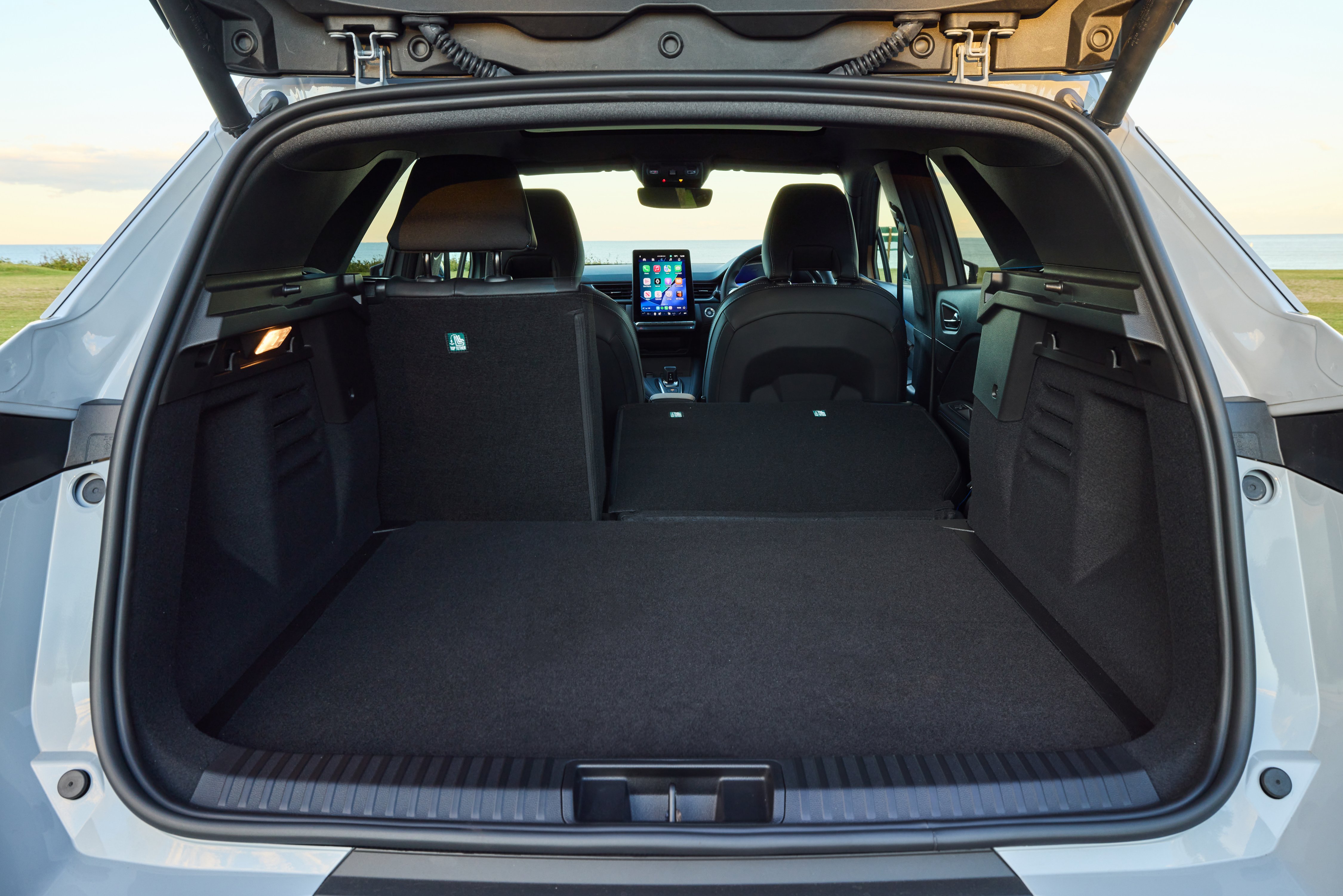
At 4412mm long, 1797mm wide and 1567mm high, the Symbioz has a 2639mm wheelbase. Cargo capacity depends on powertrain: Renault lists 563L with the mild hybrid’s rear seats up and 1668L folded, compared with 460L and 1546L respectively for the full hybrid. Buyers carrying bulky items should pay attention to that difference, as the full-hybrid version gives up some luggage volume.
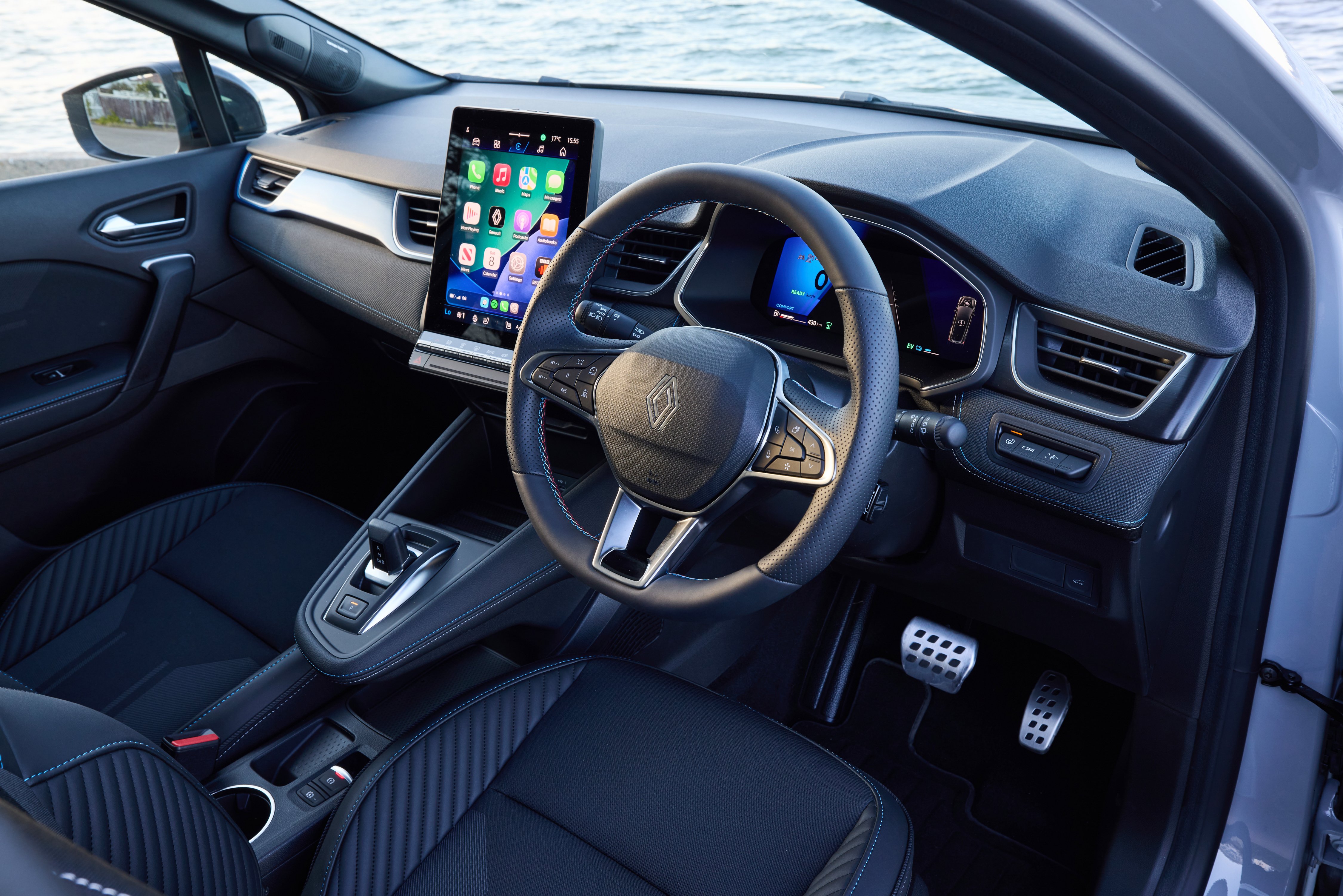
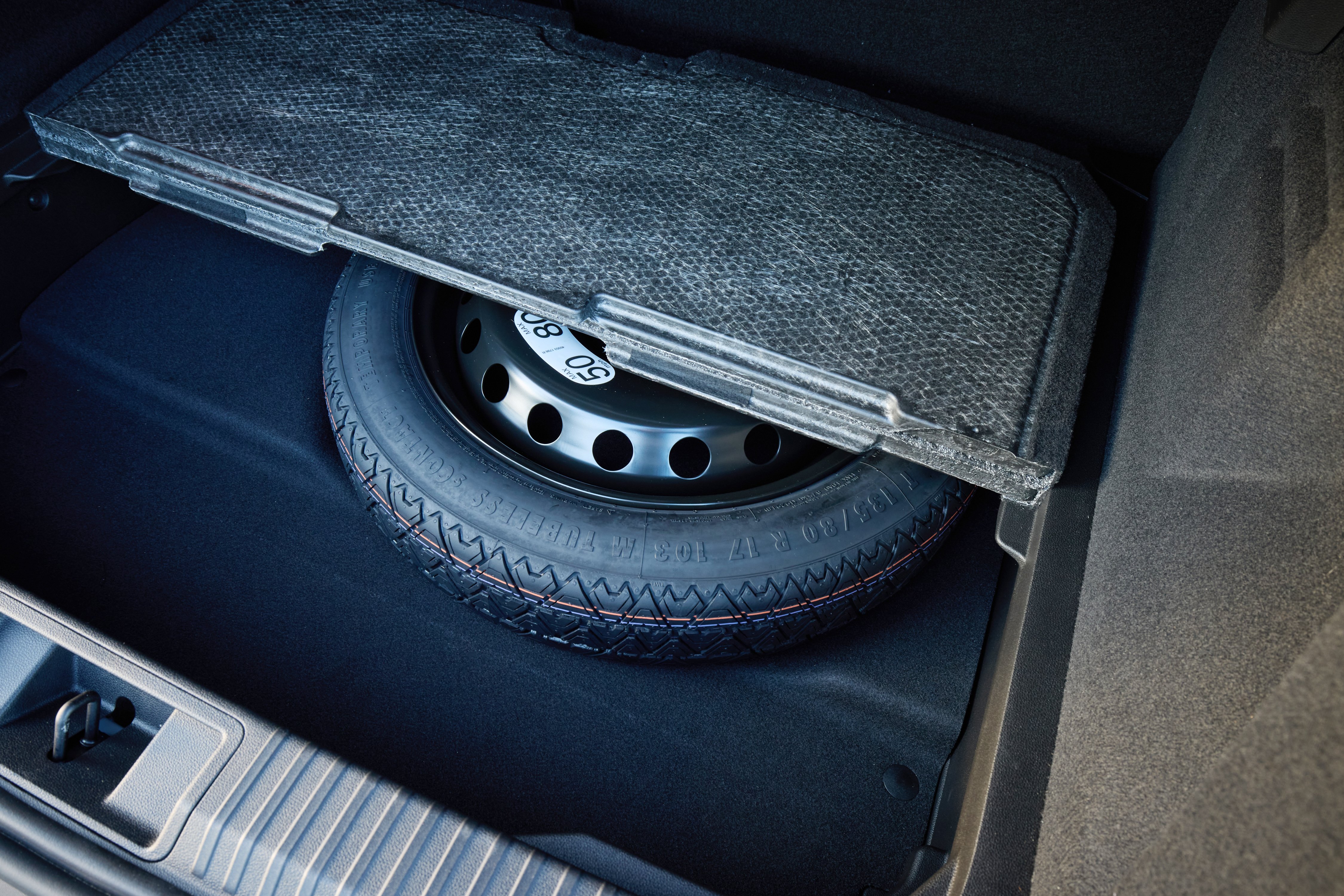
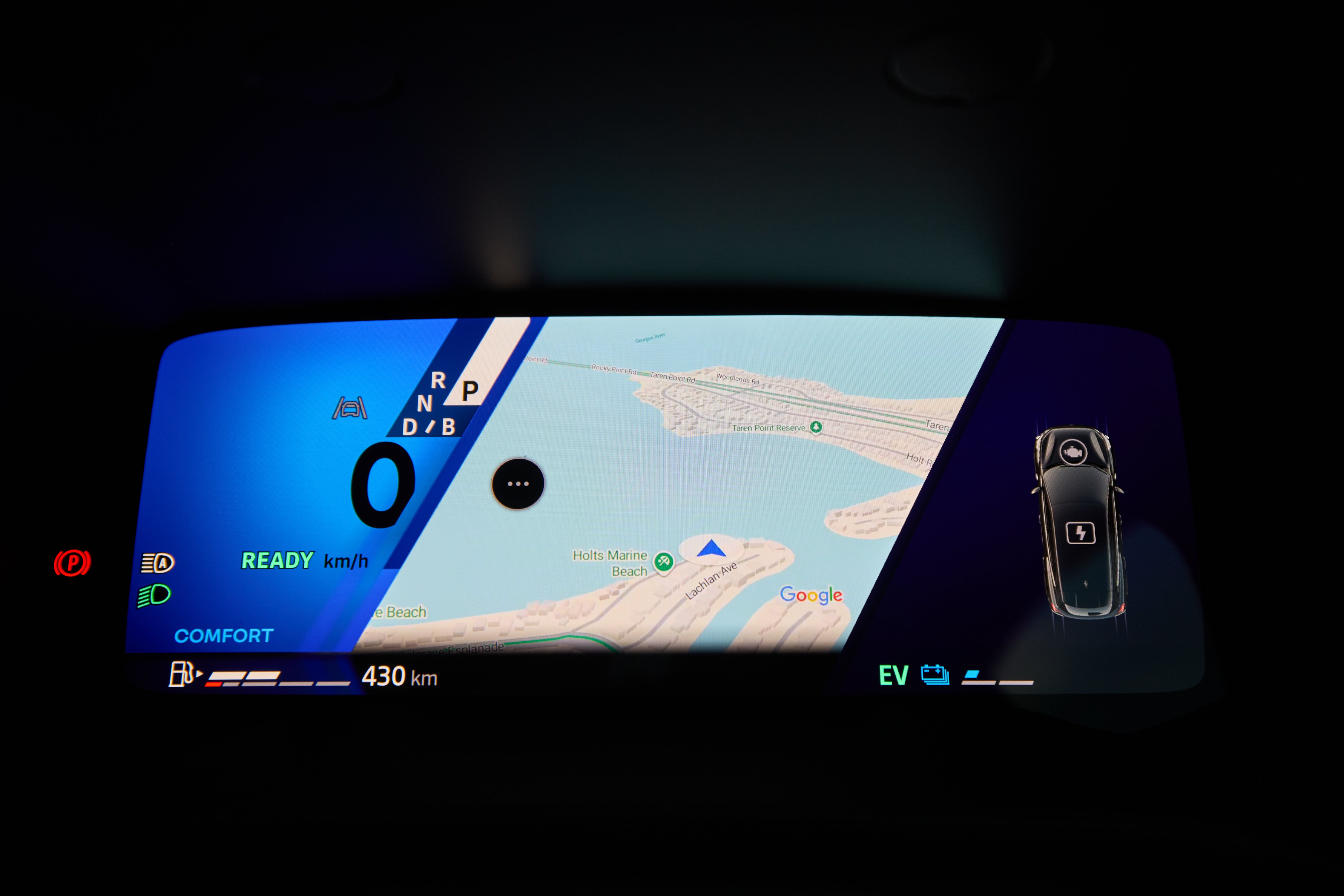
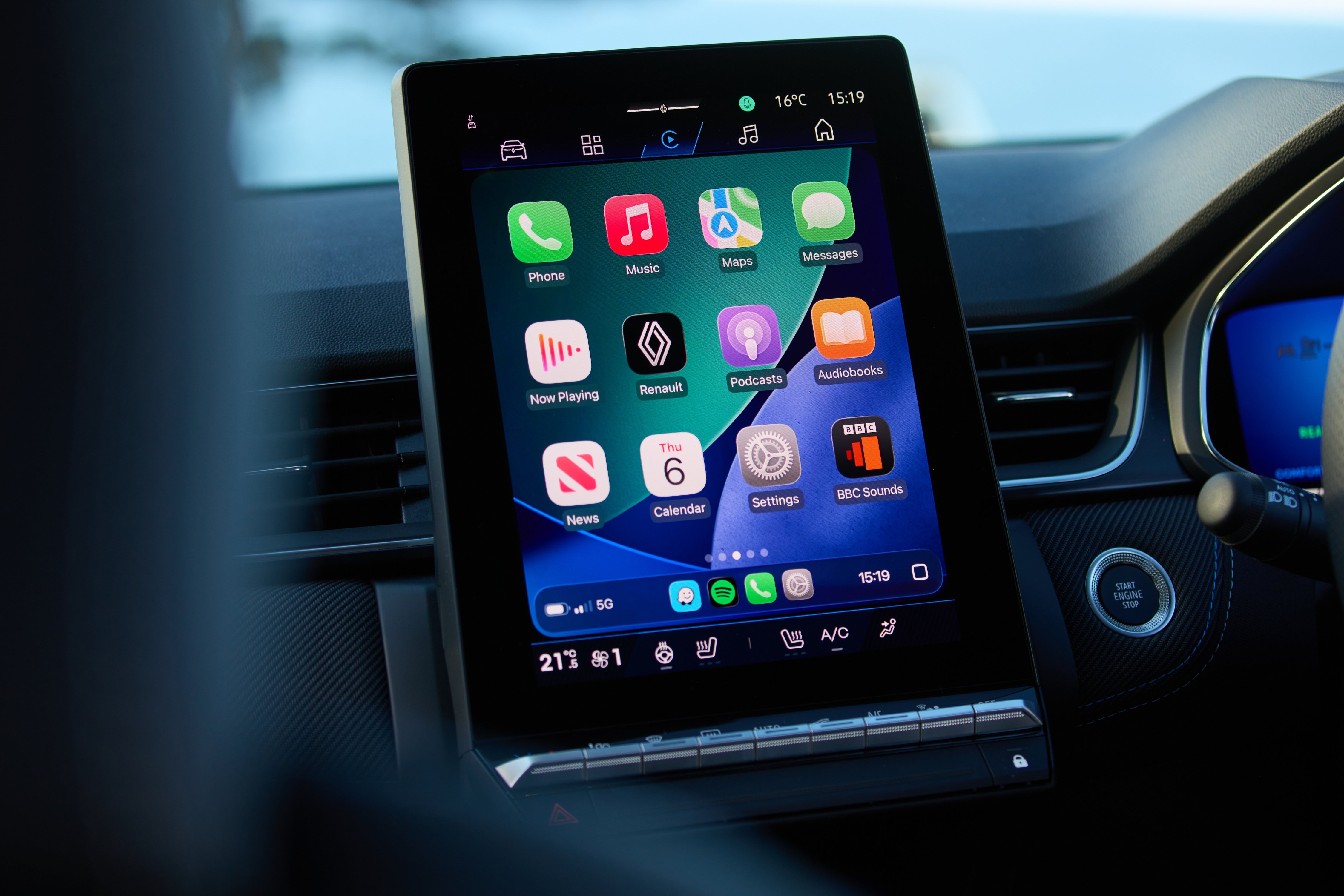
Both trims get a 10.25-inch digital instrument display and a 10.4-inch portrait infotainment touchscreen with Google Built-in and voice recognition. Wireless Apple CarPlay and Android Auto, a wireless phone charger, DAB+ digital radio, Bluetooth and a six-speaker Arkamys sound system are also listed for the Techno. Other standard equipment includes 18-inch alloy wheels, a space-saver spare, heated steering wheel, rain-sensing wipers, keyless entry and automatic air conditioning.
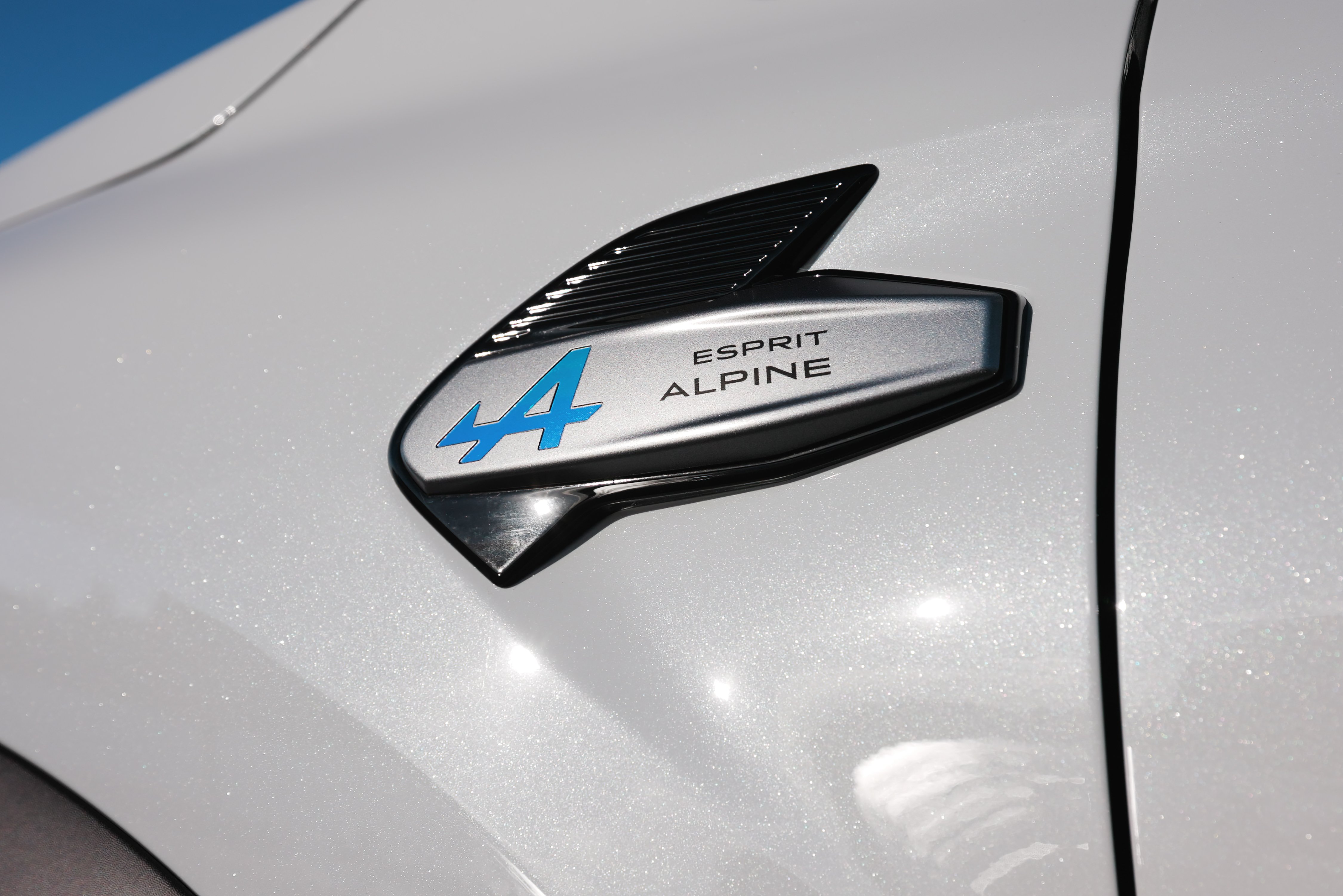
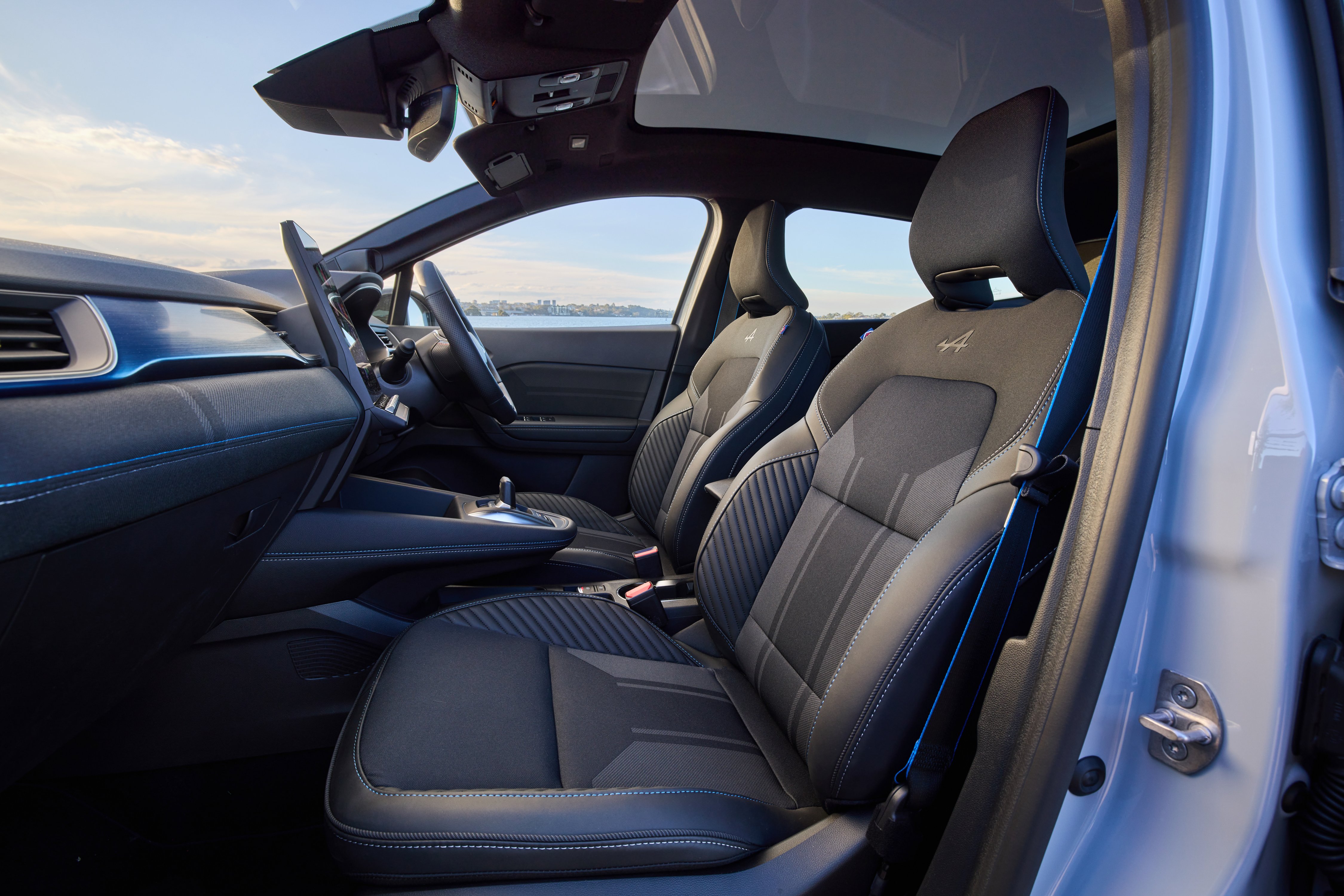
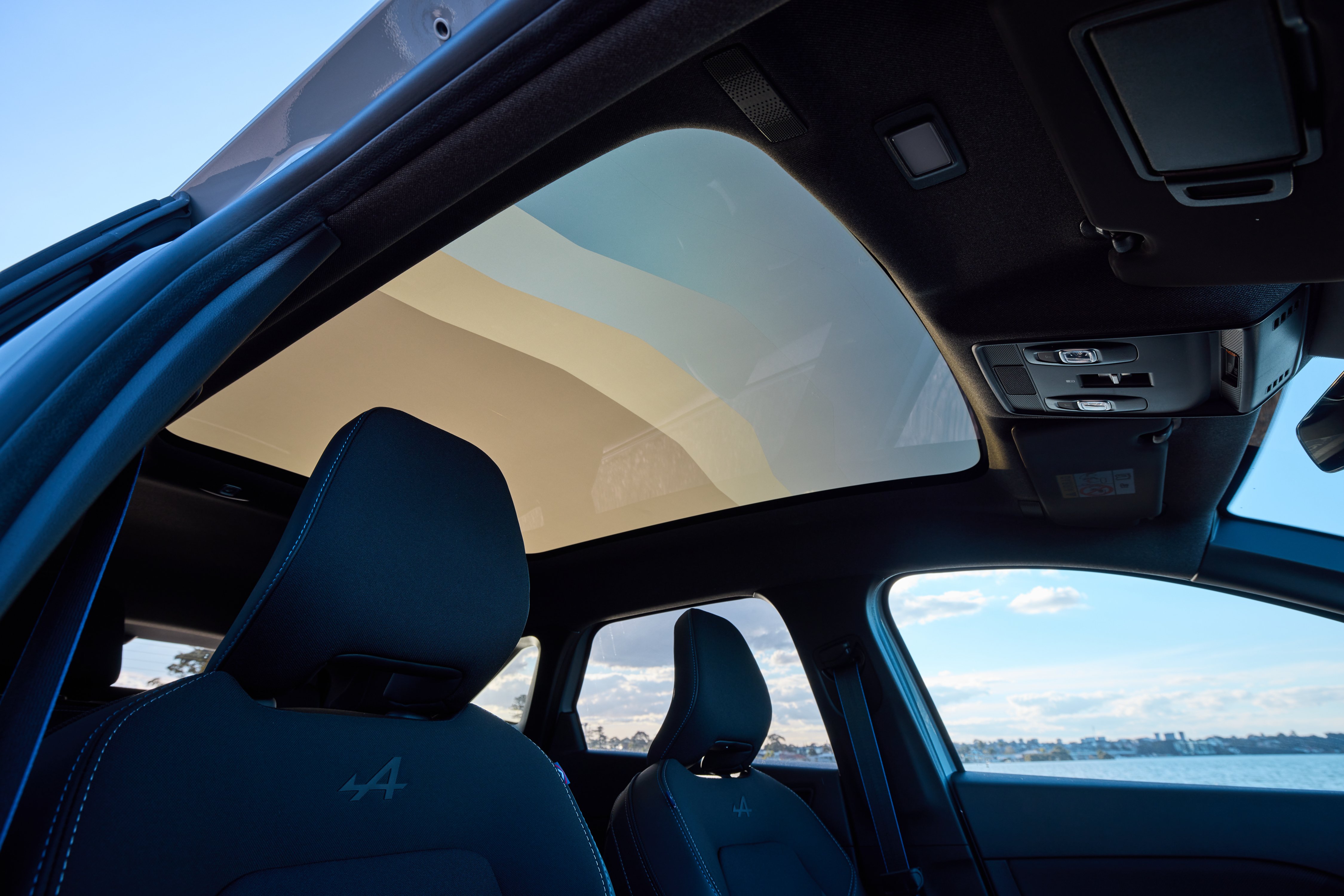
The Esprit Alpine adds design and comfort equipment rather than extra power. It has 19-inch wheels, Alpine trim details, sports seats with six-way power adjustment, heated front seats, a nine-speaker Harman Kardon sound system and a power hands-free tailgate. The tailgate is a $600 option on the Techno. A Solarbay panoramic glass roof costs $2,000.
Ownership costs and coverage
Renault lists a five-year, unlimited-kilometre vehicle warranty and five years of roadside assistance for both powertrains. The full-hybrid battery has an eight-year, 160,000km warranty. Service intervals are 12 months or 30,000km, with capped-price servicing available for five years.
The quoted total capped-price service cost is $2,695 for the mild hybrid, averaging $539 a year, and $2,715 for the full hybrid, averaging $543 a year. Individual service prices vary by interval. The mild hybrid’s listed services cost $319, $669, $399, $989 and $319 at 12, 24, 36, 48 and 60 months respectively. For the full hybrid, the corresponding prices are $359, $779, $439, $779 and $359.
Safety and trim choice
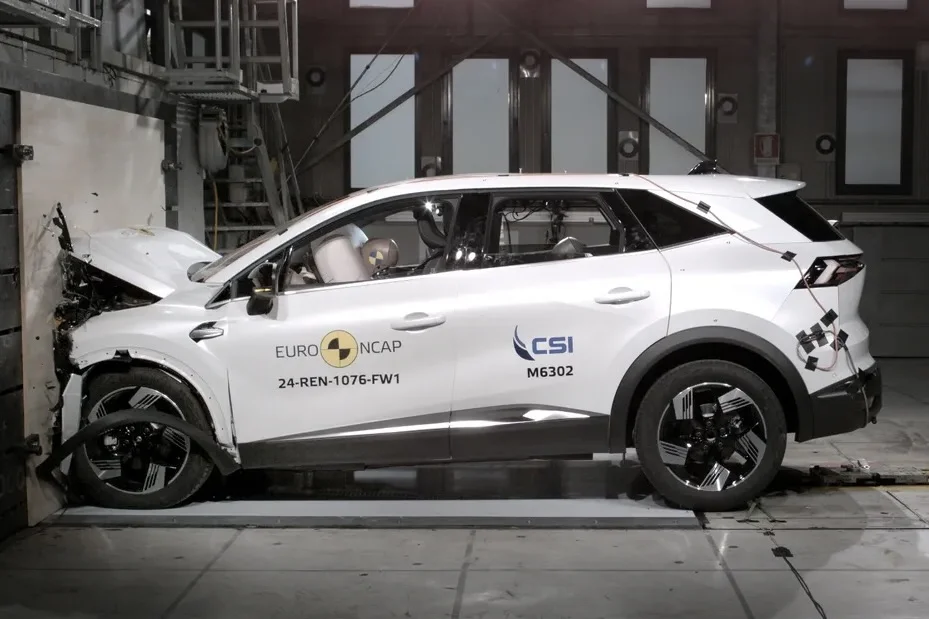
The Symbioz has not been crash-tested by ANCAP, and the source describes it as unrated locally. Euro NCAP awarded it four stars, with scores of 73 per cent for adult occupant protection, 80 per cent for child occupant protection, 76 per cent for vulnerable road-user protection and 69 per cent for safety assist.
Listed equipment across the range includes six airbags, adaptive cruise control, autonomous emergency braking, blind-spot monitoring, driver attention monitoring, front, rear and side parking sensors, lane-centring, lane-keep assist, rear cross-traffic alert, a reversing camera, safe-exit assist, traffic-sign recognition and tyre-pressure monitoring. The Esprit Alpine adds autonomous parking assist and a surround-view monitor.
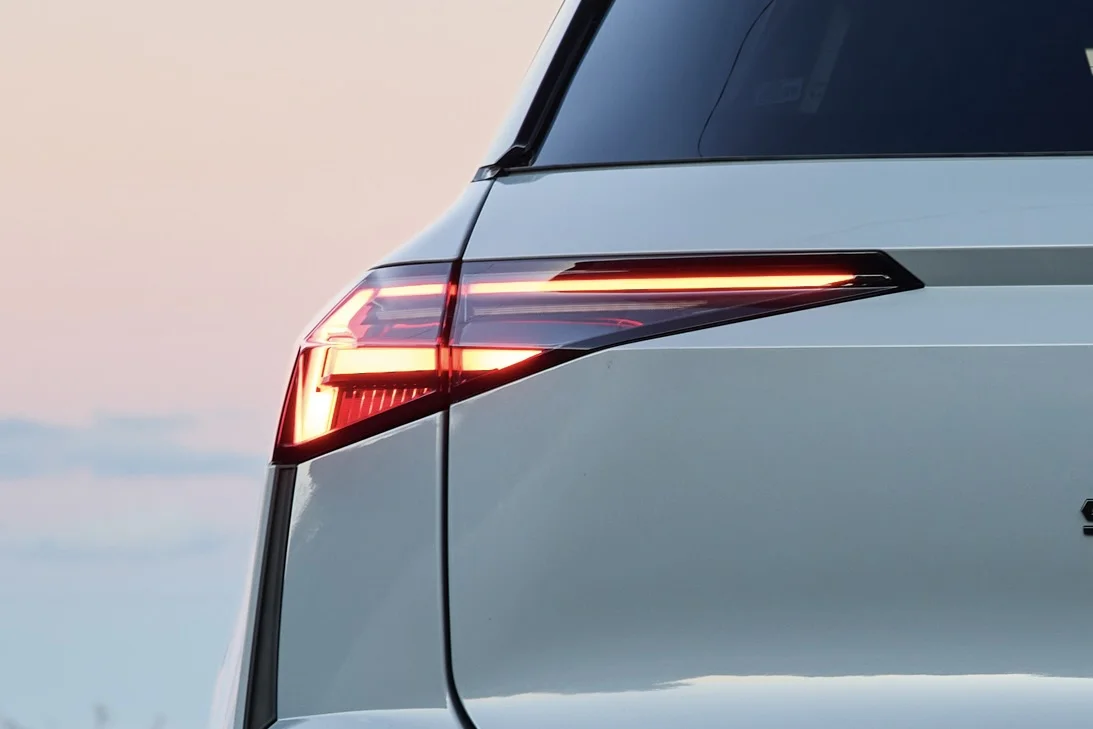
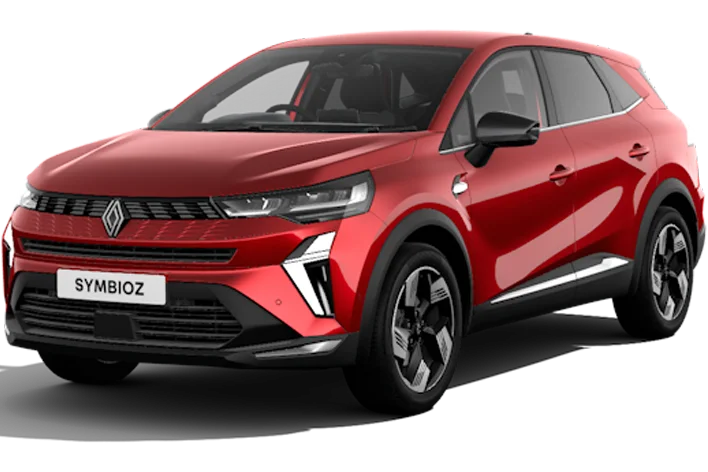
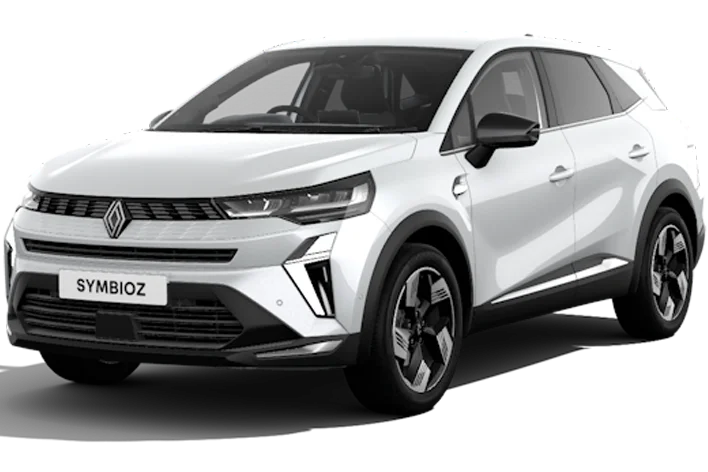
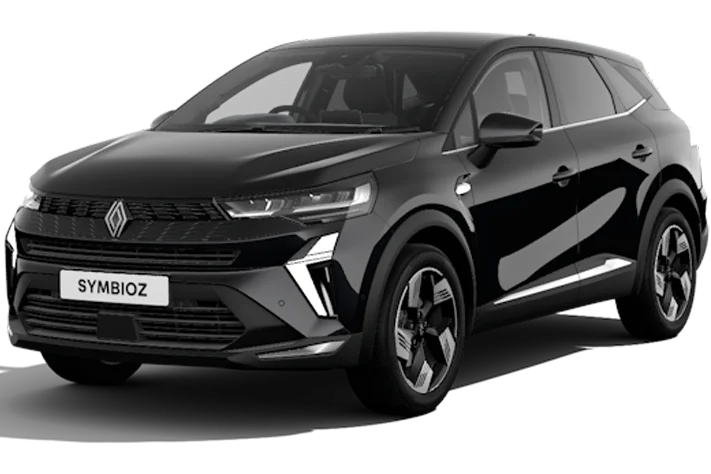
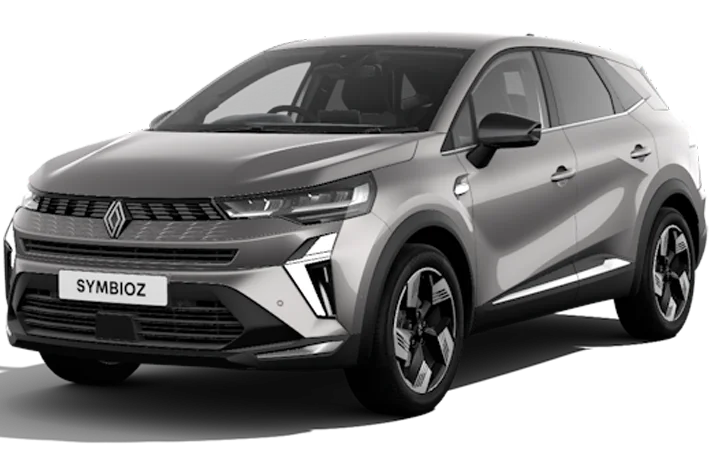
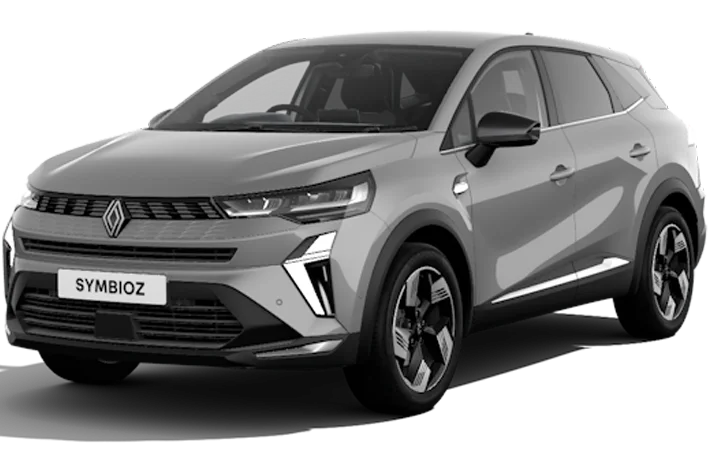
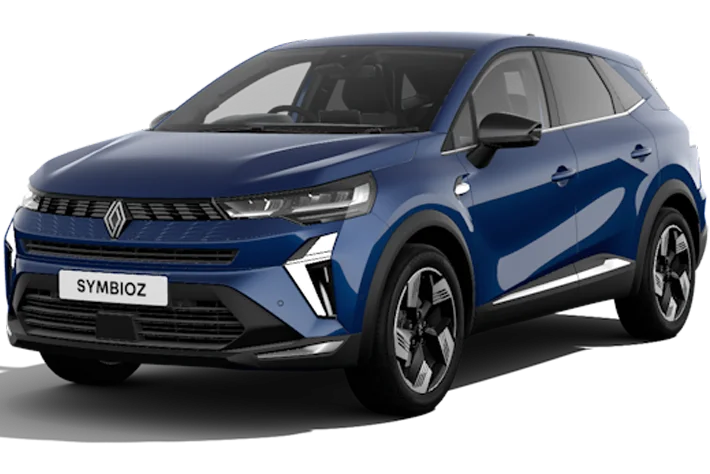
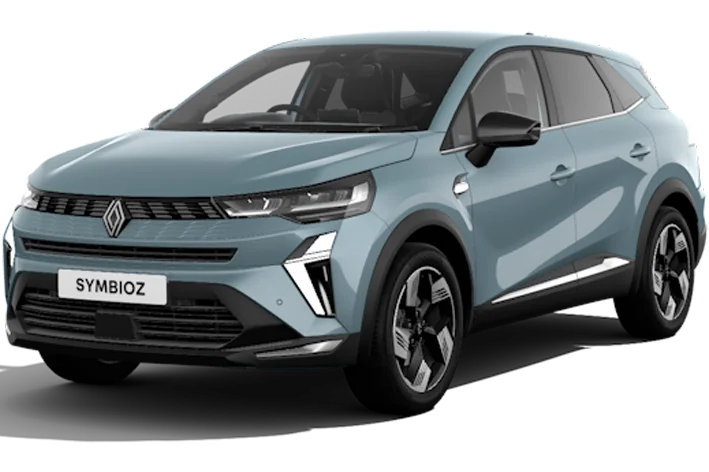
Flame Red is the only no-cost paint choice. Pearl White, Diamond Black, Oyster Grey, Rafale Grey, Iron Blue and Mercury Blue each cost $900; Mercury Blue is limited to the Techno.
Renault’s local range expands
The Symbioz is the third of six new or updated Renault models planned for Australia in an 18-month rollout, with the remaining models due by early 2027 at the latest. It joins the electric Scenic E-Tech and Megane E-Tech, the manual Duster and refreshed mild-hybrid Arkana.
Renault Australia expects the Symbioz could become its best-selling passenger model. The Koleos led that category with 525 deliveries so far in 2026, while the Duster and Scenic E-Tech were closing the gap. Commercial vehicles remain a key part of the business: the Master van has been Renault’s local sales leader for an extended period. Across the first seven months of 2026, Renault sales fell 5.6 per cent compared with the same period in 2025.
The Symbioz’s case rests on choice: a lower-priced mild hybrid, a more frugal full hybrid, and a better-equipped trim for buyers who value cabin features and design details. The figures to weigh most closely are the full hybrid’s claimed 4.7L/100km consumption, its higher entry price, reduced cargo capacity and lower towing limit.


