In lane Electric Vehicles
2027 Mitsubishi Pajero: Australian Prices, Specs, Towing and Equipment
Description
The 2027 Pajero starts at $68,490, with a 150kW diesel, 3,500kg towing capacity and three trims. Fuel use and service prices are still unconfirmed.
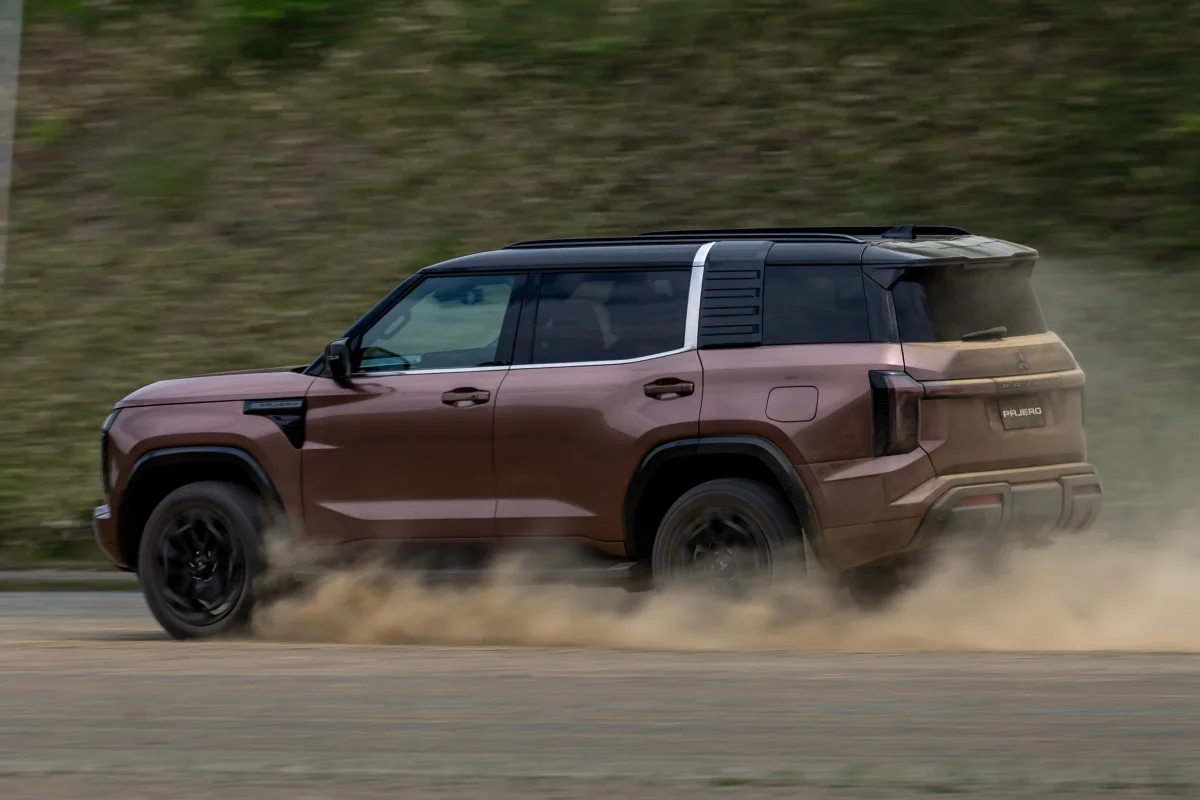
The 2027 Mitsubishi Pajero arrives in Australia from December, priced from $68,490 before on-road costs. It brings a ladder-frame chassis, seven-seat availability and a 3,500kg braked towing capacity, positioning it above the outgoing Pajero Sport and below the Toyota Prado on starting price. Fuel consumption, accessory details and service prices have yet to be announced.
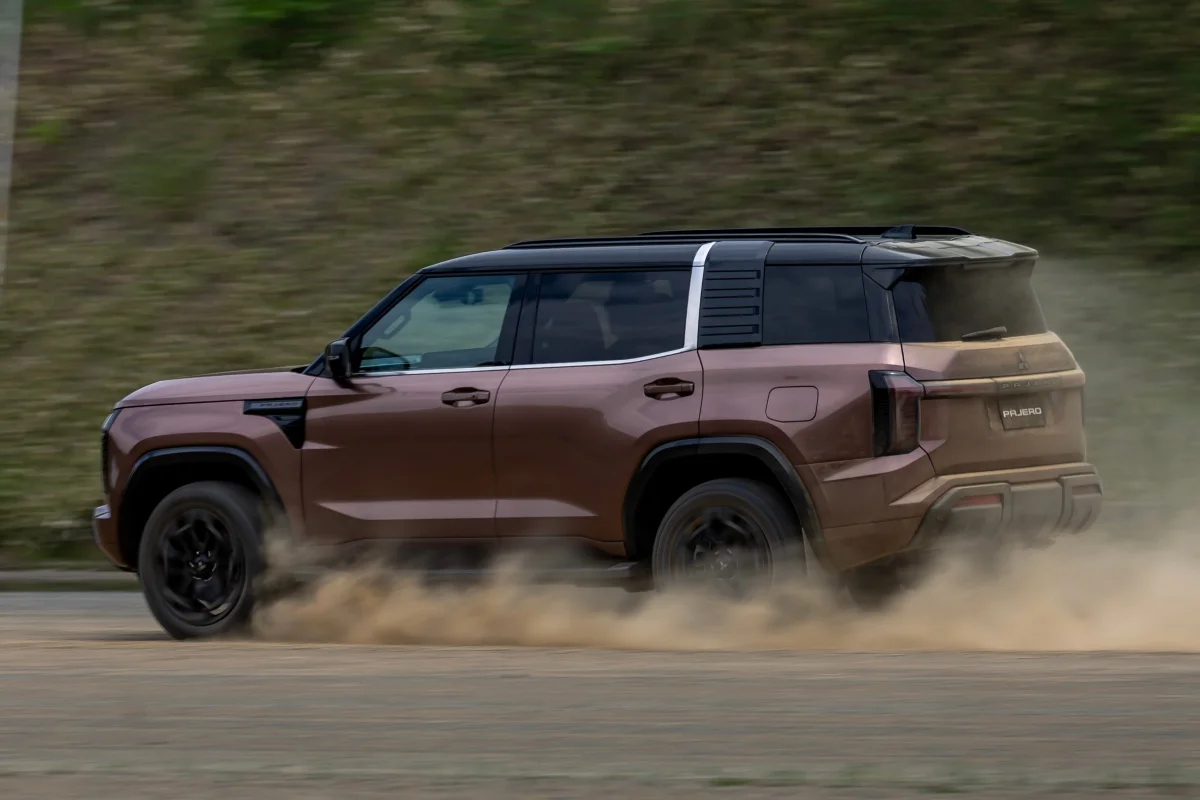
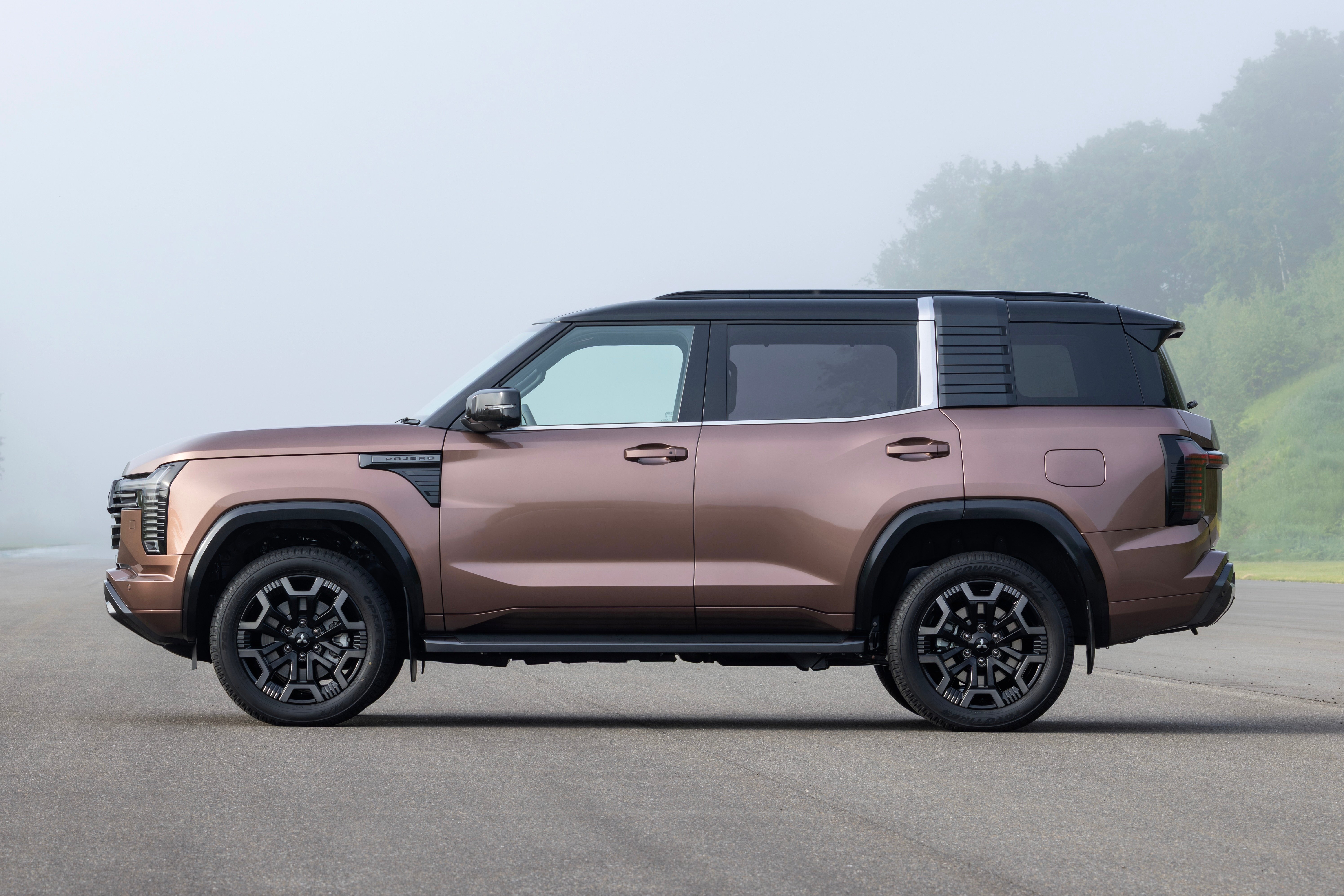
Its place in the range is significant: this is Mitsubishi’s first Pajero in five years, and it takes over as the brand’s flagship SUV. It also replaces the Pajero Sport, which was discontinued in 2025. The new model is built in Thailand alongside the Triton ute and shares its basic frame architecture, though Mitsubishi has made substantial changes to the chassis and suspension for SUV use.
Prices and range
There are three grades: GLS, Exceed and GSR. The GLS is offered with five or seven seats, while the two higher grades come with seven seats as standard.
| Variant | Price before on-road costs |
|---|---|
| Pajero GLS, five seats | $68,490 |
| Pajero GLS, seven seats | $69,990 |
| Pajero Exceed | $79,990 |
| Pajero GSR | $84,990 |
The entry price is $1,500 higher for the seven-seat GLS. The Exceed and GSR add seven seats as standard, along with more cabin equipment and larger displays. In the market, the Pajero starts below the Japanese-built Toyota Prado, which begins at $73,200 before on-road costs. It costs more than the Thai-built Ford Everest, priced from $58,990, and Isuzu MU-X, from $49,900. The GWM Tank 500 diesel starts at $65,990 drive-away.
Compared with Mitsubishi’s previous offerings, the new Pajero starts almost $17,000 above the former Pajero Sport’s $51,540 entry price. It is also $13,500 above the last Pajero GLX Final Edition, which was sold in 2021 for $54,990 plus on-road costs. The Pajero Sport remains available while Australian stock lasts.
Diesel power and four-wheel drive
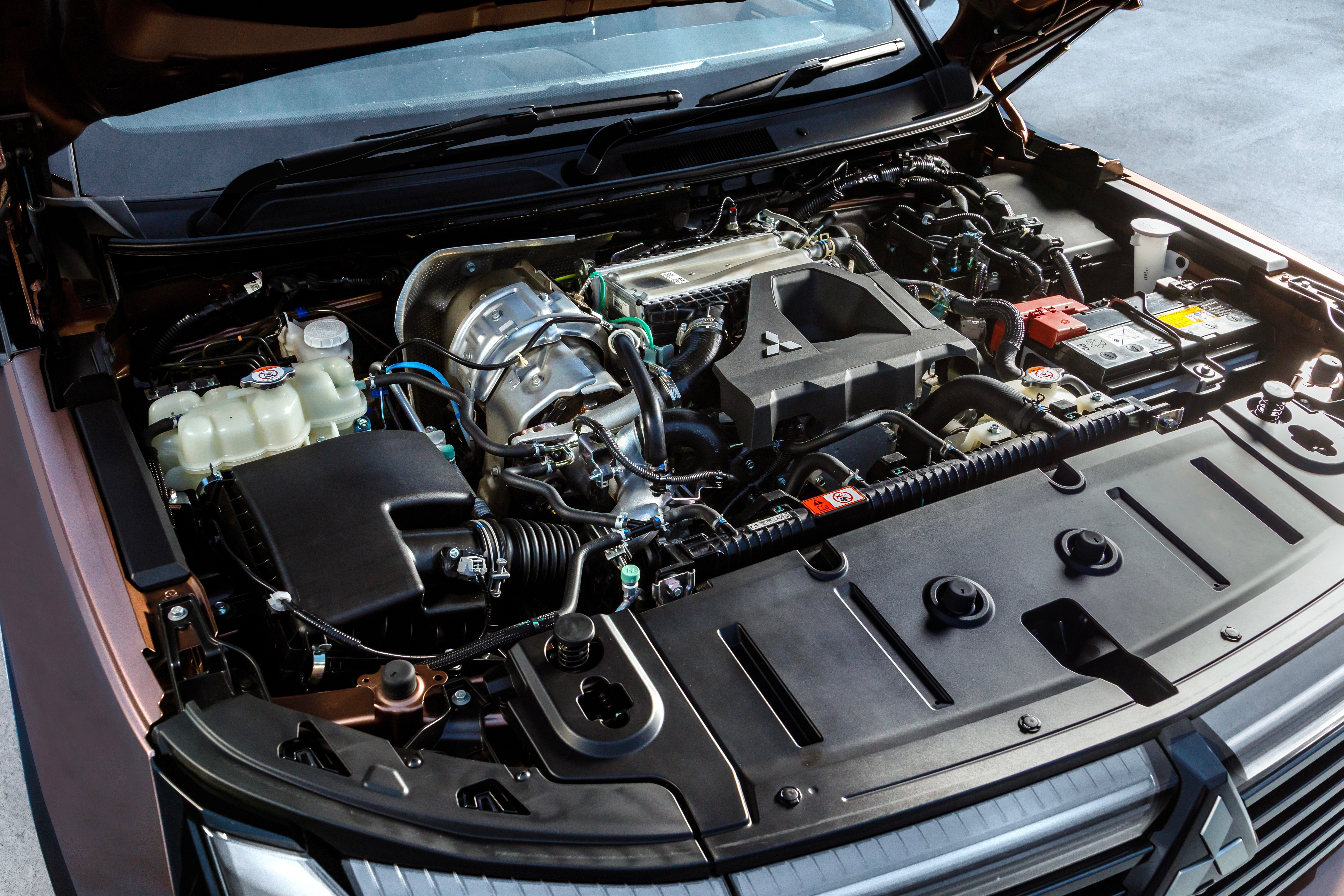
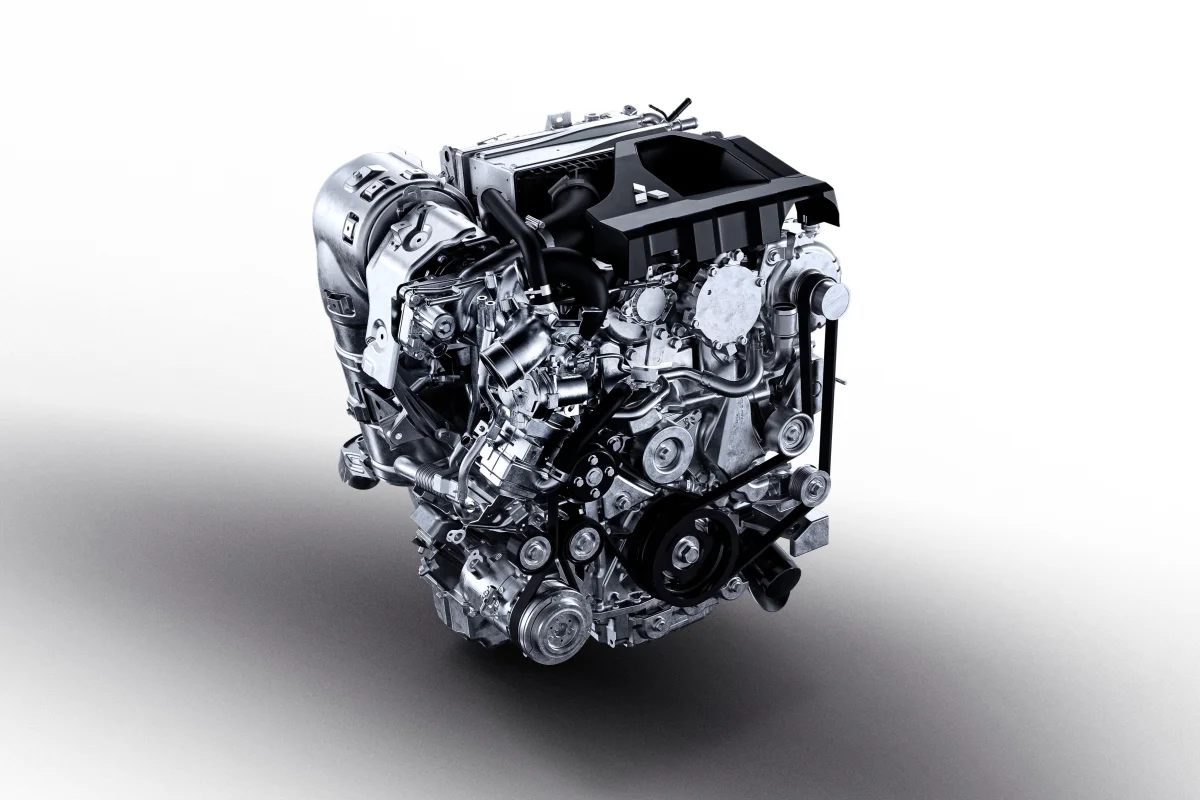
At launch, every Pajero uses a new-generation version of Mitsubishi’s 2.4-litre 4N16 four-cylinder diesel. It produces 150kW and 480Nm, paired with an eight-speed automatic transmission. That is 10Nm more torque than the Triton’s twin-turbo version of the engine, despite the Pajero using one turbocharger. Mitsubishi says a hybrid powertrain is planned by 2030.
The new engine’s output exceeds the former Pajero Sport’s 133kW and 430Nm, as well as the final-generation Pajero’s 141kW and 441Nm. Against rivals, it matches the Prado’s 150kW but falls 20Nm short of its 500Nm. The Everest offers a 2.0-litre diesel with 125kW and 405Nm or a 3.0-litre V6 diesel with 184kW and 600Nm. The MU-X is available with 120kW/400Nm and 140kW/450Nm four-cylinder diesels.
Mitsubishi says the Pajero’s engine meets Euro 6d emissions standards, a first for one of its engines. The changes include a water-cooled intercooler, dual-loop exhaust gas recirculation, AdBlue treatment, an electric cooling fan and a variable-geometry turbocharger intended to improve mid-range response. An automatic idle-stop system is fitted to reduce fuel use in stop-start conditions. Official consumption and CO2 figures have not been released.
The eight-speed automatic is an enhanced, lighter version of the unit used in the old Pajero Sport, with a wider ratio spread. The fuel tank holds 80 litres and the AdBlue tank 17 litres. All grades get Mitsubishi’s Super Select II four-wheel-drive system, low range and a rear differential lock. Drivers can select rear-wheel drive, high-range four-wheel drive, high-range four-wheel drive with the centre differential locked, or low range with the centre differential locked.
Super-All Wheel Control and Active Yaw Control are also standard. Seven drive modes cover Normal, Eco, Gravel, Snow, Mud, Sand and Rock. The Pajero is rated to tow up to 3,500kg with brakes, matching the Triton and its key rivals. Trailer Load Assist is designed to detect trailer sway and adjust engine power and braking at each wheel. Mitsubishi lists roof-load limits of 100kg while driving and 300kg when stationary.
Chassis, size and cabin space
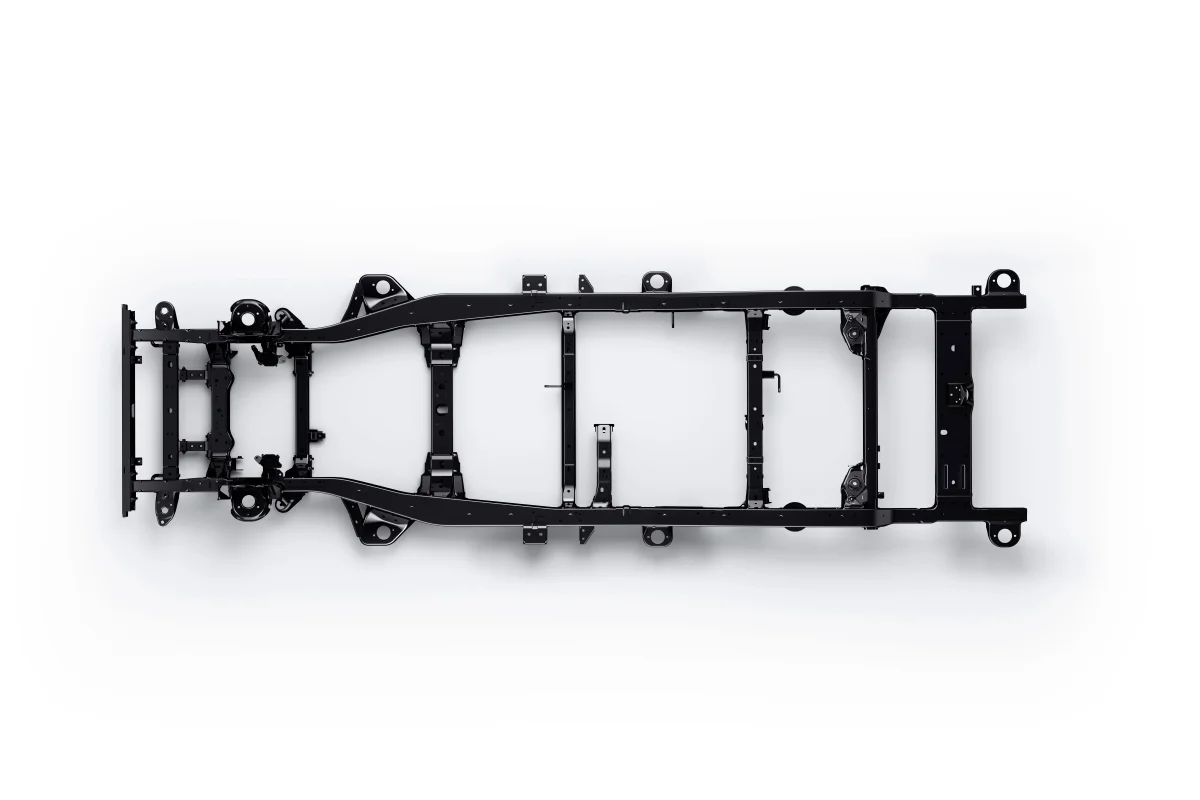
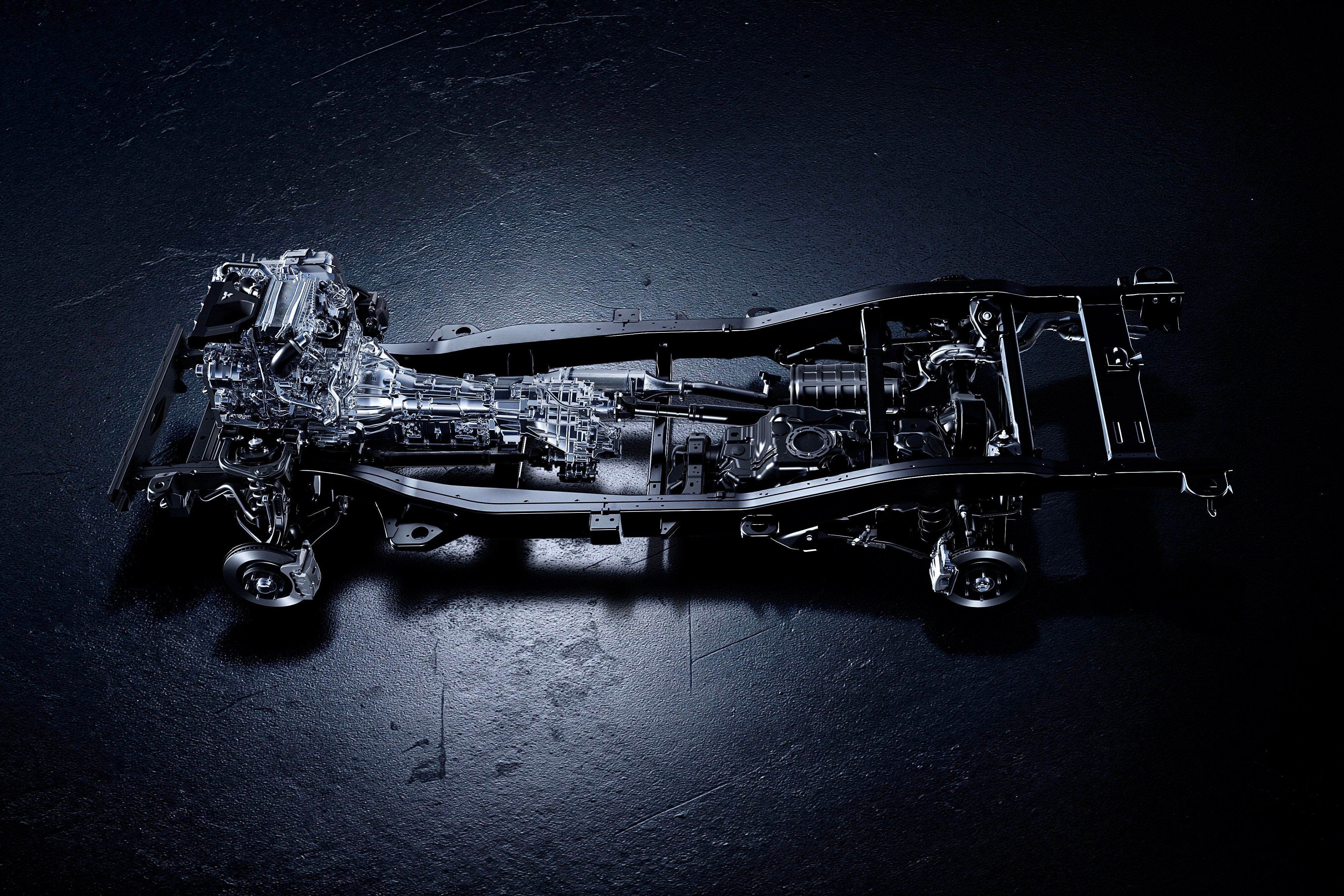
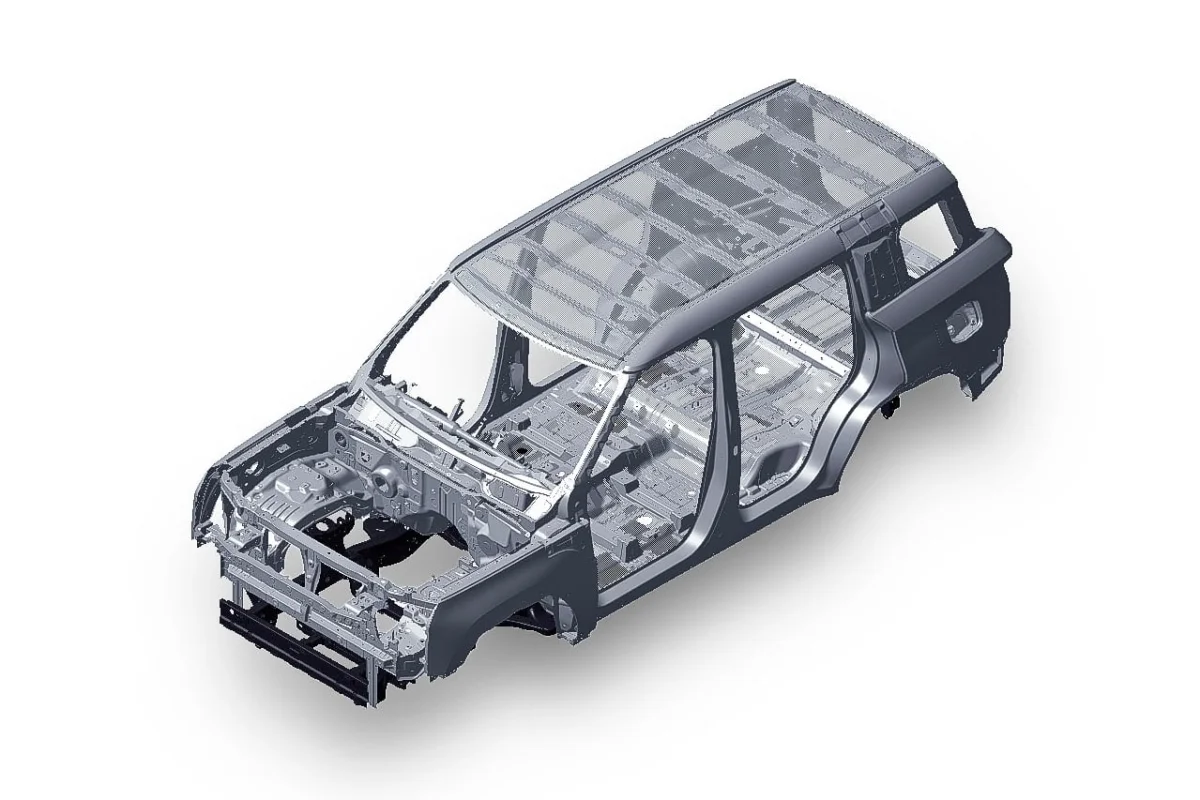
The Pajero returns to a conventional ladder-frame layout after the previous generation used a unibody structure with an integrated frame. That makes the new vehicle mechanically closer to the Pajero Sport and the ute-based Ford Everest than to the earlier Japanese-built Pajeros. Its heavily modified Triton frame has thicker side members and additional cross-bracing; Mitsubishi says it is significantly stiffer than the old Pajero Sport’s frame.
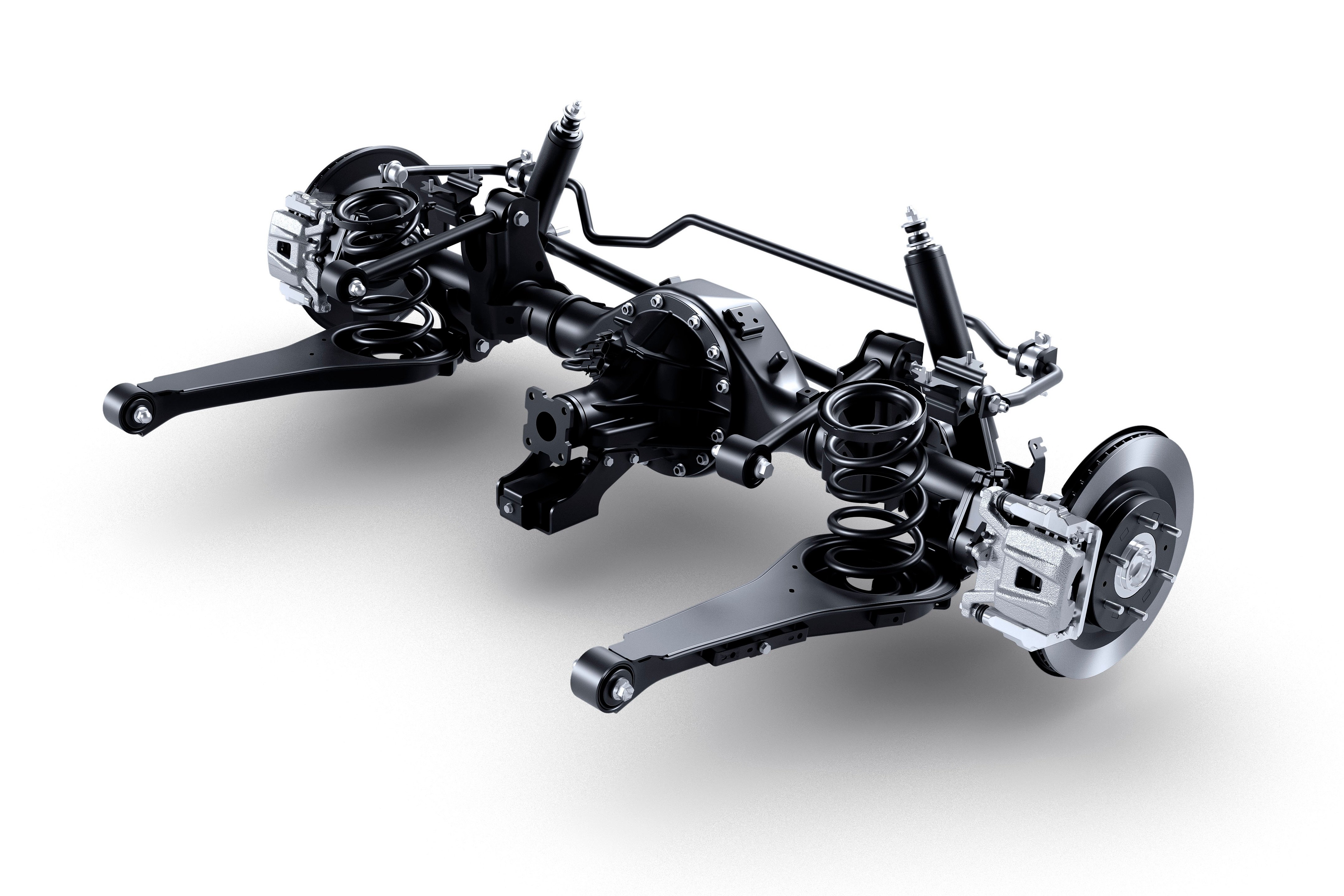
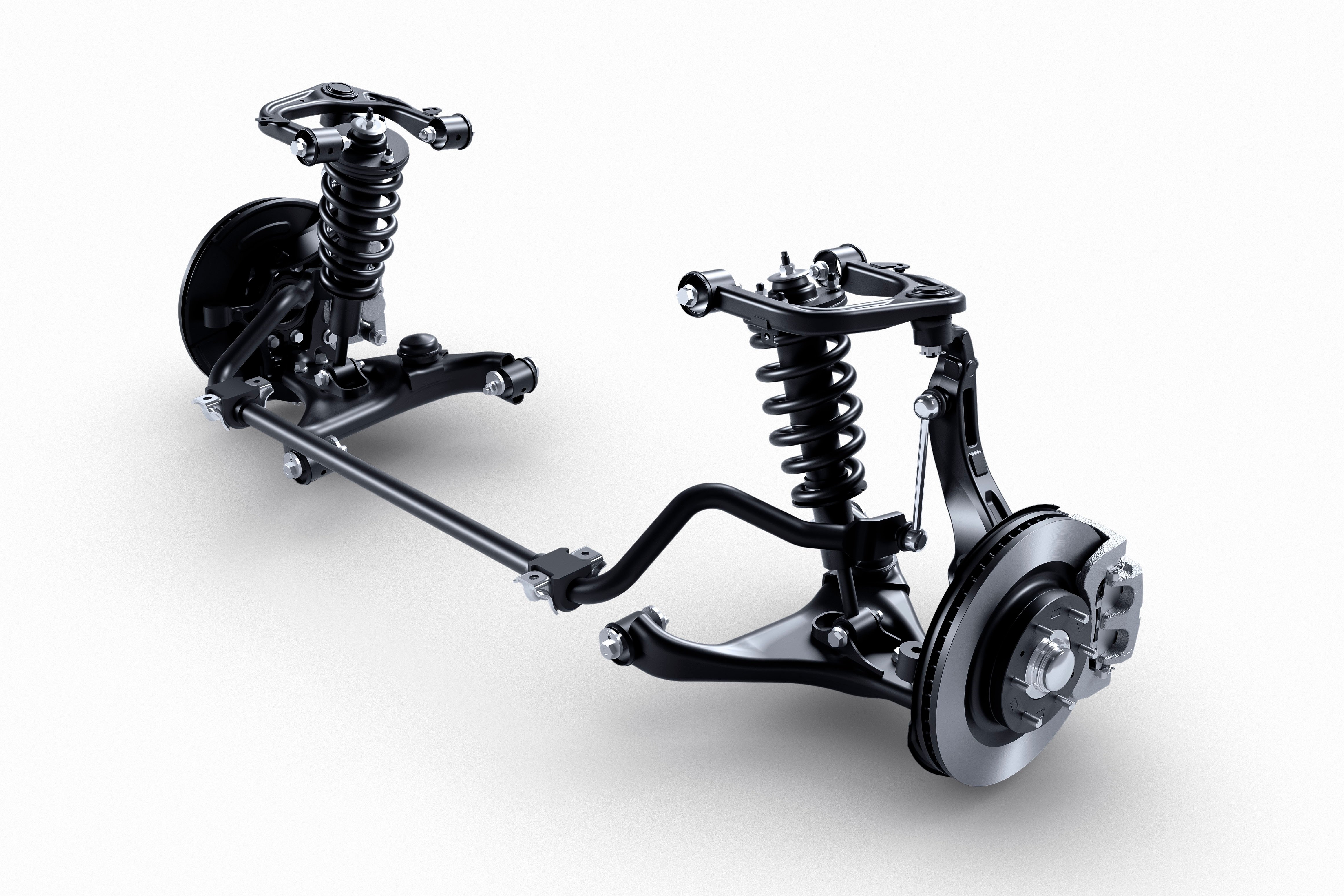
The suspension is tailored to the SUV. At the front are double wishbones with coil springs; at the rear, a five-link live axle with coils replaces the Triton’s leaf springs. Mitsubishi says long-travel suspension, wider tracks, high-response shock absorbers and stabiliser bars are intended to combine off-road ability with a quieter, more comfortable ride. Other changes include rear disc brakes in place of drums, electric power steering, a slightly tighter turning circle, a higher driver eye point and revised front doors and A-pillars.
| Dimension | Measurement |
|---|---|
| Length | 4,920mm |
| Width | 1,925mm |
| Height | 1,900–1,910mm, depending on variant |
| Wheelbase | 2,870mm |
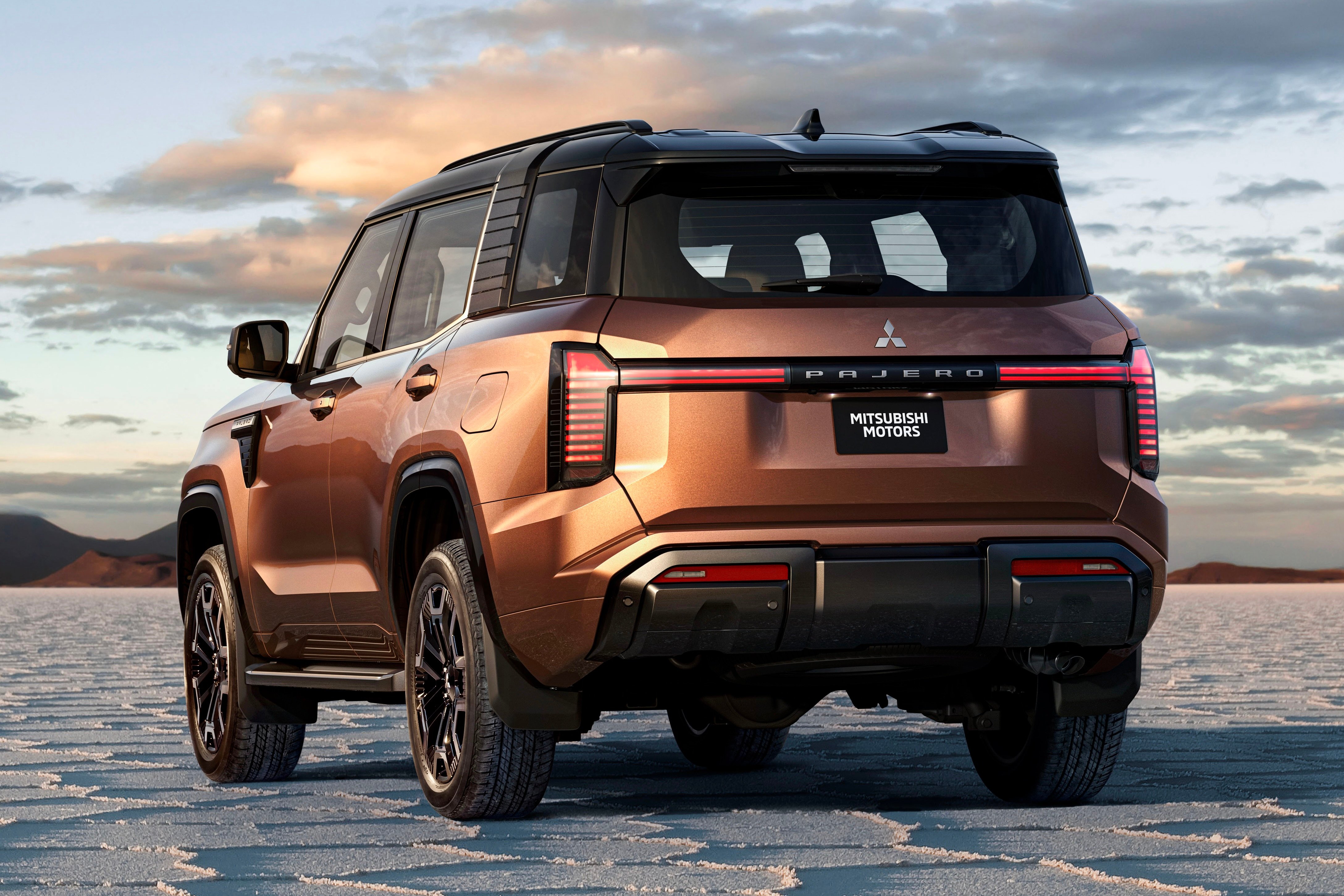
At 4.92 metres long, the Pajero is about 100mm longer, wider and taller than the old Pajero Sport, yet 70mm shorter than the Prado. Its wheelbase is 260mm shorter than the Triton’s. Mitsubishi claims class-leading headroom and says the seats offer wide adjustment, standard powered lumbar support and substantial side bolstering.
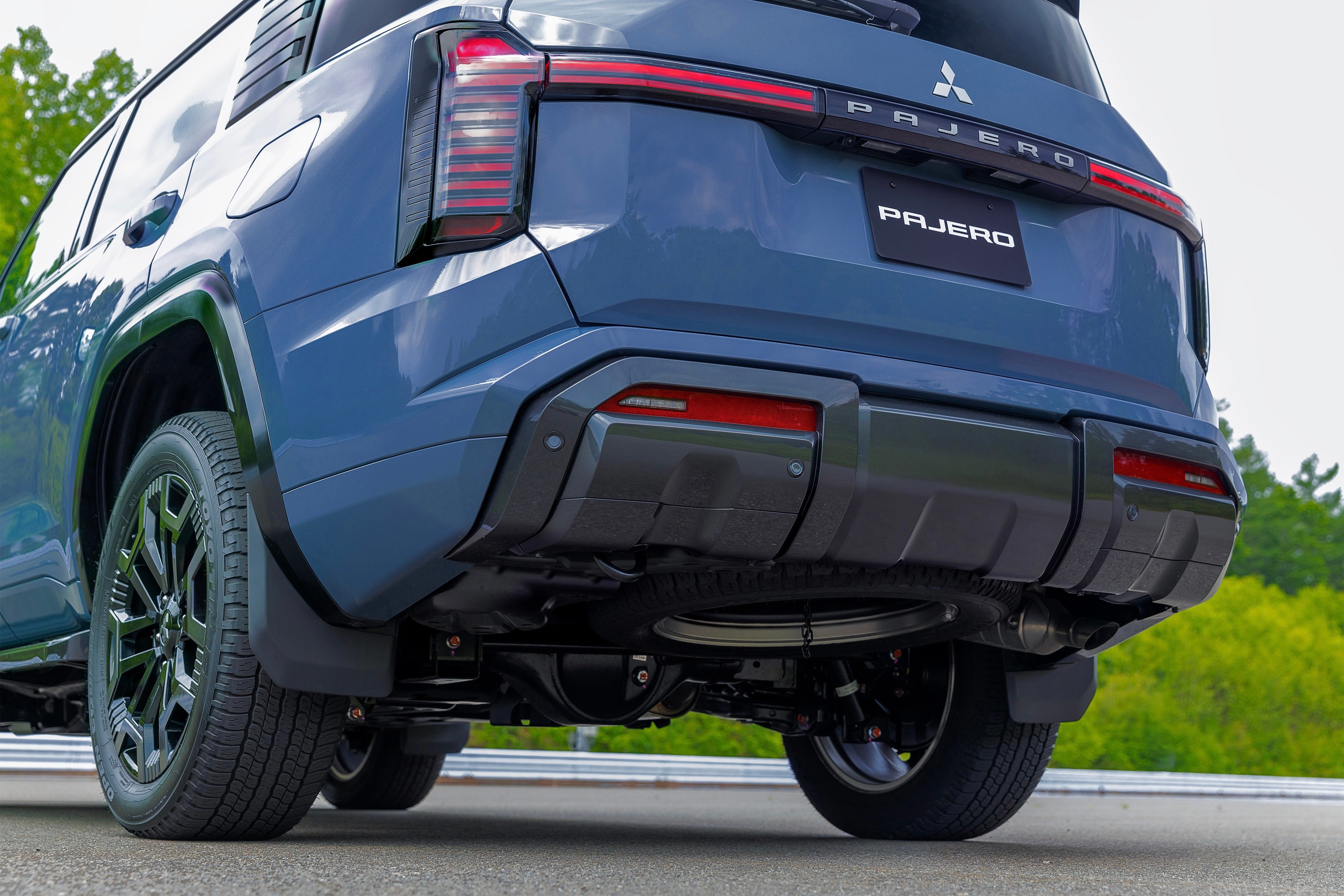
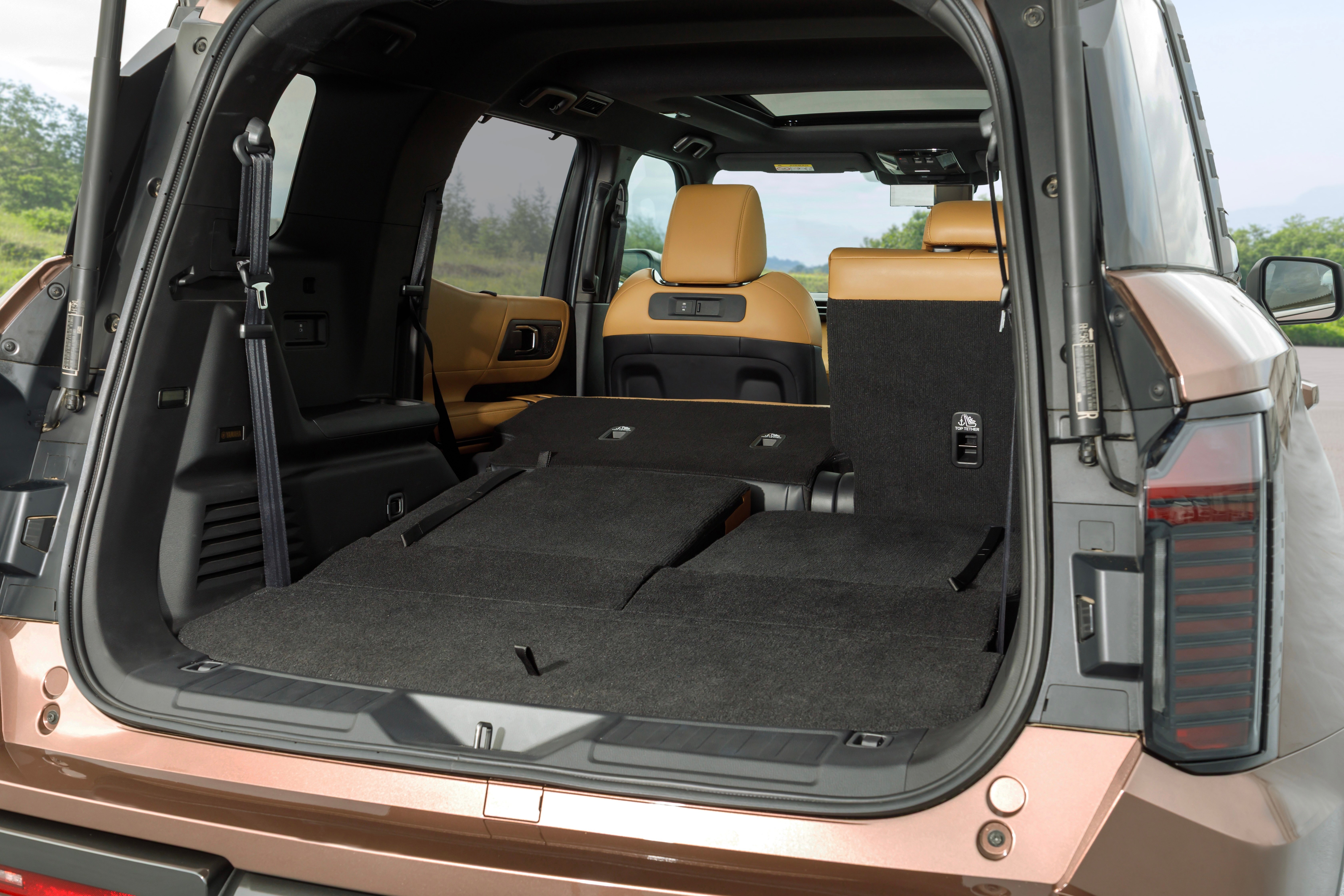
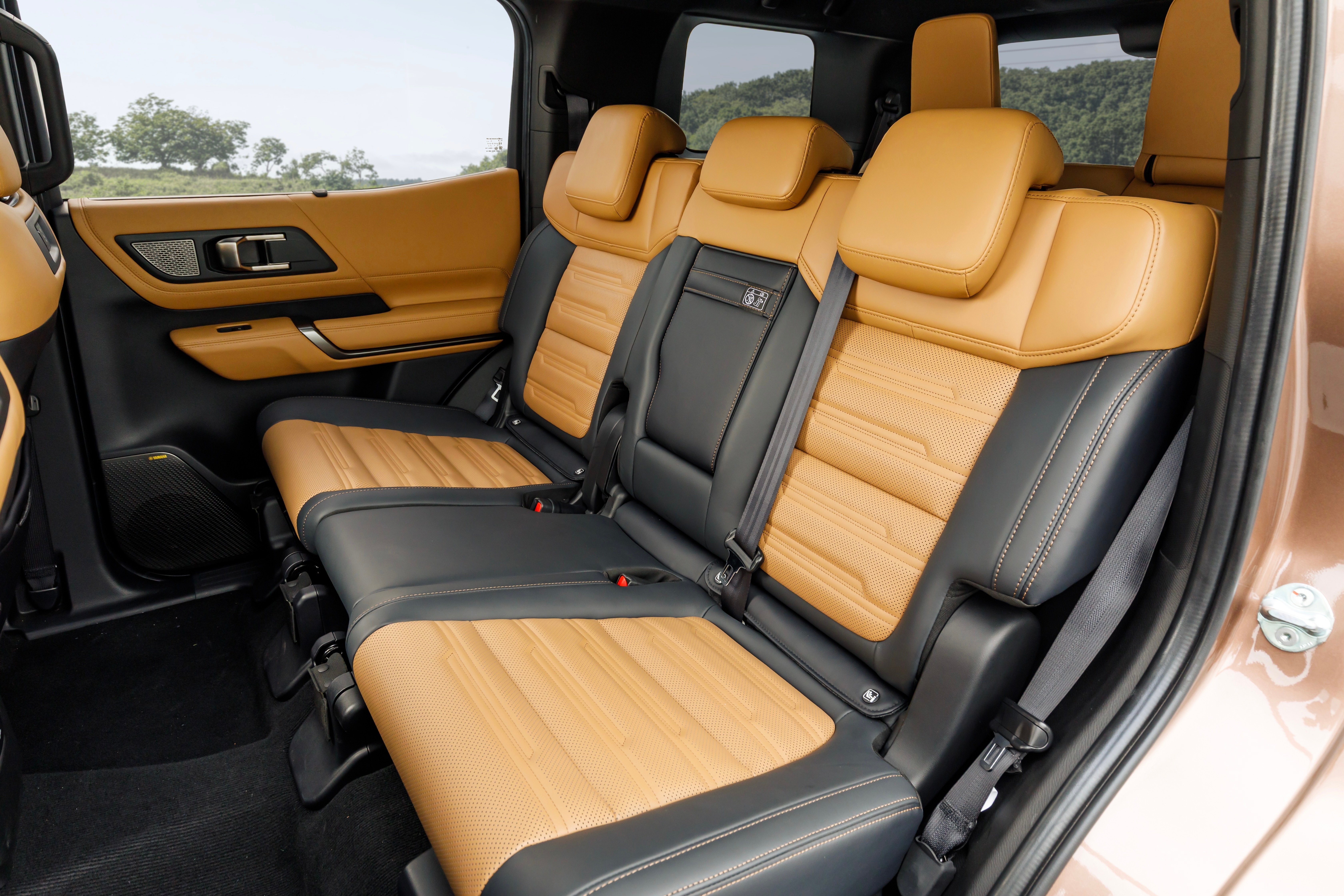
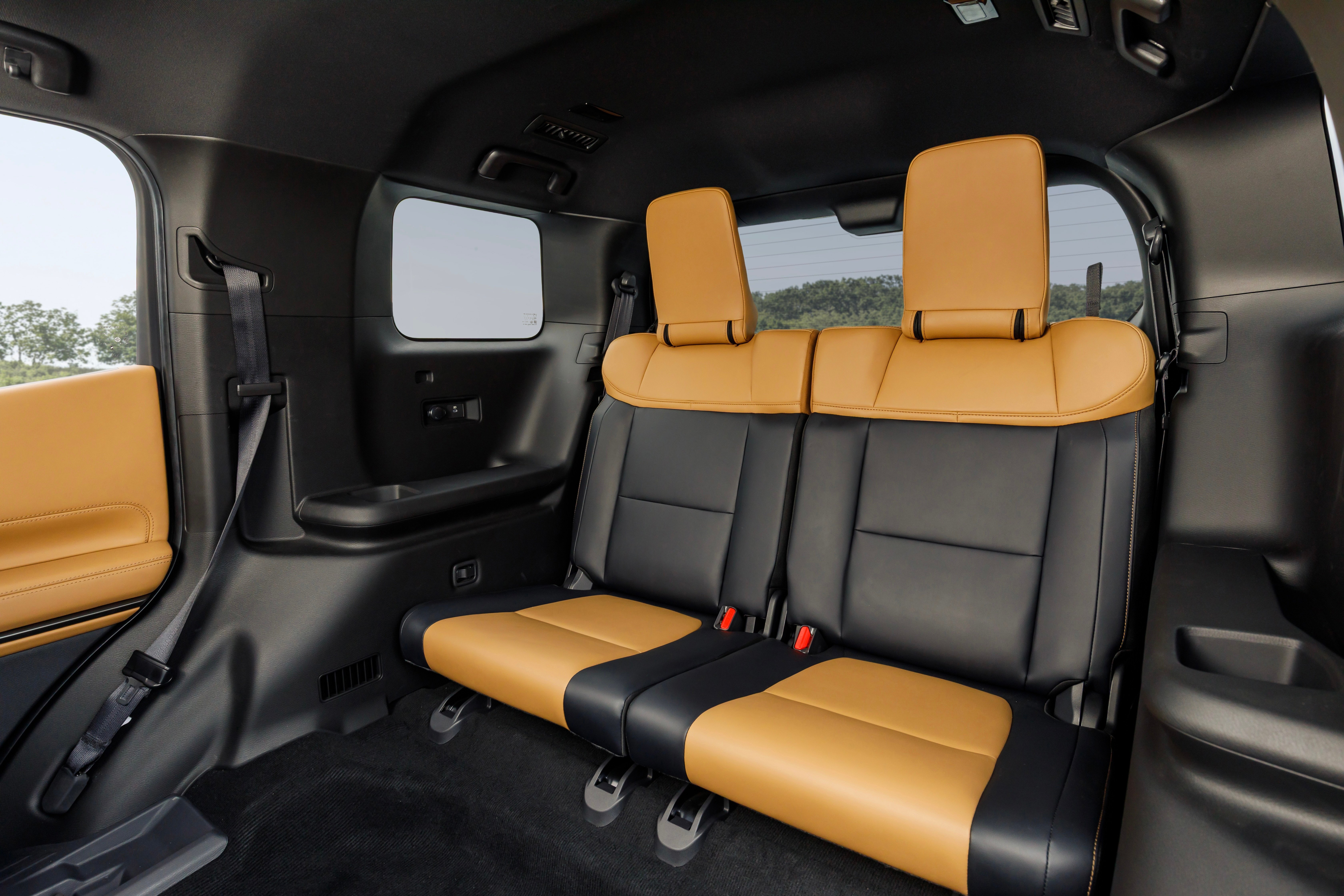
The second row slides through 150mm to vary legroom and improve access to the third row. Behind the third row, luggage capacity is listed at 519 litres under the VDA measurement method, with another 10 litres in an underfloor cargo box. The GLS is the choice for buyers who want five seats and the lowest entry price; seven-seat versions offer more flexibility, though the published figures do not include payload or vehicle mass.
Equipment and technology
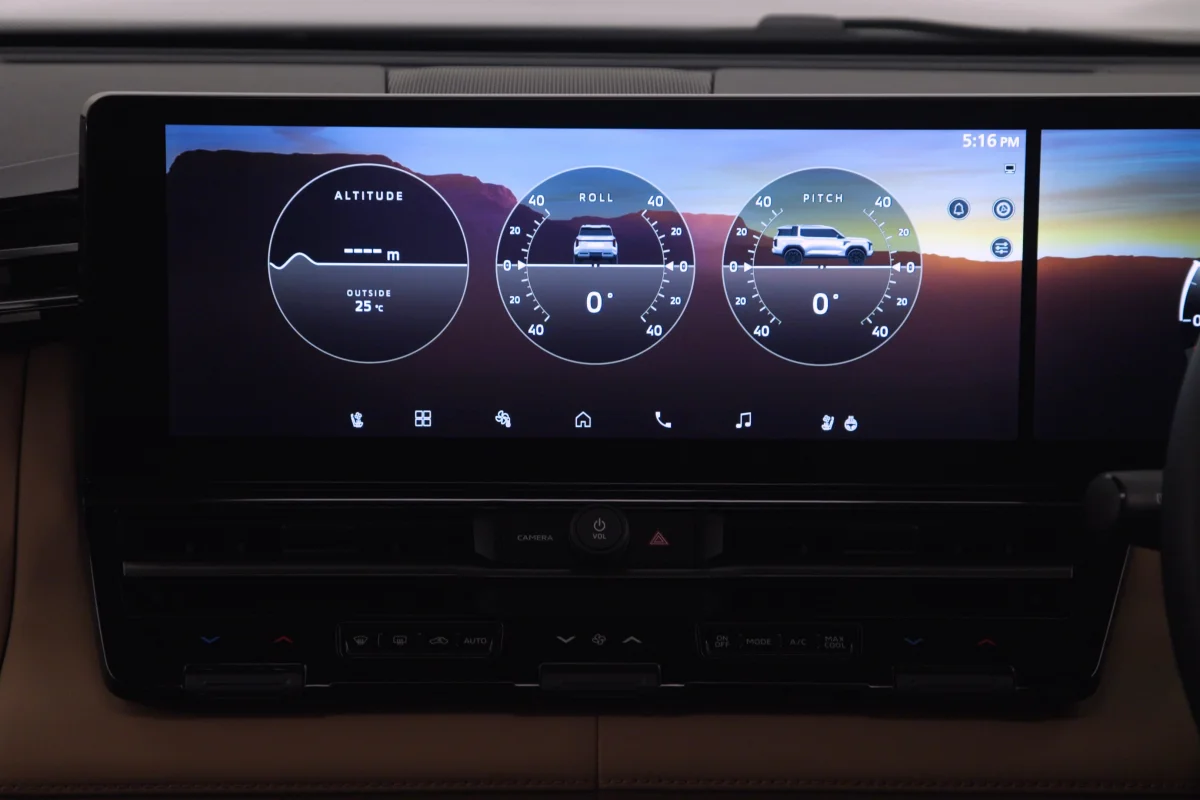
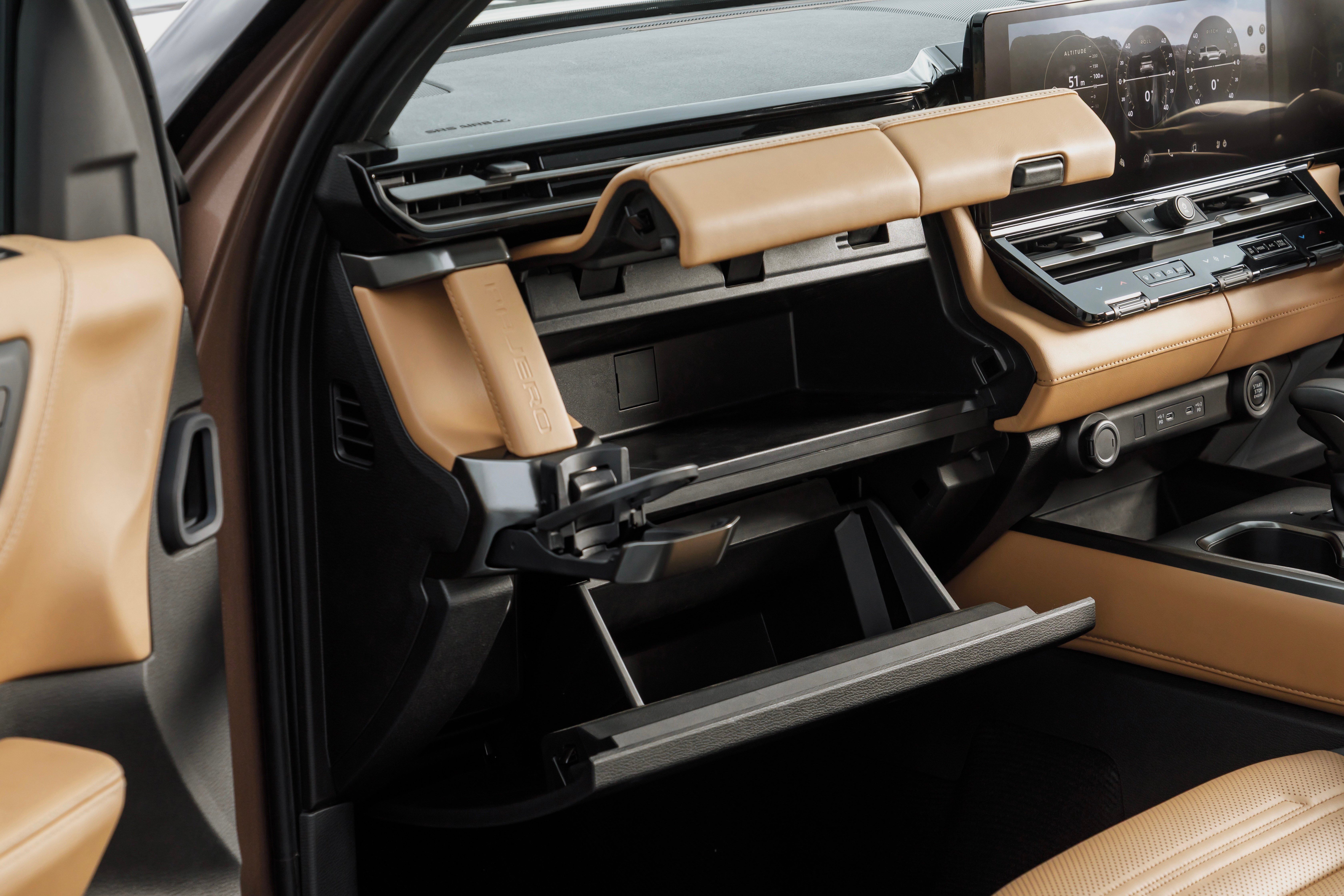
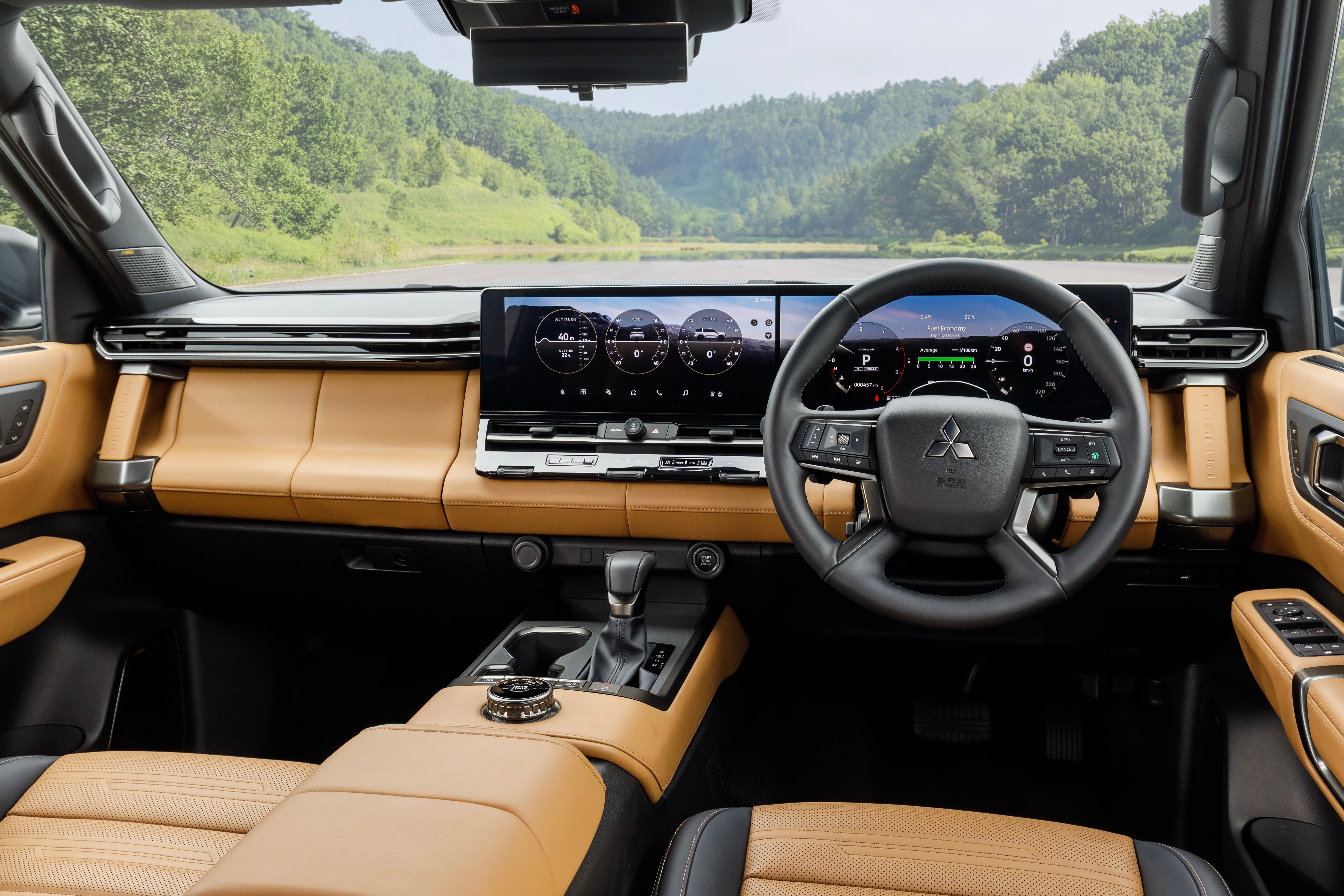
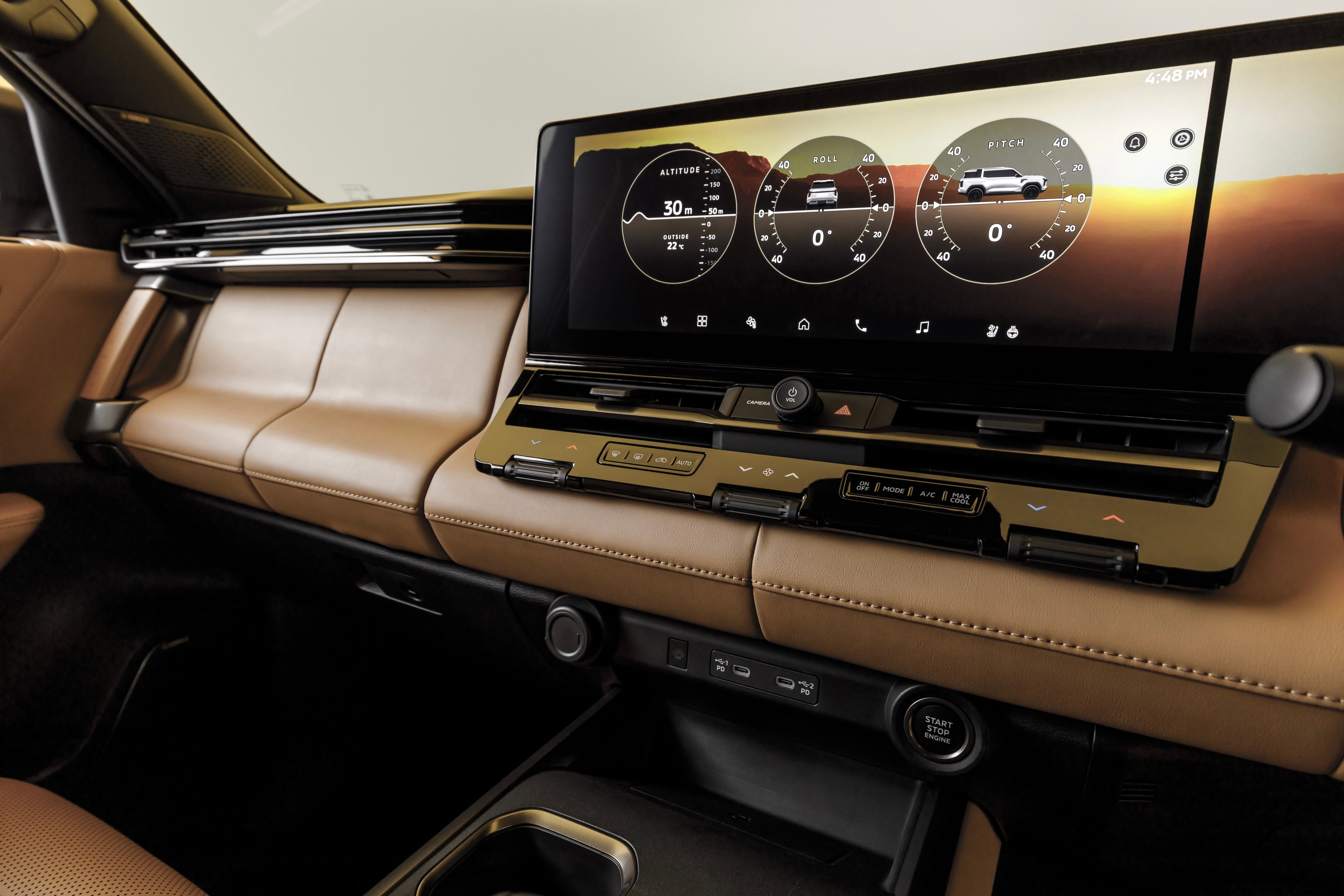
Every grade gets a 12.3-inch infotainment touchscreen and matching digital instrument display in the GLS. Exceed and GSR models upgrade both screens to 14.3 inches. Wireless Apple CarPlay and Android Auto, Mitsubishi Connect, a wireless phone charger, and USB-C ports are standard. The USB-C outlets support up to 27W, while the front wireless charger is rated at 15W.
The instrument display includes an off-road view with an altimeter and pitch and roll inclinometers; a compass, Active Yaw Control status and world clock are also available. A surround-view camera and a bonnet see-through camera are included across the range to help with vehicle placement. Exceed and GSR grades add a 12-speaker Yamaha audio system with an 11-channel amplifier and digital signal processor.
The GLS has black waterproof fabric upholstery and 18-inch alloy wheels. Its standard kit includes automatic LED headlights, rain-sensing wipers, dual-zone front climate control, rear automatic air conditioning, a power tailgate, heated steering wheel, paddle shifters, electric parking brake with auto-hold and tyre-pressure monitoring. The second row folds and tumbles in a 60:40 split; seven-seat GLS versions have a manually folding 50:50 third row.
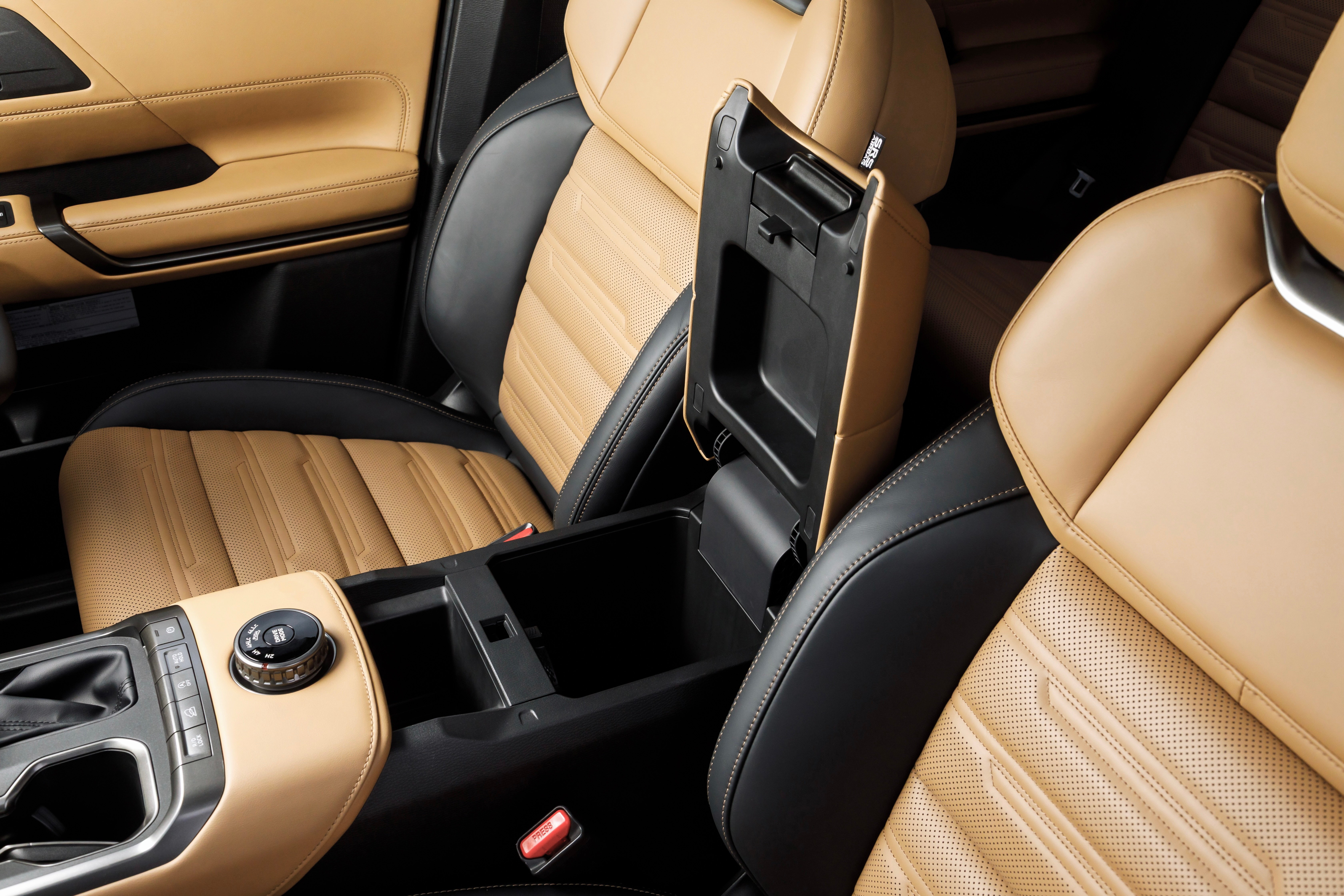
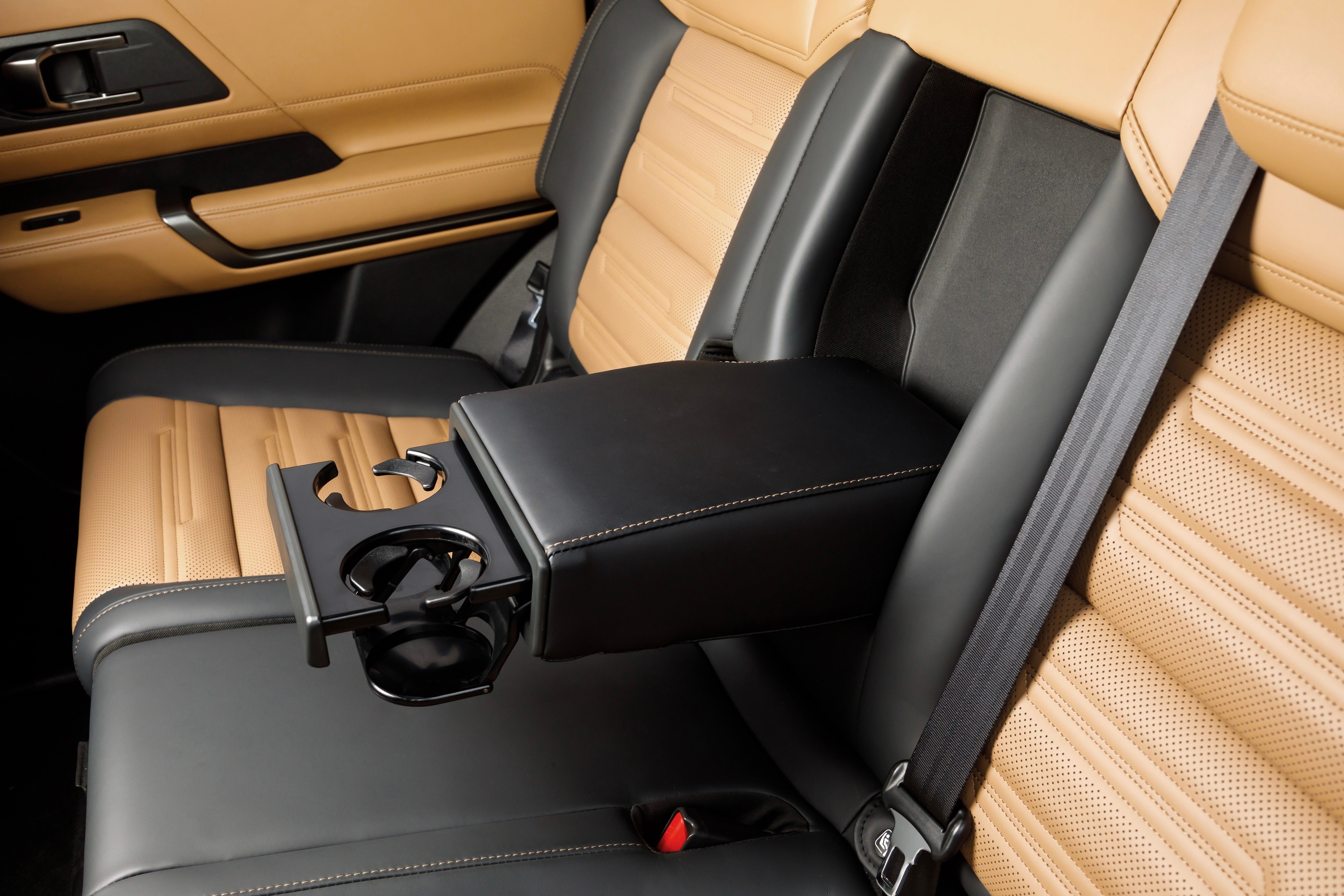
Exceed adds 20-inch machined alloy wheels, black leather trim, powered front seats, heated front and second-row seats, pull-up second-row sunshades and a refrigerated centre console. Its larger screens and Yamaha audio system are also part of the upgrade.
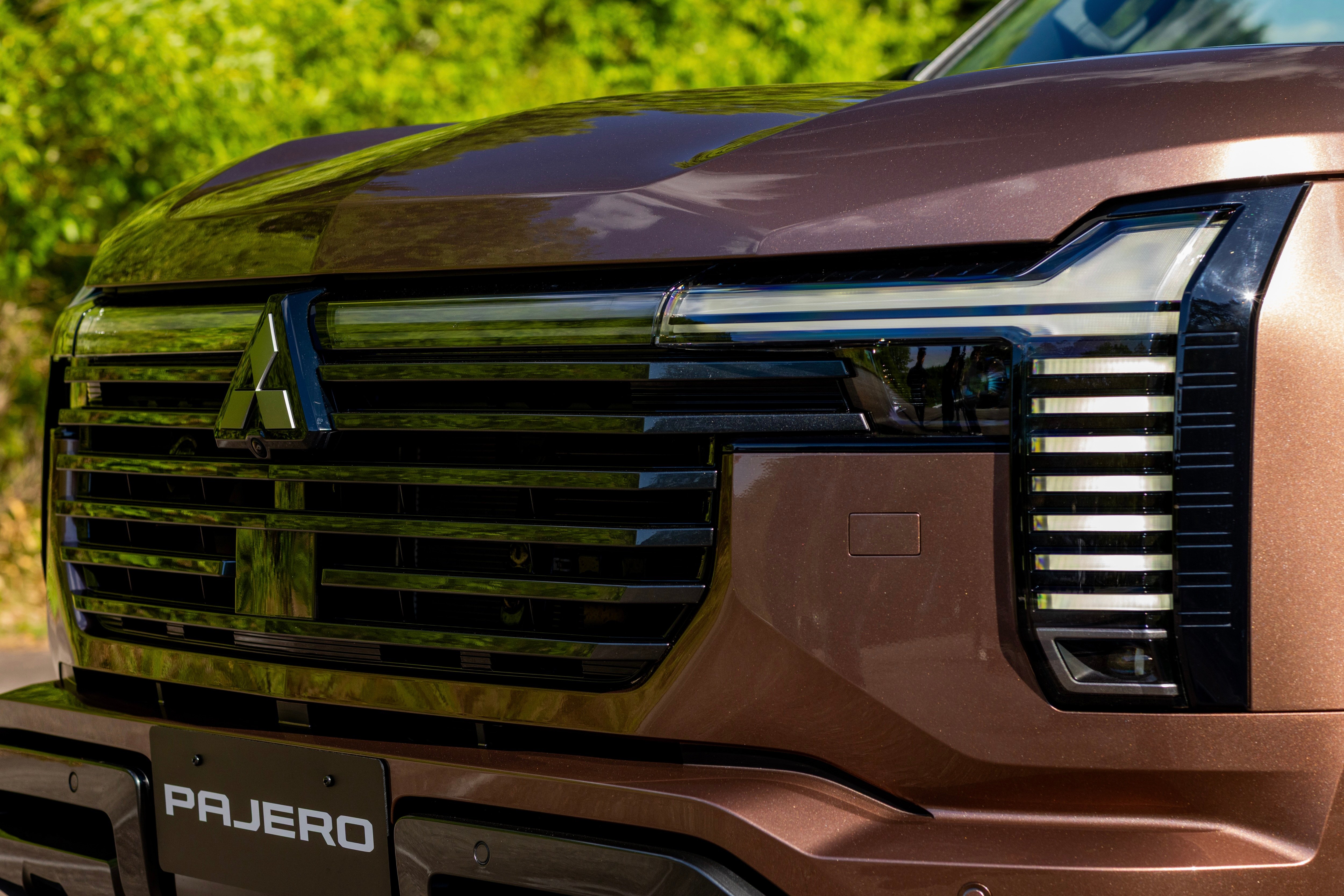
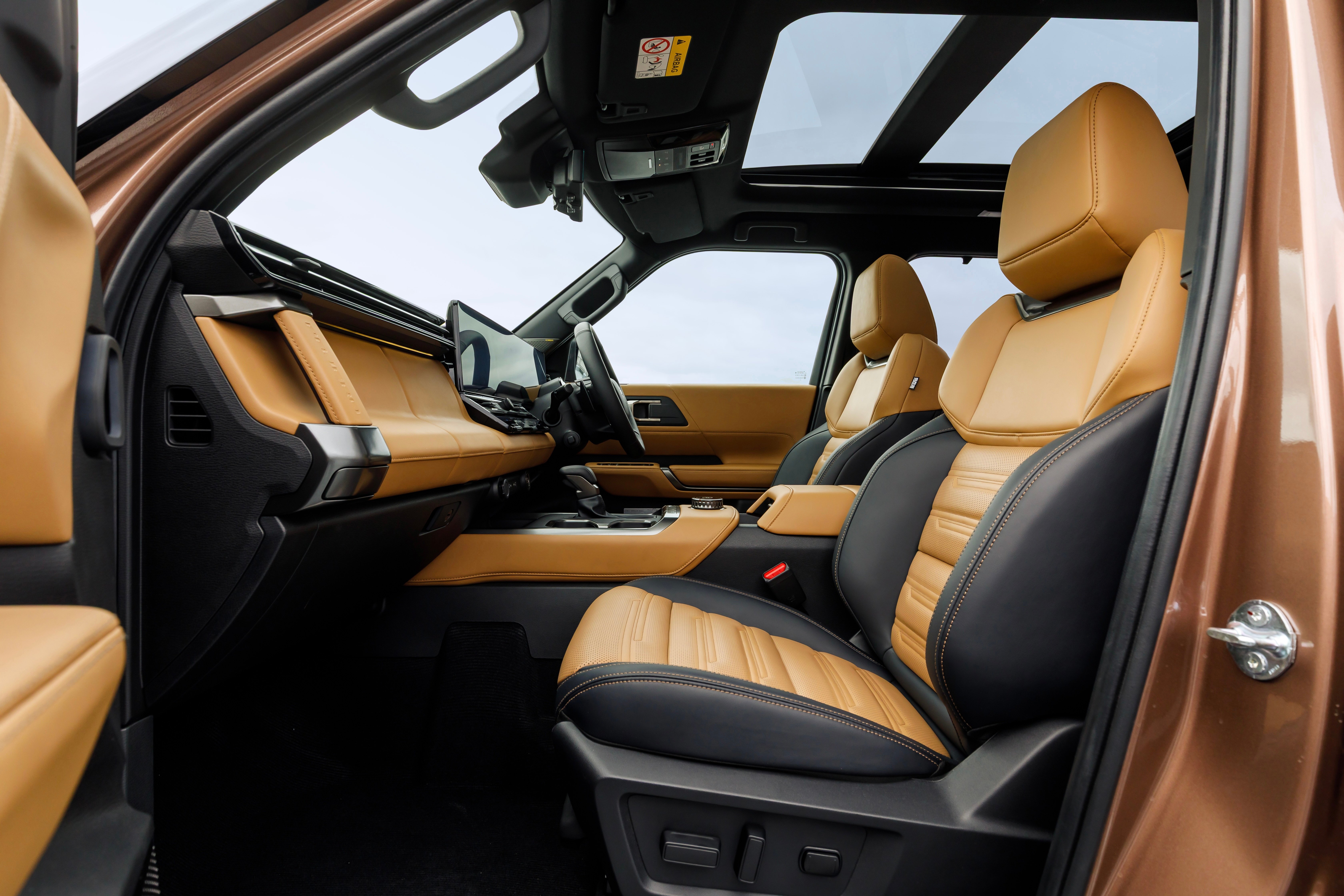
GSR brings black 20-inch wheels, a panoramic sunroof, two-tone black and camel leather, ventilated front seats and memory settings for the front seats, steering wheel and door mirrors. It also gets a digital rear-view mirror, a nanoe X air purifier, adaptive driving beam headlights, dark exterior trim and animated lighting. A Dynamic Flow Light illuminates when entering or leaving the vehicle.
Safety, colours and ownership cover
Safety and driver assistance equipment is extensive across the range. Standard features include front, side, centre and driver’s knee airbags, with curtain airbags extending to the third row on seven-seat models. Child-seat anchors and ISOFIX fittings are provided for the second and third rows. Driver aids include adaptive cruise control with lane-keep assist, traffic sign recognition, blind-spot monitoring, driver attention monitoring, front and rear cross-traffic alerts, and autonomous emergency braking with pedestrian and cyclist detection. Rear emergency braking is also listed.
Other equipment includes front and rear parking sensors, a surround-view camera, emergency lane-keep assist, child-presence detection, trailer stability assist, a minimum-risk manoeuvre function, emergency call capability and post-collision braking. The specification also lists an intelligent speed limiter and pedal misapplication assistance. The source does not provide an independent crash-test result.
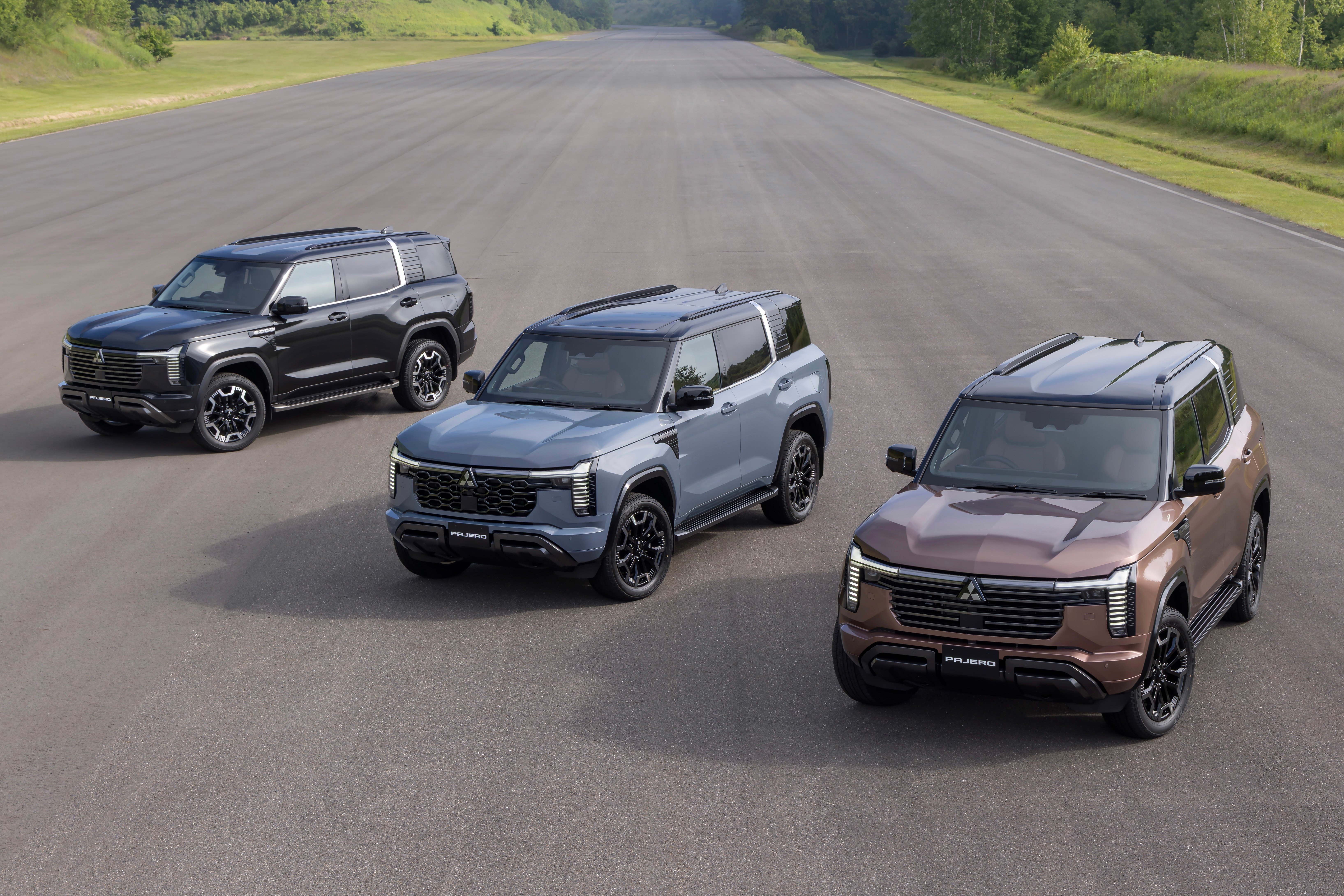
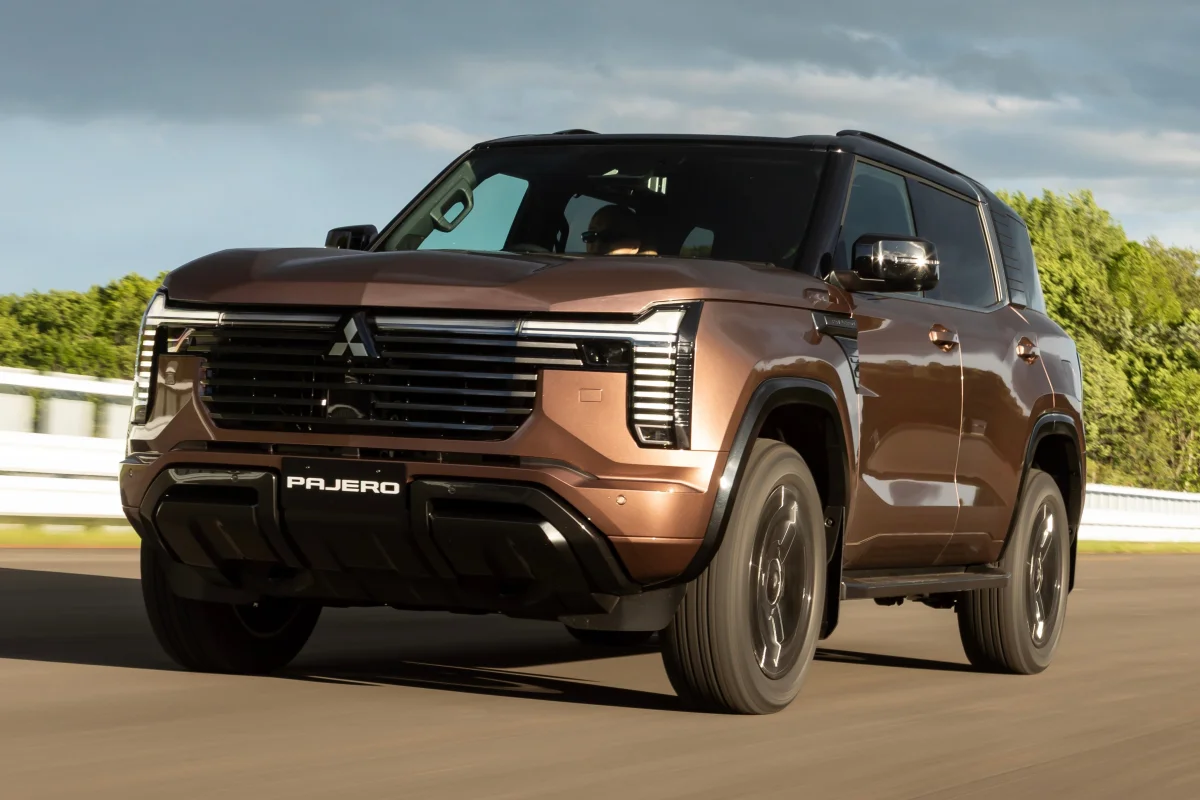
Paint choices vary by grade. Solid white is the standard colour; optional paint pricing has not been announced. Phantom Blue is available across GLS, Exceed and GSR. Black Diamond and Armour Copper are reserved for Exceed and GSR, while Black Mica and Blade Silver are listed for GLS, and Graphite Grey is offered across all grades. The GSR has a black roof when paired with a non-black body colour. Its cabin uses black and camel leather; Exceed has black leather with beige stitching, while GLS uses black fabric with grey stitching.
Mitsubishi says its Australian accessories engineering team has been involved in developing genuine accessories for the local market, with the full list due before launch. Service pricing is also pending. The Pajero is covered by a conditional 10-year/200,000km warranty, 10-year capped-price servicing and 10-year roadside assistance plan when serviced under Mitsubishi’s terms. Commercial buyers and owners who do not service with Mitsubishi receive the standard five-year/100,000km warranty.
The key figures still to come are fuel consumption, service costs, accessory pricing and the final ownership specifications such as payload and vehicle mass. Those details will help buyers weigh the Pajero’s higher starting price against its towing capacity, standard four-wheel-drive hardware and equipment. First Australian deliveries are due from December.