In lane Electric Vehicles
2027 Mercedes-Benz GLB Prices, Range and Specs: Electric Models Replace EQB
Description
The new GLB starts at $65,400, with two electric versions offering up to 570km of WLTP range and an 85kWh battery.
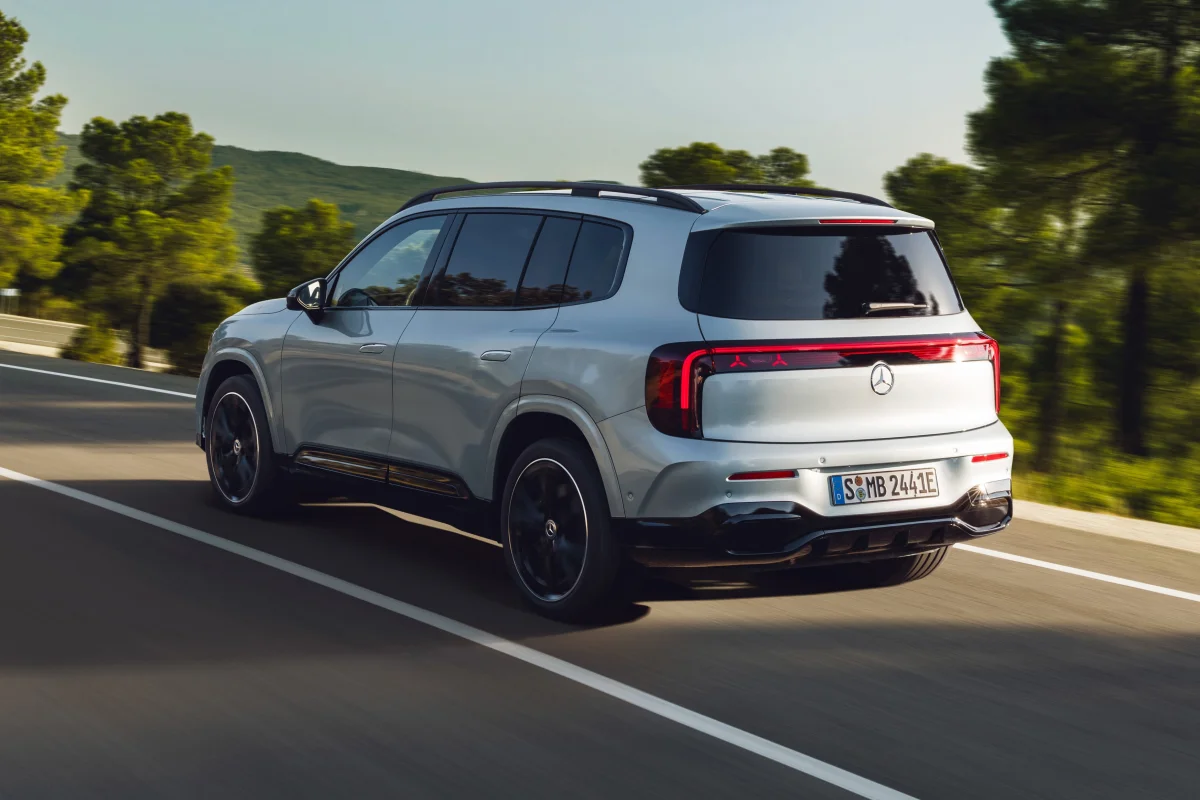
The second-generation Mercedes-Benz GLB brings the model’s electric option into the main range: two battery-powered versions take the place of the EQB, alongside two mild-hybrid petrol models. Prices start at $65,400 before on-road costs, below the outgoing GLB’s $68,300 starting price. The entry electric GLB250+ costs $74,990, more than $15,000 less than the outgoing EQB.
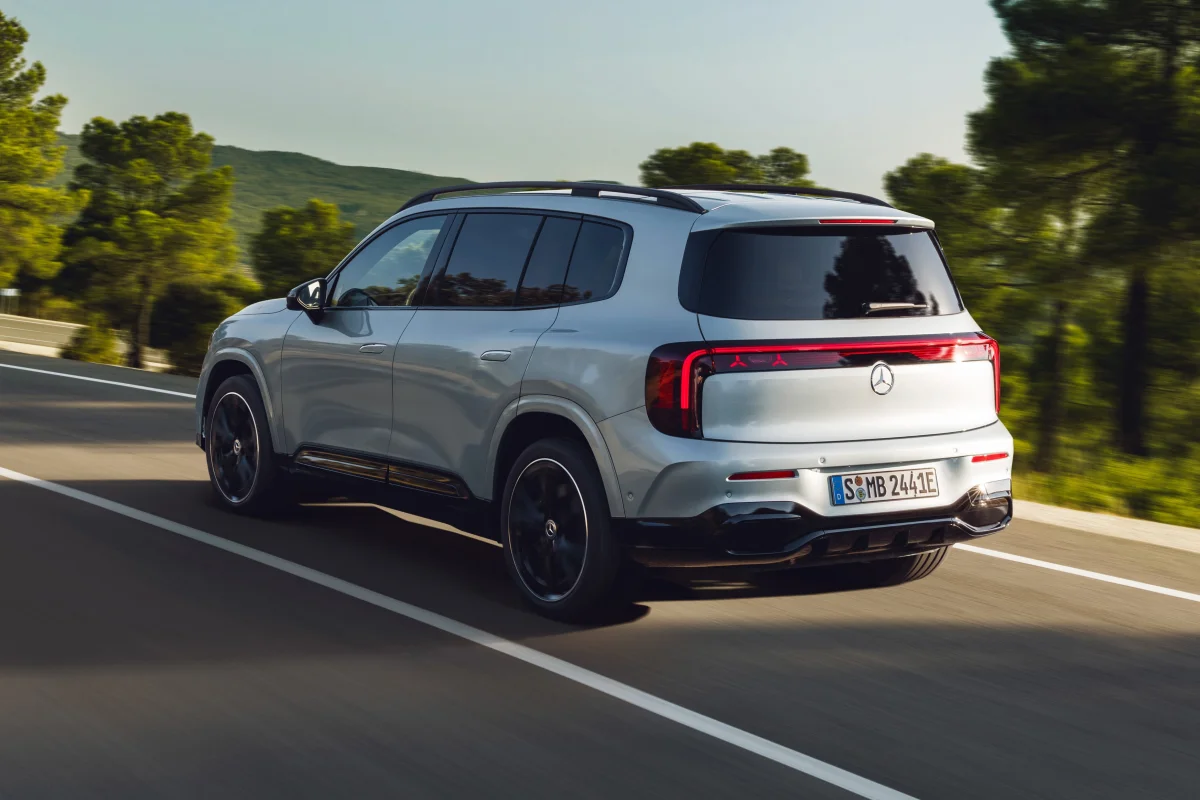
The electric versions share an 85kWh usable NMC battery and 800V electrical architecture. Mercedes-Benz quotes WLTP ranges of 570km for the rear-wheel-drive GLB250+ and 554km for the all-wheel-drive GLB350. DC charging is supported at up to 320kW, with AC charging up to 22kW. These are quoted capability figures; the source provides no charging-time estimates.
The GLB is now available in local showrooms. The range runs from the front-wheel-drive GLB200 to the dual-motor GLB350 4Matic electric, priced at $86,200 plus on-road costs. The GLB remains positioned below the GLC, but its larger dimensions and seven-seat configuration give it a practical role within the brand’s SUV line-up.
Prices and powertrains
| Model | Price before on-road costs | Drive |
|---|---|---|
| 2027 Mercedes-Benz GLB200 | $65,400 | Front-wheel drive |
| 2027 Mercedes-Benz GLB220 4Matic | $76,100 | All-wheel drive |
| 2027 Mercedes-Benz GLB250+ electric | $74,990 | Rear-wheel drive |
| 2027 Mercedes-Benz GLB350 4Matic electric | $86,200 | All-wheel drive |
The GLB200 and GLB220 use a 1.5-litre turbocharged four-cylinder petrol engine with a 48V mild-hybrid system. The engine produces 120kW and 250Nm in the GLB200, and 140kW and 300Nm in the GLB220. Both add a 22kW, 200Nm electric motor integrated into the transmission and use an eight-speed dual-clutch automatic. Claimed 0–100km/h times are 8.7 seconds and 7.5 seconds respectively. Fuel-economy figures remain to be confirmed.
The electric GLB250+ has a single motor producing 200kW and 335Nm; the GLB350’s dual motors deliver 260kW and 515Nm. Both use a two-speed rear-axle automatic. Mercedes-Benz claims 0–100km/h in 7.4 seconds for the GLB250+ and 5.5 seconds for the GLB350. All-wheel-drive versions, including the GLB220, also get a Terrain drive mode.
The new GLB shares Mercedes-Benz’s Modular Architecture with the third-generation CLA. That shared platform underpins the petrol and electric choices, while the 800V system and high peak charging rate are key points for buyers weighing the electric models against petrol alternatives. The stated range figures are WLTP estimates; actual distance will depend on driving and conditions.
Space, equipment and cabin technology
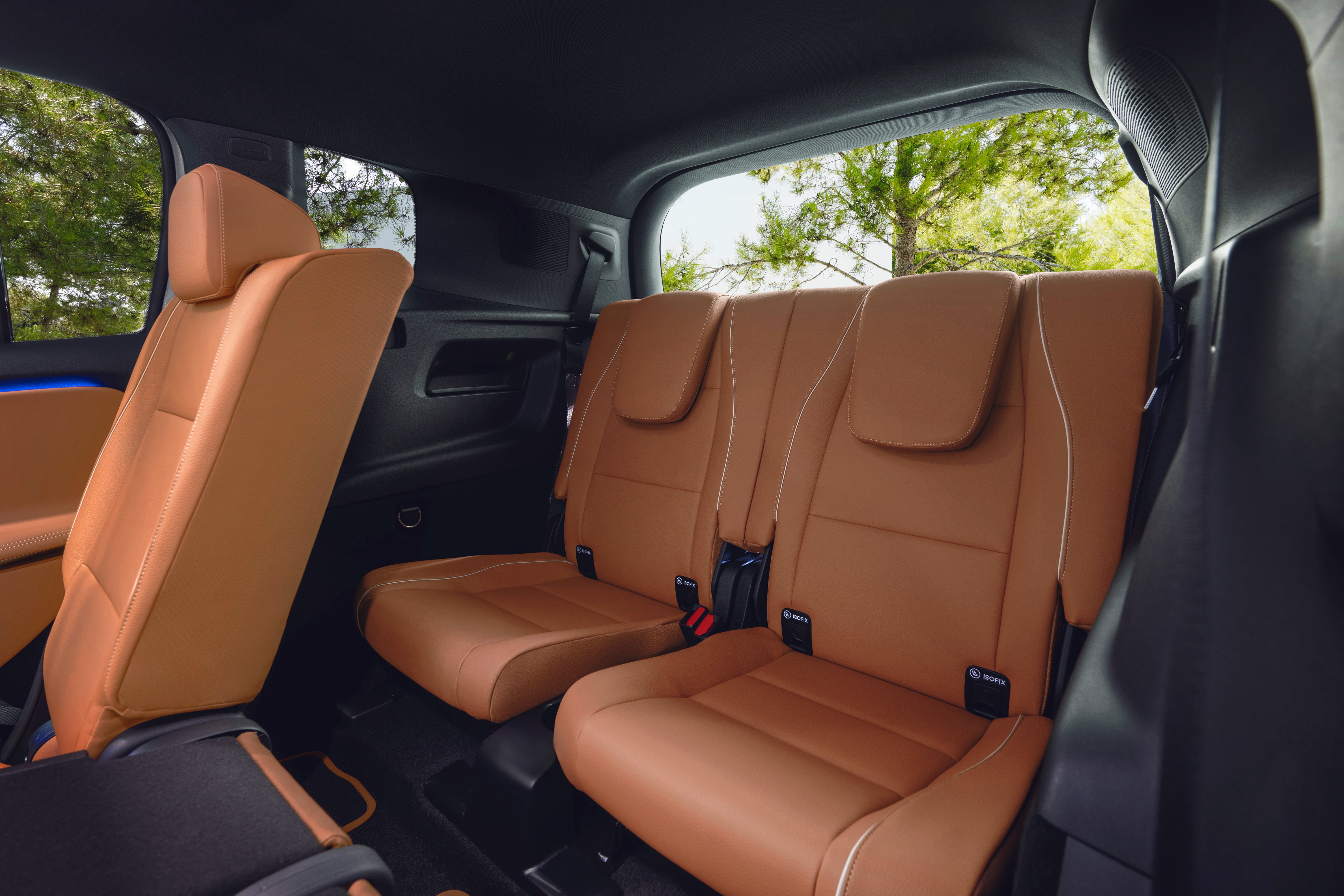
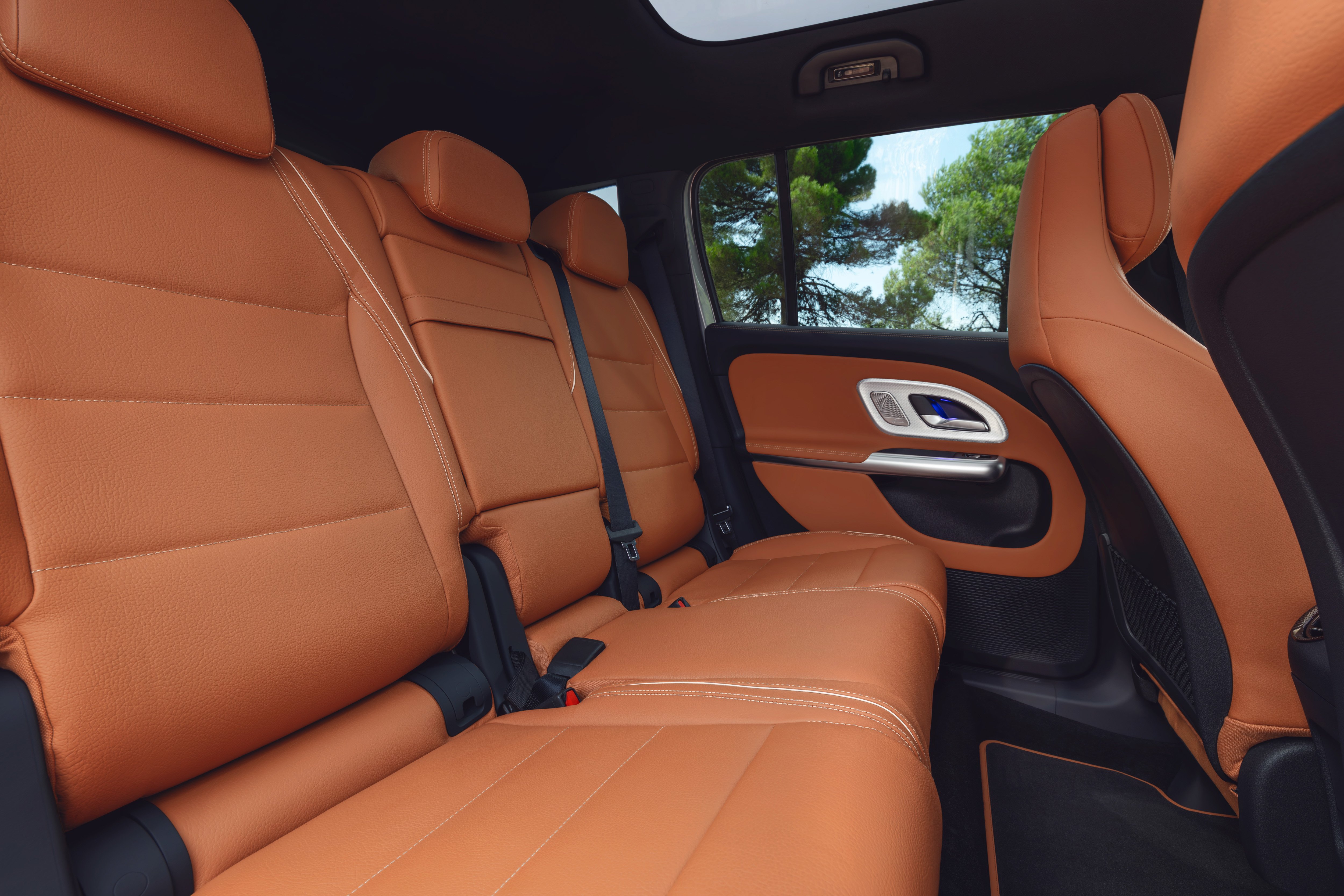
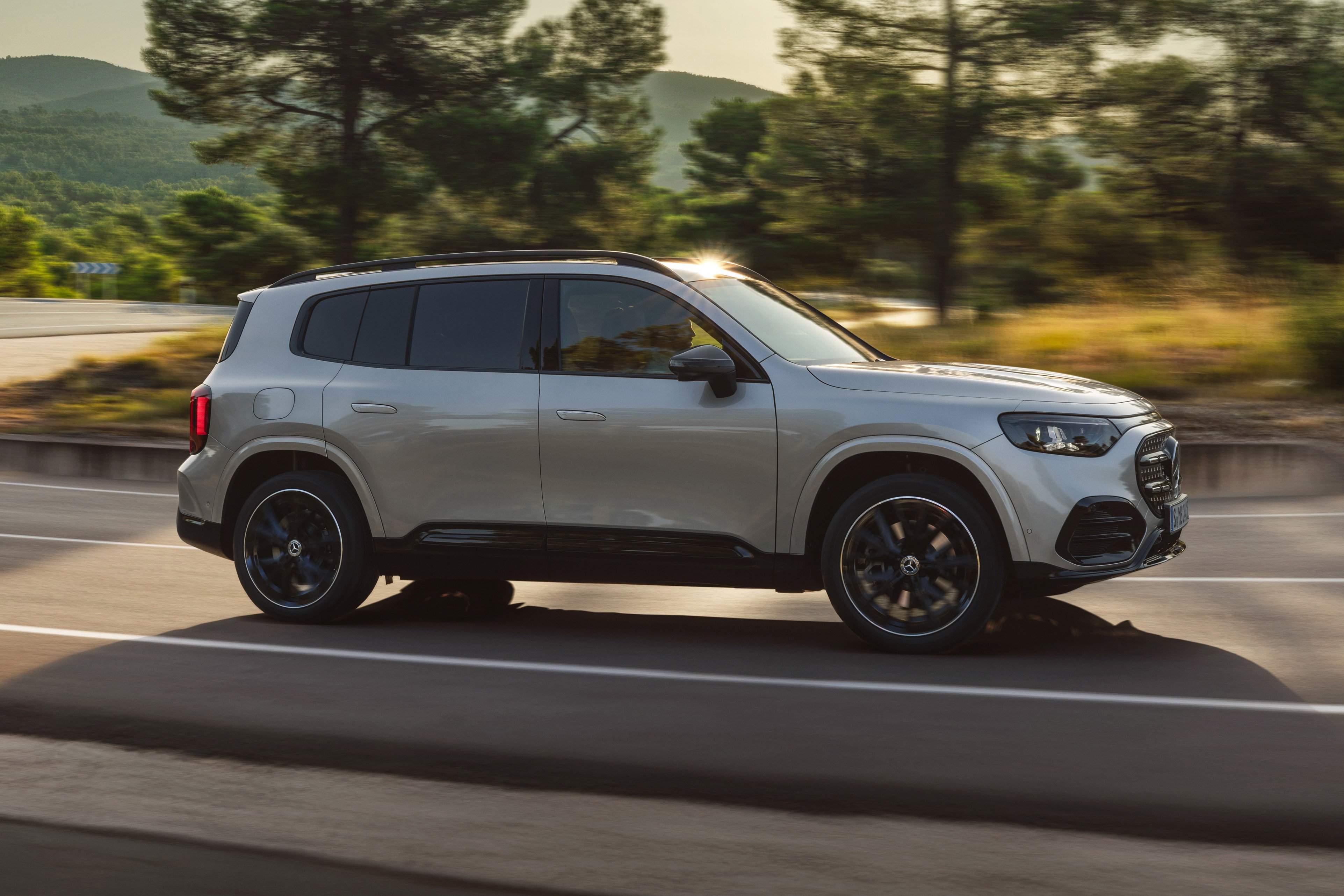
The GLB measures 4732mm long, 1861mm wide and 1687mm tall, with a wheelbase of 2889mm. Compared with its predecessor, it is 48mm longer and 27mm wider, and its wheelbase has grown by 60mm. It is 14mm lower, yet Mercedes-Benz reports more headroom: 10mm extra in the third row, 64mm in the second row and 35mm in the first.
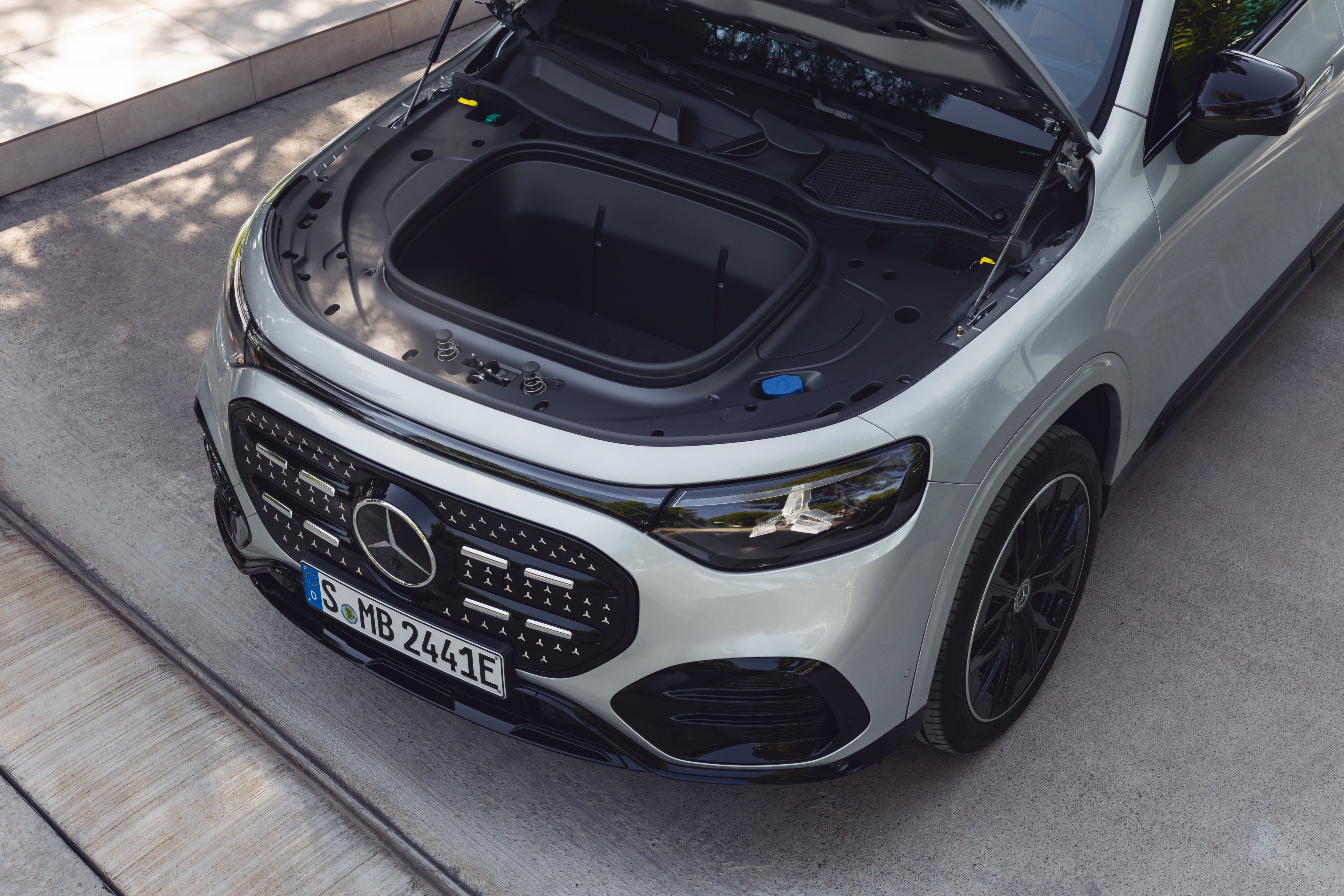
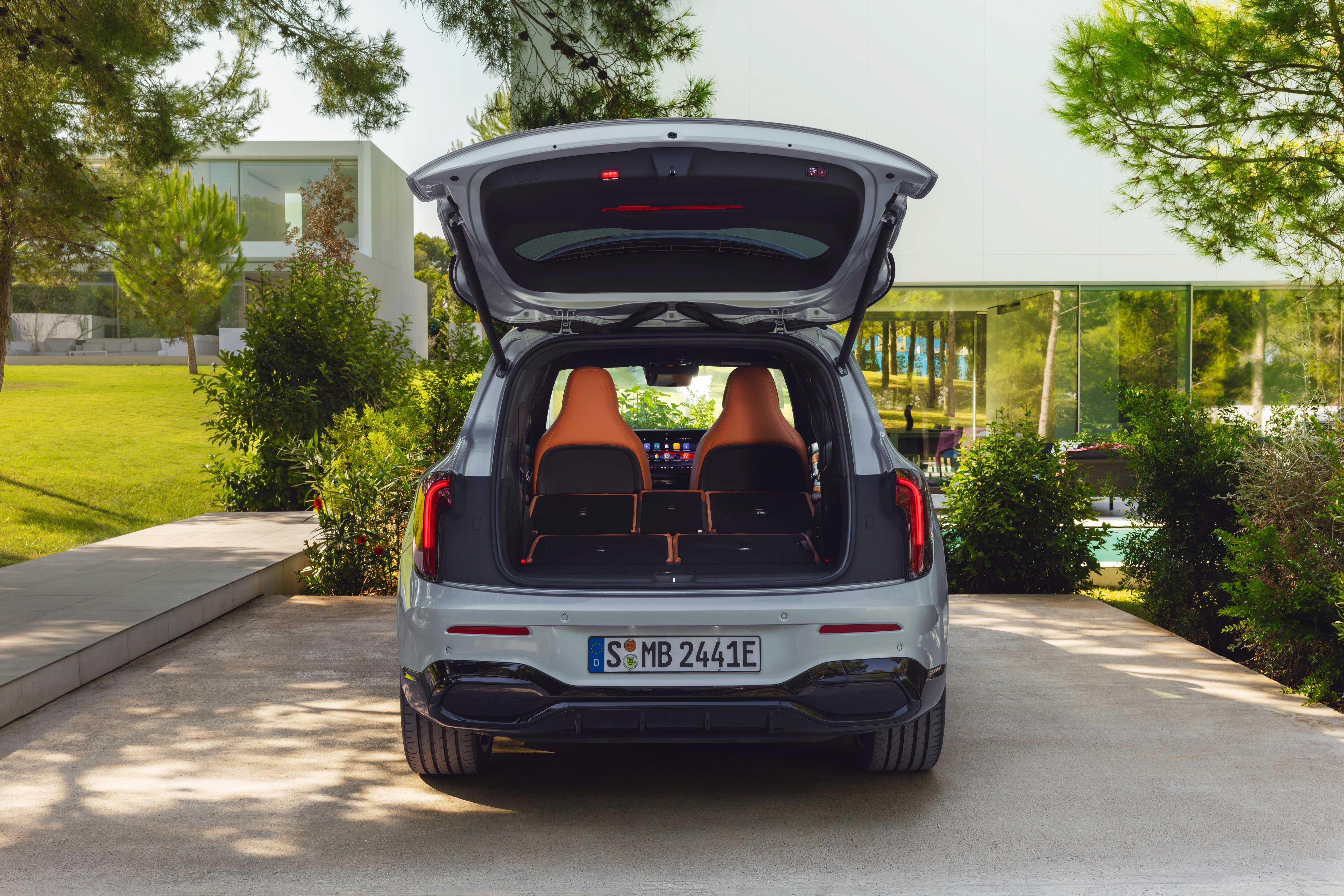
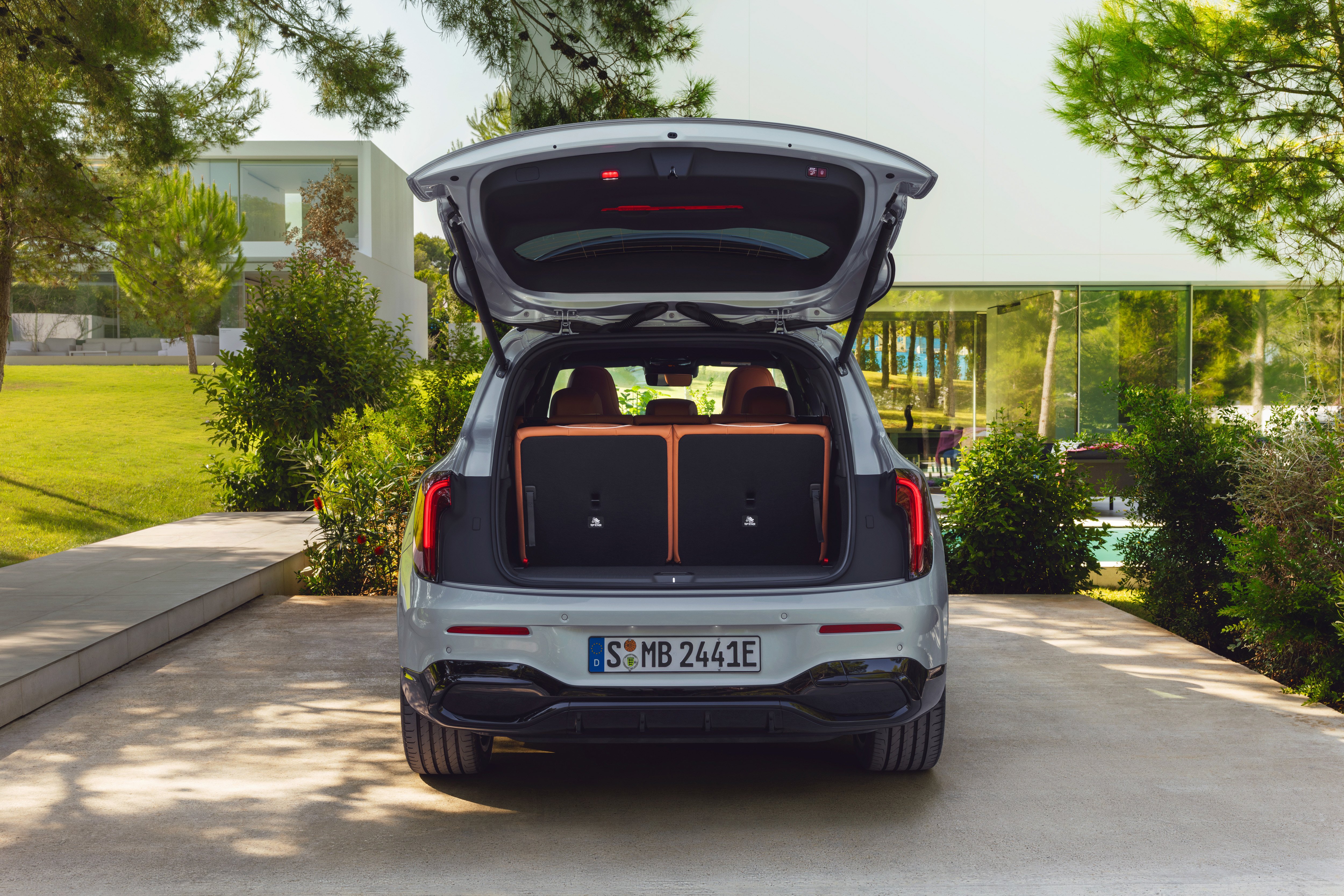
Cargo capacity is 480 litres behind the rear seats and 1605 litres with the rear seats folded. Electric versions add a 127-litre storage compartment under the bonnet. These figures give buyers useful reference points for the GLB’s passenger and luggage space, though the source doesn’t specify how much cargo room remains with all seven seats in use.
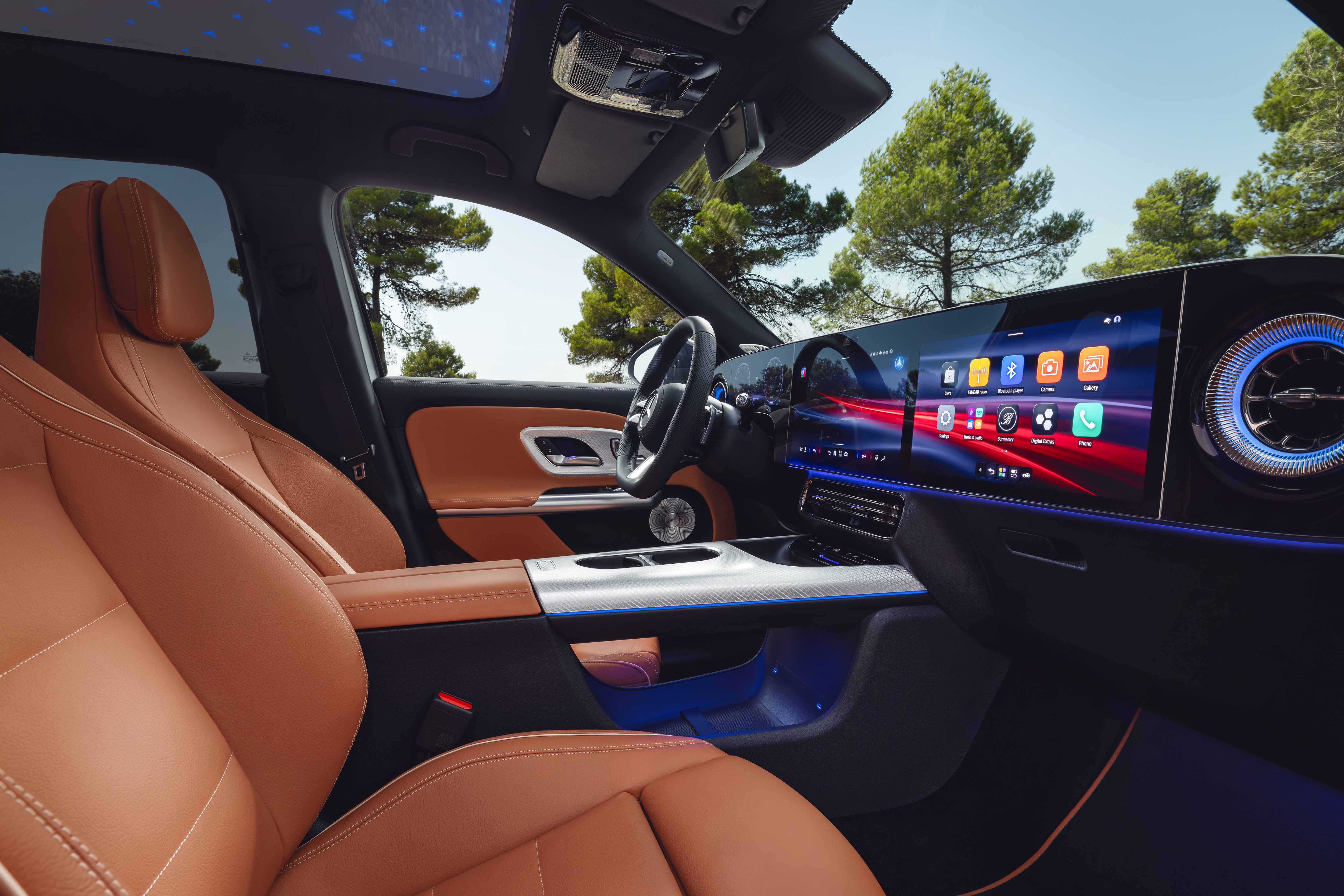
Every GLB gets a panoramic glass roof, hands-free power tailgate, 10.25-inch digital instrument display, 14-inch infotainment touchscreen, and heated, power-adjustable front seats with memory. The GLB200 also includes seven seats, 19-inch alloy wheels, head-up display, proximity entry and start, and semi-autonomous parking assist.
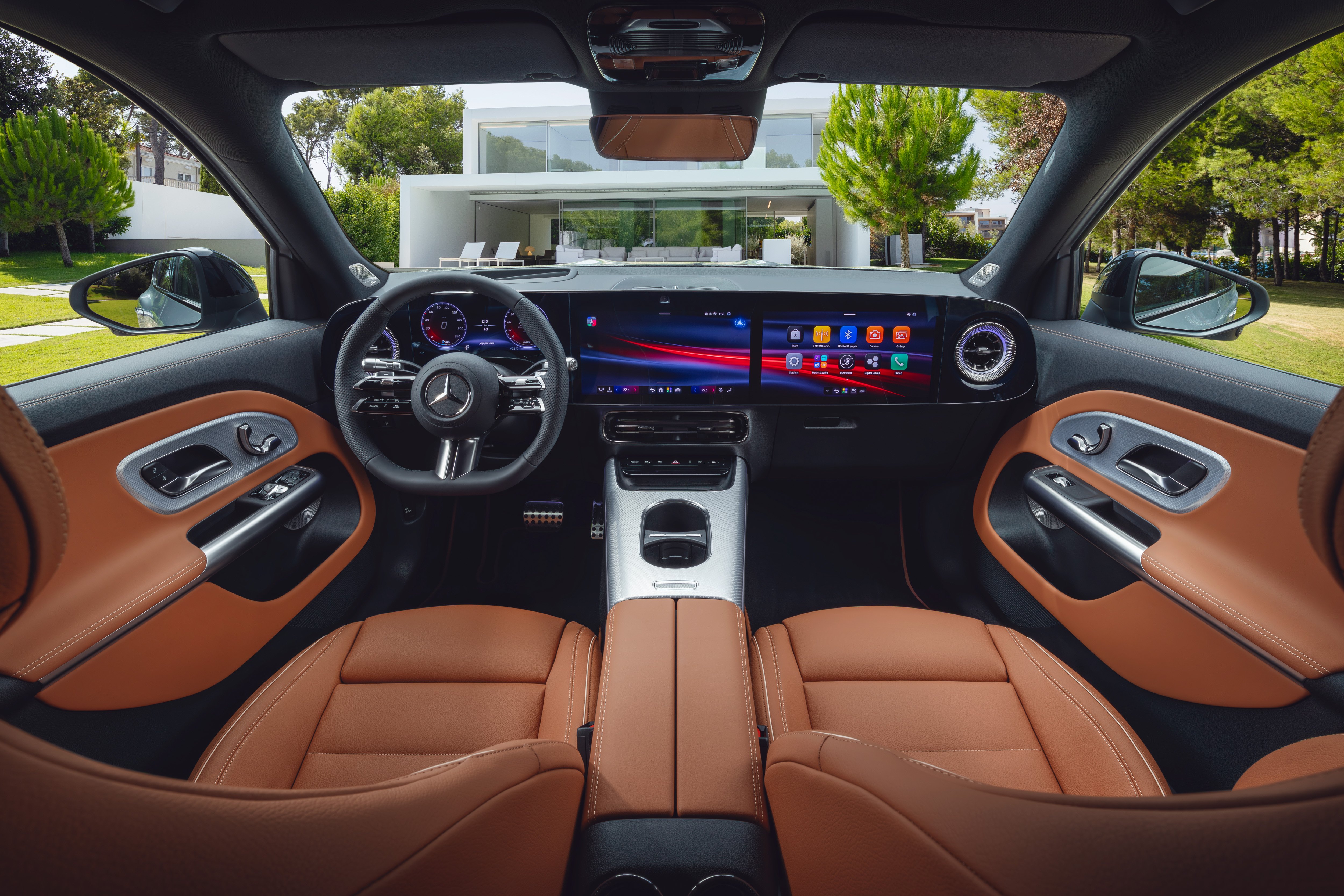
The fourth-generation MBUX system runs on MB.OS. Its virtual assistant can answer queries using generative AI from ChatGPT-4o, Microsoft Bing and Google Gemini, while navigation uses Google Maps. Electric versions add journey planning that draws on real-time vehicle and route information. An optional MBUX Superscreen adds a 14-inch passenger display.
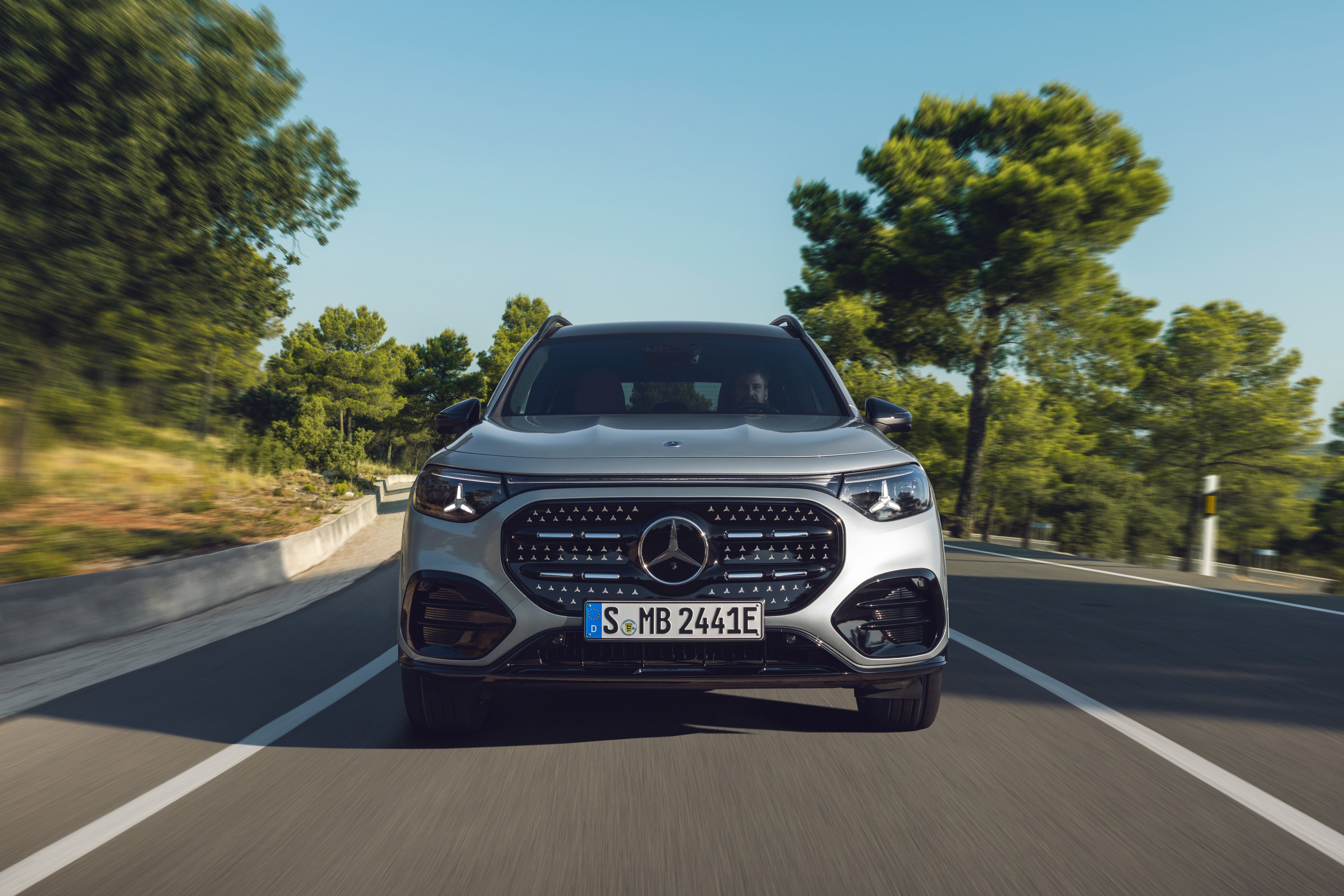
Despite the screen-led cabin, Mercedes-Benz has brought physical steering-wheel controls back. A rocker switch operates adaptive cruise control and the speed limiter, while a roller adjusts audio volume. Petrol models have a grille with the brand’s star pattern and LED framing; electric versions use 94 individually animated LED stars.
Packages, running costs and safety information
The AMG Line package is a $3200 option for the GLB200 and standard on the other versions. It includes adaptive damping, 20-inch alloy wheels, a Nappa leather-wrapped sports steering wheel and light carbon-grain aluminium trim. The GLB220, GLB250+ and GLB350 also include this package as standard.
For $4000, the Premium Plus Package with Digital Extras adds adaptive highbeam assist, LED High Performance headlamps, a rear light strip, Burmester 3D sound system, ambient lighting and the MBUX Superscreen. Mercedes-Benz has not released service pricing for the new GLB, so buyers cannot yet compare scheduled maintenance costs across the range.
The vehicle warranty is five years with unlimited kilometres. The EV battery warranty lasts eight years or 160,000km. The new-generation GLB has not yet been tested by ANCAP or Euro NCAP. Standard safety equipment listed for the range includes adaptive cruise control, autonomous emergency braking, blind-spot assist, emergency stop function, evasive steering, lane-keep assist, a surround-view camera, and front and rear parking sensors.
The choice is clear on paper: the GLB200 sets the lowest entry price, while the GLB250+ pairs the longest stated electric range with rear-wheel drive. The GLB350 brings all-wheel drive and the highest quoted output, at a higher price and with a slightly shorter WLTP range. Fuel economy for the petrol models and service prices are still outstanding details for buyers comparing full ownership costs.


