In lane Electric Vehicles
2027 Nissan Qashqai: Australian prices, e-Power specs and equipment changes
Description
The MY26.5 Qashqai range starts at $45,850, with small price rises, revised equipment and claimed fuel use of 4.1L/100km.
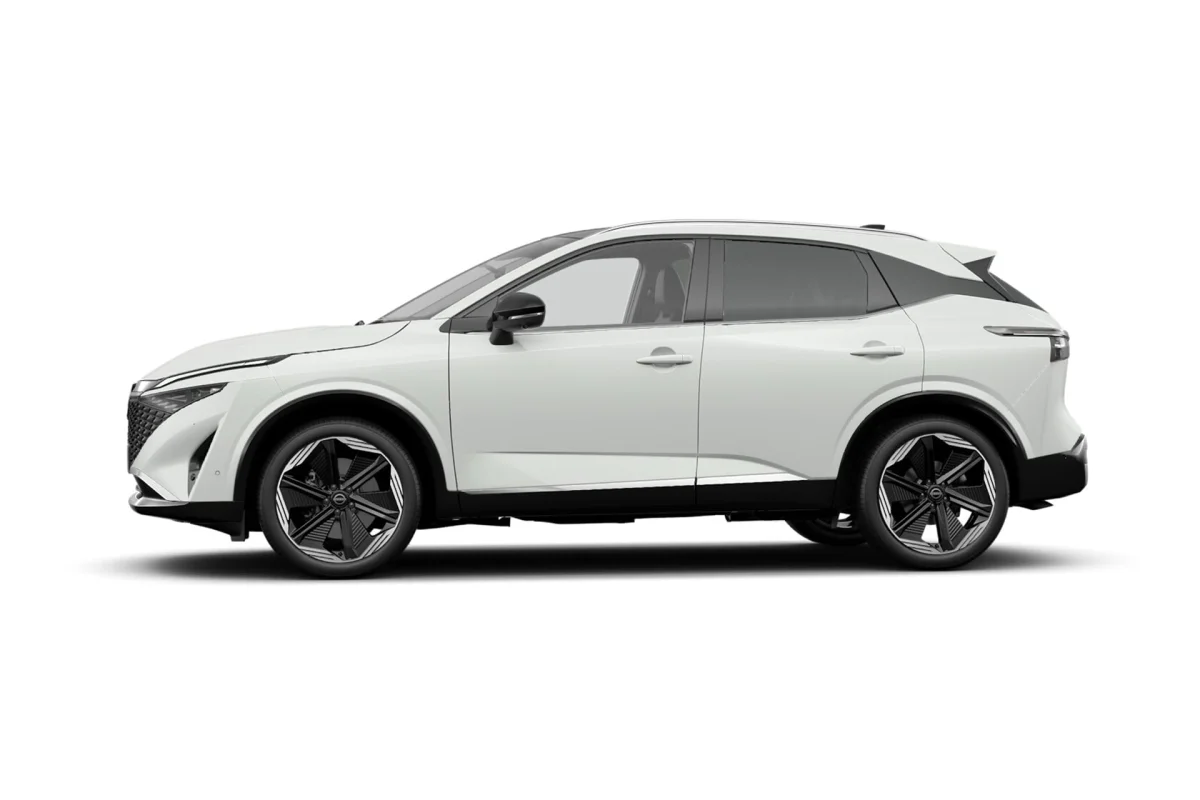
The 2027 Nissan Qashqai’s MY26.5 update trims equipment from several grades and removes the N-Design flagship, while adding $210 to the price of each remaining variant. The Australian range now has three front-wheel-drive e-Power models, starting at $45,850 before on-road costs.
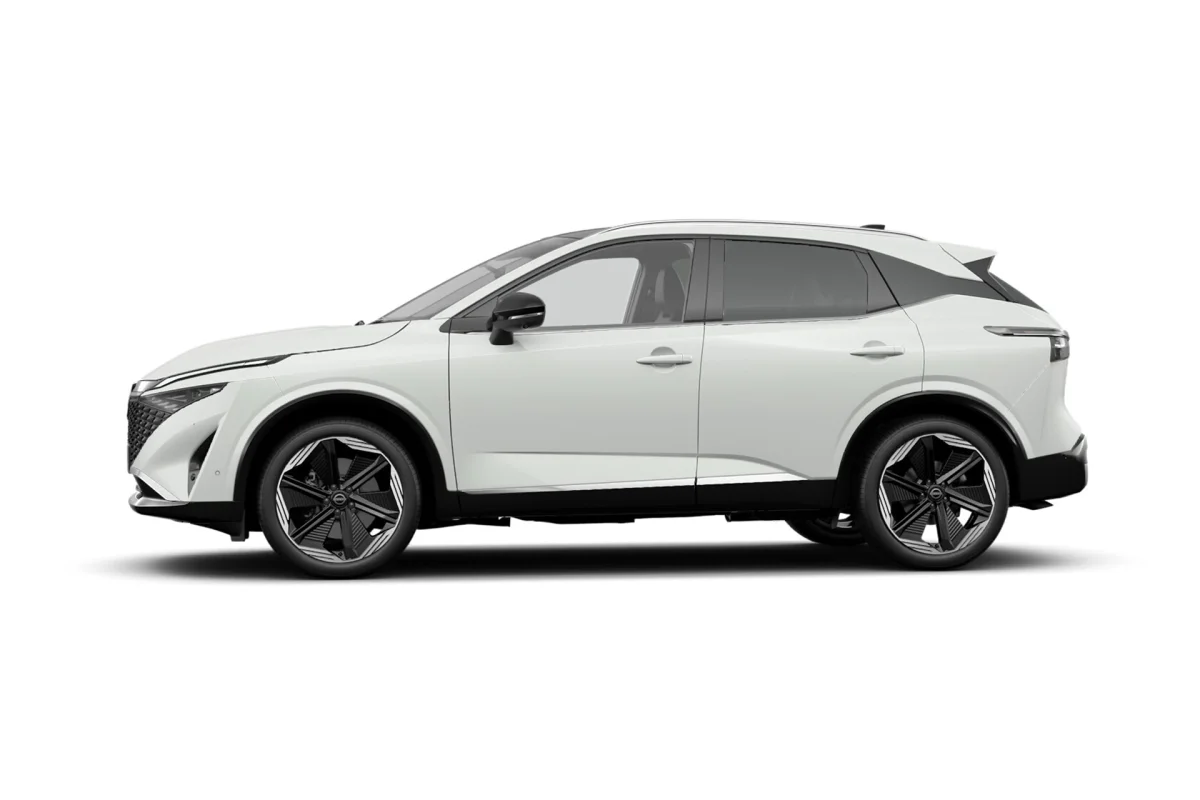
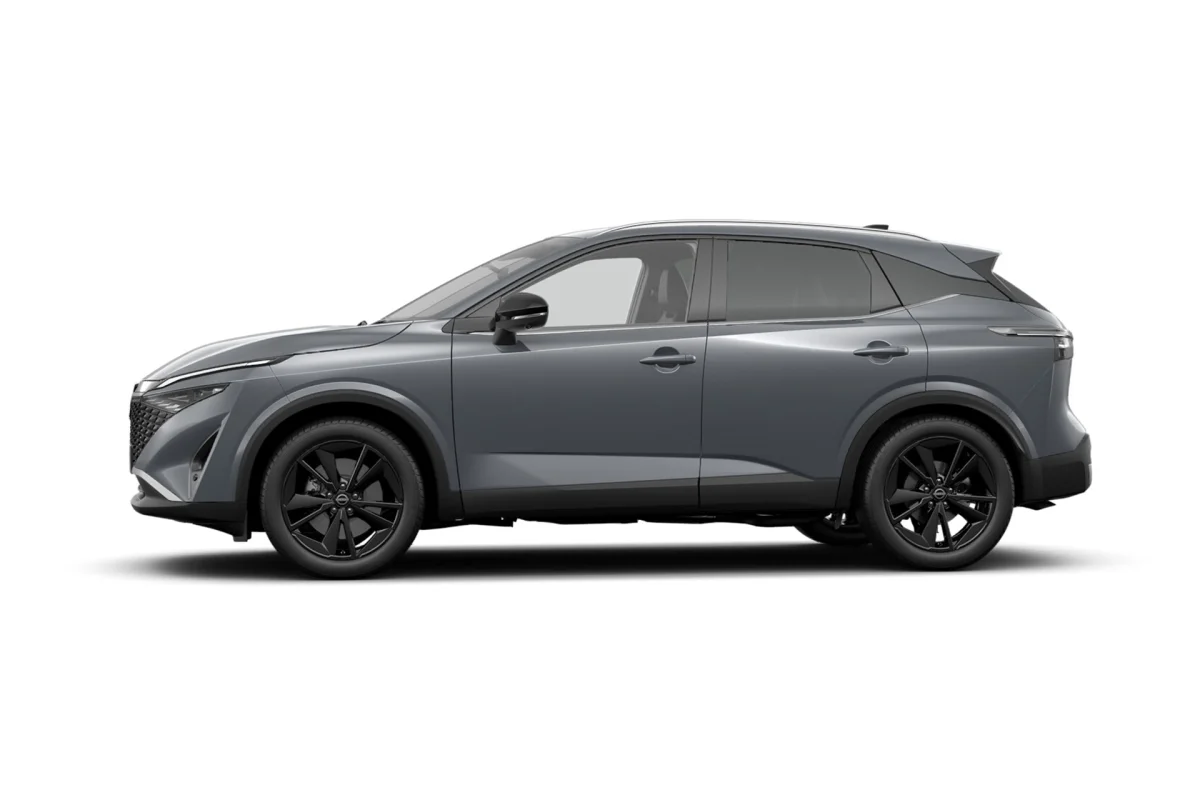
The changes follow a substantial 2026 update that made the Qashqai hybrid-only in Australia and introduced Nissan’s upgraded e-Power system. That shift brought a base-price increase of more than $10,000, even with the new ST-L e-Power at the entry point. For MY26.5, buyers face a narrower range and some specification trade-offs; the Ti-L gains the former N-Design’s 20-inch wheels.
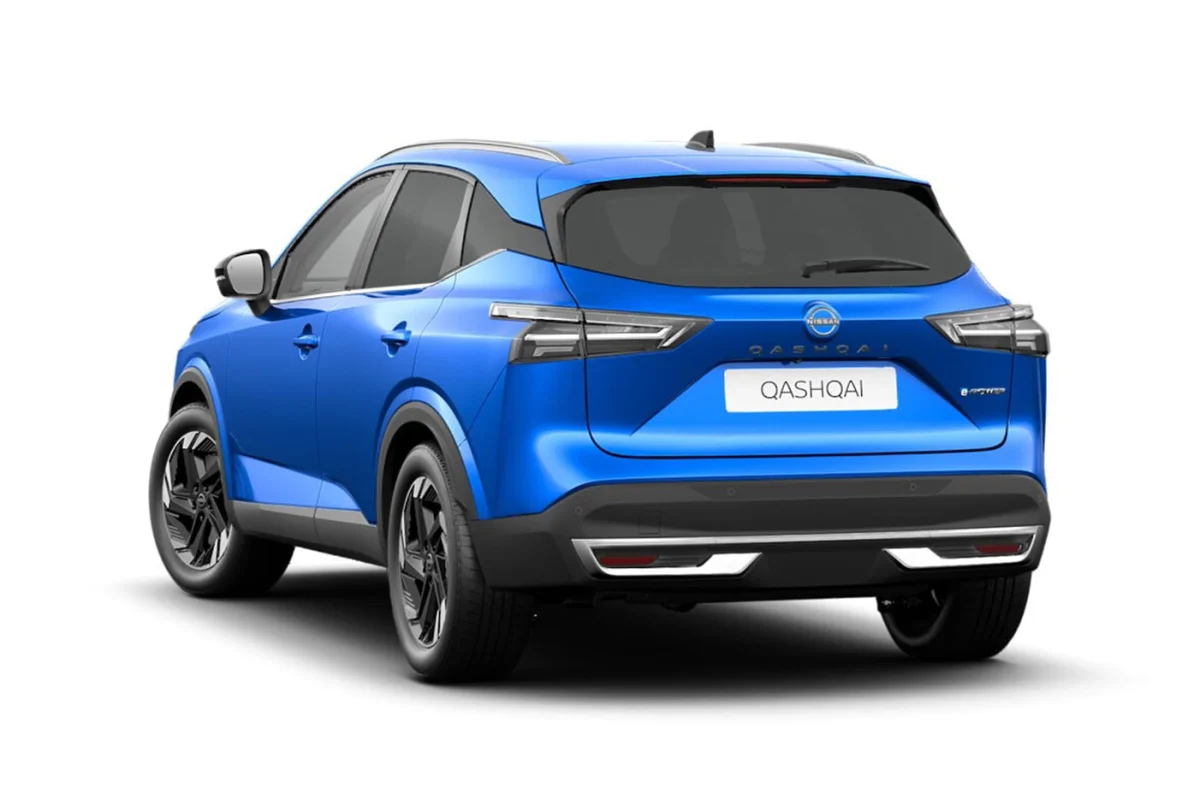
Australian prices and grade changes
| Model | Price before on-road costs |
|---|---|
| 2027 Nissan Qashqai ST-L e-Power | $45,850 (+$210) |
| 2027 Nissan Qashqai Ti e-Power | $49,850 (+$210) |
| 2027 Nissan Qashqai Ti-L e-Power | $53,850 (+$210) |
The ST-L, introduced for 2026, loses its wireless phone charger and power driver’s seat lumbar adjustment. Its front passenger seat also changes from six-way to manual four-way adjustment.
The Ti gains black 19-inch alloy wheels, but gives up adaptive LED headlights and dynamic front and rear indicators. Its steering wheel is now leatherette-wrapped rather than leather-wrapped. The Ti-L also loses adaptive LED headlights, dynamic front indicators and its leather-wrapped steering wheel; in return, it receives 20-inch alloy wheels previously fitted to the discontinued N-Design.
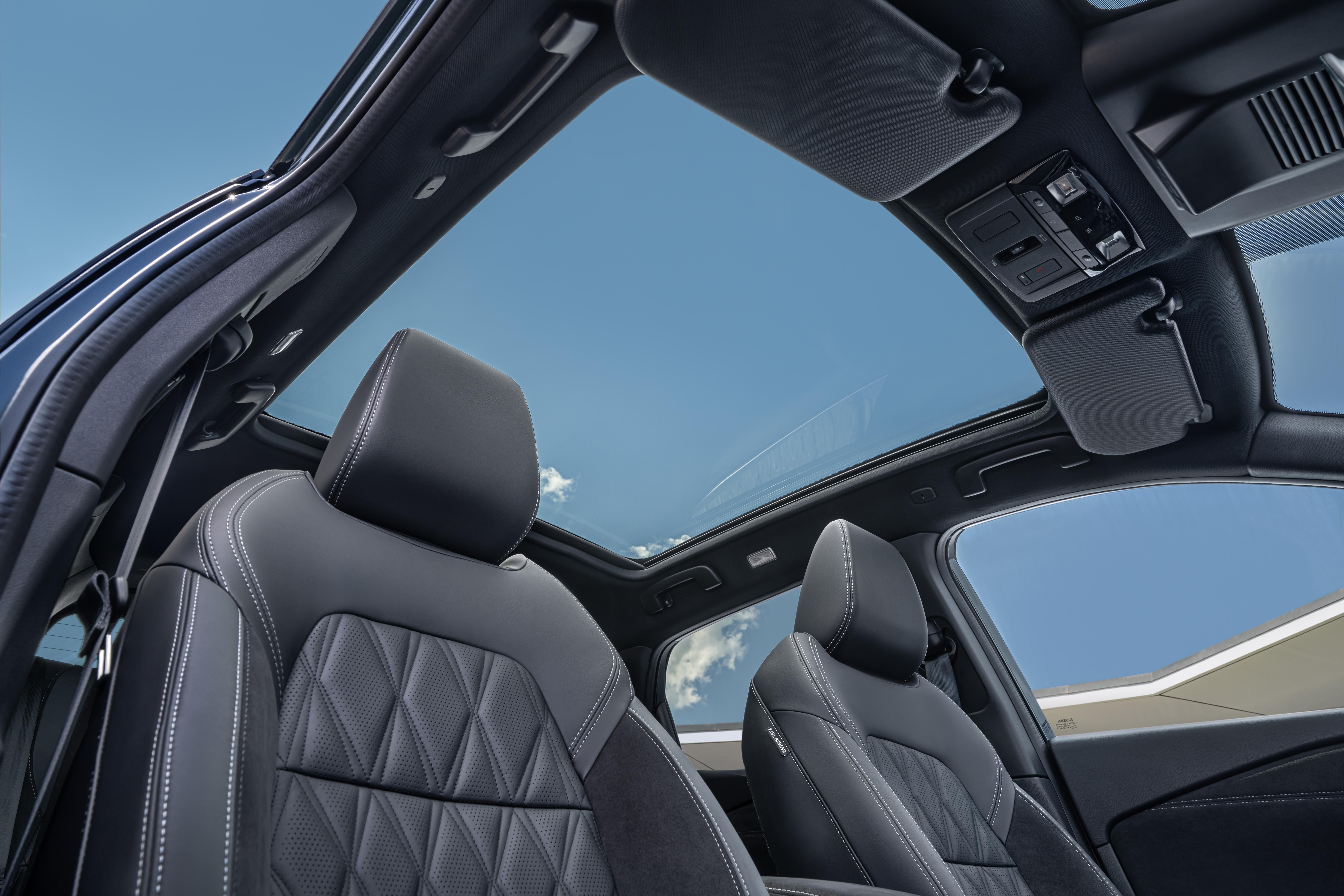
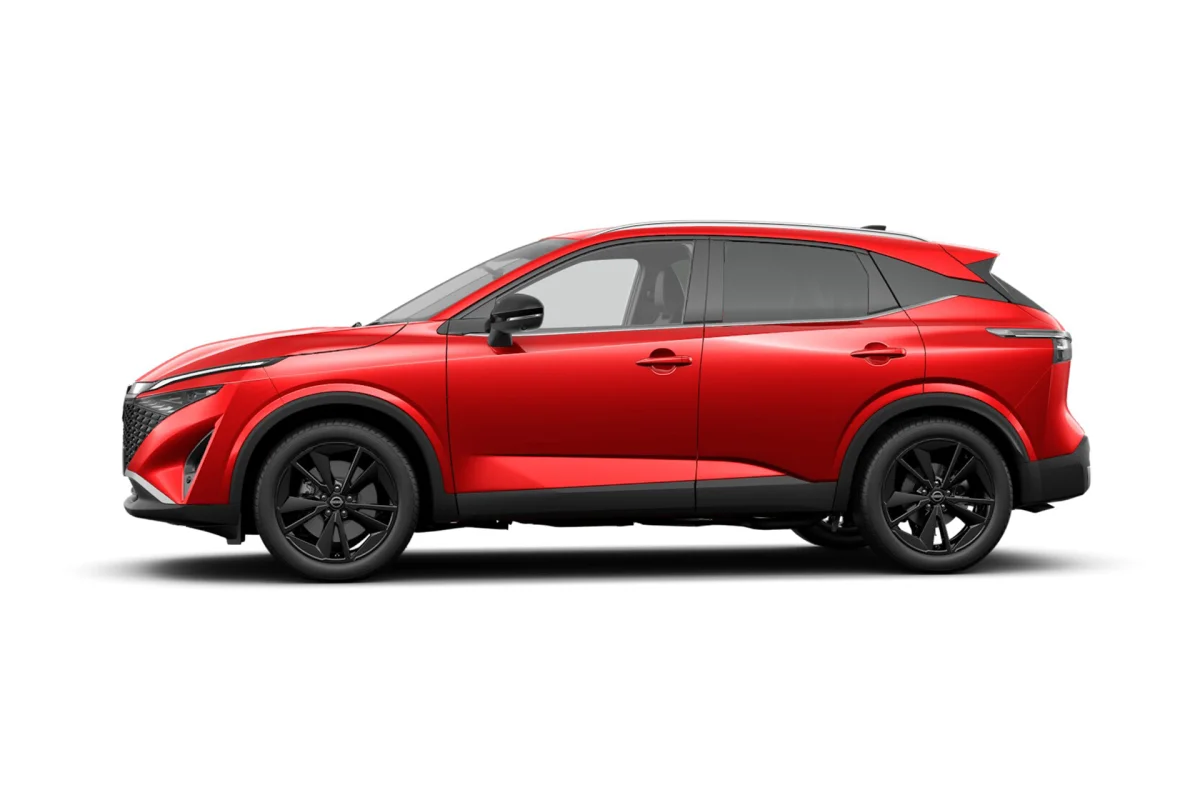
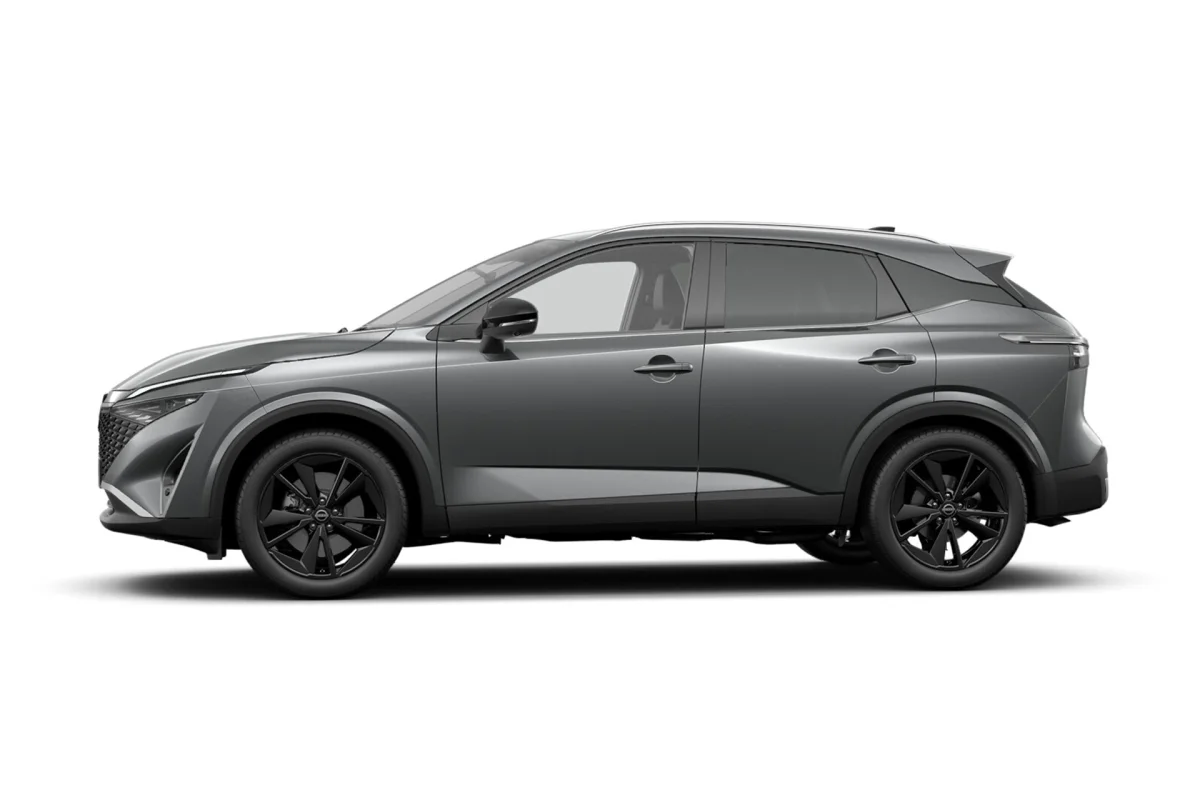
The optional Platinum paint finish has been dropped. Magnetic Blue remains standard, while other single-colour finishes cost $995 extra. Two-tone paint, available on Ti and Ti-L, costs $1495.
e-Power system and claimed economy
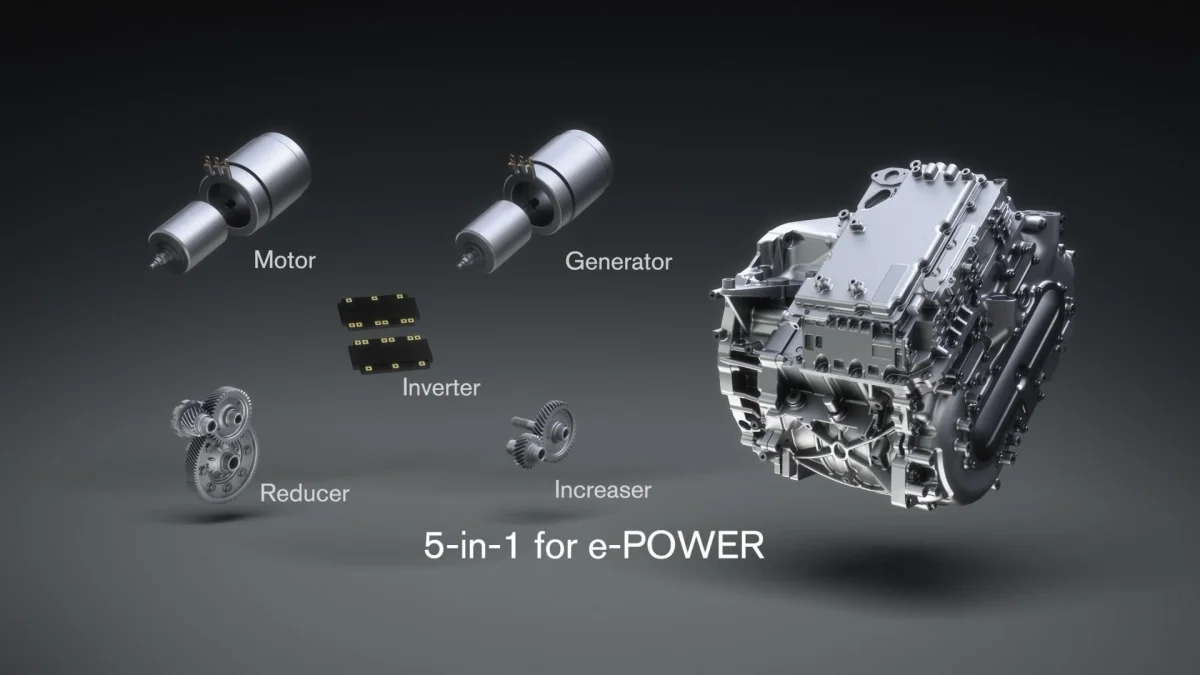
Every Australian Qashqai uses a series-hybrid layout: a 1.5-litre turbocharged three-cylinder petrol engine acts as a generator, while a front-mounted electric motor drives the wheels. The engine produces 116kW and 250Nm; the electric motor is rated at 140kW and 311Nm. Nissan lists a claimed combined fuel consumption figure of 4.1L/100km and CO2 emissions of 92g/km.

The 2026 drivetrain change reduced the stated consumption figure from 4.8 to 4.1L/100km and cut emissions by nearly 18 per cent to 92g/km. The fuel tank holds 55 litres. Nissan recommends 95-octane premium unleaded, with 91-octane regular unleaded listed as the minimum requirement. Braked towing capacity is 750kg.
Kerb weight ranges from 1676kg for the ST-L to 1697kg for the Ti and 1701kg for the Ti-L. MacPherson struts are used at the front, with a multi-link rear suspension setup.
Cabin, space and equipment
The Qashqai measures 4425mm long, 1835mm wide without mirrors and 1625mm high, with a 2665mm wheelbase. Width including mirrors is 2084mm. The cargo area holds 404 litres behind the second row in ST-L and Ti versions, or 452 litres in the Ti-L. With the rear seats folded, capacity is 1328 litres in the first two grades and 1376 litres in the Ti-L.
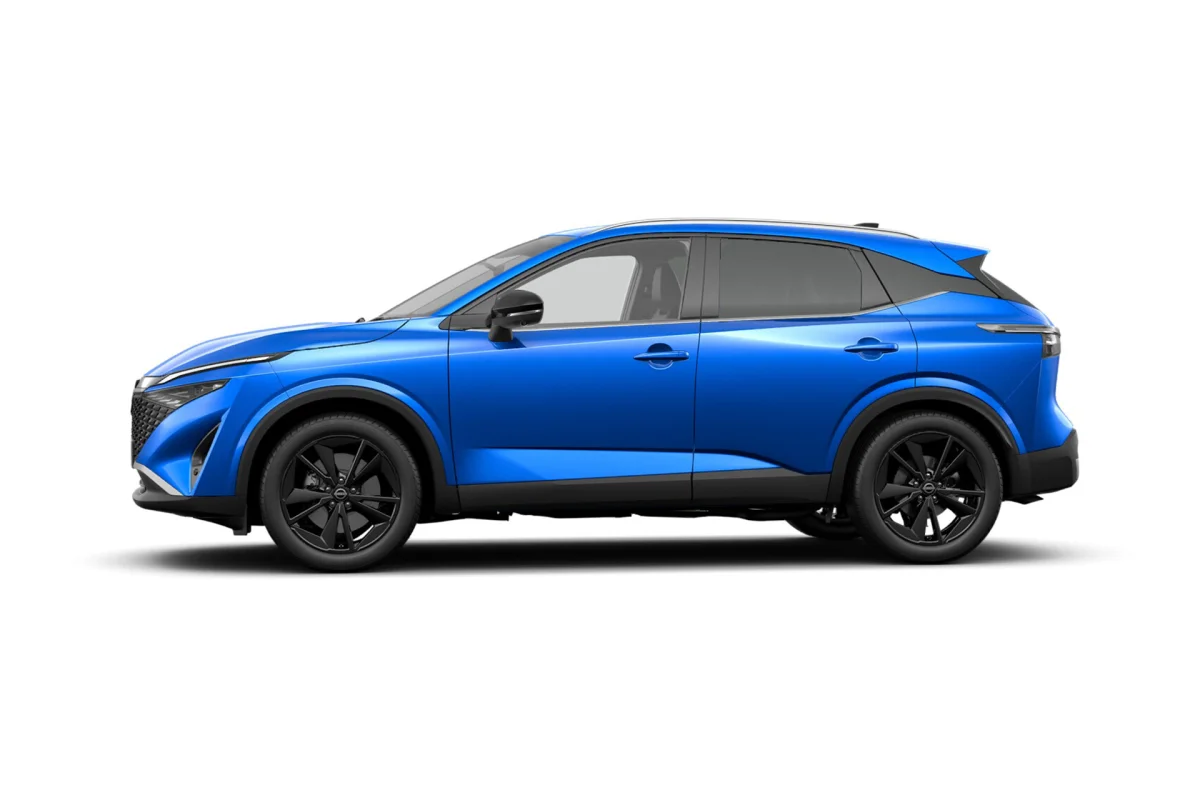
All grades include a 12.3-inch digital instrument display and a 12.3-inch infotainment touchscreen, plus wireless Apple CarPlay and Android Auto. The ST-L has 18-inch wheels, automatic LED headlights, dual-zone climate control, rear air vents, four USB-C outlets and cloth seat upholstery. Its driver’s seat has six-way manual adjustment; the front passenger seat has four-way manual adjustment in this update.
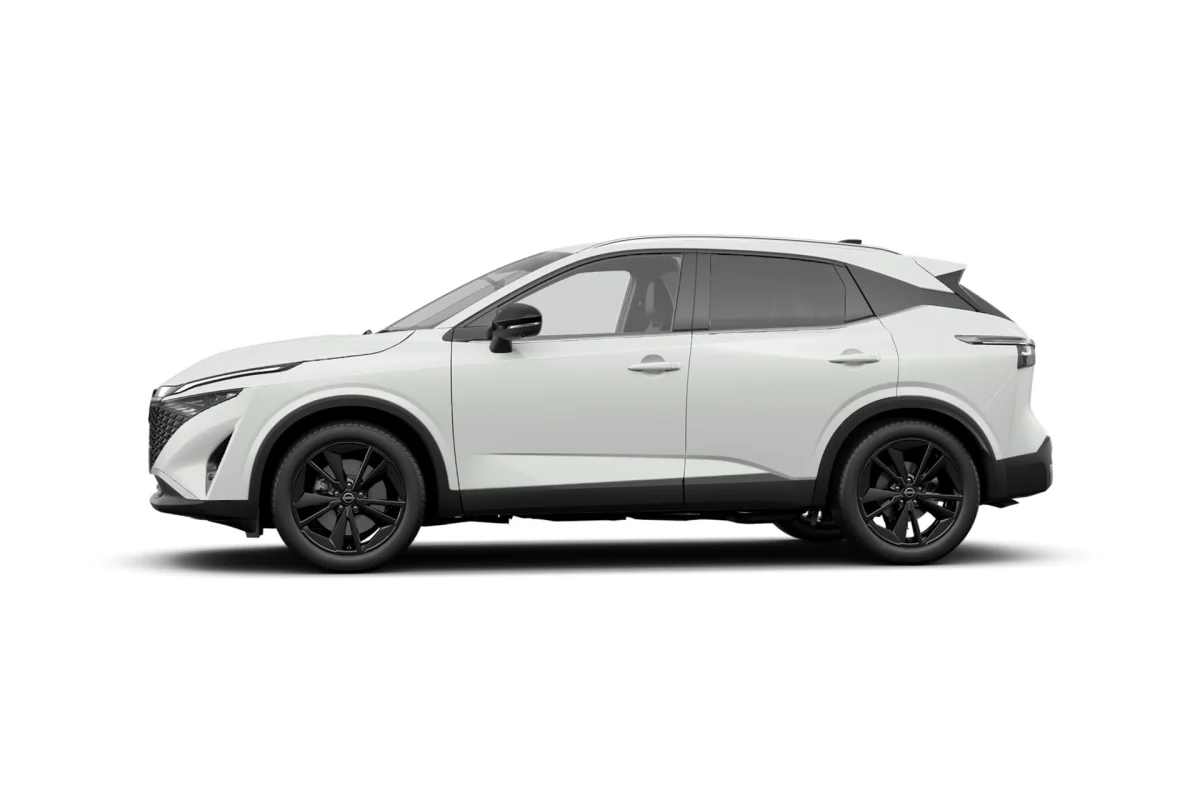
The Ti adds 19-inch wheels, roof rails, rear privacy glass, a heated steering wheel, ambient lighting and heated front seats. It also has an eight-way power driver’s seat with memory and leatherette seat upholstery. Its front passenger seat is manually adjustable in six directions.
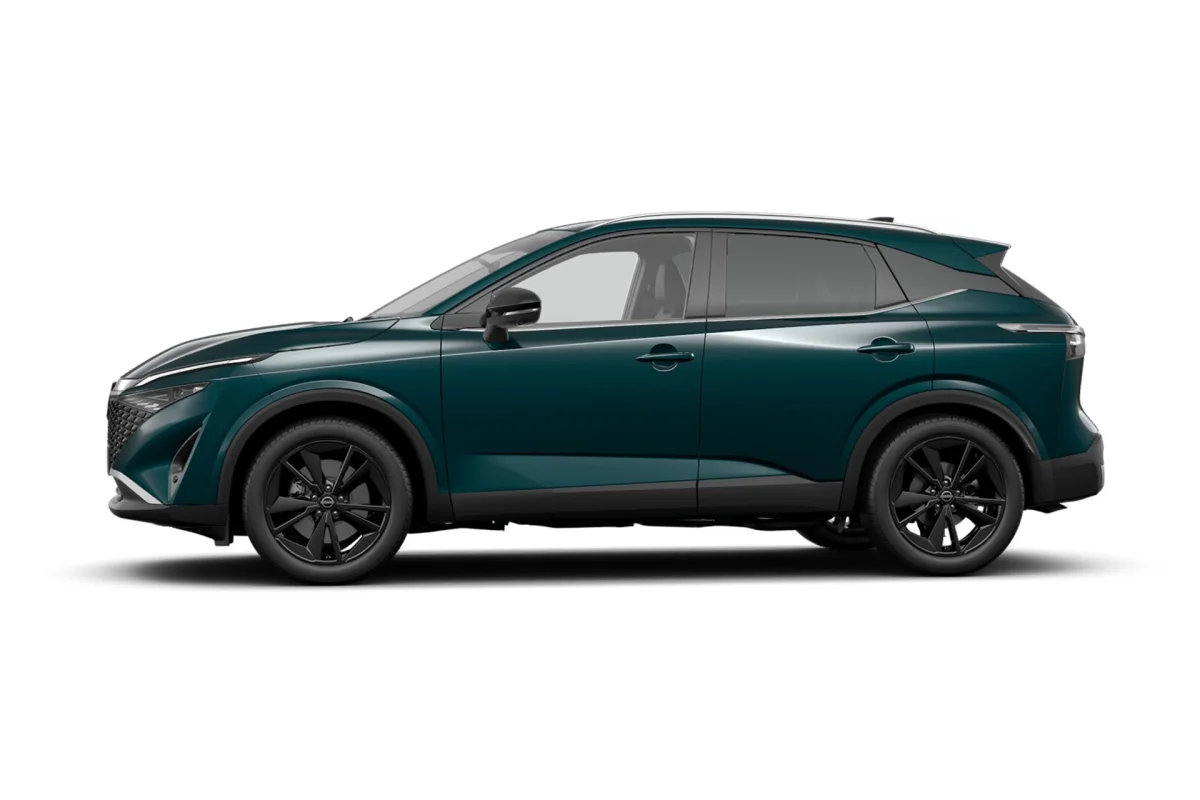
The Ti-L brings 20-inch wheels, a hands-free power tailgate, a panoramic glass roof with power sunshade and a 10.8-inch head-up display. Other additions include a 10-speaker Bose sound system, an eight-way power passenger seat, front-seat massage and quilted leather-accented upholstery. Its tyre repair kit replaces the spare wheel fitted to the lower grades.
Driver assistance, warranty and safety rating
Nissan’s driver-assistance suite is now called ProPILOT+. The updated system can detect vehicles in adjacent lanes to support lane-keep assistance, and its display graphics have been revised. The Ti and Ti-L include ProPILOT, which combines adaptive cruise control and lane-keep assist for Level 2 driving assistance.
Standard safety equipment includes autonomous emergency braking with pedestrian and cyclist detection, junction assist and reverse braking; adaptive cruise control; blind-spot monitoring; lane-keep and emergency lane-keep assistance; rear cross-traffic alert; tyre-pressure monitoring; parking sensors at both ends; and a surround-view camera with 3D and “Skeleton Hood” views. The listed airbags cover front, front-side, curtain and front-centre positions.
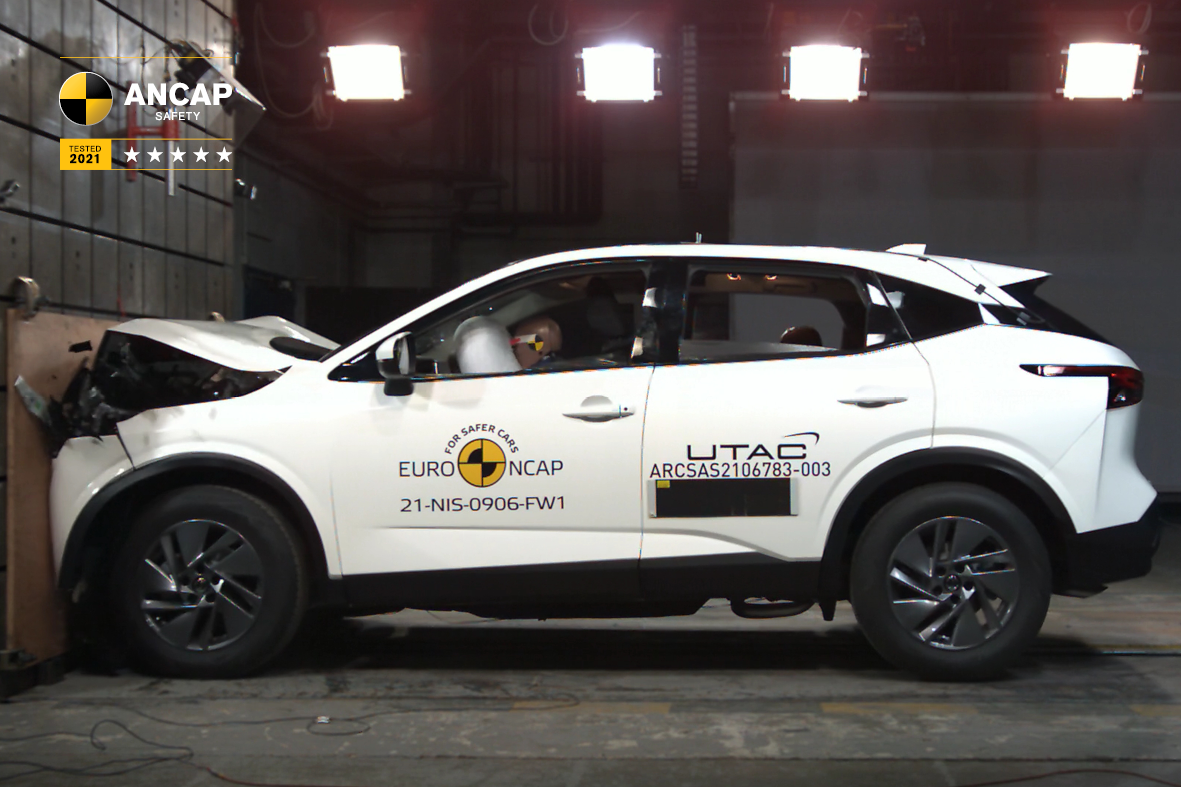
The Qashqai holds a four-star rating from independent safety assessor ANCAP, based on testing conducted in 2025. Its recorded scores are 78 per cent for adult occupant protection, 91 per cent for child occupant protection, 68 per cent for vulnerable road-user protection and 62 per cent for safety assist.
Nissan provides a five-year, unlimited-kilometre warranty. Servicing through the brand’s dealer network extends coverage to as much as 10 years or 300,000km, and roadside assistance can also extend to that limit when the service conditions are met. The first five scheduled services are capped at $399 each, with maintenance due every 12 months or 15,000km, whichever comes first.
With petrol Qashqai versions and the Juke no longer offered in Australia, Nissan’s larger X-Trail is now the brand’s cheapest model locally, starting at $38,305 before on-road costs for the petrol ST. That leaves the Qashqai positioned as a higher-priced small SUV with hybrid-only power and a claimed 4.1L/100km consumption figure; buyers comparing grades will need to weigh the Ti-L’s extra cabin features and cargo capacity against its $53,850 starting price.


