In lane Electric Vehicles
2027 Mercedes-Benz C-Class Electric: Australian Price, Range and Specs
Description
The $105,700 C400 4Matic pairs a 753km claimed range with 360kW and fast charging, ahead of its early 2027 Australian arrival.
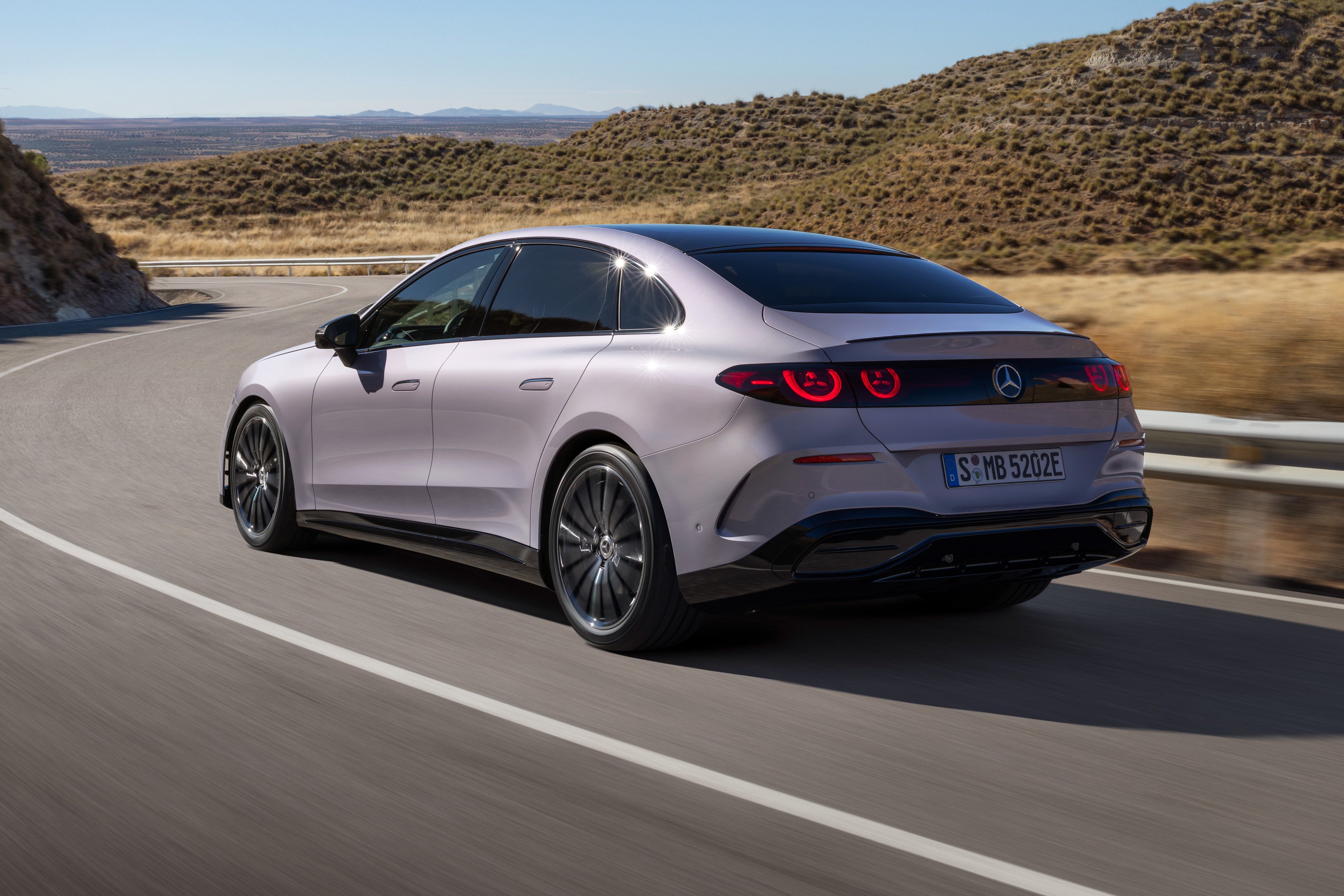
The 2027 Mercedes-Benz C-Class electric’s strongest case is the balance between range, performance and price. Its Australian launch version, the C400 4Matic, is priced at $105,700 before on-road costs and claims 753km of WLTP range. That puts it between two versions of the incoming BMW i3 on price and range, while exceeding both in quoted power and acceleration.
Mercedes-Benz expects the electric sedan in Australian showrooms early in 2027. It will initially be offered in one variant, with service pricing still to come. The listed price sits between the BMW i3 40 xDrive at $96,900 and the i3 50 xDrive at $112,900, both before on-road costs.
Range and performance against the BMW i3
The C400’s 94kWh usable nickel manganese cobalt battery is paired with two electric motors and all-wheel drive. Output is 360kW and 800Nm, with a claimed 0–100km/h time of 4.0 seconds. Mercedes-Benz quotes energy consumption of 16.1kWh/100km under WLTP testing.
The BMW comparison gives buyers a useful sense of where the Mercedes sits. The i3 40 xDrive is listed with an 82.8kWh battery, a WLTP range of 566–710km, 275kW and 520Nm, and a claimed 0–100km/h time of 5.4 seconds. The i3 50 xDrive uses a 108.7kWh battery and claims 912km of range, with 345kW, 645Nm and a 4.7-second sprint.
So the C400 has more quoted power and torque than either BMW, and its claimed acceleration is quicker. Its 753km range falls above the 40 xDrive’s stated range ceiling but below the 50 xDrive’s figure. Those WLTP numbers provide a standardised comparison; actual distance will depend on driving conditions, speed, temperature and other factors.
Charging and driveline
An 800V electrical system supports a claimed DC charge from 10 to 80 per cent in 22 minutes. Maximum DC charging power is listed at 330kW, while the maximum AC rate is 11kW. The stated charge time is a manufacturer claim, and the source does not specify the charging conditions behind it.
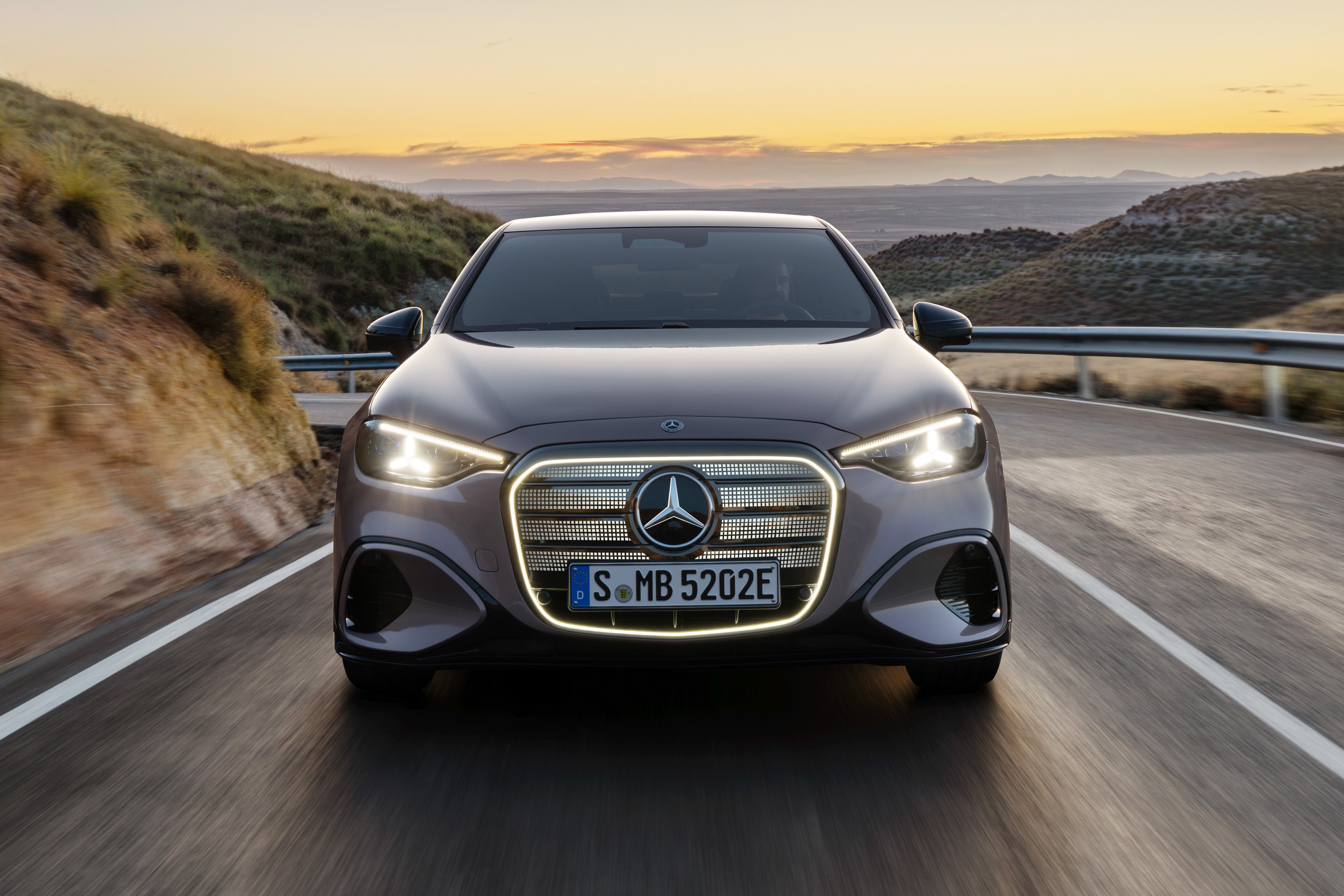
The rear axle has a two-speed transmission. Its second gear is intended for higher-speed driving, where it helps sustain power delivery and improve efficiency. That arrangement adds a distinct mechanical feature to the C400’s dual-motor setup, while the available figures leave real-world consumption and charging performance to be established once Australian cars are driven and tested.
| Specification | Mercedes-Benz C400 4Matic electric |
|---|---|
| Battery | 94kWh usable, nickel manganese cobalt |
| Motors and drive | Dual electric motors, all-wheel drive |
| Power | 360kW |
| Torque | 800Nm |
| Transmission | Two-speed automatic |
| 0–100km/h | 4.0 seconds, claimed |
| Energy consumption | 16.1kWh/100km, claimed WLTP |
| Range | 753km, claimed WLTP |
| Maximum AC charging | 11kW |
| Maximum DC charging | 330kW |
Sedan dimensions and luggage space
The electric C-Class will be sold as a four-door sedan. It measures 4883mm long, 1892mm wide and 1503mm high, with a 2962mm wheelbase. Listed cargo capacity is 470 litres in the boot, plus a 101-litre space under the bonnet.
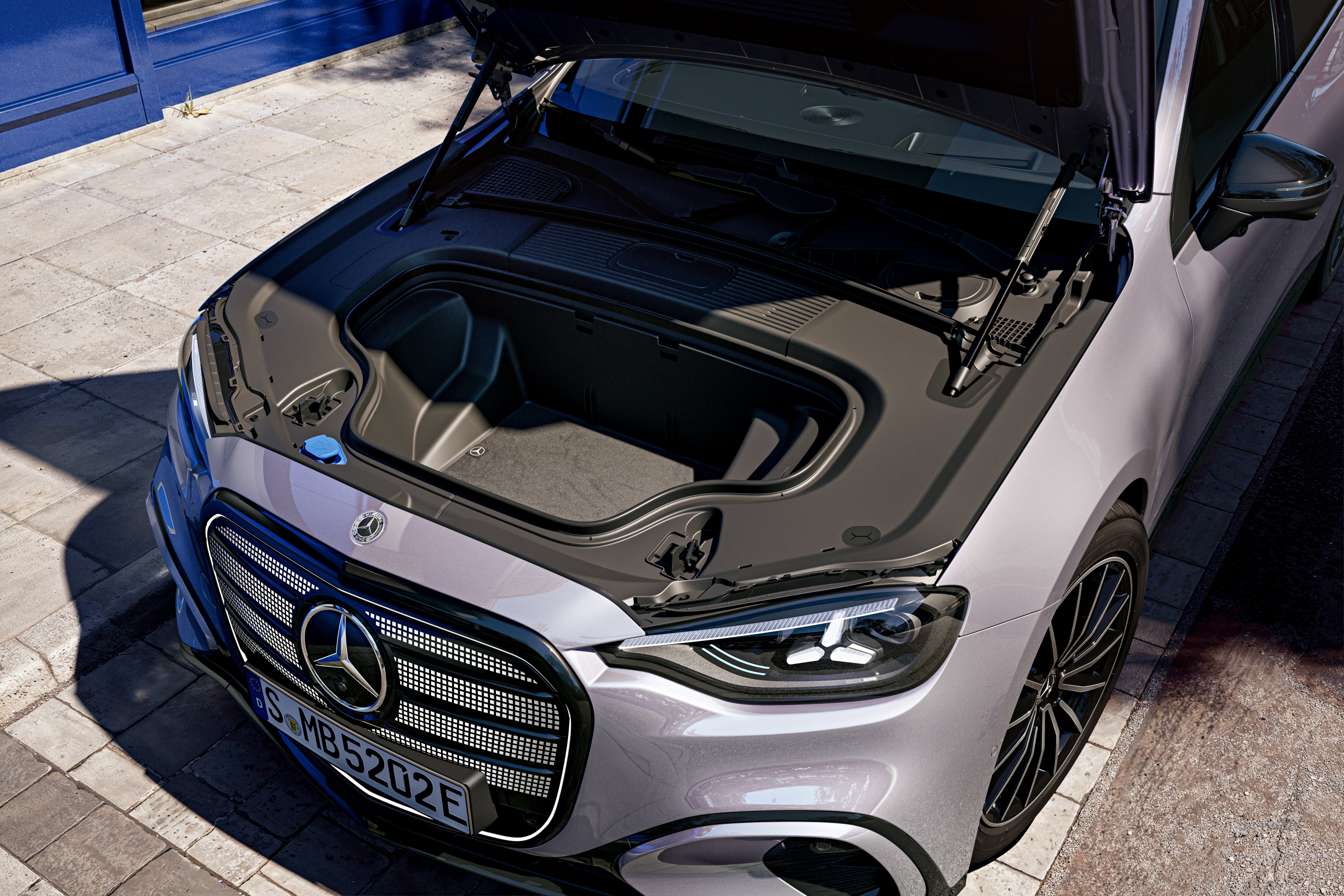
Those figures give buyers concrete points for assessing the car’s footprint and storage, though they don’t tell the full story of cabin room or how easily larger items fit. Mercedes-Benz has not listed a wagon version in the Australian launch range described here.
Warranty, equipment and options
Mercedes-Benz provides a five-year, unlimited-kilometre vehicle warranty. The battery has separate cover for eight years or 160,000km. Service pricing for the C-Class electric has not been announced, leaving scheduled maintenance costs as one of the ownership details buyers will need to check closer to its arrival.
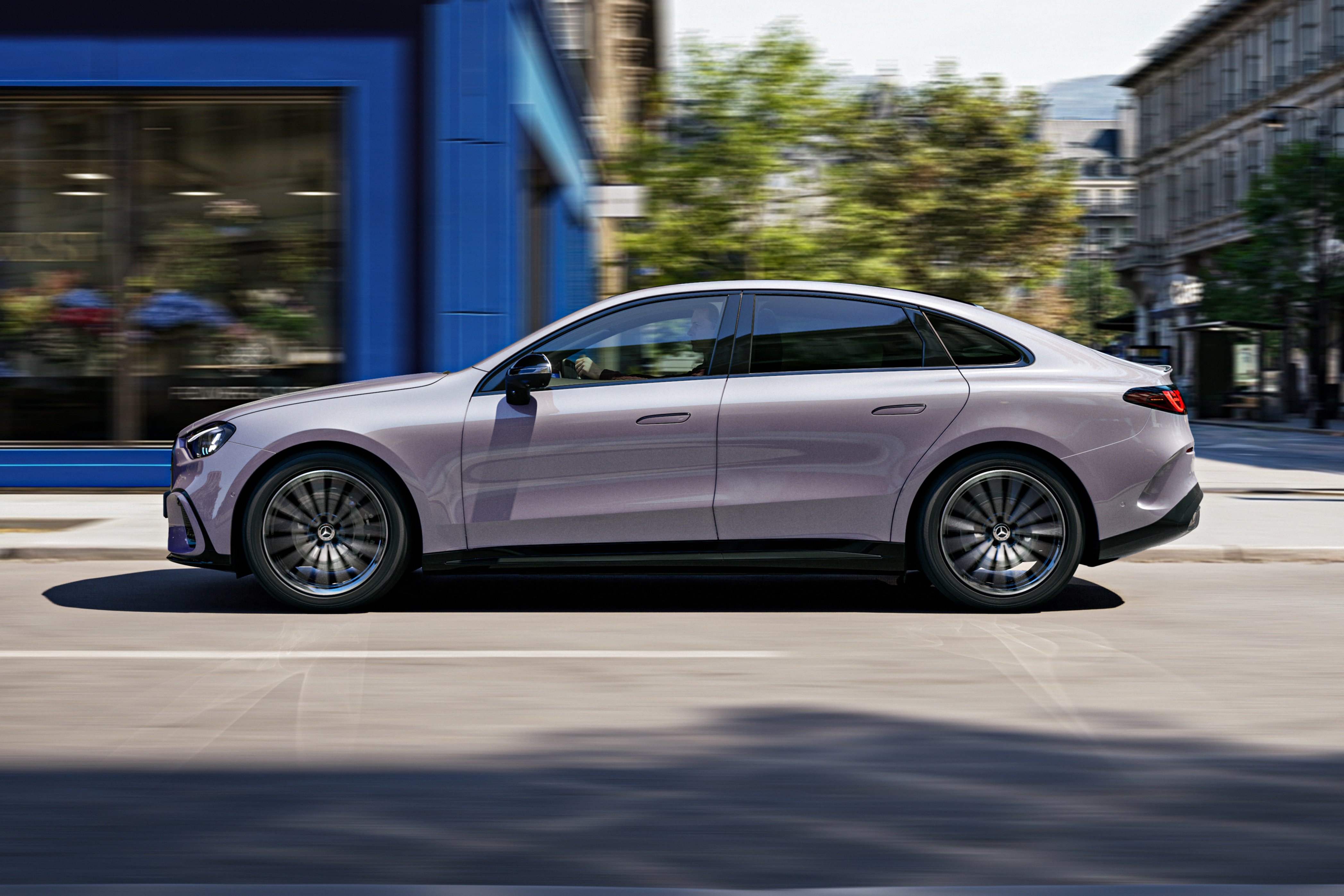
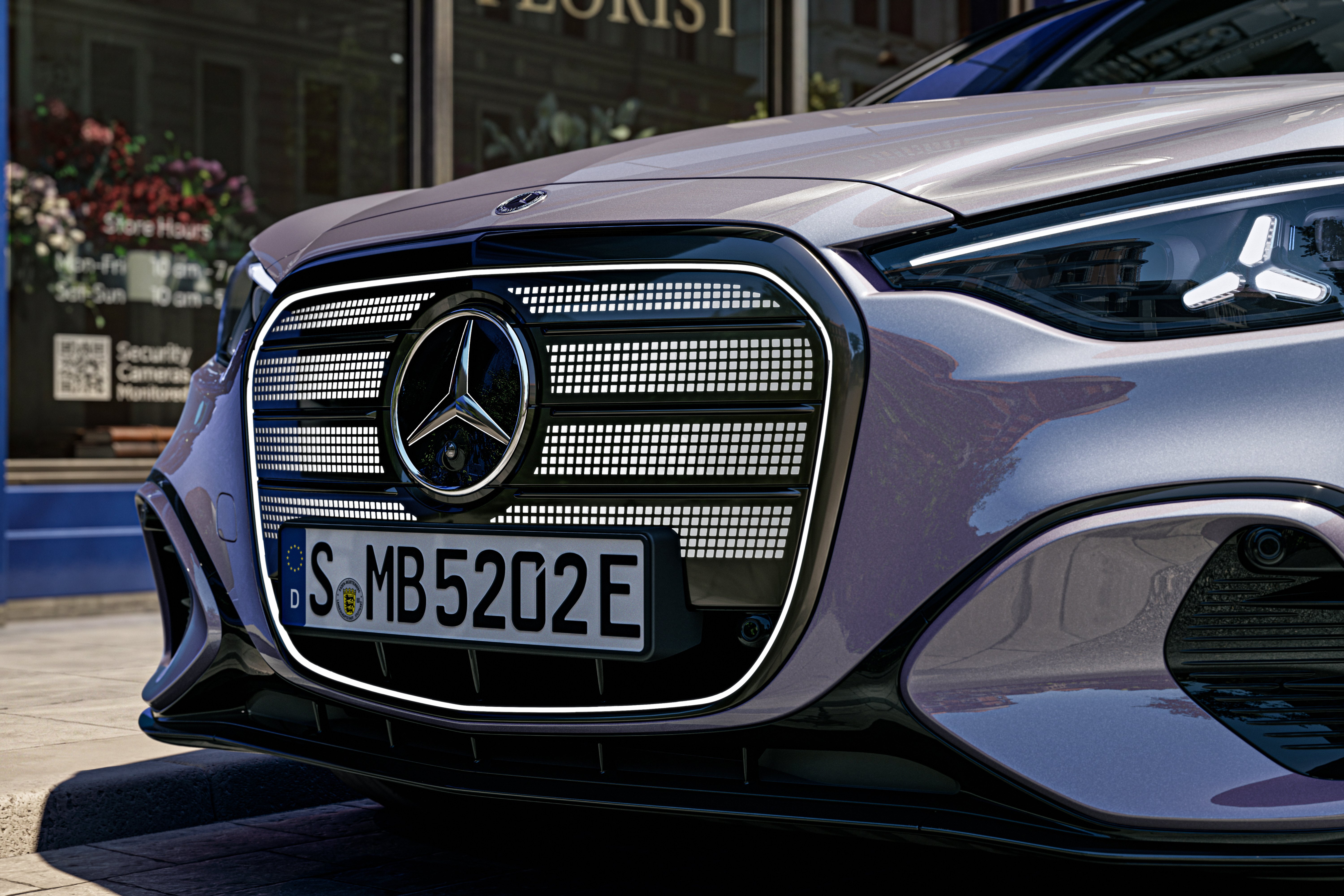
The C400 comes with 20-inch alloy wheels, an illuminated grille, Digital Light micro-LED headlights and a fixed panoramic glass roof with nine sections whose transparency can be adjusted individually. Metallic paint, the AMG Line package and the Night Package are also included; the Night Package can be removed at no cost. The AMG Line brings exterior styling details, a black fabric headliner, AMG floor mats and a sports steering wheel.
Inside, the standard MBUX Superscreen combines a 10.25-inch instrument cluster with 14-inch infotainment and front-passenger screens. The MBUX Virtual Assistant integrates ChatGPT, Google Gemini and Microsoft Bing. Other listed technology includes Google Maps-based satellite navigation, wireless Apple CarPlay and Android Auto, over-the-air software updates, a head-up display and a Burmester 3D sound system.
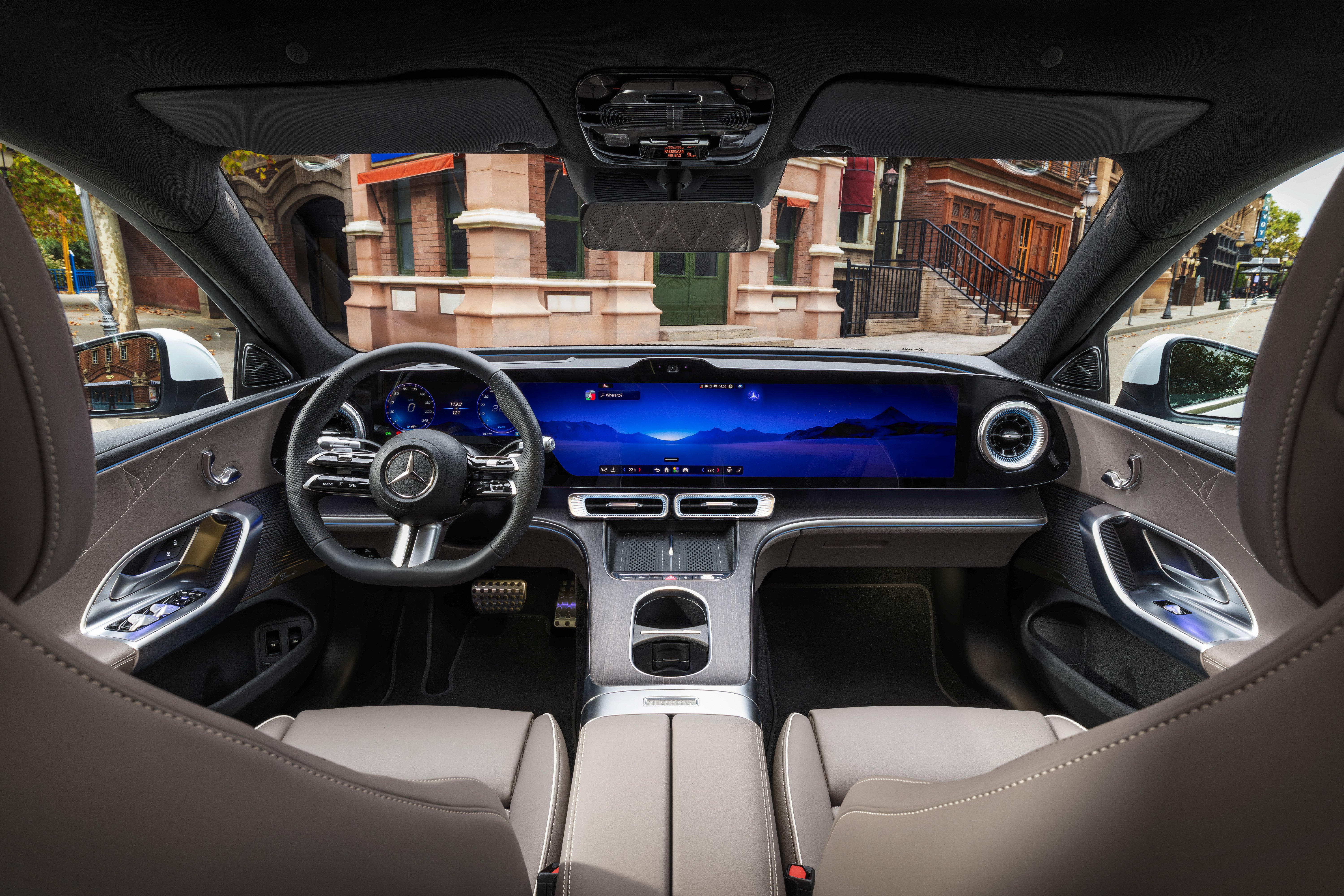
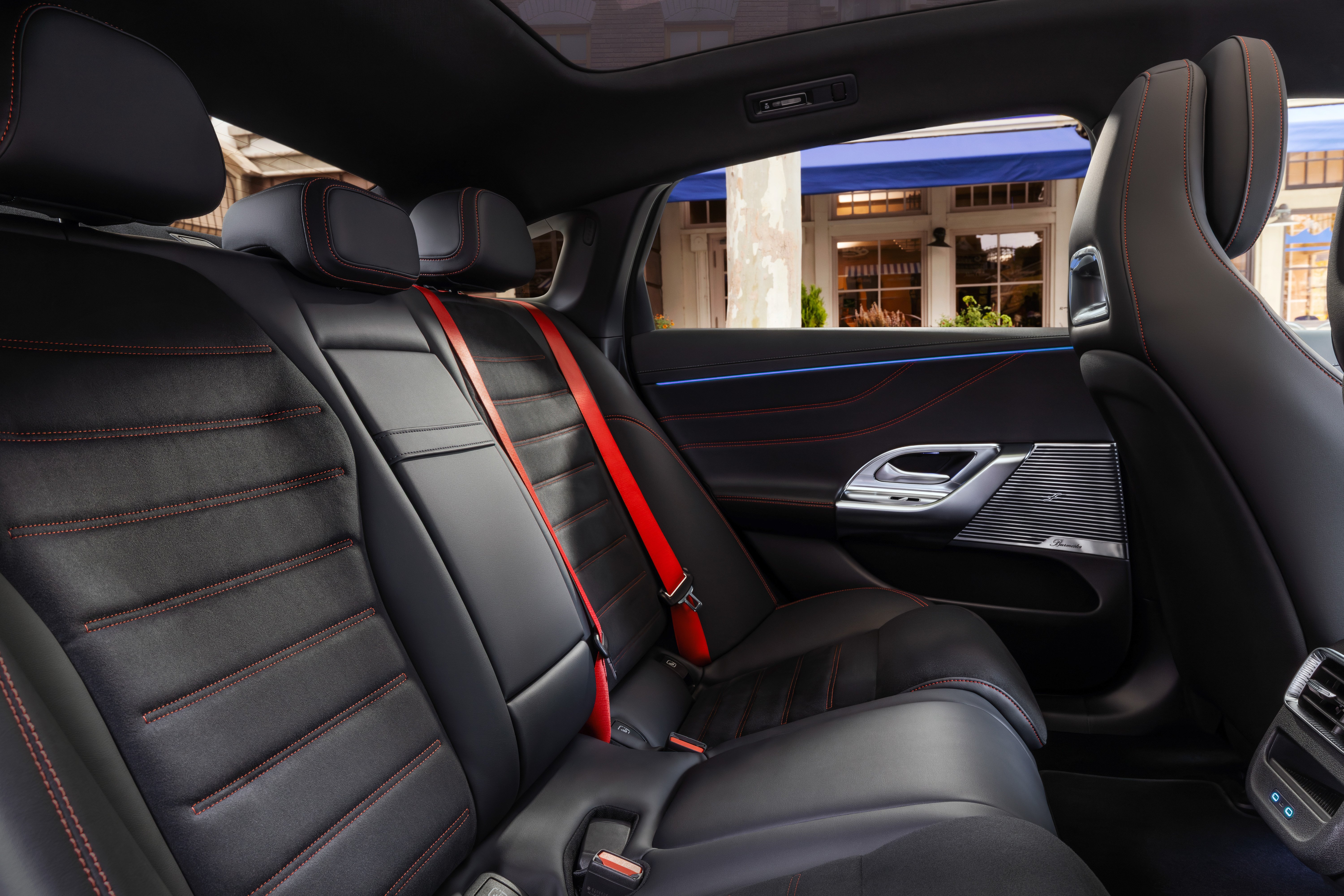
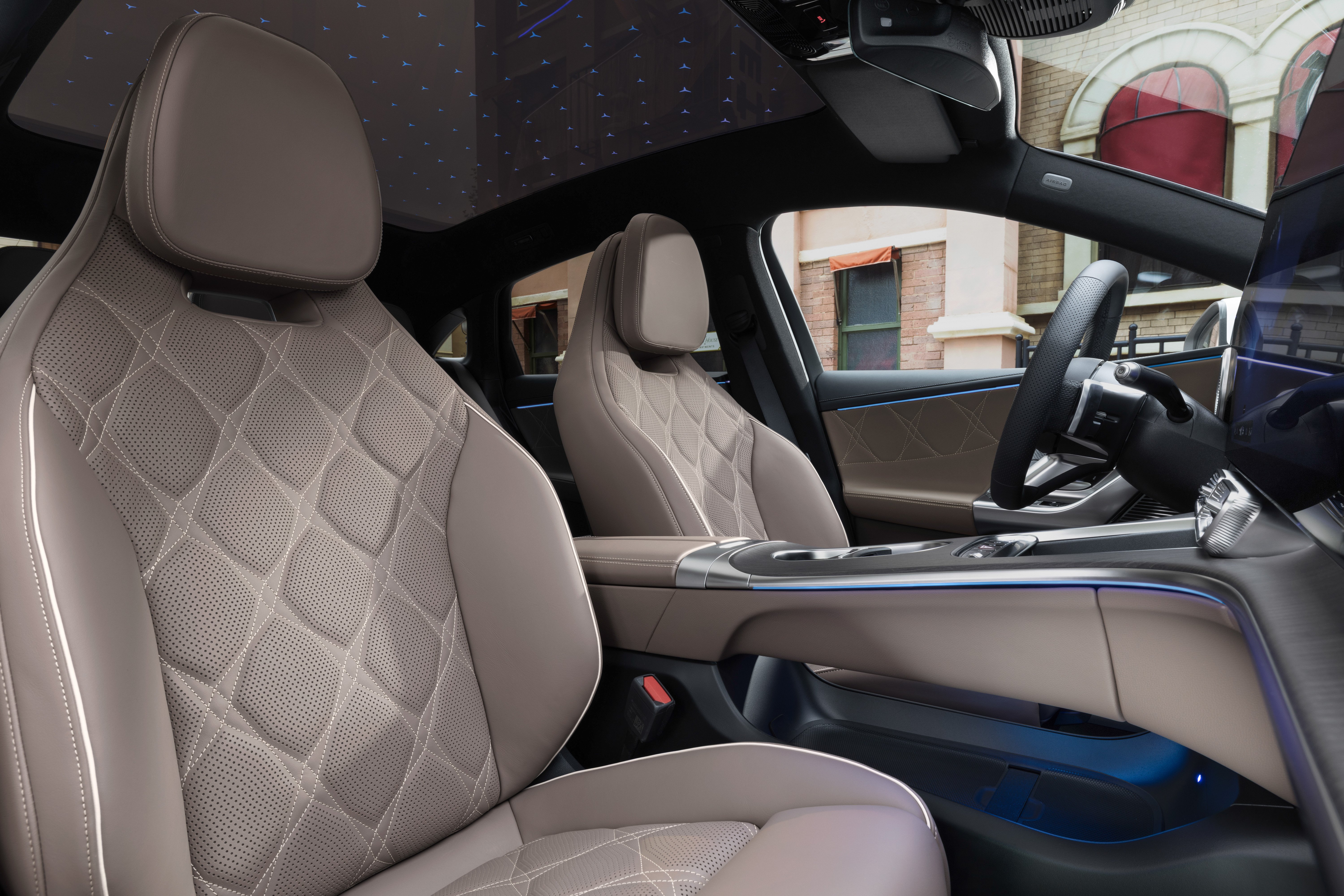
Seat trim is Artico leatherette, with AMG Line sports front seats that have heating, power adjustment, power lumbar support and memory. The cabin also gets brown open-pore fineline birch wood trim, ambient lighting, two wireless phone chargers and an Energizing Air Control filtration system. Safety and driver assistance equipment listed as standard includes adaptive cruise control, autonomous emergency braking, blind-spot assist, evasive steering assist, lane-keep assist, traffic sign recognition, a surround-view camera and front and rear parking sensors. The model has not yet been assessed by ANCAP or Euro NCAP.
Two paid packages focus on ride comfort and cabin equipment. The $5200 Agility and Comfort Package adds Airmatic air suspension with intelligent suspension control and rear-axle steering. For $8200, the Luxury Package adds a 99.3cm MBUX Hyperscreen, ventilated front seats, heated rear seats and an illuminated star pattern for the glass roof.
With a single launch trim, the key decision is whether the C400’s mix of long claimed range, stronger quoted output and standard equipment justifies its position between the two BMW i3 versions. Australian arrival is scheduled for early 2027; charging performance, service costs and independent assessments remain details to watch as the launch approaches. Compare the BMW i3 or explore the Mercedes-Benz C-Class range.


