In lane Electric Vehicles
Marcello Gandini’s Miura, Carabo and Countach Redefined Car Design
Description
From the Miura’s curves to the Countach’s sharp wedge, Gandini reshaped the supercar and left a lasting mark on Italian design.
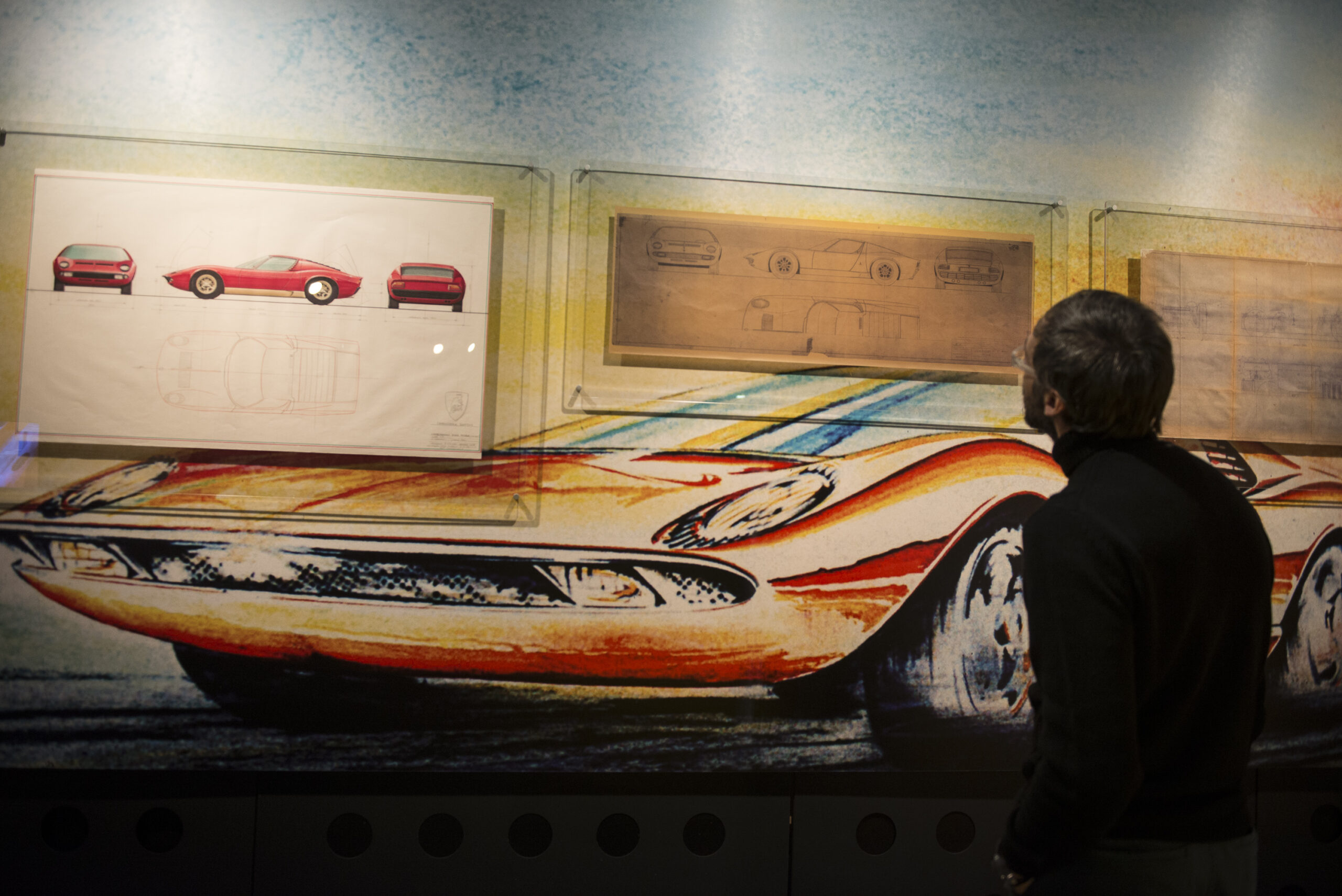
Marcello Gandini’s influence is clearest in the distance between two cars: the Lamborghini Miura, with its flowing shape, and the angular Countach that followed it. In between, the Bertone designer helped turn the wedge into a defining supercar form. His work at a Turin studio captured a period when Italian coachbuilders competed to make each new show car look like the future.
Gandini died on March 13 at age 85. He joined Bertone in 1965, after Giorgetto Giugiaro left for Ghia. Nuccio Bertone had picked a designer whose first major assignment would become one of the best-known cars of its era.
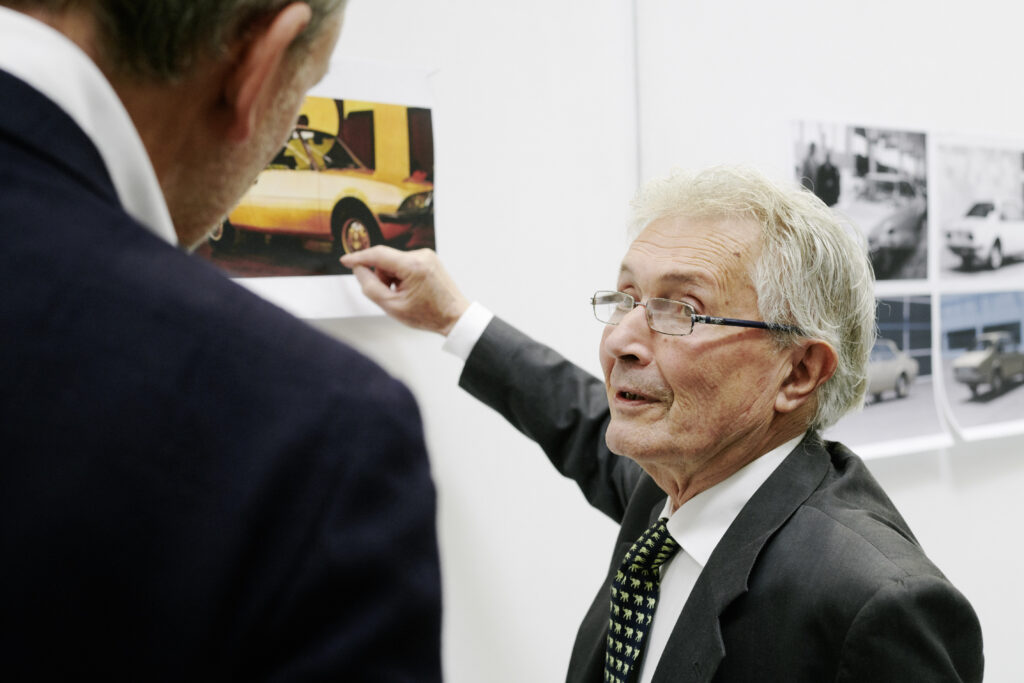
The Miura blended several influences. Its mid-engine layout and overall concept drew on the Ford GT40, while details of its surface and trim echoed earlier Bertone work, including Giugiaro’s 1963 Corvair Testudo. The result had a visual identity that was its own: low, broad and shaped to draw attention.
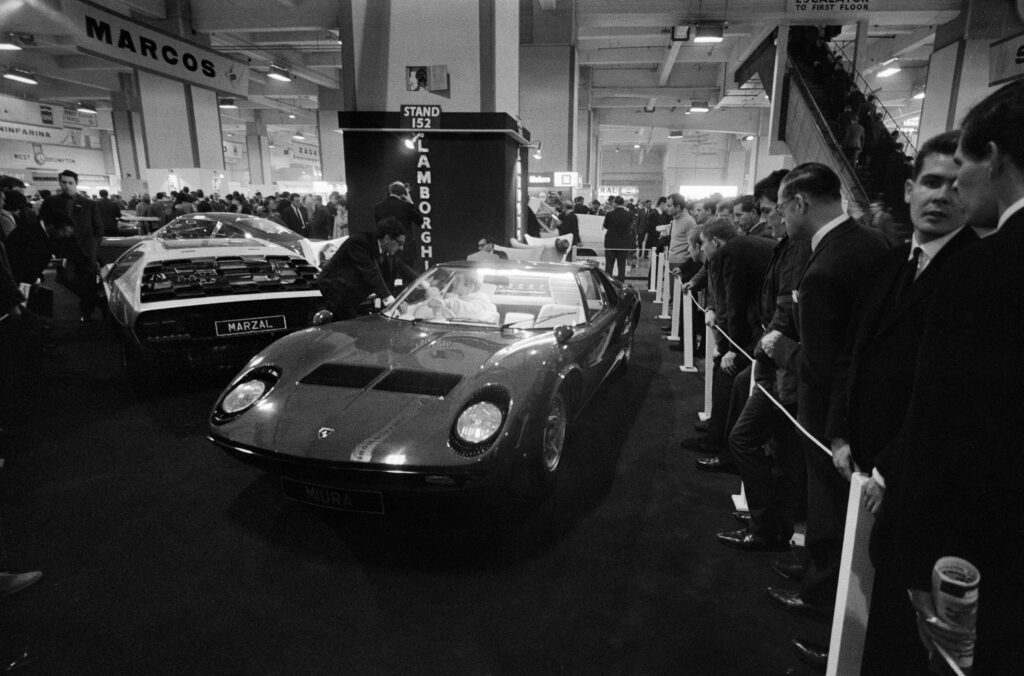
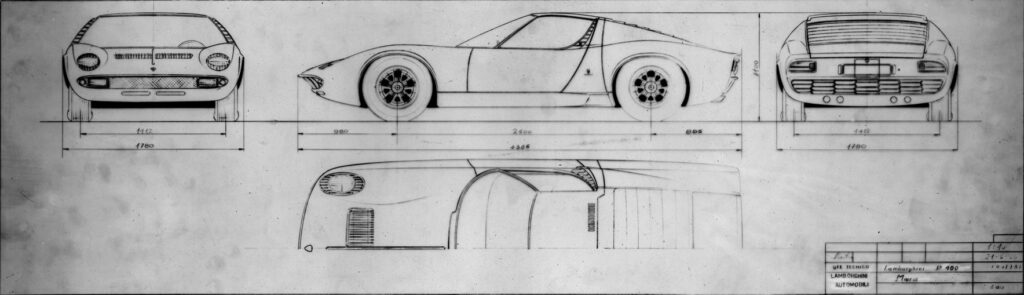
The Miura was the fastest car money could buy, but its appeal reached beyond speed. Its motorsport-inspired mechanical arrangement sat beneath a body designed for spectacle. It helped establish the supercar as an object of desire as much as a high-performance machine.
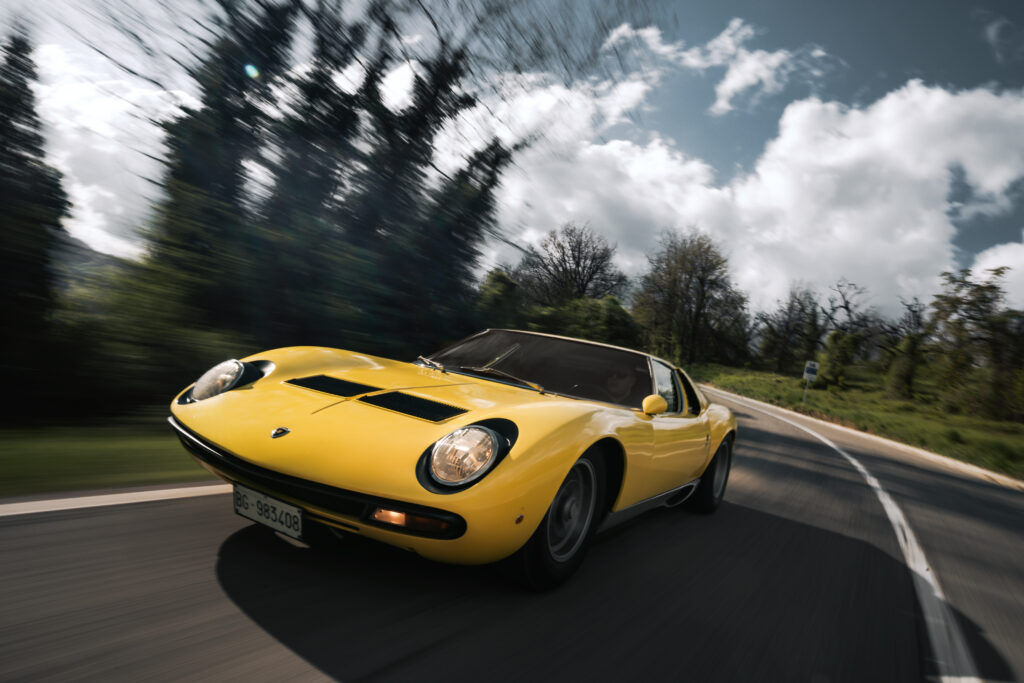
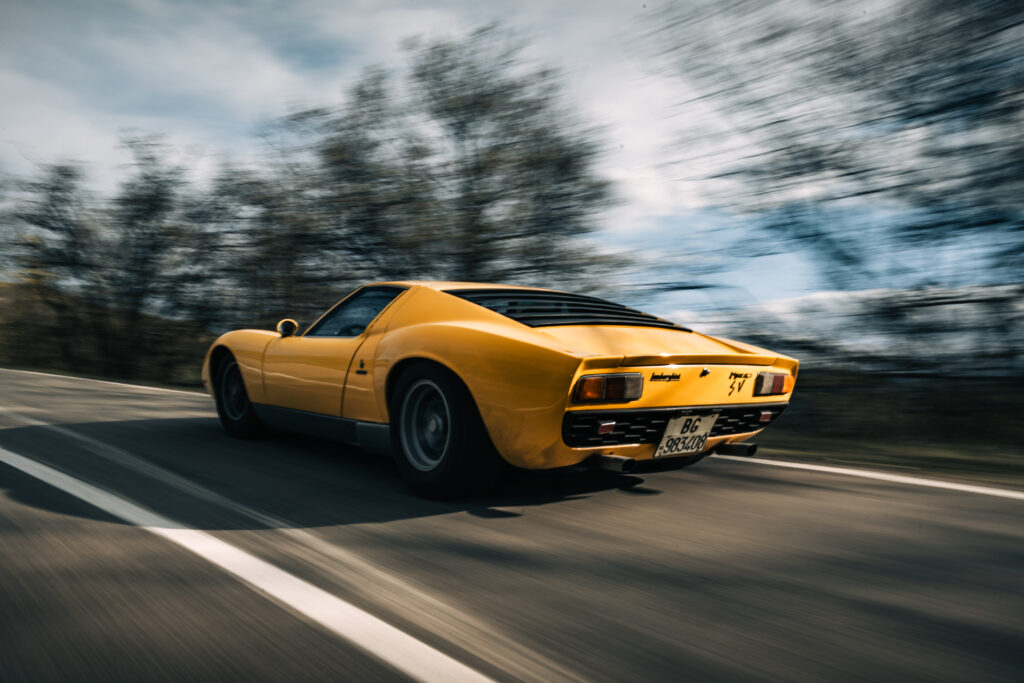
Its success lifted Bertone’s standing against Turin rival Pininfarina, but one hit couldn’t secure a coachbuilder’s future. These firms depended on staying at the forefront of design, with the major motor shows offering a regular test of their relevance. Gandini’s next concepts showed just how quickly he could move beyond the car that had made his name.
The 1967 Lamborghini Marzàl extended and modified the Miura chassis into a four-seat concept with a distinctly space-age character. Six small Marchal quartz-iodine lamps sat in a narrow black front panel. Huge glass gullwing doors put the cabin on display, while a matte-black, hexagonal engine cover concealed the mechanical hardware.
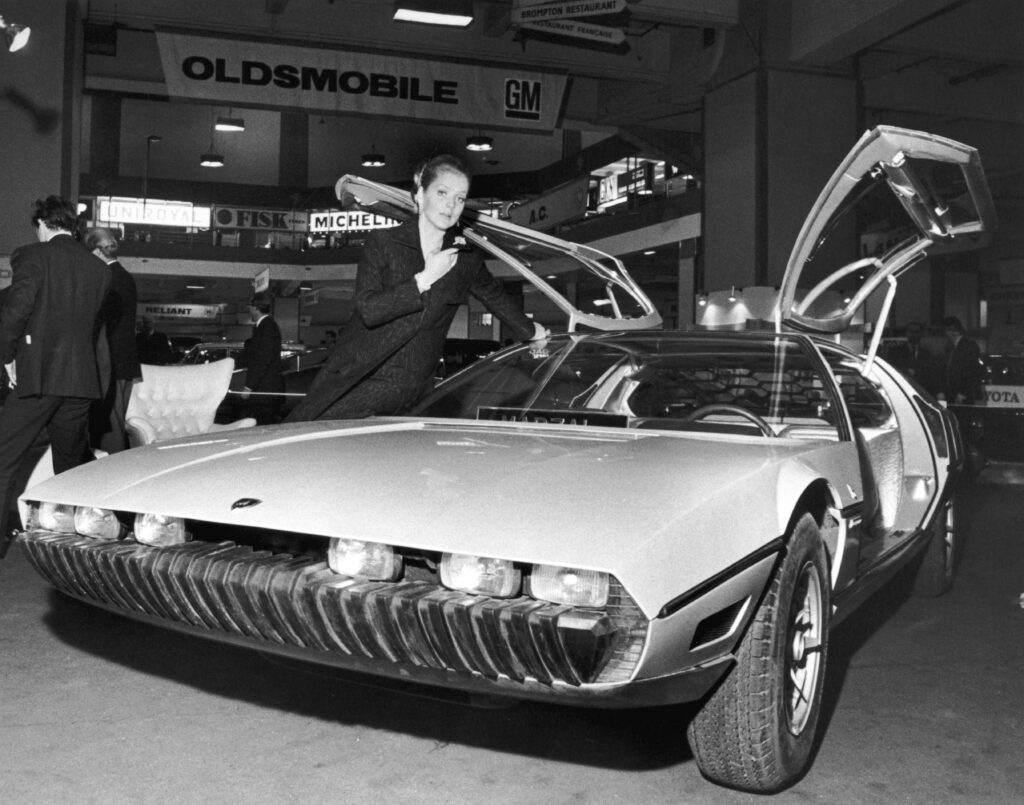
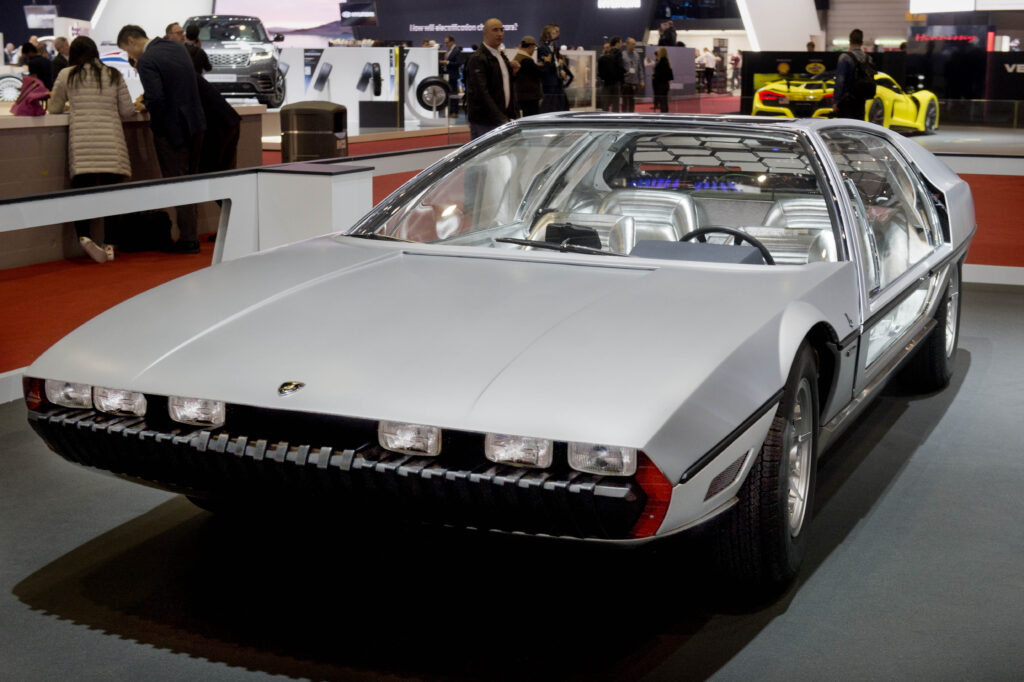
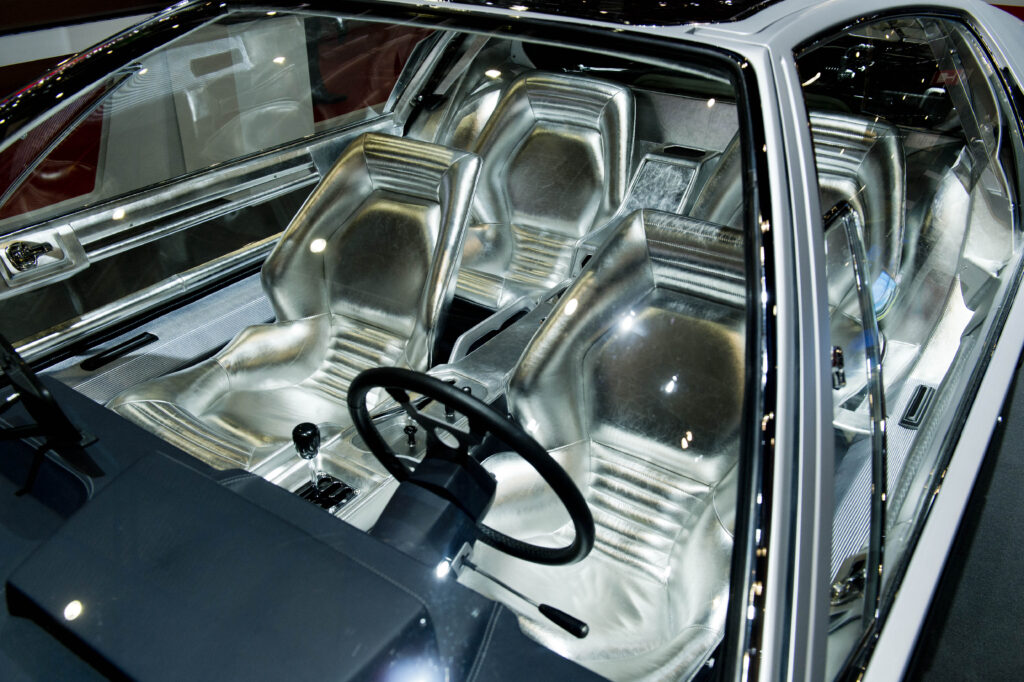
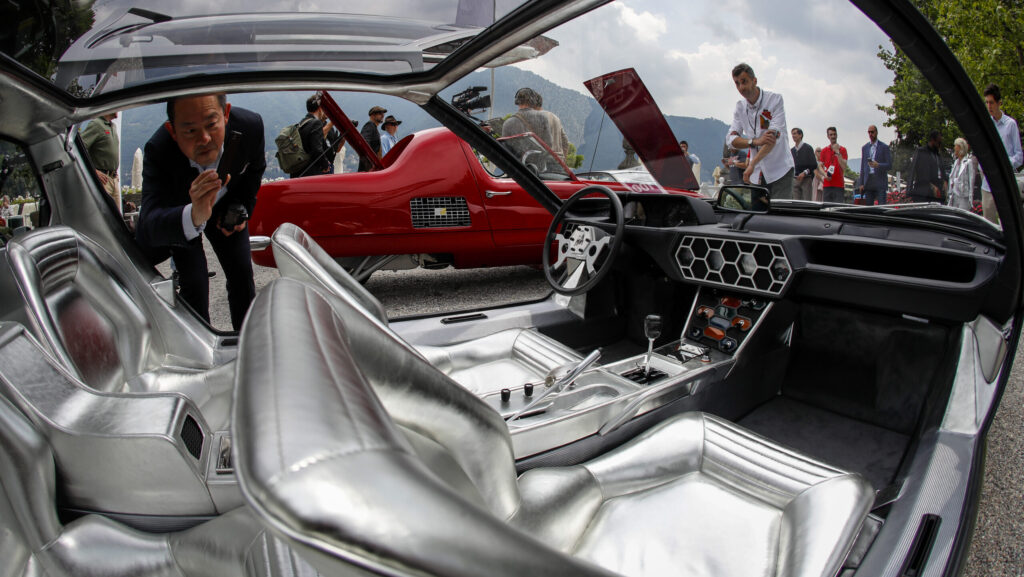
That repeated hexagonal pattern shaped the dashboard controls and instruments, as well as the seat upholstery. Reflective silver surfaces gave the cabin a spacesuit-like feel. The Marzàl marked a clear shift from the influences visible in Gandini’s early Bertone work toward a visual language distinctly his own.
By the 1968 Paris Motor Show, Gandini was ready to take a sharper direction. His Bertone Carabo used the chassis and running gear of the Alfa Romeo 33 Stradale, but its body discarded the flowing curves associated with that car. Instead, Gandini made the wedge the entire point.
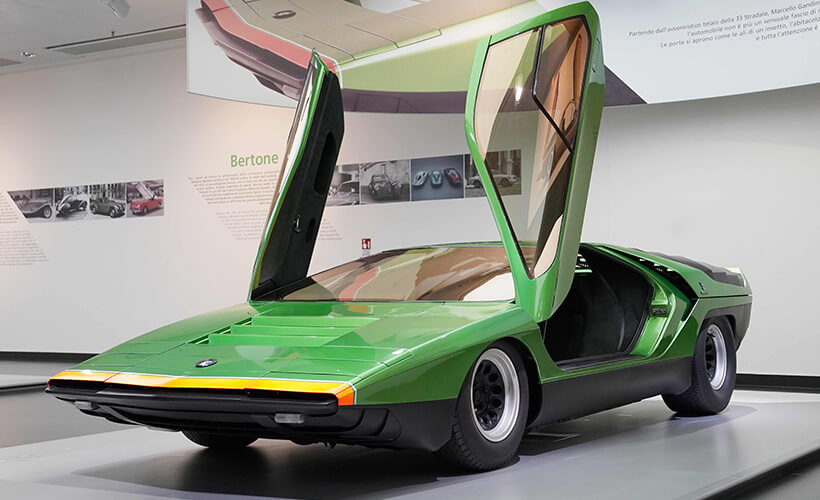
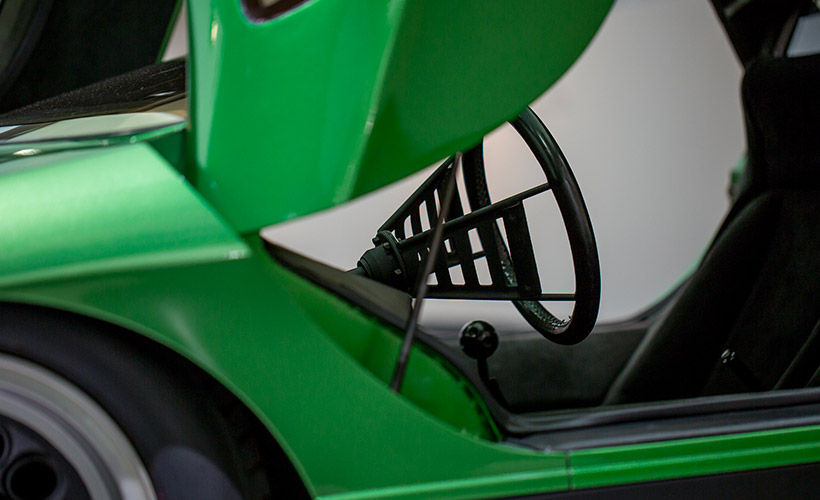
Drawing on racing-car shapes, the Carabo kept its nose low and its frontal area small. The Alfa chassis left room at the front for Gandini to avoid some of the packaging constraints that would have raised the car’s profile. Its form also addressed the Miura’s front-end lift issues, while aiming for low drag.
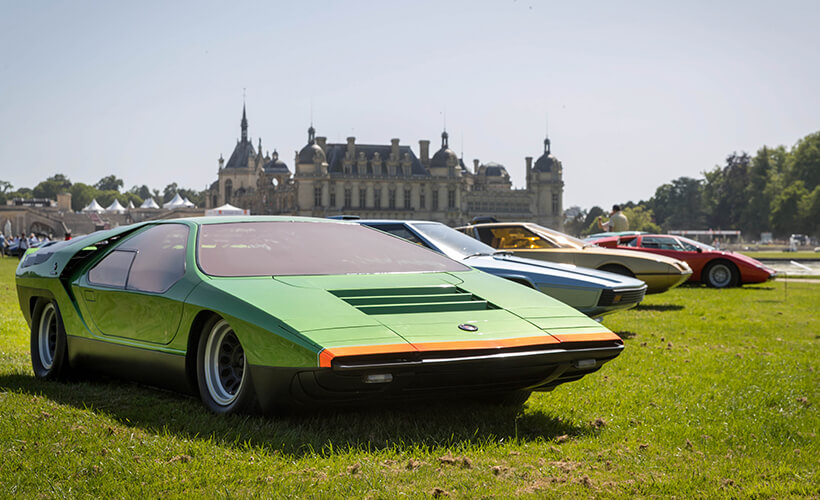
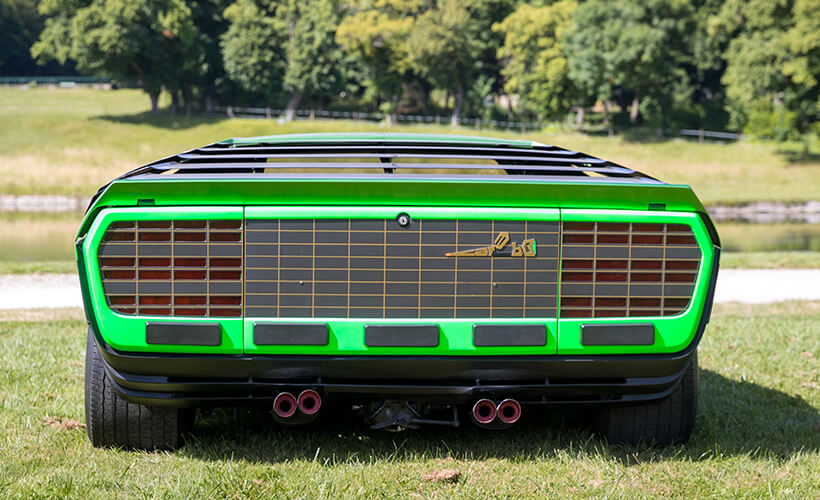
A nearly continuous line ran from the flat bonnet into the windscreen, and the cabin sat visually behind the car’s mass. Tight radiuses and flat panels replaced the Miura’s rounded forms. This approach, often described as “folded paper” design, became a signature of many cars in the following decade.
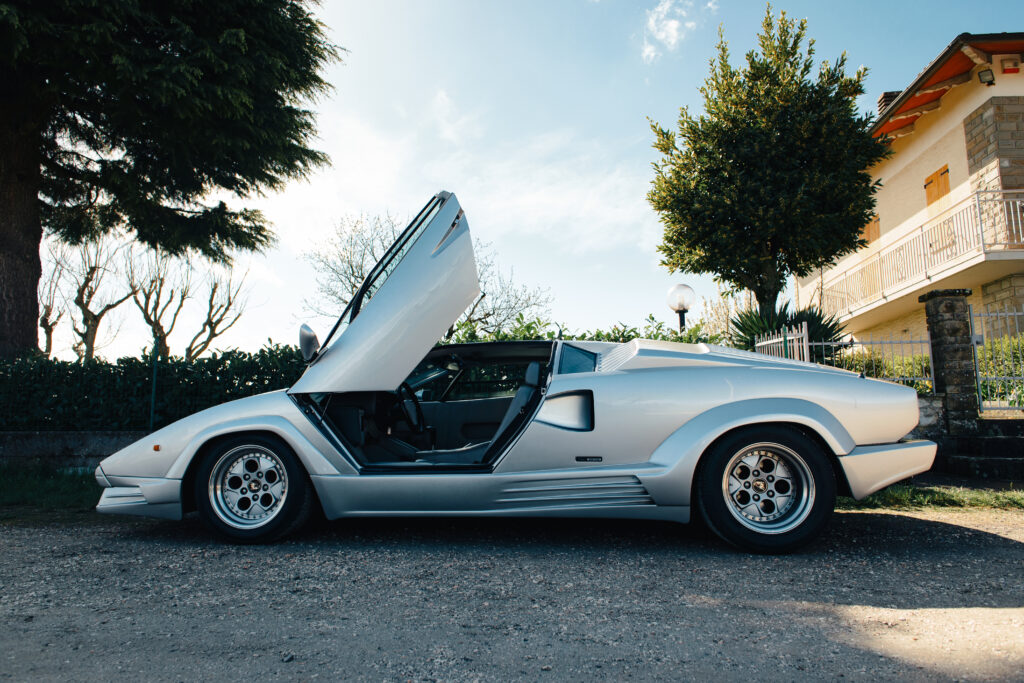
The Carabo wasn’t intended for production, yet its ideas found a lasting home. When Lamborghini needed a Miura successor, Gandini carried forward the wedge and scissor doors in the Countach. Its sharper outline and dramatic proportions turned the concept’s design logic into one of the most recognizable supercar shapes.
Gandini stayed at Bertone until 1980. His years as the studio’s leading creative force coincided with the firm’s high point and a period when Italian car design exerted unusual influence beyond Italy. His career continued across very different assignments, from large industrial programs for Renault to the underfunded Cizeta Moroder supercar. Not every project became a landmark, but his work consistently tested the boundaries of form and engineering.
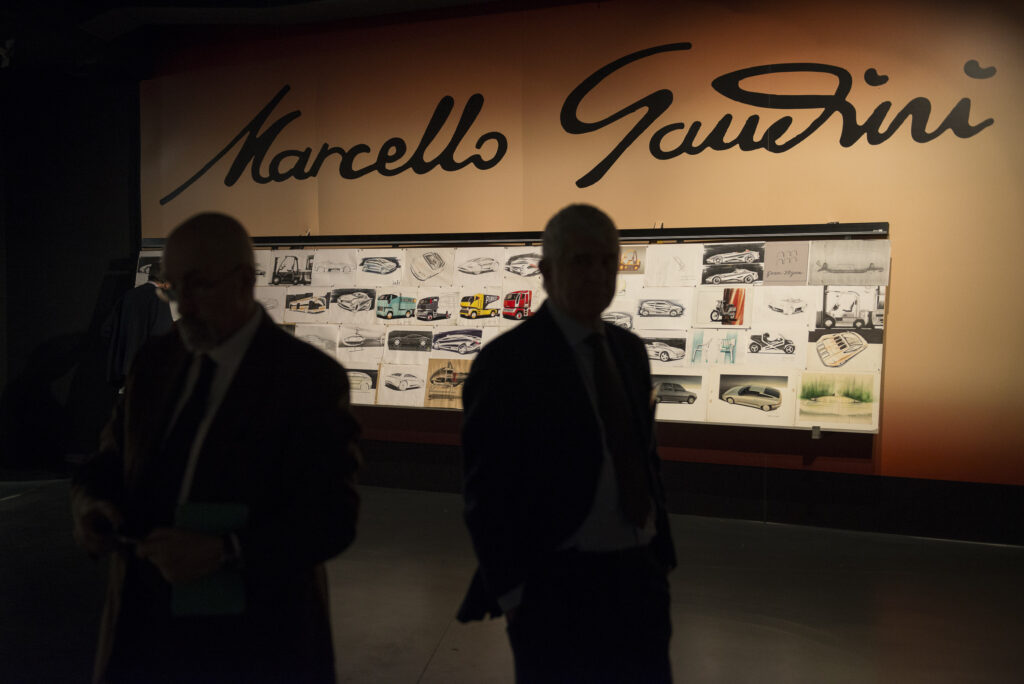
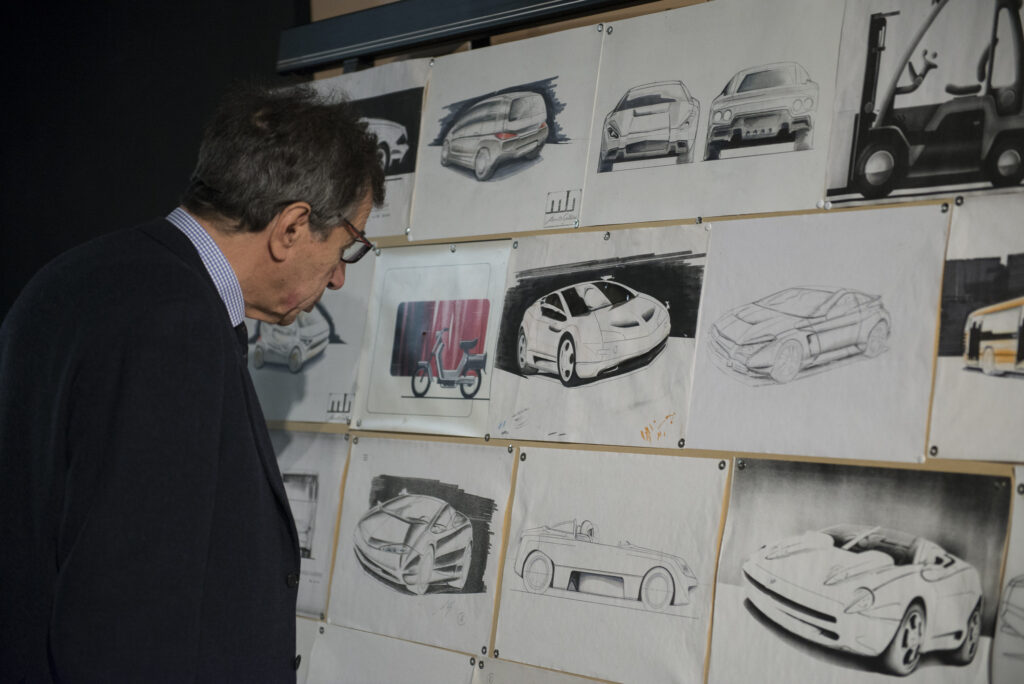
In January, before receiving an honorary engineering degree from Turin Polytechnic University, Gandini urged students to “extract from limitations and impositions a strong, stubborn, and constructive sense of rebellion.” It’s a concise description of the method behind the Marzàl and Carabo: treat constraints as a reason to find a new shape. The Countach carried that instinct onto the road, where Gandini’s designs still set the terms for what a supercar can look like.
Visit the Hagerty Media homepage for more stories, or subscribe to the newsletters.
The original post, Marcello Gandini Drove a Renaissance in Automotive Design, appeared on Hagerty Media.


