In lane Electric Vehicles
GM’s Fisher Body Guild Turned Teen Model Makers Into Future Designers
Description
From 1930 to 1968, GM’s demanding model contest paired scholarships with a pipeline of young design talent—and produced about 33,000 cars in miniature.
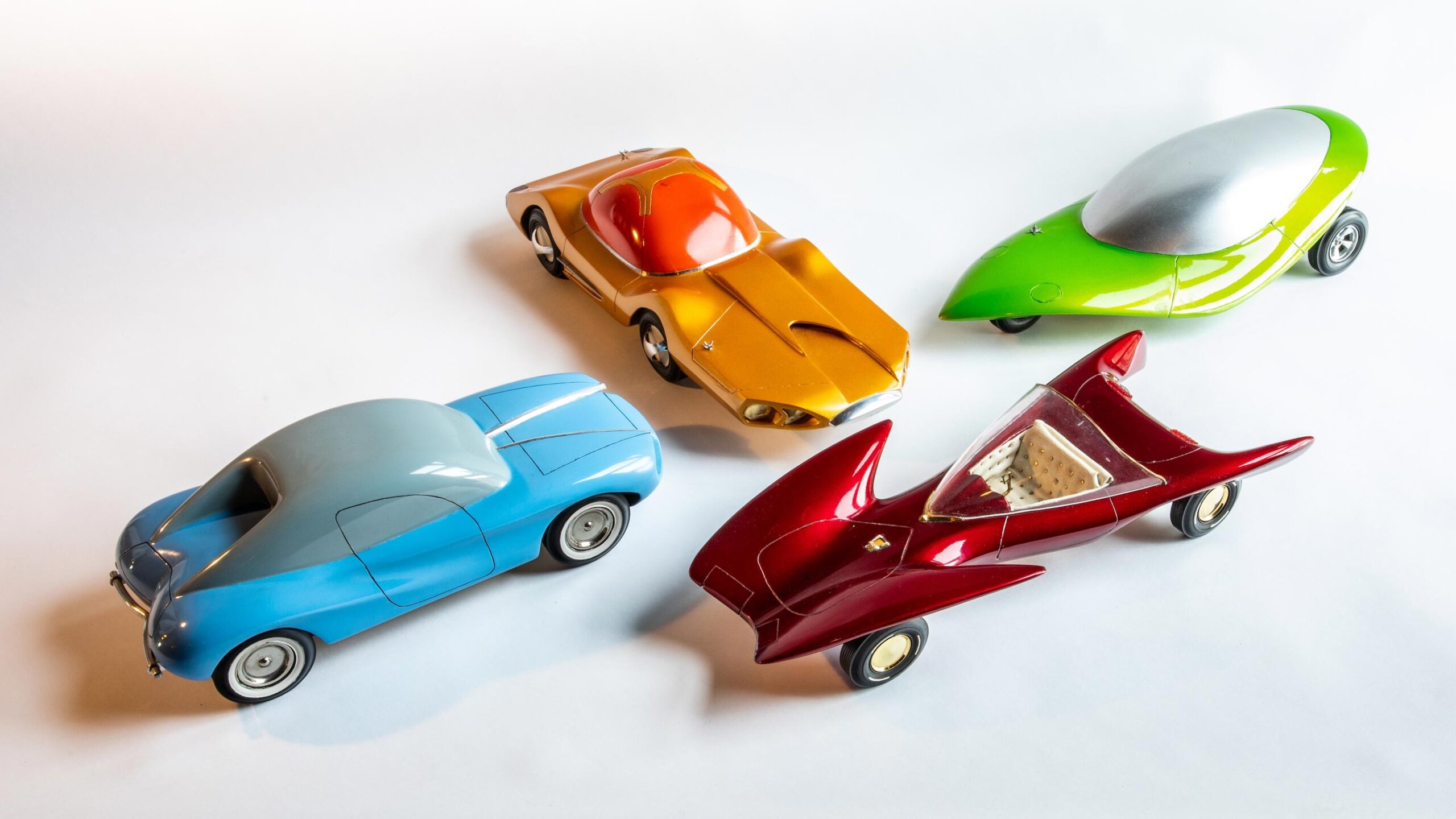
For nearly four decades, General Motors used a model-making contest to find teenagers with the patience and eye for detail its design studios needed. The Fisher Body Craftsman’s Guild offered college scholarships, but its deeper purpose was to spot young people who could imagine, shape and finish a car by hand. The result was a demanding talent search that reached millions of boys and helped send some of its winners into the auto industry.
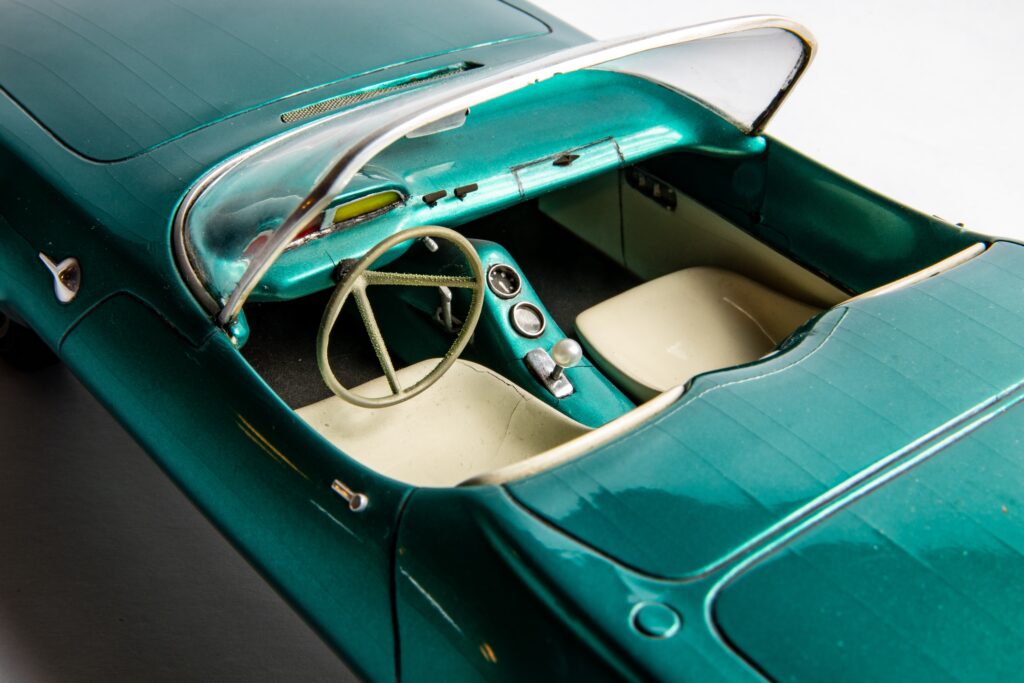
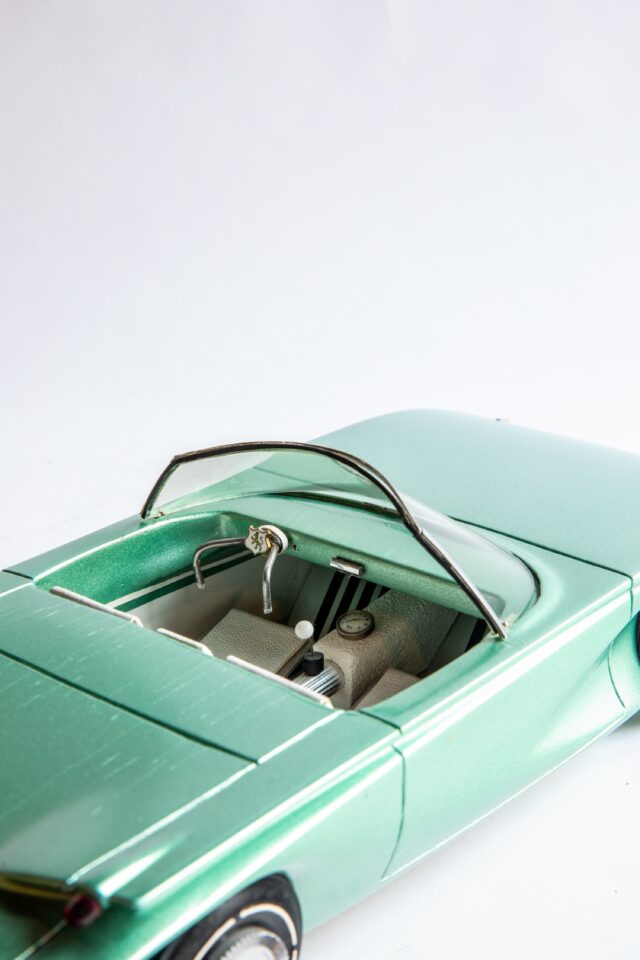
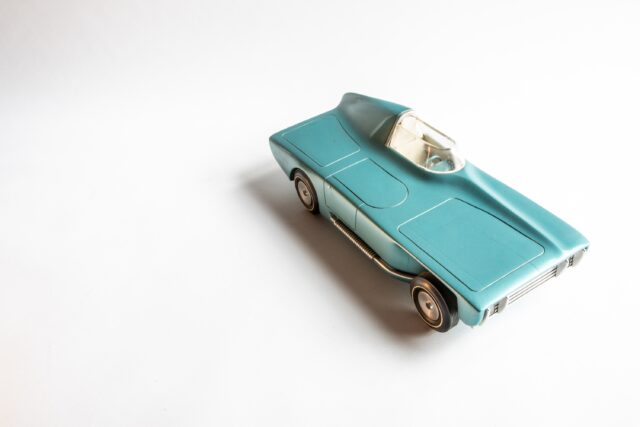
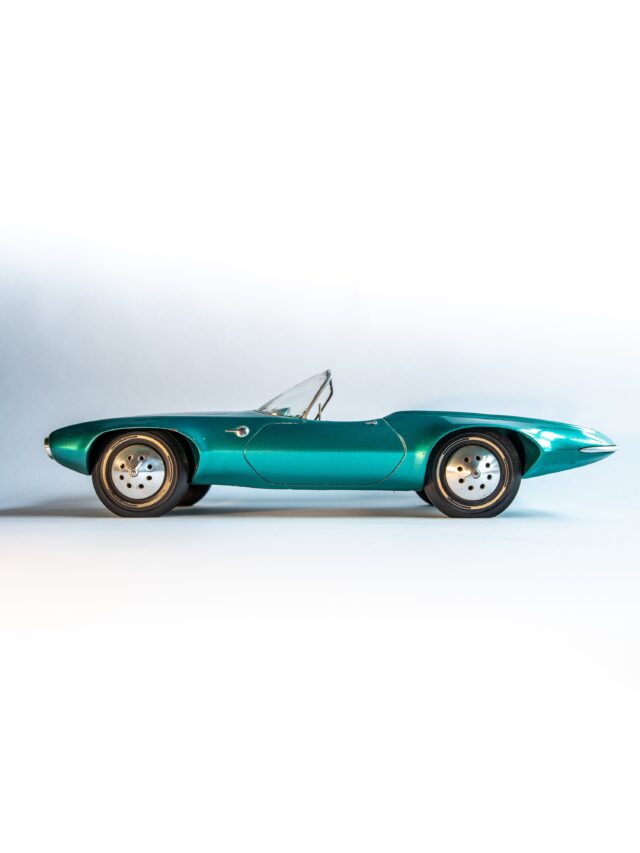
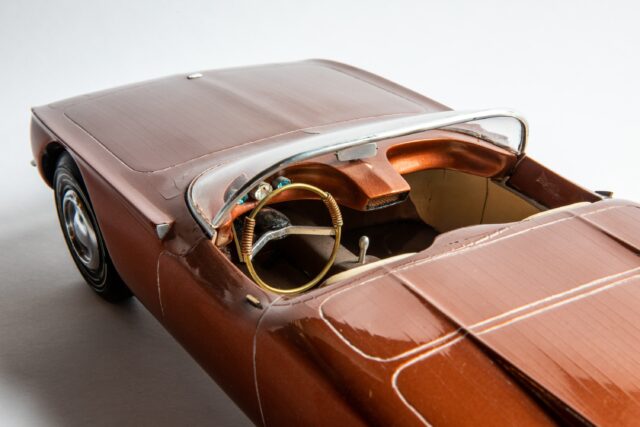
The Guild ran from 1930 until 1968. Its entrants were boys aged 11 to 19, and the work was nothing like assembling a kit. They had to interpret a design, draw it, build a form, shape materials and produce a detailed model, often with basic tools and little money. The contest rewarded both original ideas and the workmanship needed to make those ideas real.
That combination matched a changing car industry. When the Guild began, coachbuilding still relied on handwork and skilled trades. As stamped-steel production expanded, the need shifted toward styling studios, where designers and modelers explored the shape of future vehicles. The contest changed with it: an early challenge to reproduce a carriage gave way to a competition for original concept cars.
This article first appeared in Hagerty Drivers Club magazine. Click here to subscribe and join the club.
A scholarship contest with a demanding brief
William A. Fisher, one of the seven Fisher brothers, launched the Guild on August 25, 1930. The family’s carriage business had become a major vehicle-body supplier; Fisher Body joined GM in 1926. Radio and newspaper advertising, dealership posters and booklets promoted the new contest. Its first-year prize pool totaled $75,000, equivalent to about $1.3 million today. Nearly 150,000 boys signed up in the first year, and just over 400,000 did so in the second, according to historian John Jacobus.
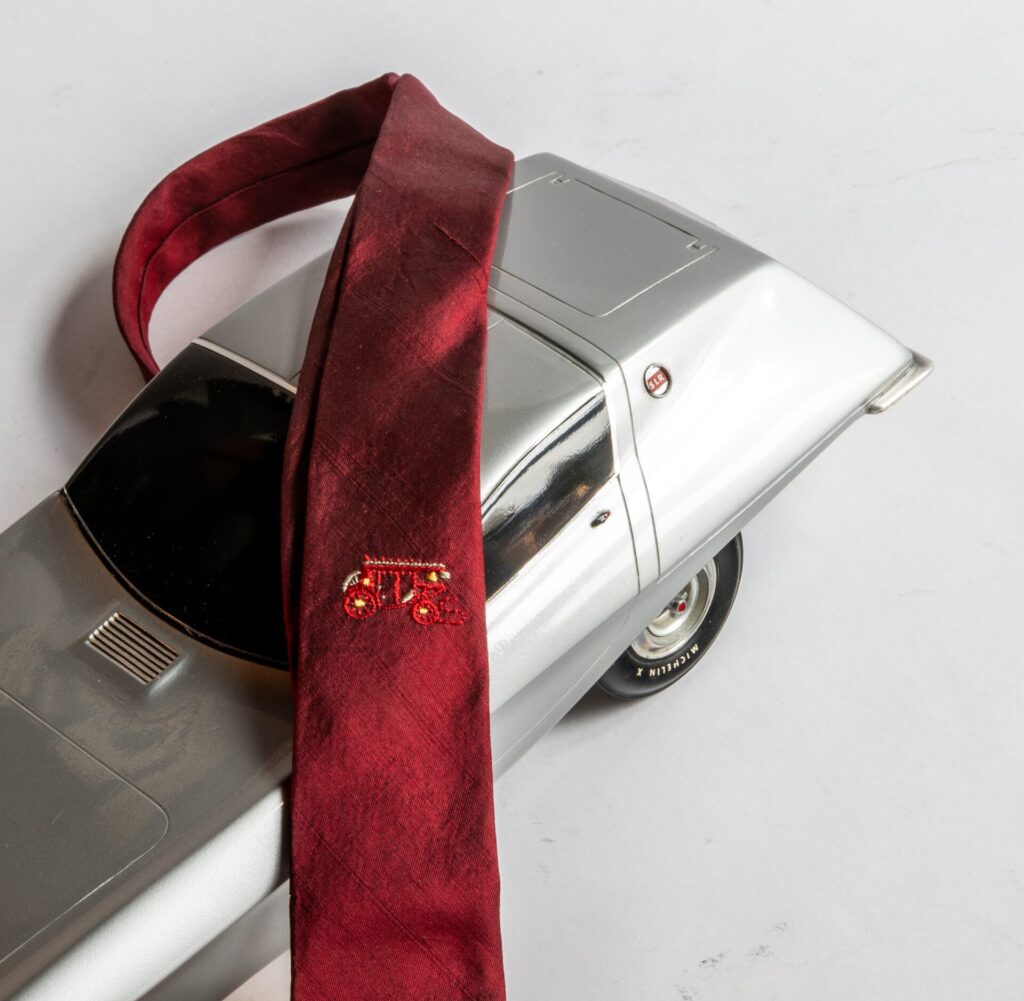
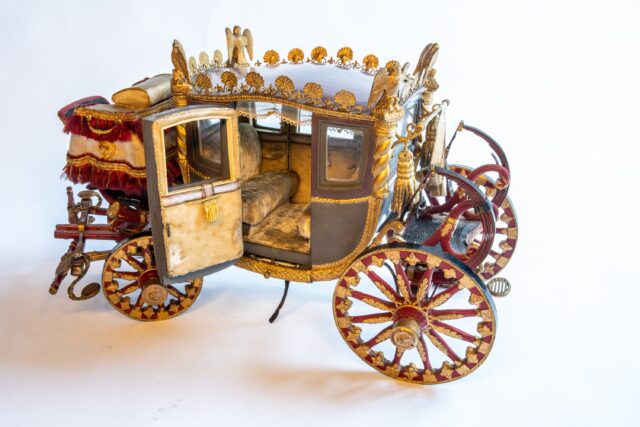
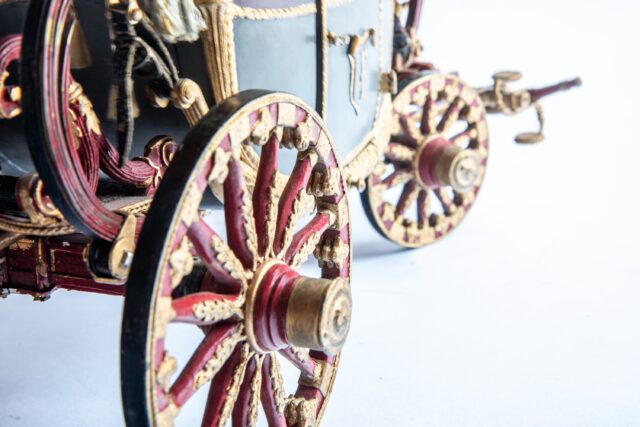
The early challenge was to reproduce the ornate carriage shown in the “Body by Fisher” emblem. Entrants received blueprints and a 25-page instruction booklet and were expected to build an 18-inch-long, 10-inch-high model. It needed metal filigree, opening doors and an upholstered interior. The Guild’s master versions reportedly took Fisher craftsmen six months to make; their estimate for building a copy from the plans was 1,600 hours.
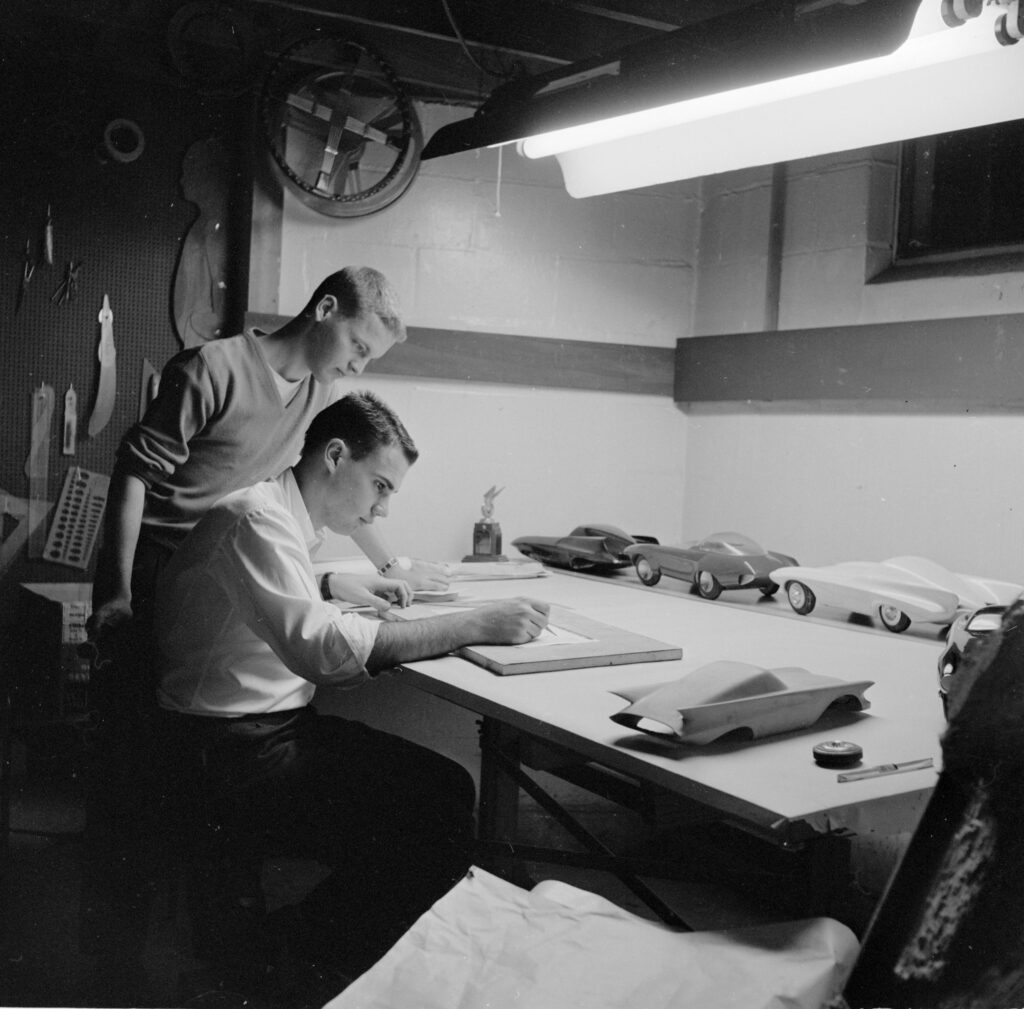
That workload explains why the signup total and the number of finished entries were so different. Model companies sold rough kits to help, but these still amounted to blocks of wood and pieces of metal that demanded extensive shaping. By the time the carriage contest ended in 1948, after a pause during World War II, roughly 7,000 coach models had been made.
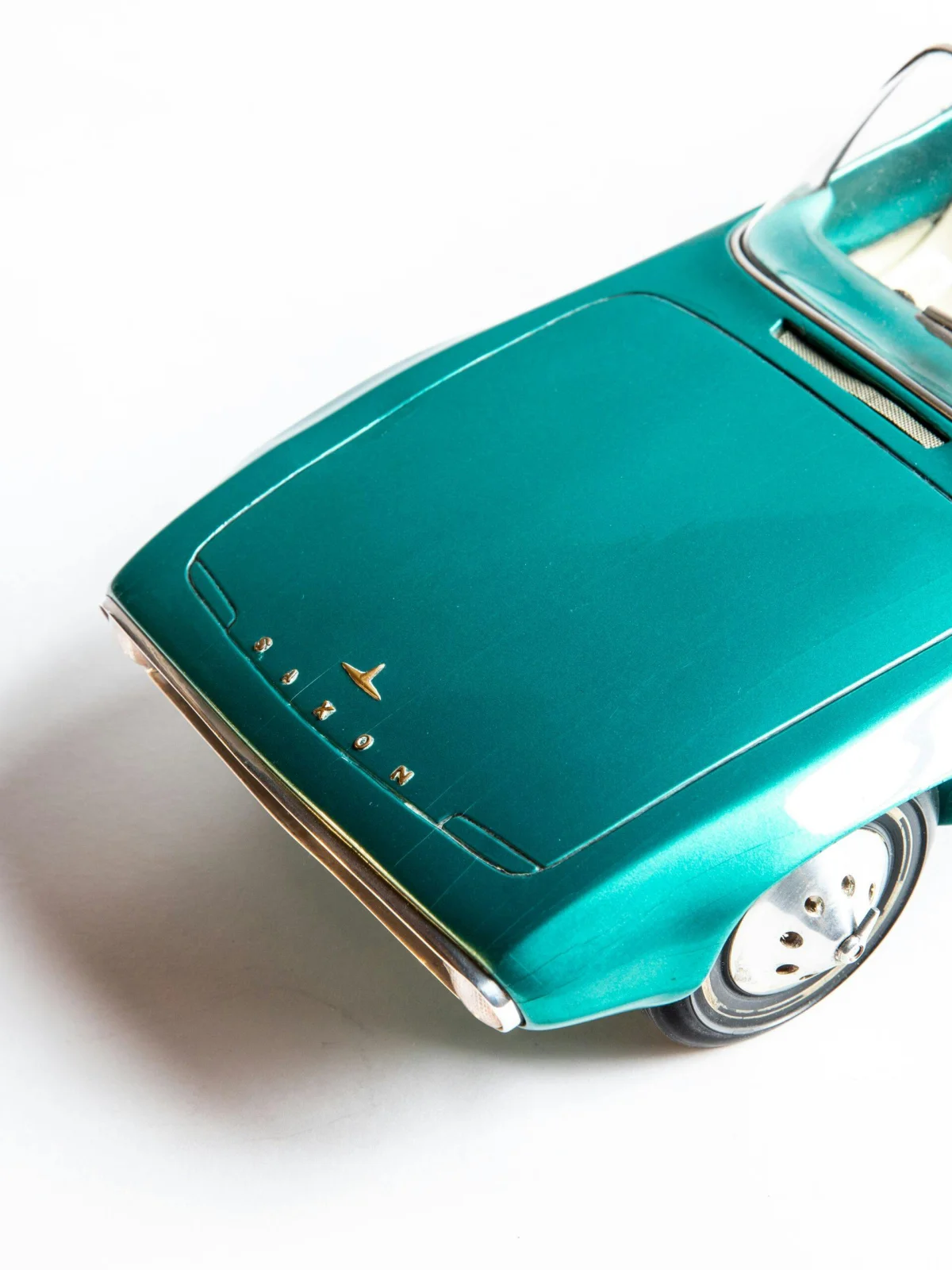
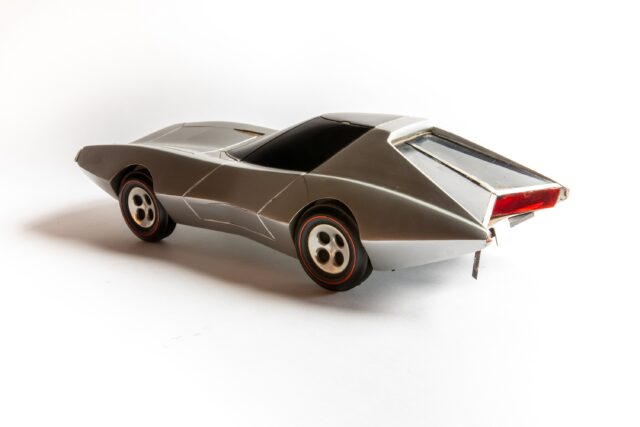
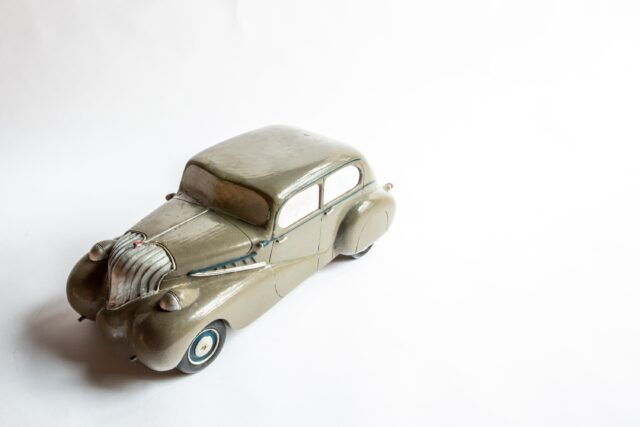
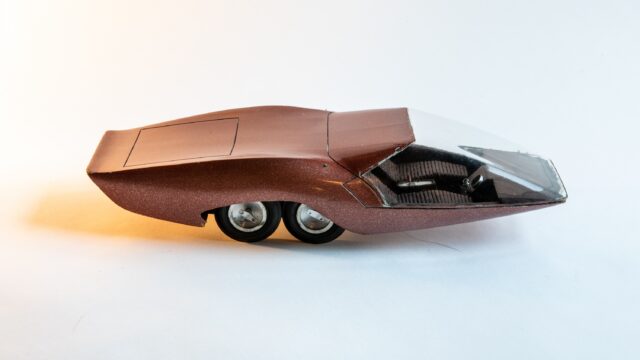
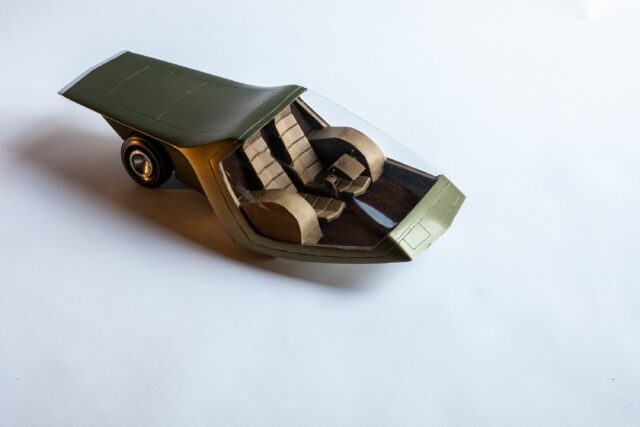
The Guild had introduced a different kind of challenge in 1937: a one-twelfth-scale concept car of the entrant’s own design. It became the full focus in 1948. The change reflected the work the auto industry increasingly valued. Earlier carriage models tested craft and finish, but left little room for individual design. Original concepts could reveal whether a teenager had the imagination and spatial judgment to contribute to a styling studio.
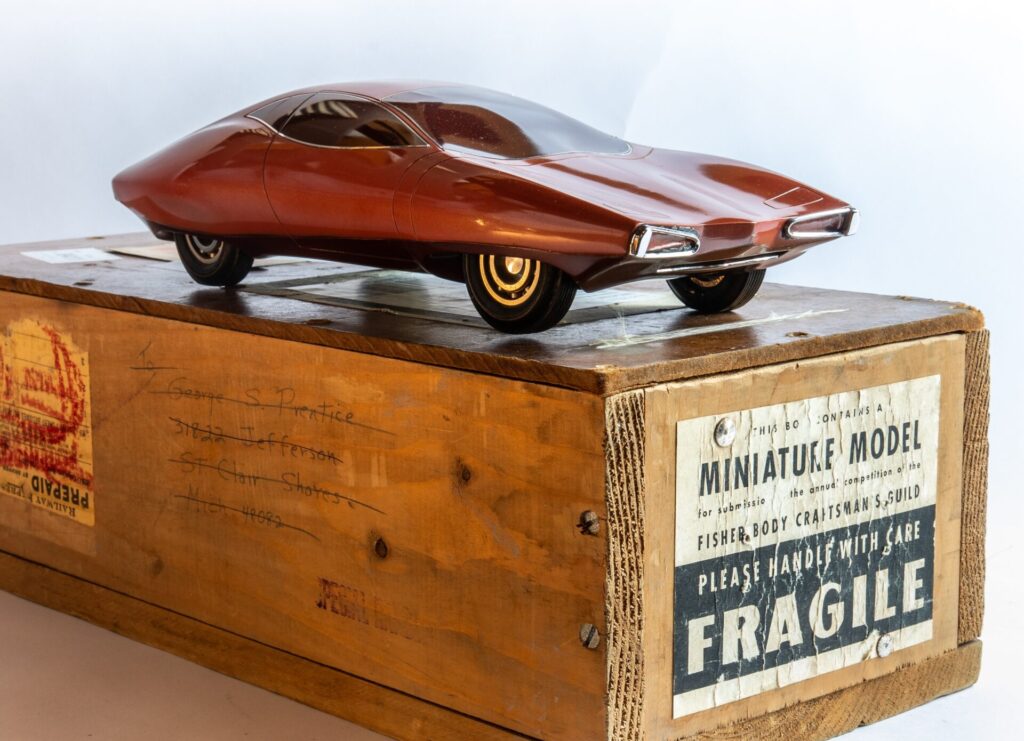
The timing was close to the arrival of the Buick Y-Job, Harley J. Earl’s 1938 concept car, often described as the first of its kind. Earl, GM’s influential styling chief, is believed to have strongly supported the Guild’s move toward original designs. As production methods changed, the contest’s goal changed too: it began by seeking skilled pattern and toolmakers, then increasingly looked for future designers and clay modelers.
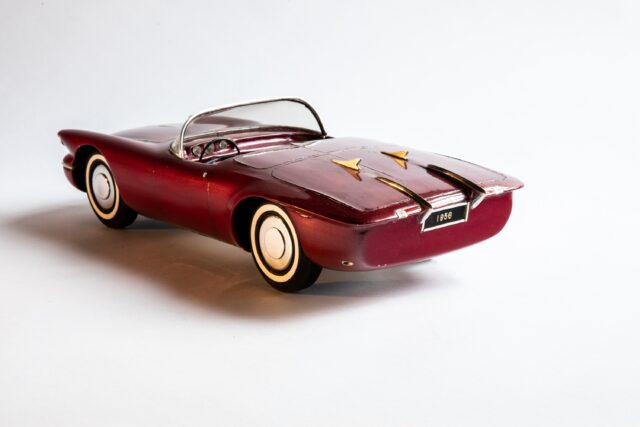
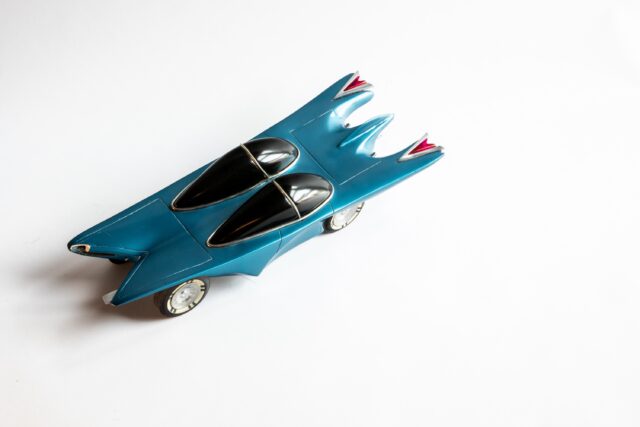
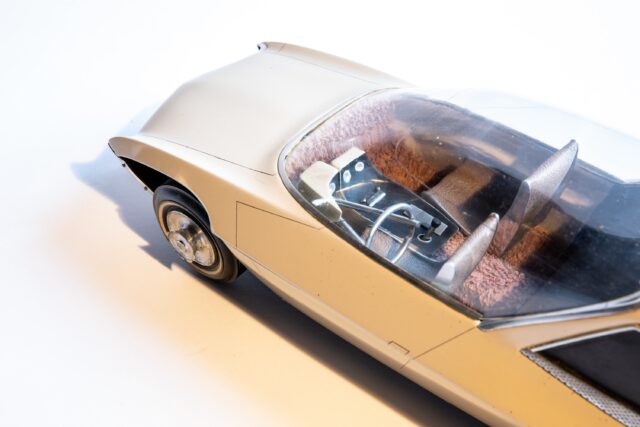
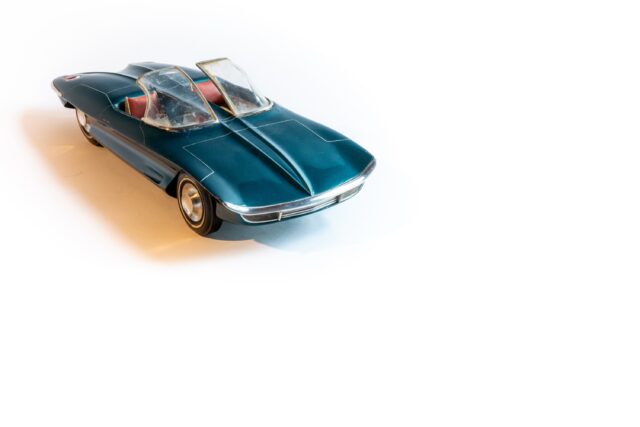
The scale of the effort was substantial. Over its 34 active years, about 10 million boys enrolled, around 33,000 models were completed and fewer than 400 scholarships were awarded. Regional prizes offered some additional rewards. Girls could enter similar programs run by GM subsidiaries in Europe and Australia, but not the American Guild.
Training in design, patience and improvisation
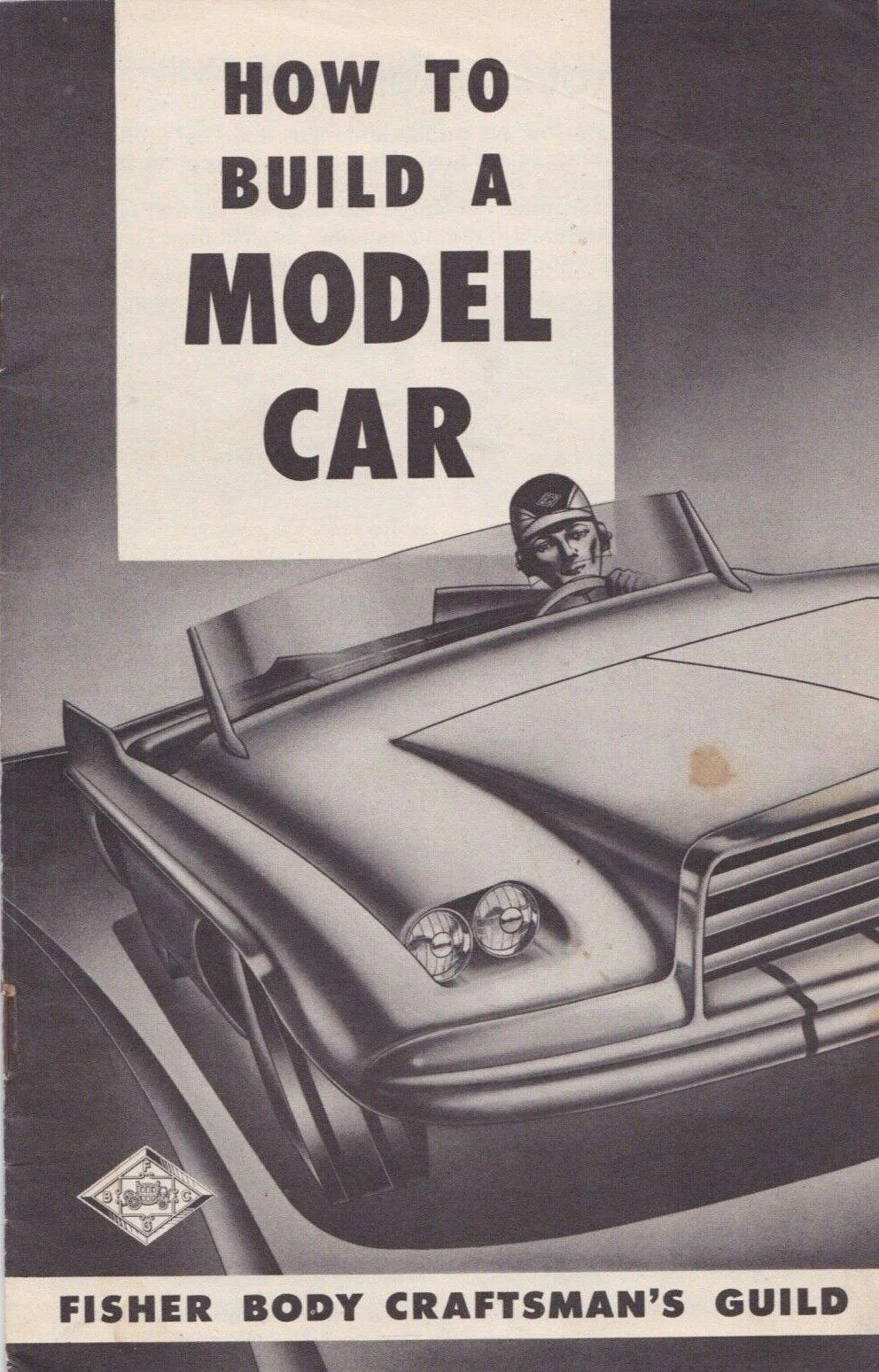
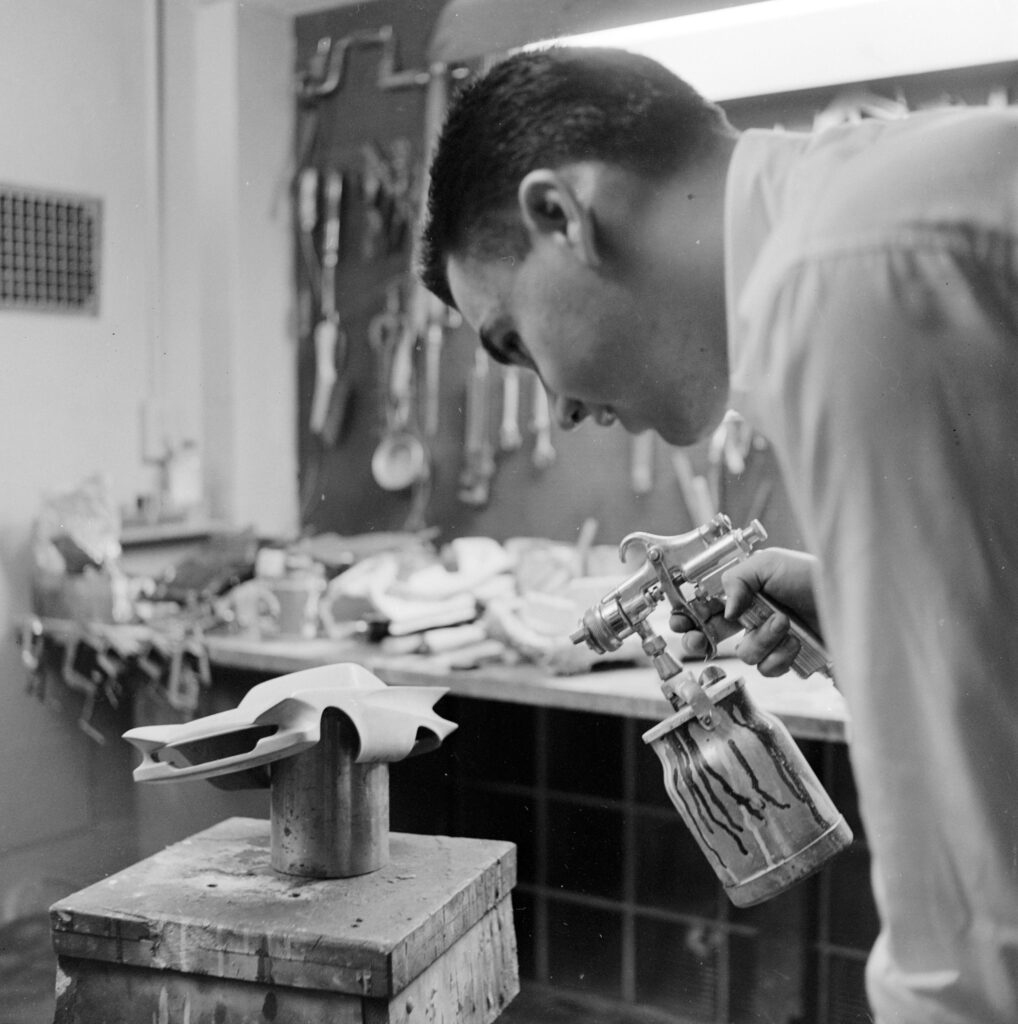
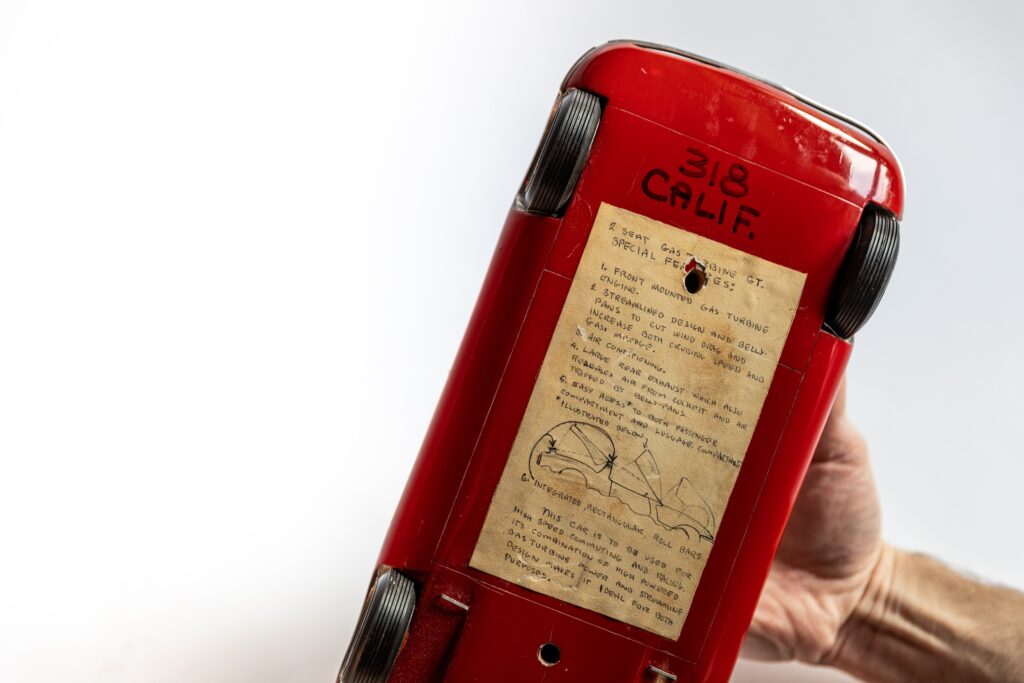
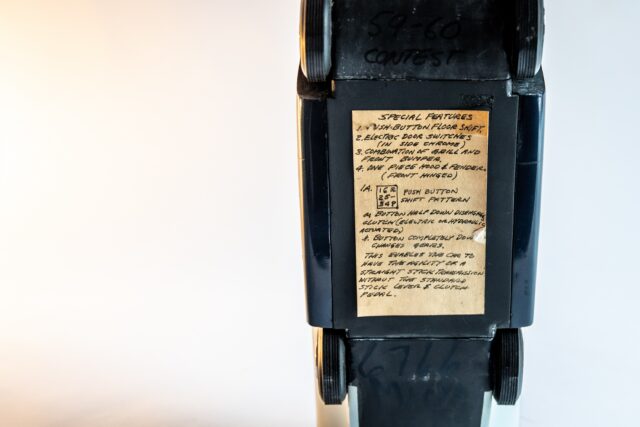
The Guild tried to make its steep learning curve manageable. Its illustrated “How to Build a Model Car” booklet started with design fundamentals. It encouraged boys to draw and test ideas for roofs, wheelbases, windows, lights, fins and exterior details, then explained ways to turn drawings into clay, wood or plaster models. It covered practical issues such as wheel clearance, shaping a plastic windshield and applying paint. Templates helped entrants sketch coupe and sedan or wagon interiors to a useful scale.
A bimonthly newsletter, The Guildsman, added construction advice and profiles of working designers and former winners. Its subjects ranged from the hundreds of hours spent making a prize-winning model to the right type of plaster for avoiding breakage. One 1959 tip suggested turning the end of a small screwdriver handle into a headlight. Entrants could request a set of finished wheels; hubcaps were their own responsibility. One of the contest’s 13 mandatory rules required a place for a license plate at both ends of the model.
Materials and equipment were often improvised. David Courtney, who grew up in small-town Illinois, remembers reading that transparent red toothbrush handles could supply material for taillights. He began two models but finished neither. One, a wooden roadster with a Camaro-like shape, remains with him. His tools were a handsaw, file, drill and four-inch vise; he says he had little idea how to translate his drawings into a finished model.
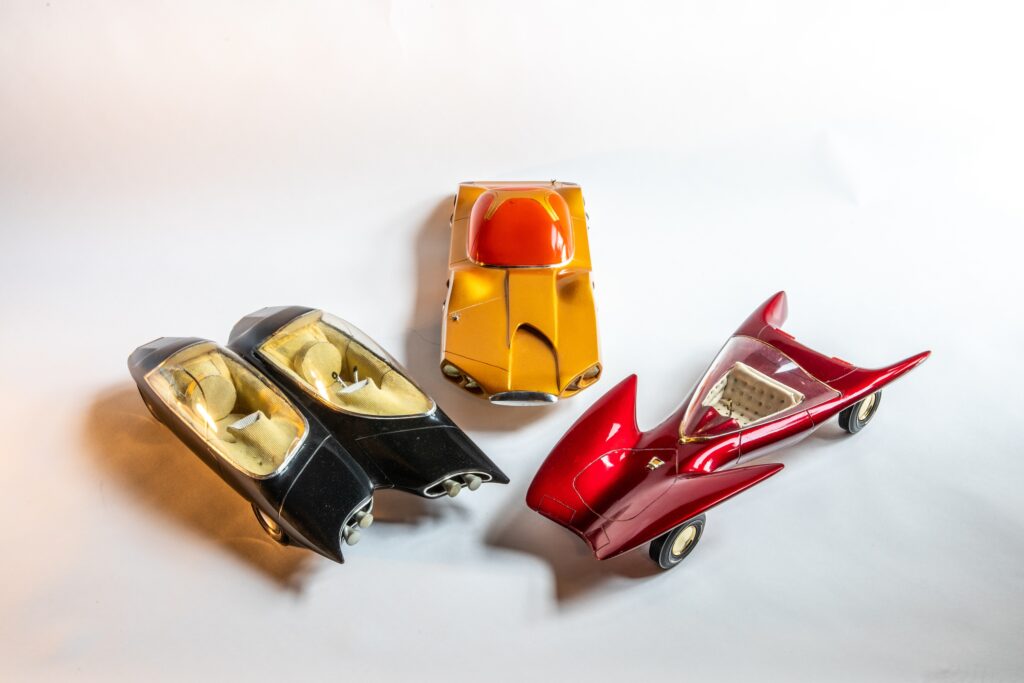
Robert Davids took a more systematic route. The 1963 senior winner, then a 19-year-old pinstriper and surfboard shaper in Venice, California, made a three-seat bubble-top coupe from yellow poplar and won a $5,000 scholarship. He contacted earlier winners to understand the standard expected. Their advice stressed fine detail and authentic finishes: polished aluminum could not stand in for chrome.
Davids set himself a particularly difficult task. His concept had a transparent bubble roof over a complete interior, plus a channel that flowed from the roof through the rear glass and into the trunk. He needed a vacuum-forming machine to shape the roof, but couldn’t afford one. Instead, he assembled a working rig from an electric motor salvaged from a refrigerator and a surplus vacuum pump. After 20 to 24 attempts, he had two usable roof pieces. He built around the nearly perfect one and saved the best for the final model.
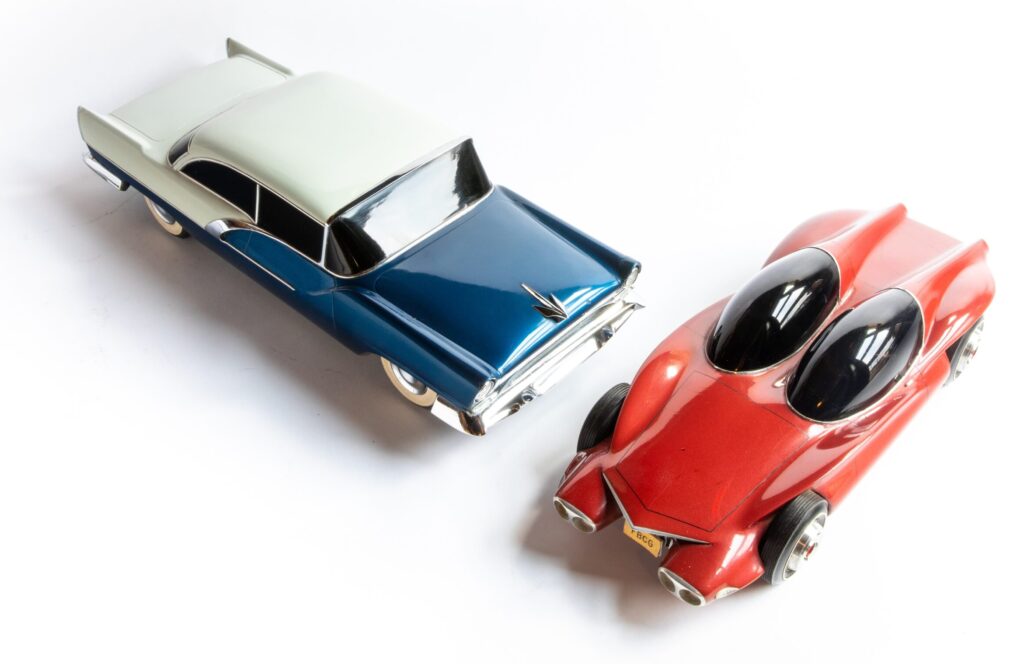
Ron Pellman, who entered four contests between 1956 and 1960, also had to find ways around limited resources. For his model, a lumberyard in Buffalo, New York, planed poplar boards to seven-sixteenths of an inch thick. Pellman cut sections to the rough profile of the car, glued them into layers and used India ink in the joints as a guide while he carved and sanded the shape.
Finishing the bumpers proved just as challenging. No local chrome shop wanted to take on parts that small. Eventually, a worker who plated engine parts for Great Lakes freighters agreed to try. He spent a week plating, filing, filling and plating the bumpers again until they met the required finish. When Pellman asked what he owed, the tradesman told him the work was beyond what he could afford.
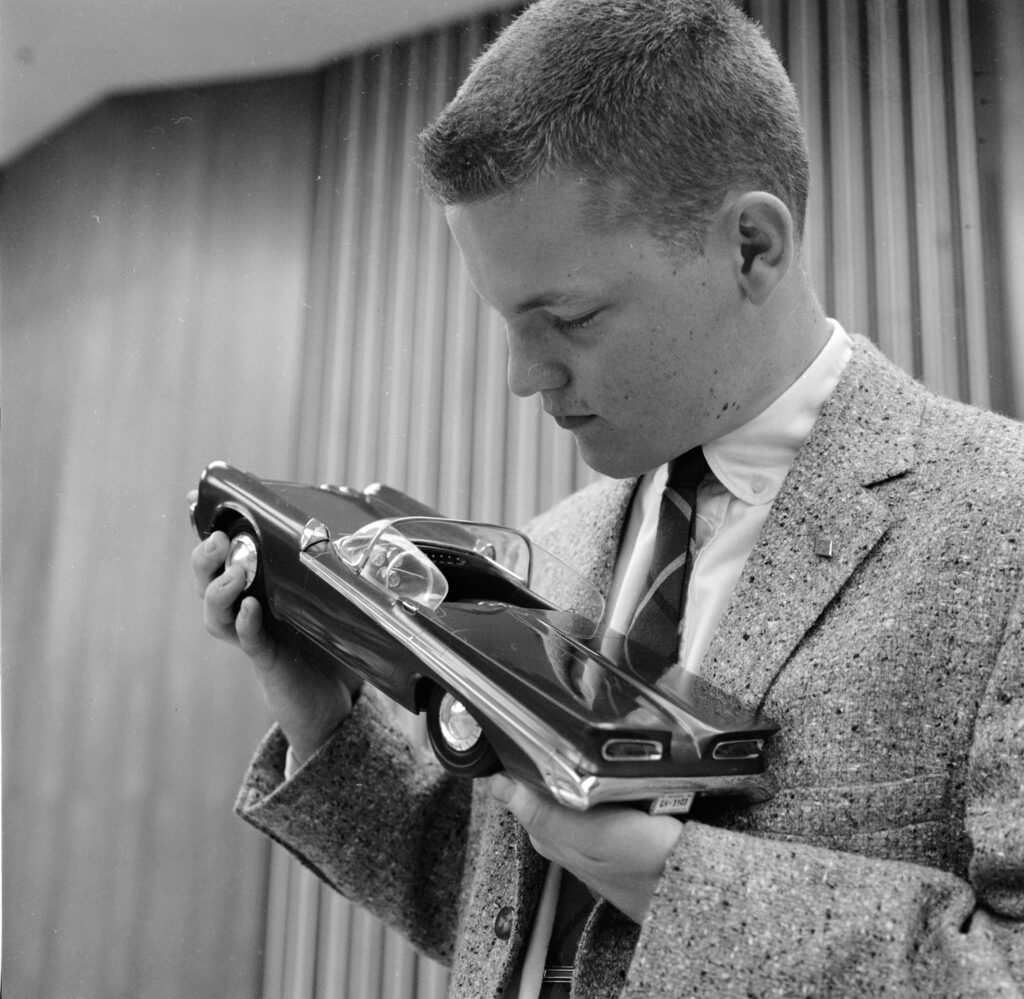
For Davids, that level of commitment meant a year with little time for anything but work on the model. He has said the routine often ran from his daytime job to late-night building sessions, sometimes until 3 a.m. His view was that any entrant who developed that kind of discipline would have a strong chance in life, while the winners had already shown exceptional focus at a young age.
Tony Simone, the 1961 junior winner, still marvels at what he made. He credits the Guild with teaching him attention to detail that stayed with him into adulthood. His father was a machinist and toolmaker, but couldn’t pay for his sons’ college education. Simone recalled being told at the dinner table that the family could provide food and shelter, but not tuition. For him, the contest offered a route to education that otherwise seemed out of reach.
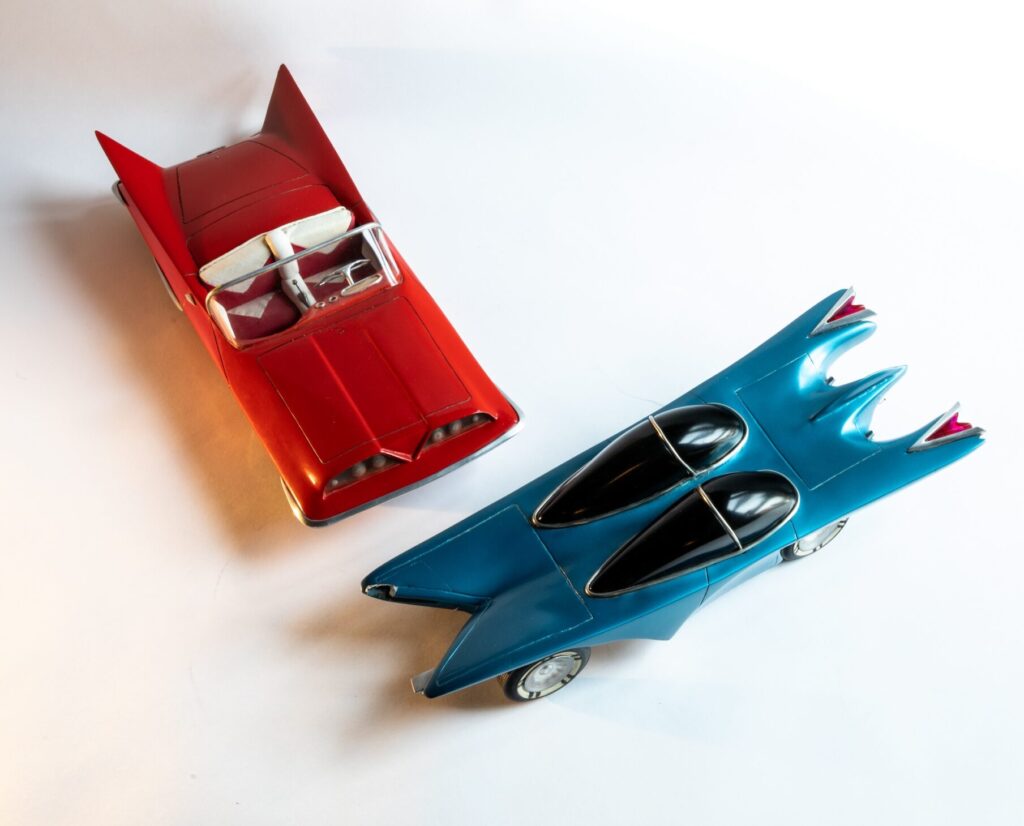
Davids faced similar doubts. His mother, he recalled, told him that someone from their circumstances wasn’t likely to win. He was the son of a soybean sharecropper in Franklin, Missouri. Winning the senior award, and its $5,000 scholarship, made that skepticism part of the story rather than its ending.
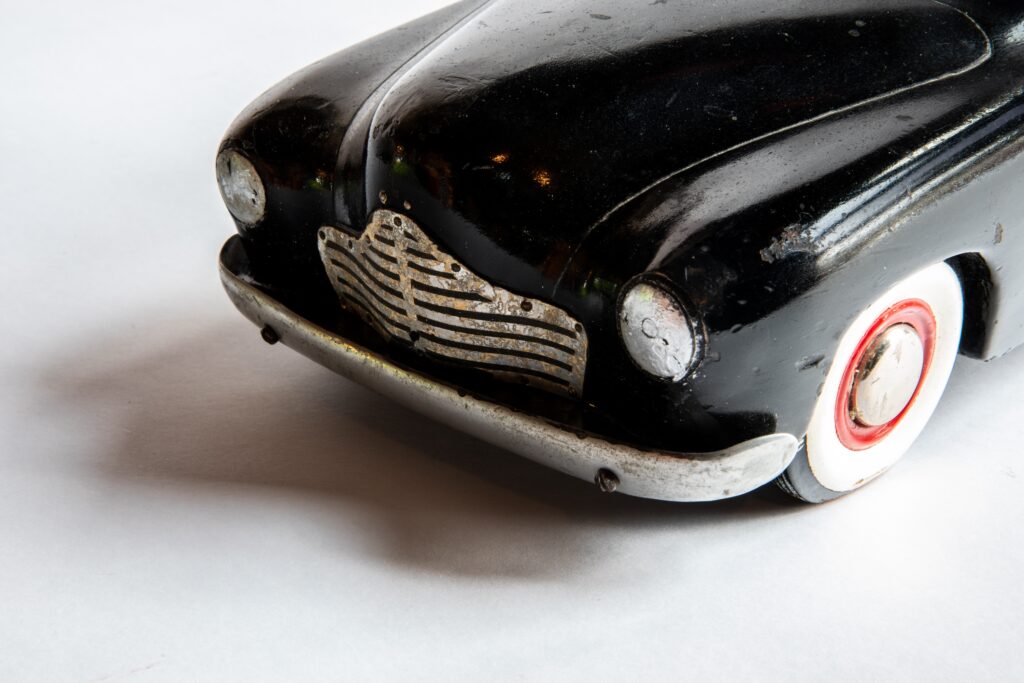
Simone’s family became a small Guild dynasty. He and his two brothers entered 15 models between them and won a combined $10,000 in scholarship money. His older brother had attended the 1959 awards and visited GM’s design studio. He returned with a forecast that the tailfin era was ending, advice Simone took into his own design work.
From regional entries to Detroit
The judging system separated entrants into junior and senior divisions, for ages 11 to 14 and 15 to 19, and divided the country into regions. A strong regional result earned a model a place in the national round. Entrants then had to pack and ship their work to Detroit, following detailed guidance in the newsletter. Judges scored both the design and how well it had been built.
Forty finalists received special telegrams: 20 from each age group. The Guild paid for their trip to its Detroit convention and awards banquet. They traveled without their parents, with GM staff helping them navigate airports and train stations. For many teenagers, it was a first trip far from home, made even more memorable by travel and hospitality normally reserved for prominent guests.
Simone, who left Rhode Island for the 1961 event at 15, remembered being stunned by the journey. He had never been beyond Providence. After flying to New York’s Idlewild Airport, a GM representative escorted him to a new Boeing 707 for the next leg. The teenagers traveled first class. After dinner, they reached Detroit and rode to the Book-Cadillac Hotel in a Cadillac Fleetwood limousine. A team of tailors took their measurements, then made each finalist a suit with the Guild emblem on its jacket.
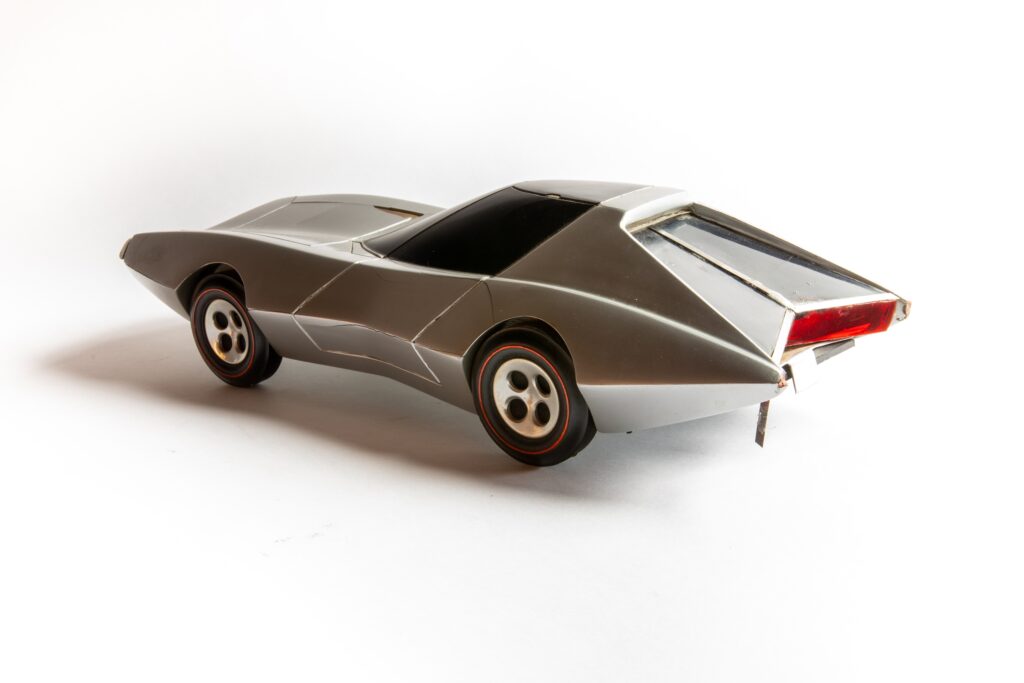
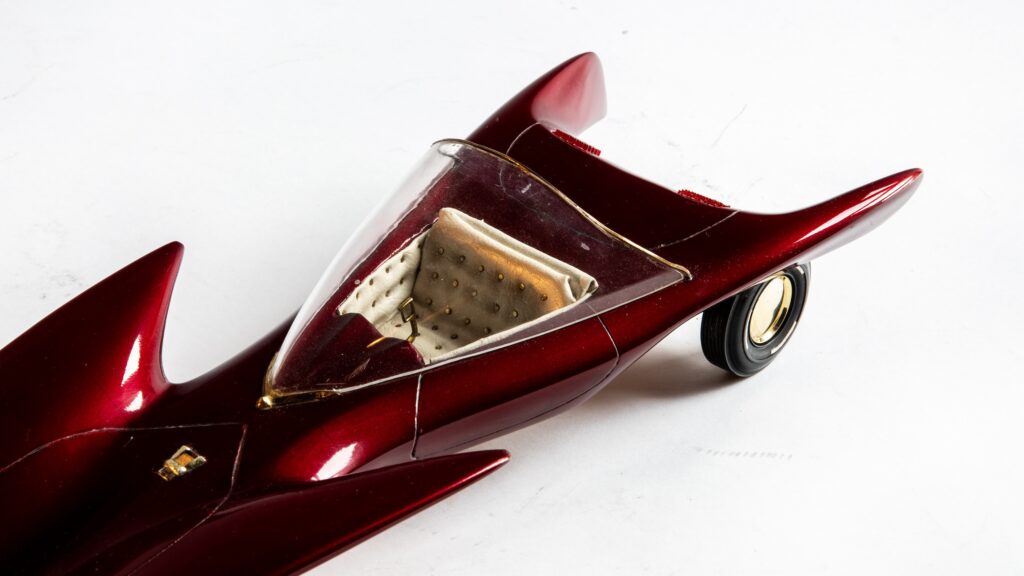
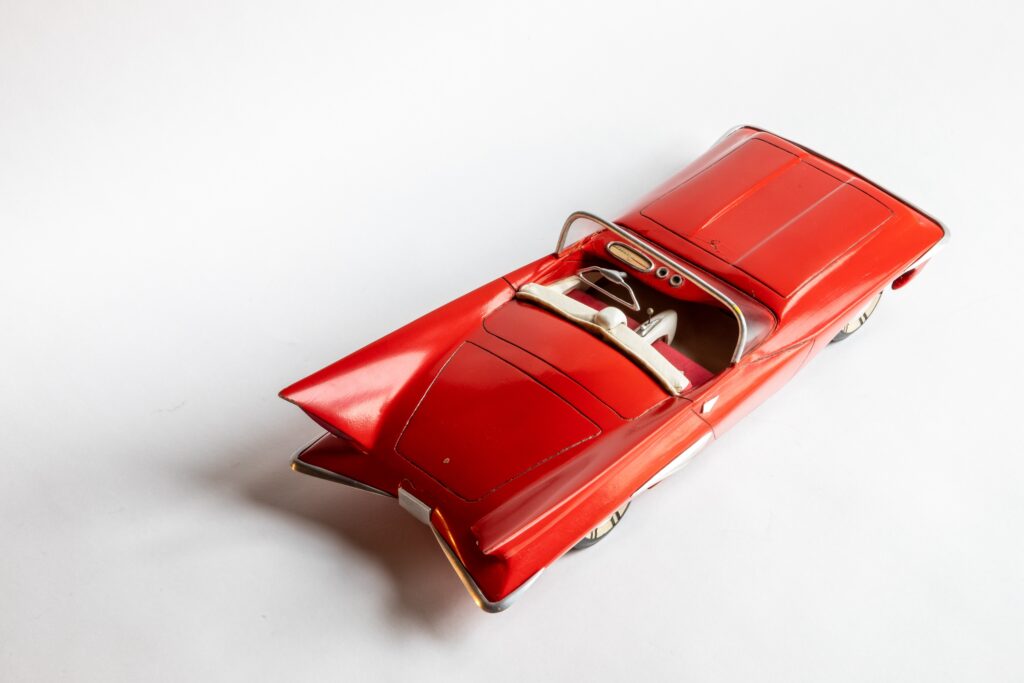
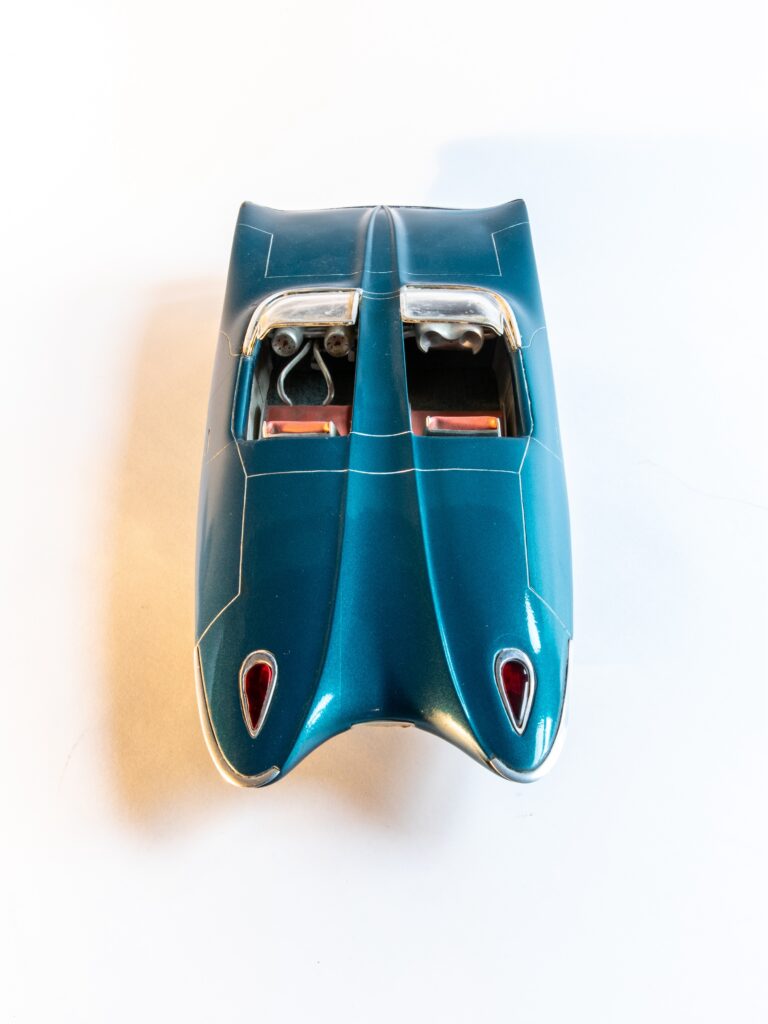
The banquet brought finalists into a room with about 800 GM managers from design, engineering and manufacturing, along with scientists, journalists and well-known guests. The event’s hosts included actor Robert Young, broadcaster Lowell Thomas and television news presenter Walter Cronkite. Among the prominent figures in attendance were GM leaders Alfred P. Sloan and Charles F. “Boss” Kettering.
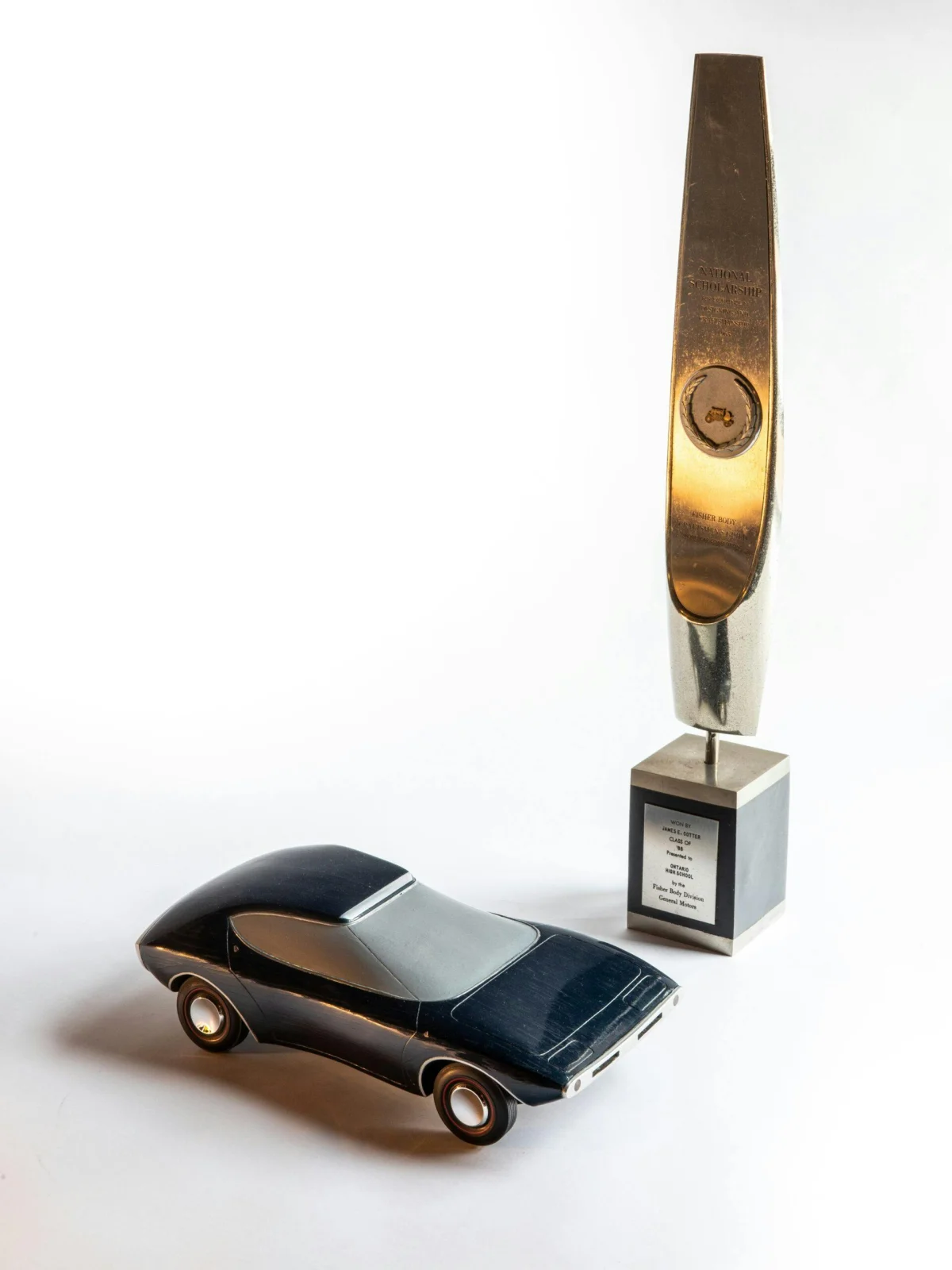
The judging panel included Earl and his successor, Bill Mitchell, as well as Chrysler design director Virgil M. Exner, himself a former Guild winner, and rising GM designer Chuck Jordan. Awards went to the top three models in each age group, with five honorable mentions per division. Cheers accompanied the announcement of scholarship winners, often made by GM’s president or a senior deputy.
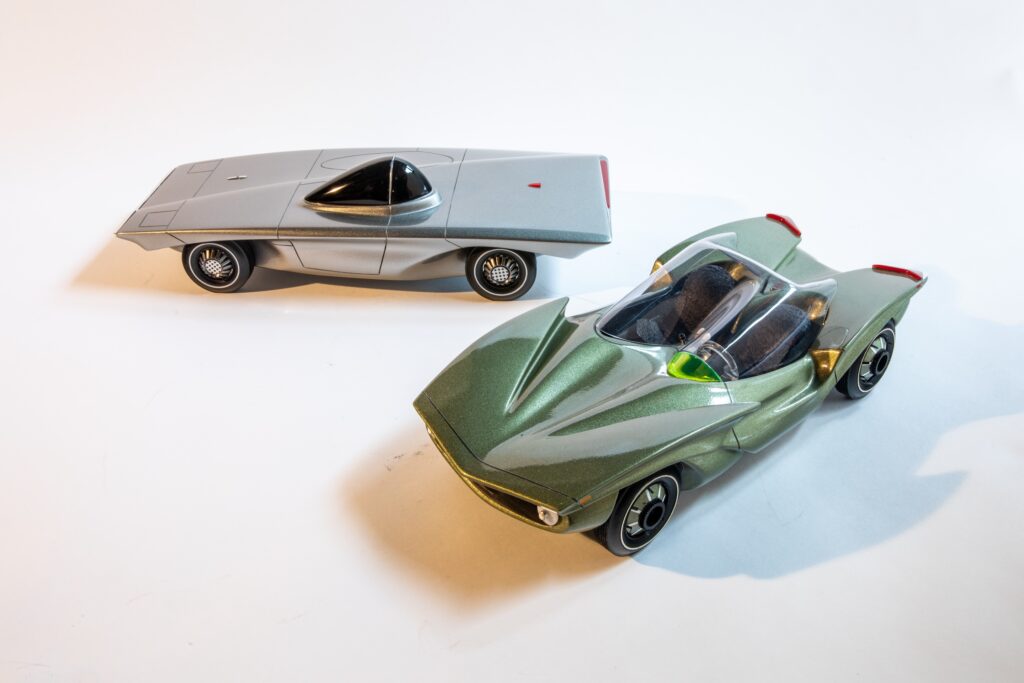
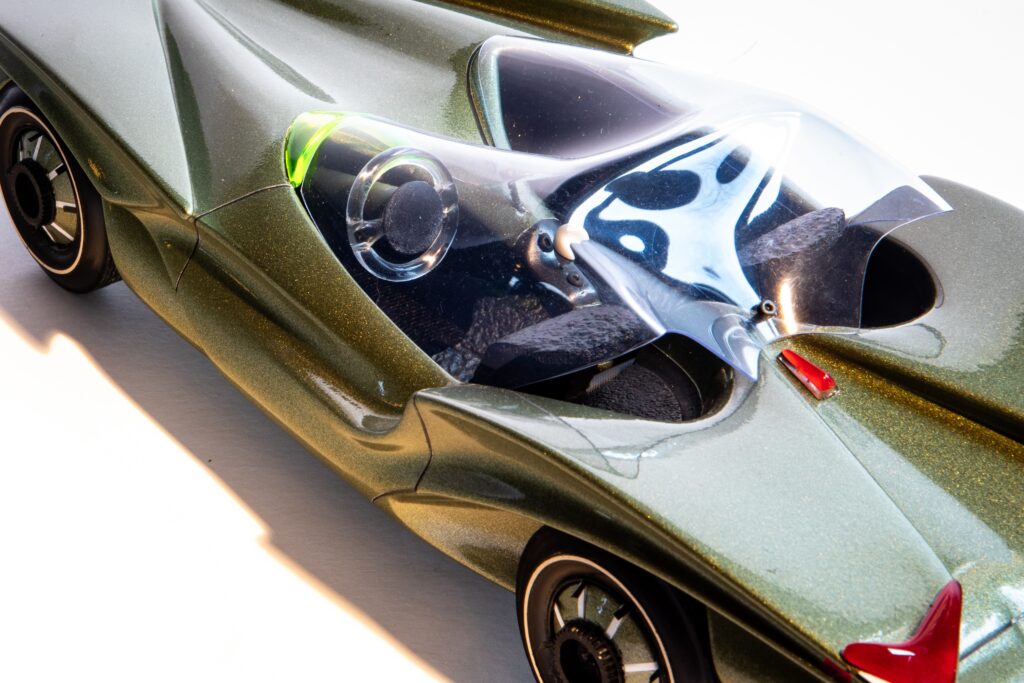
The trip extended beyond the banquet. Finalists visited GM’s Technical Center and design studios, saw concept vehicles they had previously encountered in magazines, and toured Fisher Body plants. Other outings included a furniture factory and a Detroit River cruise to Boblo Island Amusement Park. The schedule also featured presentations from FBI staff and a visit to Selfridge Air Force Base, where Guild members sat in jet fighters and met pilots.
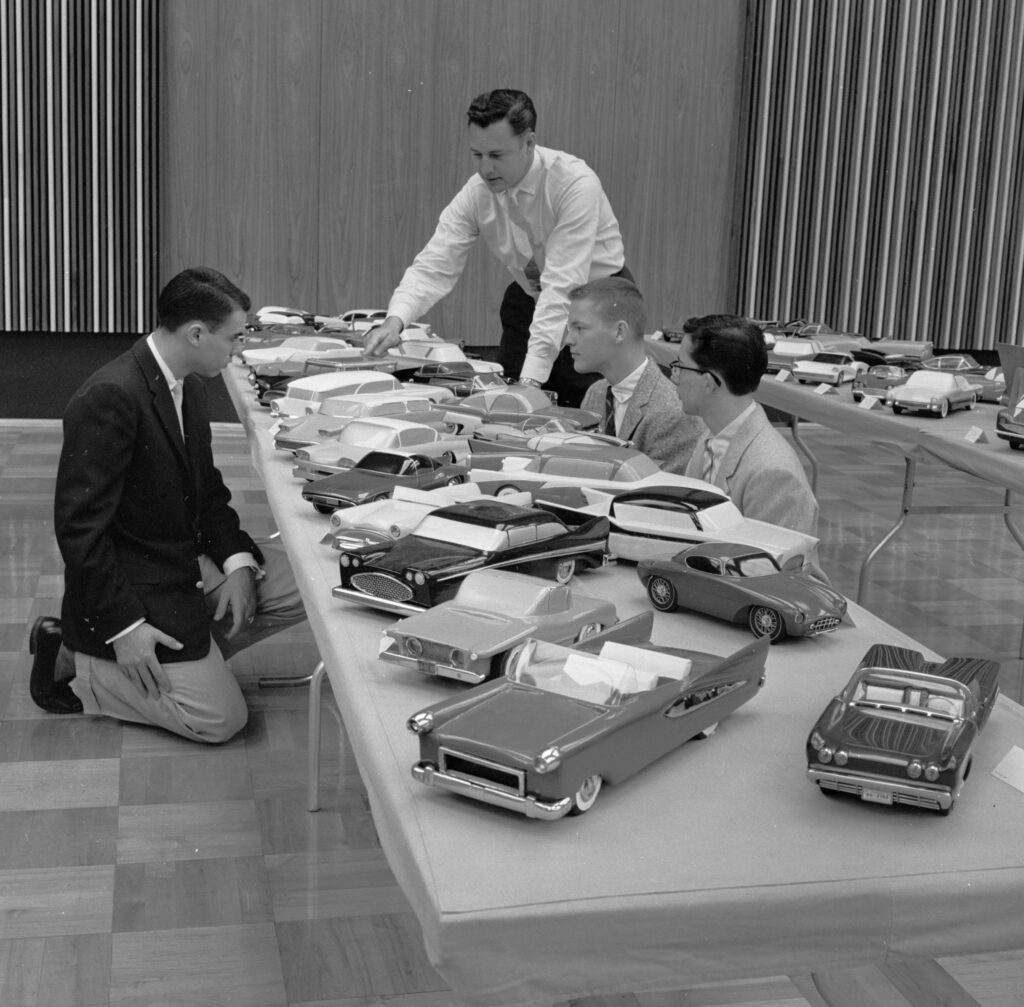
GM photographers recorded the models closely during the event. Those images let company designers study the entrants’ ideas later, turning a youth scholarship contest into a source of fresh visual thinking as well. Winners were also interviewed by newspapers and radio stations, and sometimes appeared on television. Their high schools received large trophies, while the models toured dealerships, company offices and exhibitions. Some traveled in GM Futurliners, the large vehicles used to showcase the company’s industrial work. In some cases, makers didn’t see their models again for two years.
A route into design and beyond
The Guild’s alumni included several figures who built lasting careers in car design. Jordan became GM’s vice president of design. Exner led Chrysler design; Richard Arbib worked closely with Earl at GM; and Terry Henline led design work for Pontiac, GMC and Hummer. ArtCenter College of Design in Los Angeles was a destination for some alumni, with Guild scholarships helping pay for their studies.
Davids’ career went in several directions. He fabricated body panels for Craig Breedlove’s Spirit of America land-speed car, which reached 526 mph, earned several college degrees and led GM’s experimental design studio for a period. He later ran a casino, started a company that designed and made early handheld electronic games for toy stores, and founded a winery focused on pinot noir. Other alumni entered aerospace, teaching, product and packaging design, engineering and manufacturing.
The contest’s design changed alongside the industry, but the underlying qualities remained useful: careful observation, spatial judgment, practical problem-solving and the stamina to finish difficult work. Jacobus, whose research for the Smithsonian Institution led to the book The Fisher Body Craftsman’s Guild: An Illustrated History, described those abilities as precisely the ones carmakers sought.
Why the Guild ended
By the 1960s, fewer teenagers were entering, and the models were losing some of their earlier finish. Entries fell from more than 4,000 in 1963 to fewer than 2,000 in 1967, Jacobus records. Davids connected the decline to wider changes in young people’s lives after the Beatles arrived in 1964, and to a shrinking pool of entrants willing to commit so much time to a single project.
The cost was another pressure. GM was spending millions of dollars on the program while new vehicle safety and emissions requirements were adding financial demands. The Guild also lost its founding patron when William A. Fisher died in 1969. The contest had ended the year before.
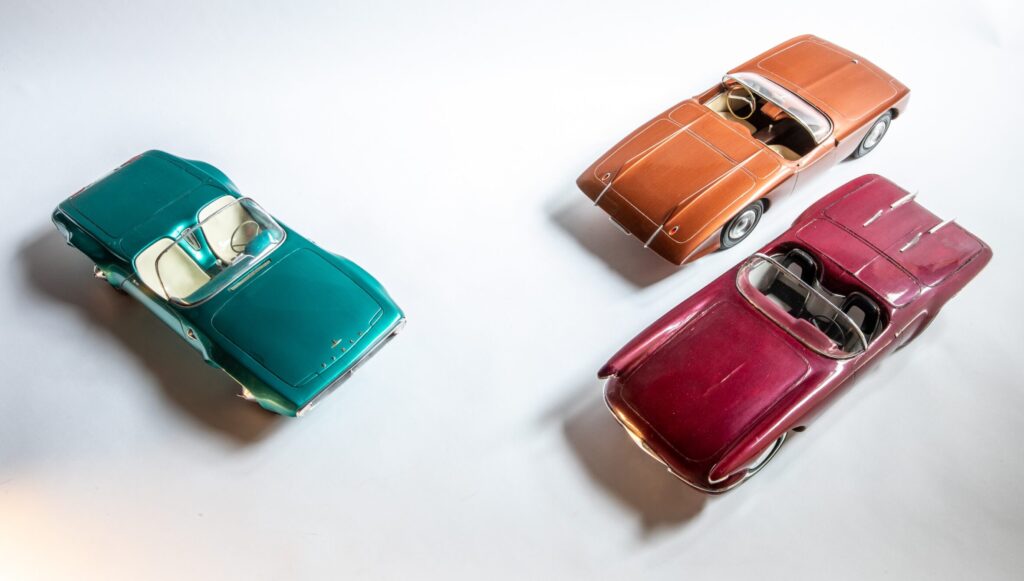
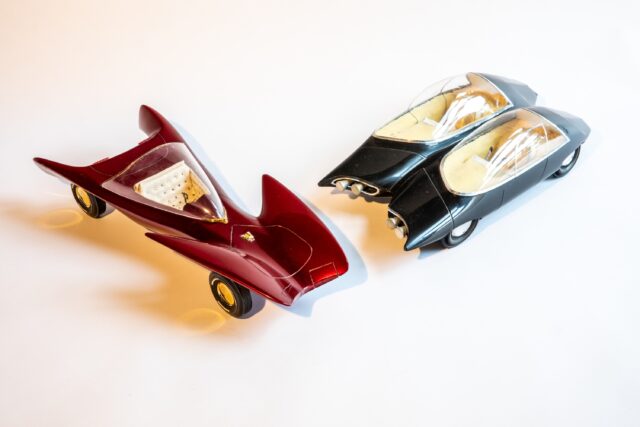
Former members met at ArtCenter College in Pasadena in 2016 and began working to preserve surviving models. Examples now have permanent displays at museums around the country. The collection matters because these small cars capture more than changing ideas about styling: each one records what a teenager could create with limited materials, detailed instruction and an unusually demanding brief.
Where to see Fisher Body Guild models
Petersen Automotive Museum
30 models and one coach
Los Angeles, California | petersen.org
Gilmore Car Museum
50 models and one coach
Hickory Corners, Michigan | gilmorecarmuseum.org
AACA Library & Research Center
26 models and one coach
Hershey, Pennsylvania | aaca.org/library
Piston Palace
More than 20 models and one coach
Warwick, Rhode Island | pistonpalace.com
National Route 66 Museum
Eight models and one coach
Elk City, Oklahoma | elkcity.com
National Automotive & Truck Museum
Five models and one coach
Auburn, Indiana | natmus.org
National Museum of Transportation (coming soon)
More than 10 models and two coaches
St. Louis, Missouri | tnmot.org
Visit the Hagerty Media homepage for more stories, or subscribe to its newsletters.
The post Model Kids: Decades Ago, GM Put a Call Out For Young Car Designers. Thousands Answered appeared first on Hagerty Media.


