In lane Electric Vehicles
How to Spot an Early 1964.5 Ford Mustang: Key Details
Description
Early Mustangs are 1965 models, but distinctive parts help identify 1964 production. Check the VIN, engine bay, cabin and exterior for clues.
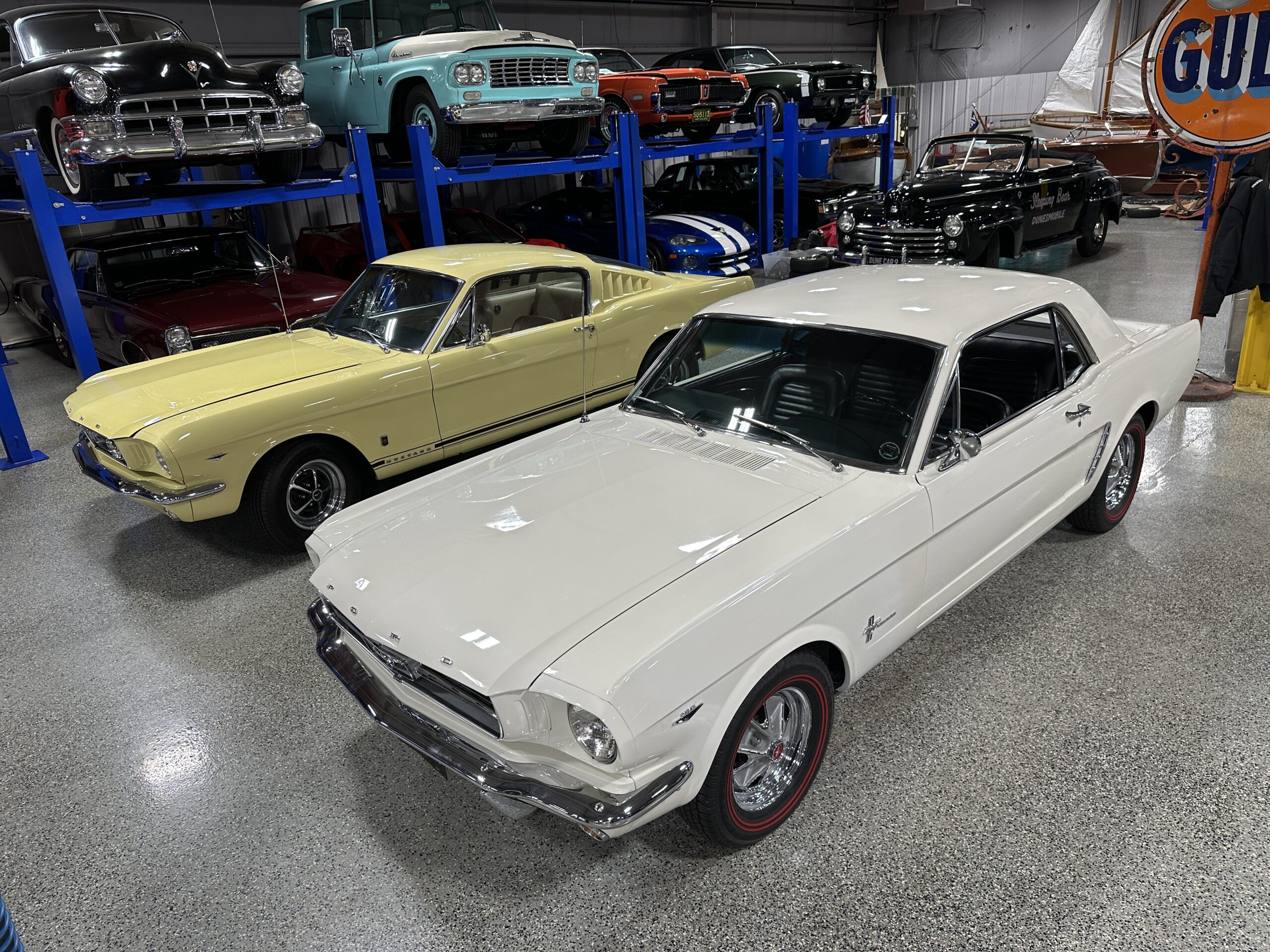
Early Ford Mustangs are commonly called 1964.5 models, though they’re technically 1965 model-year cars. The distinction comes down to build timing: production began in March 1964, before Ford’s public debut of the Mustang on April 17 at the New York World’s Fair. Changes followed as production grew, leaving a trail of parts and details that can help identify an early car.
Those details are useful for enthusiasts comparing early cars with later first-generation Mustangs. They’re clues, though, not proof on their own. Parts can be replaced during repairs or restoration, and the timing of some changes remains hard to pin down. A careful inspection works best when several features tell the same story.
Start with the VIN and engine bay
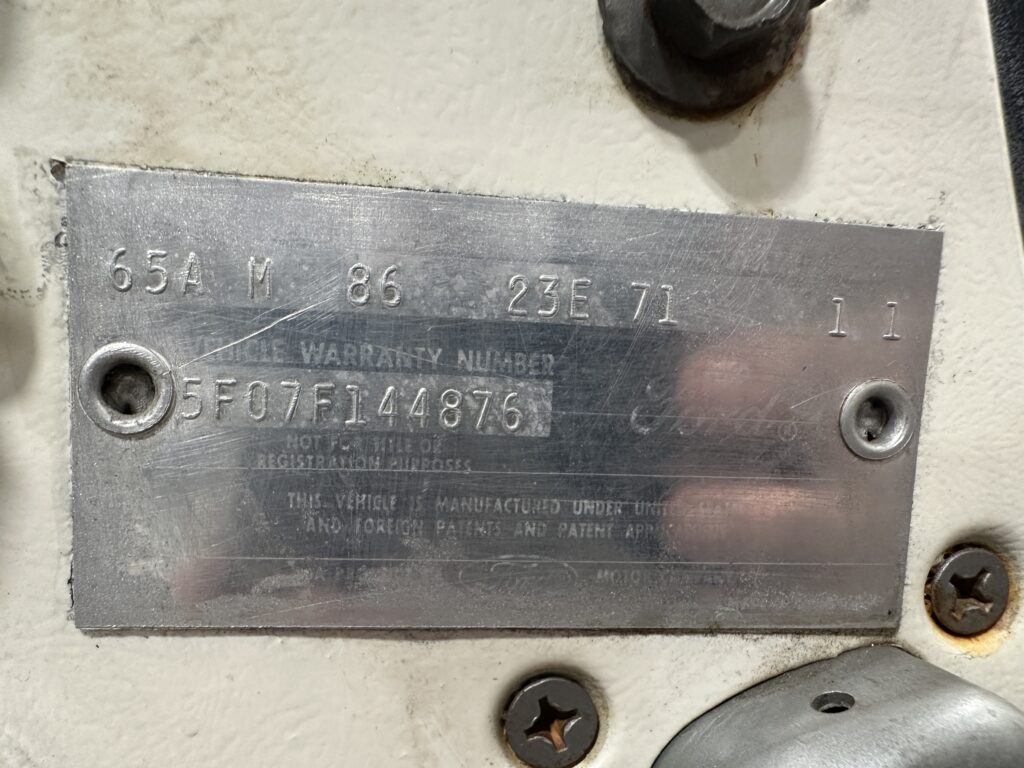
The first VIN digit identifies the model year, so it won’t separate an early Mustang from other 1965 models. The second digit indicates the production location: “F” identifies Dearborn, Michigan, while “R” identifies San Jose, California. Those codes help establish context, but the visible parts provide more of the spotter’s guide.
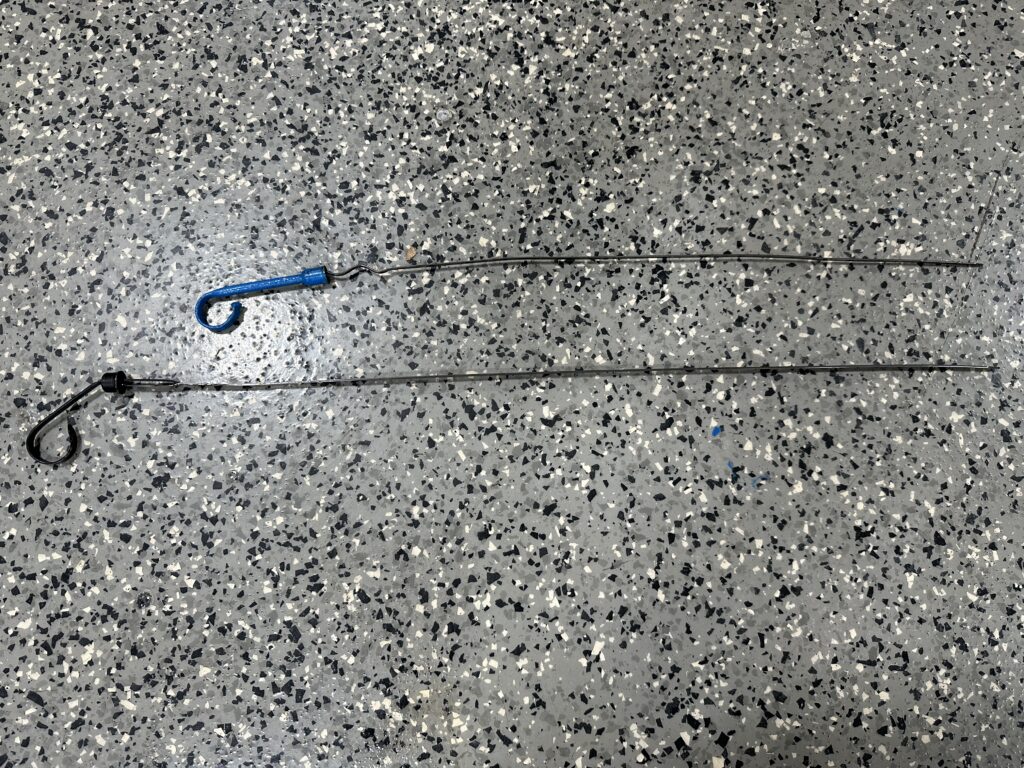
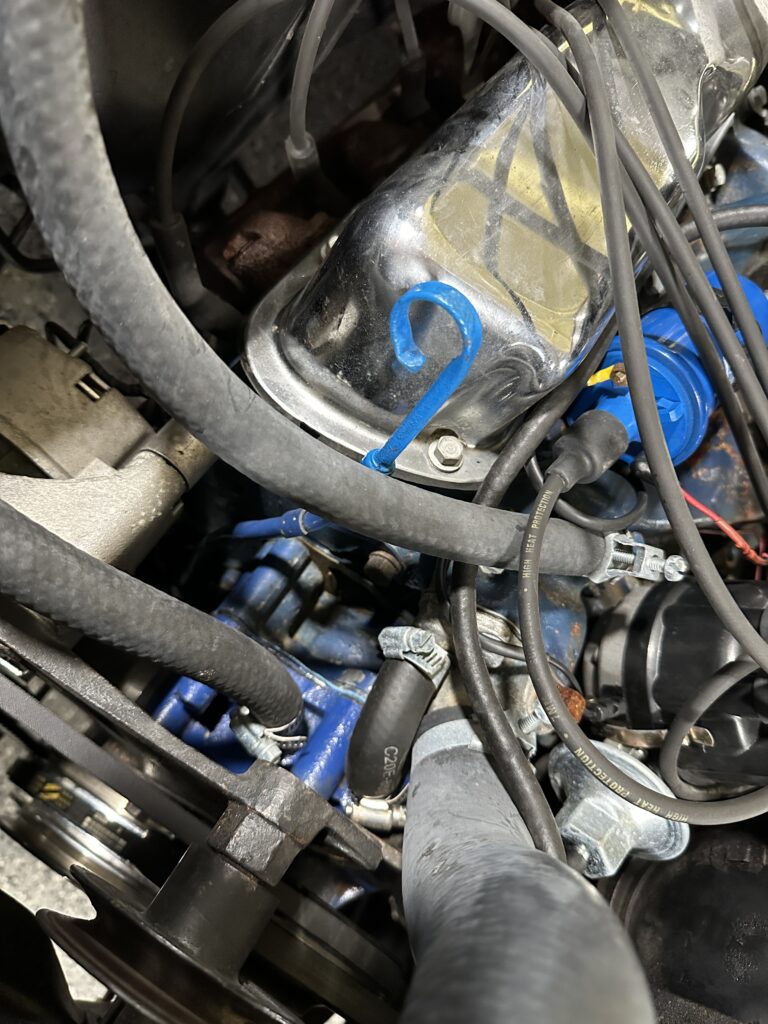
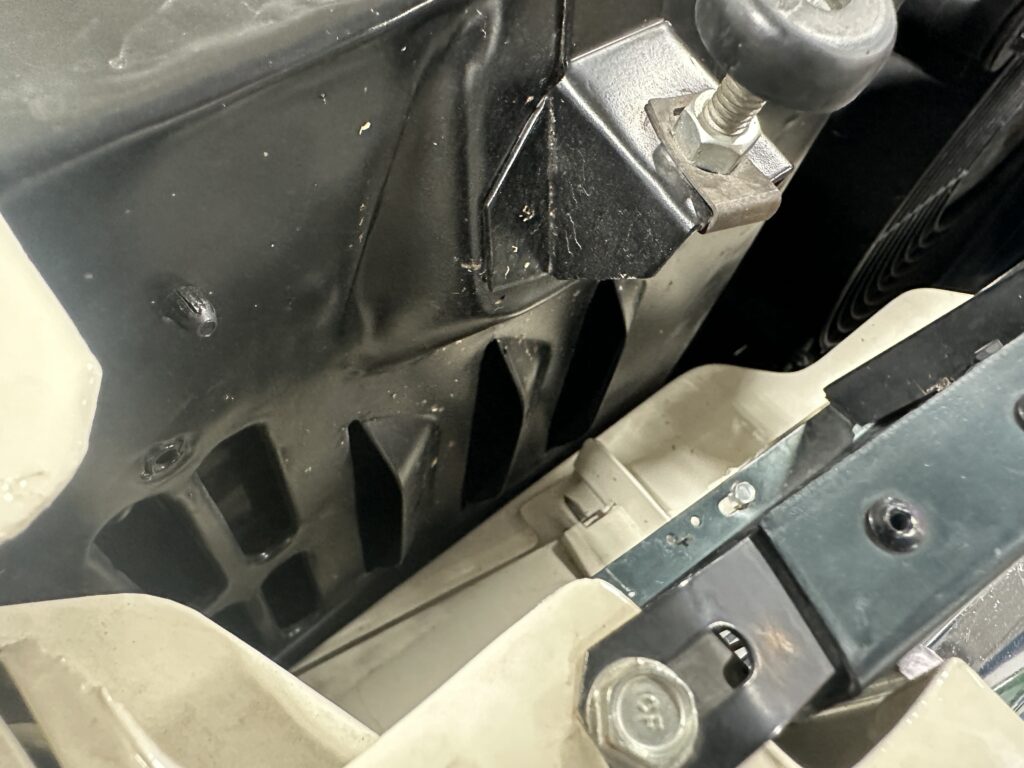
Under the hood, look first at the passenger side. Early cars used a generator for electrical power. It’s visually distinct from an alternator, and its presence goes with two other useful clues: vents pressed into the radiator core support to help cool the battery and generator, and a longer dipstick routed through the generator bracket. Later cars moved the dipstick to the driver’s side of the engine block.
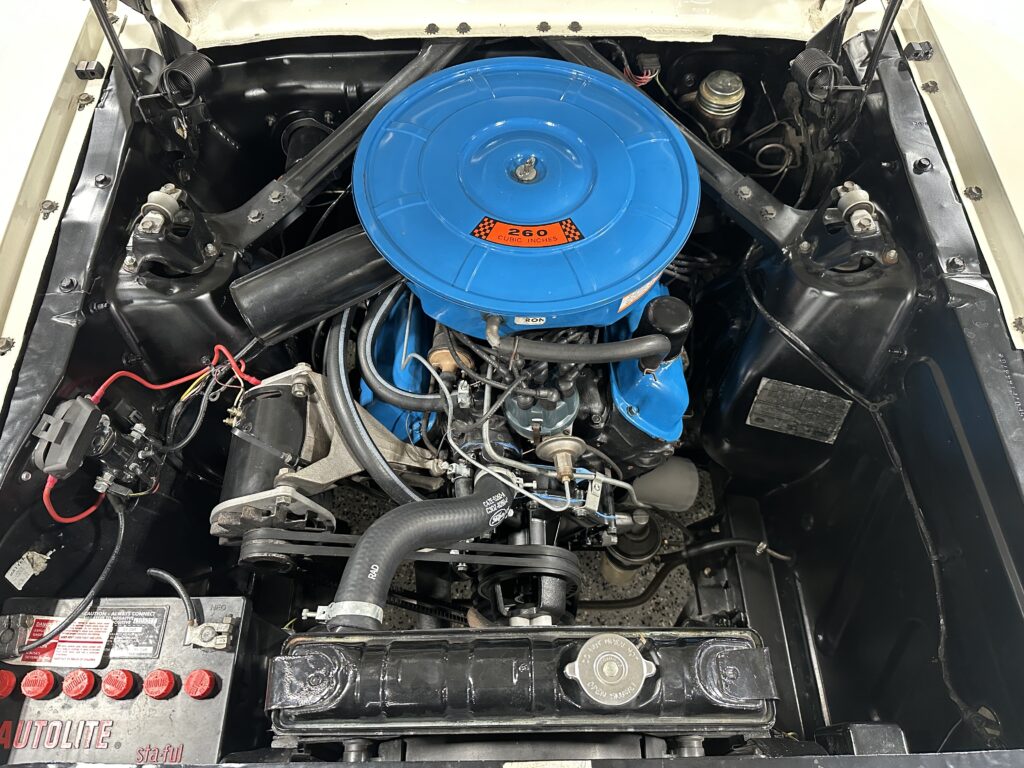
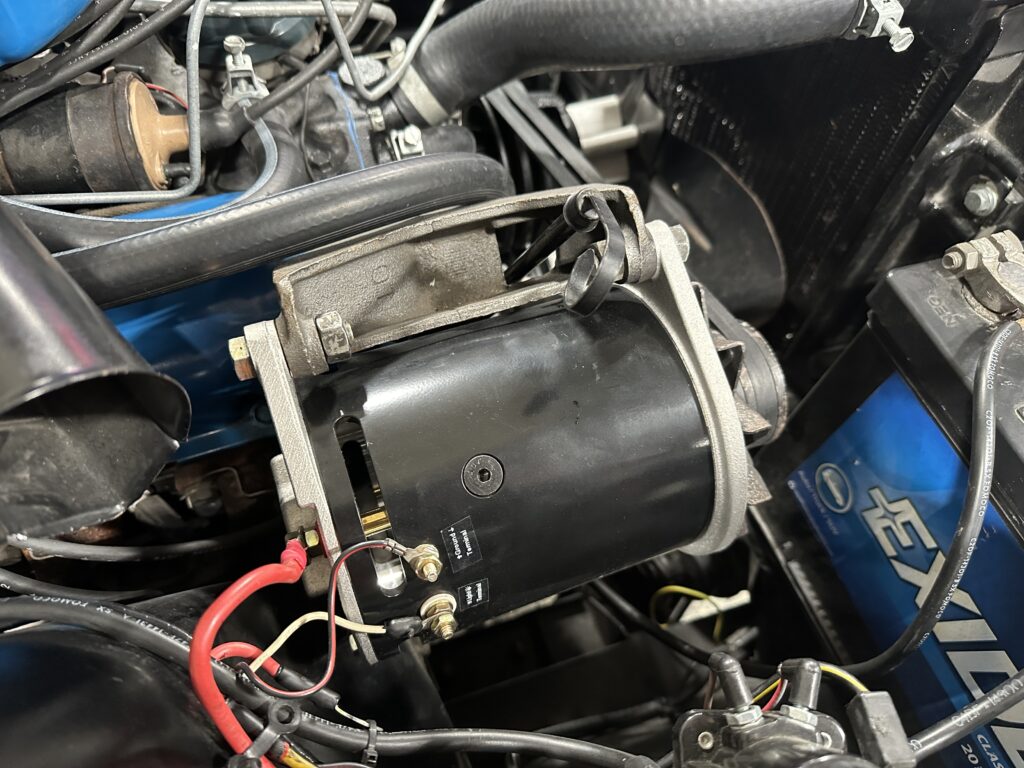
Generators are less efficient than alternators, but they can still do the job. Their value here is as a visible production clue. Check the associated hardware, too: one component can be changed independently, so a generator or dipstick alone doesn’t settle the question.
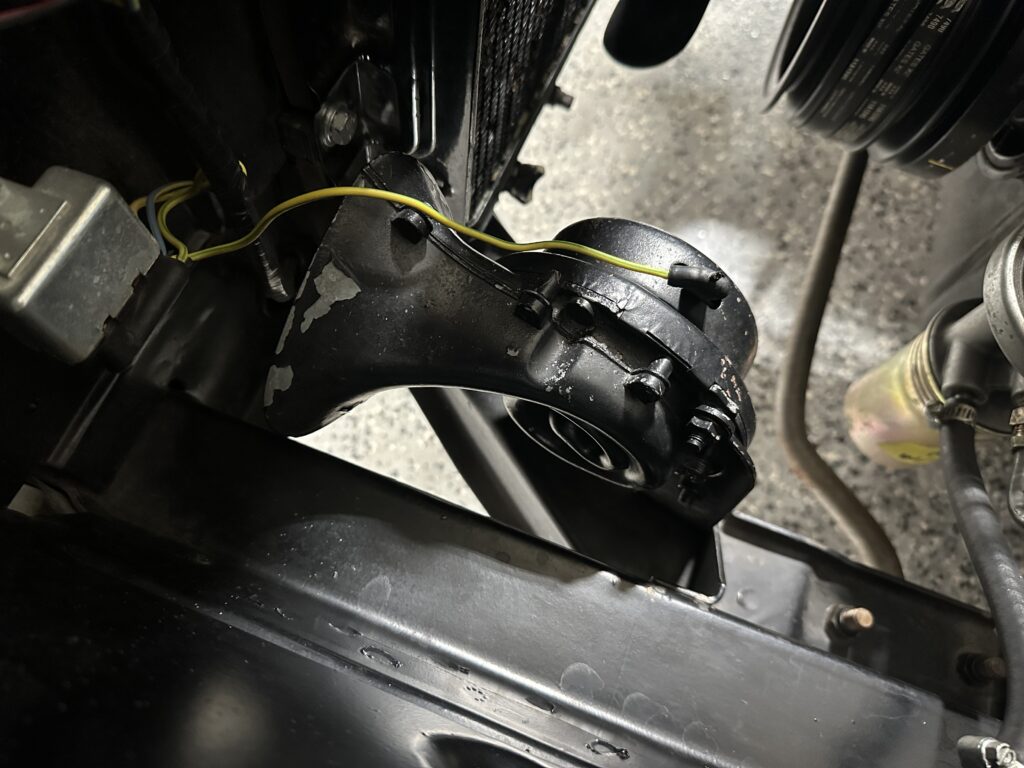
Another easy-to-see difference sits ahead of the engine. Early horns are mounted low, behind the radiator, on the frame rails. Later cars moved them to the radiator core support.
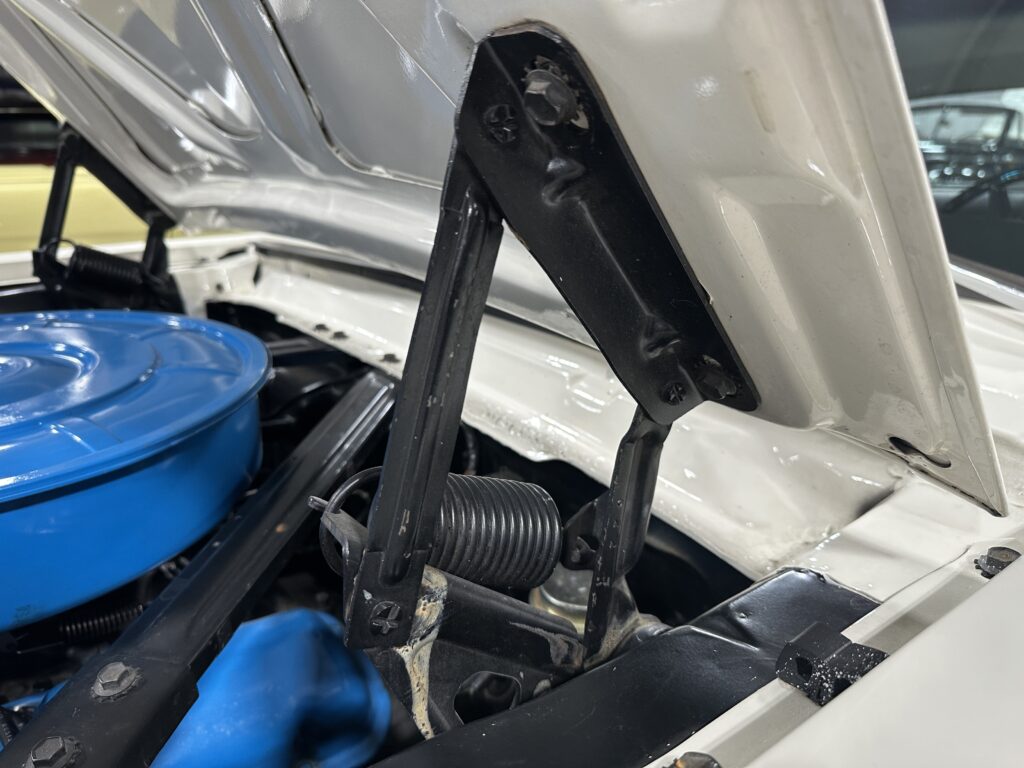
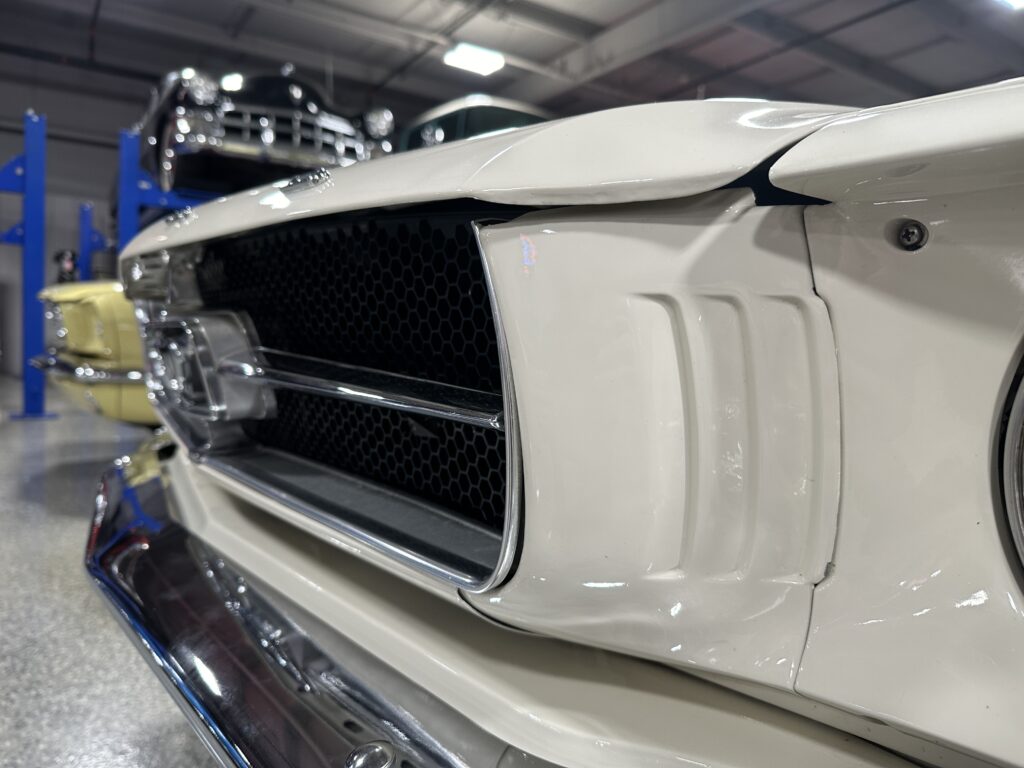
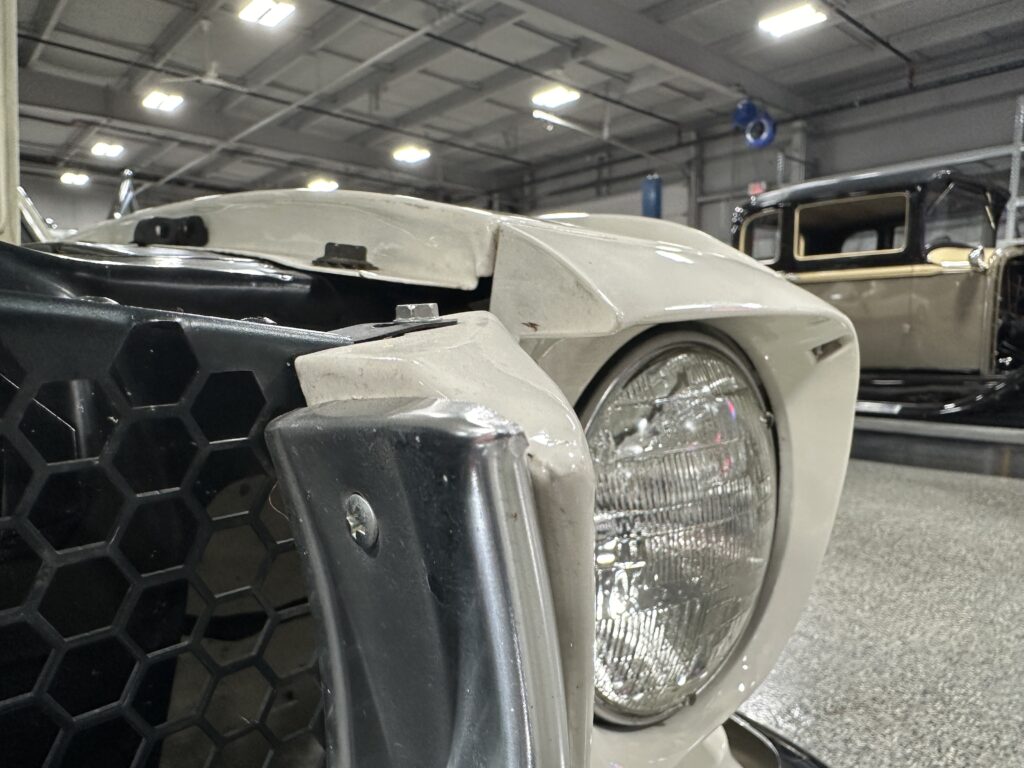
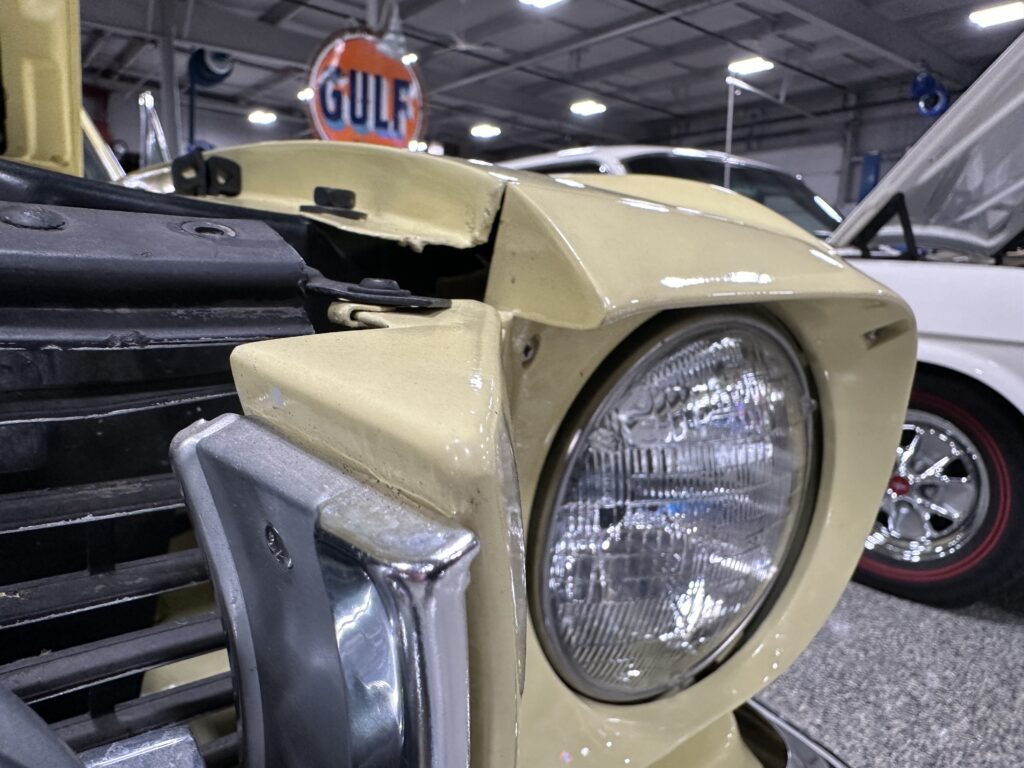
Look at the hood hardware and leading edge as well. Early hood hinges were painted gloss black. The early hood also had a hanging edge at its front corners; later production used a revised hood with that edge rolled in and flattened. This change affected the adjoining headlight nacelle, which has a tapered edge on early production cars. Because hoods and grille pieces can be replaced, the hood and headlight details may not match.
Brake hardware and cabin details
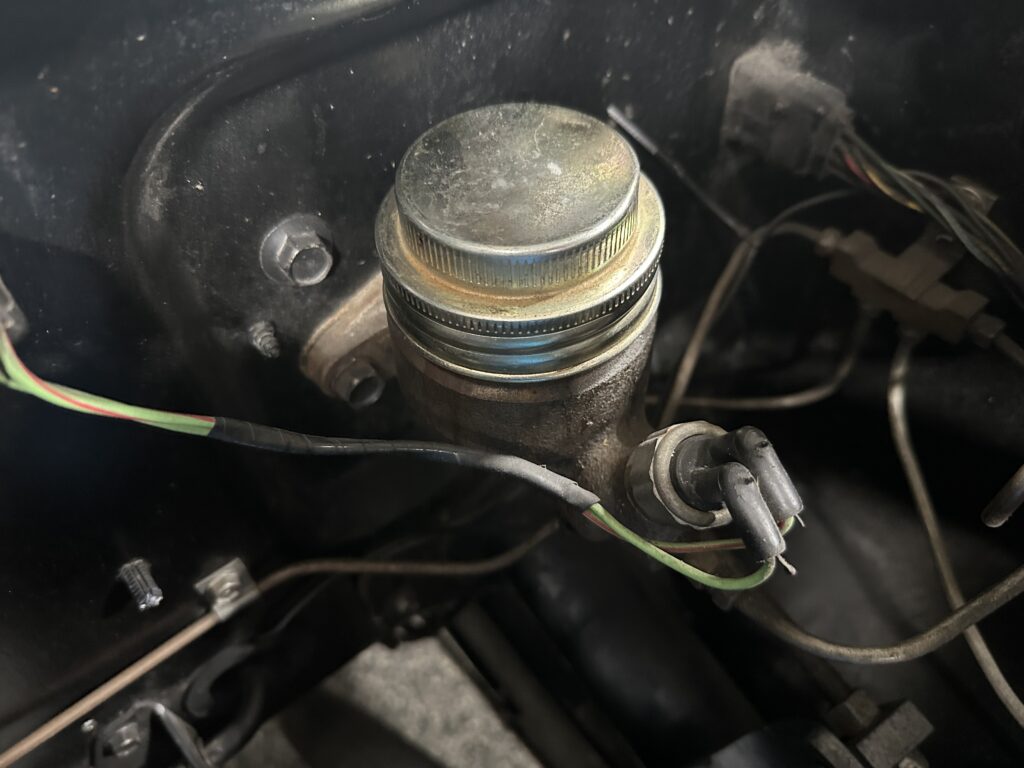
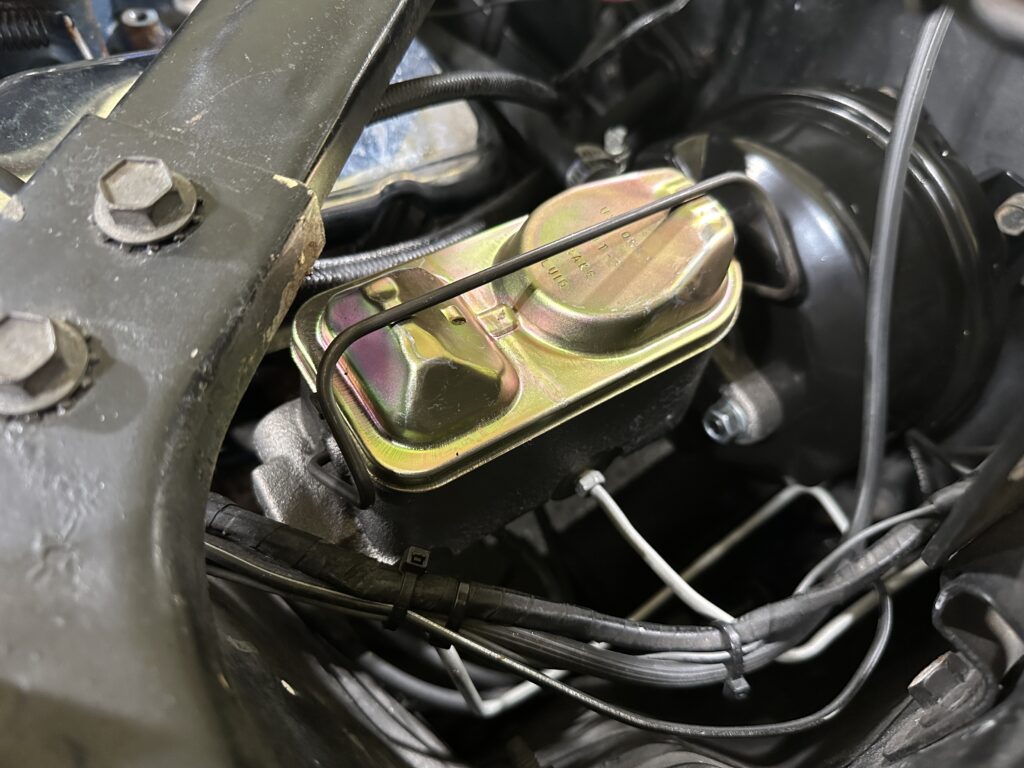
The brake light switch offers a more telling clue than the master cylinder itself. Early Mustangs had a single-reservoir master cylinder, with the switch mounted at its top center. The single reservoir doesn’t establish an early build date by itself; the switch’s position is the detail to check. Later cars mounted the switch separately from the master cylinder. Dual-circuit brake systems became widespread later, in 1967.
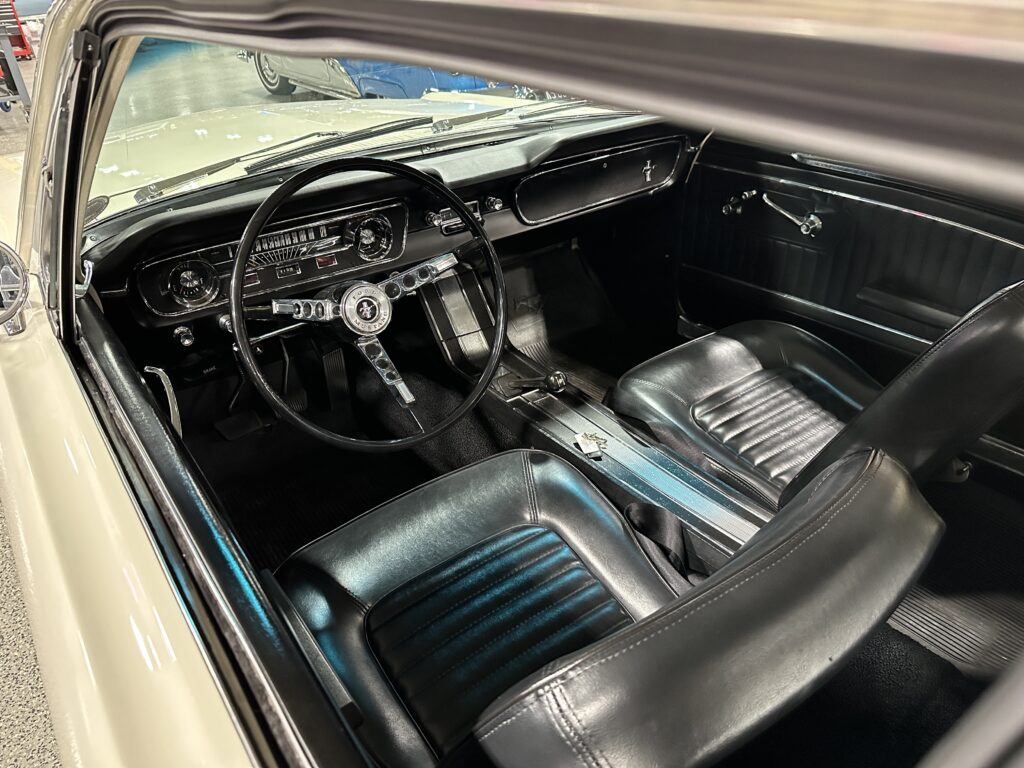
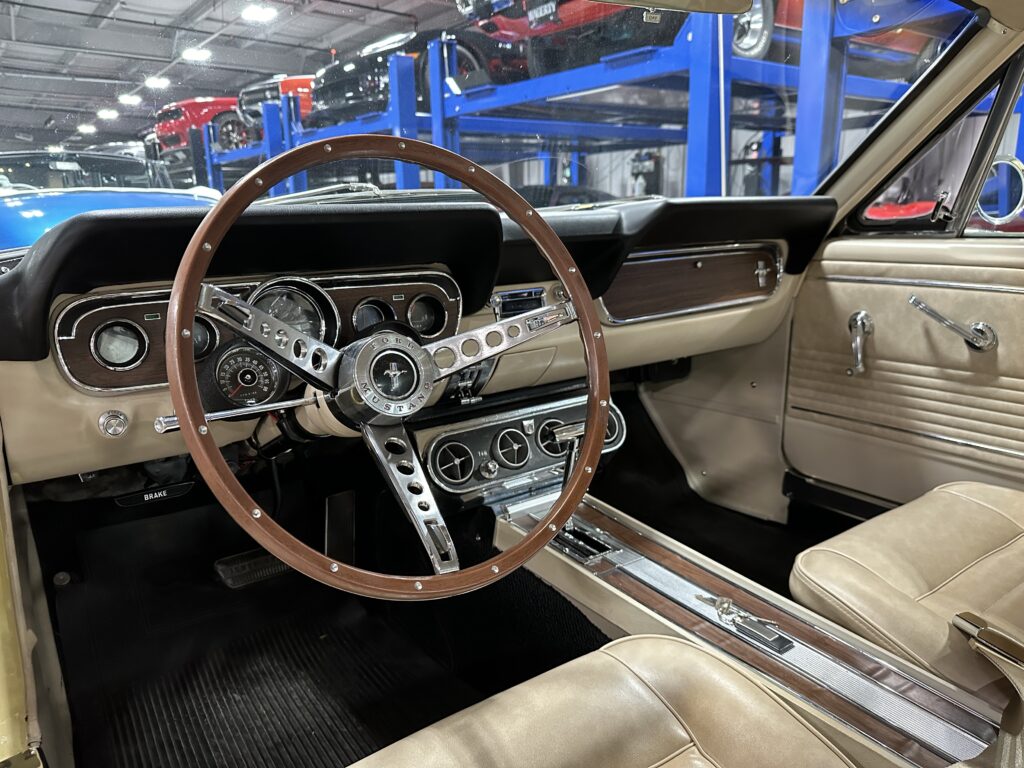
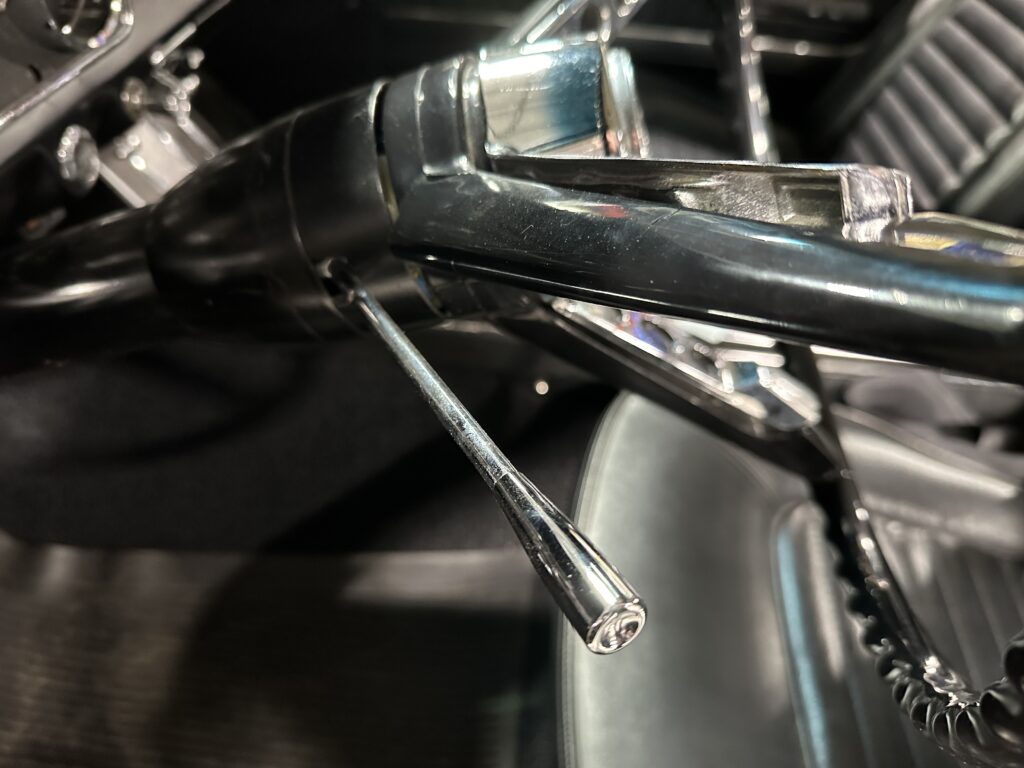
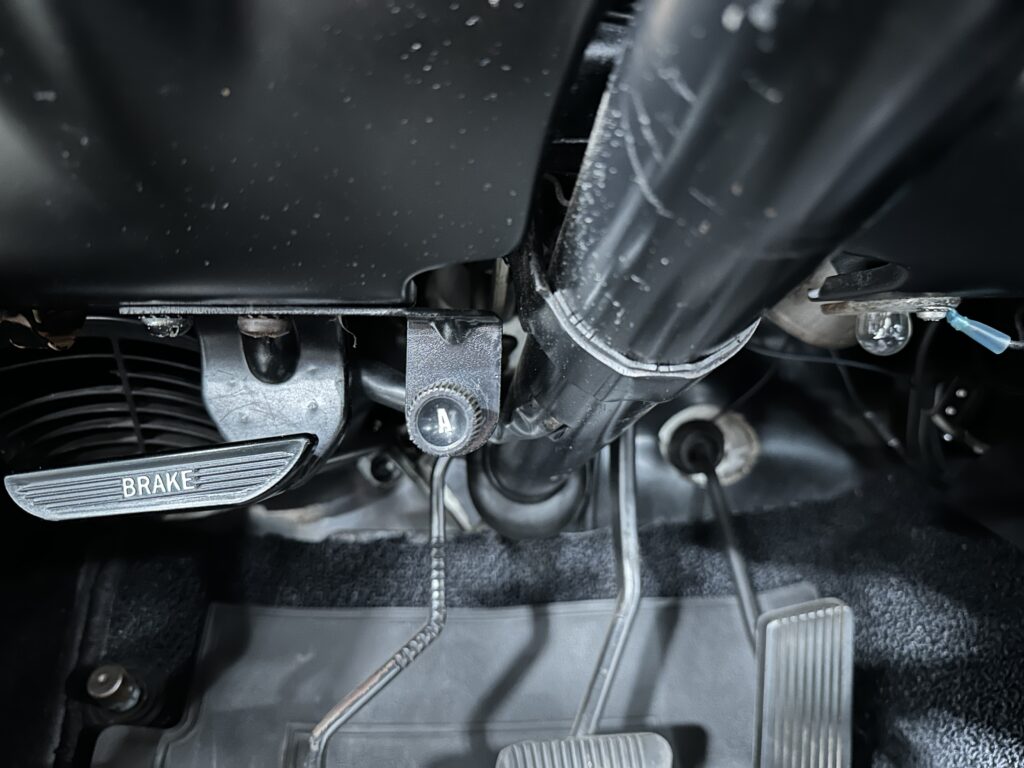
Inside, the steering wheel is a good place to begin. Early cars had a distinctive, simple wheel; a wood wheel became an option later. The turn-signal stalk changed as production picked up in 1964, and early cars used a chrome stalk. Fresh-air controls can offer another small clue: some early knobs were stamped with an “A,” while many others were plain black. Some of the very earliest cars also had a passenger seat that didn’t adjust.
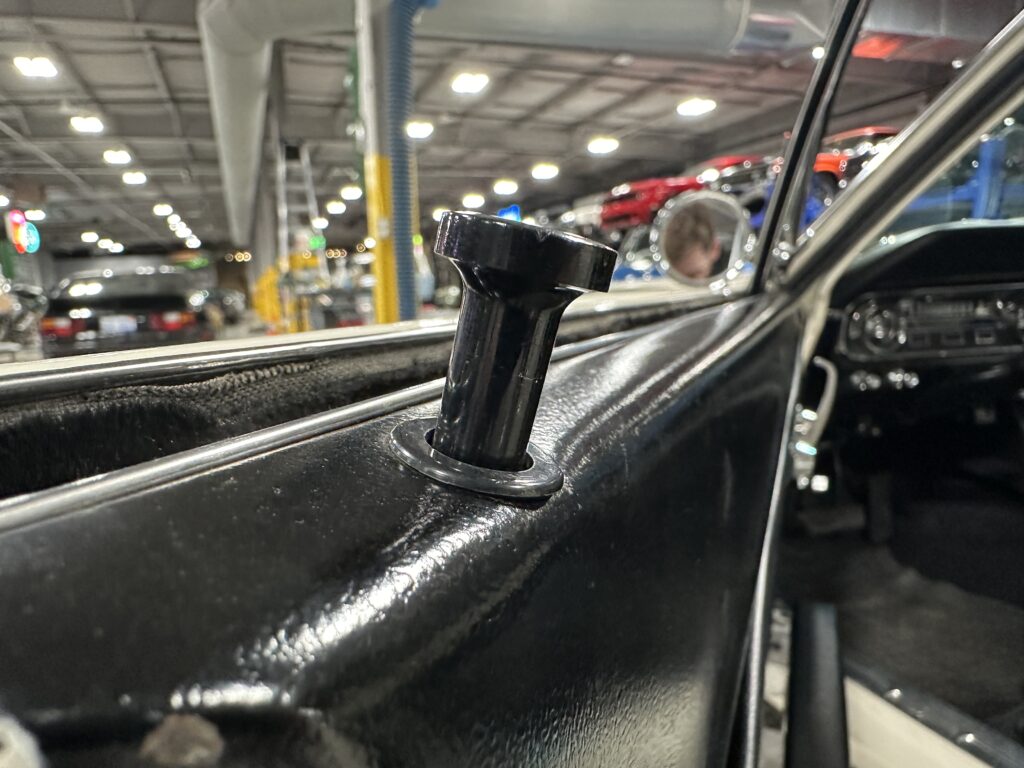
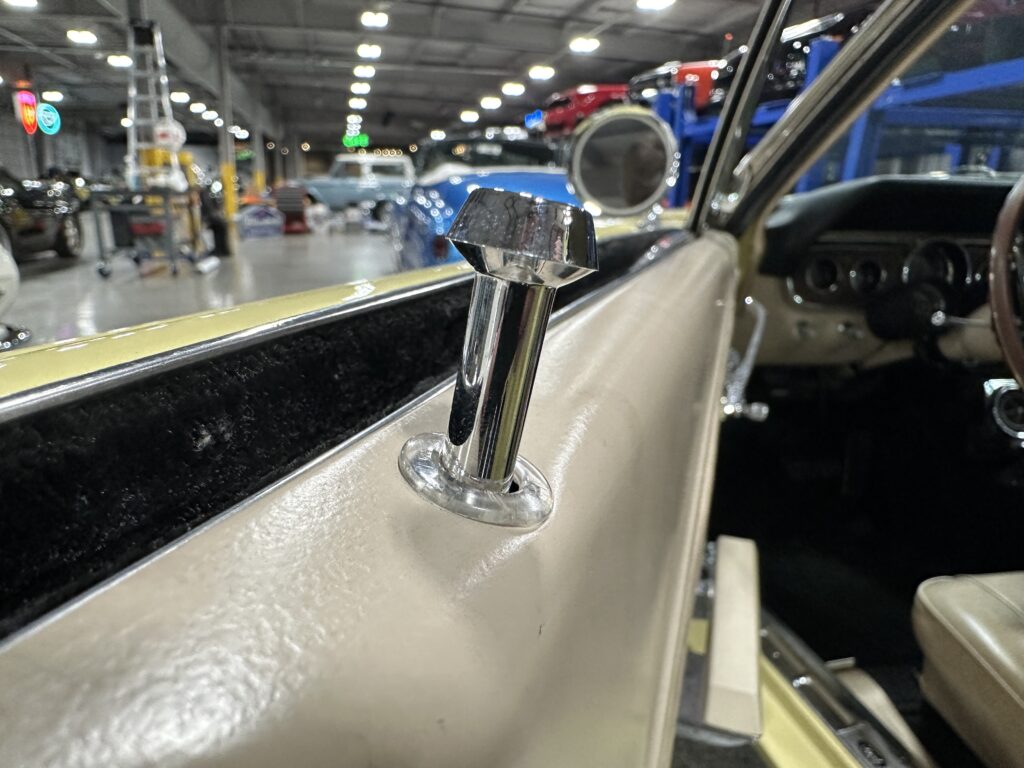
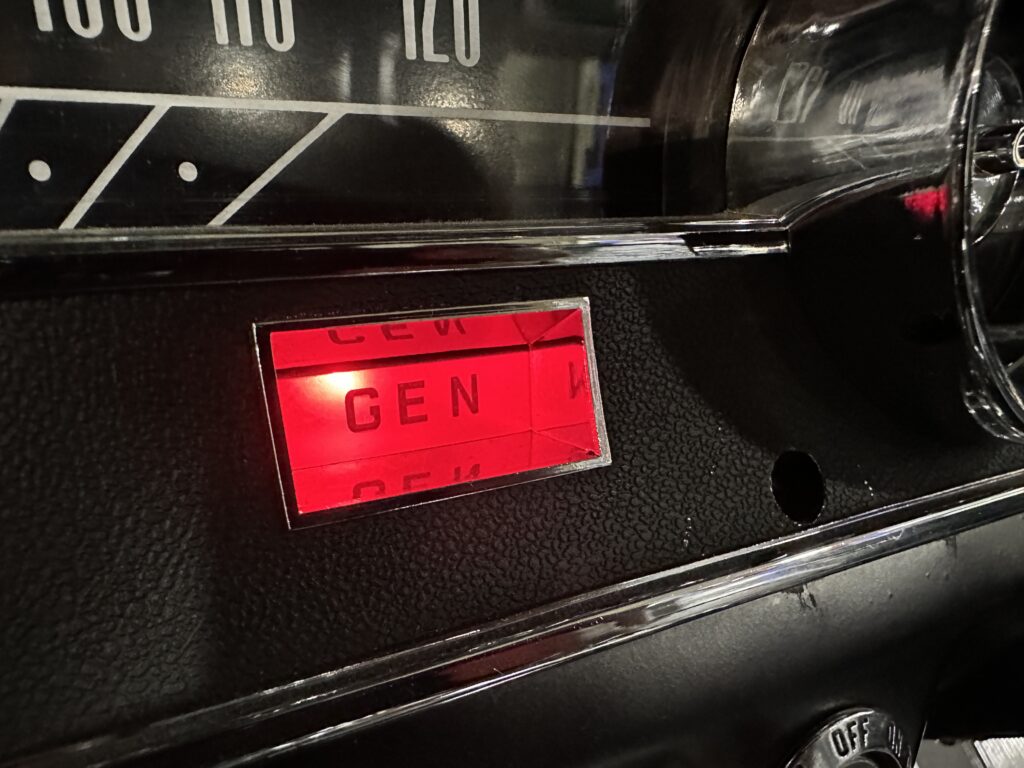
Door-lock knobs changed from color-matched pieces on early cars to generic chrome on standard production cars. The instrument panel’s warning light also changed from “GEN” to “ALT,” corresponding to the move from generator to alternator. That label may not tell the whole story if the engine or electrical components have been changed.
Check the trunk and exterior
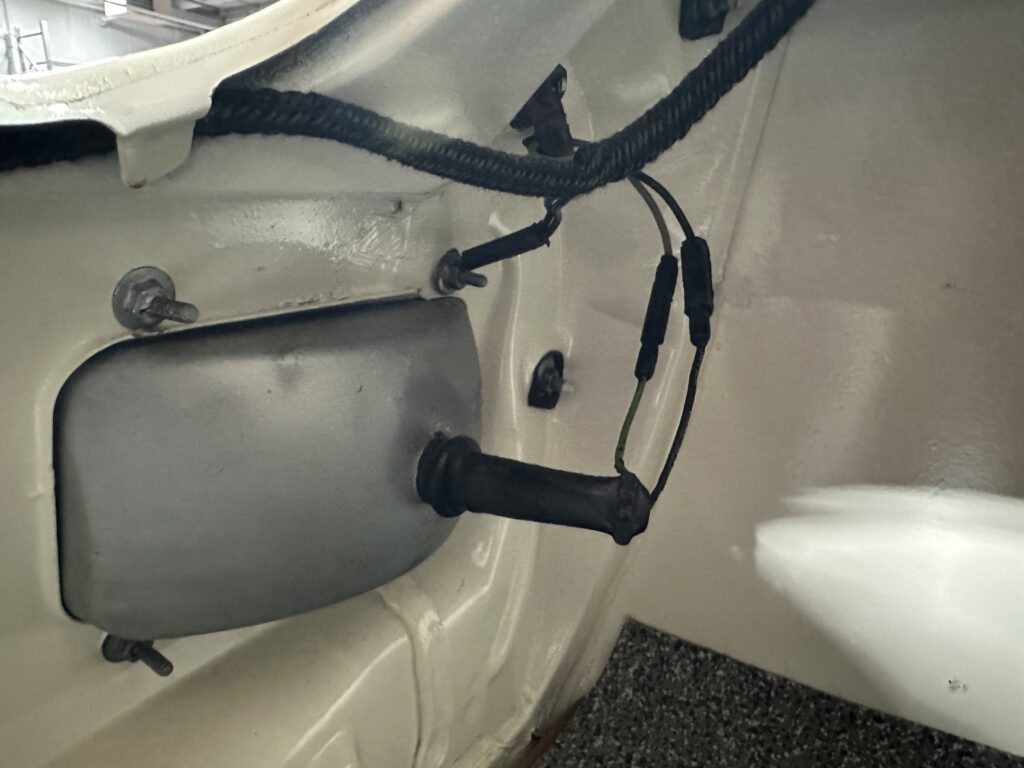
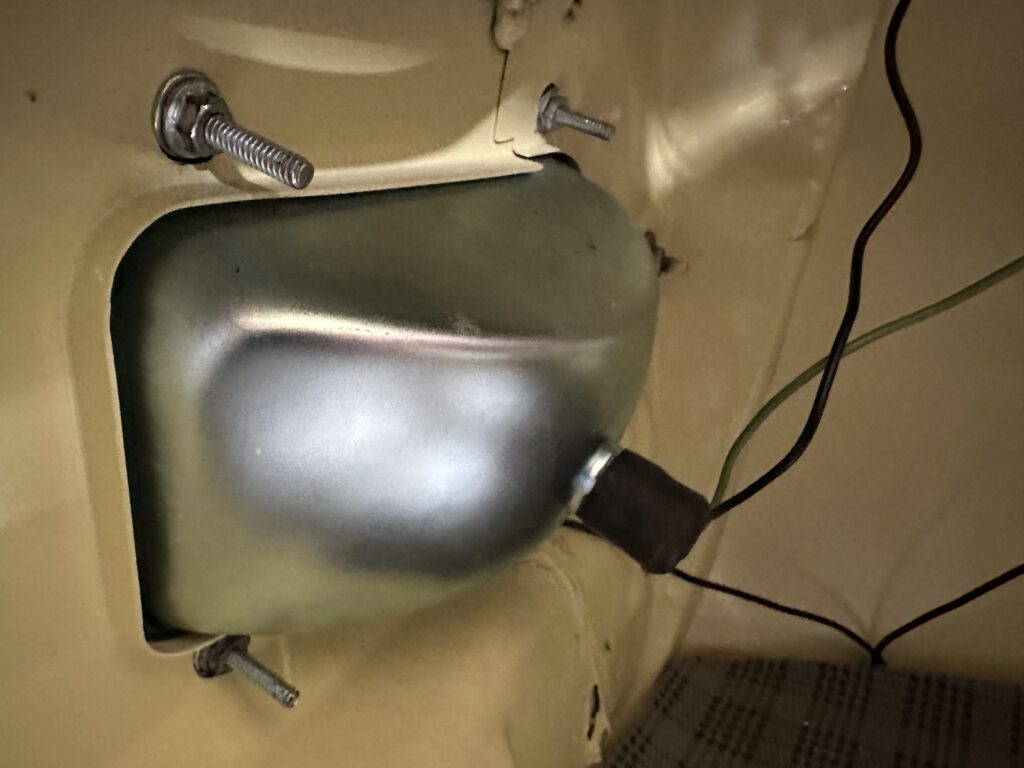
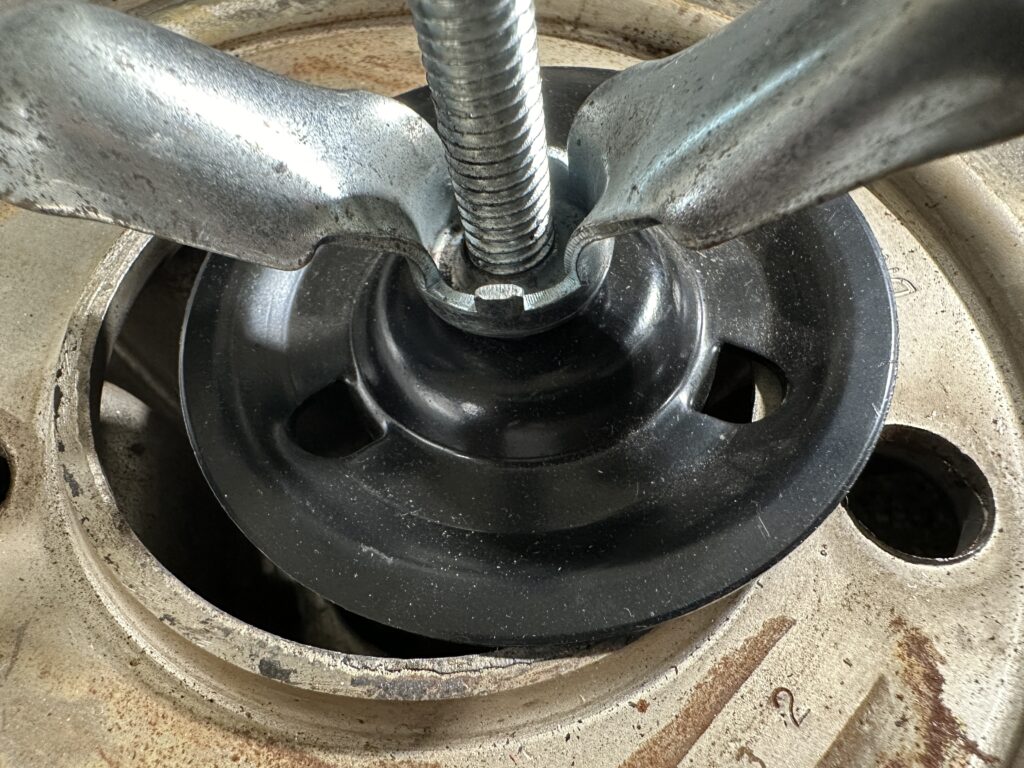
Under the trunk lid, inspect the taillight wiring. Early cars used a pigtail-style connection that lets the socket unplug; later first-generation cars had wiring without that connector. The spare tire hold-down is another detail to consider: the pictured example has a slotted design.
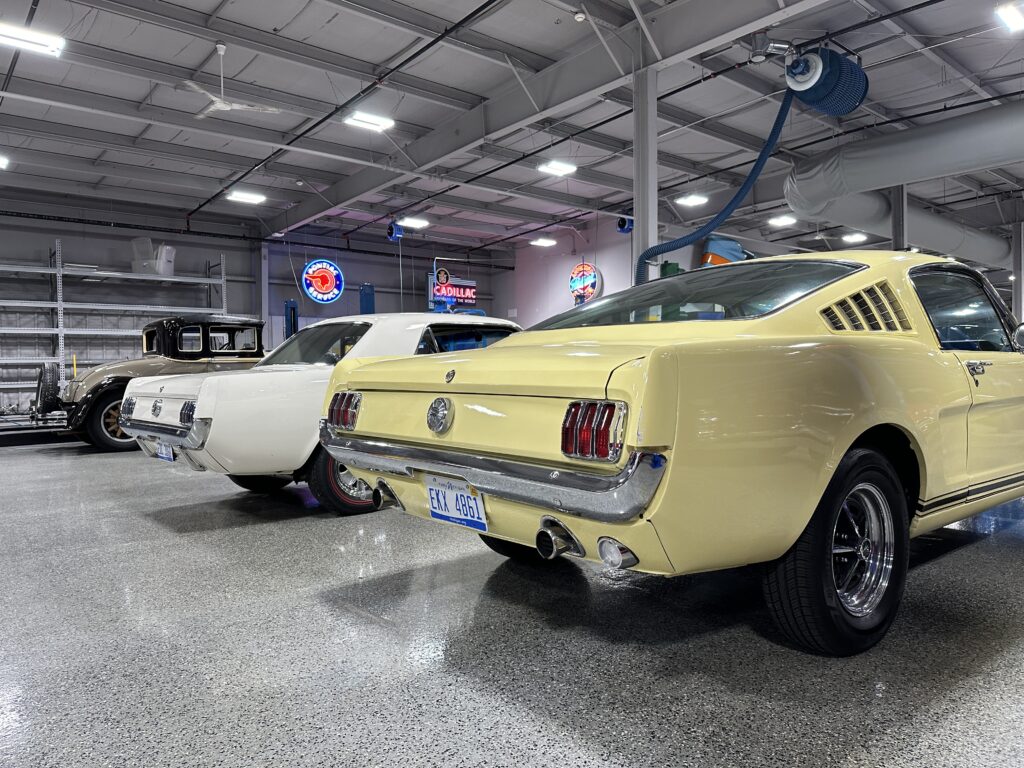
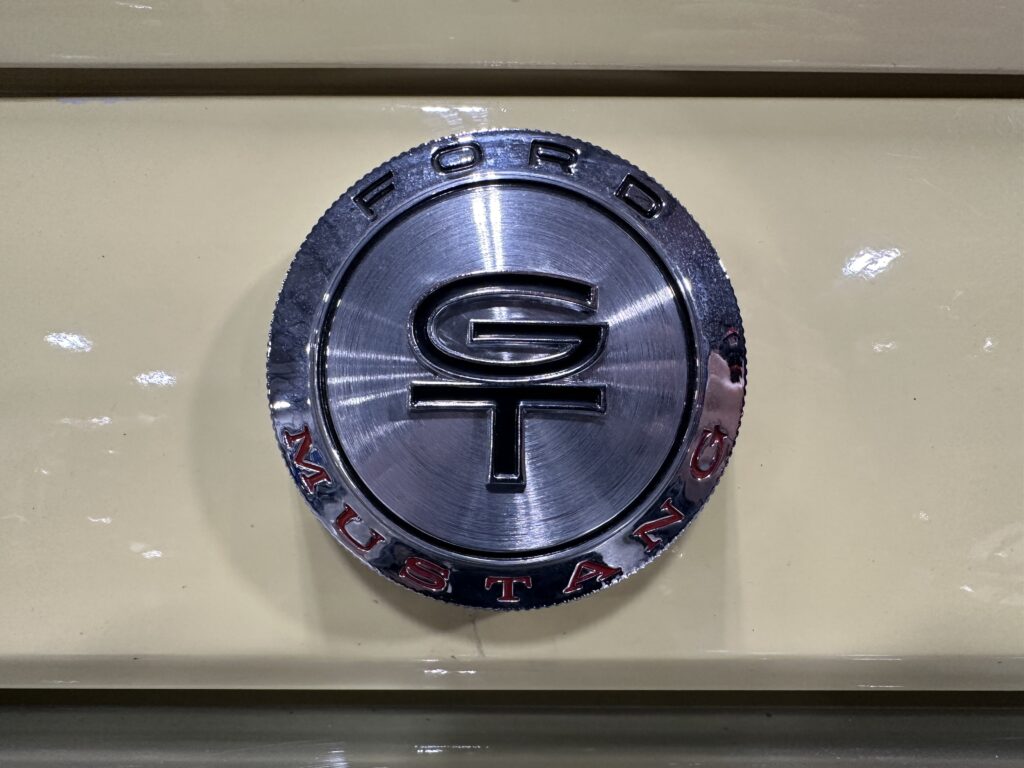
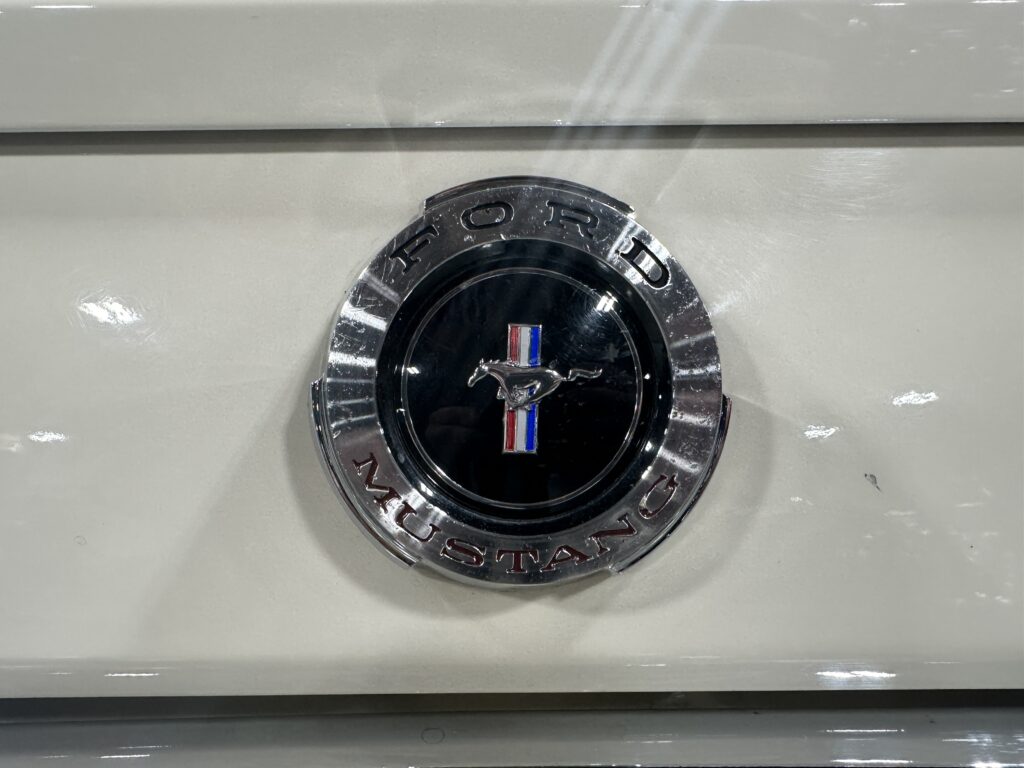
Body style can narrow the search quickly. A fastback isn’t a 1964.5: fastback production began in August 1964. The fuel cap changed too. Early cars had a three-spoke cap without a tether; later ones used a round cap with a security cable to keep it attached to the car.
No single feature can authenticate an early Mustang, especially after decades of repairs and restorations. The useful approach is to compare the VIN with the engine-bay parts, cabin, trunk and body details, then ask a Mustang specialist to assess anything uncertain. When multiple clues line up, the car’s early-production story becomes much easier to verify.
Follow the 60 Years of Mustang coverage and visit the Hagerty Media homepage. Subscribe to the newsletters for stories delivered to your inbox.
The post The First Ride: An Early Ford Mustang Spotter’s Guide appeared first on Hagerty Media.
===

