In lane Electric Vehicles
Why the 1965 Ford Mustang’s Design Still Connects With Drivers
Description
The first Mustang paired sports car proportions with approachable styling. Its balance of restraint and character helps explain why the 1965–66 cars remain so appealing.
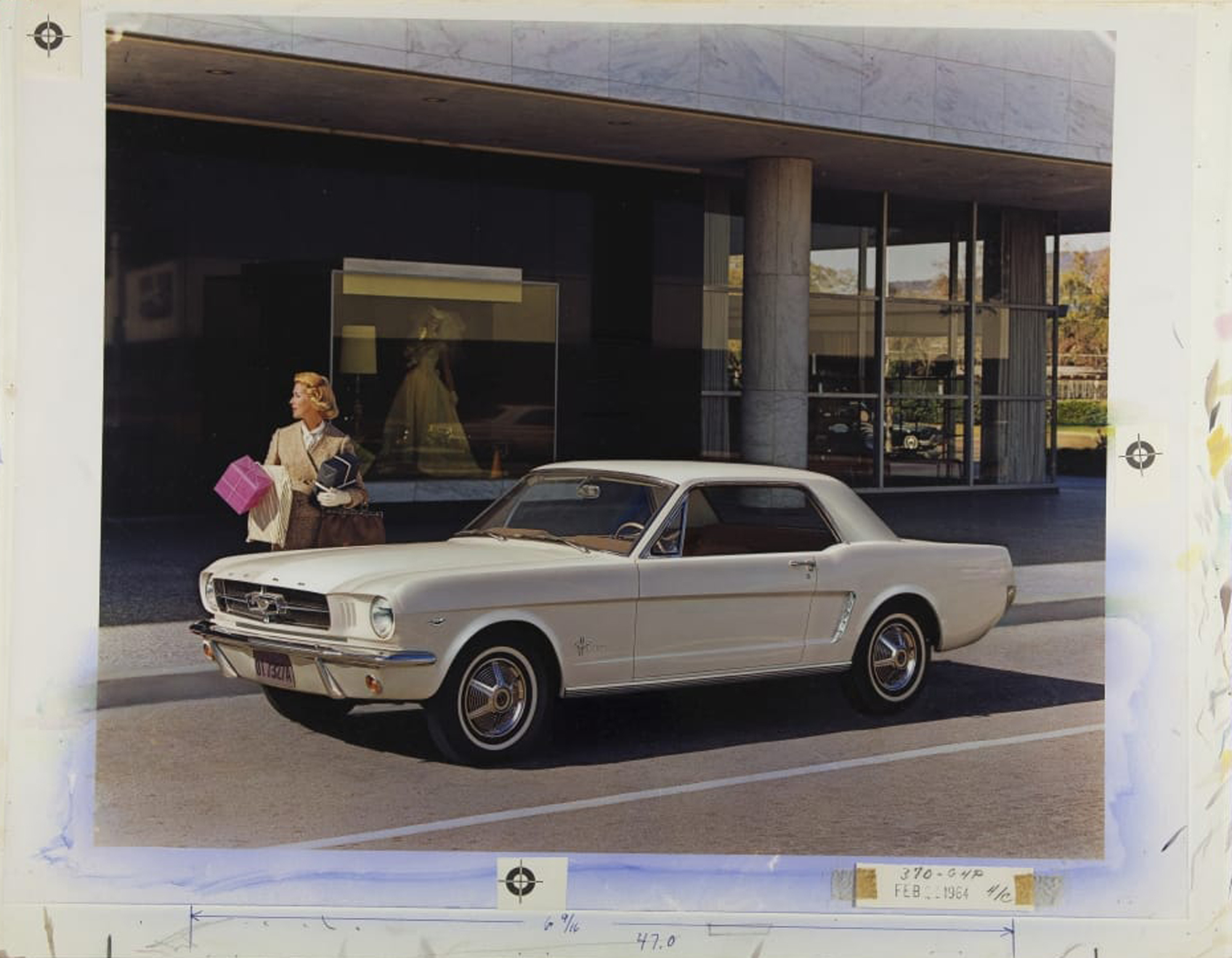
The first Ford Mustang’s lasting appeal comes down to a careful balance: it looks sporty and special without seeming intimidating. That quality helped the 1965–66 cars connect with a broad audience, and it still distinguishes their design from the more muscular Mustangs that followed.
April 17 marked 60 years since the Mustang’s public debut at the 1964 New York World’s Fair. Ford had sold well over a million Mustangs by early 1967, when TIME put Americans aged 25 and younger on its cover. The car had clearly found a large audience, though its buyers weren’t all young. As the old industry saying goes, a car aimed at young people can appeal to older buyers, too.
A corporate project with unusually precise proportions
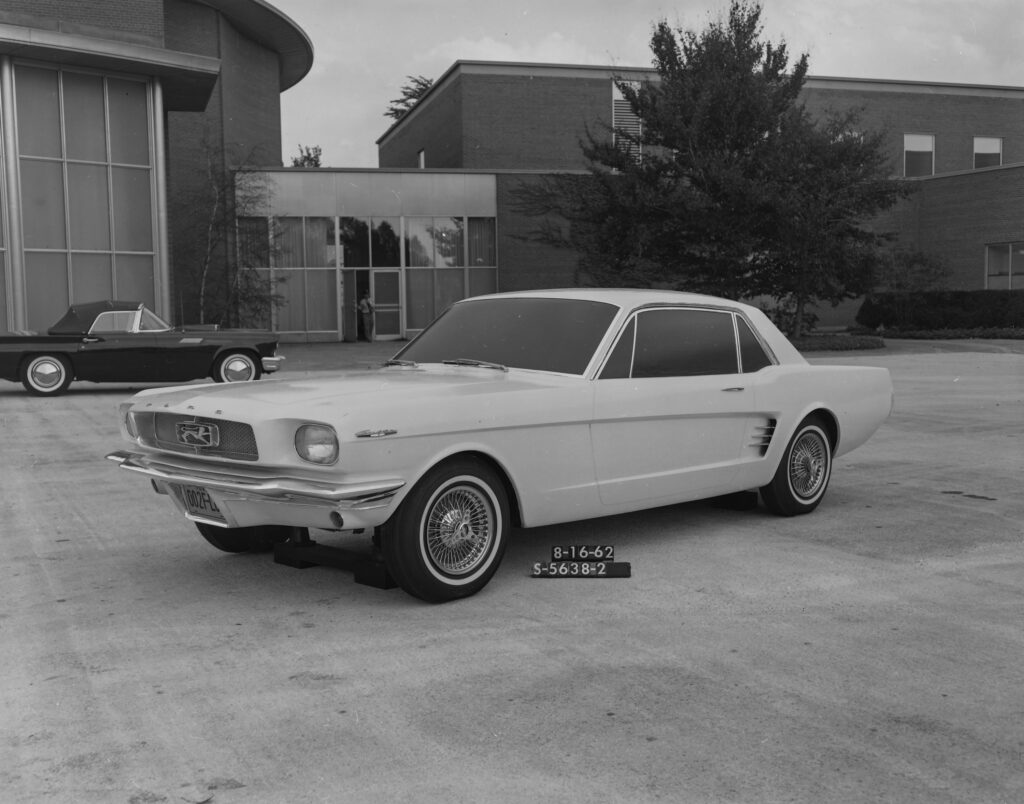
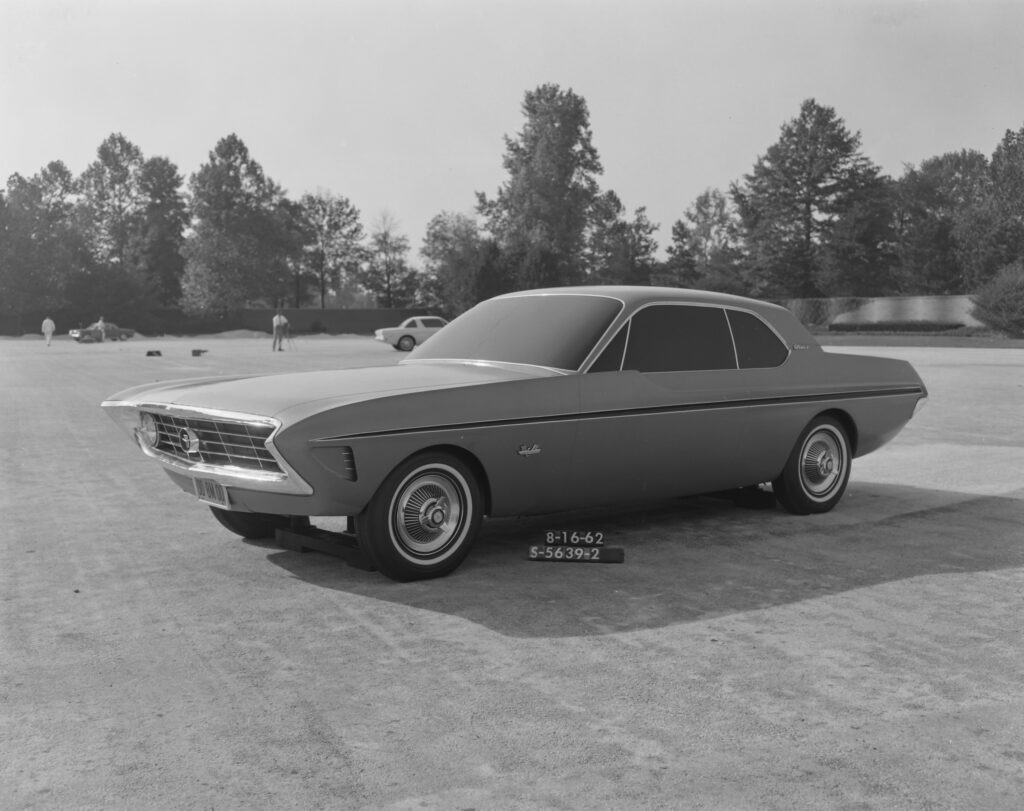
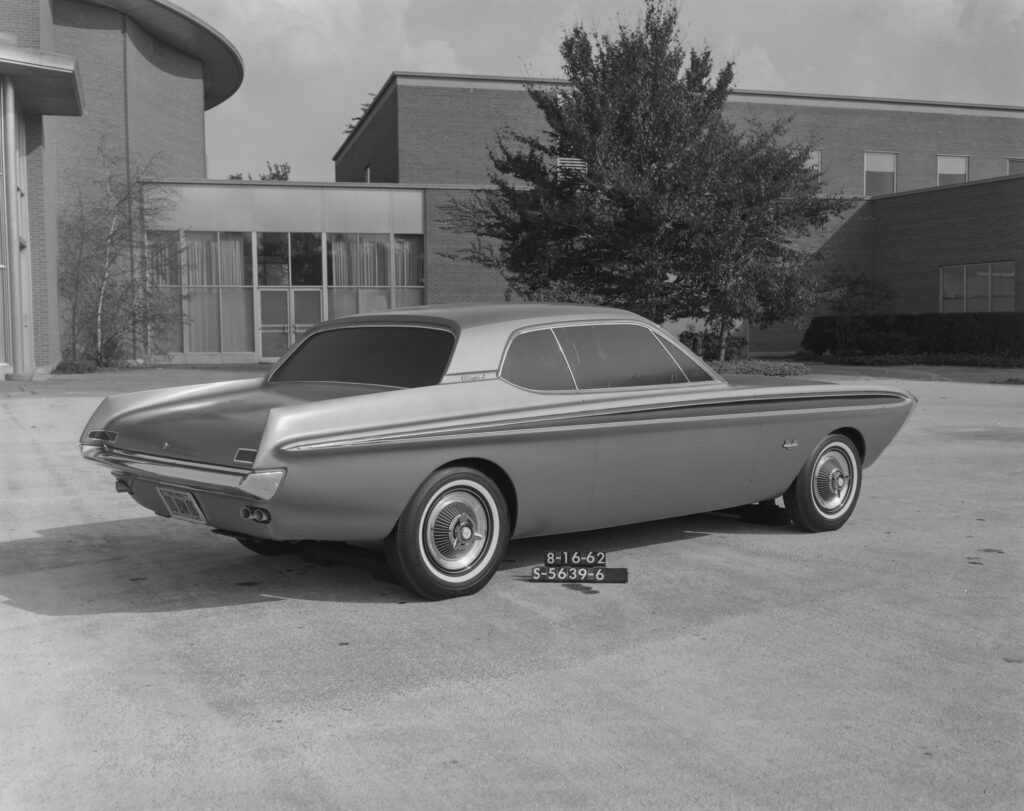
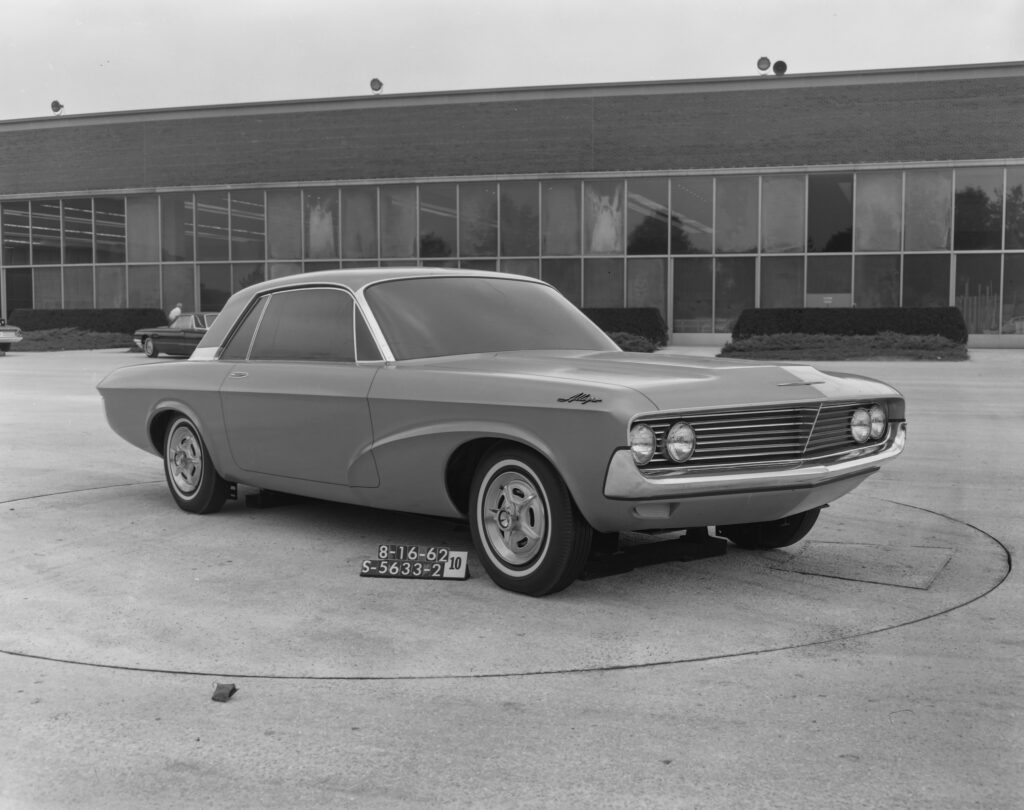
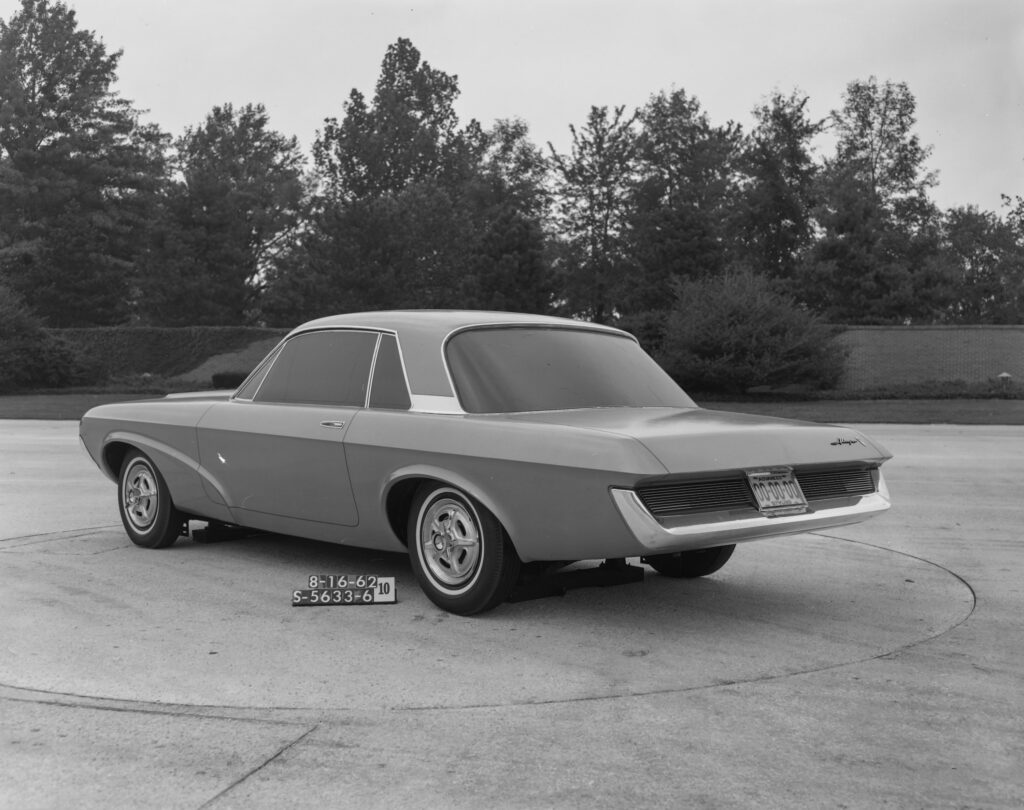
Mustang design work began in late 1961, under Ford design vice president Gene Bordinat. Detroit styling had moved away from the decorative excess of the previous decade toward cleaner forms and broad, uninterrupted surfaces. The Mustang followed that shift, using crisp lines and smooth expanses of bodywork. Its proportions and small details gave it an identity in a price range where it might otherwise have looked ordinary.
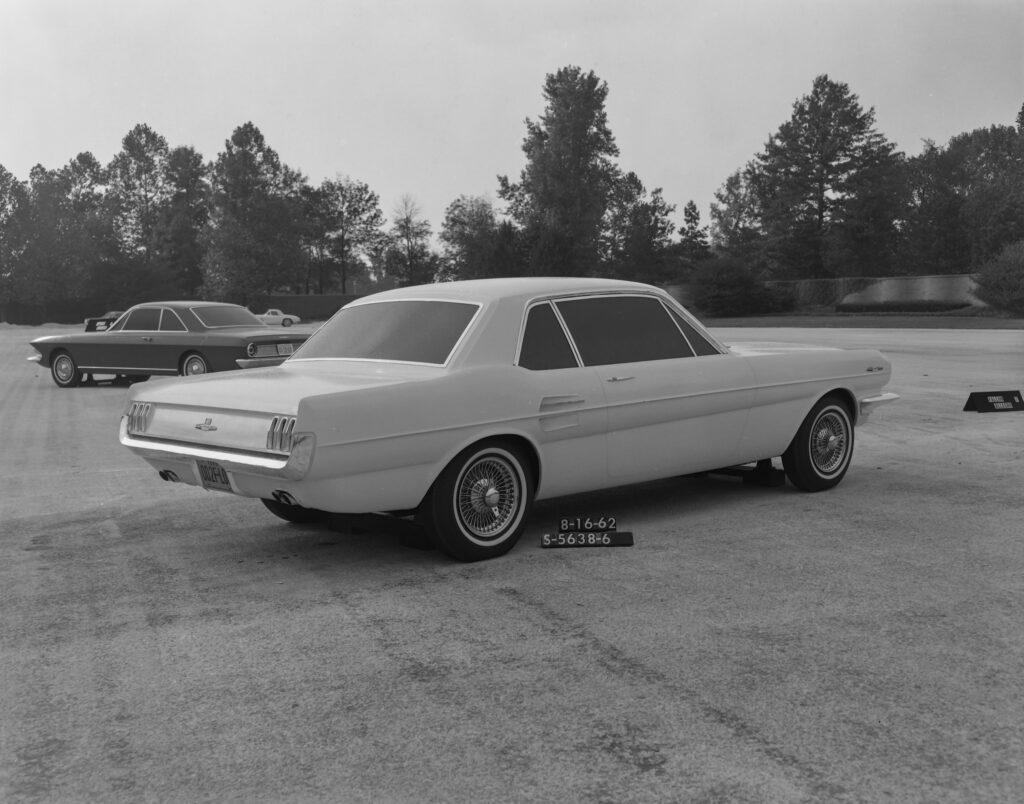
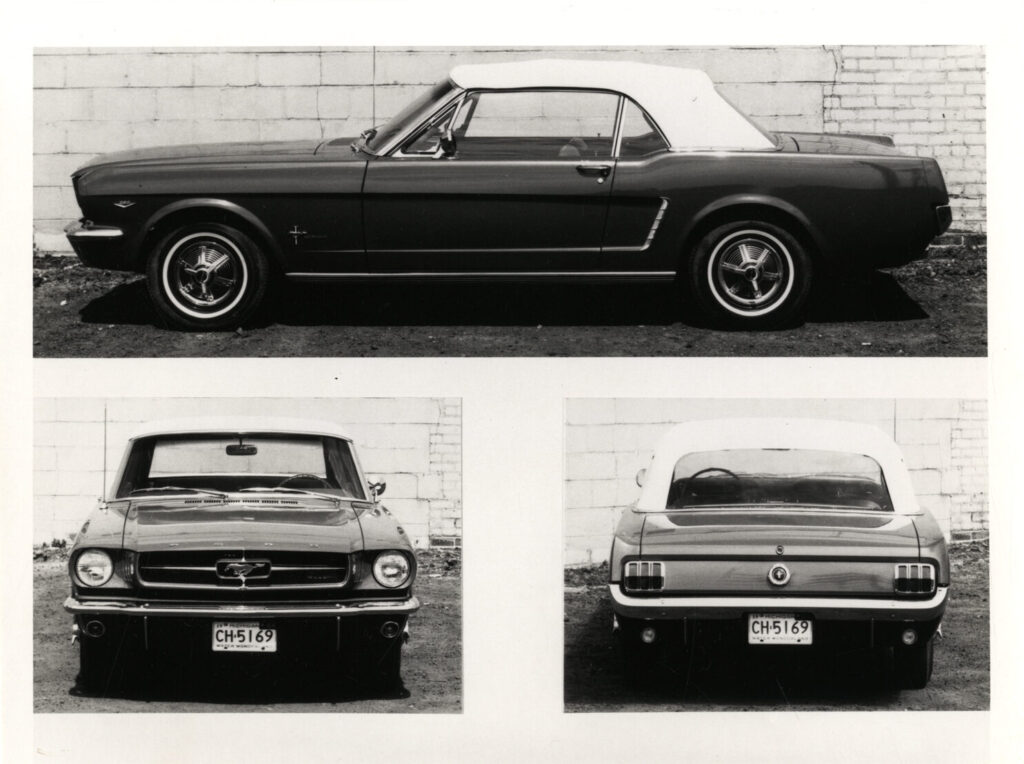
The car was known as the “Special Falcon” during development. Ford’s styling chief, Joe Oros, said the team wanted a car that “would look like fun.” To get there, designers borrowed the stance of European sports cars: a long hood, short rear deck and raised rear fender line that makes the car appear ready to move. The body is lean, but its gently rounded surfaces soften the boxier outline.
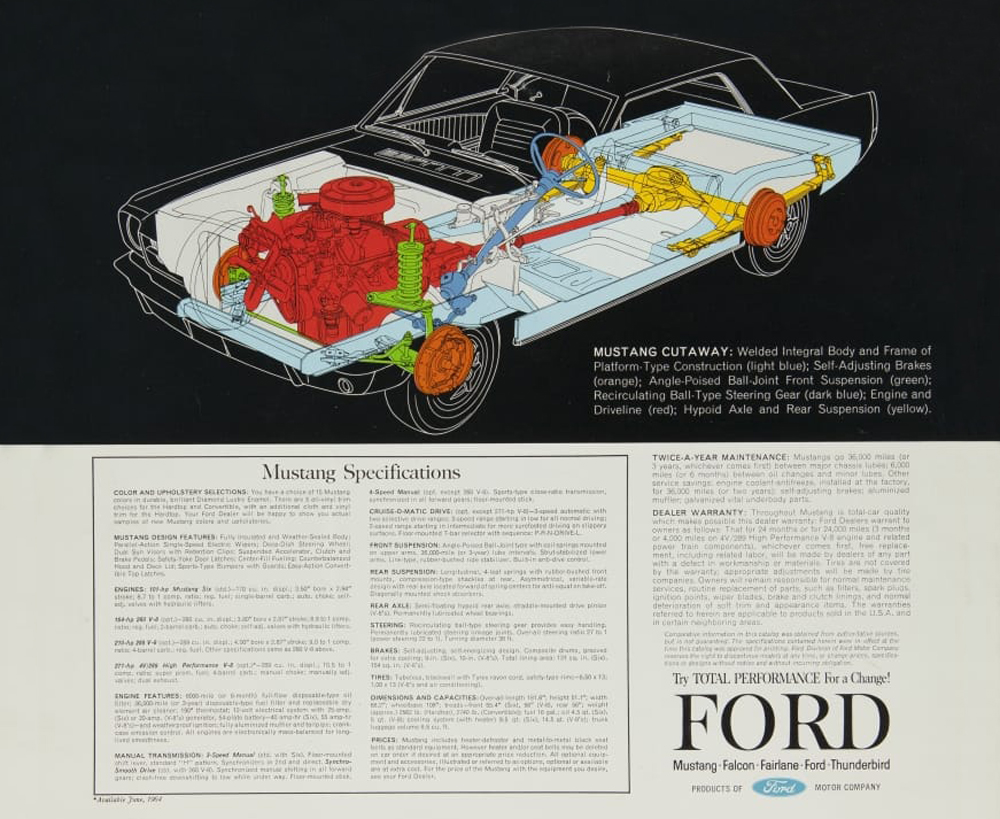
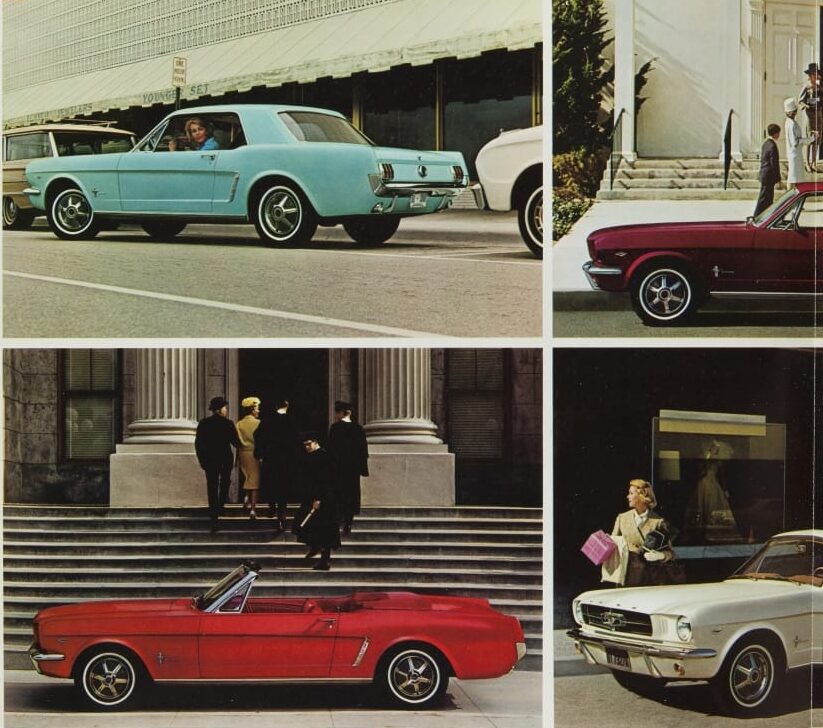
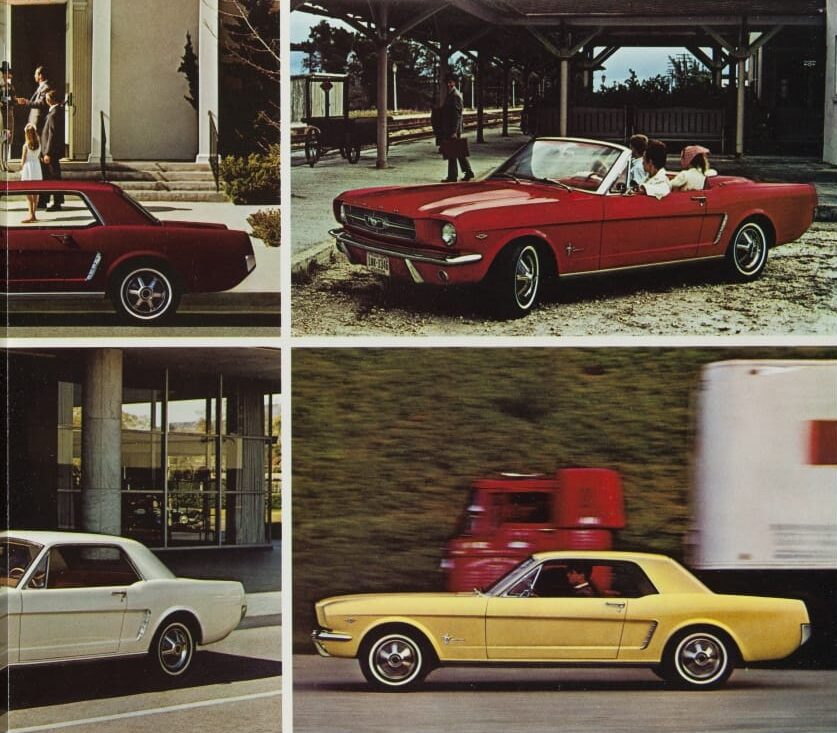
That shape was the product of a detailed corporate effort, not one designer’s singular vision. The Mustang wasn’t trying to shock the public with radical styling. Its success depended on execution: proportions that felt familiar but fresh, and details that made the car look more expensive than its modest underpinnings suggested.
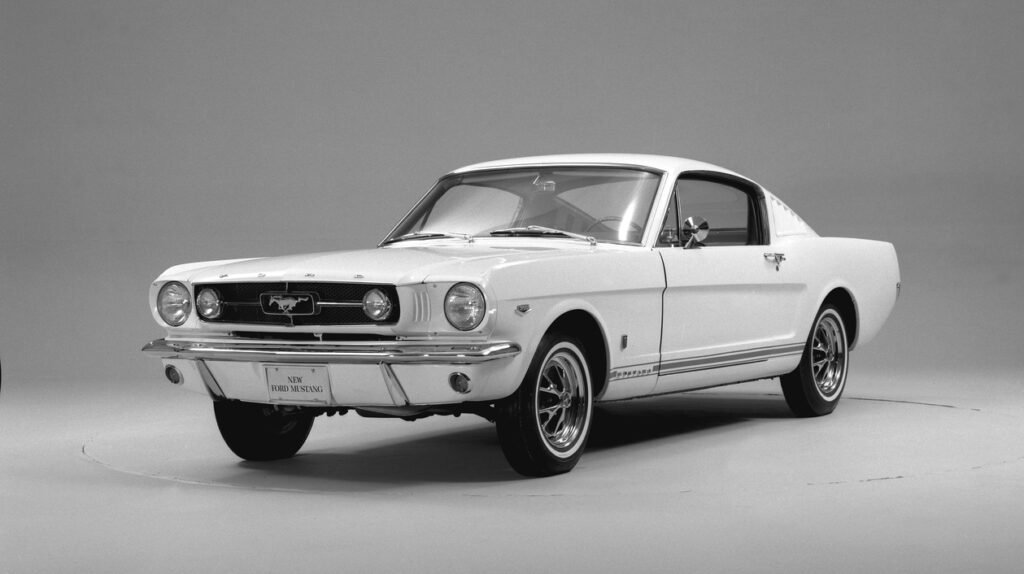
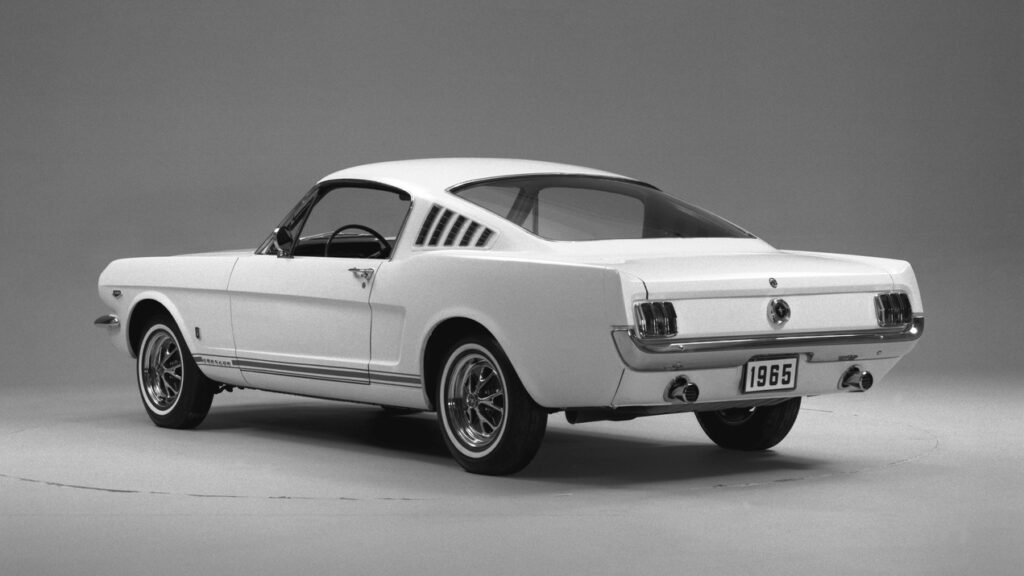
Details that suggested a more expensive sports car
The front bumper’s slim, blade-like shape frames a broad grille opening. Period Ferraris inspired that large “mouth,” while the idea of placing a prominent cast emblem inside it came from the trident badge on the Maserati 3500 GT. The references gave the Mustang an upscale sports car flavor without making the design fussy.
Some planned features changed for cost reasons. Designers originally intended the side scallop to serve as an air intake for the rear brakes, but the necessary ducting would have added about $5 per car. It became decorative instead. Ford’s stylists also considered six separate taillights; production costs led to grouping them into two bezels.
Sporty without the hard edge
Oros later recalled that the design team wanted the car to appeal to women as well as men. The brief called for something sporty and personal that young people would enjoy driving, without pushing the styling too far into macho territory. That decision shows in even the basic Mustang: it looks lively and confident, yet stays approachable.
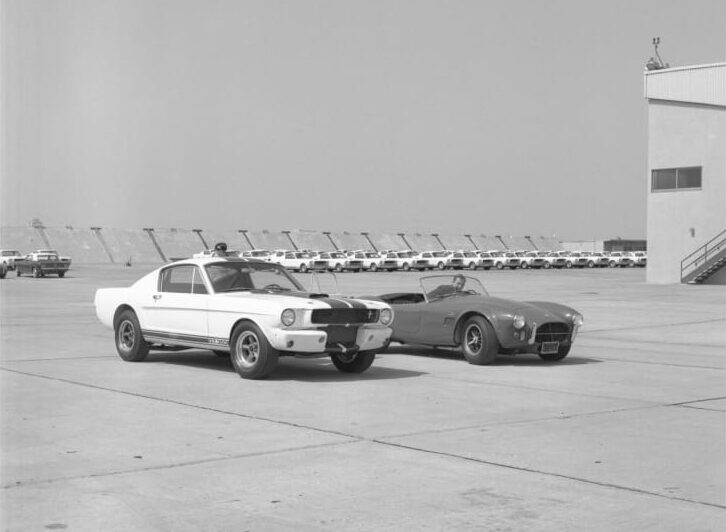
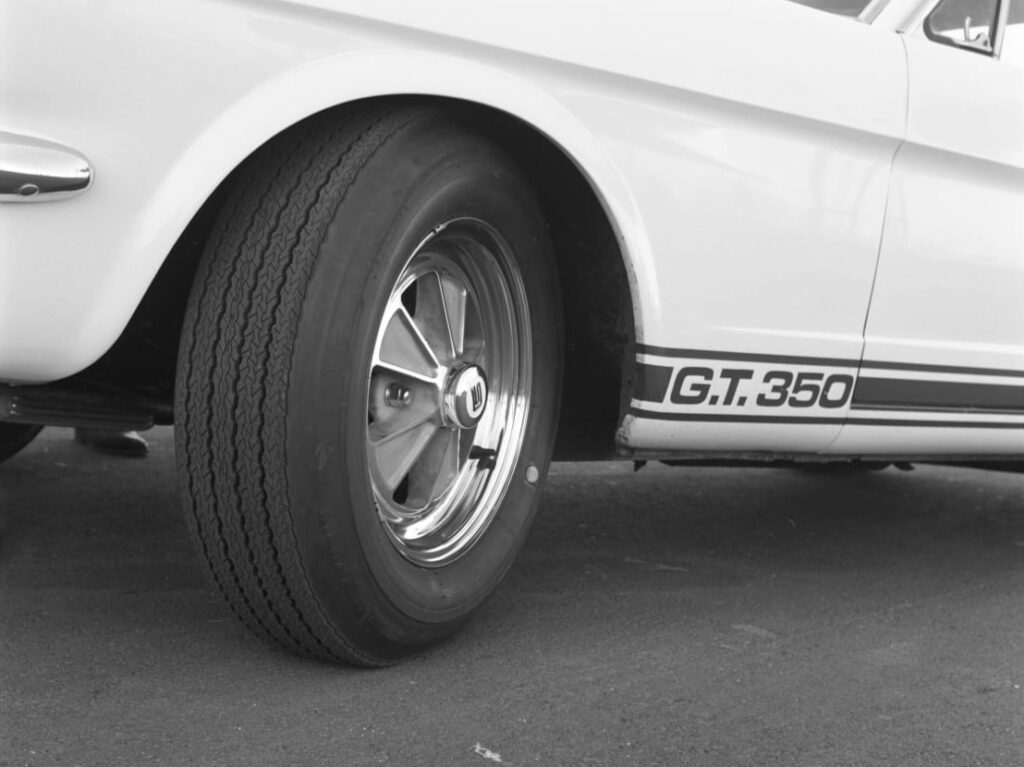
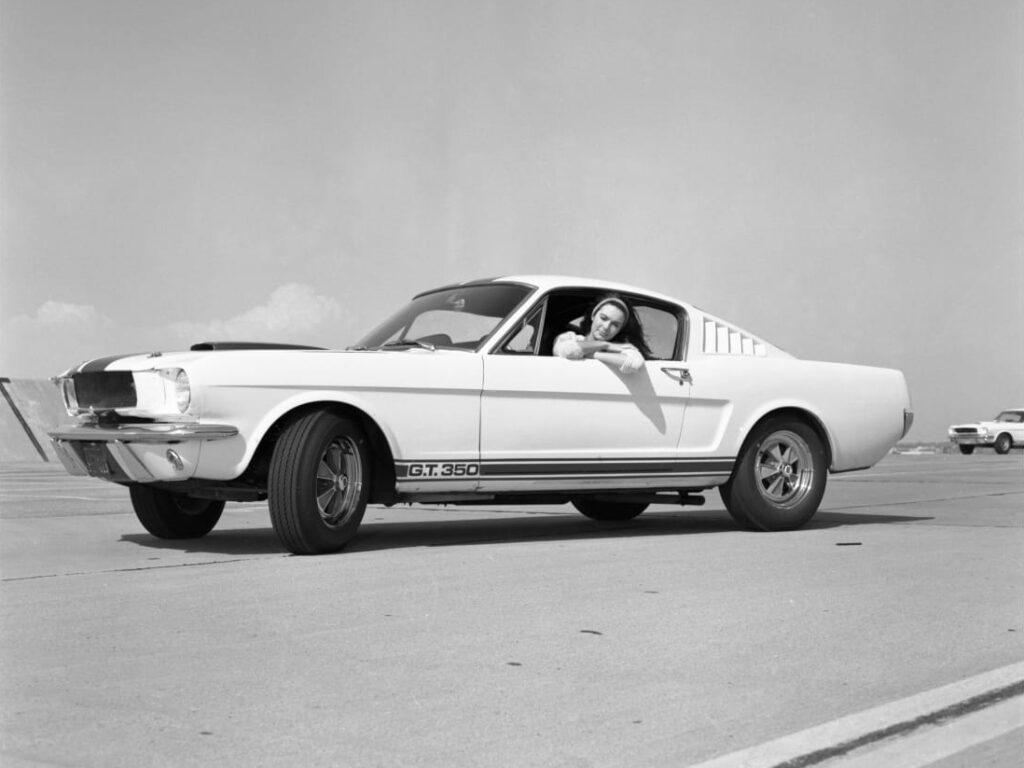
The same balance survived in the Shelby GT350. That high-performance version looks purposeful, but the original Mustang’s shape doesn’t become overtly aggressive even with Shelby’s changes. It’s a useful distinction: the car can look quick without relying on visual menace to make its point.
Why the original still feels distinct
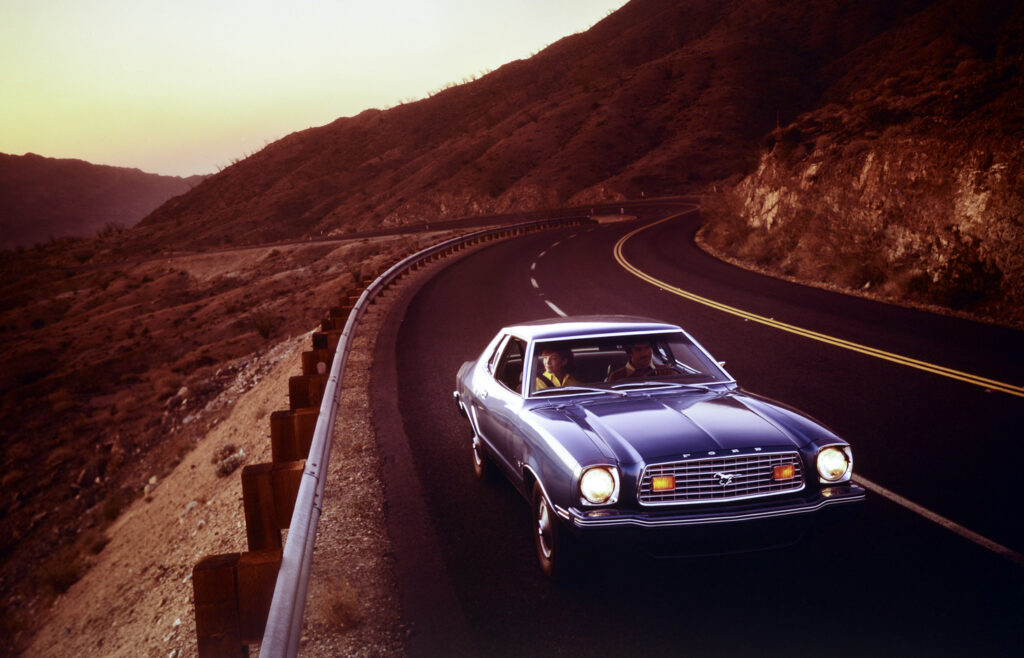
That easygoing character didn’t last unchanged. During Detroit’s late 1960s horsepower race, the Mustang gained size and weight. The bigger, more muscular cars produced memorable performance models, but the Mustang’s customer base shrank year after year until Ford changed direction with Lee Iacocca’s “little jewel,” the Mustang II.
The current Mustang is the strongest by the measures cited on paper, but its character owes more to Bunkie Knudsen’s vision than to Iacocca’s original formula. That evolution makes sense in a market where many cars and trucks wear more aggressive styling. The early Mustang occupies a different space: its appeal comes from looking like a good time, not a threat.
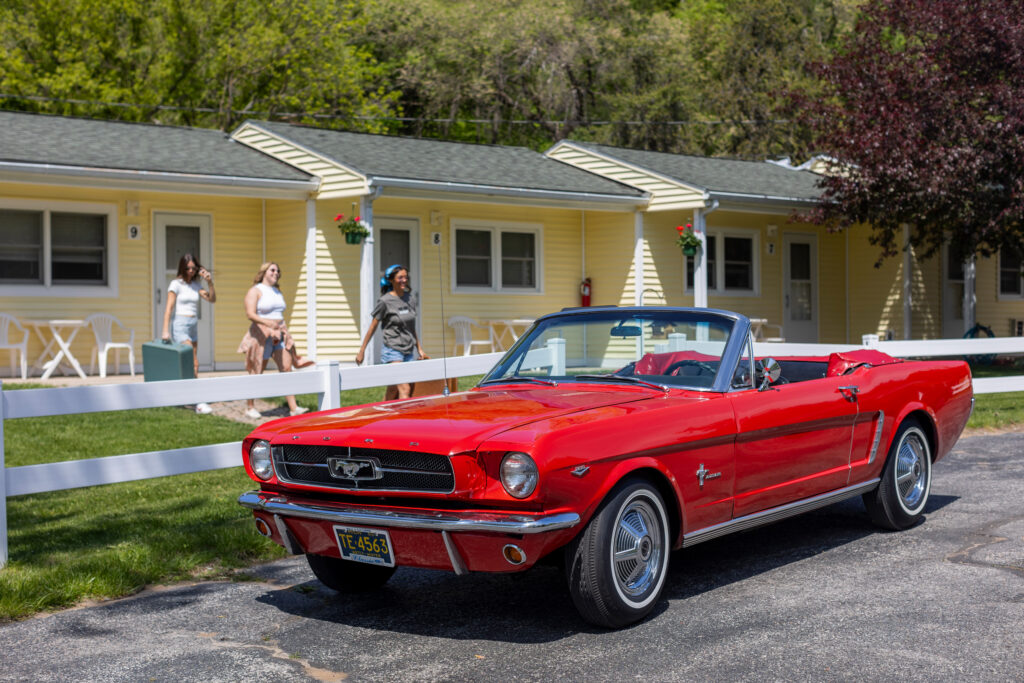
Whether fitted with a straight-six and hubcaps or a loaded 289 Hi-Po, a 1965–66 Mustang carries that relaxed, sporting character. It reflects the era that shaped it, yet its proportions and welcoming attitude still read clearly six decades later. That combination is why the first Mustangs remain so easy to admire.