In lane Electric Vehicles
Six 1990s American Concept Cars That Pushed Beyond Production Plans
Description
From Buick’s four-door convertible to Dodge’s compact Viper-inspired coupe, these six concepts show how far U.S. automakers stretched their ideas in the 1990s.
The 1990s gave American automakers room to try body styles and performance ideas that rarely made it to showrooms. Sport sedans and hot hatches had strong followings, the Miata had helped revive interest in roadsters, and SUVs were gaining traction without yet needing to pose as coupes or track cars. Against that backdrop, six U.S. concepts sketched out very different possibilities: a Buick family convertible, a Mercury with gullwing cargo doors, a Pontiac V-8 hatchback, and more.
These cars also capture a particular moment for their brands. Chrysler was still a standalone automaker, Pontiac had an assertive identity, and Dodge was riding the attention generated by the Viper. The concepts ranged from plausible production studies to exercises in excess, but each put a clear question in front of its maker: what else could this brand be?
Buick Cielo: a convertible for the family
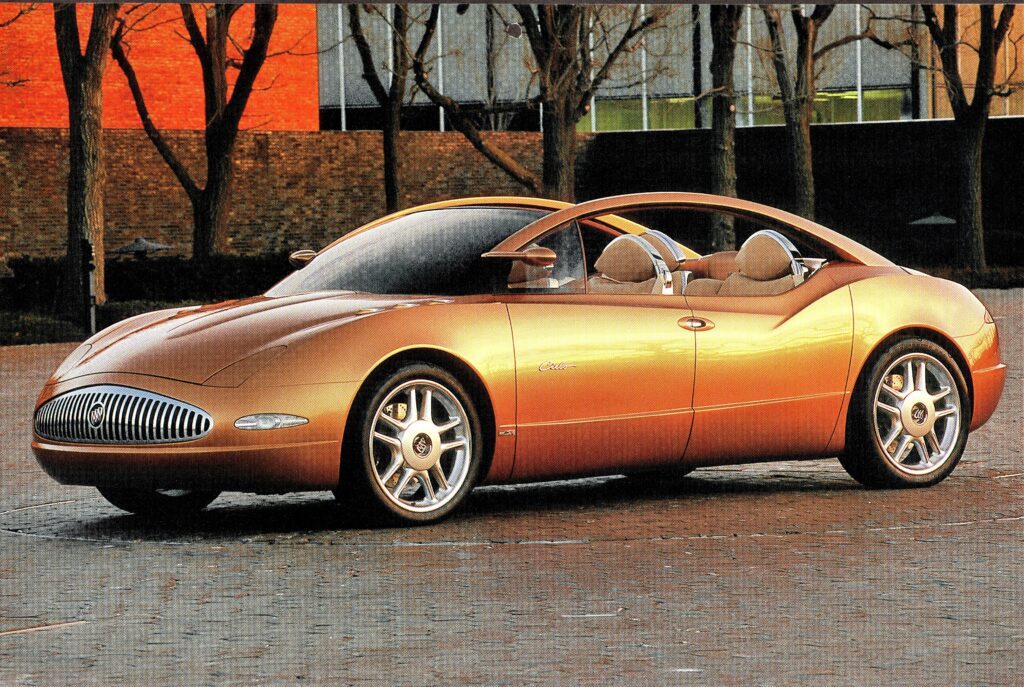
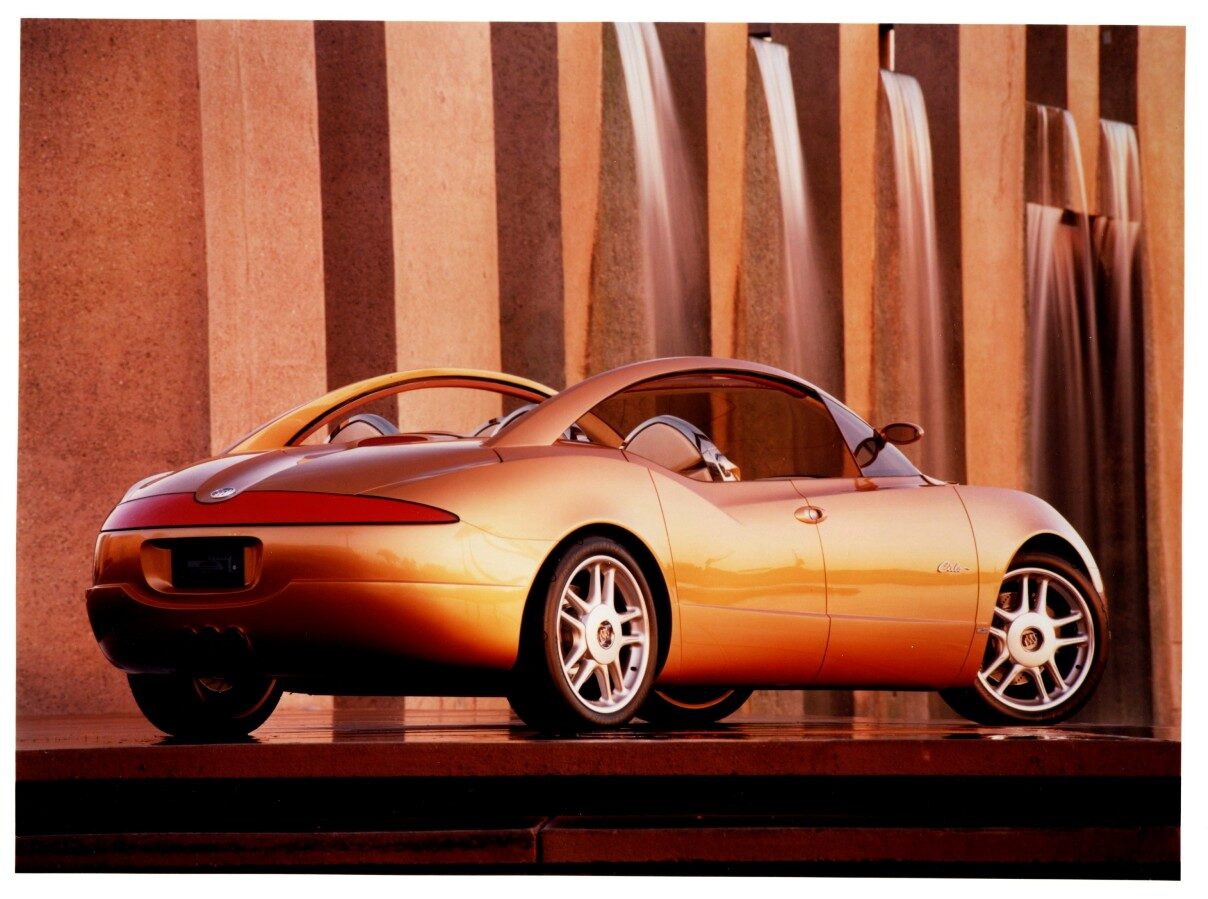
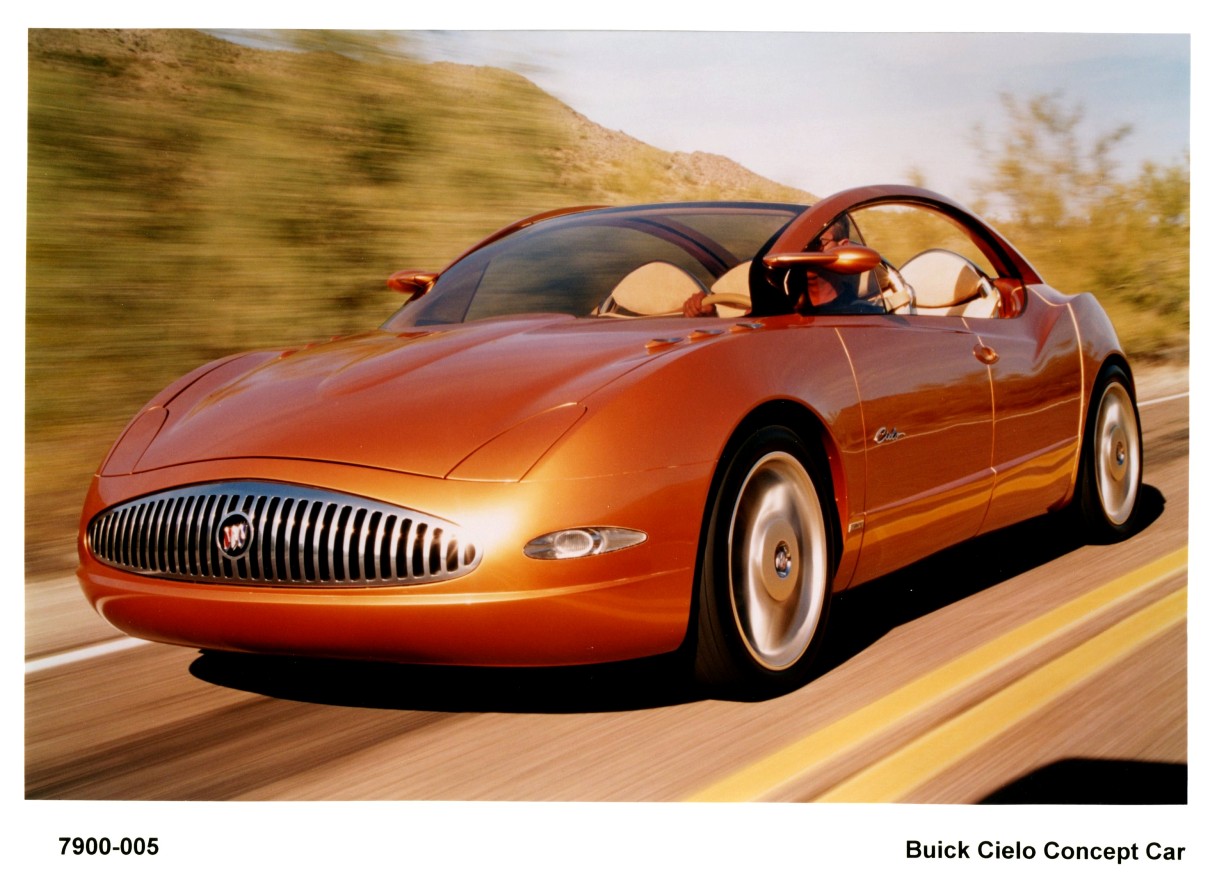
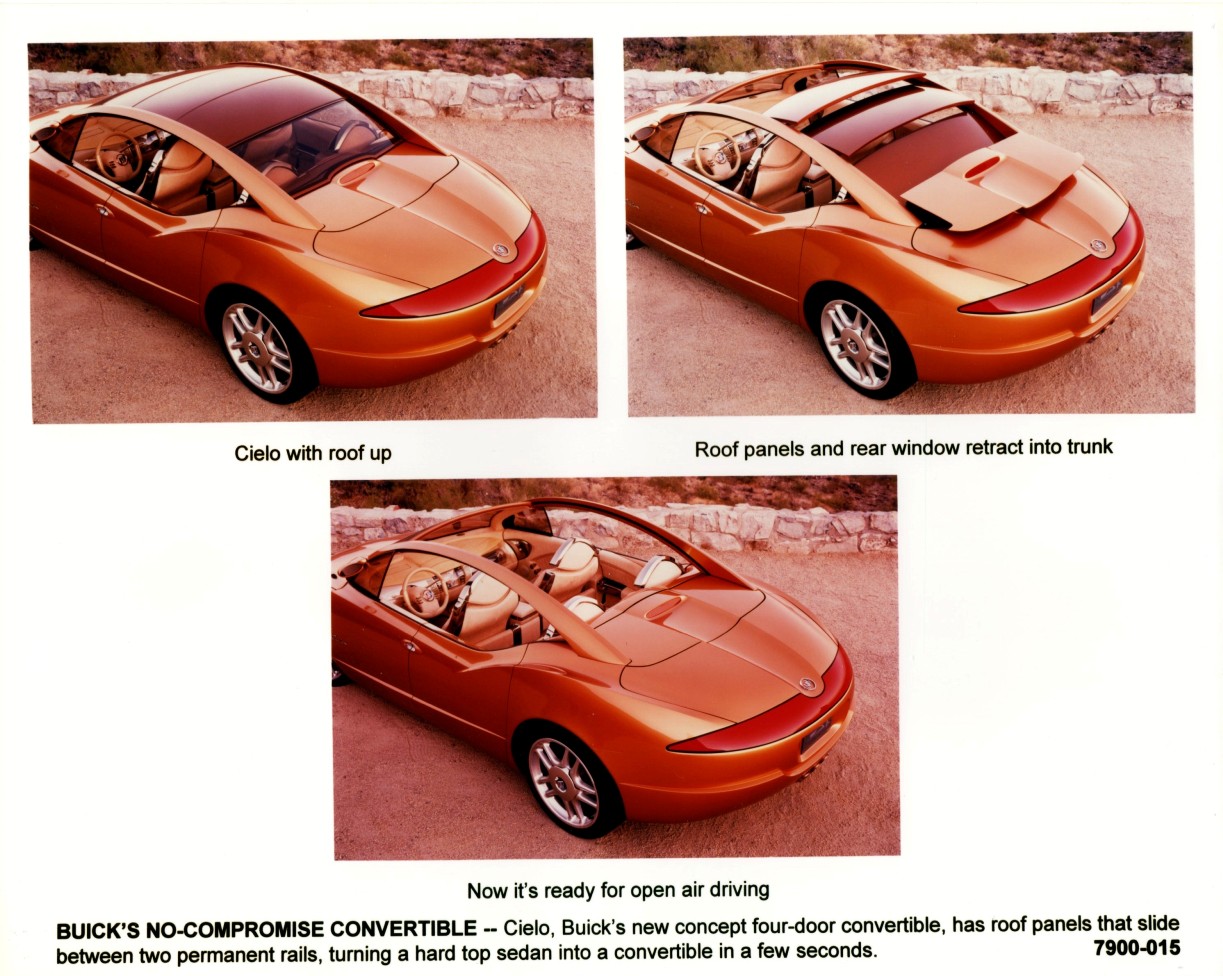
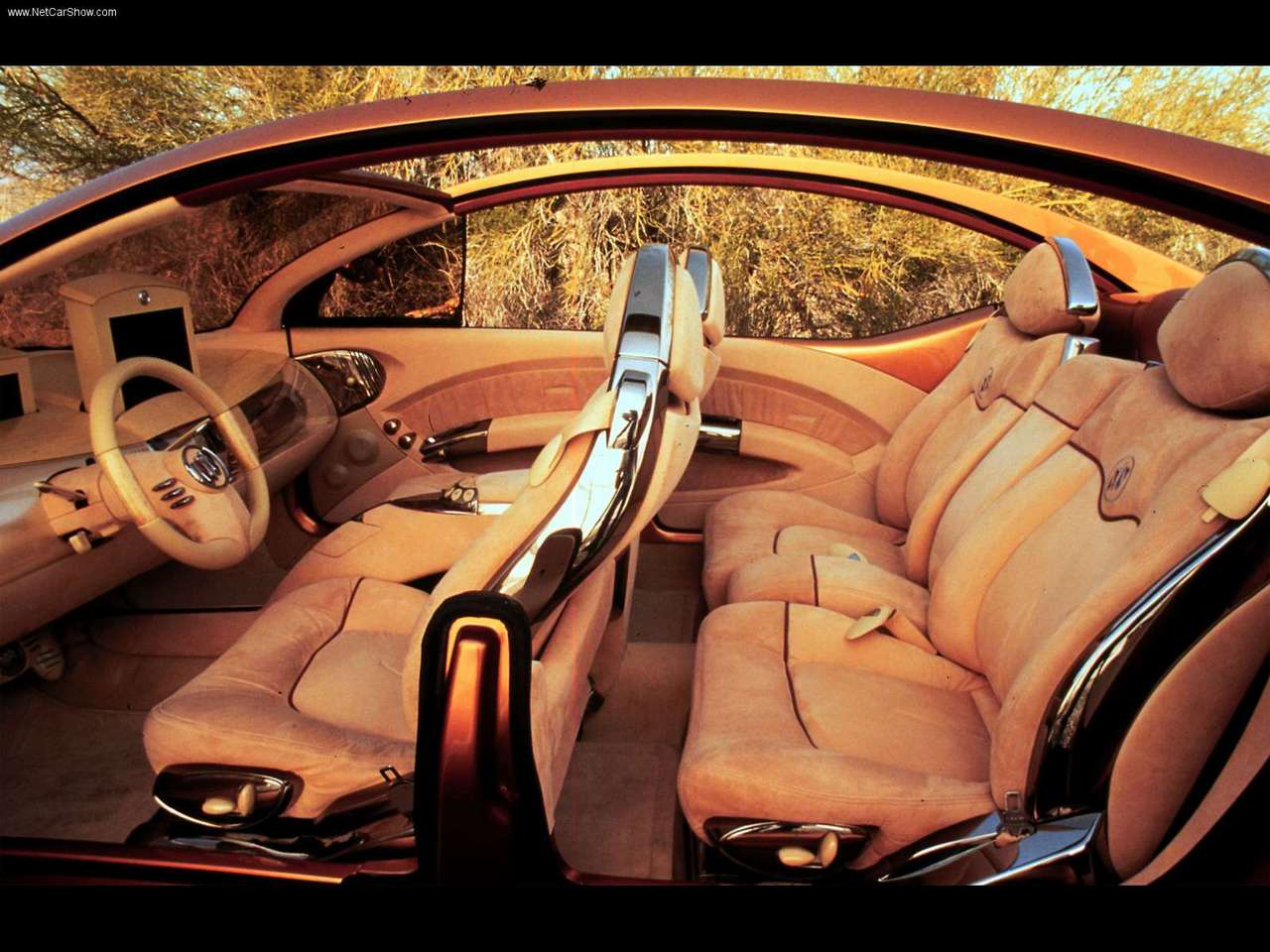
The 1999 Cielo took the idea of a premium family car in an unexpected direction: it had four doors and a retractable roof. Based on a heavily modified Regal GS, the concept paired retractable headlights with voice-operated doors. Its roof and rear window folded beneath a panel at the rear, with cables concealed inside the two arches framing the roof opening.
Buick gave the Cielo a supercharged 3.8-liter V-6 rated at 240 horsepower. That powertrain and the car’s elaborate roof made this a substantial engineering statement, not simply a styling sketch. Buick returned to the Cielo name the next year with a much more restrained concept that the company presented as a possible limited edition. The four-door convertible idea had enough appeal to get a second look, though it never became a production model. Buick described the original as an argument for a broader definition of the premium family car—a category that would later be dominated by SUVs.
Mercury MC4: space with a Viper-sized attitude
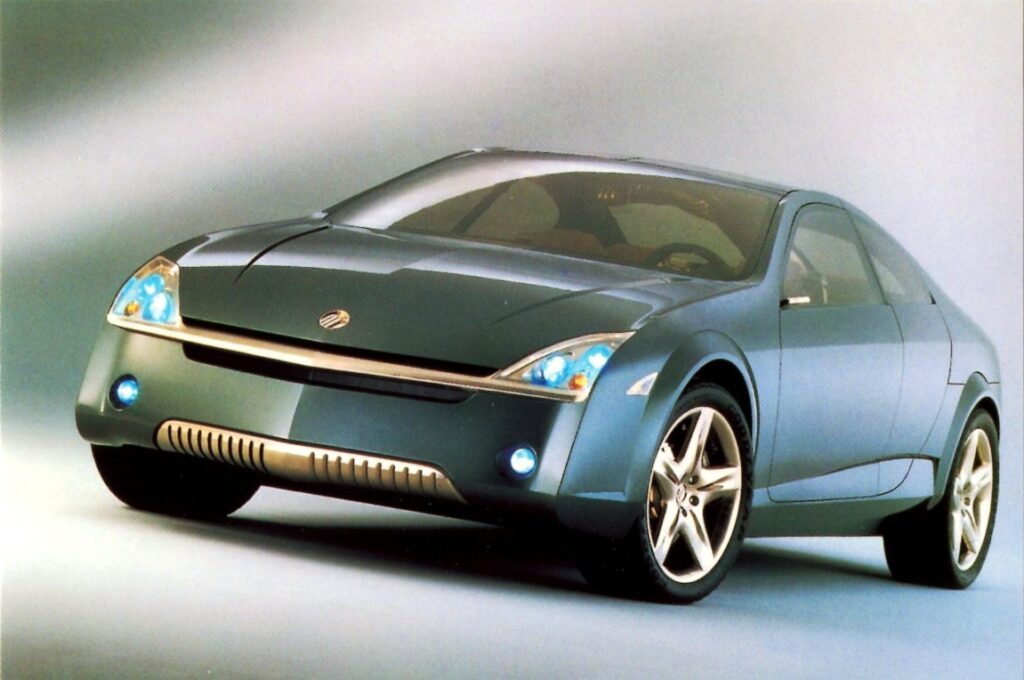
When the MC4 appeared in 1997, Motortrend likened its role at Mercury to the Viper Roadster’s role at Dodge. The comparison made sense: here was a dramatic concept from a brand better known for softer designs such as the Mystique and Mountaineer. Its sharp lines drew on Ford’s New Edge design language, with a trapezoidal grille and pronounced wheel arches that also appeared on the 1999 Mustang.
The MC4 began as a V-8-powered 1996 Thunderbird, then gained four doors and a rear cargo area accessed through twin gullwing doors. Its cabin carried the same show-car ambition as its shape, with video cameras standing in for side and rearview mirrors, nickel-chrome interior trim, and cupholders that could heat or cool drinks. Mercury would continue building vehicles until 2010, but the MC4’s unusual mix of style, passenger space, and experimental features never reached production.
Pontiac Rageous: V-8 power in a hatchback
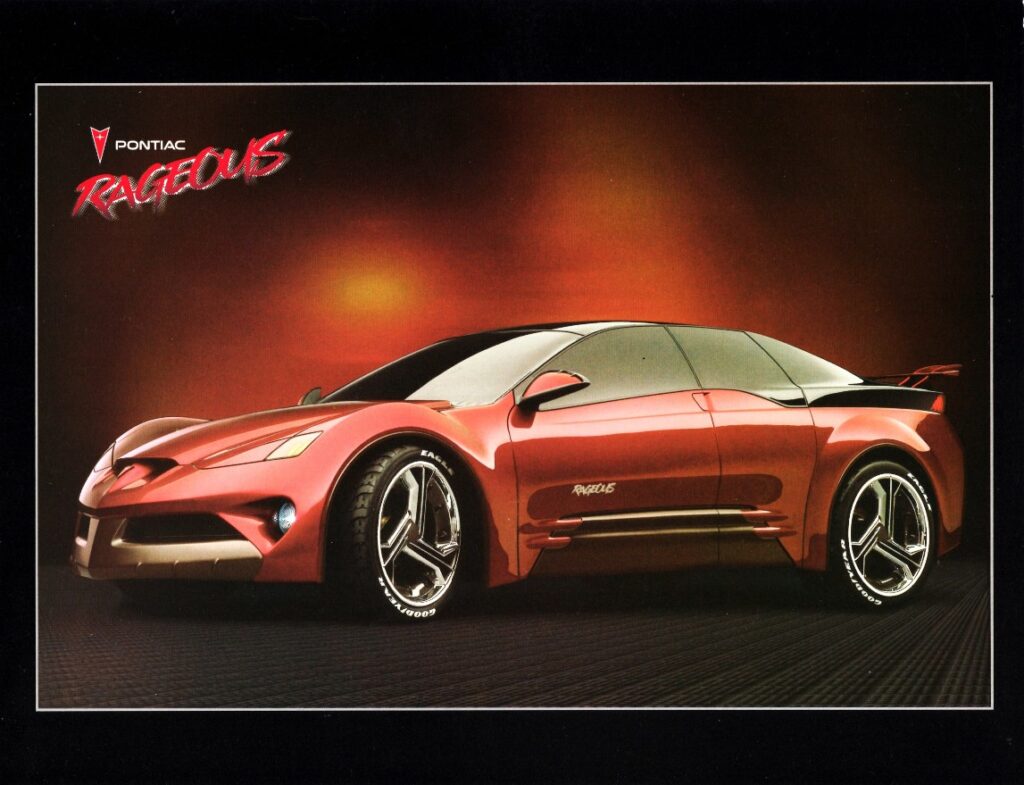
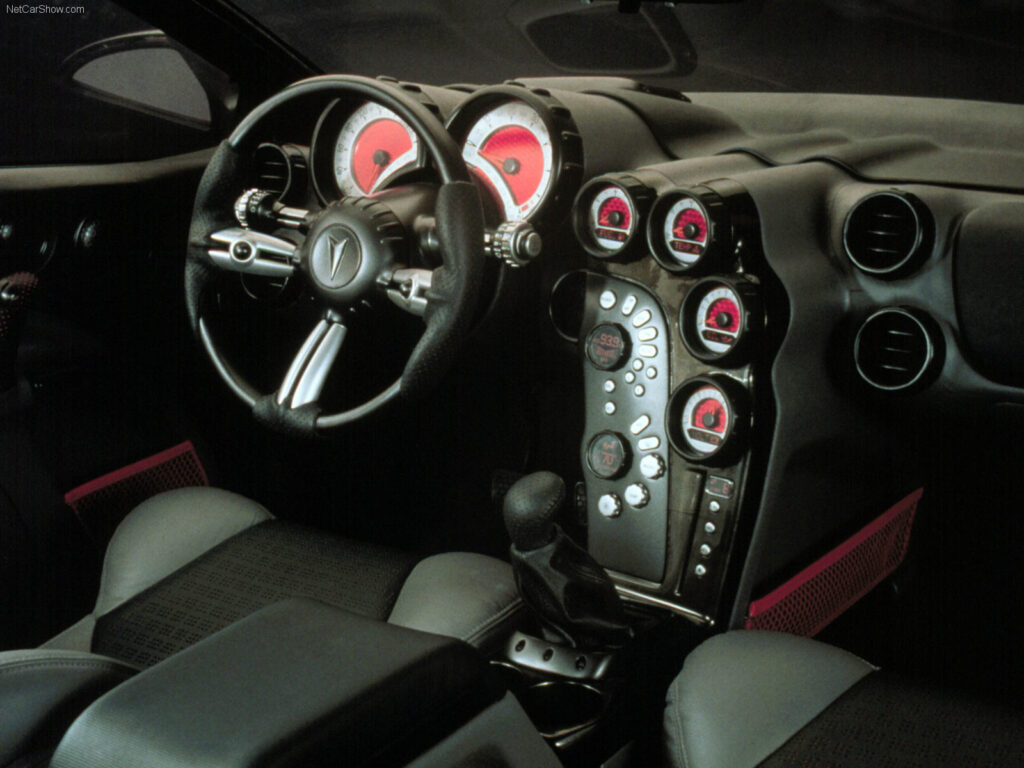
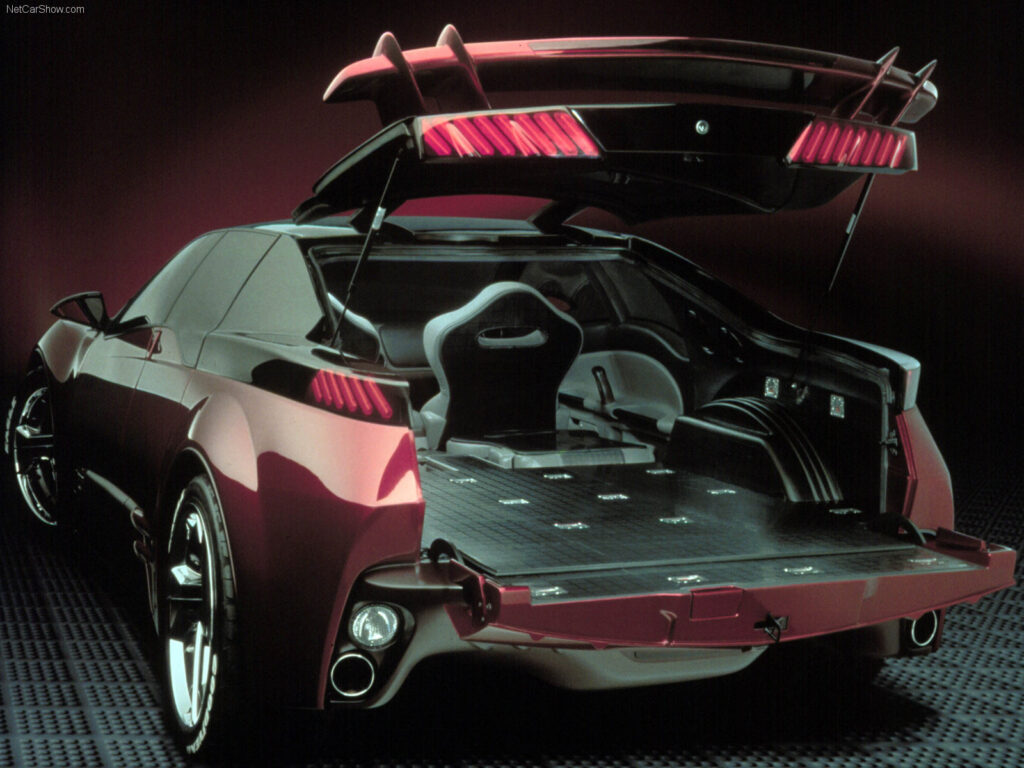
Pontiac’s 1997 Rageous paired two things the brand then lacked in one package: a V-8 and four doors. Its 350-cubic-inch small-block served a cabin designed for four, while a pair of small rear doors provided access to the back seats. Cargo went through a top-hinged hatch, giving the concept more in common with a hatchback than a conventional sedan.
A six-speed manual transmission and a sharply pointed, heavily vented nose completed the brief. The Rageous looked ready to turn family-car practicality into a performance statement. Pontiac had four-door models and V-8 models, but the concept showed the gap between those parts of the range—and how boldly the brand might have filled it.
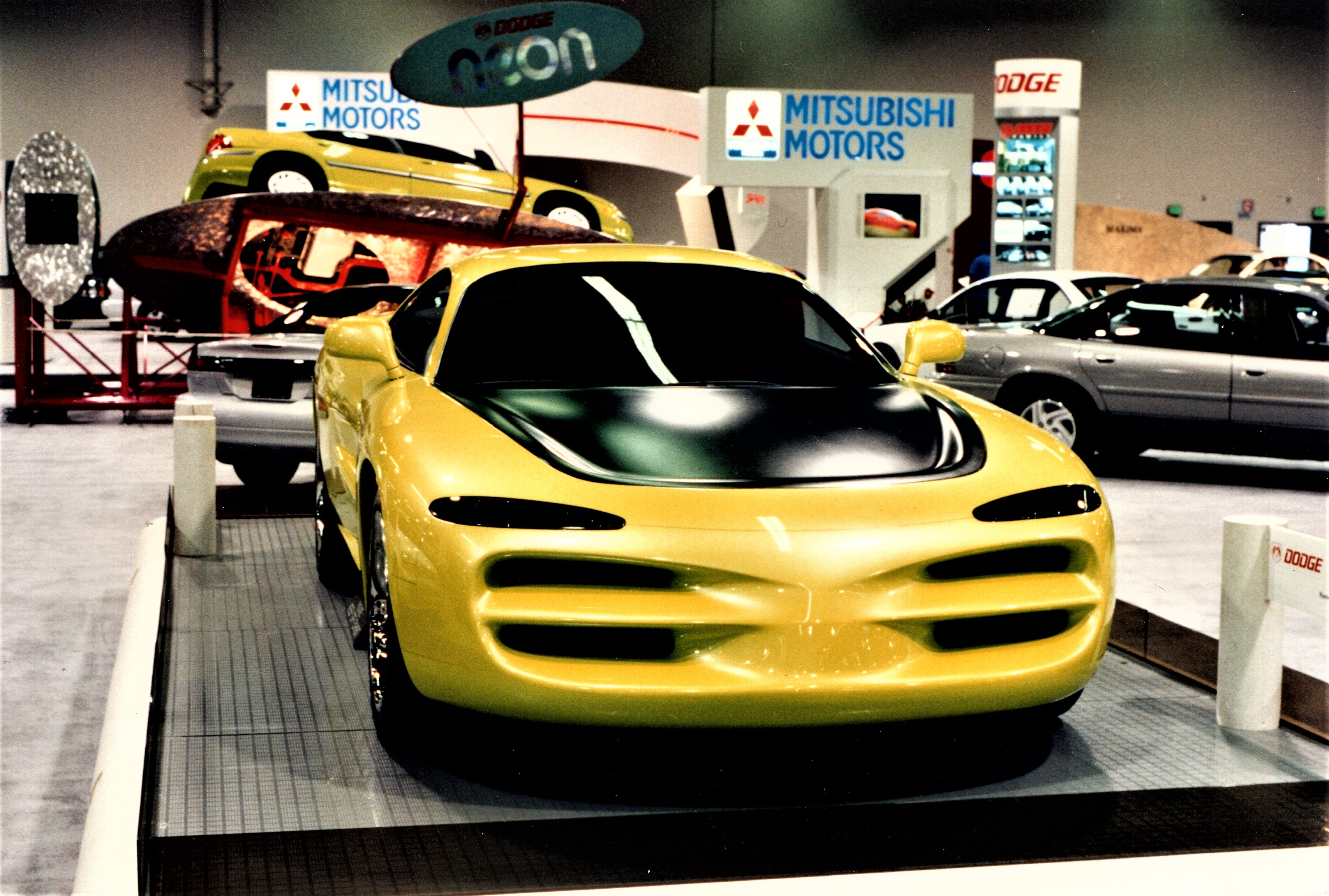
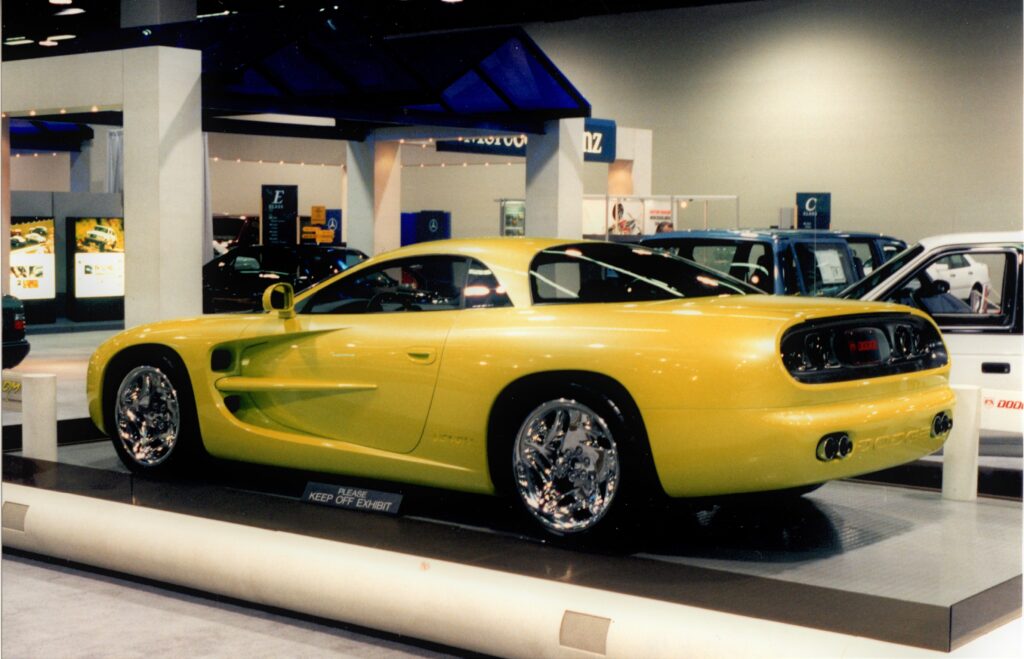
Dodge Venom: a smaller sibling to the Viper
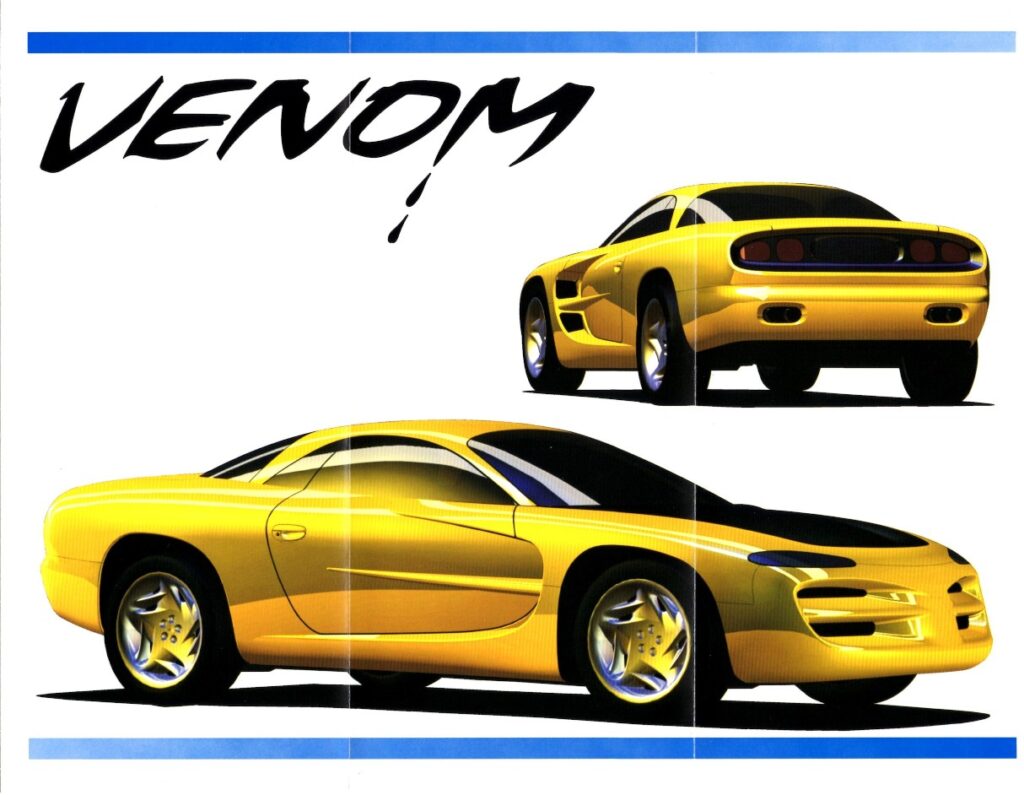
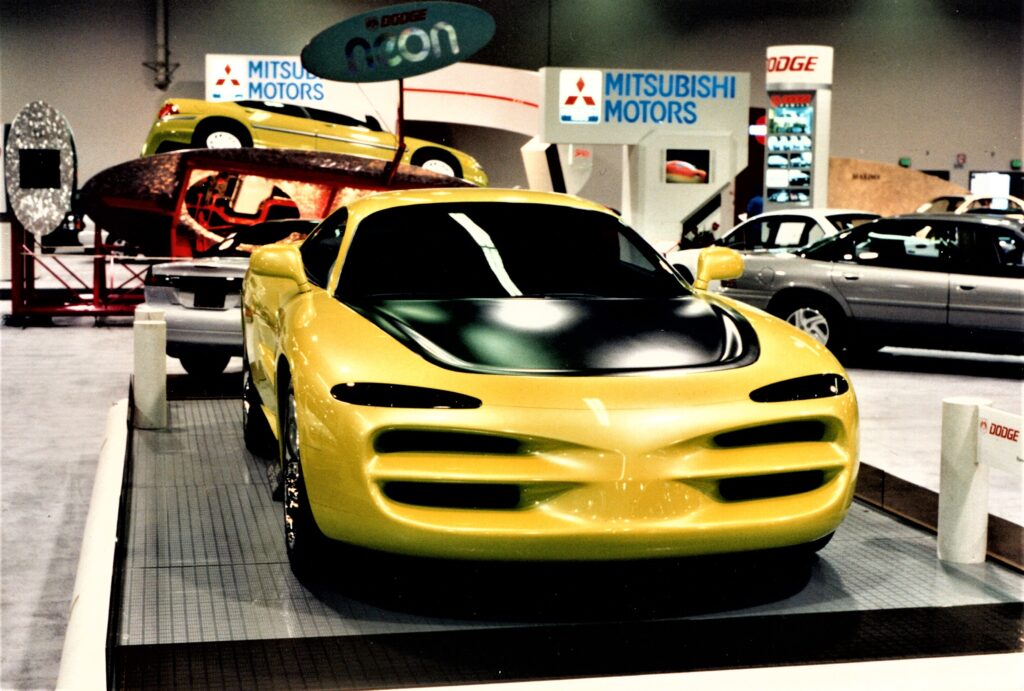
The 1994 Venom borrowed a version of the Neon platform, but its rear-wheel-drive layout and Viper-inspired styling pointed toward a different kind of Dodge. The concept used an iron-block six-cylinder with 24 valves and 245 horsepower. For comparison, the later Neon SRT-4 had 215 horsepower and 16 valves.
A side scoop and narrow headlights above a four-section grille gave the Venom the look of a compact companion to the Viper. Car and Driver put it on the cover of its March 1994 issue and asked whether it could be Dodge’s future pony car. That affordable, spirited two-door never reached showrooms; Dodge’s Challenger arrived 14 years later as the brand’s direct answer to the Mustang and Camaro.
Chevrolet El Camino SS: a wagon turned performance ute
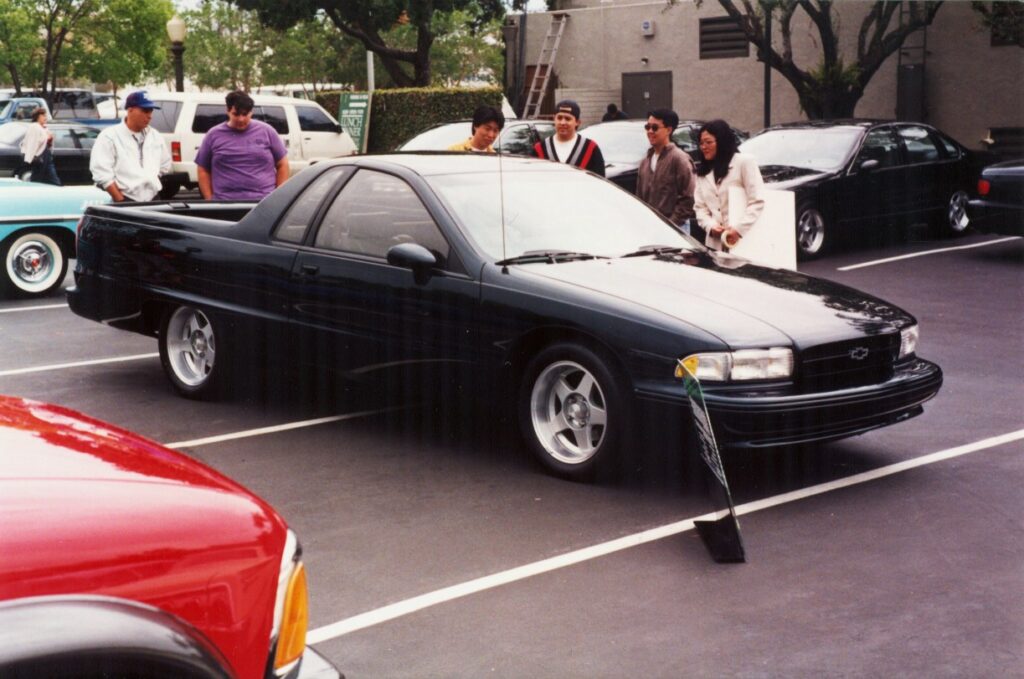
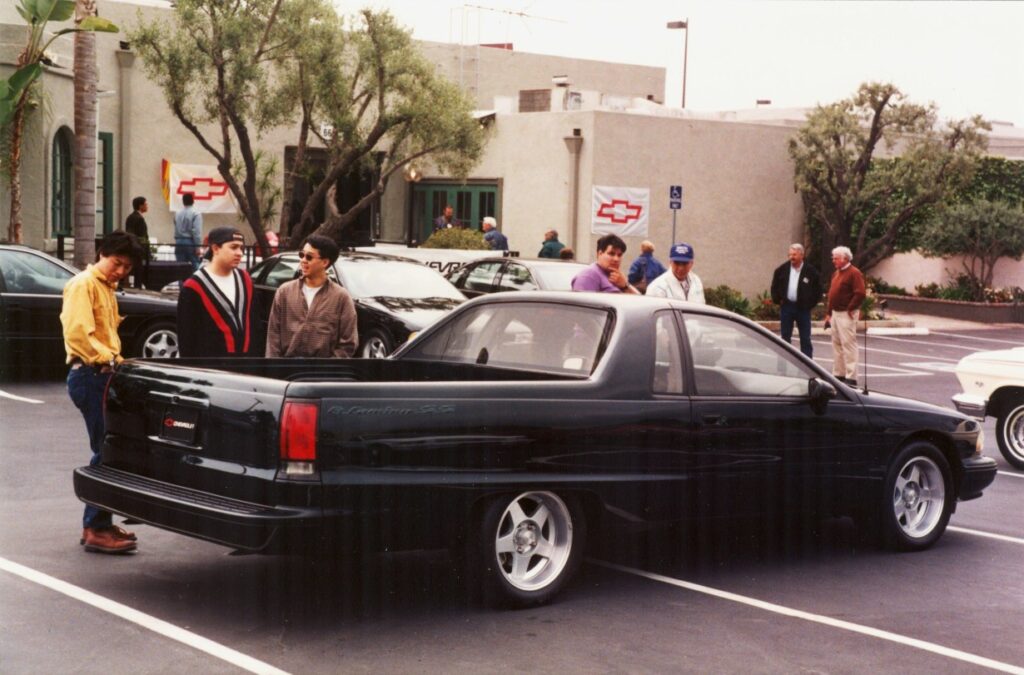
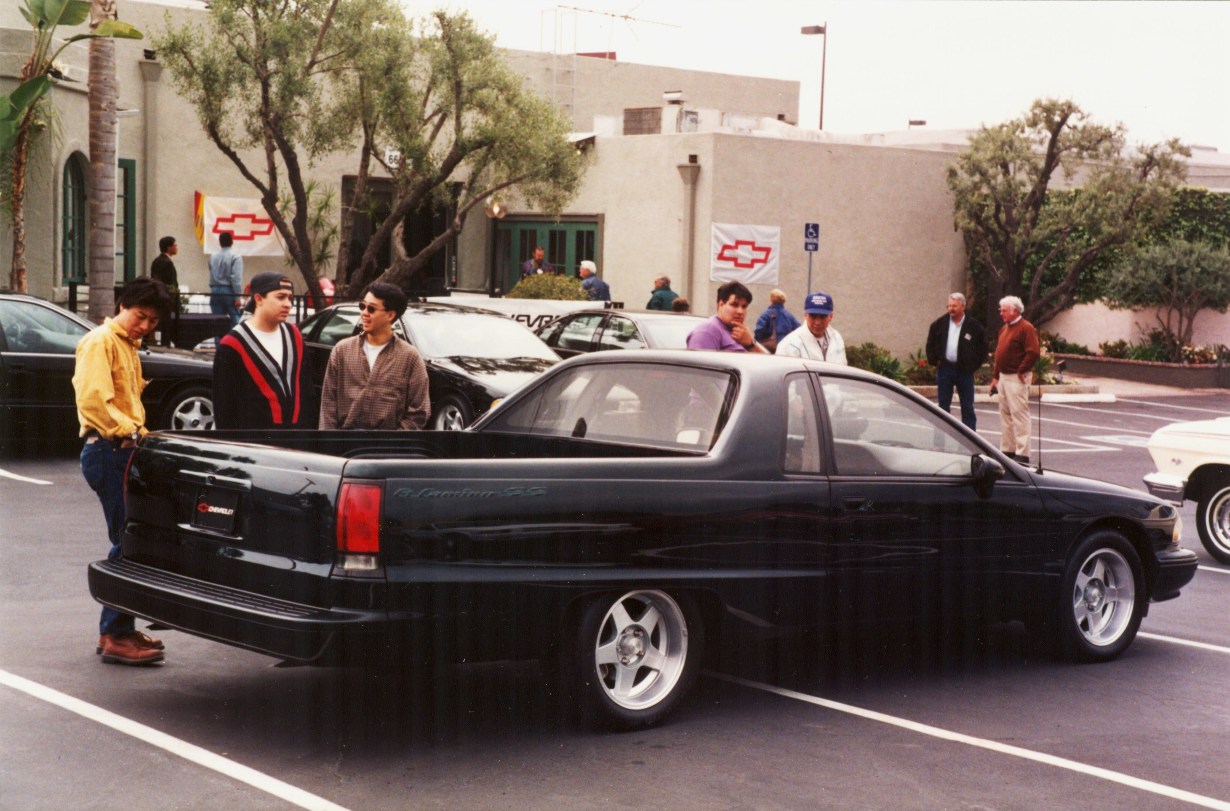
Chevrolet’s 1995 El Camino SS Concept was built from a Caprice station wagon in just 16 weeks by GM’s North American Advanced Vehicle Development Center. The team reshaped the B-body, fitting the nose of an Impala SS and hand-forming many of the steel panels. Under the hood sat an LT1 V-8 rated at 300 horsepower, related to engines used in the Corvette and Impala SS. A 4L60E Hydramatic transmission sent power to the rear wheels.
The result had the proportions of a performance ute, with full-size GM hardware underneath. Its prospects depended on the B-body platform, though, and GM ended production of that platform in 1996. The concept’s donor architecture had only a short future left.
Plymouth Expresso: a bubble-shaped Neon offshoot
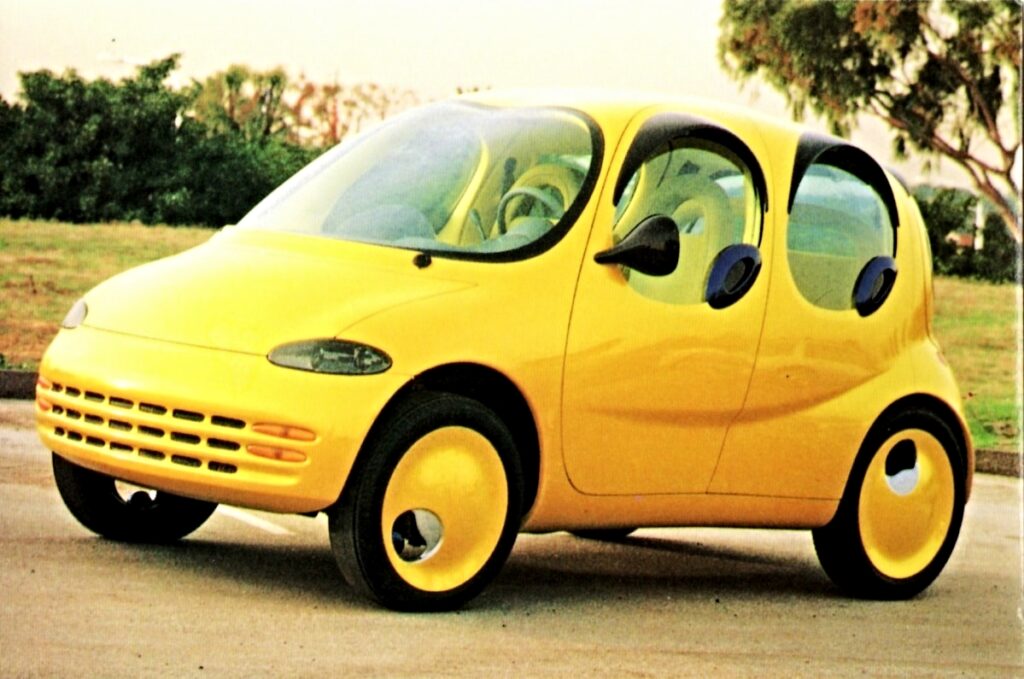
The 1994 Expresso was a four-door urban runabout with a shape that barely resembled the Plymouths of its day. It sat on a shortened Neon frame and was intended for sale under both Plymouth and Dodge badges. The concept used the Neon’s 2.0-liter four-cylinder engine to drive the front wheels.
Production never followed, but the Expresso name did: Plymouth later applied it as a trim package on the Neon, Voyager, and Breeze. The concept arrived a year before the Prowler’s 1997 model-year debut, another sign that Plymouth was willing to explore unusual shapes. One detail remains easy to get wrong: the name was styled and pronounced “EX-presso.”
From a four-door convertible to a compact coupe that might have challenged established pony cars, these concepts reveal how many directions American brands considered before settling on the production cars drivers could actually buy.


