In lane Electric Vehicles
Ferrari 12Cilindri Design: A Modern Front-Engine V-12 with Daytona Cues
Description
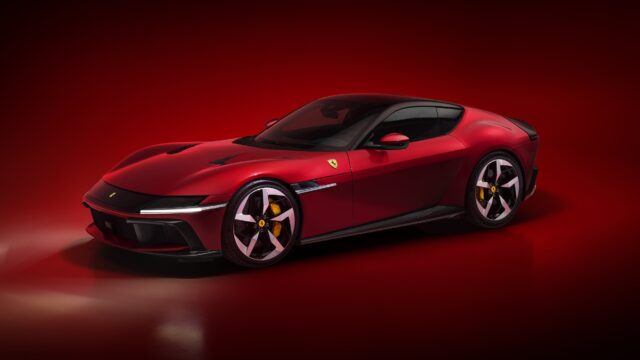
Ferrari’s 12Cilindri pairs a 6.5-liter V-12 with clean bodywork, a Daytona-inspired nose and a more divisive rear graphic.
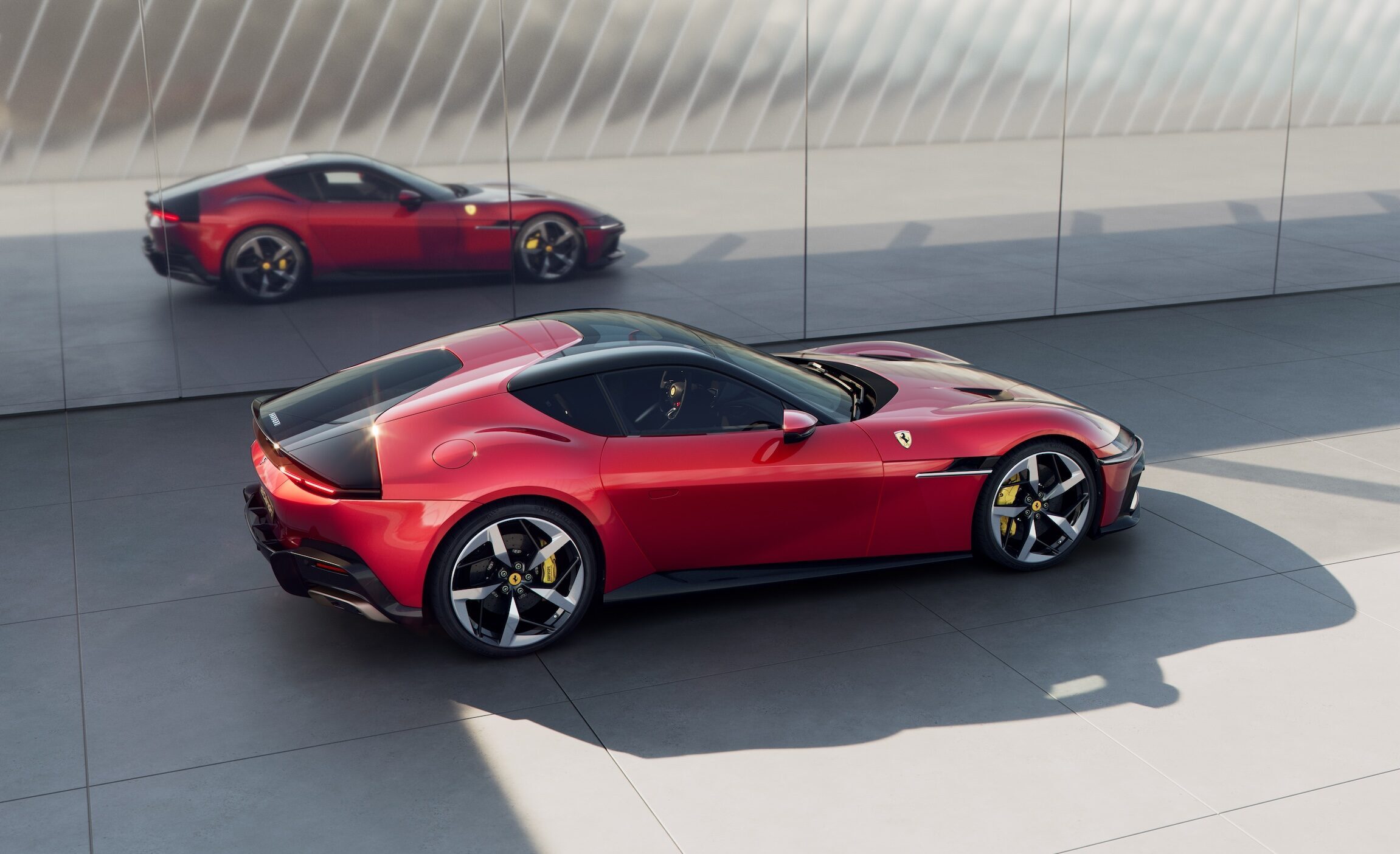
The Ferrari 12Cilindri makes its case through a pairing that’s increasingly rare: a large, front-mounted naturally aspirated V-12 and a body shaped around the proportions of a low, wide two-seat grand tourer. Active aerodynamics, four-wheel steering and electronic performance systems bring modern complexity, but the car’s central appeal is clear. Ferrari has built a contemporary GT around an engine that revs to 9500 rpm, then given that mechanical statement a design with more restraint than some recent models.
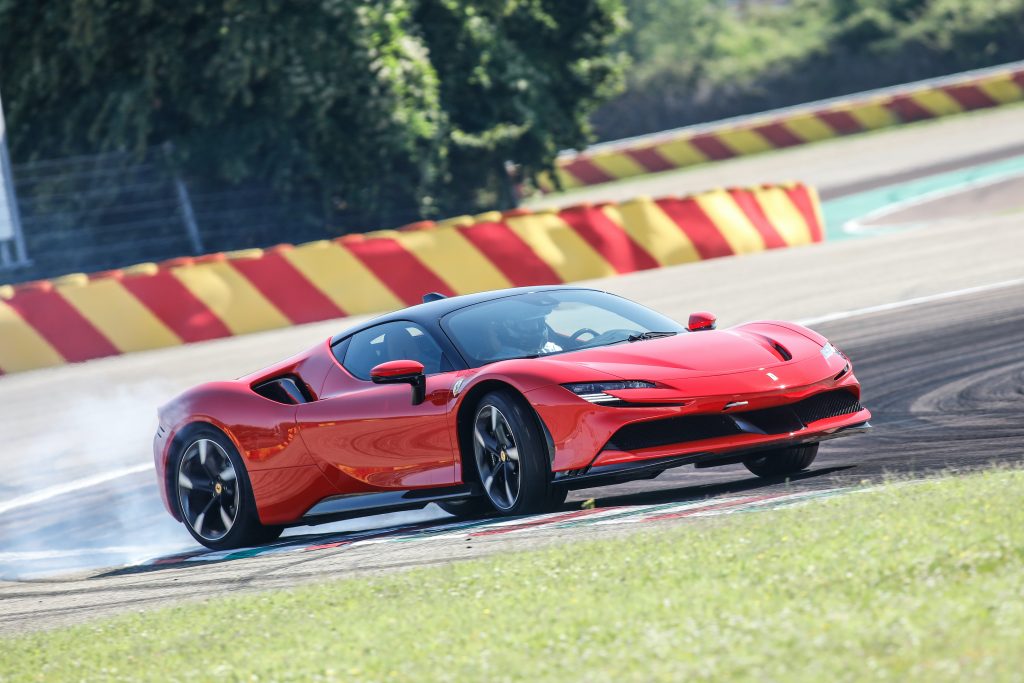
The 12Cilindri takes over from the 812 Superfast, introduced in 2017. Ferrari’s new car retains the basic formula: front engine, rear-wheel drive and a long hood that makes the powertrain part of the visual experience. The engine is a 6.5-liter naturally aspirated V-12. That combination gives the car a clear identity in a market where electrification and smaller engines are reshaping performance cars. Here, the only battery mentioned is there to start the engine.
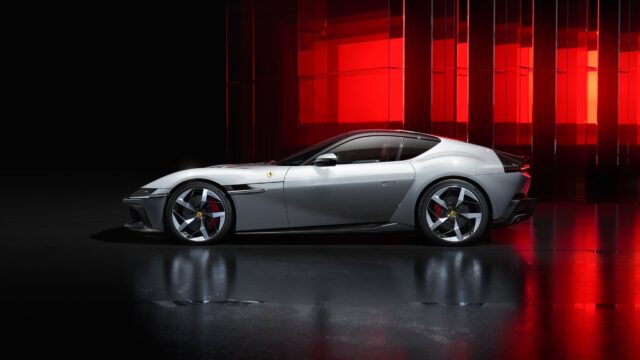
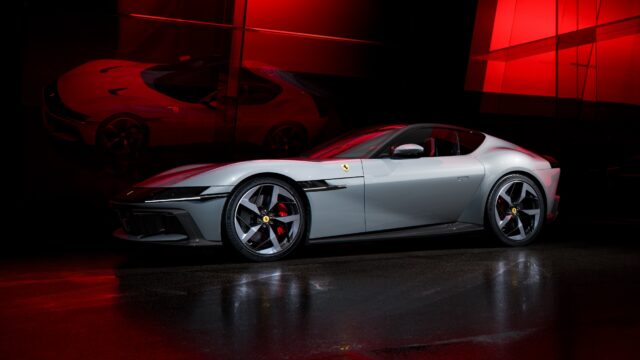
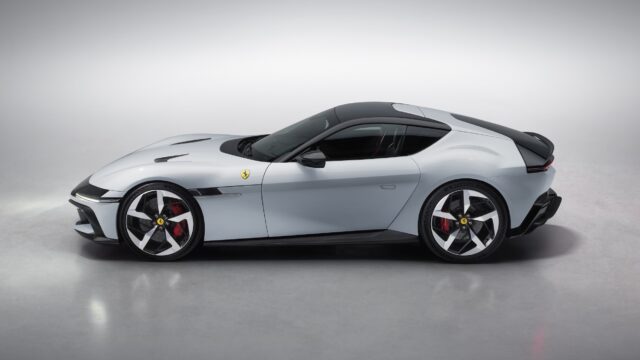
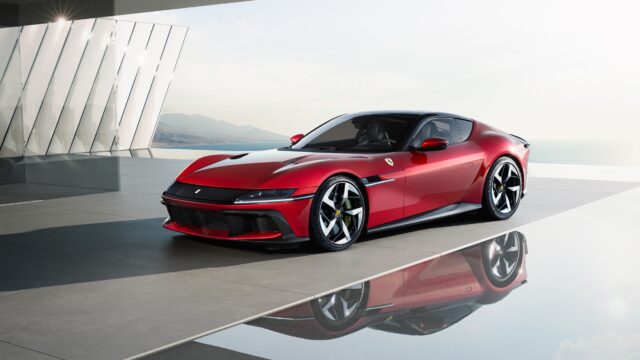
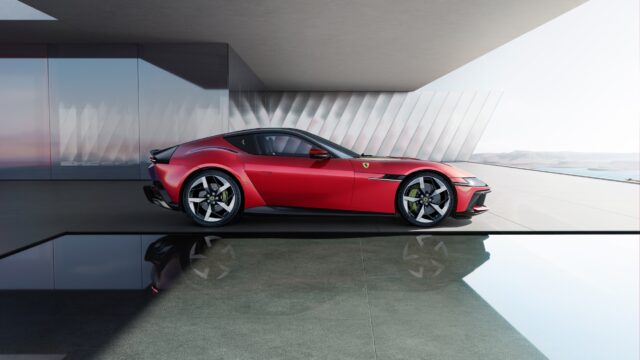
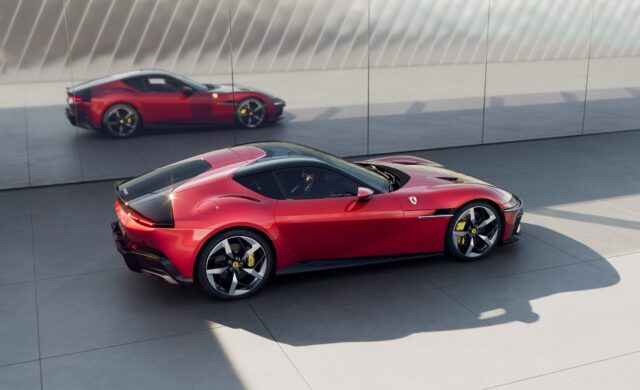
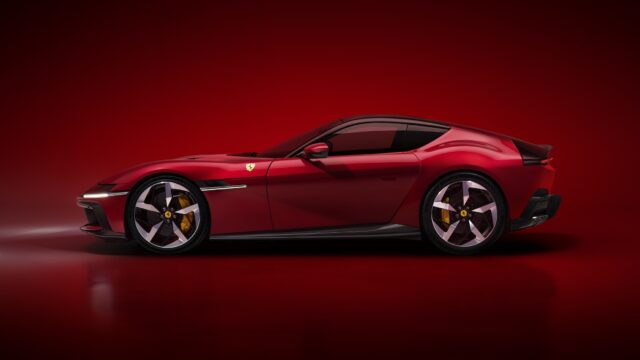
The 12Cilindri also arrives as a design statement from Ferrari’s Centro Stile, led by Flavio Manzoni. The studio’s recent work includes the SF90, 296, Roma and Purosangue. The 812’s styling was less convincing to this writer, which makes the new car’s cleaner execution all the more striking. Its proportions provide a strong starting point: the cabin sits behind a long hood, while the broad body and low stance give the car a naturally balanced profile.
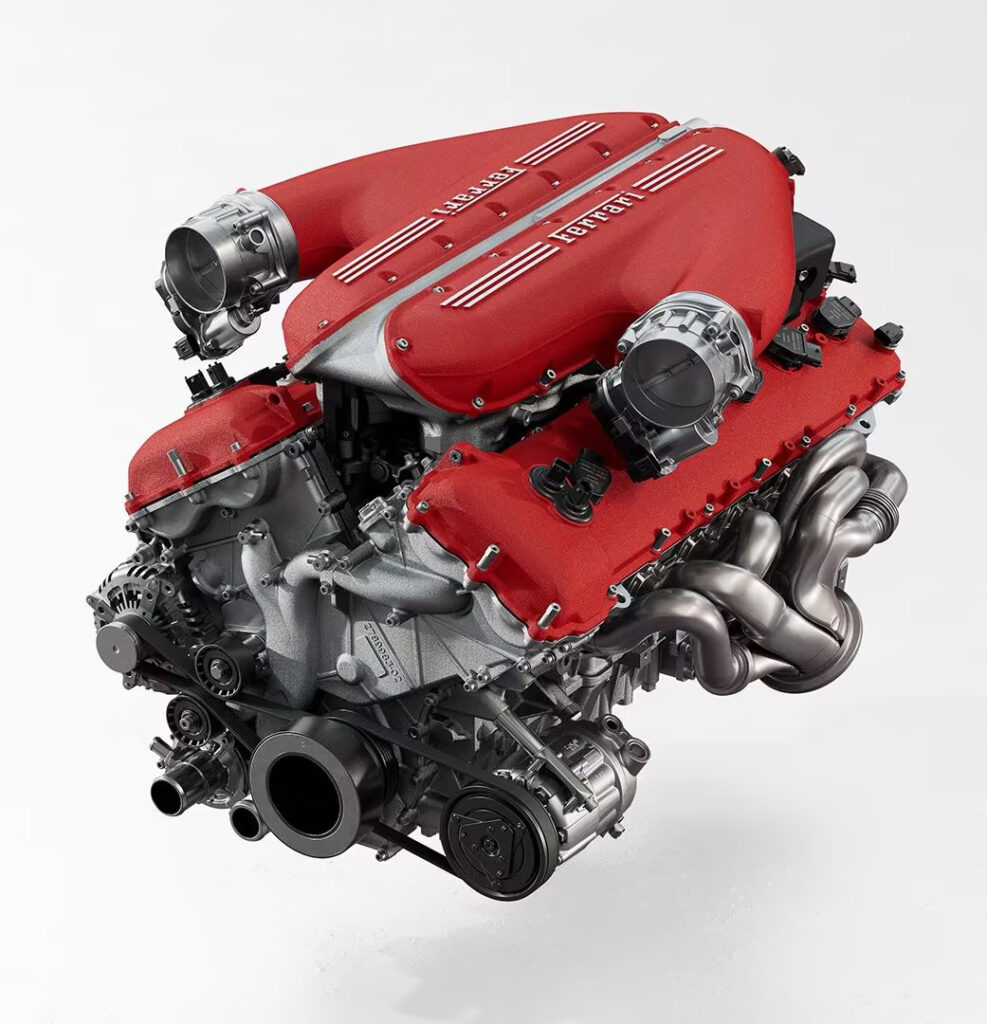
The engine is the headline, and Ferrari has made that emphasis visible. The naturally aspirated V-12’s 9500-rpm ceiling is the sort of specification that shapes the character of a car before it moves. It connects the 12Cilindri to Ferrari’s long history of high-revving engines while setting it apart from performance cars whose defining figures increasingly come from electric assistance. The source gives no output, price or range of availability, so the strongest case here is about the car’s layout, sound and visual presence.
Proportions first, detail second
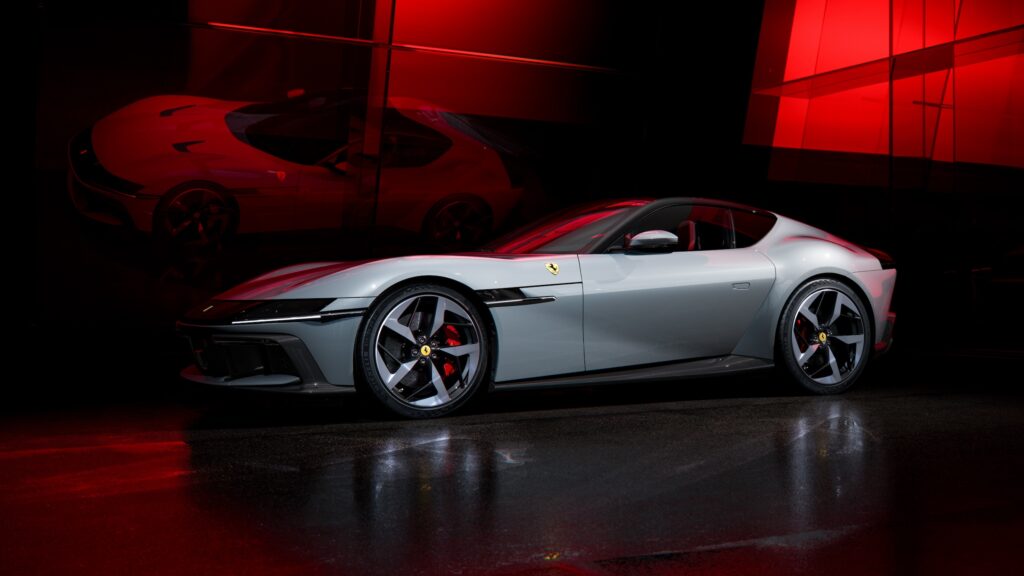
The 12Cilindri’s design works because Ferrari doesn’t bury its basic shape under unnecessary creases. A large engine positioned behind the front axle, two seats and a wide track give the car a naturally dramatic outline. That advantage still demands careful execution: a good platform can be spoiled by awkward surfaces or decorative detail. The Mercedes-AMG SLR is cited as a reminder that strong proportions alone don’t guarantee a cohesive result.
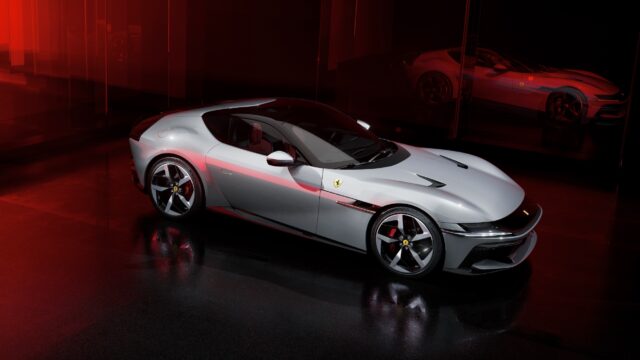
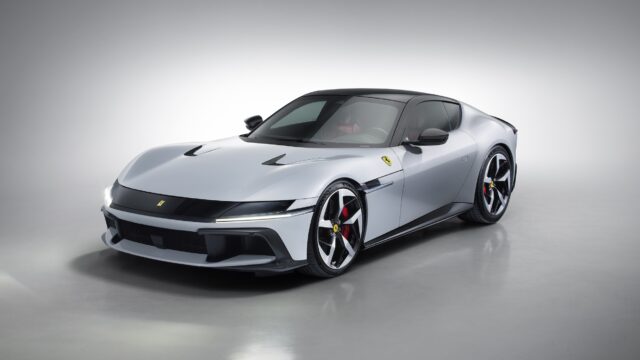
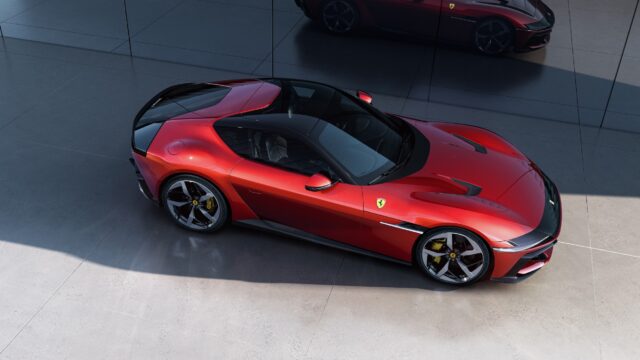
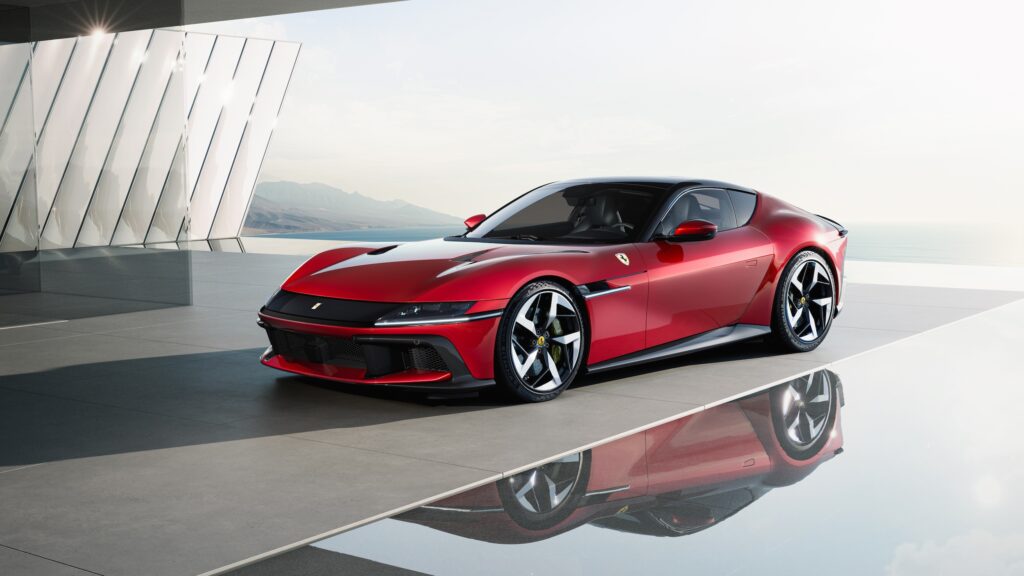
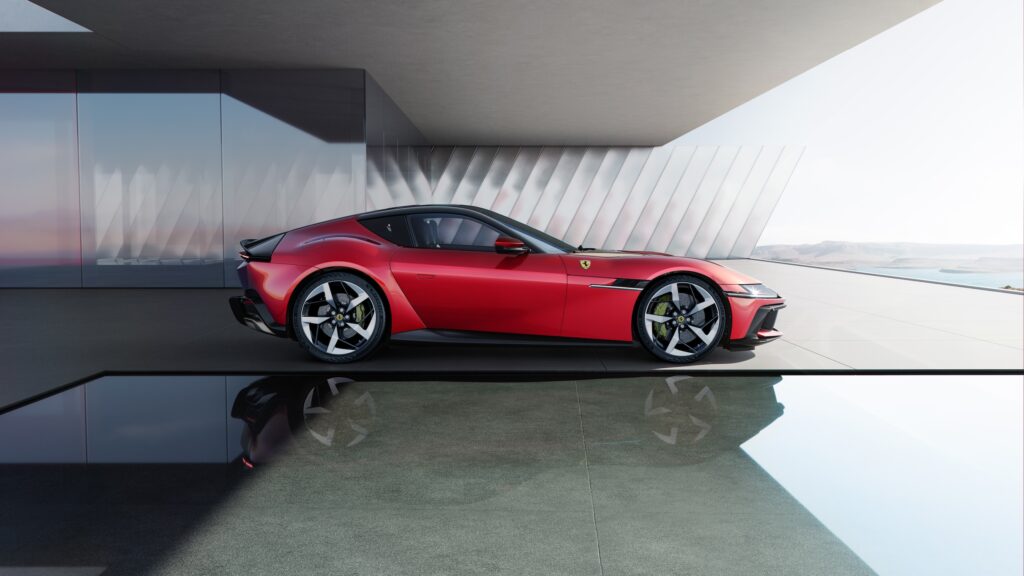
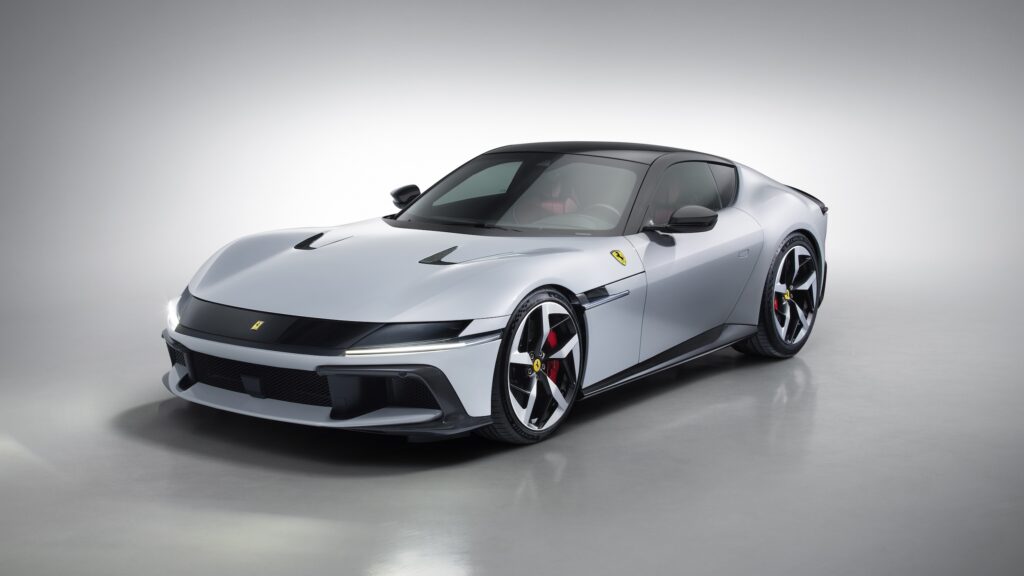
Ferrari’s body surfaces are more controlled. Along the lower sides, the form moves from the front wheel arch toward the rear in a subtle twist, changing how light falls across the doors and helping the long body look less heavy. There are few added creases. The most visible pair runs above the door handle, and those lines connect with the hood’s edges and the lighting elements to give the eye a route around the car.
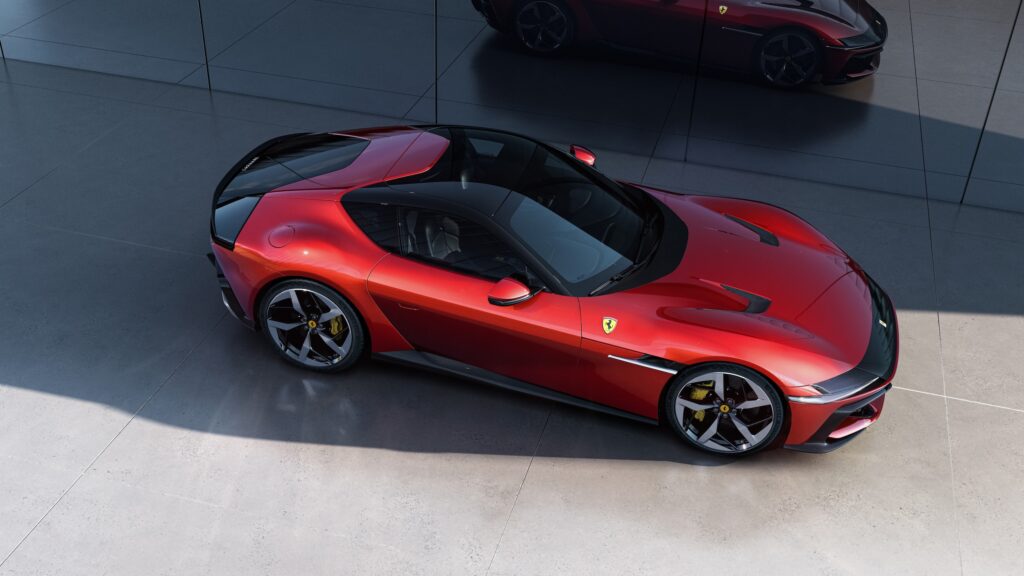
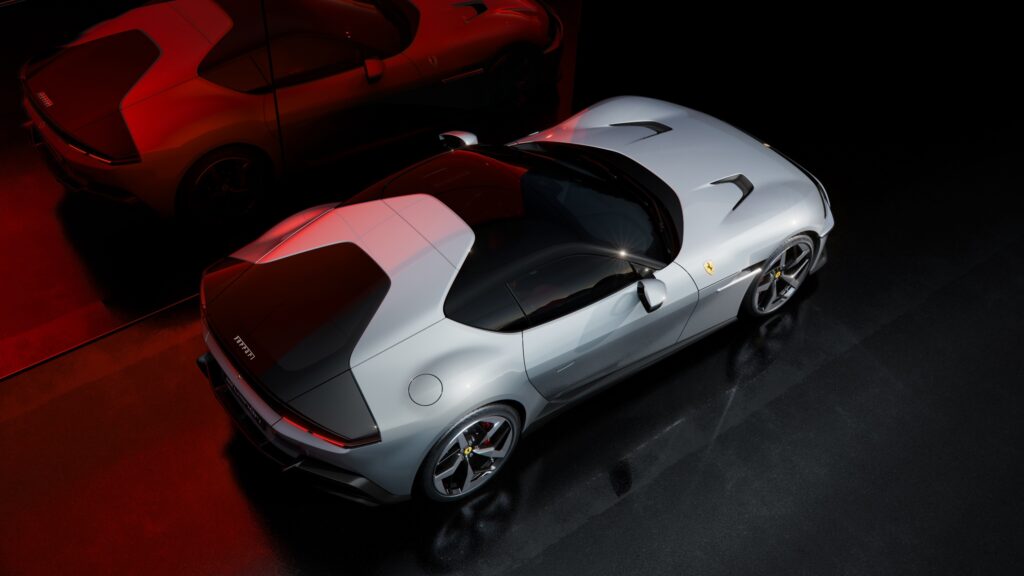
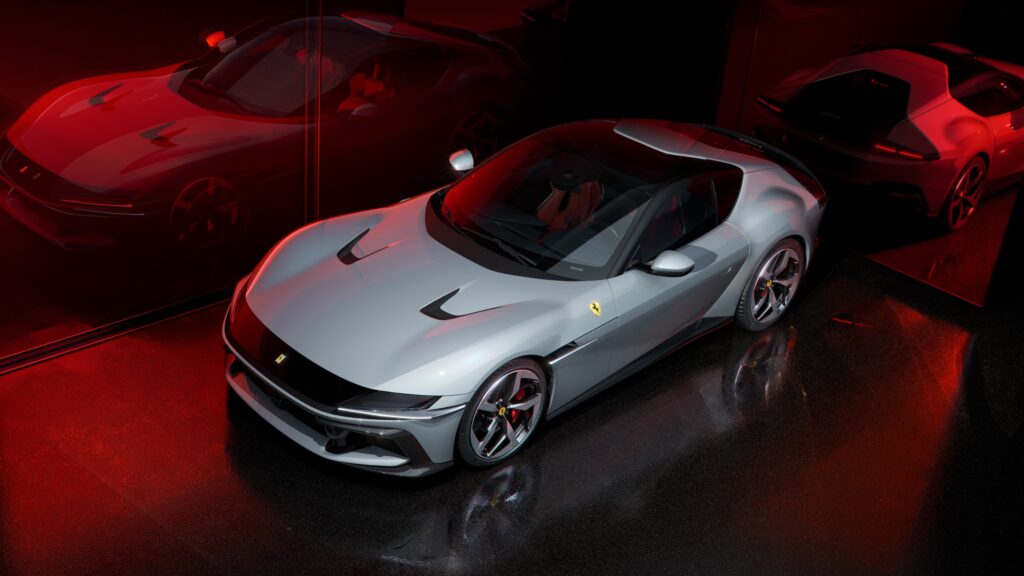
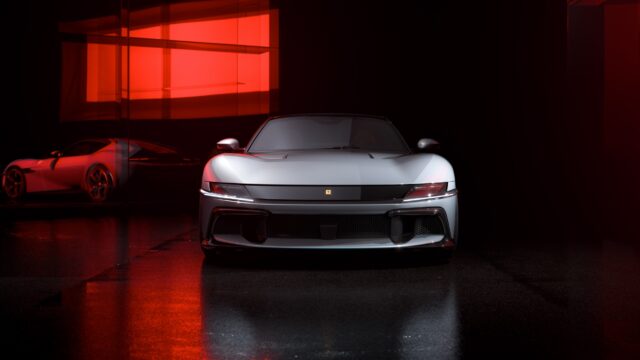
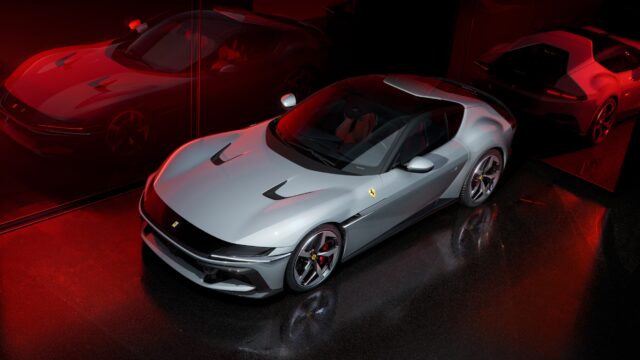
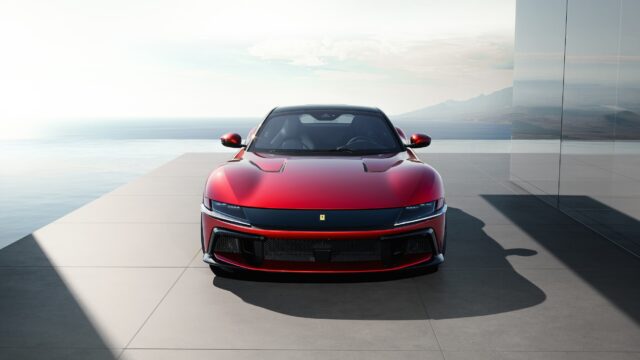
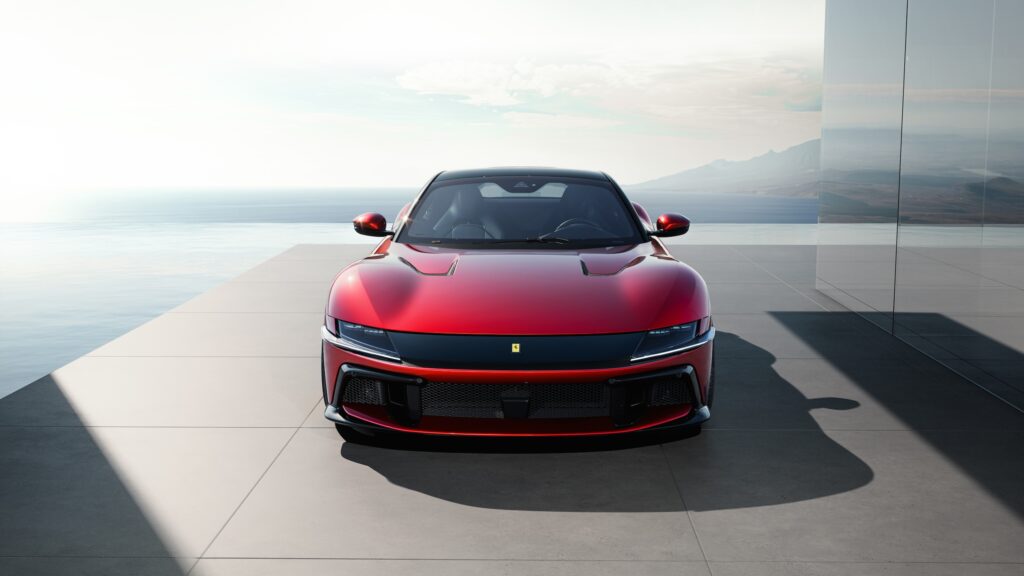
That continuity matters because the car also uses bold graphic elements: the openings, glass outlines, panel gaps and lamps that interrupt the main body volume. At the front, a clamshell hood keeps panel seams away from the sculpted fenders. The trapezoidal headlights link across the nose through a black strip. The idea has precedents, but its placement gives the 12Cilindri a measured visual nod to the full-width acrylic panel on the 365 GTB/4 Daytona.
A rear design that depends on color
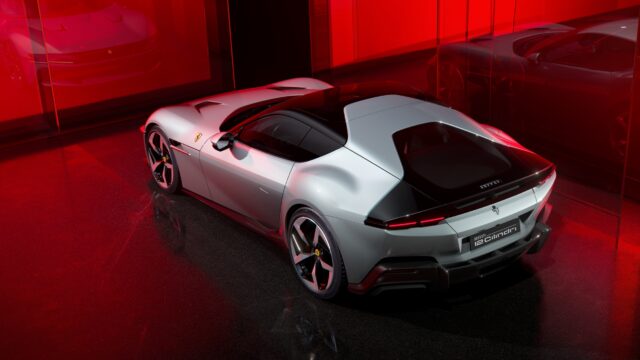
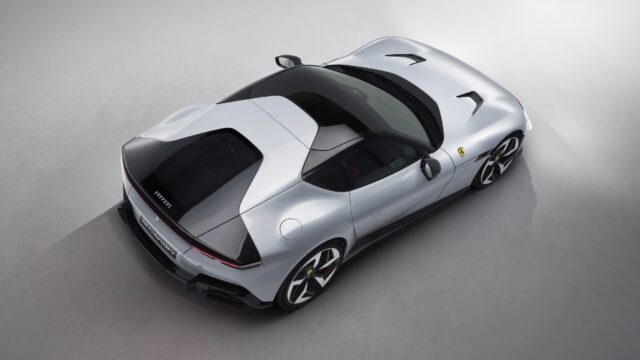
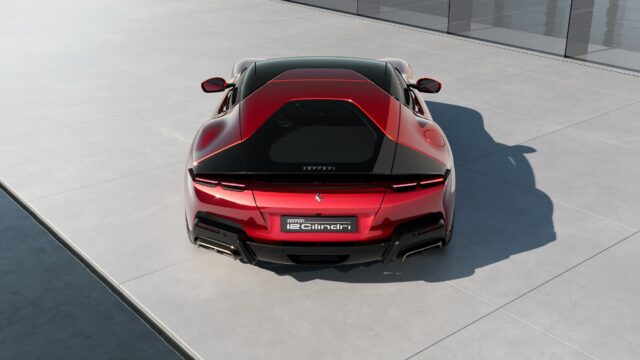
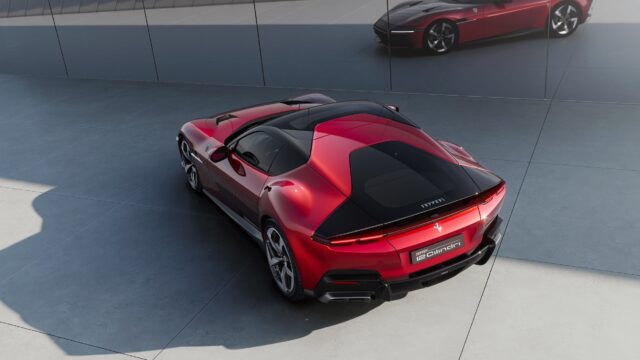
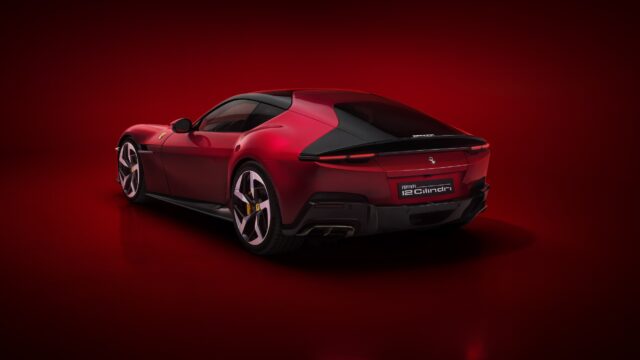
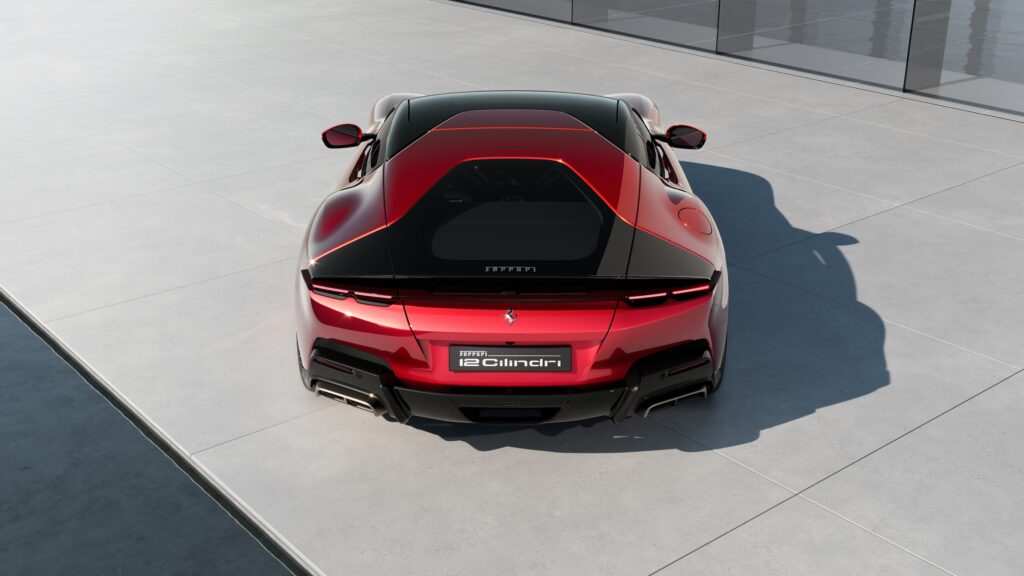
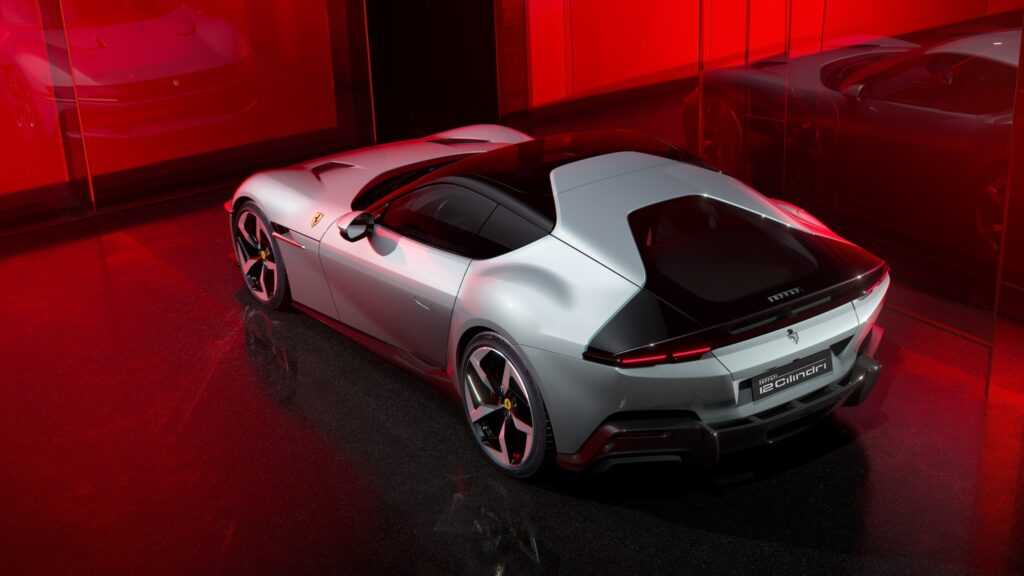
The back of the car takes a more adventurous approach. Two active spoilers are finished in black and visually join the rear window, forming an arrow-like shape that continues over the roof. It’s a defining feature, though a divisive one. On a dark-colored car, the contrast that explains the design can largely disappear, making the rear treatment less legible. That makes paint choice more than a matter of personal taste: it changes how clearly the car’s signature graphic reads.
Ferrari showed the Spider alongside the coupe, giving buyers an open-air version from the outset. With the roof closed, its retractable panel meets two flying buttresses to preserve a similar silhouette. The black spoilers and deck section remain, but the treatment looks less resolved against the Spider’s shape. That’s a useful distinction for anyone drawn to the coupe’s rear: the open-top version keeps the same design ingredients without reproducing the same effect.
The 12Cilindri’s appeal ultimately rests on the balance between old-school GT proportions and present-day systems. Its active aerodynamics and independent four-wheel steering show that the traditional layout hasn’t stopped Ferrari from adding technical sophistication. Yet the car doesn’t ask those systems to define its identity. The long hood, naturally aspirated V-12 and uncluttered body do that work, while the black rear graphic supplies the most conspicuous flourish.
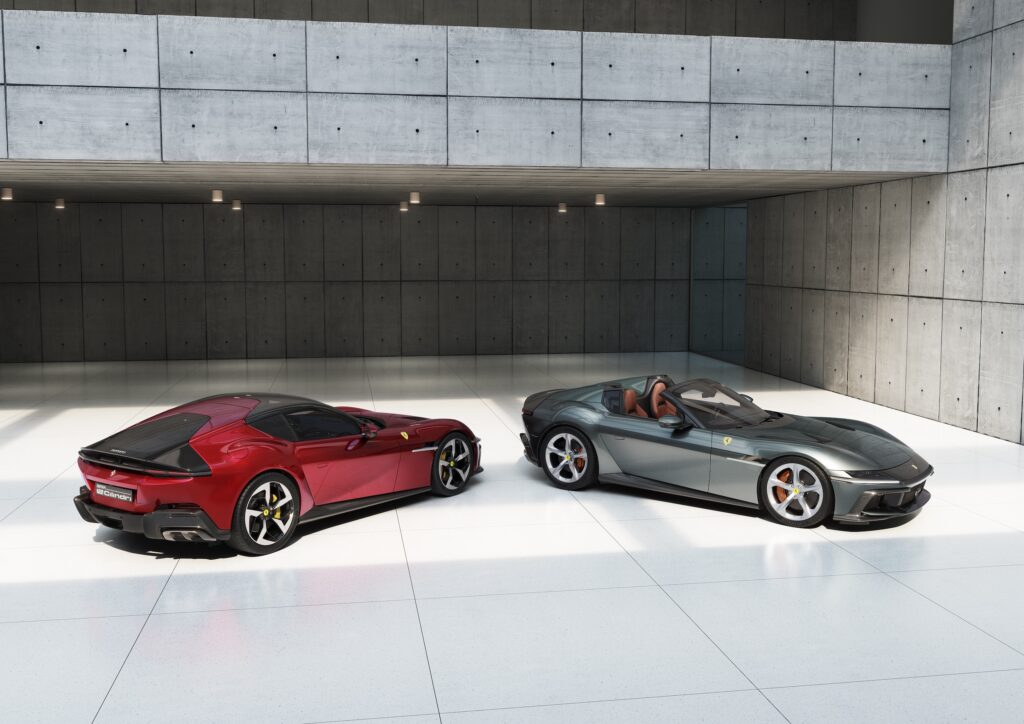
That mix makes the 12Cilindri feel connected to Ferrari’s past without relying on a simple retro costume. Its Daytona reference is limited to a graphic cue; the body itself is sharper and more contemporary. The shape also recalls the Monza SP, with a more modern finish. For a two-seat GT that puts a 9500-rpm V-12 at the center of the experience, that restraint feels purposeful. The result is a car whose strongest design feature is still its fundamental proposition: a dramatic engine, placed in a long-nosed Ferrari and allowed to speak for itself.
For enthusiasts who won’t own one, the 12Cilindri still offers a visible measure of what Ferrari’s design team can do with a classic mechanical formula. When it passes on the road, the sound and proportions are likely to make the clearest impression; the closer look reveals how carefully the surfaces, shutlines and lighting have been arranged. The V-12 may draw the first glance, but the design gives the car reasons to hold it.