In lane Electric Vehicles
Cadillac Sollei Concept Revives the Full-Size Electric Convertible
Description
Cadillac’s Sollei pairs Celestiq-based electric underpinnings with a vast 2+2 convertible body and bespoke cabin details. Production remains unconfirmed.
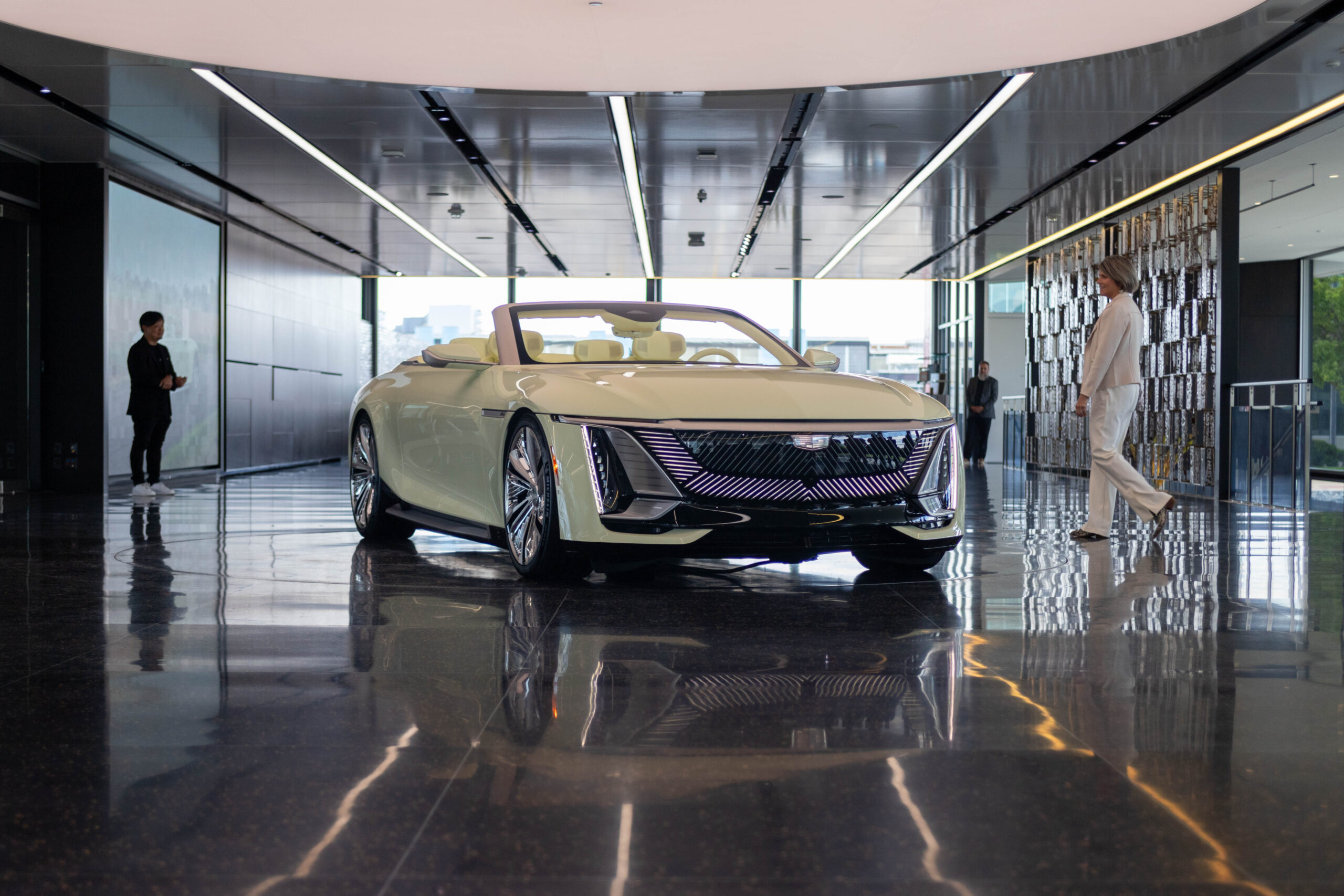
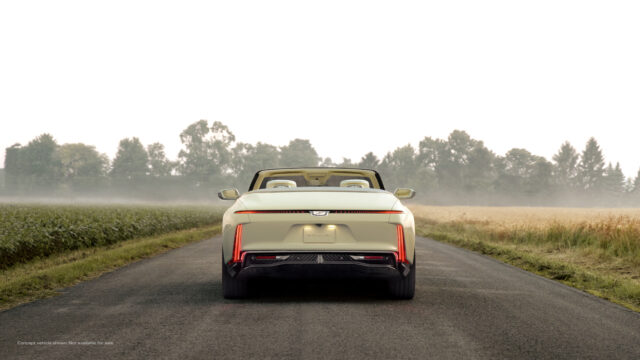
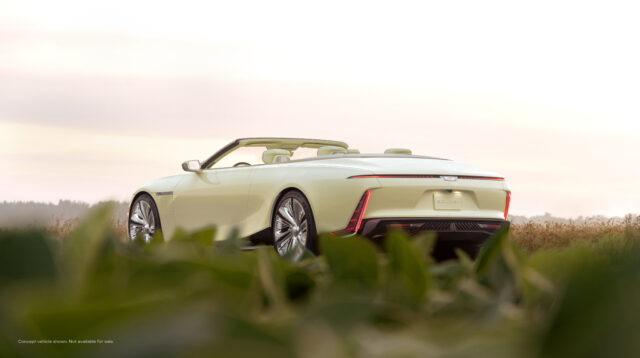
The Cadillac Sollei makes the case for a full-size luxury convertible by combining the scale of the marque’s classic drop-tops with the electric architecture and hand-finished approach of its Celestiq. The 2+2 concept has no confirmed production plans, but its close relationship to Cadillac’s low-volume halo car makes a limited run look technically plausible.
A modern take on a discontinued format
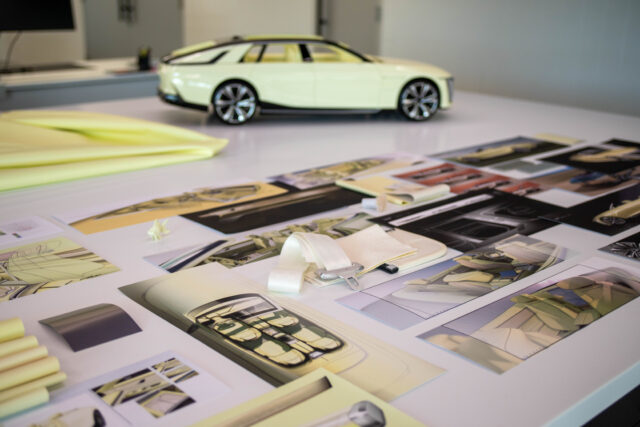
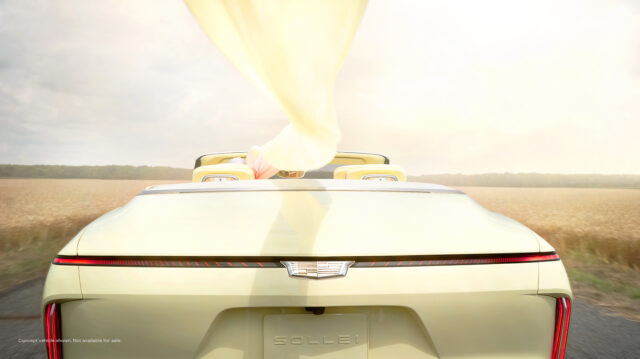
Cadillac unveiled the Sollei on a Friday in July 2024. Its name combines “Sol,” for sun, and “lei,” for leisure, according to the company. The wordplay points to the car’s open-air brief, while its proportions recall the large convertibles that once occupied a distinctive place in Cadillac’s range.
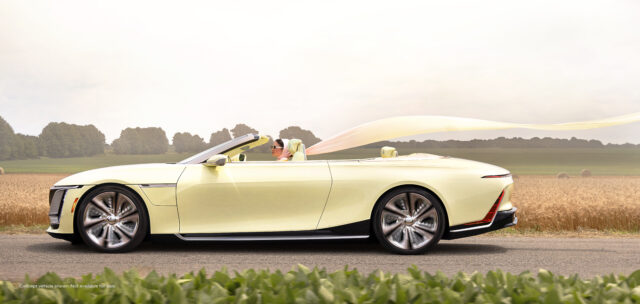
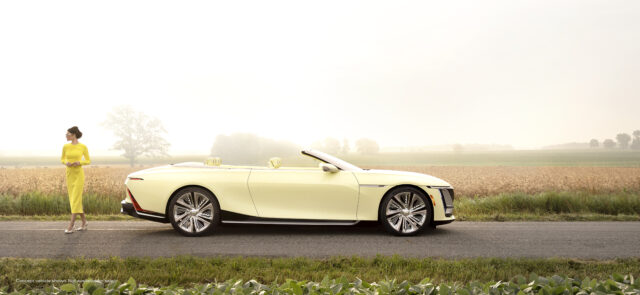
The last full-size Cadillac convertible was the Fleetwood Eldorado, which ended production in 1976. Cadillac later offered open-top models including the Allante and the Corvette-based XLR, but neither matched the length and presence of a 1959 Series 62. Sollei returns to that broader idea: a substantial four-seat luxury car designed around the experience of driving with the roof down.
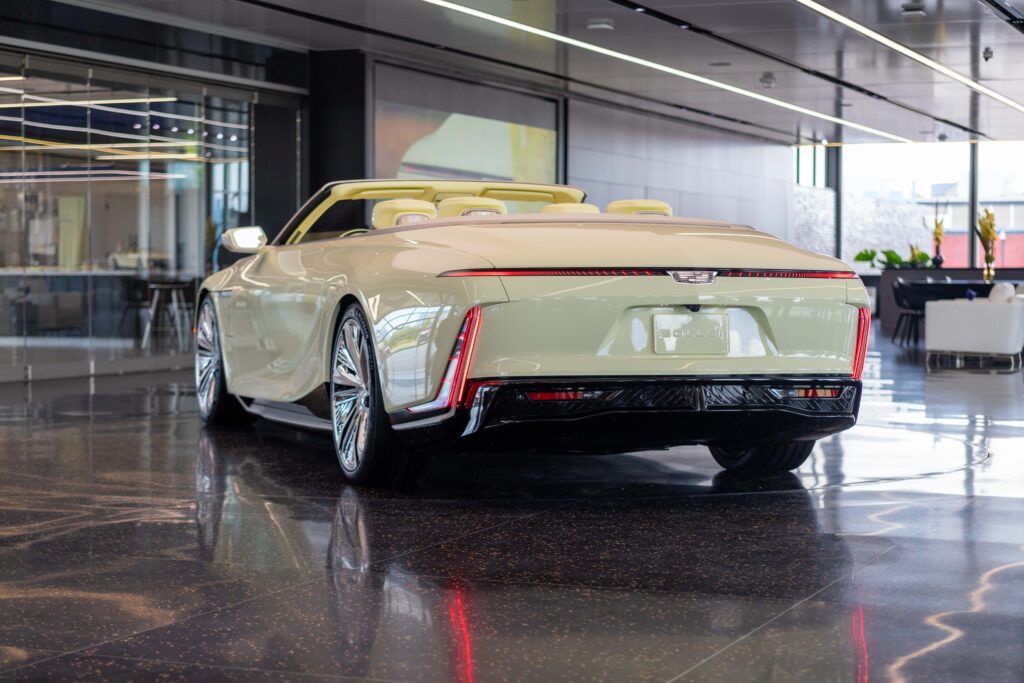
Celestiq foundations, convertible proportions
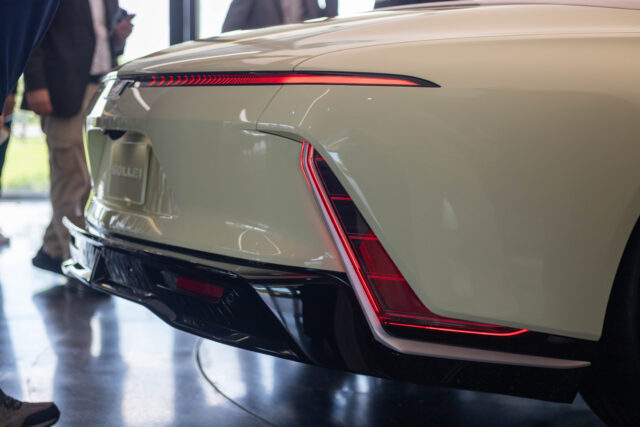
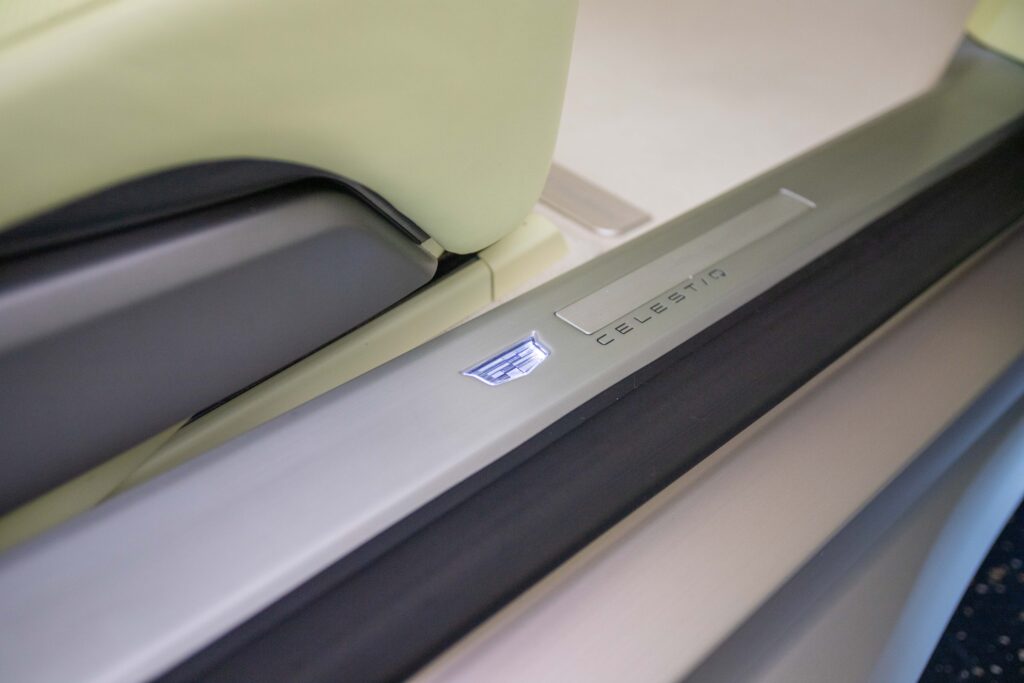
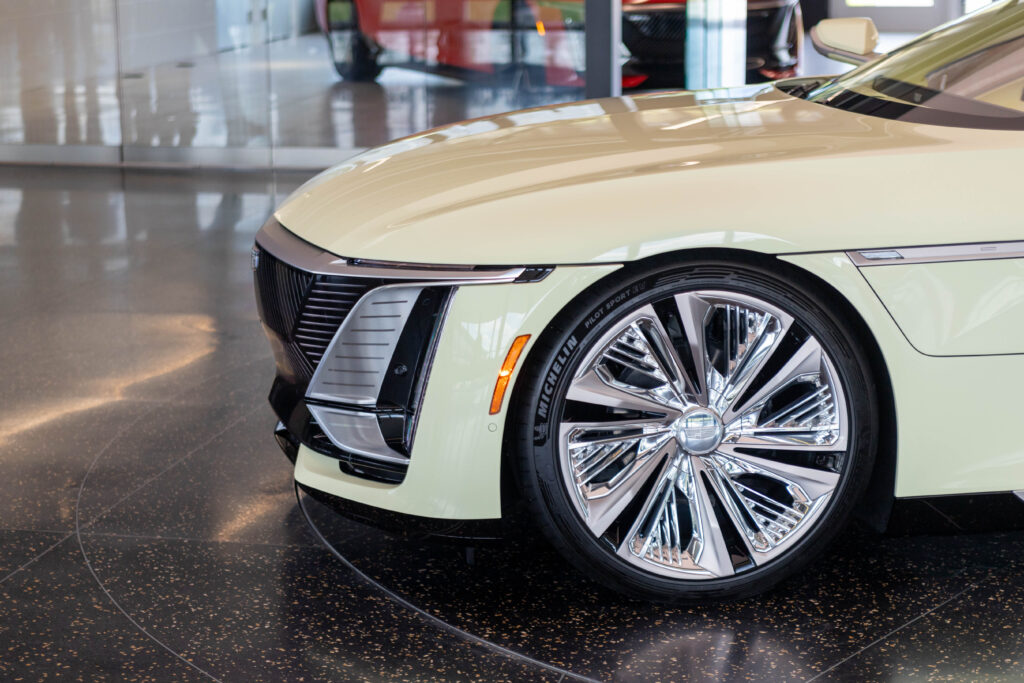
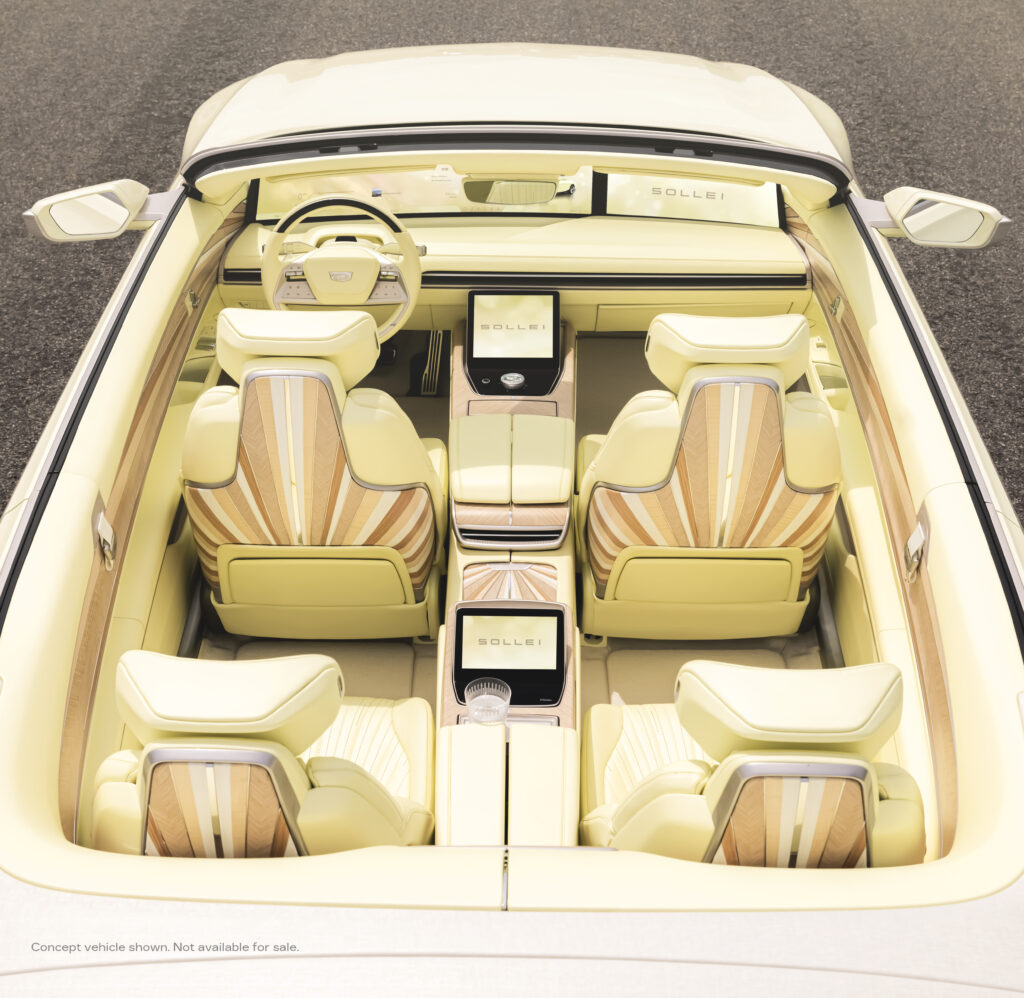
The concept uses the same Ultium electric vehicle architecture as the Celestiq and may share its chassis. Cadillac has not confirmed the platform details beyond the shared architecture, but Celestiq sill plates visible in the Sollei offer a clue. The two cars also share a lit front fascia and related body surfacing. Sollei’s redesigned rear and open cabin give it a different character while retaining a clear family resemblance.
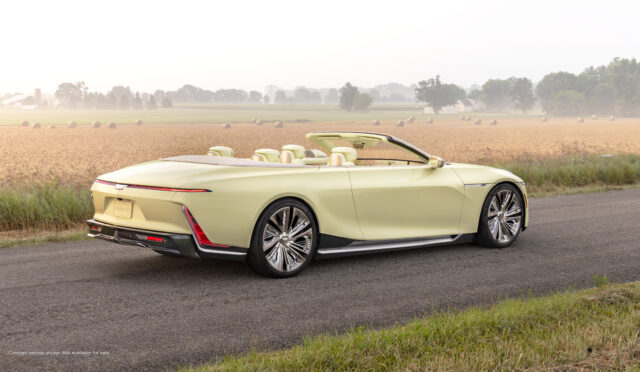
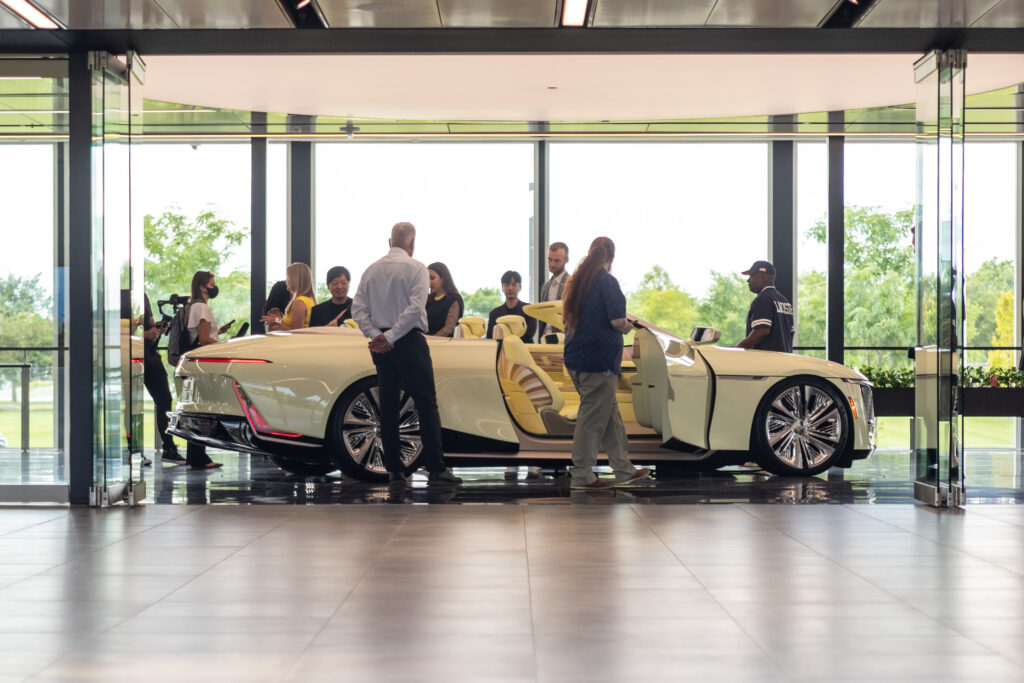
Its dimensions make the concept’s intent plain. The doors measure 68 inches long, and the car sits on 23-inch wheels. Those details are central to the design: Sollei isn’t a compact roadster adapted for luxury, but a large, dramatic convertible in the tradition of Cadillac’s biggest open cars. The scale will shape the ownership experience as much as the styling, though the concept’s length, weight, storage capacity, charging performance and driving range have not been disclosed.
Heritage expressed through materials
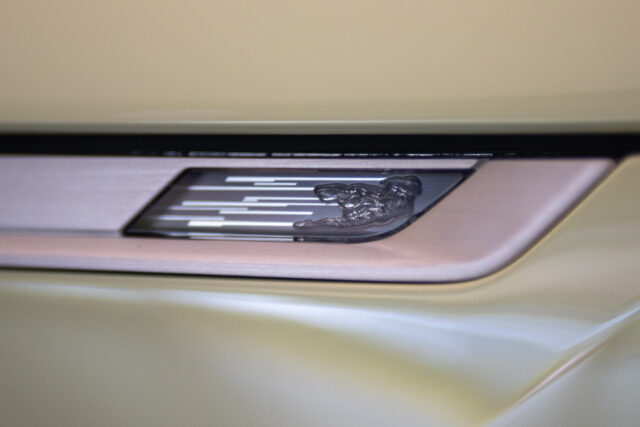
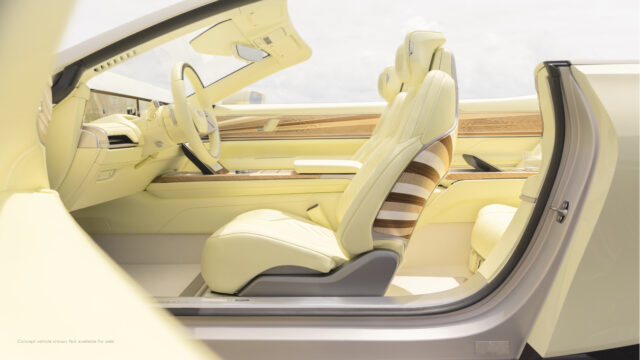
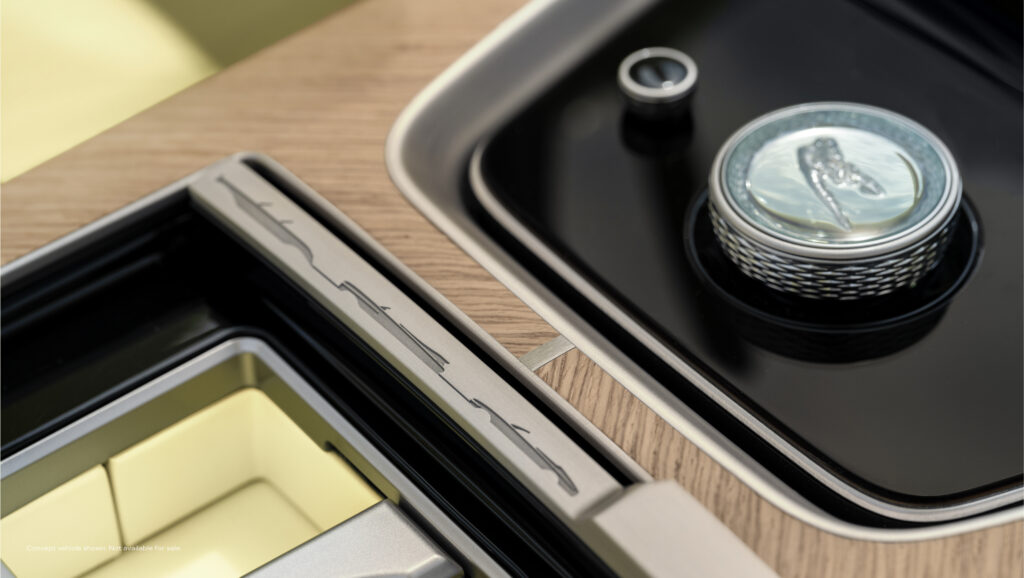
Cadillac Design Director Erin Crossley described the marque’s past as a key influence on the concept. Sollei wears Manila Cream, a color used on Cadillacs in 1957 and 1958, and the cupholder trim carries engraved silhouettes of heritage models. The references give the car a connection to the brand’s earlier design language without making the body a direct period reproduction.
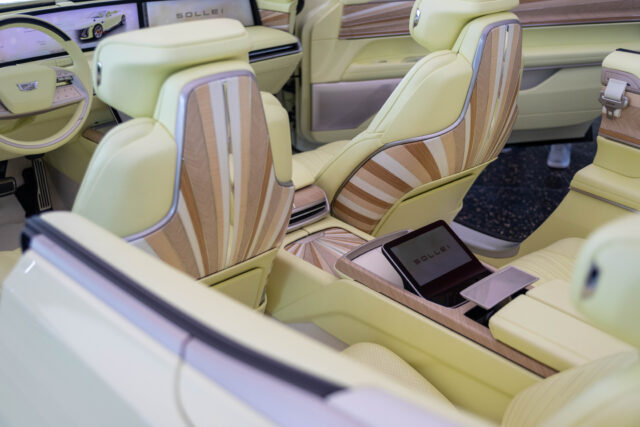
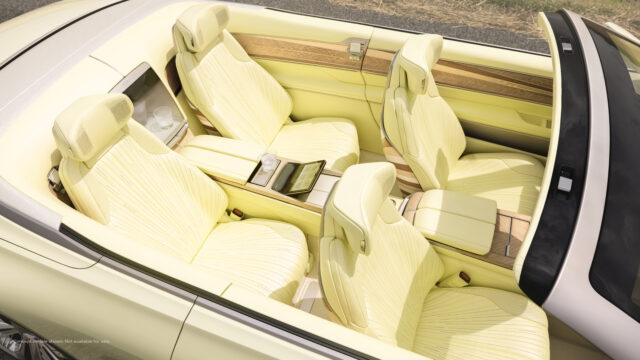
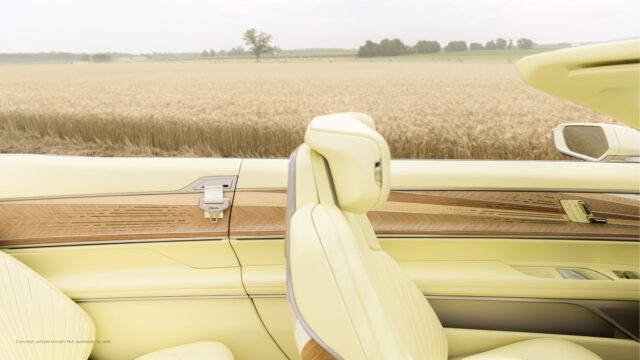
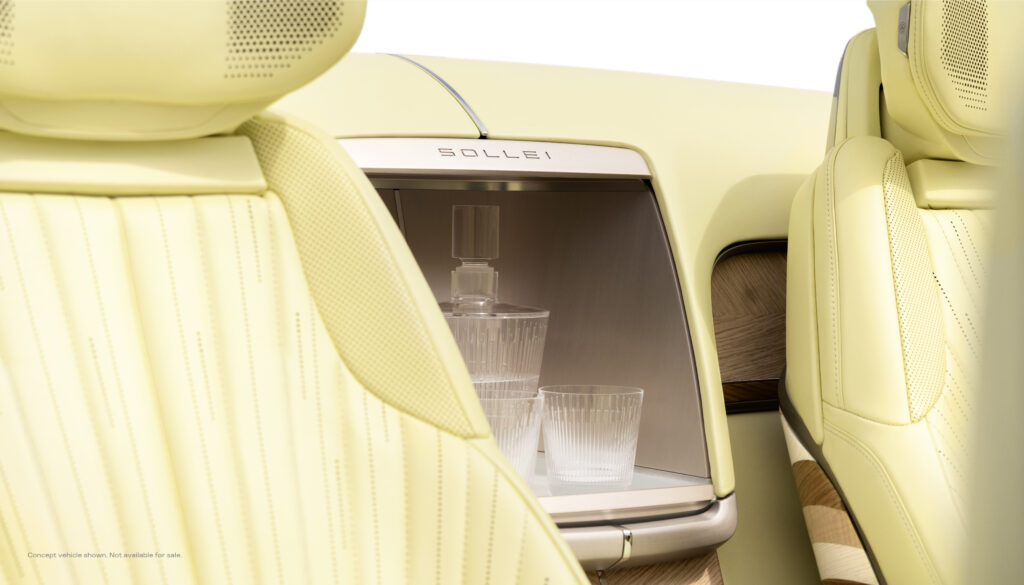
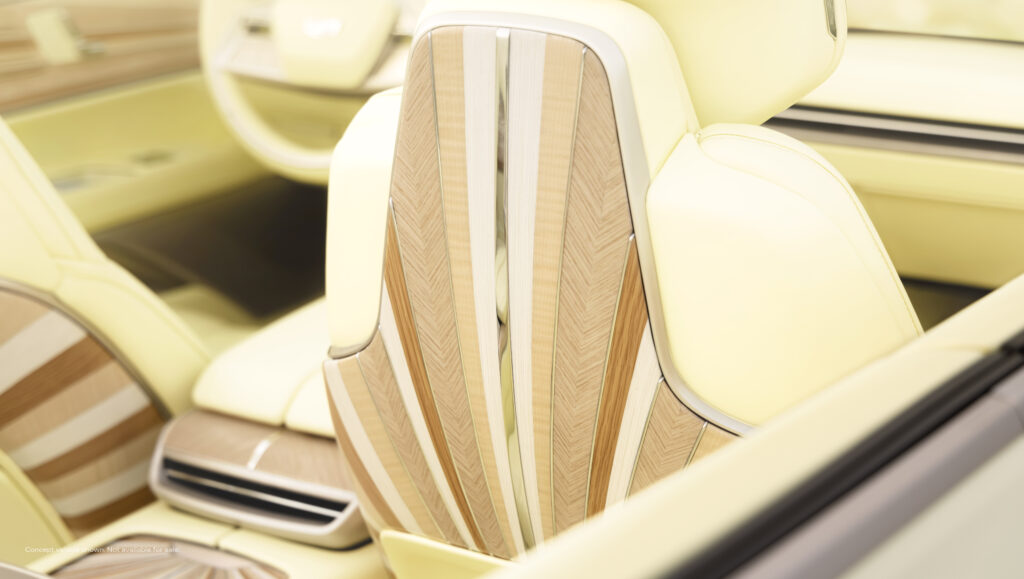
The cabin shifts the emphasis toward contemporary technology and craft. A 55-inch touchscreen spans the dashboard, with separate 11-inch front and 8-inch rear displays serving as secondary controls. The seats suggest a modern reading of Eames furniture, while sunburst-patterned wood veneer on their backs echoes the concept’s sun theme.
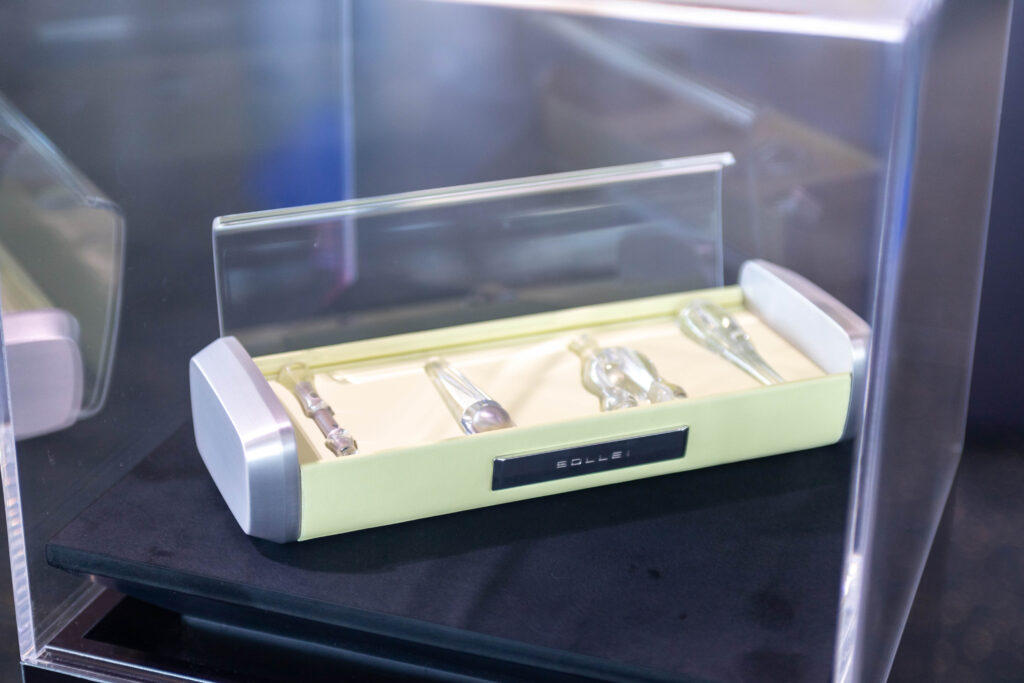
Other details lean into leisure: a rear drinks cooler, bespoke glasses and custom acrylic pieces that reproduce North American bird calls. They’re highly specific touches, and their practical appeal will depend on how a production car balances such cabin features with everyday storage and usability. For now, they show the level of individual attention Cadillac has put into the concept.
What a production version would need to prove
Sollei also signals a material shift. Cadillac has used brushed aluminum and Fine Mycelium, a mushroom-based material, in place of chrome and plastic. Crossley said the design team wanted genuine materials, explaining that conventional chrome is often plastic with a plated finish. She said using metal throughout gives the team more options for color and expression.
That approach suits a concept intended to foreground craftsmanship, and it could help distinguish Sollei from luxury convertibles that rely on familiar brightwork. The Celestiq connection also gives Cadillac a potential route to a hand-built, low-volume model: the halo car is already produced in small numbers, and the source of the Sollei’s architecture is similarly suited to bespoke work. That remains a possibility rather than a commitment.
Cadillac’s representative did not say whether the Sollei will reach production. The concept was due to appear at Pebble Beach later in the summer of 2024, where interest could help show whether buyers want a large electric convertible with this level of personalization. Until Cadillac shares production intent, pricing or technical specifications, the Sollei is best read as a design statement with a credible platform connection—and a reminder of how distinct a full-size open Cadillac can be.