In lane Electric Vehicles
Six Standout Car Rear Designs, From the Bentley R-Type to the Porsche 918
Description
Six cars show how a rear design can define a whole vehicle, from the Bentley R-Type Continental’s curves to the 1959 Cadillac’s towering fins.
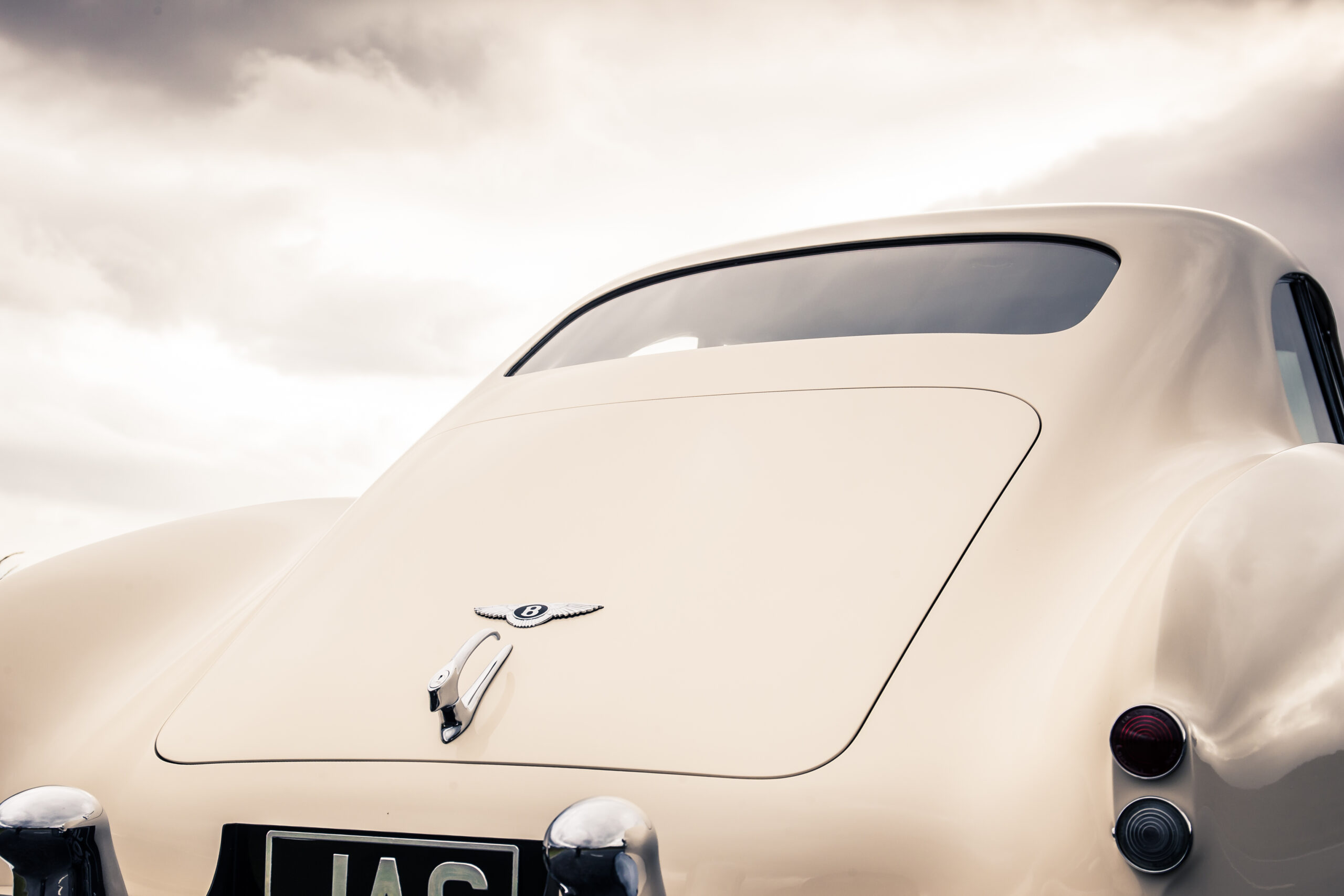
A car’s rear can do more than finish its shape: it can set the whole vehicle’s character. These six examples make that case across very different eras, from the restrained curves of a 1950s Bentley to the jet-age spectacle of a late-1950s Cadillac. Each uses its tail in a distinct way, whether to carry a flowing profile, frame a dramatic window, or make room for functional aerodynamic details.
The selection follows a 2022 look at memorable automotive rear designs, so several familiar favorites are left out here. The 1948 Cadillac’s taillight humps, the soaring fins of the Forward Look cars, the 1971 Buick Riviera’s boattail and the 1963 Corvette’s split rear window have already had their turn. These six offer a different set of reasons to look twice.
1953 Bentley R-Type Continental
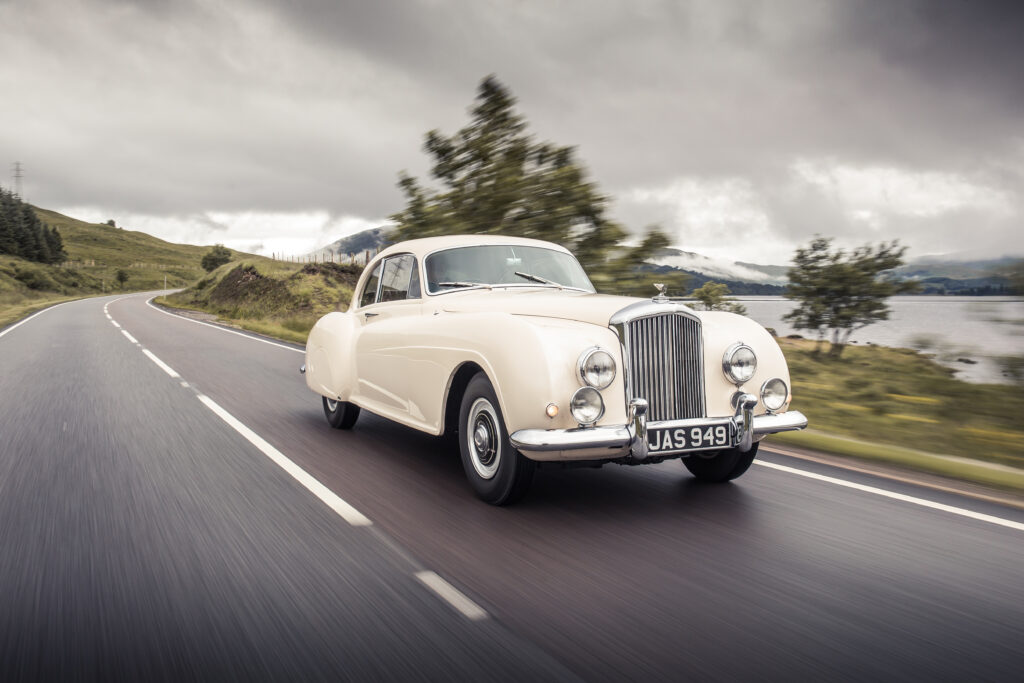

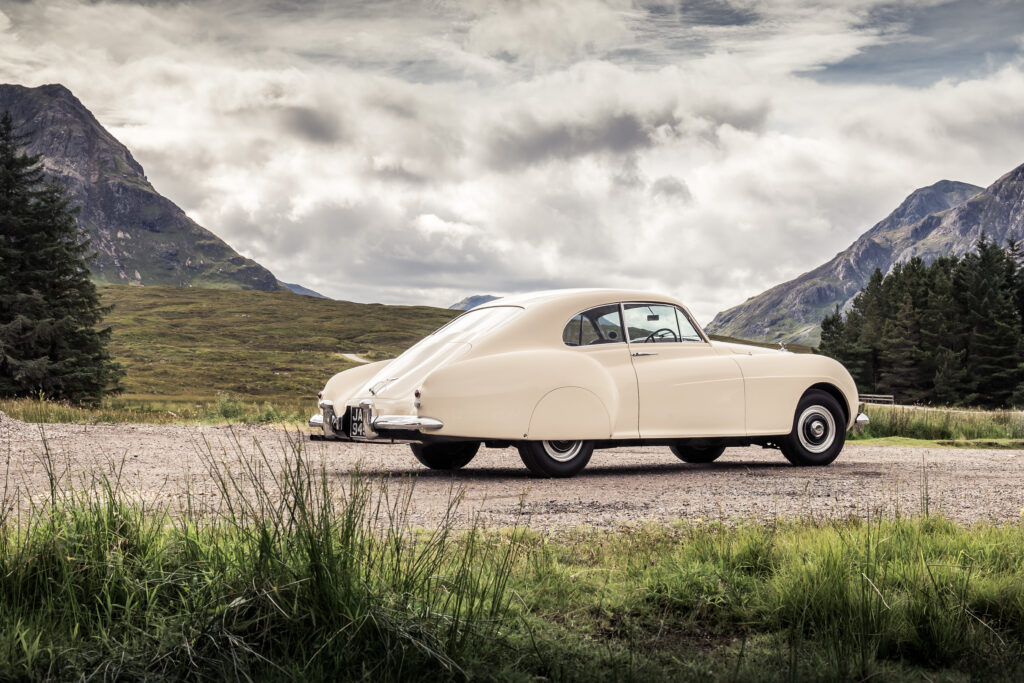
The R-Type Continental’s broad rear quarters give it a planted, muscular look, but the shape stays smooth rather than busy. That balance is part of its appeal: the car can look substantial without seeming heavy. Its elegant body also had a practical brief. When new, the Continental was described as the world’s fastest four-seater. The front end holds its own, but the rear is where the flowing proportions make their strongest impression. — Andrew Newton
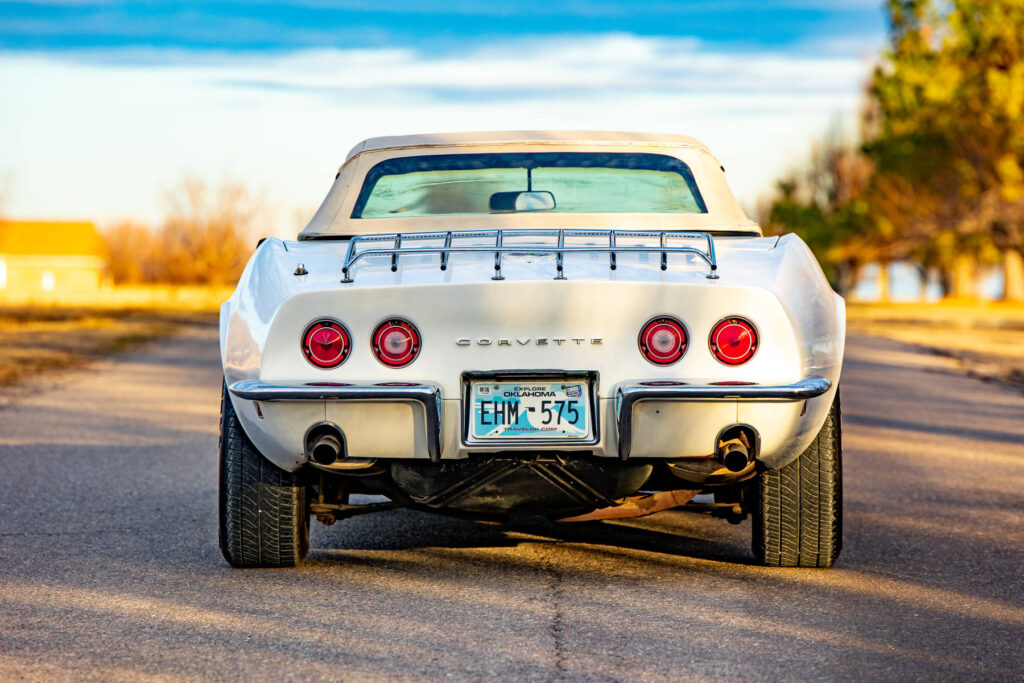
1968–82 Corvette
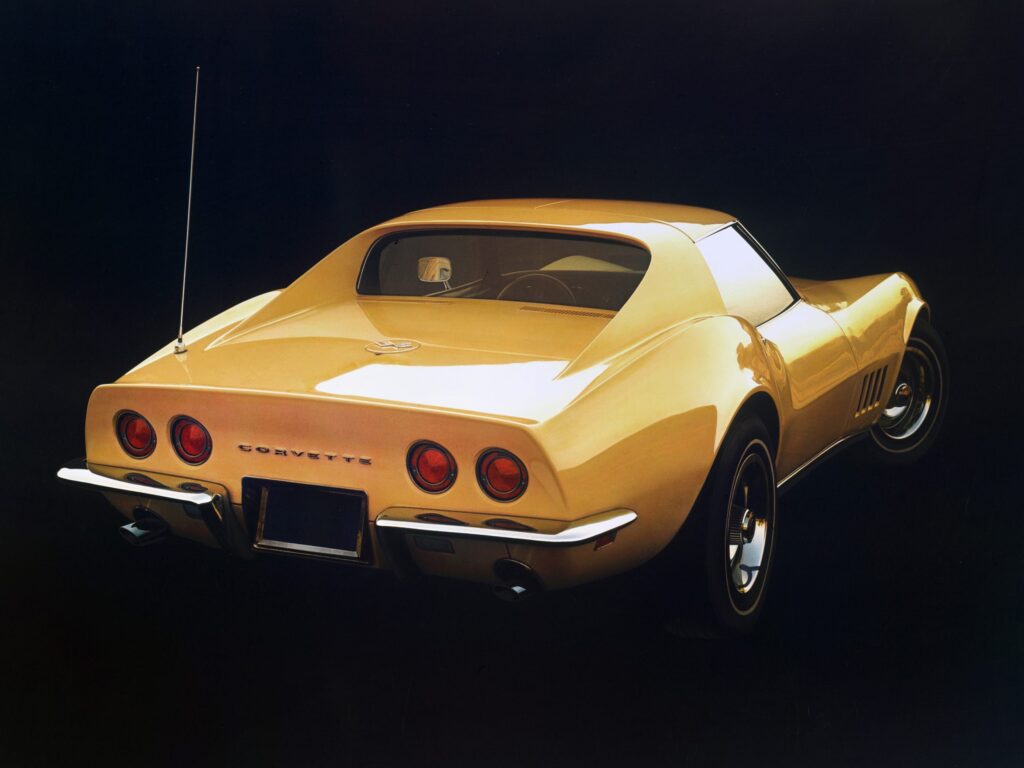
The 1968 Corvette launched the C3 generation with a shape that carries the front’s bulging fenders through to the rear. On early cars with chrome bumpers, the wide haunches and deeply recessed rear glass work especially well together. Sweeping buttresses border the glass and draw the eye down the body, giving the rear a sense of movement even when the car is standing still.
Chevrolet refined the details for 1969, placing the backup lights inside the inboard taillights. It’s a small change, but one that makes the rear lamps read as a more unified design. The C3’s appeal comes from that combination of dramatic form and considered detail: it looks assertive from behind without relying on a single oversized feature. — Brandan Gillogly
1936–38 Bugatti Type 57SC Atlantic
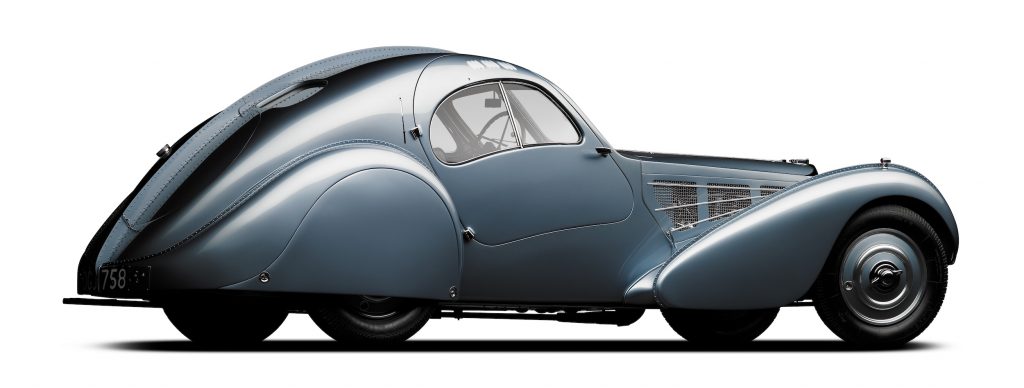
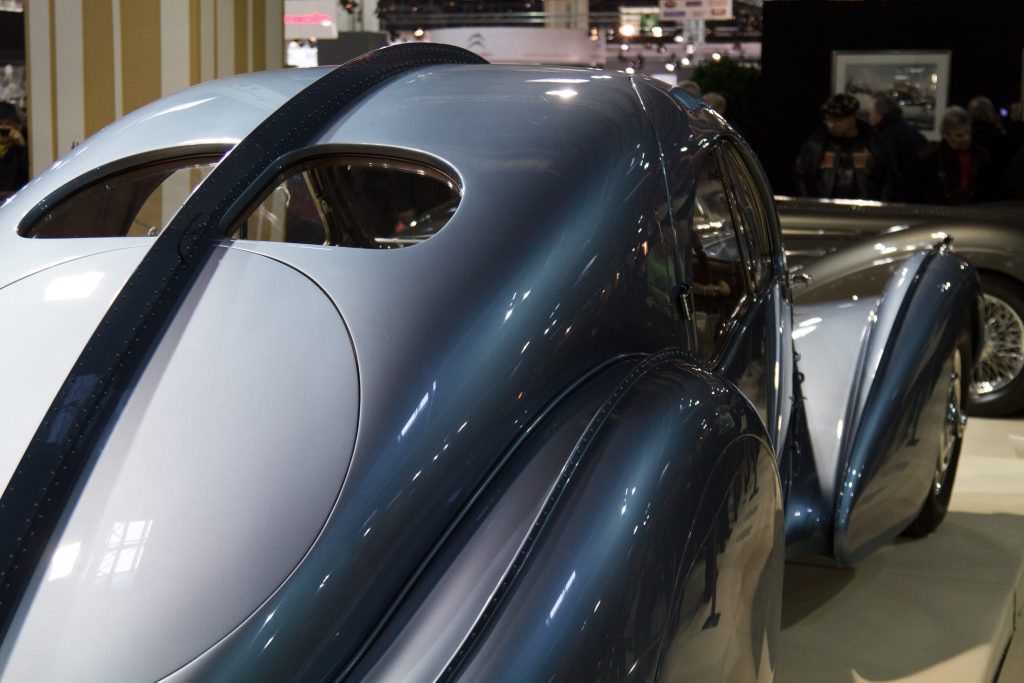
The Type 57SC Atlantic’s rear is striking because one detail runs through several of its most visible surfaces. A riveted seam crosses the roofline, continues over the rear window and reaches the round spare tire cover. It turns a functional construction feature into the car’s visual signature, adding texture to a body whose overall shape is already sleek and carefully tapered.
There are other compelling candidates: the Ferrari F40, Porsche 959 and Volvo 1800 all have distinctive rears. But the Atlantic’s combination of streamliner proportions and exposed seam is unusually cohesive. Rather than adding decoration after the shape was set, the seam appears integral to the car’s identity. — Stefan Lombard
1963 Studebaker Avanti
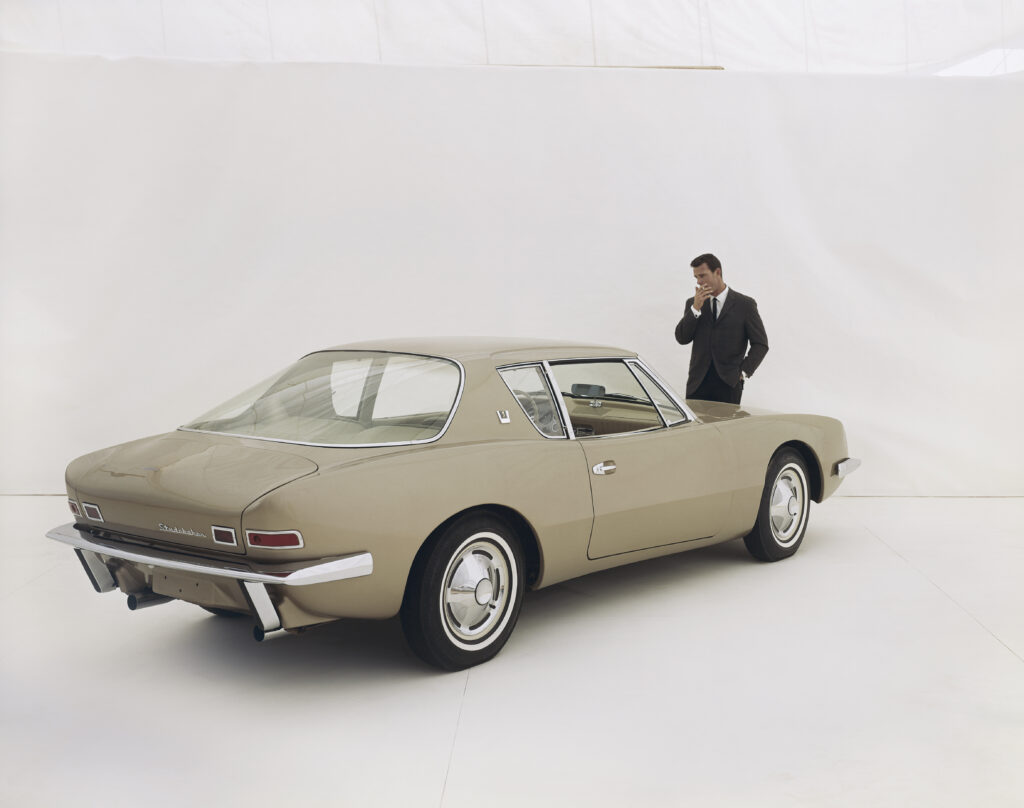
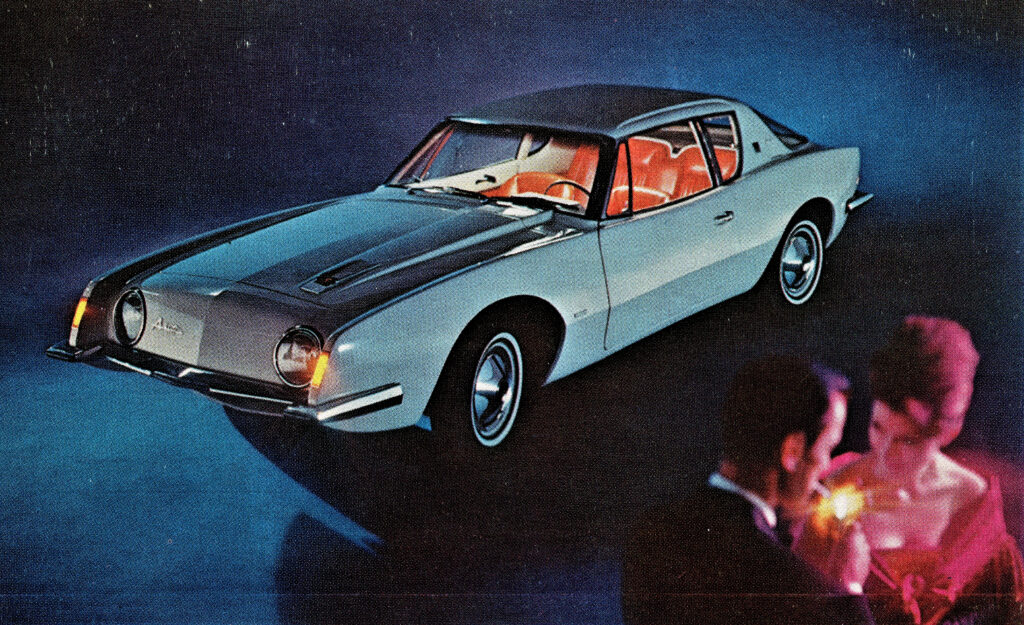
The Avanti’s rear makes a case for restraint. Its clean surfaces and simple outline give the car a distinctive finish without needing fins, elaborate trim or a complicated arrangement of lamps. That simplicity helps the full design feel unusually modern for its time. The rear doesn’t compete with the rest of the car; it completes it, carrying the Avanti’s forward-looking character through to the final edge.
That clarity is also why the shape can stay memorable from any angle. A model car enthusiast recalling a 1963 Avanti singled out the rear as a favorite, alongside the candy-apple green paint on that particular build. The design’s lasting strength is its balance: distinctive enough to stand out, yet spare enough that no single flourish overwhelms the body. — Steven Cole Smith
2013–15 Porsche 918 Spyder
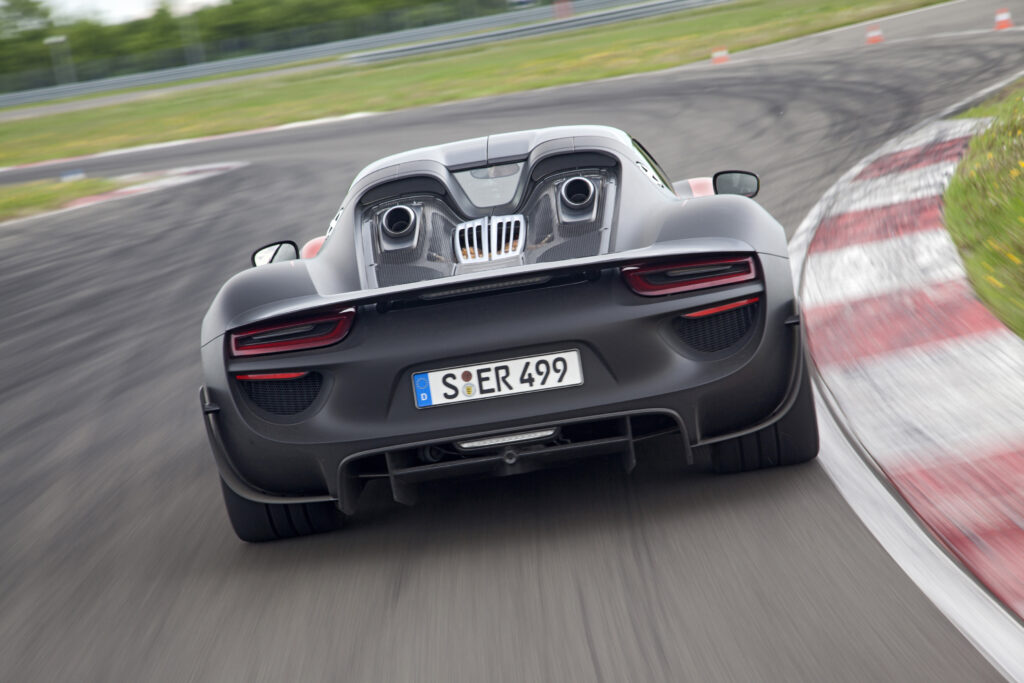
The 918 Spyder shows how a familiar design identity can adapt to a very different body. Porsche cues remain recognizable, but the rear has its own strong logic: broad haunches arch over tires more than a foot wide, while vents and a diffuser occupy the open spaces around them. The result gives the back of the car both visual depth and a clear functional purpose.
Its details work through contrast. Blade-like edges meet rounded bodywork, and the exhaust exits through the top rather than following the more familiar arrangement at the lower rear. That placement makes the exhaust part of the design instead of a detail tucked out of sight. The 918’s tail is a reminder that an exotic car’s most memorable features can also reflect how its components are arranged. — Grace Houghton
1959 Cadillac Coupe de Ville
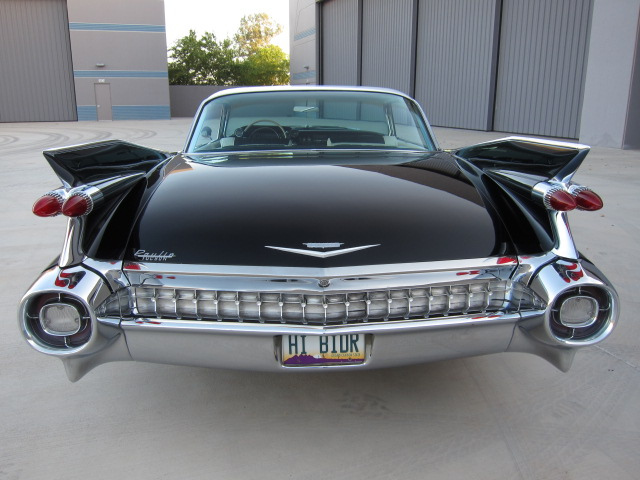
The 1959 Coupe de Ville doesn’t aim for subtlety. Its towering fins, generous chrome and detailed tail lamps turn the rear into a display of late-1950s jet-age styling. Each side has two light cones shaped to suggest exhausts, while the fins lift the profile high above the trunk. The result is a car whose back end announces itself from a distance.
There’s a practical element beneath all that visual drama, too: the trunk is enormous. Still, it’s the sheer scale and layering of the design that hold attention. Some will prefer the cleaner lines of the Avanti or the restrained Bentley, but the Cadillac makes a different point. A memorable rear doesn’t have to be quiet or universally appealing; it has to make the car unmistakable.
Across these six, the best designs give the rear a role in the whole car’s identity. Some achieve that with proportion, others with a seam, a window or a flourish of fins. The details change, but the lasting impression comes from how well they belong to the vehicle around them.
The post Look Back at It: 6 Great Automotive Rear Ends appeared first on Hagerty Media.


