In lane Electric Vehicles
Cadillac Opulent Velocity Concept Pairs Autonomous Luxury With Track Driving
Description
Cadillac’s Opulent Velocity concept switches between Level 4 autonomous travel and driver-led performance, sketching a high-end electric future.
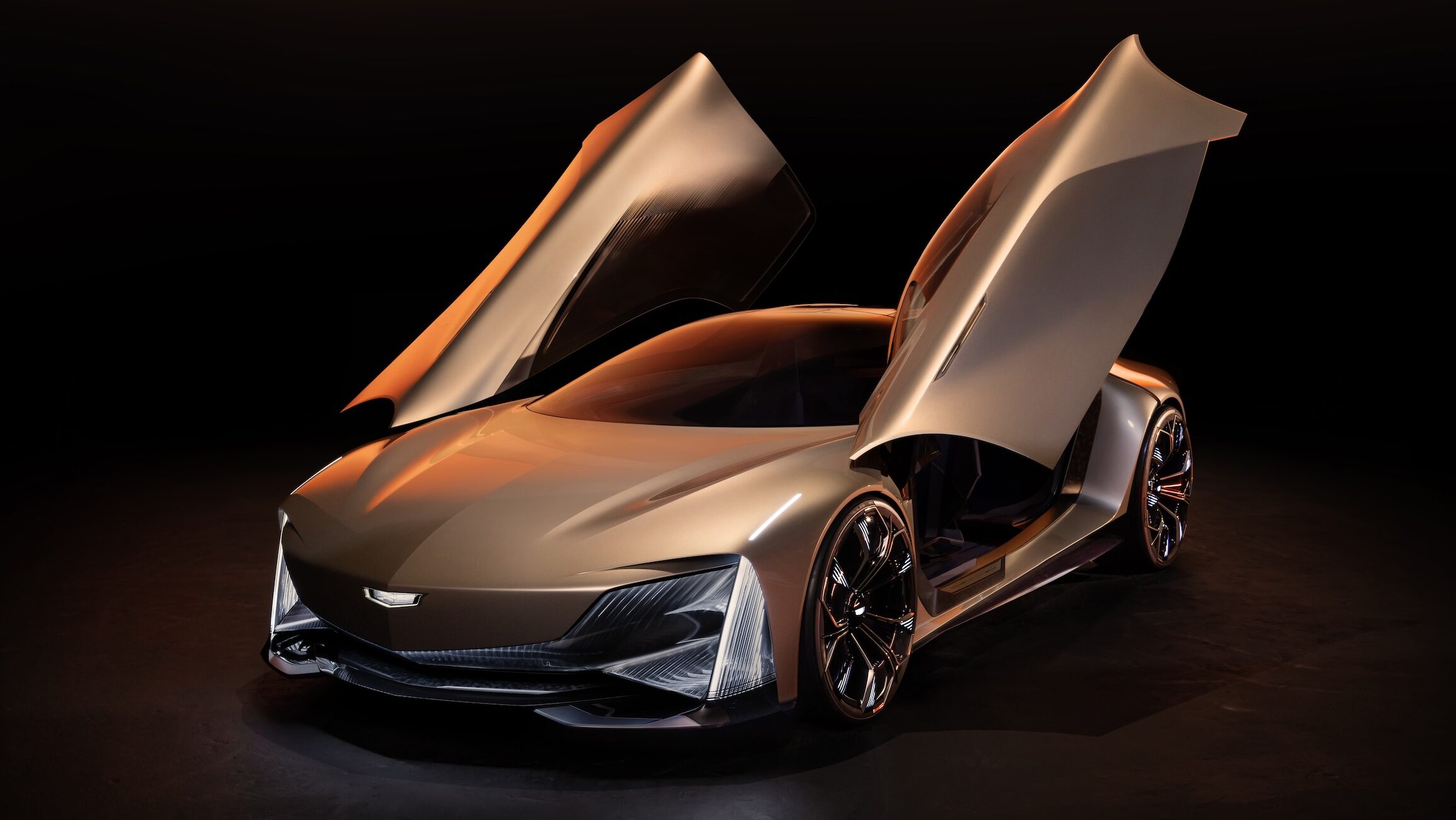
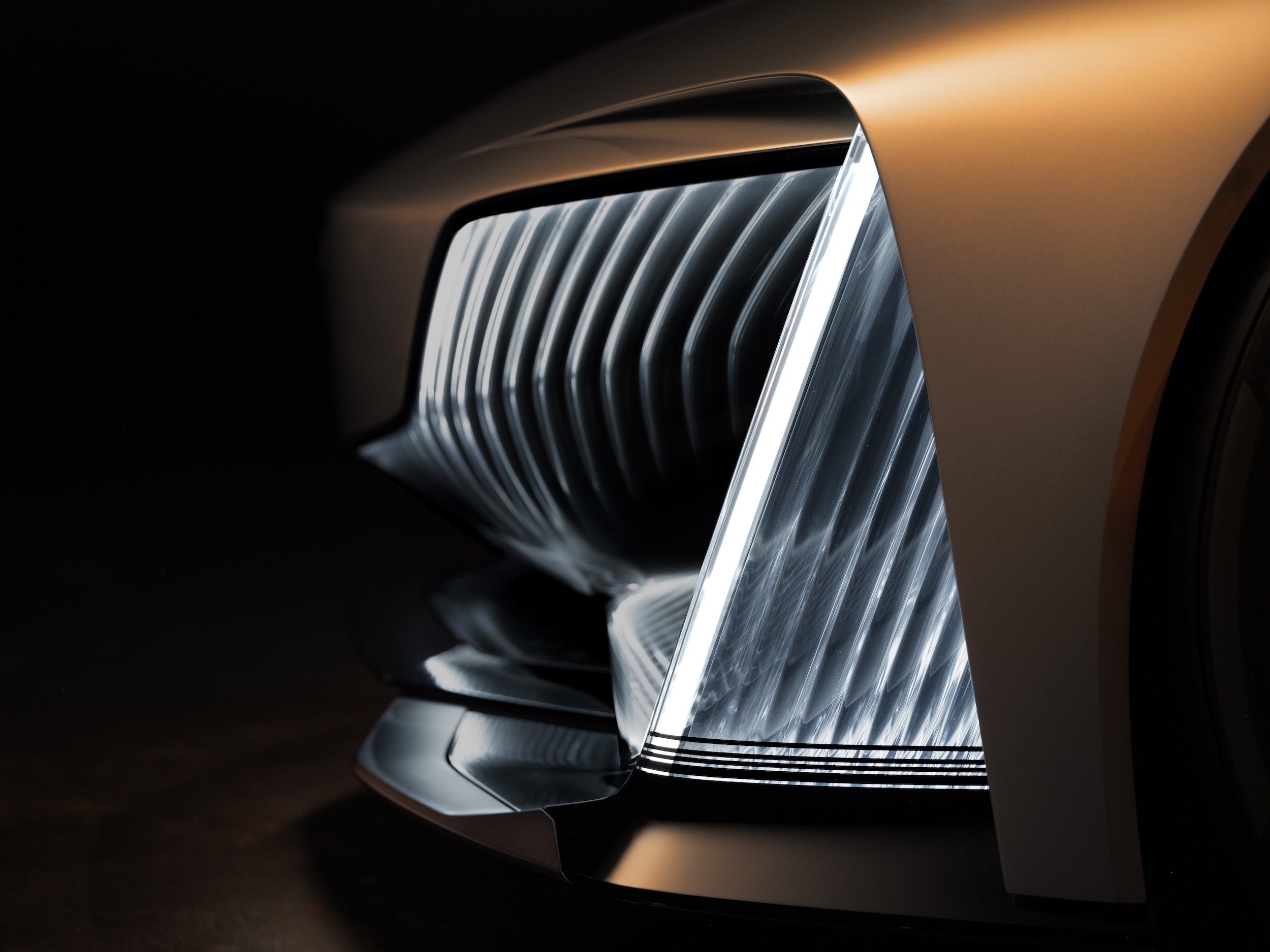
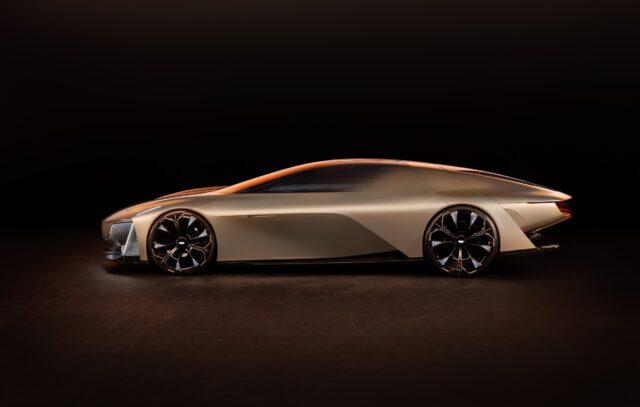
Cadillac’s Opulent Velocity concept makes its case through two very different driving experiences: automated, screen-led travel and hands-on performance. The split gives the brand a way to imagine how electric propulsion and future autonomy might coexist with the driver-focused character of its V-Series cars. It’s a design study, not a production model, and Cadillac has provided no range, power, price or availability figures.
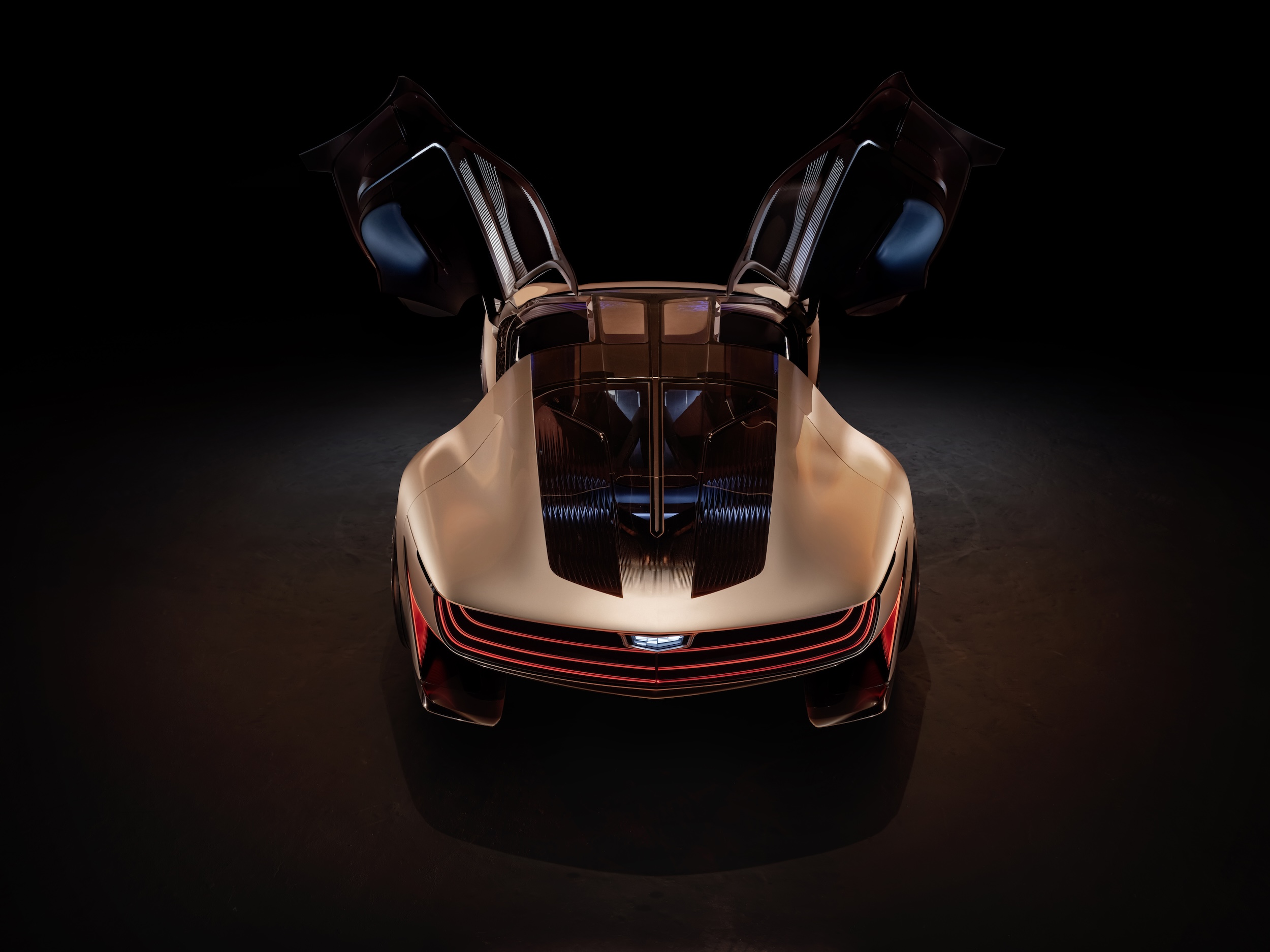
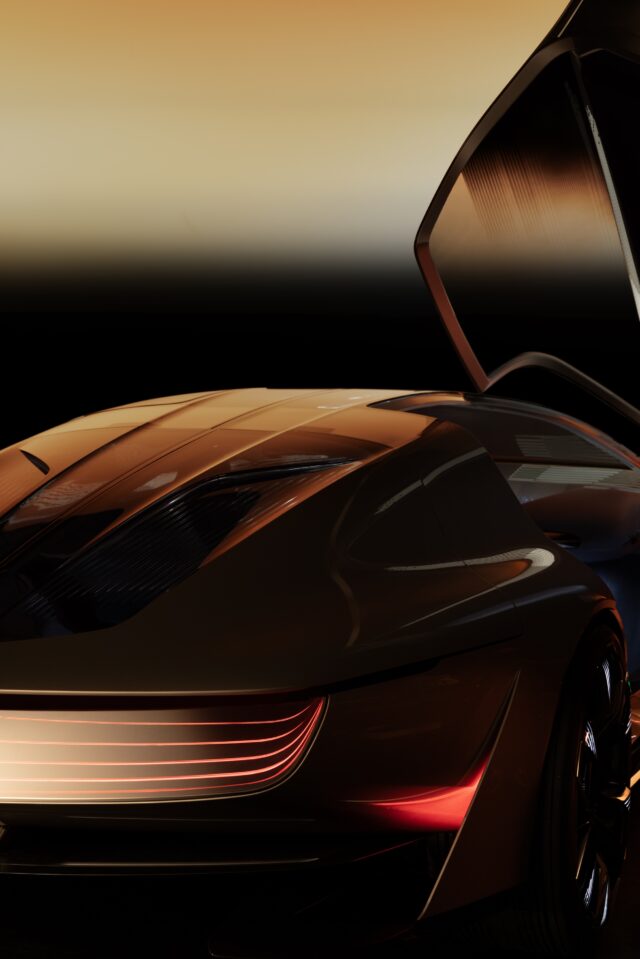
The name captures that dual purpose. “Opulent” describes the experience Cadillac envisions when the car is moving under its own automated systems; “Velocity” is the driver’s chance to take control. Butterfly doors link the concept visually to the Cien, Cadillac’s 2002 two-door supercar study, but the new car points toward a different technology mix. Its focus is electric performance, an interior built around digital displays, and a high level of driving automation.
That combination also places Opulent Velocity in a broader Cadillac design story. The company has been building a case for expensive, highly personalized vehicles, including the Celestiq. This concept extends that ambition into supercar territory, where the brand can signal its design and technology direction without committing to a production specification. As Bryan Nesbitt, Cadillac’s executive director of global design, put it: “Opulent Velocity expresses the most artful integration of technology, luxury and exhilaration characterized by Cadillac’s halo V-Series variants, and future electrification design expressions.”
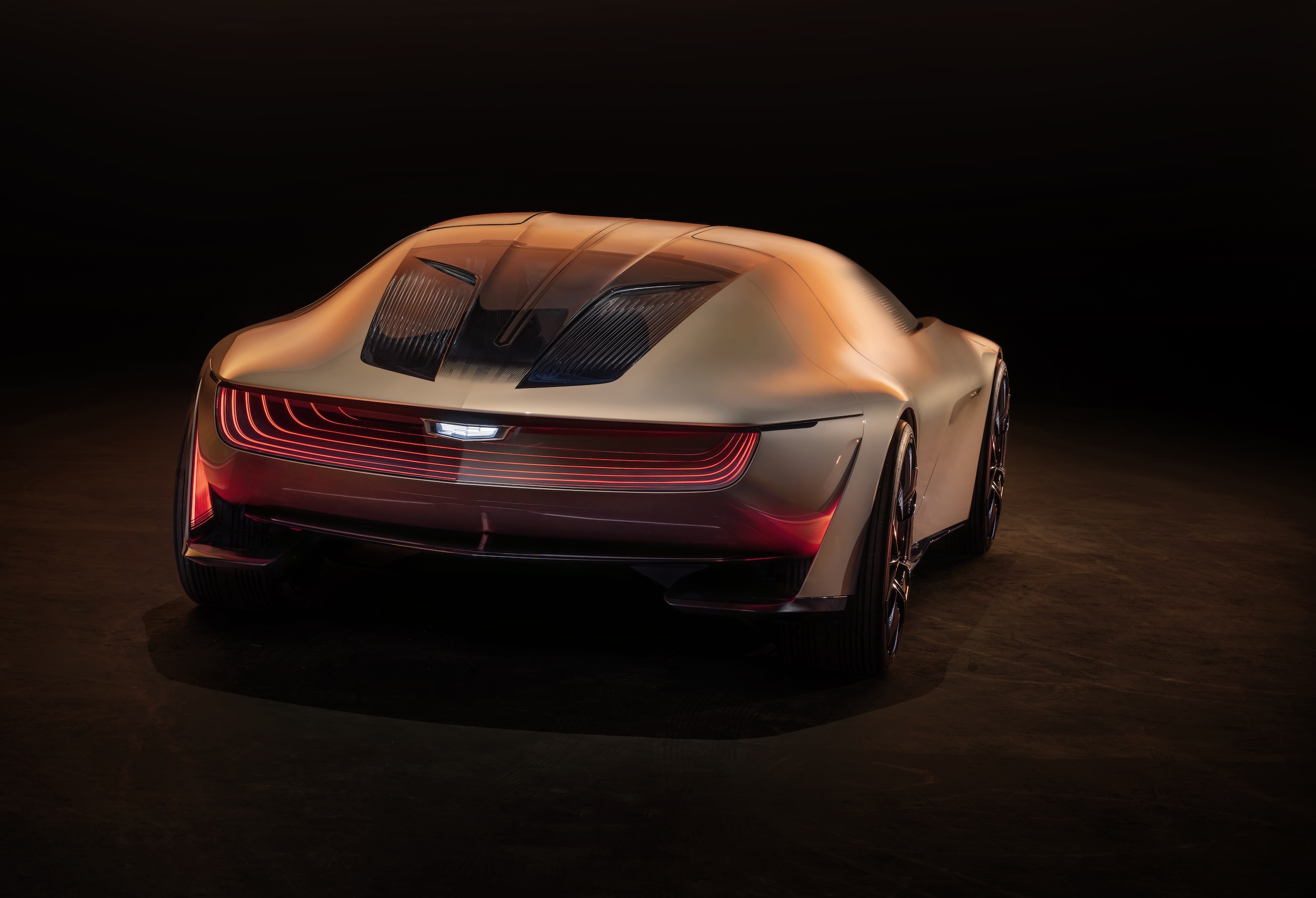
Autonomous travel and a driver-led mode
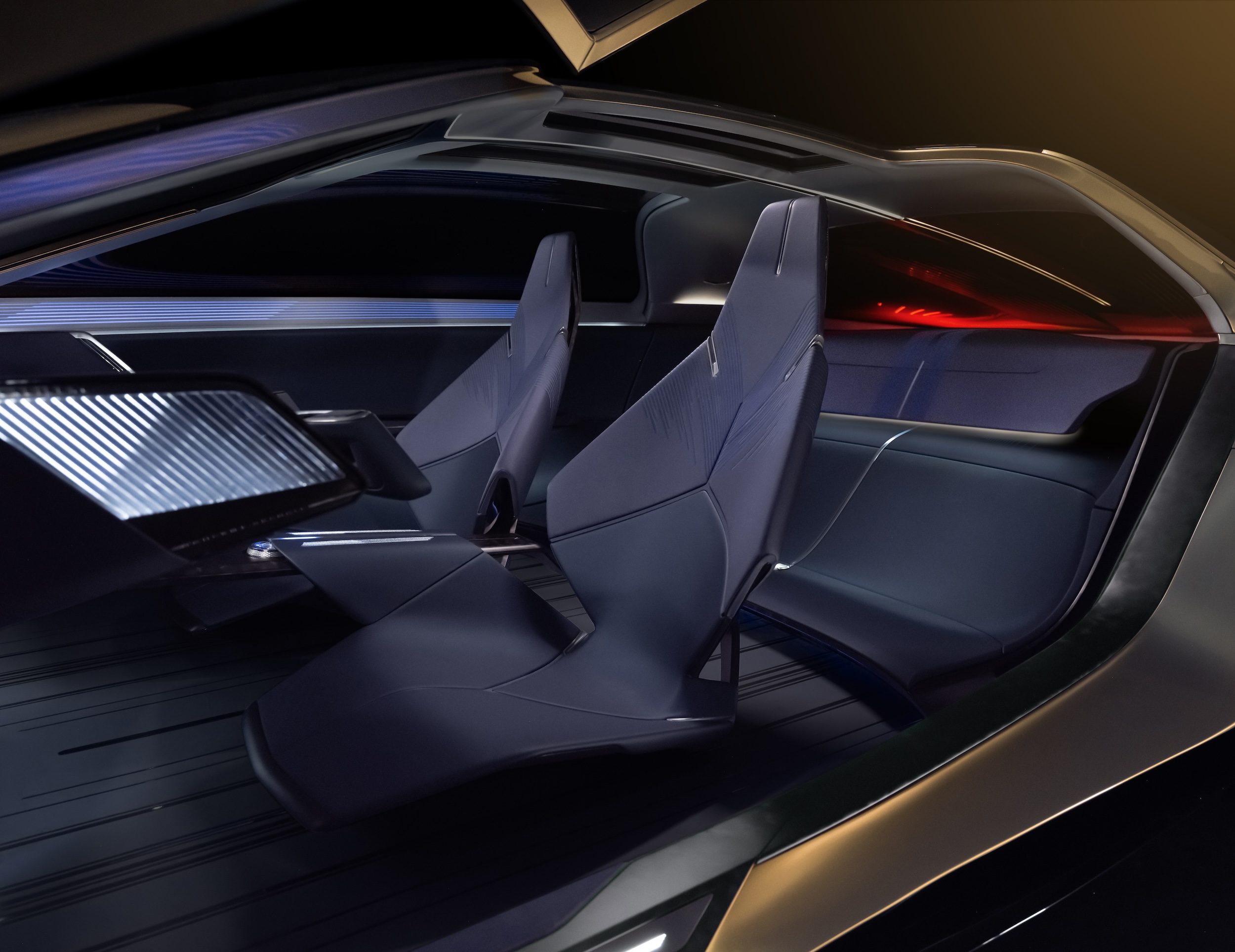
For the “Opulent” experience, Cadillac imagines the occupant letting the car handle the journey. A wide display stretches across the cabin, while an augmented-reality head-up display is designed to work with the concept’s Level 4 autonomous capability. Cadillac has also described the system as a way to give occupants more personal freedom during automated travel. The concept’s presentation is clear about the ambition; it offers no timeline or production plan for bringing that capability to customers.
Level 4 is the second-highest category in the Society of Automotive Engineers’ five-level system. Cadillac’s Super Cruise, by comparison, is Level 2, which the system classifies as partial driving automation. The source article describes Level 4 as a distant prospect, while noting that only a few Level 3 vehicles were then on sale in the United States. That gap matters: Opulent Velocity presents a future-facing idea, not an extension of the current Super Cruise experience that buyers can order today.
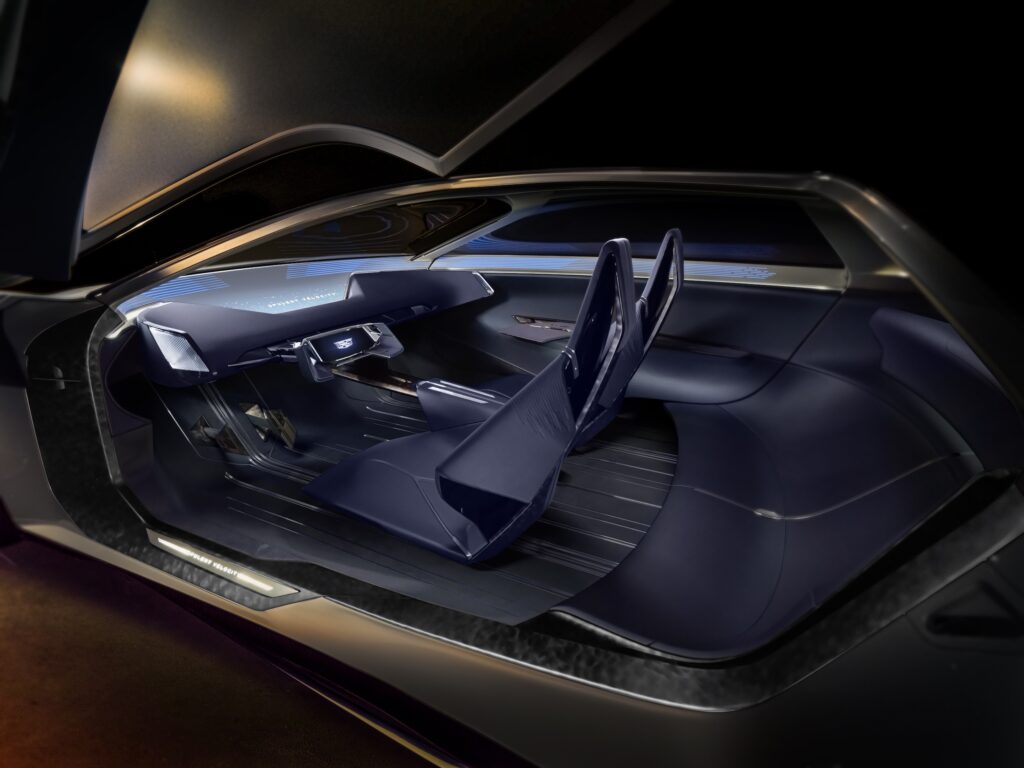
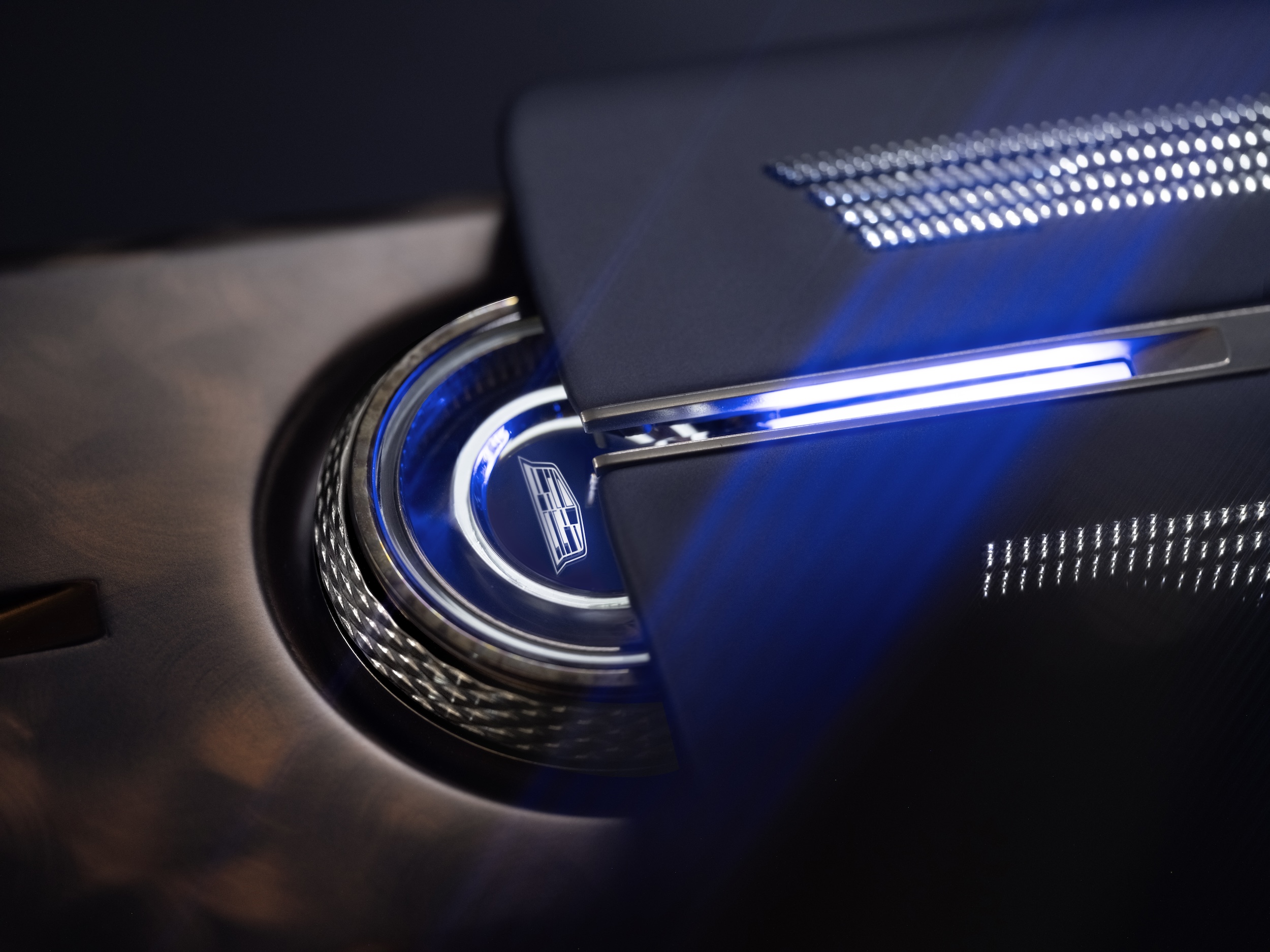
Then there’s “Velocity,” which brings the driver back into the equation. Turning the multifunction controller reveals the steering yoke and pedals, which retract when the concept is driving itself. Cadillac says this mode draws on Blackwing track engineering, giving the concept a more direct connection to the company’s current performance identity. That transition is central to the idea: automation handles one kind of trip, while the cockpit can be reconfigured for a more involved drive.
A head-up display feature called “Ghost Car” would show a competitive driving course, letting drivers work on lap times or compare their runs with peers on designated tracks. Cadillac also describes road overlays, active aerodynamic systems and adjustable suspension settings as part of Velocity mode. The company hasn’t named a suspension system or supplied details about the car’s hardware, so the concept leaves open how those controls would translate into a finished vehicle.
That missing engineering detail is where the promise meets the limits of a show car. Cadillac has described the experiences and interfaces it wants to explore, but has not shared performance figures, battery capacity, charging information or a cabin layout intended for everyday use. Buyers comparing electric performance cars will need those particulars before they can judge running costs, practicality or how the concept might stack up against a production rival. For now, Opulent Velocity is more useful as a statement of intent than as a preview of a purchasable model.
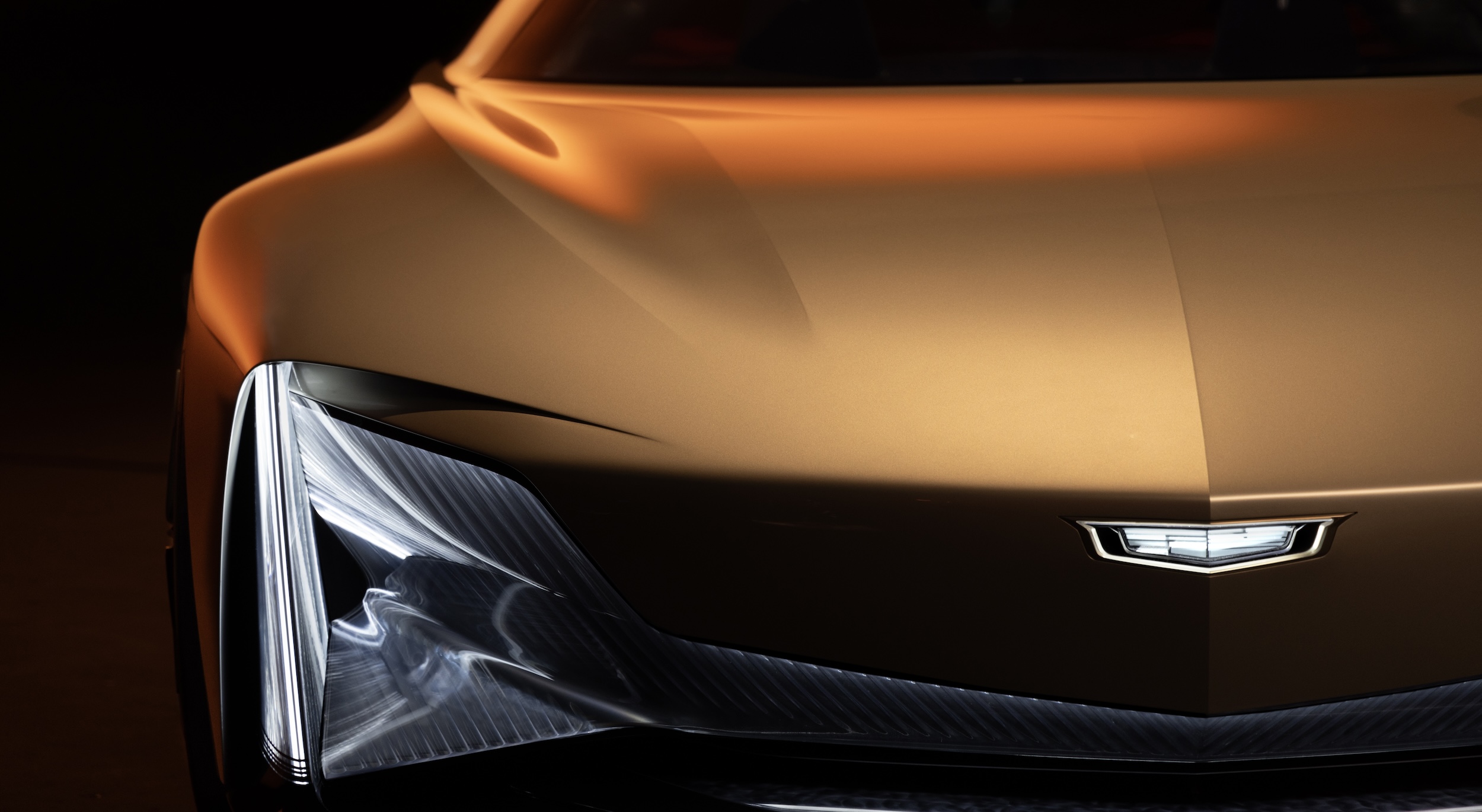
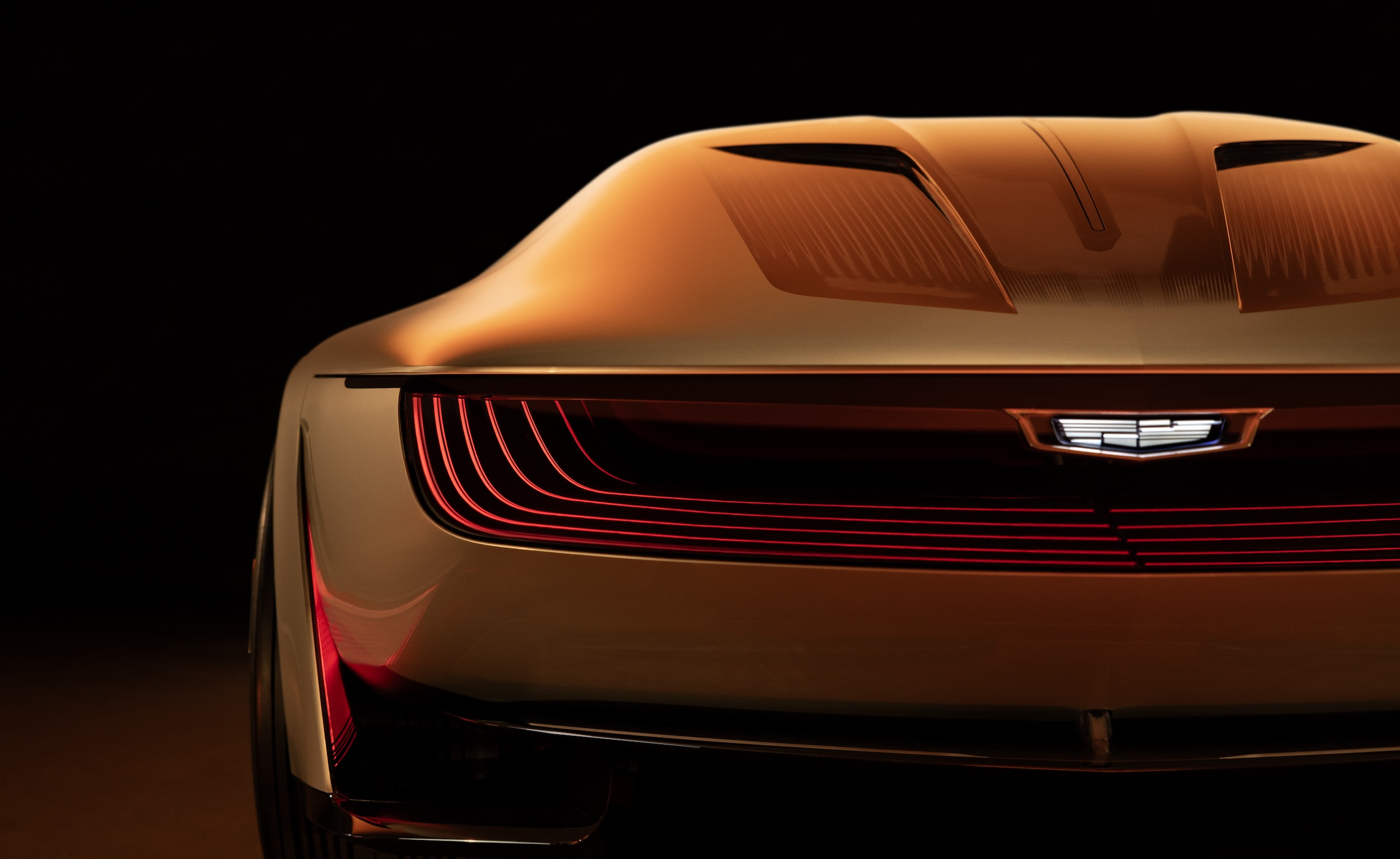
A high-end setting for Cadillac’s ambitions
Cadillac first showed Opulent Velocity to the public at The Quail, A Motorsport Gathering, in Monterey, California. The setting put the concept alongside high-end marques such as Rolls-Royce, Porsche, Maserati and Pagani. The source notes that Rolls-Royce, Maserati and Pagani each presented one-off vehicles at the event. Cadillac’s choice to show a concept in that company helps frame the car as part of its effort to be taken seriously among makers of bespoke luxury vehicles.
The comparison is about positioning more than specifications. The source gives no direct rival performance data, and Opulent Velocity has no published output, range or price to measure against a production supercar. Its butterfly doors and dramatic proportions borrow the visual language of an exotic two-door, while its cabin and automation pitch pull it toward a future luxury electric car. That mix is Cadillac’s point: the brand wants performance and personalized luxury to remain part of its identity as its vehicles become electric.
The Cien also offers a useful reference. It was an ambitious concept, but Opulent Velocity arrives as Cadillac is already pursuing bespoke, high-priced cars. That context makes the new study feel closer to the company’s current direction, even if it remains far from a confirmed production vehicle. It also sets a clear question for the next step: can Cadillac turn the concept’s theatrical design and dual-mode cabin into a car with concrete performance, charging and ownership details?
Opulent Velocity doesn’t have the V-12 once associated with supercar concepts or the 5.5-liter V-8 used in Cadillac’s Hypercar. Instead, it sketches a future in which electric power, automated travel and track-oriented controls share one vehicle. The useful takeaway is the split personality; the proof will have to come later, when Cadillac connects that vision to real hardware and a model buyers can evaluate.
The post Opulent Velocity: Cadillac Imagines a Future Supercar appeared first on Hagerty Media.
===

