In lane Electric Vehicles
Tesla Model 3 Highland Review: Sharper Design, Unusual Controls
Description
The Model 3 Highland brings a more polished exterior, quieter cabin and clever controls, but its minimalist interface may test buyers used to conventional layouts.
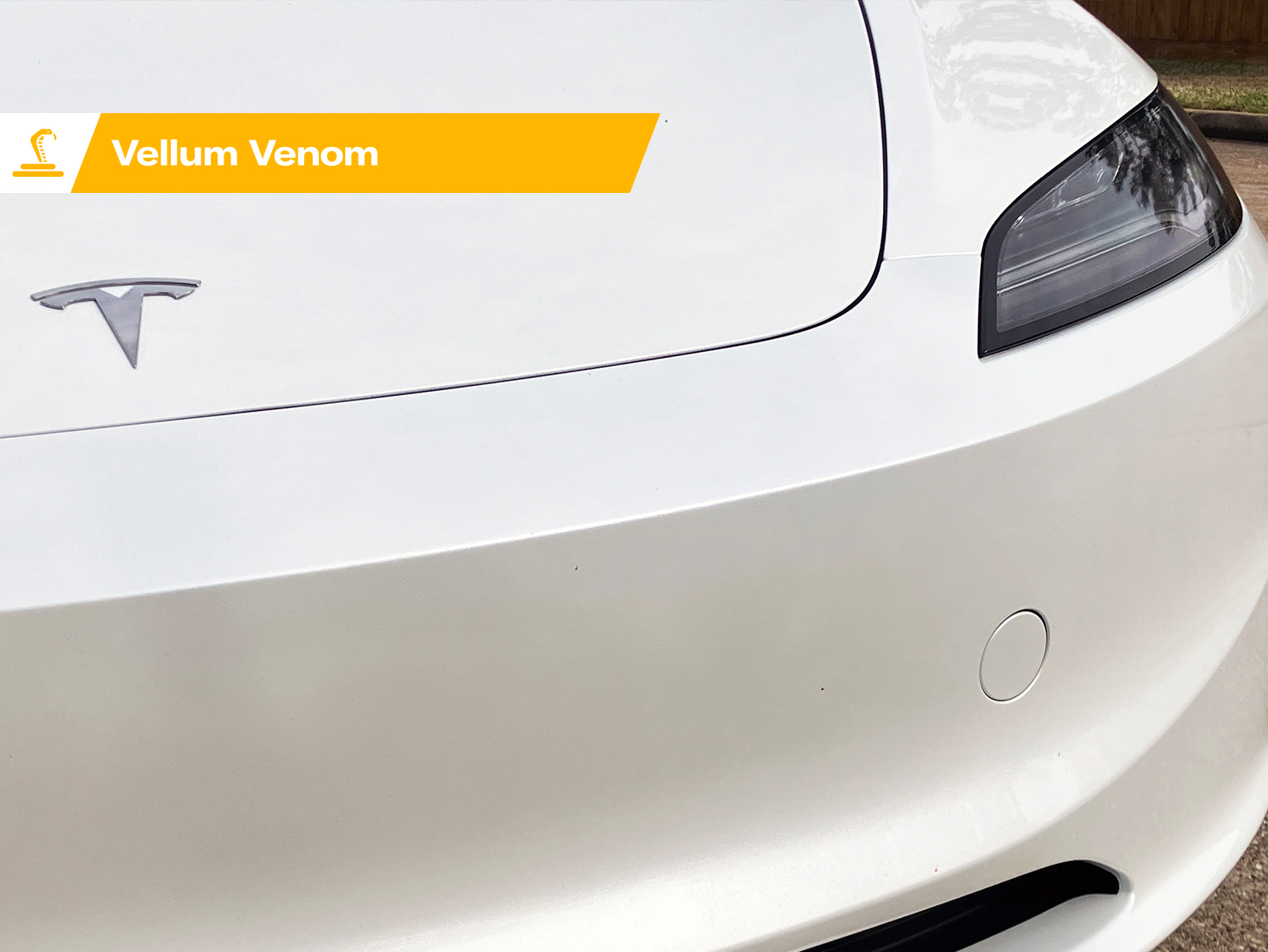
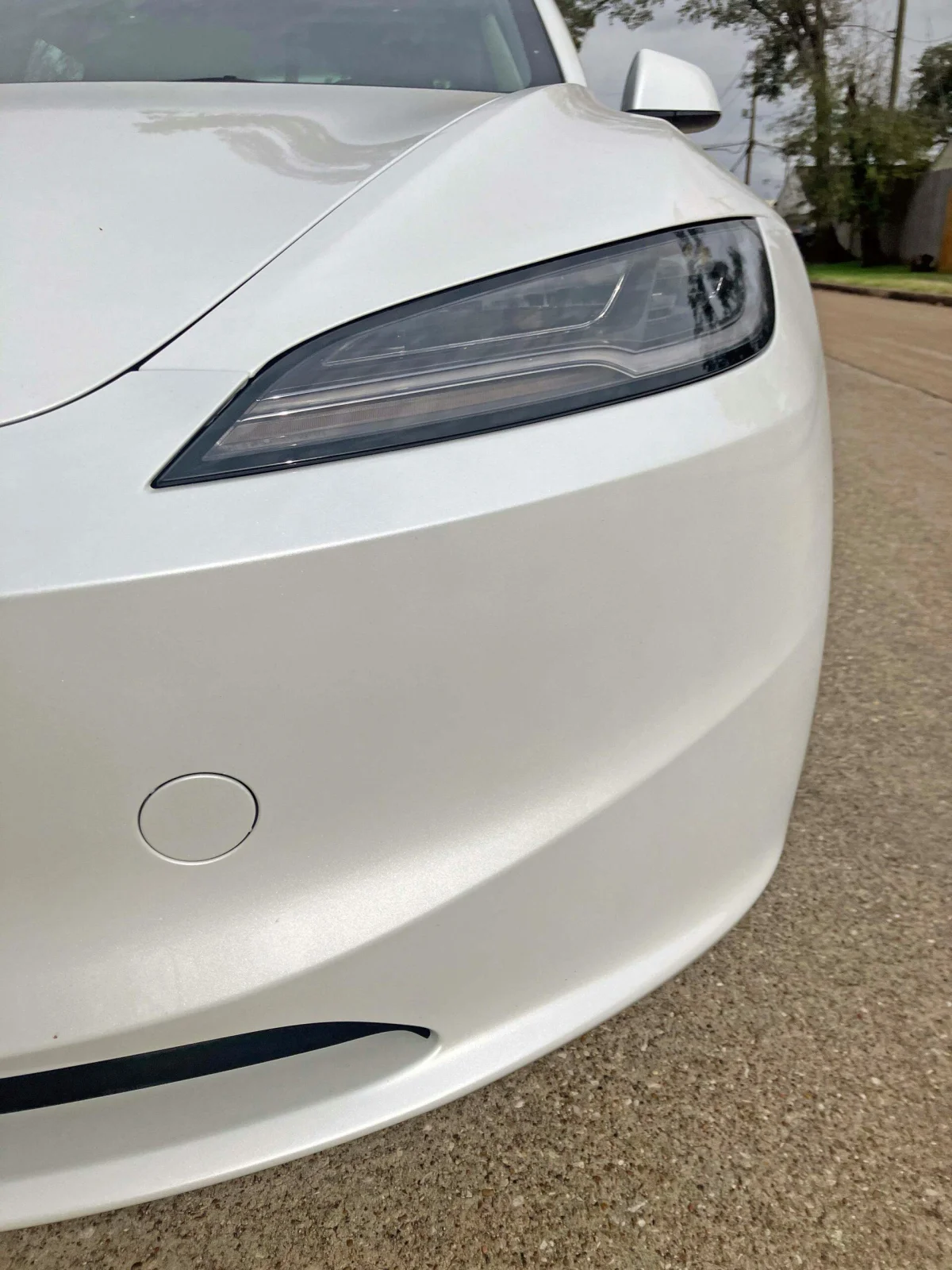
Tesla’s Model 3 Highland makes a stronger case for the sedan through careful updates than through a wholesale redesign. The exterior looks more resolved, and the cabin gains welcome refinement. But its touchscreen-centered approach and unusual steering wheel controls ask drivers to adjust in ways that rival electric sedans generally don’t. The result is a sharper Model 3 that still reflects Tesla’s priorities more than conventional expectations.
A long wait for a measured refresh
Vehicle platforms have been changing faster over time. The Center for Automotive Research puts the average time to retire or fully redesign a platform at 8.6 years in the 1980s and 7.6 years in the following two decades. A TEM Journal paper describes a roughly four-year cycle over the most recent decade it examined, a pace shaped by technology and global competition.
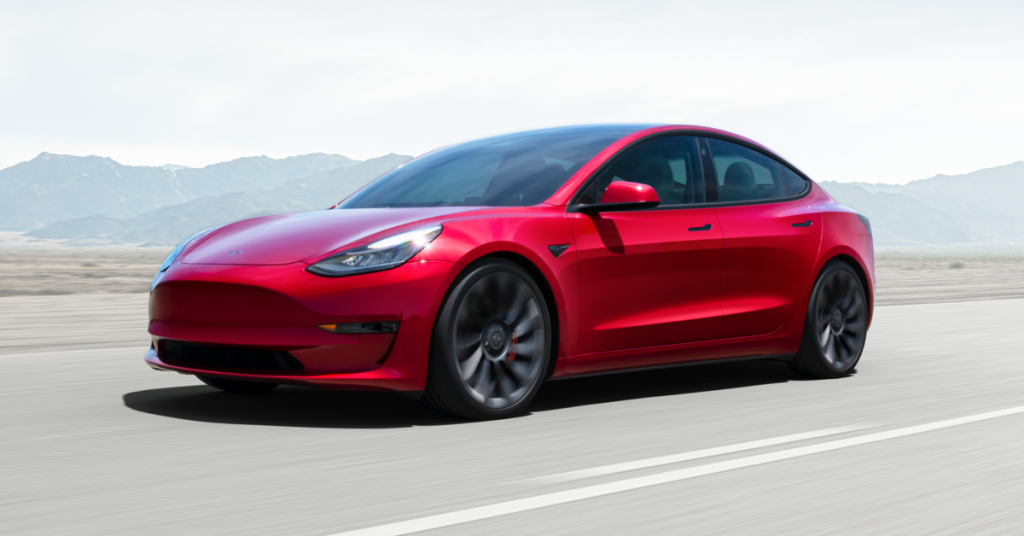
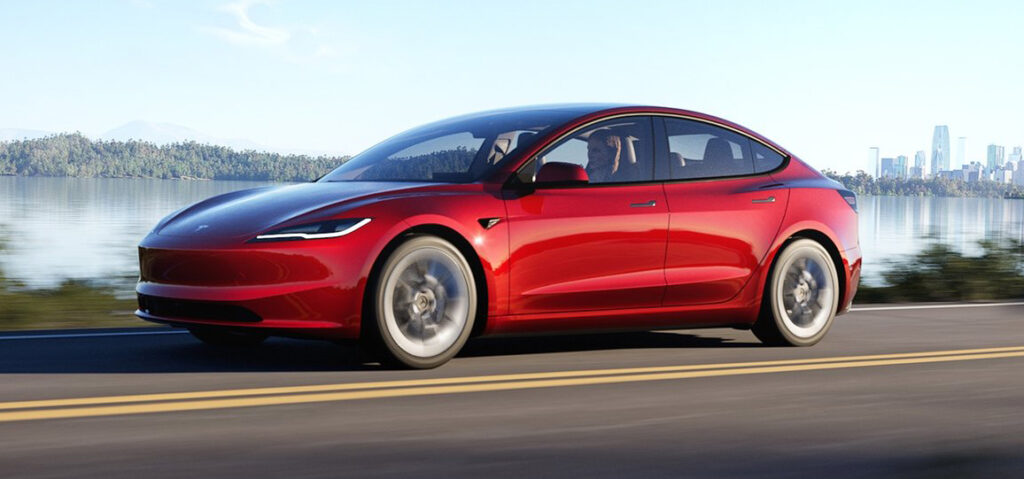
Tesla has made a different trade. The 2023 Model 3 update, known as Highland, looks strikingly close to the 2017 car. That’s a slow cadence by modern industry standards, especially from a company known for frequent over-the-air software updates. Yet the changes matter when you look closely. My time with the refreshed sedan suggested Tesla is modernizing its core model in a way that should appeal to existing fans, even if the timeline has been unusually long.
More composed outside
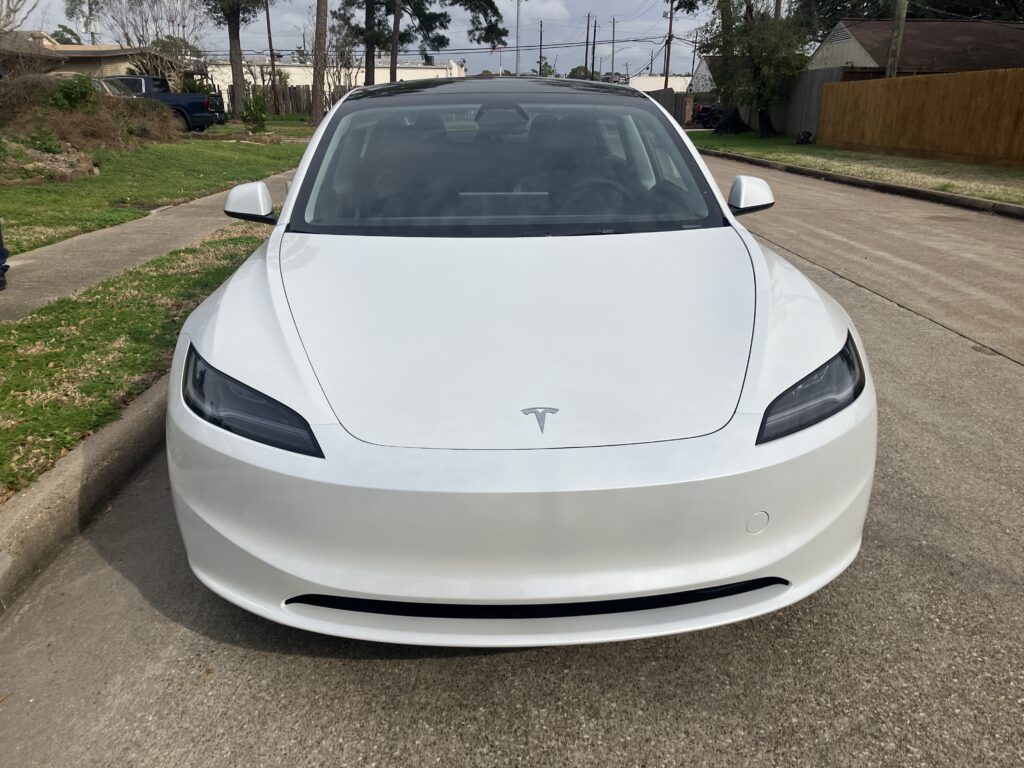
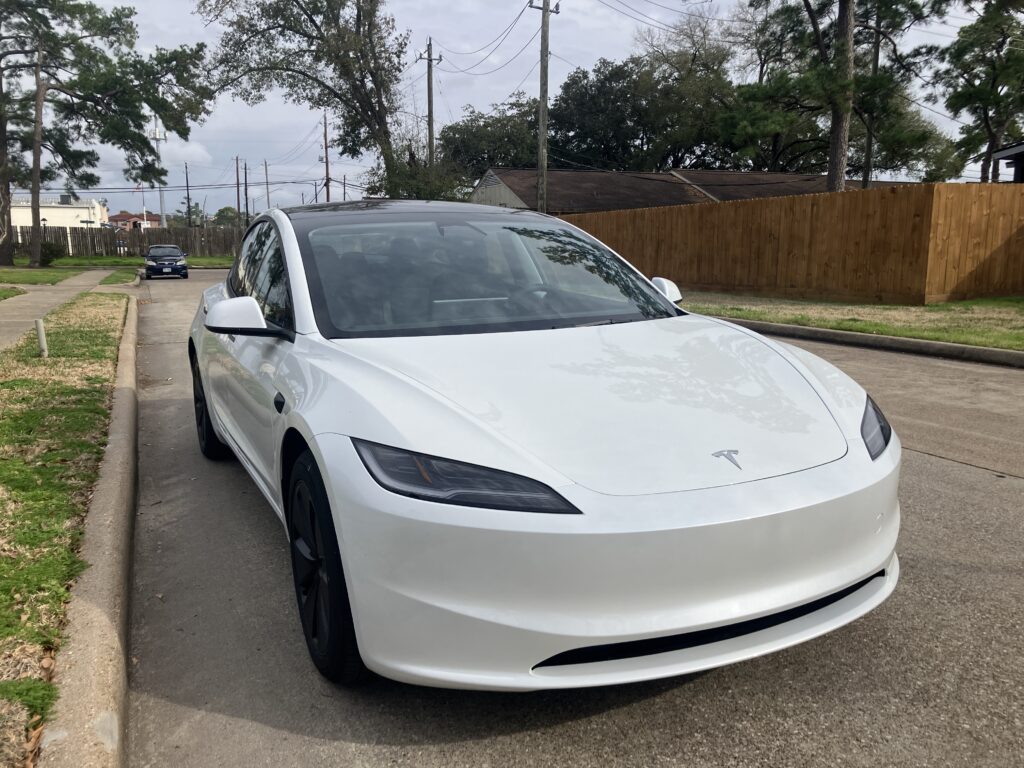
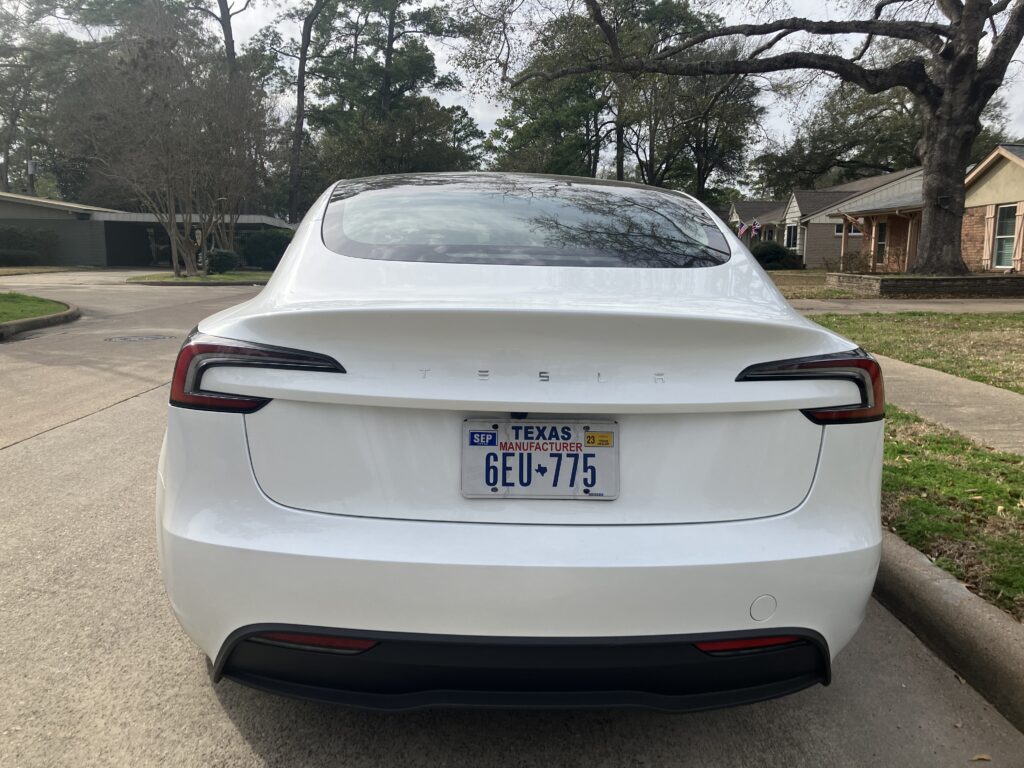
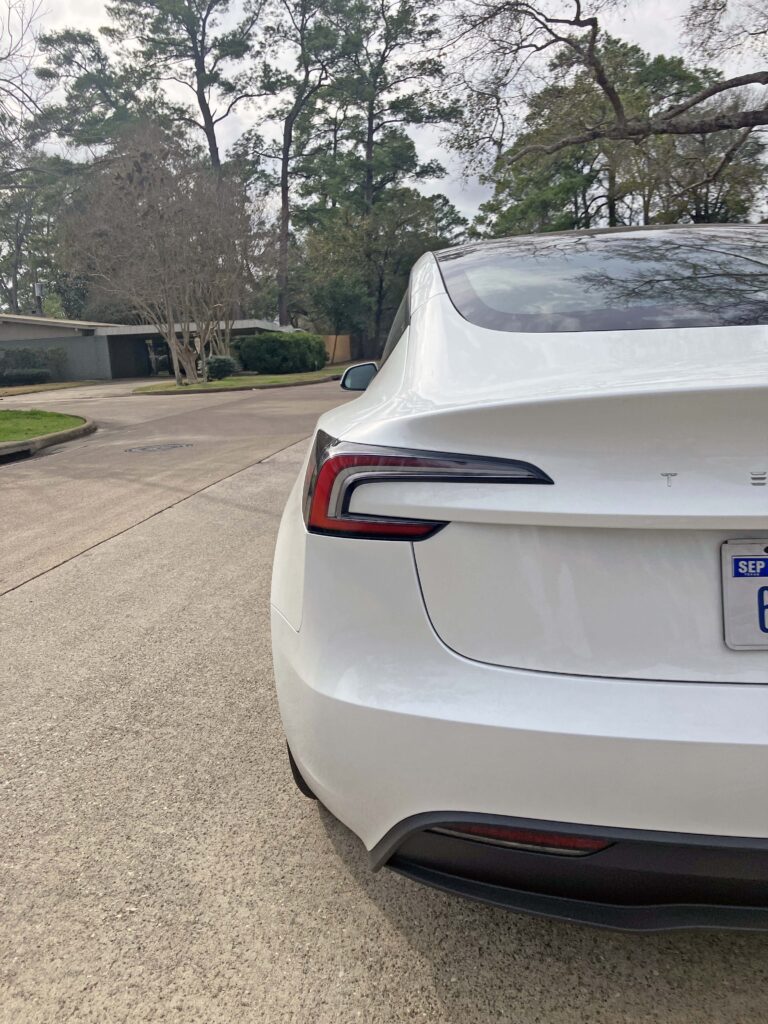
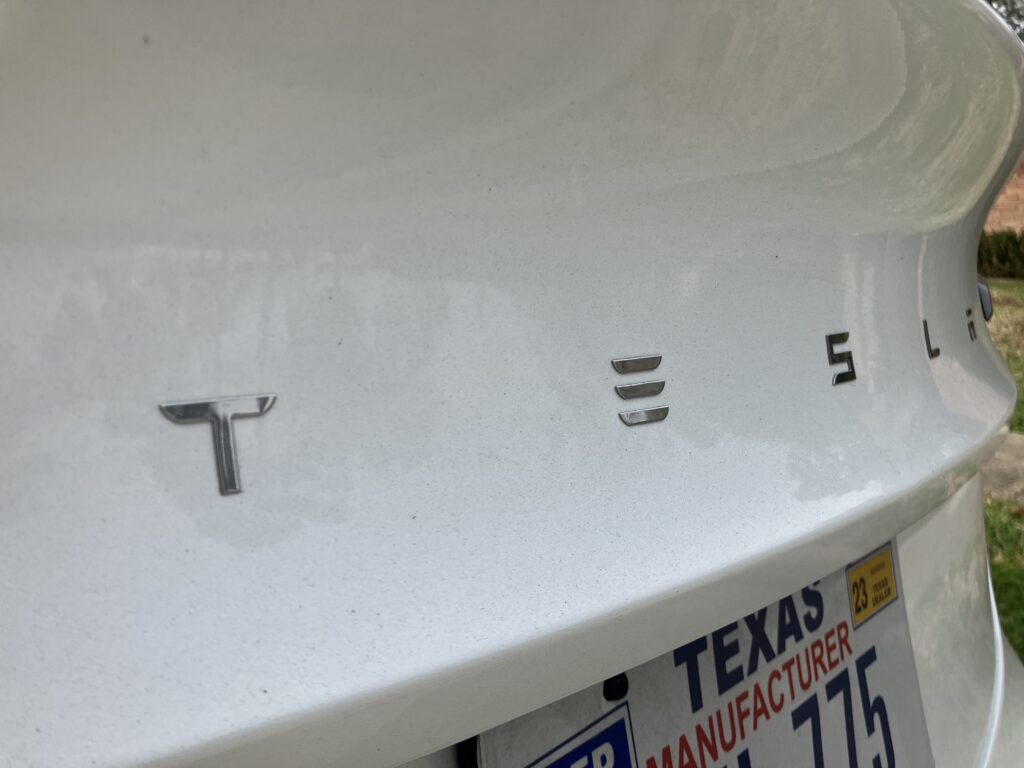
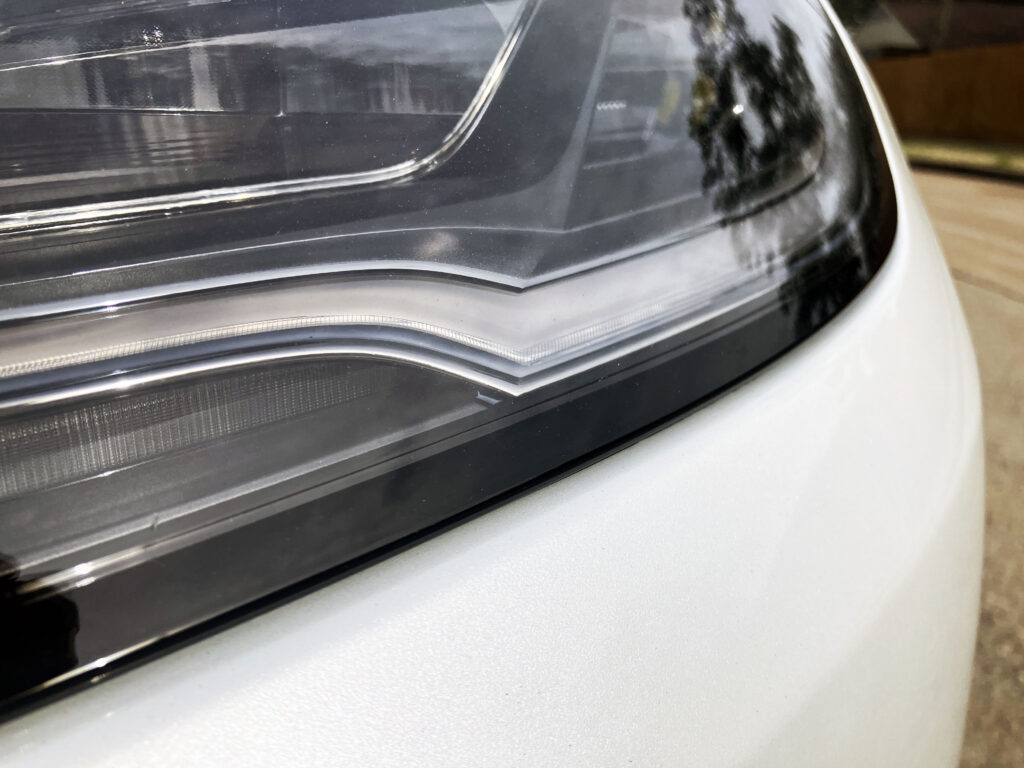
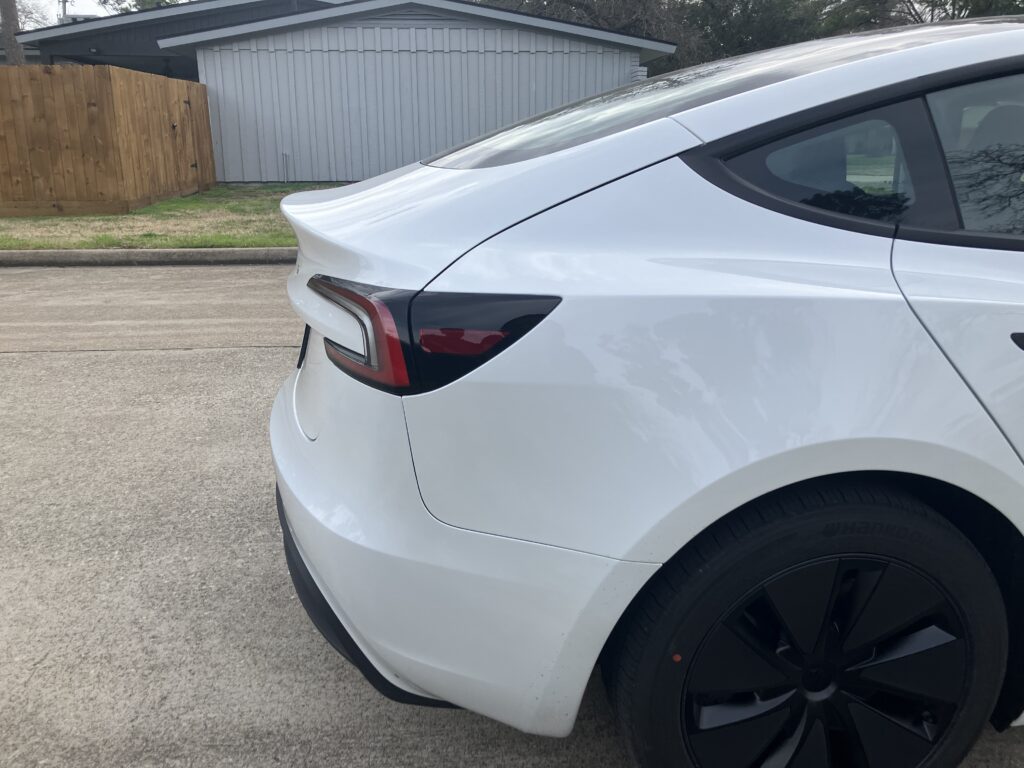
The Highland is a mid-cycle refresh, and its revisions are subtle but cohesive. Slimmer headlights and a smoother front bumper give the nose a more serious expression; the bumper is also reported to help aerodynamic performance. At the rear, the Tesla “T” gives way to spelled-out lettering. That treatment draws attention to the sedan’s low stance and makes the back look wider.
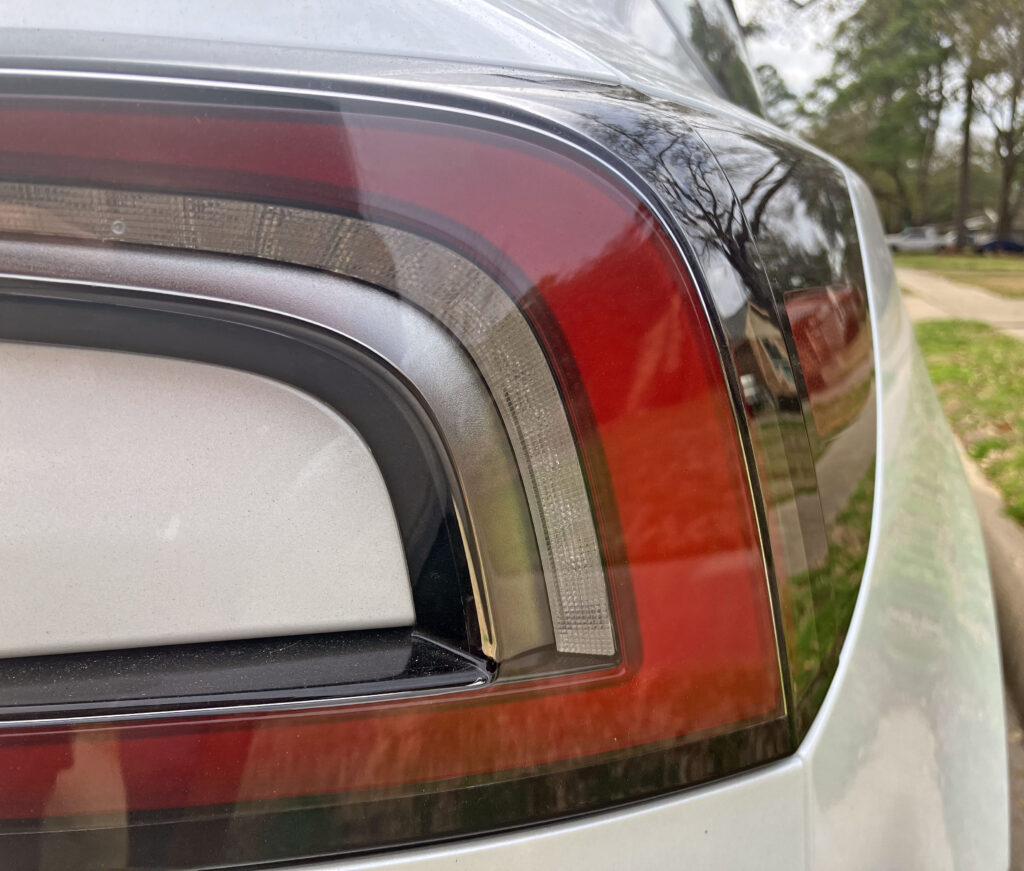
Neither end feels radically different, but both are more finished. The changes bring a three-box shape that has been around for generations into a cleaner, more contemporary form. Even the turn-signal lenses have a shared arc that gives the details a little more visual consistency. It’s the kind of small design decision that can make a car feel considered without drawing attention to itself.
The cabin asks drivers to adapt
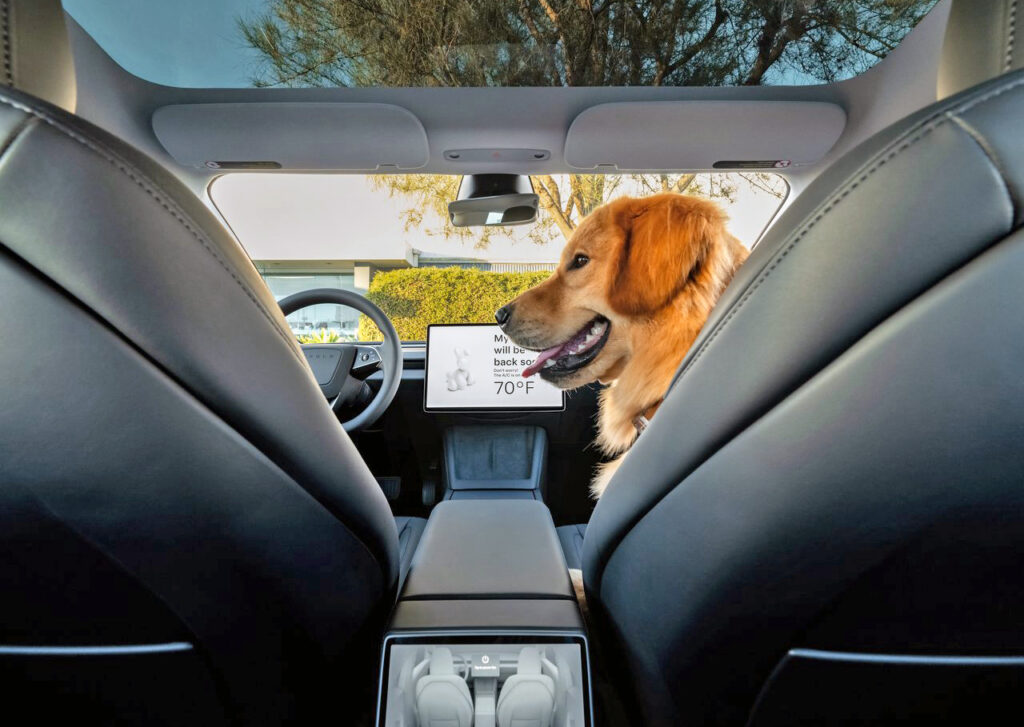
Inside, Tesla’s minimalism is more divisive. There’s no instrument display in front of the driver, and the main touchscreen handles nearly every vehicle function. Centrally mounted gauges have appeared in other cars, including the Toyota Yaris, Prius and Mini Cooper, but the Model 3 takes the idea further by concentrating so much information and control in one place.
That leaves a practical gap for drivers who want basic information within their natural line of sight. The source’s reviewer argues that a small driver display should be feasible at this price point, especially given that the now-discontinued Chevrolet Bolt cost more than $10,000 less. Aftermarket driver-screen options exist, while the Highland adds a screen for rear-seat entertainment.
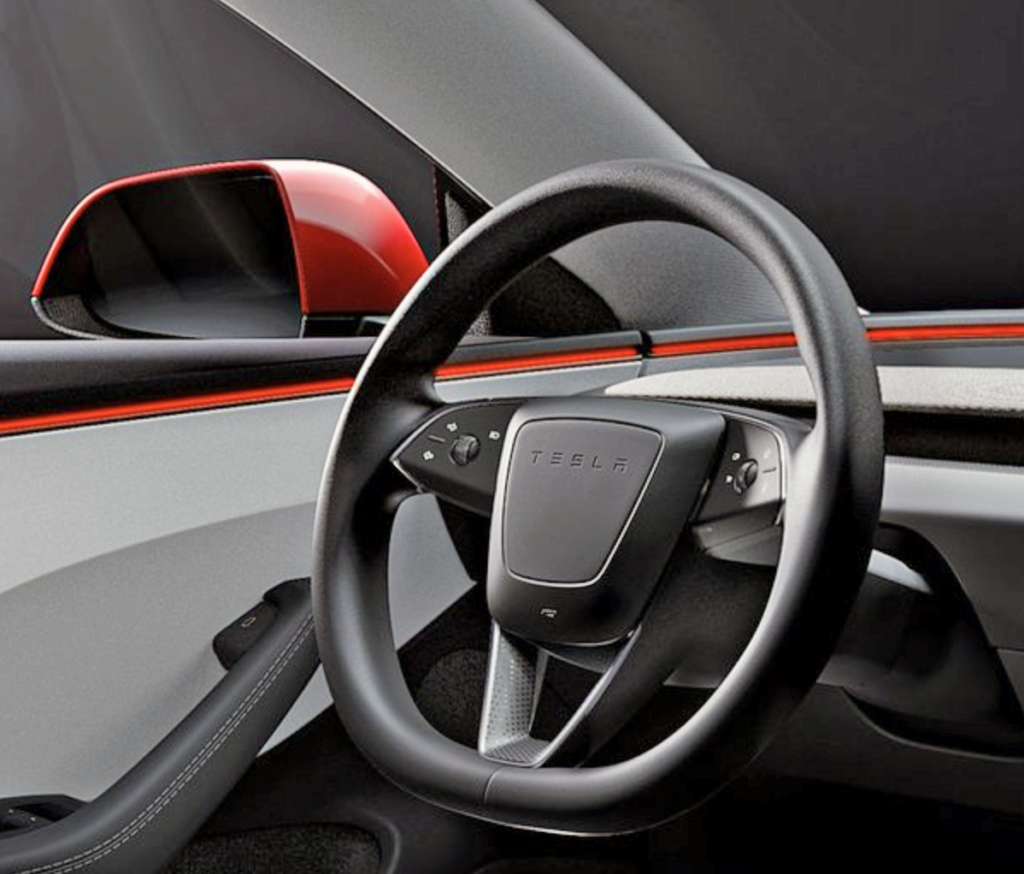
The gear selector has also moved from a stalk to the touchscreen. The reviewer found selecting park or reverse surprisingly intuitive, though repeated maneuvers in tight spaces could make the process less convenient. Buttons near the rear-view mirror offer another way to shift. The cleaner dashboard and steering area are part of the appeal, but that tidiness comes with a learning curve. Tesla’s choices around interfaces invite scrutiny because poor human-machine interface design can have serious consequences.
Buttons with a mixed verdict
Replacing the turn-signal stalk with buttons on the steering wheel initially won the reviewer over. They had a satisfying tactile feel, and operating them with the left thumb felt natural while the wheel was straight. The catch appeared when the wheel was already turned: locating and pressing the right button could take attention away from the road, and the layout offers less physical context for muscle memory. Drivers have to learn to signal before turning the wheel in some situations.
That adjustment may be easy for Tesla loyalists, but it could put off shoppers weighing the Model 3 against other electric cars. The same goes for the touchscreen gear controls: they worked well in the reviewer’s experience, yet the interface may feel less straightforward when frequent parking maneuvers demand quick changes.
Quiet upgrades, tougher competition
The Highland also improves cabin refinement, with fabric trim, ambient lighting and double-paned windows among the cited upgrades. Tesla’s factory audio system earns particular praise from the reviewer, who considers it one of the market’s underappreciated offerings. The car delivers on sound without relying on a branded audio collaboration.
The bigger question is whether these refinements can bring more mainstream buyers to the Model 3. The refresh makes the sedan look more polished and improves aspects of the cabin, but it doesn’t resolve the tension between Tesla’s stripped-back design and familiar driver expectations. The reviewer also points to mounting competition: BYD surpassed Tesla as the leading electric-car seller in China in 2023, while the Mustang Mach-E was cited as a factor in Tesla’s U.S. market-share losses this year.
That context makes the slow hardware update cycle harder to dismiss. Highland gives the Model 3 a more mature appearance and useful cabin improvements, but the unusual controls remain a real consideration for buyers comparing it with rival EVs. The refresh is a meaningful polish of Tesla’s core sedan; whether that’s enough to keep pace will depend on how quickly the company responds as competitors keep improving their own cars.
Vellum Venom Vignette: Rage Against the Rulebook appeared first on Hagerty Media.


