In lane Electric Vehicles
How Wooden Splines Shaped the 1959 Cadillac, Corvette and Buick Riviera
Description
The ridge on several iconic cars traces back to wooden forms used by coachbuilders—and to mathematics that helped bring curved designs to factory production.
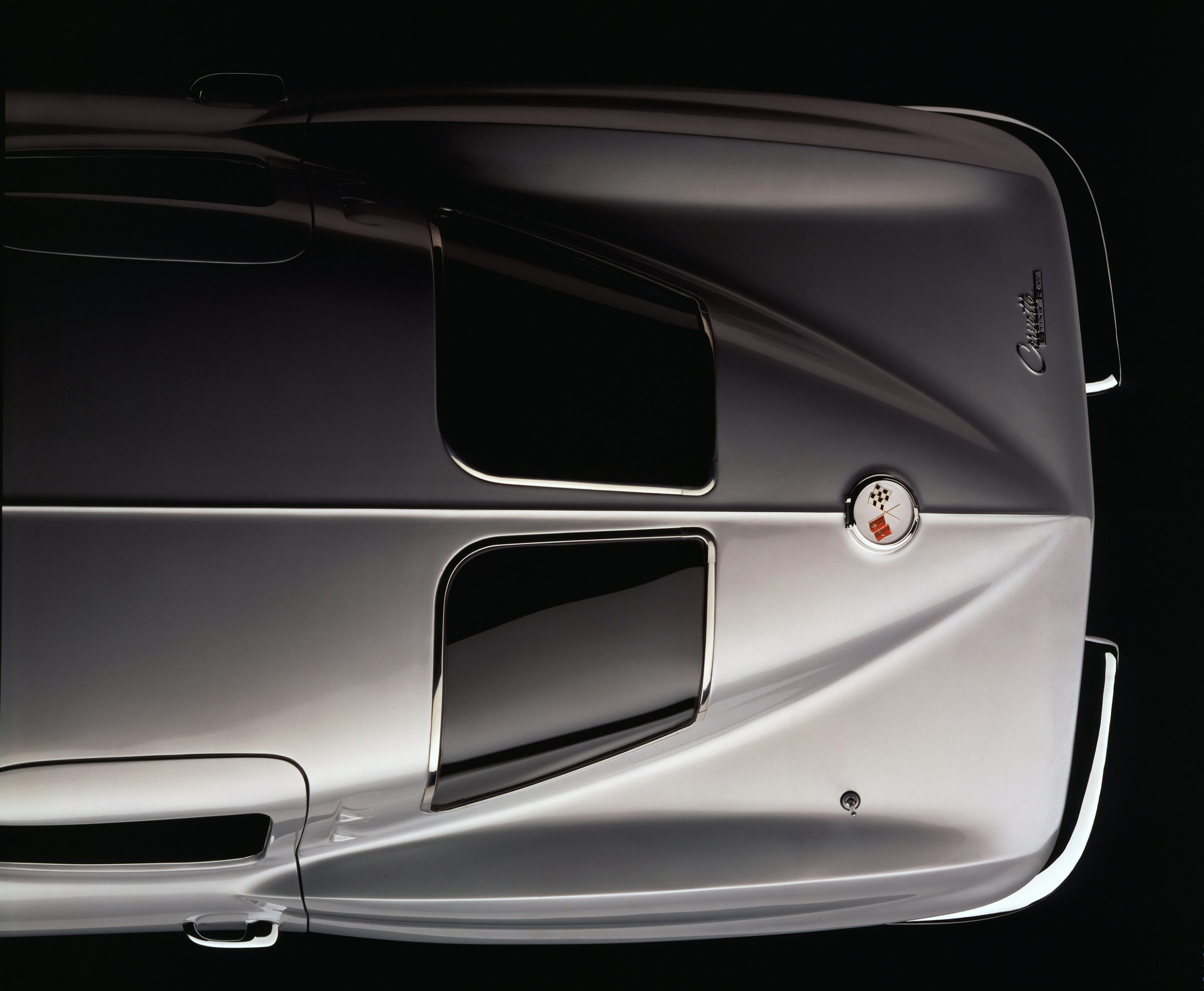
The raised center ridge on a 1959 Cadillac Eldorado, a 1963 Corvette coupe or the boat-tail 1971 Buick Riviera is more than a styling flourish. It’s a visible trace of how car bodies were shaped, and of the tools designers used to describe curves before computer-aided design. The name for that peaked line, according to veteran car designer Richard Vaughan, is a spline.
That answer is less familiar than terms such as Kammback, Hofmeister kink and tumblehome. Vaughan, who designed the Lincoln Navigator, told Hagerty that designers use “spline” for the peaked line. The term predates design software: it comes from the physical strips used to form and map curves.
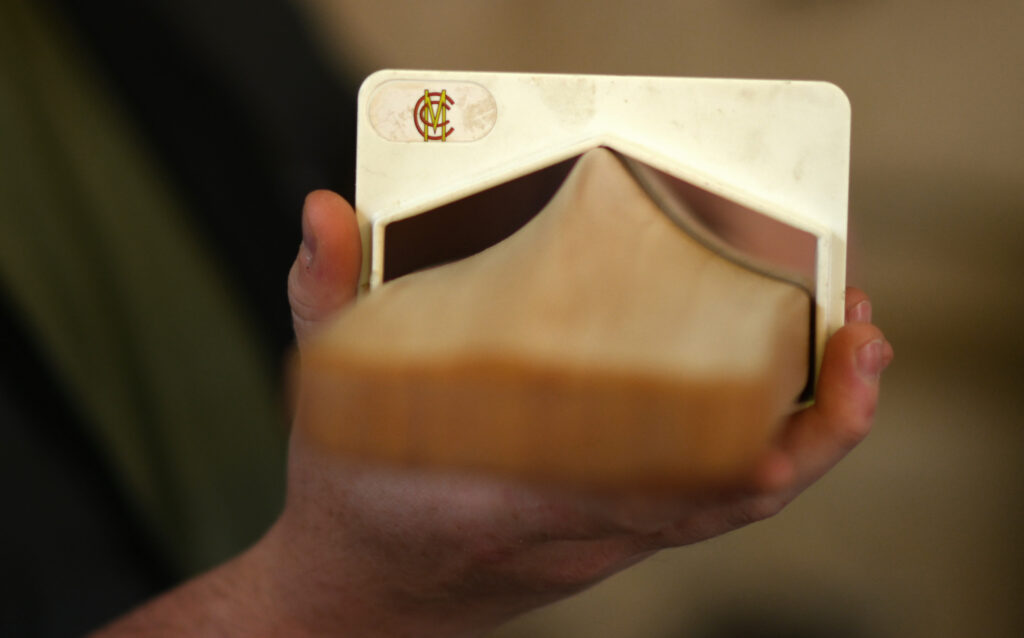
The ridge can resemble the raised center of a cricket bat, which has sometimes prompted the proposed name “Batsman crease.” But Vaughan’s explanation has a firmer connection to automotive design practice: a spline is both a flexible strip and the curve that strip helps define. That dual meaning links a feature seen on the finished body to the hands-on work that shaped it.
This story first appeared in the September/October 2024 issue of Hagerty Drivers Club magazine. Join the club to receive the magazine and access automotive events, discounts, roadside assistance and more.
From boat hulls to car bodies
Long before designers drew surfaces on screens, builders bent thin strips of wood or metal to make smooth, complex curves. Boat construction made extensive use of the method: hulls needed continuous forms, and their curves had to be carried from small models into full-size drawings and parts. The strips that guided those shapes were splines.
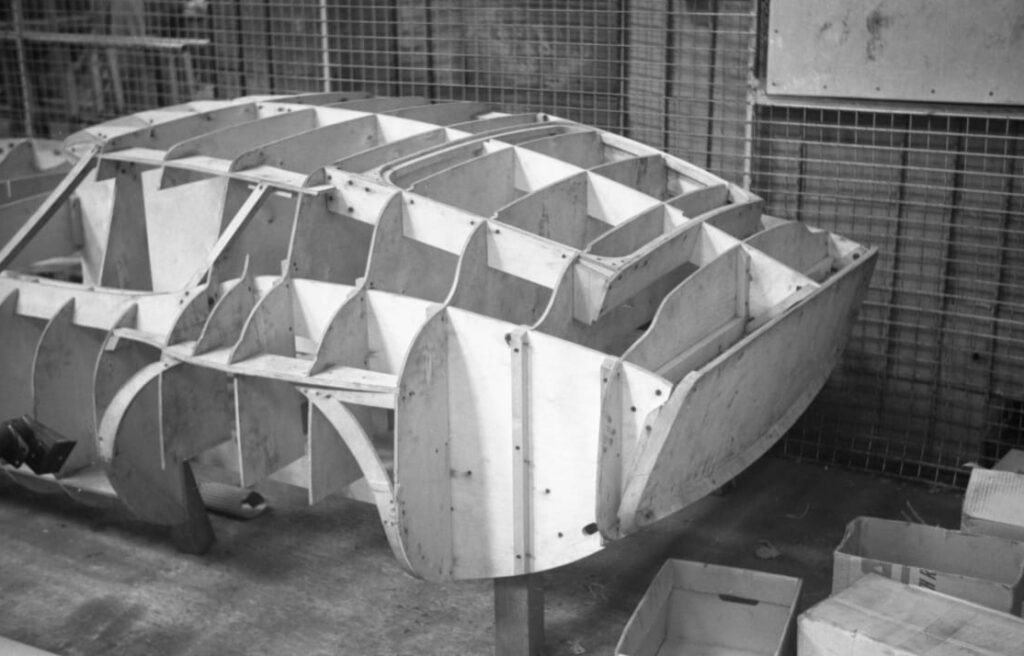
Early coachbuilders brought the same practical idea to cars. They assembled shaped sections of wood or metal into a framework called a buck. The buck served as a physical reference for the body: workers formed sheet metal over it, repeatedly checking and adjusting panels until they followed the intended contours. Splines defined those contours, while the buck brought them together into a complete body shape.
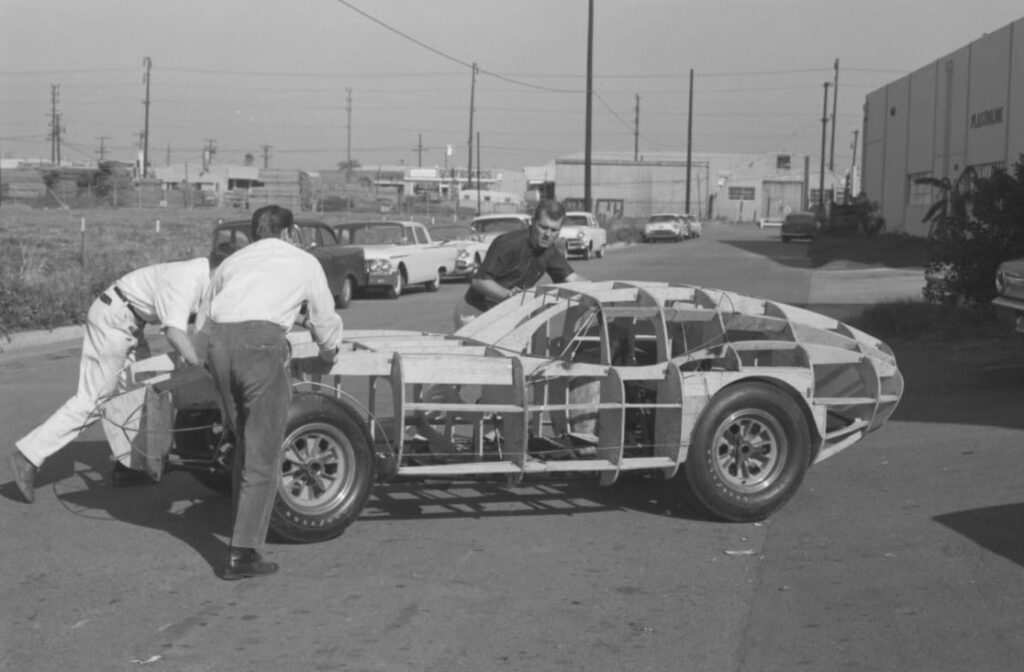
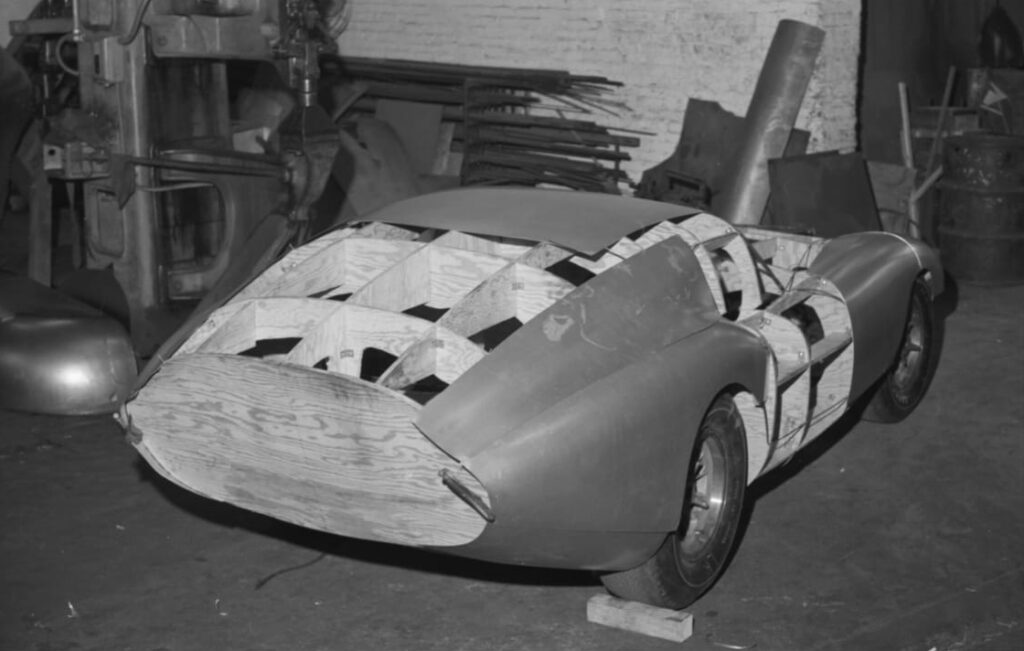
That craft could produce distinctive shapes, but it became harder to apply as car production shifted toward assembly lines. The more complex the body, the more curves and reference sections it needed. As cars gained rounder forms, the growing number of splines made the old process more demanding to reproduce at scale. A wooden buck could guide a skilled craftsperson, but factories needed a dependable way to translate those curves into tooling.
Putting curves into numbers
In 1959, Citroën developed a mathematical way to define splines, making it easier and more precise to convert curves into factory tooling. Renault and General Motors later improved on the approach. The underlying idea carried into computer-aided design: designers can specify a curve mathematically, adjust its shape and communicate it to the people and equipment making the body.
That history helps explain why a spline is more than an obscure piece of design vocabulary. It connects the flowing surface of a car to a method for building it consistently. In a digital workflow, a designer can work with curves on a screen; the physical problem remains the same one coachbuilders faced—how to describe and reproduce a shape that changes continuously across a panel.
The old method still has a clear place in the look of modern cars. Designers sometimes emphasize a spline by raising it above the surrounding bodywork, turning a construction line into a prominent visual feature. The central ridge on the Bugatti Tourbillon is one example, while many modern Cadillacs use pronounced body lines. Those details may look contemporary, but their logic reaches back to strips of wood bent around a model.

So the next time a Cadillac CT5-V catches your eye, or you stop to admire a ’71 Riviera, look along the raised centerline. The ridge is both a design choice and a reminder that car shaping borrowed from boatbuilding, then moved from flexible strips to mathematics and digital tools. The surface changed; the need to define its curve did not.
The Bugatti Tourbillon offers a striking modern example of that lineage.
The post How the Spline Shaped Some of Your Favorite Classic Cars appeared first on Hagerty Media.


