In lane Electric Vehicles
Ford Bronco Sport Carries the Original Escape’s Crossover Design Forward
Description
The Bronco Sport echoes the 2001 Escape’s upright, practical shape as Ford prepares to end Escape production in 2025.
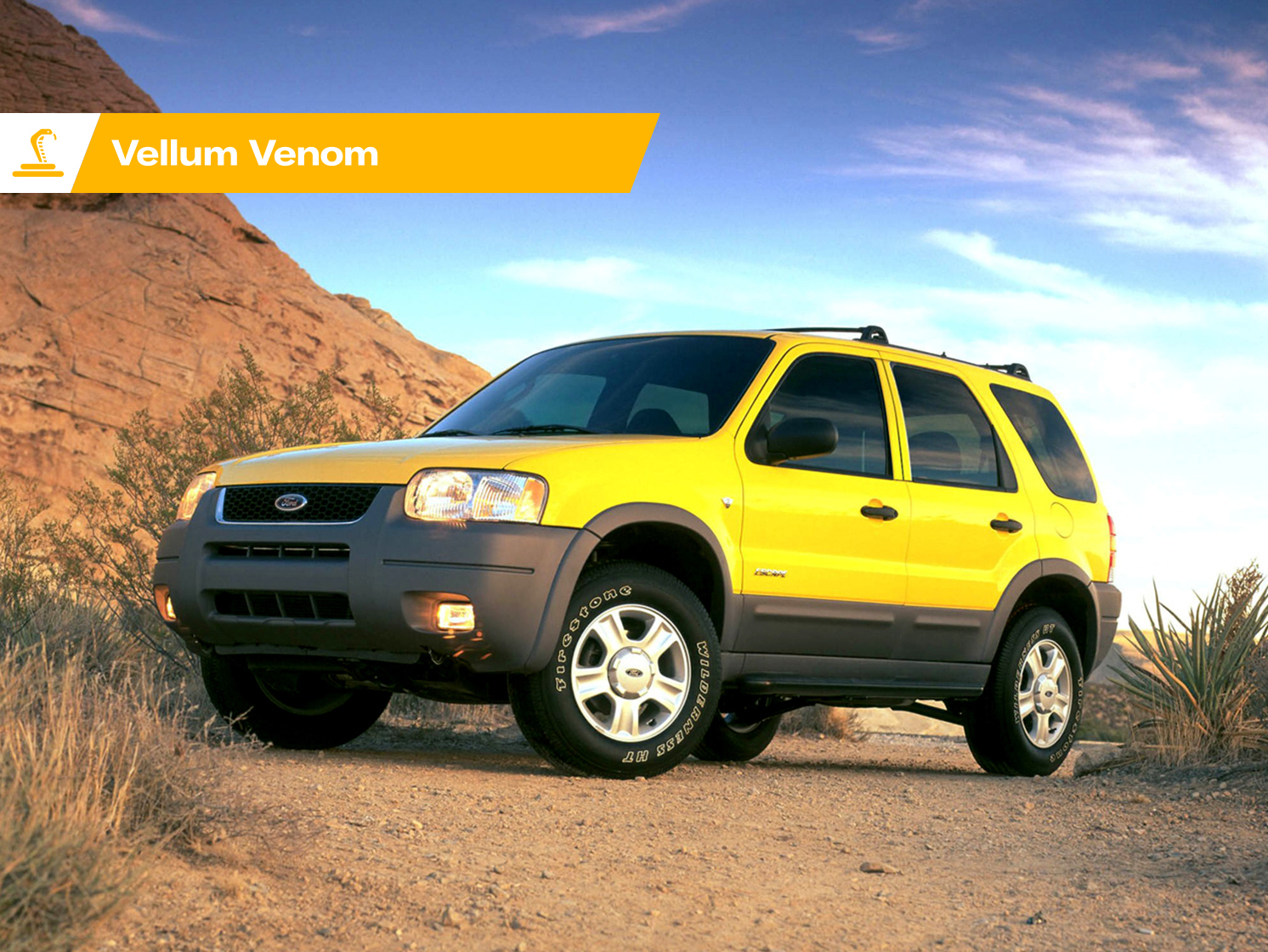
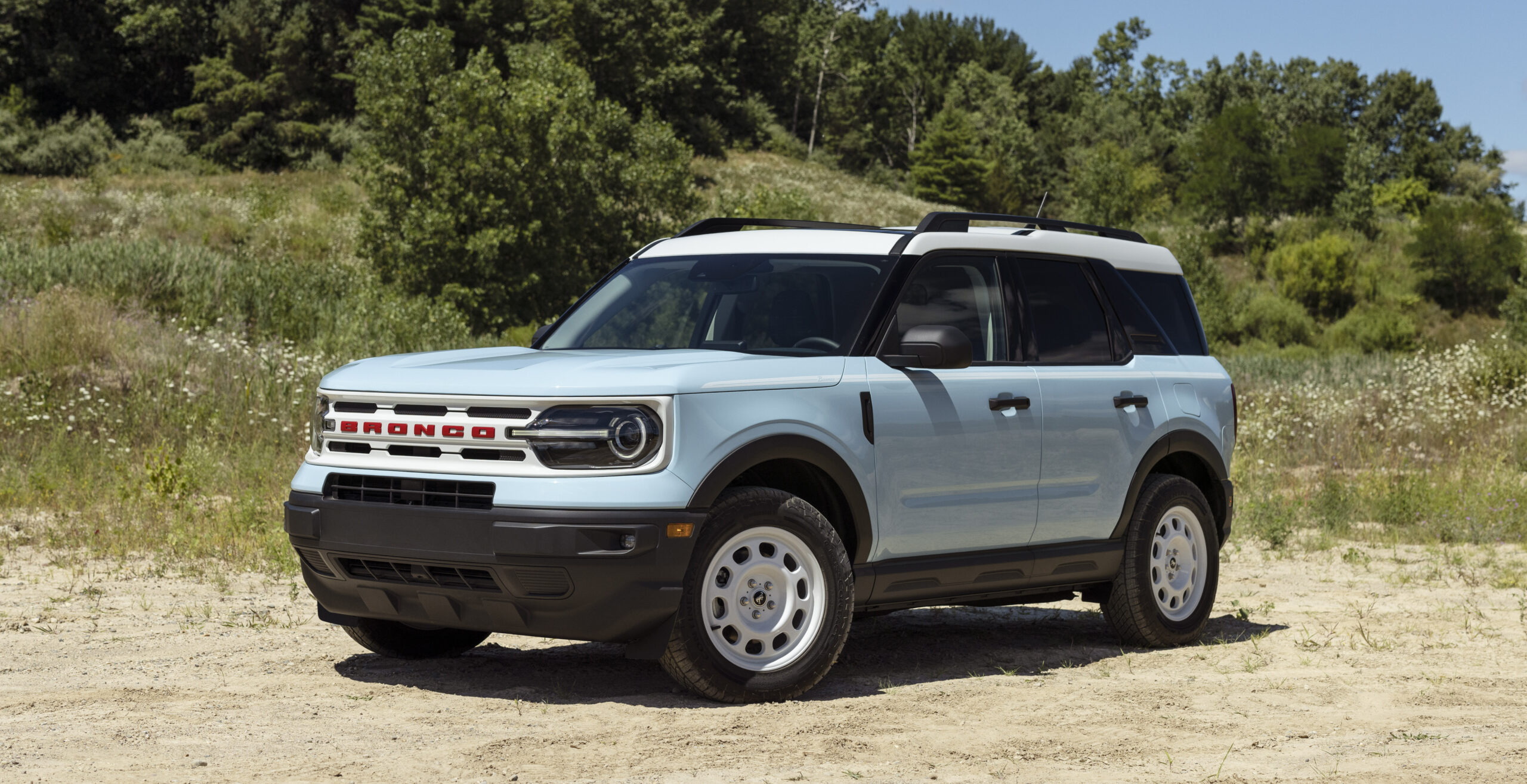
The Ford Bronco Sport looks like a fresh expression of an idea the original Escape got right: a compact crossover with an upright cabin, useful cargo space and enough rugged styling to suggest it can leave the pavement. That resemblance gives the Bronco Sport an unexpected connection to the Escape, whose production is reported to end in 2025 as Ford shifts focus to the newer model.
Ford builds both the current Escape and Bronco Sport on its C2 platform, but their shapes and identities speak to different buyers. The Bronco Sport borrows visual cues from the larger Bronco, while its compact proportions recall the first Escape’s mix of carlike packaging and SUV attitude. It’s a useful reminder that a familiar design recipe can return under a different name—and with a more convincing visual story.
The Escape’s original crossover formula
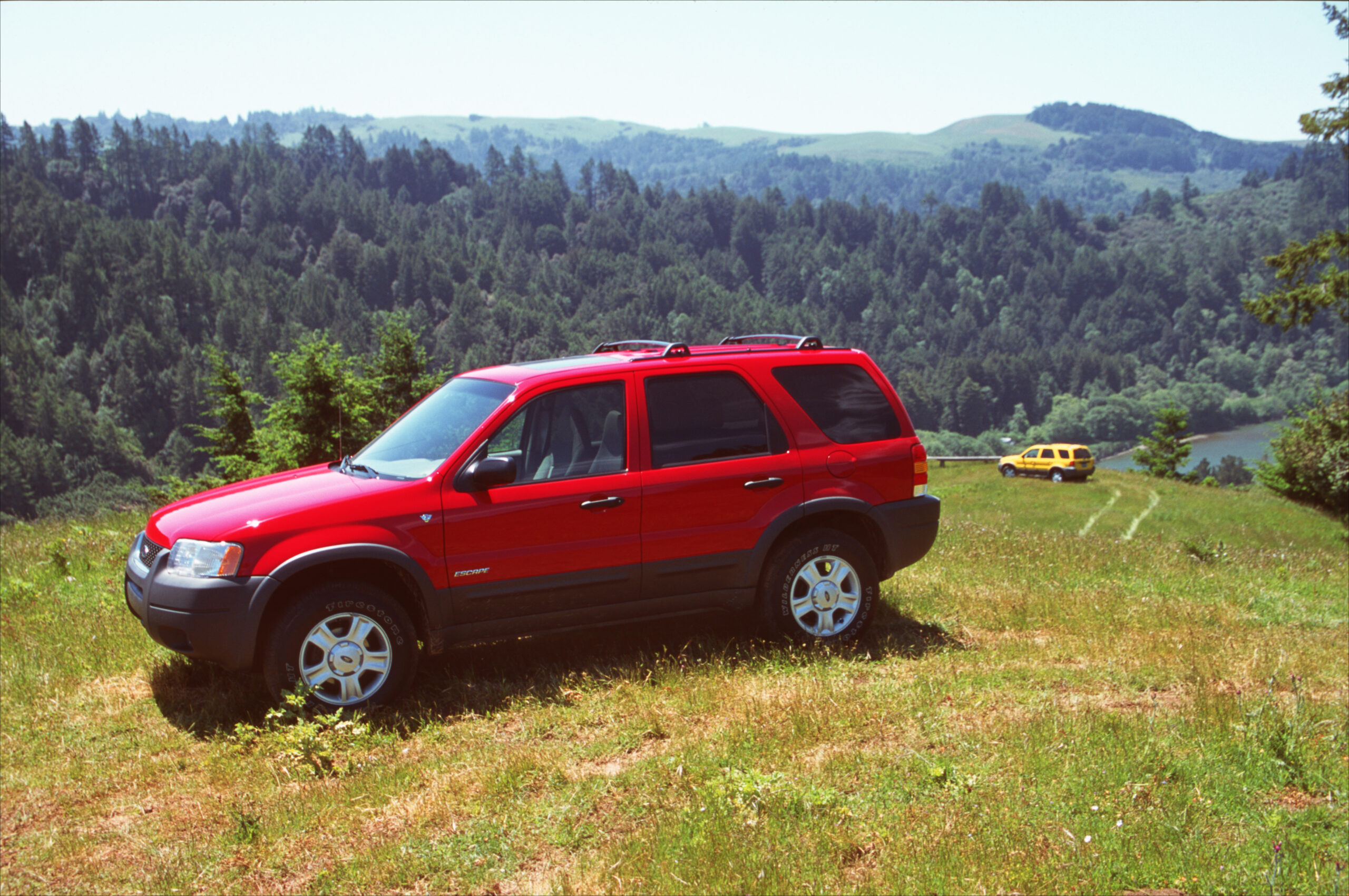
The first Escape arrived as crossovers were establishing themselves as an alternative to larger, truck-based SUVs. Its upright profile gave the cabin a practical feel, while a more steeply angled C-pillar than those of boxier utility vehicles kept the body from looking like a scaled-down school bus. The tall rear section also made room for cargo, a straightforward benefit that can get lost when styling takes priority over usable space.
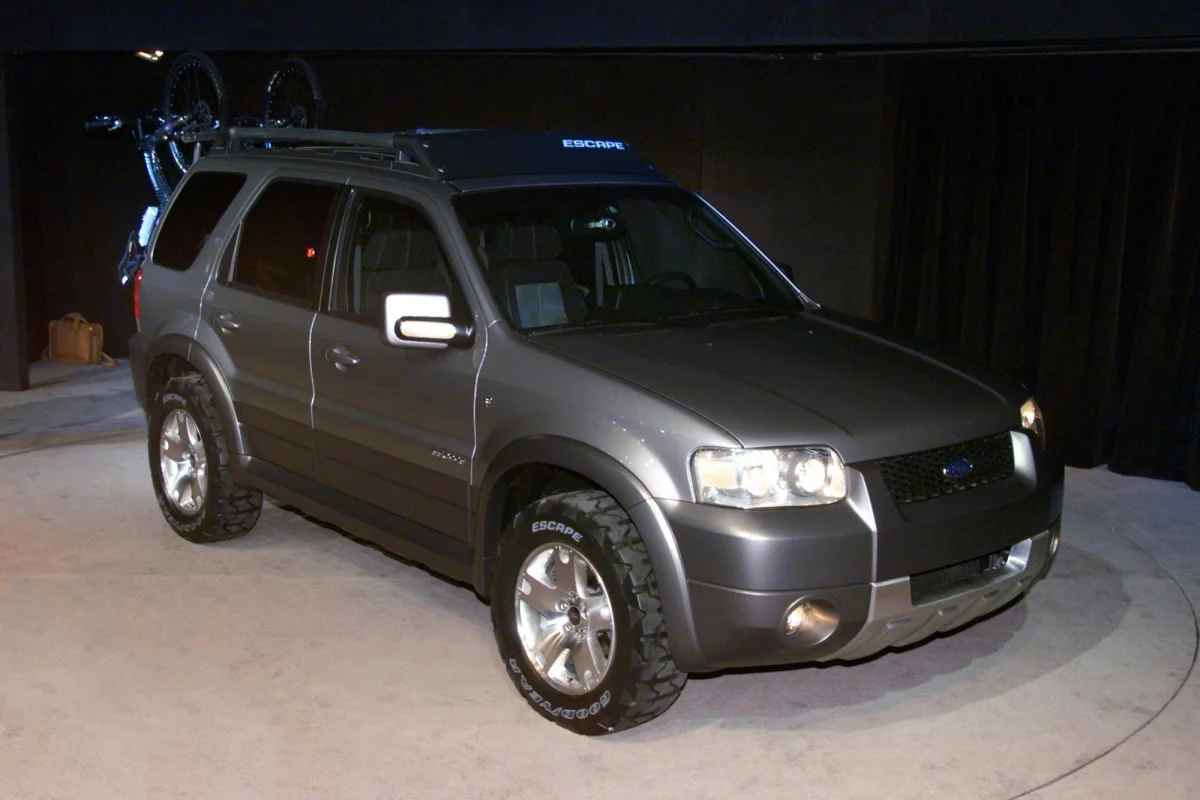
Period concept imagery made the Escape’s ambitions especially clear. Knobby tires with Escape lettering, an upright stance and prominent front-end protection suggested a vehicle ready for trails. The production 4×4 did have a locking center differential, so the outdoorsy presentation had some mechanical support. Still, the gap between rugged styling and the limits of a small crossover became apparent in use; the concept’s trail imagery was more expansive than the vehicle’s real-world remit.
The original’s packaging helped the idea endure. Its trucklike D-pillar left a substantial rear section for carrying bulky items, while the cabin’s proportions remained more carlike than those of larger SUVs. That balance mattered to drivers who wanted a vehicle for passengers and everyday hauling without stepping up to a full-size utility. The Escape’s success as a shape is visible in the Bronco Sport, which also pairs an upright rear profile with a compact footprint.
A familiar silhouette, updated details
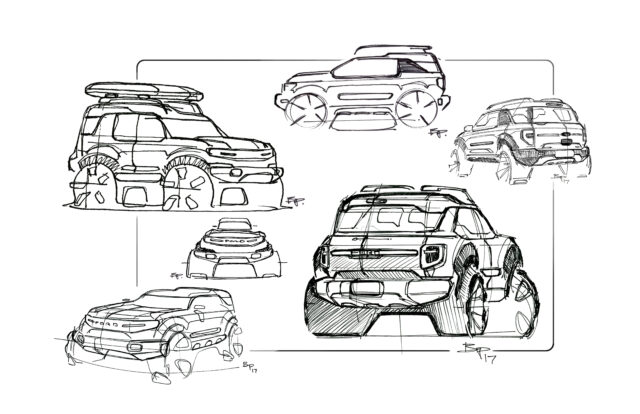
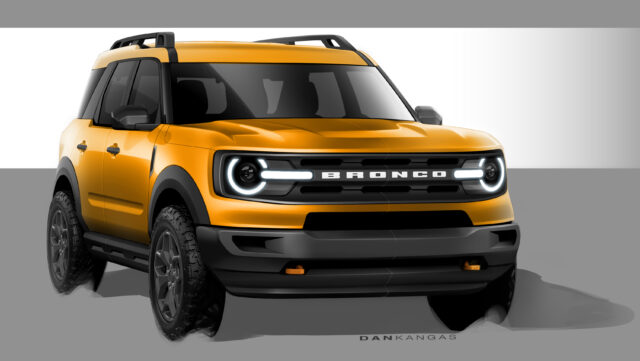
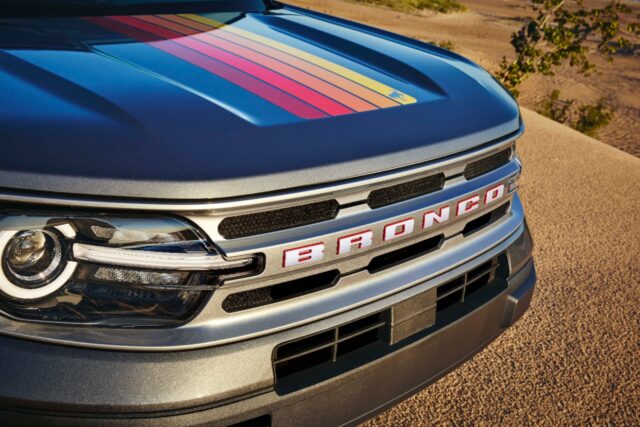
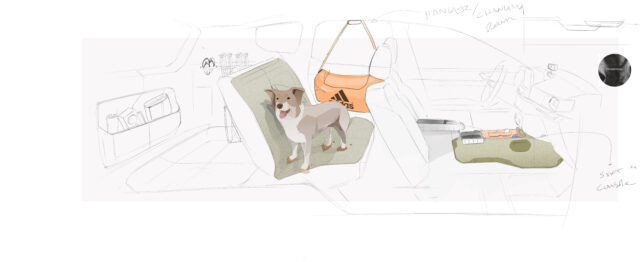
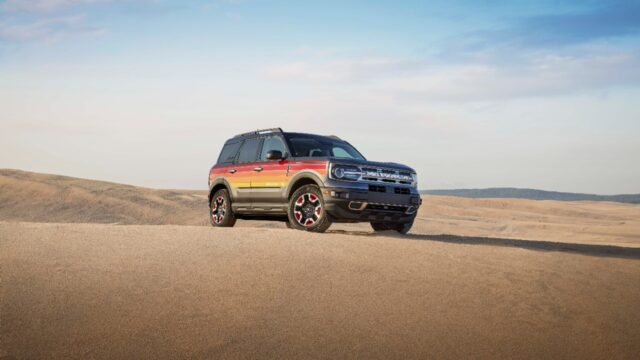
The Bronco Sport’s design makes that inheritance easier to see. Ford has given it the Bronco family’s upright look and bolder visual cues, but the basic appeal is close to the Escape’s: a small utility vehicle that looks ready for a weekend away while fitting into ordinary daily use. The Bronco name also gives Ford a clear way to connect the compact model to a broader design tradition. Here’s the thing: the resemblance doesn’t make the two vehicles identical, but it does make the Bronco Sport feel like a natural successor to the Escape’s original role.
The newer model also handles body cladding with a lighter touch. First-generation crossovers often used broad plastic panels to make their lower doors look more rugged and to separate them visually from conventional sedans. On the Escape, that treatment could feel like a styling patch. The Bronco Sport uses narrower cladding and shaped areas in the bodywork to create texture, giving its sides more definition without relying as heavily on a thick band of trim.
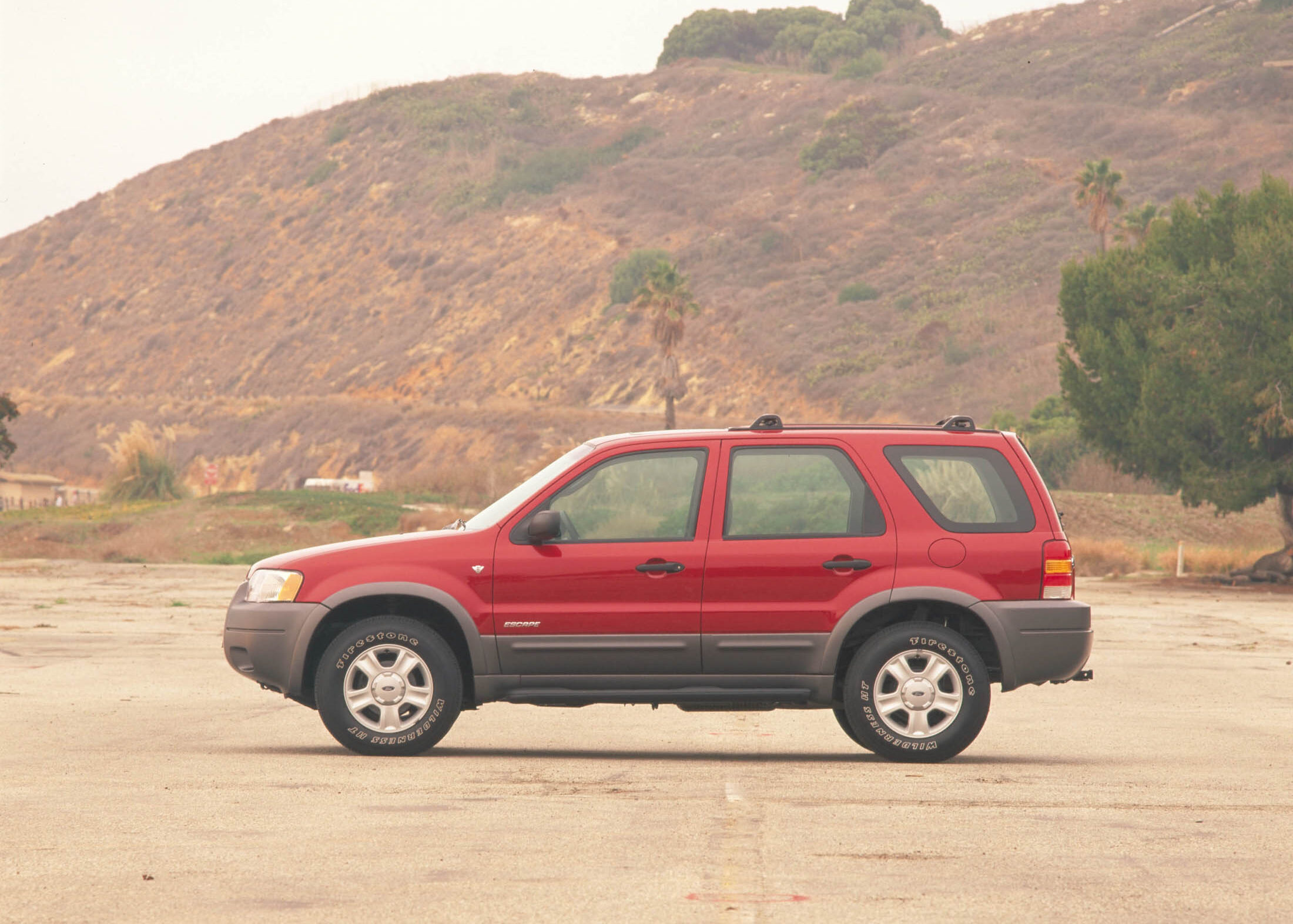
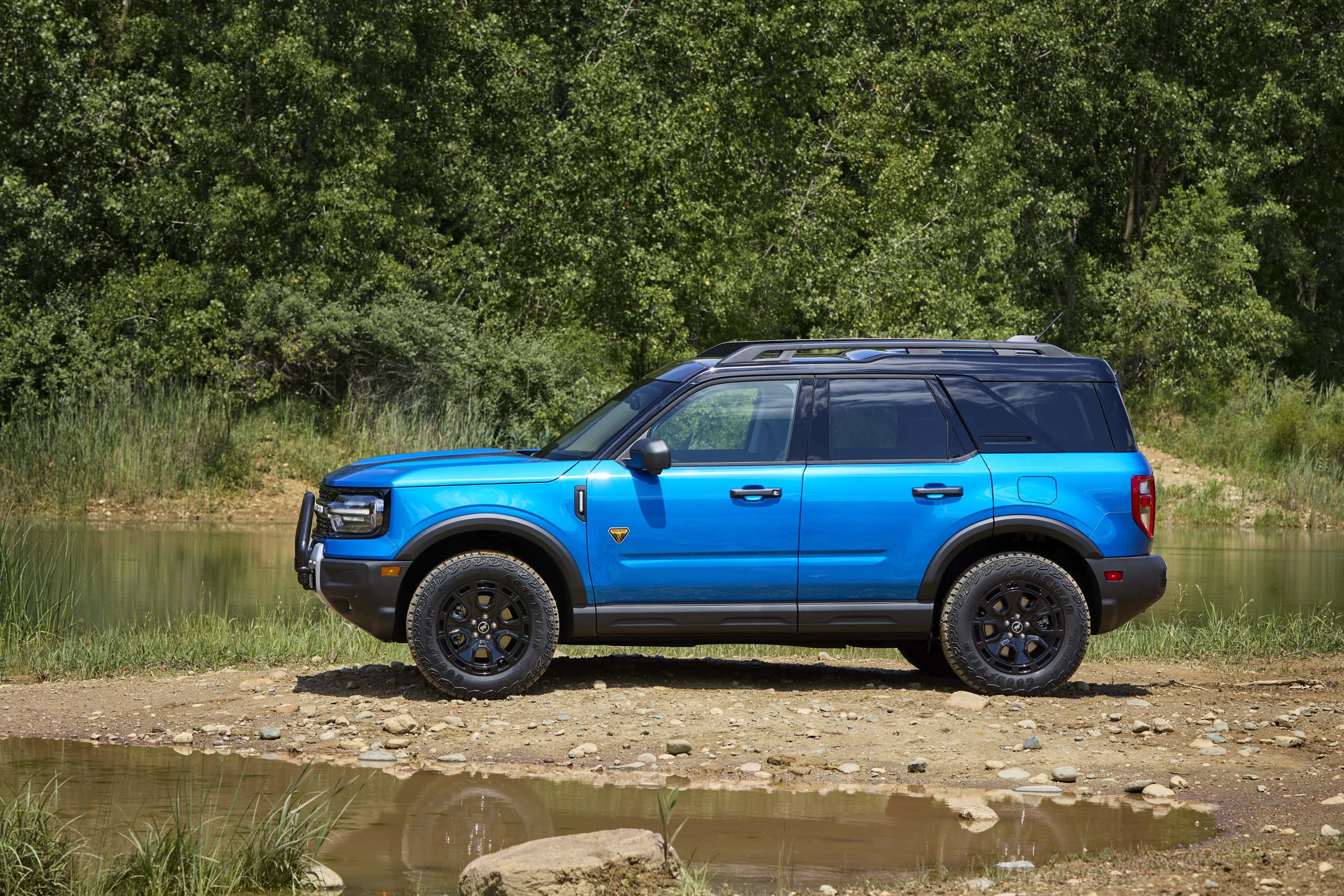
Those proportions count more than any single trim detail. The Escape’s tall rear pillar and relatively generous cargo area made the vehicle read as a useful little SUV, even when its road manners and capabilities were closer to a car-based crossover. The Bronco Sport revisits that visual balance in a market where customers still expect small utility vehicles to serve as family transport, shopping haulers and occasional companions on rougher roads.
What the comparison says about Ford’s lineup
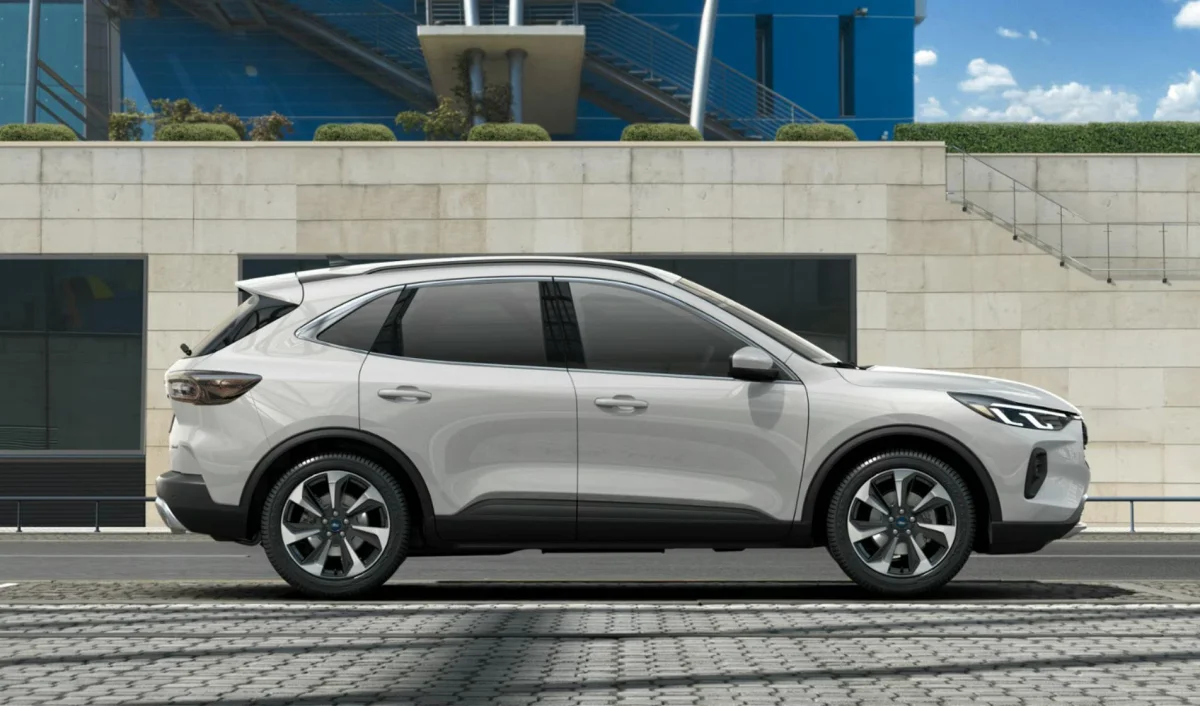
The current Escape takes a different approach, with a rounded front end, a low beltline and a rear pillar treatment that gives the body a softer, less upright impression. That styling isn’t inherently unsuccessful, but beside the Bronco Sport it makes the older Escape formula look more clearly suited to buyers who value a boxier shape and a more pronounced utility-vehicle stance. The Bronco Sport’s curb appeal is part of the argument for consolidating Ford’s compact utility identity around it.
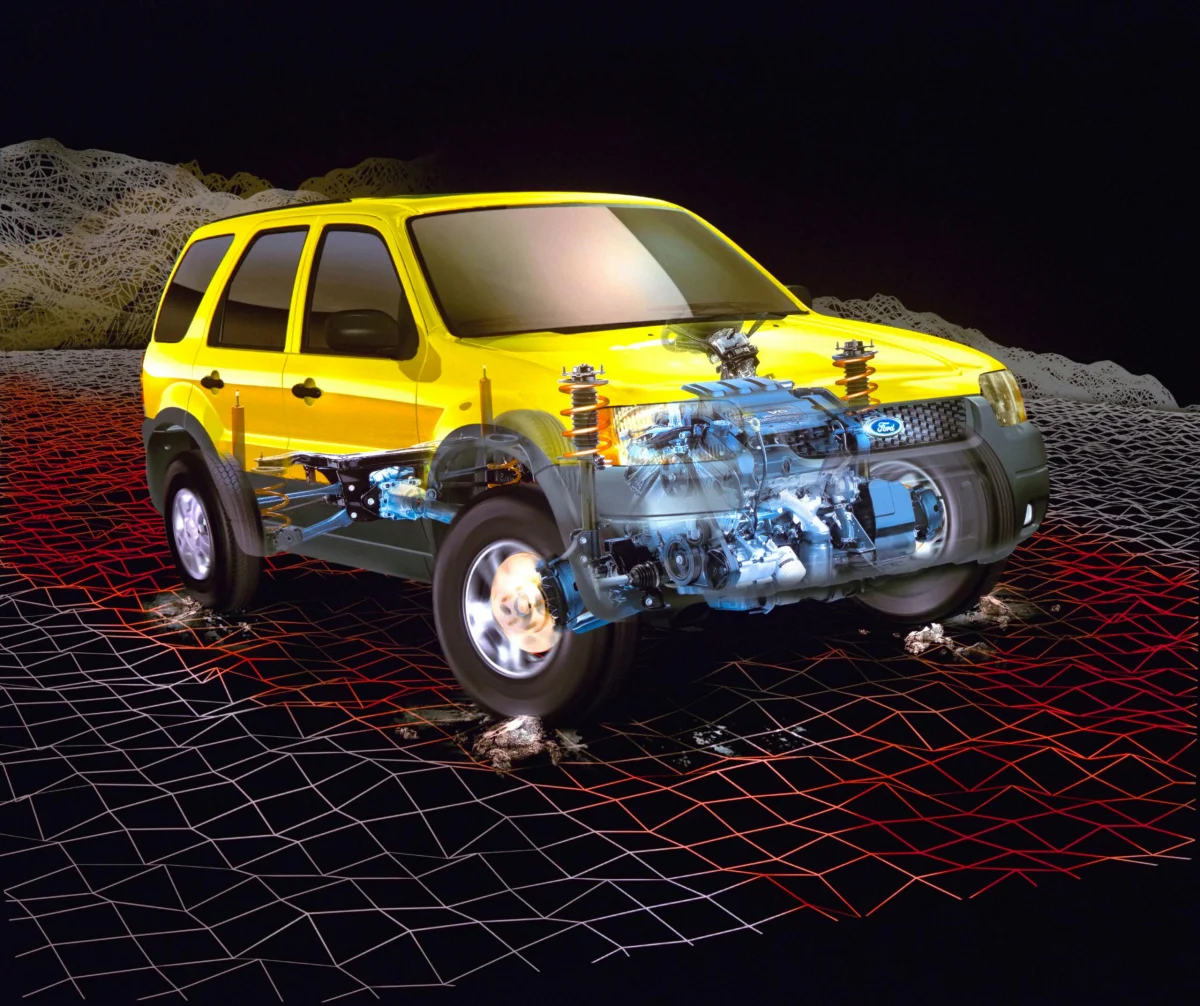
My read is that the Escape’s legacy deserves more than a passing comparison. The first-generation model combined a gutsy Duratec V-6, a Mazda-derived platform and a tall, useful body. Having driven examples ranging from showroom-fresh cars to heavily used ones with 200,000 miles and broken engine mounts, I found that the original package delivered on the basic promise: room for five, all-weather usability and a driving character that still felt lively. That experience doesn’t establish how every Escape aged, but it explains why the model remains memorable beyond its styling.
Ford’s reported plan to end Escape production in 2025 gives the comparison a practical edge. Buyers weighing these vehicles will care about availability, condition and value, while enthusiasts can see how a familiar crossover shape has been recast for a new generation. The Bronco Sport may take the Escape’s place in Ford’s lineup, but its upright pillars and compact utility proportions suggest that the original idea is still very much in circulation.
For all the talk of retro styling, the strongest link between the two is functional: both understand that a small crossover needs a cabin and rear section shaped around everyday use. The Escape helped establish that balance for Ford. The Bronco Sport gives it a more assertive look, and the end of Escape production leaves that design thread in clearer view.
The original article appeared on Hagerty Media.


