In lane Electric Vehicles
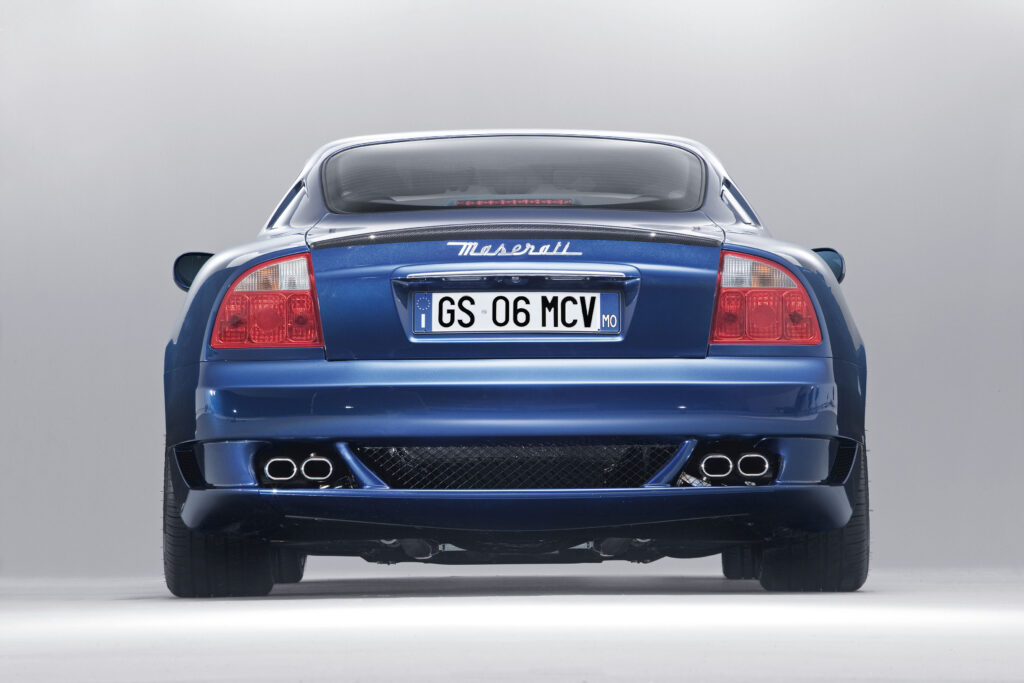
Why the Maserati 4200 Lost the 3200GT’s Boomerang Taillights
Description
Frank Stephenson says Luca di Montezemolo used the 4200’s taillight redesign to establish his authority across Ferrari and Maserati’s design teams.
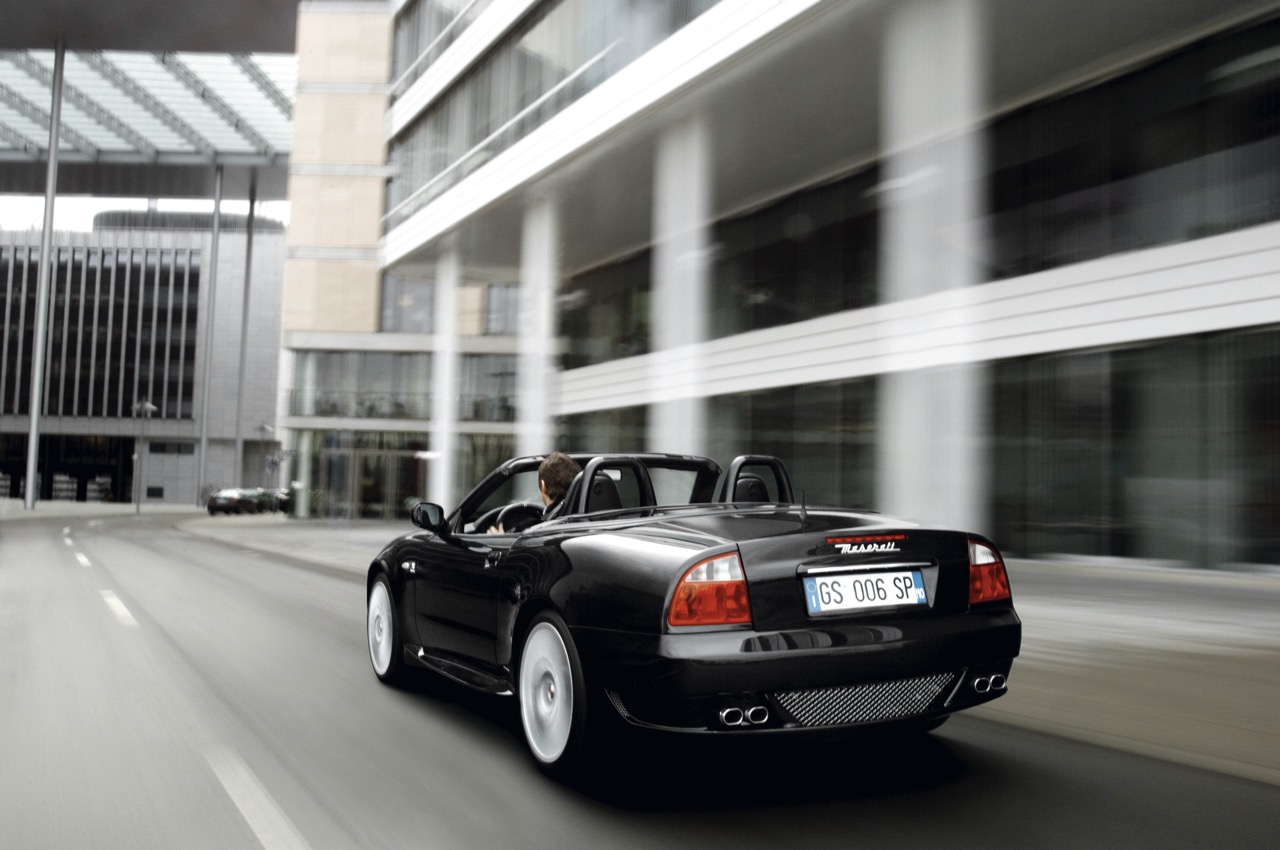
The Maserati 4200’s plainer rear lamps weren’t the result of a technical constraint, according to designer Frank Stephenson. They were part of a management calculation: Luca di Montezemolo wanted the newly appointed design director to show that he could challenge even Giorgetto Giugiaro, the celebrated designer behind the 3200GT.
Stephenson later said the change had no real design justification. But it gave him a high-profile first test inside the Ferrari and Maserati group, where he had just taken on responsibility for both marques’ design direction. The 3200GT’s distinctive boomerang-shaped lights became the point of that test.
From 3200GT to 4200
Introduced in 1998, the 3200GT paired an exterior by Giugiaro with an interior styled by Enrico Fumia. Its 3.2-liter twin-turbo V-8 was the last engine built and designed entirely by Maserati for a Trident-badged car until the MC20 arrived two decades later.
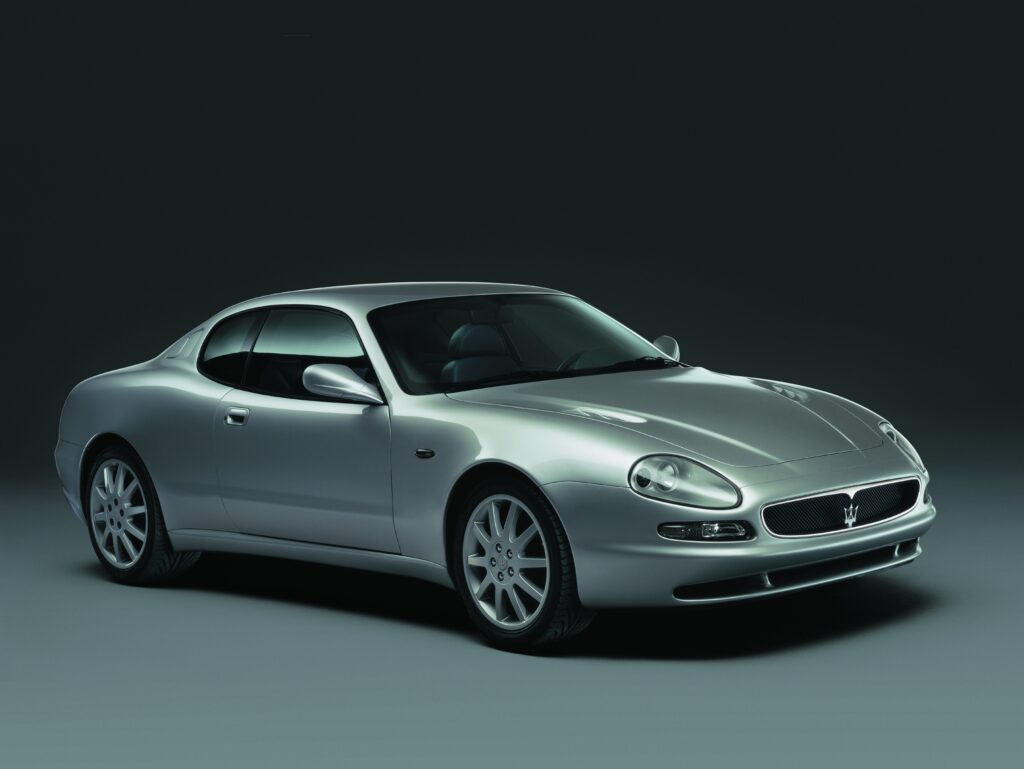
The 3200GT was never officially imported to the United States, yet it found buyers elsewhere. Between 1998 and 2002, Maserati built 4,795 examples. That was nearly twice the number of Ghibli II models produced across that car’s six-year run, and the 3200GT helped renew interest in the marque.
Its successor had a different job as well as a new engine. Maserati needed to bring its cars back to North America after an 11-year absence. The Coupé and Spyder, now commonly called the 4200, exchanged the 3200GT’s twin-turbo 3.2-liter for a naturally aspirated 4.2-liter V-8 developed by Ferrari and Maserati. Much of the earlier car’s exterior design remained, but the signature rear lamps did not.
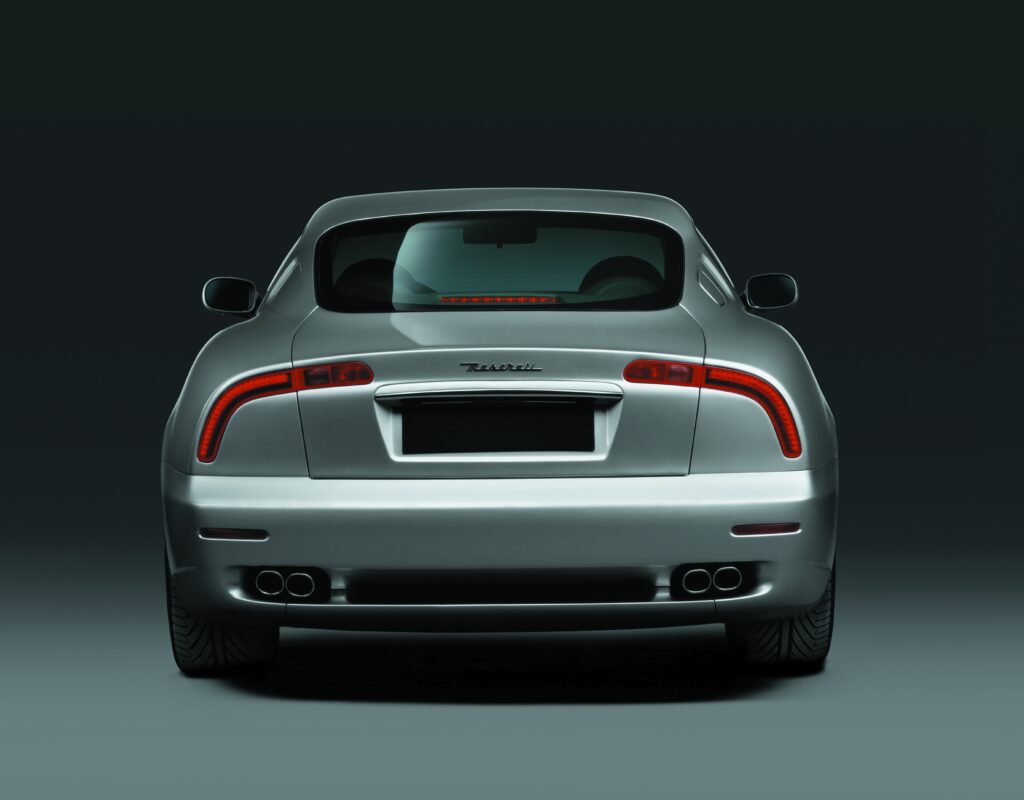
Over the years, explanations for the switch have included US rules, quality concerns and pressure from Japan. Stephenson dismissed those accounts in his recollection. He said Montezemolo called him into his office, told him to visit Italdesign, and asked what he thought of the 3200GT’s taillights.
Stephenson liked them. At a time when square rear lamps were the norm, he saw Giugiaro’s boomerang shape as an original idea. Montezemolo pushed back, insisting that Stephenson did not actually like the design. Their exchange left Stephenson wondering whether he was being drawn into an argument, or being given an instruction disguised as one.
A difficult message for Giugiaro
The assignment became clearer when Stephenson reached Italdesign the following week. He had a translator with him and no Italian, and his task was to tell Giugiaro that he disliked the lights and wanted them changed. Stephenson recalled that Giugiaro reacted angrily as they stood beside the rear of the 3200GT in the showroom.
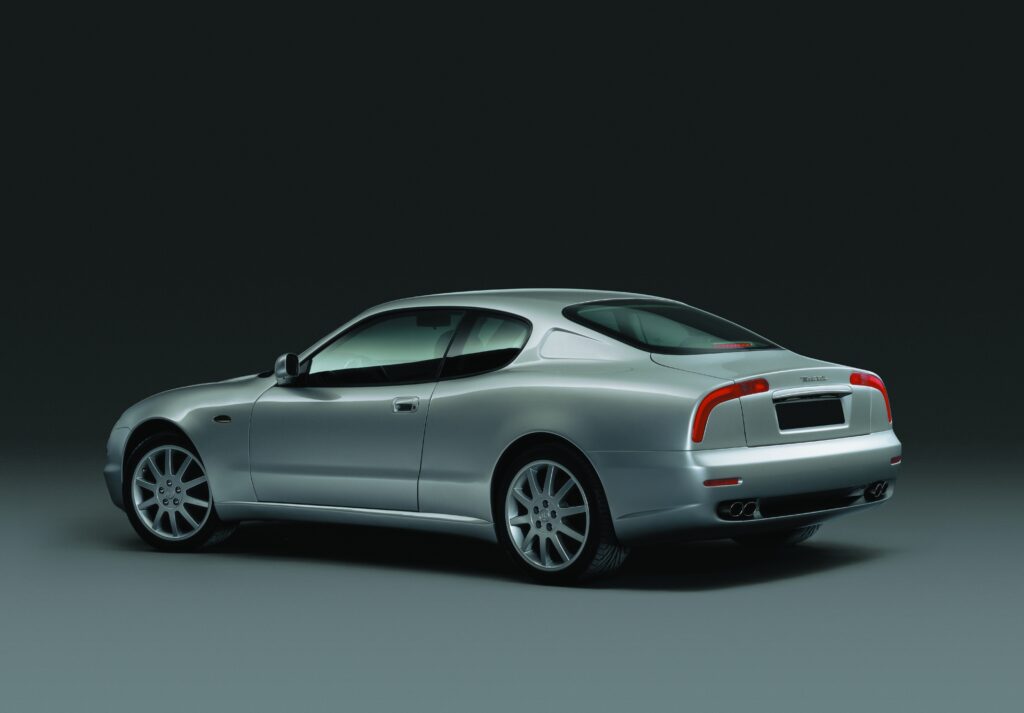
For Stephenson, the confrontation carried extra weight. He had an established career at Ford, BMW and MINI, but had only just begun what he described as the best design job in the world. He was asking one of the industry’s most respected designers to replace the defining detail on a car Giugiaro had created. Stephenson said he was shaken by the response and by the position he had been placed in.
The design changed for the 4200. In Stephenson’s telling, Giugiaro responded by creating the least distinctive taillight he could. The resulting lamps were ordinary enough to make the contrast with the 3200GT’s boomerangs immediately apparent. The replacement did the job requested, while stripping away one of the earlier car’s most memorable visual signatures.
A design change with a management purpose
Stephenson said he later understood why Montezemolo had sent him to deliver such an awkward message. The aim, as Stephenson saw it, was to establish his authority throughout the Ferrari group. He needed the designers to take his direction seriously, and changing a high-profile element on a Giugiaro design made that expectation unmistakable.
That context changes how the 4200’s rear should be read. The car’s more conventional lamps weren’t, in Stephenson’s account, a response to buyers or a technical requirement. They were evidence of a new design hierarchy being put into practice, with the 4200 serving as the setting for a test of authority.
The episode ended better than it began: Stephenson said he and Giugiaro eventually became good friends. He also remained clear that the lights had no real reason to change. For anyone comparing the 3200GT and 4200, that makes the taillights more than a styling footnote. They mark the point where a distinctive feature gave way to an internal decision about who would set the direction.
The post The Maserati 4200’s Taillight Design Was Just Luca di Montezemolo Playing Chess appeared first on Hagerty Media.


