In lane Electric Vehicles
Why the Oshkosh Mail Truck’s Awkward Shape Makes Sense
Description
The NGDV trades conventional proportions for a lower front blind spot, adaptable cabin space and practical fleet details.
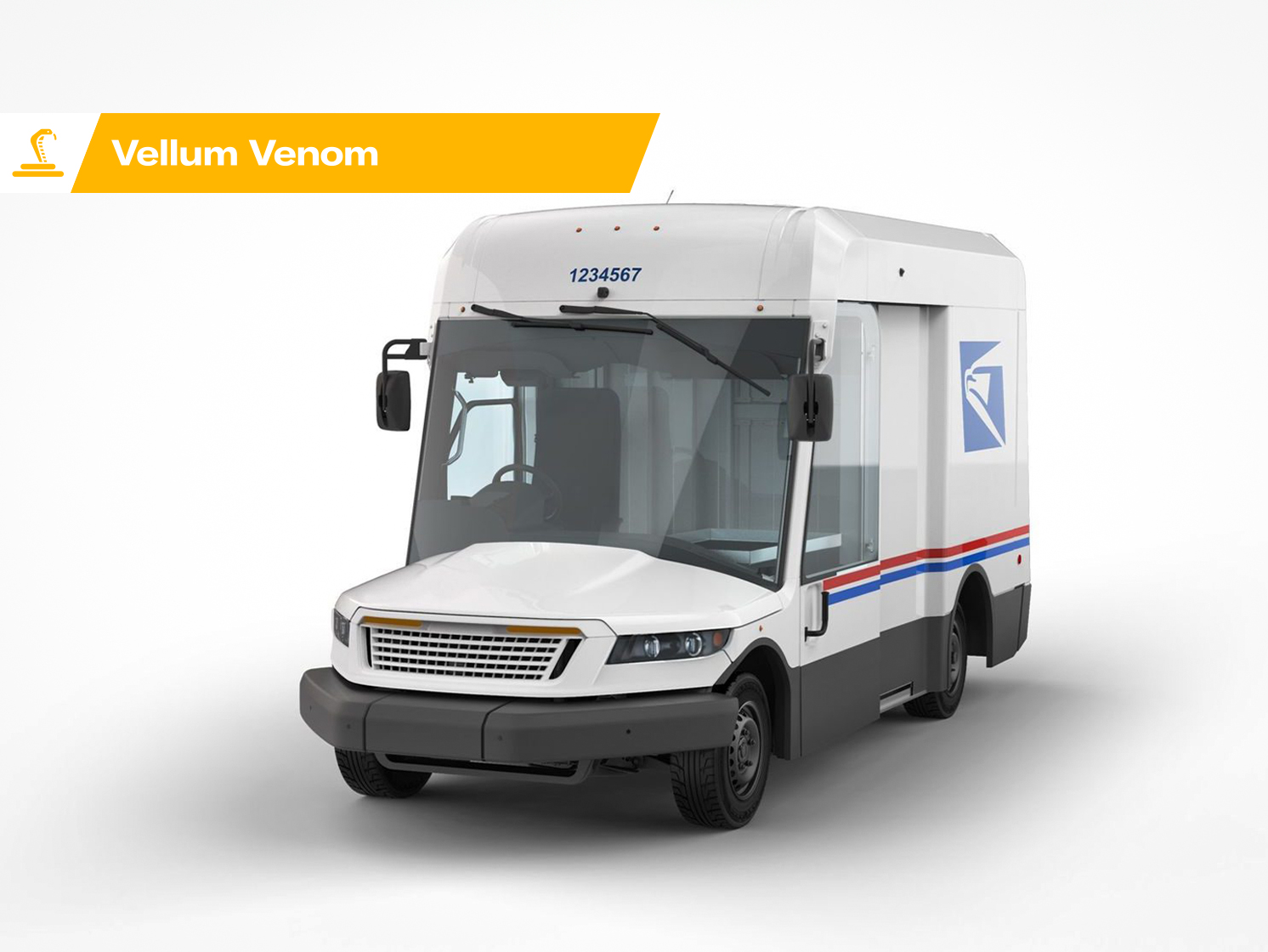
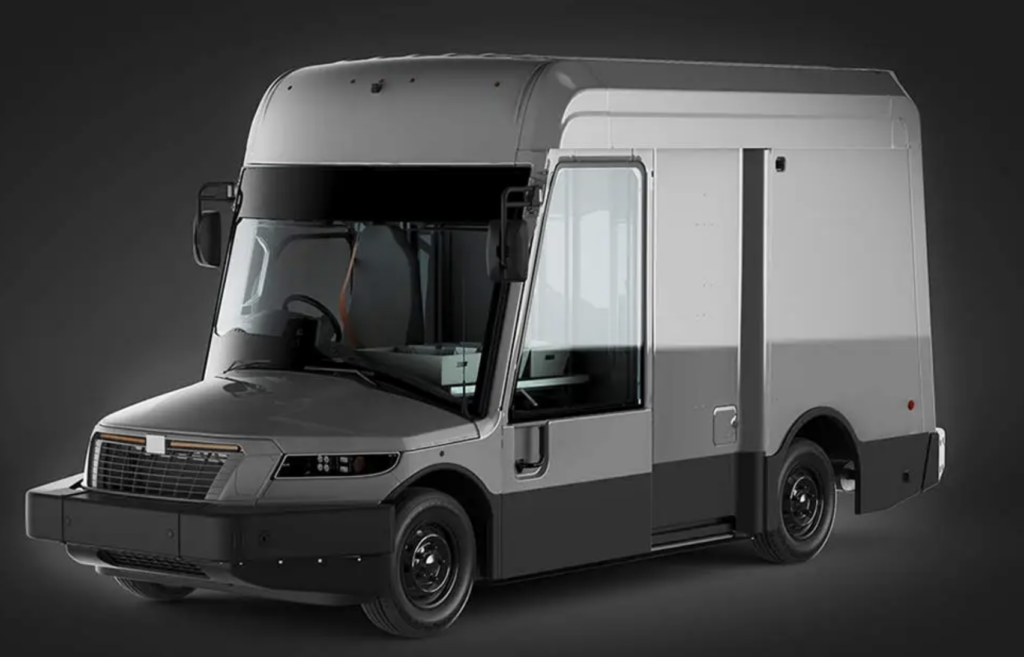
The Oshkosh Next Generation Delivery Vehicle (NGDV) looks ungainly because it gives visibility and working space priority over familiar car proportions. That’s a useful design tradeoff for a vehicle built around repeated stops, cargo handling and a wide range of drivers—and one that raises a question for passenger vehicles: why should clearer sightlines be limited to fleet models?
Form follows the delivery route
Viewed from the side, the NGDV has a tall roof, a short front end and a body that narrows toward the rear. The result can look like a triangular chocolate bar with a bite taken out of it. Its shape also has a clear purpose. The sloping front and low hood help keep the area ahead of the vehicle in view, while the tall cabin gives drivers room to enter, sit and move inside.

The body isn’t just a box with a cab attached. A sharp transition between the roof and side panels, along with a strong taper along the body, gives the large surfaces changing light and shadow. The angled rear recalls the older Grumman LLV. Distinct panel breaks also give the shape structure and, as the source design column observes, can make damaged sections easier to replace.

Gray trim runs through areas likely to see frequent contact, including the rear door surround. It can take the visual wear from busy loading areas and street obstacles, while also giving the vehicle a consistent frame. The rear hoop offers a convenient place for lights and sensors or cameras, keeping those components from interrupting the main body surfaces.
The specification explains the proportions
The NGDV’s tall cabin is tied to a stated requirement that the vehicle accommodate seating, standing and entry for 95 percent of the operator population, including people from 4 feet 11 inches to 6 feet 2 inches tall. That range helps explain the roof height. A separate visibility requirement helps make sense of the low, sloping front.
The specification calls for an unobstructed view from reference eye positions representing a fifth-percentile woman and a 95th-percentile man to a point 2.1 meters (83 inches) forward of the vehicle’s front ground-plane intersection. The wording is technical, but the basic design problem is familiar: the driver needs to see an object close to the front of the vehicle, despite the dashboard, steering wheel and hood taking up space in the sightline.
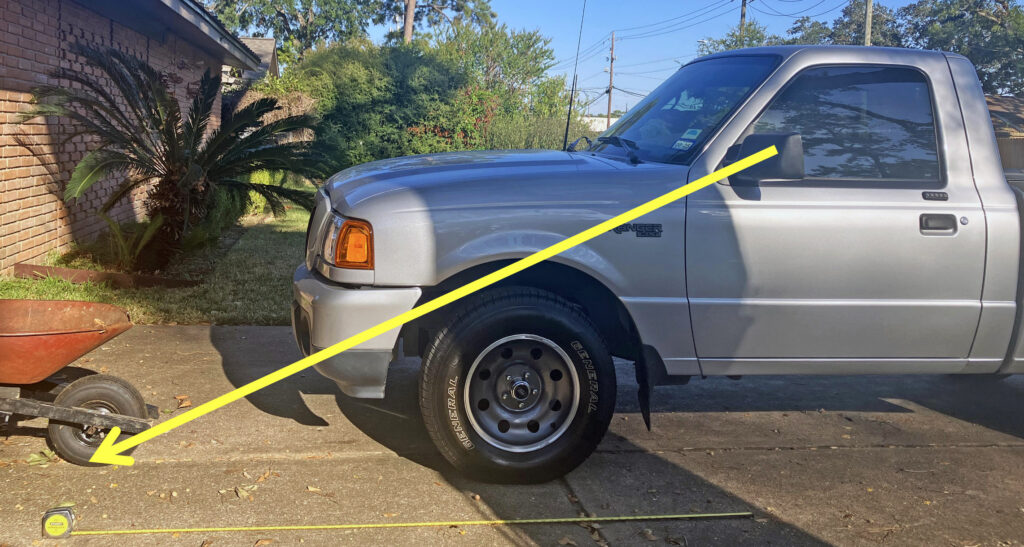
The writer tested that challenge against a Ford Ranger, using a wheelbarrow positioned roughly 83 inches from the steering wheel. From a normal driving posture, the wheelbarrow was hard to see. Getting a view of its rear handles required leaning forward over the wheel and pressing the writer’s head against the headliner. The test isn’t a formal comparison with the NGDV’s specification, but it makes the distance requirement tangible—and shows how much a conventional cabin can hide right in front of the driver.

“The vehicle shall provide an unobstructed view from the 5th-percentile-female and 95th- percentile-male reference eye locations to a point 2.1m (83 in.) forward of the forward plane at the intersection of the ground and centerline planes.”
Front blind spots affect everyday driving
The Ranger exercise points to a broader concern: tall fronts and long sightlines can leave a substantial blind area immediately ahead of a vehicle. A driver may have a clear view of the road farther away while still being unable to see a small object close to the bumper. The source article cites demonstrations involving children and reports from local news organizations as examples of the problem, though it supplies no comparative figures that would quantify how often these incidents occur.
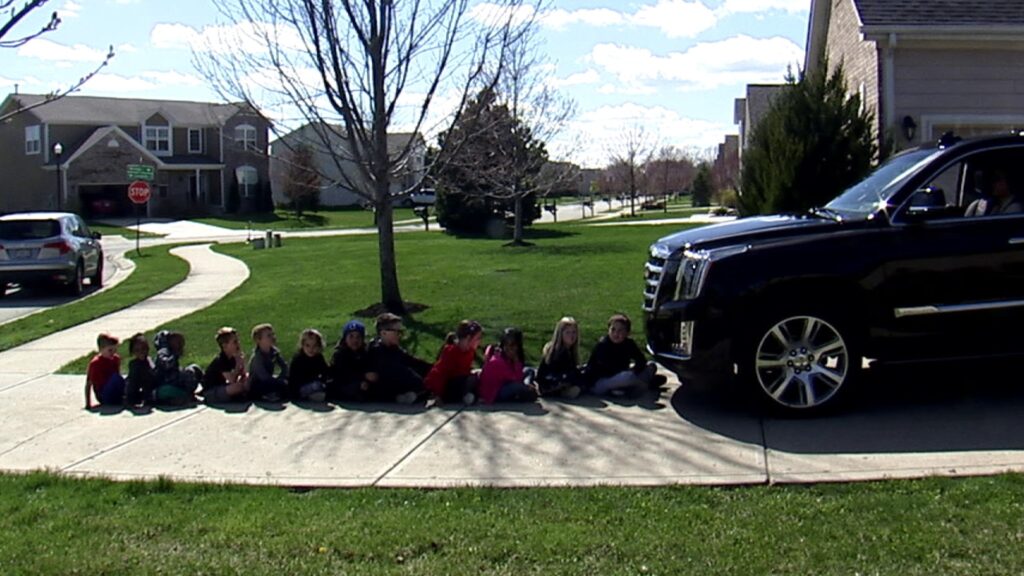
A 2024 Cadillac Escalade gave the writer a larger-vehicle example. The area directly ahead was difficult to see from the driver’s seat, making low-speed manoeuvres stressful. Its front-facing camera helped by showing the space between the SUV and the car ahead on the display. That’s a practical aid, but it adds hardware and depends on a screen and camera continuing to work through years of vibration and heat.
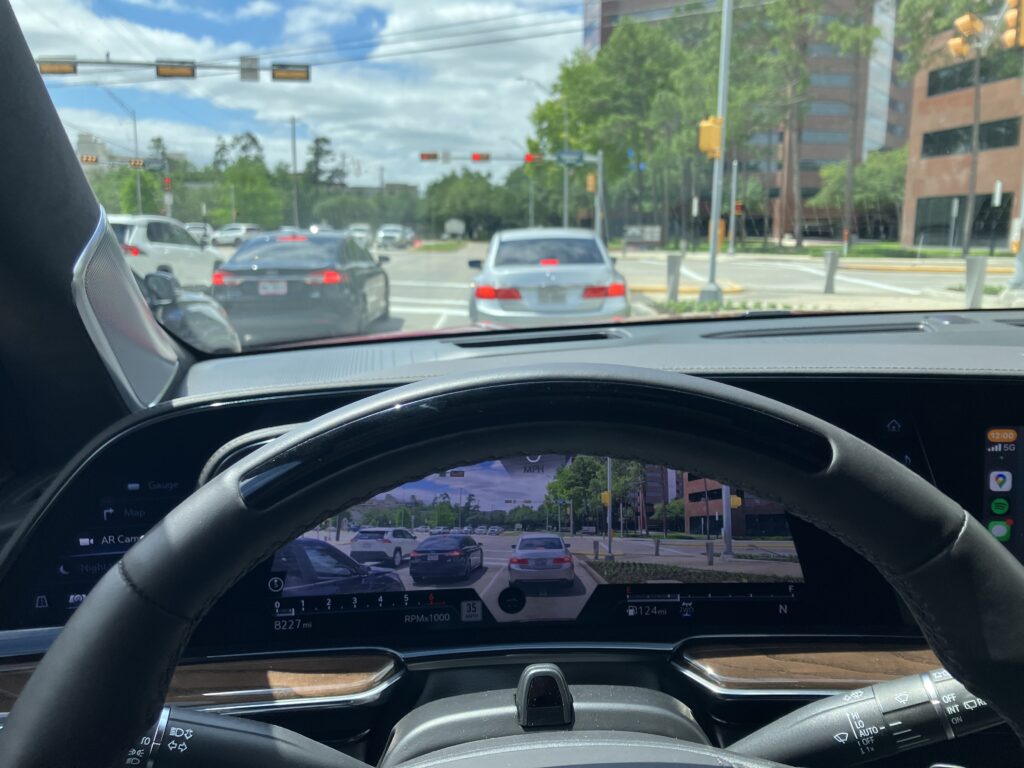
That experience highlights the difference between designing a vehicle to make the front area visible and using a camera to show it after the fact. Cameras can help drivers judge what’s hidden, but the NGDV suggests that sightlines can also be shaped through the hood, windshield, dashboard and seating position. The source offers no long-term reliability data for either approach, so the practical durability of a camera system remains an open question.
A fleet design worth studying
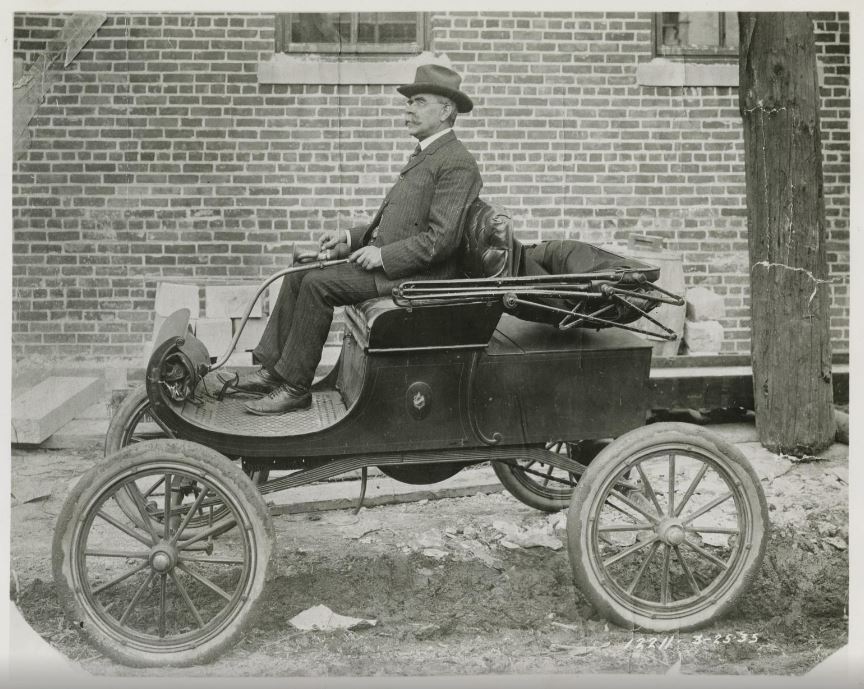
The NGDV’s dashboard rises high around the steering wheel, and the driver sits unusually tall relative to the front bodywork. In the writer’s view, that layout recalls the upright position in an early Curved Dash Oldsmobile. The comparison underlines how far the NGDV departs from the low, sweeping front ends that often define passenger-car styling.
There’s no claim here that the delivery van’s exact layout would suit every car or SUV. Passenger vehicles have different packaging needs, and the source doesn’t provide measurements for comparing the NGDV with specific rivals. Still, its design makes a strong case for treating close-range visibility as a basic part of vehicle packaging, alongside room for occupants and cargo.
For buyers comparing large vehicles, the useful takeaway is simple: check how much of the area ahead is visible from the seat, and see what the front camera displays if the vehicle has one. For designers, the NGDV is a reminder that shape affects both the view and the work a vehicle must do. Its proportions may remain divisive, but they make the priorities legible: give a diverse group of drivers room to work, keep the front blind area down, and build a body that can take daily use.
The post Vellum Venom Vignette: Avoiding the Jungle of Frontover Accidents appeared first on Hagerty Media.


