In lane Electric Vehicles
Volkswagen Design Plan Puts Friendly Styling and Fabric Interiors in Focus
Description
VW design leaders want friendlier cars and better interior materials. The ideas could give models such as the ID. Buzz a warmer, more distinctive feel.
Volkswagen’s design leaders have identified two practical ways to make the brand feel more distinctive: give its cars a friendlier character and spend more on durable, tactile interior fabrics. The ideas could matter most in models such as the ID. Buzz, where heritage is already part of the appeal but the styling still has room to feel more welcoming.
In an interview with Top Gear, Christian Schreiber, Volkswagen’s head of design strategy, and Andy Mindt, its head of design, discussed both the brand’s character and the materials it plans to use. Mindt described the aim as being “the nice guys,” arguing that most people don’t want their cars to project aggression in public. They want to look good and feel happy and optimistic.
That’s a useful design brief because so many current cars lean on sharp lighting and hard-edged details to look assertive. Volkswagen could stand apart by making friendliness a deliberate part of its styling, rather than treating it as a by-product of a particular shape. The brand has a history to draw on: its Beetle advertising could be playful, and the original cars often had an approachable presence.
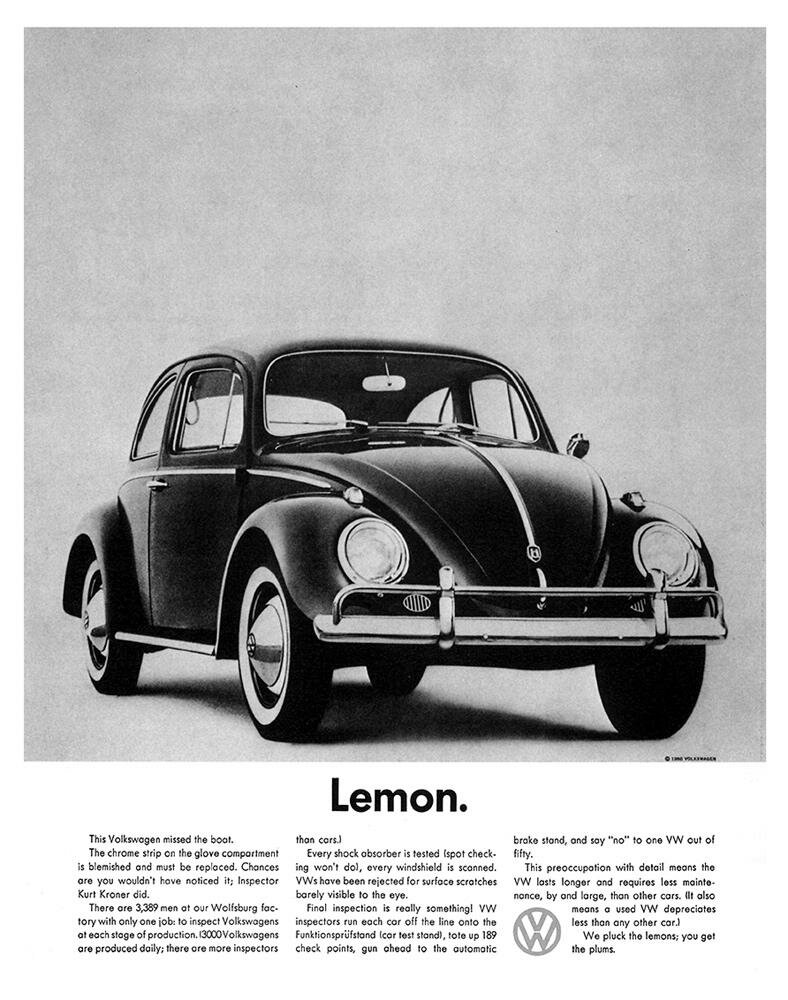
There’s room for Volkswagen to revisit that spirit without copying an old model line for line. Rounded or oval headlights, for example, could soften a vehicle’s expression while still fitting a modern design. The question is whether the company’s talk of heritage will result in visible changes to production cars, or remain a broad statement of intent.
The ID. Buzz is a natural place to look for an answer. Its shape and details already nod to Volkswagen’s van history, but the front lighting gives it a more narrowed expression than the “happy and optimistic” character Mindt described. The author’s proposed changes are specific: use friendlier headlights inspired by the 1998 New Beetle, remove the lighting strip between the lamps, and place a lighted emblem between them instead. A Porsche-like lighting pattern inside the headlights is another suggestion.
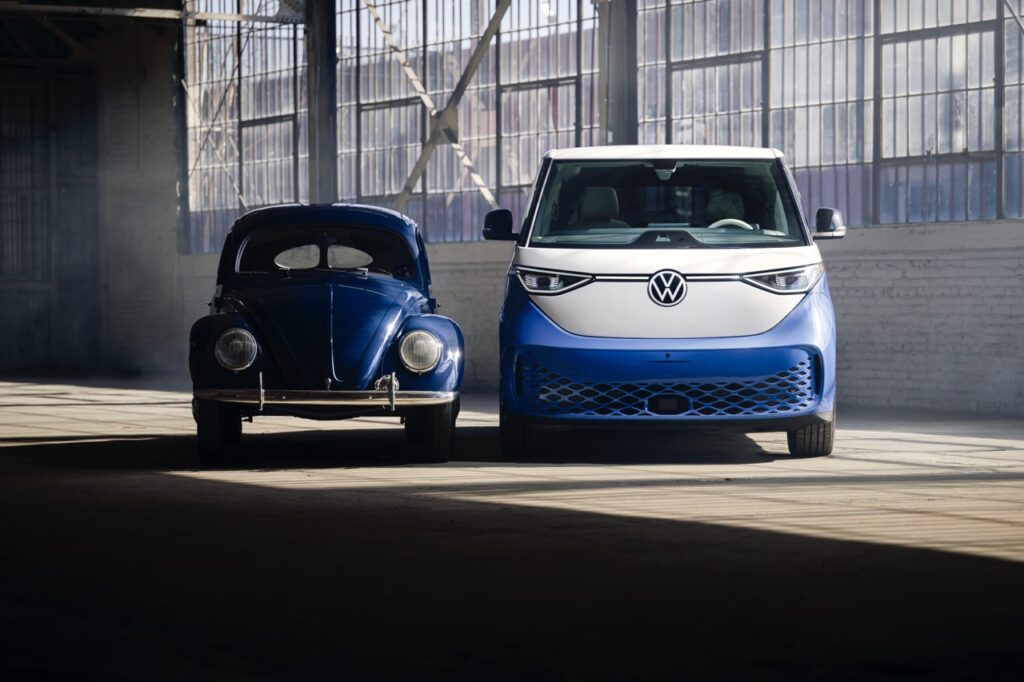
Those are editorial ideas, not announced changes to the ID. Buzz. Still, they point to a wider opportunity: a mid-cycle refresh could make the van’s face feel closer to the easygoing character its retro references suggest. Volkswagen has said it intends to connect its designs with the brand’s heritage, and Mindt told Top Gear that the team would “connect directly with Volkswagen’s heritage.” For buyers, the useful test will be whether future models make that connection legible in their proportions, details and cabin design.
The material plan may have a more immediate effect on everyday ownership. Mindt said Volkswagen intends to reduce cheap plastic and put more of the budget into fabrics and improving quality, which he said could also save money for use elsewhere. That’s a notable choice in a market where screens and glossy trim can dominate cabin impressions, while the surfaces people touch every day get less attention.
“We’re going to try and kick out cheap plastic materials and put the money instead into fabrics and improving quality, which helps save money and means we can use it elsewhere.”
Andy Mindt
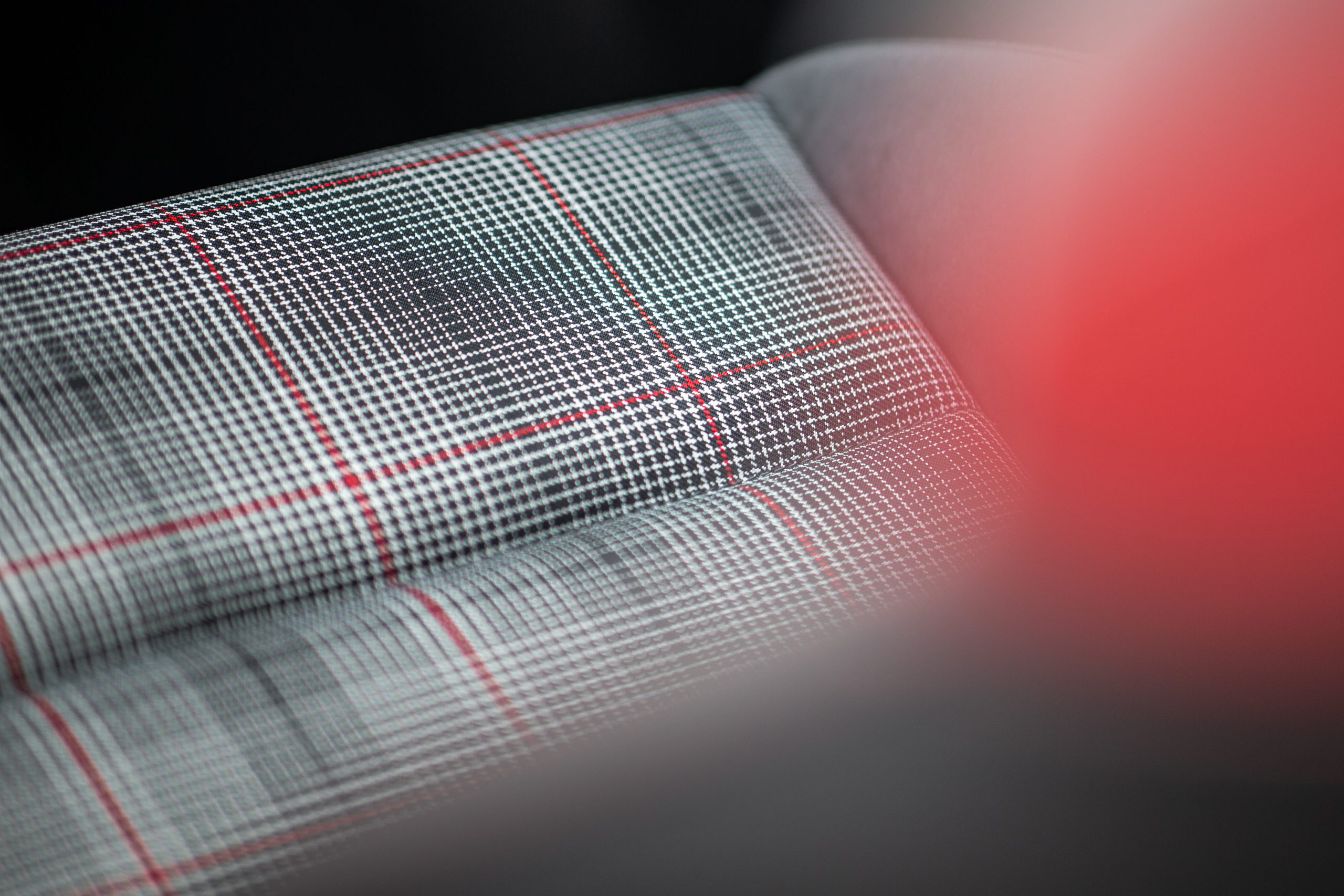
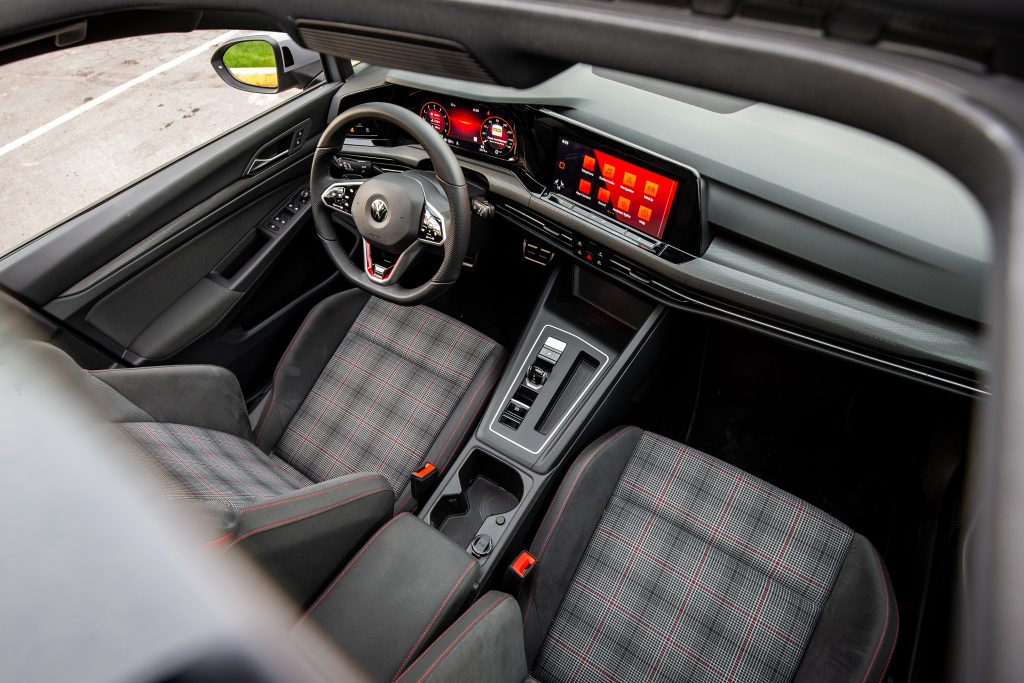
Volkswagen has a ready-made reference in its GTI interiors, where tartan has long been part of the model’s identity. The fabric needn’t be limited to sporty or expensive versions, though. In a broader range of cars, patterned cloth could add texture and warmth while giving buyers a distinct cabin choice. The practical challenge is execution: upholstery still has to cope with regular use, spills and abrasion, and the design must suit the price and role of each vehicle.
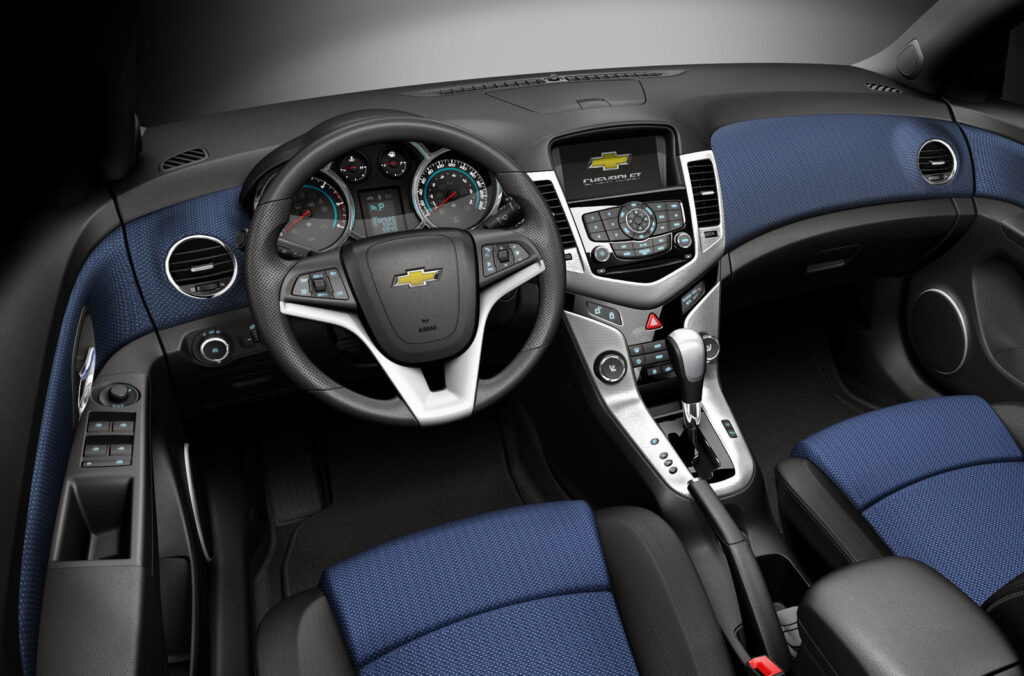
The source points to the 2009 Chevrolet Cruze as evidence that fabric can age well. Its interior used fabric extensively, and the author reports that the material remained in good condition for well over a decade, including in cars that had seen rough use. That’s an individual example rather than a guarantee for every fabric or vehicle, but it makes the case for judging materials by their real service life, not by how expensive they look on a showroom floor.
Volkswagen already uses plaid in the GTI, so extending more adventurous textiles to other models wouldn’t require the company to invent a new design language. The brand could use different colors and patterns to suit each car, while keeping the material strategy consistent. For buyers, that could mean more choice than a cabin dominated by plastic or a standard leather interior; for Volkswagen, it offers a way to make a car feel personal without relying on aggressive exterior styling.
The timing gives these design choices added weight. The source reports that Volkswagen Group’s year-to-date stock price had fallen roughly 16 percent, while Chinese EV brands and labor conflicts were adding pressure. Volkswagen has also faced a tougher position in China, where its past position as a market leader may be difficult to regain. Design alone won’t resolve those challenges, but products that feel recognizably Volkswagen could help the brand make a clearer case to buyers.
My read is that the strongest part of the proposal is its focus on details drivers live with: the expression a car presents from the curb and the feel of its cabin over years of use. If Volkswagen follows through on friendlier forms and fabrics beyond the GTI, the payoff could be a more distinctive range that feels less interchangeable. The ID. Buzz is an obvious place to start, and its next design update will show whether the brand’s stated character can become a visible product choice.


